⚡ FLASH SALE: Get 60% OFF All Premium 3D & STL Models! ⚡

The automotive world is undergoing a profound transformation, driven by an accelerating fusion of digital design and physical manufacturing. At the heart of this revolution lies 3D modeling and additive manufacturing – more commonly known as 3D printing. No longer confined to rapid prototyping in sterile labs, 3D printing has emerged as a powerful tool for creating functional custom car parts, intricate design components, and even full-scale replicas. For 3D artists, automotive designers, game developers, and visualization professionals, understanding the intricate relationship between high-fidelity 3D car models and their physical manifestations is paramount. This deep dive will explore how cutting-edge 3D modeling techniques converge with the versatility of 3D printing to unlock unprecedented possibilities in automotive design, customization, and interactive experiences. We’ll journey through the essential workflows, technical considerations, and best practices that elevate digital concepts into tangible reality, empowering creators to push the boundaries of automotive innovation.
From designing bespoke interior components for classic car restorations to developing concept vehicles for virtual reality showrooms, the demand for precise, high-quality 3D automotive assets has never been greater. We’ll unravel the complexities of preparing models for both rendering and physical fabrication, ensuring your digital masterpieces translate seamlessly into the physical world or optimized virtual environments. Join us as we explore the tools, techniques, and insights necessary to navigate this exciting intersection of art, engineering, and digital craftsmanship.
The journey from concept to tangible automotive component or immersive visualization begins with meticulously crafted 3D models. These digital blueprints serve as the foundation for everything from aerodynamic simulations to photorealistic marketing renders and, crucially, for additive manufacturing. In automotive design, the precision, detail, and topological integrity of a 3D model are non-negotiable. Whether you’re designing a new spoiler, a custom dashboard trim, or an entire vehicle chassis for a design study, the quality of your initial 3D model dictates the success of all subsequent stages.
Historically, automotive design relied heavily on physical clay models and laborious manual prototyping. Today, advanced CAD (Computer-Aided Design) software and polygonal modeling tools have revolutionized this process, allowing designers to iterate rapidly, test designs virtually, and collaborate globally with unprecedented efficiency. High-quality 3D car models, such as those found on platforms like 88cars3d.com, are essential starting points for artists looking to modify, print, render, or integrate vehicles into various projects. These models must not only look visually appealing but also possess underlying technical integrity suitable for diverse applications, from high-fidelity rendering in Corona or V-Ray to real-time performance in game engines like Unity or Unreal, and ultimately, for robust 3D printing.
The typical automotive design workflow often starts with concept sketches, evolving into 2D blueprints, and then transitioning into 3D using specialized software. Initial conceptual modeling might use subdivision surface techniques in tools like Blender or Maya for organic shapes, while more engineering-focused components often begin in parametric CAD software such as SolidWorks, CATIA, or Fusion 360. The choice of software depends on the specific design intent: organic sculpting for aesthetic panels versus precise engineering for functional parts. For both, maintaining clean topology – the arrangement of polygons and edges – is crucial. For polygonal models, this ensures smooth surfaces when subdivided and predictable deformations, which is vital for any subsequent modifications or simulations. For CAD models, precision and manufacturability are inherently baked in, making them ideal for direct printing or CNC machining.
Beyond physical production, high-fidelity 3D automotive models are the cornerstone of digital twins – virtual replicas used for simulation, testing, and marketing. These digital assets are invaluable for creating stunning photorealistic visualizations that captivate audiences and communicate design intent long before a physical prototype exists. Using rendering engines like 3ds Max with Corona Renderer, Blender’s Cycles, V-Ray, or Arnold, artists can produce imagery that is indistinguishable from real-world photographs. This level of realism requires not just a well-modeled car, but also expertly crafted PBR materials, sophisticated lighting setups, and meticulous attention to detail in post-processing. The digital twin approach extends to interactive experiences in AR/VR and game development, where optimized versions of these models bring vehicles to life in virtual showrooms or high-octane racing simulations, showcasing their potential and functionality in new, immersive ways.
The transition from a visually stunning 3D model to a physically printable object or a performance-optimized game asset requires a meticulous approach to its underlying structure. For 3D printing, specifically, the mesh integrity is paramount. A model that looks perfect on screen might contain subtle errors – non-manifold geometry, inverted normals, or open edges – that will cause significant issues during the slicing and printing process. Automotive models, with their complex curves, intricate details, and often hollowed interiors, present unique challenges.
Clean topology, characterized by quads (four-sided polygons) and smooth edge flow, is a best practice for high-quality subdivision surfaces and animation, but for 3D printing, the focus shifts to creating a “watertight” or “manifold” mesh. A watertight mesh means that every edge connects to exactly two faces, forming a completely enclosed volume without any gaps, holes, or overlapping geometry. This is non-negotiable for slicers to generate toolpaths correctly. CAD models inherently excel here due to their solid modeling nature, but polygonal models often require specific cleanup and preparation steps.
The most critical step for 3D printing preparation is ensuring your model is completely watertight. This means identifying and repairing any non-manifold edges, disconnected vertices, or internal faces. Software like Blender, Maya, or 3ds Max offer tools for mesh inspection and repair (e.g., “Clean Up” in Blender, “Mesh Cleanup” in Maya, “STL Check” in 3ds Max). Online services like Netfabb or Meshmixer are also invaluable for automated repair processes, often able to fix issues that are difficult to locate manually. When exporting for 3D printing, the STL (Stereolithography) format is the industry standard due to its simplicity in defining surface geometry, though OBJ is also widely supported. Always double-check the export settings to ensure scale and units are correct – a common pitfall that can lead to miniature or oversized prints.
For custom automotive parts, considerations like wall thickness are vital. A part designed for strength will require appropriate wall thickness (e.g., 2-3mm for FDM, 1-2mm for SLA/SLS) to prevent breakage during handling or under stress. Interior cavities, if intended for lightweighting, need proper drainage holes if using resin-based printers (SLA/DLP) to prevent uncured resin from being trapped. These practical considerations directly influence the modeling process, requiring forethought during the initial design phase.
While an extremely high polygon count might be desirable for photorealistic renders, it can be detrimental for 3D printing, leading to excessively large file sizes and potentially slow slicing times without a significant increase in print quality. Conversely, too low a polygon count will result in visible facets on curved surfaces. The goal is to strike a balance, typically aiming for enough polygons to represent smooth curves without overdoing it. A good practice is to export an STL with a reasonable resolution (often controlled by “deviation” or “angle tolerance” settings in CAD software) and check the resulting mesh. For example, exporting a car wheel at a deviation of 0.01mm might be appropriate for a high-detail print, while 0.1mm could suffice for a larger, less critical component. Correct scale is also crucial; designing in real-world units (e.g., millimeters or inches) and ensuring your 3D printing software interprets these units correctly prevents frustrating resizing issues.
Once your automotive 3D model boasts impeccable topology and is watertight, the next phase involves preparing it specifically for the chosen 3D printing technology. This stage is where digital design truly interfaces with physical manufacturing, requiring an understanding of the printer’s capabilities, material properties, and the physical stresses the part will endure. Properly preparing a model for 3D printing involves more than just exporting an STL; it encompasses considerations for orientation, support structures, infill, and slicing parameters, all of which directly impact print quality, material usage, and overall print success.
The process often begins in a slicer software such as Ultimaker Cura, PrusaSlicer, or Simplify3D. These programs translate your 3D model into a series of thin layers, generating G-code instructions that your 3D printer understands. This is where you fine-tune critical print settings that can make or break your custom automotive part. For example, printing a custom air duct for a car engine will require different settings and material considerations than printing a scale model for display. Recognizing these distinctions is key to achieving optimal results, whether you’re working with filament (FDM), resin (SLA/DLP), or powder-based (SLS) printers.
The orientation of your model on the build plate significantly affects print quality, required support structures, and even print time. For FDM printing, minimizing overhangs by orienting parts to have the largest flat surface on the build plate is often ideal. This reduces the need for supports, saving material and post-processing effort, while improving structural integrity. When supports are unavoidable (e.g., for complex automotive grilles or undercuts), they need to be strategically placed to ensure structural integrity during printing without damaging the part’s surface upon removal. Common support patterns include lines, grids, or trees, with different densities and contact points. For resin printers, parts are often angled to reduce layer lines and peel forces, requiring more robust, tree-like supports. Achieving proper build plate adhesion is also vital to prevent warping or detachment during printing, especially for larger automotive parts. This might involve using brims, rafts, or adhesives like glue sticks or hairspray on the build plate, tailored to the specific material (e.g., ABS is more prone to warping than PLA).
Slicer software allows control over internal structure through infill percentage and pattern. For purely aesthetic custom car parts or display models, a low infill (e.g., 5-15%) with a simple pattern like ‘grid’ or ‘gyroid’ can save significant material and print time. For functional components, higher infill percentages (e.g., 30-80%) and robust patterns like ‘cubic’ or ‘honeycomb’ provide increased strength and rigidity, crucial for parts that will experience stress within a vehicle. The number of ‘shells’ or ‘perimeters’ (outer layers) also contributes to strength and surface finish; typically, 2-4 shells are used. Layer height, which dictates the thickness of each printed layer, directly impacts print resolution and smoothness. Finer layer heights (e.g., 0.1mm-0.16mm) produce smoother surfaces ideal for highly visible custom car parts or detailed scale models, albeit at the cost of longer print times. Thicker layers (e.g., 0.2mm-0.3mm) are faster but result in more visible layer lines, suitable for less critical functional prototypes or internal components.
3D printing a custom automotive part is often just the first step in a larger process. The journey from raw print to a finished, functional component involves careful consideration of materials and extensive post-processing. The selection of the right material is critical, dictated by the intended application, required strength, temperature resistance, chemical resistance, and aesthetic finish. For instance, a custom bracket in an engine bay needs high-temperature resistance and strength, while an interior trim piece might prioritize surface finish and UV stability. This material choice informs the entire printing strategy and subsequent post-processing steps.
Post-processing can range from simple support removal and sanding to complex chemical smoothing, painting, and assembly. The goal is always to transform the raw 3D print into a part that meets the design specifications and integrates seamlessly into the vehicle or display. This stage demands patience, skill, and an understanding of how different materials react to various finishing techniques, ultimately bringing the digital design to its physical zenith.
The array of 3D printing materials available today offers diverse properties suitable for various automotive needs. For FDM printers, PLA is great for quick, low-stress prototypes due to its ease of printing. ABS and PETG offer better heat resistance and durability for functional components like custom phone holders or interior trim, with PETG being particularly popular for its strength and moderate flexibility. For parts requiring high strength and heat resistance, especially under the hood, materials like Nylon (PA) or advanced composites infused with carbon fiber or glass fiber (e.g., PA-CF, PETG-CF) are excellent choices. These offer properties approaching injection-molded plastics. For highly detailed and smooth custom parts, such as intricate dashboard buttons or scaled model components, SLA resins excel, providing exceptional surface finish. For industrial applications and end-use parts, SLS nylon (PA12) is renowned for its isotropic mechanical properties and excellent durability, suitable for complex geometries without supports.
Post-processing is where the raw printed part truly comes to life. For FDM prints, this often involves carefully removing support structures, sanding away imperfections, and potentially using fillers or epoxy coatings to smooth layer lines. Acetone vapor smoothing can be used for ABS prints to achieve a glossy, seamless finish, but requires careful handling. For SLA prints, initial steps include washing off uncured resin and a crucial post-curing process under UV light to fully solidify the part and achieve its optimal mechanical properties. Once cleaned and cured, resin prints can be easily sanded, primed, and painted to match specific automotive colors or textures. Achieving a professional finish often involves multiple sanding stages (e.g., 200 grit to 2000 grit), followed by priming and painting with automotive-grade paints. For assembly, various methods like adhesives (epoxy, super glue), threaded inserts, or heat-set inserts can be employed to integrate custom 3D printed components securely into a larger assembly, creating truly bespoke custom 3D car parts.
While 3D printing focuses on physical output, the vast majority of 3D car models are initially designed for, or eventually adapted for, digital consumption. This includes high-end photorealistic rendering, real-time interactive experiences in video games, and immersive applications in Augmented and Virtual Reality. Each of these digital realms presents unique technical requirements and optimization challenges that differ significantly from those of 3D printing. The core principle, however, remains consistent: a well-structured, high-quality base model, often sourced from reputable platforms like 88cars3d.com, provides the best foundation for adaptation.
Optimizing a 3D automotive model for these diverse digital applications involves a balance between visual fidelity and performance. A model destined for a cinematic render in 3ds Max with Corona can afford millions of polygons and 8K textures, while the same model in a mobile AR app might need to be below 50,000 polygons with 2K atlased textures. Understanding these differing requirements and employing the right optimization strategies is crucial for delivering exceptional digital automotive experiences across various platforms.
For photorealistic rendering, the focus is on maximizing visual fidelity. This involves meticulous PBR (Physically Based Rendering) material creation, which accurately simulates how light interacts with surfaces. A PBR workflow typically involves multiple texture maps: Albedo/Base Color, Metallic, Roughness, Normal, Ambient Occlusion, and sometimes Height or Emission maps. Texture resolutions can range from 4K to 8K for primary body panels and intricate details like tire treads or headlight internals. Software like Substance Painter is invaluable for texturing automotive models, allowing artists to paint realistic wear, dirt, and material variations. In rendering engines (V-Ray, Corona, Cycles, Arnold), a sophisticated lighting setup is essential. This often involves HDR (High Dynamic Range) image-based lighting for realistic environmental reflections, combined with targeted area lights or photometric lights to accentuate specific features or create studio-style illumination. Post-processing in tools like Photoshop or After Effects is then used for color grading, adding lens flares, depth of field, and other photographic effects to achieve that final, polished look.
Real-time applications like games and AR/VR demand stringent performance optimization. The primary goals are to reduce polygon count, minimize draw calls, and optimize texture memory. This is achieved through several techniques:
For AR/VR, models also need to be optimized for mobile chipsets, often requiring even lower polygon counts (e.g., 20,000-50,000 triangles for an entire car) and heavily optimized textures (e.g., 1K-2K). File formats like GLB (for web AR/VR) and USDZ (for Apple AR Quick Look) are popular choices, known for their compact nature and PBR material support.
The convergence of advanced 3D modeling, high-fidelity visualization, and sophisticated 3D printing technologies is not merely a trend; it’s a fundamental shift in how the automotive industry operates. This digital transformation is reshaping everything from initial concept design and rapid prototyping to personalized manufacturing and aftermarket customization. As technologies mature and become more accessible, we are witnessing a paradigm shift from mass production to mass customization, where individual consumers and niche markets can directly influence vehicle design and components.
The future promises even tighter integration between these digital and physical realms. Imagine downloading a blueprint for a custom steering wheel, modifying it in a user-friendly 3D environment, and having it 3D printed from high-strength composites within hours. This level of personalized manufacturing is becoming a reality, empowering both professionals and enthusiasts. Platforms that provide high-quality base models, such as 88cars3d.com, will play an increasingly vital role in democratizing access to complex automotive designs, serving as a hub for innovation and customization.
The ability to create custom 3D car parts on demand unlocks unprecedented levels of personalization. From bespoke interior trims perfectly matching a driver’s ergonomic needs to aerodynamic body kits tailored for specific track performance, 3D printing enables the creation of unique components that were previously cost-prohibitive or impossible with traditional manufacturing. This extends to classic car restoration, where rare or discontinued parts can be reverse-engineered and 3D printed, breathing new life into vintage vehicles. This on-demand manufacturing reduces waste, minimizes inventory, and offers unparalleled flexibility in design iteration, allowing designers to quickly test and refine physical prototypes before committing to expensive tooling.
As materials science advances, we will see 3D printed parts that not only match but potentially exceed the performance of their traditionally manufactured counterparts, especially in terms of lightweighting and complex internal geometries. Multi-material printing and embedded electronics are also paving the way for smart, integrated components that can monitor performance, provide feedback, or even self-repair. The entire automotive supply chain stands to benefit from these advancements, streamlining production and fostering greater agility in response to market demands.
The digital twin concept, powered by accurate 3D models, will continue to expand its influence. Beyond design and manufacturing, digital twins allow for continuous monitoring and predictive maintenance of vehicles throughout their lifecycle, using real-time data to inform operational decisions. In sales and marketing, AR/VR experiences, built upon optimized 3D models, will become the norm for showcasing new vehicles, allowing customers to explore configurations, customize features, and even “test drive” cars in virtual environments from anywhere in the world. Imagine projecting a full-scale 3D car model into your driveway with an AR app, or exploring its interior in a VR showroom – all made possible by the meticulous work of 3D artists and developers creating game-ready assets. The feedback loop between virtual experiences and physical fabrication will shorten, leading to faster design cycles and more innovative products. This dynamic interplay between the digital and the physical underscores the growing importance of expertly crafted 3D automotive models as the foundation for both cutting-edge visualization and tangible custom components.
The journey from a conceptual sketch to a tangible, custom automotive part or a breathtaking digital render is a testament to the power of modern 3D technology. We’ve explored how meticulous 3D modeling, rigorous preparation for 3D printing, and savvy optimization for digital platforms are not just individual skills but interconnected facets of a holistic design and production pipeline. From the critical importance of watertight topology for a successful 3D print to the nuanced creation of PBR materials for photorealistic rendering, every step demands precision and technical understanding.
The synergy between high-quality 3D car models and 3D printing is rapidly democratizing automotive design, enabling personalization and rapid prototyping on an unprecedented scale. Concurrently, the demand for highly optimized 3D automotive models for game development, AR/VR experiences, and visualization continues to grow, pushing the boundaries of interactive and immersive content. Whether you’re an engineer crafting functional components, an artist creating stunning visuals, or a developer building virtual worlds, the foundational asset – a well-made 3D car model – remains paramount.
As you embark on your next automotive project, remember that the success of your endeavors hinges on the quality and adaptability of your 3D assets. Investing in clean, well-structured models, understanding the specific requirements of your output (be it a physical print, a game asset, or a high-res render), and employing best practices for optimization will empower you to transform your visions into stunning realities. Explore reputable sources for your base models, such as 88cars3d.com, to ensure you start with the highest quality foundation. The digital forge is open, and with these insights, you are now better equipped to craft the future of automotive design.
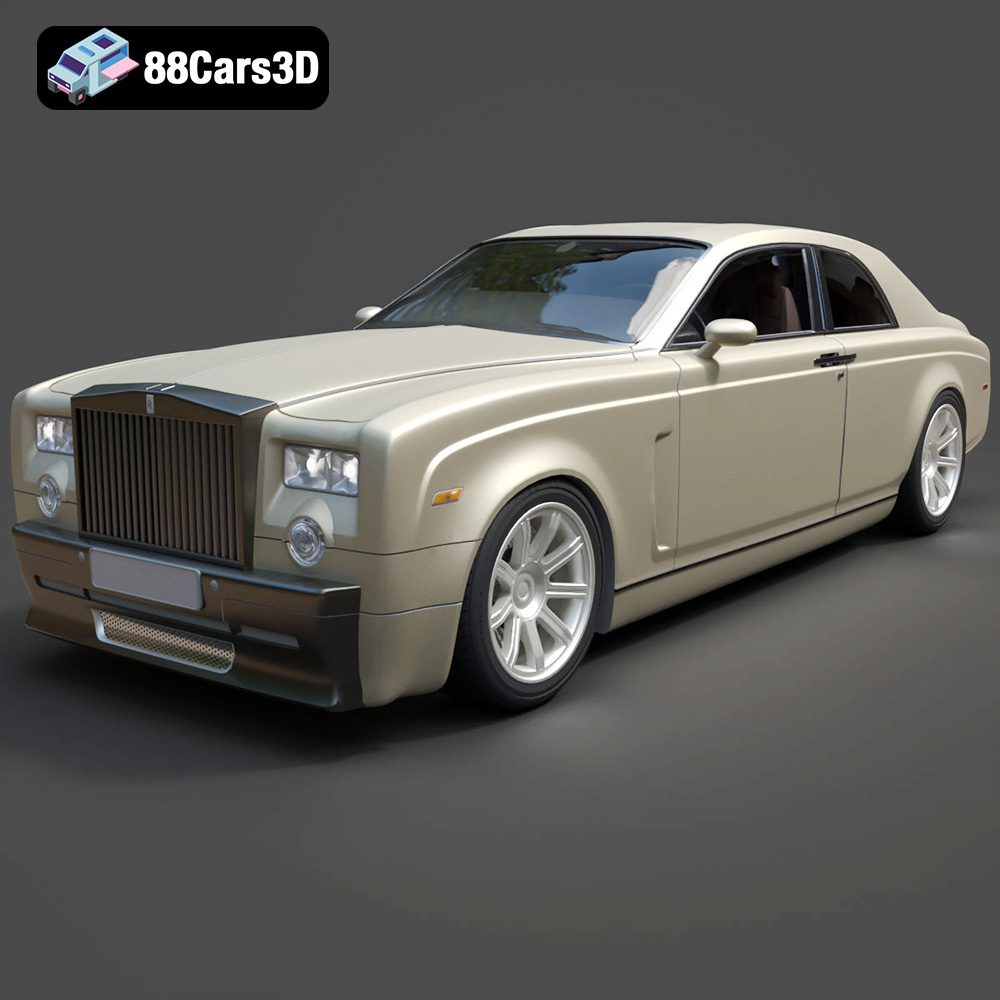
Texture: Yes
Material: Yes
Download the Rolls-Royce Phantom Coupe 3D Model featuring clean geometry, realistic detailing, and a fully modeled interior. Includes .blend, .fbx, .obj, .glb, .stl, .ply, .unreal, and .max formats for rendering, simulation, and game development.
Price: $10
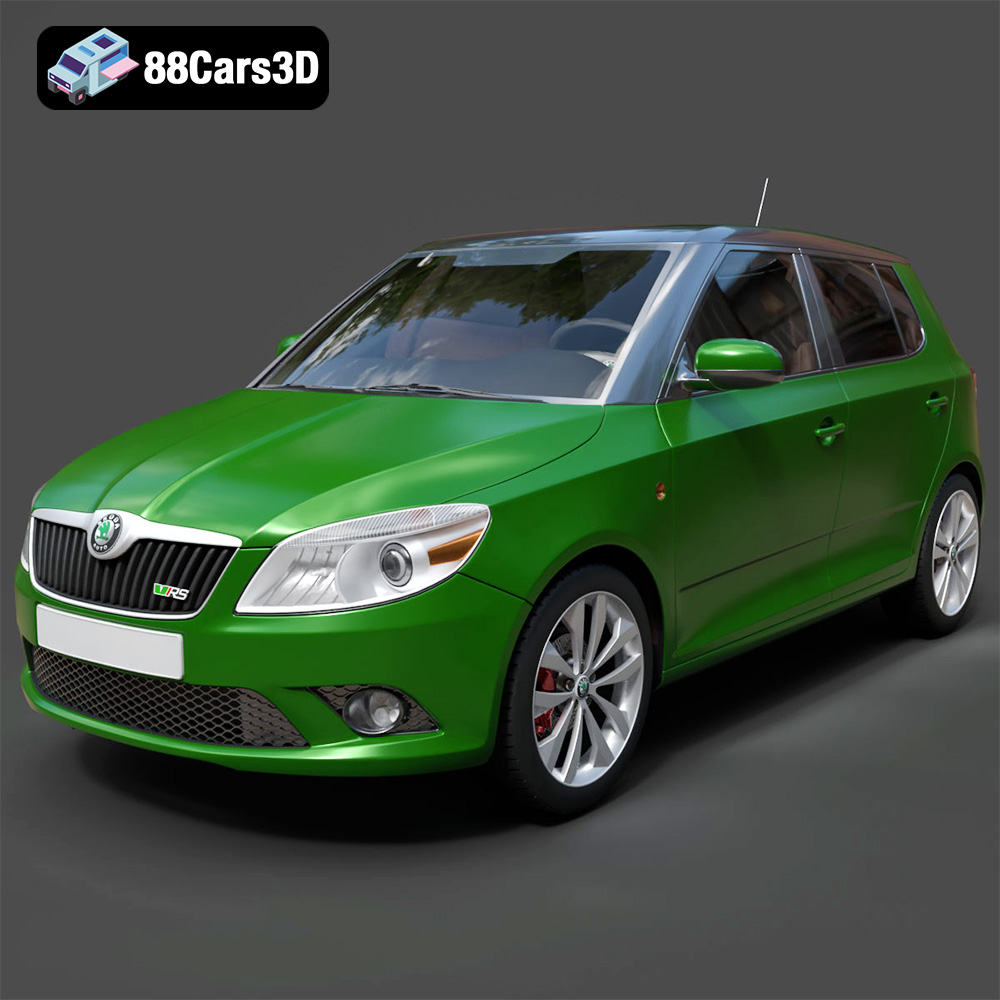
Download the Skoda Fabia RS 2011 3D model, an accurately detailed vehicle asset perfect for game development, rendering, and AR/VR applications. Includes multiple formats for versatile use.
Price: $10
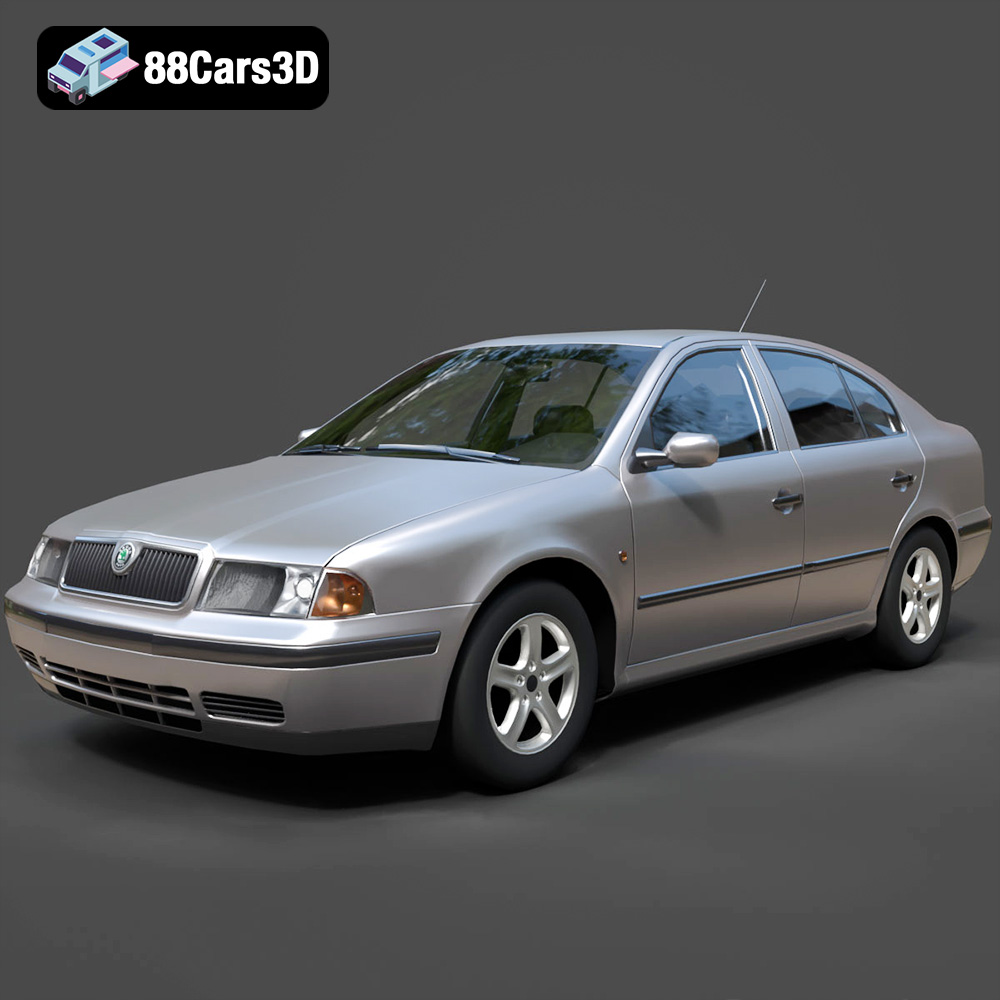
A detailed 3D model of the Skoda Octavia 1997, suitable for various digital applications including game development, rendering, and AR/VR.
Price: $10
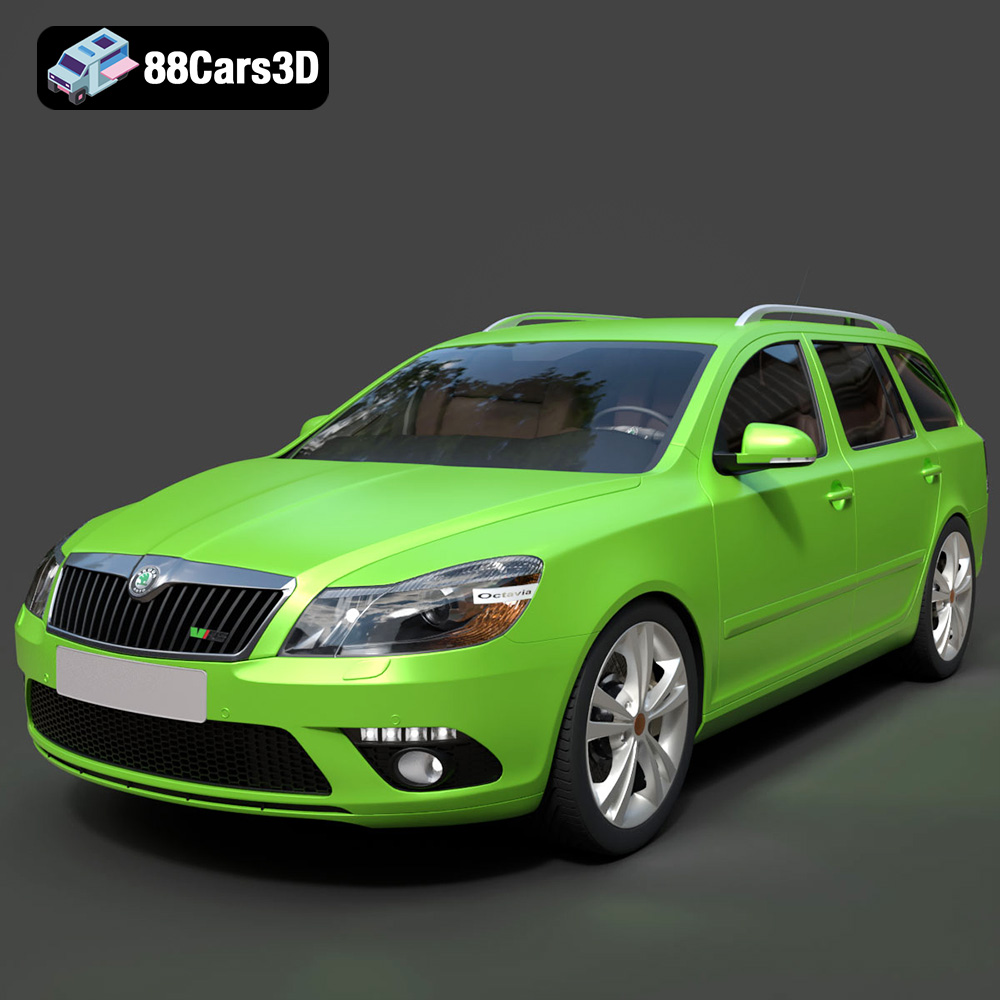
A highly detailed 3D model of the Skoda Octavia RS Combi 2010, designed for realism and versatility across various digital applications.
Price: $10

A precisely detailed 3D model of the Skoda Octavia Combi, suitable for game development, rendering, AR/VR, and visualizations. Includes multiple optimized file formats for broad compatibility.
Price: $10

A realistic 3D model of the Ford Mustang ELEANOR GT500, optimized for various professional applications including game development, rendering, and AR/VR.
Price: $10
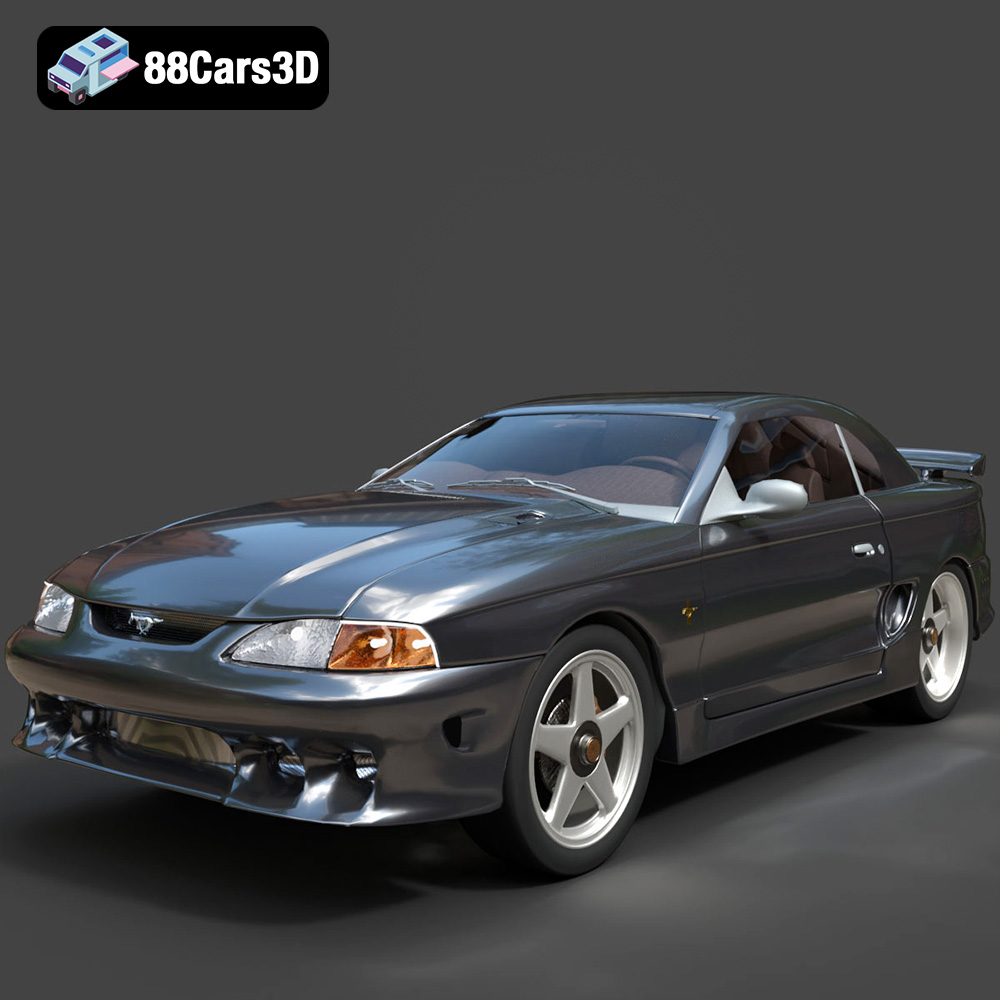
Presenting the accurately detailed Ford Mustang Coupe 1996 3D model, ready for game engines, rendering, and visualization. This professional-grade asset includes clean geometry and realistic materials.
Price: $10
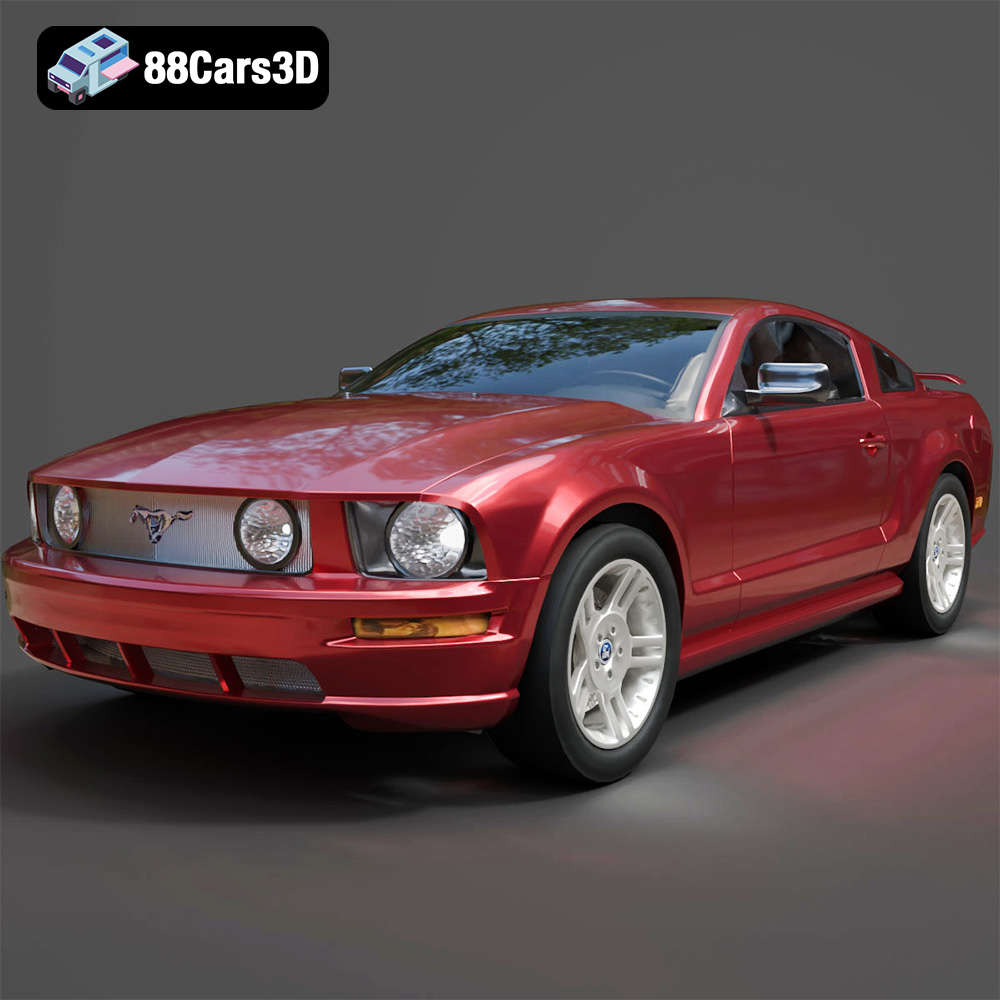
Meta Description:**
Texture: Yes
Material: Yes
Download the Ford Mustang 2005 3D Model featuring detailed geometry, realistic interior, and clean topology. Includes .blend, .fbx, .obj, .glb, .stl, .ply, .unreal, and .max formats for rendering, simulation, and game development.
Price: $6.99
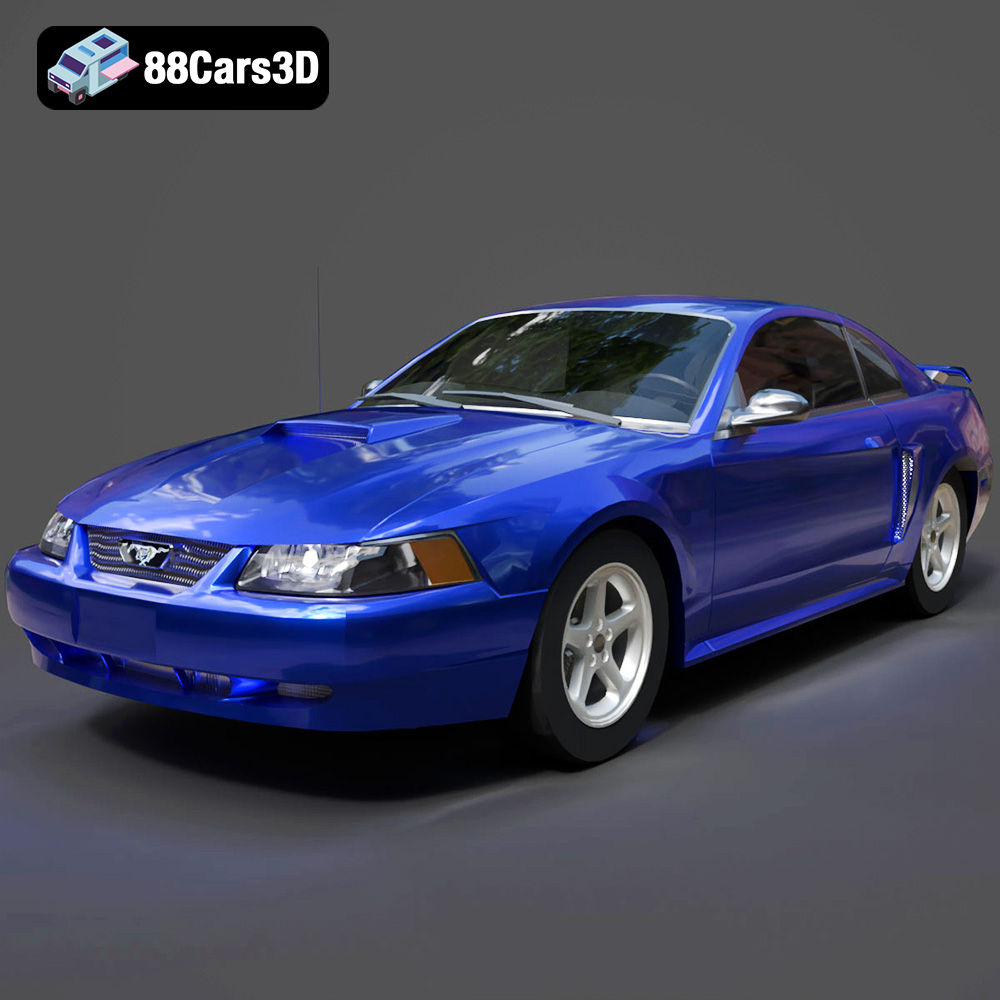
*Meta Description:**
Texture: Yes
Material: Yes
Download the Ford Mustang 1999 3D Model with detailed geometry, realistic interior, and accurate proportions. Includes .blend, .fbx, .obj, .glb, .stl, .ply, .unreal, and .max formats for rendering, simulation, and game development.
Price: $6.99

Meta Description:**
Texture: Yes
Material: Yes
Download the Ford Mondeo Wagon 3D Model with realistic details, clean geometry, and accurate dimensions. Includes .blend, .fbx, .obj, .glb, .stl, .ply, .unreal, and .max formats for rendering, game development, and simulation.
Price: $6.99

