⚡ FLASH SALE: Get 60% OFF All Premium 3D & STL Models! ⚡

The automotive world has always been at the forefront of innovation, driven by a relentless pursuit of speed, efficiency, and aesthetic appeal. Today, a new revolution is underway, not just on the assembly line, but in the digital realm and beyond. The convergence of high-quality 3D car models, advanced 3D printing technologies, and sophisticated automotive 3D design software is fundamentally transforming how vehicles are conceived, developed, customized, and even sold. From creating stunning visualizations for marketing campaigns to fabricating custom performance parts and experiencing vehicles in immersive AR/VR environments, the possibilities are vast and continually expanding.
This comprehensive guide delves into the intricate world where digital artistry meets engineering precision. We’ll explore the critical role of clean topology and realistic PBR materials, the practical applications of 3D printing for functional components, the intricacies of rendering workflows, and the crucial optimization techniques for interactive experiences like games and virtual reality. Whether you’re a seasoned 3D artist, an aspiring automotive designer, a game developer, or a student looking to master the craft, understanding these core concepts is paramount. Join us as we uncover the workflows, best practices, and challenges in leveraging 3D car models to drive innovation in the automotive industry.
At the heart of any successful automotive visualization, simulation, or physical fabrication project lies a meticulously crafted 3D car model. A high-quality model is not merely a visually appealing asset; it’s a robust digital blueprint that serves as the backbone for every subsequent stage, from rendering breathtaking commercials to optimizing assets for real-time game engines or preparing for 3D printing. The emphasis here is on precision, efficiency, and adherence to industry best practices. Without a solid foundation, subsequent processes become riddled with complications, leading to wasted time, compromised quality, and increased costs.
When sourcing 3D car models, platforms like 88cars3d.com specialize in providing assets that meet rigorous standards. These models are designed to be production-ready, featuring clean topology, accurate dimensions, and carefully prepared UV layouts. Such attention to detail ensures that artists and developers can integrate these models seamlessly into their workflows without having to spend valuable time on extensive clean-up or rework. This foundational quality is what empowers complex operations like subdivision surfacing for cinematic renders, efficient retopology for game assets, or watertight mesh preparation for additive manufacturing.
Topology refers to the arrangement of vertices, edges, and faces that form the surface of a 3D model. For automotive models, pristine topology is non-negotiable. Car bodies are characterized by smooth, continuous curves, sharp creases, and complex panel gaps. Good topology, primarily composed of quads (four-sided polygons), allows for smooth subdivision, enabling the model to retain its shape and details even at extremely high polycounts for close-up renders. Key principles include:
Achieving clean edge flow in automotive models requires an understanding of both the vehicle’s design intent and the underlying mathematical principles of curved surfaces. It’s a meticulous process often performed in software like 3ds Max, Blender, or Maya, where artists meticulously build the mesh, ensuring every curve flows naturally and every panel gap is crisply defined.
UV mapping is the process of flattening the 3D surface of a model into a 2D space, allowing 2D textures to be applied accurately. For complex surfaces like those found on cars, well-executed UV mapping is crucial for seamless texture application without stretching or distortion. Best practices include:
Once UVs are laid out, Physically Based Rendering (PBR) materials come into play to achieve photorealism. PBR shaders simulate how light interacts with surfaces in the real world, producing highly accurate reflections, refractions, and diffuse lighting. Key PBR maps include:
Crafting realistic car paint, chrome, glass, and rubber requires a deep understanding of PBR principles and material layering, often utilizing software like Substance Painter, Mari, or directly within render engines like Corona Renderer, V-Ray, Cycles, or Arnold.
The ability to transform a digital 3D car model into a tangible physical object through 3D printing has revolutionized the automotive industry. What once took weeks or months for traditional manufacturing methods can now be achieved in hours or days, enabling rapid prototyping, custom part fabrication, and even the creation of functional components for concept cars or limited-run vehicles. This technology offers unparalleled design freedom, allowing engineers and designers to iterate quickly, test complex geometries, and produce lightweight, optimized structures that would be impossible with conventional manufacturing.
Beyond prototyping, 3D printing is increasingly used for end-use parts. This includes specialized tooling, jigs, and fixtures for assembly lines, as well as highly customized interior components, aerodynamic enhancements, or bespoke performance parts for high-end or classic vehicles. The potential for on-demand manufacturing reduces inventory costs, shortens supply chains, and opens doors to personalization previously unimaginable, moving beyond mass production towards hyper-customization.
Not every 3D car model is immediately ready for 3D printing. The mesh needs to be “watertight” or “manifold,” meaning it has no holes, internal geometry, or non-manifold edges. A perfectly closed volume is essential because 3D printers build layer by layer based on this volume. Any imperfections will result in printing errors or failed prints. Key preparation steps include:
Once the model is prepared, it’s typically exported to an STL (StereoLithography) or OBJ format, which are standard for 3D printing, and then processed by a slicer software that generates the machine-specific G-code instructions.
The choice of 3D printing technology and material heavily depends on the desired application, part requirements, and budget. Several key technologies are prominent in automotive:
Each technology offers a unique balance of cost, speed, material properties, and resolution, allowing automotive designers to choose the optimal solution for specific challenges.
The marriage of advanced 3D car models and sophisticated 3D printing capabilities has ignited an unparalleled revolution in automotive design. It has ushered in an era where customization is no longer an exclusive luxury but a tangible possibility for a wider audience, and where the iterative design cycle has been dramatically accelerated. This allows designers and engineers to transform abstract ideas into concrete forms with unprecedented speed and precision, fostering innovation at every stage of vehicle development.
From initial concept sketches to detailed aerodynamic testing and ergonomic studies, digital tools empower designers to explore a multitude of variations and receive instant feedback. This agility is crucial in an industry where speed to market and responsiveness to consumer demands are paramount. Whether it’s crafting unique body kits for aftermarket enthusiasts or optimizing vehicle performance through bespoke components, automotive 3D design is the linchpin enabling this transformation.
Modern automotive design workflows are inherently iterative, involving continuous cycles of conceptualization, modeling, simulation, and refinement. This process typically begins with sketches or industrial design concepts, which are then translated into 3D using a combination of powerful software:
These tools work in concert, allowing designers to rapidly generate variations, test different styling cues, and make real-time adjustments. For instance, a designer might model a new spoiler in Rhino for its precise surfacing, then import it into Maya to integrate it seamlessly with a detailed car body, and finally use Keyshot or a render engine to visualize its impact on the vehicle’s overall aesthetics. This rapid iteration significantly reduces the time and cost associated with physical mock-ups, allowing more design options to be explored thoroughly.
A key distinction in the application of 3D car models and 3D printing is between functional prototyping and aesthetic visualization, though they often overlap:
Often, the same digital model might undergo different preparation processes for each purpose. A high-poly model for rendering might be simplified and made watertight for 3D printing a presentation model, or extensively optimized for a real-time AR experience. The flexibility offered by these digital tools allows designers to seamlessly transition between these different objectives, maximizing the value derived from each 3D car model.
Beyond the functional aspects of design and prototyping, the ability to create breathtakingly realistic images and animations of 3D car models is indispensable for marketing, conceptualization, and showcasing automotive innovation. Advanced rendering workflows transform raw digital assets into cinematic masterpieces, communicating emotion, power, and elegance. This process involves a deep understanding of lighting, materials, camera techniques, and post-production, elevating a mere 3D model into a compelling visual narrative.
Photorealistic rendering not only sells concepts but also provides invaluable feedback to designers on how light interacts with surfaces, revealing subtle nuances in form and material that might be missed in a simpler viewport preview. Utilizing high-end render engines, artists can simulate real-world physics to achieve unparalleled visual fidelity, making virtual cars indistinguishable from their physical counterparts.
Effective lighting is the single most critical factor in achieving photorealistic renders of 3D car models. It shapes the model, defines its contours, and highlights its materials. The approach to lighting varies significantly depending on whether the goal is a sterile studio shot or an integration into a real-world environment:
The interplay of these lighting elements, combined with meticulously crafted PBR materials, brings the 3D car model to life, revealing every curve and highlight.
Raw renders, no matter how good, are rarely the final product. Post-processing and compositing are essential stages where the final image is refined, enhanced, and given a cinematic polish. This is where subtle imperfections are corrected, and visual effects are added to evoke a specific mood or professional quality. Software like Adobe Photoshop, After Effects, or DaVinci Resolve are standard tools for this process:
Through meticulous post-processing, a well-rendered 3D car model transcends its digital origins, becoming a powerful visual asset capable of captivating audiences.
While cinematic renders prioritize visual fidelity above all else, 3D car models destined for interactive experiences like video games, augmented reality (AR), or virtual reality (VR) face a different, equally demanding set of requirements: real-time performance. Here, the challenge is to achieve compelling visuals while maintaining high frame rates and responsiveness across a range of hardware. Optimization is not just a best practice; it’s a critical necessity to ensure a smooth, immersive user experience.
This involves carefully managing polygon counts, optimizing textures, streamlining material setups, and employing smart culling techniques. A highly detailed 3D car model suitable for a movie might have millions of polygons and dozens of 4K textures, which would bring most game engines to a crawl. Therefore, a strategic approach to asset creation and preparation is paramount, often involving a dedicated game asset pipeline.
Two fundamental strategies for optimizing 3D car models in real-time environments are Level of Detail (LODs) and draw call reduction:
These techniques are crucial for maintaining target frame rates (e.g., 30-60 FPS) in complex scenes with many vehicles and environmental elements, common in racing games or open-world titles.
AR/VR experiences present unique optimization challenges, especially on mobile devices, which have limited computational resources. Specific file formats and asset preparation techniques are crucial for delivering smooth, interactive experiences:
Beyond file formats, texture optimization is critical for AR/VR:
By judiciously applying these optimization techniques, developers can deliver compelling and performant 3D car models that truly immerse users in virtual or augmented automotive worlds.
In the highly collaborative and multi-disciplinary world of automotive design and visualization, 3D car models often journey through a myriad of software applications, file formats, and team members. From initial CAD development to final rendering, game integration, or 3D printing, maintaining the integrity, quality, and consistency of the digital asset is paramount. This necessitates a clear understanding of file format capabilities, robust conversion strategies, and effective collaboration tools to prevent data loss, minimize errors, and ensure a seamless workflow.
The challenge lies in the fact that different stages and disciplines require different data representations. A parametric CAD model designed for engineering might not be directly suitable for a polygon-based rendering pipeline without careful conversion. Similarly, a high-fidelity rendering model needs significant optimization for real-time applications. Mastering the transitions between these states, while preserving the core quality of the 3D car model, is a hallmark of professional production.
Each 3D file format serves a specific purpose and has its own strengths and limitations. Knowing which format to use and when is crucial for efficient data exchange:
Converting between these formats often requires careful attention to detail. For instance, converting a NURBS-based CAD model (STEP) to a polygon mesh (OBJ/FBX) requires triangulation and careful control over the polygon count to maintain surface smoothness while optimizing for rendering performance.
Automotive projects are inherently collaborative, involving large teams of designers, engineers, modelers, texture artists, and developers. Effective collaboration and robust version control are critical to manage complex 3D car models and prevent loss of work or conflicting changes:
By establishing these robust practices, teams can ensure that the quality and integrity of their 3D car models are maintained throughout their entire lifecycle, from initial concept to final deployment.
The journey from a conceptual sketch to a photorealistic render, a functional 3D printed part, or an interactive AR experience is a testament to the transformative power of 3D car models. We’ve explored the foundational importance of clean topology and realistic PBR materials, the revolutionary impact of 3D printing on rapid prototyping and custom fabrication, and the intricate processes of advanced rendering and real-time optimization. Each step, from meticulous UV mapping to strategic LOD creation, contributes to bringing automotive visions to life in both digital and physical realms.
As the automotive industry continues to embrace digital workflows and advanced manufacturing, the demand for high-quality 3D car models and skilled artists who can navigate these complex pipelines will only grow. Understanding file formats, mastering software-specific techniques, and adhering to industry best practices are no longer optional but essential for success. Whether you’re crafting a cutting-edge concept vehicle, developing an immersive racing game, or engineering a custom performance part, the principles outlined here provide a robust framework for your endeavors.
Embrace these powerful technologies to unlock new levels of creativity, efficiency, and innovation. Explore the vast possibilities of digital design, rapid prototyping, and immersive visualization. Platforms like 88cars3d.com provide an excellent starting point for sourcing professionally crafted 3D car models, allowing you to jumpstart your projects with assets built on these very principles. The future of automotive design is here, and it’s built in three dimensions.
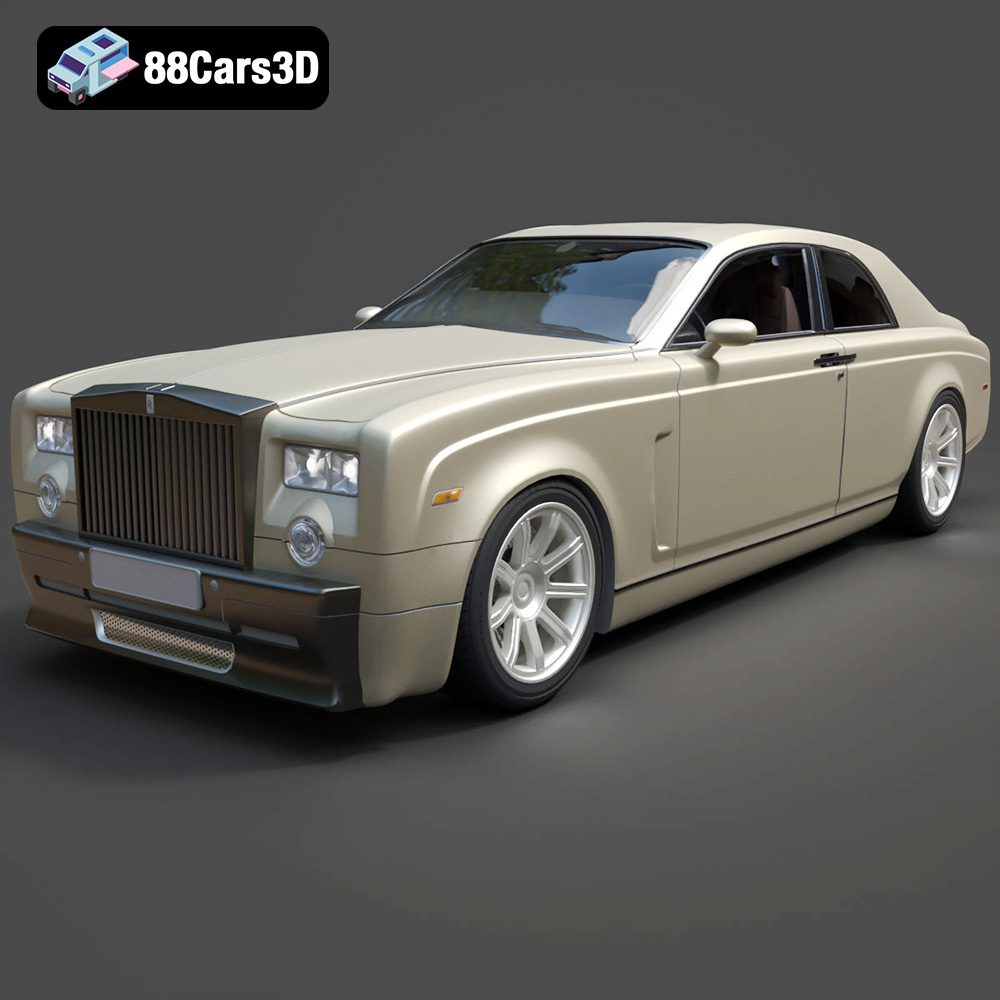
Texture: Yes
Material: Yes
Download the Rolls-Royce Phantom Coupe 3D Model featuring clean geometry, realistic detailing, and a fully modeled interior. Includes .blend, .fbx, .obj, .glb, .stl, .ply, .unreal, and .max formats for rendering, simulation, and game development.
Price: $6.99
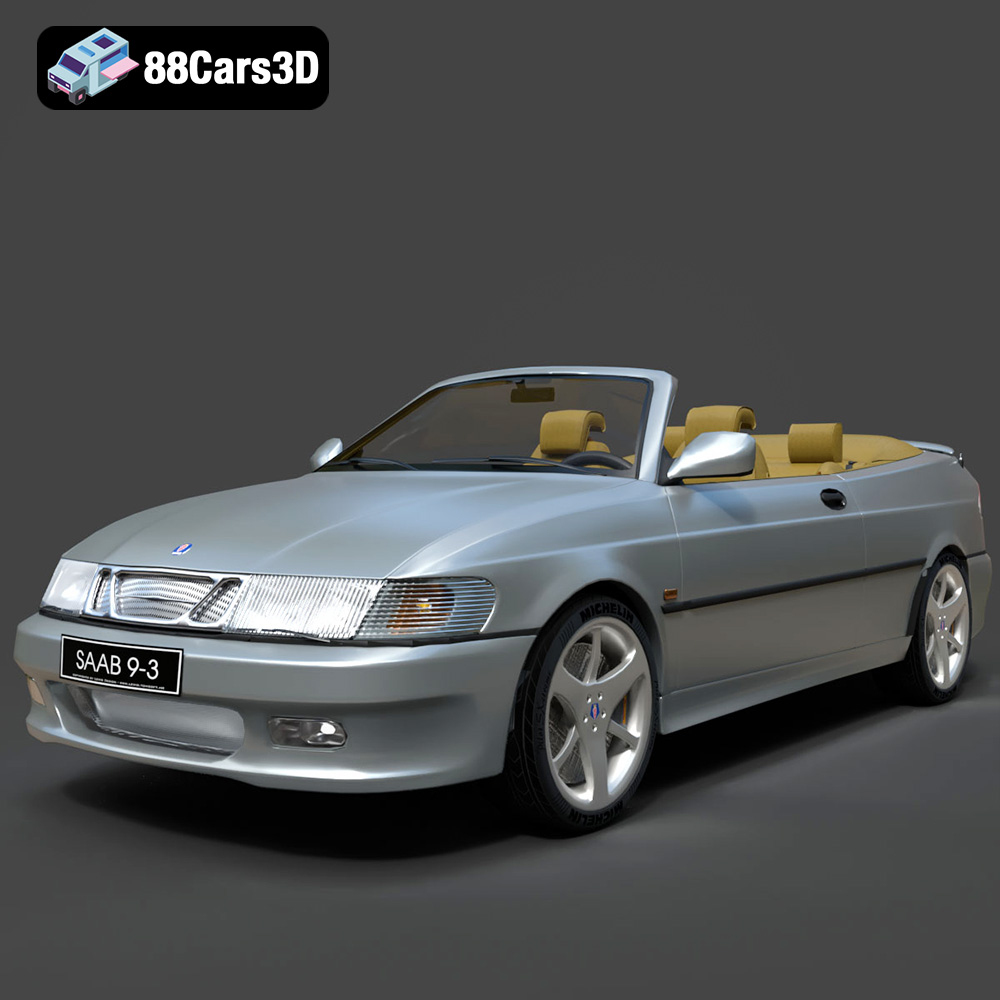
Texture: Yes
Material: Yes
Download the Saab 9-3 Convertible 2009 3D Model featuring clean geometry, realistic detailing, and a fully modeled interior. Includes .blend, .fbx, .obj, .glb, .stl, .ply, .unreal, and .max formats for rendering, simulation, and game development.
Price: $6.99

Texture: Yes
Material: Yes
Download the Saab 9-3 2009 3D Model featuring clean geometry, realistic detailing, and a fully modeled interior. Includes .blend, .fbx, .obj, .glb, .stl, .ply, .unreal, and .max formats for rendering, simulation, and game development.
Price: $6.99

Texture: Yes
Material: Yes
Download the Saab 9-5 2009 3D Model featuring clean geometry, realistic detailing, and a fully modeled interior. Includes .blend, .fbx, .obj, .glb, .stl, .ply, .unreal, and .max formats for rendering, simulation, and game development.
Price: $6.99
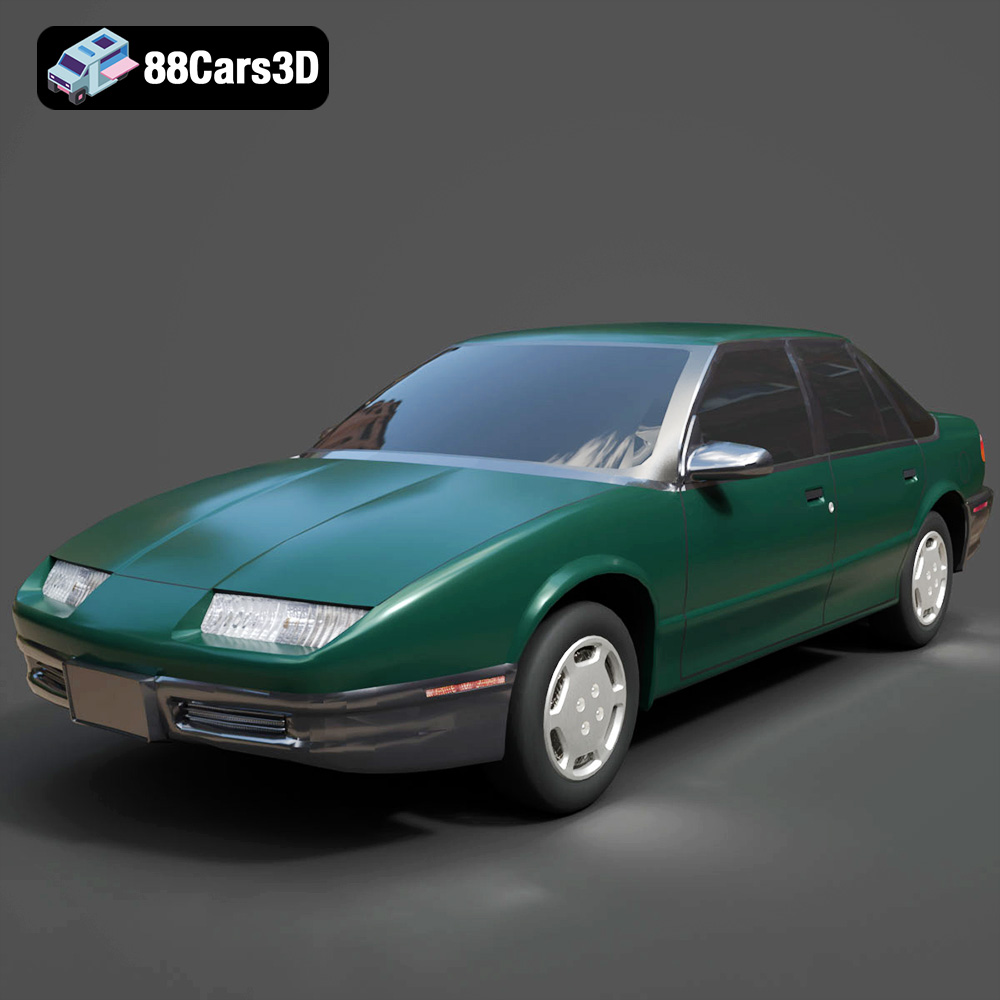
Texture: Yes
Material: Yes
Download the Saturn SL-009 3D Model featuring clean geometry, realistic detailing, and a fully modeled interior. Includes .blend, .fbx, .obj, .glb, .stl, .ply, .unreal, and .max formats for rendering, simulation, and game development.
Price: $6.99
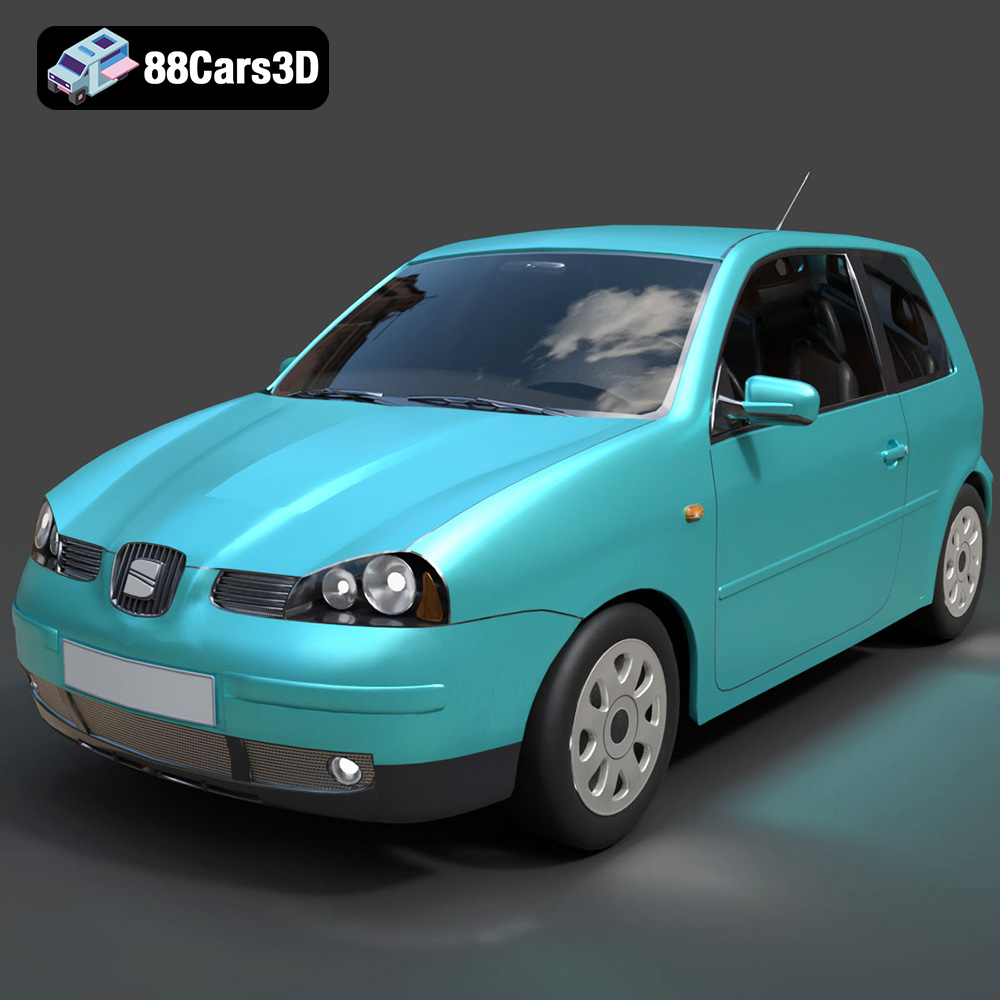
Texture: Yes
Material: Yes
Download the Seat Arosa 1997 3D Model featuring clean geometry, realistic detailing, and a fully modeled interior. Includes .blend, .fbx, .obj, .glb, .stl, .ply, .unreal, and .max formats for rendering, simulation, and game development.
Price: $6.99
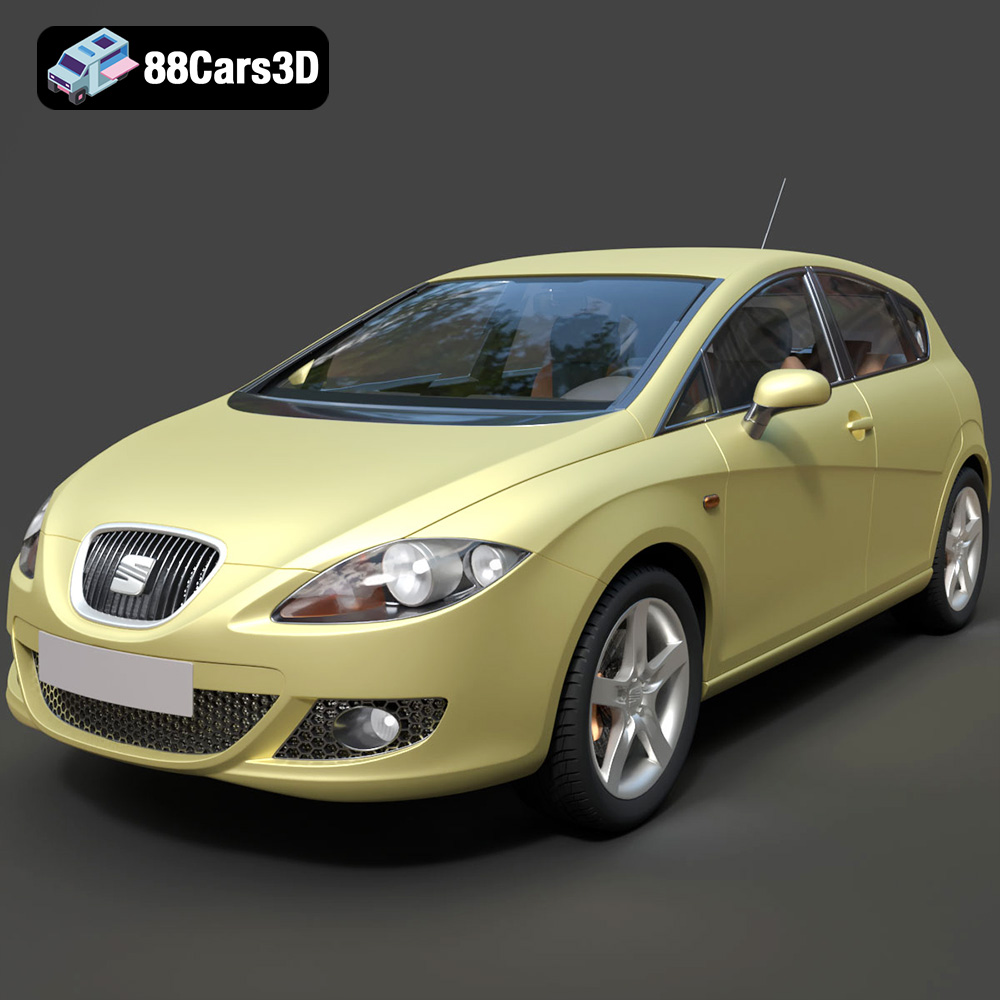
Texture: Yes
Material: Yes
Download the Seat Leon 2009 3D Model featuring clean geometry, realistic detailing, and a fully modeled interior. Includes .blend, .fbx, .obj, .glb, .stl, .ply, .unreal, and .max formats for rendering, simulation, and game development.
Price: $6.99
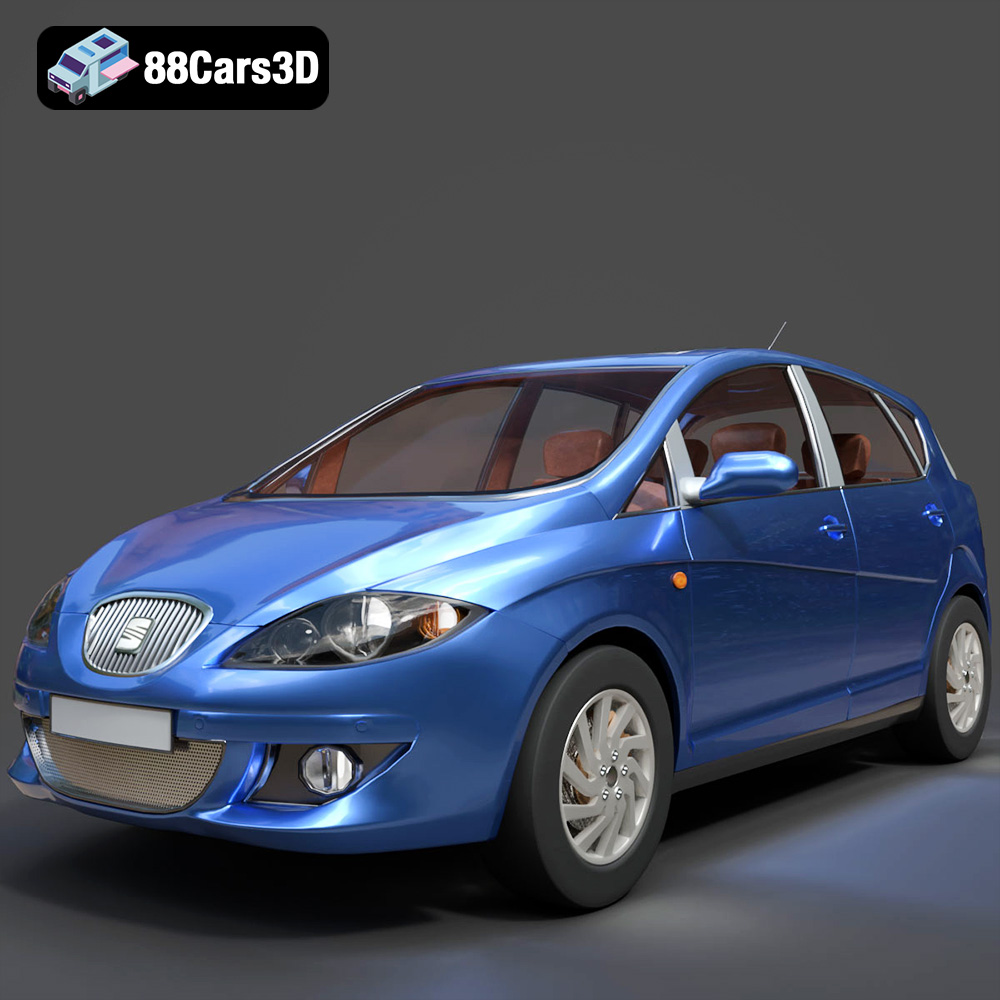
Texture: Yes
Material: Yes
Download the Seat Toledo 2009 3D Model featuring clean geometry, realistic detailing, and a fully modeled interior. Includes .blend, .fbx, .obj, .glb, .stl, .ply, .unreal, and .max formats for rendering, simulation, and game development.
Price: $6.99
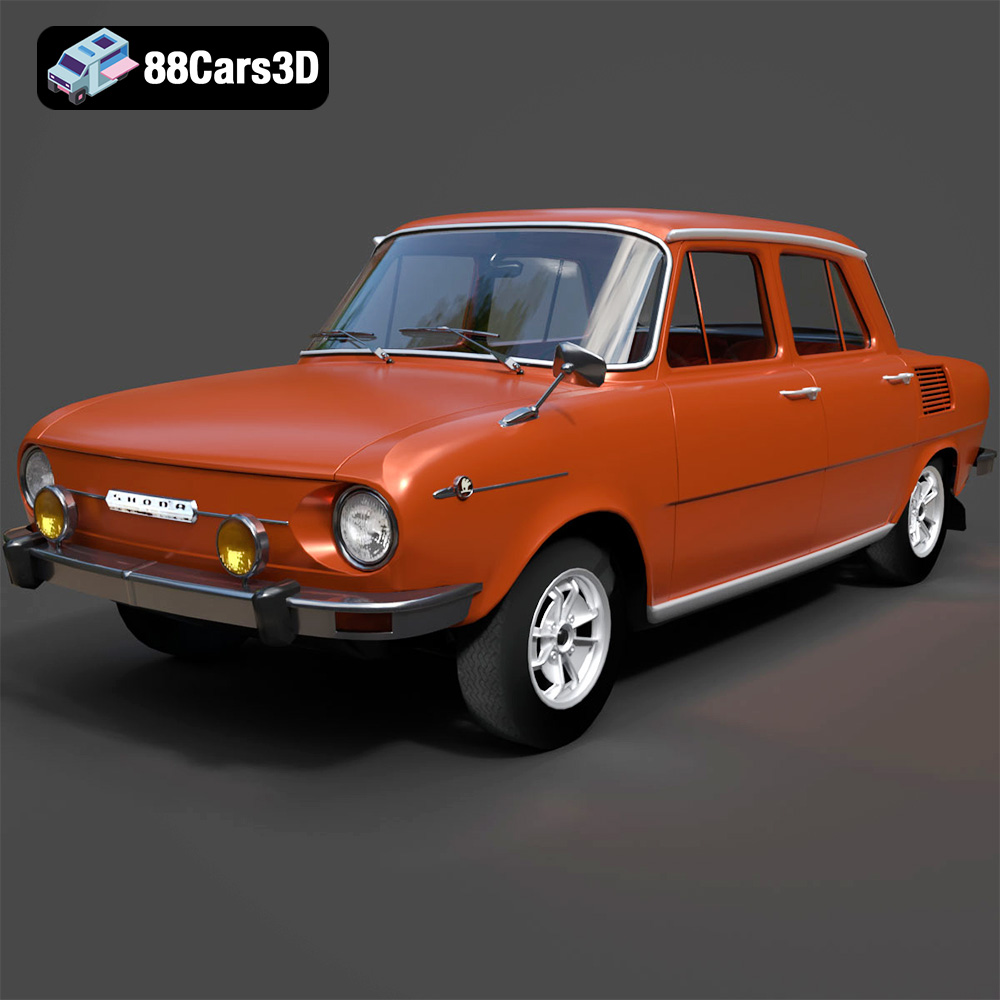
Texture: Yes
Material: Yes
Download the Skoda 100 L 1970 3D Model featuring clean geometry, realistic detailing, and a fully modeled interior. Includes .blend, .fbx, .obj, .glb, .stl, .ply, .unreal, and .max formats for rendering, simulation, and game development.
Price: $6.99
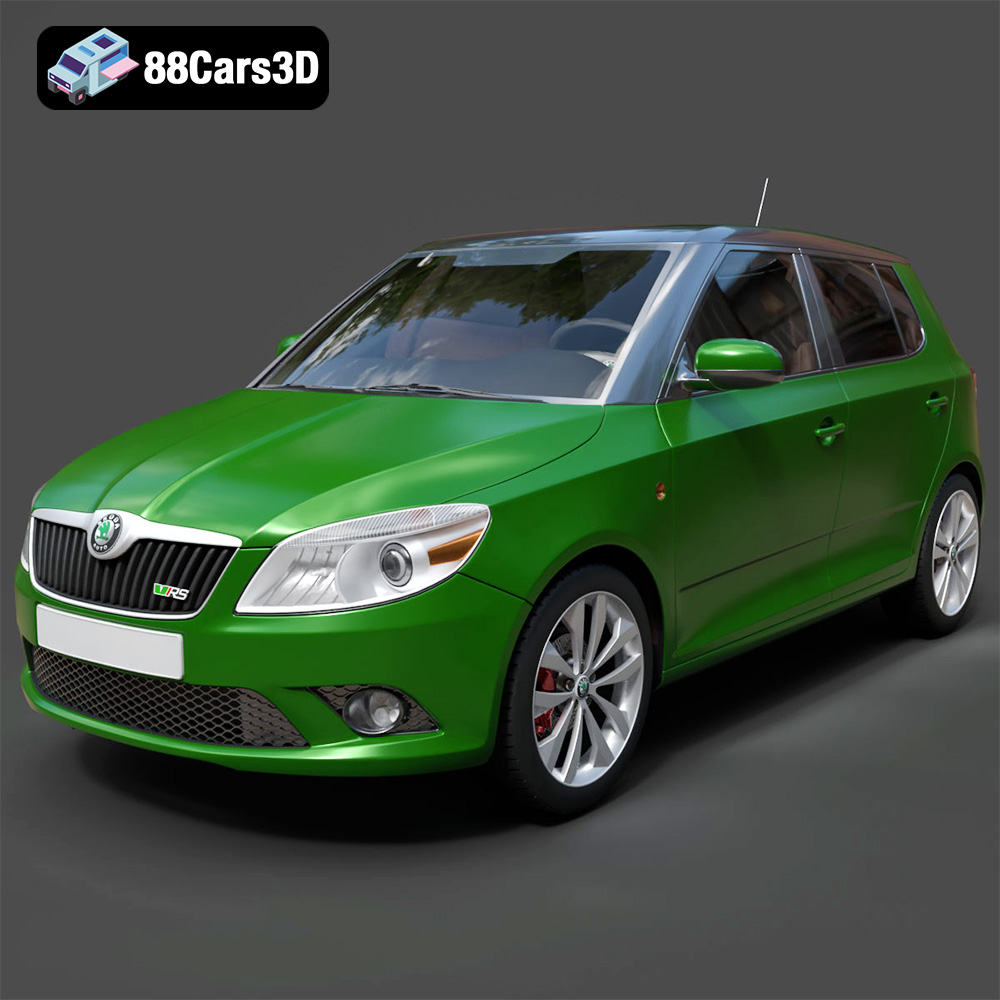
Download the Skoda Fabia RS 2011 3D model, an accurately detailed vehicle asset perfect for game development, rendering, and AR/VR applications. Includes multiple formats for versatile use.
Price: $6.99

