⚡ FLASH SALE: Get 60% OFF All Premium 3D & STL Models! ⚡

The automotive industry has always been at the forefront of innovation, driven by a relentless pursuit of design excellence, performance, and user experience. In the digital age, this pursuit often begins not on the factory floor, but within the virtual confines of 3D modeling software. High-quality 3D car models are no longer just tools for cinematic renders or game environments; they are foundational assets enabling everything from rapid prototyping and custom part manufacturing through 3D printing to immersive AR/VR experiences and hyper-realistic visualizations.
This comprehensive guide delves into the multifaceted world of automotive 3D models, exploring their journey from meticulously crafted digital assets to tangible custom car parts and breathtaking visual presentations. We’ll uncover the intricate technical details of creating, optimizing, and deploying these models across various applications, from the fundamental principles of topology and PBR materials to advanced rendering workflows, game engine integration, and the transformative power of 3D printing for custom automotive designs. Whether you’re a seasoned 3D artist, an aspiring automotive designer, a game developer, or simply fascinated by the intersection of digital and physical design, prepare to unlock the full potential of high-fidelity 3D car models.
At the heart of any successful automotive 3D project lies a meticulously crafted model. The quality of the digital asset dictates its versatility and fidelity across all subsequent applications, whether it’s for photorealistic rendering, real-time game environments, or precise 3D printing. Understanding the core principles of 3D modeling topology, UV mapping, and PBR material creation is paramount to achieving professional results.
Clean topology is the backbone of a high-quality 3D car model. It refers to the arrangement of polygons (primarily quads) that define the mesh surface. For automotive models, ideal topology ensures smooth, subdivision-ready surfaces, accurate reflections, and predictable deformations. Good edge flow follows the natural curvature and creases of a car’s design, creating tight loops around panel gaps, wheel arches, and character lines. This is critical for maintaining sharp details while allowing for smooth sculpting or deformation. For instance, specific edge loops should define the precise cut lines of doors, hoods, and trunks. Without proper edge flow, applying subdivision modifiers (like TurboSmooth in 3ds Max or Subdivision Surface in Blender) can lead to pinching, artifacting, or unnatural bulging, compromising the car’s sleek aesthetic. Professional models typically strive for an all-quad mesh, as triangles can cause unpredictable shading and issues during subdivision or mesh editing.
Physically Based Rendering (PBR) has revolutionized the way materials are created, ensuring consistent and realistic lighting response across different rendering environments. A PBR material system typically involves several texture maps:
For automotive models, creating realistic car paint, chrome, glass, rubber, and interior fabrics requires a deep understanding of these maps. Car paint, for example, often uses complex shader networks to simulate clear coat, metallic flakes, and subsurface scattering. High-resolution textures (e.g., 4K or 8K for primary body parts, 2K for interiors) are essential for close-up renders, ensuring that fine details like tire tread patterns or dashboard stitching remain sharp and convincing. Sourcing reliable models from marketplaces such as 88cars3d.com provides a strong foundation with pre-configured PBR materials, ready for integration into various rendering pipelines.
UV mapping is the process of flattening the 3D surface of a model into a 2D space, allowing 2D textures to be applied accurately. For complex automotive shapes, efficient and seamless UV unwrapping is crucial. Poor UVs result in texture stretching, seams, and difficulties in painting or baking light maps. Strategies include:
For large or highly detailed car models, UDIM (U-Dimension) workflow is often employed. This system allows a single model to use multiple UV tiles, each with its own high-resolution texture set, preventing resolution loss and simplifying texture management for professional texturing software like Mari or Substance Painter. The goal is to maximize UV space utilization without overlapping, providing artists maximum flexibility for detailed texturing.
The journey of a 3D car model doesn’t always end on screen. 3D printing offers an incredible avenue to transform digital designs into tangible objects, enabling everything from scale models and collectible figurines to functional custom car parts and prototypes. However, preparing a digital model for 3D printing requires specific considerations that differ significantly from rendering or game development.
The most critical aspect of preparing a 3D model for printing is ensuring its mesh integrity. A model intended for 3D printing must be “watertight” or “manifold.” This means that the mesh must form a completely enclosed volume with no gaps, holes, inverted normals, or self-intersecting geometry. Non-manifold edges (edges shared by more than two faces) or disconnected vertices can cause the slicer software (which prepares the model for the 3D printer) to fail or produce errors. Common issues include:
Software tools like Autodesk Meshmixer, Netfabb, or even built-in mesh analysis tools in Blender or 3ds Max are invaluable for detecting and repairing these issues. Often, a “solidify” modifier can help close thin meshes, and a “remesh” operation can unify disparate parts into a single, printable volume. Exporting to STL (Stereolithography) format is standard for 3D printing, as it’s a simple triangulation of the surface, directly interpretable by slicers.
Once the mesh is watertight, attention shifts to print-specific parameters.
Careful planning in these areas can drastically improve print quality and reduce production costs.
The choice of 3D printing material depends on the desired properties of the final automotive model or part.
Post-processing is crucial for achieving a professional finish. This can involve removing supports, sanding to smooth layer lines, applying primers, painting (often with automotive-grade paints for realism), and clear coating. For complex car models, assembly of multiple printed parts may also be required, ensuring all elements fit together precisely, just as they do in the digital design.
The ability to rapidly prototype and manufacture custom components is one of the most transformative applications of 3D printing in the automotive sector. It empowers designers and enthusiasts to iterate quickly, create unique modifications, and even reproduce obsolete parts.
3D printing has become indispensable for rapid prototyping in automotive design. Instead of costly and time-consuming traditional manufacturing methods, designers can print multiple iterations of a part within hours or days. This allows for quick physical evaluation of ergonomics, fit, form, and aesthetics before committing to mass production. For example, interior design teams can prototype dashboard layouts, console buttons, or intricate vent designs. Exterior designers can print scale models of new body kits or aerodynamic components to test visual appeal and even conduct rudimentary wind tunnel tests on physical models. This iterative design process significantly reduces development cycles and overall costs, accelerating innovation in new vehicle development and aftermarket customization. High-fidelity 3D car models purchased from 88cars3d.com serve as an excellent starting point for this, allowing designers to quickly modify existing components or design new ones that integrate seamlessly with established vehicle architectures.
Beyond visual prototypes, 3D printing enables the creation of functional custom car parts. This includes everything from bespoke interior trim pieces and dashboard mounts for custom electronics to specialized engine bay brackets, air intake components, or aerodynamic spoilers. The key here is selecting appropriate materials that can withstand the demanding conditions of an automotive environment (temperature fluctuations, vibrations, UV exposure, chemical resistance). Reinforced nylon, carbon fiber-infused plastics, or even printed metals are increasingly used for these applications. When designing functional parts, engineers must consider wall thickness, infill density, and stress points to ensure structural integrity. For instance, a custom bracket for a turbocharger might require higher infill and a stronger material like Ultem or PEEK for heat resistance and rigidity, whereas a glove box organizer might suffice with a standard PLA print.
3D printing is also a game-changer for small batch manufacturing and the restoration of classic cars. For vehicles where original parts are no longer available, 3D scanning the broken or missing component can create a precise digital replica, which can then be 3D printed. This breathes new life into vintage cars, allowing owners to replace intricate trim, unique mechanical components, or even complex headlight housings. For customizers, it enables the creation of limited-run components that are tailored to specific vehicle builds, offering unparalleled personalization. Think custom widebody fender flares, unique grille designs, or personalized interior switchgear. This capability democratizes manufacturing, making specialized parts accessible without the need for expensive tooling or high minimum order quantities traditionally associated with conventional production methods.
While 3D printing brings models into the physical realm, advanced rendering techniques push the boundaries of visual realism, creating breathtaking images and animations for marketing, design reviews, and immersive experiences. This requires a deep understanding of lighting, materials, and rendering pipelines.
Realistic lighting is arguably the most crucial element for convincing automotive renders. The way light interacts with the car’s surfaces dictates its perceived realism.
A typical studio setup for a car render might involve a large, soft area light overhead, two large softboxes on either side, and a strong key light to highlight specific details, all influenced by an HDRI. For exterior shots, a high-quality outdoor HDRI combined with a simulated sun light provides photorealistic results.
The choice of rendering engine significantly impacts workflow, render times, and final output quality.
Professional workflows often involve rendering in passes (e.g., beauty, reflection, refraction, shadow, AO) to allow for greater control during post-processing and compositing.
Even the most stunning raw render can be significantly enhanced through post-processing. This step is where renders truly come to life and match professional photography.
Attention to these details can elevate a good render to an exceptional one, mirroring the high standards seen in automotive advertising and design showcases.
The interactive demands of game development, virtual reality (VR), and augmented reality (AR) require a different approach to 3D car models. Here, performance optimization is paramount, balancing visual fidelity with real-time responsiveness. High-quality 3D car models, such as those found on 88cars3d.com, often come pre-optimized or with variations suitable for real-time applications.
Game engines and AR/VR platforms have strict performance budgets regarding polygon counts, texture memory, and draw calls. Therefore, significant optimization is required:
These techniques ensure smooth frame rates, which are crucial for a comfortable and immersive user experience.
Once optimized, 3D car models are imported into game engines. The FBX format is widely preferred for its ability to store geometry, UVs, PBR material assignments, and even animations.
Careful setup ensures the car looks and behaves correctly within the interactive environment.
Augmented Reality (AR) and Virtual Reality (VR) applications demand even stricter optimization due to the need for very high frame rates (e.g., 90 FPS for VR to prevent motion sickness) and the limited processing power of mobile AR devices.
These techniques are vital for creating seamless and performant interactive experiences, allowing users to place a virtual car in their driveway or explore it in a virtual garage with convincing realism.
Navigating the diverse landscape of 3D software and applications requires a solid understanding of different 3D file formats and how to manage them effectively. Compatibility and data integrity are key to smooth professional workflows, especially when dealing with complex automotive designs.
The 3D industry utilizes numerous file formats, each with its strengths and specific applications:
Knowing which format to use for a specific task is crucial for efficient data exchange and maintaining fidelity.
Converting between 3D file formats can sometimes be challenging, as different formats support varying levels of data complexity.
Tools like Autodesk FBX Converter, Blender’s extensive import/export options, and dedicated asset pipelines facilitate these conversions, but manual checks are always recommended to ensure data integrity.
Professional automotive 3D projects often involve multiple artists and designers collaborating across different software and disciplines. Efficient workflows and version control are essential:
These practices ensure a smooth, efficient, and error-free pipeline from initial concept to final deployment, whether for rendering, game development, 3D printing, or immersive visualization.
The journey of a 3D car model is a testament to the power and versatility of digital design. From the intricate details of its digital creation, with meticulous attention to topology, UV mapping, and PBR materials, to its transformation into a tangible object through 3D printing, and its vibrant display in hyper-realistic renders or interactive game environments, high-quality 3D automotive assets drive innovation across numerous industries.
We’ve explored how a robust digital foundation supports everything from rapid prototyping and custom part manufacturing in the physical world to sophisticated rendering workflows that capture every glint of light and shadow, and the intricate optimizations required for seamless integration into real-time game engines and immersive AR/VR experiences. Understanding the nuances of file formats, conversion strategies, and collaborative workflows empowers artists and designers to navigate this complex landscape with confidence.
Whether you’re crafting the next generation of custom car parts, pushing the boundaries of automotive visualization, or building interactive experiences, the quality of your 3D car models is paramount. By embracing the principles and techniques discussed, you can unlock unparalleled creative potential. For those looking to accelerate their projects with a foundation of expertly crafted 3D models, platforms like 88cars3d.com offer an extensive collection of high-quality assets ready to be integrated into your next groundbreaking design or project. The future of automotive design is here, and it’s built one digital polygon, one 3D print, and one stunning render at a time.
Texture: Yes
Material: Yes
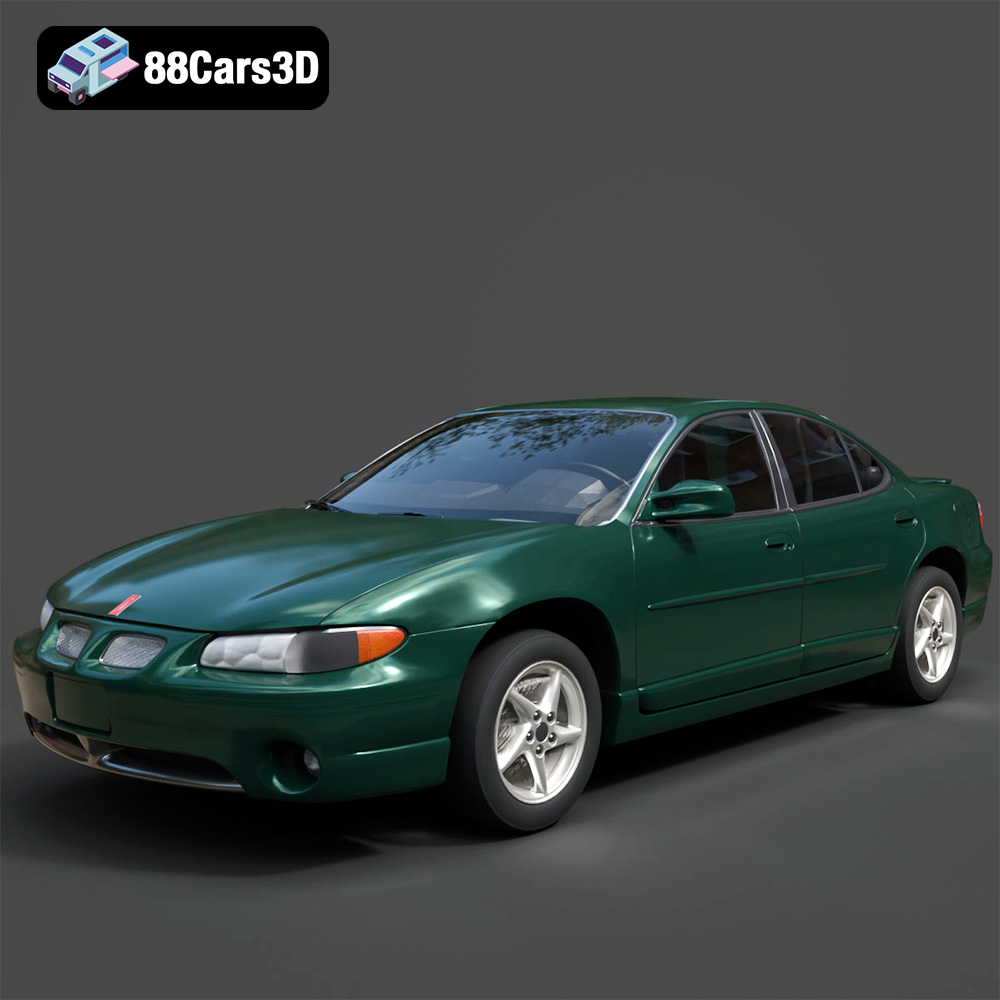
Download the Pontiac Grand Prix GT-001 3D Model featuring clean geometry, realistic detailing, and a fully modeled interior. Includes .blend, .fbx, .obj, .glb, .stl, .ply, .unreal, and .max formats for rendering, simulation, and game development.
Price: $4.99
Texture: Yes
Material: Yes
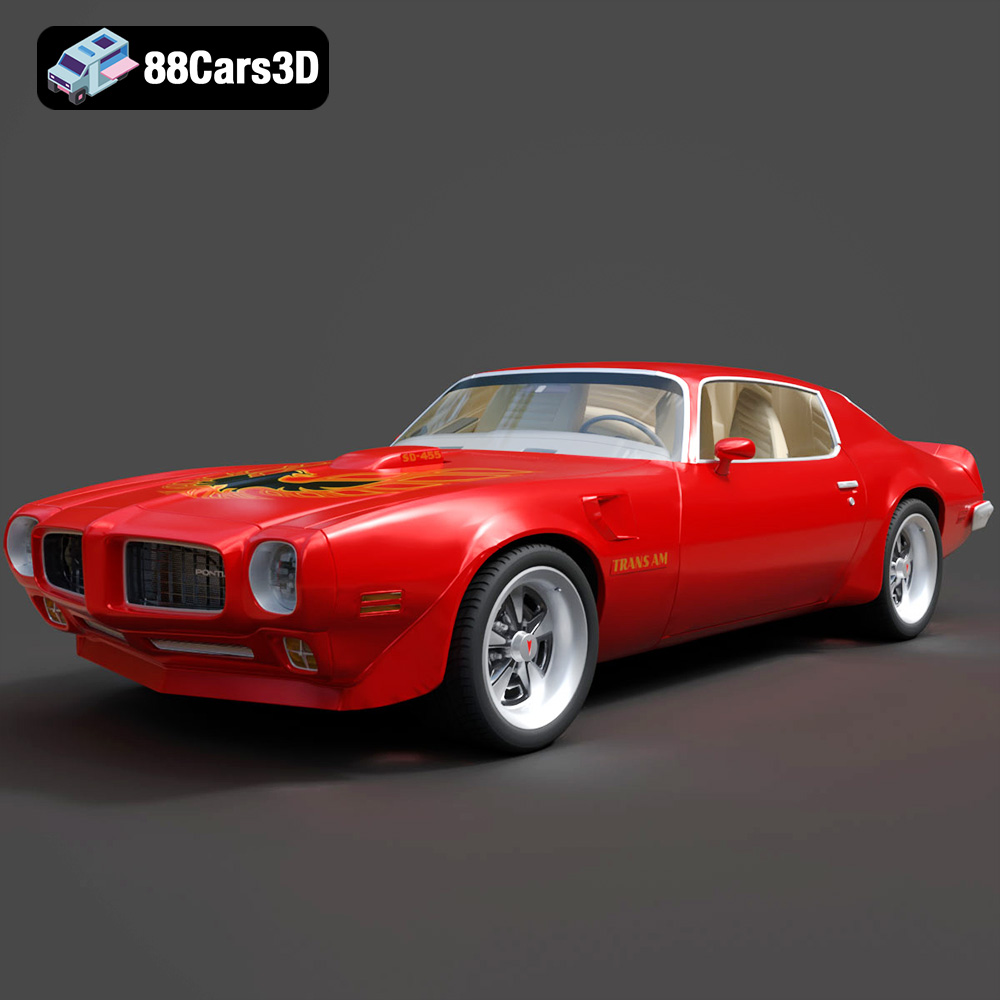
Download the Pontiac Firebird Trans Am SD-455 3D Model featuring clean geometry, realistic detailing, and a fully modeled interior. Includes .blend, .fbx, .obj, .glb, .stl, .ply, .unreal, and .max formats for rendering, simulation, and game development.
Price: $4.99

Texture: Yes
Material: Yes
Download the Plymouth Volare 1976 3D Model featuring clean geometry, realistic detailing, and a fully modeled interior. Includes .blend, .fbx, .obj, .glb, .stl, .ply, .unreal, and .max formats for rendering, simulation, and game development.
Price: $4.99

Texture: Yes
Material: Yes
Download the Plymouth Roadrunner 1971 3D Model featuring clean geometry, realistic detailing, and a fully modeled interior. Includes .blend, .fbx, .obj, .glb, .stl, .ply, .unreal, and .max formats for rendering, simulation, and game development.
Price: $4.99
Texture: Yes
Material: Yes
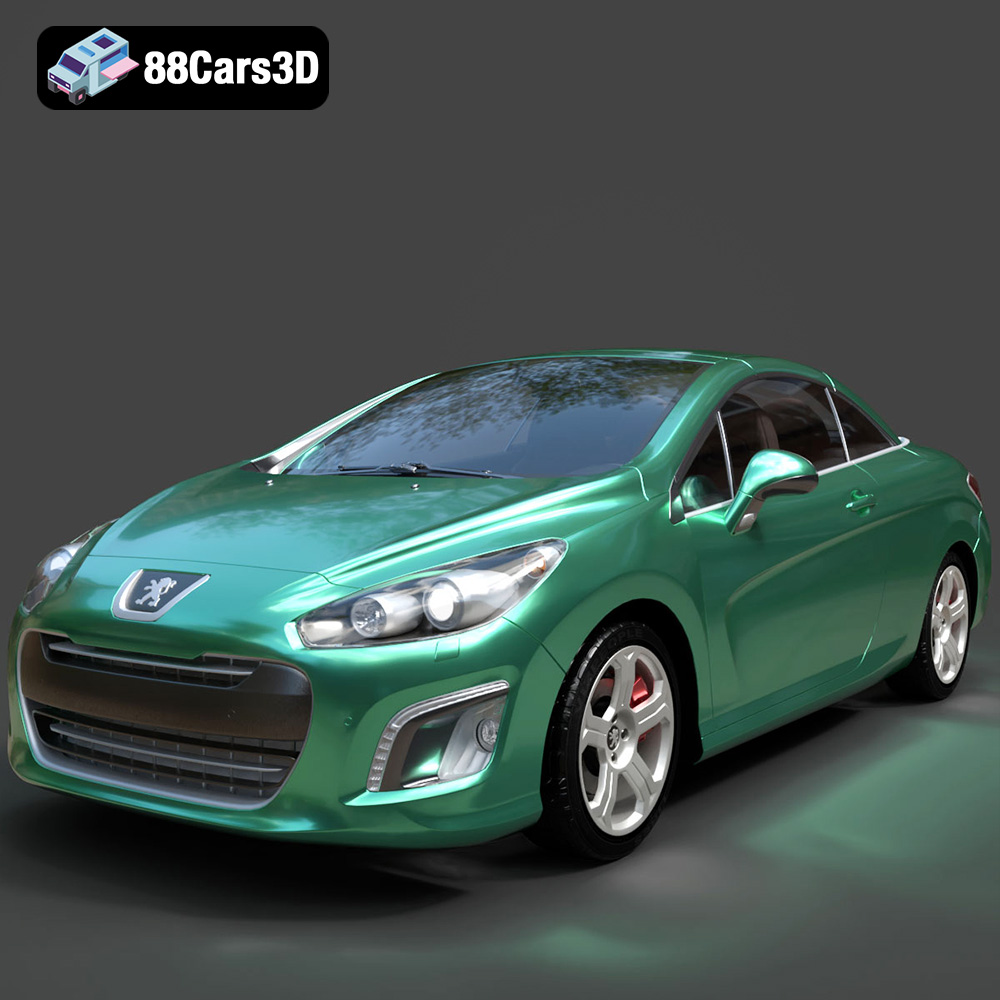
Download the Peugeot 308 CC 2025 3D Model featuring clean geometry, realistic detailing, and a fully modeled interior. Includes .blend, .fbx, .obj, .glb, .stl, .ply, .unreal, and .max formats for rendering, simulation, and game development.
Price: $4.99
Texture: Yes
Material: Yes
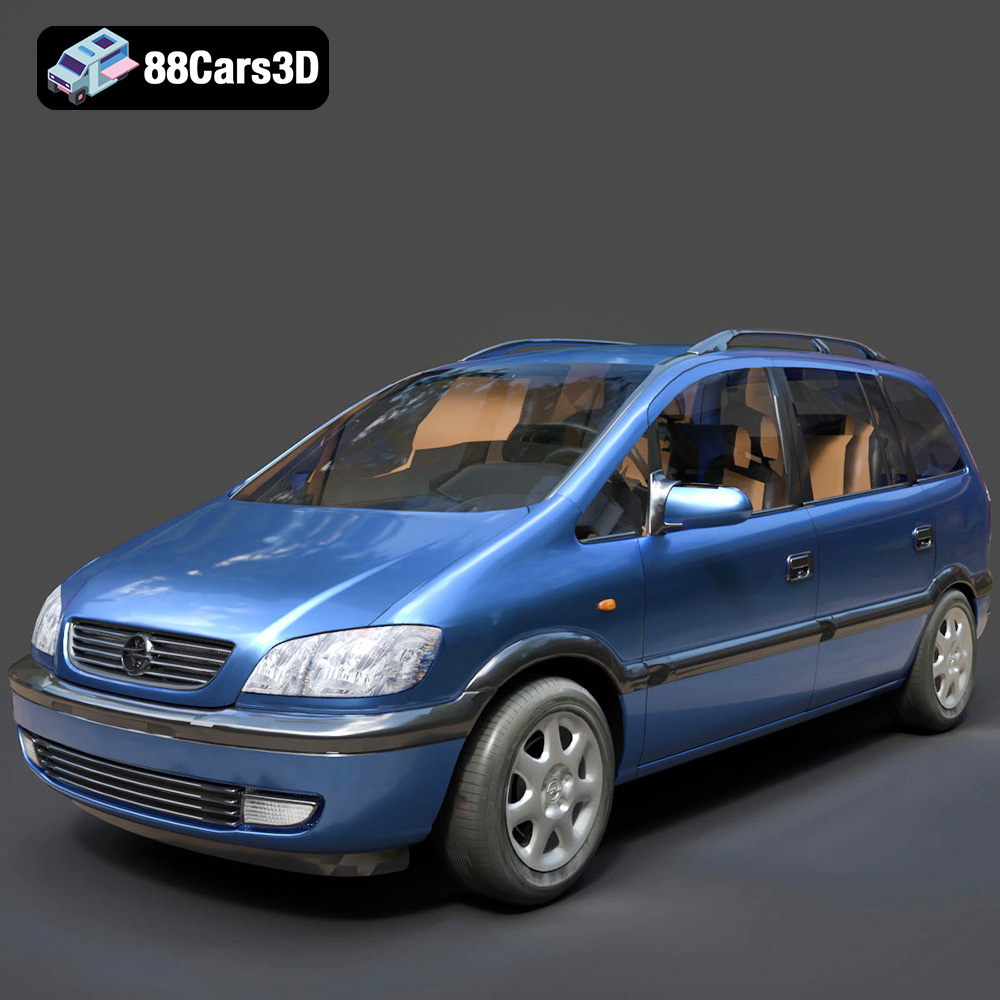
Download the Opel Zafira 2000 3D Model featuring clean geometry, realistic detailing, and a fully modeled interior. Includes .blend, .fbx, .obj, .glb, .stl, .ply, .unreal, and .max formats for rendering, simulation, and game development.
Price: $4.99
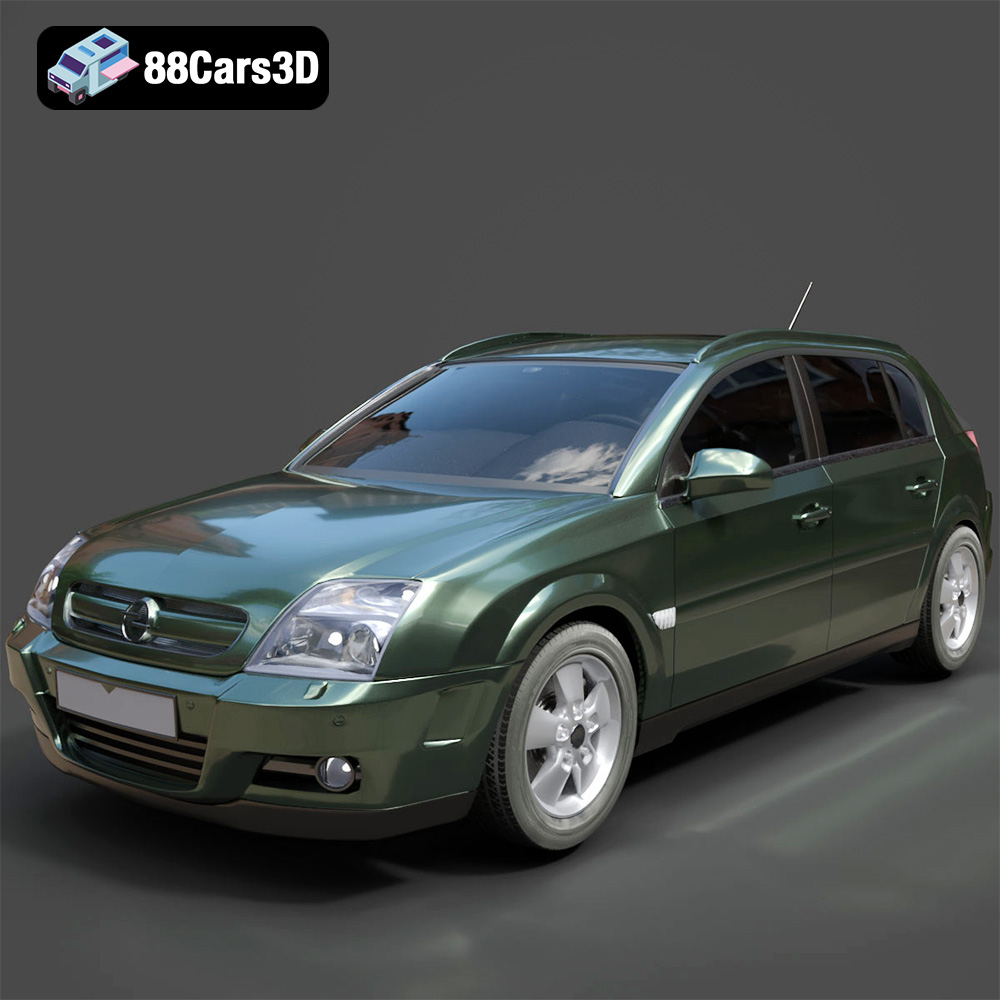
Texture: Yes
Material: Yes
Download the Opel Signum 2003 3D Model featuring clean geometry, realistic detailing, and a fully modeled interior. Includes .blend, .fbx, .obj, .glb, .stl, .ply, .unreal, and .max formats for rendering, simulation, and game development.
Price: $4.99
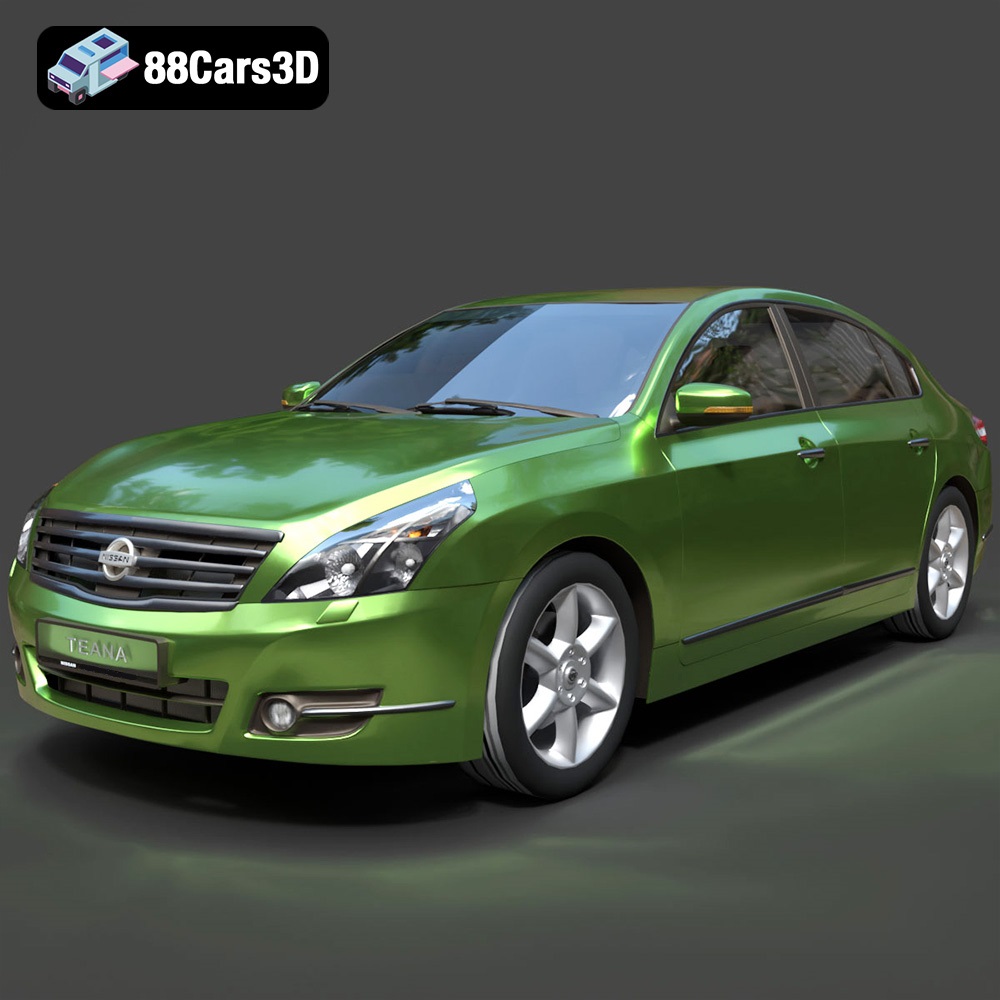
Texture: Yes
Material: Yes
Download the Nissan Teana 2001 3D Model featuring clean geometry, realistic detailing, and a fully modeled interior. Includes .blend, .fbx, .obj, .glb, .stl, .ply, .unreal, and .max formats for rendering, simulation, and game development.
Price: $4.99
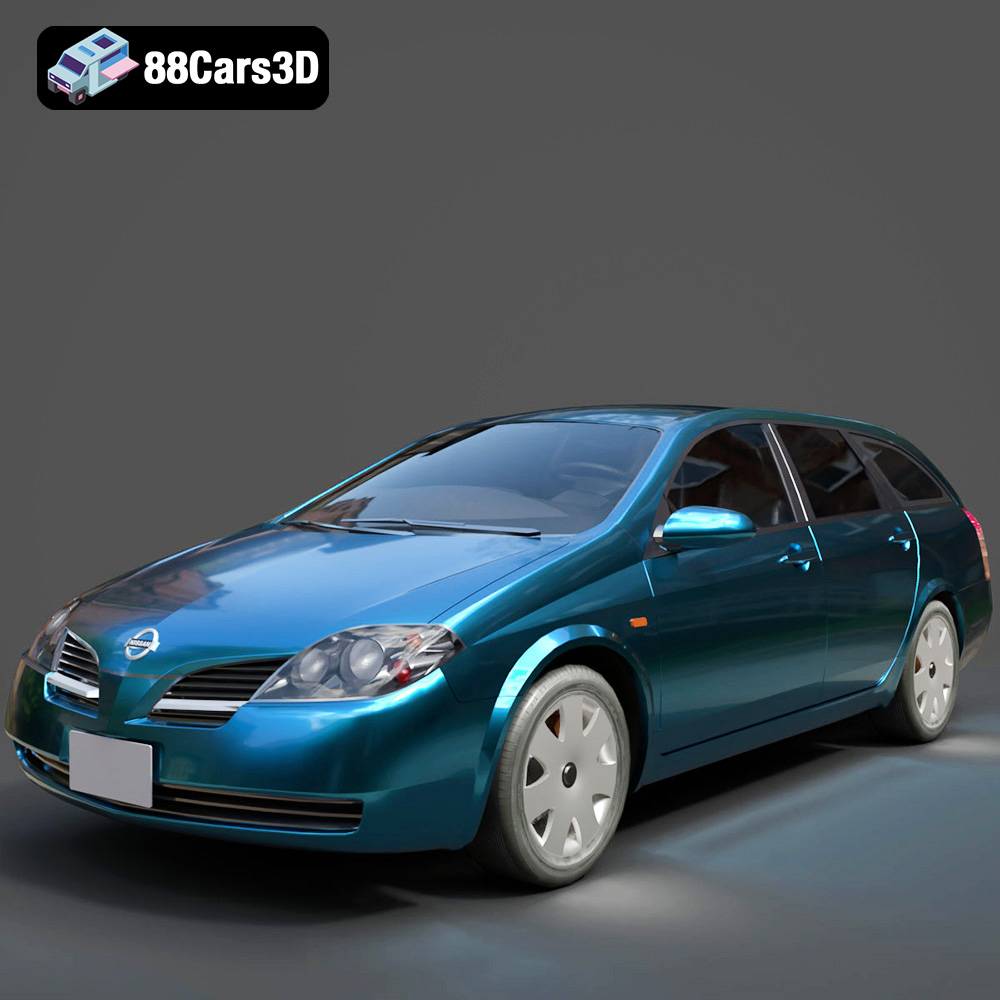
Texture: Yes
Material: Yes
Download the Nissan Primera Wagon 2001 3D Model featuring clean geometry, realistic detailing, and a fully modeled interior. Includes .blend, .fbx, .obj, .glb, .stl, .ply, .unreal, and .max formats for rendering, simulation, and game development.
Price: $4.99
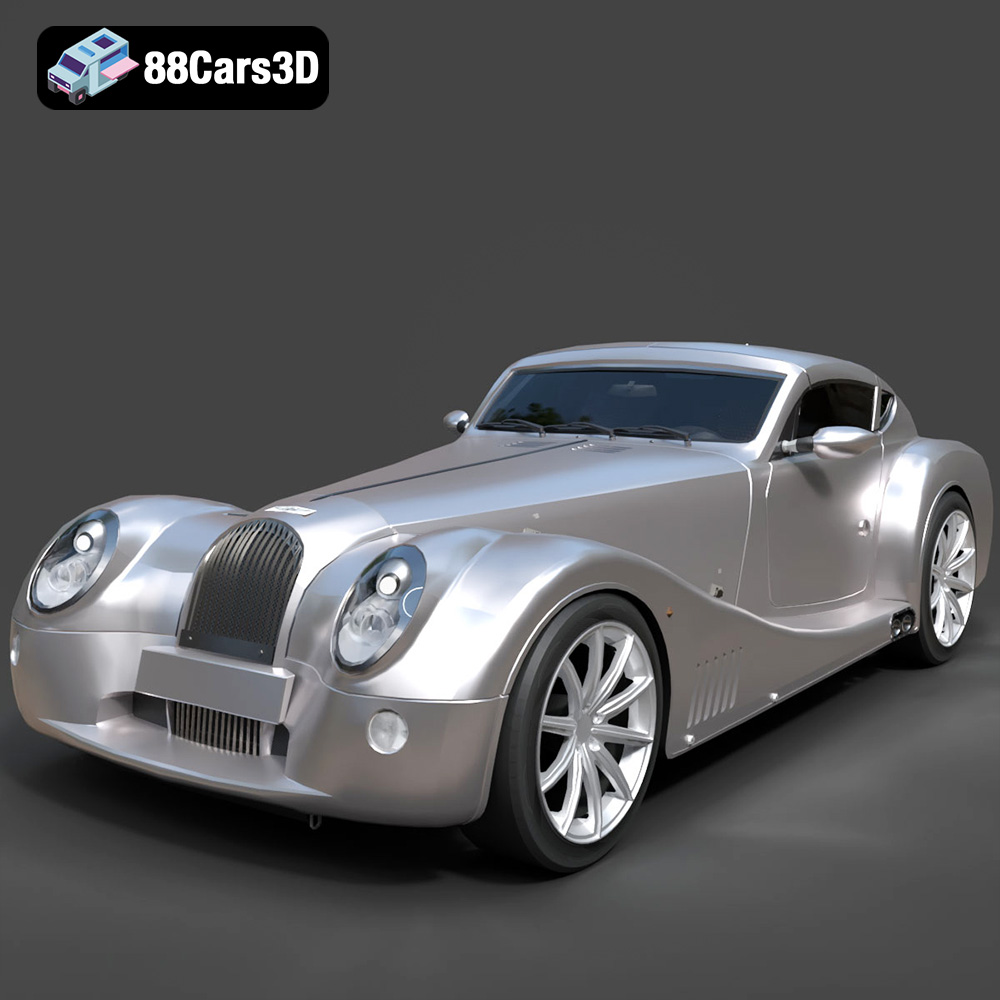
Texture: Yes
Material: Yes
Download the Morgan Aero Super Sports 2025 3D Model featuring clean geometry, realistic detailing, and a fully modeled interior. Includes .blend, .fbx, .obj, .glb, .stl, .ply, .unreal, and .max formats for rendering, simulation, and game development.
Price: $4.99

