⚡ FLASH SALE: Get 60% OFF All Premium 3D & STL Models! ⚡

The allure of a perfectly sculpted automobile, captured in stunning detail, transcends industries. From high-stakes automotive design reviews and marketing campaigns to immersive video games and cutting-edge AR/VR experiences, the demand for high-quality 3D car models is relentless. However, achieving true photorealism and optimal performance for these complex assets is a meticulous craft, requiring a deep understanding of technical workflows, software intricacies, and industry best practices. It’s a journey that demands precision at every stage, from the foundational geometry to the final pixel.
This comprehensive guide delves into the technical bedrock of creating, rendering, and optimizing 3D car models. We’ll explore the nuances of clean topology, the science behind physically based rendering (PBR) materials, advanced rendering techniques, and the critical steps for preparing models for real-time game engines, AR/VR, and even 3D printing. Whether you’re an aspiring 3D artist, a seasoned game developer, or an automotive designer seeking to elevate your visualization game, this article will equip you with the knowledge to transform your automotive visions into breathtaking digital realities. We’ll uncover common pitfalls, share professional tips, and highlight how leveraging expertly crafted assets, such as those found on marketplaces like 88cars3d.com, can accelerate your projects and ensure unparalleled quality.
The bedrock of any high-quality 3D automotive model lies in its topology – the arrangement of vertices, edges, and faces that define its surface. For complex, curved surfaces like those of a car, clean, quad-based topology and intelligent edge flow are paramount. Poor topology leads to unsightly pinching, artifacts upon subdivision, and difficulties in UV mapping and animation. Automotive models demand meticulous attention to every curve and panel gap, ensuring smooth transitions and accurate reflections. A well-constructed mesh not only looks better but also performs more efficiently, making it easier to work with in various 3D applications like 3ds Max, Blender, or Maya.
The gold standard for organic and hard-surface modeling is quad-based geometry, meaning every face on your model is a four-sided polygon. While triangles might appear during initial blocking or specific detailing, a professional workflow dictates converting them to quads wherever possible. Quads behave predictably under subdivision surface modifiers (e.g., Turbosmooth in 3ds Max, Subdivision Surface in Blender, Smooth Mesh in Maya), creating smooth, continuous curves without artifacts. For automotive surfaces, where subtle changes in curvature are critical for realistic reflections, subdivision is indispensable. Artists typically model a low-poly base mesh, known as the “cage,” and then apply subdivision to achieve the final smooth, high-resolution surface. This also facilitates non-destructive editing, allowing adjustments to the base mesh without rebuilding the entire high-poly model.
Accuracy begins with precise references. For automotive models, this means meticulously aligning orthographic blueprints (front, back, top, side views) within your 3D software. Software like 3ds Max allows you to set up viewport backgrounds with these images, while Blender users can leverage reference image empties. Scale is also crucial; model to real-world dimensions from the outset. Many professional workflows begin by tracing the primary contours and panel lines directly from these blueprints using splines or NURBS curves, then converting them to editable poly surfaces. This ensures that the fundamental proportions and design intent of the vehicle are accurately translated into the 3D model, setting the stage for a faithful recreation.
While high-resolution models are desirable for rendering, managing polygon count is vital, especially when creating game assets or real-time visualization models. For high-fidelity renders, models can easily exceed hundreds of thousands or even millions of polygons after subdivision. However, for game engines like Unity or Unreal Engine, target polygon counts for a single vehicle might range from 50,000 to 200,000 triangles (depending on the detail level and target platform). This often necessitates creating multiple Levels of Detail (LODs). The key is to distribute polygons efficiently: dense where curvature changes rapidly (e.g., wheel wells, character lines) and sparser on flat surfaces. Tools like ZRemesher or retopology workflows can help create optimized meshes from high-poly sculpted details, striking a balance between visual fidelity and performance.
Beyond a perfect mesh, the visual realism of a 3D car model is dictated by its materials and textures. Physically Based Rendering (PBR) has become the industry standard, accurately simulating how light interacts with surfaces based on real-world physics. This approach creates materials that look consistent and realistic under any lighting condition, a critical factor for achieving photorealism in automotive visualization. Crafting compelling PBR materials involves a combination of carefully created texture maps, intelligent shader network construction, and strategic UV mapping.
PBR relies on a set of standardized texture maps to define material properties. The primary maps include:
These maps are often created using software like Substance Painter, Substance Designer, or directly within painting applications like Photoshop, then plugged into a PBR shader in your chosen renderer (e.g., Corona Physical Material, V-Ray PBR Material, Blender Principled BSDF).
Automotive finishes are rarely simple. A car’s paint, for instance, is a complex layered material consisting of a base color, a metallic flake layer, a clear coat, and sometimes a protective film. Modern renderers and material editors (like 3ds Max’s Slate Material Editor or Blender’s Shader Editor) allow for complex shader networks that stack multiple layers. You can blend materials using masks, add grunge maps, dust, or subtle wear and tear through procedural noise or painted textures. For example, a car paint shader might involve:
This layered approach offers incredible flexibility and realism, allowing artists to replicate the nuances of real-world materials.
Effective UV mapping is the backbone of texturing. It involves unwrapping the 3D surface into a 2D space where texture maps can be applied without stretching or distortion. For automotive models, this often means creating multiple UV sets:
Tools like RizomUV, UVLayout, or the built-in UV editors in 3ds Max, Blender, or Maya are used to create clean, optimized UV layouts. For game assets, texture atlasing – combining multiple smaller textures into one larger map – is a common technique to reduce draw calls and improve performance. This requires careful packing of UV islands to maximize texture space without overlap.
With a meticulously modeled and textured 3D car, the next crucial step is to bring it to life through rendering. Achieving hyper-realistic automotive renders demands more than just pressing the render button; it requires a deep understanding of lighting, camera physics, and post-processing techniques. Renderers like Corona, V-Ray (for 3ds Max/Maya), Cycles (Blender), and Arnold (Maya/Max) offer sophisticated tools to simulate light interaction, reflections, and atmospheric effects, essential for creating stunning visualizations.
The foundation of realistic lighting in any 3D scene is Global Illumination (GI). GI simulates how light bounces and reflects off surfaces, illuminating areas not directly hit by light sources. Modern renderers use techniques like Irradiance Caching, Brute Force, or Path Tracing to achieve this. For automotive renders, a popular and highly effective lighting solution is using High Dynamic Range Images (HDRIs). An HDRI is a 360-degree panoramic image that captures both color and luminosity information from a real-world environment. When used as a light source in a 3D scene, it accurately mimics the lighting of that environment, providing nuanced reflections and subtle color casts that are incredibly challenging to replicate with discrete lights. A common workflow involves:
This combination ensures consistent, photorealistic lighting that dynamically interacts with the car’s complex surfaces.
Just like in real-world photography, the camera plays a pivotal role in the final image. Replicating real camera physics in 3D software adds a layer of authenticity. Key settings include:
Applying subtle Depth of Field can elevate a render significantly, guiding the viewer’s eye to the key subject and creating a sense of scale and realism. Motion blur, whether rotational for spinning wheels or linear for a moving vehicle, adds dynamic energy to animations, making them feel more natural and exciting. These effects should be used judiciously to avoid overdoing them and distracting from the model itself.
The raw render output, while good, is rarely the final product. Post-processing and compositing in software like Adobe Photoshop, Affinity Photo, or Blackmagic Fusion are essential steps to push realism and mood.
Typical post-processing steps include:
Compositing often involves rendering multiple passes (e.g., beauty, reflections, refractions, Z-depth, object IDs) and blending them together. This allows for precise control over individual elements, such as adjusting the intensity of reflections without affecting the overall lighting, or precisely masking out parts of the car for targeted adjustments. Many artists also composite their 3D car into a photographic backplate, seamlessly blending it with a real-world environment, which demands careful attention to lighting, perspective, and color matching between the 3D render and the photograph.
While stunning cinematic renders are crucial for marketing, the demands of real-time applications like video games, interactive configurators, or virtual training simulations are entirely different. Performance is king, and every polygon, texture, and shader instruction must be optimized to run smoothly on diverse hardware without compromising visual fidelity. Creating a game-ready 3D car model is a specialized skill that focuses on efficiency without sacrificing the vehicle’s aesthetic integrity.
One of the most critical optimization techniques for game assets is the implementation of Levels of Detail (LODs). This involves creating multiple versions of the same model, each with a progressively lower polygon count. When the car is close to the camera, the highest detail LOD (LOD0) is rendered. As the camera moves further away, the engine automatically switches to a lower detail LOD (LOD1, LOD2, etc.), which requires fewer computational resources to render.
A typical LOD setup for a car might look like this:
Mesh decimation tools (e.g., ProOptimizer in 3ds Max, Blender’s Decimate modifier, Maya’s Reduce tool) are used to intelligently reduce polygon count while preserving visual shape. The challenge is to reduce polygons without introducing noticeable visual popping or artifacting when LODs switch. Baking normal maps from the high-poly model to the lower-poly LODs helps retain surface detail without adding geometry.
Game engines are heavily impacted by draw calls – instructions sent from the CPU to the GPU to render specific objects or materials. Every time a new material or texture is applied, it typically results in a new draw call. For complex models like cars with many individual parts (body, wheels, windows, lights, interior), this can quickly add up. Texture atlasing is a powerful technique to combat this. It involves combining multiple smaller textures (e.g., textures for the door, hood, trunk) into a single, larger texture map, along with their respective UV layouts. This allows different parts of the car to share the same material and texture, drastically reducing draw calls and improving rendering performance. For instance, instead of having separate materials for each window, all glass elements might share one “car glass” material with a single texture atlas. Similarly, interior components might all share one “interior_atlas” texture.
For interactive applications, cars need more than just visual models.
The utility of 3D car models extends far beyond traditional static renders and game development. Augmented Reality (AR) and Virtual Reality (VR) are transforming how we interact with digital content, offering immersive experiences for car configurators, virtual showrooms, and training simulations. Similarly, 3D printing enables the transition from digital model to physical prototype or collectible. Each of these applications brings its own unique set of technical requirements and optimization challenges.
AR/VR experiences demand exceptionally high performance to maintain smooth frame rates and prevent motion sickness. This means even more aggressive optimization than for traditional games.
Specific file formats have emerged as crucial for AR/VR deployment:
When sourcing models from marketplaces such as 88cars3d.com, verify that they offer optimized versions or provide the necessary source files (e.g., FBX, OBJ) that can be easily converted and optimized for these specific AR/VR formats.
3D printing requires a fundamentally different approach to mesh integrity. Unlike rendering, where minor mesh errors might go unnoticed, a 3D printer needs a “watertight” mesh – a completely enclosed volume with no gaps, flipped normals, or non-manifold geometry.
Key considerations for 3D printing preparation:
For complex car models, it’s often necessary to separate components (e.g., body, wheels, interior) for individual printing and later assembly.
The 3D industry uses a multitude of file formats, each with its strengths and weaknesses. Converting between them can introduce challenges, such as:
Common robust exchange formats include FBX (Autodesk’s proprietary, widely supported for geometry, materials, animation, and rigging), OBJ (universal for geometry and basic UVs, but no material or animation), and GLTF/GLB (modern, efficient for real-time assets). Understanding these formats and their limitations is key to a smooth cross-platform workflow, especially when dealing with high-quality 3D car models.
The journey of a 3D car model from concept to a polished, deployable asset is a complex orchestration of technical skills and strategic planning. A professional workflow ensures consistency, efficiency, and the highest possible quality, whether for automotive visualization, game development, or interactive experiences. Adhering to industry best practices not only streamlines production but also prepares assets for diverse applications and future iterations.
Effective project management is crucial for complex 3D projects involving multiple assets and potentially multiple artists. This includes:
Version control systems like Git or Perforce are increasingly used in 3D production, especially for large teams. While often associated with code, they can track changes to 3D files, allowing artists to revert to previous versions, merge changes, and prevent accidental data loss. Even for solo artists, manually saving incremental versions (`model_v001.max`, `model_v002.max`) is a non-negotiable best practice.
Before any 3D car model is considered complete or production-ready, it must undergo rigorous quality assurance (QA). This involves a systematic check for:
A comprehensive QA checklist helps maintain high standards and prevents costly issues down the line. Professional 3D asset marketplaces like 88cars3d.com often have strict QA processes in place to ensure every model meets industry-grade quality and specifications.
Not every project requires building a 3D car model from scratch. For many applications, particularly those with tight deadlines or specific budget constraints, leveraging pre-made, high-quality 3D car models is a highly efficient and cost-effective strategy. Platforms like 88cars3d.com specialize in providing meticulously crafted 3D vehicle models that adhere to professional standards. These assets typically feature:
By integrating such assets, artists and developers can significantly reduce production time, allocate resources to other aspects of their project, and ensure a consistently high level of visual quality. It allows them to focus on scene composition, rendering, or game logic, rather than the intricate complexities of vehicle modeling, which can often be the most time-consuming part of a project. This approach democratizes access to professional-grade automotive 3D content, empowering a broader range of creators.
The world of 3D automotive modeling is a fascinating intersection of art and engineering, demanding both creative vision and technical mastery. From the foundational precision of clean topology and edge flow to the intricate science of PBR materials and the art of lighting and rendering, every stage plays a critical role in bringing a digital vehicle to life. Furthermore, adapting these complex assets for real-time environments like game engines, AR/VR experiences, or even the physical realm of 3D printing requires specialized optimization strategies, from aggressive polygon reduction and texture atlasing to ensuring watertight meshes.
As the demand for immersive and realistic automotive visualization continues to grow across industries, understanding these technical workflows and best practices becomes indispensable. Whether you are meticulously hand-crafting every polygon or strategically integrating pre-made assets, quality and efficiency are paramount. By applying the principles discussed in this guide – focusing on clean data, intelligent optimization, and leveraging powerful rendering and asset management tools – you can consistently produce stunning 3D car models that stand out in any application.
Ready to accelerate your next project? Explore the extensive collection of high-quality, professionally optimized 3D car models available on 88cars3d.com. Equip yourself with the assets you need to achieve unparalleled realism and performance, allowing you to focus on bringing your most ambitious automotive visions to breathtaking digital reality. The journey to mastering automotive 3D is continuous, but with the right knowledge and resources, your next project can achieve new levels of excellence.
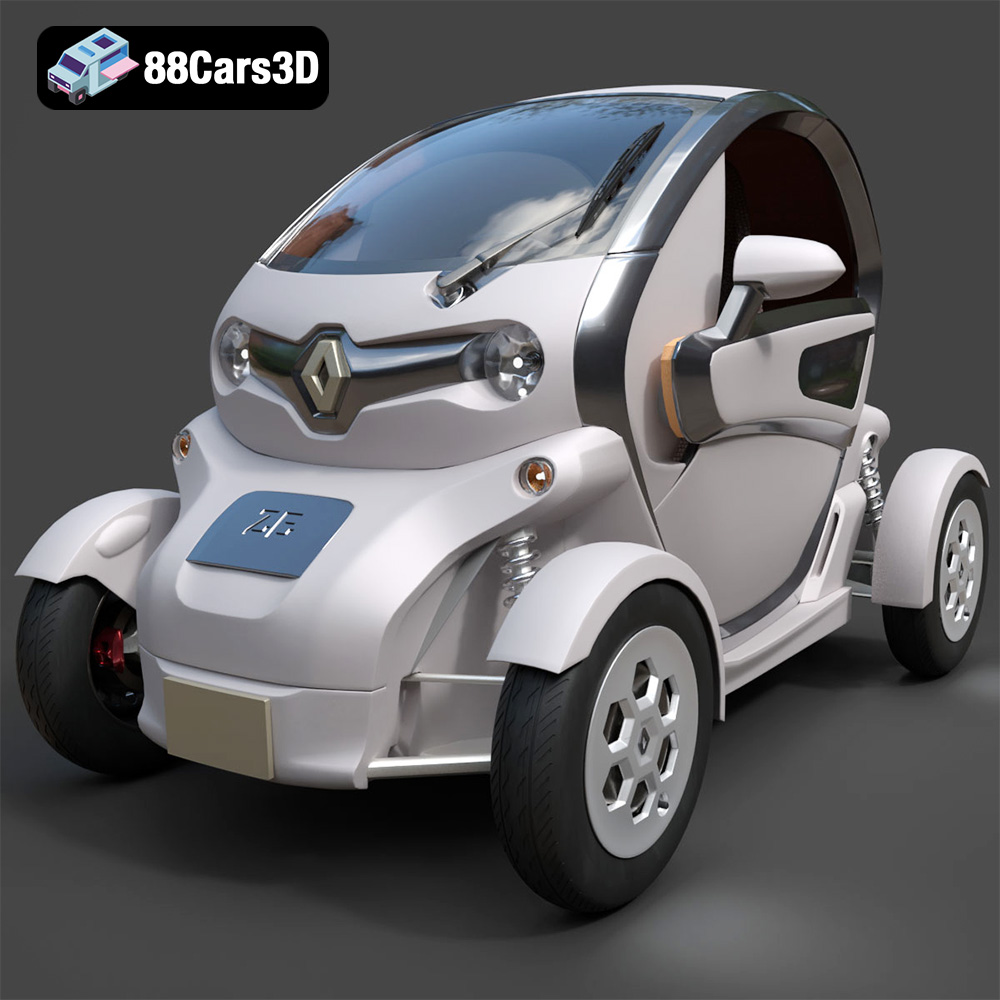
Texture: Yes
Material: Yes
Download the Renault Twizy ZE 3D Model featuring clean geometry, realistic detailing, and a fully modeled interior. Includes .blend, .fbx, .obj, .glb, .stl, .ply, .unreal, and .max formats for rendering, simulation, and game development.
Price: $4.99
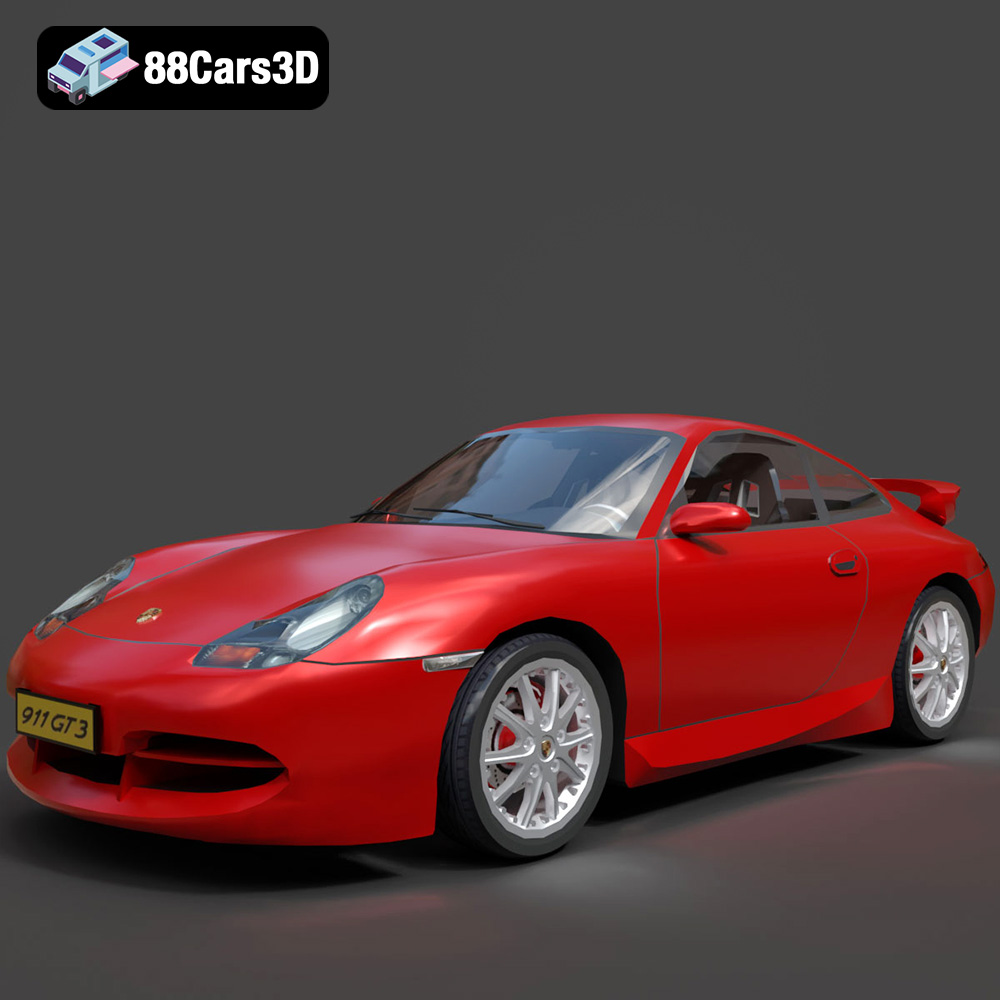
Texture: Yes
Material: Yes
Download the Porsche 911 GT3 3D Model featuring clean geometry, realistic detailing, and a fully modeled interior. Includes .blend, .fbx, .obj, .glb, .stl, .ply, .unreal, and .max formats for rendering, simulation, and game development.
Price: $4.99
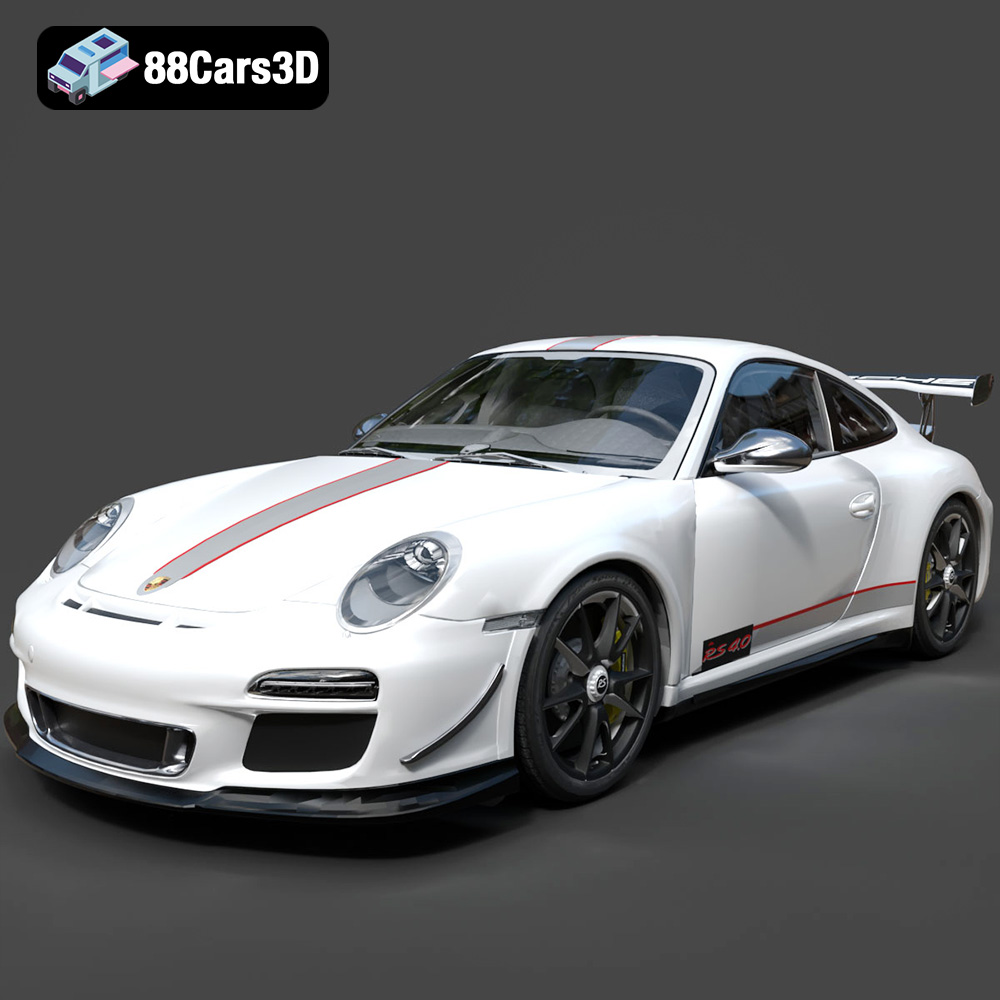
Texture: Yes
Material: Yes
Download the Porsche 911 997 GT3 RS 4.0 2011 3D Model featuring clean geometry, realistic detailing, and a fully modeled interior. Includes .blend, .fbx, .obj, .glb, .stl, .ply, .unreal, and .max formats for rendering, simulation, and game development.
Price: $4.99
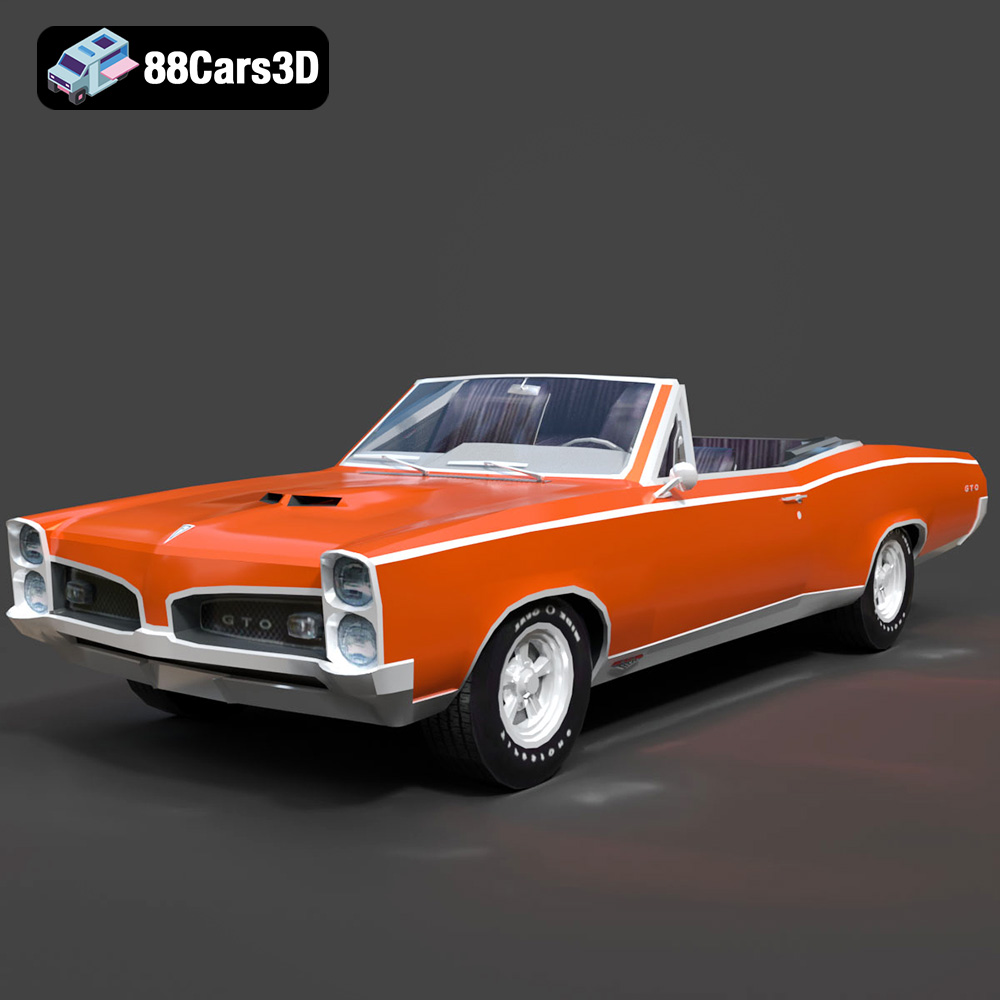
Texture: Yes
Material: Yes
Download the Pontiac GTO Cabrio 1967 3D Model featuring clean geometry, realistic detailing, and a fully modeled interior. Includes .blend, .fbx, .obj, .glb, .stl, .ply, .unreal, and .max formats for rendering, simulation, and game development.
Price: $4.99
Texture: Yes
Material: Yes
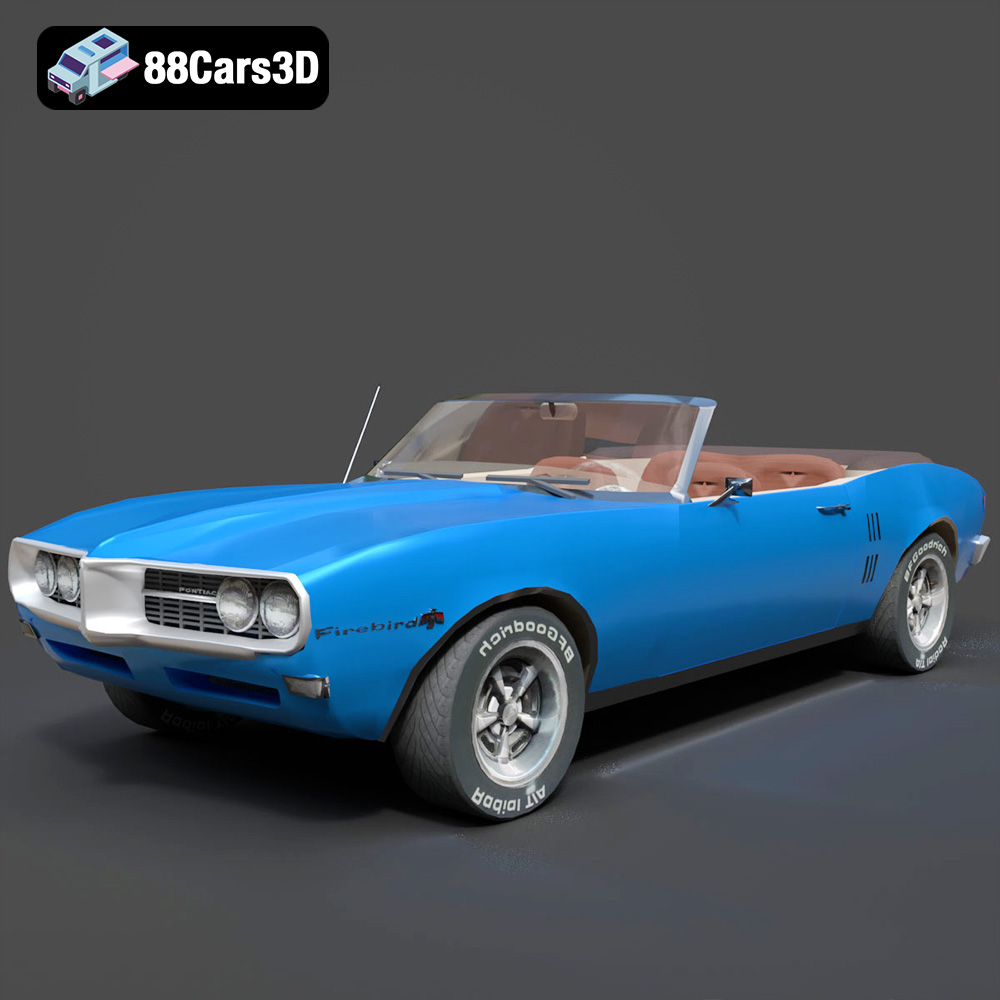
Download the Pontiac Firebird Convertible 1968 3D Model featuring clean geometry, realistic detailing, and a fully modeled interior. Includes .blend, .fbx, .obj, .glb, .stl, .ply, .unreal, and .max formats for rendering, simulation, and game development.
Price: $4.99

Texture: Yes
Material: Yes
Download the Peugeot 508 2011 3D Model featuring clean geometry, realistic detailing, and a fully modeled interior. Includes .blend, .fbx, .obj, .glb, .stl, .ply, .unreal, and .max formats for rendering, simulation, and game development.
Price: $4.99
Texture: Yes
Material: Yes
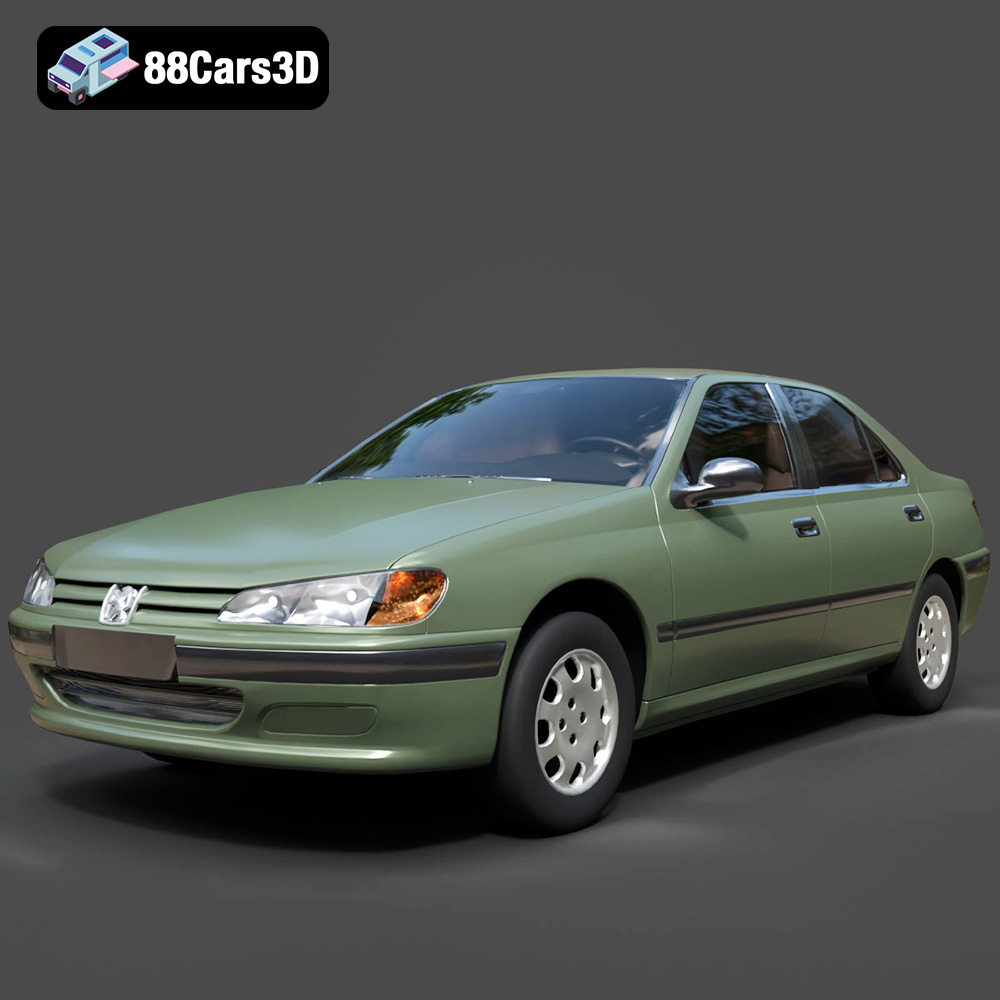
Download the Peugeot 406 1996 3D Model featuring clean geometry, realistic detailing, and a fully modeled interior. Includes .blend, .fbx, .obj, .glb, .stl, .ply, .unreal, and .max formats for rendering, simulation, and game development.
Price: $10
Texture: Yes
Material: Yes
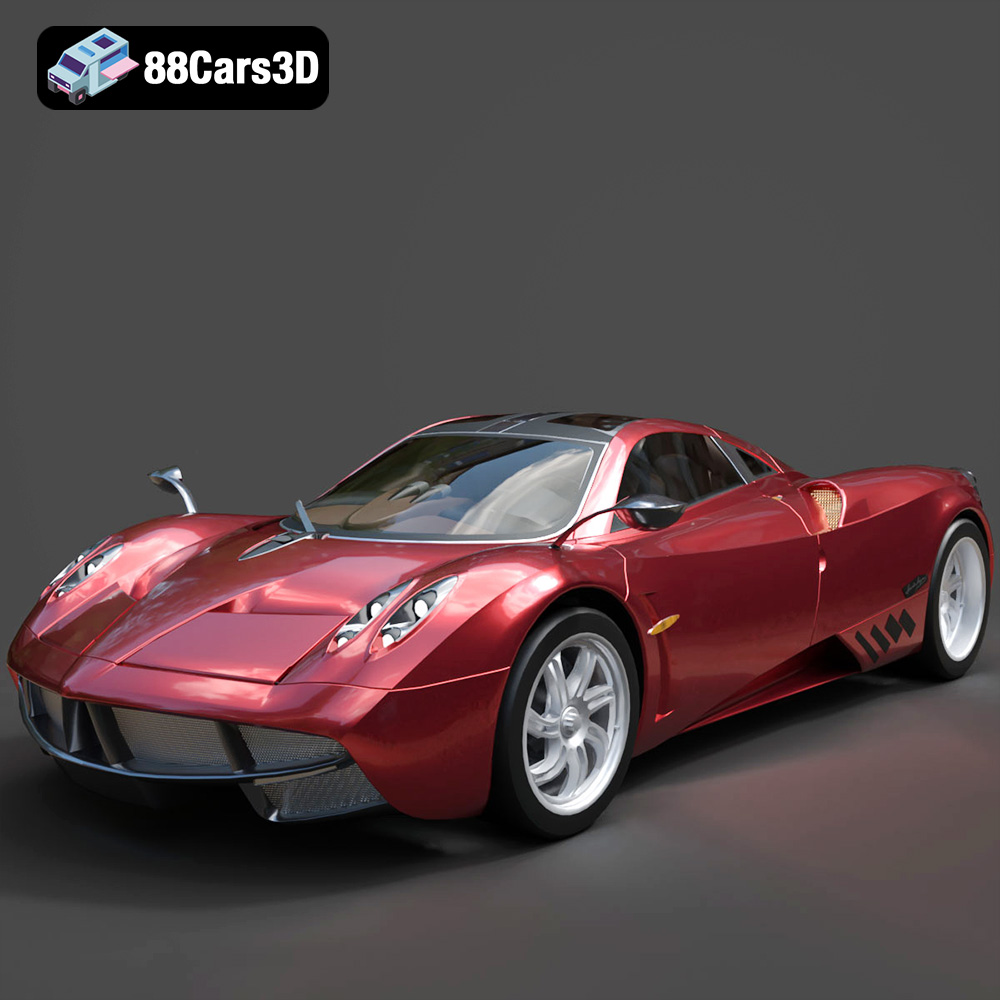
Download the Pagani Huayra 2012 3D Model featuring clean geometry, realistic detailing, and a fully modeled interior. Includes .blend, .fbx, .obj, .glb, .stl, .ply, .unreal, and .max formats for rendering, simulation, and game development.
Price: $10
Texture: Yes
Material: Yes
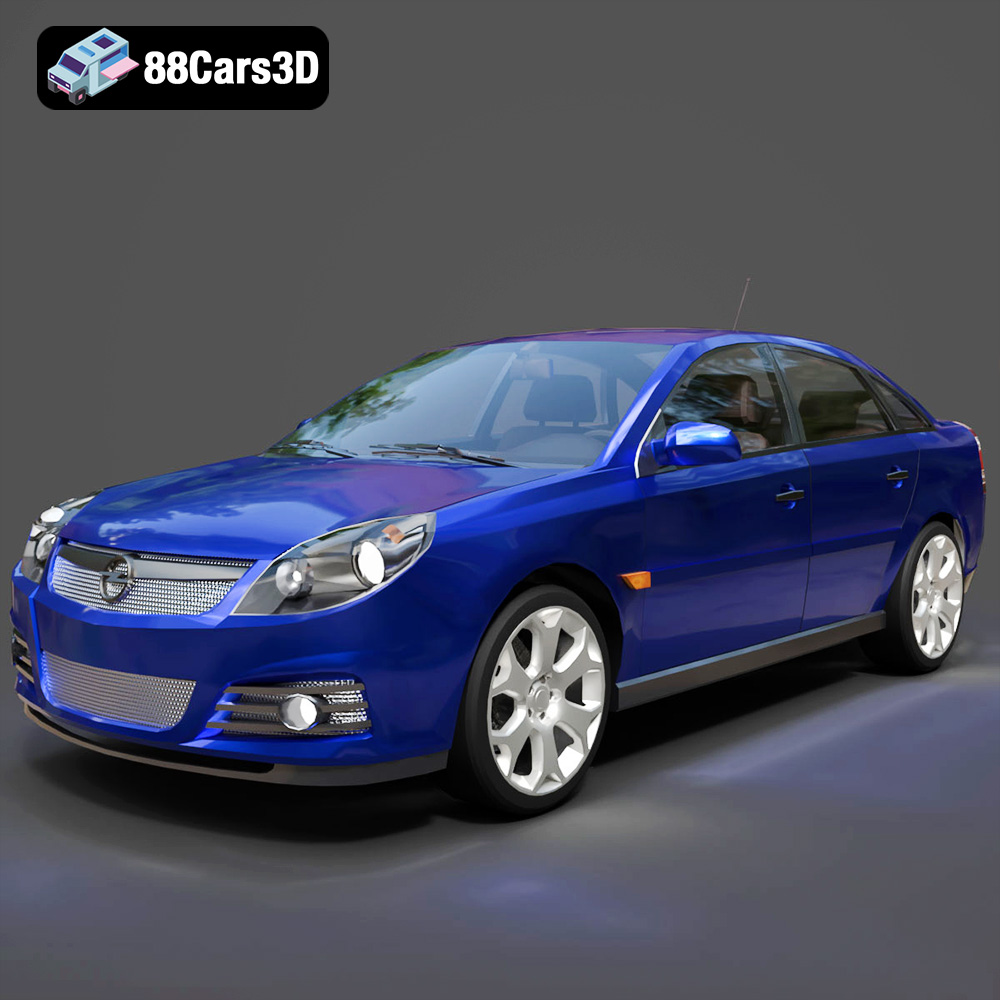
Download the Opel Vectra C 2005 3D Model featuring clean geometry, realistic detailing, and a fully modeled interior. Includes .blend, .fbx, .obj, .glb, .stl, .ply, .unreal, and .max formats for rendering, simulation, and game development.
Price: $10

Texture: Yes
Material: Yes
Download the Opel Insignia OPC 3D Model featuring clean geometry, realistic detailing, and a fully modeled interior. Includes .blend, .fbx, .obj, .glb, .stl, .ply, .unreal, and .max formats for rendering, simulation, and game development.
Price: $10

