⚡ FLASH SALE: Get 60% OFF All Premium 3D & STL Models! ⚡

In the dynamic realm of 3D visualization, few assets command as much attention and technical prowess as a meticulously crafted 3D car model. From the sleek lines of concept vehicles in automotive design to the high-octane action of AAA video games, and the immersive experiences of augmented and virtual reality, realistic 3D car models are the bedrock of stunning visuals. They represent a complex convergence of artistry and engineering, demanding precision at every stage – from the initial polygonal sculpting to the final pixel on screen. Achieving that photorealistic sheen, optimal performance, and versatile functionality requires a deep understanding of several specialized workflows.
This comprehensive guide will embark on an in-depth journey through the professional landscape of 3D car model creation and application. We’ll dissect the critical elements that transform raw geometry into a convincing digital vehicle, covering everything from the fundamental principles of clean topology and efficient UV mapping to the intricacies of Physically Based Rendering (PBR) materials, advanced lighting setups, and real-time optimization for game engines. Whether you’re an aspiring 3D artist, a seasoned game developer, an automotive designer, or simply a visualization enthusiast, prepare to unlock the secrets behind crafting and utilizing high-quality 3D car models that stand up to the most scrutinizing eyes and demanding applications.
At the heart of any professional 3D car model lies impeccable topology. This isn’t just about creating a recognizable shape; it’s about structuring the mesh in a way that allows for smooth deformations, clean subdivision, and efficient texturing. For automotive models, where surface continuity and the subtle play of light across curved panels are paramount, clean quad-based topology and intelligent edge flow are non-negotiable. Bad topology can lead to pinching, unwanted artifacts during subdivision, and difficulties in creating seamless UV maps or applying textures correctly. A well-constructed mesh provides a robust foundation, enabling artists to achieve photorealistic results and efficient performance across various platforms.
Understanding the interplay between polygons, edges, and vertices is crucial. A car body, with its blend of sharp creases, sweeping curves, and intricate panel gaps, requires a thoughtful approach to mesh construction. Every edge loop serves a purpose, either defining a hard edge, supporting a curve for subdivision, or segmenting areas for UV unwrapping. Investing time in perfecting the base mesh saves countless hours later in the production pipeline, ensuring a predictable and high-quality outcome.
The industry standard for organic and hard-surface modeling, especially for assets that will undergo subdivision, is quad-based topology. Quads (four-sided polygons) subdivide predictably and smoothly, minimizing unwanted pinching or artifacts. While triangles are unavoidable in some instances (e.g., highly complex, non-deforming meshes or final game engine export), they should be minimized or carefully placed in areas of low deformation. N-gons (polygons with more than four sides) are generally to be avoided entirely in production-ready meshes, as they lead to unpredictable subdivision and shading errors. For automotive models, where smooth, curved surfaces are key, subdivision surface modifiers (like TurboSmooth in 3ds Max, Subdiv in Maya, or Subdivision Surface in Blender) are heavily relied upon. These modifiers smooth the mesh by adding more polygons, making the underlying quad topology absolutely critical for maintaining clean, flowing surfaces.
When modeling a car, a common workflow involves starting with a low-polygon base mesh that captures the primary forms and proportions. This “cage” is then refined, ensuring all major curves and panels are defined by clear edge loops. Tools like ‘Connect Edges’, ‘Loop Tools’, and ‘Slide Edge’ in software like Blender, 3ds Max, and Maya are indispensable for manipulating and refining these edge flows. Aim for an even distribution of polygons across the surface, avoiding overly dense or sparse areas, which can lead to shading inconsistencies.
Edge flow refers to the direction and continuity of edge loops across a model’s surface. For automotive models, perfect edge flow is what defines the crispness of body lines, the smoothness of reflections, and the integrity of panel gaps. Supporting edge loops are critical for maintaining sharp details after subdivision. A single edge often won’t hold a sharp corner; it needs parallel edge loops on either side to “pinch” and define the crease. This technique is extensively used around windows, door seams, and vents to ensure they retain their definition even after multiple subdivision levels.
Maintaining consistent edge flow also involves managing poles (vertices where more or less than four edges meet). While 5-edge poles are generally acceptable and sometimes necessary to redirect edge flow, 3-edge poles can lead to pinching, and poles with more than 5 edges can cause shading issues. Strategically placing these poles in flatter, less visible areas is a common professional practice. When creating panel gaps, ensuring the edge loops run parallel to the gap and have adequate supporting loops on both sides is essential for a realistic separation. This meticulous approach to topology ensures that the final rendered model showcases the car’s design with absolute precision, reflecting light and shadow in a convincing manner.
Once the 3D model’s geometry is finalized, the next crucial step is UV mapping – the process of unwrapping the 3D mesh into a 2D layout. This 2D representation, known as a UV map, dictates how textures are applied to the model’s surface. For complex assets like 3D car models, effective UV mapping is paramount for achieving realistic materials, high-fidelity decals, and efficient game engine performance. Poor UVs lead to stretched textures, visible seams, or inefficient use of texture space, undermining all the hard work put into modeling.
The goal of UV mapping for automotive models is to create a clean, organized, and distortion-free layout that maximizes texel density while minimizing visible seams. This often involves segmenting the car into logical parts (hood, doors, roof, bumpers, interior elements) and strategically unwrapping each piece. Understanding the tools available in your 3D software and applying best practices can make this often-challenging process manageable and yield professional-grade results.
The primary objective of UV unwrapping is to project the 3D surface onto a 2D plane with as little distortion as possible. Different projection methods are employed based on the geometry: planar for flat surfaces, cylindrical for cylindrical parts like wheel wells, and spherical for rounded elements. However, for the intricate, flowing surfaces of a car body, manual unwrapping with strategic seam placement is often required. Seams should be hidden where possible (e.g., under the car, along natural panel breaks, or in areas of low visibility) to prevent them from becoming obvious texture discontinuities.
Texel density, which refers to the number of texture pixels per unit of surface area, is a critical consideration. Consistency in texel density across the entire model ensures that textures appear uniformly sharp and detailed. A car’s body panels, which are often viewed up close, typically require a higher texel density than, say, the underside of the chassis. Tools within 3ds Max, Blender, or Maya allow artists to check and standardize texel density across different UV islands. For a high-quality 3D car model, texture resolutions ranging from 2K for less prominent parts to 4K or even 8K for large body panels are common, necessitating meticulous UV layouts to prevent pixelation and maximize detail.
Efficient use of UV space is crucial, especially for game assets or models destined for AR/VR. This is where UV atlasing and stacking come into play. UV atlasing involves consolidating multiple smaller UV islands onto a single, larger UV map. This technique reduces the number of texture maps a shader needs to sample, which in turn reduces draw calls in game engines, significantly improving real-time performance. For instance, all the interior elements like the dashboard, seats, and steering wheel might be atlased onto one 4K or 8K texture map, rather than having individual maps for each component.
UV stacking is another powerful optimization technique. For symmetrical parts of the car (e.g., left and right doors, front and rear tires, symmetrical interior components), you can overlap their UV islands. This means both the left and right door can share the exact same texture space, effectively doubling the apparent texel density without increasing the texture file size. Care must be taken with stacking to ensure no unique details are needed on the stacked parts, or that any unique details can be handled with additional detail maps or decals. By combining strategic unwrapping, texel density management, and clever use of atlasing and stacking, artists can create UV maps that are both visually stunning and highly performant, laying the groundwork for realistic material application.
The visual fidelity of a 3D car model largely hinges on its materials and shaders. With the advent of Physically Based Rendering (PBR), artists can now create materials that react to light in a way that accurately mimics real-world physics, resulting in incredibly convincing and consistent visual output across different lighting conditions and renderers. For automotive models, PBR is indispensable for replicating complex surfaces like multi-layered car paint, reflective chrome, transparent glass, and textured rubber.
Crafting these materials goes beyond simply applying a color; it involves constructing intricate shader networks that define how light interacts with every facet of the car. This includes not just the base color, but also how metallic or dielectric the surface is, how rough or smooth it appears, and how light scatters or transmits through it. Mastery of PBR principles and shader creation is what elevates a good 3D model to a truly exceptional one, making it indistinguishable from a photograph in a well-lit scene.
PBR operates on a set of standardized parameters that simulate the physical properties of materials. The two most common PBR workflows are Metalness-Roughness and Specular-Glossiness. For automotive assets, Metalness-Roughness is widely adopted due to its intuitive nature and performance benefits. Key PBR texture maps include:
The core principle of PBR is energy conservation: light reflected or scattered by a surface cannot exceed the light that hits it. This ensures that materials look correct under various lighting conditions, eliminating the need for constant tweaking that was common with older, non-PBR workflows. When sourcing high-quality models, platforms like 88cars3d.com often provide PBR-ready textures, ensuring consistency and ease of integration.
Automotive surfaces often require advanced shader networks to capture their unique properties. The classic example is car paint, which is far more complex than a simple colored surface. A realistic car paint shader typically involves multiple layers:
Glass materials also demand careful attention, requiring accurate transmission, reflection, and absorption properties. Tinted windows need specific absorption values and potentially subtle roughness for dust. Tire materials benefit from detailed normal and displacement maps for realistic tread patterns, coupled with an appropriate roughness map to simulate rubber. For intricate details, such as interior stitching or dashboard textures, detailed 4K or 8K texture maps are often used in conjunction with normal maps to provide maximum visual fidelity. Advanced renderers like Corona Renderer, V-Ray (3ds Max), Cycles (Blender), and Arnold (Maya) offer sophisticated node-based material editors that allow artists to construct these complex shader networks, combining various maps and procedural textures to achieve hyper-realistic results.
Once a 3D car model is expertly modeled and textured with PBR materials, the final step in bringing it to life for visualization is the rendering process. This involves carefully setting up lighting, camera angles, environment, and render settings to capture the model’s essence. High-fidelity rendering transforms the raw 3D data into a polished 2D image or animation, often indistinguishable from real photography. This stage is where all the prior hard work culminates, and the choices made significantly impact the final visual appeal. Achieving photorealism requires not just powerful rendering software, but also a keen eye for photographic principles and meticulous attention to detail.
Professional automotive rendering often mimics real-world studio photography, utilizing techniques to highlight curves, reflections, and material properties. Whether the goal is a static beauty shot or an animated product showcase, a structured rendering workflow is essential for consistent and stunning results.
Lighting is arguably the most critical component of a realistic render. For automotive models, High Dynamic Range Images (HDRIs) are indispensable. HDRIs capture real-world lighting information, including intensity and color, from a full 360-degree environment. When used as an environment map in a 3D scene, they provide incredibly realistic reflections and ambient lighting that naturally wrap around the car’s surfaces. A high-quality HDRI of a studio, an outdoor environment, or a specific location can instantly elevate the realism of the scene.
Beyond HDRIs, supplementing with targeted studio lighting is common. A classic 3-point lighting setup (key, fill, back light) can be adapted, or specialized light sources like large area lights or mesh lights can be strategically placed to emphasize body lines, highlight specific details, or create dramatic reflections. For example, a long, narrow light source placed strategically can create a stunning ‘light streak’ reflection along the side of a car, enhancing its perceived curvature. Studio backdrops, often simple curved planes or infinity coves, help contain the lighting and provide a clean background for product shots. Renderers like Corona, V-Ray, Cycles, and Arnold excel at handling complex lighting setups, accurately simulating global illumination and sophisticated reflection models.
Just like in real-world photography, camera placement and settings are crucial. Using real-world camera parameters – such as focal length (e.g., 85mm or 100mm for automotive portraits), aperture (for depth of field control), and ISO – helps to achieve a photographic look. Depth of field (DOF) can draw attention to specific parts of the car, while motion blur can add dynamism to animated renders. Experimenting with different angles, heights, and distances is essential to find the most compelling composition.
Render settings within your chosen renderer (e.g., 3ds Max with Corona, Blender with Cycles) need careful configuration to balance quality and render time. This includes settings for global illumination, anti-aliasing, and sampling. For high-quality renders, using render passes (e.g., diffuse, reflection, refraction, Z-depth, object ID, cryptomatte) is standard practice. These passes allow for non-destructive post-processing and compositing in software like Adobe Photoshop or After Effects. Post-processing is where the final ‘polish’ is applied: color grading, adjusting contrast and exposure, adding lens flares or subtle glow effects, sharpening details, and removing noise. This final stage can significantly enhance the mood, atmosphere, and overall visual impact of the rendered image, transforming a raw render into a magazine-quality visual.
While high-fidelity renders aim for photographic realism, integrating 3D car models into real-time environments like game engines (Unity, Unreal Engine) or AR/VR applications demands a completely different set of considerations focused on performance. The challenge lies in maintaining visual quality while adhering to strict polygon budgets, texture memory limits, and draw call counts to ensure smooth frame rates. Game-ready 3D car models are highly optimized versions of their high-poly rendering counterparts, carefully engineered to look great without bogging down the engine.
Optimization is not an afterthought; it’s an integral part of the workflow for game assets. Every polygon, every texture, and every material must be considered for its impact on performance. Developers and artists must strike a delicate balance between visual fidelity and playability, leveraging techniques like Levels of Detail (LODs), texture atlasing, and efficient collision geometry.
One of the most critical optimization techniques for complex assets like cars in real-time environments is the implementation of Levels of Detail (LODs). An LOD system replaces a high-polygon model with progressively lower-polygon versions as the camera moves further away from it. A common setup might include LOD0 (full detail, 50k-100k polygons for AAA games), LOD1 (medium detail, 15k-30k), LOD2 (low detail, 5k-10k), and LOD3 (very low detail, 1k-3k, often just a silhouette). Creating these LODs typically involves manual polygon reduction using tools like ‘Decimate’ in Blender, ‘PolyReduce’ in Maya, or ‘ProOptimizer’ in 3ds Max, ensuring that important silhouettes and features are preserved at each level.
Beyond LODs, general mesh optimization includes removing any unnecessary geometry (e.g., polygons completely hidden by other parts), merging vertices, and ensuring clean, game-ready topology (often favoring triangles for efficiency in real-time rendering, converting from quads at export). The ultimate goal is to reduce the polygon count without significantly impacting the perceived visual quality when the car is viewed in its intended context.
Integrating 3D car models into game engines goes beyond just dropping the mesh in. Efficient collision meshes are crucial for realistic physics interactions. Instead of using the high-detail visual mesh for collision detection, simplified ‘proxy’ meshes are created – often just a few hundred polygons that represent the car’s general shape (e.g., a convex hull or simple box primitives). These collision meshes are invisible but define the car’s physical boundaries.
Texture optimization is equally vital. As previously discussed, UV atlasing multiple smaller textures onto a single larger texture map significantly reduces draw calls (the number of times the GPU needs to prepare and render objects). Fewer draw calls mean better performance. Similarly, creating material instances in engines like Unreal Engine or Unity allows for variations (e.g., different paint colors) from a single base material, further reducing material overhead. Texture resolutions must be balanced; 2K or 4K textures are common for hero vehicles, while less important cars might use 1K or even 512px textures. Engines also benefit from properly configured texture compression (e.g., DXT for desktop, ASTC for mobile). All these strategies combine to ensure that your 3D car model not only looks fantastic but also runs smoothly, providing an immersive experience for players and users.
The utility of high-quality 3D car models extends far beyond traditional rendering and game development. With advancements in technology, these assets are now integral to immersive AR/VR experiences, rapid prototyping through 3D printing, and seamless cross-platform visualization. Each of these applications presents unique technical requirements and challenges, demanding specific optimizations and an understanding of diverse file formats. Versatility is key, and a well-prepared 3D car model can serve multiple purposes, maximizing its value across various industries.
Whether you’re creating a virtual showroom, designing a physical concept model, or integrating a car into an interactive AR app, understanding the specific needs of these emerging technologies is crucial. High-quality models sourced from platforms like 88cars3d.com often come pre-optimized or with the necessary base data for these diverse applications, streamlining workflows significantly.
Augmented Reality (AR) and Virtual Reality (VR) environments demand even stricter optimization than traditional games due to their highly immersive and performance-sensitive nature. Maintaining high frame rates (e.g., 90+ FPS for VR) is essential to prevent motion sickness and ensure a comfortable user experience. This translates to incredibly tight polygon budgets and draw call limits. A typical AR/VR car model might need to be below 50,000 polygons, or even less, with heavily atlased textures and minimal unique materials.
Key considerations for AR/VR include:
Applications range from interactive product configurators that let customers explore a car in 3D before purchasing, to virtual showrooms, or even educational tools that allow users to inspect engine components in VR. These applications highlight the demand for highly optimized, yet visually compelling, 3D car models.
3D printing offers a tangible way to bring digital car designs into the physical world, from prototyping new components to creating detailed collector’s items. However, models prepared for rendering or real-time use are rarely ready for 3D printing directly. Printing requires a “watertight” or “manifold” mesh – meaning the model must be a completely enclosed volume with no gaps, holes, or intersecting geometry. Every edge must be connected to exactly two faces, ensuring a solid object that a 3D printer can interpret.
Specific steps for 3D printing preparation include:
Beyond 3D printing, the ability to interchange models between different software applications and platforms is crucial. This is where universal file formats come into play. FBX is a widely adopted format for transferring geometry, animation, and PBR materials between 3ds Max, Maya, Blender, Unity, and Unreal Engine. OBJ is excellent for geometry and basic UVs, while GLB and USDZ are becoming the go-to for web and AR/VR integration, bundling textures and materials efficiently. When you purchase high-quality 3D car models from marketplaces like 88cars3d.com, they often provide multiple file formats, ensuring maximum compatibility and flexibility for your specific project needs.
The journey from a conceptual idea to a fully realized, high-fidelity 3D car model is a testament to both artistic vision and technical mastery. We’ve explored the intricate stages that transform raw polygons into photorealistic vehicles – beginning with the foundational principles of flawless topology and intelligent edge flow, which ensure smooth surfaces and predictable deformations. We then delved into the art of UV mapping, crucial for distortion-free texturing and efficient texture utilization.
Our exploration continued into the complex world of PBR materials and advanced shading networks, dissecting how physically accurate parameters create compelling car paint, glass, and metallic surfaces. We then examined the rendering workflows, from mastering HDRI lighting and camera optics to the essential role of post-processing in achieving stunning visualizations. Finally, we navigated the critical demands of game engine optimization for real-time applications and the unique considerations for AR/VR experiences and 3D printing, alongside the importance of versatile file formats.
The landscape of 3D automotive visualization is continuously evolving, pushing the boundaries of realism and interactivity. By understanding and applying these professional workflows, artists and developers can create 3D car models that not only look incredible but also perform efficiently across a multitude of platforms and applications. Whether you’re building a game, designing a new vehicle, or creating an immersive virtual experience, the quality of your 3D assets is paramount. To jumpstart your projects with professional-grade, meticulously crafted models, explore the extensive collection available at 88cars3d.com – your gateway to elevating your automotive visualization to the next level.
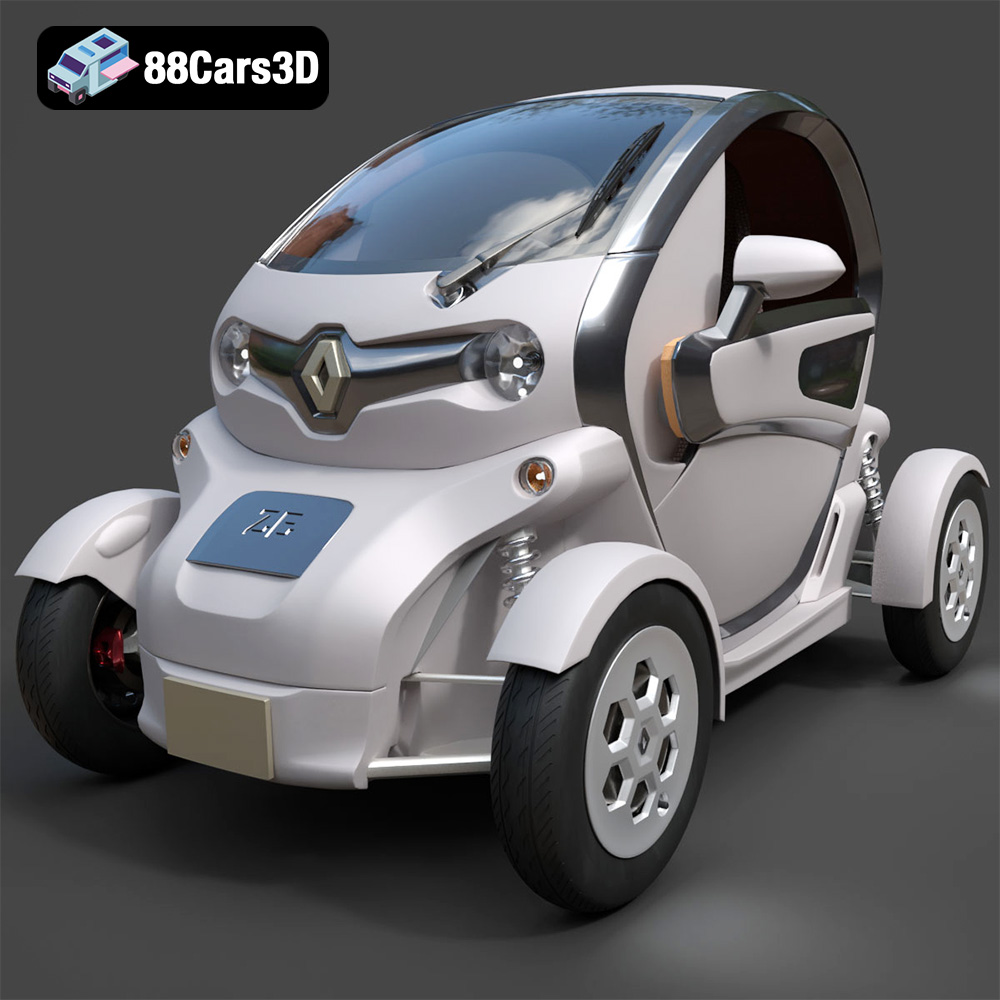
Texture: Yes
Material: Yes
Download the Renault Twizy ZE 3D Model featuring clean geometry, realistic detailing, and a fully modeled interior. Includes .blend, .fbx, .obj, .glb, .stl, .ply, .unreal, and .max formats for rendering, simulation, and game development.
Price: $4.99
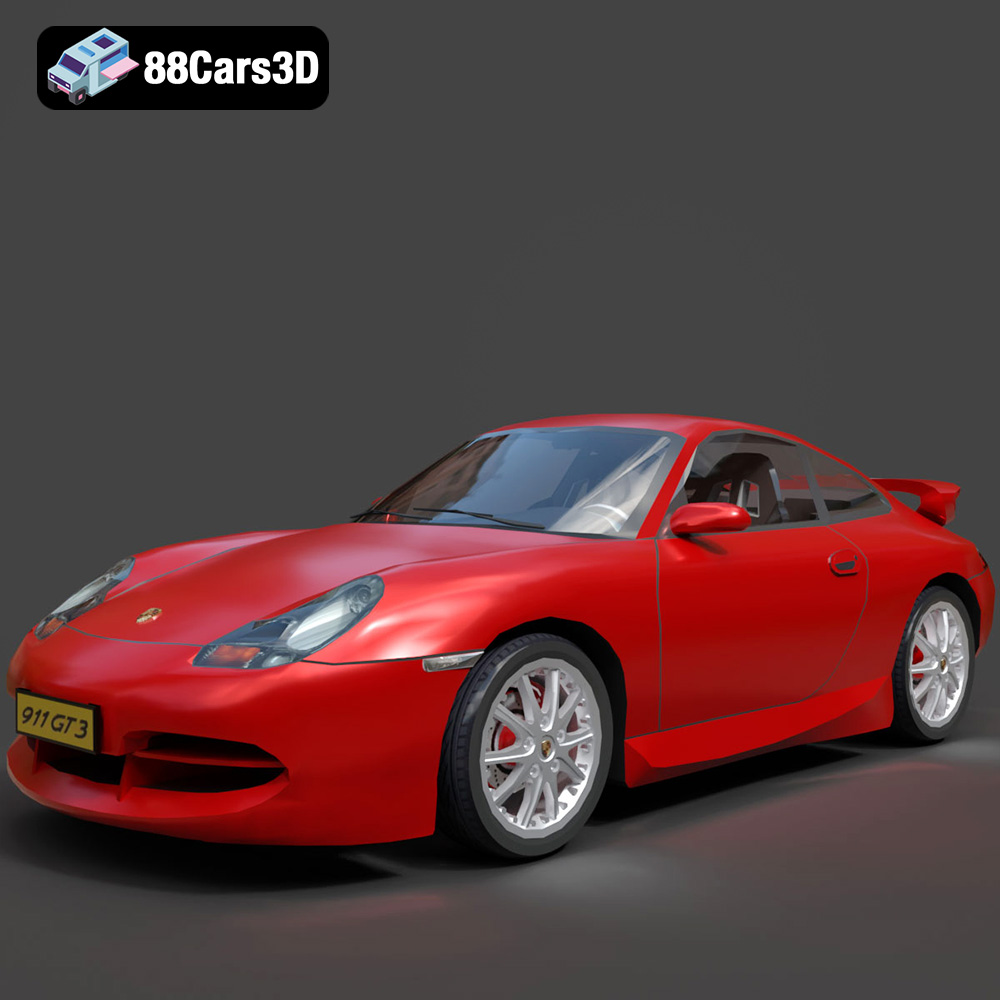
Texture: Yes
Material: Yes
Download the Porsche 911 GT3 3D Model featuring clean geometry, realistic detailing, and a fully modeled interior. Includes .blend, .fbx, .obj, .glb, .stl, .ply, .unreal, and .max formats for rendering, simulation, and game development.
Price: $4.99
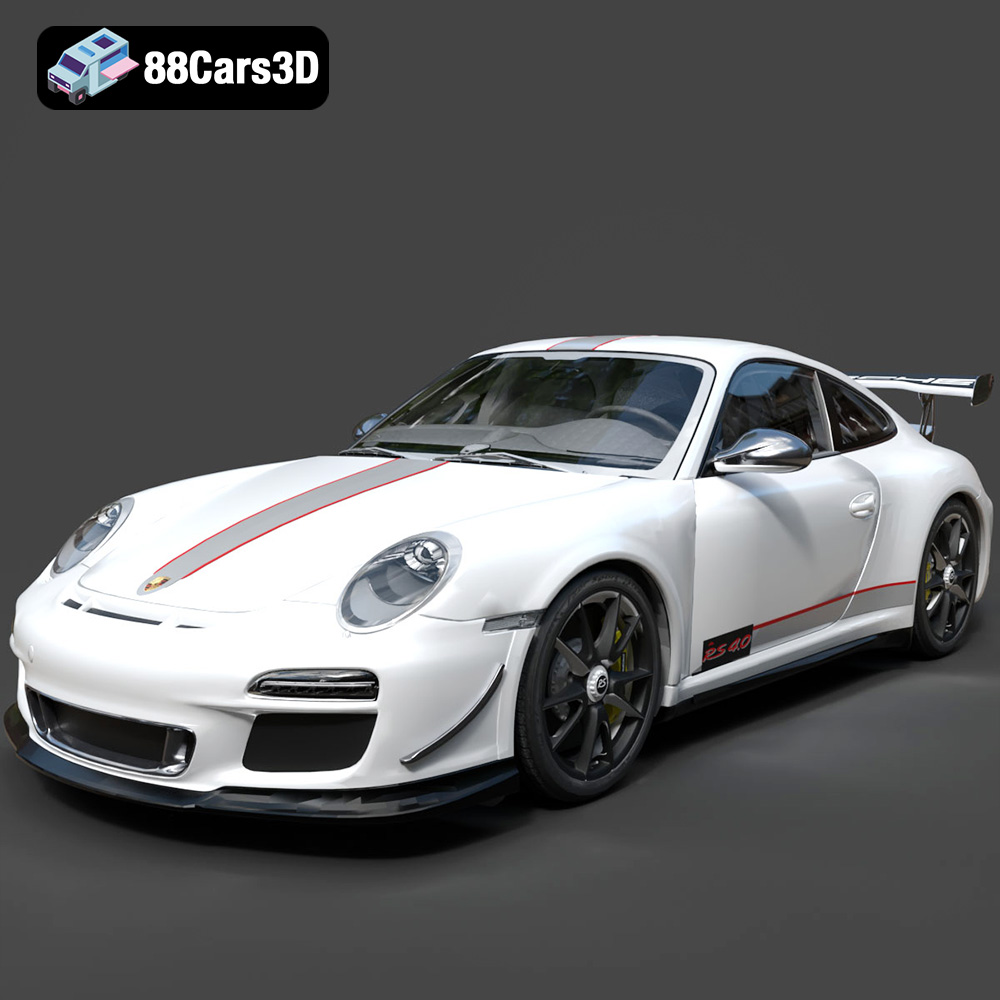
Texture: Yes
Material: Yes
Download the Porsche 911 997 GT3 RS 4.0 2011 3D Model featuring clean geometry, realistic detailing, and a fully modeled interior. Includes .blend, .fbx, .obj, .glb, .stl, .ply, .unreal, and .max formats for rendering, simulation, and game development.
Price: $4.99
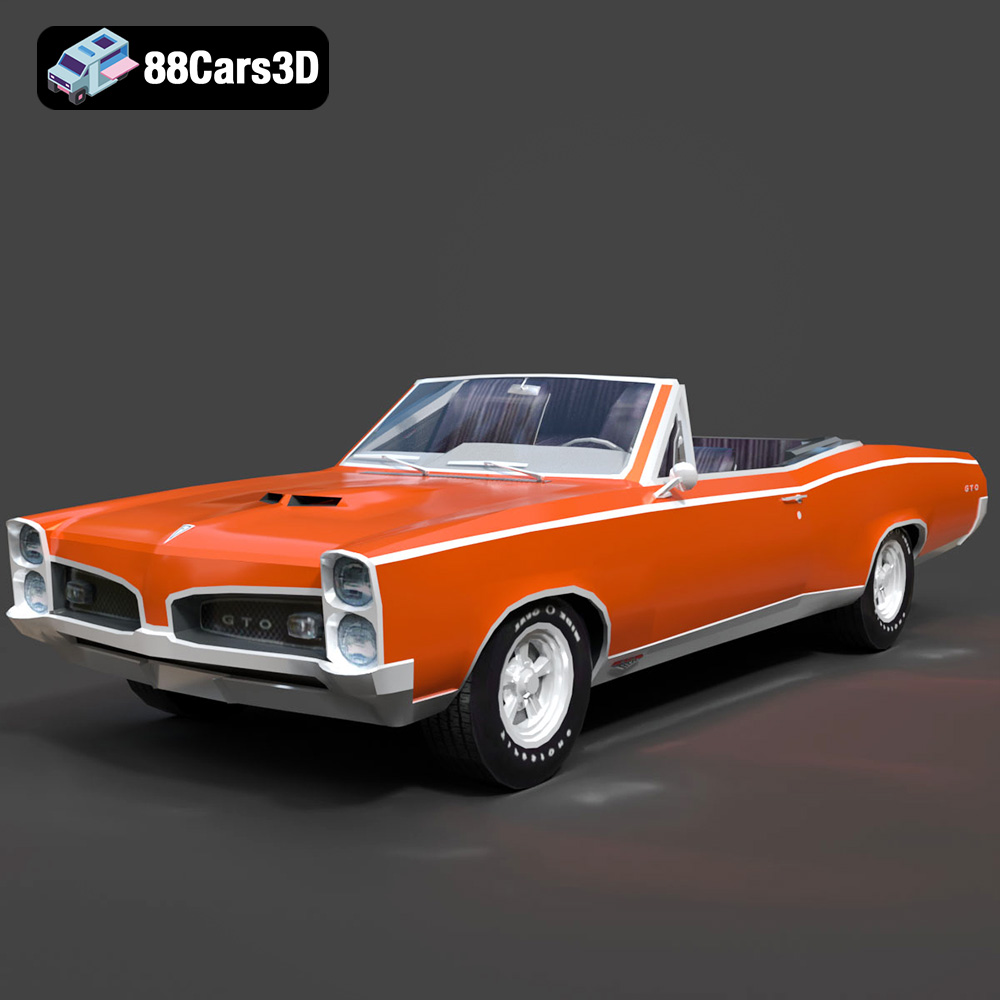
Texture: Yes
Material: Yes
Download the Pontiac GTO Cabrio 1967 3D Model featuring clean geometry, realistic detailing, and a fully modeled interior. Includes .blend, .fbx, .obj, .glb, .stl, .ply, .unreal, and .max formats for rendering, simulation, and game development.
Price: $4.99
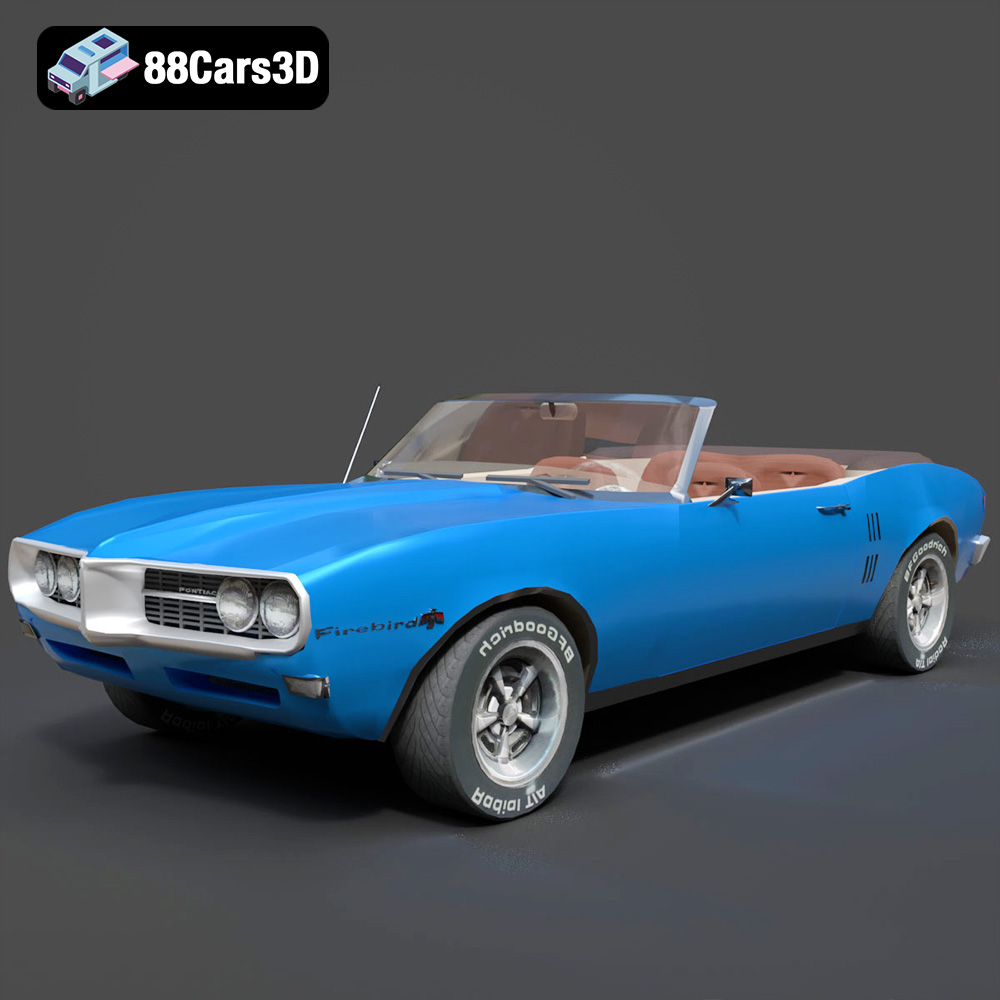
Texture: Yes
Material: Yes
Download the Pontiac Firebird Convertible 1968 3D Model featuring clean geometry, realistic detailing, and a fully modeled interior. Includes .blend, .fbx, .obj, .glb, .stl, .ply, .unreal, and .max formats for rendering, simulation, and game development.
Price: $4.99

Texture: Yes
Material: Yes
Download the Peugeot 508 2011 3D Model featuring clean geometry, realistic detailing, and a fully modeled interior. Includes .blend, .fbx, .obj, .glb, .stl, .ply, .unreal, and .max formats for rendering, simulation, and game development.
Price: $4.99
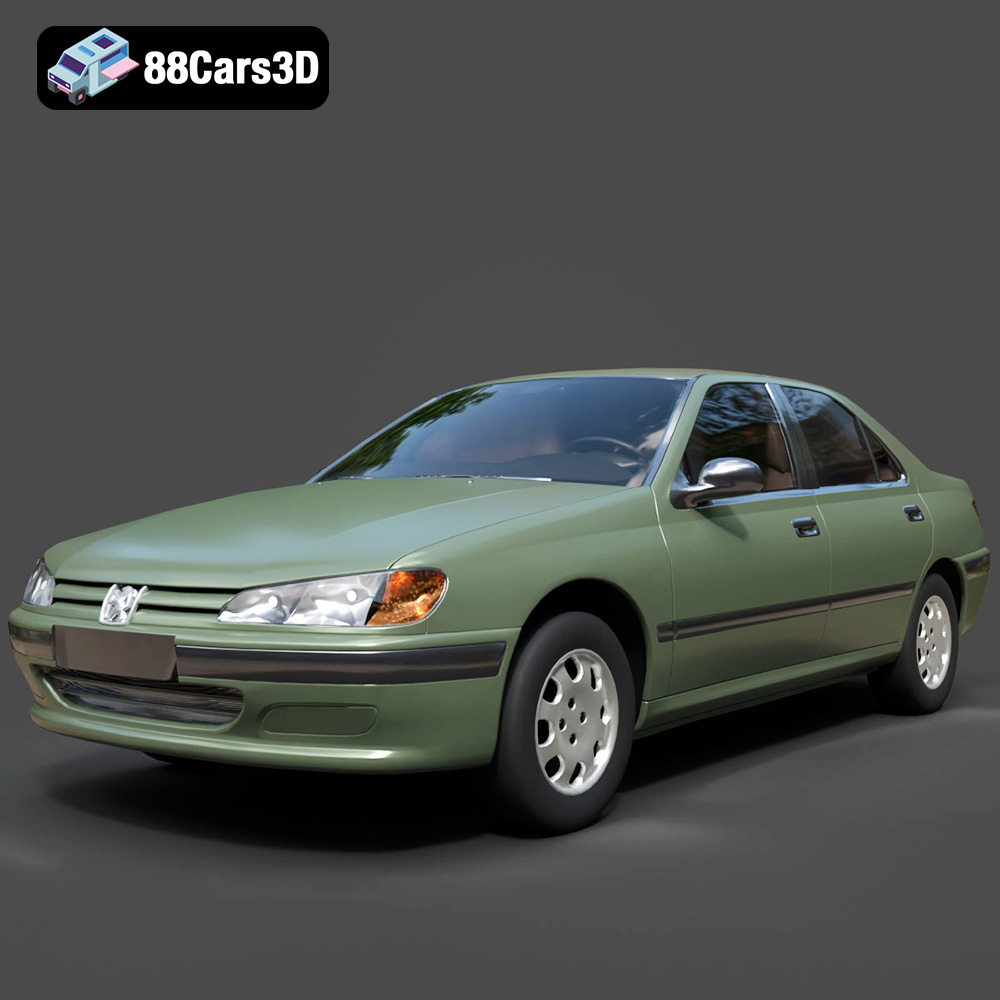
Texture: Yes
Material: Yes
Download the Peugeot 406 1996 3D Model featuring clean geometry, realistic detailing, and a fully modeled interior. Includes .blend, .fbx, .obj, .glb, .stl, .ply, .unreal, and .max formats for rendering, simulation, and game development.
Price: $10
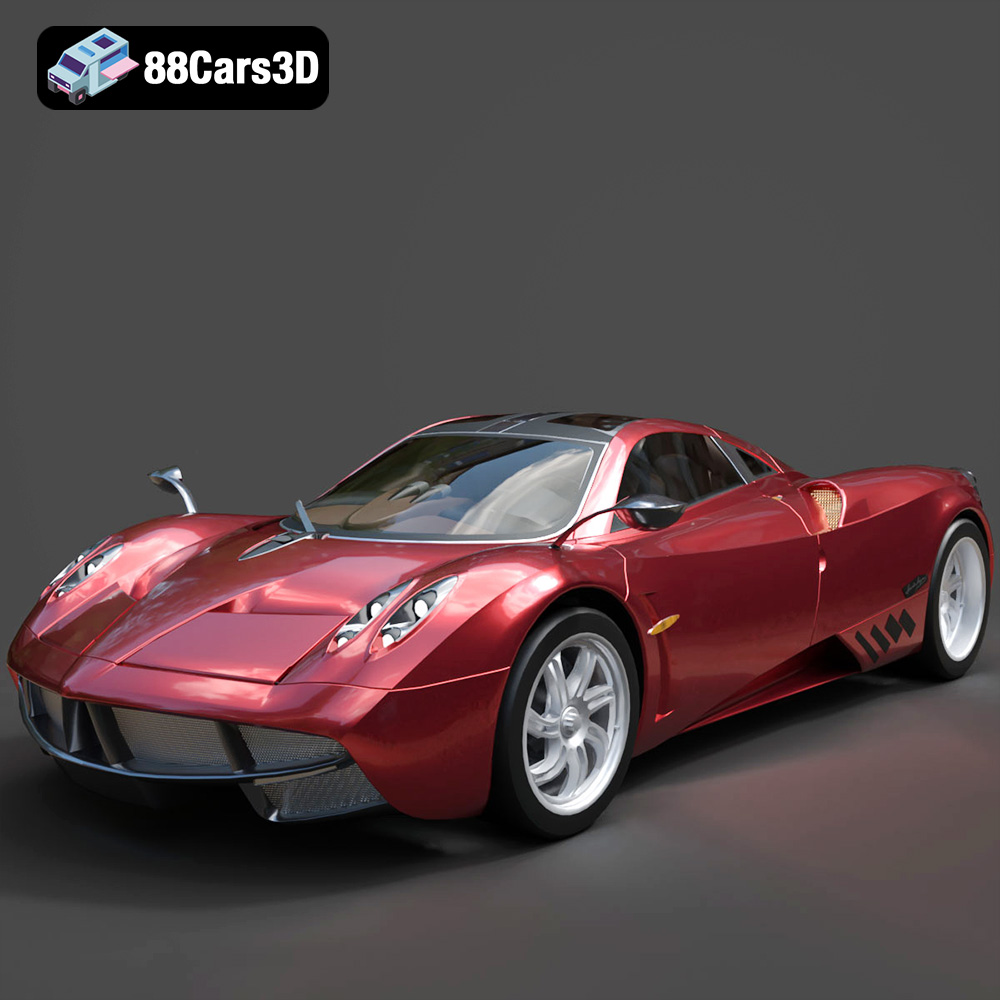
Texture: Yes
Material: Yes
Download the Pagani Huayra 2012 3D Model featuring clean geometry, realistic detailing, and a fully modeled interior. Includes .blend, .fbx, .obj, .glb, .stl, .ply, .unreal, and .max formats for rendering, simulation, and game development.
Price: $10
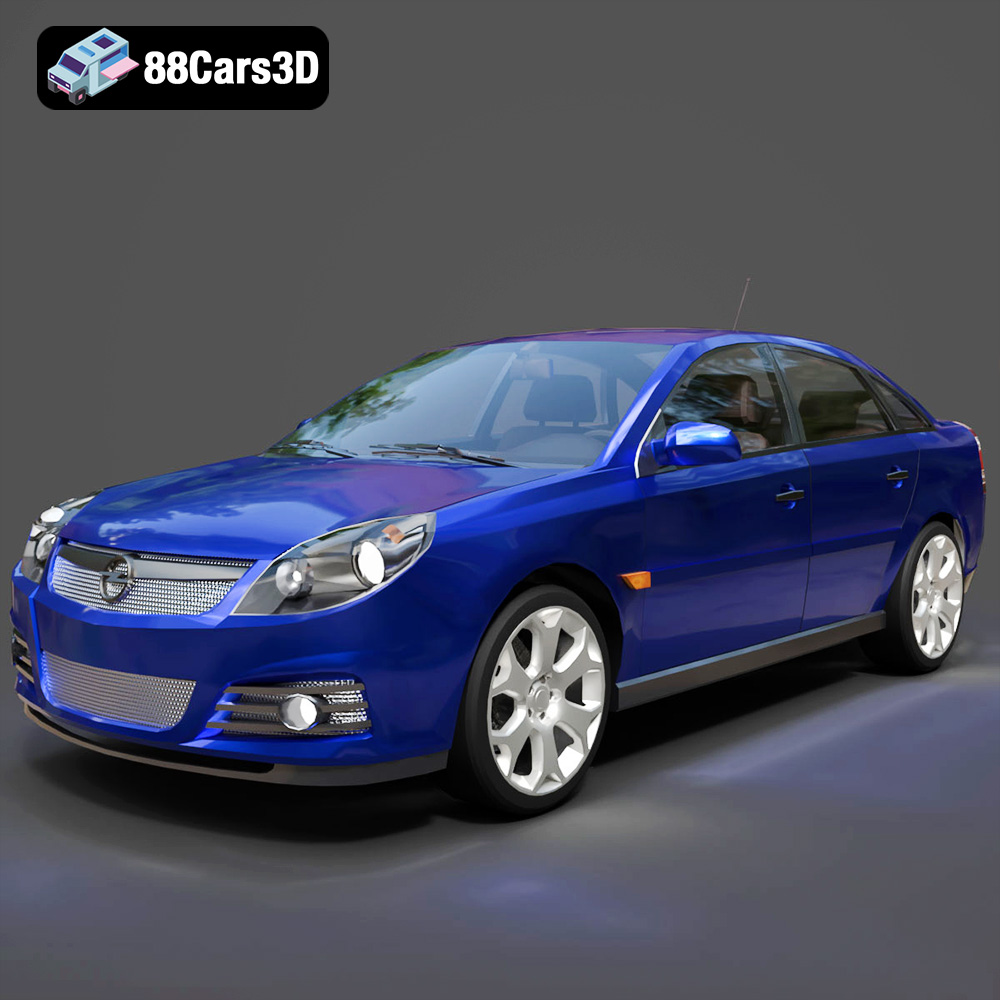
Texture: Yes
Material: Yes
Download the Opel Vectra C 2005 3D Model featuring clean geometry, realistic detailing, and a fully modeled interior. Includes .blend, .fbx, .obj, .glb, .stl, .ply, .unreal, and .max formats for rendering, simulation, and game development.
Price: $10

Texture: Yes
Material: Yes
Download the Opel Insignia OPC 3D Model featuring clean geometry, realistic detailing, and a fully modeled interior. Includes .blend, .fbx, .obj, .glb, .stl, .ply, .unreal, and .max formats for rendering, simulation, and game development.
Price: $10

