⚡ FLASH SALE: Get 60% OFF All Premium 3D & STL Models! ⚡

In the rapidly evolving landscape of digital visualization, 3D car models stand as pillars of creativity and technical prowess. From the sleek lines of concept vehicles in automotive design to the high-octane action in video games, and the immersive experiences of augmented and virtual reality, the demand for exceptionally crafted 3D vehicles is ceaseless. But what truly defines a high-quality 3D car model, and what intricate technical workflows are involved in bringing these digital masterpieces to life? This comprehensive guide delves deep into the specialized techniques and industry best practices that transform raw polygons into photorealistic, production-ready automotive assets.
Whether you’re a seasoned 3D artist aiming to refine your craft, a game developer seeking optimized game assets, an automotive designer exploring new visualization methods, or a student embarking on your journey into 3D, understanding the nuances of automotive 3D modeling is crucial. We’ll navigate everything from the fundamental principles of topology and UV mapping to the advanced intricacies of PBR materials, sophisticated automotive rendering, and stringent optimization for real-time applications. By the end of this journey, you’ll possess a robust understanding of the technical considerations that elevate a good 3D car model to an extraordinary one, ready for any challenge across diverse industries. Let’s buckle up and explore the engine of digital automotive excellence.
The foundation of any high-quality 3D car model lies in its topology and edge flow. These are not merely aesthetic concerns but crucial technical elements that dictate how a model deforms, renders, and can be further optimized. For automotive models, which are characterized by complex curves, sharp creases, and highly reflective surfaces, impeccable topology is paramount. A clean, quad-based mesh ensures smooth subdivision surfaces without pinching or artifacts, especially vital for realistic reflections and lighting interactions.
Industry best practices mandate an all-quad topology (four-sided polygons) as the starting point. While triangulation might occur during export for game engines or certain renderers, the base mesh should remain quad-dominant. This allows for predictable subdivision (using modifiers like Turbosmooth in 3ds Max or Subdivision Surface in Blender) which is essential for achieving the high-fidelity curves and panel gaps seen on real vehicles. A common high-poly model for rendering might start around 100,000-200,000 polygons at base mesh and easily exceed 500,000 to 1 million+ polygons after subdivision, depending on the level of detail. When sourcing models from platforms like 88cars3d.com, artists expect this level of foundational quality, ensuring their purchased assets are versatile and production-ready.
The primary reason for insisting on quad-based geometry is its predictable behavior under subdivision algorithms. When a quad is subdivided, it maintains its four-sided structure, creating a smoother surface. Triangles, when subdivided, can introduce undesirable pinching or uneven surface tension, leading to visual artifacts in reflections. Ngons (polygons with more than four sides) are even more problematic, often causing unpredictable shading and issues with UV unwrapping. For automotive body panels, fenders, and doors, which demand absolute smoothness, quads are non-negotiable. Artists meticulously place edge loops to define the curvature, ensuring that the silhouette remains perfect from all angles, especially under dynamic lighting conditions. This attention to detail prevents faceting and ensures the model looks impeccable in renders.
Beyond simply using quads, the arrangement of these polygons – known as edge flow – is critical. Effective edge flow follows the natural contours and creases of the car’s design, guiding the subdivisions to create smooth, flowing surfaces. Loops of edges are strategically placed around areas that need to be sharp (like panel gaps, window frames, or body lines) and relaxed in areas that need to be smooth (like large body panels). These “support loops” or “holding edges” are crucial for defining hard edges while still allowing the rest of the surface to subdivide smoothly. For instance, a panel gap will have two or three closely spaced edge loops running parallel to each other, creating a crisp depression when subdivided. Without proper edge flow, even a quad-mesh can appear lumpy or faceted, compromising the realism of the automotive rendering.
While high-polygon counts are desirable for photorealistic renders, they are detrimental to real-time applications like games or AR/VR. Professional workflows often involve creating a high-poly sculpt or detailed base mesh and then retopologizing it into a lower-polygon version. Alternatively, for complex assets like car models, artists often build the model with clean topology from the start, knowing they will generate multiple Levels of Detail (LODs) later. This means considering the base mesh’s polygon density carefully: too sparse, and it won’t hold shape; too dense, and retopology becomes overly complex. The initial mesh should be efficient, allowing for effective deformation and eventual LOD generation. A well-constructed base mesh facilitates easier creation of LOD0 (high-poly), LOD1 (medium-poly), and LOD2 (low-poly) versions, ensuring the asset is versatile for various applications.
Once the topological integrity of your 3D car model is established, the next crucial step is to give it a convincing “skin” through precise UV mapping and sophisticated PBR materials. These elements are not just about adding color; they define how light interacts with every surface, conveying realism through reflections, refractions, and microscopic details. In the world of automotive rendering and visualization, where surfaces are often highly polished and detailed, meticulous attention to UVs and material properties is non-negotiable.
Good UVs are fundamental for applying textures without distortion or seams, a common pitfall for inexperienced artists. PBR materials, on the other hand, represent a standardized approach to physically accurate shading, ensuring that your car model looks correct under any lighting condition, whether in 3ds Max with Corona or V-Ray, or in Blender with Cycles. Achieving this level of visual fidelity requires a deep understanding of texture channels like Albedo (Base Color), Metallic, Roughness, Normal, and Ambient Occlusion, and how they interact within a shader network.
UV unwrapping for a car model is a complex task due to the curved, intersecting, and often intricate geometry. The goal is to lay out the 3D surface into a 2D space (the UV map) efficiently, minimizing stretching and overlapping, and maximizing texture density. For large, continuous surfaces like the main body panels, projection mapping (planar, cylindrical, or spherical, then relaxing) is often combined with manual seam placement along natural breaks or hidden areas (e.g., along panel lines, under trim). Software like Blender’s Smart UV Project, 3ds Max’s Unwrap UVW, or Maya’s UV Editor offer powerful tools for this. Critical areas like the dashboard, seats, tires, and intricate engine parts require dedicated unwrapping to ensure their textures appear crisp and undistorted. Overlapping UVs, while sometimes used for tiling textures on non-unique parts (like tire treads), are generally avoided for unique components to prevent lighting and baking issues.
PBR materials are the industry standard for achieving photorealistic results. Instead of simply defining color and reflectivity, PBR workflows simulate how light behaves in the real world based on the physical properties of materials. This involves several key texture maps:
Each of these maps is meticulously crafted in texturing software like Substance Painter or directly within render engine shader networks. For realistic car paint, additional layers for clear coat, flakes, and subsurface scattering (for plastics) are often employed, creating complex yet physically accurate shaders.
The resolution of your texture maps directly impacts the visual fidelity of your 3D car models. For high-end rendering and close-up shots, 4K (4096×4096) or even 8K (8192×8192) textures are common for large surfaces like the car body. Interior components might use 2K or 1K textures, while smaller, less visible details could use 512×512. The key is to balance visual quality with file size and memory footprint. For game assets, texture atlasing (combining multiple smaller textures into one larger sheet) is often employed to reduce draw calls and optimize performance. A typical car model might have multiple texture sets: one for the exterior body, one for the interior, one for tires/wheels, and separate ones for glass/lights. Properly named and organized texture files are crucial for efficient workflow and compatibility across different platforms and renderers.
Rendering is the magical process that transforms a wireframe model with textures into a photorealistic image or animation. For automotive rendering, this stage is critical, as the goal is often to create visuals indistinguishable from real-world photography. This demands a deep understanding of light, materials, and camera optics, combined with the technical mastery of advanced rendering engines. Whether you’re aiming for a pristine studio shot, a dynamic environmental render, or a cinematic sequence, the rendering workflow is where your 3D car models truly shine.
Modern render engines like Corona Renderer, V-Ray, Cycles, and Arnold offer powerful physically-based solutions, simulating global illumination, reflections, and refractions with incredible accuracy. The choice of engine often depends on the software ecosystem, project requirements, and desired visual style. A typical rendering pipeline involves setting up the scene, applying intricate materials, establishing a lighting scheme, positioning cameras, and then post-processing the raw render to achieve the final polished look. This iterative process requires an artistic eye combined with technical precision to achieve truly stunning results.
Each major rendering engine has its strengths and preferred use cases:
The best engine is often the one you are most comfortable with and that fits your project’s demands, keeping in mind the industry standard for compatibility when working in teams or sourcing models from marketplaces like 88cars3d.com.
Creating a convincing car paint shader is one of the most challenging aspects of automotive rendering. It’s not just a single color; it’s a multi-layered material simulating base coat, metallic flakes, clear coat, and sometimes even a subtle orange peel effect. A common approach involves layering multiple reflective surfaces:
The interplay of these layers, influenced by Fresnel reflections and micro-surface details, creates the distinctive look of real car paint. Interior materials, on the other hand, require a different approach. Leather might use a complex normal map for grain and a medium roughness value; plastics will vary widely in sheen and texture; and fabrics will need intricate displacement or normal maps and potentially subsurface scattering for realism. Each material needs to be painstakingly crafted to contribute to the overall realism of the 3D car models.
Lighting is the soul of any render. For cars, studio lighting setups often involve large softbox-like lights (area lights or emission planes in HDRI environments) to create elegant reflections and highlight the car’s contours. A typical setup might include:
For exterior renders, matching the lighting of a backplate image or using a carefully chosen HDRI is essential for seamless integration. Understanding how to use light to sculpt the form, highlight design features, and minimize unflattering reflections is a skill honed over years of practice. Experimenting with light temperature, intensity, and position can dramatically alter the mood and visual impact of your automotive rendering.
While photorealistic rendering focuses on static beauty, integrating 3D car models into game engines like Unity or Unreal Engine demands a completely different set of technical considerations centered around performance. Game assets need to be highly optimized to run smoothly in real-time, often sacrificing some absolute fidelity for fluid frame rates and interactive experiences. This transition from high-poly, offline-rendered models to efficient real-time assets involves rigorous optimization techniques that are crucial for game developers and AR/VR experiences.
The goal is to minimize draw calls, polygon counts, texture memory, and shader complexity without significantly compromising visual quality. This is achieved through systematic strategies like Level of Detail (LOD) systems, texture atlasing, mesh instancing, and efficient material setups. A single, unoptimized 3D car model could bring an entire game scene to its knees, making intelligent optimization a non-negotiable skill for anyone developing interactive automotive content.
LODs are arguably the most critical optimization technique for complex game assets like cars. The principle is simple: create multiple versions of the same model, each with a progressively lower polygon count.
Game engines automatically switch between these LODs based on the camera’s distance, ensuring that detail is only rendered where it’s noticeable, drastically reducing GPU load. The process involves systematically reducing polygon count while preserving the silhouette and key details, often through decimation tools in Blender, Maya, or 3ds Max, or automated LOD generation within game engines.
Draw calls are instructions from the CPU to the GPU to render a batch of triangles. Each material, mesh, and texture typically incurs a separate draw call. For a car model with many separate parts (wheels, interior, lights, chassis), this can quickly add up. To optimize:
Efficient texture management also includes using power-of-two resolutions (256, 512, 1024, 2048) and ensuring each texture map (Albedo, Normal, Roughness, etc.) is optimally sized for its purpose. A game asset should prioritize performance while retaining recognizable detail, balancing visual fidelity with real-time responsiveness.
Shader complexity directly impacts real-time performance. Complex shaders with many instructions, multiple texture lookups, and expensive calculations (e.g., advanced reflections, parallax occlusion mapping) can bog down frame rates.
The goal is to deliver visually appealing cars that are also efficient, making them suitable for competitive gaming, interactive configurators, and immersive AR/VR experiences.
The utility of high-quality 3D car models extends far beyond traditional rendering and game development. With the advent of augmented reality (AR) and virtual reality (VR), along with advancements in 3D printing, these digital assets are becoming instrumental in entirely new sectors. Automotive designers use them for rapid prototyping, marketing teams create interactive configurators, and educators build immersive training simulations. Each of these applications brings its own unique set of technical requirements and optimization challenges, demanding versatility from the 3D artist.
From ensuring seamless interaction in an AR environment to preparing a mesh for physical fabrication, the technical journey of a 3D car model is dynamic. Understanding file format compatibility, mesh integrity for manufacturing, and real-time performance for interactive experiences are crucial skills in today’s multi-platform digital landscape. Models sourced from reputable marketplaces like 88cars3d.com are often designed with these diverse applications in mind, offering multiple formats and optimization levels.
AR/VR applications demand extreme optimization, often even more stringent than traditional video games, due to the need for very high frame rates (e.g., 90 FPS per eye for VR) to prevent motion sickness.
The goal is to create immersive experiences that are smooth and performant, allowing users to interact with vehicles in a realistic and comfortable virtual space.
3D printing introduces an entirely different set of technical constraints. Unlike digital rendering, physical fabrication requires a “manifold” mesh – a completely watertight mesh with no holes, inverted normals, or self-intersecting geometry.
Meticulous preparation is key to avoiding failed prints and ensuring the physical model accurately reflects its digital counterpart, making 3D car models valuable for rapid prototyping in automotive design.
The ability to convert 3D car models between various file formats is crucial for cross-platform compatibility and diverse applications. Each format has its strengths and preferred use cases:
Conversion typically involves exporting from the native 3D application to the desired format, paying close attention to scale, material settings, and coordinate systems. It’s common to export FBX for game engines, GLB/USDZ for web/AR, and OBJ/STL for 3D printing. Understanding these formats and their nuances is vital for professionals leveraging 3D car models across multiple digital and physical platforms.
Even the most meticulously modeled and textured 3D car models require a compelling environment and expert post-processing to achieve their full visual impact. These stages are where the art of visualization truly comes to the forefront, transforming a raw render into a captivating image or animation. From crafting the perfect backdrop to adding subtle atmospheric effects and color grading, the final polish elevates your automotive rendering to a professional, publication-ready standard.
This phase involves strategic environmental design, smart camera placement, and the skillful use of post-production tools. It’s about enhancing the mood, guiding the viewer’s eye, and correcting any minor imperfections, ultimately making the car the hero of the scene. The choices made here can dramatically alter the perceived realism and emotional resonance of your digital automotive creations.
A well-chosen environment provides context, enhances reflections, and grounds the car model in reality. There are several approaches:
The environment should complement, not distract from, the car, providing natural reflections and context that reinforce its presence and aesthetic.
Just like in real-world photography, effective camera work is vital for compelling automotive rendering.
Mastering these photographic principles translates directly into stronger, more impactful digital compositions.
The raw output from a renderer is often just the starting point. Post-processing, typically done in software like Photoshop, Affinity Photo, or DaVinci Resolve (for video), is where the final artistic touches are applied.
Post-processing is the final step in achieving that polished, professional look that distinguishes average renders from truly captivating automotive rendering, transforming digital assets into works of art.
The journey through the creation and application of high-quality 3D car models is a testament to the blend of technical precision and artistic vision required in modern digital content creation. From the foundational integrity of clean topology and strategic edge flow to the intricate details of UV mapping and physically accurate PBR materials, every stage demands meticulous attention. We’ve explored advanced automotive rendering techniques using industry-standard engines like Corona, V-Ray, Cycles, and Arnold, understanding how to breathe life into digital surfaces with sophisticated lighting and material setups. Furthermore, we delved into the critical world of game engine optimization, mastering LODs, draw call reduction, and shader efficiency to transform stunning renders into high-performance game assets for real-time interactivity.
Beyond traditional screens, we’ve seen how these versatile 3D car models are tailored for emerging fields like AR/VR, requiring even more aggressive optimization and specialized considerations for immersive experiences. The challenge of preparing models for 3D printing highlights the shift from purely digital assets to tangible prototypes, necessitating watertight meshes and careful scale management. Finally, the art of environment setup and post-processing provides that crucial last layer of polish, turning raw renders into compelling visual narratives. By understanding and implementing these detailed technical workflows, artists and developers can unlock the full potential of their 3D automotive creations.
As the demand for exceptional digital automotive content continues to accelerate across industries, the insights shared here will empower you to tackle complex projects with confidence and precision. Whether your goal is photorealistic visualization, high-performance game development, or innovative AR/VR experiences, the principles discussed are your roadmap to success. For those seeking a head start with meticulously crafted, production-ready assets, platforms like 88cars3d.com offer an extensive selection of high-quality 3D car models, allowing you to focus on bringing your creative visions to life with unparalleled realism and efficiency.
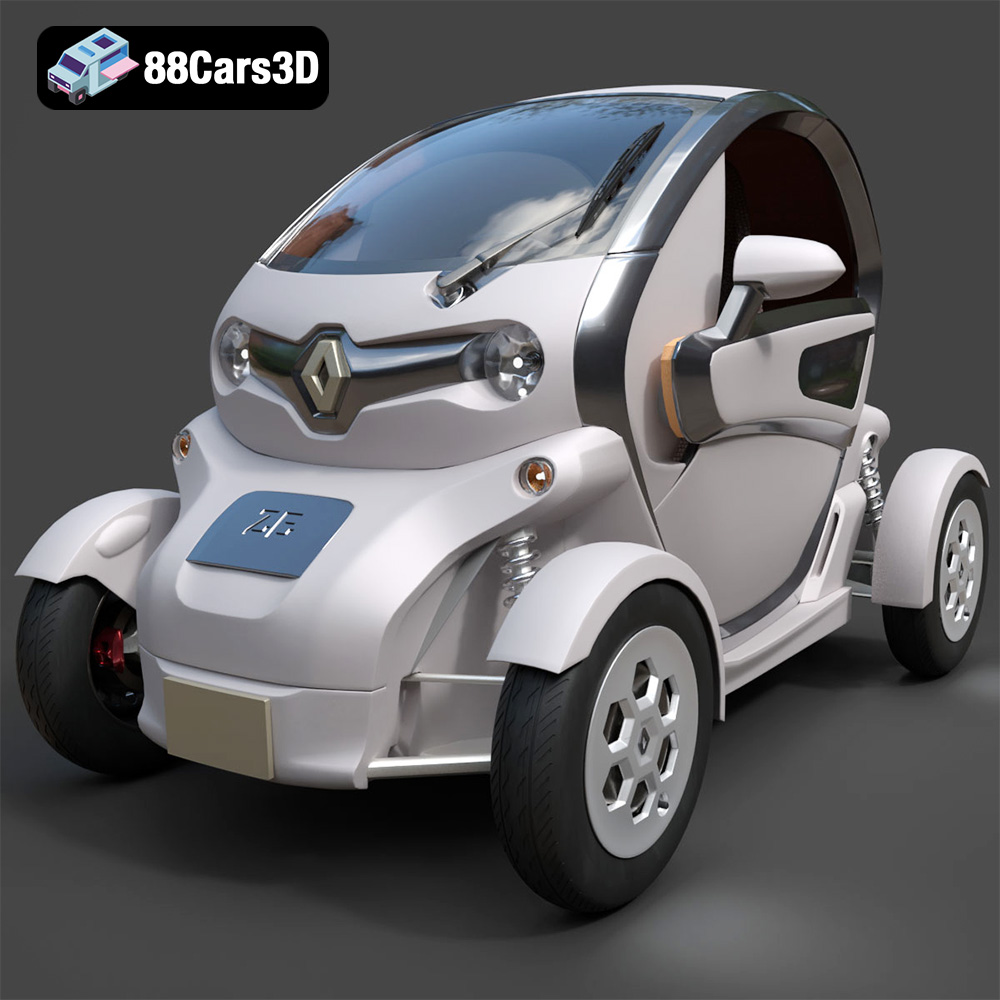
Texture: Yes
Material: Yes
Download the Renault Twizy ZE 3D Model featuring clean geometry, realistic detailing, and a fully modeled interior. Includes .blend, .fbx, .obj, .glb, .stl, .ply, .unreal, and .max formats for rendering, simulation, and game development.
Price: $4.99
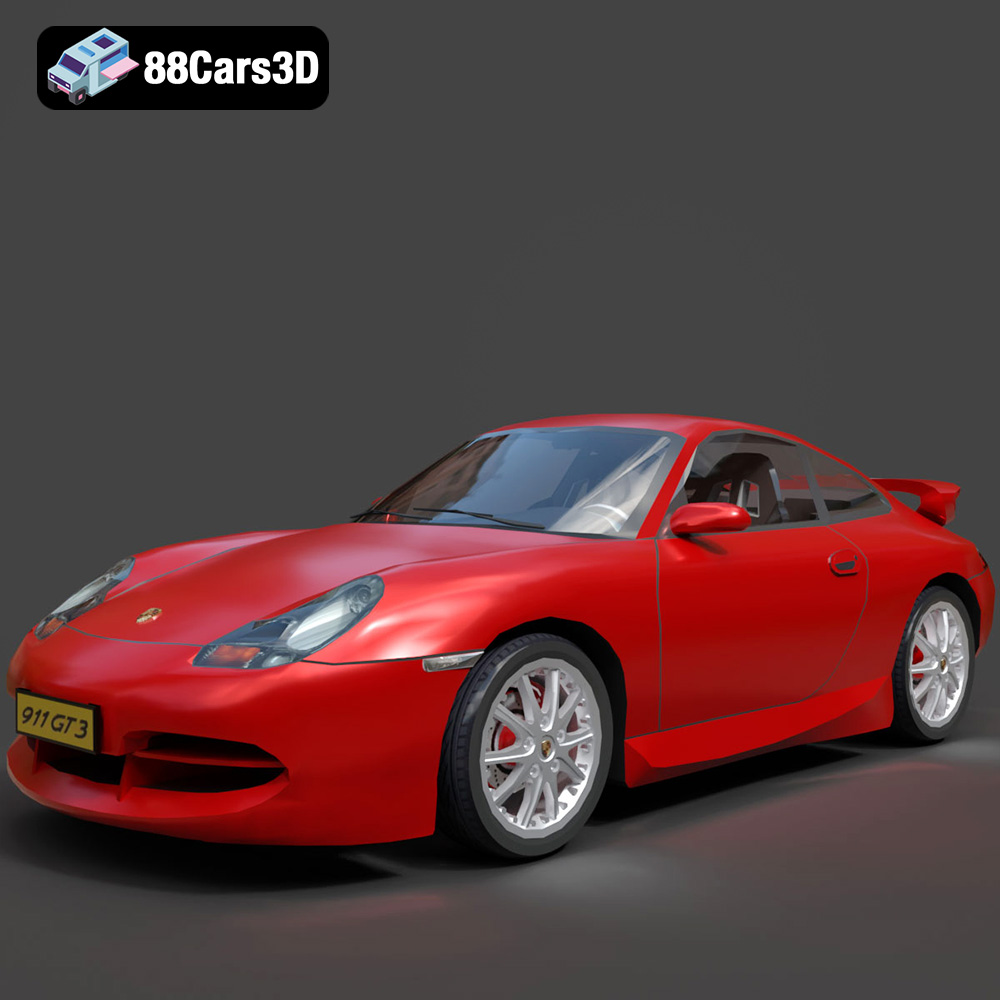
Texture: Yes
Material: Yes
Download the Porsche 911 GT3 3D Model featuring clean geometry, realistic detailing, and a fully modeled interior. Includes .blend, .fbx, .obj, .glb, .stl, .ply, .unreal, and .max formats for rendering, simulation, and game development.
Price: $4.99
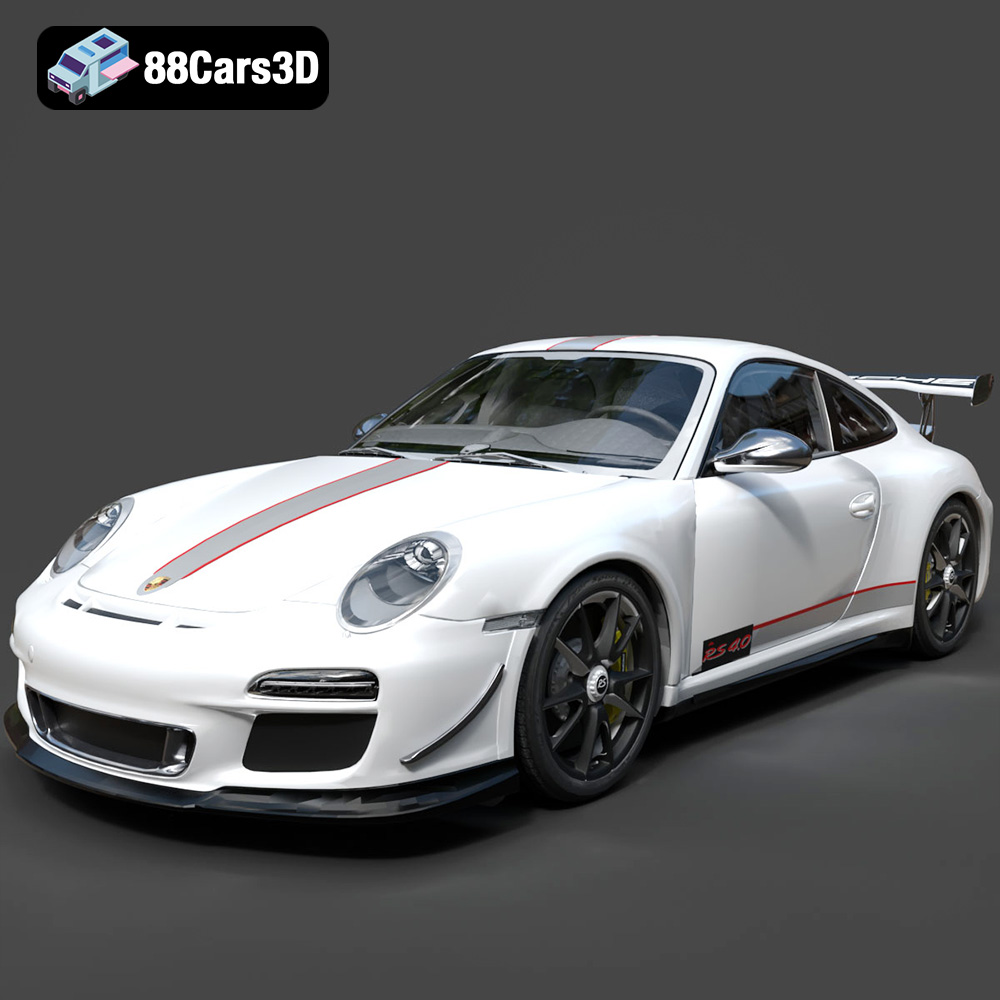
Texture: Yes
Material: Yes
Download the Porsche 911 997 GT3 RS 4.0 2011 3D Model featuring clean geometry, realistic detailing, and a fully modeled interior. Includes .blend, .fbx, .obj, .glb, .stl, .ply, .unreal, and .max formats for rendering, simulation, and game development.
Price: $4.99
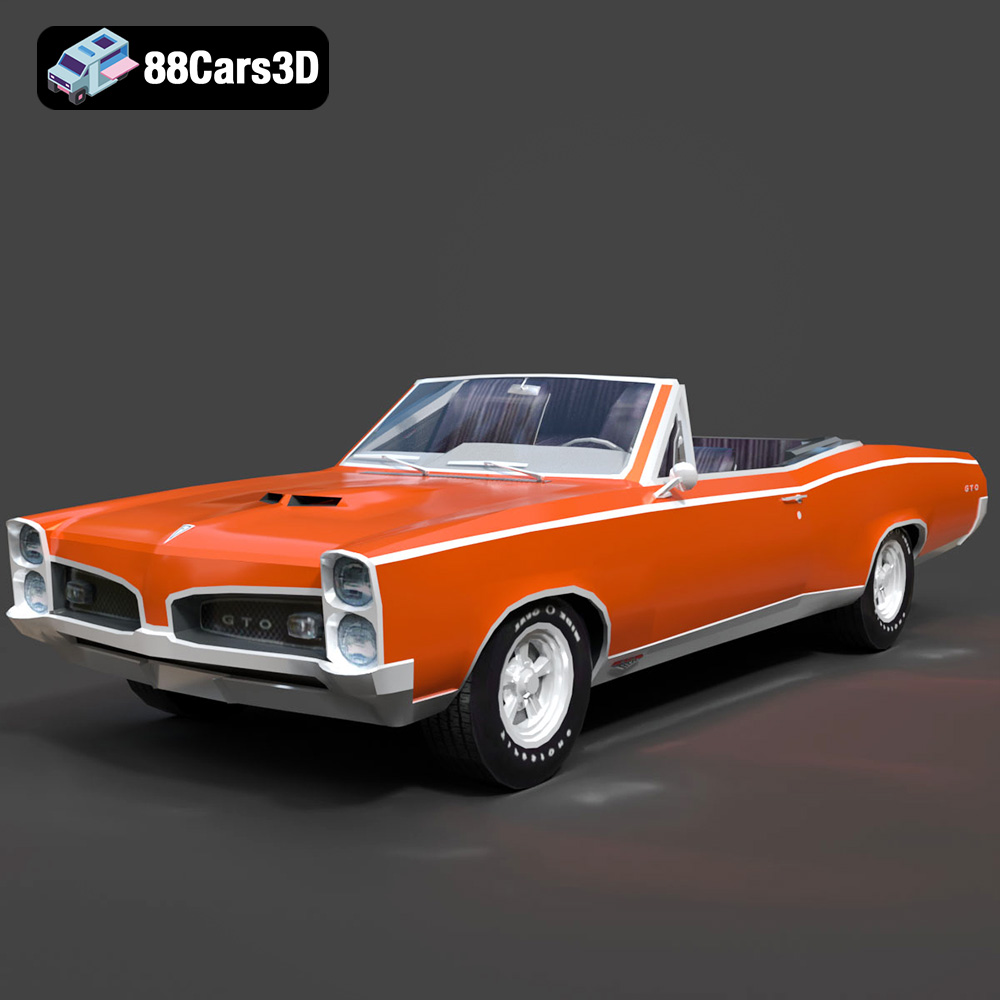
Texture: Yes
Material: Yes
Download the Pontiac GTO Cabrio 1967 3D Model featuring clean geometry, realistic detailing, and a fully modeled interior. Includes .blend, .fbx, .obj, .glb, .stl, .ply, .unreal, and .max formats for rendering, simulation, and game development.
Price: $4.99
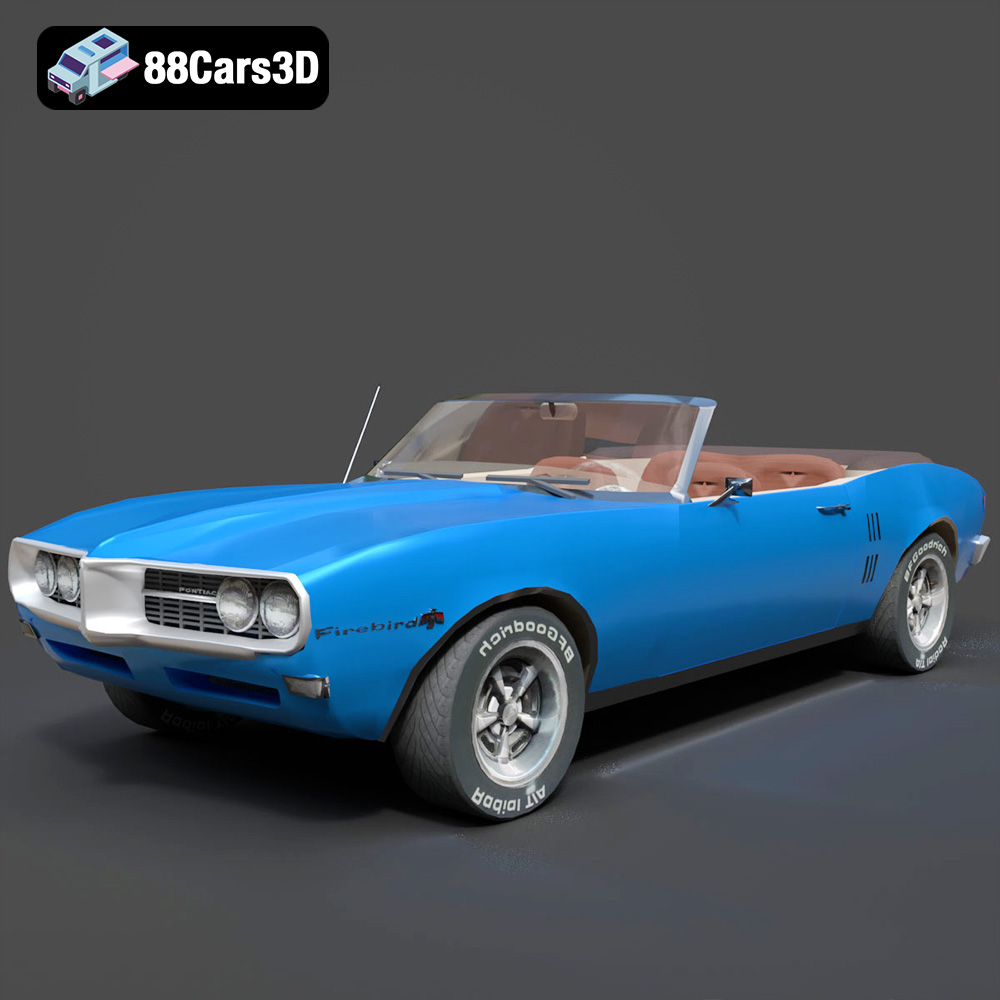
Texture: Yes
Material: Yes
Download the Pontiac Firebird Convertible 1968 3D Model featuring clean geometry, realistic detailing, and a fully modeled interior. Includes .blend, .fbx, .obj, .glb, .stl, .ply, .unreal, and .max formats for rendering, simulation, and game development.
Price: $4.99

Texture: Yes
Material: Yes
Download the Peugeot 508 2011 3D Model featuring clean geometry, realistic detailing, and a fully modeled interior. Includes .blend, .fbx, .obj, .glb, .stl, .ply, .unreal, and .max formats for rendering, simulation, and game development.
Price: $4.99
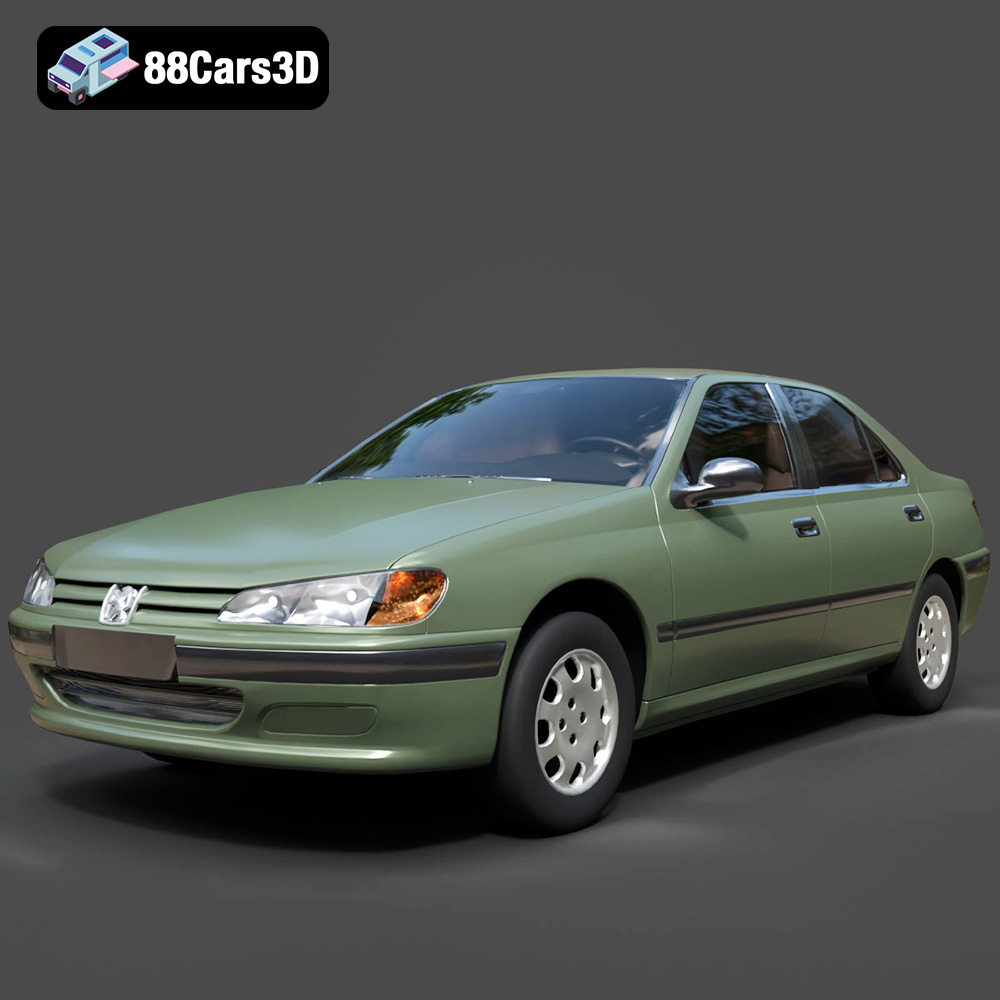
Texture: Yes
Material: Yes
Download the Peugeot 406 1996 3D Model featuring clean geometry, realistic detailing, and a fully modeled interior. Includes .blend, .fbx, .obj, .glb, .stl, .ply, .unreal, and .max formats for rendering, simulation, and game development.
Price: $10
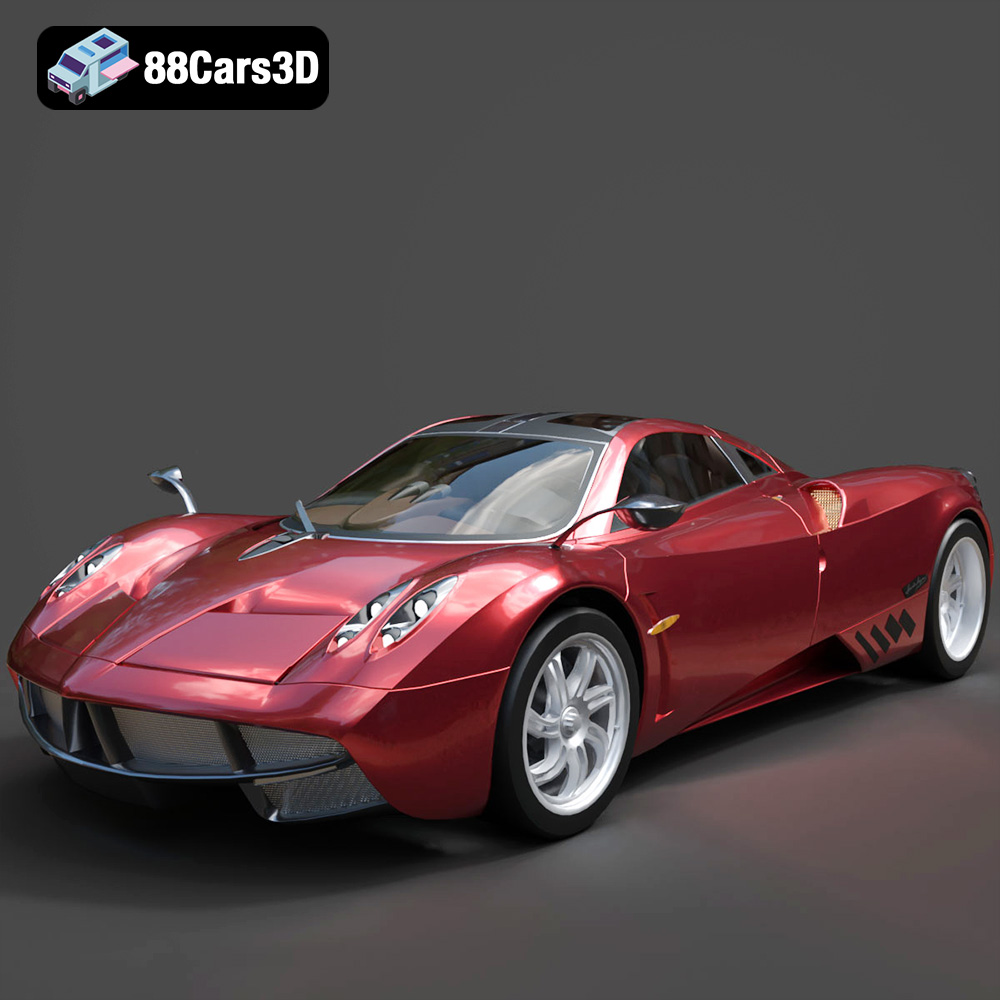
Texture: Yes
Material: Yes
Download the Pagani Huayra 2012 3D Model featuring clean geometry, realistic detailing, and a fully modeled interior. Includes .blend, .fbx, .obj, .glb, .stl, .ply, .unreal, and .max formats for rendering, simulation, and game development.
Price: $10
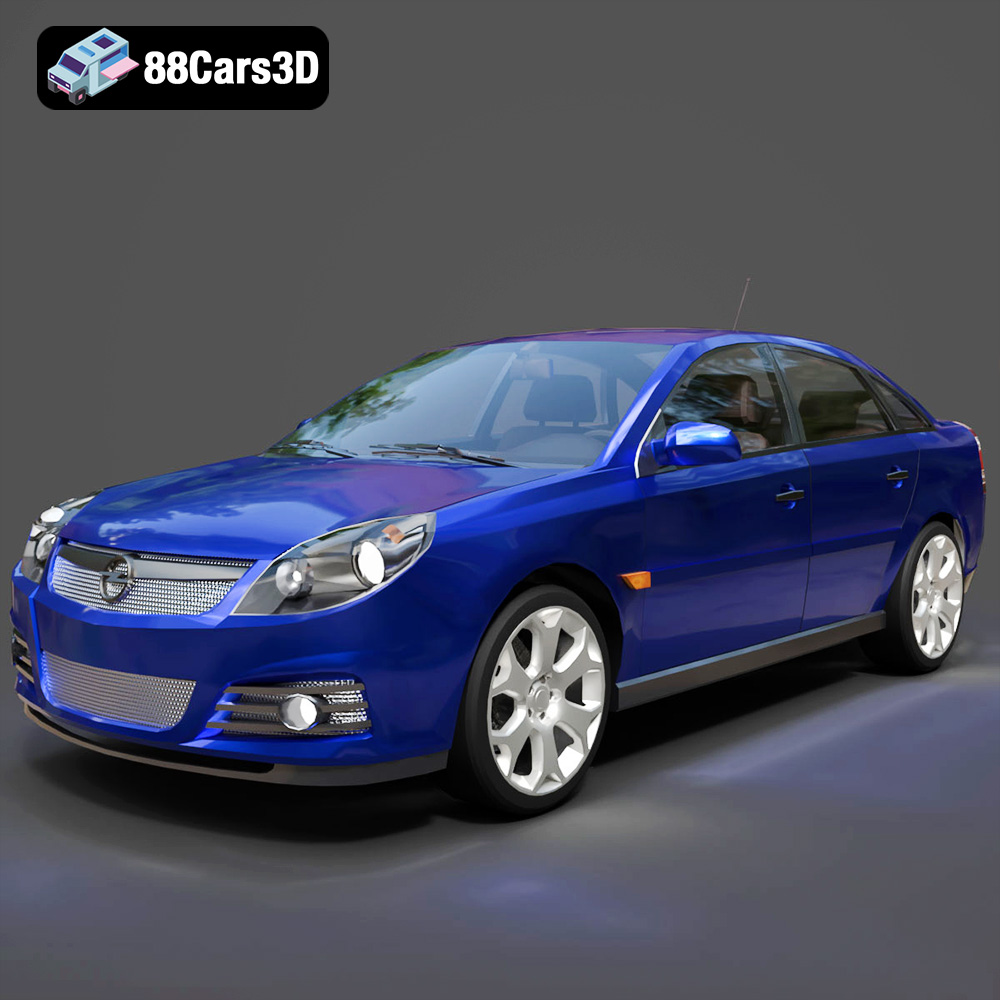
Texture: Yes
Material: Yes
Download the Opel Vectra C 2005 3D Model featuring clean geometry, realistic detailing, and a fully modeled interior. Includes .blend, .fbx, .obj, .glb, .stl, .ply, .unreal, and .max formats for rendering, simulation, and game development.
Price: $10

Texture: Yes
Material: Yes
Download the Opel Insignia OPC 3D Model featuring clean geometry, realistic detailing, and a fully modeled interior. Includes .blend, .fbx, .obj, .glb, .stl, .ply, .unreal, and .max formats for rendering, simulation, and game development.
Price: $10

