⚡ FLASH SALE: Get 60% OFF All Premium 3D & STL Models! ⚡

The automotive world has always been at the forefront of innovation, blending engineering prowess with breathtaking aesthetics. In the digital age, this innovation extends beyond physical prototypes to the realm of high-fidelity 3D car models. These digital assets are more than just pretty pictures; they are versatile tools driving everything from cinematic visualizations and immersive game experiences to rapid prototyping and the creation of custom 3D printed car parts. For designers, engineers, game developers, and enthusiasts, mastering the creation and application of these sophisticated models is paramount.
At 88cars3d.com, we understand the intricate demands of professional 3D automotive design. This comprehensive guide delves into the technical bedrock of creating, optimizing, rendering, and ultimately leveraging high-quality 3D car models across various industries. We’ll explore critical aspects like precision topology, advanced UV mapping, realistic PBR material creation, rendering workflows across leading software, and game engine optimization. Crucially, we’ll also unpack the transformative power of 3D printing for automotive applications, from custom modifications to scale models. Prepare to dive deep into the workflows and best practices that elevate digital automotive design to an art form and a powerful manufacturing tool.
The journey to a photorealistic rendering or a perfectly 3D printable car part begins with the underlying 3D model. Quality starts at the mesh level, where precision, efficiency, and adaptability are key. Automotive models are inherently complex due to their smooth, reflective surfaces and intricate paneling, demanding an exceptionally clean and well-structured mesh. Neglecting these fundamentals can lead to unsightly shading artifacts, difficult UV unwrapping, and poor performance in real-time applications or failed 3D prints.
For professional 3D car models, particularly those intended for high-end rendering or physical production, the focus is on creating a robust base mesh. This often involves either meticulously modeling from blueprints and reference images, or converting and optimizing CAD (Computer-Aided Design) data. While CAD data offers extreme precision, it often requires significant retopology to convert its NURBS or solid body structure into a clean, quad-based polygonal mesh suitable for subdivision surface modeling and texturing in standard 3D applications like 3ds Max, Blender, or Maya. The goal is a model that is both visually stunning and technically sound across all its potential uses.
Topology refers to the arrangement of polygons (faces, edges, and vertices) that form your 3D model. For automotive surfaces, which are characterized by large, smooth, and highly reflective panels, impeccable topology is non-negotiable. The industry standard dictates a quad-dominant mesh (faces with four edges) because quads subdivide cleanly, allowing for smooth curves and predictable deformation. Triangles should be used sparingly, primarily in flat, non-deforming areas, and never on prominent, curved surfaces where they can cause pinching or render artifacts.
Edge flow is the path that edges take across your model. Good edge flow follows the natural contours and design lines of the car. For example, edges should flow along panel gaps, creases, and around features like headlights, grilles, and wheel arches. This ensures that when subdivision modifiers (like Turbosmooth in 3ds Max or Subdivision Surface in Blender) are applied, the surfaces remain smooth and without bumps or pinches. Clean edge loops are also vital for selecting specific areas for texturing, material assignment, or for adding subtle details without affecting the overall form. Aim for evenly spaced quads of similar size, especially on large, flat surfaces, to maintain consistency in shading and facilitate UV mapping.
Once the topology is solid, the next critical step for any high-quality 3D car model is UV mapping. UVs are the 2D coordinates that tell your 3D software how to project 2D textures onto your 3D model without stretching or distortion. For complex automotive surfaces, effective UV unwrapping is both an art and a science. The primary goal is to create UV islands (separated sections of the UV map) that minimize seams, maximize texture space utilization, and maintain uniform texel density (pixels per unit of surface area).
For a car, you typically want separate UV islands for distinct parts: body panels, windows, tires, interior elements, etc. Strategically placing seams in hidden or less conspicuous areas (e.g., along panel gaps, under trim) helps maintain visual continuity. For high-resolution assets, particularly in film or architectural visualization, artists often utilize UDIMs (U-Dimension) workflow. This technique allows for multiple UV tiles (each representing a standard 0-1 UV space) to be used across a single model, enabling incredibly high texture resolutions for different parts without cramming everything into one tiny square. This is crucial for maintaining crisp details on a large vehicle body and its intricate components. Always normalize your UV shells and ensure consistent texel density across the entire model for optimal texture resolution and appearance. Platforms like 88cars3d.com prioritize models with clean, well-organized UV layouts to ensure seamless integration into various pipelines.
A perfectly modeled car with immaculate topology can still fall flat without realistic materials. Physically Based Rendering (PBR) has revolutionized the way we create and perceive digital surfaces, striving for accuracy in how light interacts with materials in the real world. PBR workflows ensure that materials look consistent and correct under any lighting condition, a critical factor for automotive rendering where reflections and nuanced surface qualities are paramount.
Crafting compelling automotive materials involves a deep understanding of PBR principles and the specific characteristics of surfaces like car paint, chrome, glass, leather, and rubber. This requires not just technically correct texture maps but also an artistic eye to replicate the subtle imperfections and variations that give materials their authentic look and feel. The interplay of multiple texture maps, each controlling a specific aspect of the material, allows for an incredible degree of realism that traditional rendering techniques often struggled to achieve.
PBR relies on two primary workflows: Metalness/Roughness and Specular/Glossiness. While both aim for physical accuracy, they differ in how they define metallic and reflective properties. The Metalness/Roughness workflow, prevalent in game engines and modern renderers, uses a ‘Metallic’ map to define whether a surface is metallic (typically black or white values) and a ‘Roughness’ map to control the microscopic surface irregularities that scatter light (from smooth/reflective black to rough/diffuse white).
Key PBR texture maps include:
These maps are typically created using software like Substance Painter, Mari, or even Photoshop with careful planning. Consistent adherence to PBR guidelines ensures your automotive models look correct regardless of the lighting environment or renderer used.
Automotive paint is one of the most challenging materials to replicate digitally due to its complex layered structure. A typical car paint shader needs to simulate:
Advanced shaders in renderers like Corona or V-Ray allow for multiple layered materials, letting you stack these components to create incredibly convincing car paint. Techniques like Fresnel reflections are crucial, making reflections appear stronger at grazing angles.
Interior materials demand equal attention. Leather requires subtle normal mapping for grain, combined with specific roughness and slight subsurface scattering for realism. Fabrics like seat upholstery need detailed normal maps and often slight fuzz or displacement. Brushed metals, common on dashboard trims, benefit from anisotropic reflections, which stretch highlights in a specific direction due to microscopic grooves on the surface. Understanding how to build these complex shader networks using a node-based material editor (common in Blender, 3ds Max, Maya) is essential for achieving truly professional results that match the quality of 3D car models available on platforms like 88cars3d.com.
After meticulous modeling and material creation, the final step in generating stunning visuals is rendering. Automotive rendering is a specialized field, focusing on showcasing the car’s design, materials, and overall aesthetic in the most appealing light possible. This involves a careful interplay of lighting, camera angles, environment setup, and advanced rendering techniques to achieve photorealism or a desired stylized look.
The choice of renderer and software can significantly impact the final output and workflow efficiency. Leading renderers like Corona, V-Ray, Cycles, and Arnold each offer unique strengths, but the underlying principles of good lighting and scene composition remain universal. Mastering these workflows is what transforms a static 3D model into an engaging visual narrative, whether for advertising, design review, or portfolio presentation.
Effective lighting is the single most important factor in a successful automotive render. It accentuates the car’s form, highlights its materials, and sets the mood.
The goal is to create a lighting setup that makes the car look appealing, showcases its intricate details, and allows its materials to shine.
Different renderers offer distinct approaches and features:
Regardless of the renderer, understanding render passes (e.g., diffuse, reflection, raw lighting, Z-depth, object ID) is crucial. These separate image layers provide immense flexibility in post-production, allowing artists to fine-tune specific elements of the render without re-rendering the entire scene.
A raw render straight out of the 3D software is rarely the final image. Post-processing and compositing in software like Adobe Photoshop, Affinity Photo, or Blackmagic Fusion are essential steps to elevate the render to a professional standard. This stage allows for artistic adjustments that enhance realism and visual impact:
This final touch is often what separates a good render from an exceptional one, adding polish and professional finesse to automotive visualization.
Beyond high-fidelity static renders, 3D car models are essential for interactive experiences in video games, virtual reality (VR), and augmented reality (AR). These real-time applications present a unique set of challenges and requirements, primarily centered around performance optimization. Unlike pre-rendered scenes, game engines must render complex environments and assets at 30-120 frames per second, demanding efficient models and textures.
The transition from a high-poly render model to a game-ready asset involves significant optimization. This typically includes reducing polygon counts, baking details from high-poly meshes onto low-poly ones, intelligent UV mapping for texture atlases, and implementing Levels of Detail (LODs). For AR/VR, further considerations regarding file size, mobile device performance, and specific platform requirements come into play. Models from 88cars3d.com are often optimized with these real-time applications in mind, providing a solid foundation for game developers and AR/VR creators.
Efficient real-time performance hinges on reducing the computational load on the GPU and CPU.
The pipeline for game engines like Unity and Unreal Engine involves specific considerations:
Developing for real-time applications demands a holistic approach, where every component of the 3D car model is rigorously optimized to deliver a smooth, immersive experience without compromising visual integrity.
While digital models are powerful for visualization, the ability to physically manifest a design through 3D printing opens up an entirely new dimension of possibilities in the automotive world. From creating highly detailed scale models for display to prototyping custom car parts and tools, 3D printing (also known as additive manufacturing) bridges the gap between digital design and tangible reality. This technology is rapidly evolving, making bespoke automotive solutions more accessible than ever before.
However, preparing a 3D model for printing requires a different set of considerations compared to rendering or game optimization. Mesh integrity, watertightness, wall thickness, and print orientation become paramount to ensure a successful print. For enthusiasts looking to customize their vehicles or create unique collectibles, understanding these preparation steps is key to transforming a digital 3D car model into a physical object.
A model suitable for rendering or gaming isn’t always ready for 3D printing without adjustments. The primary goal is to create a “watertight” or “manifold” mesh, meaning it’s a completely enclosed volume without any holes, inverted normals, or self-intersecting geometry.
Thorough preparation at this stage prevents frustrating print failures and wasted material, ensuring that the precision of your 3D car model translates accurately into a physical form.
3D printing has become an indispensable tool across various facets of the automotive industry and for individual enthusiasts:
The ability to quickly iterate, customize, and produce on-demand parts makes 3D printing a game-changer for personalizing and enhancing vehicles, moving automotive design from the abstract digital realm into the concrete physical world.
The journey through the world of 3D car models is a testament to the incredible synergy between art, engineering, and digital technology. From the meticulous crafting of clean topology and intricate UV maps to the sophisticated creation of PBR materials and photorealistic rendering workflows, every step contributes to bringing these digital automotive masterpieces to life. Whether for a captivating visual advertisement, an immersive game environment, or a detailed AR/VR experience, the demand for high-quality 3D assets continues to grow, driving innovation and pushing the boundaries of what’s possible.
Crucially, the advent of 3D printing has further amplified the utility of these digital models, transforming them from pixels on a screen into tangible objects. The ability to rapidly prototype custom car parts, create unique aesthetic modifications, or produce highly detailed scale models demonstrates the profound impact of 3D technology on automotive design, manufacturing, and personalization. As the tools and techniques evolve, so too does the potential for creativity and real-world application.
For artists, developers, and designers seeking to harness this power, the emphasis remains on foundational excellence. High-quality 3D car models serve as the bedrock for any successful project, ensuring versatility and fidelity across diverse applications. Explore the possibilities, refine your skills, and leverage expertly crafted assets to fuel your next automotive endeavor. For access to a wide range of professional-grade 3D car models optimized for various uses, from rendering to 3D printing, remember to check out the extensive collection at 88cars3d.com.
Texture: Yes
Material: Yes
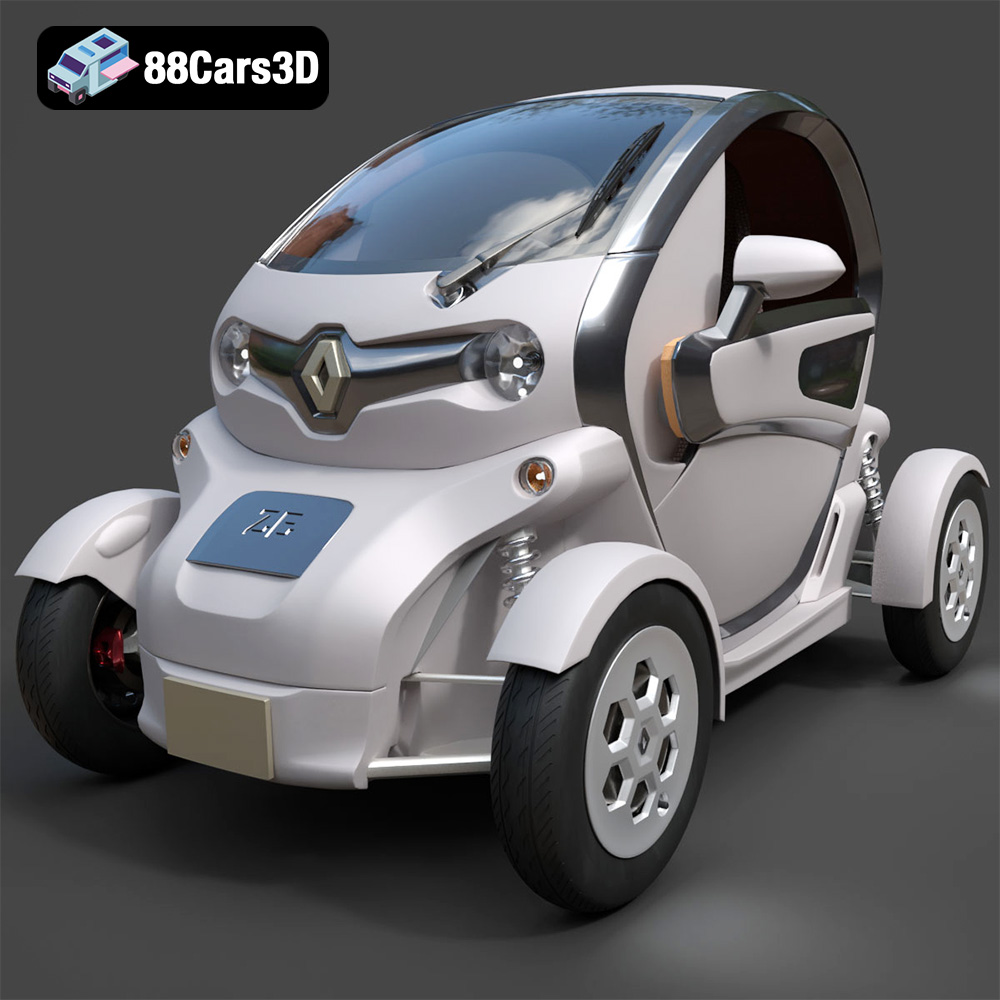
Download the Renault Twizy ZE 3D Model featuring clean geometry, realistic detailing, and a fully modeled interior. Includes .blend, .fbx, .obj, .glb, .stl, .ply, .unreal, and .max formats for rendering, simulation, and game development.
Price: $4.99
Texture: Yes
Material: Yes
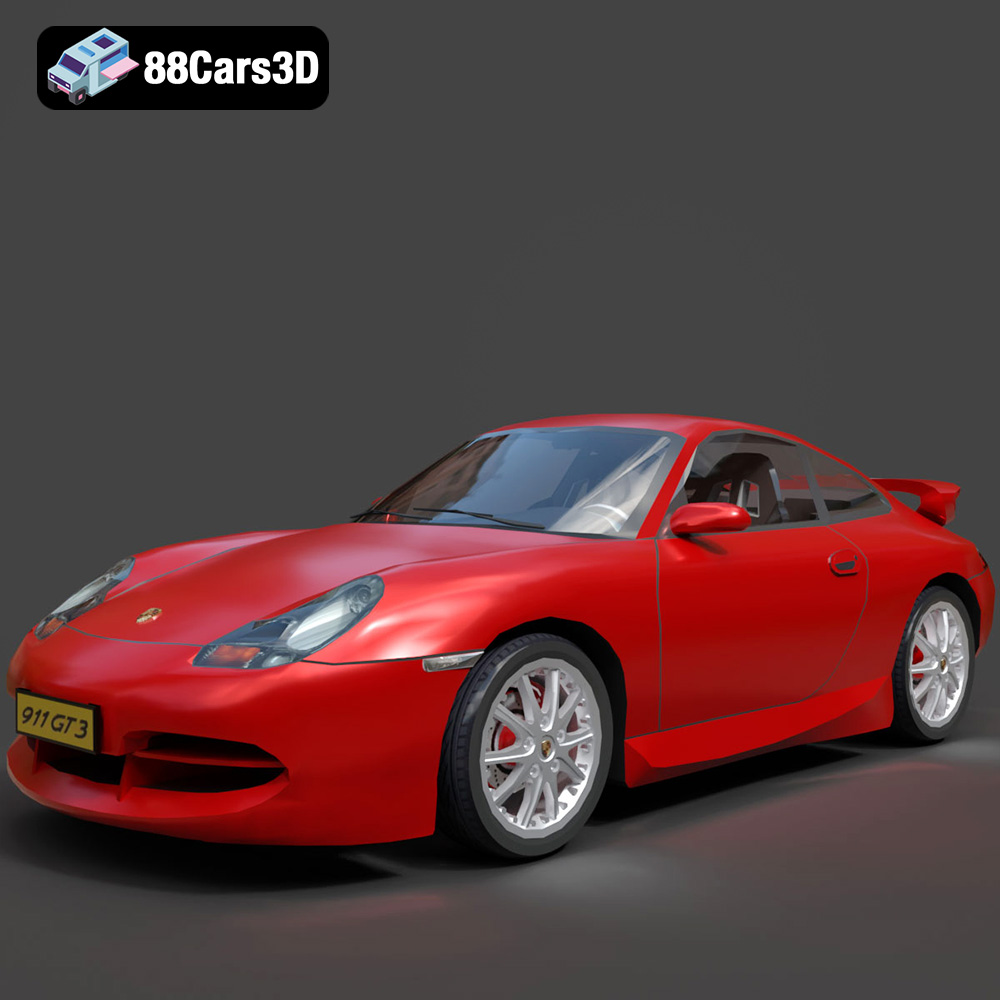
Download the Porsche 911 GT3 3D Model featuring clean geometry, realistic detailing, and a fully modeled interior. Includes .blend, .fbx, .obj, .glb, .stl, .ply, .unreal, and .max formats for rendering, simulation, and game development.
Price: $4.99
Texture: Yes
Material: Yes
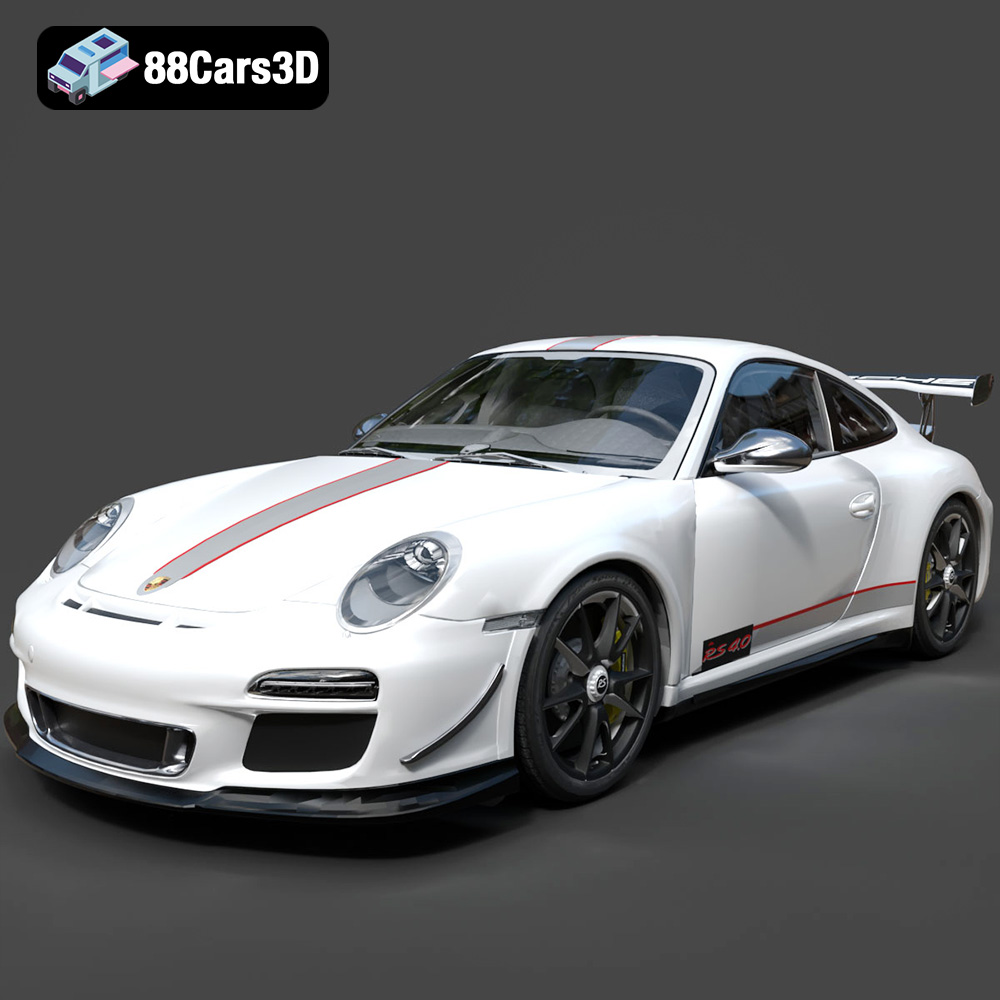
Download the Porsche 911 997 GT3 RS 4.0 2011 3D Model featuring clean geometry, realistic detailing, and a fully modeled interior. Includes .blend, .fbx, .obj, .glb, .stl, .ply, .unreal, and .max formats for rendering, simulation, and game development.
Price: $4.99
Texture: Yes
Material: Yes
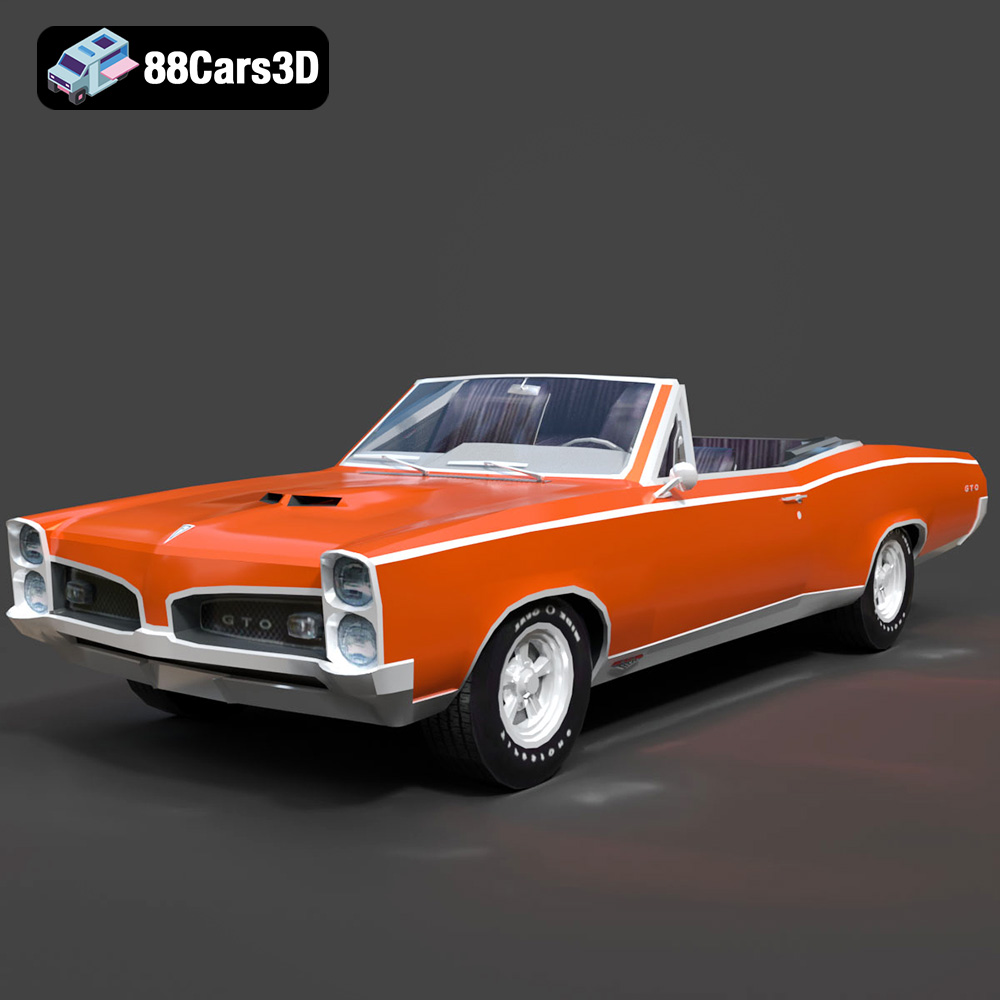
Download the Pontiac GTO Cabrio 1967 3D Model featuring clean geometry, realistic detailing, and a fully modeled interior. Includes .blend, .fbx, .obj, .glb, .stl, .ply, .unreal, and .max formats for rendering, simulation, and game development.
Price: $4.99
Texture: Yes
Material: Yes
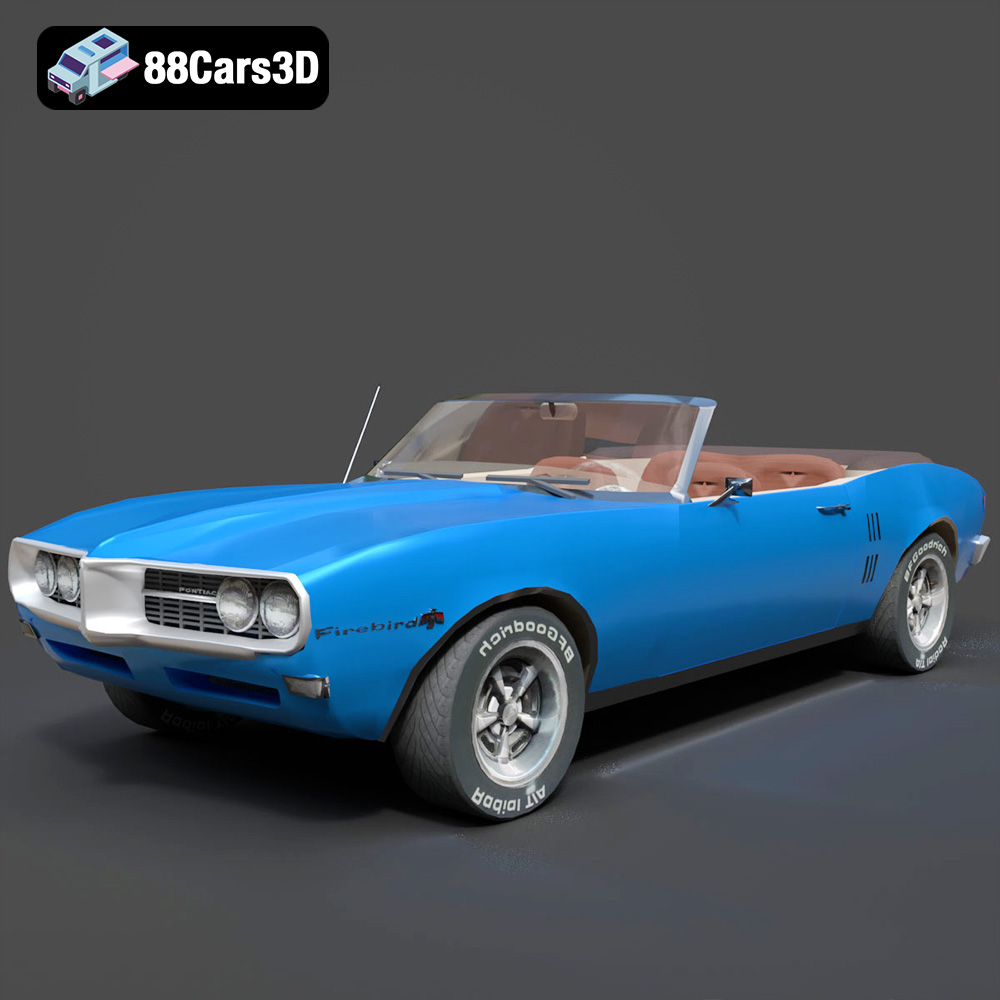
Download the Pontiac Firebird Convertible 1968 3D Model featuring clean geometry, realistic detailing, and a fully modeled interior. Includes .blend, .fbx, .obj, .glb, .stl, .ply, .unreal, and .max formats for rendering, simulation, and game development.
Price: $4.99

Texture: Yes
Material: Yes
Download the Peugeot 508 2011 3D Model featuring clean geometry, realistic detailing, and a fully modeled interior. Includes .blend, .fbx, .obj, .glb, .stl, .ply, .unreal, and .max formats for rendering, simulation, and game development.
Price: $4.99
Texture: Yes
Material: Yes
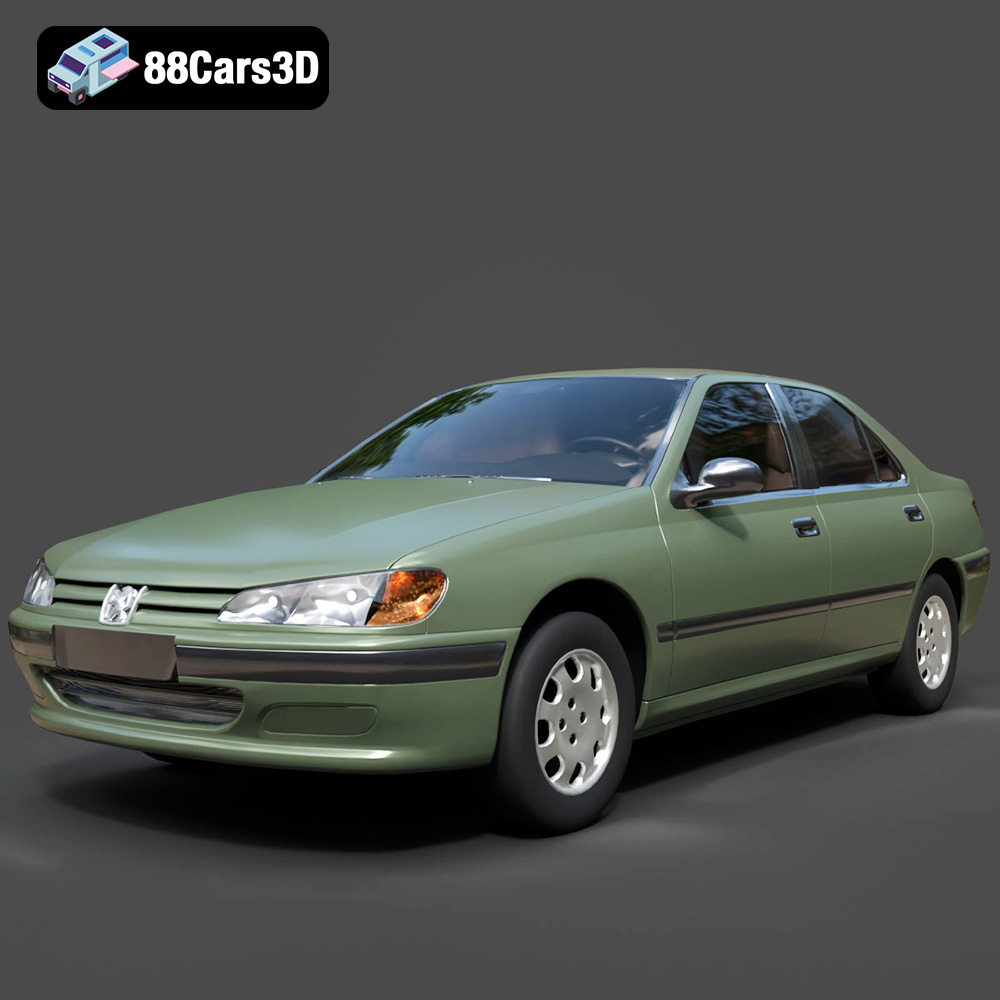
Download the Peugeot 406 1996 3D Model featuring clean geometry, realistic detailing, and a fully modeled interior. Includes .blend, .fbx, .obj, .glb, .stl, .ply, .unreal, and .max formats for rendering, simulation, and game development.
Price: $10
Texture: Yes
Material: Yes
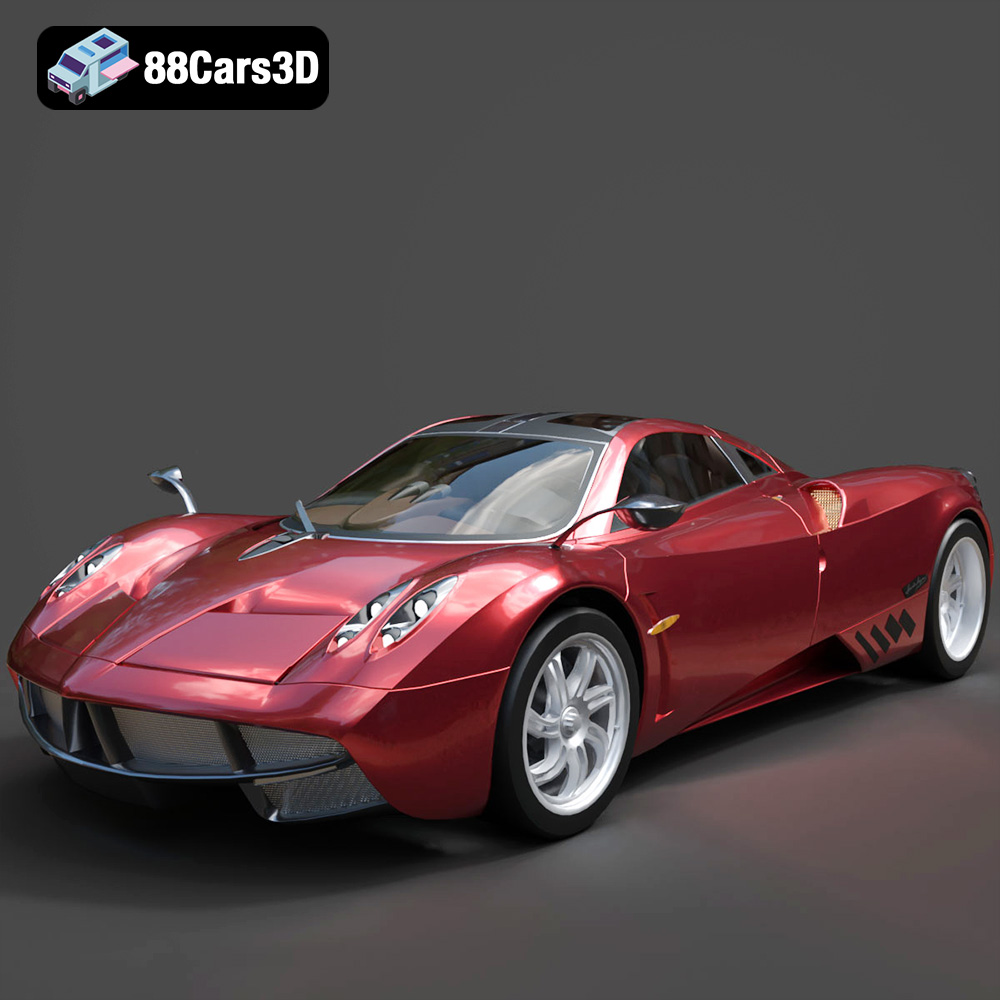
Download the Pagani Huayra 2012 3D Model featuring clean geometry, realistic detailing, and a fully modeled interior. Includes .blend, .fbx, .obj, .glb, .stl, .ply, .unreal, and .max formats for rendering, simulation, and game development.
Price: $10
Texture: Yes
Material: Yes
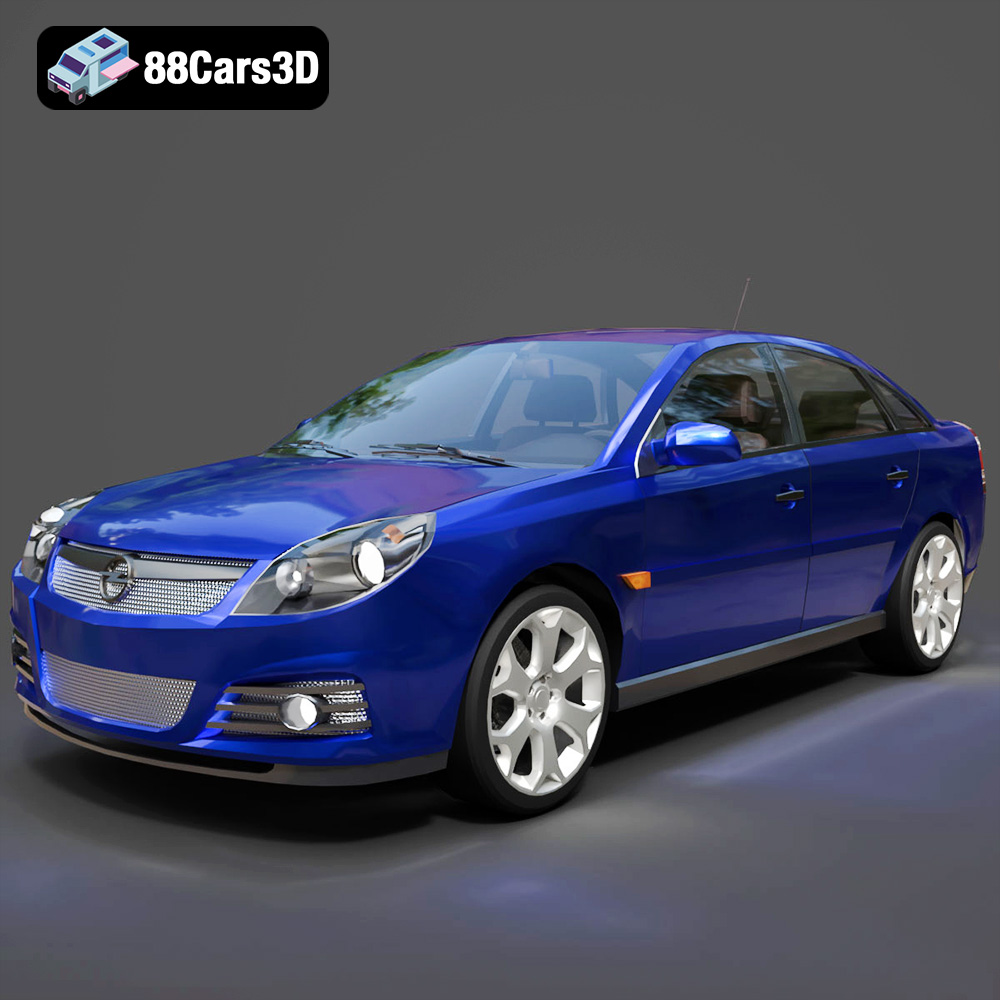
Download the Opel Vectra C 2005 3D Model featuring clean geometry, realistic detailing, and a fully modeled interior. Includes .blend, .fbx, .obj, .glb, .stl, .ply, .unreal, and .max formats for rendering, simulation, and game development.
Price: $10

Texture: Yes
Material: Yes
Download the Opel Insignia OPC 3D Model featuring clean geometry, realistic detailing, and a fully modeled interior. Includes .blend, .fbx, .obj, .glb, .stl, .ply, .unreal, and .max formats for rendering, simulation, and game development.
Price: $10

