⚡ FLASH SALE: Get 60% OFF All Premium 3D & STL Models! ⚡

The sleek lines, the dynamic curves, the intricate details – a high-quality 3D car model is more than just a digital asset; it’s a testament to precision, artistry, and technical mastery. From breathtaking automotive visualizations to immersive game environments and compelling AR/VR experiences, the demand for realistic and optimized 3D car models has never been higher. Yet, achieving true photorealism and robust performance requires a deep understanding of complex workflows, cutting-edge software, and industry best practices. It’s a journey that spans meticulous topology, intelligent UV mapping, sophisticated material creation, and strategic optimization across various platforms.
This comprehensive guide delves into the intricate world of creating and utilizing professional-grade 3D car models. We’ll explore the foundational principles of automotive modeling, unravel the complexities of UV mapping and PBR materials, demystify advanced rendering techniques, and unlock the secrets to game engine optimization. Whether you’re a seasoned 3D artist, an aspiring game developer, or an automotive designer seeking the ultimate visualization tool, this article will equip you with the knowledge and actionable insights to elevate your projects. Prepare to accelerate your understanding and master the art and science behind truly exceptional 3D car models, the kind you often find on specialized platforms like 88cars3d.com.
At the heart of every great 3D car model lies impeccable topology. This isn’t merely about having enough polygons; it’s about how those polygons are arranged to accurately represent the car’s complex surfaces, accommodate smooth deformations, and facilitate effortless sculpting or animation. Automotive surfaces, characterized by their high reflectivity and subtle curvature, demand a level of precision in topology that few other subjects require. Poor topology can lead to artifacts, pinching, or undesirable shading, even after applying smoothing modifiers. The goal is to maintain an all-quad mesh structure wherever possible, ensuring predictable smoothing and efficient manipulation.
Understanding the interplay between polygon count and visual fidelity is crucial. While high-polygon counts can capture minute details, they also impact performance. Professional artists often start with a dense mesh for sculpting and detailing, then strategically retopologize for animation, game engines, or real-time applications, aiming for a balance between detail preservation and optimization. This often involves reducing unnecessary edge loops in flat areas while maintaining density along crucial curvature and panel lines. Clean edge flow not only makes the model visually appealing but also simplifies the rigging and animation process, should the model require moving parts like doors or wheels.
The choice between Non-Uniform Rational B-Splines (NURBS) and Subdivision Surfaces (SubD) often dictates the initial modeling approach. NURBS, a mathematical representation of curves and surfaces, offers unparalleled precision and smoothness, making it a favorite in industrial design and CAD software (like CATIA, Rhino, Alias). Their parametric nature allows for easy modification and seamless transitions between surfaces. However, converting NURBS to a production-ready polygon mesh can be challenging, often requiring careful tessellation to avoid messy topology. SubD modeling, on the other hand, starts with a lower-polygon cage that is then smoothed by a modifier (e.g., Turbosmooth in 3ds Max, Subdivision Surface in Blender/Maya). This approach is highly intuitive for artists, offering immediate visual feedback on surface quality. Many high-quality 3D car models, especially those for rendering and game development, are created using a SubD workflow due to its flexibility and control over edge sharpness. Hybrid workflows are also common, where NURBS provide the base shape, which is then refined with polygonal modeling techniques.
Perfect edge flow is paramount for automotive models. Edges should follow the natural curves and contours of the car, particularly around headlights, grilles, wheel wells, and panel gaps. This ensures that reflections (which are critical for cars) flow smoothly across the surface without distortion. Polygons should be evenly distributed, avoiding stretched or compressed faces. For sharp creases, like those along body lines or around windows, edge loops need to be strategically placed close together, typically with three or more loops running parallel to the crease to hold its sharpness when a subdivision surface modifier is applied. Avoid “poles” (vertices with more than five or less than three connecting edges) in highly reflective or smoothly curving areas, as these can create undesirable pinching artifacts. Tools like the “Slide Edge” or “Connect Edges” in 3ds Max and Blender, or “Edge Flow” in Maya, are invaluable for refining and guiding edge loops.
Polygon count is a critical factor, especially for real-time applications. A high-resolution render model might comfortably sit at 500,000 to 2 million polygons (excluding instances like tires or interiors), providing exquisite detail for close-up shots. However, a game asset for a modern console might target 50,000-150,000 polygons for a hero vehicle, while a mobile game or AR/VR experience might demand 10,000-30,000 polygons. Strategic optimization involves identifying areas where polygon density can be reduced without sacrificing visual quality. This includes merging vertices, dissolving unnecessary edges, and using normal maps to bake in fine details from a high-poly sculpt onto a lower-poly mesh. Understanding the context of the model’s use case is key to defining an appropriate polygon budget and optimizing effectively. For example, the undercarriage of a car might need significantly less detail than the visible exterior panels.
Once the topology is refined, the next critical step is UV mapping. UVs are the 2D coordinates that tell a 3D software how to project a 2D texture onto the 3D surface of your model. For complex objects like cars, with their intricate curves, distinct panels, and varied materials, creating clean and efficient UV maps is an art form in itself. Poor UVs lead to stretched textures, visible seams, and wasted texture space, severely detracting from realism. The goal is to create UV islands that are as undistorted as possible, with uniform pixel density, and strategically placed seams that are hidden from common camera angles.
Car models present unique UV challenges due to their predominantly smooth, curved surfaces which are prone to stretching when flattened. Careful unwrapping is required to maintain consistency across large panels. Moreover, a car model is often composed of numerous individual parts – body panels, glass, tires, interior elements, chrome trim – each requiring its own UV strategy. Artists typically employ a combination of projection types (planar, cylindrical, spherical) followed by meticulous manual unwrapping and relaxation techniques to achieve optimal results. Understanding texel density (pixels per unit of 3D space) is vital to ensure that all parts of the car receive adequate texture resolution, preventing blurry or pixelated areas.
For highly detailed car models, a single UV set often isn’t enough to achieve the desired fidelity or optimize for different material types. Professional workflows frequently employ multiple UV sets. For instance, one UV set might be dedicated to the main body panels, optimized for the large car paint texture, metallic maps, and subtle normal details. A second UV set could be used for decals, logos, or smaller, intricate details that need specific placement without affecting the primary texture. A third might be reserved for ambient occlusion maps or lightmaps, especially for game engine integration. This modular approach allows for greater flexibility, higher detail density in specific areas, and more efficient texture streaming in real-time applications. Software like 3ds Max, Blender, and Maya all support multiple UV channels, enabling artists to manage these complex layering strategies effectively.
Visible seams are the bane of any textured 3D model, and for reflective car surfaces, they can be particularly jarring. Strategic seam placement is key. Common practice involves hiding seams along natural breaks in the geometry, such as panel lines, edges where different materials meet (e.g., where glass meets bodywork), or areas less likely to be seen by the camera (e.g., the underside of the car or hidden edges of components). Once seams are defined, tools like “Unfold” or “Relax” in your 3D software are used to minimize distortion, ensuring that square textures remain square when applied to the 3D model. Checking for distortion with a checkerboard pattern texture is an essential step in the UV mapping process. If the squares appear stretched or compressed, further relaxation or seam adjustments are necessary. Overlapping UVs should generally be avoided unless specifically intended for mirroring textures on symmetrical parts, as they can cause issues with baking ambient occlusion or lightmaps.
In game development and real-time visualization, draw calls are a significant performance bottleneck. Each time the GPU has to switch materials or textures, it incurs a draw call. To minimize this, UV atlasing is a powerful optimization technique. Instead of having many small textures for different parts of the car, all the UV islands from various components (body, interior, wheels, glass, etc.) are packed into a single, larger UV space, which then corresponds to a single texture atlas. This allows the entire car to use one set of materials, drastically reducing draw calls and improving rendering efficiency. Tools like Marmoset Toolbag, RizomUV, or even built-in packers in Blender and 3ds Max, are used to efficiently arrange UV islands, maximizing the utilization of the texture space while minimizing wasted pixels. This technique is especially crucial for mobile and AR/VR applications where performance budgets are very tight. When sourcing assets from platforms like 88cars3d.com, check if the models are already optimized with UV atlasing for game engine readiness.
Photorealism in 3D rendering hinges heavily on Physically Based Rendering (PBR) materials. PBR materials accurately simulate how light interacts with surfaces in the real world, producing consistent and realistic results across different lighting conditions. Gone are the days of guessing values for diffuse, specular, and reflectivity; PBR relies on physically accurate parameters derived from real-world measurements. For automotive models, this means crafting believable car paint, detailed tire rubber, reflective chrome, realistic glass, and nuanced interior fabrics.
A PBR workflow typically involves several texture maps working in concert: Base Color (or Albedo), Normal, Metallic, Roughness (or Glossiness), Ambient Occlusion, and sometimes Height or Emissive maps. Each map controls a specific aspect of the material’s interaction with light. Understanding how to create, paint, and combine these maps within a node-based shader network is essential for achieving the stunning visual quality seen in professional automotive renders. This involves a blend of artistic skill in painting textures and technical understanding of material properties.
There are two primary PBR workflows: Metallic-Roughness and Specular-Glossiness. The Metallic-Roughness workflow is arguably the more common and often simpler to understand. It uses a Base Color map (which includes diffuse color for non-metals and the surface color for metals), a Metallic map (a grayscale mask indicating whether a pixel is metallic or dielectric), and a Roughness map (a grayscale map defining the microsurface imperfections, from perfectly smooth/reflective to rough/diffuse). The Specular-Glossiness workflow uses a Diffuse map, a Specular map (defining the color and intensity of specular reflection), and a Glossiness map (the inverse of roughness, where white is perfectly smooth). While both can yield excellent results, consistency within a project is key. Most modern game engines (Unity, Unreal) and renderers (Cycles, Arnold, Corona, V-Ray) support both, but artists often pick one and stick with it. Metallic-Roughness is often favored for its intuitive nature and fewer texture channels, making it efficient for texture artists.
Car paint is notoriously complex, often involving multiple layers: a base coat (color), metallic flakes, a clear coat (glossiness, depth), and sometimes pearlescent effects. To replicate this in PBR, one might layer multiple materials or use advanced shader nodes. The Base Color map provides the primary hue. The Metallic map, while typically binary (0 or 1), can have subtle gradients to blend between painted metal and exposed bare metal. The Roughness map is crucial for depicting the clear coat’s smoothness or any subtle orange peel effect, as well as wear and tear. A Clear Coat shader layer (available in many renderers) is essential for simulating the depth and reflection of the protective lacquer. For interiors, diverse materials like leather, fabric, plastics, and brushed metals require distinct PBR setups. Leather needs subtle normal maps for grain, combined with a roughness map showing wear. Fabrics often use intricate normal maps, slight subsurface scattering, and careful roughness control to capture their texture. Precision in creating these maps, often using tools like Substance Painter or Designer, is what elevates a model from good to exceptional.
Modern 3D software utilizes node-based shader editors for maximum flexibility and control. In 3ds Max, the Material Editor offers a powerful node-based view. Blender boasts the versatile Shader Editor for its Cycles and Eevee renderers. Maya uses its Hypershade with a Graph Editor. These environments allow artists to visually connect different texture maps, procedural noises, mathematical operations, and utility nodes to build highly complex and realistic materials. For example, you might blend multiple roughness maps using a mask, add procedural dirt layers, or drive a bump map’s intensity based on a surface’s curvature using an ambient occlusion node. Understanding how to efficiently construct these networks not only gives you immense creative freedom but also allows for modular, reusable material setups, saving significant time in large projects. Experimenting with Fresnel effects, falloff nodes, and blend modes within these networks is key to achieving advanced material realism, especially for reflective surfaces like car glass and chrome.
Even the most meticulously modeled and textured car will fall flat without compelling lighting and a well-thought-out rendering strategy. Automotive rendering is an art form focused on highlighting form, reflection, and material properties. It’s about crafting an environment that showcases the vehicle’s design and brings its features to life. The goal is to produce images that are not just accurate, but also aesthetically pleasing and emotionally resonant, capturing the essence of the automotive brand or concept. This involves a deep understanding of light physics, camera optics, and post-processing techniques.
Renderers like Corona Renderer, V-Ray, Cycles, and Arnold are industry standards, each offering unique strengths but all capable of producing stunning results. The choice of renderer often comes down to personal preference, project requirements, and integration with existing software. Regardless of the renderer, a systematic approach to lighting, camera setup, and rendering parameters is essential for consistent and high-quality output. This extends beyond simply pressing the render button; it encompasses careful scene construction, optimization for render times, and a critical eye for detail throughout the entire process.
Effective lighting is paramount. Studio lighting setups, often involving softboxes, strip lights, and reflectors, are ideal for controlled, commercial-style renders, emphasizing form and reflection. These setups typically use a combination of area lights and targeted spot lights to create dramatic highlights and shadows. High Dynamic Range Images (HDRIs) are incredibly powerful for creating realistic environment lighting, effortlessly capturing complex real-world illumination and reflections from various locations (e.g., cityscapes, natural landscapes, studio environments). An HDRI provides both background illumination and reflections, making cars appear naturally integrated into their surroundings. Often, HDRIs are combined with additional targeted area lights to enhance specific reflections or create more pronounced shadows. For full environment lighting, detailed 3D scenes are constructed, sometimes with background elements acting as giant light sources or reflectors, further grounding the car in its virtual space. Each approach requires understanding how light interacts with the car’s reflective surfaces to best showcase its design.
While the principles of lighting remain consistent, each renderer has its nuances. Corona Renderer is known for its ease of use, physically accurate light solver, and excellent interactive rendering, making iterative lighting adjustments efficient. Its materials are straightforward, often requiring minimal tweaks for photorealism. V-Ray, a long-standing industry leader, offers immense power and flexibility, with advanced features like V-Ray RT (real-time GPU rendering), deep customization of sampling, and extensive material types. Mastering its many settings is key to optimizing render times without sacrificing quality. Blender’s Cycles is a powerful, physically based path tracer, deeply integrated with Blender, offering excellent realism with flexible node-based shaders and GPU acceleration. Arnold, popular in film VFX, is also a robust CPU-based renderer known for its high quality and robust handling of complex scenes, offering great control over sampling and specific shader types tailored for cinematic results. Understanding specific light types, material parameters (like sheen, clear coat, anisotropy), and render settings (like denoising, light path limits, global illumination methods) within your chosen renderer is critical for achieving professional-grade automotive renders.
The camera is your eye into the scene. Just like a professional photographer, understanding focal length, aperture (depth of field), and camera angles is essential. A longer focal length (e.g., 85mm-135mm) can flatten perspective and make the car appear more powerful, while wider angles (e.g., 35mm-50mm) can convey a sense of speed or environment. Depth of field selectively focuses attention, blurring distractions. After rendering, post-processing in software like Adobe Photoshop or Affinity Photo is indispensable. This stage involves color correction, contrast adjustments, adding subtle glows (glare/bloom), sharpening, and perhaps vignetting. Compositing involves combining multiple render passes (e.g., beauty pass, reflection pass, shadow pass, Z-depth pass) to achieve ultimate control over the final image. For instance, separate reflection passes allow for fine-tuning the intensity of reflections without re-rendering the entire scene, offering tremendous flexibility and efficiency in the final stages of production.
Translating a high-fidelity 3D car model into a game engine like Unity or Unreal Engine is a balancing act between visual quality and real-time performance. Unlike offline rendering, where computation time is less of a concern, game engines demand assets that are lean, efficient, and renderable at high frame rates. This involves a systematic approach to reducing polygon count, optimizing textures, managing draw calls, and implementing various levels of detail. A poorly optimized car model can severely impact the performance of an entire game, leading to stuttering, low frame rates, and a frustrating user experience. The goal is to deliver an asset that looks great while adhering strictly to the performance budgets of the target platform, whether it’s a high-end PC, a console, a mobile device, or a VR headset.
The optimization process starts long before importing into the engine. It begins with intelligent modeling decisions, followed by careful UV unwrapping and texture preparation. Once in the engine, further steps are taken to ensure the model integrates seamlessly and performs flawlessly. This holistic approach ensures that every polygon and every pixel contributes meaningfully to the overall visual experience without compromising performance.
Level of Detail (LOD) is a cornerstone of game asset optimization. Instead of rendering a single, high-polygon model at all distances, LOD systems swap between multiple versions of the same model, each with progressively fewer polygons and simplified textures, based on its distance from the camera. A hero car model might have four LODs: LOD0 (highest detail, e.g., 80,000 polygons) for close-ups, LOD1 (e.g., 30,000 polygons) for medium distances, LOD2 (e.g., 10,000 polygons) for far distances, and LOD3 (e.g., 3,000 polygons or a billboard) for extreme distances. Properly setting up LODs dramatically reduces the computational load on the GPU. Reducing draw calls is another critical optimization. A draw call occurs every time the CPU tells the GPU to draw something. Each unique material on a model, or each separate mesh, typically generates a draw call. By combining meshes (e.g., all car body parts into one mesh) and using texture atlases to consolidate materials, the number of draw calls can be significantly reduced, leading to smoother performance. Instancing multiple identical cars also helps by allowing the GPU to draw them with a single draw call.
Textures consume significant memory and bandwidth, especially on mobile and VR platforms where resources are constrained. Optimizing textures involves several techniques. First, using appropriate resolutions: a 4K texture (4096×4096) might be suitable for a hero car’s main body in a PC game, but a mobile game might require 2K or even 1K textures. Second, choosing the right compression format: DXT1, DXT5, and ASTC are common lossy compression formats that balance quality and file size. Third, texture atlasing, as discussed in the UV mapping section, helps by consolidating multiple textures into one large sheet, reducing draw calls and memory overhead. Fourth, careful management of Mipmaps (pre-filtered, smaller versions of textures used for objects far from the camera) ensures that only the necessary resolution is loaded, saving memory. For VR, stereoscopic rendering doubles the workload, making texture optimization even more critical. Using PBR texture sets (Base Color, Normal, Metallic, Roughness, AO) is standard, but ensuring they are efficiently packed into channels or atlased is key. For example, some engines allow packing Metallic, Roughness, and Ambient Occlusion into the R, G, and B channels of a single texture, further reducing texture count.
For a car model to interact realistically within a game engine, it needs collision geometry and often a skeletal rig. Collision meshes are simplified, invisible versions of the car’s geometry, optimized for physics calculations. Instead of using the high-polygon visual mesh for collisions (which would be computationally expensive), a low-polygon proxy mesh (often using simple primitives like boxes and spheres, or a simplified convex hull) is used. This allows the car to collide with the environment and other objects accurately without bogging down the physics engine. For drivable cars, rigging is also essential. This involves creating a skeletal hierarchy (bones) for components like wheels, doors, steering wheel, and suspension. These bones are then parented to the corresponding mesh parts, allowing for realistic rotation, suspension compression, and animation within the game. Proper pivot points and axis alignments are critical during the rigging phase to ensure correct movement. Additionally, setting up materials with appropriate physics properties (friction, restitution) in the game engine ensures realistic handling and collision responses.
The utility of a high-quality 3D car model extends far beyond traditional rendering and game development. With the rise of augmented reality (AR), virtual reality (VR), and advanced manufacturing techniques like 3D printing, the ability to adapt and optimize a model for diverse platforms has become a crucial skill. Each application presents its own set of technical requirements, from polygon count and material complexity to specific file format compatibility and mesh integrity. A truly versatile 3D car model is one that can seamlessly transition between these different ecosystems, maintaining its visual fidelity and functional integrity. This requires an understanding of cross-platform best practices and the technical nuances of various export and import processes.
Whether you’re showcasing a car in a virtual showroom, enabling users to place a digital car in their driveway via AR, or producing a physical prototype, the journey begins with a robust and adaptable 3D asset. Platforms like 88cars3d.com often provide models pre-optimized or with options for various use cases, saving artists valuable time in these conversion processes.
Choosing the correct file format is crucial for seamless asset transfer. FBX (Filmbox) is an Autodesk proprietary format, widely considered the industry standard for interoperability between 3D applications (3ds Max, Maya, Blender, Unity, Unreal) because it supports meshes, materials, textures, animations, and rigs in a single file. OBJ (Wavefront Object) is a universal, open-standard format primarily for geometry and UVs, but it’s simpler and doesn’t support animation or advanced materials directly, often requiring separate MTL (material) files and textures. GLB (Binary GL Transmission Format) is a binary version of glTF, specifically designed for efficient transmission and loading of 3D scenes and models in web and real-time applications, ideal for AR/VR and web viewers due to its compact nature and PBR support. USDZ (Universal Scene Description Zip) is Apple’s proprietary format for AR, built upon Pixar’s USD, offering robust support for PBR materials, animations, and highly optimized for iOS devices. Understanding the strengths and limitations of each format is key to ensuring your 3D car model retains its quality and functionality across different pipelines. Always check specific platform requirements before exporting.
AR/VR experiences demand extreme optimization due to the real-time rendering requirements and typically lower-powered hardware (especially mobile AR/VR headsets). Low polygon counts are paramount (often below 50,000 for an entire car, sometimes even lower for mobile). Textures should be atlased and use efficient compression formats, with resolutions often capped at 1K or 2K. The use of baked lighting (lightmaps) rather than dynamic real-time lighting can significantly improve performance in static scenes. Physics simulations should be simplified, and draw calls minimized through material consolidation. For VR, stereo rendering requires rendering the scene twice (once for each eye), effectively doubling the rendering workload, which means VR assets must be even more optimized than standard real-time assets. Furthermore, smooth frame rates (e.g., 60-90 FPS) are critical for preventing motion sickness in VR. This often means relying heavily on LODs, efficient occlusion culling (not rendering objects hidden behind others), and careful shader optimization to avoid expensive calculations per pixel.
3D printing requires an entirely different set of considerations for your 3D car model. The model must be a "manifold" mesh, meaning it has no holes, non-manifold edges, or inverted normals – it must be a completely watertight solid. Unlike rendering, where open meshes or intersecting geometry might be visually acceptable, 3D printers need a clear interior and exterior. This often involves specific mesh repair steps: filling holes, removing internal geometry, merging separate parts into a single watertight shell, and ensuring all normals are consistently facing outwards. Software like Blender (with the 3D Print Toolbox add-on), MeshLab, or specialized CAD software often include tools for mesh analysis and repair. Scale is another crucial factor; models must be accurately scaled to their real-world dimensions for printing. Wall thickness is also important – parts need to be thick enough to be structurally sound and not break during printing or handling. Finally, ensuring high enough resolution in curved areas is important for smooth prints, as faceted surfaces will be reproduced by the printer.
The world of 3D car modeling is a vast and intricate landscape, demanding a blend of artistic vision and profound technical knowledge. From the foundational principles of clean topology and efficient UV mapping to the advanced techniques of PBR material creation, photorealistic rendering, and meticulous game engine optimization, every step plays a crucial role in bringing a digital automotive dream to life. We’ve explored the importance of perfect edge flow for those subtle reflections, the power of multi-UV sets for intricate details, and the necessity of PBR workflows for achieving true realism in materials like car paint and chrome.
Furthermore, we’ve delved into the strategic considerations for lighting and rendering stunning visuals, understanding the critical balance between quality and performance in game development, and the unique demands of emerging platforms like AR/VR and 3D printing. Mastering these areas not only elevates the visual quality of your projects but also ensures their versatility and functionality across a myriad of applications. Whether you’re crafting a hyper-realistic commercial render, building an immersive virtual experience, or prototyping a design for manufacturing, the principles outlined here are your roadmap to success. By embracing these best practices, you empower yourself to create compelling, high-fidelity 3D car models that stand out in any digital or physical environment. The journey to automotive 3D mastery is continuous, but with dedication and the right knowledge, the road ahead is wide open.
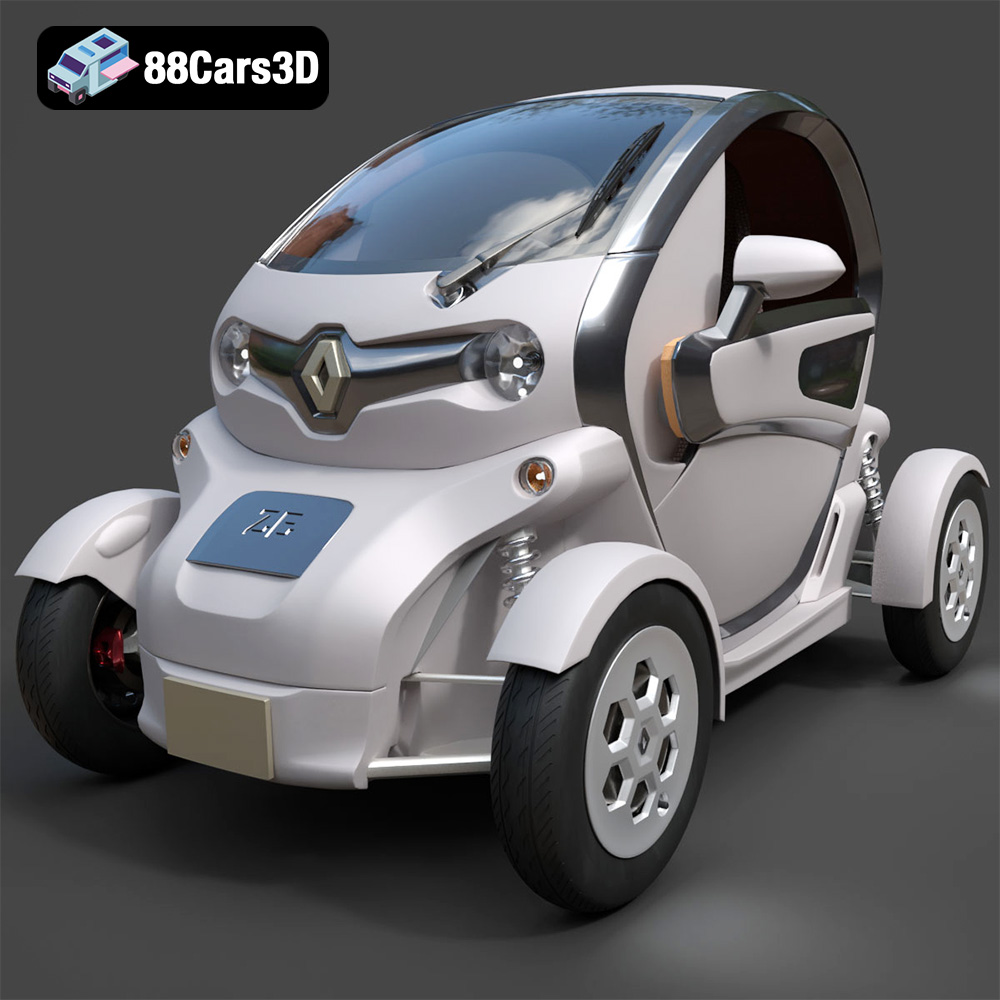
Texture: Yes
Material: Yes
Download the Renault Twizy ZE 3D Model featuring clean geometry, realistic detailing, and a fully modeled interior. Includes .blend, .fbx, .obj, .glb, .stl, .ply, .unreal, and .max formats for rendering, simulation, and game development.
Price: $4.99
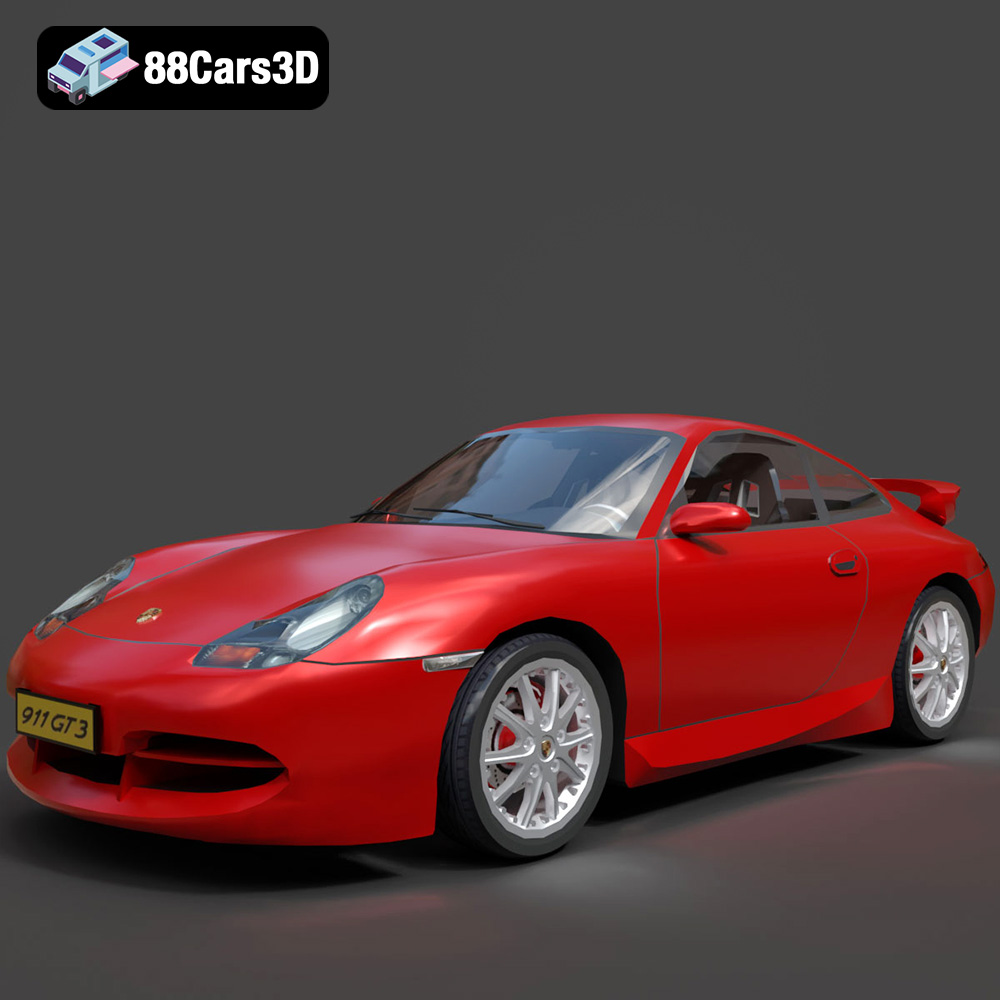
Texture: Yes
Material: Yes
Download the Porsche 911 GT3 3D Model featuring clean geometry, realistic detailing, and a fully modeled interior. Includes .blend, .fbx, .obj, .glb, .stl, .ply, .unreal, and .max formats for rendering, simulation, and game development.
Price: $4.99
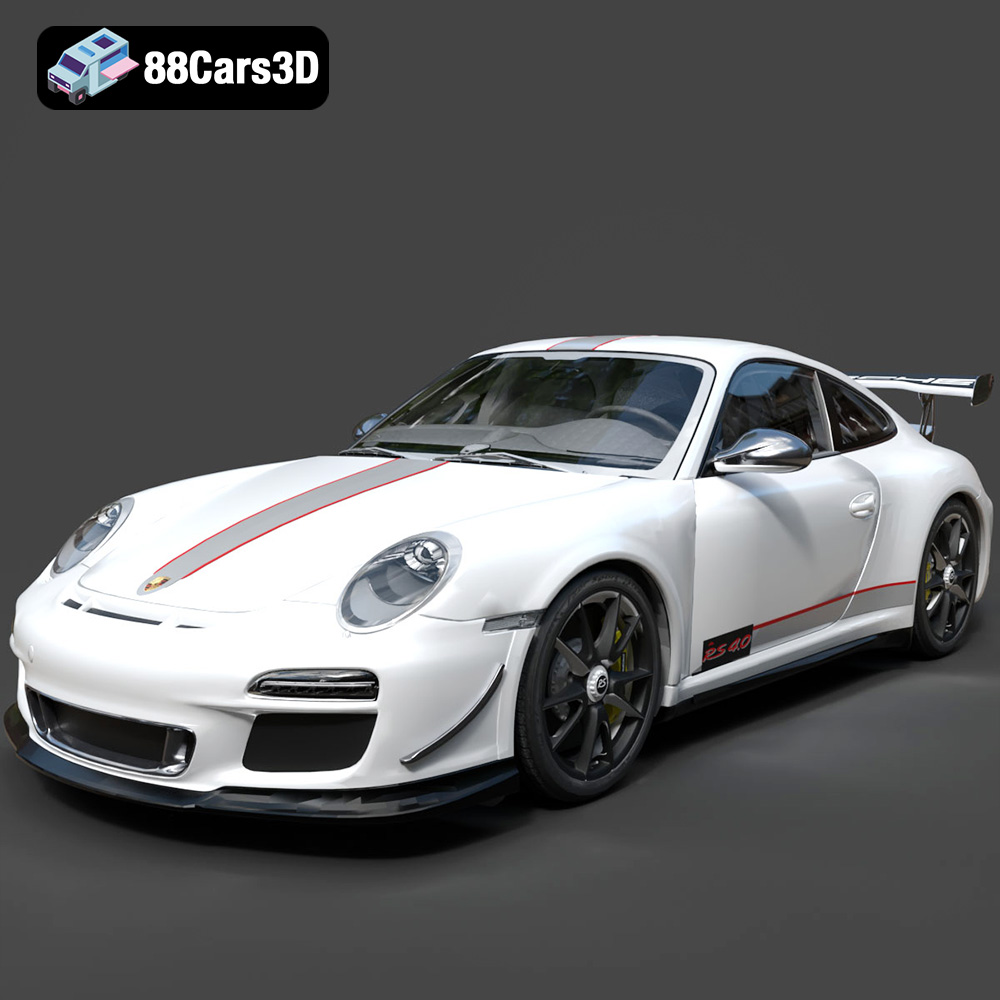
Texture: Yes
Material: Yes
Download the Porsche 911 997 GT3 RS 4.0 2011 3D Model featuring clean geometry, realistic detailing, and a fully modeled interior. Includes .blend, .fbx, .obj, .glb, .stl, .ply, .unreal, and .max formats for rendering, simulation, and game development.
Price: $4.99
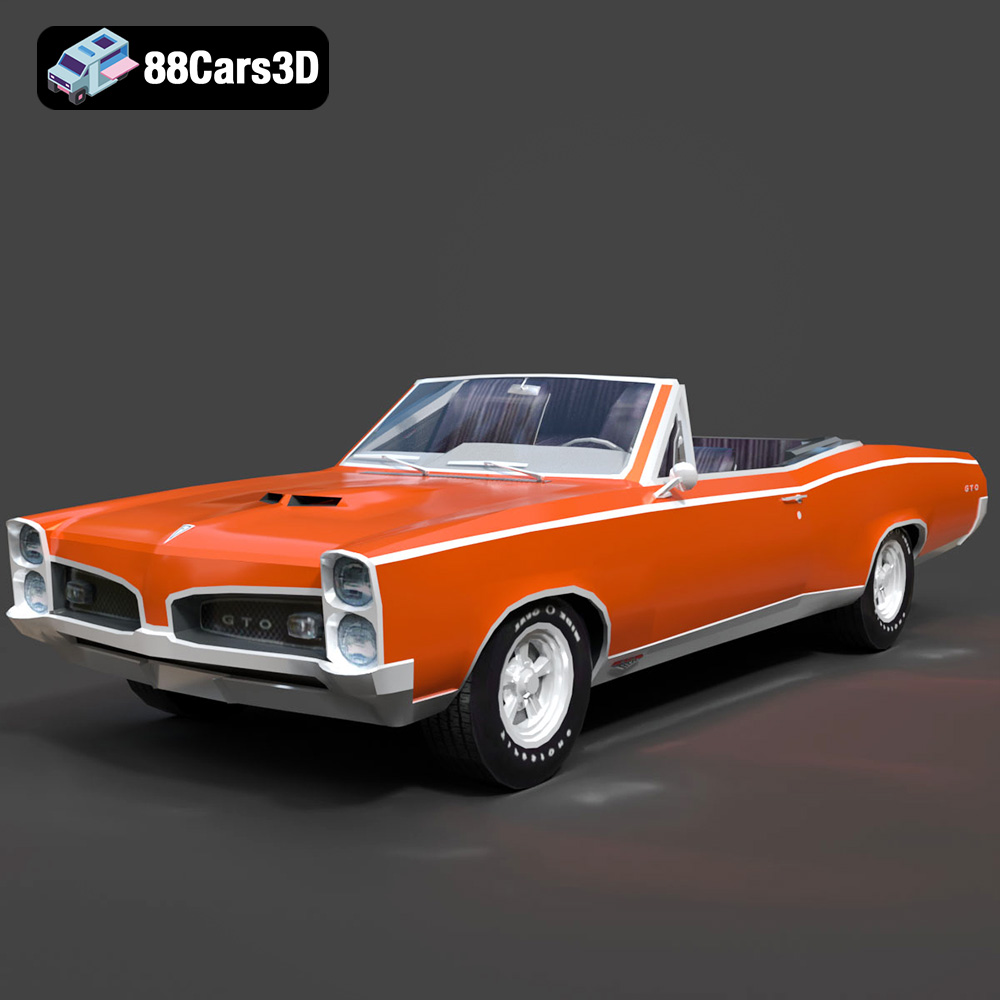
Texture: Yes
Material: Yes
Download the Pontiac GTO Cabrio 1967 3D Model featuring clean geometry, realistic detailing, and a fully modeled interior. Includes .blend, .fbx, .obj, .glb, .stl, .ply, .unreal, and .max formats for rendering, simulation, and game development.
Price: $4.99
Texture: Yes
Material: Yes
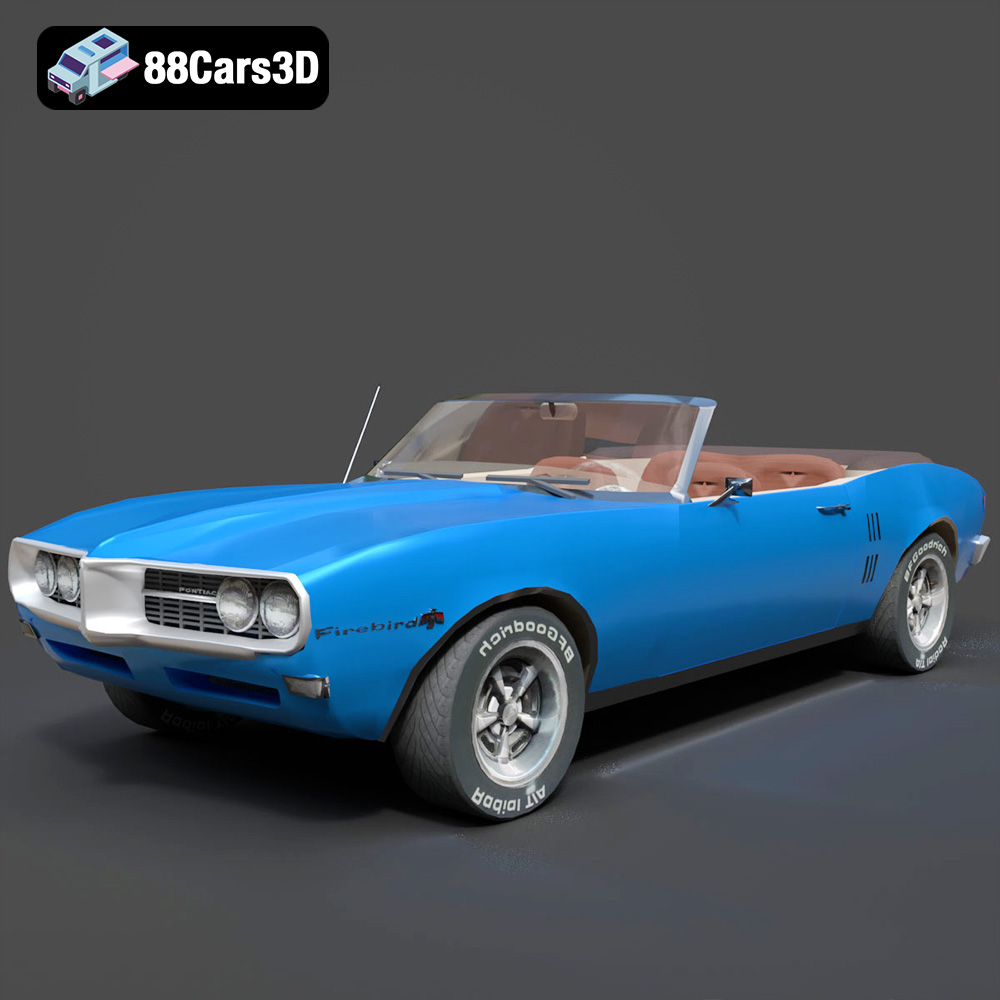
Download the Pontiac Firebird Convertible 1968 3D Model featuring clean geometry, realistic detailing, and a fully modeled interior. Includes .blend, .fbx, .obj, .glb, .stl, .ply, .unreal, and .max formats for rendering, simulation, and game development.
Price: $4.99

Texture: Yes
Material: Yes
Download the Peugeot 508 2011 3D Model featuring clean geometry, realistic detailing, and a fully modeled interior. Includes .blend, .fbx, .obj, .glb, .stl, .ply, .unreal, and .max formats for rendering, simulation, and game development.
Price: $4.99
Texture: Yes
Material: Yes
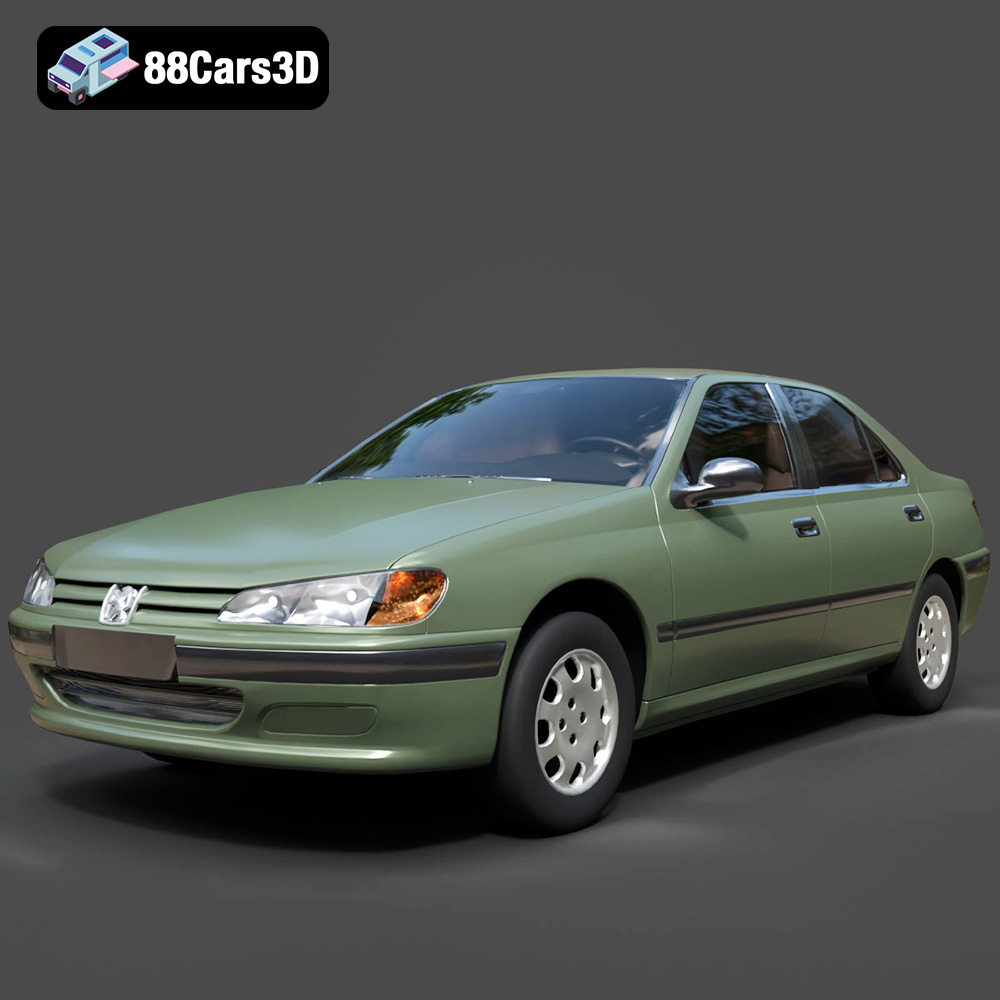
Download the Peugeot 406 1996 3D Model featuring clean geometry, realistic detailing, and a fully modeled interior. Includes .blend, .fbx, .obj, .glb, .stl, .ply, .unreal, and .max formats for rendering, simulation, and game development.
Price: $10
Texture: Yes
Material: Yes
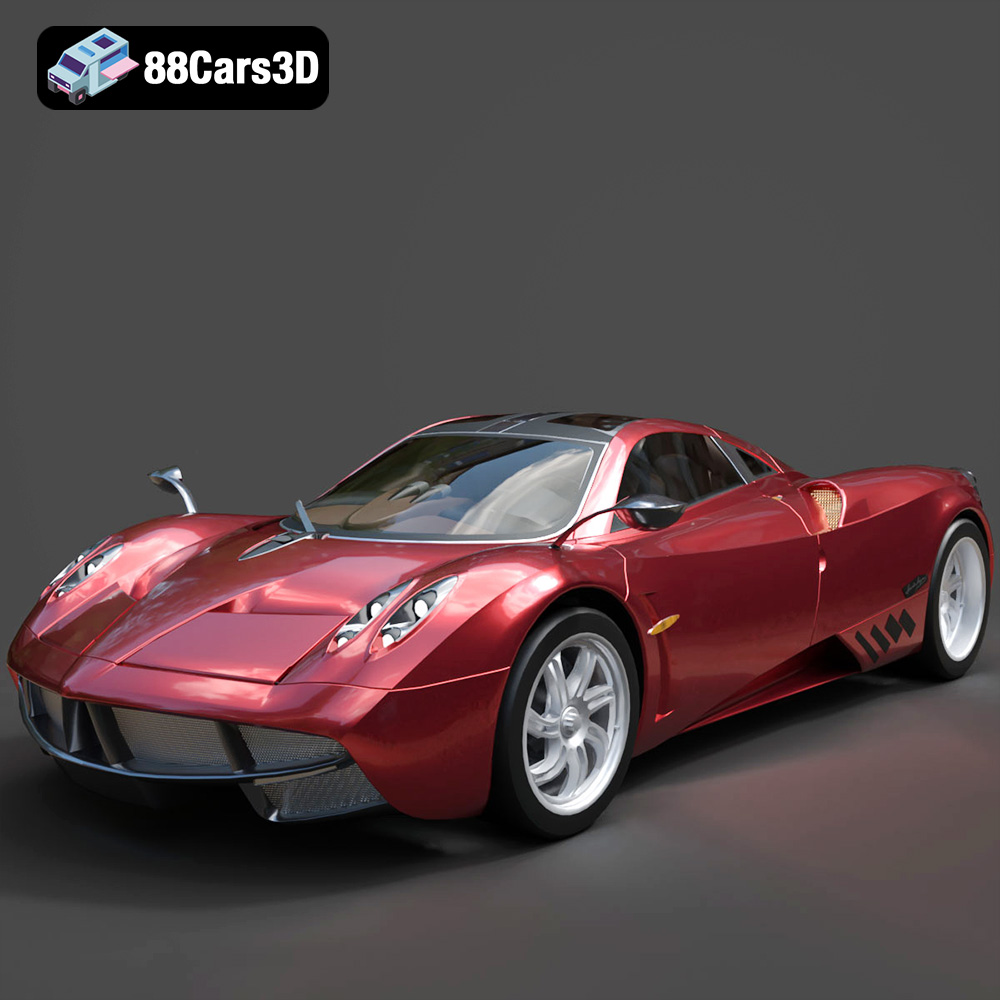
Download the Pagani Huayra 2012 3D Model featuring clean geometry, realistic detailing, and a fully modeled interior. Includes .blend, .fbx, .obj, .glb, .stl, .ply, .unreal, and .max formats for rendering, simulation, and game development.
Price: $10
Texture: Yes
Material: Yes
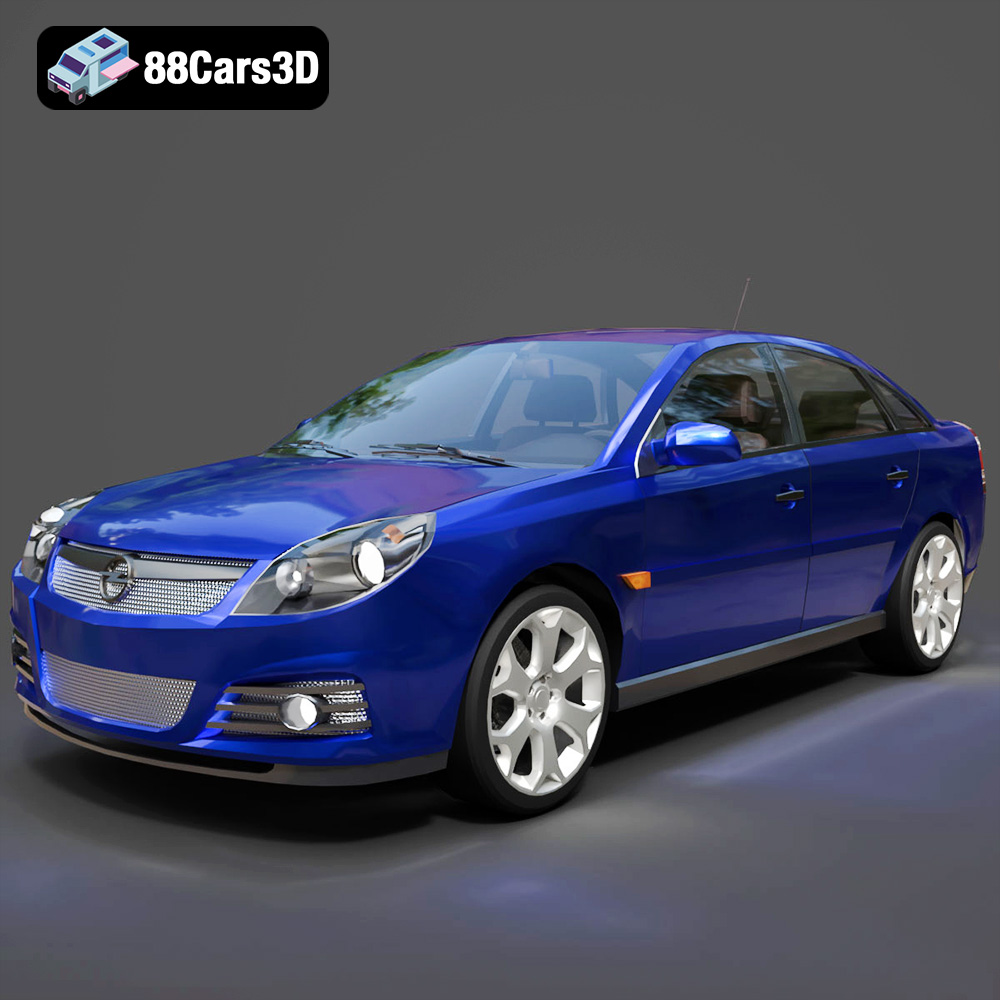
Download the Opel Vectra C 2005 3D Model featuring clean geometry, realistic detailing, and a fully modeled interior. Includes .blend, .fbx, .obj, .glb, .stl, .ply, .unreal, and .max formats for rendering, simulation, and game development.
Price: $10

Texture: Yes
Material: Yes
Download the Opel Insignia OPC 3D Model featuring clean geometry, realistic detailing, and a fully modeled interior. Includes .blend, .fbx, .obj, .glb, .stl, .ply, .unreal, and .max formats for rendering, simulation, and game development.
Price: $10

