⚡ FLASH SALE: Get 60% OFF All Premium 3D & STL Models! ⚡

The automotive world has always been a beacon of design, engineering, and passion. In today’s digital age, the convergence of advanced 3D modeling and innovative manufacturing technologies like 3D printing is revolutionizing how we design, visualize, and even create custom components for vehicles. From stunning visualizations that captivate audiences to functional custom car parts that enhance performance, 3D technology is at the forefront of this evolution.
This comprehensive guide dives deep into the intricate world of 3D car models, exploring the journey from concept to creation, render, and even physical fabrication. We’ll uncover the secrets behind crafting immaculate automotive 3D designs, mastering the art of realistic automotive rendering, optimizing assets for diverse applications like game assets and AR/VR, and crucially, preparing these digital masterpieces for the tangible reality of 3D printing. Whether you’re a seasoned 3D artist, an aspiring game developer, an automotive designer, or simply fascinated by the power of digital fabrication, understanding these workflows is paramount. Join us as we explore the technical nuances and creative possibilities that define the future of automotive design and customization.
At the heart of any exceptional 3D car model lies impeccable design and meticulous topology. Topology refers to the arrangement of polygons (typically quads) that form the mesh of your 3D object. For complex, highly curved surfaces like those found on a car, clean topology is not just a preference; it’s a necessity. It dictates how well the model deforms, subdivides, and receives textures. Poor topology can lead to artifacts, pinching, and rendering errors, making it unsuitable for high-fidelity visualization, animation, or 3D printing.
Automotive 3D modeling often begins with reference images (blueprints, photographs) to ensure accuracy. Modelers typically use polygonal modeling techniques, starting with simple primitives and extruding, beveling, and connecting edges to form the car’s intricate body panels. The focus is on creating a low-polygon base mesh that captures the overall shape, then adding detail through subdivision surfacing techniques (like TurboSmooth in 3ds Max or Subdivision Surface in Blender/Maya). This non-destructive approach allows for flexibility and precise control over the final surface smoothness. Achieving realistic curvatures and sharp creases requires careful attention to edge flow, ensuring that edge loops follow the natural contours and design lines of the vehicle.
For a model to perform well across various applications, its topology must be optimized. For high-resolution renders, models often require dense meshes to capture subtle reflections and details. However, for real-time applications like games or AR/VR, excessive polygon counts are detrimental to performance. Professional 3D car models often come with multiple levels of detail (LODs) or are specifically designed with a balance of detail and efficiency. A clean, quad-based topology provides the ideal foundation for creating these LODs through systematic reduction without compromising the model’s structural integrity or visual quality. Avoid ngons (polygons with more than four sides) and triangles in areas requiring smooth deformation, as they can lead to unpredictable shading and subdivision artifacts. When sourcing models from marketplaces such as 88cars3d.com, always check for clean, quad-dominant topology, which indicates a professionally crafted asset suitable for various pipelines.
Edge flow is arguably the most critical aspect of automotive modeling. It refers to the direction and continuity of edge loops across the model’s surface. Proper edge flow ensures that reflections propagate smoothly across the car’s body, crucial for realism in automotive rendering. For instance, edge loops should follow the contours of door seams, hood lines, and wheel arches precisely. Placing extra edge loops along sharp creases or hard edges allows subdivision surfaces to retain their sharpness while keeping the surrounding areas smooth. This control over curvature is what gives a 3D car model its visual fidelity and distinguishes it from amateur work. Techniques like controlling edge creasing (e.g., in Blender’s Subdivision Surface modifier or Maya’s Crease Set Editor) allow artists to fine-tune the sharpness of edges without adding excessive geometry, maintaining a clean and efficient mesh.
Once a 3D car model has perfect topology, the next crucial step is applying realistic materials and setting up a compelling render. This is where the model truly comes alive, transforming a wireframe into a photorealistic vehicle. The industry standard for creating believable surfaces is Physically Based Rendering (PBR), a workflow that ensures materials react to light in a physically accurate manner, regardless of the rendering environment. PBR relies on a set of texture maps that define various surface properties, allowing artists to create everything from glossy paint to matte plastic, chrome trim, and intricate carbon fiber weaves.
Before applying materials, the model needs proper UV mapping. UV mapping is the process of unwrapping the 3D model’s surface into a 2D space, much like unfolding a cardboard box. This 2D layout (the UV map) tells the rendering engine how to project 2D texture images onto the 3D surface. For complex automotive surfaces, meticulous UV mapping is essential to prevent stretching, distortion, and seams in the textures. Artists typically use dedicated UV unwrapping tools in software like 3ds Max, Blender, or Maya, ensuring that UV islands are appropriately scaled, oriented, and packed efficiently within the 0-1 UV space to maximize texture resolution and minimize wasted space. Overlapping UVs are generally avoided unless specifically for mirrored textures to save space.
PBR materials typically consist of several key texture maps: Base Color (or Albedo), Metallic, Roughness, Normal, and sometimes Ambient Occlusion and Height/Displacement maps. The Base Color map defines the color of the surface. The Metallic map indicates whether a surface is metallic (white) or dielectric (black). The Roughness map controls how diffuse or glossy the reflections are, with black being perfectly smooth and white being completely rough. Normal maps provide intricate surface detail without adding geometry, simulating bumps, scratches, and fine textures. Software like Substance Painter and Substance Designer are industry-standard tools for authoring these PBR textures, allowing artists to paint directly onto the 3D model and generate all the necessary maps automatically. This non-destructive workflow empowers artists to iterate rapidly and achieve incredible levels of detail, from subtle paint imperfections to intricate tire treads.
Beyond the core PBR maps, advanced shading networks in renderers like Corona Renderer, V-Ray, Cycles (Blender), or Arnold (Maya/3ds Max) allow for even greater realism. This includes setting up complex car paint shaders with multiple clear coat layers, flake effects, and subsurface scattering for interior materials. For instance, a realistic car paint shader might involve a base metallic layer, followed by a clear coat with specific refractive and reflective properties, topped with subtle normal map details to simulate dust or micro-scratches. The render scene setup is equally vital: a realistic environment, typically an HDRI (High Dynamic Range Image), provides global illumination and accurate reflections, simulating real-world lighting conditions. Additional physical lights (area lights, dome lights) can be strategically placed to emphasize contours and highlights. Setting up cameras with appropriate focal lengths, depth of field, and motion blur further enhances the photorealism, mimicking professional automotive photography.
The ability to transform a digital 3D car model into a physical object via 3D printing is a game-changer for automotive design, prototyping, and custom parts. However, the transition from a visually optimized render model to a print-ready mesh requires a distinct set of considerations and preparation steps. Unlike models intended solely for rendering or games, 3D printable models must adhere to strict geometric and structural integrity rules. A beautiful render can be achieved with non-manifold geometry or open edges, but these will invariably lead to print failures. This stage often involves specialized software and a deep understanding of additive manufacturing principles.
The primary goal is to create a “watertight” mesh – one that has no holes, gaps, or internal inconsistencies, forming a completely enclosed volume. Common issues in models not originally designed for printing include inverted normals, duplicate faces, intersecting geometry, and non-manifold edges (edges connected to more than two faces). These errors confuse 3D printers and slicing software, leading to incomplete prints or malformed objects. Software like Autodesk Meshmixer, Blender’s 3D Print Toolbox addon, Netfabb, or even dedicated CAD packages can be invaluable for identifying and repairing these issues. Professional automotive 3D designs from platforms like 88cars3d.com often prioritize clean geometry, making them a better starting point for print preparation, though some refinement might still be necessary depending on the printing method and material.
The first critical step is mesh inspection and repair. Tools like Blender’s “Non Manifold” selection or Meshmixer’s “Inspector” can highlight problematic areas. Flipped normals, where the face orientation is inside-out, must be corrected to point outwards. Duplicate vertices or faces can cause printing issues and increase file size unnecessarily. Most importantly, all holes and gaps in the mesh must be filled to create a single, continuous surface. This often involves bridging edge loops, filling polygonal holes, and ensuring all separate parts of the model (e.g., a car body and wheels) are either merged into one solid object or properly booleaned together without creating internal self-intersections. The final output format for 3D printing is typically STL (STereoLithography) or AMF (Additive Manufacturing File), both of which define the surface geometry of a 3D object using triangular facets. Unlike quad-based models, STL relies purely on triangles, so the model will be triangulated upon export.
Beyond mesh integrity, practical considerations like scale, wall thickness, and material properties are paramount. The model must be scaled correctly to the desired physical size; a 1:10 scale car model needs precise dimensions. Wall thickness is critical; features too thin for the chosen 3D printing technology and material will either not print, break easily, or cause structural weaknesses. For most FDM (Fused Deposition Modeling) printers, a minimum wall thickness of 0.8mm to 1.2mm is generally recommended, while SLA (Stereolithography) or SLS (Selective Laser Sintering) can handle finer details, down to 0.4mm or less depending on resin and printer. Internal support structures may be required for overhangs or intricate details, and the model design should ideally minimize the need for extensive supports where possible, or feature design elements that integrate support naturally. Considerations for assembly (e.g., interlocking parts, bolt holes) are also crucial when designing multi-part custom car components. Understanding the capabilities and limitations of your specific 3D printer and chosen filament (e.g., PLA, ABS, PETG, Nylon) is essential for successful prints.
3D printing has revolutionized the automotive aftermarket and original equipment manufacturing (OEM) sectors by enabling rapid prototyping, custom one-off parts, and even short-run manufacturing. From developing new aerodynamic body kits to creating bespoke interior components or producing rare spare parts for classic cars, the flexibility and precision of additive manufacturing are unparalleled. This technology allows designers and enthusiasts to iterate quickly, test concepts, and bring unique visions to life without the exorbitant costs and lead times associated with traditional manufacturing methods like injection molding.
Imagine designing a completely custom dashboard trim, a unique air intake manifold, or a personalized gear knob – all tailored precisely to your vehicle and aesthetic preferences. With a high-quality 3D car model as a base, modifications can be digitally performed in CAD software, and the resulting part can be printed within hours or days. This capability empowers enthusiasts to create truly unique vehicles and allows professional tuners and custom shops to offer unparalleled personalization services. For industrial applications, the ability to print complex geometries that are impossible or too expensive to produce with conventional methods opens up new possibilities for lightweighting and performance optimization, such as intricate internal lattice structures in engine components or brake calipers.
One of the most significant impacts of 3D printing in the automotive industry is its role in rapid prototyping. Before committing to expensive tooling, car manufacturers can print full-scale or scaled-down prototypes of new vehicle designs, components, and interior layouts. This allows engineers and designers to physically assess ergonomics, fit, finish, and functionality in real-time. Iterations can be made quickly, significantly shortening development cycles and reducing design risks. For example, a new headlight assembly can be 3D printed overnight, allowing designers to check its integration with the car’s body panels, test lighting patterns, and gather feedback before moving to mass production. This “fail fast, learn faster” approach is invaluable for innovation. The speed and cost-effectiveness of producing physical prototypes from accurate automotive 3D designs make 3D printing an indispensable tool in modern vehicle development.
Beyond prototyping, 3D printing is increasingly used to create functional, end-use parts, especially for low-volume production or highly customized applications. Materials like reinforced nylon, carbon fiber composites, and various high-temperature plastics can produce parts with significant strength, durability, and heat resistance. For a custom build, this could mean 3D printing a personalized engine cover, a unique bracket for aftermarket electronics, or even complex aerodynamic elements like diffusers and spoilers that are perfectly optimized for a specific vehicle’s geometry. Enthusiasts can use digital models to reverse engineer obsolete parts for classic cars, printing replacements that are otherwise impossible to find. Companies specializing in motorsports also leverage 3D printing for lightweight, custom components in racing cars, where every gram and millimeter of optimization counts. The possibilities for customization and performance enhancement using custom 3D car parts are continuously expanding as material science and printer technologies advance.
While high-fidelity renders and 3D prints demand detailed models, interactive applications like video games, augmented reality (AR), and virtual reality (VR) environments have different priorities: real-time performance and immersion. For these platforms, simply using a high-polygon model designed for rendering will cripple frame rates and lead to a poor user experience. The key is striking a balance between visual quality and performance, ensuring that the 3D car models look great while running smoothly on target hardware. This involves a suite of optimization techniques that intelligently reduce complexity without sacrificing perceived detail.
The primary concern in real-time rendering is managing polygon count and draw calls. Each polygon and each material switch adds to the computational load on the GPU. Therefore, game-ready game assets often undergo significant polygon reduction, typically starting from a high-poly sculpt or CAD model and creating a much lower-polygon mesh. Techniques like retopology are used to create an optimized mesh with clean edge flow, specifically designed for real-time deformation and efficient rendering. The fine details from the high-poly model are then “baked” onto the low-poly mesh as normal maps, ambient occlusion maps, and other texture maps, effectively tricking the renderer into perceiving high detail without the geometric overhead. Platforms like Unity and Unreal Engine provide powerful tools for importing, optimizing, and deploying these assets, making them ideal for developing immersive car-related experiences.
A crucial optimization technique for 3D car models in real-time environments is the implementation of Level of Detail (LODs). LODs are progressively simpler versions of the same model that are swapped in based on the camera’s distance from the object. A car model close to the camera might use a high-poly LOD0, while a car further away might use a significantly reduced LOD1, LOD2, or even a simple billboard. This dramatically reduces the polygon count of objects that are not in the player’s immediate focus, freeing up GPU resources. Creating effective LODs requires careful mesh decimation and normal map baking to ensure smooth transitions and minimal visual popping. Furthermore, consolidating materials and textures across different parts of the car helps reduce draw calls, which are instructions from the CPU to the GPU to render an object. Fewer draw calls mean better performance, especially crucial for environments with many cars or complex scenes, making the model ideal as a game asset.
Another vital optimization strategy is texture atlasing and material consolidation. Instead of having separate texture maps for the car body, wheels, interior, and windows, artists can combine multiple smaller textures into one large “atlas” texture. This reduces the number of texture lookups and memory swaps, improving rendering efficiency. Similarly, consolidating materials means attempting to use as few distinct material shaders as possible on a single object. For instance, if a car has five different materials (paint, chrome, glass, rubber, interior fabric), each one typically requires a separate draw call. By strategically combining elements onto fewer materials (e.g., using a single PBR shader that handles variations via vertex colors or masks within one texture set), the number of draw calls can be significantly reduced. For AR/VR applications, further optimization might include baking lighting directly into textures (lightmaps) to avoid costly real-time light calculations, using simplified physics assets, and implementing occlusion culling to only render objects visible to the camera.
The journey of a 3D car model from concept to its final application involves navigating a complex ecosystem of software and file formats. Understanding these formats and how to efficiently convert between them is essential for any professional workflow, ensuring compatibility, data integrity, and smooth collaboration. Different stages of the pipeline – modeling, texturing, rendering, game engine integration, and 3D printing – often demand specific formats, each with its own strengths and limitations. Mastering this aspect means you can confidently move your assets across various tools and platforms without losing critical information or quality.
A typical professional workflow might involve modeling in 3ds Max or Blender, texturing in Substance Painter, rendering in Corona or V-Ray, integrating into Unity or Unreal Engine, and preparing for 3D printing using specialized software. Each of these steps might require exporting and importing in different formats. For example, while FBX is excellent for transferring animated models between DCC (Digital Content Creation) software and game engines, it might not be the best choice for pure geometry export for 3D printing, where STL or AMF excels. The ability to perform clean conversions, manage asset versions, and troubleshoot compatibility issues is a hallmark of an experienced 3D professional. Platforms like 88cars3d.com provide models in multiple common formats to streamline this process for their users, acknowledging the diverse needs of the industry.
Here’s a breakdown of common file formats and their primary uses:
Beyond understanding formats, professional workflows emphasize efficient asset management and seamless collaboration. This often involves version control systems (like Git for art assets using tools like Git LFS), cloud storage for sharing large files, and standardized naming conventions for models, textures, and materials. When working in teams, consistent asset pipelines ensure that models created by one artist can be easily integrated and utilized by another, whether for texturing, rigging, animation, or engine integration. For high-stakes projects, data integrity is paramount, making reliable backups and redundant storage solutions critical. For individual artists or small studios, keeping an organized folder structure with clearly labeled assets and documented workflows can save immense time and prevent headaches. Ultimately, a well-managed asset library, populated with high-quality, pre-optimized 3D car models, forms the backbone of any productive creative endeavor in the automotive visualization and customization space.
The journey from a conceptual sketch to a fully realized 3D car model, then across various applications from stunning renders to interactive games and physical 3D prints, is a testament to the power and versatility of modern 3D technology. We’ve explored the foundational importance of clean topology and edge flow for creating visually compelling and technically sound automotive assets. We delved into the intricacies of PBR materials and realistic rendering techniques, showcasing how accurate lighting and detailed textures breathe life into digital vehicles. Crucially, we highlighted the specific steps and considerations required to transform these digital designs into tangible custom 3D car parts and prototypes through 3D printing, addressing mesh repair, scale, and printability.
Furthermore, we examined the critical optimization strategies for deploying 3D car models as efficient game assets for interactive experiences like AR/VR, emphasizing LODs, texture atlasing, and material consolidation. Finally, we navigated the diverse landscape of 3D file formats, understanding their roles in professional pipelines and ensuring seamless asset management and collaboration. The automotive industry continues to embrace these technologies, driving innovation in design, manufacturing, and consumer engagement.
Whether you’re crafting the next generation of virtual race cars, designing a bespoke component for your dream vehicle, or creating immersive automotive experiences, the principles discussed here are your roadmap to success. For access to a vast library of meticulously crafted, high-quality 3D car models that serve as excellent starting points for all these applications, explore platforms like 88cars3d.com. Equip yourself with the right assets and knowledge, and unlock the full potential of automotive 3D design and fabrication.
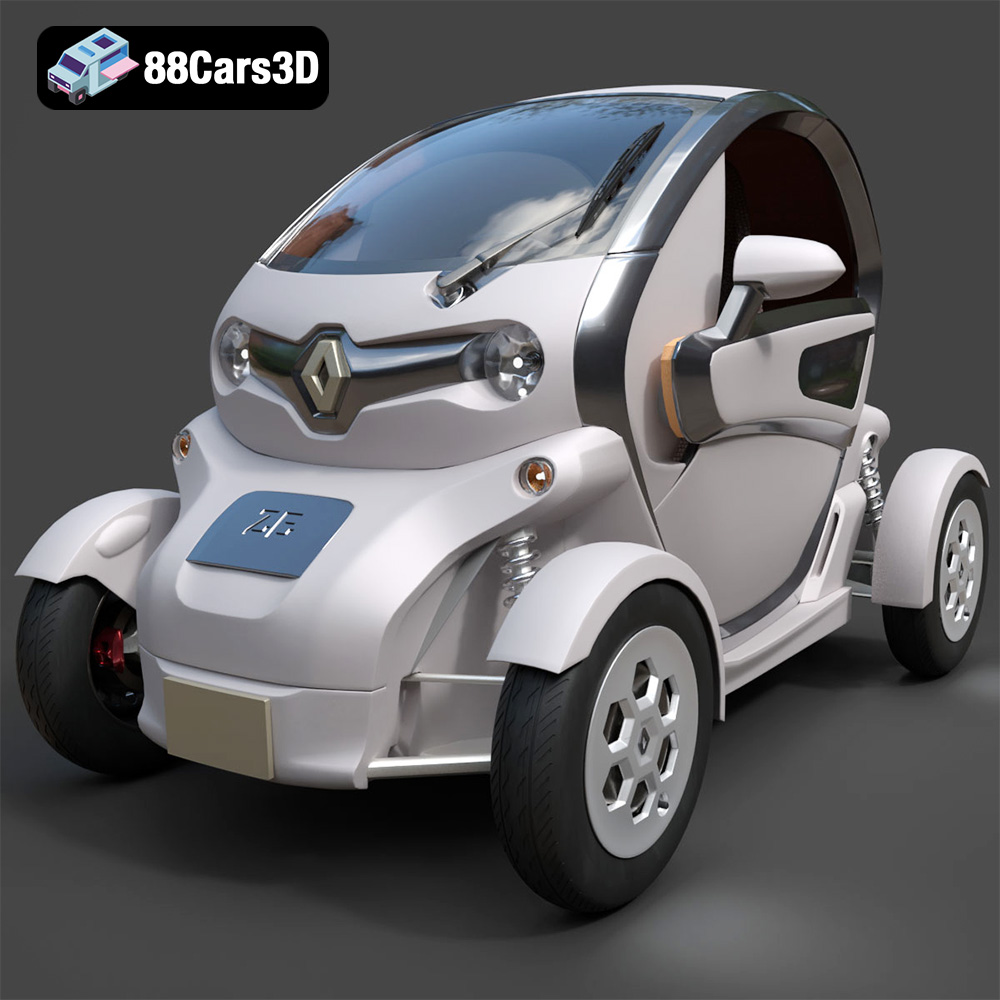
Texture: Yes
Material: Yes
Download the Renault Twizy ZE 3D Model featuring clean geometry, realistic detailing, and a fully modeled interior. Includes .blend, .fbx, .obj, .glb, .stl, .ply, .unreal, and .max formats for rendering, simulation, and game development.
Price: $4.99
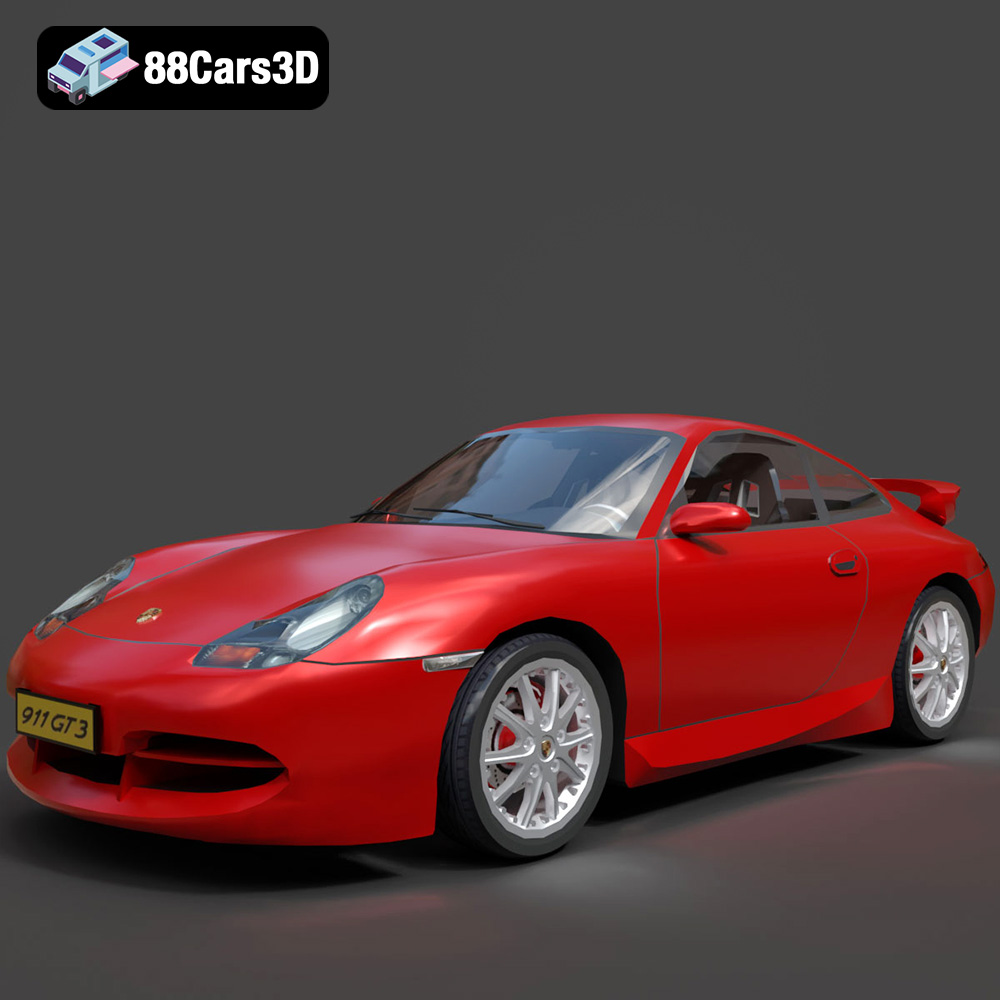
Texture: Yes
Material: Yes
Download the Porsche 911 GT3 3D Model featuring clean geometry, realistic detailing, and a fully modeled interior. Includes .blend, .fbx, .obj, .glb, .stl, .ply, .unreal, and .max formats for rendering, simulation, and game development.
Price: $4.99
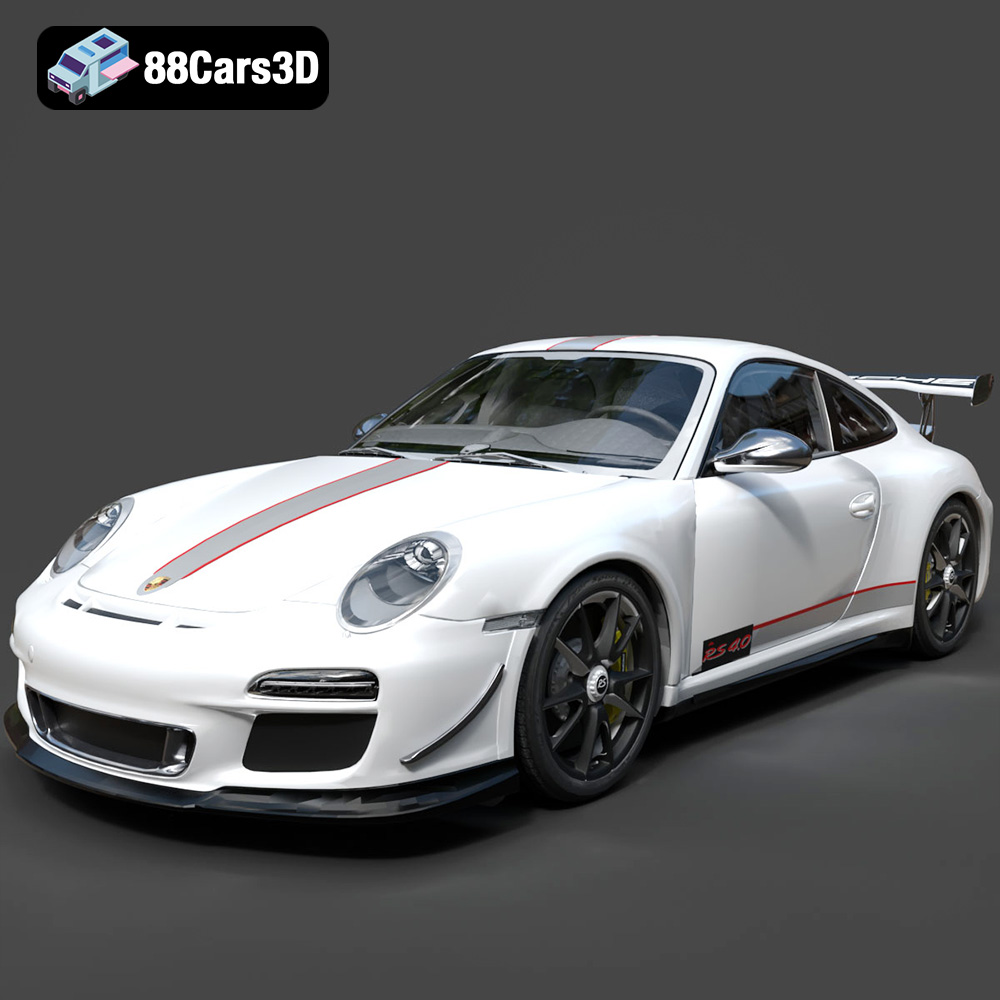
Texture: Yes
Material: Yes
Download the Porsche 911 997 GT3 RS 4.0 2011 3D Model featuring clean geometry, realistic detailing, and a fully modeled interior. Includes .blend, .fbx, .obj, .glb, .stl, .ply, .unreal, and .max formats for rendering, simulation, and game development.
Price: $4.99
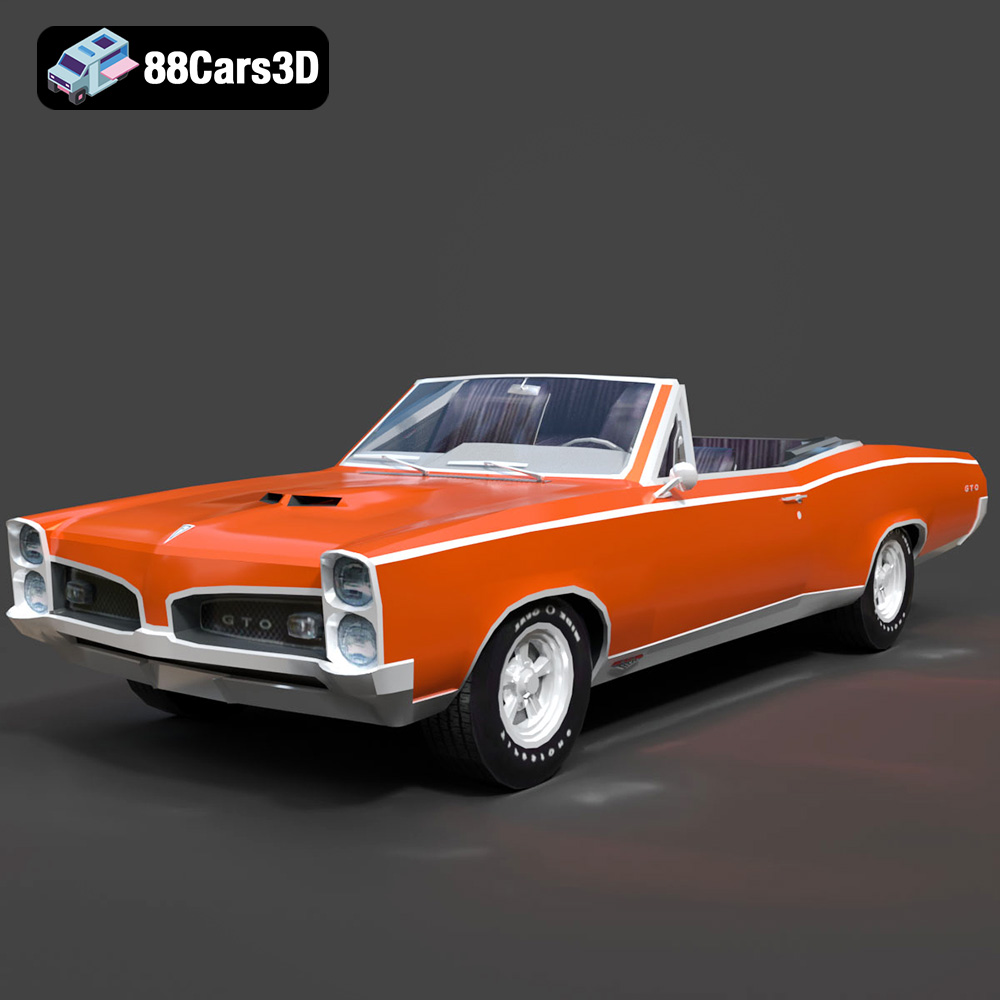
Texture: Yes
Material: Yes
Download the Pontiac GTO Cabrio 1967 3D Model featuring clean geometry, realistic detailing, and a fully modeled interior. Includes .blend, .fbx, .obj, .glb, .stl, .ply, .unreal, and .max formats for rendering, simulation, and game development.
Price: $4.99
Texture: Yes
Material: Yes
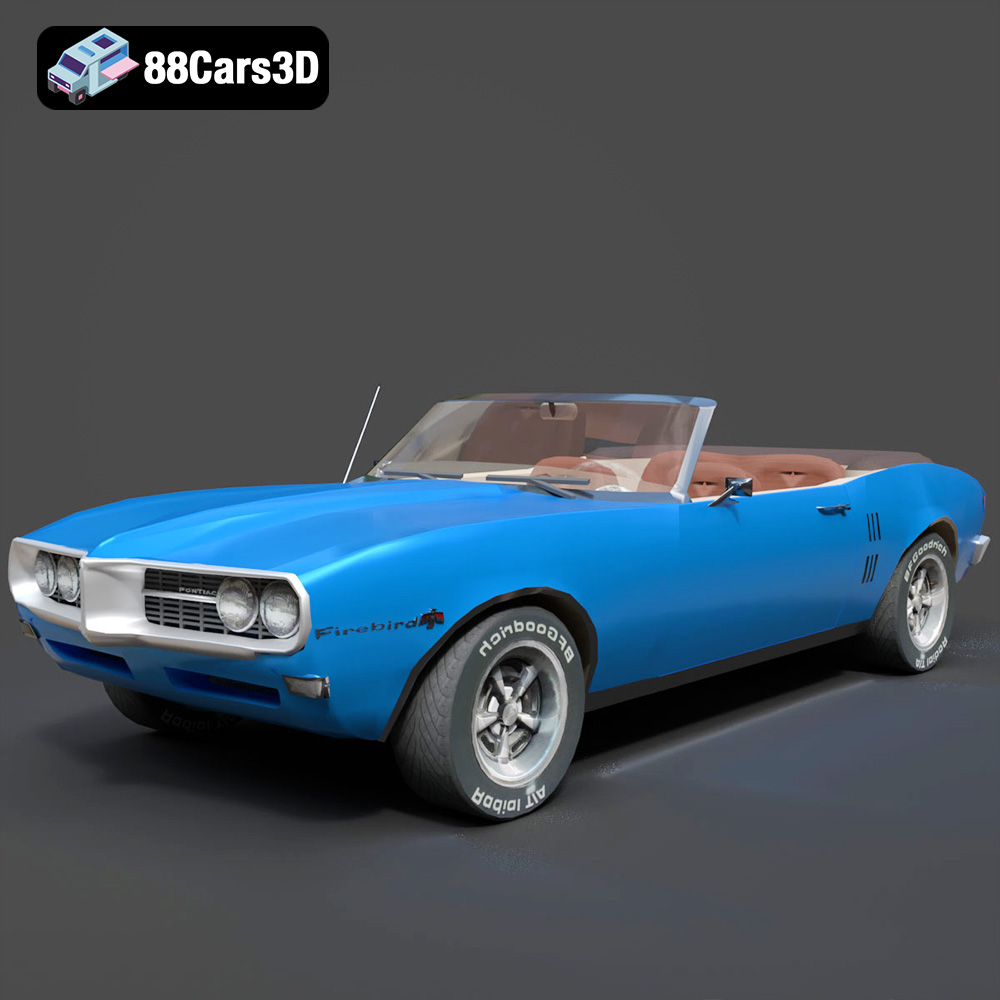
Download the Pontiac Firebird Convertible 1968 3D Model featuring clean geometry, realistic detailing, and a fully modeled interior. Includes .blend, .fbx, .obj, .glb, .stl, .ply, .unreal, and .max formats for rendering, simulation, and game development.
Price: $4.99

Texture: Yes
Material: Yes
Download the Peugeot 508 2011 3D Model featuring clean geometry, realistic detailing, and a fully modeled interior. Includes .blend, .fbx, .obj, .glb, .stl, .ply, .unreal, and .max formats for rendering, simulation, and game development.
Price: $4.99
Texture: Yes
Material: Yes
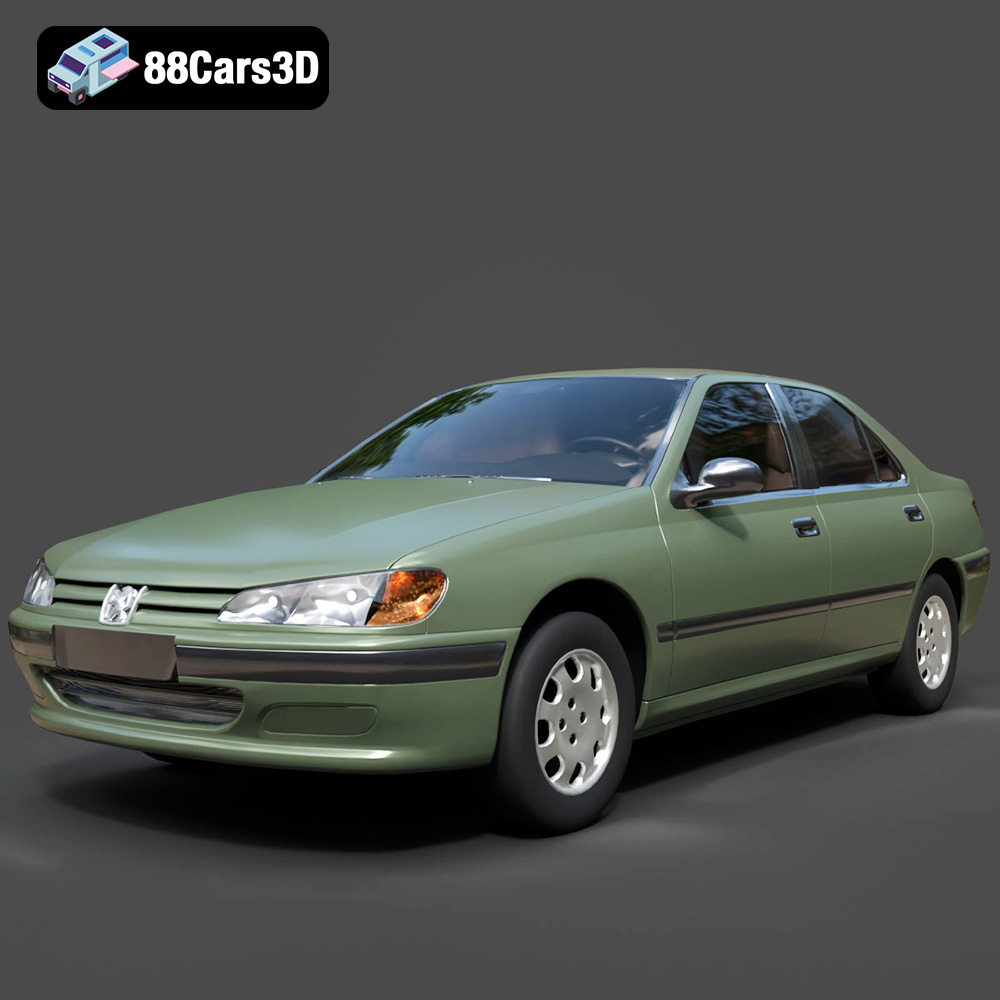
Download the Peugeot 406 1996 3D Model featuring clean geometry, realistic detailing, and a fully modeled interior. Includes .blend, .fbx, .obj, .glb, .stl, .ply, .unreal, and .max formats for rendering, simulation, and game development.
Price: $10
Texture: Yes
Material: Yes
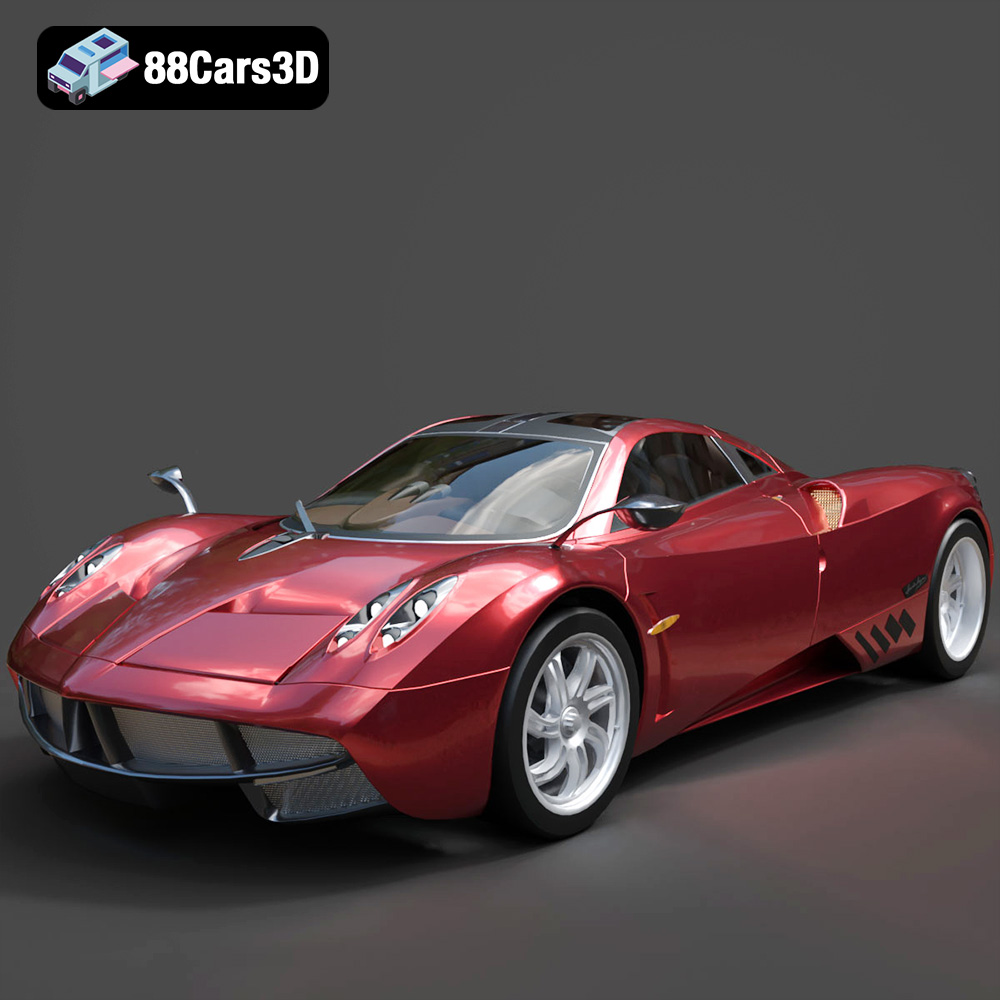
Download the Pagani Huayra 2012 3D Model featuring clean geometry, realistic detailing, and a fully modeled interior. Includes .blend, .fbx, .obj, .glb, .stl, .ply, .unreal, and .max formats for rendering, simulation, and game development.
Price: $10
Texture: Yes
Material: Yes
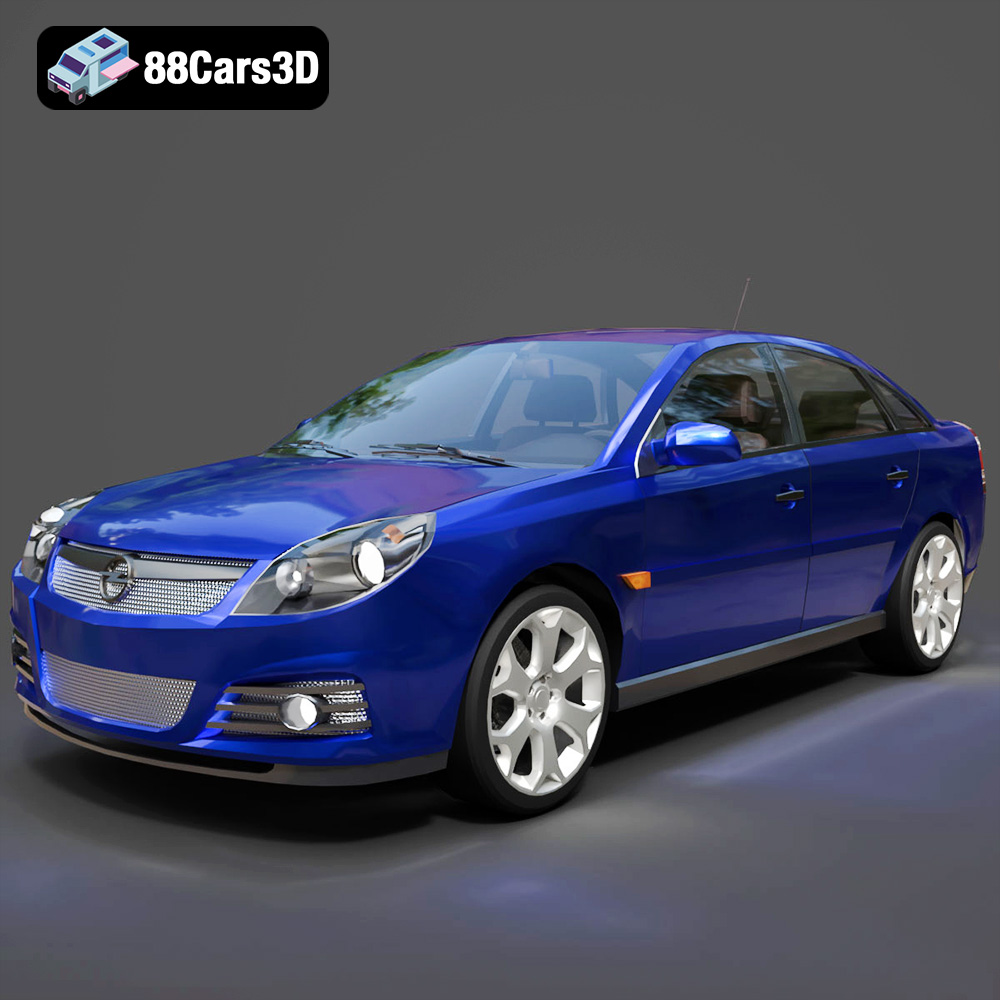
Download the Opel Vectra C 2005 3D Model featuring clean geometry, realistic detailing, and a fully modeled interior. Includes .blend, .fbx, .obj, .glb, .stl, .ply, .unreal, and .max formats for rendering, simulation, and game development.
Price: $10

Texture: Yes
Material: Yes
Download the Opel Insignia OPC 3D Model featuring clean geometry, realistic detailing, and a fully modeled interior. Includes .blend, .fbx, .obj, .glb, .stl, .ply, .unreal, and .max formats for rendering, simulation, and game development.
Price: $10

