⚡ FLASH SALE: Get 60% OFF All Premium 3D & STL Models! ⚡

In the vast landscape of 3D visualization, few assets command as much attention and technical scrutiny as 3D car models. From the gleaming surfaces of a photorealistic automotive advertisement to the finely tuned physics of a high-octane racing game, or the immersive experience of an AR/VR showroom, the quality and technical integrity of a 3D car model are paramount. These complex digital creations are the cornerstone for a multitude of industries, including automotive design, game development, film, architecture, and marketing.
Creating and utilizing these assets effectively requires a deep understanding of intricate 3D modeling workflows, advanced rendering techniques, and rigorous optimization strategies. This comprehensive guide will take you on a journey through the multifaceted world of 3D car models, exploring everything from the foundational principles of topology and UV mapping to the nuances of PBR material creation, high-fidelity rendering, and crucial optimization for real-time applications like gaming and AR/VR. We’ll also delve into the practicalities of file formats, interoperability, and specialized applications such as 3D printing. By the end of this article, you’ll have a robust understanding of what goes into crafting and deploying truly exceptional 3D car models that drive visual excellence across diverse platforms.
The foundation of any high-quality 3D car model lies in its topology – the arrangement of vertices, edges, and faces that form the mesh. For automotive subjects, precision is key. Clean topology ensures smooth deformations, facilitates UV mapping, and produces superior rendering results, especially when using subdivision surfaces. A well-constructed mesh minimizes rendering artifacts, simplifies future edits, and is more efficient for real-time applications.
In automotive modeling, the mantra is almost always quad-based geometry. Triangles and N-gons (faces with more than four vertices) can introduce pinching, undesirable surface distortions, and make subdivision difficult. Crucial areas like panel gaps, wheel arches, door seams, and sharp body lines require precise edge loops that define their contours and allow for crisp creases without adding excessive geometry. These edge loops act as control points for subdivision algorithms, ensuring that the model retains its intended shape and smoothness even at higher levels of detail. For a high-detail, render-ready automotive asset, polygon counts can range significantly, typically from 50,000 to 300,000 polygons for the base mesh, excluding tires and interior, allowing for intricate surface details to be captured without overcomplicating the model.
Automotive design often originates in CAD (Computer-Aided Design) software, utilizing NURBS (Non-Uniform Rational B-Splines) geometry. NURBS models are mathematically precise, based on curves and surfaces rather than discrete polygons, making them ideal for engineering accuracy and manufacturing. However, for rendering, game development, or animation, these NURBS models must be converted into polygonal meshes. This conversion process can be challenging, as it often results in highly triangulated meshes with inconsistent polygon density and poor edge flow. Manual retopology or automated tools in software like 3ds Max, Blender, or Maya are frequently employed to reconstruct a clean, quad-based mesh from the high-density CAD data. Hybrid workflows are common, where a CAD model provides the precise base shape, which is then refined and optimized into a production-ready polygonal mesh, ensuring both accuracy and artistic flexibility.
Once the geometric structure of a 3D car model is established, the next critical step is to give it realistic surface properties. This involves meticulous UV mapping and the creation of physically based rendering (PBR) materials, which together dictate how light interacts with the car’s body, glass, tires, and interior components, bringing the model to life.
UV mapping is the process of flattening the 3D surface of a model into 2D space, allowing 2D textures to be applied accurately. For complex automotive surfaces, strategic UV unwrapping is paramount. The goal is to minimize stretching and distortion while keeping seams hidden or aligned with natural breaks in the geometry (e.g., along panel lines or under the chassis). Consistent texel density across the model is vital; this means ensuring that all parts of the model receive a proportionate amount of texture resolution, preventing some areas from looking blurry while others are crisp. For extremely high-resolution models, especially those used in film or close-up marketing renders, a UDIM workflow (multiple UV tiles) is often employed. This allows different parts of the car – like the main body, doors, or hood – to have their own dedicated, high-resolution textures without being constrained to a single 0-1 UV space, making it easier to manage large texture sets and achieve incredible detail.
PBR materials are designed to simulate how light behaves in the real world, producing highly realistic results regardless of the lighting conditions. Key PBR maps include Albedo/Base Color (diffuse color without lighting information), Metallic (defines if a material is metallic or dielectric), Roughness (how shiny or dull a surface is), Normal (adds surface detail without extra geometry), and Ambient Occlusion (simulates subtle shadowing in crevices). For realistic car paint, the shader network becomes more sophisticated. It typically involves multiple layers: a base metallic layer with metallic flakes (often simulated with noise textures or procedural patterns) and a clear coat layer on top. This clear coat needs specific properties, including a realistic IOR (Index of Refraction, typically around 1.5-1.6 for car clear coats) and fine-tuned roughness parameters to achieve the characteristic glossy sheen and reflections. Other materials like rubber for tires, chrome for trim, intricate glass, and various interior fabrics each require their own PBR setup. Texture resolutions are a significant factor in realism, with hero assets often using 4K or 8K textures for major components and 2K for less visible elements. Software like Substance Painter is invaluable for creating these intricate PBR texture sets, allowing artists to paint directly onto the 3D model and generate all necessary maps.
Achieving photorealism in automotive visualization extends beyond impeccable modeling and texturing; it critically depends on a sophisticated rendering workflow. The interplay of light, camera, and environment transforms a static 3D model into a captivating visual narrative, showcasing the car’s design, form, and texture with breathtaking accuracy.
Lighting is arguably the most crucial element in photorealistic rendering. For automotive models, the choice between a studio lighting setup and a dynamic outdoor environment significantly impacts the final look. Studio lighting often uses softboxes and area lights to emphasize specific contours and reflections, creating a controlled, pristine aesthetic. Conversely, outdoor scenes leverage High Dynamic Range Images (HDRIs) extensively. HDRIs capture the full range of light information from a real-world location, providing not only realistic diffuse illumination but also highly accurate reflections that define the car’s surface quality. Integrating a 3D car model seamlessly into a photographic backplate requires careful matching of camera angles, focal lengths, and perspective, along with ensuring the 3D lighting setup accurately mirrors the light source in the photograph. Adding subtle environmental elements, like a ground plane with realistic shadows and reflections, further anchors the car in its virtual scene.
Modern renderers like Corona Renderer, V-Ray, Cycles (Blender), and Arnold each offer powerful tools tailored for high-fidelity automotive visualization. Corona Renderer and V-Ray, often used with 3ds Max, are renowned for their physically accurate light transport and intuitive workflows, making them favorites for architectural and product visualization, including cars. Cycles, Blender’s integrated renderer, and Arnold (available for Maya, 3ds Max, and Cinema 4D) excel with their robust node-based shader systems and excellent handling of complex geometry and PBR materials. Optimizing render settings involves balancing quality with render times; techniques like adaptive sampling, denoisers (AI-accelerated denoising is standard now), and efficient Global Illumination (GI) settings are crucial. Many renderers offer specialized car paint shaders or layered material systems that simplify the creation of complex automotive finishes, allowing for intricate clear coat effects, metallic flakes, and pearl finishes. Post-processing in software like Adobe Photoshop or DaVinci Resolve is the final stage, where subtle adjustments to color grading, exposure, contrast, vignettes, and lens effects like depth of field (DOF) and bloom elevate the render from a raw output to a polished, professional image, completing the visual story of the 3D car model.
While high-fidelity renders prioritize visual realism above all else, 3D car models destined for interactive game engines face a fundamental challenge: achieving stunning visuals while maintaining fluid, real-time performance. This delicate balance requires meticulous optimization strategies to ensure a smooth user experience across various hardware specifications.
One of the most critical optimization techniques for game assets is the implementation of Level of Detail (LODs). LODs are simplified versions of a model that automatically swap in at varying distances from the camera. For a hero car in a game, you might have:
These poly counts vary significantly based on the game’s target platform and visual fidelity. Creating LODs can be done manually through decimation and cleanup or semi-automatically using tools within game engines or 3D software. Equally important is reducing draw calls – the number of times the CPU tells the GPU to render something. Minimizing draw calls is crucial for performance. Strategies include mesh merging (combining multiple meshes into one), texture atlasing (combining multiple textures into a single texture map), and instancing (reusing the same mesh geometry multiple times with different transforms, rather than rendering unique copies).
Both Unity and Unreal Engine provide extensive tools and features to optimize 3D car models for real-time performance. In Unreal Engine, concepts like Instanced Static Meshes and GPU Instancing allow for rendering multiple identical objects with a single draw call, significantly improving efficiency for vehicles in a crowd or a racing grid. Unity’s SRPs (Scriptable Render Pipelines) like URP (Universal Render Pipeline) and HDRP (High Definition Render Pipeline) offer fine-grained control over rendering features, allowing developers to tailor performance for specific platforms. Both engines benefit from efficient material setup; utilizing master materials with instanced variations for car paints reduces shader complexity and helps batch rendering. Baking normal maps from a high-polygon sculpt onto a low-polygon game mesh is standard practice, preserving detail without the poly count. Simplified collision meshes, which are separate, low-poly representations of the car’s volume, are used solely for physics calculations, further reducing render load. When sourcing models for game development, platforms like 88cars3d.com often provide optimized, game-ready versions of their 3D car models, featuring LODs, baked textures, and clean hierarchies, significantly streamlining the asset pipeline for developers.
The utility of 3D car models extends far beyond traditional rendering and game development. With the rise of immersive technologies and advanced manufacturing, these digital assets are now crucial for augmented reality (AR), virtual reality (VR), and even physical production through 3D printing. Each of these applications demands specific optimization and preparation techniques to translate the digital model into its respective real-world or virtual counterpart.
AR and VR environments impose even stricter performance constraints than traditional video games, primarily due to the need for very high, stable frame rates (e.g., 90 FPS or higher) to prevent motion sickness and ensure a comfortable user experience. For 3D car models in AR/VR, this means aggressively lower polygon counts, often in the range of 20,000 to 50,000 polygons for a hero vehicle, especially for mobile AR/VR platforms. Further optimization includes minimizing material complexity, ideally striving for a single, efficient PBR material for the entire vehicle body to reduce draw calls. Texture atlasing is critical here, combining all necessary texture maps into as few files as possible. Utilizing specific file formats like GLB (glTF Binary) for web-based AR/VR and USDZ (Apple’s universal format for AR) is essential, as they are highly optimized for real-time delivery and display on mobile devices. These formats efficiently package geometry, textures, and PBR materials, ensuring a smooth and responsive experience without heavy computational demands.
Translating a digital 3D car model into a physical object via 3D printing requires a fundamentally different set of preparations. The primary concern is ensuring a “watertight” or “manifold” mesh – meaning the model has no holes, non-manifold edges, or inverted faces. Every edge must connect exactly two faces, forming a completely enclosed volume. Issues like self-intersecting geometry, unclosed surfaces, or zero-thickness walls will cause printing errors. Artists must meticulously check for these issues using mesh inspection tools available in software like Blender (3D Print Toolbox), Meshmixer, or Netfabb. Critical steps include:
Common file formats for 3D printing include STL (Stereolithography), which stores only raw triangulated geometry, and OBJ, which can also carry color information. Proper preparation ensures that the digital model can be accurately and successfully manifested in the physical world, whether for rapid prototyping, scale models, or custom parts.
In the collaborative and multi-platform world of 3D production, understanding and managing various file formats is crucial for a seamless workflow. Different formats excel in different scenarios, from retaining maximum data fidelity to ensuring lightweight delivery for real-time applications. The ability to convert and interpret these formats accurately is key to maintaining an efficient and frustration-free asset pipeline.
Each file format serves a specific purpose, carrying varying amounts of data about your 3D car model:
Other native formats like MAX (3ds Max), BLEND (Blender), and C4D (Cinema 4D) retain all software-specific information, offering maximum editability within their respective ecosystems but requiring export for interchange.
Successfully integrating 3D car models into a diverse pipeline requires attention to detail during export and import. Common issues include scale discrepancies (models appearing too large or too small), missing textures (due to incorrect file paths), or flipped normals (surfaces appearing invisible or dark). Best practices include standardizing units across all software, embedding textures when exporting to FBX or GLB, and always checking normals after import. Utilizing high-quality, pre-validated assets from reputable sources can significantly streamline this process. For instance, when sourcing models from marketplaces such as 88cars3d.com, artists and developers can expect models provided in multiple optimized formats, often with clean topology, PBR materials, and proper scaling already implemented, drastically reducing the time spent on conversion and troubleshooting and allowing them to focus on creative tasks.
The journey through the creation, optimization, and application of 3D car models reveals a fascinating blend of artistic vision and technical prowess. From the foundational precision of clean topology and strategic UV mapping to the artistic nuance of PBR materials and realistic lighting, every stage contributes to the final impact of these intricate digital assets. Whether destined for a photorealistic advertisement, a high-performance game, an immersive AR/VR experience, or a tangible 3D print, understanding the underlying technical principles is key to unlocking their full potential.
Mastering these workflows ensures that your 3D car models not only look stunning but also perform flawlessly across diverse platforms and applications. The continuous evolution of rendering techniques, game engine capabilities, and immersive technologies means that the demand for high-quality, versatile 3D car assets will only continue to grow. By embracing industry best practices and leveraging robust resources, you empower your projects with visual excellence. To take the next step in acquiring top-tier assets that meet these rigorous standards, explore the extensive collection of meticulously crafted 3D car models at 88cars3d.com – where quality meets versatility for all your automotive visualization needs.
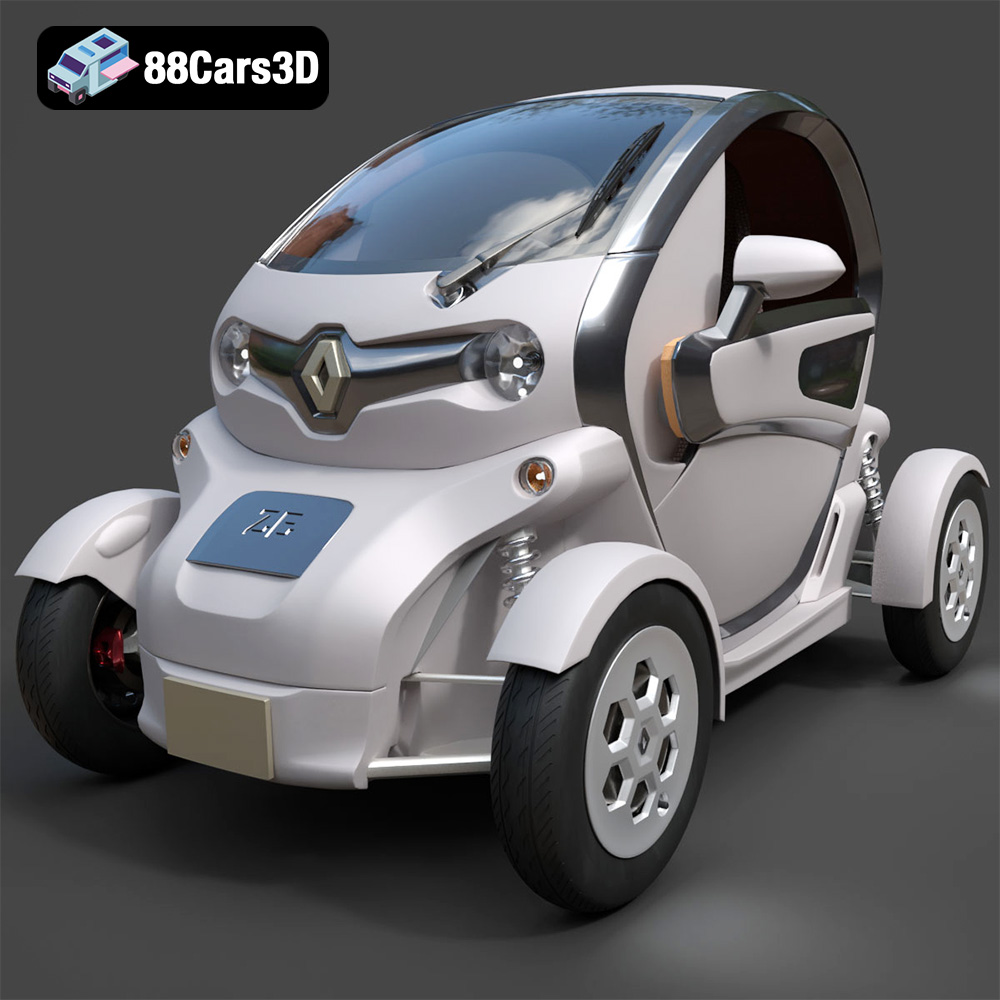
Texture: Yes
Material: Yes
Download the Renault Twizy ZE 3D Model featuring clean geometry, realistic detailing, and a fully modeled interior. Includes .blend, .fbx, .obj, .glb, .stl, .ply, .unreal, and .max formats for rendering, simulation, and game development.
Price: $4.99
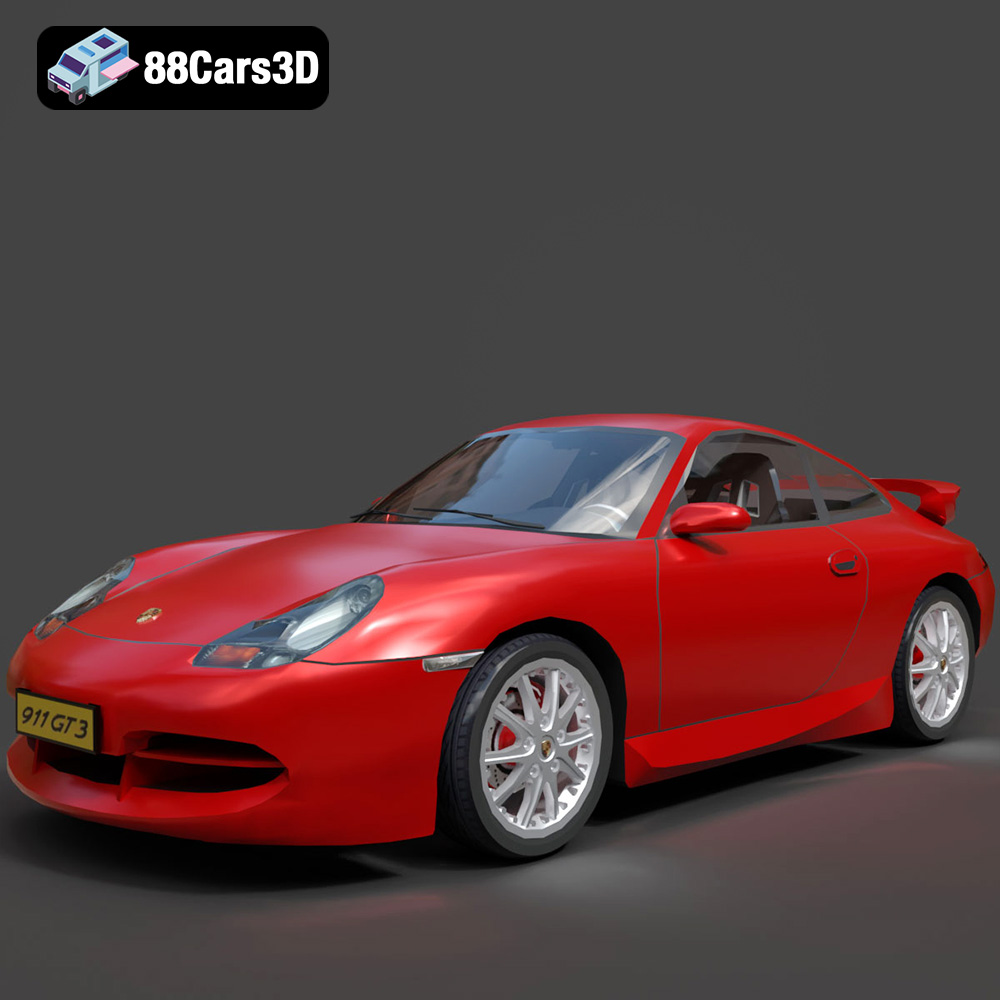
Texture: Yes
Material: Yes
Download the Porsche 911 GT3 3D Model featuring clean geometry, realistic detailing, and a fully modeled interior. Includes .blend, .fbx, .obj, .glb, .stl, .ply, .unreal, and .max formats for rendering, simulation, and game development.
Price: $4.99
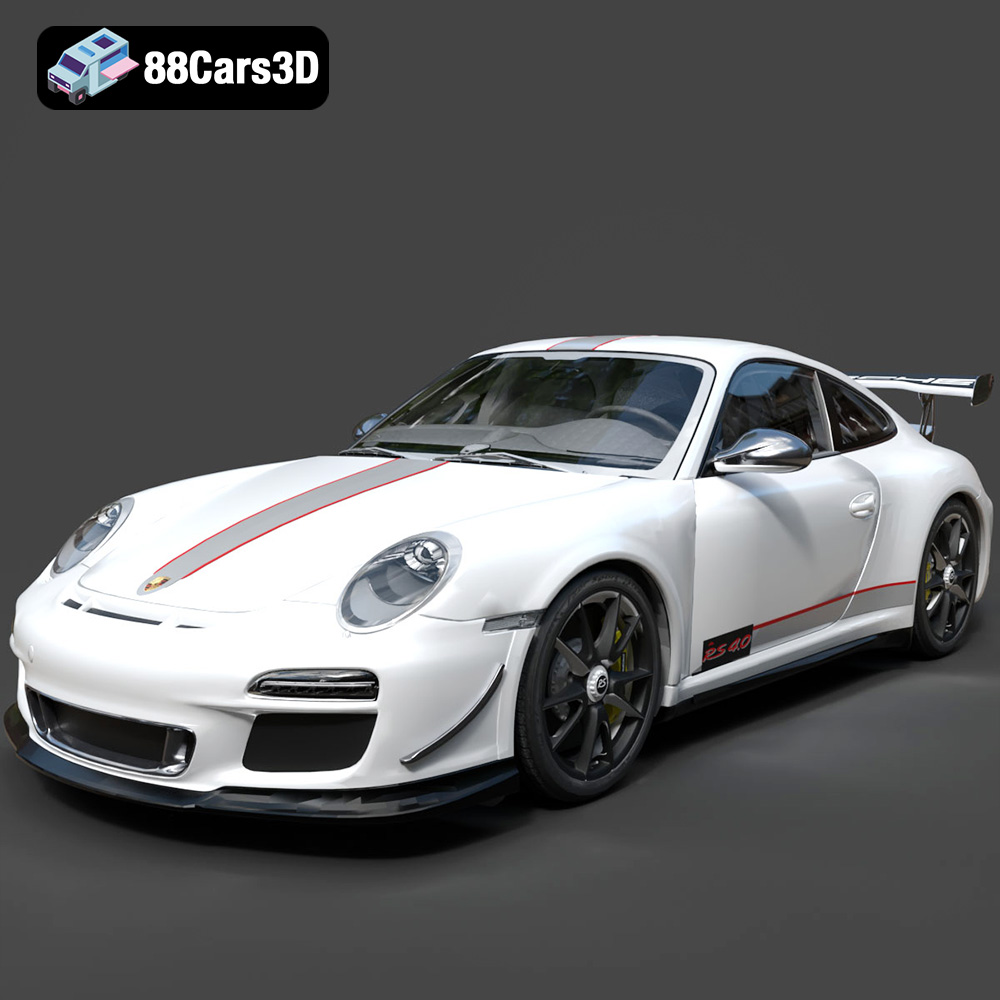
Texture: Yes
Material: Yes
Download the Porsche 911 997 GT3 RS 4.0 2011 3D Model featuring clean geometry, realistic detailing, and a fully modeled interior. Includes .blend, .fbx, .obj, .glb, .stl, .ply, .unreal, and .max formats for rendering, simulation, and game development.
Price: $4.99
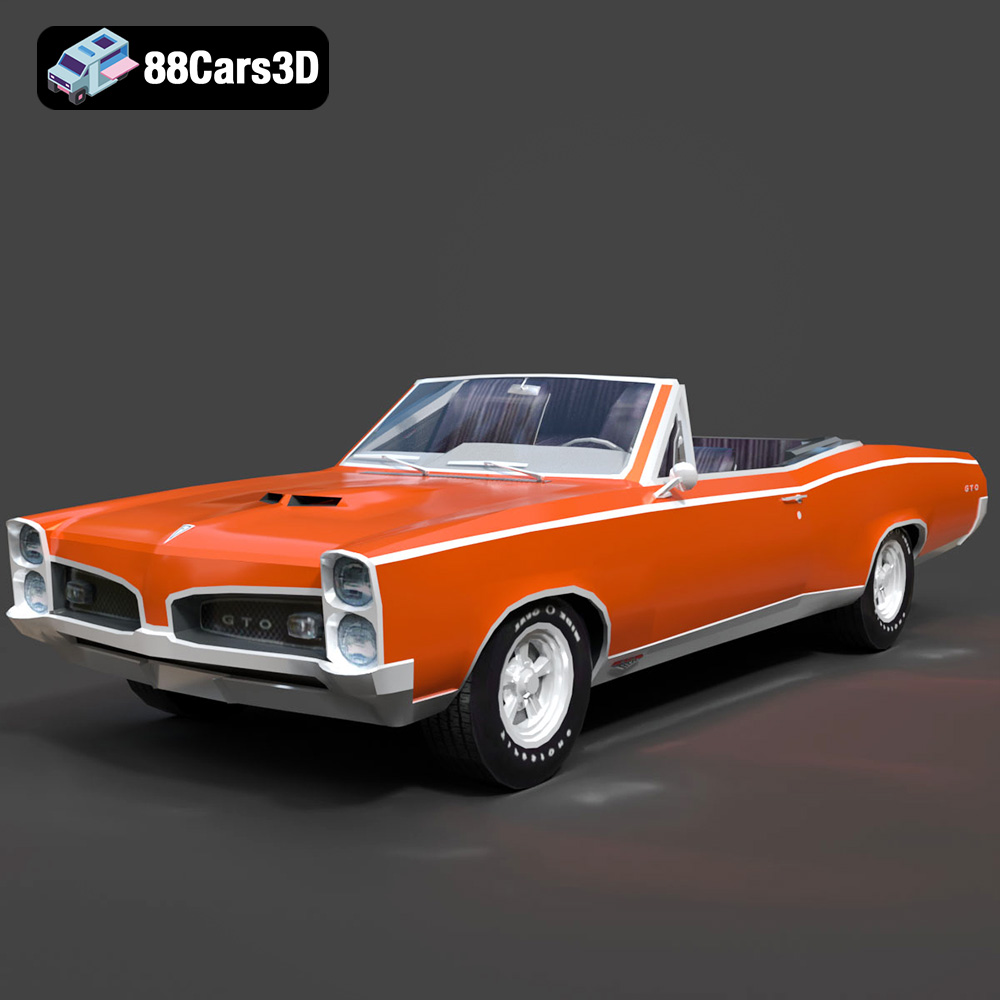
Texture: Yes
Material: Yes
Download the Pontiac GTO Cabrio 1967 3D Model featuring clean geometry, realistic detailing, and a fully modeled interior. Includes .blend, .fbx, .obj, .glb, .stl, .ply, .unreal, and .max formats for rendering, simulation, and game development.
Price: $4.99
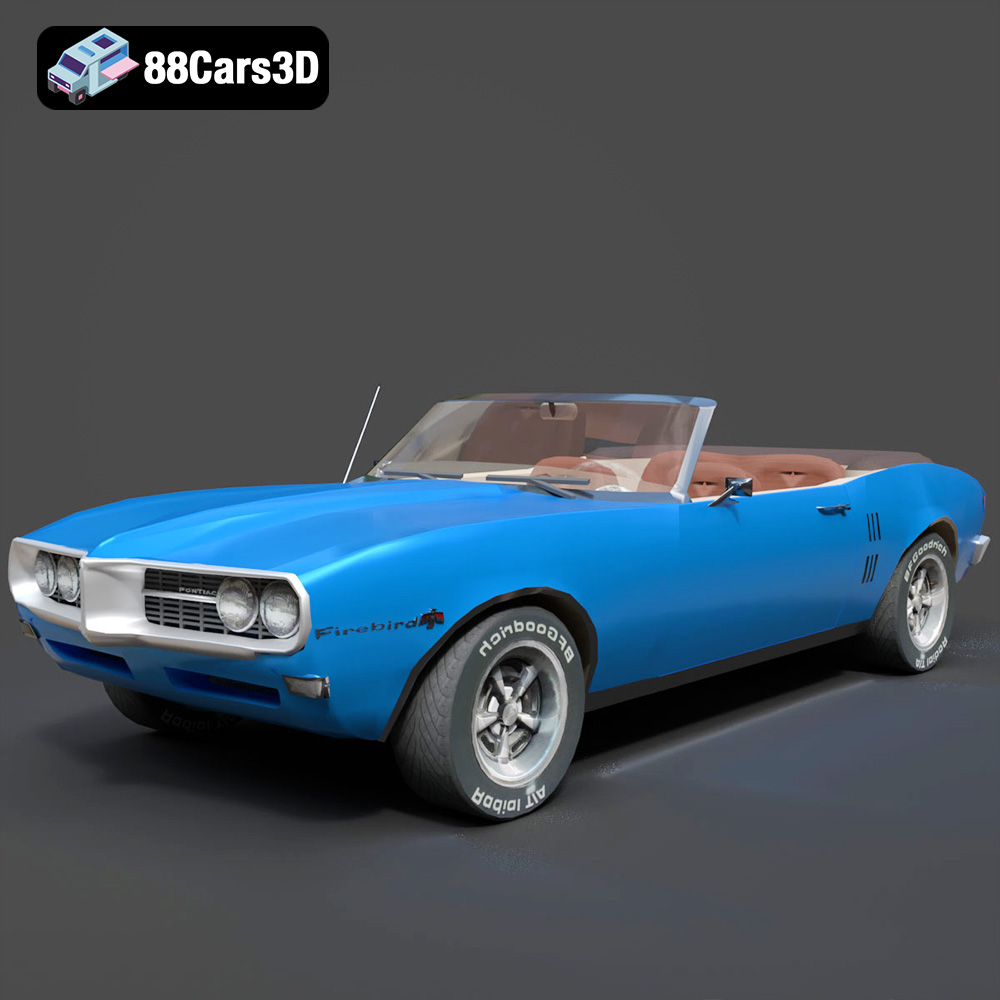
Texture: Yes
Material: Yes
Download the Pontiac Firebird Convertible 1968 3D Model featuring clean geometry, realistic detailing, and a fully modeled interior. Includes .blend, .fbx, .obj, .glb, .stl, .ply, .unreal, and .max formats for rendering, simulation, and game development.
Price: $4.99

Texture: Yes
Material: Yes
Download the Peugeot 508 2011 3D Model featuring clean geometry, realistic detailing, and a fully modeled interior. Includes .blend, .fbx, .obj, .glb, .stl, .ply, .unreal, and .max formats for rendering, simulation, and game development.
Price: $4.99
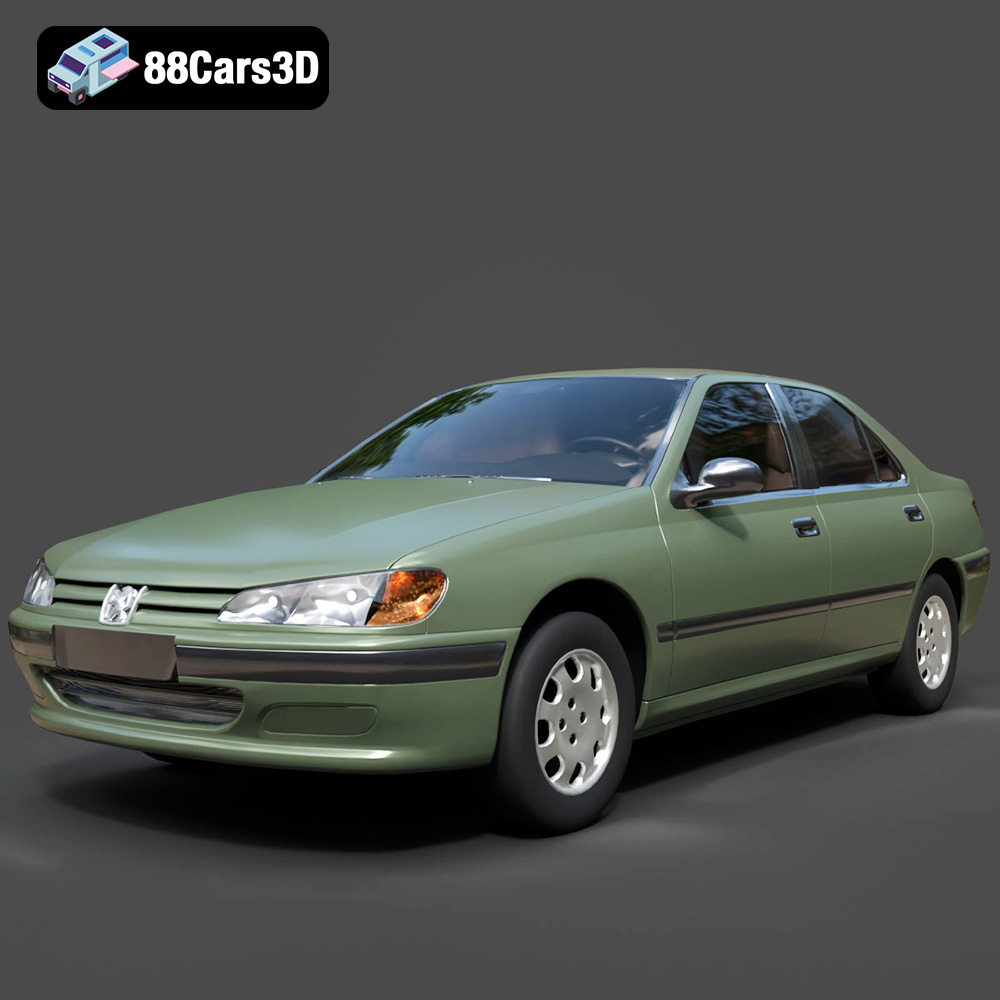
Texture: Yes
Material: Yes
Download the Peugeot 406 1996 3D Model featuring clean geometry, realistic detailing, and a fully modeled interior. Includes .blend, .fbx, .obj, .glb, .stl, .ply, .unreal, and .max formats for rendering, simulation, and game development.
Price: $10
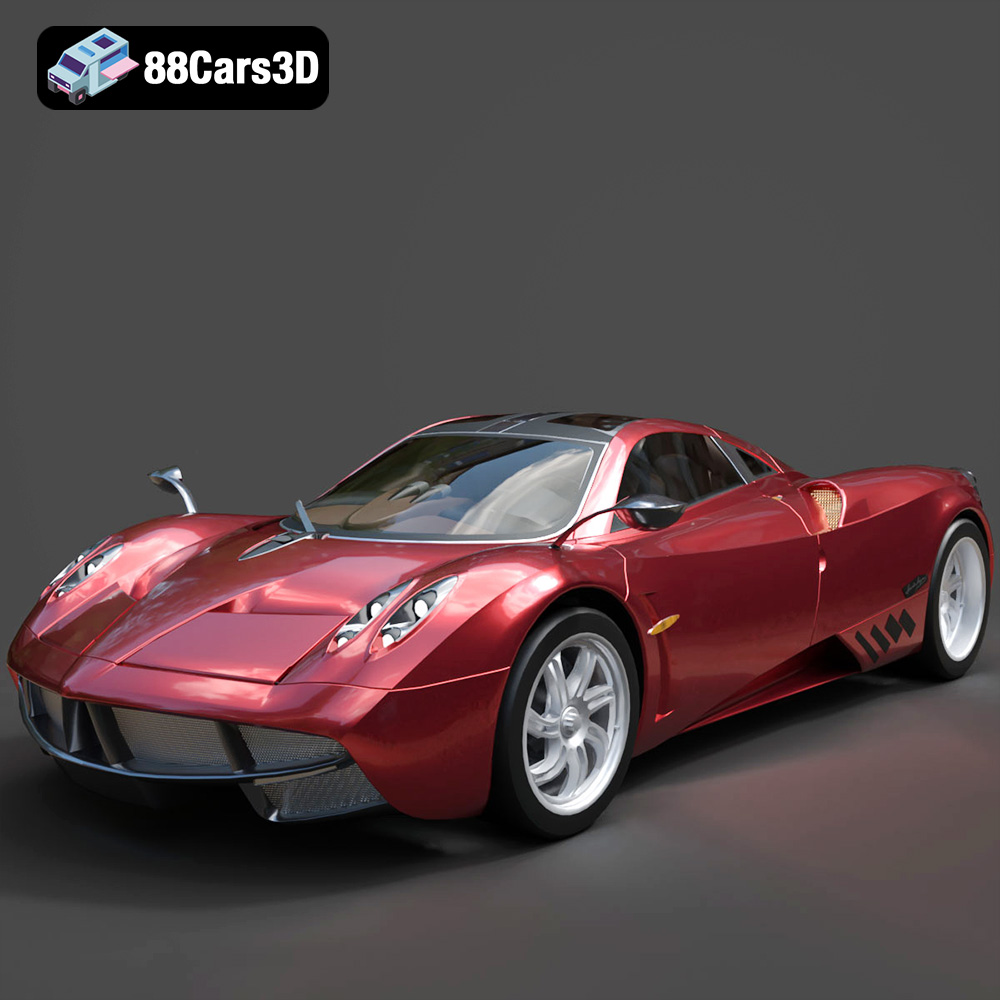
Texture: Yes
Material: Yes
Download the Pagani Huayra 2012 3D Model featuring clean geometry, realistic detailing, and a fully modeled interior. Includes .blend, .fbx, .obj, .glb, .stl, .ply, .unreal, and .max formats for rendering, simulation, and game development.
Price: $10
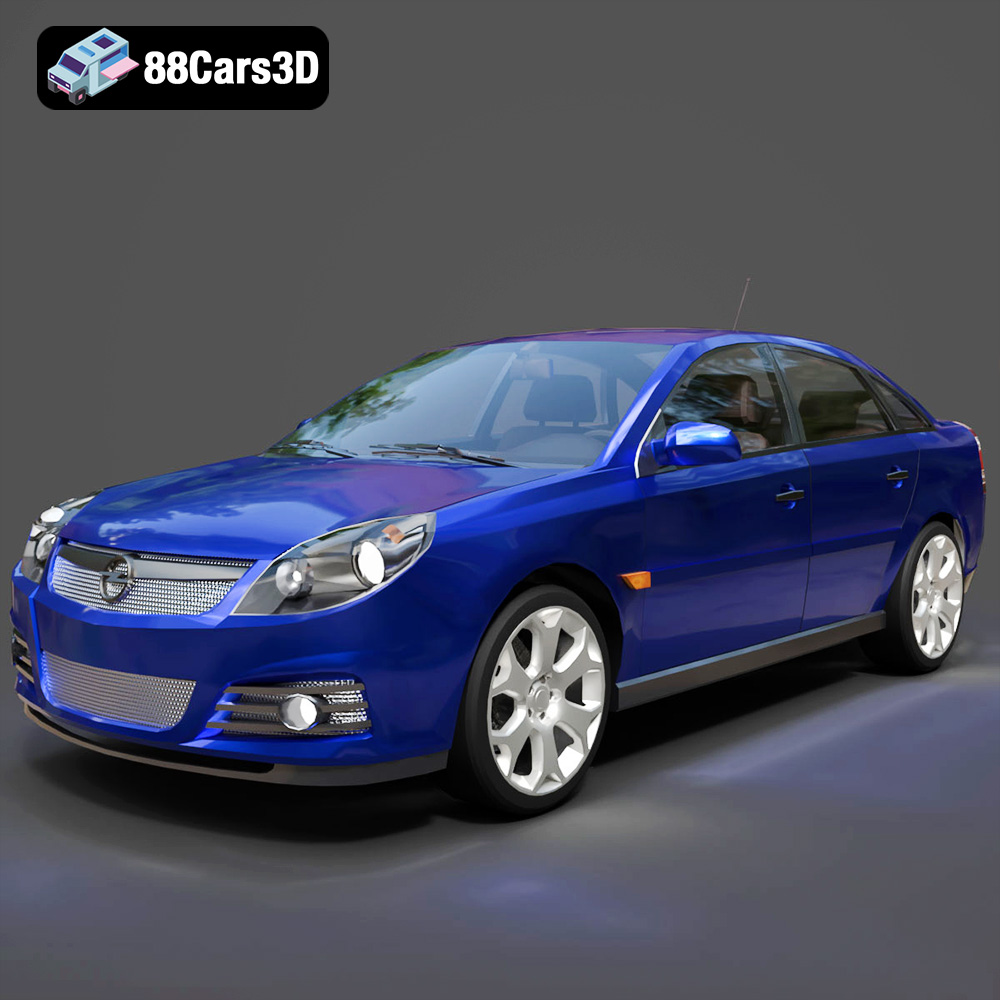
Texture: Yes
Material: Yes
Download the Opel Vectra C 2005 3D Model featuring clean geometry, realistic detailing, and a fully modeled interior. Includes .blend, .fbx, .obj, .glb, .stl, .ply, .unreal, and .max formats for rendering, simulation, and game development.
Price: $10

Texture: Yes
Material: Yes
Download the Opel Insignia OPC 3D Model featuring clean geometry, realistic detailing, and a fully modeled interior. Includes .blend, .fbx, .obj, .glb, .stl, .ply, .unreal, and .max formats for rendering, simulation, and game development.
Price: $10

