⚡ FLASH SALE: Get 60% OFF All Premium 3D & STL Models! ⚡

In the expansive and ever-evolving realm of 3D visualization, automotive models stand as a pinnacle of complexity, precision, and artistic skill. From the sleek curves of a supercar to the rugged utility of an off-road vehicle, 3D car models are indispensable assets across industries—powering everything from blockbuster video games and cinematic advertisements to cutting-edge architectural visualizations and interactive AR/VR experiences. Mastering the creation and utilization of these intricate models requires a deep understanding of several technical disciplines, each contributing to the final photorealistic or real-time result.
This comprehensive guide will take you on a deep dive into the technical intricacies of working with 3D car models. We’ll explore the foundational principles of topology, demystify the art of UV mapping and PBR material creation, navigate the sophisticated workflows of high-fidelity rendering, and uncover the essential optimization strategies for game engines and interactive platforms. Whether you’re an aspiring 3D artist, a seasoned game developer, an automotive designer, or a visualization professional, you’ll gain actionable insights into crafting, rendering, and deploying stunning automotive assets. Prepare to unlock the full potential of automotive rendering and elevate your projects to unprecedented levels of realism and performance.
The foundation of any high-quality 3D car model lies in its topology—the arrangement of its vertices, edges, and faces. For automotive subjects, clean and efficient topology is paramount, dictating not only how the model renders and subdivides but also its performance in real-time applications. A well-constructed mesh ensures smooth reflections, accurate surface detail, and flexibility for deformation, crucial for dynamic scenarios like panel gaps or suspension movement. Poor topology, conversely, can lead to unsightly pinching, shading artifacts, and difficulties during UV mapping and texturing, diminishing the overall realism and usability of the asset.
When modeling a car, the goal is often a balance between detail and polygon efficiency. While high-poly models are fantastic for close-up renders, game-ready assets require careful polygon budgeting. Typically, professional 3D car models range from 50,000 to over 1,000,000 polygons, depending on their intended use. A core principle is to use primarily quads (four-sided polygons) as they subdivide predictably and allow for smooth surfaces. Triangles (three-sided polygons) should be used sparingly and only in flat, non-deforming areas, as they can cause pinching and unpredictable shading when subdivided.
Achieving clean topology for automotive surfaces involves several key strategies. Firstly, concentrate detail where it’s needed most—around curves, panel lines, and high-curvature areas. Flat surfaces require fewer polygons. Secondly, focus on consistent polygon density across the mesh; sudden changes in density can lead to shading issues. Thirdly, effective edge loops are critical. These are continuous chains of edges that run along the natural flow of the car’s body panels and contours. These loops help define the shape, make selection easier, and are essential for controlling subdivision surfaces (e.g., Turbosmooth in 3ds Max or Subdivision Surface in Blender/Maya).
Managing poles (vertices where more or less than four edges meet) is another crucial aspect. While 5-edge poles are generally acceptable in flatter areas, 3-edge poles and poles with more than 5 edges should be strategically placed or avoided in highly curved or visible areas to prevent shading artifacts. For complex shapes like wheel wells or intricate grilles, consider breaking the mesh into logical components rather than attempting a single, monolithic mesh, which simplifies UV mapping and material assignment. Precision in modeling these complex curves is paramount; automotive design demands near-perfect surface continuity to avoid visual glitches in reflections.
Beyond simple quad construction, intelligent edge flow defines how a model behaves under subdivision and deformation. For instance, creating tight edge loops along sharp creases—like the edges of a door panel or around a headlight assembly—allows a subdivision surface modifier to maintain that sharpness while still smoothing the broader surfaces. Without these “support loops,” the sharp edges would become soft and rounded, losing the defined character of the car. The number of support loops and their proximity to the main edge determines the sharpness of the crease.
Another vital application of edge flow is managing realistic panel gaps. Instead of simply extruding an edge inwards, a common practice is to create two distinct mesh elements for adjacent panels and then build the gap between them, ensuring clean, parallel edges on both sides. This mimics real-world manufacturing and significantly improves visual fidelity, especially with reflections. Good edge flow also facilitates realistic deformation, which is important if the model will be rigged for animation (e.g., doors opening, wheels turning, suspension compression). Ultimately, the time invested in meticulous topology pays dividends across all subsequent stages of the 3D pipeline.
Once the geometric foundation of a 3D car model is solid, the next crucial step is giving it a convincing skin through UV mapping and PBR (Physically Based Rendering) material creation. These processes are what bring a model to life, defining everything from the metallic sheen of the paint to the worn texture of the tires. Proper UV mapping is the bridge between your 3D model and its 2D textures, dictating how accurately and efficiently textures are applied. PBR materials, on the other hand, ensure that your car reacts to light in a physically plausible way, delivering consistent and realistic results across different lighting conditions and render engines.
The complexity of a car’s surface—with its intricate curves, sharp angles, and numerous distinct components—makes UV mapping a meticulous task. Each part, from the main body shell to individual bolts, needs its own dedicated space on a UV layout or atlas. Texture resolutions typically range from 2K (2048×2048 pixels) for less prominent parts to 4K or even 8K for high-detail areas like the main body, ensuring crisp details even in close-up shots. For ultimate detail and flexibility, many professional workflows utilize UDIMs (U-Dimension), a system that allows for multiple UV tiles, effectively breaking a single model’s textures across many high-resolution maps without stretching or quality loss.
Effective UV mapping for a car involves several strategic considerations. The first is to ensure non-overlapping UVs, especially for areas that will receive baked lighting or unique painted details. Overlapping UVs lead to artifacts and incorrect texture application. Secondly, consistent texel density is crucial; this means that the resolution of the texture pixels should be uniform across the entire model, preventing some areas from looking blurry while others are crisp. Tools in Blender, 3ds Max, and Maya offer options to calculate and normalize texel density.
Seam placement is another art form. Strategically hide seams in less visible areas, such as under the car, along natural panel lines, or inside wheel wells, to minimize their visibility. For the car body, cylindrical or planar projections followed by careful unwrapping and stitching are common techniques. For wheels, engine parts, and interior elements, more complex projections might be necessary. Using a checkerboard pattern overlay during UV editing helps visualize stretching and texel density issues. For detailed components like badges or intricate vents, consider using multiple smaller UV islands or even separate materials to allocate more texture space.
PBR materials are the cornerstone of modern rendering realism. They operate on the principle that surfaces react to light based on their physical properties: how much light they reflect (albedo/base color), how rough or smooth they are (roughness/glossiness), and how metallic they appear (metallic/specular). The two primary PBR workflows are Metallic-Roughness and Specular-Glossiness. Most contemporary renderers (Corona, V-Ray, Cycles, Arnold) and game engines (Unity, Unreal Engine) support both, though Metallic-Roughness is often favored for its simplicity and directness.
Creating car paint is a complex process involving multiple layers: a base metallic coat, a clear coat for reflections and depth, and often flakes for sparkle. This is achieved using layered shader networks, where different PBR textures (Albedo, Metallic, Roughness, Normal, Ambient Occlusion) are blended. For tires, a combination of roughness maps (for tread and sidewall details) and normal maps (for micro-detail and lettering) is essential. Glass requires specific transparency and refraction properties, often with subtle roughness and smudges for realism. For chrome, a high metallic value and very low roughness are key. Beyond standard textures, techniques like dirt, grime, and wear maps are vital for adding character and breaking up pristine surfaces, enhancing the story of the vehicle. Sourcing high-quality PBR textures or creating them with tools like Substance Painter is a critical step in this pipeline.
With a meticulously modeled and textured 3D car model, the next stage is to bring it to life through high-fidelity rendering. This process transforms abstract 3D data into stunning 2D images or animations, making the virtual indistinguishable from the real. Automotive rendering is particularly demanding due to the highly reflective surfaces, intricate details, and the psychological impact of vehicle aesthetics. Achieving photorealism requires a deep understanding of lighting, camera principles, and the capabilities of your chosen render engine.
The goal is not just to make the car look “good,” but to evoke emotion and communicate design intent effectively. This means careful attention to reflections that define the car’s contours, accurate material responses that convey luxury or ruggedness, and a compelling environment that places the vehicle in context. From glossy paintwork to realistic tire tread, every detail contributes to the overall visual story. Render times can vary significantly, from a few minutes per frame for static shots to hours for complex animations, depending on resolution, scene complexity, and the render engine’s settings.
The choice of render engine significantly impacts workflow and final output. Popular options for automotive rendering include Corona Renderer and V-Ray (often paired with 3ds Max or Maya), Cycles (Blender), and Arnold (Maya, 3ds Max). Each has its strengths. Corona and V-Ray are renowned for their ease of use, speed in certain scenarios, and excellent handling of complex materials and global illumination, making them favorites for architectural and automotive visualization. Cycles, being integrated into Blender, offers powerful GPU rendering and a flexible node-based material system. Arnold excels in handling massive scenes and complex physically accurate lighting, popular in film production.
Most modern renderers are “unbiased” or “path-tracers,” meaning they simulate light behavior more accurately, resulting in realistic global illumination, reflections, and refractions. The workflow typically involves: scene setup (importing the car, environment assets), lighting (HDRI, physical lights), material assignment, camera positioning, and finally, render settings optimization (samples, noise thresholds, render passes). Understanding how each engine calculates light bounces and handles complex shader networks is key to optimizing render times without sacrificing quality.
Lighting is arguably the most critical element in automotive rendering. A professional setup usually involves a combination of HDRI (High Dynamic Range Image) environment maps and targeted physical lights. HDRIs provide realistic ambient lighting and reflections, replicating real-world environments like studio setups, urban streets, or natural landscapes. For instance, an interior studio HDRI can provide soft, even lighting and beautiful reflections that highlight the car’s curves. Supplementing HDRIs with specific area lights or spotlights allows for precise control over highlights, shadows, and mood—emphasizing specific design features or creating dramatic effects.
Camera work is equally vital. Just like a professional photographer, a 3D artist uses focal length, depth of field, and composition to tell a story. Wider focal lengths (e.g., 24-35mm) can emphasize speed or power, while telephoto lenses (e.g., 85-135mm) are excellent for showcasing intricate details and creating a more compressed, cinematic look. Strategic use of depth of field can draw the viewer’s eye to specific parts of the car, blurring out distractions. Angles, horizons, and the rule of thirds are all principles that translate directly from photography into 3D rendering. High-quality backgrounds, whether 3D environments or backplate photographs, seamlessly integrate the car into its context, providing believable reflections and atmosphere.
Rendering is rarely the final step. Professional automotive visuals almost always undergo extensive post-processing and compositing in software like Adobe Photoshop, Affinity Photo, or Nuke. This stage allows for fine-tuning that is difficult or time-consuming to achieve purely within the 3D renderer. Common post-processing tasks include color grading (adjusting hues, saturation, and contrast to establish mood), adding lens effects like bloom and glare for realistic light diffusion, and correcting minor imperfections.
Compositing involves combining various render passes (e.g., diffuse, reflection, refraction, z-depth, ambient occlusion, object IDs) into a single final image. Render passes provide individual components of the scene’s light information, offering granular control over each element. For example, you might adjust the intensity of reflections or the color of shadows separately, or add atmospheric haze using a Z-depth pass. This non-destructive workflow allows for maximum flexibility and artistic control, often making the difference between a good render and a truly exceptional one, adding that final layer of cinematic polish that captivates the audience.
While high-fidelity rendering aims for absolute visual realism, preparing 3D car models for game engines introduces a new set of challenges and priorities: real-time performance. Game assets must strike a delicate balance between visual quality and computational efficiency to maintain smooth frame rates across a wide range of hardware. Whether for a racing simulator, an open-world adventure, or an architectural walkthrough, optimized automotive assets are crucial for delivering an immersive and fluid interactive experience. This means careful management of polygon counts, texture memory, and draw calls.
An unoptimized high-poly car model, perfect for a static render, would bring most game engines to a crawl. The goal for game developers is to achieve maximum visual fidelity within strict performance budgets. This involves various techniques, from simplifying mesh geometry to intelligently managing textures and materials. A typical game-ready car might have a polygon count ranging from 30,000 to 150,000 triangles for a playable vehicle, with significantly lower counts for background traffic or distant objects. Understanding these constraints and applying professional optimization strategies is key to a successful game asset pipeline.
One of the most effective optimization techniques is the implementation of Level of Detail (LODs). This involves creating multiple versions of the same car model, each with progressively fewer polygons and simpler materials. As the car moves further away from the player’s camera, the game engine automatically switches to a lower LOD version, reducing the computational load without a noticeable drop in visual quality. A common setup involves 3-5 LOD levels: LOD0 (highest detail, for close-ups), LOD1 (medium detail), LOD2 (low detail), and sometimes LOD3/4 for very distant or shadow-only versions. The polygon reduction between LODs can be substantial, often 50-75% per step.
Draw calls are another critical performance metric. Each time the CPU tells the GPU to render an object, it’s a draw call. Many draw calls can bottleneck performance. To reduce them, game assets often employ texture atlasing (combining multiple smaller textures into one larger texture map) and combining meshes where possible. For instance, all the separate body panels, headlights, and mirrors of a car might be combined into a single mesh (if they share materials), or at least share texture atlases to reduce material slots. Using a single master material with parameter variations instead of many unique materials also helps.
Beyond the visual mesh, game engines require additional assets for interaction. Collision meshes are simplified, low-polygon versions of the car model used for physics calculations. These are typically invisible to the player and need to be as simple as possible while accurately representing the car’s bounding box and internal structure for precise collisions. Complex shapes like wheel wells or spoilers might have simplified collision volumes or primitive shapes (boxes, capsules) attached, rather than exact mesh representations.
Physics assets are specific configurations within game engines (like Unity’s Rigidbody and Collider components or Unreal Engine’s Physics Asset Tool) that define how the car interacts with gravity, forces, and other objects. This includes setting up wheel colliders, suspension parameters, and center of mass. For real-time materials, PBR shaders in game engines are designed for performance. Understanding how to use the engine’s built-in PBR workflows (e.g., Unity’s URP/HDRP, Unreal Engine’s Physically Based Shading Model) is crucial. Optimizing transparency (e.g., for windows) can be tricky, as complex transparency effects can be very costly. Alpha clipping or dithered transparency often provides a more performant alternative to true refractive transparency.
The versatility of high-quality 3D car models extends far beyond traditional rendering and game development. With advancements in technology, these assets are now pivotal in emerging fields like Augmented Reality (AR), Virtual Reality (VR), and advanced 3D printing, as well as maintaining their strong foothold in diverse visualization scenarios. Each application presents unique technical requirements and optimization strategies, transforming how we interact with and utilize digital automotive designs. The investment in a well-crafted 3D model can yield returns across numerous platforms and use cases.
From experiencing a new car in your driveway via AR to test-driving a prototype in VR, or even physically holding a miniature replica, 3D car models are at the heart of innovative user experiences. These applications often demand even stricter polygon budgets and more specialized material setups than traditional game engines, due to the need for ultra-low latency and consistent performance across various devices, from high-end VR headsets to mobile phones. Understanding the specific needs of these varied platforms is crucial for preparing models that are truly future-proof and widely applicable.
AR/VR applications demand extremely tight performance budgets. Latency is critical; any stutter or lag can cause motion sickness or break immersion. This translates to severe polygon count restrictions (often under 50,000 triangles for a hero asset on mobile AR, though high-end VR may allow more) and highly optimized materials. For AR/VR, single-draw-call materials are often preferred, meaning all car components that share a material should ideally be combined into one mesh and share a single texture atlas. This minimizes the number of instructions the GPU receives.
Texture memory also needs careful management; 2K texture maps are often the maximum for mobile AR/VR, with careful compression. Animations must be efficient, often using vertex animations or skeletal animations with minimal bones. File formats like GLB (for glTF) and USDZ are increasingly popular for web-based AR/VR, as they package geometry, materials, textures, and even animations into a single, optimized file, ready for deployment on platforms like Apple’s AR Quick Look or Google’s Scene Viewer. When sourcing models from marketplaces such as 88cars3d.com, verify that AR/VR-ready formats are available or that the base model is suitable for easy optimization.
3D printing a car model involves a complete shift in technical focus. Here, the primary concern is creating a manifold mesh—a watertight, solid geometry with no holes, inverted normals, or self-intersecting faces. Unlike rendering, which can sometimes forgive minor mesh errors, 3D printers require a mathematically solid model to calculate tool paths correctly. Polygon counts are less of a concern than manifold integrity; often, higher polygon counts can even lead to smoother printed surfaces on complex curves.
The preparation process typically involves:
For intricate details, considering the capabilities of different printing technologies (FDM, SLA, SLS) and their respective minimum feature sizes is crucial.
In architectural visualization, 3D car models serve a crucial role in grounding renders in reality and adding a sense of scale and life to environments. Placing realistic cars in front of a building or within a street scene immediately makes the space feel more lived-in and believable. Here, the focus is on highly detailed exterior models, often with optimized interior details if visible through windows. The same high-fidelity rendering techniques used for standalone car renders are applied, ensuring the vehicles seamlessly integrate with the architectural context’s lighting and atmosphere.
Beyond static renders, automotive models are indispensable in various simulation applications. This includes autonomous driving simulations, where highly accurate digital twins of cars interact with virtual environments to test AI algorithms and safety protocols. Traffic flow simulations use many instances of optimized car models to analyze urban planning and transportation logistics. These simulations demand realistic physics behavior, often combined with complex AI logic, pushing the boundaries of real-time rendering and computational power. High-quality models from sources like 88cars3d.com ensure these simulations start with a robust and accurate base.
The journey of a 3D car model from creation to deployment often involves navigating a complex landscape of file formats. Different software packages, render engines, game engines, and AR/VR platforms each have their preferred or native formats. Understanding these formats, their capabilities, and how to effectively convert between them without losing critical data is a fundamental skill for any 3D professional. Data integrity—maintaining mesh topology, UVs, PBR materials, and scene hierarchy—is paramount during this process.
The choice of file format can significantly impact workflow efficiency, project compatibility, and even the performance of your final application. A model saved in a proprietary format like .MAX (3ds Max) might be ideal for one project but useless for another that requires import into Blender or Unreal Engine. Therefore, knowing which universal exchange formats to rely on, and the best practices for exporting and importing, is essential for a smooth and productive 3D pipeline. Platforms like 88cars3d.com often provide models in multiple formats precisely to cater to these diverse needs.
Several 3D file formats dominate the industry, each with specific strengths:
Converting between formats requires careful attention to detail to avoid data loss or corruption. When exporting from your primary 3D software (e.g., Blender to FBX for Unity):
Reliable marketplaces like 88cars3d.com mitigate many of these issues by providing pre-converted, optimized models in the most common and versatile formats, ensuring artists and developers can integrate them directly into their pipelines with minimal hassle.
The journey through the world of 3D car models is a testament to the intricate blend of technical prowess and artistic vision required to bring these digital vehicles to life. We’ve explored the critical importance of clean topology and efficient edge flow for creating visually impeccable and functionally robust models, delved into the meticulous process of UV mapping, and mastered the art of creating photorealistic PBR materials that respond authentically to light. From high-fidelity automotive rendering using advanced engines like Corona and V-Ray to the stringent optimization demands of game assets for Unity and Unreal Engine, each stage of the pipeline demands a specialized skillset.
Beyond traditional rendering, we’ve seen how these versatile assets are adapted for cutting-edge applications in AR/VR, meticulously prepared for precise 3D printing, and integrated into broad visualization scenarios. The understanding of various file formats and seamless conversion strategies remains crucial for navigating the diverse ecosystems of the 3D industry. The continuous evolution of technology promises even more exciting possibilities for 3D car models in the years to come.
Whether your goal is to create stunning marketing visuals, populate an immersive game world, or bring a concept car to life through interactive experiences, the foundational principles and advanced techniques discussed here will empower your creative endeavors. For those looking to accelerate their projects with ready-to-use, professional-grade assets, exploring a vast library of meticulously crafted high-quality 3D car models is an excellent starting point. Elevate your next project by discovering the perfect vehicles on 88cars3d.com, where quality and versatility drive innovation.
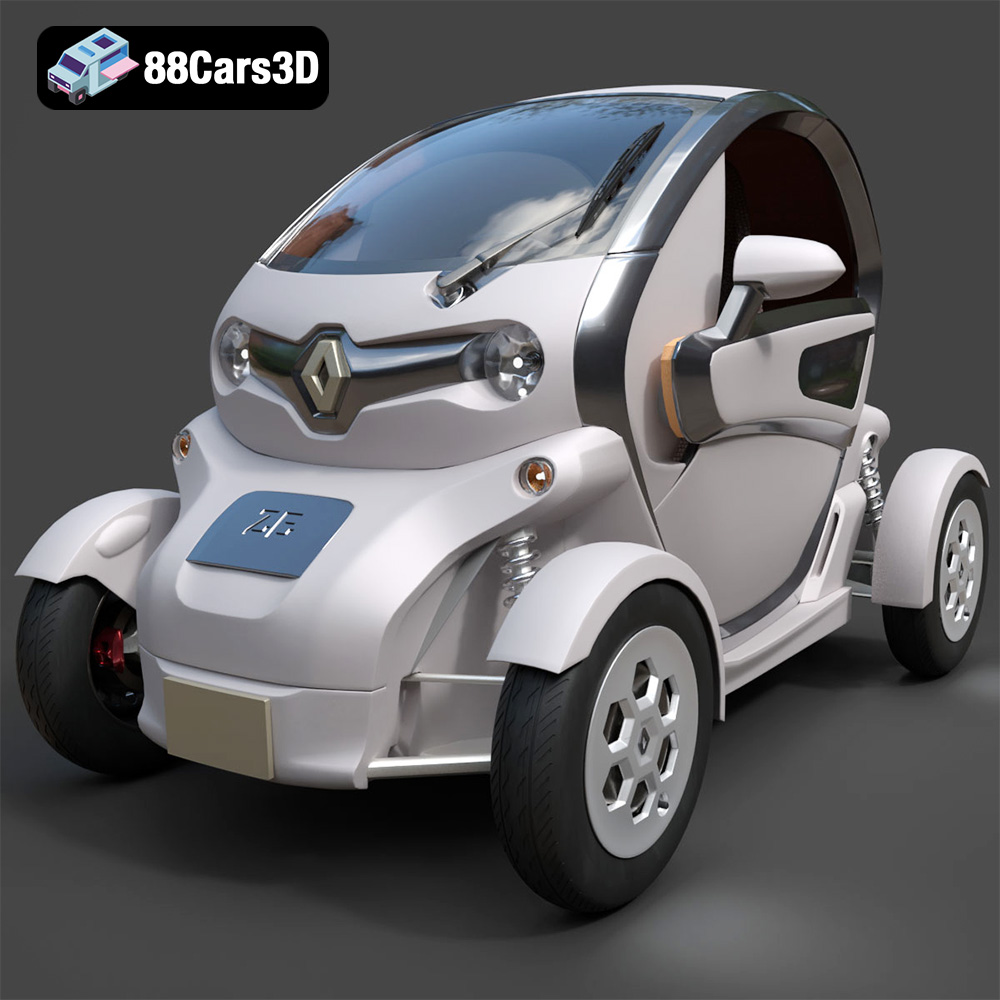
Texture: Yes
Material: Yes
Download the Renault Twizy ZE 3D Model featuring clean geometry, realistic detailing, and a fully modeled interior. Includes .blend, .fbx, .obj, .glb, .stl, .ply, .unreal, and .max formats for rendering, simulation, and game development.
Price: $4.99
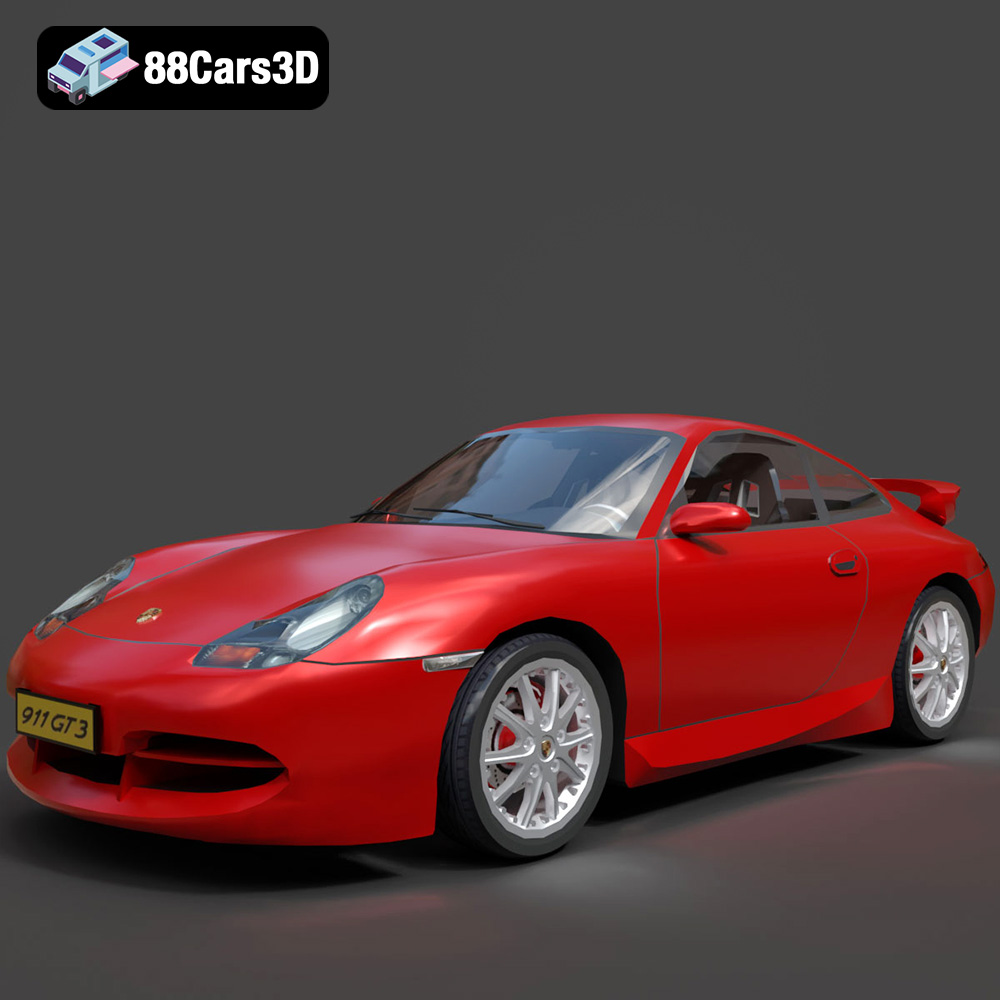
Texture: Yes
Material: Yes
Download the Porsche 911 GT3 3D Model featuring clean geometry, realistic detailing, and a fully modeled interior. Includes .blend, .fbx, .obj, .glb, .stl, .ply, .unreal, and .max formats for rendering, simulation, and game development.
Price: $4.99
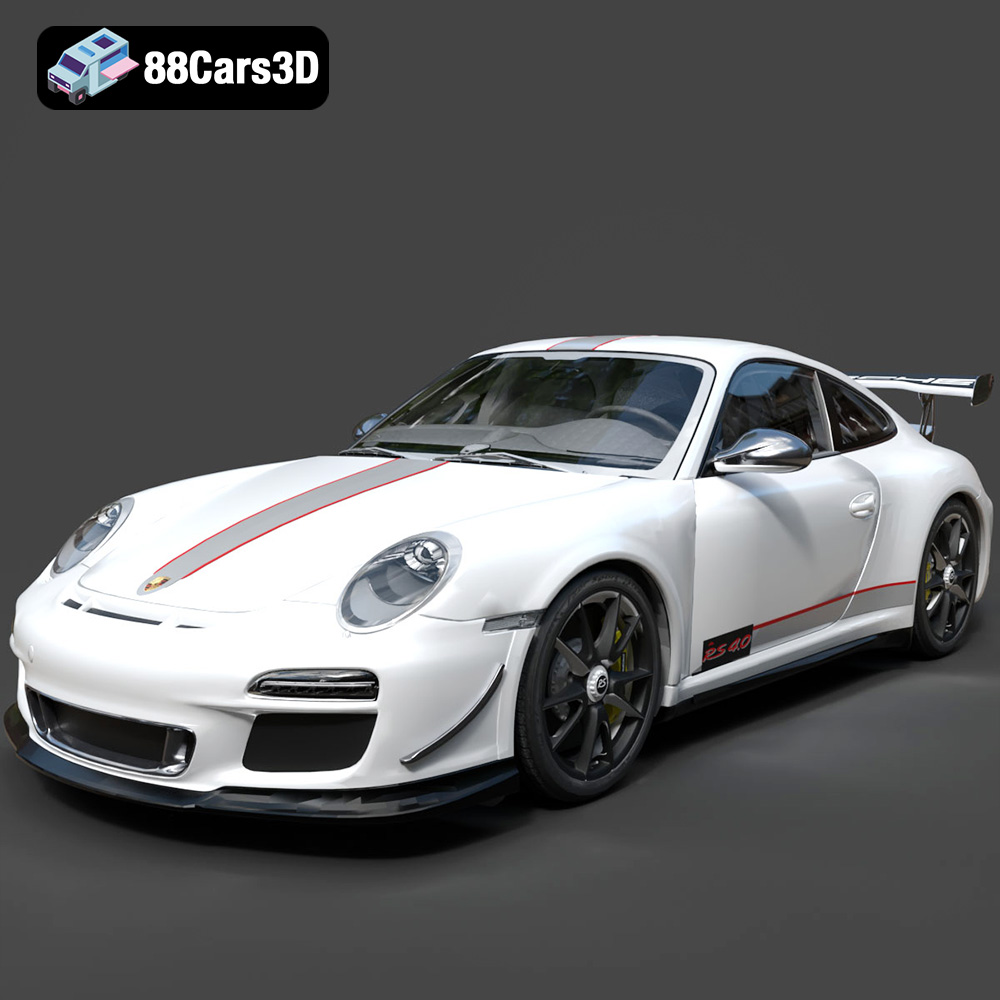
Texture: Yes
Material: Yes
Download the Porsche 911 997 GT3 RS 4.0 2011 3D Model featuring clean geometry, realistic detailing, and a fully modeled interior. Includes .blend, .fbx, .obj, .glb, .stl, .ply, .unreal, and .max formats for rendering, simulation, and game development.
Price: $4.99
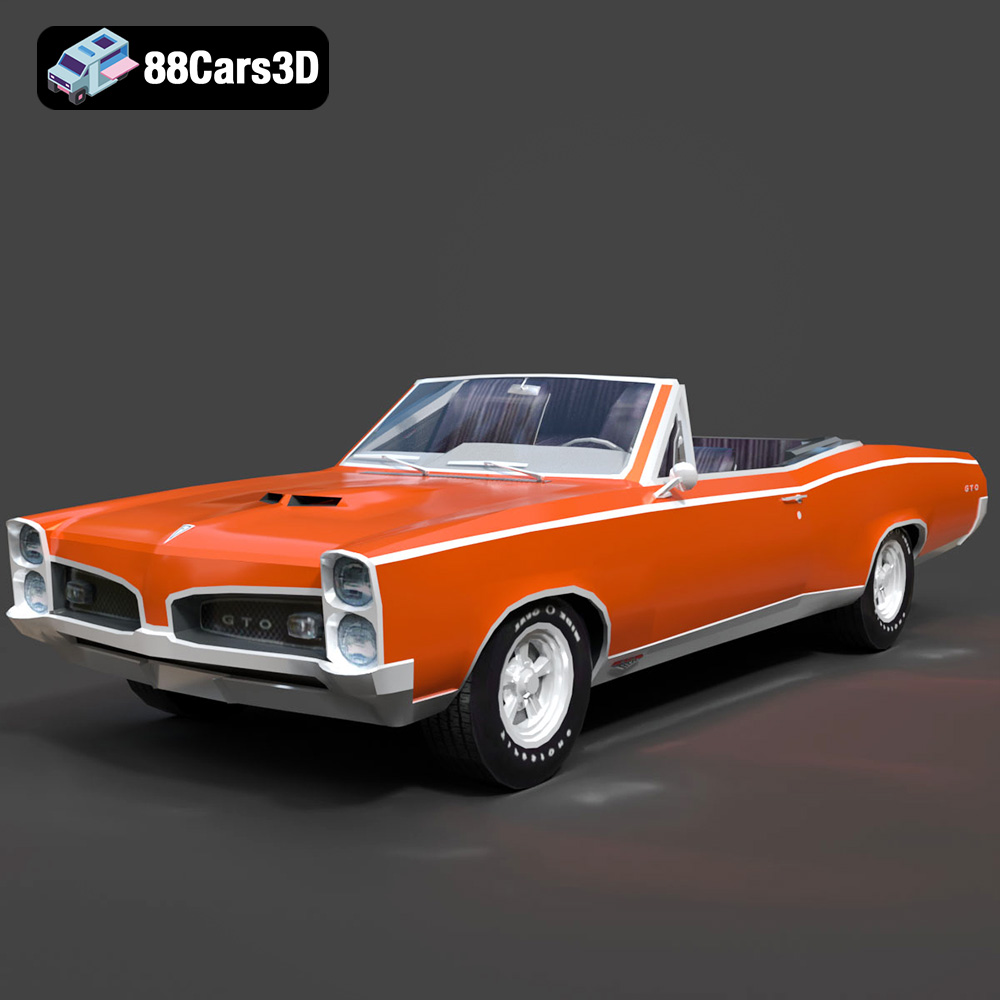
Texture: Yes
Material: Yes
Download the Pontiac GTO Cabrio 1967 3D Model featuring clean geometry, realistic detailing, and a fully modeled interior. Includes .blend, .fbx, .obj, .glb, .stl, .ply, .unreal, and .max formats for rendering, simulation, and game development.
Price: $4.99
Texture: Yes
Material: Yes
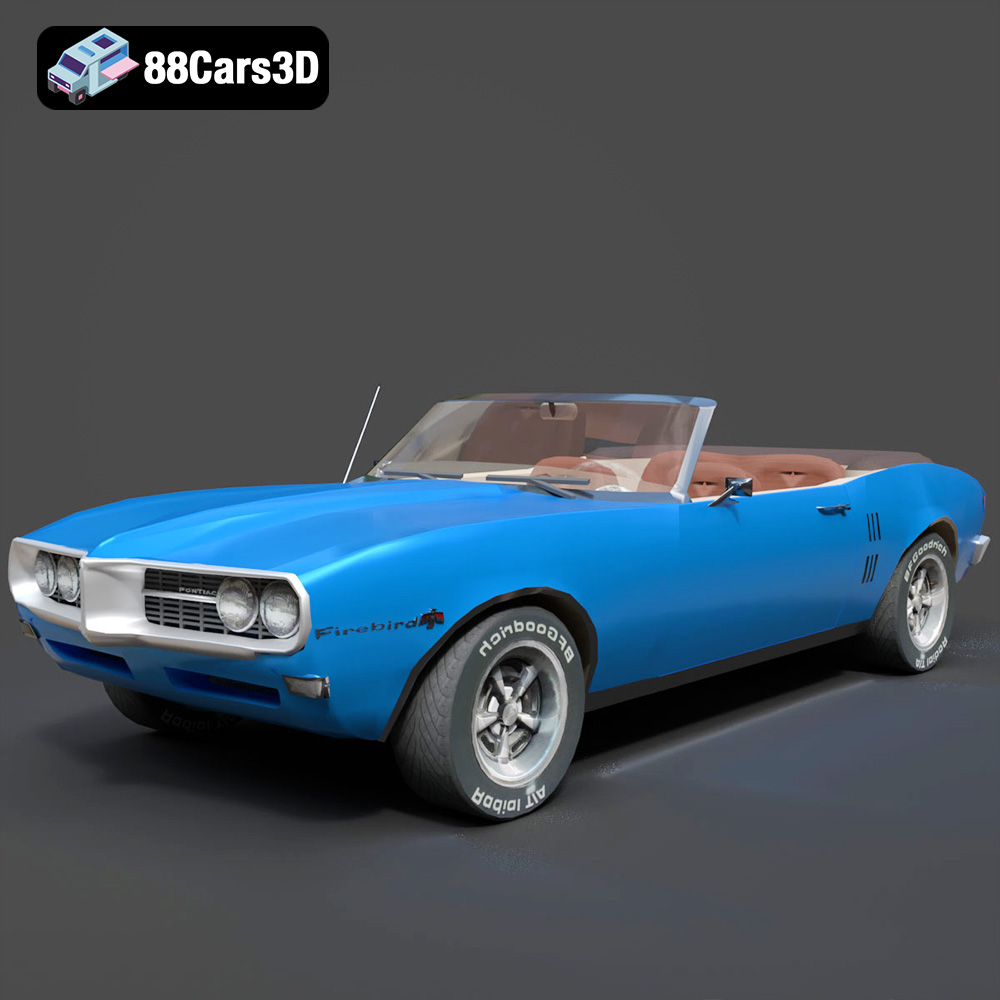
Download the Pontiac Firebird Convertible 1968 3D Model featuring clean geometry, realistic detailing, and a fully modeled interior. Includes .blend, .fbx, .obj, .glb, .stl, .ply, .unreal, and .max formats for rendering, simulation, and game development.
Price: $4.99

Texture: Yes
Material: Yes
Download the Peugeot 508 2011 3D Model featuring clean geometry, realistic detailing, and a fully modeled interior. Includes .blend, .fbx, .obj, .glb, .stl, .ply, .unreal, and .max formats for rendering, simulation, and game development.
Price: $4.99
Texture: Yes
Material: Yes
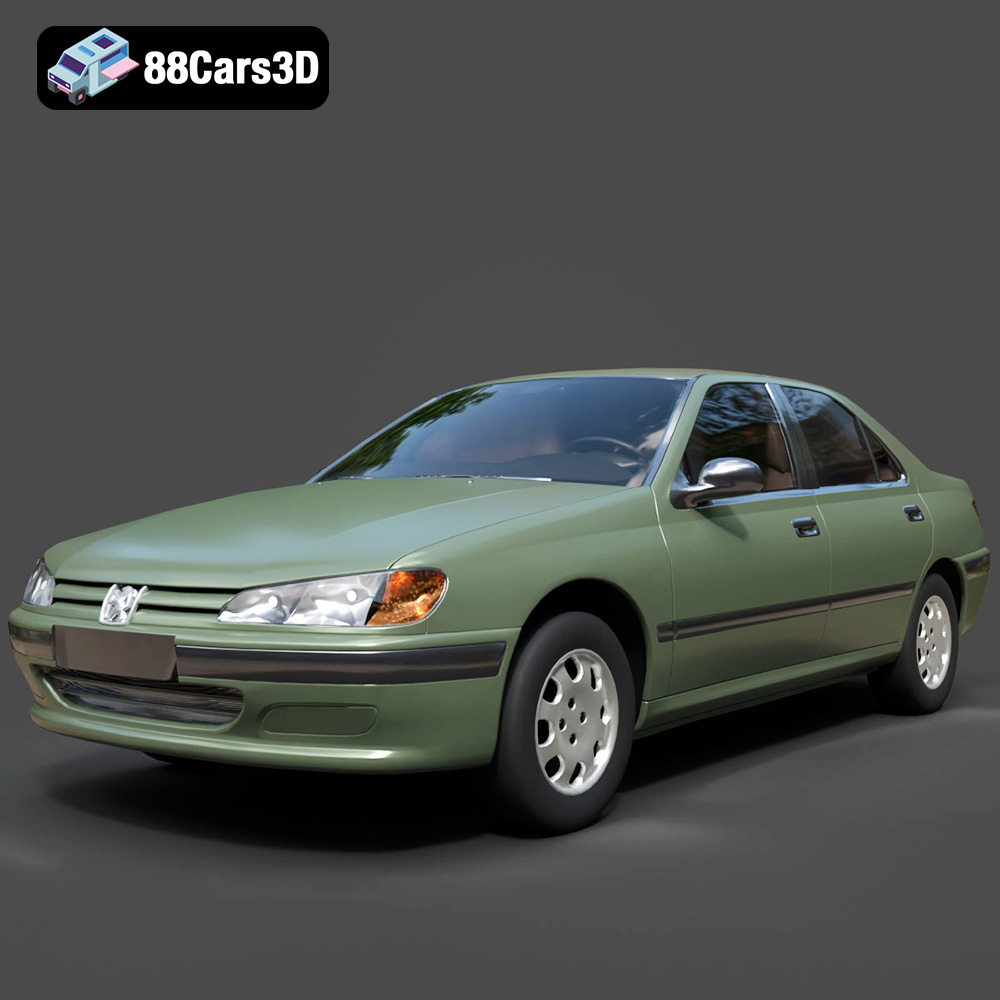
Download the Peugeot 406 1996 3D Model featuring clean geometry, realistic detailing, and a fully modeled interior. Includes .blend, .fbx, .obj, .glb, .stl, .ply, .unreal, and .max formats for rendering, simulation, and game development.
Price: $10
Texture: Yes
Material: Yes
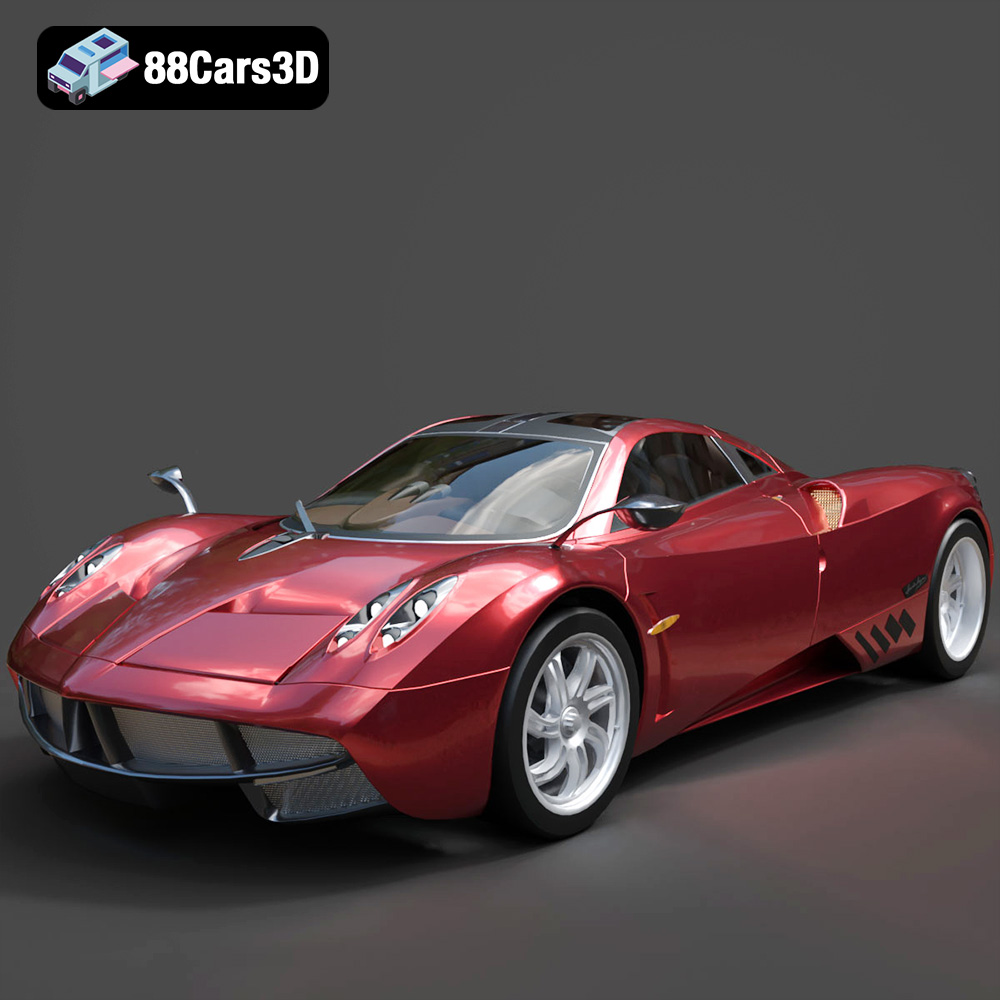
Download the Pagani Huayra 2012 3D Model featuring clean geometry, realistic detailing, and a fully modeled interior. Includes .blend, .fbx, .obj, .glb, .stl, .ply, .unreal, and .max formats for rendering, simulation, and game development.
Price: $10
Texture: Yes
Material: Yes
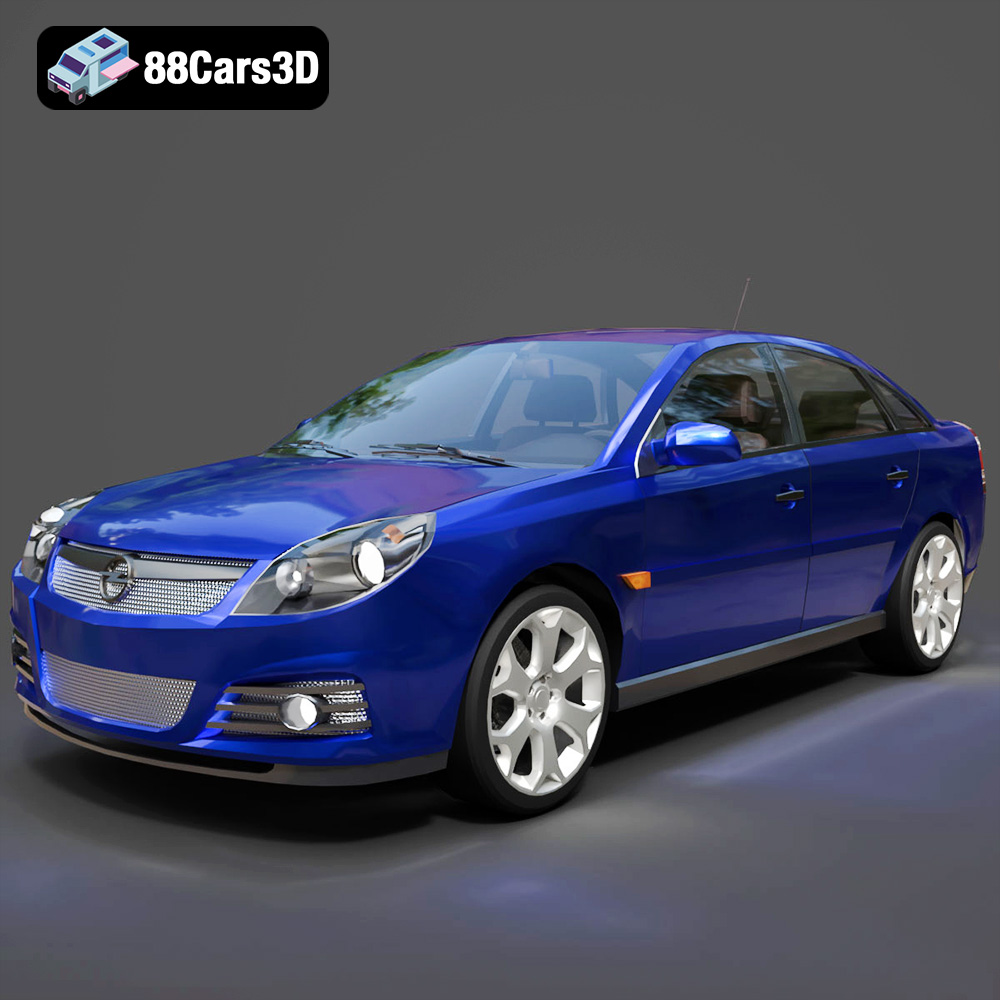
Download the Opel Vectra C 2005 3D Model featuring clean geometry, realistic detailing, and a fully modeled interior. Includes .blend, .fbx, .obj, .glb, .stl, .ply, .unreal, and .max formats for rendering, simulation, and game development.
Price: $10

Texture: Yes
Material: Yes
Download the Opel Insignia OPC 3D Model featuring clean geometry, realistic detailing, and a fully modeled interior. Includes .blend, .fbx, .obj, .glb, .stl, .ply, .unreal, and .max formats for rendering, simulation, and game development.
Price: $10

