⚡ FLASH SALE: Get 60% OFF All Premium 3D & STL Models! ⚡

The allure of a perfectly rendered automobile, gleaming under a virtual sun, or a meticulously crafted vehicle navigating a high-octane game world, is undeniable. But behind these stunning visuals lies a complex and highly specialized craft: the creation and optimization of 3D car models. Far more than just a mesh, a high-quality 3D car model is a fusion of technical precision and artistic vision, demanding expertise in a myriad of disciplines from polygon efficiency to physically based materials and real-time optimization.
In the rapidly evolving landscape of 3D visualization, game development, automotive design, and AR/VR experiences, the demand for realistic and performant 3D car models has never been higher. This comprehensive guide will take you on an in-depth journey through the critical stages of working with 3D car models. We’ll delve into the foundational principles of topology and UV mapping, unravel the intricacies of PBR material creation, explore advanced rendering workflows, and demystify the essential optimization techniques for game engines and immersive technologies. Whether you’re an aspiring 3D artist, a seasoned game developer, or an automotive designer leveraging digital prototypes, understanding these technical nuances is paramount to achieving professional-grade results.
At the heart of any exceptional 3D car model lies its topology – the arrangement of polygons and edges that define its surface. For automotive designs, where smooth, reflective surfaces and intricate panel gaps are paramount, pristine topology is not just a preference; it’s a necessity. Poor topology leads to shading artifacts, pinching, and makes subsequent steps like UV mapping and rigging a nightmare. The goal is always a clean, all-quad mesh that allows for predictable subdivision and deformation.
Automotive modeling often employs a blend of techniques. Subdivision surface modeling, common in software like Blender, 3ds Max, and Maya, is ideal for achieving the smooth, curvature-perfect surfaces of car bodies. This involves starting with a low-polygon cage and subdividing it to increase resolution while maintaining control over the overall form. For sharper details, such as vents or complex headlight assemblies, hard surface modeling techniques, including strategic use of support loops and sometimes Boolean operations followed by meticulous cleanup, are employed. The key is to ensure that every edge serves a purpose, guiding the flow of light and maintaining the integrity of the surface.
The polygon count of a 3D car model is a critical specification determined by its intended use. For high-end cinematic renders or detailed product visualization, models can easily range from 200,000 to over 1,000,000 polygons, capturing every subtle curve and bolt. These high-resolution meshes are often built with subdivision modifiers that can be toggled to different levels of detail. Conversely, real-time applications like video games or AR/VR experiences demand significantly lower polygon budgets. A typical game-ready car model might target 50,000 to 150,000 polygons for a hero vehicle, with simpler background cars falling to 10,000-30,000. It’s a delicate balance of visual fidelity versus performance, requiring artists to make informed decisions about where detail is essential and where it can be conveyed through normal maps or optimized geometry.
Beyond simply having quads, the *flow* of edges in an automotive model dictates how light reflects off its surface and how easily it can be modified or animated. Good edge flow means that polygons follow the natural contours and creases of the car’s design, such as along body lines, around wheel wells, or defining panel gaps. This prevents unwanted “pinching” or ugly distortions when the mesh is subdivided. For instance, creating tight edge loops around panel seams ensures a crisp, clean break between body panels, crucial for realism. Similarly, extra edge loops around areas that might deform, like doors or suspension components, prepare the model for potential animation or rigging. Professional 3D car models, such as those found on platforms like 88cars3d.com, consistently exhibit this level of topological foresight, making them highly versatile for various projects.
Once the geometry of your 3D car model is solid, the next crucial step is to prepare it for textures and materials. UV mapping is the process of unwrapping the 3D surface of the model into a 2D space, much like flattening a cardboard box. This 2D layout, known as a UV map, dictates how textures are applied and ensures that details like paint chips, dirt, or intricate decals appear correctly on the car’s complex surfaces without stretching or distortion. For vehicles with numerous components – body, interior, wheels, undercarriage – managing UVs can be a significant undertaking, often requiring multiple UV sets or even UDIM workflows for extreme detail.
Complementing precise UV mapping is the creation of Physically Based Rendering (PBR) materials. PBR has become the industry standard because it accurately simulates how light interacts with surfaces in the real world, leading to highly realistic and consistent results across different rendering environments. PBR materials rely on a set of texture maps (e.g., Albedo/Base Color, Metalness, Roughness, Normal, Ambient Occlusion) that define the surface properties rather than just its color. This ensures that a red metallic paint, for example, will look convincingly metallic and red whether rendered in V-Ray, Corona, Cycles, or Unity.
Effective UV mapping for a complex automotive model demands careful planning. The goal is to maximize the use of the 0-1 UV space, minimize seams while placing them in inconspicuous areas, and maintain a consistent texel density across the entire model. Texel density refers to the number of pixels per unit of 3D space. An ideal workflow ensures that a small detail on a door panel receives the same texture resolution as a larger area on the hood, preventing blurry or pixelated textures on certain parts. Tools in software like Maya, Blender, or 3ds Max offer various unwrapping methods (planar, cylindrical, spherical, box) that are then stitched and packed. For extremely detailed models or those requiring multiple material layers, UDIM (U-Dimension) workflows are indispensable, allowing artists to spread UV islands across multiple texture tiles (e.g., UV 1001, 1002, 1003) to achieve astronomical texture resolutions without compromising individual map sizes.
Replicating the iconic look of automotive paint is a prime example of advanced PBR material creation. A typical car paint shader isn’t just a single layer; it’s often a multi-layered material simulating a base coat (color and metallic flakes), a clear coat (gloss, reflection, subtle refraction), and sometimes even a protective film. This involves blending different PBR layers, using masks to define specific areas, and carefully tuning parameters like metallic intensity, roughness, and IOR (Index of Refraction) for the clear coat. For glass, particularly windshields and windows, accurate refraction and reflection are key. Rather than just a transparent material, a realistic car window shader will have a subtle tint, internal reflections, and precisely calculated IOR values (around 1.5-1.6 for typical glass) to accurately bend light, often utilizing an additional normal map for minor imperfections or dirt, further enhancing realism. Tools like Substance Painter are invaluable here, allowing artists to paint directly onto the 3D model, generating all the necessary PBR maps with precise control over surface properties.
The transition from a meticulously modeled and textured 3D car to a breathtaking image or animation is achieved through the rendering process. This is where all the technical groundwork of topology, UVs, and PBR materials culminates in a visual masterpiece. Choosing the right renderer is crucial; popular options like V-Ray, Corona Renderer (for 3ds Max and Cinema 4D), Cycles (Blender), and Arnold (Maya, 3ds Max) each offer unique strengths in terms of speed, quality, and feature sets. Regardless of the renderer, the principles of realistic lighting and environment setup remain universal.
Effective lighting is the single most impactful element in automotive rendering. It defines the mood, highlights the car’s design lines, and brings out the nuances of its materials. Most professional setups involve a combination of high-dynamic-range image (HDRI) maps for broad, realistic ambient lighting and reflections, coupled with targeted area lights or photometric lights to emphasize specific features or create dramatic highlights. Camera settings, much like in real-world photography, play a vital role – focal length, aperture (for depth of field), and shutter speed (for motion blur in animations) are all carefully chosen to compose a compelling shot.
Creating believable lighting for a 3D car model can range from a sterile studio setup to a dynamic outdoor scene. For studio renders, artists often use a “three-point lighting” system (key, fill, and back lights) with softboxes and diffusers to create controlled, flattering illumination that accentuates the car’s form and reflections. HDRI domes are frequently used to provide realistic reflections and ambient light, even in a studio setting. For exterior shots, a powerful combination is a physically accurate sun and sky system (like V-Ray Sun & Sky or Corona Sun & Sky) for direct sunlight, paired with an HDRI of an outdoor environment to provide realistic bounced light, subtle shadows, and complex reflections on the car’s body. The careful positioning and intensity of these light sources, along with the precise control over Global Illumination (GI) settings, are what truly bring a scene to life, mimicking how light behaves in the real world.
The render straight out of your 3D software is often just the beginning. Professional automotive visualization heavily relies on post-processing and compositing to add that final layer of polish and impact. Software like Adobe Photoshop or Affinity Photo is used for color grading, adjusting contrast, adding vignetting, and correcting any subtle imperfections. Techniques such as adding photographic noise, chromatic aberration, or lens flares can lend a more cinematic and “shot-on-camera” feel. For animations, tools like Adobe After Effects or DaVinci Resolve are employed for motion blur, depth of field effects, glows, and integrating multiple render passes (e.g., reflection passes, diffuse passes, alpha masks) into a final composite. This stage is crucial for enhancing mood, correcting minor render issues, and ensuring the car model stands out with professional visual flair, ultimately transforming a good render into an exceptional one.
Bringing a detailed 3D car model into a real-time game engine like Unity or Unreal Engine presents a unique set of challenges and demands specific optimization strategies. While high-resolution models are excellent for static renders, they can quickly cripple performance in an interactive environment where frames per second (FPS) is paramount. The goal is to maintain visual fidelity while drastically reducing the computational load. This involves a multi-faceted approach, transforming a visually rich asset into an efficient, game-ready one.
The primary strategy for optimization is reducing polygon count without sacrificing perceived detail. This is often achieved through retopology, where a cleaner, lower-poly mesh is created over the high-poly sculpt, and then the fine details are “baked” from the high-poly onto normal maps (and other texture maps) for the low-poly mesh. Another essential technique is the implementation of Level of Detail (LODs), where multiple versions of the same car model exist, each with progressively lower polygon counts and simpler materials. The engine dynamically swaps between these LODs based on the camera’s distance, rendering high-detail models up close and simpler ones further away, dramatically saving resources.
When importing 3D car models into game engines, the FBX format is often preferred due to its robust support for mesh, materials, animations, and metadata. In Unity and Unreal Engine, after import, the material setup is critical. PBR textures generated earlier (Albedo, Normal, Roughness, Metalness, AO) are assigned to the engine’s standard PBR shaders (e.g., Unity’s Standard Shader or Unreal’s Default Lit material). Proper scaling and pivot points are checked. Collision meshes, which are simplified proxy geometries used for physics calculations, must also be created and assigned to prevent complex mesh-on-mesh collision calculations. Further optimizations include combining meshes into a single object where possible (to reduce draw calls), using texture atlases (merging multiple small textures into one larger one), and ensuring the model’s pivot point is correctly set for vehicle physics and rotation.
Augmented Reality (AR) and Virtual Reality (VR) environments impose even stricter performance constraints than traditional games due to the need for high frame rates (typically 90 FPS or more) and often dual-eye rendering. For 3D car models in AR/VR, polygon budgets become extremely tight, often requiring the entire scene, including the car, to remain under 100,000 polygons total for mobile AR or standalone VR headsets. This pushes the limits of normal map detail and necessitates aggressive LOD strategies. Crucially, baked lighting (where lighting information is pre-calculated and stored in lightmap textures) is often preferred over real-time dynamic lighting, as it’s far less computationally intensive. Single-pass stereo rendering, a feature in modern engines, also optimizes rendering for VR by rendering both eyes in one pass. When sourcing high-quality, pre-optimized 3D car models for AR/VR, platforms like 88cars3d.com often provide specific “game-ready” or “AR/VR optimized” versions, saving significant development time and ensuring compatibility and performance.
The utility of a professional 3D car model extends far beyond static renders or interactive games. These assets are increasingly being used in diverse applications, each with its own technical requirements and preferred file formats. Understanding these formats and the preparation necessary for different end uses is crucial for maximizing the versatility of your 3D car models.
Common interchange formats like FBX (Filmbox) and OBJ (Wavefront Object) are widely supported across 3D software and game engines, offering good compatibility for mesh, UVs, and basic material properties. However, for modern applications, more advanced formats are gaining prominence. GLB (GL Transmission Format Binary) is the preferred format for web-based 3D and many AR/VR experiences due to its compact size, single-file nature (embedding textures and animations), and PBR material support. USDZ (Universal Scene Description Zip) is Apple’s proprietary format for ARKit and allows for rich interactive 3D content in AR, also supporting PBR. For engineers or those involved in 3D printing, formats like STP (Standard for the Exchange of Product model data) or clean STL (Stereolithography) are crucial, demanding watertight meshes and often different modeling approaches (e.g., CAD-based parametric modeling).
As mentioned, AR/VR demands extreme optimization. Beyond polygon and texture budget considerations, AR/VR models must often be delivered in specific formats like GLB or USDZ. Converting a complex 3D car model to these formats requires careful attention to PBR material validation (ensuring textures are correctly linked and parameters are within limits for real-time rendering), texture compression (e.g., to KTX2 for GLB), and stripping unnecessary scene data. Animation data, if present, also needs to be baked and optimized. For mobile AR specifically, the total asset size needs to be minimal to facilitate quick downloads and smooth performance on mobile chipsets. This often involves careful balancing of visual quality, texture resolution (e.g., 2048×2048 for main body textures, 1024×1024 for smaller parts), and polygon reduction through aggressive decimation or manual retopology, ensuring the car remains visually appealing even at close range.
3D printing a car model opens up tangible applications from rapid prototyping in automotive design to creating collectibles or educational models. However, it requires a completely different approach to mesh integrity. For 3D printing, a model must be “watertight” – meaning it has no holes, non-manifold geometry, or intersecting faces. Every edge must connect exactly two polygons. Tools like Blender’s 3D Print Toolbox, MeshLab, or specialized software like Netfabb are invaluable for inspecting and repairing meshes, identifying issues such as inverted normals, internal geometry, or open boundaries that would cause print failures. Wall thickness is another critical consideration; delicate parts like thin mirrors or antenna might need to be thickened to withstand the printing process and subsequent handling. Scaling is also paramount; the model must be accurately scaled to the desired real-world dimensions (e.g., 1:18, 1:24) before exporting to an STL or OBJ for the slicer software. Careful preparation at this stage ensures a successful and dimensionally accurate physical print.
Not every project requires building a 3D car model from scratch. For many 3D artists, game developers, and visualization professionals, sourcing pre-made, high-quality 3D car models is a highly efficient and cost-effective solution. Online marketplaces have revolutionized access to professional-grade assets, allowing creators to focus on their unique contributions rather than reinventing the wheel for common elements like vehicles.
The key to successful asset integration is knowing what to look for in a purchased model. A truly high-quality 3D car model isn’t just visually appealing in preview images; it must also be technically robust under the hood. This means checking for clean, all-quad topology, well-organized UV maps, and correctly set up PBR materials. Reputable marketplaces provide detailed technical specifications, including polygon counts, texture resolutions, and supported file formats, giving buyers the confidence that the model will integrate seamlessly into their workflow. Platforms like 88cars3d.com specialize in this niche, offering a curated selection of meticulously crafted 3D car models that adhere to industry best practices, saving countless hours of modeling and optimization.
When considering a pre-made 3D car model, a professional checklist ensures you acquire an asset that genuinely streamlines your workflow. First, inspect the wireframe: are the polygons predominantly quads? Is the edge flow logical, following the contours of the car? Check the UV layout: are the UV islands well-packed, and is the texel density consistent? Evaluate the PBR materials: are the textures (Albedo, Normal, Roughness, Metalness, etc.) provided, and do they work correctly with standard PBR shaders? Assess the polygon count: is it appropriate for your target application (e.g., high-res for rendering, optimized for games)? Look for clear scene organization: are parts logically grouped, named, and pivoted correctly? Finally, consider the file formats provided – multiple options like FBX, OBJ, GLB, and native scene files for popular software (e.g., .max for 3ds Max, .blend for Blender) offer maximum flexibility. Reviews and ratings from other buyers can also provide valuable insights into the model’s quality and the seller’s responsiveness.
Even with high-quality models, some adaptation is usually necessary. Upon acquiring a model, the first step is to import it into your preferred 3D software (e.g., 3ds Max, Blender, Maya). Check the scale and units to ensure it matches your scene. If the model comes with materials for a different renderer (e.g., V-Ray materials for a Corona scene), you may need to retarget or convert them. Many 3D applications offer conversion utilities, or you can manually assign the PBR textures to your renderer’s native PBR shader. For game development, additional optimization steps like generating LODs, setting up collision meshes, and potentially baking lighting may still be required, even if the model is “game-ready.” Understanding the technical underpinnings of 3D car models empowers you to confidently integrate these assets, customize them to your specific needs, and leverage their quality to elevate your projects.
The journey from a conceptual design to a fully realized, high-performance 3D car model is a testament to the blend of technical prowess and artistic vision required in modern 3D production. We’ve explored the critical importance of impeccable topology and strategic edge flow, the intricacies of UV mapping and physically based material creation, and the advanced rendering techniques that bring these virtual vehicles to life. We’ve also delved into the crucial optimization strategies for interactive experiences in game engines and the unique demands of AR/VR, alongside the preparation required for tangible outputs like 3D prints.
Mastering 3D car models is an ongoing learning process, continuously evolving with new software, rendering techniques, and application demands. By understanding the foundational principles and best practices discussed here, you are equipped to tackle complex automotive projects, whether you’re building models from scratch or integrating professional assets. Investing in high-quality assets from reputable sources significantly accelerates this process, ensuring that your projects benefit from meticulously crafted models that adhere to industry standards. As the world of 3D continues to expand, the ability to create, optimize, and render stunning 3D car models will remain an invaluable skill, driving innovation across countless industries.
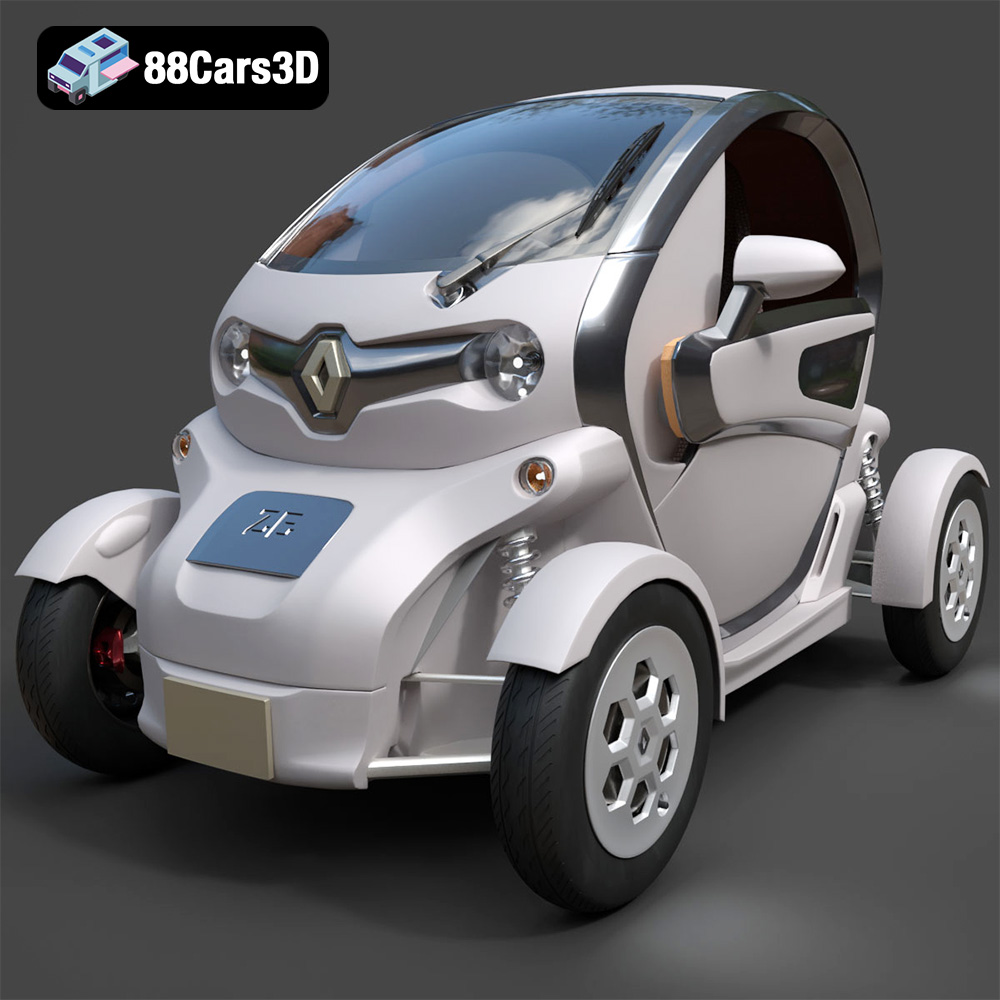
Texture: Yes
Material: Yes
Download the Renault Twizy ZE 3D Model featuring clean geometry, realistic detailing, and a fully modeled interior. Includes .blend, .fbx, .obj, .glb, .stl, .ply, .unreal, and .max formats for rendering, simulation, and game development.
Price: $4.99
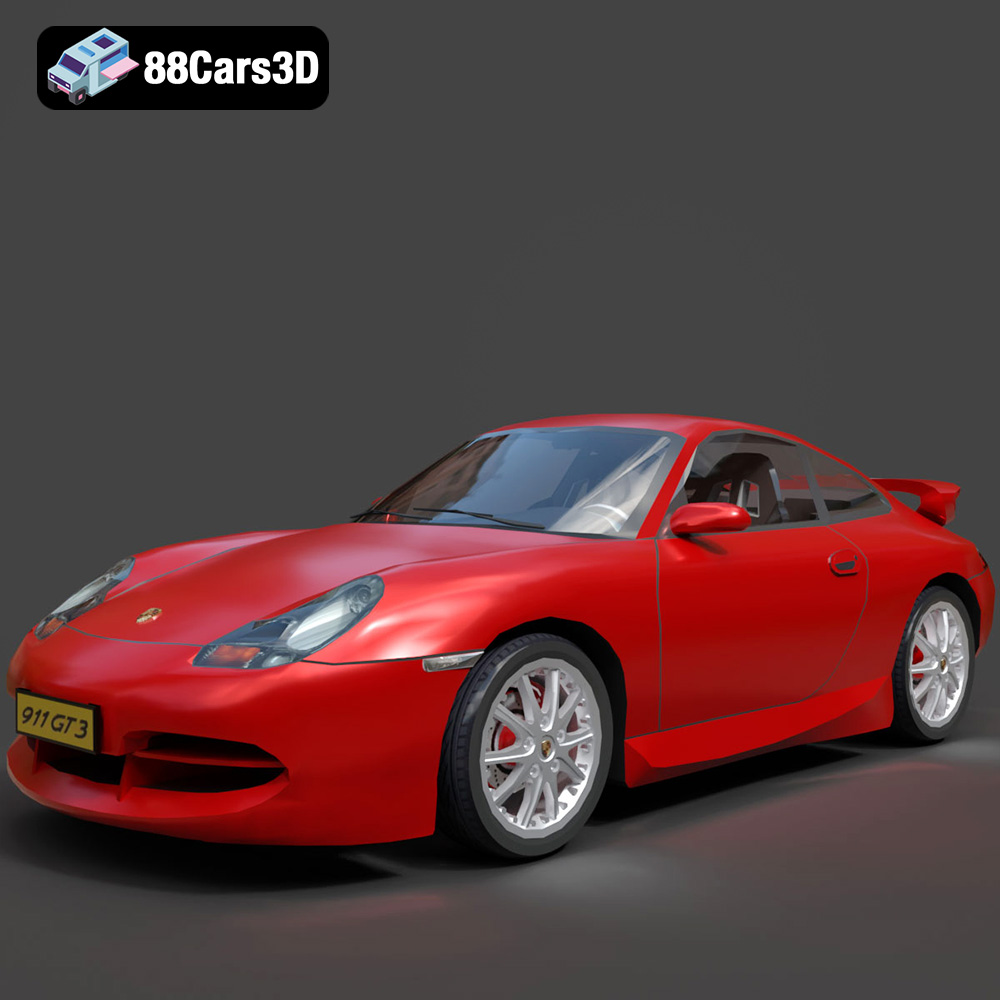
Texture: Yes
Material: Yes
Download the Porsche 911 GT3 3D Model featuring clean geometry, realistic detailing, and a fully modeled interior. Includes .blend, .fbx, .obj, .glb, .stl, .ply, .unreal, and .max formats for rendering, simulation, and game development.
Price: $4.99
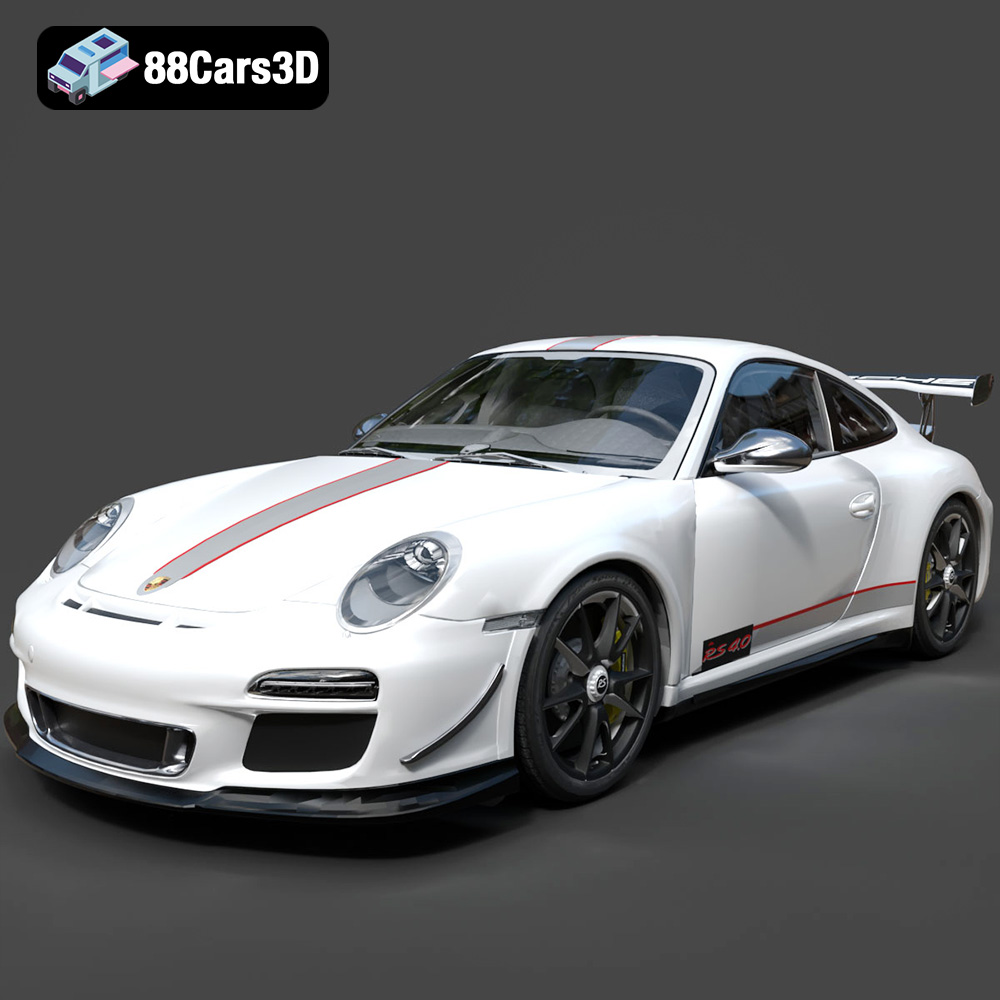
Texture: Yes
Material: Yes
Download the Porsche 911 997 GT3 RS 4.0 2011 3D Model featuring clean geometry, realistic detailing, and a fully modeled interior. Includes .blend, .fbx, .obj, .glb, .stl, .ply, .unreal, and .max formats for rendering, simulation, and game development.
Price: $4.99
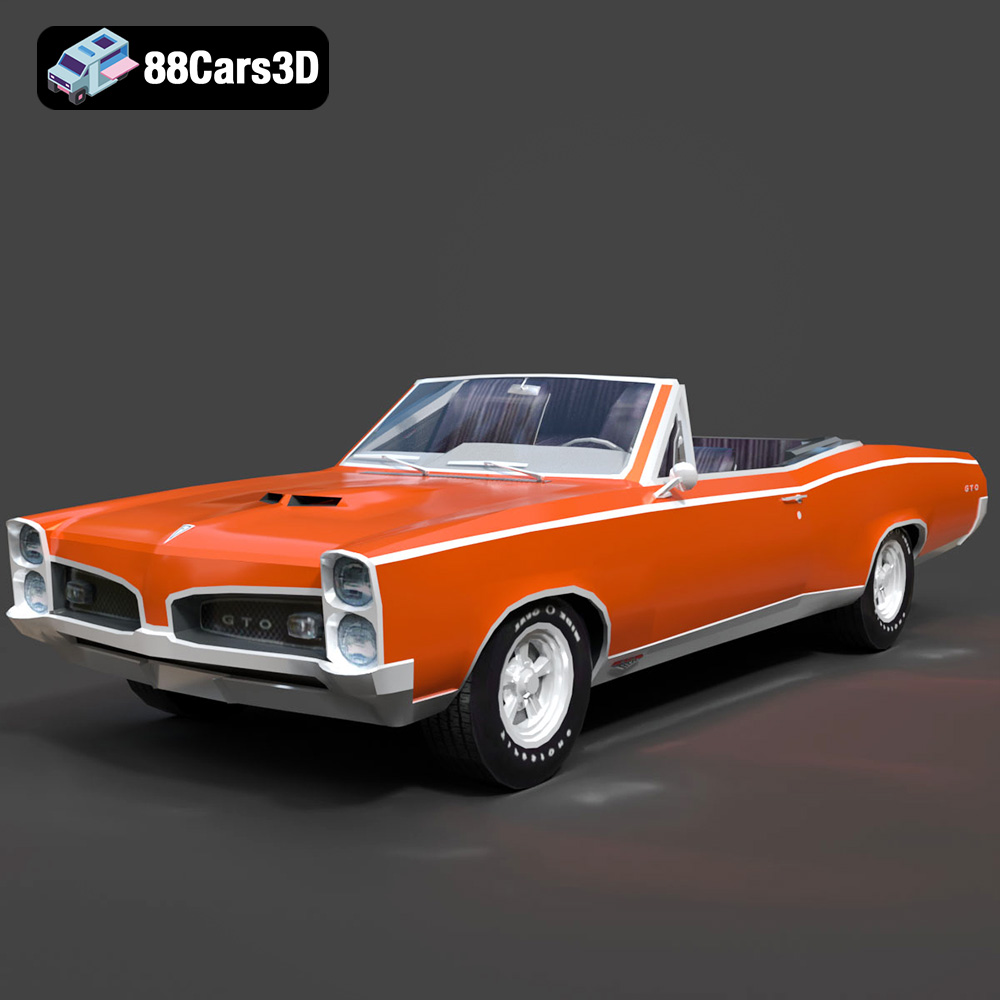
Texture: Yes
Material: Yes
Download the Pontiac GTO Cabrio 1967 3D Model featuring clean geometry, realistic detailing, and a fully modeled interior. Includes .blend, .fbx, .obj, .glb, .stl, .ply, .unreal, and .max formats for rendering, simulation, and game development.
Price: $4.99
Texture: Yes
Material: Yes
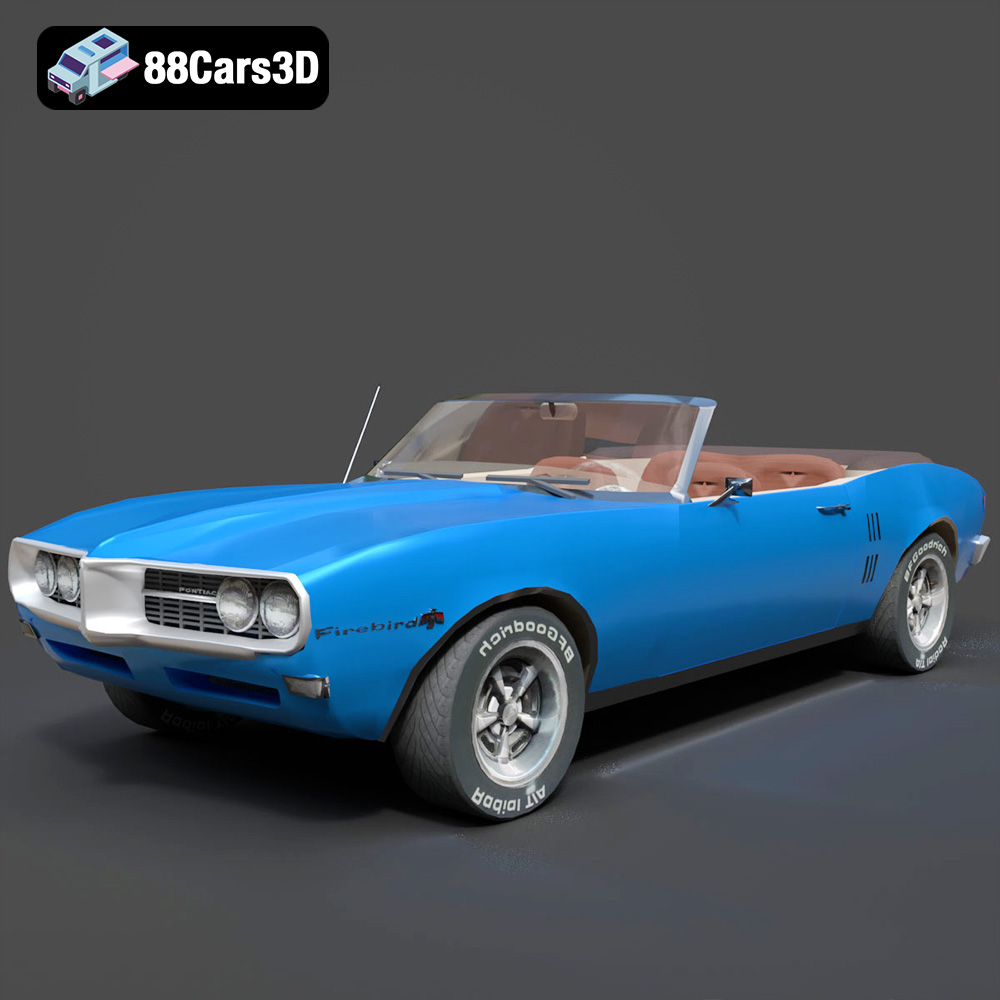
Download the Pontiac Firebird Convertible 1968 3D Model featuring clean geometry, realistic detailing, and a fully modeled interior. Includes .blend, .fbx, .obj, .glb, .stl, .ply, .unreal, and .max formats for rendering, simulation, and game development.
Price: $4.99

Texture: Yes
Material: Yes
Download the Peugeot 508 2011 3D Model featuring clean geometry, realistic detailing, and a fully modeled interior. Includes .blend, .fbx, .obj, .glb, .stl, .ply, .unreal, and .max formats for rendering, simulation, and game development.
Price: $4.99
Texture: Yes
Material: Yes
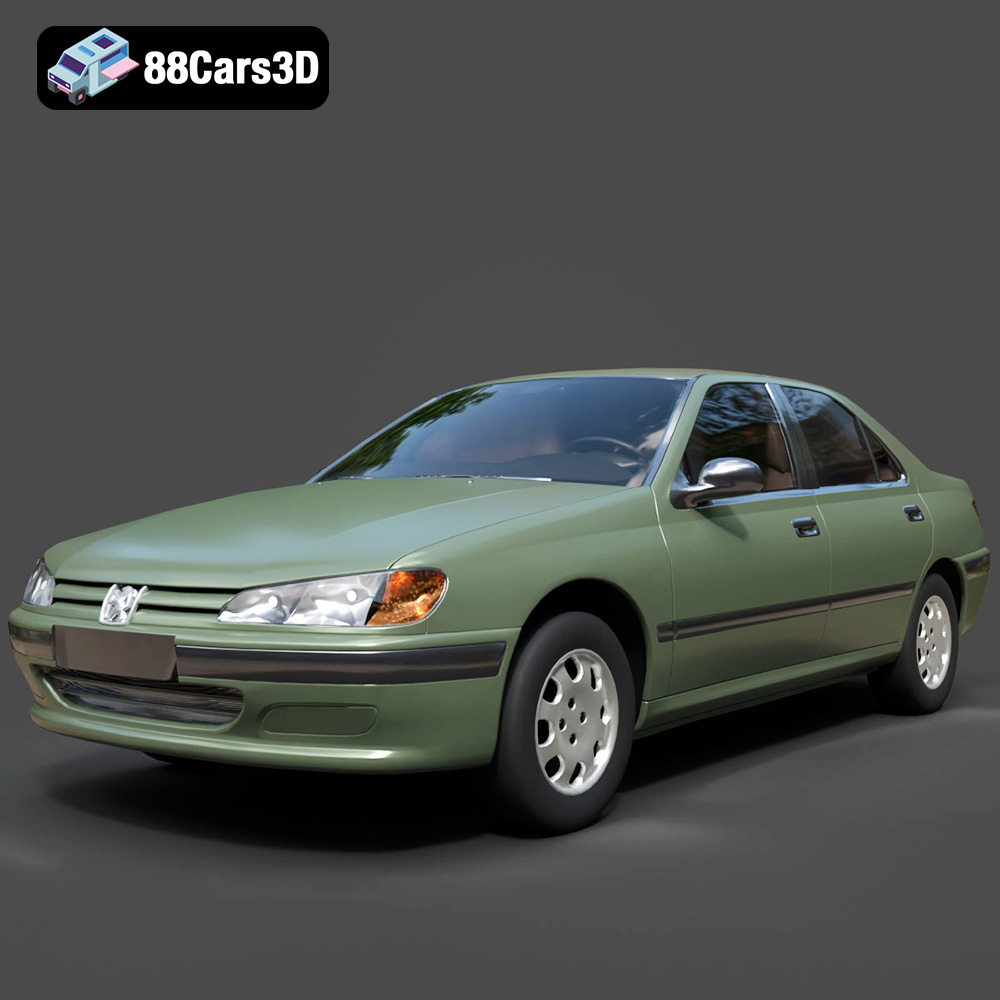
Download the Peugeot 406 1996 3D Model featuring clean geometry, realistic detailing, and a fully modeled interior. Includes .blend, .fbx, .obj, .glb, .stl, .ply, .unreal, and .max formats for rendering, simulation, and game development.
Price: $10
Texture: Yes
Material: Yes
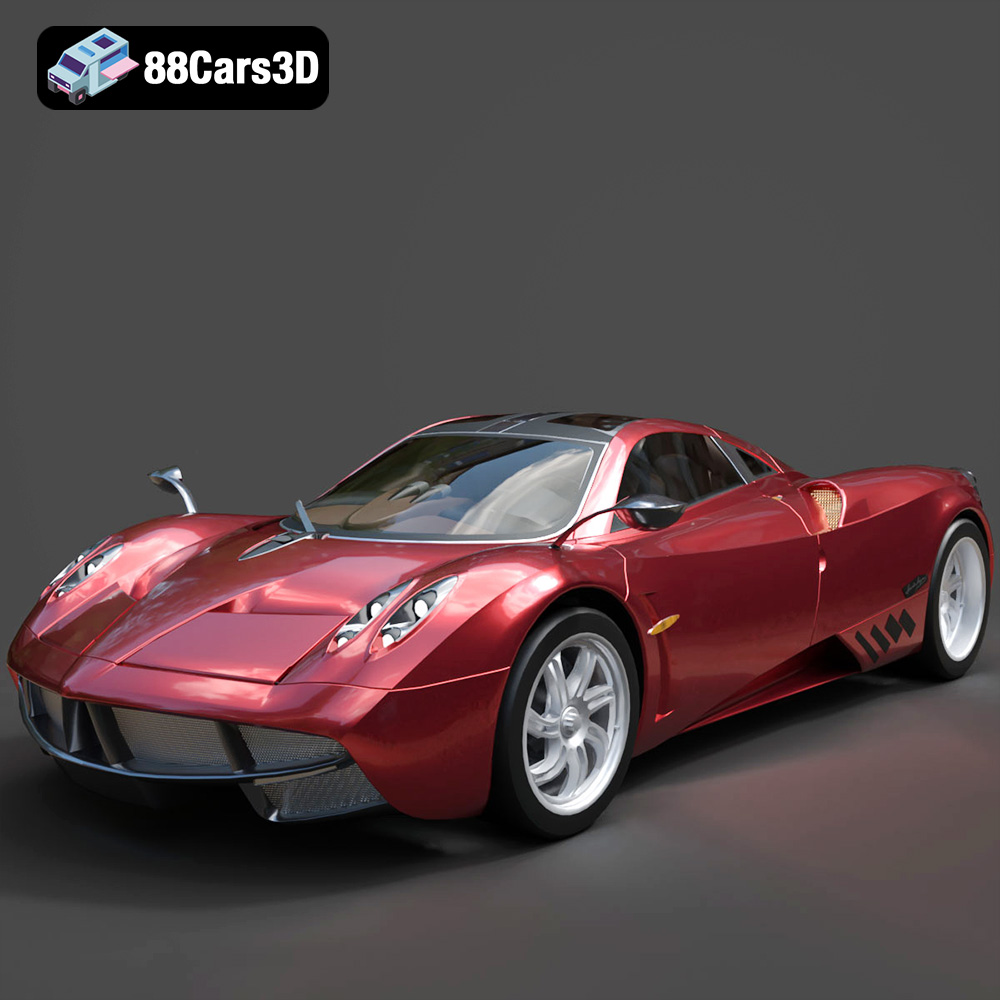
Download the Pagani Huayra 2012 3D Model featuring clean geometry, realistic detailing, and a fully modeled interior. Includes .blend, .fbx, .obj, .glb, .stl, .ply, .unreal, and .max formats for rendering, simulation, and game development.
Price: $10
Texture: Yes
Material: Yes
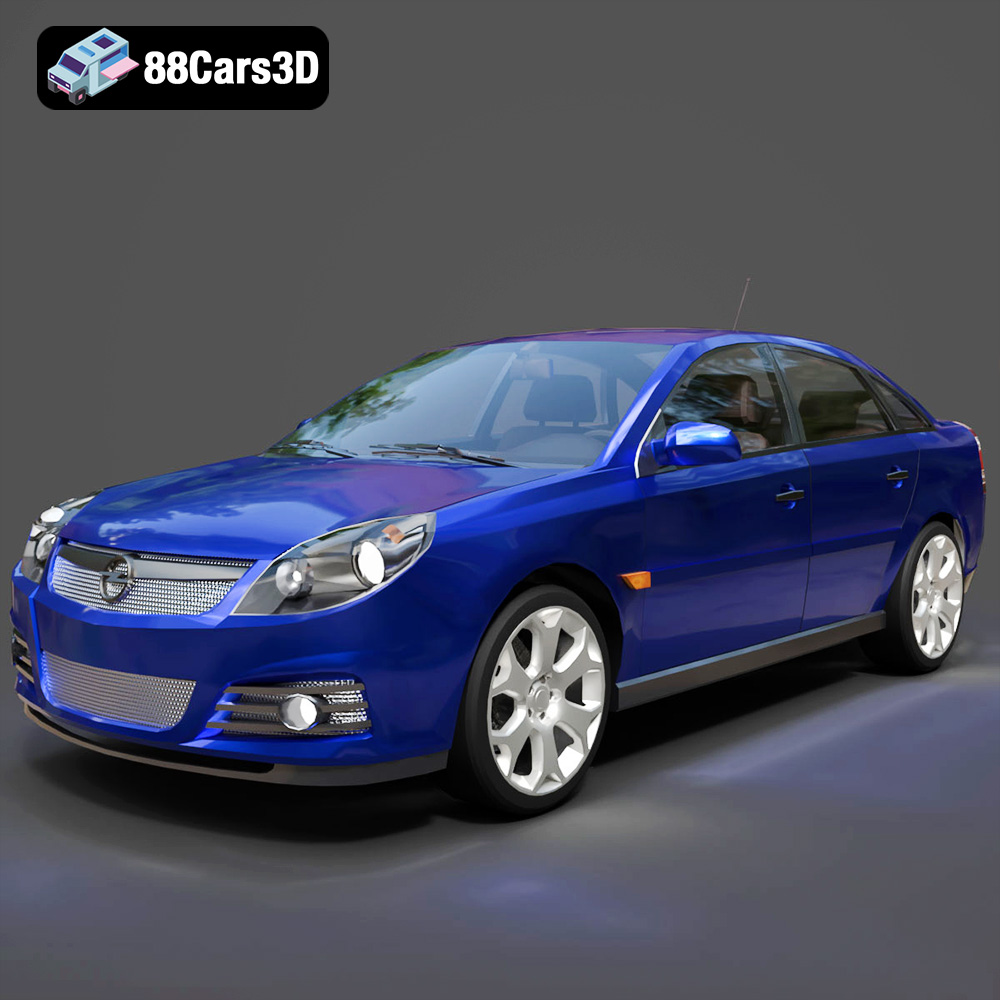
Download the Opel Vectra C 2005 3D Model featuring clean geometry, realistic detailing, and a fully modeled interior. Includes .blend, .fbx, .obj, .glb, .stl, .ply, .unreal, and .max formats for rendering, simulation, and game development.
Price: $10

Texture: Yes
Material: Yes
Download the Opel Insignia OPC 3D Model featuring clean geometry, realistic detailing, and a fully modeled interior. Includes .blend, .fbx, .obj, .glb, .stl, .ply, .unreal, and .max formats for rendering, simulation, and game development.
Price: $10

