⚡ FLASH SALE: Get 60% OFF All Premium 3D & STL Models! ⚡

The world of 3D automotive design is a fascinating intersection of artistry and engineering. From breathtaking photorealistic visualizations used in marketing campaigns to high-performance game assets that define immersive virtual worlds, 3D car models are central to countless industries. Crafting these digital masterpieces requires a deep understanding of complex workflows, technical specifications, and industry best practices. It’s not just about creating a shape; it’s about meticulous attention to detail, optimized performance, and seamless integration across diverse platforms.
This comprehensive guide delves into the intricate process of creating, optimizing, and deploying high-quality 3D car models. Whether you’re an aspiring 3D artist, an experienced game developer, an automotive designer, or a visualization professional, we’ll equip you with the knowledge to elevate your automotive projects. We’ll explore everything from fundamental topology and advanced UV mapping to physically based rendering (PBR) materials, cutting-edge rendering techniques, game engine optimization, and preparing models for emerging technologies like AR/VR and 3D printing. Get ready to unlock the full potential of your 3D car models and transform your digital visions into stunning realities.
The quality of a 3D car model begins long before texturing or rendering – it starts with its foundational geometry and topology. Automotive surfaces are notoriously complex, characterized by smooth, reflective curves, sharp panel gaps, and intricate details. Achieving a photorealistic or even a high-quality stylized look demands an exceptionally clean and optimized mesh. Poor topology can lead to artifacts, shading issues, and difficulties in sculpting, UV mapping, and animation down the line. Understanding the principles of good topology is paramount, especially when dealing with the highly reflective surfaces of a car, where every subtle bump or deviation is immediately apparent. A well-constructed mesh also ensures flexibility for future modifications, such as creating different car variants or damage states.
At the heart of superior 3D car modeling is clean quad-based topology. While N-gons and triangles have their niche uses (primarily in very low-poly models or specific termination points), a predominantly quad mesh offers the best foundation for subdivision surfaces, smooth deformations, and consistent shading. Edge loops should follow the natural contours and creases of the car body, defining areas like wheel wells, door lines, and window frames. This intelligent edge flow allows for precise control when adding detail, creating sharp creases, or smoothing out surfaces using tools like Turbosmooth in 3ds Max, subdivision surface modifiers in Blender, or similar techniques in Maya. Aim for consistent polygon density across the surface, only increasing resolution where finer detail or tighter curves are present. For high-resolution cinematic models, polygon counts can range from 300,000 to over a million triangles, depending on the level of interior and engine detail. Game-ready models, however, will aim for much lower counts, which we’ll discuss later.
Car bodies are a symphony of complex compound curves. Achieving these smoothly requires careful planning and execution. Modeling techniques often involve starting with simpler primitives, blocking out major forms, and then refining the mesh iteratively. For instance, NURBS (Non-Uniform Rational B-Splines) can be an excellent starting point for automotive design due to their inherent mathematical smoothness and precision, which can then be converted to polygons for detailing and texturing. When working with polygons directly, using reference blueprints and images from multiple angles is crucial. Panel gaps, which are distinct, sharp creases, must be modeled with dedicated edge loops to ensure they remain crisp even under subdivision. Often, these gaps are modeled as separate, thin geometry or by carefully pushing in existing edges to create the illusion of depth. Pay close attention to continuity and tangency across different body panels to maintain a cohesive design. Precision in these areas significantly contributes to the realism of the final 3D car models.
Once your 3D car model’s geometry is perfected, the next critical step is UV mapping. UVs are the 2D coordinates that tell your software how to project 2D textures onto your 3D model. Poor UV mapping can lead to stretched textures, visible seams, and wasted texture space, severely impacting the visual quality of your automotive renders and game assets. For something as visually complex and detailed as a car, meticulous UV unwrapping is non-negotiable, ensuring that every panel and component receives its texture data accurately and efficiently. This stage is where the groundwork is laid for the beautiful PBR materials we’ll discuss next.
Cars are composed of numerous distinct parts – the body, doors, hood, trunk, wheels, tires, interior, and various smaller details like lights and emblems. Each of these components, or logical groups of components, should ideally have its own dedicated UV space. For the main body, planar mapping from different angles, or even more advanced methods like pelt mapping (in 3ds Max) or Smart UV Project (in Blender), can provide a good initial unwrap. The key is to minimize distortion and maximize the use of the UV canvas. Large, prominent parts like the car body or hood should occupy larger areas of the UV space, allowing for higher texture resolution. Smaller, less visible parts can be scaled down. For components that are mirrored (e.g., left and right doors), overlapping UVs can save texture memory, provided they share the exact same material and details. Grouping similar materials together on a single UV map (using UDIMs for extremely high-resolution assets) is an excellent strategy for managing complex automotive texturing workflows.
Minimizing visible seams is a primary goal in UV mapping, especially for the smooth, reflective surfaces of a car body. Strategic seam placement, typically along natural breaks or less visible areas like the underside of the car, along panel lines, or inside wheel wells, helps to conceal them. Tools like the UV editor in 3ds Max, Maya, or Blender offer powerful features for cutting, sewing, relaxing, and straightening UV shells to reduce stretching and achieve uniform texture density. Regularly checking for distortion using a checkerboard texture pattern is a crucial step in this process. Areas where the checkerboard appears stretched or compressed indicate distortion that needs to be corrected. The aim is to have a uniform checkerboard pattern across all surfaces, signifying that your textures will project cleanly without pixelation or smearing. Uniform texture density ensures that details are consistent across the entire model, preventing some parts from looking blurry while others are sharp.
With perfectly modeled geometry and meticulously unwrapped UVs, the next step is to breathe life into your 3D car models through physically based rendering (PBR) materials. PBR has become the industry standard for achieving realistic shading because it accurately simulates how light interacts with surfaces in the real world. This approach ensures consistency across different lighting conditions and render engines, making your car models look authentic whether they’re in a dramatic studio render or a dynamic game environment. Crafting believable PBR materials, especially for complex surfaces like car paint or polished metals, requires a nuanced understanding of various texture maps and their interplay.
Car paint is one of the most challenging materials to reproduce realistically due to its multi-layered structure. A typical car paint shader consists of:
Beyond paint, other crucial materials include polished chrome (high metallic, very low roughness), rubber (low metallic, higher roughness, subtle normal map for texture), glass (transparent, refractive, often with subtle grunge maps), and various interior materials like leather, fabric, and plastic, each requiring its own set of PBR texture maps (Albedo, Normal, Roughness, Metallic, Ambient Occlusion). Tools like Substance Painter are invaluable for generating these complex PBR textures efficiently, allowing artists to paint directly onto the 3D model and export map sets tailored for specific PBR workflows (metalness/roughness or specular/glossiness).
Modern render engines and DCC (Digital Content Creation) software like 3ds Max (with Corona or V-Ray), Blender (with Cycles or EEVEE), and Maya (with Arnold) offer sophisticated node-based shader editors. These allow artists to create complex, layered material networks that go beyond simple PBR shaders. For car paint, for instance, you might layer multiple PBR materials, using masks to blend between different wear states (e.g., clean paint, dust, scratches). A common setup involves a base PBR material for the car body, layered with a clear coat material using a Mix Shader node, and then perhaps adding subtle dirt or grime through additional layers and procedural textures. Inputting procedural noise maps into roughness or normal channels can add subtle imperfections, enhancing realism. Employing textures generated at high resolutions, such as 4K or 8K, ensures sharpness even in close-up renders. When sourcing high-quality assets, platforms like 88cars3d.com often provide models with expertly crafted PBR materials and comprehensive texture sets, saving valuable production time.
Once your 3D car models are meticulously textured, the next crucial step is lighting and rendering. Lighting is the single most important factor in transforming a technically perfect model into a captivating image. Automotive rendering demands a keen eye for detail, understanding how light interacts with reflective surfaces, and mastering the tools of your chosen render engine. The goal is not just to illuminate the car but to highlight its form, contours, and material qualities in a visually compelling way, whether for marketing, design reviews, or portfolio pieces.
Effective lighting for cars often combines several techniques:
The interplay of these light sources is what truly makes an automotive render pop. Experiment with different light intensities, colors, and positions to achieve various moods and highlight specific design elements. Pay close attention to how reflections behave on the car’s paint and chrome, as these are critical indicators of realism.
Different render engines offer unique strengths and workflows:
Regardless of the engine, common optimization strategies include rendering to multiple passes (Beauty, Alpha, Reflection, Refraction, Z-Depth, Normals, AO) for greater flexibility in post-processing, utilizing render region tools to focus processing on specific areas, and carefully managing texture sizes to avoid excessive memory usage. High-resolution output (e.g., 4K or 8K) is standard for professional automotive renders.
While photorealistic renders demand maximum detail, game development imposes strict performance constraints. Transforming a high-resolution 3D car model into a game-ready asset requires a systematic approach to optimization, ensuring it looks great while maintaining smooth frame rates. This involves intelligent polygon reduction, efficient texture management, and understanding how game engines process 3D data. The goal is to strike a balance between visual fidelity and real-time performance, making the car playable and enjoyable within an interactive environment.
Level of Detail (LOD) is a critical optimization technique for game assets. It involves creating multiple versions of a single 3D model, each with progressively lower polygon counts. The game engine then automatically switches between these LODs based on the camera’s distance from the object.
LODs can be generated using automated decimation tools within DCC software (like ProOptimizer in 3ds Max or Decimate Modifier in Blender), but manual optimization often yields cleaner results, especially for critical areas like wheels or main body panels. When acquiring 3D car models, look for those that already include multiple LODs, as this significantly streamlines your game development workflow. Many models available on marketplaces like 88cars3d.com are pre-optimized with appropriate LOD levels for various uses.
Draw calls are instructions sent from the CPU to the GPU to render an object. Each material and separate mesh on a car typically incurs a draw call. Minimizing draw calls is crucial for game performance.
Further optimizations include using optimized collision meshes (simpler convex shapes rather than per-triangle collision for performance), baking complex lighting into lightmaps for static environments, and ensuring all textures are power-of-two dimensions (e.g., 1024×1024, 2048×2048).
For seamless integration into game engines like Unity or Unreal Engine, the FBX (Filmbox) format is the industry standard due to its support for meshes, materials, animations, and LODs.
When exporting:
Once imported into Unity or Unreal Engine, you’ll set up materials using their respective PBR shaders (Standard Shader in Unity, Material Editor in Unreal Engine), assign textures, configure LODs via built-in systems, and attach physics components for realistic driving behavior. Understanding engine-specific material instances allows for efficient material variations (e.g., different paint colors without duplicating meshes).
The utility of high-quality 3D car models extends far beyond traditional rendering and game development. Emerging technologies like Augmented Reality (AR) and Virtual Reality (VR) demand unique optimization strategies, while the physical world of 3D printing requires an entirely different set of mesh preparation rules. Adapting your automotive assets for these diverse applications opens up new avenues for visualization, interaction, and product design.
AR/VR experiences present some of the most stringent performance requirements for 3D assets. The goal is to maintain a high frame rate (typically 60-90 FPS per eye) to prevent motion sickness and ensure a comfortable user experience.
For web-based AR experiences and Apple’s ARKit, the USDZ file format (Universal Scene Description Zip) is gaining traction. USDZ bundles geometry, materials, and animations into a single, optimized file, making it ideal for sharing interactive 3D content across Apple devices. Platforms like 88cars3d.com often provide models specifically prepared for AR/VR, including optimized meshes and textures, sometimes even in GLB or USDZ formats.
Preparing a 3D car model for physical 3D printing requires a fundamental shift in thinking from digital visualization. The mesh needs to be “watertight” and “manifold,” meaning it has no holes, self-intersecting geometry, or unclosed surfaces.
Once prepared, export the model in a suitable format like STL or OBJ. Always run the final model through a dedicated 3D printing software’s repair function before sending it to the printer to catch any last-minute errors.
Navigating the diverse landscape of 3D file formats is crucial for seamless workflow integration and ensuring the longevity and compatibility of your 3D car models across various software and platforms. Each format has its strengths and specific use cases, and understanding them allows you to choose the best option for your project while maintaining data integrity. Furthermore, adopting smart workflow practices ensures efficient collaboration and prepares your assets for future technological advancements.
The 3D industry utilizes a variety of file formats, each serving a particular purpose:
When acquiring 3D car models, always consider what formats are available and if they align with your pipeline. Many high-quality marketplaces, such as 88cars3d.com, offer models in multiple formats (FBX, OBJ, GLB, USDZ) to ensure maximum compatibility for their users.
Efficient workflow integration is about more than just file formats; it’s about establishing smart practices:
By adhering to these best practices, you ensure that your 3D car models are not only technically excellent but also easily integrated into any professional workflow, making them truly future-proof.
The journey from a blank canvas to a stunning, fully realized 3D car model is an intricate and rewarding process. We’ve explored the foundational importance of clean topology, the precision required for UV mapping, the artistry of PBR material creation, and the technical mastery behind lighting and rendering. We’ve also delved into the specialized optimizations needed for game engines, the unique demands of AR/VR, and the structural requirements for 3D printing. Each stage presents its own challenges and opportunities for technical excellence, highlighting that a truly exceptional 3D car asset is the sum of many carefully executed parts.
Mastering these techniques requires dedication, continuous learning, and a willingness to embrace new technologies and workflows. The automotive industry, game development, and visualization fields are constantly evolving, and staying ahead means refining your skills across this entire pipeline. Whether you’re building models from scratch or enhancing existing ones, the principles outlined here will serve as a robust framework for achieving professional-grade results. Remember, the quality of your 3D car models directly impacts the realism and immersive nature of your projects. For those seeking a head start or the highest quality assets, exploring expertly crafted models from platforms like 88cars3d.com can provide the perfect foundation, offering meticulously detailed, optimized, and pipeline-ready 3D car models that empower your creative vision from day one.
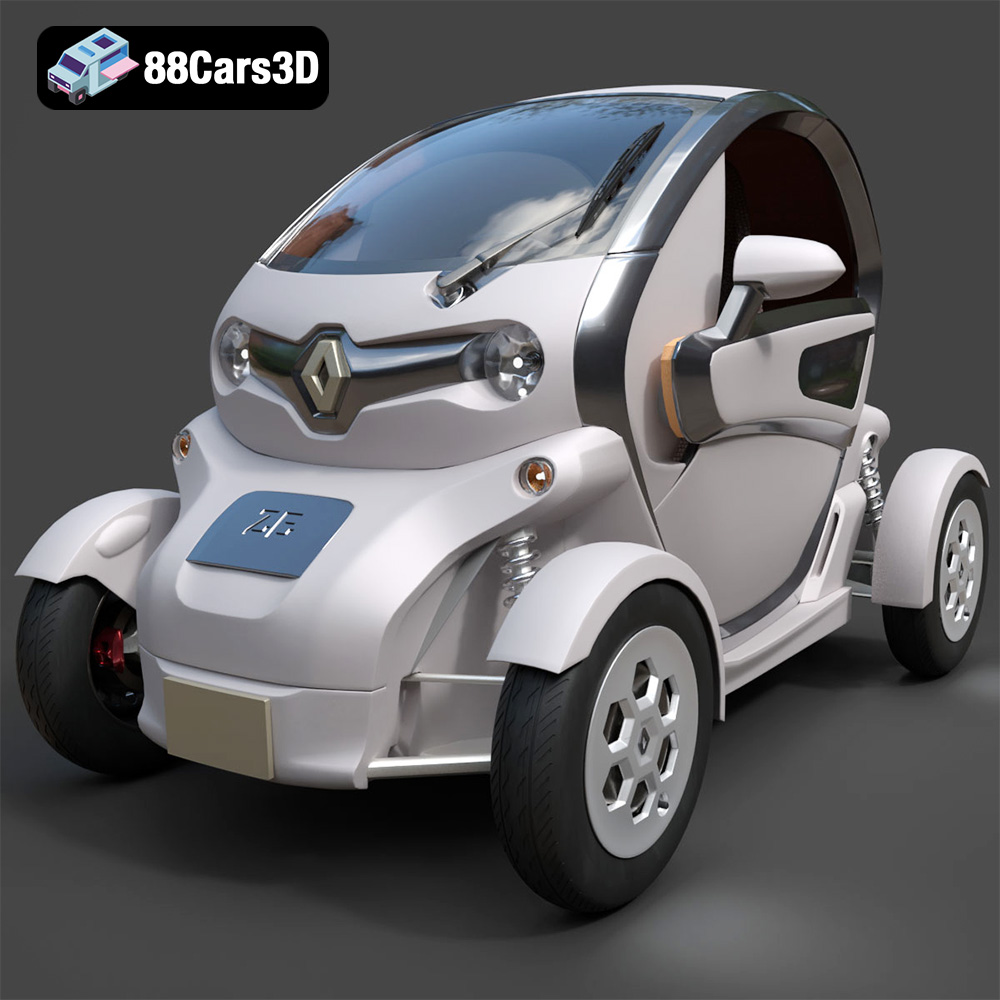
Texture: Yes
Material: Yes
Download the Renault Twizy ZE 3D Model featuring clean geometry, realistic detailing, and a fully modeled interior. Includes .blend, .fbx, .obj, .glb, .stl, .ply, .unreal, and .max formats for rendering, simulation, and game development.
Price: $4.99
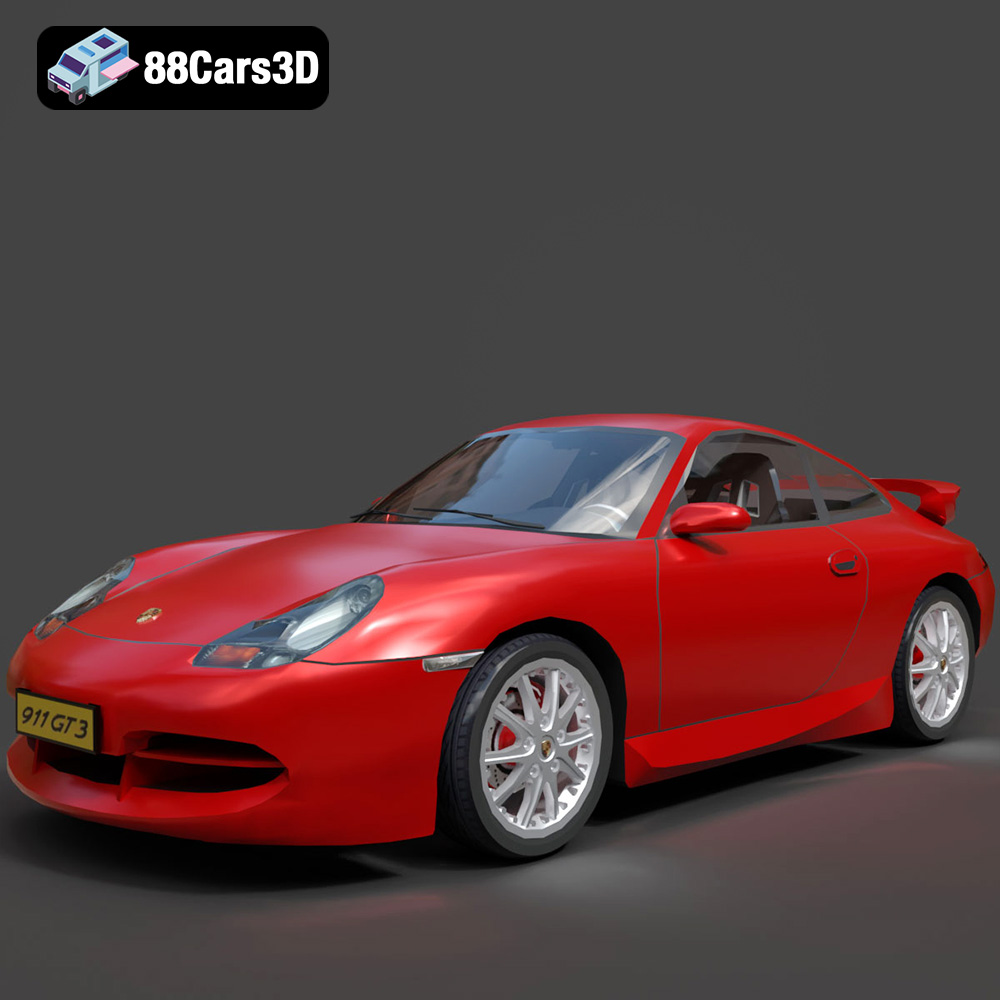
Texture: Yes
Material: Yes
Download the Porsche 911 GT3 3D Model featuring clean geometry, realistic detailing, and a fully modeled interior. Includes .blend, .fbx, .obj, .glb, .stl, .ply, .unreal, and .max formats for rendering, simulation, and game development.
Price: $4.99
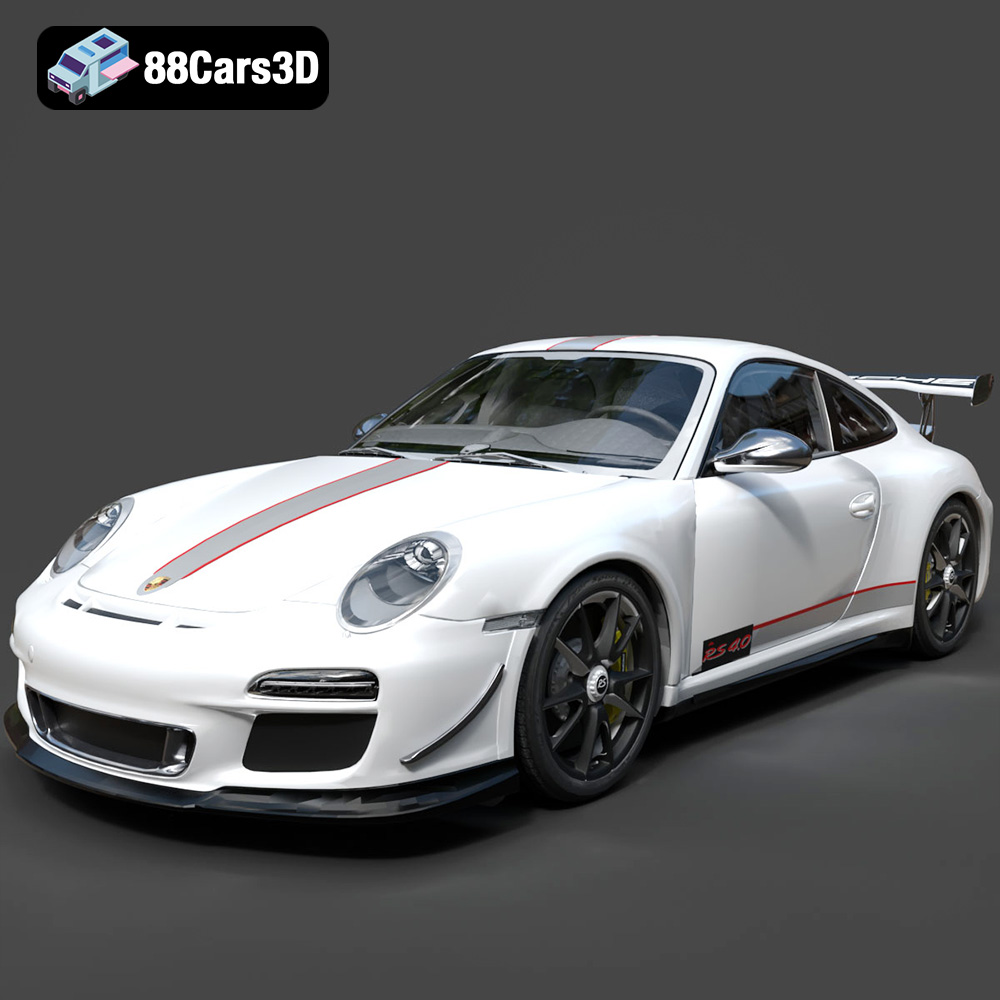
Texture: Yes
Material: Yes
Download the Porsche 911 997 GT3 RS 4.0 2011 3D Model featuring clean geometry, realistic detailing, and a fully modeled interior. Includes .blend, .fbx, .obj, .glb, .stl, .ply, .unreal, and .max formats for rendering, simulation, and game development.
Price: $4.99
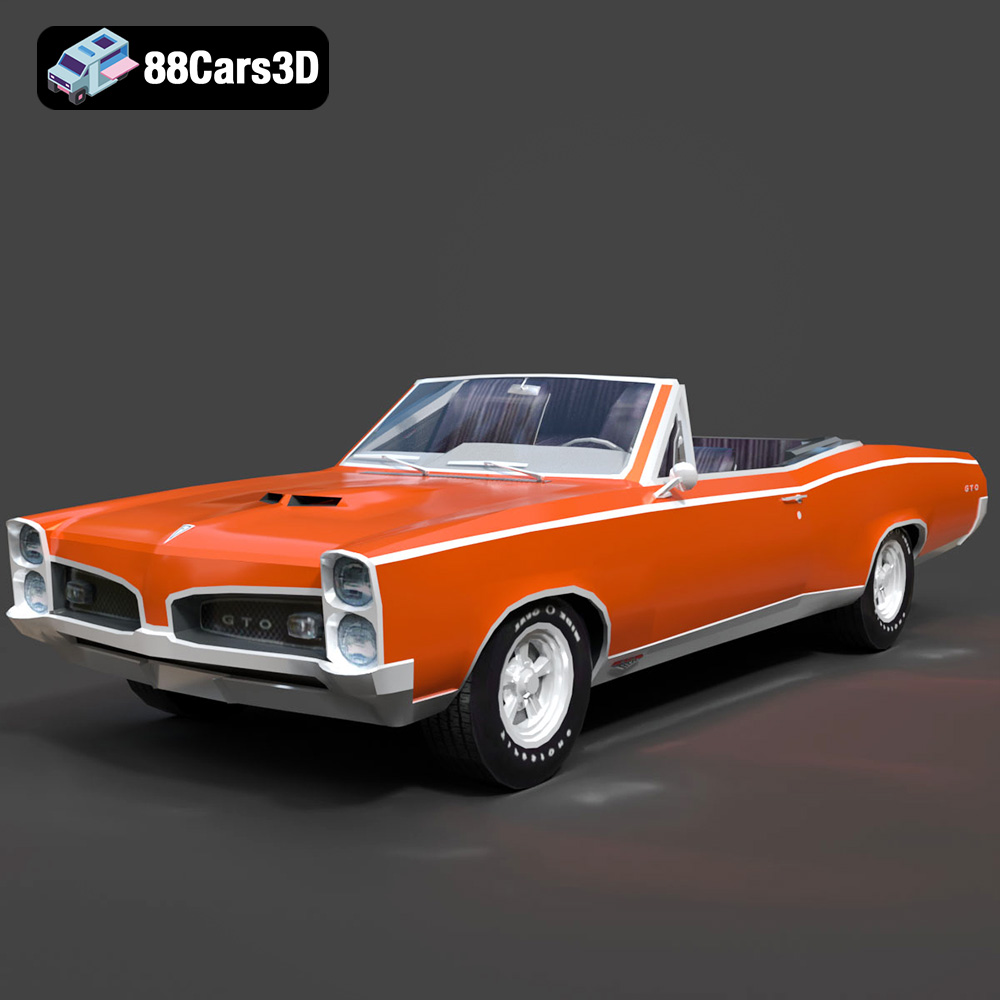
Texture: Yes
Material: Yes
Download the Pontiac GTO Cabrio 1967 3D Model featuring clean geometry, realistic detailing, and a fully modeled interior. Includes .blend, .fbx, .obj, .glb, .stl, .ply, .unreal, and .max formats for rendering, simulation, and game development.
Price: $4.99
Texture: Yes
Material: Yes
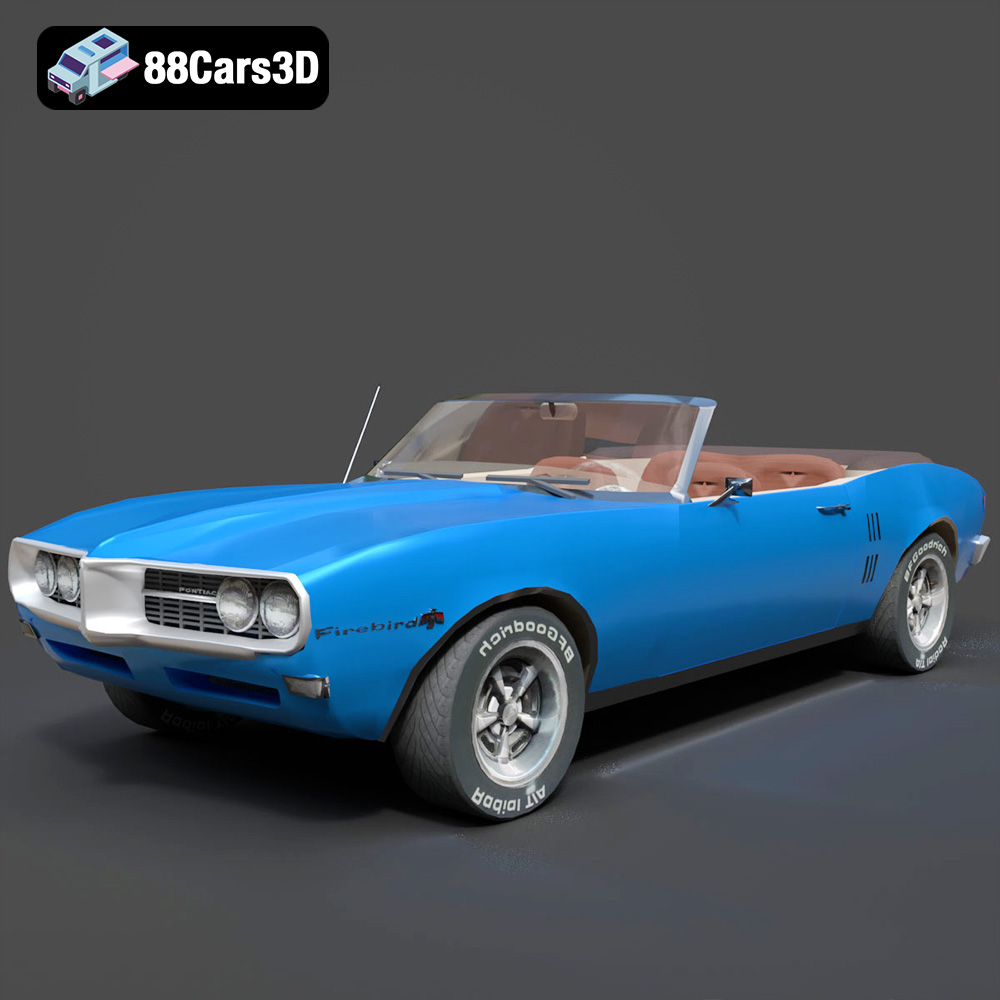
Download the Pontiac Firebird Convertible 1968 3D Model featuring clean geometry, realistic detailing, and a fully modeled interior. Includes .blend, .fbx, .obj, .glb, .stl, .ply, .unreal, and .max formats for rendering, simulation, and game development.
Price: $4.99

Texture: Yes
Material: Yes
Download the Peugeot 508 2011 3D Model featuring clean geometry, realistic detailing, and a fully modeled interior. Includes .blend, .fbx, .obj, .glb, .stl, .ply, .unreal, and .max formats for rendering, simulation, and game development.
Price: $4.99
Texture: Yes
Material: Yes
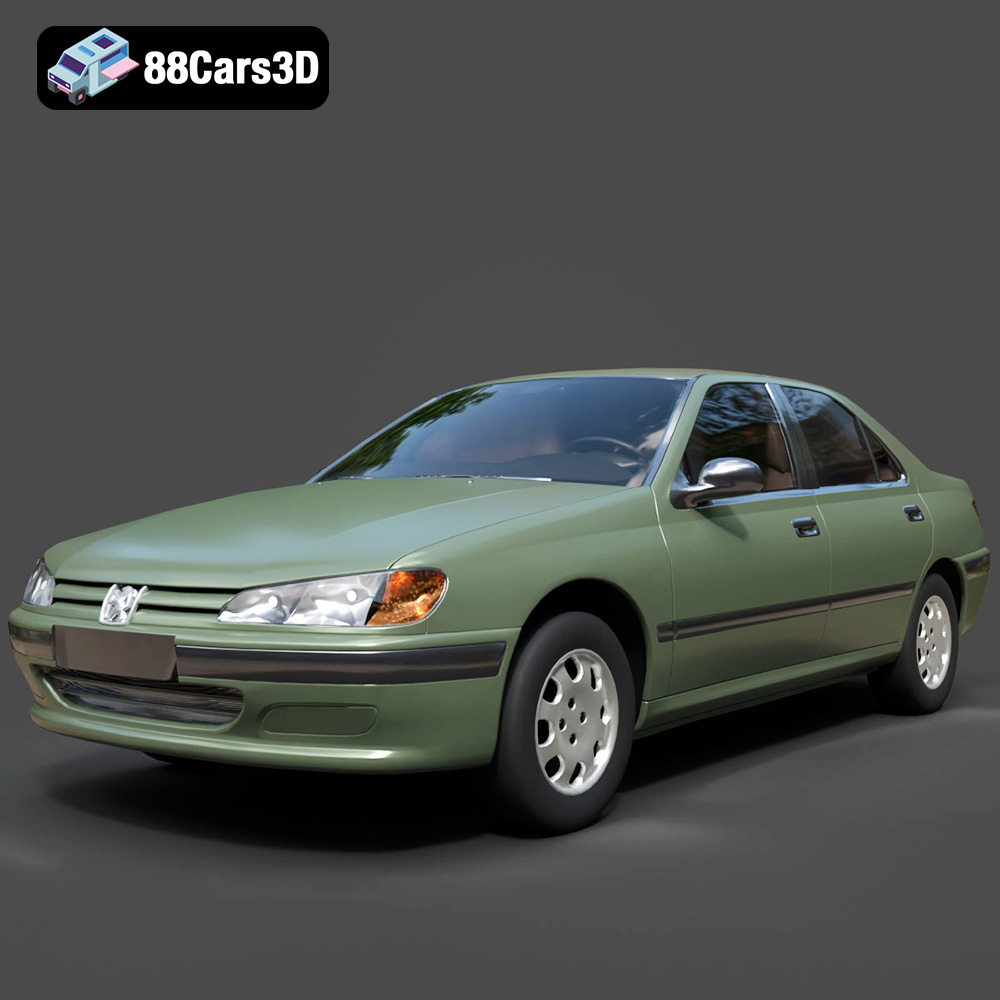
Download the Peugeot 406 1996 3D Model featuring clean geometry, realistic detailing, and a fully modeled interior. Includes .blend, .fbx, .obj, .glb, .stl, .ply, .unreal, and .max formats for rendering, simulation, and game development.
Price: $10
Texture: Yes
Material: Yes
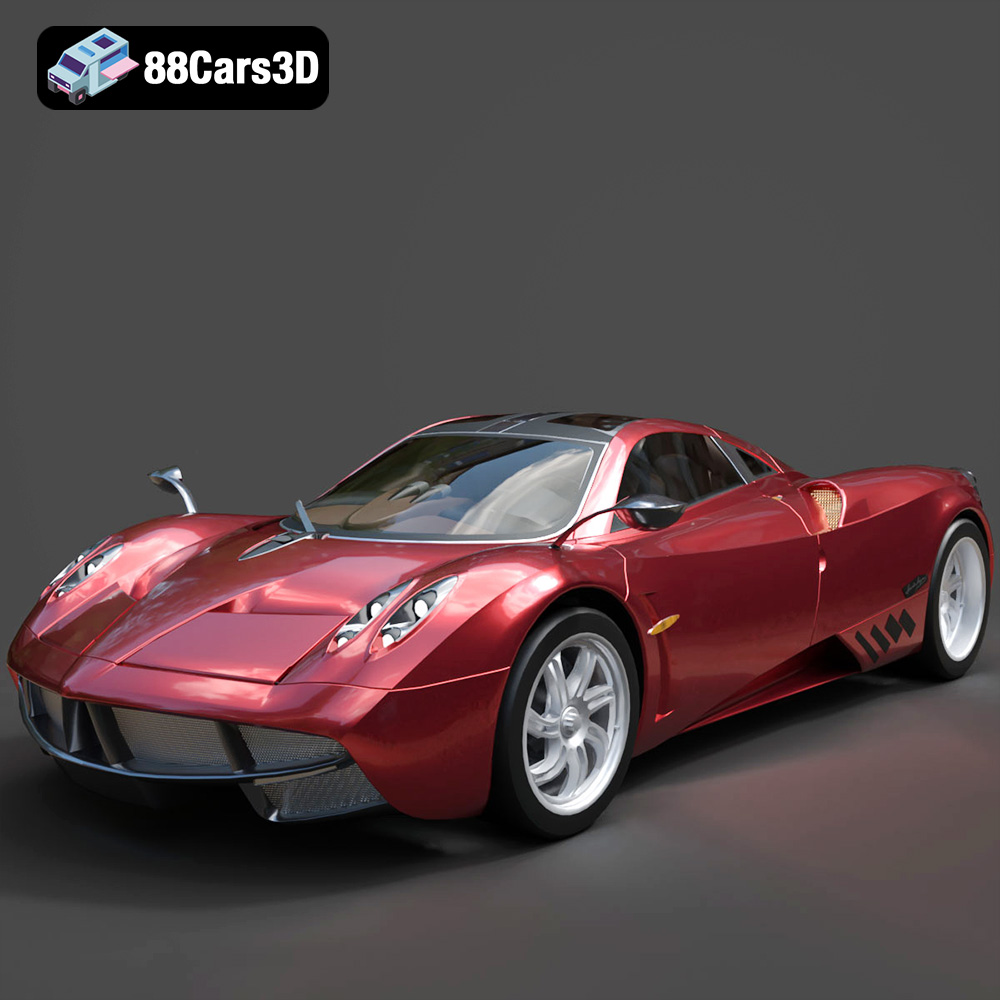
Download the Pagani Huayra 2012 3D Model featuring clean geometry, realistic detailing, and a fully modeled interior. Includes .blend, .fbx, .obj, .glb, .stl, .ply, .unreal, and .max formats for rendering, simulation, and game development.
Price: $10
Texture: Yes
Material: Yes
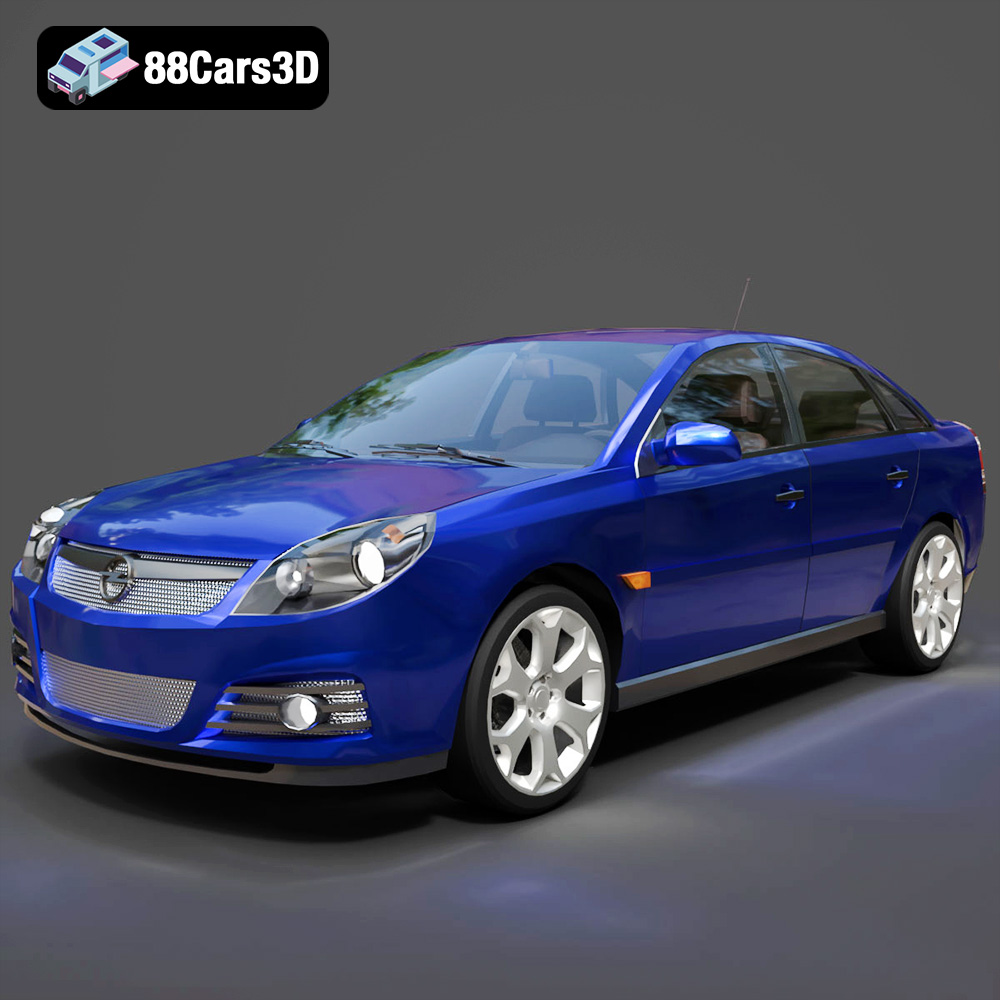
Download the Opel Vectra C 2005 3D Model featuring clean geometry, realistic detailing, and a fully modeled interior. Includes .blend, .fbx, .obj, .glb, .stl, .ply, .unreal, and .max formats for rendering, simulation, and game development.
Price: $10

Texture: Yes
Material: Yes
Download the Opel Insignia OPC 3D Model featuring clean geometry, realistic detailing, and a fully modeled interior. Includes .blend, .fbx, .obj, .glb, .stl, .ply, .unreal, and .max formats for rendering, simulation, and game development.
Price: $10

