⚡ FLASH SALE: Get 60% OFF All Premium 3D & STL Models! ⚡

In the dynamic world of 3D visualization, game development, and automotive design, the quality of a 3D car model can make or break a project. From stunning photorealistic renders for marketing campaigns to optimized assets for immersive AR/VR experiences, the demand for precision, detail, and performance is paramount. Crafting a truly exceptional 3D car model is an intricate art form, blending technical prowess with artistic vision, encompassing everything from foundational mesh topology to sophisticated material shading and render engine optimization.
This comprehensive guide delves deep into the technical intricacies involved in creating, optimizing, and deploying high-quality 3D car models across diverse applications. We’ll explore the essential principles of clean topology, demystify advanced UV mapping strategies, unravel the secrets of physically based rendering (PBR), and dissect the critical optimization techniques for real-time engines. Whether you’re a seasoned 3D artist, an aspiring game developer, or an automotive designer aiming for unparalleled visualization, understanding these processes is crucial for delivering projects that stand out. Join us as we navigate the complex yet rewarding journey of mastering 3D automotive assets, ensuring your creations are not just visually appealing but also technically robust and versatile.
The structural integrity of any 3D model begins with its topology – the arrangement of vertices, edges, and faces that form its surface. For automotive models, which are characterized by complex curves, reflective surfaces, and precise panel gaps, clean and purposeful topology is not merely a best practice; it’s a necessity. Good topology ensures smooth subdivisions, predictable deformations for animation, and accurate reflections that prevent visual artifacts like pinching or ripples. Aiming for an all-quad mesh is the industry standard, as triangles can introduce undesirable artifacts during subdivision and are harder to manage when manipulating surfaces. Techniques such as box modeling, starting from basic primitives and gradually refining the shape, or spline/NURBS modeling, where curves are used to define surfaces before converting to polygons, are common approaches in software like 3ds Max, Blender, and Maya. The goal is to distribute polygons efficiently, adding density where curvature is high or detail is required, and keeping it sparse on flatter surfaces.
A typical high-fidelity exterior car model can range from 200,000 to over 1 million polygons, depending on the level of detail, inclusion of interiors, and target application. For game development, this often necessitates lower-polygon base meshes for LODs, while film or visualization projects can push into millions of polygons. Managing this complexity requires meticulous attention to detail, ensuring that every edge serves a purpose. It’s not just about polygon count, but how those polygons are arranged to define the shape and react to lighting. When sourcing models, such as those from marketplaces like 88cars3d.com, always inspect the wireframe to ensure the topology meets these professional standards.
Clean quad-based topology is fundamental for any high-quality 3D car model. Quads (four-sided polygons) subdivide predictably and smoothly, which is critical for maintaining the elegant curves and precise lines characteristic of automotive design. When working in software like 3ds Max or Blender, artists often employ a combination of polygonal modeling tools. Starting with a low-resolution base mesh, either by extruding from reference blueprints or using a primitive shape, the model is gradually refined. Techniques like edge looping and ring selection allow for efficient manipulation of geometry. It’s crucial to avoid poles with more than 5 edges (N-gons), especially on curved surfaces, as these can lead to pinching during subdivision. Instead, guide edge flow around critical features like headlights, door frames, and wheel arches. The goal is a uniform distribution of polygons, preventing overly dense or sparse areas that can cause shading issues. For instance, a subtle curve in a car fender might require more edge loops than a flat door panel to maintain its smoothness, even before subdivision modifiers are applied. Always verify your mesh for non-manifold geometry or isolated vertices, as these can cause rendering errors or issues in later stages like UV mapping or 3D printing preparation.
Edge flow refers to the direction and continuity of edges on a mesh, and for automotive models, it dictates how light reflects off the surface and how the model deforms. Proper edge flow is essential for defining crisp lines, maintaining smooth reflections, and accurately representing panel gaps and sharp creases. Edges should ideally follow the natural curvature of the car body. For example, edge loops should flow around wheel arches, door cut lines, and character lines that define the car’s aesthetic. To create sharp creases, such as those around windows or along body panels, you typically add two or three tight edge loops very close to each other. When a subdivision surface modifier (like Turbosmooth in 3ds Max or Subdivision Surface in Blender) is applied, these tight loops will hold the edge sharp, preventing it from softening excessively. Conversely, for smooth, flowing surfaces like a car’s roof or hood, edge loops should be more evenly spaced to allow for a gentle, uninterrupted curve. Avoiding sudden changes in edge direction or converging multiple edge loops into a single point on a reflective surface is critical to prevent “bad” reflections or distortions that break realism. Always prioritize clean, logical edge flow that supports both the visual design and the technical requirements of the model.
Once the geometry is perfect, the next step is to apply textures and materials that give the car its realistic appearance. This involves two critical processes: UV mapping and Physically Based Rendering (PBR) material creation. UV mapping is the art of flattening the 3D surface of your model onto a 2D plane, creating coordinates that tell your software how to project textures onto the mesh. For complex automotive surfaces with varying curvature, precise UV unwrapping is crucial to avoid stretching, distortion, and noticeable seams. A well-laid-out UV map ensures uniform texel density, meaning textures appear equally sharp across the entire model, regardless of surface curvature. For a typical car model, you might have multiple UV sets: one for diffuse/specular textures, one for light maps (especially in game engines), and potentially others for specific details like decals or dirt masks.
After UVs are established, PBR material creation comes into play. PBR is a rendering approach that simulates how light interacts with surfaces in the real world, based on real physics. This results in incredibly consistent and realistic materials across different lighting conditions and render engines. A car’s paint, for instance, isn’t just a color; it has metallic flakes, a clear coat, roughness variations, and potential grunge. Understanding how to construct these complex shader networks using maps like Albedo (base color), Metallic, Roughness, Normal, and Ambient Occlusion is paramount. Software like Substance Painter is invaluable for creating these PBR texture sets, allowing artists to paint directly onto the 3D model and generate all necessary maps simultaneously. The synergy between precise UVs and expertly crafted PBR materials is what truly elevates a 3D car model from a mere mesh to a photorealistic asset.
UV unwrapping for an automotive model can be one of the most challenging aspects of the texturing workflow due to the model’s complex, curved surfaces and distinct paneling. The primary goal is to minimize distortion and create a uniform texel density across all surfaces. This means ensuring that a 1-pixel square in your 2D texture map covers the same real-world area on your 3D model, regardless of whether it’s a flat door panel or a tightly curved fender. For a car’s exterior, common strategies involve separating distinct panels (hood, doors, roof, fenders) into their own UV shells. Cylindrical projections are often used for wheels, while planar projections work well for flat glass surfaces. Careful placement of seams is essential; they should be hidden where possible, such as along natural panel lines or beneath the vehicle. In software like 3ds Max (using the Unwrap UVW modifier) or Blender (with its UV Editor), tools like ‘Pelt Mapping’ or ‘Follow Active Quads’ can help in unwrapping curved sections efficiently while maintaining relative proportions. Additionally, it’s common practice to allocate more UV space (and thus higher texel density) to prominent areas like the hood, front bumper, and character lines, as these are often scrutinized most closely in renders or close-up views. For game engines, a second UV channel specifically for lightmaps is often generated, which can be less concerned with visual seams but must avoid overlapping shells to prevent lighting artifacts.
Physically Based Rendering (PBR) has revolutionized the way materials are created, allowing for incredible realism and consistency. The core idea behind PBR is to simulate how light interacts with surfaces based on real-world physics, using a set of standardized texture maps. For a car, the PBR workflow typically involves several key maps:
When creating a complex material like car paint, you often layer multiple shaders or maps. For example, a base metallic layer might be overlaid with a clear coat shader that simulates the glossy, reflective top layer of automotive paint. Dirt, grime, and wear can be added through separate PBR texture sets, blended procedhetically or painted manually in tools like Substance Painter. For headlight glass or windshields, specialized transparent/translucent shaders with accurate refraction and reflection properties are essential. In render engines like Corona Render, V-Ray, or Blender’s Cycles, these maps are plugged into specific slots within a shader network, allowing for intricate control over every aspect of the material’s appearance. Professional quality demands precise calibration of these maps and meticulous attention to how light interacts with the various components of the vehicle, from the high-gloss body to the subtle texture of the tires and the intricate detail of the interior.
Rendering is where all the hard work in modeling and texturing comes to life, transforming your 3D car model into a compelling 2D image or animation. High-fidelity automotive rendering demands a deep understanding of lighting principles, camera optics, and render engine mechanics. The goal is to create images that are indistinguishable from real-world photography, showcasing the vehicle’s design, materials, and form in the most appealing way possible. This often involves carefully sculpted studio lighting setups, leveraging the power of High Dynamic Range Image (HDRI) environments, and fine-tuning render settings for optimal quality and speed. Renderers like Corona, V-Ray, Cycles (Blender), and Arnold offer diverse approaches to achieving realism, each with its strengths and specific workflow considerations. Understanding the nuances of global illumination, physically accurate cameras, and advanced material sampling is critical for achieving stunning results. Beyond the initial render, post-processing plays a vital role in color correction, adding atmospheric effects, and refining the overall mood of the final image. A typical render setup for a hero shot of a car might involve multiple light sources to highlight different contours, carefully chosen camera angles to emphasize design features, and an HDRI to provide realistic background reflections and ambient lighting.
Achieving photorealistic renders of 3D car models hinges on masterful lighting. Two primary techniques often used in conjunction are studio lighting setups and High Dynamic Range Image (HDRI) environments. Studio lighting typically involves carefully placed area lights, dome lights, or photometric lights within your 3D scene, mimicking professional photography studios. A common setup is the “three-point lighting” system (key, fill, and back light), but for cars, more complex setups are often employed to highlight specific contours and reflections. For example, large, soft area lights placed above and to the sides of the car can create beautiful, even reflections that accentuate the body lines. Rim lights can be used to separate the car from the background, adding depth. Gradients and light blockers can also be employed to sculpt reflections and create specific glints that make the car pop. The control over light intensity, color, and size is paramount for creating dramatic or elegant effects. For instance, in 3ds Max with Corona Renderer, artists can precisely adjust the size and shape of Corona Lights to control the appearance of highlights on the car’s reflective surfaces.
HDRI environments, on the other hand, provide a powerful way to simulate real-world lighting and reflections. An HDRI is a 360-degree panoramic image containing a vast range of light information, from direct sunlight to subtle ambient bounces. When used as a light source (e.g., in a dome light or environment map), an HDRI will cast realistic light and shadows onto your model and, crucially, provide highly accurate reflections on the car’s glossy surfaces. This immediately grounds the car in a believable environment. Combining a studio setup with an HDRI often yields the best results: the HDRI provides the ambient light and background reflections, while the studio lights offer precise control over key reflections, highlights, and shadow definition, allowing you to sculpt the car’s appearance exactly as desired. For example, you might use an outdoor HDRI for realistic sky reflections but add a few targeted studio lights to enhance specific body lines or provide a strong key light that the HDRI alone might not deliver.
Each major render engine — Corona, V-Ray, Cycles (Blender), and Arnold — has its own strengths, workflow, and optimization strategies when it comes to automotive rendering.
Across all engines, using efficient geometry (clean topology), optimized PBR materials, and sensible light counts are universal optimization tips. Many artists also choose to render out multiple passes (beauty, reflections, refractions, shadows, AO) for greater flexibility during post-processing in software like Adobe Photoshop or Affinity Photo, allowing for precise control over the final look without re-rendering the entire image.
While film and visualization projects prioritize absolute realism, game development demands a delicate balance between visual fidelity and real-time performance. A highly detailed 3D car model suitable for a still render might bring a game engine to its knees. Therefore, optimization is paramount for game assets. This involves strategically reducing polygon counts, creating various Levels of Detail (LODs), optimizing textures, and understanding how game engines process and render geometry. The goal is to ensure smooth frame rates, minimal draw calls, and efficient memory usage, all while maintaining a convincing visual quality within the constraints of the target platform (PC, console, mobile, VR/AR). Game engines like Unity and Unreal Engine provide powerful tools for asset management and optimization, but the heavy lifting often happens during the 3D modeling and texturing phase. For a typical AAA game, a primary vehicle might have a main LOD of 80,000-150,000 polygons, with several lower LODs going down to just a few thousand polygons for distant views. Understanding these constraints and how to meticulously prepare your models for real-time environments is what separates a good 3D modeler from a great game asset artist.
Level of Detail (LOD) is a critical optimization technique for game engines, ensuring that models use appropriate polygon counts based on their distance from the camera. A car model viewed from afar doesn’t need the same geometric detail as one in a close-up camera shot. LODs are typically created by generating multiple versions of the same model, each with progressively fewer polygons.
LODs can be generated manually by selectively removing edges and vertices, or using automatic decimation tools in software like ZBrush, Maya, 3ds Max, or Blender. When creating LODs, it’s crucial to bake normal maps from the high-polygon version to the lower-polygon versions to retain the appearance of fine detail. This process involves projecting the surface normals from the detailed mesh onto the simplified mesh, capturing bumps, panel lines, and other intricate features without adding actual geometry. Polygon budgeting involves establishing these target poly counts early in the development process, aligning with the performance goals of the game and the capabilities of the target hardware. This ensures consistent performance across all interactive experiences and prevents unnecessary strain on the GPU, ultimately delivering a smoother gameplay experience.
Beyond polygon count, efficient texture management and reducing draw calls are vital for optimal game performance.
These combined strategies are essential for creating professional-grade, game-ready 3D car models that perform flawlessly in real-time environments.
The utility of high-quality 3D car models extends far beyond traditional static renders and game environments. They are becoming indispensable tools for cutting-edge applications such as Augmented Reality (AR) and Virtual Reality (VR) experiences, as well as for physical production through 3D printing. Each of these applications presents its own unique set of technical requirements and optimization challenges. For AR/VR, the focus shifts to ultra-efficient real-time rendering at high frame rates (e.g., 90 FPS or higher) to prevent motion sickness and ensure immersion. This often means even more aggressive polygon budgeting and specialized asset preparation. Conversely, 3D printing requires models to be “watertight” with manifold geometry and specific wall thicknesses, diverging from rendering-centric concerns. Understanding these diverse demands allows artists to create versatile 3D car models that can be adapted and deployed across a spectrum of innovative real-world applications, unlocking new possibilities for visualization, design, and manufacturing. Platforms like 88cars3d.com often cater to these diverse needs by providing models prepared for various use cases.
Augmented Reality (AR) and Virtual Reality (VR) environments impose some of the strictest performance requirements for 3D assets. The primary goal is to achieve extremely high and consistent frame rates (e.g., 60-90 frames per second per eye) to prevent motion sickness and deliver a fluid, immersive experience. For 3D car models in AR/VR:
Models for AR/VR often require a dedicated optimization pass, going beyond standard game asset preparation to ensure stability and comfort for the user. This involves a deep understanding of the target platform’s limitations and how to strategically simplify visual data without sacrificing perceived quality.
Preparing a 3D car model for 3D printing involves a completely different set of technical considerations than those for rendering or real-time engines. The key here is physical integrity and manufacturability.
Preparing a detailed 3D car model for 3D printing often requires a dedicated pass to ensure all these physical constraints are met, transforming a virtual asset into a tangible object.
The final pillar of mastering 3D car models lies in understanding workflow efficiency, file format compatibility, and adopting industry best practices. In a collaborative environment, or when sourcing assets from platforms like 88cars3d.com, ensuring seamless transfer between different software applications and maintaining data integrity is paramount. This involves a clear grasp of the strengths and limitations of various 3D file formats – from the ubiquitous FBX and OBJ to modern, optimized formats like GLB and USDZ. Each format handles geometry, materials, animations, and scene data differently, and knowing the appropriate export/import settings can save countless hours of troubleshooting. Beyond file formats, professional asset creation demands meticulous organization, consistent naming conventions, and scalable project structures. Adhering to these best practices not only streamlines individual workflows but also facilitates teamwork, enhances project maintainability, and ensures that the 3D car models you create or acquire are versatile, future-proof, and production-ready for any application, from cinematic renders to interactive experiences.
Understanding the nuances of various 3D file formats is crucial for a smooth workflow when dealing with 3D car models. Each format serves different purposes and excels in specific scenarios:
Converting between these formats requires careful attention to export/import settings to prevent loss of data, particularly when dealing with PBR materials or complex hierarchies. For example, exporting an FBX from Blender to Unity requires ensuring the “Forward Z” axis is correctly set to prevent orientation issues.
Efficient project management and strategic asset sourcing are just as critical as technical modeling skills. For automotive projects, which often involve large, detailed models and extensive texture sets, organization is key.
Adhering to these professional practices ensures that your 3D car model projects are not only technically sound but also manageable, scalable, and ready for any production pipeline.
Mastering 3D car models is a multifaceted journey that demands a blend of artistic vision, technical precision, and a deep understanding of diverse industry applications. From the foundational principles of clean quad topology and strategic edge flow that define a car’s form, to the intricate art of UV mapping and physically based material creation that breathe life into its surfaces, every stage is critical. We’ve explored the nuances of high-fidelity rendering for stunning visualizations and delved into the rigorous optimization techniques required for seamless integration into real-time game engines, AR, and VR experiences. Furthermore, we’ve touched upon the specific demands of preparing models for physical fabrication through 3D printing and highlighted the importance of workflow efficiency and professional best practices.
The pursuit of excellence in 3D automotive modeling is an ongoing process of learning and refinement. By embracing these technical insights and implementing professional workflows, you can ensure your 3D car models are not only visually captivating but also robust, versatile, and optimized for any project. Whether you’re aiming for photorealistic renders that tell a story, game-ready assets that drive immersive experiences, or precise models for manufacturing, the principles outlined here will serve as your guiding compass. Remember that leveraging high-quality resources, such as the meticulously crafted 3D car models available on 88cars3d.com, can significantly accelerate your projects and elevate your final output. Keep pushing the boundaries of what’s possible in 3D, and your automotive creations will truly stand out in the digital landscape.
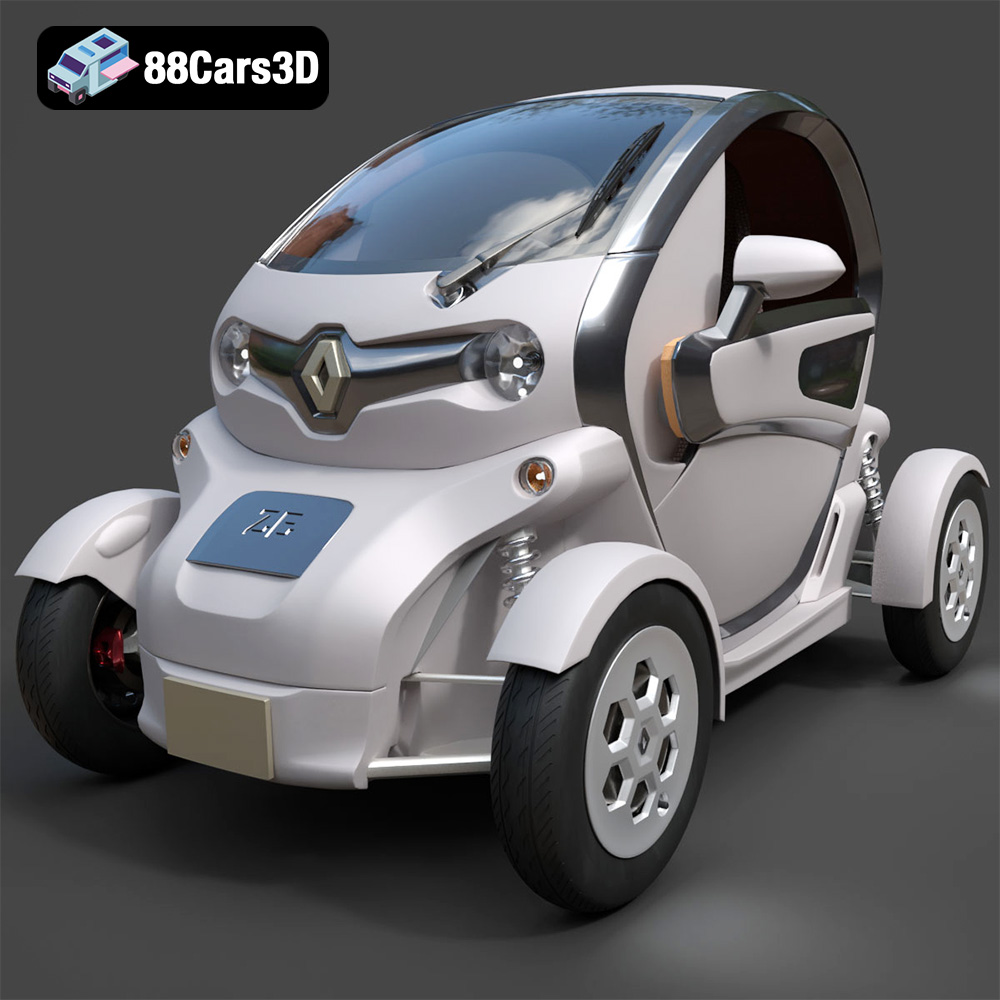
Texture: Yes
Material: Yes
Download the Renault Twizy ZE 3D Model featuring clean geometry, realistic detailing, and a fully modeled interior. Includes .blend, .fbx, .obj, .glb, .stl, .ply, .unreal, and .max formats for rendering, simulation, and game development.
Price: $4.99
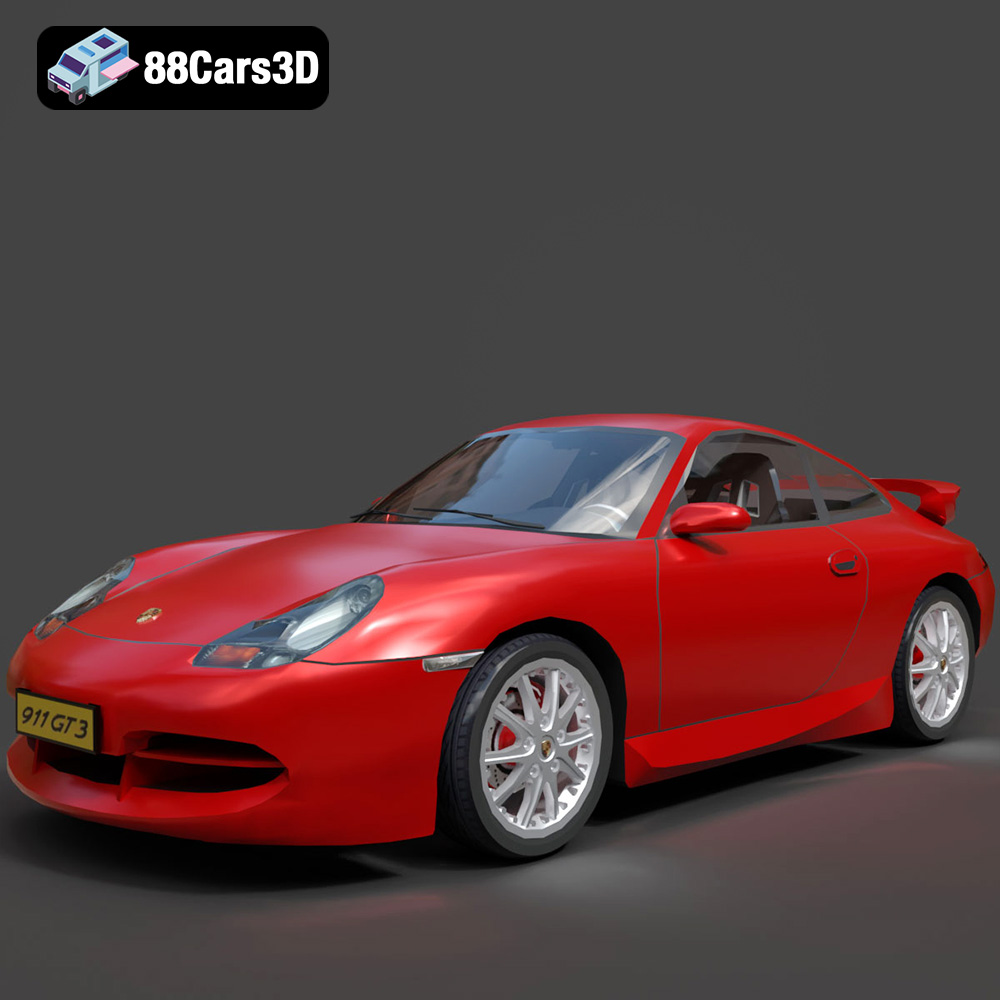
Texture: Yes
Material: Yes
Download the Porsche 911 GT3 3D Model featuring clean geometry, realistic detailing, and a fully modeled interior. Includes .blend, .fbx, .obj, .glb, .stl, .ply, .unreal, and .max formats for rendering, simulation, and game development.
Price: $4.99
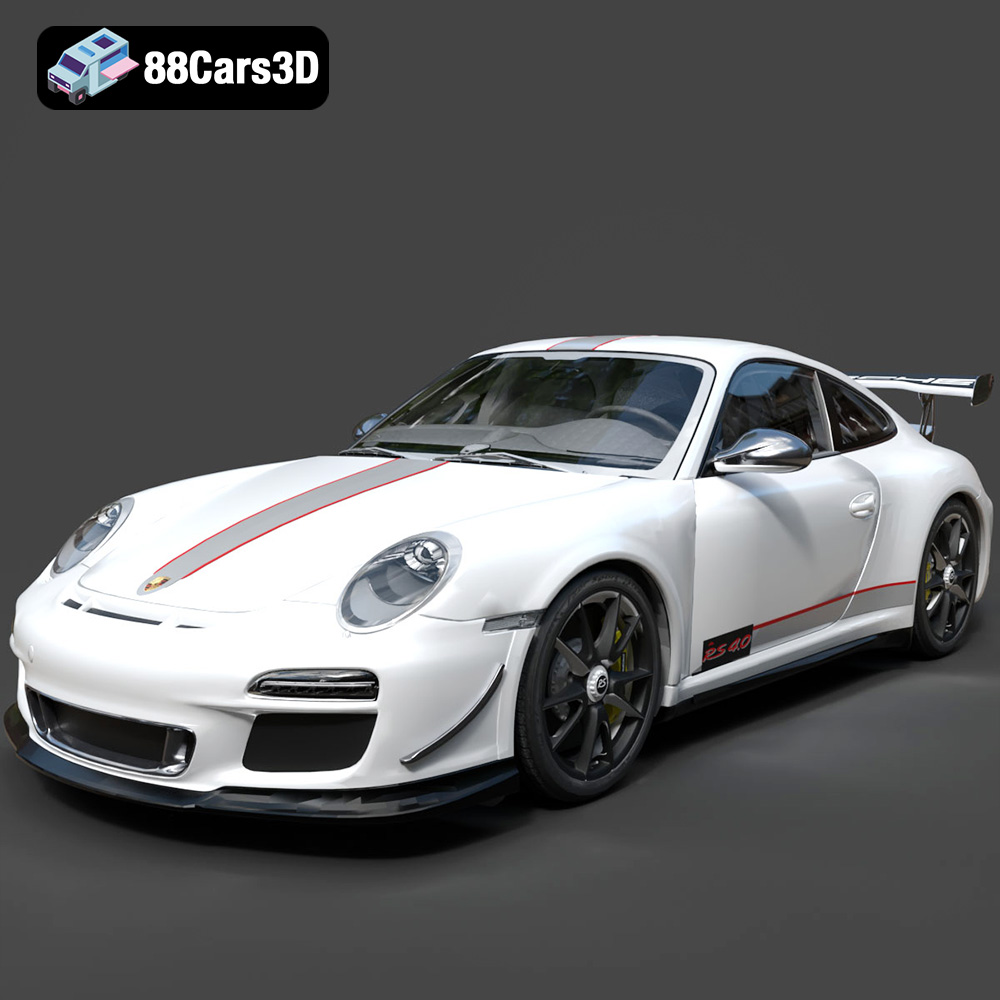
Texture: Yes
Material: Yes
Download the Porsche 911 997 GT3 RS 4.0 2011 3D Model featuring clean geometry, realistic detailing, and a fully modeled interior. Includes .blend, .fbx, .obj, .glb, .stl, .ply, .unreal, and .max formats for rendering, simulation, and game development.
Price: $4.99
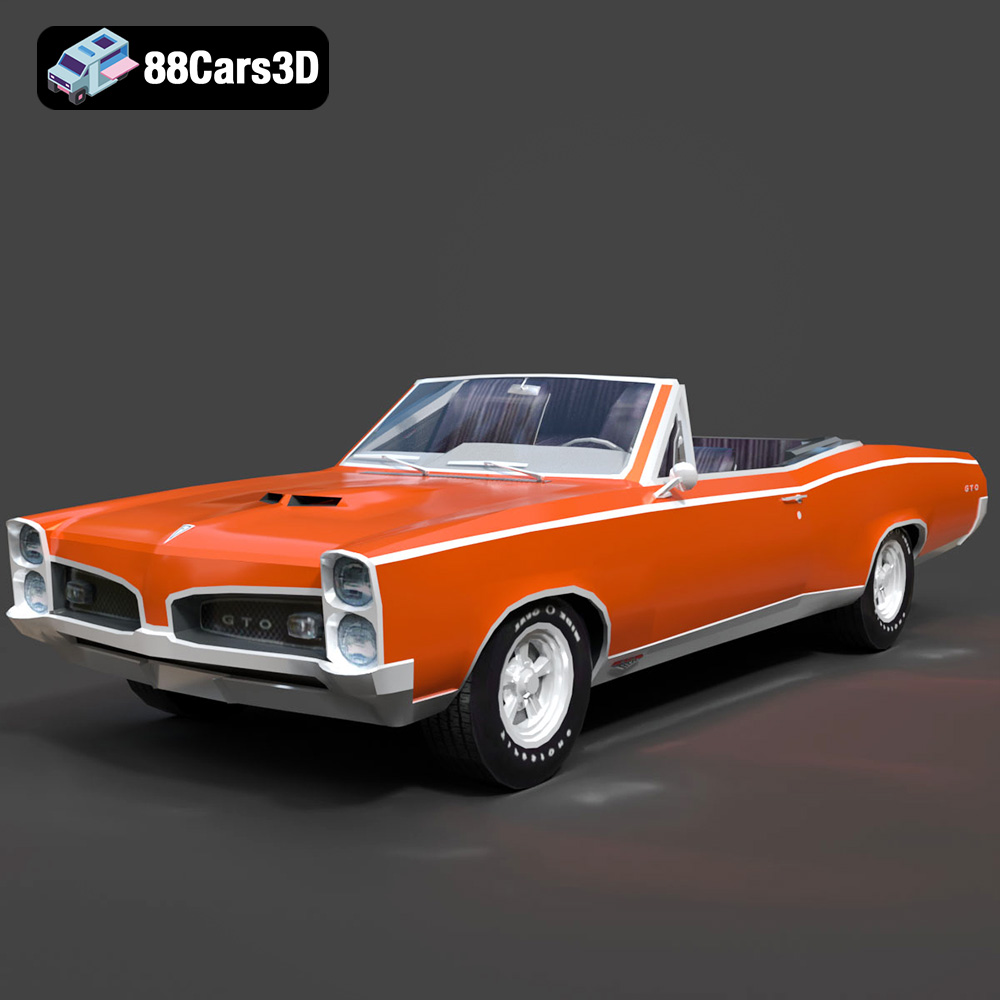
Texture: Yes
Material: Yes
Download the Pontiac GTO Cabrio 1967 3D Model featuring clean geometry, realistic detailing, and a fully modeled interior. Includes .blend, .fbx, .obj, .glb, .stl, .ply, .unreal, and .max formats for rendering, simulation, and game development.
Price: $4.99
Texture: Yes
Material: Yes
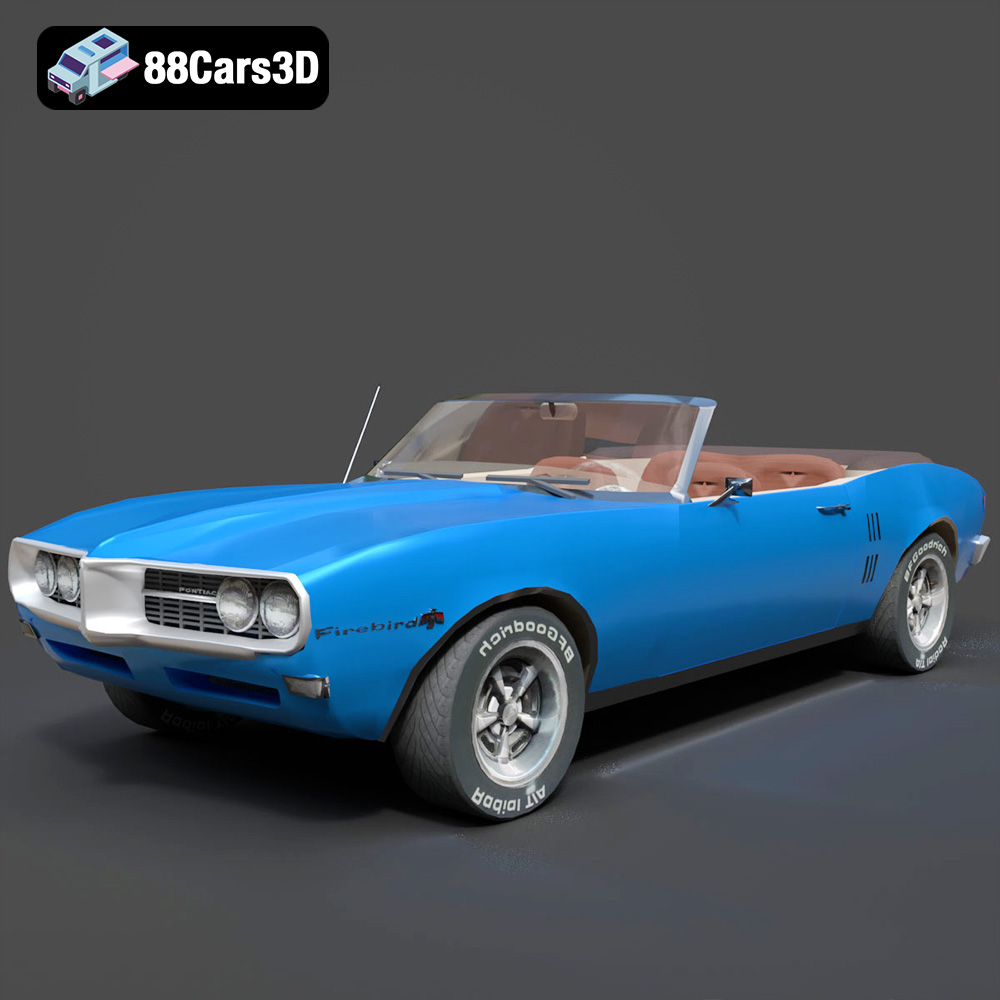
Download the Pontiac Firebird Convertible 1968 3D Model featuring clean geometry, realistic detailing, and a fully modeled interior. Includes .blend, .fbx, .obj, .glb, .stl, .ply, .unreal, and .max formats for rendering, simulation, and game development.
Price: $4.99

Texture: Yes
Material: Yes
Download the Peugeot 508 2011 3D Model featuring clean geometry, realistic detailing, and a fully modeled interior. Includes .blend, .fbx, .obj, .glb, .stl, .ply, .unreal, and .max formats for rendering, simulation, and game development.
Price: $4.99
Texture: Yes
Material: Yes
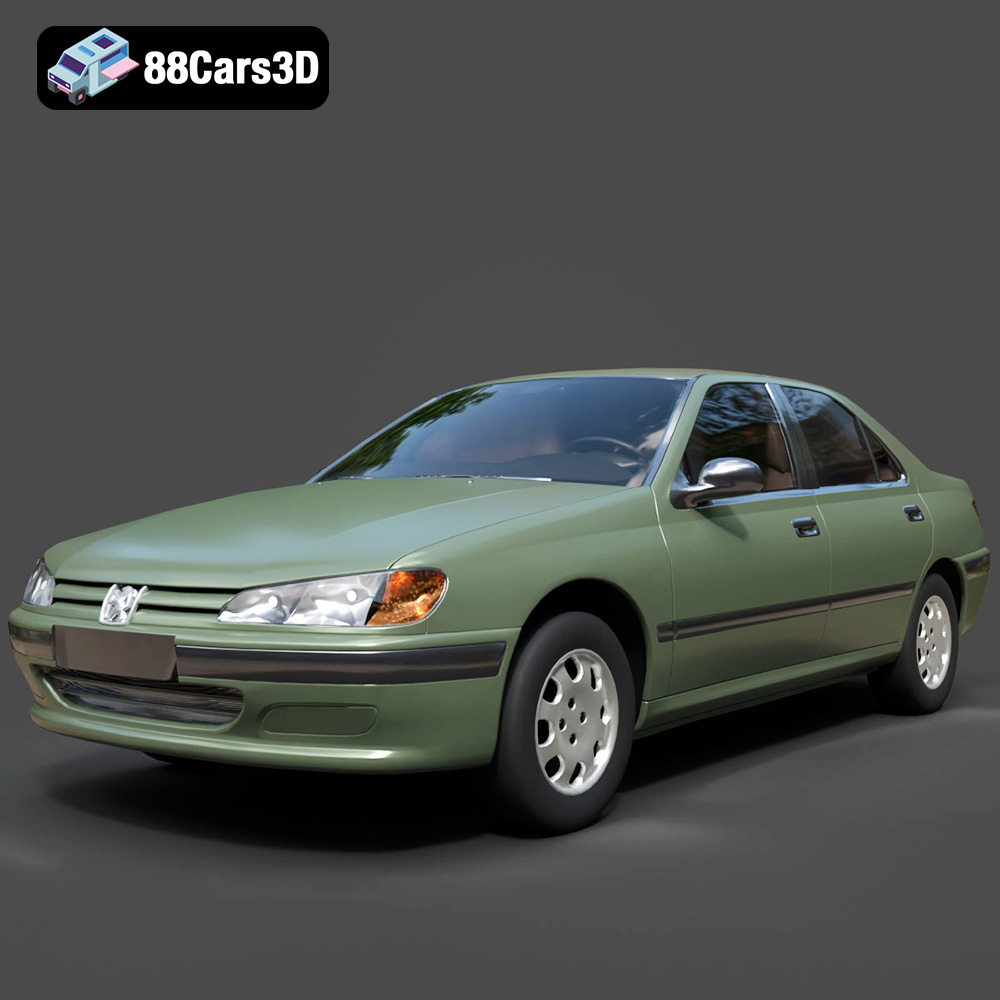
Download the Peugeot 406 1996 3D Model featuring clean geometry, realistic detailing, and a fully modeled interior. Includes .blend, .fbx, .obj, .glb, .stl, .ply, .unreal, and .max formats for rendering, simulation, and game development.
Price: $10
Texture: Yes
Material: Yes
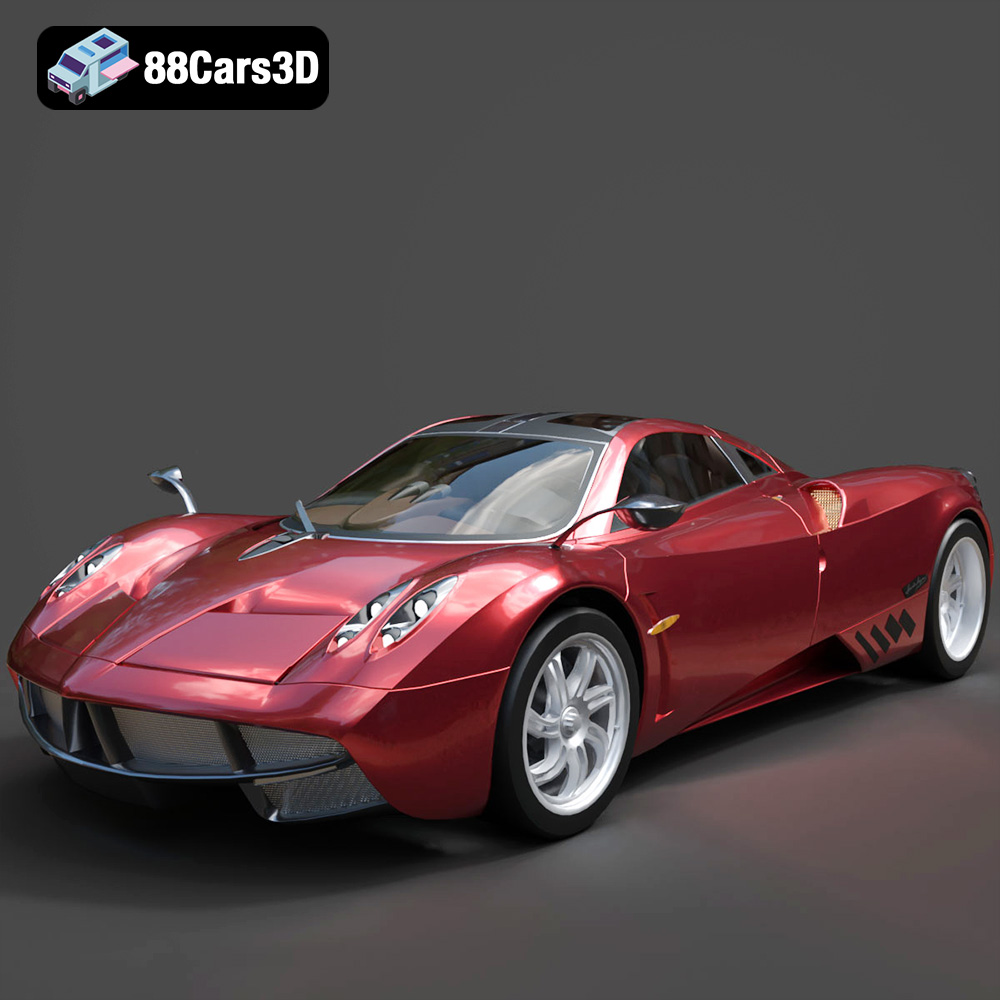
Download the Pagani Huayra 2012 3D Model featuring clean geometry, realistic detailing, and a fully modeled interior. Includes .blend, .fbx, .obj, .glb, .stl, .ply, .unreal, and .max formats for rendering, simulation, and game development.
Price: $10
Texture: Yes
Material: Yes
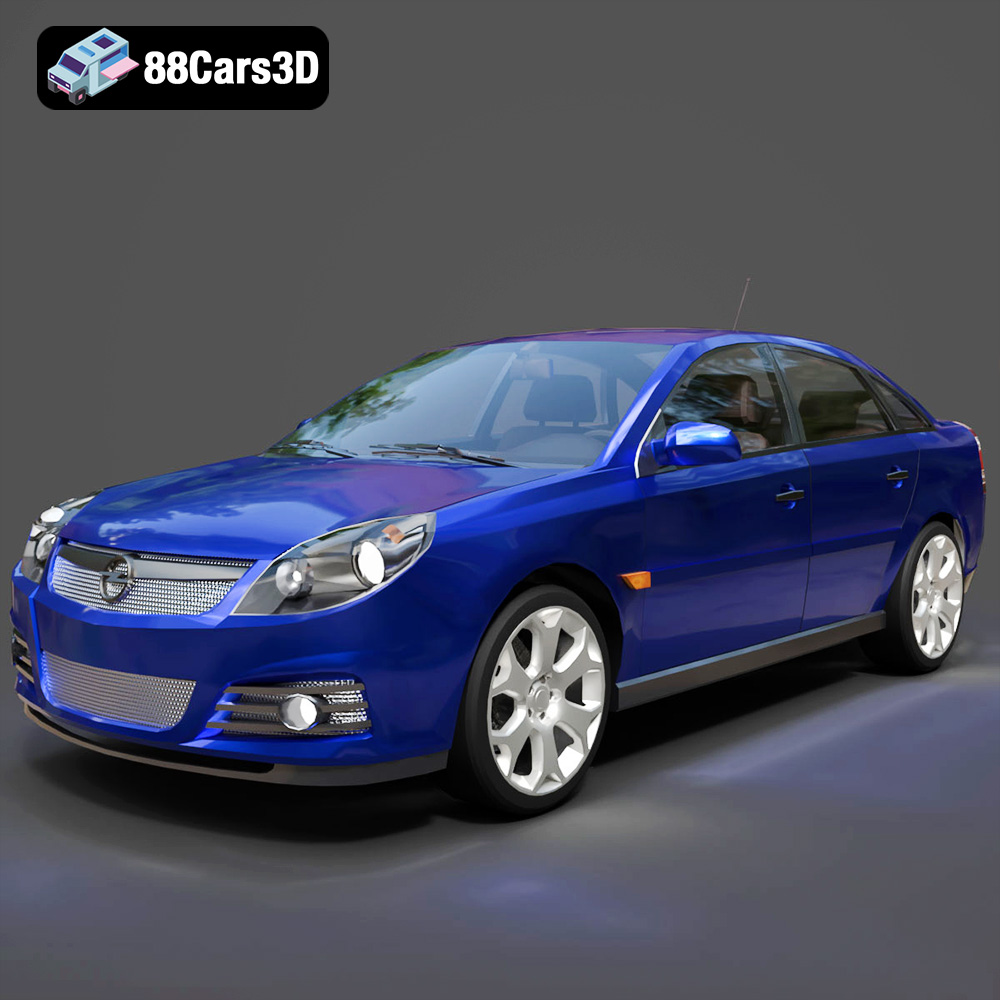
Download the Opel Vectra C 2005 3D Model featuring clean geometry, realistic detailing, and a fully modeled interior. Includes .blend, .fbx, .obj, .glb, .stl, .ply, .unreal, and .max formats for rendering, simulation, and game development.
Price: $10

Texture: Yes
Material: Yes
Download the Opel Insignia OPC 3D Model featuring clean geometry, realistic detailing, and a fully modeled interior. Includes .blend, .fbx, .obj, .glb, .stl, .ply, .unreal, and .max formats for rendering, simulation, and game development.
Price: $10

