⚡ FLASH SALE: Get 60% OFF All Premium 3D & STL Models! ⚡

The allure of a perfectly rendered automobile, whether cruising through a virtual city or gleaming in a product visualization, is undeniable. Crafting these digital masterpieces requires a blend of artistic vision and rigorous technical precision. From the initial polygonal mesh to the final pixel on screen, every step in the 3D car modeling and rendering pipeline demands meticulous attention to detail. This comprehensive guide dives deep into the advanced techniques and industry best practices essential for creating high-fidelity 3D car models that stand out in any application.
Whether you’re a seasoned 3D artist, an aspiring game developer, an automotive designer looking to elevate your presentations, or a visualization professional seeking to push boundaries, understanding the intricacies of automotive rendering and asset optimization is paramount. We’ll explore everything from the foundational principles of clean topology and efficient UV mapping to the creation of stunning PBR materials, game engine optimization, and specialized workflows for AR/VR and 3D printing. Prepare to unlock the secrets to building realistic car models that captivate audiences across diverse platforms.
The quality of a 3D car model begins with its underlying mesh structure. Superior topology and thoughtful edge flow are not merely aesthetic preferences; they are critical technical requirements that impact everything from deformation during animation to the way light interacts with the surface. For automotive models, where pristine reflections and smooth, flowing lines are paramount, maintaining a clean, quad-based mesh is essential. This ensures that subdivision surfaces behave predictably, and that hard surface details can be expressed without introducing unwanted pinching or artifacts. A well-constructed mesh also facilitates easier UV mapping and texture application, reducing potential headaches down the line.
The golden rule of 3D modeling, especially for organic or subdivision-ready surfaces, is to work with quads (four-sided polygons). Triangles (three-sided) and N-gons (more than four sides) can introduce triangulation issues, making surfaces appear bumpy or faceted, especially when subdivided. For automotive models, this translates directly to visible imperfections in reflections. Strive for an even distribution of polygons, avoiding overly stretched or compressed quads. The edge flow should follow the natural contours and design lines of the car, guiding the eye and accurately representing the vehicle’s form. This means edges should run parallel to curves and terminate cleanly, avoiding poles with more than five edges converging, which often lead to deformation problems.
Automotive designs are characterized by their intricate panel gaps, sharp creases, and complex vents. Accurately capturing these details requires strategic topology. Instead of relying solely on boolean operations (which can create messy geometry), many artists opt for careful edge loop placement to define these hard edges. For panel gaps, it’s common practice to create separate floating mesh elements or to extrude a small depth inwards along an edge loop to define the gap, giving it a realistic shadow and separation in renders. When using subdivision surfaces, adding supporting edge loops (sometimes called “crease edges” or “holding loops”) near sharp angles allows the surface to remain crisp while the rest of the model smooths out gracefully. A typical panel gap might require two close-proximity edge loops on either side of the intended gap to hold its shape.
Most realistic car models for high-fidelity rendering rely on subdivision surface modeling. Software like 3ds Max (with MeshSmooth/OpenSubdiv), Blender (Subdivision Surface modifier), and Maya (Smooth Mesh) interprets a low-polygon cage and generates a smooth, high-resolution surface. To maintain hard edges for components like windshield frames, wheel arches, or character lines, artists typically employ one of three methods:
The key is to understand how your chosen subdivision algorithm interprets your mesh and to strategically place polygons to achieve the desired blend of smooth curves and crisp details.
Once the geometric foundation is solid, the next crucial step is defining the visual characteristics of your 3D car model. This involves intelligent UV mapping and the meticulous creation of PBR materials. These processes dictate how textures are applied, how light interacts with surfaces, and ultimately, how realistic your final render or game asset appears. Poor UVs lead to stretched or blurry textures, while incorrect PBR values result in unnatural reflections and shading.
Effective UV mapping is about transforming your 3D mesh into a flat 2D layout (UV island) for texture painting, without distortion. For a complex object like a car, this requires a strategic approach:
Proper UVs are the bridge between your geometry and the PBR materials that define its surface properties.
PBR materials are the cornerstone of modern realistic rendering. They simulate how light behaves in the real world, producing consistent and believable results across different lighting environments. Key PBR maps for a car model typically include:
For car paint, a complex shader network might be required, often involving multiple layers of clear coat (for reflections), a base metallic or non-metallic layer, and sometimes a flake normal map to simulate metallic flakes within the paint. Experiment with values and consult real-world material references to achieve truly authentic car finishes in renderers like Corona, V-Ray, Cycles, or Arnold.
Choosing appropriate texture resolutions is a balancing act between visual fidelity and performance, especially critical for game assets and AR/VR experiences. High-resolution textures (e.g., 4K or 8K) provide incredible detail but consume significant GPU memory. For cinematic rendering, 4K textures for major components like the car body, and 2K for wheels and interior, are common. For game development, 2K or even 1K for large areas, and 512px or 256px for smaller details, might be more appropriate.
Texture atlasing is a powerful optimization technique where multiple smaller textures (e.g., for interior buttons, emblems, or tire sidewall details) are combined into a single, larger texture map. This reduces the number of draw calls a game engine needs to make, significantly improving rendering performance. Platforms like 88cars3d.com often provide models with optimized UVs and atlases for immediate use in real-time applications, ensuring your assets are performant from the start.
The journey from a meticulously modeled and textured 3D car model to a breathtaking image or animation culminates in the rendering phase. This is where light, materials, and environment converge to create a photorealistic scene. Achieving high-fidelity automotive rendering requires a deep understanding of scene setup, advanced lighting techniques, and the critical step of post-processing. Renderers such as Corona Renderer, V-Ray, Blender’s Cycles, and Arnold are industry standards, each offering robust toolsets for achieving stunning visual results.
The environment surrounding your car model plays a pivotal role in how it’s perceived. A common approach is to use High Dynamic Range Images (HDRIs) to provide realistic global illumination and reflections. An HDRI acts as both a light source and a reflection map, seamlessly integrating the car into a real-world environment. For studio renders, a simple backplate and softbox setup can yield elegant results. For complex scenes, you might build out geometric environments or integrate your car into a backplate photograph. When composing the shot, consider principles of photography: rule of thirds, leading lines, and negative space can significantly enhance the visual impact. Ensure your camera’s focal length and aperture settings mimic real-world photography for authentic depth of field effects.
Realistic car rendering hinges on sophisticated lighting. Beyond HDRIs, strategic placement of virtual light sources is crucial:
Experiment with light intensity, color temperature, and falloff to achieve the desired mood and accentuate the car’s design elements. Pay close attention to how light plays across the curved surfaces of the car, as this is where the quality of your PBR materials truly shines.
Rendering is rarely the final step. Post-processing in software like Adobe Photoshop or Affinity Photo is essential for elevating renders from good to exceptional. This stage involves adjustments that enhance realism and artistic flair:
Mastering post-processing transforms a raw render into a polished, professional visualization.
While cinematic rendering prioritizes visual fidelity above all else, game development demands a careful balance between aesthetics and performance. 3D car models intended for game engines like Unity or Unreal Engine must be meticulously optimized to ensure smooth frame rates and efficient resource utilization. This often involves techniques that reduce polygon counts, manage textures intelligently, and prepare assets for real-time physics interactions. When sourcing game assets, marketplaces such as 88cars3d.com typically provide models already optimized for these demanding environments, saving developers significant time and effort.
Level of Detail (LOD) is a crucial optimization strategy where multiple versions of a single 3D model are created, each with a progressively lower polygon count. The game engine dynamically switches between these versions based on the object’s distance from the camera.
Proper LOD transitions ensure a smooth visual experience without noticeable pops or loss of detail as the camera moves. Tools like Simplygon or the built-in LOD tools in Unity and Unreal Engine assist in generating these optimized meshes.
Beyond polygon counts, texture management and draw calls are major performance bottlenecks in game engines.
The goal is to provide the GPU with as few unique resources and commands as possible per frame.
For interactive driving experiences, cars need collision meshes that accurately represent their physical boundaries without being overly complex.
A well-optimized collision mesh is crucial for responsive and believable vehicle physics in any game development project.
The utility of 3D car models extends far beyond static renders and conventional game development. With the rise of immersive technologies, these models are increasingly deployed in Augmented Reality (AR) and Virtual Reality (VR) experiences, as well as for physical prototyping through 3D printing. Each of these applications presents unique technical requirements and optimization challenges that demand specialized workflows and careful consideration of file formats and mesh integrity.
AR/VR experiences place extreme demands on performance, often requiring significantly higher frame rates (e.g., 90 FPS or more) to prevent motion sickness. This means even more aggressive optimization than standard game assets:
The goal is to maintain maximum visual fidelity while ensuring a buttery-smooth, immersive experience without any performance hitches.
3D printing transforms digital models into physical objects, but not all 3D car models are immediately print-ready. Specific requirements for 3D printing include:
Exporting to file formats like STL or OBJ is standard for 3D printing. For models on 88cars3d.com, it’s advisable to check if a specific print-ready version is available or if manual preparation is required.
The choice of file format is crucial for interoperability across different 3D software, game engines, and AR/VR platforms.
When acquiring 3D car models, always consider the intended end-use and ensure the chosen file format supports all necessary features while maintaining optimal performance for your specific application.
Creating and deploying high-quality 3D car models is a multifaceted discipline, demanding expertise across modeling, texturing, rendering, and optimization. We’ve journeyed through the critical aspects, from meticulously crafting clean topology and defining intricate PBR materials to orchestrating stunning automotive renders and optimizing assets for the demanding real-time environments of game development, AR/VR, and 3D printing.
The key takeaway is that excellence in 3D automotive visualization comes from a combination of artistic skill and a deep technical understanding of each pipeline stage. By focusing on efficient workflows, mastering industry-standard software, and embracing optimization strategies, you can consistently produce realistic car models that not only look incredible but also perform flawlessly across any platform. Whether you’re building a portfolio, developing a game, or pushing the boundaries of automotive design visualization, the principles outlined here will serve as your bedrock for success. For those looking to jumpstart their projects with professional-grade assets, remember that platforms like 88cars3d.com offer a curated selection of pre-optimized 3D car models, ready to be integrated into your next masterpiece.
Texture: Yes
Material: Yes
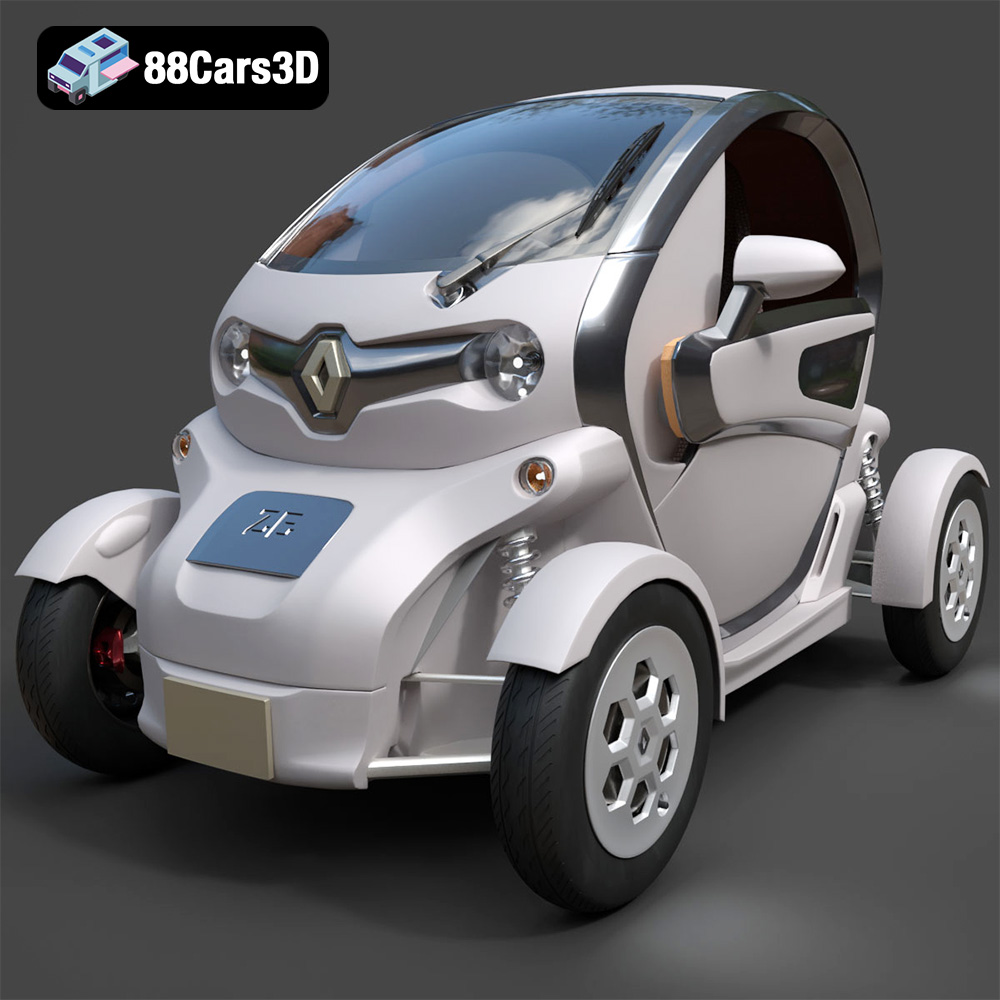
Download the Renault Twizy ZE 3D Model featuring clean geometry, realistic detailing, and a fully modeled interior. Includes .blend, .fbx, .obj, .glb, .stl, .ply, .unreal, and .max formats for rendering, simulation, and game development.
Price: $4.99
Texture: Yes
Material: Yes
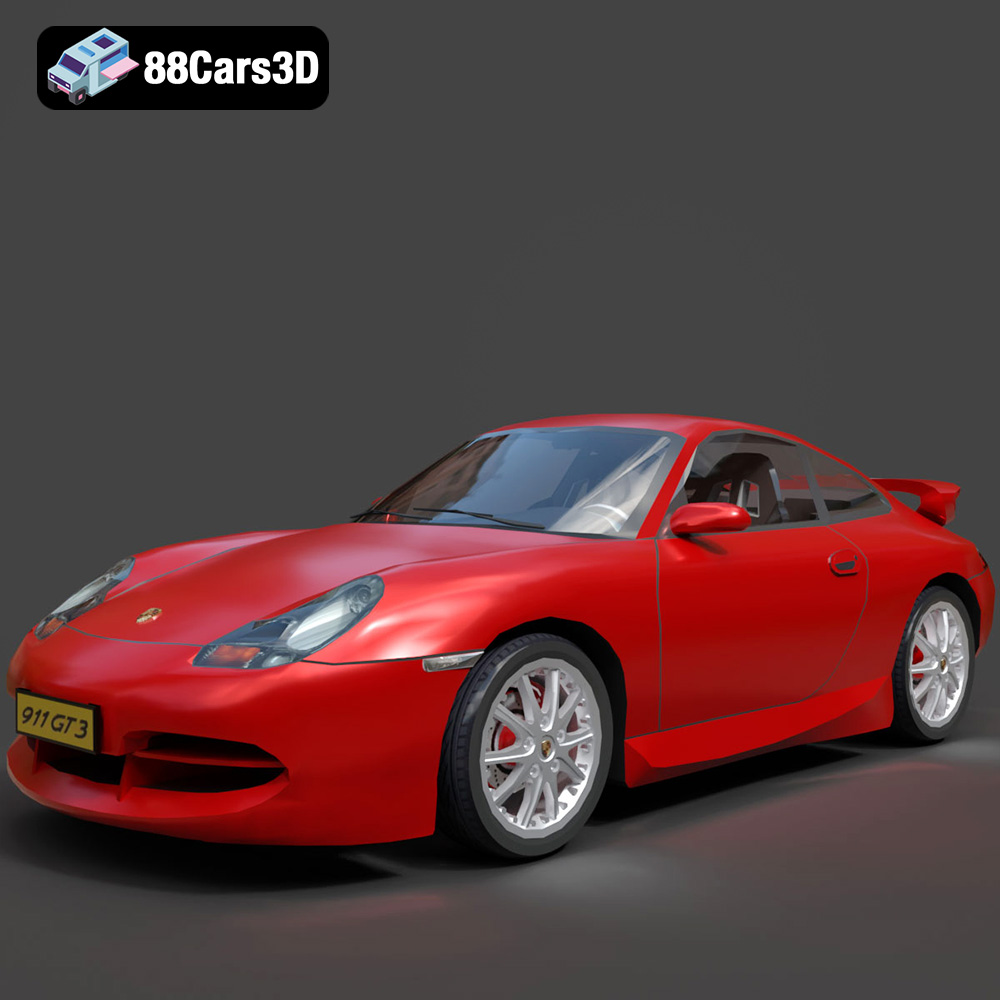
Download the Porsche 911 GT3 3D Model featuring clean geometry, realistic detailing, and a fully modeled interior. Includes .blend, .fbx, .obj, .glb, .stl, .ply, .unreal, and .max formats for rendering, simulation, and game development.
Price: $4.99
Texture: Yes
Material: Yes
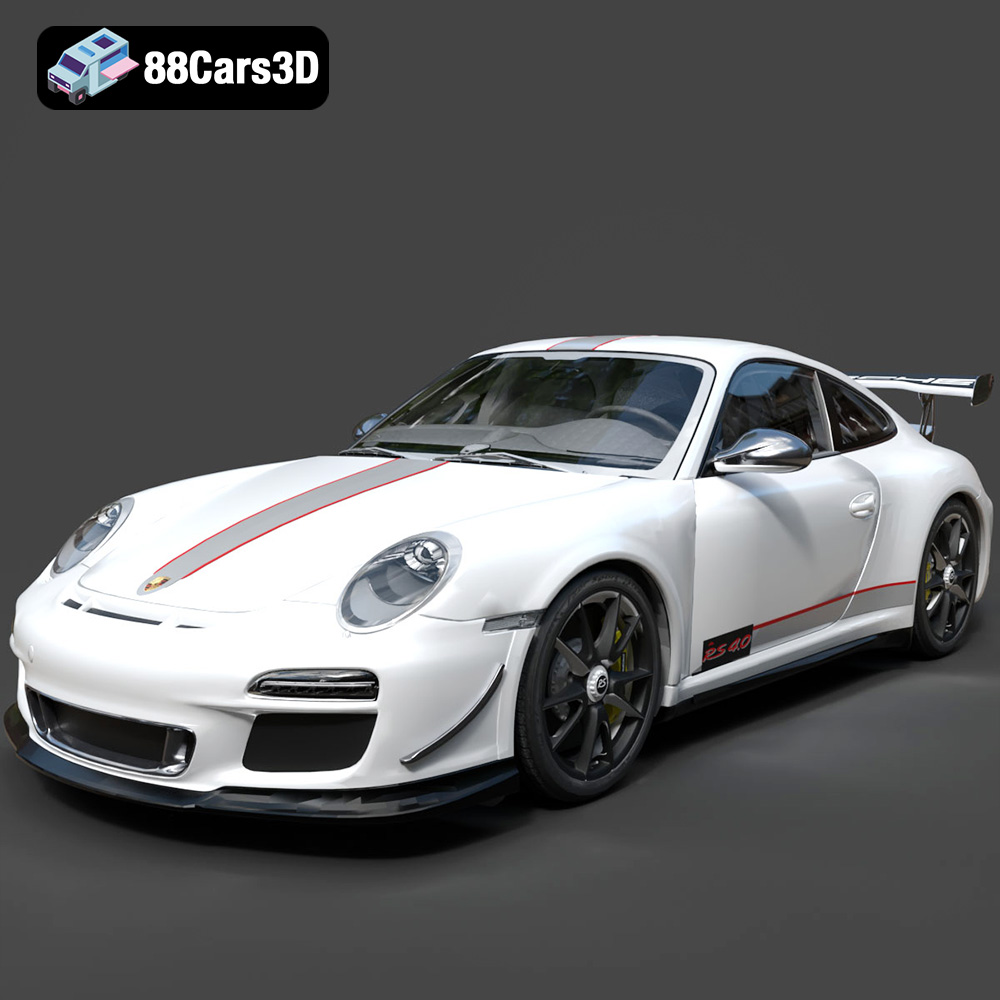
Download the Porsche 911 997 GT3 RS 4.0 2011 3D Model featuring clean geometry, realistic detailing, and a fully modeled interior. Includes .blend, .fbx, .obj, .glb, .stl, .ply, .unreal, and .max formats for rendering, simulation, and game development.
Price: $4.99
Texture: Yes
Material: Yes
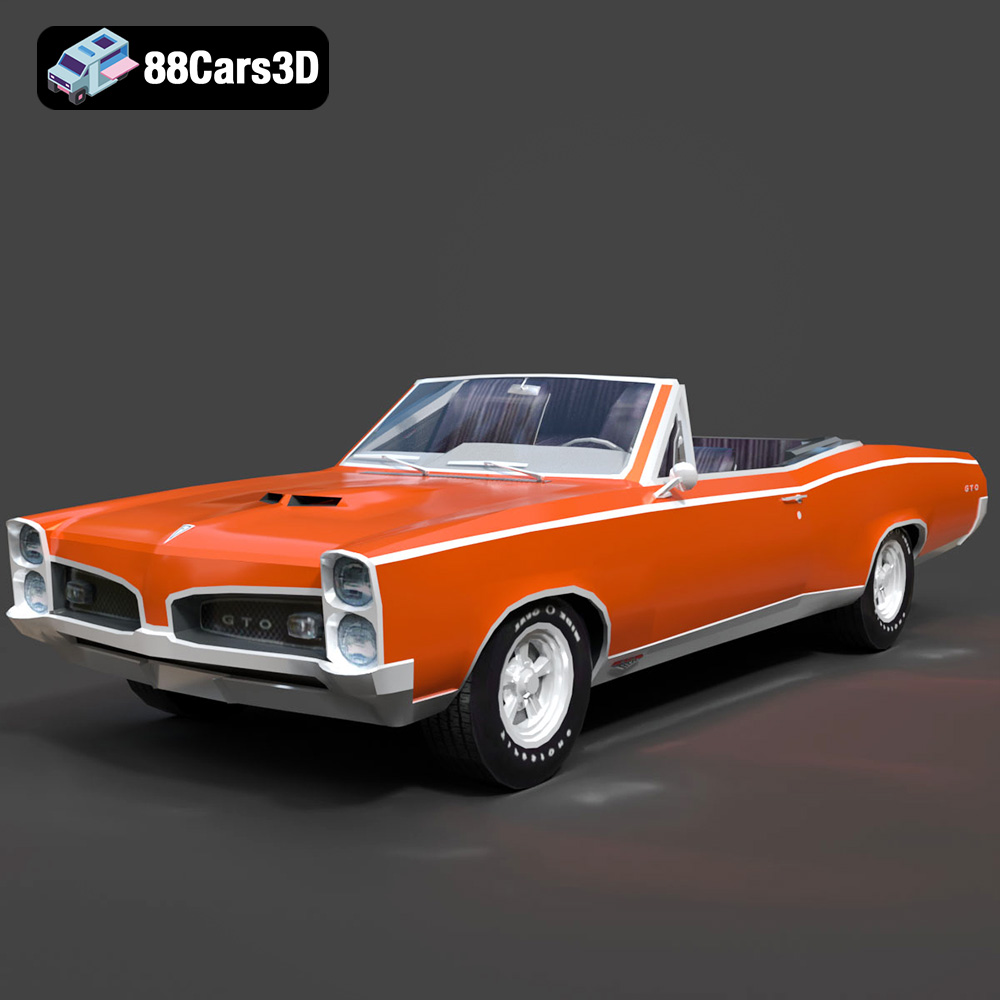
Download the Pontiac GTO Cabrio 1967 3D Model featuring clean geometry, realistic detailing, and a fully modeled interior. Includes .blend, .fbx, .obj, .glb, .stl, .ply, .unreal, and .max formats for rendering, simulation, and game development.
Price: $4.99
Texture: Yes
Material: Yes
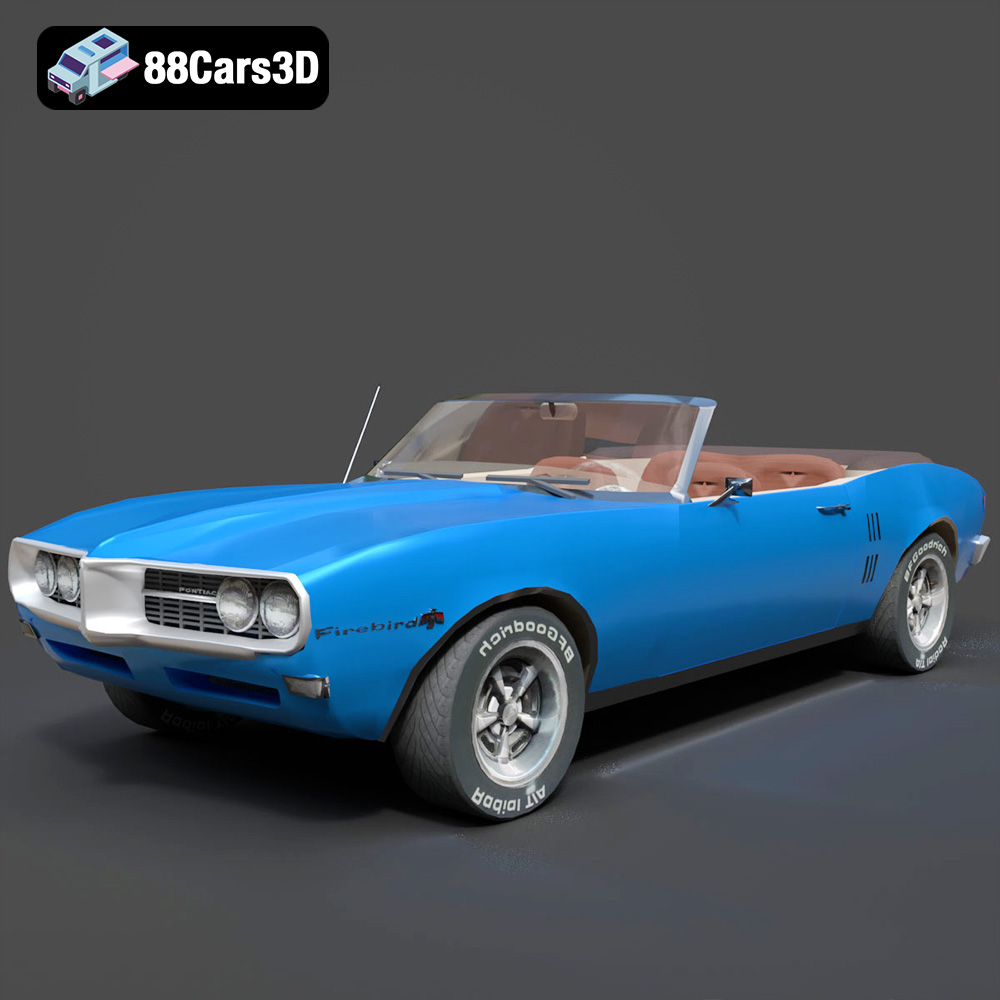
Download the Pontiac Firebird Convertible 1968 3D Model featuring clean geometry, realistic detailing, and a fully modeled interior. Includes .blend, .fbx, .obj, .glb, .stl, .ply, .unreal, and .max formats for rendering, simulation, and game development.
Price: $4.99

Texture: Yes
Material: Yes
Download the Peugeot 508 2011 3D Model featuring clean geometry, realistic detailing, and a fully modeled interior. Includes .blend, .fbx, .obj, .glb, .stl, .ply, .unreal, and .max formats for rendering, simulation, and game development.
Price: $4.99
Texture: Yes
Material: Yes
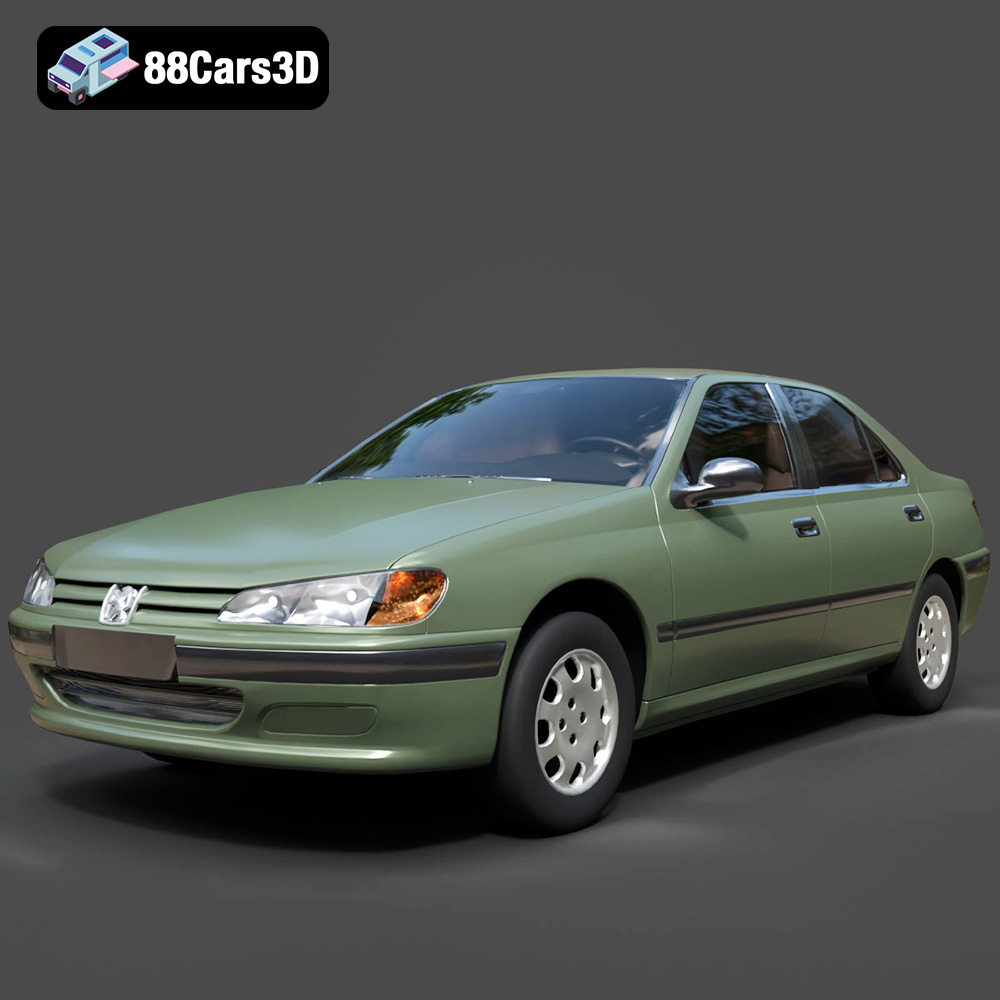
Download the Peugeot 406 1996 3D Model featuring clean geometry, realistic detailing, and a fully modeled interior. Includes .blend, .fbx, .obj, .glb, .stl, .ply, .unreal, and .max formats for rendering, simulation, and game development.
Price: $10
Texture: Yes
Material: Yes
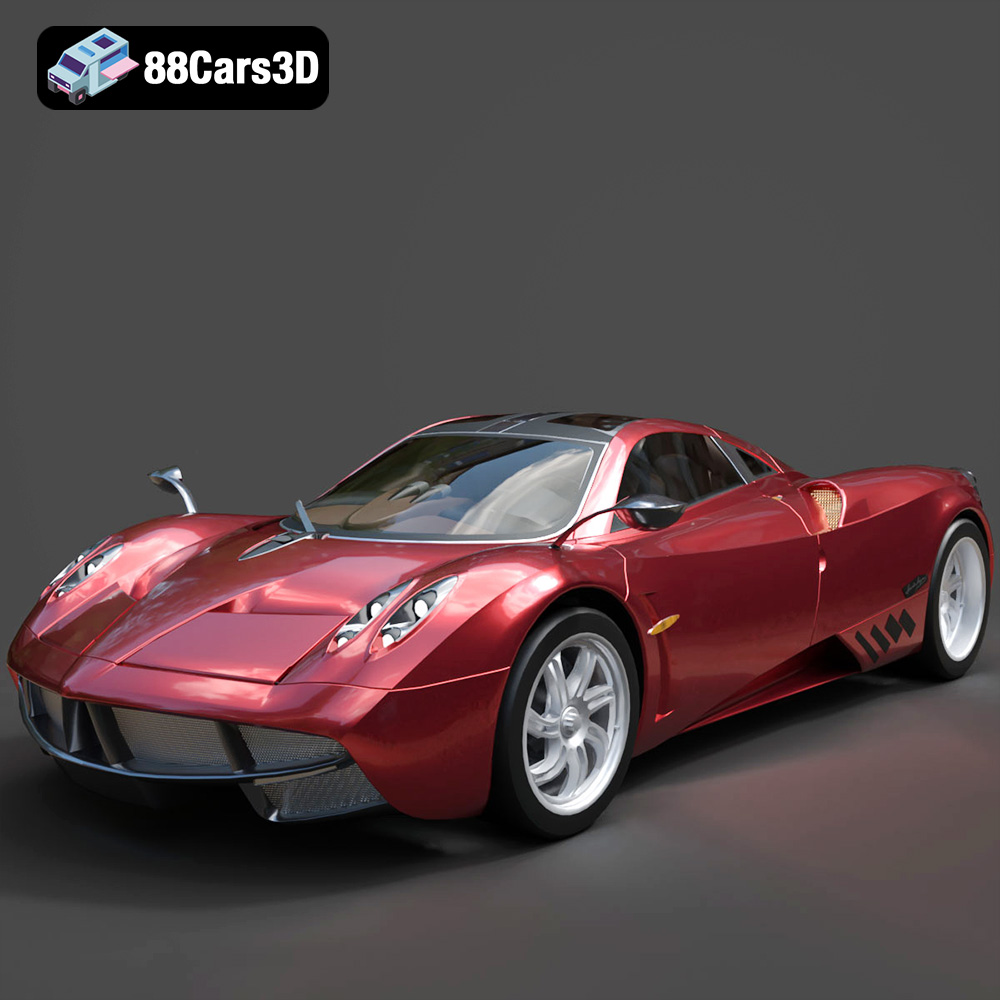
Download the Pagani Huayra 2012 3D Model featuring clean geometry, realistic detailing, and a fully modeled interior. Includes .blend, .fbx, .obj, .glb, .stl, .ply, .unreal, and .max formats for rendering, simulation, and game development.
Price: $10
Texture: Yes
Material: Yes
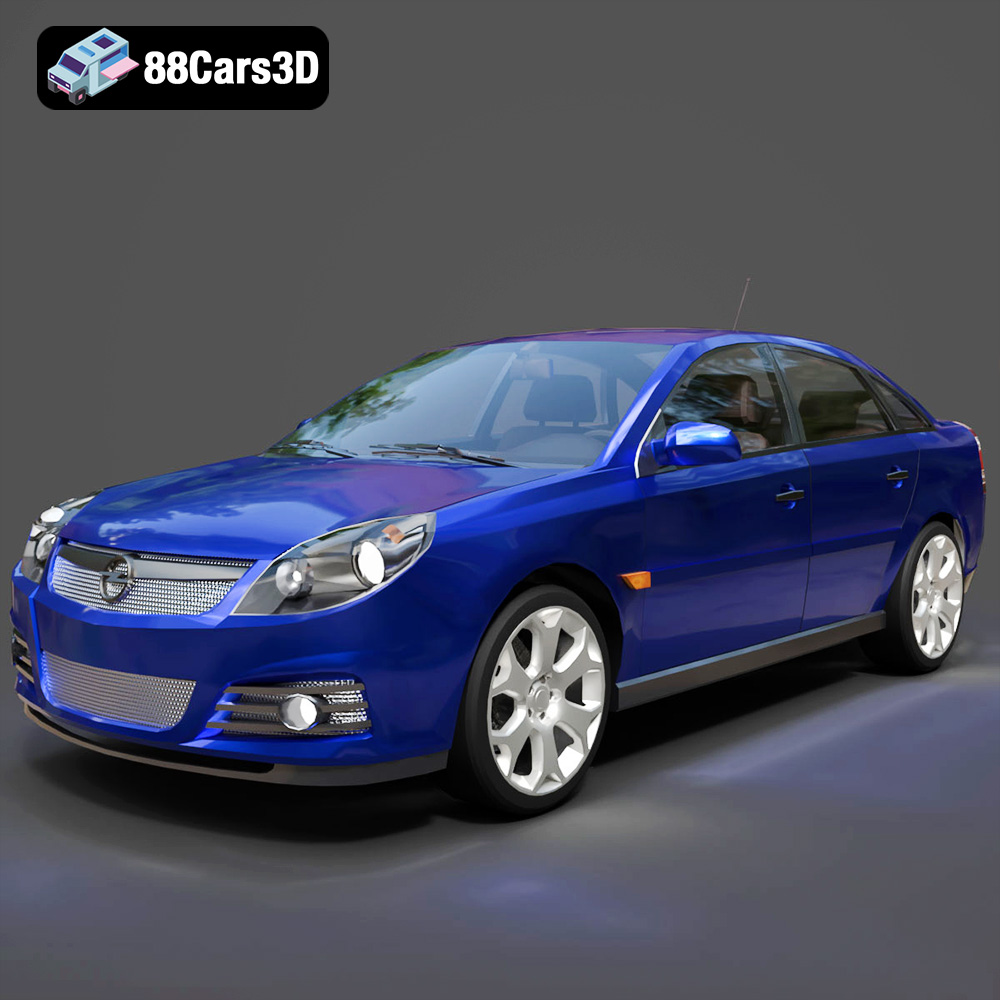
Download the Opel Vectra C 2005 3D Model featuring clean geometry, realistic detailing, and a fully modeled interior. Includes .blend, .fbx, .obj, .glb, .stl, .ply, .unreal, and .max formats for rendering, simulation, and game development.
Price: $10

Texture: Yes
Material: Yes
Download the Opel Insignia OPC 3D Model featuring clean geometry, realistic detailing, and a fully modeled interior. Includes .blend, .fbx, .obj, .glb, .stl, .ply, .unreal, and .max formats for rendering, simulation, and game development.
Price: $10

