⚡ FLASH SALE: Get 60% OFF All Premium 3D & STL Models! ⚡

In the dynamic world of 3D visualization, nothing commands attention quite like a meticulously crafted 3D car model. From the sleek lines of a supercar gracing a billboard to a robust off-roader navigating a virtual landscape, these digital automotive masterpieces are indispensable assets across industries. They serve as the backbone for photorealistic renders, immersive game environments, cutting-edge AR/VR experiences, and even precise prototypes for 3D printing. Yet, creating or selecting a high-quality 3D car model involves far more than just aesthetics; it demands a deep understanding of technical precision, optimization strategies, and artistic finesse. The journey from concept to a fully realized digital vehicle is paved with intricate decisions regarding topology, materials, lighting, and performance.
This comprehensive guide delves into the multifaceted world of 3D car models, offering invaluable insights for artists, game developers, automotive designers, and visualization professionals. We’ll explore the foundational principles of clean modeling, the art of realistic material creation, advanced rendering techniques, and crucial optimization strategies for various applications. Whether you’re aiming to create stunning marketing visuals, build an expansive open-world game, or explore the frontiers of augmented reality, understanding these technical nuances will elevate your projects. Prepare to unlock the secrets behind truly exceptional 3D automotive assets and discover how to leverage them across the digital landscape, ensuring your creations not only look incredible but also perform flawlessly.
The genesis of any high-quality 3D car model lies in its topology – the underlying structure of polygons that defines its form. For automotive models, precision is paramount. Cars are characterized by complex curves, sharp creases, and large, smooth surfaces that reflect light in very specific ways. Imperfect topology can lead to visible artifacts, poor deformations, and difficulties in UV mapping and texturing. A professional-grade car model typically starts with a clean, all-quad mesh (triangles are generally avoided where possible, especially for subdivision surfaces) to ensure smooth subdivision and predictable edge flow. This approach allows for scalability, enabling the model to be used across various detail levels, from distant background elements to hero shots.
The choice between NURBS (Non-uniform Rational B-splines) and Subdivision Surfaces often depends on the initial modeling workflow. While NURBS are excellent for their mathematical precision and ability to generate perfectly smooth surfaces, most final models for rendering and real-time applications are converted to polygonal subdivision surfaces. This conversion requires careful retopology to maintain the integrity of the original design while creating a clean, manageable quad mesh. Understanding how to manage polygon density in different areas—higher density around intricate details like grilles, headlights, or panel gaps, and lower density on large, flat body panels—is crucial for balancing visual fidelity with performance.
Achieving a clean mesh with optimal edge flow is perhaps the most critical aspect of automotive modeling. Good edge flow ensures that the polygons follow the natural contours and creases of the car, allowing for smooth subdivision without pinching or unwanted artifacts. This means carefully routing edge loops around panel lines, wheel arches, and character lines that define the car’s aesthetic. Each edge loop should contribute to the form, rather than creating unnecessary complexity. For instance, when modeling a car door, edge loops should clearly define the door’s outline, the window frame, and any sculpted details, ensuring that when subdivision modifiers (like Turbosmooth in 3ds Max, Subdivision Surface in Blender, or Smooth Mesh in Maya) are applied, the surfaces remain pristine and retain their intended shape.
A common pitfall is creating N-gons (polygons with more than four sides) or triangles in areas where they will cause issues during subdivision. While a few triangles might be acceptable in very flat, non-deforming areas, they should generally be converted to quads, especially along curved surfaces or edges. Proper support loops (extra edge loops running parallel to a hard edge) are essential to maintain sharp details even after subdivision, preventing edges from softening excessively. Mastering this technique allows artists to control the perceived sharpness and curvature of every part of the vehicle, from the subtle fillets on a door handle to the aggressive lines of a spoiler.
In many applications, especially game development and real-time visualization, raw polygon count is a primary performance consideration. A highly detailed 3D car model can easily run into millions of polygons, which is unsustainable for real-time engines. This is where polygon budgeting and Level of Detail (LOD) strategies become vital. A single high-resolution model is typically created as the “source” or “hero” asset, often ranging from 150,000 to 500,000 polygons for a full exterior and interior. This model is ideal for close-up renders and cinematics.
For game engines, multiple LODs are generated. LOD0 might be around 80,000-150,000 polygons for close-ups, LOD1 at 20,000-50,000 polygons for mid-range views, and LOD2/LOD3 dropping to as low as 5,000-10,000 polygons for distant views. These lower LODs are created by carefully dissolving edge loops, simplifying geometry, and using techniques like decimation (though manual retopology often yields better results). Crucially, normal maps baked from the high-resolution model are used to retain the illusion of fine detail on the lower-polygon versions, ensuring visual consistency across different distances. When sourcing models from marketplaces such as 88cars3d.com, developers should always check if various LODs are provided or if the base mesh is clean enough for efficient LOD generation.
Once the geometry is solid, the next step is to give the car its “skin” through UV mapping and texturing. UV mapping is the process of flattening the 3D surface of a model into a 2D space, allowing a 2D image (texture) to be wrapped around it. For complex objects like cars, meticulous UV mapping is essential for seamless textures, efficient material creation, and avoiding stretching or distortion. Automotive textures include everything from the metallic paint finish, intricate tire treads, glass, plastic trims, and dashboard details, each requiring specific attention to detail.
The transition to Physically Based Rendering (PBR) workflows has revolutionized texturing, demanding a more scientific approach to material definition. PBR materials simulate how light interacts with surfaces in the real world, producing far more realistic results. This involves creating multiple texture maps (albedo/base color, metallic, roughness, normal, ambient occlusion, displacement) that accurately represent a material’s properties rather than just its color. Mastering these techniques ensures that your car models react realistically to varying lighting conditions, a critical factor for photorealistic rendering and immersive real-time experiences.
Effective UV unwrapping for car models involves strategically placing seams to minimize visibility and maximize texture resolution. For large, continuous surfaces like body panels, it’s often best to hide seams along natural breaks or edges that are less prominent. For example, a single panel might be unwrapped with seams along its underside or where it meets another panel. Tools in software like 3ds Max, Blender, or Maya offer various projection methods (planar, cylindrical, spherical) and advanced unwrapping algorithms (e.g., “Unfold3D” in Max, “Follow Active Quads” in Blender) to facilitate this process.
For intricate parts like engines or interiors, UDIMs (Universal Dimension Identifiers) are a powerful technique. Instead of packing all textures into a single 0-1 UV space, UDIMs allow you to spread UV shells across multiple texture tiles (e.g., 1001, 1002, 1003…), each tile having its own texture map. This is incredibly useful for maintaining high texture resolution across complex assets without creating excessively large single texture files. For instance, the car body might use one UDIM tile, the interior another, and tires yet another, allowing for 4K or even 8K textures on each component. Proper UV packing within each tile is also crucial to minimize wasted space and maximize texel density (pixels per unit of surface area).
PBR materials are the cornerstone of modern automotive rendering. They are designed to behave consistently under any lighting condition, eliminating the need for artists to “fake” lighting effects within textures. The two main PBR workflows are Metallic-Roughness and Specular-Glossiness. Metallic-Roughness, commonly used in game engines like Unity and Unreal, utilizes maps for Base Color (albedo), Metallic (0 for dielectric, 1 for metallic), Roughness (0 for perfectly smooth, 1 for perfectly rough), and Normal. Specular-Glossiness, often found in offline renderers like V-Ray and Corona, uses maps for Diffuse, Specular (reflectivity), Glossiness (inverse of roughness), and Normal.
Creating these maps can be done through dedicated texturing software like Substance Painter or Designer, by baking from high-resolution geometry, or using procedural noise and utility maps. Car paint, for example, is a complex PBR material that often requires a clear coat layer over a metallic flake base. This can be simulated using layered shaders or by carefully crafting metallic and roughness maps. Other materials like glass, rubber, chrome, carbon fiber, and leather each demand specific PBR map values and shader network configurations to achieve their distinctive realistic appearance. Understanding how light interacts with different material properties—like fresnel reflections on glass or anisotropic reflections on brushed metals—is key to achieving photorealistic results.
A beautifully modeled and textured 3D car model truly comes to life under the right lighting. Automotive rendering is an art form in itself, demanding a keen eye for composition, an understanding of photographic principles, and mastery of rendering software. The goal is often photorealism, mimicking studio photography or real-world environments. This involves not only setting up light sources but also configuring realistic camera properties, global illumination, and sophisticated post-processing techniques.
Modern renderers like Corona Renderer, V-Ray, Cycles (Blender), and Arnold (Maya/3ds Max) utilize physically accurate ray tracing algorithms to simulate light propagation, reflection, and refraction. This allows for incredibly realistic interactions between light and the PBR materials of the car. Optimizing render settings, balancing quality with render times, and understanding how to achieve specific visual moods are crucial skills. Whether aiming for a pristine studio look or a dynamic outdoor scene, the lighting setup is what makes the difference between a good render and an exceptional one.
For professional automotive renders, particularly for advertising or product visualization, studio lighting setups are common. These typically involve a combination of softbox lights, key lights, fill lights, and rim lights to highlight the car’s contours and reflections. A classic three-point lighting setup (key, fill, back) is a good starting point, but often more lights are used to create complex reflections on the car body. Careful placement of these lights can emphasize the car’s design lines and paint finish. Furthermore, physically accurate light sources (e.g., photometric lights in 3ds Max, IES profiles for spotlights) enhance realism by mimicking real-world light behaviors.
High Dynamic Range Image (HDRI) environments are indispensable for realistic automotive rendering. An HDRI is a 360-degree panoramic image that contains a vast range of light information, from direct sunlight to subtle ambient light. When used as an environment map, an HDRI not only provides accurate reflections on the car’s surfaces but also contributes to the global illumination of the scene, realistically coloring the shadows and ambient light. Combining a high-quality HDRI (e.g., a studio HDRI or an outdoor automotive photoshoot location) with targeted studio lights offers the best of both worlds: realistic environment reflections and precise control over highlight placement and intensity.
Beyond the base PBR materials, automotive shaders often require advanced techniques to fully capture realism. Car paint, as mentioned, frequently involves layered shaders to simulate the clear coat, metallic flakes, and base color, sometimes with additional procedural noise for orange peel effect. Glass shaders need to accurately refract and reflect light, often with subtle imperfections. Tire materials require complex textures for tread and sidewall details, coupled with specific roughness and bump maps to convey the rubber’s texture. Leather and fabric interiors similarly demand high-resolution texture work and intricate shader networks to truly sell their realism.
Post-processing is the final crucial step in automotive rendering, refining the raw render output into a polished masterpiece. This is typically done in image editing software like Photoshop or compositing software like Nuke or After Effects. Common post-processing techniques include color grading to set the mood, adding subtle chromatic aberration, vignetting, lens flares, and depth of field to draw the viewer’s eye. Adjusting contrast, sharpening details, and adding subtle atmospheric effects like haze or dust can significantly enhance the visual impact. The goal is to elevate the render from a mere technical output to a compelling piece of visual art, ready for advertising, cinematic sequences, or high-end visualization projects.
While offline rendering prioritizes ultimate fidelity, real-time applications like video games, interactive configurators, and architectural visualizations demand a delicate balance between visual quality and performance. A 3D car model destined for a game engine like Unity or Unreal Engine needs to be meticulously optimized to run smoothly on target hardware, maintaining high frame rates without sacrificing too much visual detail. This involves aggressive polygon reduction, efficient texture management, and smart use of engine features to minimize draw calls and shader complexity. Poorly optimized models can cause significant performance bottlenecks, leading to stuttering gameplay or unresponsive applications.
The core challenge is translating a high-fidelity model, often designed for static renders, into a dynamic asset that can be rendered tens, hundreds, or even thousands of times per second. This process requires a deep understanding of how game engines process and display geometry and textures, and how to structure assets in a way that is friendly to the GPU. Effective optimization ensures that players or users experience fluid motion and immersive environments, whether they are racing through a virtual city or exploring an automotive showroom in VR.
The concept of Level of Detail (LODs) is paramount for game-ready car models. As discussed earlier, multiple versions of the model are created, each with progressively fewer polygons. Game engines automatically switch between these LODs based on the camera’s distance to the object, ensuring that only the necessary detail is rendered. For instance, a complex car interior might only be present in LOD0 (closest view), while distant LODs might simply be a solid car shell. Tools like ProOptimizer in 3ds Max or the built-in LOD tools in Unity and Unreal Engine assist in this process, often allowing artists to define simplification percentages for each LOD. A common strategy involves baking normal maps from the high-poly model onto the low-poly LODs to preserve surface detail without additional geometry.
Reducing draw calls is another critical optimization. A draw call is a command from the CPU to the GPU to render a specific mesh. Each material on a mesh typically constitutes a draw call. A car model with many separate parts (body, doors, wheels, calipers, interior elements) and many different materials can quickly generate a high number of draw calls, impacting performance. Strategies to mitigate this include combining meshes where possible (e.g., merging all interior plastics into one mesh with a single material if they share the same properties), and using texture atlases. Texture atlasing involves combining multiple smaller textures into one larger texture map, allowing different parts of the car to share a single material and thus reducing draw calls. This requires careful re-UV mapping to point different mesh parts to their respective areas on the atlas.
Texture atlasing is a powerful technique to optimize texture memory and draw calls. Instead of having separate 2K textures for each small component (e.g., headlight glass, indicator light, door handle), these textures can be combined into a single 4K or 8K atlas. The UVs for all these smaller components are then re-mapped to point to their corresponding sections within the atlas. This means fewer texture lookups and potentially fewer materials, which translates to better performance, especially on mobile devices or lower-end PCs. Tools like Photoshop or dedicated texture packers can assist in creating these atlases.
Material instancing in game engines further enhances optimization. Instead of creating entirely new materials for slight variations (e.g., different paint colors of the same car model), a master material is created, and instances of it are made. These instances can then override specific parameters (like base color, roughness, metallic values) without incurring the overhead of a completely new shader compilation. This not only saves memory but also allows for incredible flexibility in creating variations of the same car model with minimal performance cost. For example, a single “Car Paint Master” material could have instances for red, blue, and black paint, all referencing the same shader logic but with different color parameters.
The versatility of high-quality 3D car models extends far beyond traditional rendering and game development. They are increasingly vital assets in emerging technologies like Augmented Reality (AR) and Virtual Reality (VR), offering immersive experiences for design review, marketing, and interactive training. Furthermore, these digital blueprints can be translated into physical objects through 3D printing, enabling rapid prototyping and custom manufacturing. Each of these applications, however, introduces its own unique set of technical requirements and optimization challenges, demanding specific attention to detail from the 3D artist.
For AR/VR, the focus shifts to ultra-high performance and a seamless, believable integration with the real world or an immersive virtual one. This means pushing optimization even further than for traditional games, as headsets and mobile devices have stricter computational budgets. For 3D printing, the concerns revolve around mesh integrity, physical dimensions, and manufacturing constraints, requiring the model to be a solid, manifold object ready for fabrication.
AR/VR applications for 3D car models typically require real-time rendering at extremely high frame rates (e.g., 90 FPS or more per eye for VR) to prevent motion sickness and ensure immersion. This often means even more aggressive polygon reduction than standard game assets. While LODs are still crucial, developers might need to rely heavily on normal maps and baked lighting (lightmaps) to convey detail without excessive geometry. Mobile AR (e.g., Apple’s ARKit, Google’s ARCore) imposes even tighter constraints, making polygon counts often as low as 20,000-50,000 for an entire vehicle.
File formats optimized for AR/VR, such as GLB (for glTF) and USDZ (Apple’s universal scene description format), are commonly used. These formats are designed to be lightweight, contain all necessary data (geometry, materials, textures, animations) in a single file, and are highly efficient for web and mobile deployment. Material optimization for AR/VR also requires careful consideration; complex shader effects that are expensive to compute in real-time should be avoided or simplified. Attention to scale and units is also paramount to ensure the virtual car appears correctly sized when superimposed on the real world or within a VR environment, preventing jarring visual inconsistencies that break immersion.
Converting a visualization 3D car model into one suitable for 3D printing involves a shift in mindset from virtual aesthetics to physical robustness. The primary concern is creating a “manifold” or “watertight” mesh – a completely enclosed volume without any holes, inverted normals, or self-intersecting geometry. Unlike rendering, where minor mesh errors might go unnoticed, 3D printers require a perfect, solid object to generate toolpaths.
Key preparation steps include checking for non-manifold edges, open boundaries, and duplicate faces using mesh analysis tools available in most 3D software or dedicated 3D printing preparation tools (e.g., Netfabb, Meshmixer, or Blender’s 3D Print Toolbox add-on). Wall thickness is another critical consideration; thin parts that might look fine digitally could be too fragile to print or even fail during the printing process. Adjusting these thicknesses, merging separate components into a single shell, and adding support structures (if not handled by the slicer software) are essential. Scaling the model to the desired physical dimensions and ensuring correct units (millimeters, inches) is also vital for accurate output. For intricate car models, printing in parts and then assembling can often yield better results and allow for finer detail.
In a professional 3D workflow, asset exchange and compatibility are ongoing challenges. A 3D car model often starts in one software, is textured in another, rendered in a third, and then integrated into a game engine or a different visualization platform. Understanding the strengths and weaknesses of various 3D file formats is crucial for seamless data transfer, preserving all relevant information—from geometry and UVs to materials, cameras, and even animations. Choosing the right format for the right task can save countless hours of troubleshooting and rework.
The landscape of 3D file formats is constantly evolving, with new industry standards emerging to address the complexities of modern pipelines. Artists and developers must stay informed about these changes to ensure their assets remain accessible and functional across different software packages and platforms, supporting collaborative workflows and future-proofing their investments in high-quality 3D car models like those found on 88cars3d.com.
Several key 3D file formats dominate the industry, each with specific advantages:
Other formats like ABC (Alembic) are excellent for high-fidelity animation caches, while native formats (e.g., .max, .blend, .ma) are always best for working directly within their respective software environments.
When preparing 3D car models for export and exchange, adherence to best practices is crucial to avoid common issues. Firstly, always ensure your scene is clean: remove any unused objects, layers, or materials. Freeze transformations and reset XForm (in 3ds Max) or apply transforms (in Blender) to ensure correct scaling and rotation. Consolidate materials where possible and ensure texture paths are relative or embedded in formats that support it (like GLB).
Standardized units (e.g., meters or centimeters) should be used across all software to prevent scale discrepancies upon import. Naming conventions for meshes, materials, and textures should be clear and consistent to aid organization, especially in large projects or collaborative environments. When exporting to game engines, ensure pivot points are correctly set for interactive elements (e.g., at the hinge for doors). Always test exports by re-importing them into different software or game engines to verify that all data has transferred correctly. Finally, backing up your native project files before export is always a wise precaution, as conversion can sometimes be a one-way street for certain properties.
The journey through the intricacies of 3D car modeling, from foundational topology to advanced rendering and multi-platform optimization, reveals a landscape of continuous innovation and technical mastery. High-quality 3D car models are more than just digital representations; they are pivotal assets that drive realism and engagement across a multitude of industries. Whether you’re an automotive designer visualizing a future concept, a game developer crafting an immersive racing experience, or an architect integrating vehicles into a realistic street scene, the demand for precise, performant, and visually stunning automotive assets is unwavering.
Mastering the principles of clean topology, efficient UV mapping, and PBR material creation forms the bedrock of any successful 3D car project. Understanding how to leverage advanced rendering techniques unlocks photorealistic potential, while strategic optimization ensures seamless performance in real-time environments and emerging AR/VR applications. Furthermore, the ability to prepare models for physical realization through 3D printing and navigate the complexities of various file formats guarantees maximum flexibility and cross-platform compatibility. Platforms like 88cars3d.com provide a vital resource for professionals seeking these meticulously crafted, ready-to-use assets, allowing artists to focus on creativity rather than the laborious foundational work.
Embrace these technical insights and integrate them into your workflow. Continuously refine your skills, experiment with new techniques, and always strive for that perfect balance between artistic vision and technical precision. The future of 3D visualization is bright, and with a solid understanding of these core principles, your 3D car models will not only meet but exceed the ever-evolving demands of the digital world, truly bringing your automotive dreams to life.
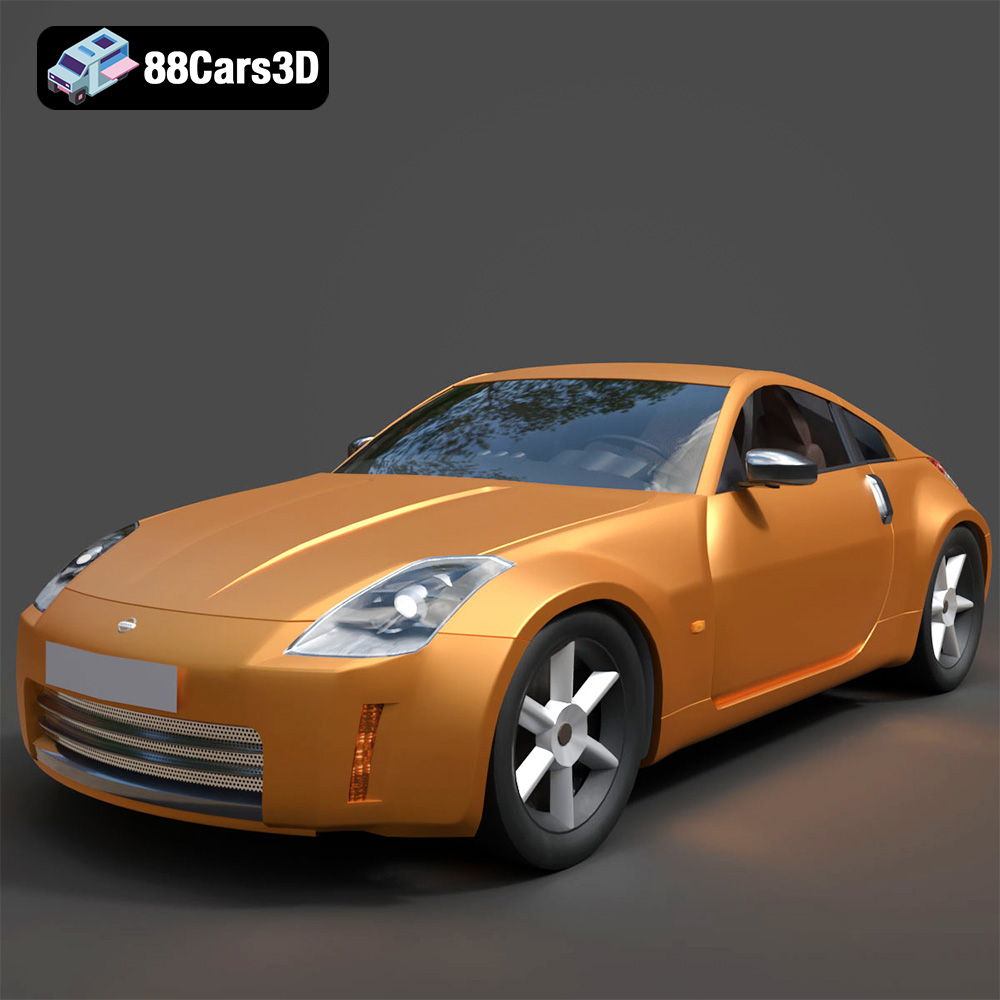
Texture: Yes
Material: Yes
Download the Nissan 350Z 3D Model featuring clean geometry, realistic detailing, and a fully modeled interior. Includes .blend, .fbx, .obj, .glb, .stl, .ply, .unreal, and .max formats for rendering, simulation, and game development.
Price: $4.99

Texture: Yes
Material: Yes
Download the Nissan Skyline V35 2001 3D Model featuring clean geometry, realistic detailing, and a fully modeled interior. Includes .blend, .fbx, .obj, .glb, .stl, .ply, .unreal, and .max formats for rendering, simulation, and game development.
Price: $4.99

Texture: Yes
Material: Yes
Download the Mercedes-Benz S-Klasse 221-007 3D Model featuring clean geometry, realistic detailing, and a fully modeled interior. Includes .blend, .fbx, .obj, .glb, .stl, .ply, .unreal, and .max formats for rendering, simulation, and game development.
Price: $4.99
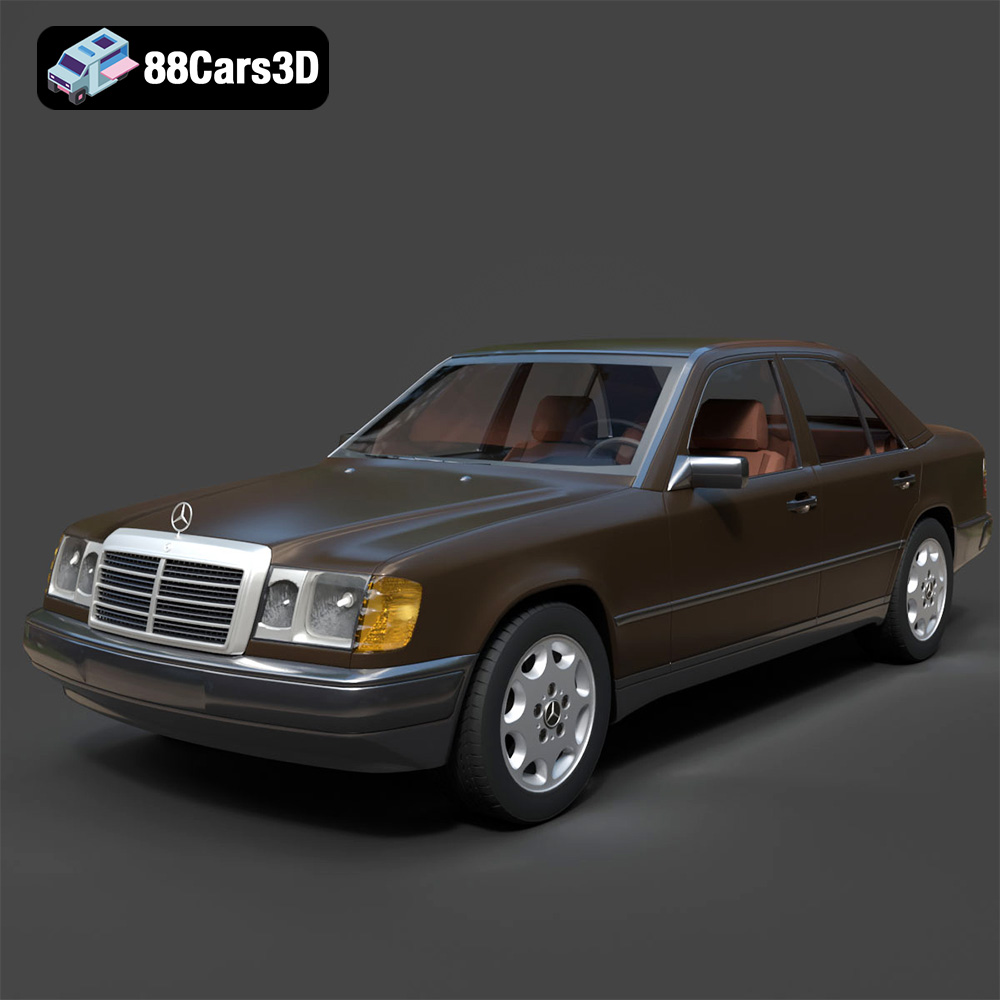
Texture: Yes
Material: Yes
Download the Mercedes W124 Sedan 3D Model featuring clean geometry, realistic detailing, and a fully modeled interior. Includes .blend, .fbx, .obj, .glb, .stl, .ply, .unreal, and .max formats for rendering, simulation, and game development.
Price: $4.99

Texture: Yes
Material: Yes
Download the Nissan Fuga 2003 3D Model featuring clean geometry, realistic detailing, and a fully modeled interior. Includes .blend, .fbx, .obj, .glb, .stl, .ply, .unreal, and .max formats for rendering, simulation, and game development.
Price: $4.99
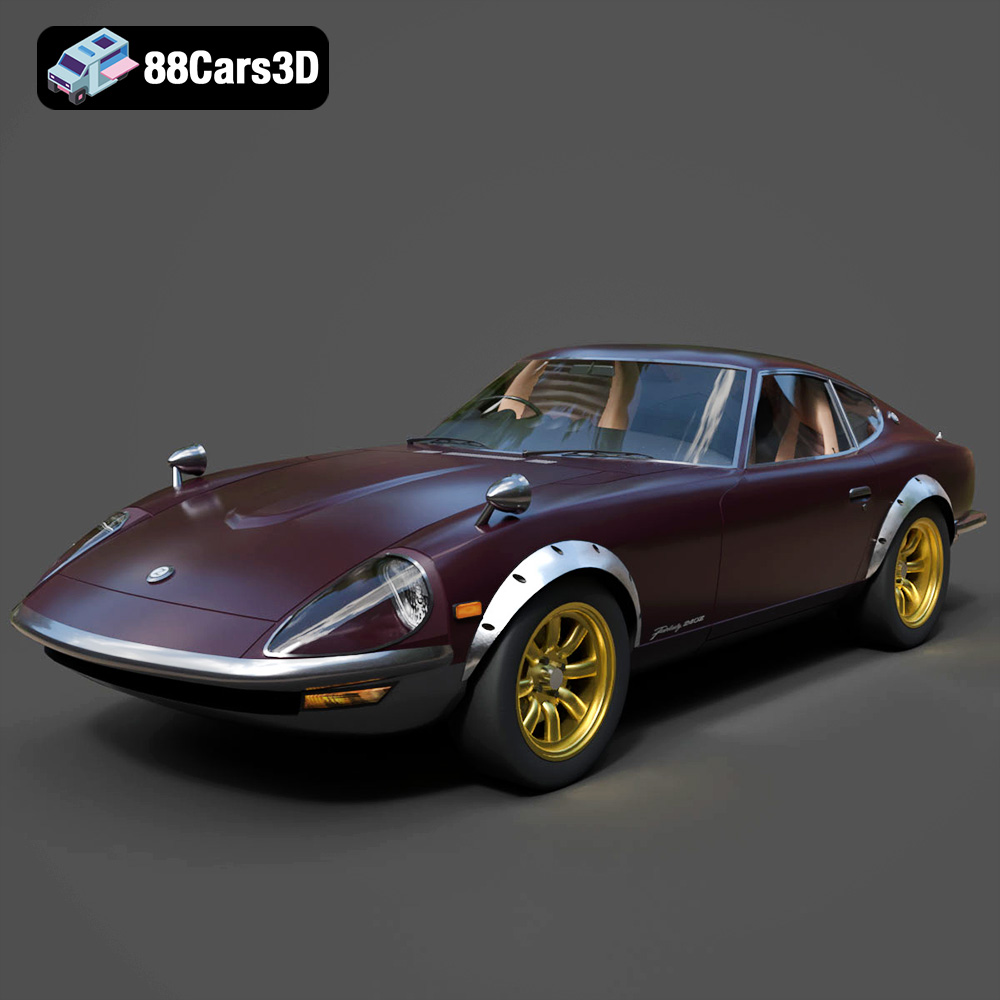
Texture: Yes
Material: Yes
Download the Nissan FairLady 240ZG 3D Model featuring clean geometry, realistic detailing, and a fully modeled interior. Includes .blend, .fbx, .obj, .glb, .stl, .ply, .unreal, and .max formats for rendering, simulation, and game development.
Price: $4.99
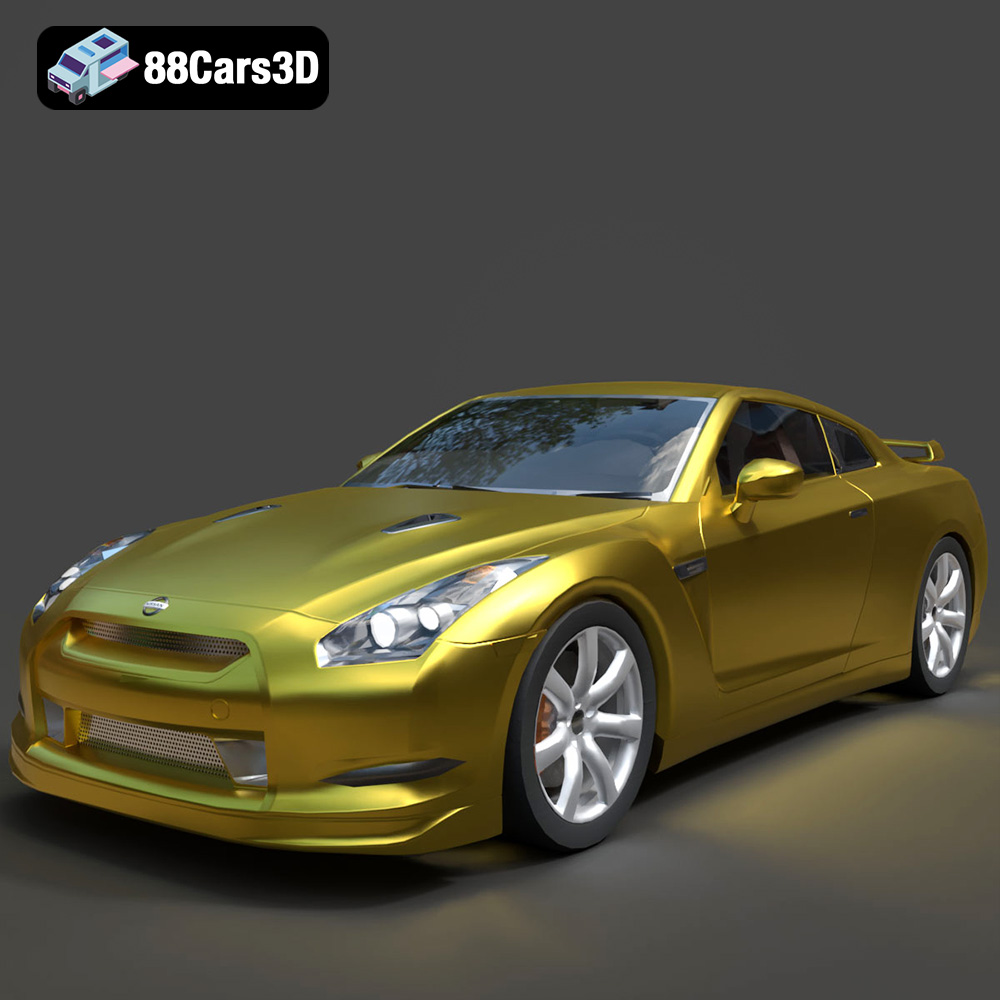
Texture: Yes
Material: Yes
Download the Nissan GT-R 2008 3D Model featuring clean geometry, realistic detailing, and a fully modeled interior. Includes .blend, .fbx, .obj, .glb, .stl, .ply, .unreal, and .max formats for rendering, simulation, and game development.
Price: $4.99

Texture: Yes
Material: Yes
Download the Nissan Cube 3D Model featuring clean geometry, realistic detailing, and a fully modeled interior. Includes .blend, .fbx, .obj, .glb, .stl, .ply, .unreal, and .max formats for rendering, simulation, and game development.
Price: $4.99

Texture: Yes
Material: Yes
Download the Nissan Cedric Y32 3D Model featuring clean geometry, realistic detailing, and a fully modeled interior. Includes .blend, .fbx, .obj, .glb, .stl, .ply, .unreal, and .max formats for rendering, simulation, and game development.
Price: $4.99

Texture: Yes
Material: Yes
Download the Nissan Cima Infiniti Q45 2007 3D Model featuring clean geometry, realistic detailing, and a fully modeled interior. Includes .blend, .fbx, .obj, .glb, .stl, .ply, .unreal, and .max formats for rendering, simulation, and game development.
Price: $4.99

