⚡ FLASH SALE: Get 60% OFF All Premium 3D & STL Models! ⚡

The digital automotive landscape is a realm of incredible detail and stunning realism. From the sleek curves of a high-performance sports car in a cinematic advertisement to the meticulously rendered vehicle tearing across a virtual racetrack, the demand for high-quality 3D car models is constant and growing. But what truly defines a “high-quality” model? It’s more than just aesthetics; it’s a symphony of intricate technical considerations, demanding precision in every polygon, pixel, and parameter. Mastering these elements transforms a simple mesh into a versatile digital asset capable of powering everything from photorealistic renders to immersive AR/VR experiences and even precise 3D printing.
This comprehensive guide delves deep into the technical intricacies behind creating, optimizing, and deploying professional-grade automotive 3D models. We’ll explore the foundational principles of clean topology, demystify advanced UV mapping and PBR material workflows, dissect rendering strategies, and uncover the secrets to optimizing assets for interactive platforms like game engines and extended reality. Whether you’re a seasoned 3D artist, a game developer, an automotive designer, or a visualization professional, this article will equip you with the knowledge to elevate your craft and confidently navigate the complex world of digital vehicle asset development. Understanding these technical foundations is crucial, and platforms like 88cars3d.com exist to provide artists with assets that adhere to these very standards, saving invaluable time and effort.
The foundation of any high-quality 3D car model lies in its topology—the arrangement of its vertices, edges, and faces. For automotive models, which are characterized by smooth, continuous surfaces and sharp, defined edges, impeccable topology is not just a preference, but a necessity. Clean topology ensures that the model deforms correctly, shades smoothly under various lighting conditions, and is easy to modify. It’s especially critical for models intended for subdivision surface modeling, where polygons are smoothly interpolated to create high-detail surfaces without excessive manual poly-count.
A well-modeled car will feature predominantly quad-based polygons, avoiding triangles and N-gons where possible, especially on curved surfaces. This allows for predictable edge flow, which follows the natural lines and contours of the car’s design, such as door seams, body panels, and wheel arches. Good edge flow ensures that when the model is subdivided (e.g., using a Turbosmooth modifier in 3ds Max or Subdivision Surface modifier in Blender), the resulting high-polygon mesh retains its intended shape and smoothness without pinching or artifacts. For production-ready assets, maintaining a consistent poly-density across major surfaces, while adding more detail loops in areas of high curvature or sharp creases, is a common practice.
Edge flow is paramount in automotive modeling because vehicles are masterpieces of industrial design, relying on subtle curvature and precise reflections. Poor edge flow leads to visible creasing, bumpy surfaces, and inaccurate reflections, ruining the illusion of realism. Artists often employ “holding loops” or “control loops”—additional edge loops placed parallel to a sharp edge—to control the sharpness of subdivided surfaces without adding excessive geometry to flatter areas. For example, around a car’s wheel wells or window frames, multiple tight edge loops define the hard edges, while broader, evenly spaced loops define the expansive, smooth body panels. This meticulous control over geometry is what separates a professional model from a mediocre one.
The ideal polygon count for a 3D car model varies drastically depending on its intended use. For high-end cinematic rendering or product visualization, models can range from hundreds of thousands to several million polygons, allowing for extreme detail and smooth curves. In contrast, game assets or AR/VR applications require aggressive optimization. A high-detail game vehicle might target 50,000 to 150,000 polygons, while a mobile VR experience might demand models as low as 10,000-30,000 polygons. Strategies like baking high-detail normal maps from high-poly models onto low-poly versions are essential here, preserving visual fidelity while dramatically reducing vertex count. When acquiring models, understanding these poly count implications is vital; platforms like 88cars3d.com often provide optimized versions or high-poly models suitable for various pipelines.
Once a 3D car model has pristine topology, the next critical step is to prepare it for texturing through meticulous UV mapping. UV mapping is the process of flattening the 3D surface of a model into a 2D space, allowing textures to be accurately applied without distortion. For complex automotive surfaces with intricate details, proper UV unwrapping is crucial for realistic material representation, especially for reflections and surface imperfections like scratches or dirt.
Effective UV layouts minimize stretching and overlapping, ensuring that texture pixels are evenly distributed across the model. This is particularly important for tiling textures and for baking accurate normal maps, ambient occlusion maps, and other utility maps. Artists often break down complex car models into logical UV islands (e.g., separate UVs for each body panel, tire, interior piece, and transparent glass), maximizing UV space utilization while keeping related parts together. Using multiple UV sets can also be beneficial, where one set handles base color and normal maps, and another might be dedicated to specific decals or unique patterns.
Automotive surfaces often present unique challenges for UV mapping. Large, curved panels like car bonnets or roofs need careful unwrapping to avoid stretching, often requiring careful seam placement along natural breaks or inconspicuous areas. For circular elements like wheel hubs or tire treads, cylindrical or planar projections followed by manual adjustments are common. Headlights and taillights, with their compound curves and transparent elements, might require multiple planar projections or even careful manual pinning to achieve a clean unwrap. Best practice dictates that UV islands should be packed efficiently into the 0-1 UV space, leaving some padding between islands to prevent bleeding when mipmaps are generated, which is critical for game engine performance.
Physically Based Rendering (PBR) has revolutionized texturing by simulating how light interacts with surfaces in a physically accurate manner. For automotive rendering, PBR materials are indispensable for achieving realistic paint finishes, metallic accents, rubber tires, and glass. The two primary PBR workflows are Metallic/Roughness and Specular/Glossiness, with Metallic/Roughness being more prevalent in modern game engines and renderers.
A typical PBR material setup for a car body paint might include:
Each map, typically 2K, 4K, or even 8K resolution for high-detail areas, contributes to the overall realism. Advanced automotive paints also often incorporate clear coat layers, which can be simulated with additional shader parameters, adding a second layer of reflections and gloss.
Beyond impeccable models and textures, achieving breathtaking automotive rendering hinges on expert material definition, sophisticated lighting, and the judicious use of powerful rendering engines. This is where the digital vehicle truly comes to life, mimicking the look and feel of its real-world counterpart with stunning fidelity. PBR materials, as discussed, are the cornerstone, but how they are assembled into complex shader networks and illuminated in a virtual environment dictates the final visual impact.
The journey to a photorealistic render involves combining various maps and parameters within a shader to accurately represent everything from multi-layered car paint to the intricate textures of interior fabrics. Advanced shader networks in software like 3ds Max (with Corona or V-Ray) or Blender (with Cycles) allow artists to blend different material properties, add procedural noise for imperfections, and integrate displacement maps for subtle surface variations. A typical car paint shader, for example, might combine a base metallic layer, a clear coat layer with its own reflectivity and roughness, subtle flake effects, and even a slight dirt accumulation in crevices. Understanding the nuances of each material property – diffuse, specular, reflection, refraction, subsurface scattering – and how they interact with light is key.
Creating truly convincing automotive materials often goes beyond simple PBR texture maps. For instance, car paint isn’t just a single layer; it’s often a base coat, a metallic flake layer, and a clear coat. A sophisticated shader would account for each of these, allowing separate control over their color, metallic properties, roughness, and IOR (Index of Refraction) for the clear coat. Headlights and taillights require complex setups with emissive components, refraction for glass lenses, and intricate internal reflectors. Tire materials demand fine-tuned roughness, displacement for tread patterns, and subtle rubber textures. Experimentation with procedural textures for subtle variations, like dust or fingerprints, can add an extra layer of realism without needing external image maps.
Lighting is the single most critical factor in making a render look realistic. For automotive visualization, artists often rely on Image-Based Lighting (IBL) using High Dynamic Range Images (HDRIs). HDRIs capture real-world lighting environments, providing incredibly natural and detailed illumination, including complex reflections in the car’s paintwork. Paired with a suitable HDRI, targeted area lights or spotlights are used to emphasize specific features, add sharp reflections, or create dramatic shadows. A common setup involves a primary key light, a fill light to soften shadows, and often a back or rim light to define the car’s silhouette.
For studio renders, a “three-point lighting” setup is a good starting point, sometimes augmented with softboxes or strip lights to generate elegant reflections along the vehicle’s curves. Environment plays a huge role; whether it’s an outdoor scene with a clear sky and distant trees reflecting in the paint, or an indoor studio with carefully positioned light sources, the environment directly influences how the car is perceived. Renderers like Corona Renderer, V-Ray, Cycles, and Arnold offer powerful tools for realistic light simulation, global illumination, and caustics, allowing artists to finely control every aspect of their scene’s illumination.
The journey of a 3D car model often extends beyond static renders into the dynamic worlds of interactive applications. For game assets, AR/VR, and real-time configurators, performance is paramount. Every polygon, texture, and draw call directly impacts frame rates and user experience. This necessitates a rigorous optimization process that balances visual fidelity with runtime efficiency, ensuring smooth performance across diverse hardware platforms.
Optimization for real-time engines like Unity and Unreal Engine involves several key strategies. The overarching goal is to reduce the computational load on the CPU and GPU. This begins with polygon count management, as previously discussed, but extends to how materials are batched, how textures are handled, and how objects interact with the rendering pipeline. High-quality 3D car models from marketplaces often come with optimized versions or clear guidelines for further real-time adaptation.
Levels of Detail (LODs) are an indispensable technique for real-time applications. Instead of rendering a single high-polygon model regardless of distance, LODs involve creating multiple versions of the same model with progressively lower polygon counts. The engine then swaps between these versions based on the object’s distance from the camera. A common LOD setup might include:
This dramatically reduces the number of polygons the GPU needs to process at any given moment. Complementing LODs is draw call reduction. Each time the GPU has to prepare and render a new batch of geometry or material, it incurs a “draw call” overhead. Minimizing draw calls is achieved by consolidating meshes into fewer objects and, crucially, by using texture atlasing.
Texture atlasing involves combining multiple smaller textures (e.g., textures for different parts of a car like headlights, wheels, and interior elements) into one larger texture map. This allows multiple parts of the car to share a single material, significantly reducing draw calls. Instead of the engine making separate draw calls for each textured component, it can render the entire atlased object with a single call. This technique is highly effective for optimizing game assets and plays a vital role in mobile AR/VR performance. Additionally, optimizing texture resolutions (e.g., using 2K textures where 4K isn’t strictly necessary), compressing textures appropriately, and reducing the number of unique materials are critical for efficient real-time rendering. Baking complex lighting or reflection probes into static lightmaps can also reduce runtime calculations for static environments.
The utility of a high-quality 3D car model extends far beyond digital rendering. It can serve as a detailed blueprint for manufacturing, a physical prototype via 3D printing, or a versatile asset compatible with a myriad of software workflows. Understanding the nuances of file formats and preparation for physical output is crucial for maximizing the model’s value across diverse applications.
A truly professional 3D car model needs to be adaptable. This means not only adhering to clean modeling practices but also being available in multiple common file formats to ensure broad compatibility. The underlying mesh structure, which facilitates realistic rendering, also forms the basis for successful 3D printing. However, the requirements for a watertight mesh, often non-manifold geometry, and careful scale calibration introduce a different set of technical considerations. When selecting a model from resources like 88cars3d.com, checking for format availability and considering its suitability for various output methods is always a good practice.
The 3D industry utilizes a wide array of file formats, each with its strengths and weaknesses. For 3D car models, some of the most common and versatile formats include:
Understanding the strengths of each format allows artists to choose the most appropriate one for their workflow, ensuring seamless integration and data preservation.
3D printing imposes unique demands on a model’s geometry. Unlike rendering, where a thin surface might suffice, 3D printing requires a “watertight” mesh—meaning it must be a completely enclosed volume without any holes, non-manifold edges, or inverted normals. Software like Netfabb, Meshmixer, or even built-in tools in Blender and 3ds Max offer mesh repair functionalities to fix these issues. Key considerations for 3D printing include:
From rapid prototyping to creating intricate collectibles, preparing a 3D car model for physical manifestation unlocks an entirely new dimension of creativity and application.
Even the most perfectly rendered 3D car model can benefit immensely from post-processing and compositing. This final stage is where artists infuse their renders with mood, atmosphere, and professional polish, elevating a good image to a truly stunning one. Post-processing often involves manipulating the raw rendered image in a 2D image editing software, while compositing combines multiple render passes or layers to construct the final image.
The goal of post-processing is to refine the visual narrative, correct minor imperfections, and enhance the artistic intent. It’s similar to how a professional photographer processes raw camera images. Common adjustments include color correction, exposure adjustments, adding depth of field, subtle chromatic aberration, and lens flares. For automotive renders, this often means making the paint gleam, the reflections pop, and the overall image feel cohesive and impactful. This stage provides immense creative freedom and can significantly alter the perceived realism and emotional resonance of the final output.
Compositing is a powerful technique that allows artists to build an image from multiple discrete render passes. Modern rendering engines (like V-Ray, Corona, Cycles, Arnold) can output various render elements, such as:
By combining these passes in compositing software (like Adobe Photoshop, After Effects, or Nuke), artists gain granular control over every aspect of the image. For instance, reflections can be intensified or desaturated without affecting the underlying diffuse color. A z-depth pass can be used to add realistic depth of field blur in post-production, saving render time. This non-destructive workflow offers flexibility and precision that would be difficult to achieve in a single render.
Color grading is a crucial aspect of post-processing, defining the overall mood and aesthetic of the image. It involves adjusting hue, saturation, and luminance to create a specific visual style—whether it’s a vibrant, punchy look for an advertisement or a subdued, moody tone for a cinematic sequence. Tonal mapping, contrast adjustments, and vignette effects can draw the viewer’s eye to the key subject. Sharpening details, reducing noise, and adding subtle grain can also contribute to a more photographic feel. Ultimately, the goal is to create an image that not only showcases the impeccable quality of the 3D car model but also tells a compelling visual story. This final polish is what makes a render truly stand out in a competitive visual landscape, turning raw data into captivating artistry.
The journey from a basic mesh to a fully realized, hyper-realistic, and versatile 3D car model is a testament to the blend of technical skill and artistic vision. We’ve navigated the critical pathways of clean topology, advanced UV mapping, the magic of PBR materials, the art of lighting and rendering, and the essential optimizations for interactive experiences and physical outputs. Each step, from the precise arrangement of polygons to the final pixel-perfect adjustments in post-production, contributes to the unparalleled quality demanded by today’s industries.
Understanding these intricate processes not only empowers artists to create stunning visuals but also enables them to critically evaluate and select assets that meet their demanding project requirements. Whether you’re aiming for a photorealistic automotive rendering, an optimized game asset, a compelling AR/VR experience, or a precise model for 3D printing, mastering these technical foundations is your key to success. Remember, the digital world thrives on precision and detail, and with the right knowledge and resources—such as the high-quality, pre-optimized 3D car models available on 88cars3d.com—your creative possibilities are limitless. Continue to refine your skills, embrace new technologies, and push the boundaries of what’s possible in automotive visualization.

Texture: Yes
Material: Yes
Download the Nissan Fuga 2003 3D Model featuring clean geometry, realistic detailing, and a fully modeled interior. Includes .blend, .fbx, .obj, .glb, .stl, .ply, .unreal, and .max formats for rendering, simulation, and game development.
Price: $4.99
Texture: Yes
Material: Yes
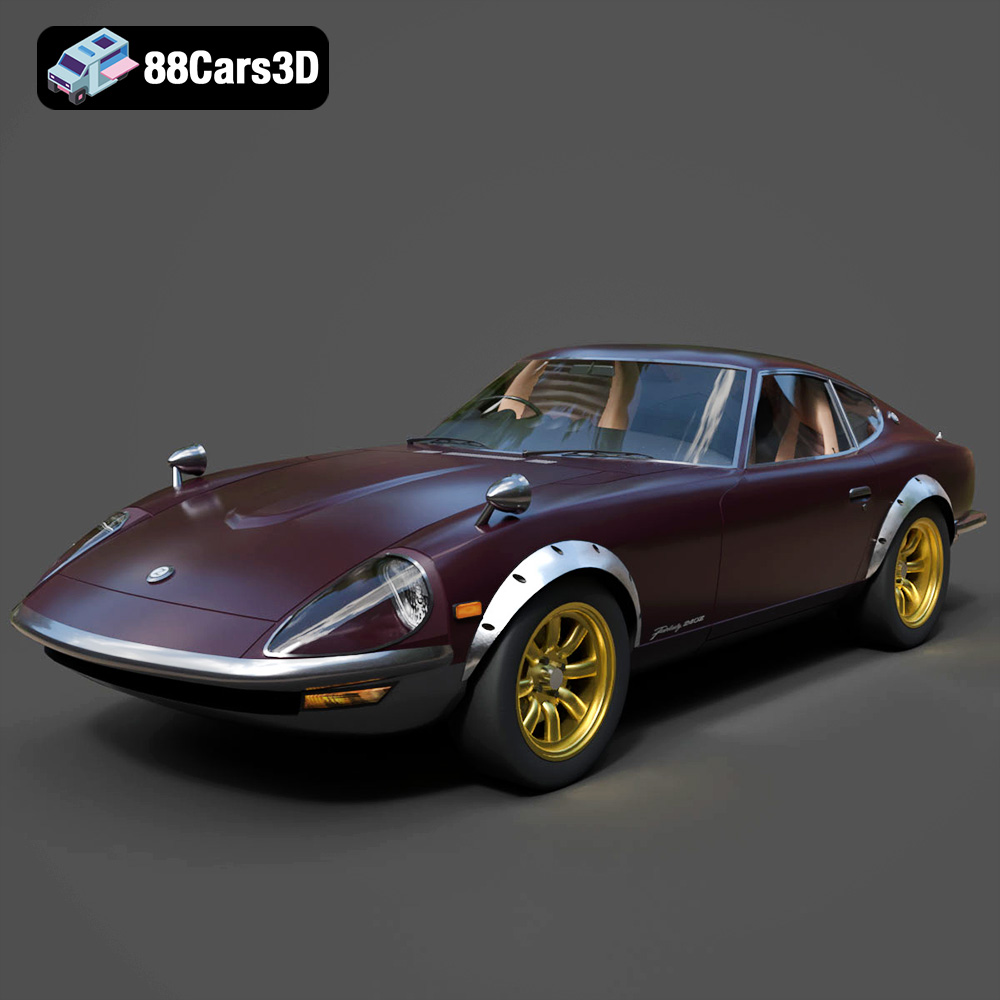
Download the Nissan FairLady 240ZG 3D Model featuring clean geometry, realistic detailing, and a fully modeled interior. Includes .blend, .fbx, .obj, .glb, .stl, .ply, .unreal, and .max formats for rendering, simulation, and game development.
Price: $4.99
Texture: Yes
Material: Yes
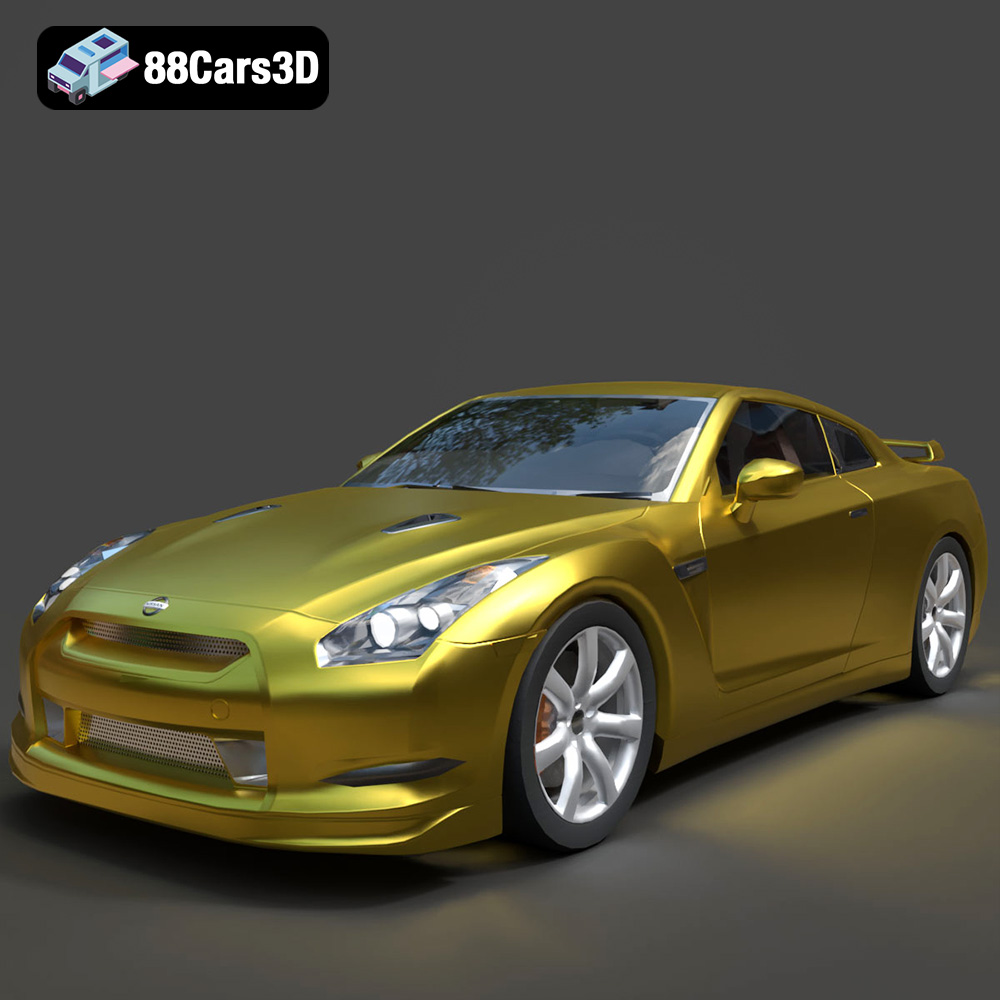
Download the Nissan GT-R 2008 3D Model featuring clean geometry, realistic detailing, and a fully modeled interior. Includes .blend, .fbx, .obj, .glb, .stl, .ply, .unreal, and .max formats for rendering, simulation, and game development.
Price: $4.99

Texture: Yes
Material: Yes
Download the Nissan Cube 3D Model featuring clean geometry, realistic detailing, and a fully modeled interior. Includes .blend, .fbx, .obj, .glb, .stl, .ply, .unreal, and .max formats for rendering, simulation, and game development.
Price: $4.99

Texture: Yes
Material: Yes
Download the Nissan Cedric Y32 3D Model featuring clean geometry, realistic detailing, and a fully modeled interior. Includes .blend, .fbx, .obj, .glb, .stl, .ply, .unreal, and .max formats for rendering, simulation, and game development.
Price: $4.99

Texture: Yes
Material: Yes
Download the Nissan Cima Infiniti Q45 2007 3D Model featuring clean geometry, realistic detailing, and a fully modeled interior. Includes .blend, .fbx, .obj, .glb, .stl, .ply, .unreal, and .max formats for rendering, simulation, and game development.
Price: $4.99

Texture: Yes
Material: Yes
Download the Nissan Juke 2025 3D Model featuring clean geometry, realistic detailing, and a fully modeled interior. Includes .blend, .fbx, .obj, .glb, .stl, .ply, .unreal, and .max formats for rendering, simulation, and game development.
Price: $4.99
Texture: Yes
Material: Yes
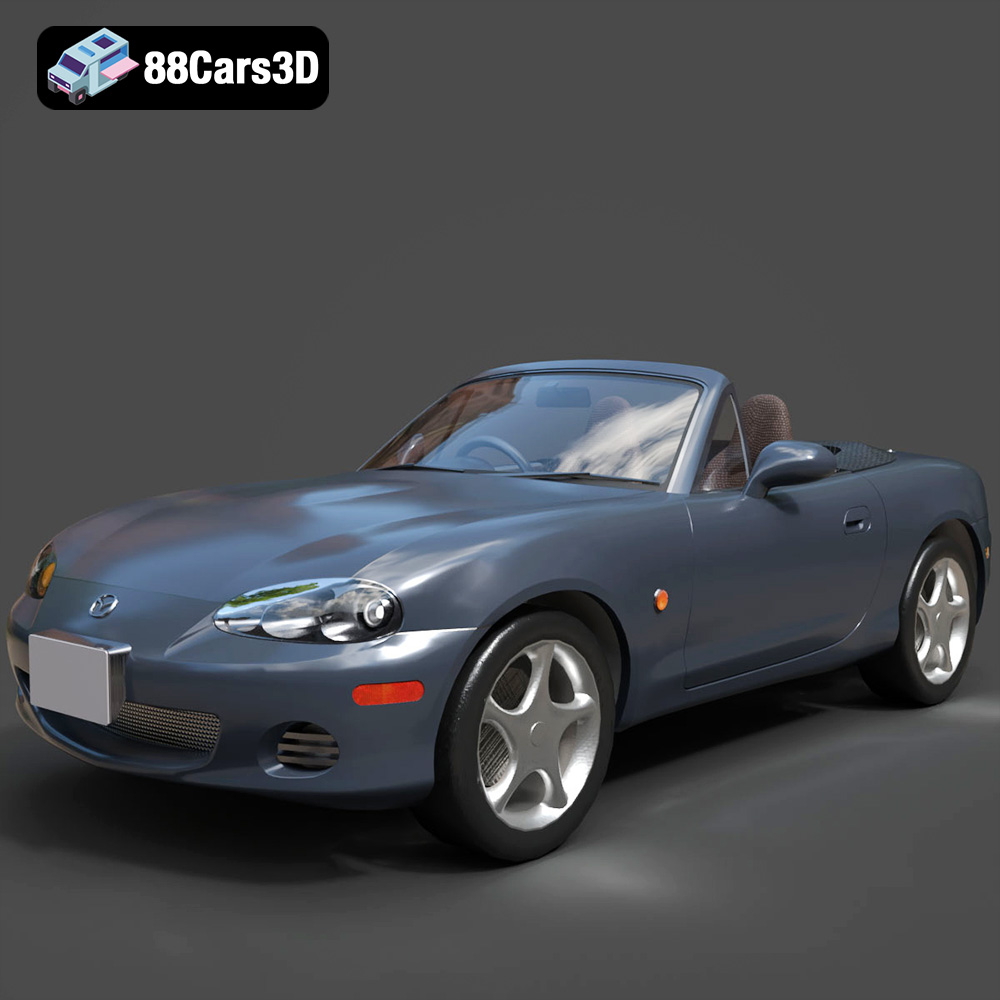
Download the Mazda MX-5 2025 3D Model featuring clean geometry, realistic detailing, and a fully modeled interior. Includes .blend, .fbx, .obj, .glb, .stl, .ply, .unreal, and .max formats for rendering, simulation, and game development.
Price: $4.99

Texture: Yes
Material: Yes
Download the Nissan Maxima 2009 3D Model featuring clean geometry, realistic detailing, and a fully modeled interior. Includes .blend, .fbx, .obj, .glb, .stl, .ply, .unreal, and .max formats for rendering, simulation, and game development.
Price: $4.99
Texture: Yes
Material: Yes
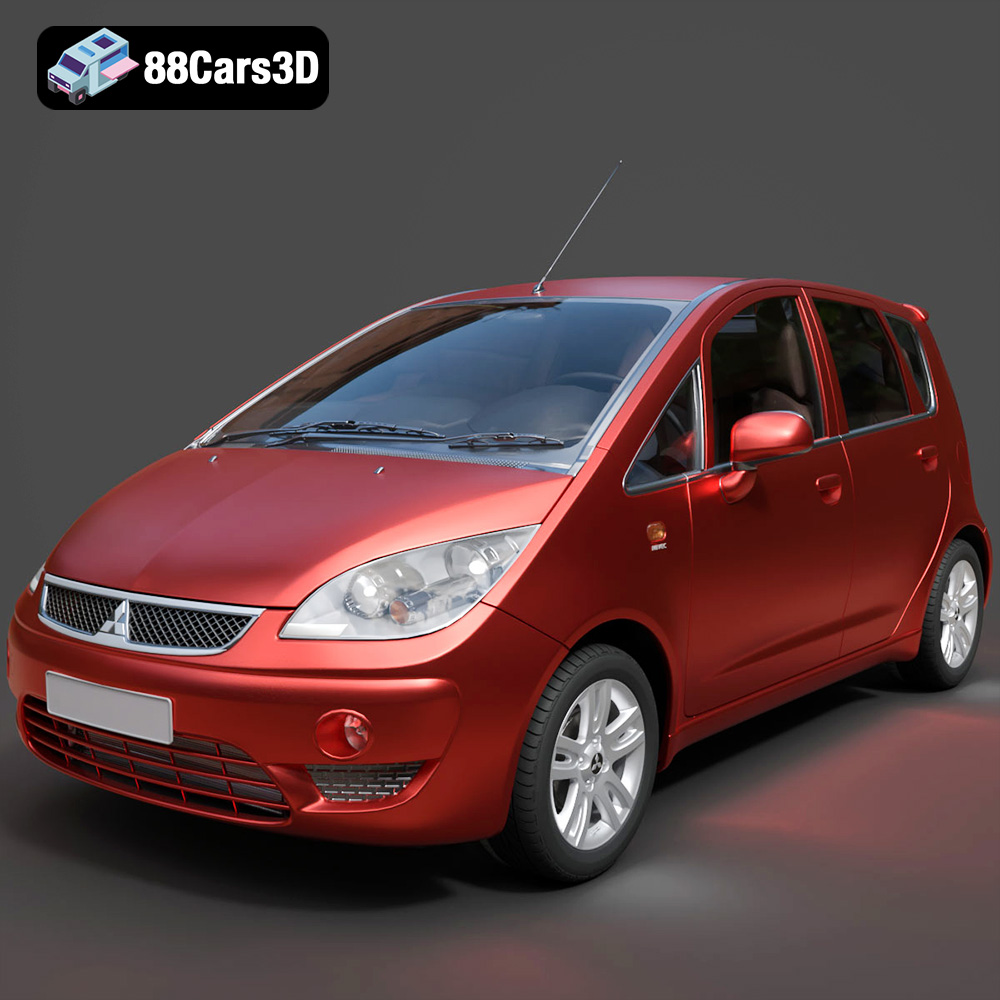
Download the Mitsubishi Colt 2025 3D Model featuring clean geometry, realistic detailing, and a fully modeled interior. Includes .blend, .fbx, .obj, .glb, .stl, .ply, .unreal, and .max formats for rendering, simulation, and game development.
Price: $4.99

