⚡ FLASH SALE: Get 60% OFF All Premium 3D & STL Models! ⚡

In the vibrant world of 3D visualization, few subjects command as much detailed attention and technical prowess as automotive design. From breathtaking photorealistic renders that grace advertising campaigns to high-performance game assets that fuel immersive virtual worlds, the quality of a 3D car model is paramount. It’s not merely about creating a shape; it’s about meticulously crafting every curve, panel gap, and material surface to evoke realism, emotion, and functionality. For 3D artists, game developers, automotive designers, and visualization professionals, mastering the intricacies of automotive rendering and asset creation is a journey into advanced workflows and cutting-edge technologies.
This comprehensive guide delves deep into the technical bedrock of creating and utilizing high-quality 3D car models. We’ll explore everything from the fundamental principles of clean topology and efficient UV mapping to the sophisticated art of PBR material creation, advanced rendering techniques, and crucial optimization strategies for various applications like real-time game engines, AR/VR experiences, and even 3D printing. Whether you’re aiming to produce stunning marketing visuals, populate an open-world game, or prepare precise prototypes, understanding these core concepts will elevate your work. By the end, you’ll have a robust understanding of the workflows and best practices essential for success in the competitive landscape of 3D automotive design, and how platforms like 88cars3d.com provide access to production-ready assets that streamline these complex processes.
The underlying structure of your 3D car model, its topology, is perhaps the most critical aspect determining its quality, flexibility, and performance across diverse applications. Clean topology, characterized by orderly quadrilateral polygons (quads) and thoughtful edge flow, is the bedrock upon which all other detailing, texturing, and animation rest. For complex organic shapes like vehicle bodies, maintaining excellent topology is essential for smooth subdivision, realistic deformation, and artifact-free shading. Without it, you’ll encounter pinching, creasing, and unnatural reflections, especially crucial for reflective automotive surfaces.
A typical high-quality 3D car model intended for rendering might feature anywhere from 150,000 to 500,000 polygons for the base mesh, which can then be subdivided further for extreme detail. For game engines, this count must be significantly lower, usually in the range of 30,000 to 100,000 for a hero vehicle, relying on normal maps to convey detail. The focus isn’t just on the polygon count but on how those polygons are distributed. Vertices should be evenly spaced, and edge loops should follow the natural contours and panel lines of the vehicle, defining creases and curvature without creating unnecessary geometry.
Clean topology ensures that when you apply subdivision surfaces (e.g., OpenSubdiv in 3ds Max or Blender’s Subdivision Surface modifier), the mesh smoothly interpolates, maintaining the intended shape without artifacts. Messy topology, often characterized by triangles, n-gons (polygons with more than four sides), or unevenly distributed quads, leads to unpredictable results. Triangles can cause hard edges and pinching when subdivided, while n-gons can create undesirable shading inconsistencies and make UV unwrapping extremely difficult. These issues are amplified on highly reflective surfaces like car paint, where even minor topological flaws become glaringly obvious.
For example, if an artist creates a car door with poor edge flow around the window frame, applying subdivision will result in a soft, ill-defined edge or a distorted reflection line. In contrast, well-placed edge loops that precisely follow the window’s contours will yield a sharp, clean edge that holds up perfectly under subdivision and advanced lighting conditions, faithfully recreating the sharp lines and subtle curves of the original design.
Effective edge flow in automotive modeling means ensuring that edge loops accurately define the physical characteristics of the car. Key principles include:
Adhering to these principles enables easier UV mapping, prevents shading artifacts, and simplifies future modifications, ensuring your 3D car model is robust and adaptable for any project.
The optimal polygon count for your 3D car model is entirely dependent on its intended application. For cinematic renders or high-resolution visualizations, a mesh could easily reach several million polygons after subdivision, capturing every subtle curve and intricate detail. These models are designed for static, pre-rendered scenes where computational budget is less constrained. In contrast, game assets demand strict polygon budgets to maintain real-time performance. A detailed exterior vehicle model in a modern open-world game might target 50,000-100,000 triangles, with multiple Level of Detail (LOD) versions ranging down to just a few thousand for distant objects.
Similarly, for AR/VR applications, models must be incredibly efficient to run smoothly on mobile devices, often requiring even lower poly counts, typically below 50,000 triangles per asset. 3D printing, on the other hand, prioritizes watertight meshes and sufficient mesh density for physical fidelity, where a million triangles might be necessary for small, intricate details but overall topological cleanliness for deformation is less critical than for rendering. Understanding these differing requirements from the outset guides your modeling decisions, from the initial blocking to the final retopology and optimization stages.
Once your 3D car model boasts impeccable topology, the next crucial step is UV mapping. UVs are the 2D coordinates that tell your 3D software how to project 2D textures onto the 3D surface. For complex objects like cars, meticulous UV unwrapping is non-negotiable for achieving realistic materials, accurate decals, and consistent texture density across all components. Poor UVs lead to stretched textures, visible seams, and an inability to paint or apply detailed materials effectively, severely compromising the visual quality of your automotive rendering.
A well-planned UV layout for a car model typically involves multiple UV sets or channels. One primary set for the main body textures (paint, wear, dirt), another for interior elements, and perhaps separate sets for wheels, tires, glass, and lights. This modular approach allows for optimized texture usage and easier material assignment. The goal is to maximize UV space utilization while minimizing distortion and keeping seams in less visible areas. Tools like Blender’s UV Editor, 3ds Max’s Unwrap UVW modifier, and Maya’s UV Toolkit provide robust features for this intricate process, allowing artists precise control over their texture distribution.
Unwrapping a car’s body panels requires a strategic approach. Instead of a single “automatic” unwrap, which often results in fragmented and distorted islands, artists typically employ a combination of projection types:
The objective is to create coherent, relatively square or rectangular UV islands that are easy to texture and minimize visual discontinuities. This becomes particularly important when dealing with high-resolution textures, where even minor stretching will be visible.
Texel density refers to the number of texture pixels per unit of 3D space. Maintaining a consistent texel density across your entire 3D car model is crucial for visual uniformity. If one part of the car has a high texel density (e.g., 1024 pixels per meter) while another has a low density (e.g., 256 pixels per meter), the textures will appear blurry and pixelated on the low-density areas when viewed up close, ruining the illusion of realism. Modern workflows often use tools within 3D software to automatically calculate and normalize texel density across all UV islands, ensuring visual fidelity.
For a hero vehicle, texture resolutions can range from 4K (4096×4096 pixels) to 8K or even 16K for specific components like the main body paint. Wheels and tires might use 2K or 4K textures, while smaller interior details could be 1K or 2K. The cumulative effect of these high-resolution PBR textures demands ample UV space and consistent texel density to truly shine in a detailed automotive rendering setup. When sourcing high-quality 3D car models from marketplaces like 88cars3d.com, artists can expect meticulously crafted UVs and appropriately scaled texture sets, ensuring a seamless integration into their projects.
Beyond strategic seam placement, several techniques help minimize visible seams and texture distortion:
Mastering these techniques ensures that your textures wrap perfectly around your 3D car model, contributing significantly to its overall realism and professional appearance.
The visual fidelity of a 3D car model heavily relies on its materials. Physically Based Rendering (PBR) has become the industry standard for creating realistic materials because it simulates how light interacts with surfaces in a physically accurate way. PBR materials ensure that your car looks consistent under different lighting conditions and across various renderers (e.g., Corona, V-Ray, Cycles, Arnold) and game engines (Unity, Unreal Engine). Understanding the core principles of PBR and crafting sophisticated shader networks are essential skills for achieving true automotive rendering realism.
PBR workflows typically involve several texture maps that define the surface properties: Base Color (or Albedo), Metallic, Roughness (or Glossiness), Normal, Ambient Occlusion, and sometimes Emissive or Opacity. Each map contributes to how light is absorbed, reflected, and scattered by the surface, mimicking real-world materials with incredible accuracy. For a car, this means precisely replicating the reflective properties of clear coat paint, the subtle wear of rubber, the transparency and refractions of glass, and the intricate details of brushed metal accents. The combined effect of these maps, driven by a powerful shader, transforms a simple mesh into a believable, tangible object.
There are two primary PBR workflows:
This workflow is often favored in game engines like Unreal Engine and texturing software like Substance Painter.
This workflow is common in renderers like V-Ray and Corona, and in game engines like Unity’s built-in renderer.
While the underlying physics are similar, understanding which workflow your renderer or engine uses is crucial for correct material setup and consistent results.
Achieving realistic automotive rendering means dedicating significant attention to key materials:
Each of these materials demands a nuanced approach, combining accurate PBR maps with specific shader parameters to truly come alive.
Beyond basic PBR maps, advanced shader networks allow for incredible realism:
Building these sophisticated shader networks requires a deep understanding of PBR principles and the specific capabilities of your chosen rendering engine, transforming a good 3D car model into an exceptional one.
Even the most perfectly modeled and textured 3D car model will fall flat without compelling lighting. Lighting is an art form that transforms your static model into a dynamic, mood-setting visual. For automotive rendering, the goal is often to highlight the car’s design, emphasize its curves, and evoke a sense of power or elegance. This involves carefully orchestrating light sources, reflections, and environmental elements to create a photorealistic scene. Different scenarios, from a pristine studio shot to a dramatic outdoor scene, require unique lighting strategies and rendering considerations.
Modern renderers like Corona Renderer, V-Ray, Cycles (Blender), and Arnold (Maya) offer powerful tools to simulate real-world light physics, allowing artists to achieve incredibly convincing results. Beyond simply adding lights, the environment, camera angles, and post-processing all play critical roles in the final image. A typical rendering workflow involves setting up the environment, placing lights, adjusting camera settings, optimizing render parameters, and finally, refining the image in post-production. Each step requires precision and an artistic eye to capture the essence of the automotive subject.
The choice of environment significantly impacts the aesthetic of your automotive rendering:
The environment doesn’t just provide lighting; it sets the mood and context for your 3D car model, telling a visual story.
Effective lighting for cars involves a blend of techniques:
Combining these elements allows for precise control over how light interacts with the sophisticated materials of your 3D car model.
Optimizing render settings is crucial for balancing image quality and render time:
Understanding and fine-tuning these settings is key to achieving stunning, efficient renders, whether in 3ds Max with Corona/V-Ray, Blender with Cycles, or Maya with Arnold.
For interactive applications like video games, AR/VR experiences, and real-time configurators, raw rendering power must give way to optimized performance. A beautifully rendered 3D car model for an advertising campaign will almost certainly be too heavy for a real-time engine. Therefore, significant effort goes into making game-ready game assets that run smoothly at high frame rates while retaining as much visual fidelity as possible. This involves a comprehensive approach to mesh optimization, texture management, and efficient material setups, all tailored for engines like Unity and Unreal Engine.
The goal is to minimize draw calls, polygon count, and texture memory usage without noticeable visual degradation. This often means creating multiple versions of the same model (Levels of Detail), atlasing textures, and baking complex details into normal maps. Developers must constantly balance artistic vision with performance budgets, ensuring that the player or user experience remains fluid and immersive. When acquiring 3D car models for game development, verifying their optimization and asset structure is a critical step, which is a key differentiator for assets found on platforms like 88cars3d.com.
Level of Detail (LOD) is a fundamental optimization technique for real-time applications. Instead of rendering a single, high-polygon mesh at all distances, LODs involve creating several versions of the same 3D car model, each with a progressively lower polygon count.
Game engines automatically switch between these LODs based on the object’s distance from the camera, dramatically reducing the polygon count rendered at any given time. Mesh simplification tools (e.g., ProOptimizer in 3ds Max, Blender’s Decimate modifier, or integrated tools in Unity/Unreal) are used to generate these lower LODs while preserving baked normal map details.
Efficient texture management is as crucial as mesh optimization:
By consolidating textures and materials, developers can significantly boost frame rates, especially in scenes with many complex objects like a busy street populated with multiple vehicles.
Exporting and preparing 3D car models for specific game engines involves several steps:
This meticulous preparation ensures that your 3D car model functions optimally and looks its best within the real-time constraints of its intended platform.
The applications for high-quality 3D car models extend far beyond traditional rendering and game development. Augmented Reality (AR) and Virtual Reality (VR) are transforming how we interact with digital content, offering immersive experiences for design review, marketing, and training. Meanwhile, 3D printing has revolutionized prototyping and manufacturing, requiring precise, watertight meshes. Effective visualization depends on adaptability and compatibility across diverse platforms and workflows. Understanding the specific requirements for these various applications is paramount for maximizing the utility of your 3D assets.
Each of these emerging fields presents its own set of technical challenges and opportunities. From ensuring real-time performance on mobile AR devices to preparing models with proper wall thickness for physical fabrication, the versatility of your 3D car model is determined by its underlying technical quality and how well it conforms to industry-specific standards. This highlights the importance of starting with a clean, well-structured model, as it makes adapting for different uses significantly easier. High-quality base models, such as those available on 88cars3d.com, are designed with this versatility in mind.
AR/VR environments, particularly on mobile devices (e.g., ARKit, ARCore), demand extreme optimization:
The goal is to provide a smooth, immersive experience without stuttering or overheating the device, which requires a highly efficient asset pipeline.
Converting a render-ready 3D car model into a 3D printing-ready file involves a different set of considerations:
Proper preparation ensures a successful print, avoiding costly failed jobs and accurately translating your digital design into a tangible object.
Navigating the diverse landscape of 3D file formats is critical for interoperability:
Understanding the strengths and limitations of each format allows artists to choose the most appropriate one for their specific transfer and application needs, ensuring maximum compatibility and minimal data loss when moving 3D car models between different software packages and platforms.
The journey through the intricate world of 3D car models, from the foundational principles of topology to advanced rendering, real-time optimization, and diverse applications, underscores the blend of technical precision and artistic vision required in modern 3D production. We’ve explored how meticulous modeling, strategic UV mapping, and physically accurate PBR materials form the bedrock of realism. We’ve delved into the art of lighting and automotive rendering, highlighting how environment and render settings can transform a scene. Furthermore, we’ve dissected the critical optimization strategies necessary for deploying stunning game assets in demanding real-time environments like Unity and Unreal Engine, and how to adapt models for emerging fields like AR/VR and precise 3D printing.
Mastering these workflows and understanding the specific requirements for each output format will not only elevate the quality of your work but also expand the possibilities for your 3D car models. Whether your goal is to create a breathtaking visualization, an interactive simulation, or a physical prototype, starting with high-quality, well-structured assets is the key to efficiency and exceptional results. Investing time in these technical foundations ensures that your automotive creations are robust, adaptable, and truly stand out. For those seeking to accelerate their projects with professionally crafted, production-ready 3D car models, exploring marketplaces designed for quality and versatility, such as 88cars3d.com, can provide an invaluable head start.

Texture: Yes
Material: Yes
Download the Nissan Fuga 2003 3D Model featuring clean geometry, realistic detailing, and a fully modeled interior. Includes .blend, .fbx, .obj, .glb, .stl, .ply, .unreal, and .max formats for rendering, simulation, and game development.
Price: $4.99
Texture: Yes
Material: Yes
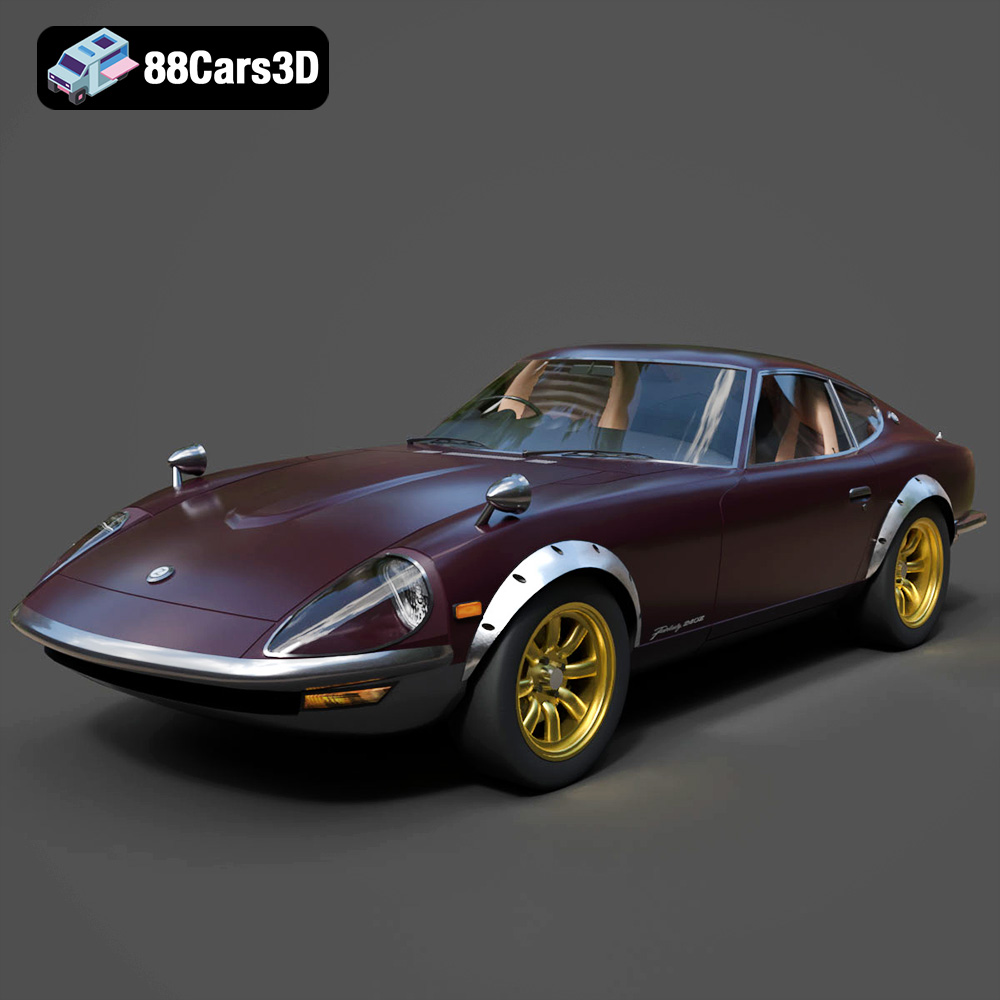
Download the Nissan FairLady 240ZG 3D Model featuring clean geometry, realistic detailing, and a fully modeled interior. Includes .blend, .fbx, .obj, .glb, .stl, .ply, .unreal, and .max formats for rendering, simulation, and game development.
Price: $4.99
Texture: Yes
Material: Yes
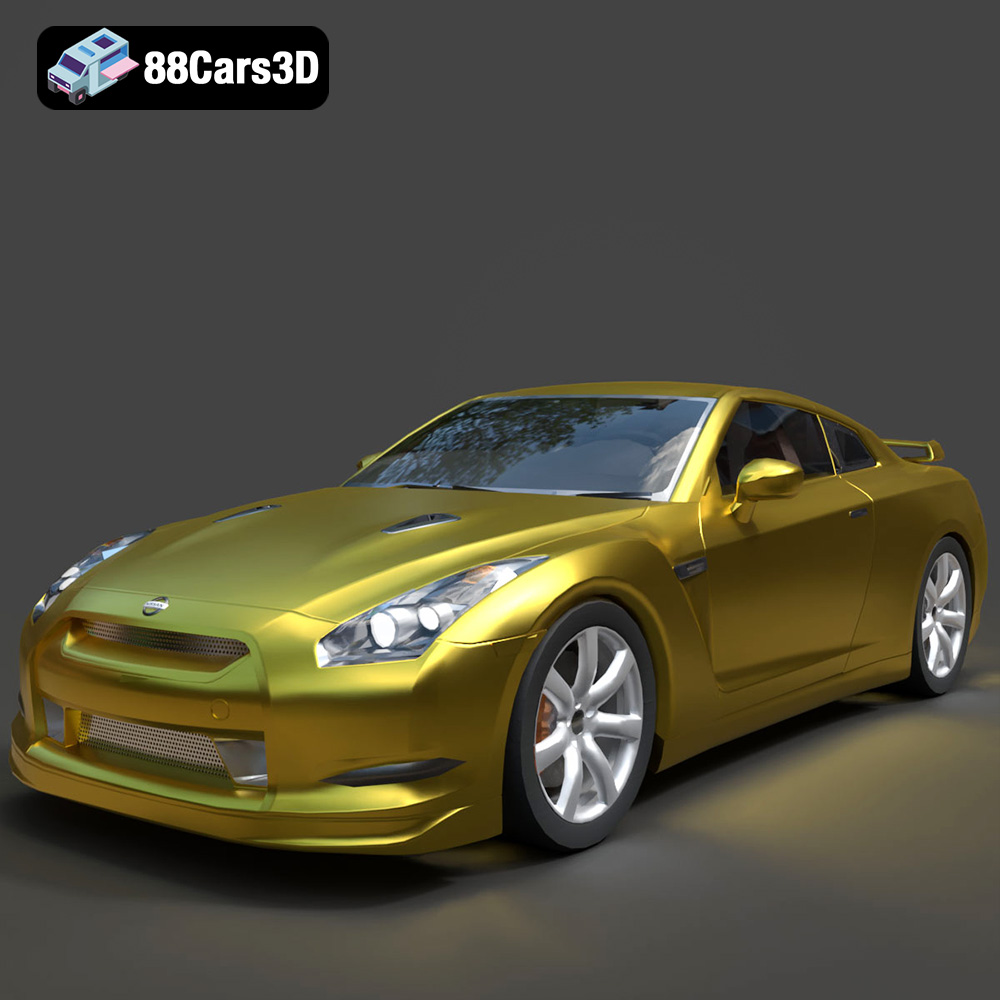
Download the Nissan GT-R 2008 3D Model featuring clean geometry, realistic detailing, and a fully modeled interior. Includes .blend, .fbx, .obj, .glb, .stl, .ply, .unreal, and .max formats for rendering, simulation, and game development.
Price: $4.99

Texture: Yes
Material: Yes
Download the Nissan Cube 3D Model featuring clean geometry, realistic detailing, and a fully modeled interior. Includes .blend, .fbx, .obj, .glb, .stl, .ply, .unreal, and .max formats for rendering, simulation, and game development.
Price: $4.99

Texture: Yes
Material: Yes
Download the Nissan Cedric Y32 3D Model featuring clean geometry, realistic detailing, and a fully modeled interior. Includes .blend, .fbx, .obj, .glb, .stl, .ply, .unreal, and .max formats for rendering, simulation, and game development.
Price: $4.99

Texture: Yes
Material: Yes
Download the Nissan Cima Infiniti Q45 2007 3D Model featuring clean geometry, realistic detailing, and a fully modeled interior. Includes .blend, .fbx, .obj, .glb, .stl, .ply, .unreal, and .max formats for rendering, simulation, and game development.
Price: $4.99

Texture: Yes
Material: Yes
Download the Nissan Juke 2025 3D Model featuring clean geometry, realistic detailing, and a fully modeled interior. Includes .blend, .fbx, .obj, .glb, .stl, .ply, .unreal, and .max formats for rendering, simulation, and game development.
Price: $4.99
Texture: Yes
Material: Yes
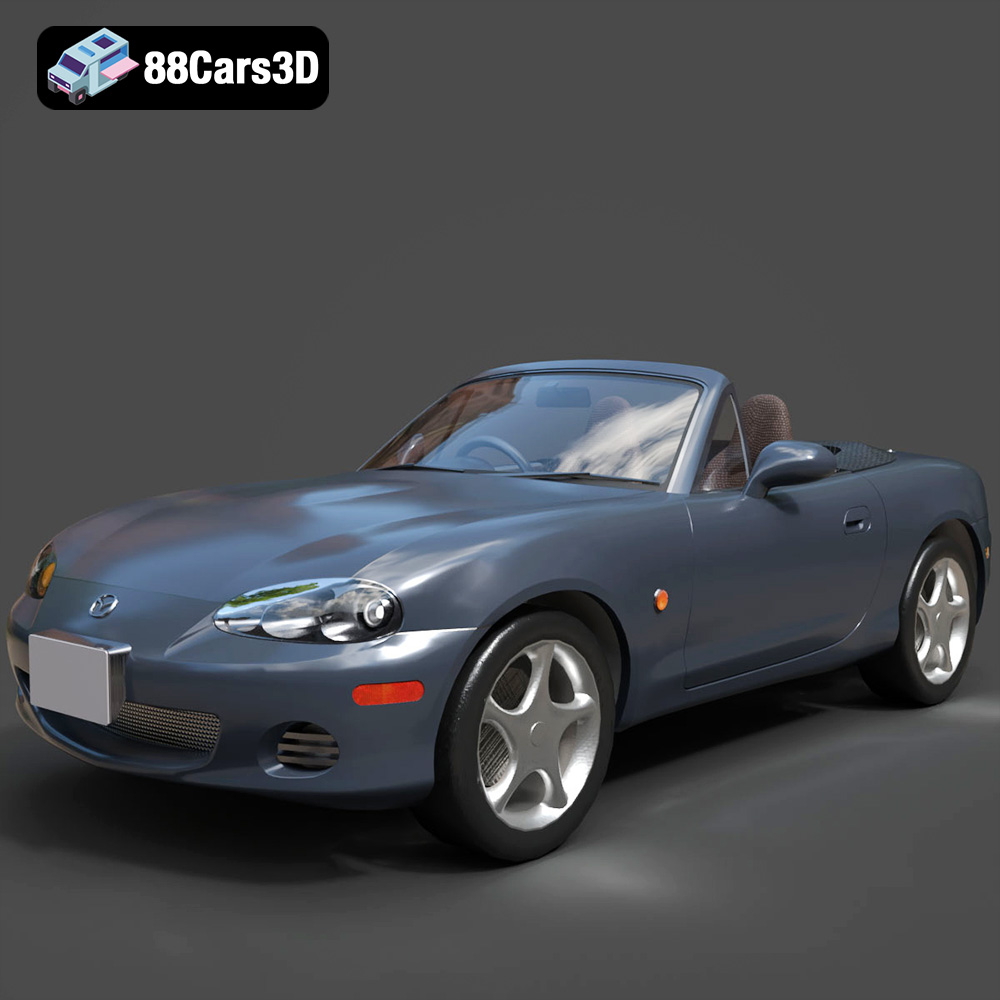
Download the Mazda MX-5 2025 3D Model featuring clean geometry, realistic detailing, and a fully modeled interior. Includes .blend, .fbx, .obj, .glb, .stl, .ply, .unreal, and .max formats for rendering, simulation, and game development.
Price: $4.99

Texture: Yes
Material: Yes
Download the Nissan Maxima 2009 3D Model featuring clean geometry, realistic detailing, and a fully modeled interior. Includes .blend, .fbx, .obj, .glb, .stl, .ply, .unreal, and .max formats for rendering, simulation, and game development.
Price: $4.99
Texture: Yes
Material: Yes
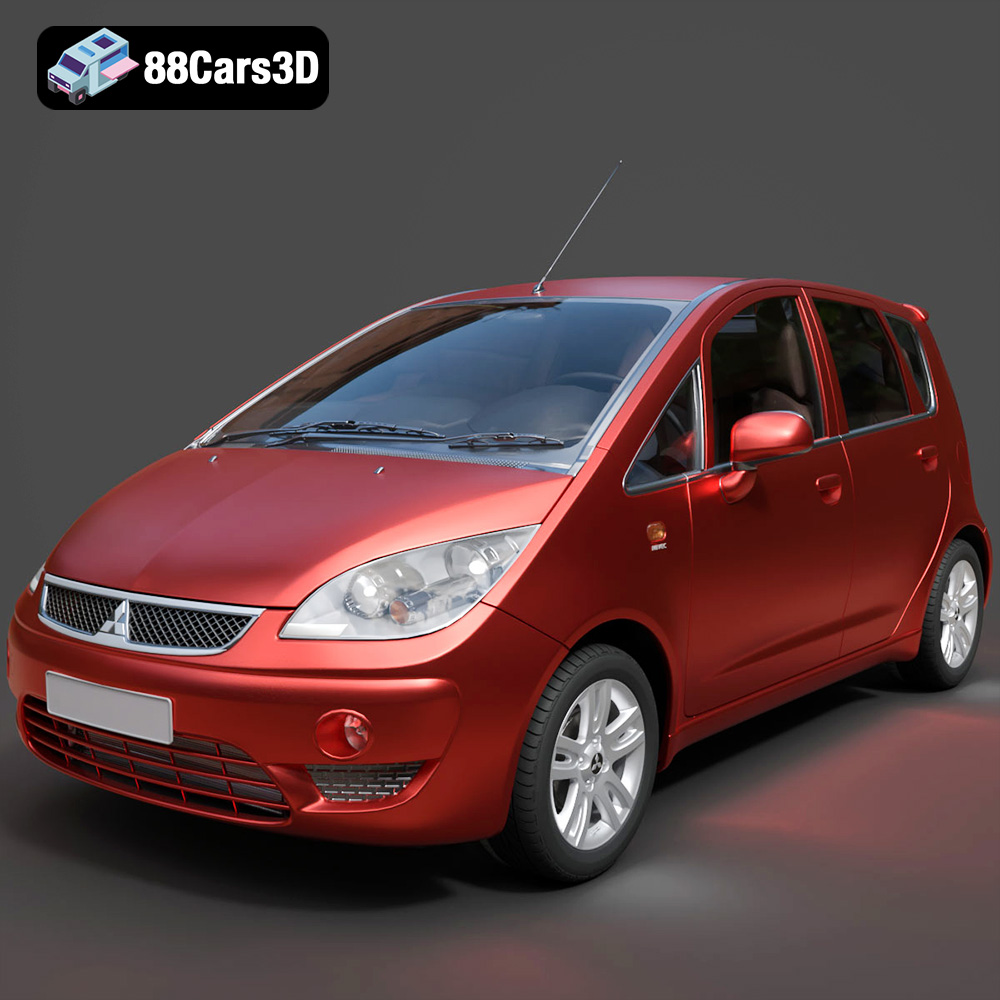
Download the Mitsubishi Colt 2025 3D Model featuring clean geometry, realistic detailing, and a fully modeled interior. Includes .blend, .fbx, .obj, .glb, .stl, .ply, .unreal, and .max formats for rendering, simulation, and game development.
Price: $4.99

