⚡ FLASH SALE: Get 60% OFF All Premium 3D & STL Models! ⚡

The allure of the automobile transcends mere transportation; it’s an intricate blend of engineering, design, and passion. For 3D artists, game developers, and visualization professionals, recreating this complexity in a digital environment presents a unique and rewarding challenge. High-fidelity 3D car models are not just aesthetic showpieces; they are foundational assets that demand meticulous attention to detail, technical precision, and a deep understanding of various digital workflows.
From the subtle curvature of a fender to the intricate reflections on polished chrome, every element must be expertly crafted to achieve photorealism and optimal performance across diverse platforms. This comprehensive guide will take you on an in-depth journey through the technical intricacies of working with 3D car models. We’ll explore everything from fundamental mesh topology and advanced UV mapping strategies to cutting-edge PBR material creation, sophisticated automotive rendering techniques, and critical optimization for game assets and emerging technologies like AR/VR. By the end, you’ll possess a robust understanding of the best practices and workflows necessary to master the art and science of digital automotive visualization, ensuring your projects stand out in a competitive landscape.
The underlying structure of any 3D model, its topology, is paramount, especially for complex subjects like cars. Automotive surfaces are defined by smooth, flowing curves and sharp, precise edges, all of which must be accurately represented by the polygon mesh. Poor topology can lead to artifacts, pinching, and an inability to correctly deform or subdivide the model, ultimately hindering realism and performance. Mastering clean mesh principles is the first crucial step in creating high-quality 3D car models.
The golden rule for high-quality subdivision modeling is to maintain a quad-dominant topology. This means using almost exclusively four-sided polygons (quads) throughout the model. Quads deform predictably when smoothed or subdivided, ensuring clean reflections and smooth surfaces essential for automotive aesthetics. While n-gons (polygons with more than four sides) and triangles might appear in specific, non-critical areas or during boolean operations, they should be converted to quads or triangles and handled carefully, as they can cause shading issues and unpredictable deformations, especially when sculpting or rigging. An ideal automotive model will prioritize a consistent grid of quads, flowing naturally along the contours of the vehicle. This attention to detail is what differentiates a professional asset from a quickly assembled one, ensuring the model maintains its integrity and visual appeal even under intense scrutiny.
Edge flow refers to the direction and distribution of edges across the model’s surface. For automotive models, strategic edge flow is critical not only for maintaining surface integrity but also for potential animation (e.g., opening doors, hoods) and adding intricate details. Key areas like door seams, hood lines, trunk gaps, and wheel wells require precise edge loops that define these features cleanly. These loops act as support edges, allowing for crisp, sharp creases when the model is subdivided, without introducing unwanted rounding or pinching. Furthermore, edge loops are essential around areas that will receive additional detail, such as vents, grilles, and light housings, providing a stable base for extrusion or displacement. A well-constructed high-polygon 3D car model often features hundreds of thousands of polygons (e.g., 200,000 to 500,000 polygons for a hero asset), enabling the capture of subtle details and smooth curvature. For game development, however, these models are typically retopologized to a lower polygon count (e.g., 20,000 to 50,000 polygons), with details baked into normal maps. Software like 3ds Max, Blender, and Maya provide robust modeling toolsets, including retopology tools, to achieve this precision.
Once the topology is solid, the next step in bringing a 3D car model to life is applying realistic textures and materials. This involves two critical processes: UV mapping, which tells the software how to wrap 2D textures onto the 3D surface, and PBR material creation, which defines how light interacts with the surfaces in a physically accurate manner. Together, these steps are essential for achieving the photorealistic fidelity expected in modern visualization.
UV mapping is often considered a tedious but indispensable part of the 3D workflow. For a complex subject like an automobile, efficient and clean UV unwrapping is crucial for several reasons. Firstly, it minimizes texture distortion, ensuring that details like decals, carbon fiber patterns, or panel lines appear correctly proportioned on the model. Secondly, it maximizes texture space utilization, meaning more pixel density is dedicated to the visible parts of the model, leading to sharper, more detailed textures. Different strategies apply: for mirrored parts like wheels or identical lights, overlapping UVs can save texture space. However, for unique areas like the car body, hood, or specific decals, unique UVs are necessary to prevent texture repetition and allow for distinct details. Multiple UV channels can also be employed for different purposes—one for primary textures, another for lightmaps in game engines, and perhaps a third for specific detail maps or wear-and-tear effects. Tools within 3ds Max, Blender, and Maya offer a wide array of UV unwrapping features, from projection methods to automatic packing algorithms, allowing artists to meticulously lay out UV shells for optimal texturing.
Physically Based Rendering (PBR) materials are the cornerstone of photorealistic rendering. Unlike older, artistic methods, PBR materials accurately simulate how light behaves in the real world, resulting in more consistent and believable results across different lighting conditions. There are two primary PBR workflows: Metallic-Roughness and Specular-Glossiness. The Metallic-Roughness workflow, common in game engines and modern renderers, uses maps for Base Color (albedo), Metallic (0 or 1 for non-metals/metals), and Roughness (how diffuse reflections are). Essential PBR maps for automotive models include: Albedo/Base Color for the fundamental color; Metallic for metallic parts like chrome or paint flakes; Roughness/Glossiness to control reflectivity; Normal Map to simulate surface detail without adding geometry; Ambient Occlusion to enhance contact shadows; and Opacity for transparent elements like glass or mesh grilles. Creating realistic car paint, for instance, often involves layering multiple material properties—a base color, a metallic flake layer, and a clear coat layer with specific roughness and index of refraction (IOR) values. Advanced artists might even use procedural techniques or dedicated software like Substance Painter or Quixel Mixer to author these complex material layers and generate high-resolution textures (e.g., 4K or 8K for primary surfaces, 2K for secondary details). Platforms like 88cars3d.com offer models with expertly crafted PBR materials, saving artists significant time and ensuring a high level of visual fidelity out of the box.
With a meticulously modeled and textured 3D car model, the next step is to showcase it in its best light—literally. Advanced rendering workflows involve careful setup of lighting, environment, and render settings to achieve stunning, photorealistic results. This is where the digital vehicle transitions from a mere asset to a captivating visual experience.
Effective lighting is arguably the most critical factor in achieving a compelling render. For automotive visualization, artists often employ techniques borrowed directly from real-world photography studios. High Dynamic Range Images (HDRIs) are a popular choice for environment lighting, providing realistic global illumination and reflections from an actual environment (e.g., studio, outdoor scene). Supplementing HDRIs with physical light sources, such as softbox-style area lights or powerful spotlights, allows for precise control over highlights, shadows, and overall mood. A classic three-point lighting setup (key, fill, and back light) is a good starting point, but specialized studio setups with multiple large softboxes are often used to accentuate the car’s curves and reflections. Reflective backdrops or infinity coves help to contain the reflections and provide a clean, professional presentation. The interaction of light with the vehicle’s paintwork, chrome accents, and glass is what truly brings it to life, and a well-planned lighting scheme can dramatically enhance the perceived quality of the 3D car model.
Modern 3D software offers a variety of powerful render engines, each with its strengths. For photorealistic automotive rendering, popular choices include Corona Renderer and V-Ray (often used with 3ds Max or Cinema 4D), Cycles (native to Blender), and Arnold (integrated into Maya and 3ds Max). Each engine simulates light transport physically, but they differ in speed, workflow, and feature sets:
Optimal render settings involve balancing quality and render time. Key parameters include global illumination (GI) settings, sample counts, and denoising options. Modern denoisers (e.g., NVIDIA OptiX, Intel Open Image Denoise) can significantly reduce render times while maintaining image quality by cleaning up noise. Common challenges include managing render times for complex scenes with intricate reflections, achieving perfectly smooth surfaces without noise, and ensuring accurate color representation. After the raw render, post-processing and compositing in software like Adobe Photoshop or After Effects are crucial. This stage allows for color grading, adding lens effects (bloom, flares, depth of field), refining contrast, and integrating the car into a background plate, elevating the final image to a professional standard.
While photorealistic renders are ideal for still images and cinematic sequences, integrating 3D car models into real-time environments like game engines demands a completely different set of optimization strategies. Game assets must be lightweight, efficient, and perform well under dynamic conditions, all while maintaining visual fidelity. This involves careful planning and execution of polygon reduction, texture management, and specialized engine features.
One of the most critical optimization techniques for game assets is the implementation of Levels of Detail (LODs). Instead of using a single high-resolution mesh for a car, LODs involve creating multiple versions of the model, each with a progressively lower polygon count. The game engine then automatically switches between these LODs based on the distance of the object from the camera. For example, a hero car might have an LOD0 with 50,000 polygons, an LOD1 with 20,000, an LOD2 with 5,000, and an LOD3 with just 1,000. This dramatically reduces the GPU’s workload for objects that are far away or less significant, thereby boosting frame rates. The challenge lies in creating seamless transitions between these LODs so that the player doesn’t notice the mesh quality change. Tools within 3ds Max, Blender, Maya, and directly within game engines like Unity and Unreal Engine provide features for automatic or manual LOD generation and configuration.
Beyond polygon count, other factors significantly impact game performance. Draw calls, which are instructions sent from the CPU to the GPU to render objects, can quickly bottleneck performance if too numerous. A single complex car model might have many separate parts (body, wheels, windows, interior), each leading to a separate draw call if not optimized. Combining meshes where appropriate and using efficient material setups can drastically reduce draw calls. Texture atlasing is another powerful technique: instead of having separate texture maps for every small component, multiple textures are packed into a single, larger texture atlas. This reduces the number of texture lookups and material swaps, leading to better GPU performance. Furthermore, car models in games require collision meshes. These are simplified, often invisible meshes (e.g., convex hulls, bounding boxes) that define the physical boundaries of the car for physics simulations and collision detection. These meshes are kept extremely low-poly, as their visual accuracy is irrelevant, only their geometric approximation. Finally, high-quality game assets often utilize normal maps, which are textures that simulate high-resolution surface detail (like panel gaps, bolts, or fine textures) on a low-polygon mesh, baked from a high-poly sculpt. This allows game engines to render highly detailed cars without the performance cost of actual geometry. Platforms like 88cars3d.com often provide pre-optimized game assets, including LODs and atlased textures, specifically designed for seamless integration into Unity and Unreal Engine, greatly simplifying the development process.
The utility of high-quality 3D car models extends far beyond traditional rendering and gaming. With advancements in technology, these assets are becoming indispensable across a spectrum of innovative applications, from interactive augmented and virtual reality experiences to tangible 3D printed replicas and crucial architectural or product visualizations. Each application, however, presents its own unique set of technical requirements and optimization challenges.
Augmented Reality (AR) and Virtual Reality (VR) environments demand an even stricter adherence to performance optimization than traditional games. The need for extremely low latency and high frame rates (typically 90+ FPS per eye for VR) means that 3D car models must be incredibly efficient. Polygon budgets are often significantly tighter (e.g., 20,000-30,000 polygons for an entire car, including interior, for mobile AR), and draw calls must be minimized aggressively. Real-time rendering considerations dictate simplified PBR material setups, often leveraging techniques like baked lighting and occlusion maps where dynamic lighting is not strictly necessary. Transparency and complex shader effects must be used sparingly. Specific file formats are also preferred: GLB (glTF Binary) is widely adopted for web-based AR and VR, offering a compact, efficient format that supports PBR materials and animations. For Apple’s ARKit ecosystem, the USDZ format (a proprietary Apple package for Pixar’s Universal Scene Description) is the standard. Optimizing for AR/VR means striking a delicate balance between visual quality and extreme performance, often requiring sacrifices in geometric detail that are then compensated by clever texturing and normal mapping.
Transforming a digital 3D car model into a physical object via 3D printing requires a different set of technical considerations. The primary concern is ensuring the mesh is “watertight” or “manifold.” This means that every edge belongs to exactly two faces, there are no open holes, intersecting faces, inverted normals, or self-intersecting geometry. Unlike rendering, where minor mesh errors might go unnoticed, 3D printers rely on a perfect mesh to generate toolpaths. Common issues include models with interior geometry that isn’t meant to be printed, paper-thin walls, or separate shells that aren’t properly joined. Wall thickness is also crucial; features must be thick enough to be structurally sound when printed (e.g., minimum 0.8mm-2mm depending on scale and material). Mesh repair tools such as Autodesk Netfabb, Meshmixer, or Blender’s 3D Print Toolbox are invaluable for identifying and fixing these issues. Preferred export formats for 3D printing are typically STL (Stereolithography) or OBJ, with STL being the most common, as it defines only the surface geometry using triangles. Precision in this stage ensures that the printed model accurately reflects its digital counterpart without failure or defects.
High-quality 3D car models are indispensable tools in architectural and product visualization. Integrating a realistic vehicle into an architectural rendering of a building or landscape adds scale, context, and a sense of realism, helping clients envision the final environment. The car acts as a focal point and a lifestyle element, enhancing the overall presentation. Similarly, in product visualization, particularly for car configurators or promotional materials, detailed models allow for showcasing various options, colors, and features interactively. These applications demand the same high level of detail and accurate material representation as dedicated automotive renders, often leveraging advanced lighting setups to integrate the car seamlessly into its surrounding scene. The realism provided by professionally crafted models, such as those found on 88cars3d.com, elevates the quality of the entire visualization, creating compelling narratives and immersive experiences for clients and audiences alike.
The world of 3D modeling is rich with diverse software and applications, each often preferring its own native file format. Navigating this ecosystem, especially when collaborating or distributing assets, requires a solid understanding of various file formats, efficient conversion techniques, and adherence to professional workflow best practices to ensure seamless interoperability and prevent data loss or corruption.
Choosing the right 3D file format depends heavily on the intended use case. Here are some of the most prevalent formats for 3D car models:
Converting between different file formats is a common necessity in 3D workflows. The key to seamless conversions lies in understanding what data each format supports. When exporting, always ensure that all necessary components (meshes, UVs, textures, materials, animations) are correctly embedded or linked. For example, when exporting an OBJ, ensure the associated MTL file and texture images are also included. For FBX, pay attention to export settings like embedding media or including animation. Common issues during import include incorrect scale (often requiring unit conversion), flipped normals, missing textures (due to incorrect file paths), or corrupted material assignments. It’s often best practice to export from native software to an interchange format like FBX or GLTF, and then import that into the target application, rather than attempting direct cross-software conversions which can sometimes be less robust. Regular testing of exports and imports is crucial to identify and resolve any compatibility issues early in the production pipeline.
Beyond file formats, adopting professional workflow practices can drastically improve efficiency and reduce headaches:
By adhering to these best practices and understanding the nuances of file formats, artists and developers can ensure their 3D car models are robust, versatile, and ready for any application.
The journey through the creation, optimization, and application of high-quality 3D car models is a testament to the blend of artistic vision and technical prowess required in the digital age. We’ve explored the critical importance of clean topology and strategic edge flow for seamless surfaces, delved into the meticulous process of UV mapping, and uncovered the power of PBR materials to achieve breathtaking realism. From advanced automotive rendering techniques using industry-standard engines to the intricate optimizations necessary for high-performance game assets and the burgeoning fields of AR/VR, the technical demands are considerable, but the rewards are visually stunning.
Mastering these workflows – understanding file formats, performing seamless conversions, and adhering to professional best practices – empowers artists and developers to create digital vehicles that not only look incredible but also perform flawlessly across diverse platforms. Whether you’re aiming for photorealistic renders, immersive game experiences, interactive AR applications, or precise 3D printing, the foundational knowledge covered in this guide is your roadmap to success.
The world of 3D visualization is constantly evolving, and continuous learning is key. To kickstart your next project with assets that embody these best practices, consider exploring curated collections of high-quality 3D car models. Platforms like 88cars3d.com specialize in providing meticulously crafted models, complete with clean topology, realistic PBR materials, and optimized structures, allowing you to focus on bringing your creative vision to life without compromising on technical excellence.
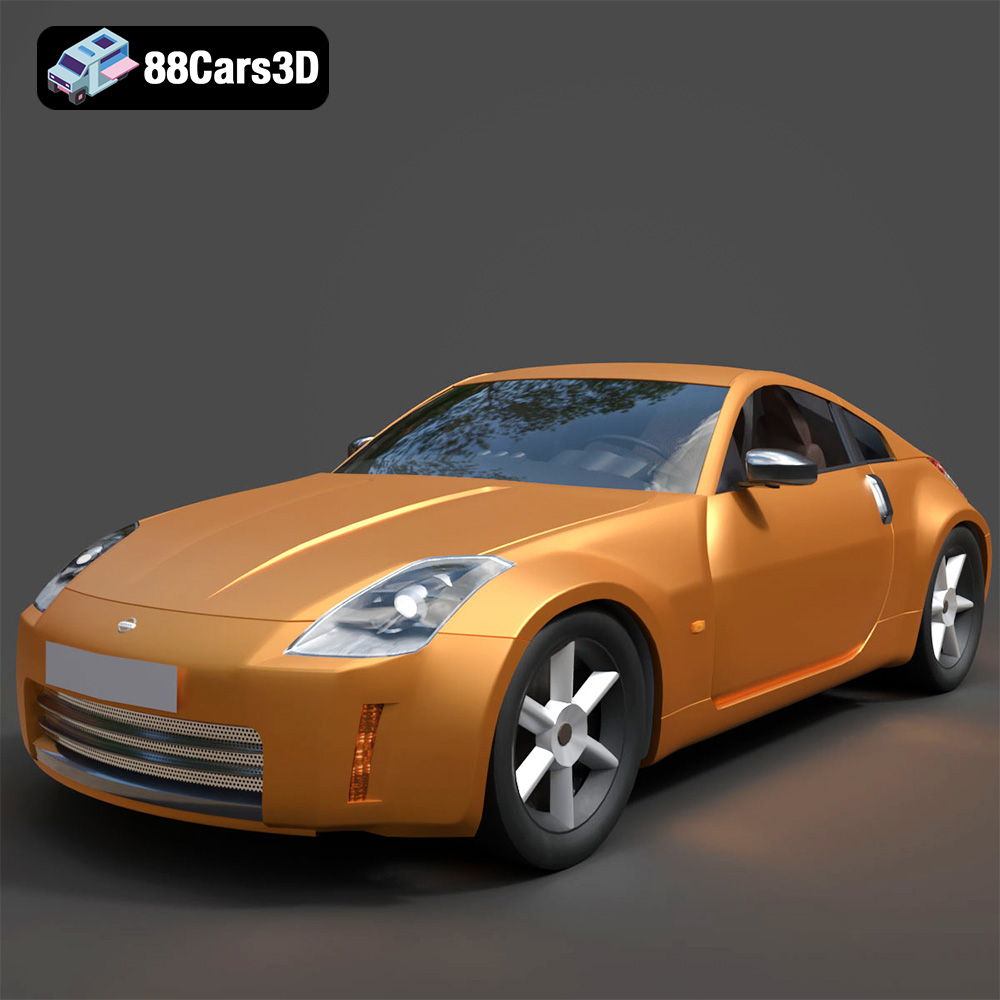
Texture: Yes
Material: Yes
Download the Nissan 350Z 3D Model featuring clean geometry, realistic detailing, and a fully modeled interior. Includes .blend, .fbx, .obj, .glb, .stl, .ply, .unreal, and .max formats for rendering, simulation, and game development.
Price: $4.99

Texture: Yes
Material: Yes
Download the Nissan Skyline V35 2001 3D Model featuring clean geometry, realistic detailing, and a fully modeled interior. Includes .blend, .fbx, .obj, .glb, .stl, .ply, .unreal, and .max formats for rendering, simulation, and game development.
Price: $4.99

Texture: Yes
Material: Yes
Download the Mercedes-Benz S-Klasse 221-007 3D Model featuring clean geometry, realistic detailing, and a fully modeled interior. Includes .blend, .fbx, .obj, .glb, .stl, .ply, .unreal, and .max formats for rendering, simulation, and game development.
Price: $4.99
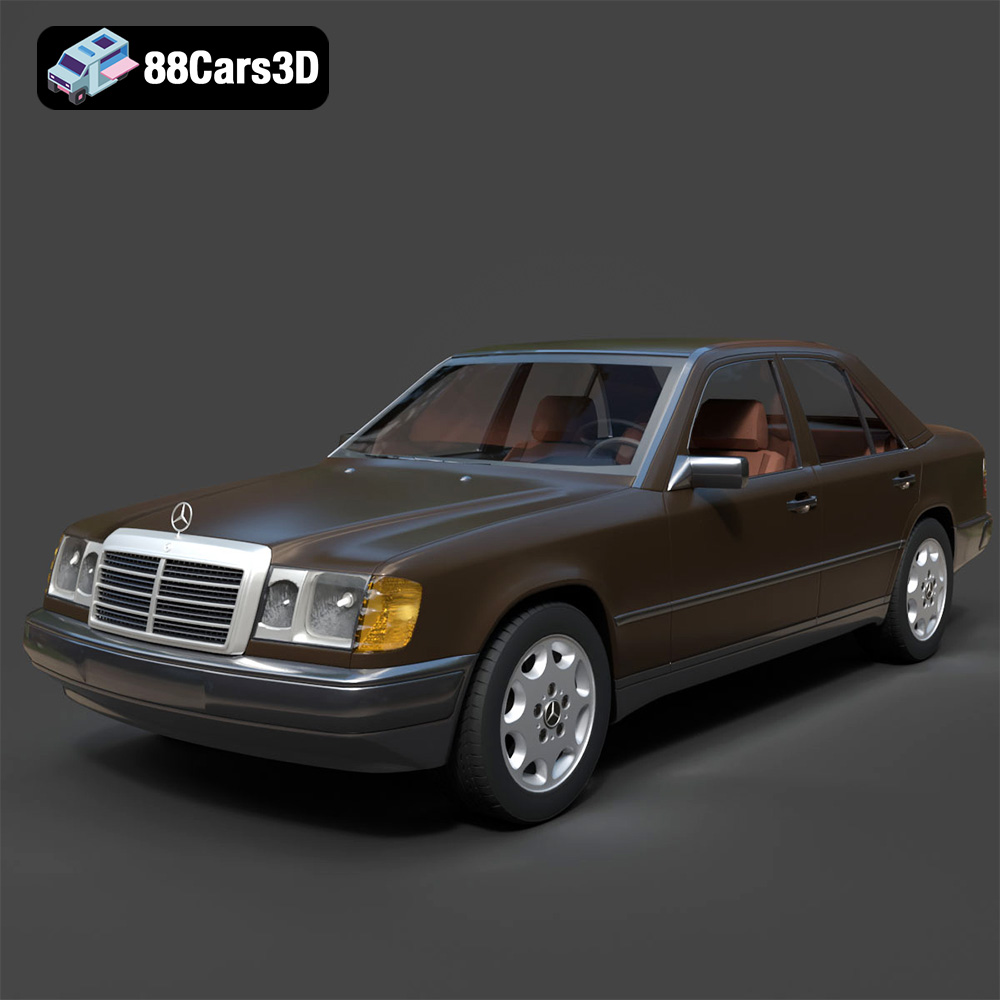
Texture: Yes
Material: Yes
Download the Mercedes W124 Sedan 3D Model featuring clean geometry, realistic detailing, and a fully modeled interior. Includes .blend, .fbx, .obj, .glb, .stl, .ply, .unreal, and .max formats for rendering, simulation, and game development.
Price: $4.99

Texture: Yes
Material: Yes
Download the Nissan Fuga 2003 3D Model featuring clean geometry, realistic detailing, and a fully modeled interior. Includes .blend, .fbx, .obj, .glb, .stl, .ply, .unreal, and .max formats for rendering, simulation, and game development.
Price: $4.99
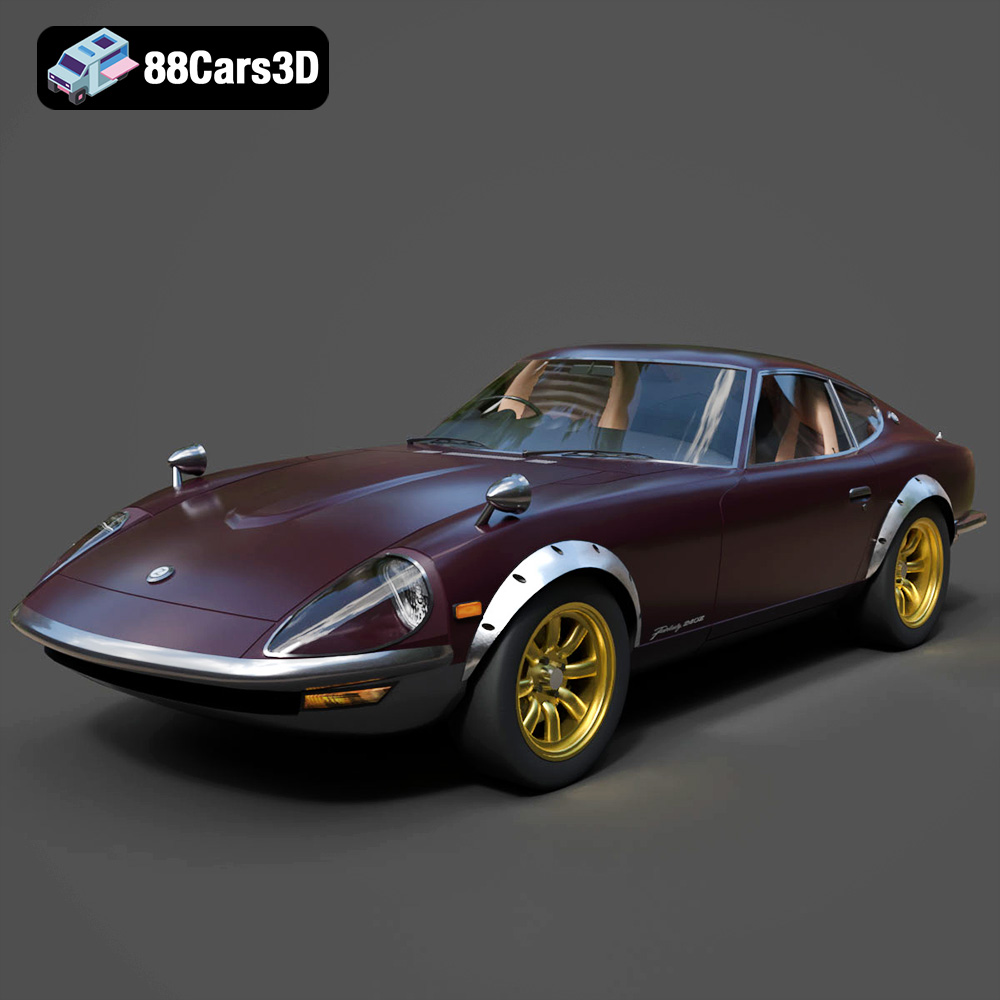
Texture: Yes
Material: Yes
Download the Nissan FairLady 240ZG 3D Model featuring clean geometry, realistic detailing, and a fully modeled interior. Includes .blend, .fbx, .obj, .glb, .stl, .ply, .unreal, and .max formats for rendering, simulation, and game development.
Price: $4.99
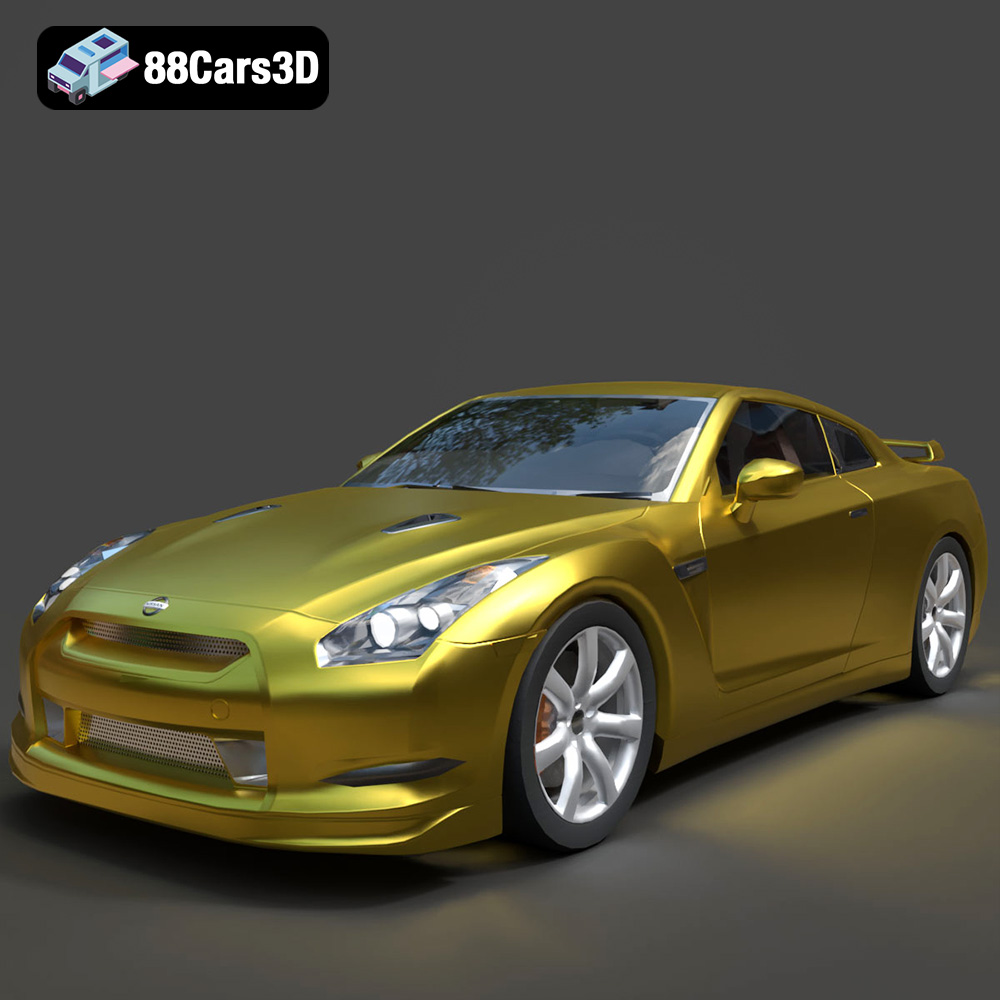
Texture: Yes
Material: Yes
Download the Nissan GT-R 2008 3D Model featuring clean geometry, realistic detailing, and a fully modeled interior. Includes .blend, .fbx, .obj, .glb, .stl, .ply, .unreal, and .max formats for rendering, simulation, and game development.
Price: $4.99

Texture: Yes
Material: Yes
Download the Nissan Cube 3D Model featuring clean geometry, realistic detailing, and a fully modeled interior. Includes .blend, .fbx, .obj, .glb, .stl, .ply, .unreal, and .max formats for rendering, simulation, and game development.
Price: $4.99

Texture: Yes
Material: Yes
Download the Nissan Cedric Y32 3D Model featuring clean geometry, realistic detailing, and a fully modeled interior. Includes .blend, .fbx, .obj, .glb, .stl, .ply, .unreal, and .max formats for rendering, simulation, and game development.
Price: $4.99

Texture: Yes
Material: Yes
Download the Nissan Cima Infiniti Q45 2007 3D Model featuring clean geometry, realistic detailing, and a fully modeled interior. Includes .blend, .fbx, .obj, .glb, .stl, .ply, .unreal, and .max formats for rendering, simulation, and game development.
Price: $4.99

