⚡ FLASH SALE: Get 60% OFF All Premium 3D & STL Models! ⚡

The allure of the automobile transcends mere transportation; it’s an art form, a symbol of engineering prowess, and for 3D artists, a canvas of infinite possibilities. Crafting a truly realistic 3D car model, whether for breathtaking cinematic renders, immersive game environments, cutting-edge AR/VR experiences, or precise 3D prints, demands a mastery of intricate technical workflows. It’s a journey from raw polygons to polished perfection, where every curve, reflection, and material property must be meticulously crafted.
This comprehensive guide dives deep into the technical intricacies of developing high-quality 3D car models. We’ll explore the foundational principles of topology, demystify advanced UV mapping and PBR material creation, dissect sophisticated rendering workflows, and uncover the secrets to optimizing assets for real-time applications. From the delicate dance of polygon flow to the nuanced art of global illumination, prepare to elevate your understanding and execution of automotive 3D visualization. By the end, you’ll possess the knowledge to approach any 3D car project with confidence and technical precision.
The cornerstone of any high-quality 3D car model is its topology – the arrangement and flow of polygons. For automotive models, this is particularly critical due to the complex curvature, sharp creases, and need for smooth deformation. Poor topology can lead to artifacts, pinching, and difficulties in UV unwrapping, texturing, and animation. A well-structured mesh ensures that the model looks pristine from all angles, renders smoothly, and performs optimally in various applications.
When modeling a car, the focus should always be on creating an all-quadrilateral mesh. Quads (four-sided polygons) provide the most predictable deformation behavior, making them ideal for subdivision surfaces and animation. Triangles (three-sided polygons) can be acceptable in flat, non-deforming areas, but they tend to cause pinching and undesirable hard edges when subdivided. N-gons (polygons with more than four sides) should be avoided entirely in production models, as they can lead to unpredictable shading, rendering issues, and complications with mesh editing tools. A typical high-detail render-ready car model might feature polygon counts ranging from 200,000 to 500,000 polygons (quads) for the main body, with interior and engine details pushing it even higher, often into the millions.
In the world of 3D modeling, quads reign supreme for organic and complex surfaces like car bodies. Their predictable behavior under subdivision algorithms (like TurboSmooth in 3ds Max or Subdivision Surface in Blender) ensures smooth, flowing surfaces without unsightly artifacts. When a quad mesh is subdivided, each quad is divided into four smaller quads, maintaining the mesh’s integrity and allowing for gradual smoothing. Triangles, when subdivided, can often lead to “star” patterns or creases, especially on curved surfaces, which are highly undesirable for the sleek, reflective surfaces of a car. While a final, triangulated mesh might be exported for game engines, the underlying modeling process should adhere to quads for maximum control and quality.
Edge flow refers to the direction and continuity of edges on a mesh. For automotive models, mastering edge flow is paramount to accurately capture the vehicle’s design intent. Key techniques include using “support loops” or “holding edges” around areas where you need sharp creases, such as door seams, fender edges, or body panel gaps. These additional edge loops, placed very close to the intended sharp edge, prevent the subdivision surface from smoothing out the detail too much. Conversely, for large, smooth curved surfaces like the hood or roof, edge loops should flow smoothly along the curvature, maintaining an even distribution of polygons to avoid visible faceting or bumps. Ensuring that topology follows the natural contours of the vehicle is essential for achieving photorealistic reflections and accurate surface highlights.
Once your 3D car model’s geometry is perfected, the next crucial step is to prepare its surfaces for texture application and material definition. This involves two highly interconnected processes: UV mapping and the creation of physically based rendering (PBR) materials. Together, they dictate how light interacts with your model, giving it its realistic look and feel.
UV mapping is essentially the process of flattening the 3D surface of your model into a 2D space, allowing you to paint or apply textures accurately without distortion. For complex car geometries, this can be a meticulous task. The goal is to create UV layouts that minimize seams, avoid stretching or overlapping UVs, and efficiently utilize the available texture space. High-quality PBR materials, on the other hand, simulate real-world material properties like reflectivity, roughness, and metallicity, reacting predictably to light sources to achieve stunning realism. These materials rely heavily on well-prepared UVs to project their detailed texture maps correctly onto the model’s surface.
For a car model, UV unwrapping typically involves segmenting the model into logical parts: the main body, doors, hood, trunk, wheels, tires, interior components, and individual glass panels. Each of these parts is then unwrapped using a combination of techniques. Planar mapping might be used for flat surfaces, cylindrical or spherical mapping for wheels and tires, and advanced projection methods combined with manual adjustments for complex curved surfaces like fenders. Software like 3ds Max, Blender, or Maya offer robust UV editors that allow artists to cut seams, relax UV shells, and pack them efficiently. Minimizing the number of seams and strategically placing them in less visible areas (e.g., under the chassis, along panel gaps) is key to a clean final texture. Maximizing texture space means scaling UV shells appropriately so that parts needing more detail (like the main body paint) receive a larger portion of the UV real estate compared to less visible components.
Physically Based Rendering (PBR) has become the industry standard for achieving photorealistic materials. PBR materials rely on a set of texture maps that describe how light interacts with the surface. The core maps include:
Software like Substance Painter and Quixel Mixer are powerful tools for creating these texture sets, allowing artists to layer materials, generate wear and tear, and bake details. In your 3D software (e.g., 3ds Max with Corona/V-Ray, Blender with Cycles/Eevee, Maya with Arnold), these maps are then connected to a sophisticated shader network. This network might also include procedural textures, layered materials for multi-coat car paint, and specialized shaders for glass, chrome, and rubber, allowing for incredibly detailed and accurate surface representation. For example, a car paint shader might involve multiple layers: a base metallic coat, a clear coat with specific roughness and IOR (Index of Refraction), and perhaps even a flake layer for pearlescent finishes.
Once your 3D car model is meticulously crafted with pristine geometry and realistic PBR materials, the next step is to showcase it in its best light—literally. Automotive rendering is where technical precision meets artistic vision, transforming a digital asset into a captivating visual. This process involves setting up compelling lighting, configuring the render engine for optimal quality and speed, and understanding how to achieve that coveted photorealistic sheen that makes viewers question if it’s real or rendered.
The choice of rendering engine significantly impacts both the workflow and the final output. Popular choices like Corona Renderer and V-Ray (for 3ds Max/Maya), Cycles (for Blender), and Arnold (for Maya/3ds Max) each offer unique strengths in terms of speed, quality, and feature sets. Regardless of the engine, the core principles of illumination, material interaction, and camera composition remain paramount. A well-executed render goes beyond just turning on lights; it involves a strategic setup that accentuates the car’s design, highlights its surface characteristics, and evokes a specific mood or environment.
Effective lighting is the soul of a great automotive render. There are typically two main approaches:
In both scenarios, understanding how light interacts with metallic, glossy, and transparent surfaces is critical. Experiment with light positions, intensities, and colors to find the optimal setup that highlights the car’s design intent and material fidelity.
Rendering photorealistic images can be computationally intensive, requiring a balance between render time and visual quality. Modern render engines offer a plethora of settings for optimization.
For instance, a render for a high-res marketing image might take several hours at 4K resolution with high sample counts and full GI, while a preview render could be minutes. Finding this balance often involves iterative testing and leveraging cloud rendering solutions for large-scale projects. When sourcing models from marketplaces such as 88cars3d.com, you often find models optimized and pre-configured for specific renderers, saving significant setup time.
While cinematic renders aim for absolute visual fidelity without real-time constraints, preparing 3D car models for game engines like Unity and Unreal Engine, or for interactive AR/VR applications, introduces a whole new set of technical challenges centered around performance optimization. The goal is to maintain the highest possible visual quality while adhering to strict polygon budgets, draw call limitations, and memory constraints to ensure smooth frame rates and responsive interactions. This requires a different approach to modeling, texturing, and exporting assets.
Game engine optimization is a delicate balancing act. A single high-polygon car model suitable for rendering could bring a game engine to its knees. Therefore, game-ready assets typically involve significant poly reduction, efficient UV mapping, and clever use of textures and shaders. The focus shifts from raw polygon detail to baked normal maps and intelligent use of Level of Detail (LOD) systems. Understanding the specific requirements and workflows of your target engine is paramount for successful integration.
Level of Detail (LODs) are crucial for optimizing performance in real-time environments. Instead of rendering a single, high-polygon version of a car model at all distances, LODs involve creating multiple progressively simpler versions of the mesh.
Game engines automatically switch between these LODs based on the camera’s distance, ensuring that only the necessary detail is rendered. This drastically reduces the polygon count processed by the GPU.
Draw calls are another critical performance bottleneck. Each time the GPU has to draw an object, it incurs a “draw call.” Too many draw calls can significantly slow down rendering. Strategies to reduce them include:
Beyond visual meshes, game engines require simplified collision meshes for physics interactions. These are typically much lower poly than the visual mesh and are designed for accurate, efficient collision detection without being rendered. Common types include:
When exporting for Unity or Unreal Engine, the industry standard format is FBX. Ensure that:
Further optimization in the engine itself includes techniques like Occlusion Culling (hiding objects not visible to the camera) and proper setup of light baking (pre-calculating static lighting) versus real-time lighting to reduce dynamic shadow calculations. When acquiring high-quality 3D car models, platforms like 88cars3d.com often provide pre-optimized, game-ready versions with LODs and correct export settings, significantly streamlining the integration process.
The utility of high-quality 3D car models extends far beyond traditional rendering and game development. From interactive augmented and virtual reality experiences to tangible 3D printed replicas, these digital assets serve a myriad of purposes across diverse industries. However, each application comes with its own specific technical requirements, demanding careful consideration of file formats, mesh preparation, and optimization strategies. Understanding these nuances is crucial for any 3D artist aiming for versatility.
Navigating the landscape of file formats and preparing models for specialized applications can be complex. A model optimized for a real-time game might be too heavy for a mobile AR experience, while a render-ready model might have problematic geometry for 3D printing. This section will delve into the technical specifics required to ensure your 3D car models are robust, compatible, and ready for any challenge.
The choice of file format is critical for interoperability and application-specific needs:
Understanding the strengths and limitations of each format is key to smooth workflows. When acquiring models, platforms like 88cars3d.com typically offer assets in multiple popular formats, ensuring broad compatibility for various project types.
AR/VR environments impose extremely strict performance budgets, often more stringent than traditional games, especially on mobile devices.
Formats like GLB and USDZ are specifically designed for these lightweight, real-time interactive experiences, embedding efficient geometry and PBR materials into single, easy-to-deploy packages. The goal is instant loading and buttery-smooth frame rates.
Turning a digital car model into a physical object via 3D printing requires specific technical checks to ensure a successful print:
Thorough preparation in your 3D software and a final check in a dedicated 3D printing utility will prevent common printing failures and ensure a high-quality physical output.
The journey through crafting and deploying high-quality 3D car models is multifaceted, demanding a blend of artistic vision and rigorous technical understanding. We’ve traversed the essential principles from the foundational importance of clean topology and efficient edge flow, which ensures pristine surfaces and smooth deformation, to the intricate art of UV mapping and the science of PBR material creation, bringing surfaces to life with unparalleled realism. We then explored the nuances of automotive rendering workflows, mastering illumination and optimization for stunning visuals, and delved into the critical world of real-time performance, dissecting LODs, draw calls, and game engine integration.
Finally, we ventured beyond traditional screens, examining the specific technical requirements for file format compatibility, immersive AR/VR experiences, and the tangible world of 3D printing. Each application, from cinematic renders to interactive virtual showrooms, presents its unique set of challenges and opportunities, requiring tailored optimization and preparation. Mastering these diverse aspects is what truly defines a professional 3D artist in the automotive visualization space.
The landscape of 3D technology is constantly evolving, and the pursuit of perfection in automotive models is an ongoing journey of learning and refinement. By embracing these best practices and continually honing your skills, you’ll be well-equipped to tackle any project. Remember, platforms like 88cars3d.com provide an excellent resource for high-quality, pre-made 3D car models, allowing you to focus on integration and final scene composition. Continue to experiment, iterate, and push the boundaries of what’s possible in the exciting realm of 3D automotive design.

Texture: Yes
Material: Yes
Download the Nissan Fuga 2003 3D Model featuring clean geometry, realistic detailing, and a fully modeled interior. Includes .blend, .fbx, .obj, .glb, .stl, .ply, .unreal, and .max formats for rendering, simulation, and game development.
Price: $4.99

Texture: Yes
Material: Yes
Download the Nissan FairLady 240ZG 3D Model featuring clean geometry, realistic detailing, and a fully modeled interior. Includes .blend, .fbx, .obj, .glb, .stl, .ply, .unreal, and .max formats for rendering, simulation, and game development.
Price: $4.99
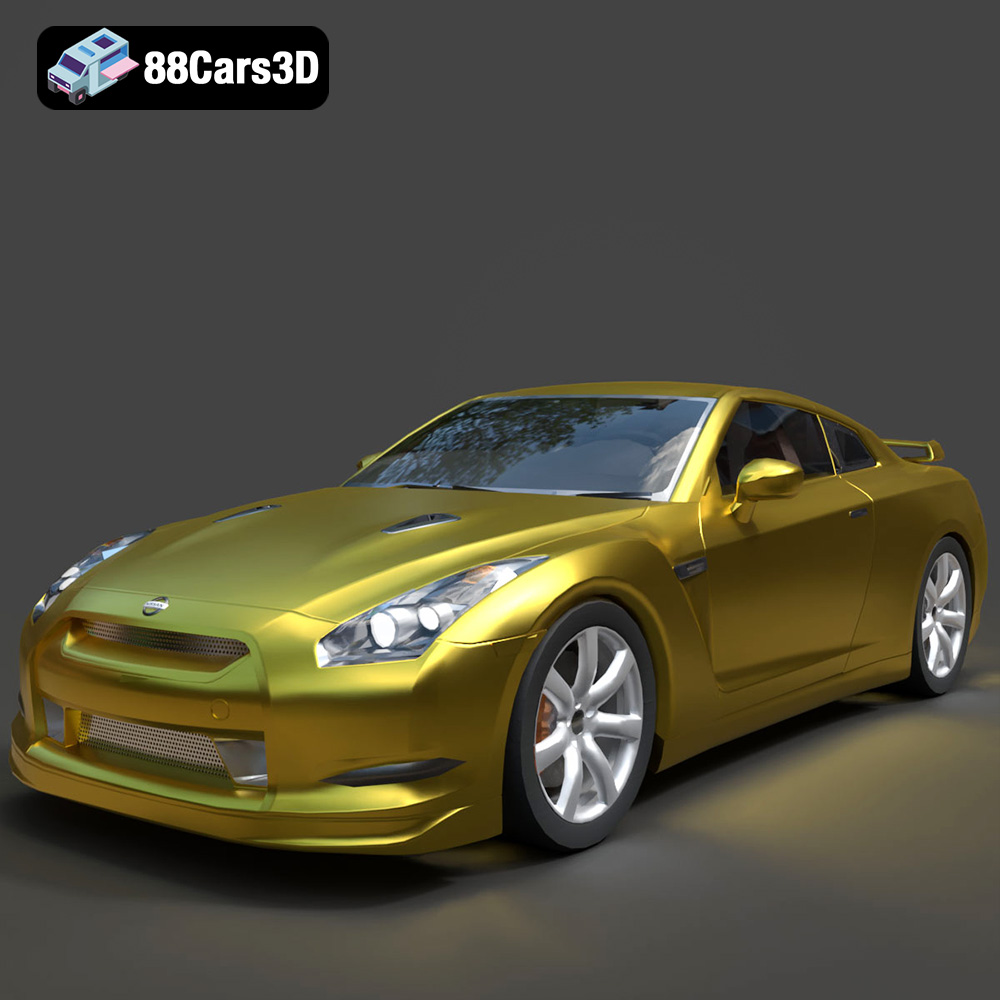
Texture: Yes
Material: Yes
Download the Nissan GT-R 2008 3D Model featuring clean geometry, realistic detailing, and a fully modeled interior. Includes .blend, .fbx, .obj, .glb, .stl, .ply, .unreal, and .max formats for rendering, simulation, and game development.
Price: $4.99

Texture: Yes
Material: Yes
Download the Nissan Cube 3D Model featuring clean geometry, realistic detailing, and a fully modeled interior. Includes .blend, .fbx, .obj, .glb, .stl, .ply, .unreal, and .max formats for rendering, simulation, and game development.
Price: $4.99

Texture: Yes
Material: Yes
Download the Nissan Cedric Y32 3D Model featuring clean geometry, realistic detailing, and a fully modeled interior. Includes .blend, .fbx, .obj, .glb, .stl, .ply, .unreal, and .max formats for rendering, simulation, and game development.
Price: $4.99

Texture: Yes
Material: Yes
Download the Nissan Cima Infiniti Q45 2007 3D Model featuring clean geometry, realistic detailing, and a fully modeled interior. Includes .blend, .fbx, .obj, .glb, .stl, .ply, .unreal, and .max formats for rendering, simulation, and game development.
Price: $4.99

Texture: Yes
Material: Yes
Download the Nissan Juke 2025 3D Model featuring clean geometry, realistic detailing, and a fully modeled interior. Includes .blend, .fbx, .obj, .glb, .stl, .ply, .unreal, and .max formats for rendering, simulation, and game development.
Price: $4.99
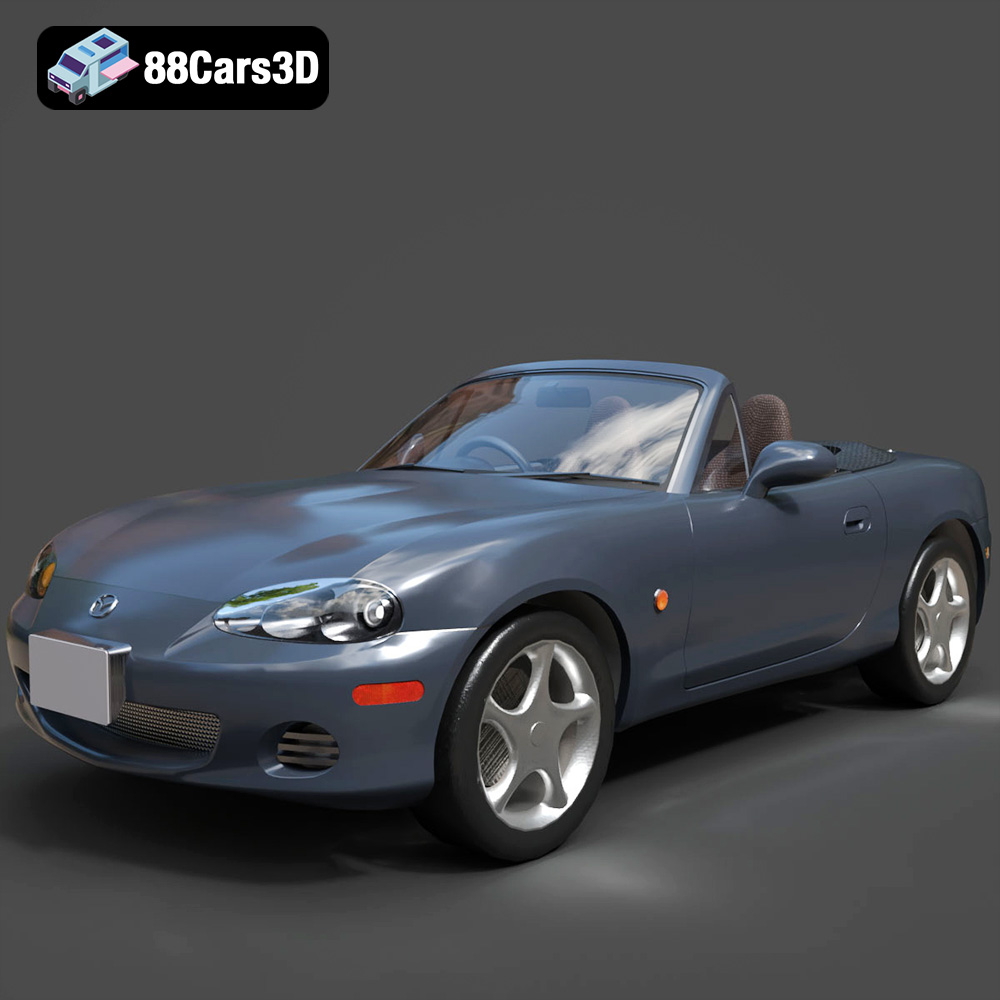
Texture: Yes
Material: Yes
Download the Mazda MX-5 2025 3D Model featuring clean geometry, realistic detailing, and a fully modeled interior. Includes .blend, .fbx, .obj, .glb, .stl, .ply, .unreal, and .max formats for rendering, simulation, and game development.
Price: $4.99

Texture: Yes
Material: Yes
Download the Nissan Maxima 2009 3D Model featuring clean geometry, realistic detailing, and a fully modeled interior. Includes .blend, .fbx, .obj, .glb, .stl, .ply, .unreal, and .max formats for rendering, simulation, and game development.
Price: $4.99
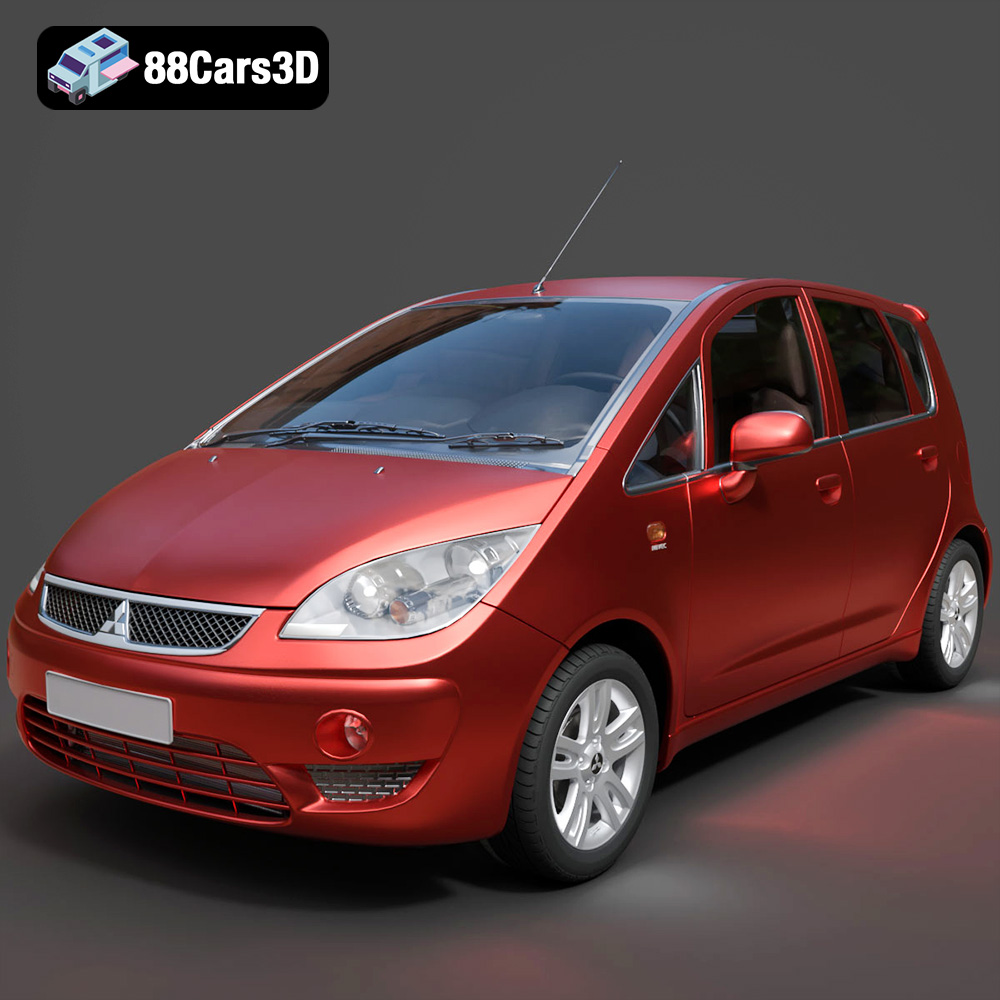
Texture: Yes
Material: Yes
Download the Mitsubishi Colt 2025 3D Model featuring clean geometry, realistic detailing, and a fully modeled interior. Includes .blend, .fbx, .obj, .glb, .stl, .ply, .unreal, and .max formats for rendering, simulation, and game development.
Price: $4.99

