⚡ FLASH SALE: Get 60% OFF All Premium 3D & STL Models! ⚡

In the dynamic world of 3D visualization, automotive design stands as a pinnacle of technical artistry and precision. Creating compelling 3D car models that look stunning in a photorealistic render, perform flawlessly in a game engine, or translate perfectly for AR/VR experiences is a multifaceted challenge. It requires a deep understanding of topology, materials, lighting, and optimization techniques. Whether you’re an aspiring 3D artist, a seasoned game developer, or an automotive designer, the quest for perfection in digital car models is continuous.
This comprehensive guide delves into the intricate processes involved in developing high-quality 3D car models. We’ll explore everything from the foundational principles of clean mesh construction and meticulous UV mapping to the advanced nuances of PBR material creation, rendering workflows, and crucial optimization strategies for various applications. We’ll equip you with the technical insights and best practices needed to elevate your automotive 3D projects, ensuring your creations are not only visually spectacular but also functionally robust across diverse platforms. Get ready to unlock the secrets behind truly exceptional 3D car models and discover how to bring your visions to life with unparalleled realism and efficiency.
The cornerstone of any high-quality 3D car model is its topology. This refers to the arrangement of vertices, edges, and faces that form the mesh. For automotive models, which are characterized by sleek, reflective surfaces and precise panel gaps, impeccable topology is not just desirable—it’s essential. Poor topology leads to shading artifacts, difficulty in UV mapping, and problems with subdivision surfacing. A clean, quad-dominant mesh with thoughtful edge flow ensures smooth reflections, accurate surface deformation, and ease of manipulation throughout the production pipeline. It’s about creating a mesh that intelligently defines the shape, preserves sharp lines where necessary, and allows for organic curves without pinching or distortion. Achieving this balance requires careful planning and execution, often involving techniques like holding loops to define creases and evenly spaced quads across large, curved surfaces.
Automotive surfaces are predominantly smooth and often highly reflective, making any topological flaw glaringly obvious. The primary principle is to maintain a quad-dominant mesh, meaning most faces should be four-sided polygons. Triangles, while sometimes unavoidable in specific areas, can cause shading issues and are generally avoided on large, smooth, and deforming surfaces. N-gons (polygons with more than four sides) are almost universally problematic and should be removed. Edge loops must follow the natural curvature and flow of the car’s panels, especially around major contours, body lines, and cut lines (like doors and hood seams). This “edge flow” dictates how light will reflect off the surface and how the model will subdivide. For instance, maintaining consistent edge loops around a wheel arch ensures a perfectly smooth curve when subdivided. Special attention must be paid to poles (vertices where more than five edges meet), which can cause pinching. Strategically placing these poles in flatter, less visible areas or distributing the surrounding geometry can mitigate their negative impact.
While a static render might forgive some topological shortcuts, models intended for animation (e.g., opening doors, suspension movement, or damage simulation) demand even stricter adherence to clean topology. The edge flow must accommodate potential deformation. For example, the mesh around door gaps needs to be precise, allowing the door to open cleanly without intersecting the body or creating unsightly stretching. Holding loops are crucial here; these are additional edge loops placed very close to hard edges to maintain their sharpness during subdivision, preventing them from softening too much. When modeling areas like tire sidewalls or suspension components that will animate, ensuring even distribution of polygons prevents “ripple” effects during motion. For deformation, especially in game engines where real-time damage might be simulated, edge loops should follow logical stress lines. This foresight in topology dramatically simplifies the rigging and animation process, reducing the need for costly post-modeling fixes.
The ideal polygon count for a 3D car model is highly dependent on its intended use. For high-resolution cinematic renders or detailed visualizations, a high-poly model (often exceeding 500,000 polygons, sometimes even millions after subdivision) is desirable to capture every subtle curve and detail. These models typically rely heavily on subdivision surface modifiers (e.g., TurboSmooth in 3ds Max, Subdivision Surface in Blender) to achieve their final smooth appearance, necessitating a clean base mesh. In contrast, game assets or real-time AR/VR applications demand significantly lower polygon counts to maintain performance. A mid-poly model for games might range from 50,000 to 150,000 polygons, with multiple Levels of Detail (LODs) further reducing the count for distant objects. Low-poly models can be as sparse as 5,000-20,000 polygons, often relying on normal maps baked from a high-poly version to convey detail. The art lies in balancing visual fidelity with performance requirements, ensuring that detail is preserved where it matters most, like headlights and grilles, while less critical areas are efficiently optimized. Platforms like 88cars3d.com often provide models with varying polygon counts and LODs to cater to these diverse needs.
Once the geometry is solidified, the next critical step is to apply materials that give the car its surface qualities, from the glossy paintwork to the intricate details of tires and interiors. This involves two core processes: UV mapping and PBR (Physically Based Rendering) material creation. UV mapping is the technique of unfolding a 3D mesh into a 2D space, allowing 2D textures to be wrapped onto the 3D model. PBR materials, on the other hand, are a standardized approach to rendering that accurately simulates how light interacts with surfaces, resulting in highly realistic and consistent visuals across different rendering environments. The combination of well-executed UVs and meticulously crafted PBR textures is what truly brings a 3D car model to life.
Effective UV mapping is crucial for applying textures accurately and efficiently. For complex car models, simply using an automatic unwrap will lead to seams, distortion, and inefficient use of UV space. Strategic UV layout involves carefully placing seams along natural breaks or less visible areas of the model (e.g., under the chassis, along existing panel gaps). The goal is to minimize distortion, prevent stretching, and ensure consistent texel density across the entire model. Texel density refers to the number of texture pixels per unit of 3D space; maintaining a uniform texel density prevents some parts of the model from looking blurry while others appear sharp. For very detailed models, artists often use UDIMs (UV Dimension tiles), which allow for multiple UV tiles, enabling higher texture resolutions without exceeding a single texture map limit. This is particularly useful for large models like cars, where different parts (body, interior, wheels) can have their own dedicated UV space and texture sets. Software like 3ds Max with its Unwrap UVW modifier, Blender’s UV Editor, or Maya’s UV Toolkit provide robust tools for precise manual UV unwrapping, pinning, and packing.
PBR materials represent a paradigm shift in realism, ensuring that materials behave predictably under any lighting condition. A PBR shader network typically consists of several texture maps, each controlling a specific material property:
Crafting these maps involves a combination of procedural generation, hand-painting in software like Substance Painter or Mari, and photographic projection. Layer blending and masking techniques are essential for creating complex materials like weathered paint, dirt, or intricate carbon fiber weaves, allowing artists to stack and combine various textures non-destructively.
The implementation of PBR materials varies slightly across different software and renderers.
Regardless of the software, the underlying principles of PBR remain consistent, emphasizing physically accurate light interaction for stunning realism. Sourcing high-quality 3D car models often means receiving models with production-ready PBR material setups, simplifying your workflow.
Creating a truly photorealistic render of a 3D car model is the culmination of meticulous modeling and texturing. It’s where all the technical work converges with artistic vision to produce stunning visuals. A successful render is not just about the quality of the model or the materials; it’s equally about sophisticated lighting, realistic environment setup, and strategic camera positioning, all brought together with precise renderer settings and polished through post-processing. This section explores the journey of transforming a static 3D model into an captivating image, mimicking the professional automotive photography studios of the real world.
Lighting is arguably the most critical element for photorealistic renders. For automotive visualization, artists typically employ a combination of HDRI (High Dynamic Range Image) environments and targeted area lights.
The goal is to create a lighting setup that accentuates the car’s design, highlights its curves, and brings out the richness of its materials, just like a professional photographer would in a real-world shoot.
Different render engines offer unique approaches to achieving photorealism, each with its own settings and optimization strategies:
Understanding how each renderer handles light bounces, sampling, and global illumination is crucial for achieving high-quality results efficiently.
The raw render output, while good, often benefits significantly from post-processing and compositing in software like Adobe Photoshop, Affinity Photo, or Blackmagic Fusion. This stage is where a render transforms from a good image to a stunning one, mimicking the final touches of a professional photographer and retoucher.
The combination of careful 3D setup and thoughtful post-processing is what elevates a render to truly photorealistic and captivating art.
While photorealistic renders prioritize visual fidelity above all else, 3D car models for game development and real-time applications must balance visual quality with performance. Game engines like Unity and Unreal Engine demand highly optimized assets to maintain smooth frame rates and responsive gameplay. This involves strategic polygon reduction, clever texturing techniques, and efficient asset management. Converting a high-poly render-ready model into a game-ready asset is often a process of meticulous optimization and compromise, aiming to achieve the best possible visual outcome within strict performance budgets.
One of the most crucial optimization techniques for game assets is Level of Detail (LOD). LODs are multiple versions of the same 3D model, each with a progressively lower polygon count. When the car is close to the camera, the high-detail (LOD0) model is rendered. As the camera moves further away, the engine automatically switches to a lower-detail version (LOD1, LOD2, etc.), significantly reducing the number of polygons that need to be processed.
Another significant optimization for game assets involves textures and materials. Every time a game engine has to switch materials or draw a new object, it incurs a “draw call” overhead. Minimizing draw calls is key to performance.
By consolidating textures and materials, artists can significantly improve rendering efficiency, particularly in scenes with many complex objects like car fleets.
Beyond visual representation, game-ready car models also require functional elements for interaction.
Game engines have built-in vehicle physics components that require specific bone structures or pivot points for proper integration. For example, Unity’s Wheel Colliders and Unreal Engine’s Chaos Vehicles require distinct setups for wheel suspension, allowing artists and developers to easily integrate high-quality 3D car models, such as those found on 88cars3d.com, into their interactive projects.
The versatility of 3D car models extends far beyond traditional rendering and game development. They are increasingly being utilized in emerging technologies like Augmented Reality (AR) and Virtual Reality (VR), as well as in advanced manufacturing processes like 3D printing. Each application presents its own unique set of technical requirements and optimization strategies. Furthermore, understanding the various file formats and their specific strengths and weaknesses is crucial for seamless asset transfer and interoperability across different software and platforms.
AR and VR experiences demand extremely high performance to maintain immersive frame rates (often 60-90 FPS per eye), making optimization even more critical than for traditional games. The goal is to maximize visual quality within strict polygon and draw call budgets, ensuring the application runs smoothly on target hardware, which can range from powerful PCs to mobile devices.
3D printing transforms digital models into physical objects, but this requires a fundamentally different approach to mesh integrity. Unlike rendering, where non-manifold geometry or open meshes might go unnoticed, 3D printing requires “watertight” models.
The choice of file format dictates compatibility, embedded data, and overall workflow efficiency.
Understanding these formats and their appropriate use ensures smooth asset pipelines, minimizing conversion issues and maximizing compatibility, especially when acquiring professional 3D car models from platforms like 88cars3d.com.
The journey of creating and utilizing high-quality 3D car models is a testament to the intricate blend of technical skill and artistic vision. From meticulously sculpting flawless topology and crafting realistic PBR materials to orchestrating photorealistic renders and optimizing assets for interactive experiences, each step demands precision and expertise. We’ve delved into the foundational aspects of clean mesh construction, the strategic deployment of UV mapping, and the nuanced world of PBR shaders. We’ve explored how lighting and environment setups can transform a render into a visual masterpiece and examined the critical optimization strategies required for seamless integration into game engines, AR/VR platforms, and even the realm of 3D printing.
Mastering these techniques not only elevates your projects but also future-proofs your skills in an ever-evolving industry. The demand for highly detailed, optimized, and versatile 3D car models continues to grow across automotive design, entertainment, and interactive media. By applying the principles and best practices outlined in this guide, you can ensure your 3D car models are not just visually impressive but also technically robust and ready for any application. For artists and developers seeking production-ready assets to kickstart or enhance their projects, remember that platforms such as 88cars3d.com offer an extensive collection of professional-grade 3D car models, designed to meet the rigorous demands of modern 3D workflows. Continue to learn, experiment, and push the boundaries of what’s possible in the exciting world of 3D automotive visualization.
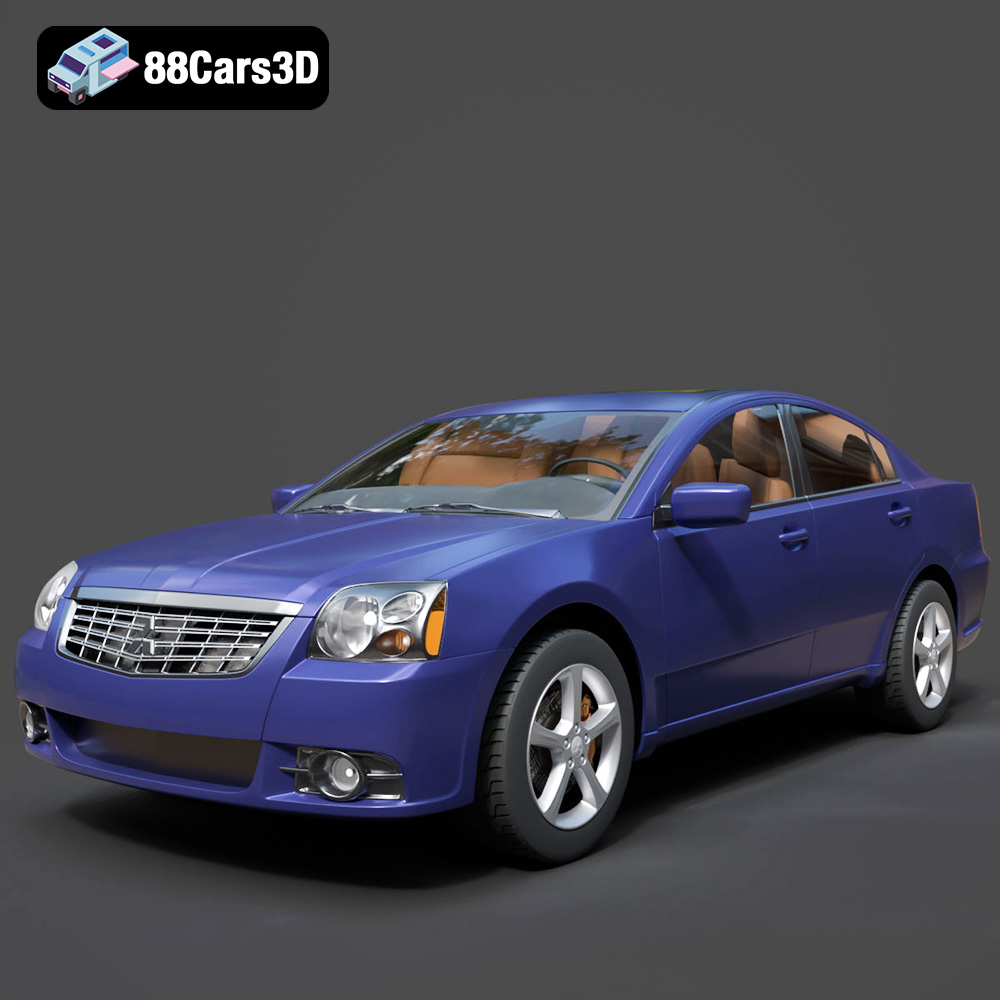
Texture: Yes
Material: Yes
Download the Mitsubishi Galant 2009 3D Model featuring clean geometry, realistic detailing, and a fully modeled interior. Includes .blend, .fbx, .obj, .glb, .stl, .ply, .unreal, and .max formats for rendering, simulation, and game development.
Price: $4.99
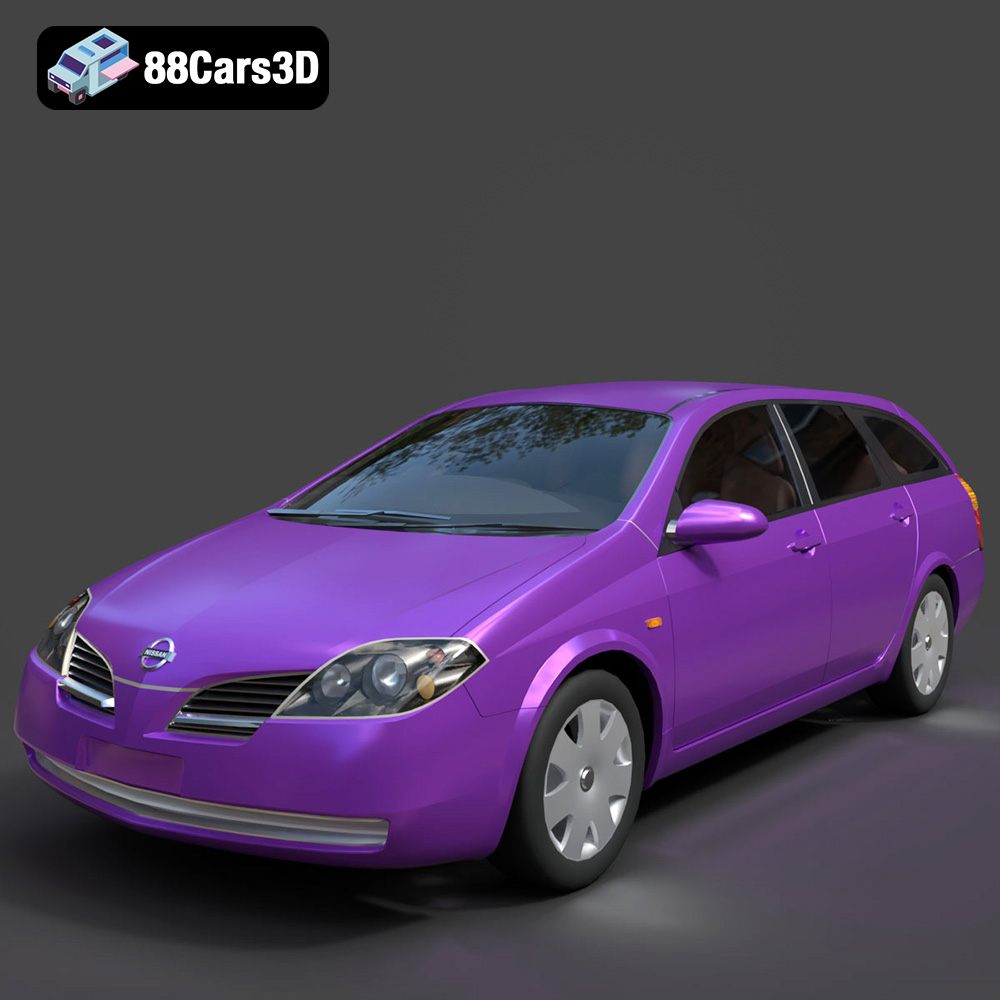
Texture: Yes
Material: Yes
Download the Nissan Primera Wagon 3D Model featuring clean geometry, realistic detailing, and a fully modeled interior. Includes .blend, .fbx, .obj, .glb, .stl, .ply, .unreal, and .max formats for rendering, simulation, and game development.
Price: $4.99
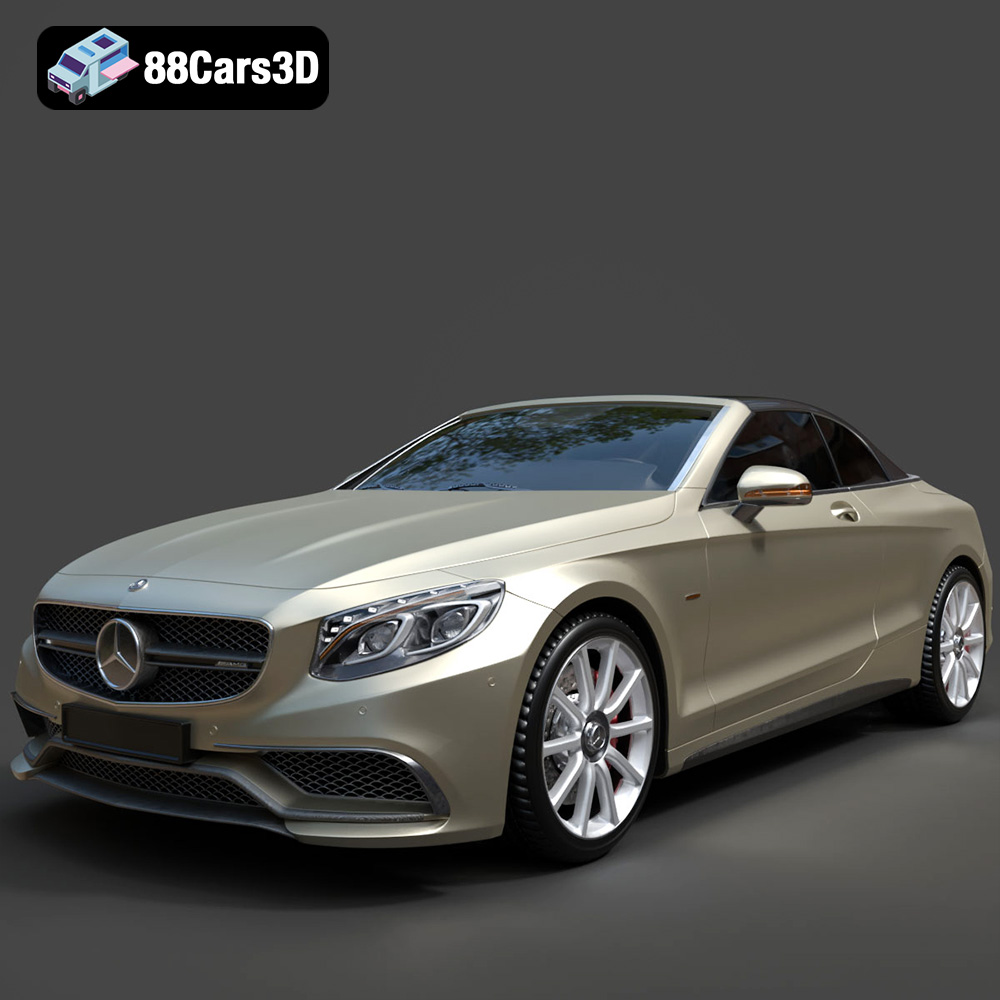
Texture: Yes
Material: Yes
Download the Mercedes-Benz S63 AMG Cabriolet 2017 3D Model featuring clean geometry, realistic detailing, and a fully modeled interior. Includes .blend, .fbx, .obj, .glb, .stl, .ply, .unreal, and .max formats for rendering, simulation, and game development.
Price: $20.99
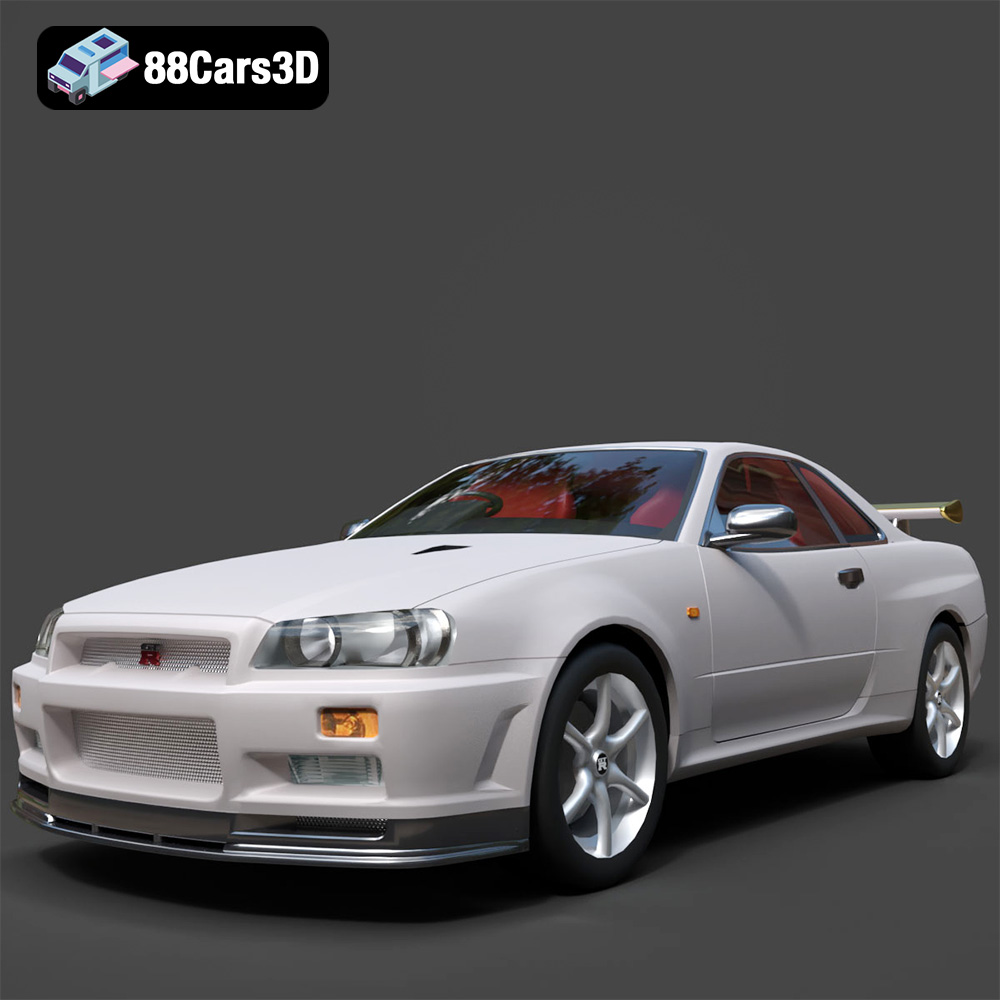
Texture: Yes
Material: Yes
Download the Nissan Skyline R34 2002 3D Model featuring clean geometry, realistic detailing, and a fully modeled interior. Includes .blend, .fbx, .obj, .glb, .stl, .ply, .unreal, and .max formats for rendering, simulation, and game development.
Price: $4.99
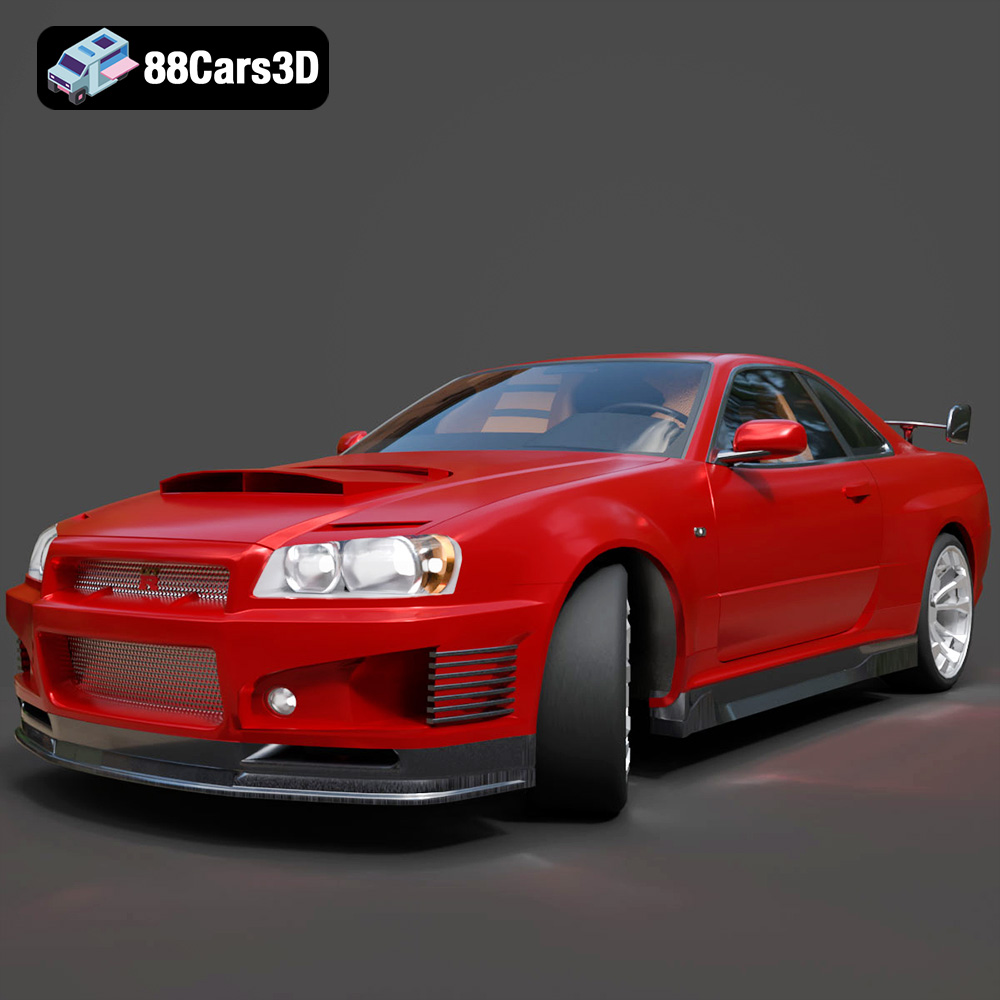
Texture: Yes
Material: Yes
Download the Nissan Skyline 3D Model featuring clean geometry, realistic detailing, and a fully modeled interior. Includes .blend, .fbx, .obj, .glb, .stl, .ply, .unreal, and .max formats for rendering, simulation, and game development.
Price: $9.99
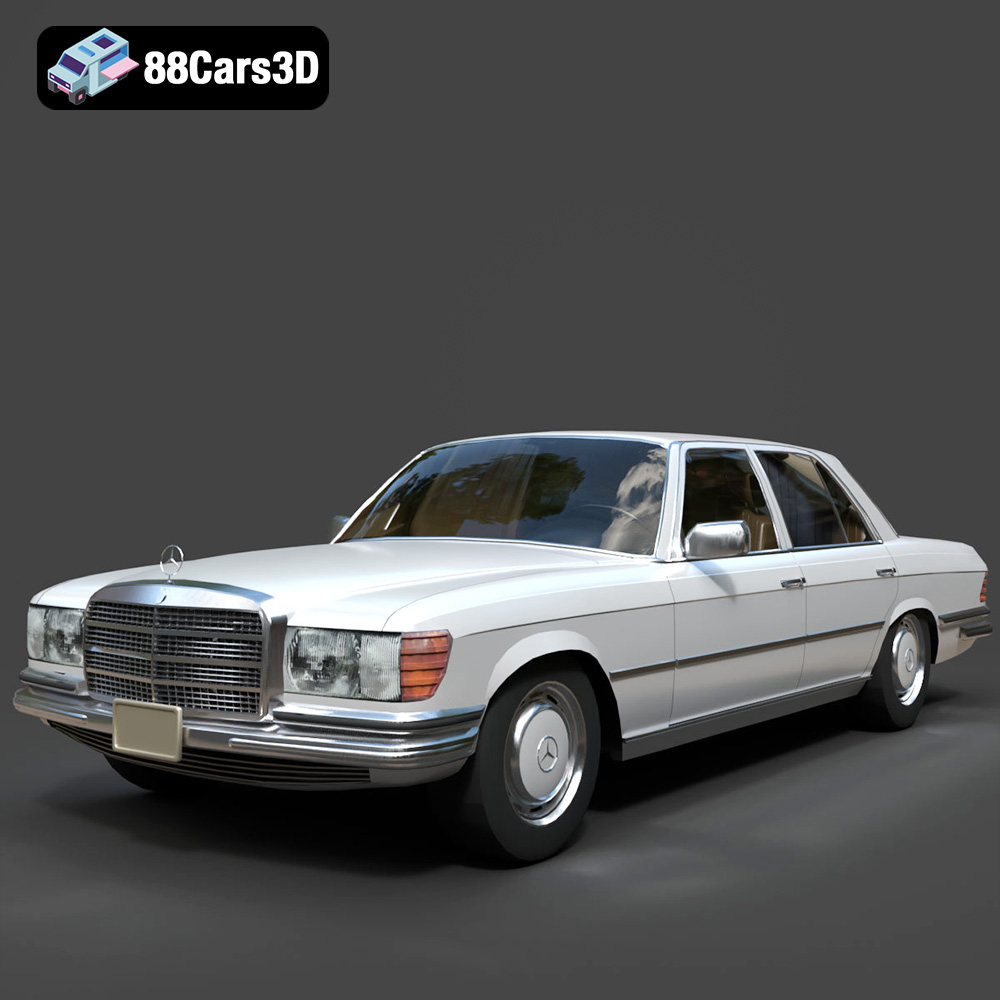
Texture: Yes
Material: Yes
Download the Mercedes-Benz S-Klasse W116 3D Model featuring clean geometry, realistic detailing, and a fully modeled interior. Includes .blend, .fbx, .obj, .glb, .stl, .ply, .unreal, and .max formats for rendering, simulation, and game development.
Price: $4.99
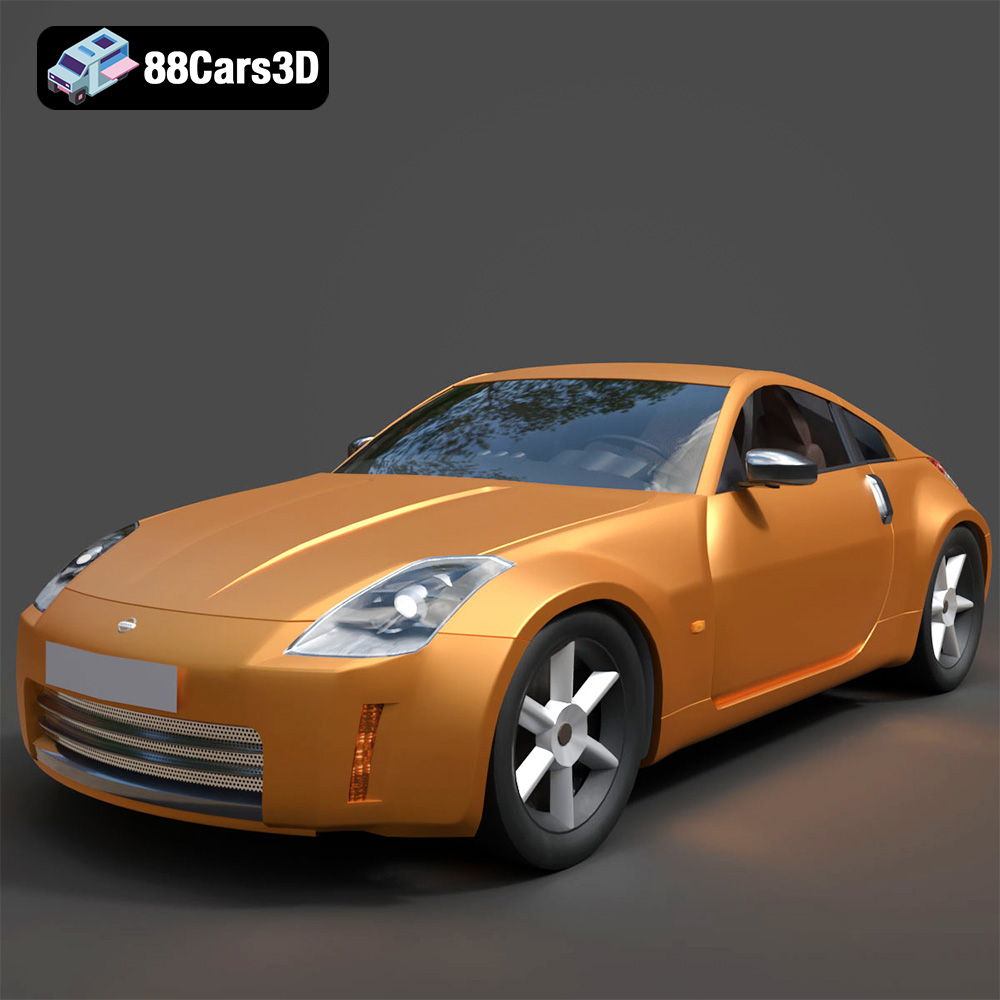
Texture: Yes
Material: Yes
Download the Nissan 350Z 3D Model featuring clean geometry, realistic detailing, and a fully modeled interior. Includes .blend, .fbx, .obj, .glb, .stl, .ply, .unreal, and .max formats for rendering, simulation, and game development.
Price: $4.99

Texture: Yes
Material: Yes
Download the Nissan Skyline V35 2001 3D Model featuring clean geometry, realistic detailing, and a fully modeled interior. Includes .blend, .fbx, .obj, .glb, .stl, .ply, .unreal, and .max formats for rendering, simulation, and game development.
Price: $4.99

Texture: Yes
Material: Yes
Download the Mercedes-Benz S-Klasse 221-007 3D Model featuring clean geometry, realistic detailing, and a fully modeled interior. Includes .blend, .fbx, .obj, .glb, .stl, .ply, .unreal, and .max formats for rendering, simulation, and game development.
Price: $4.99
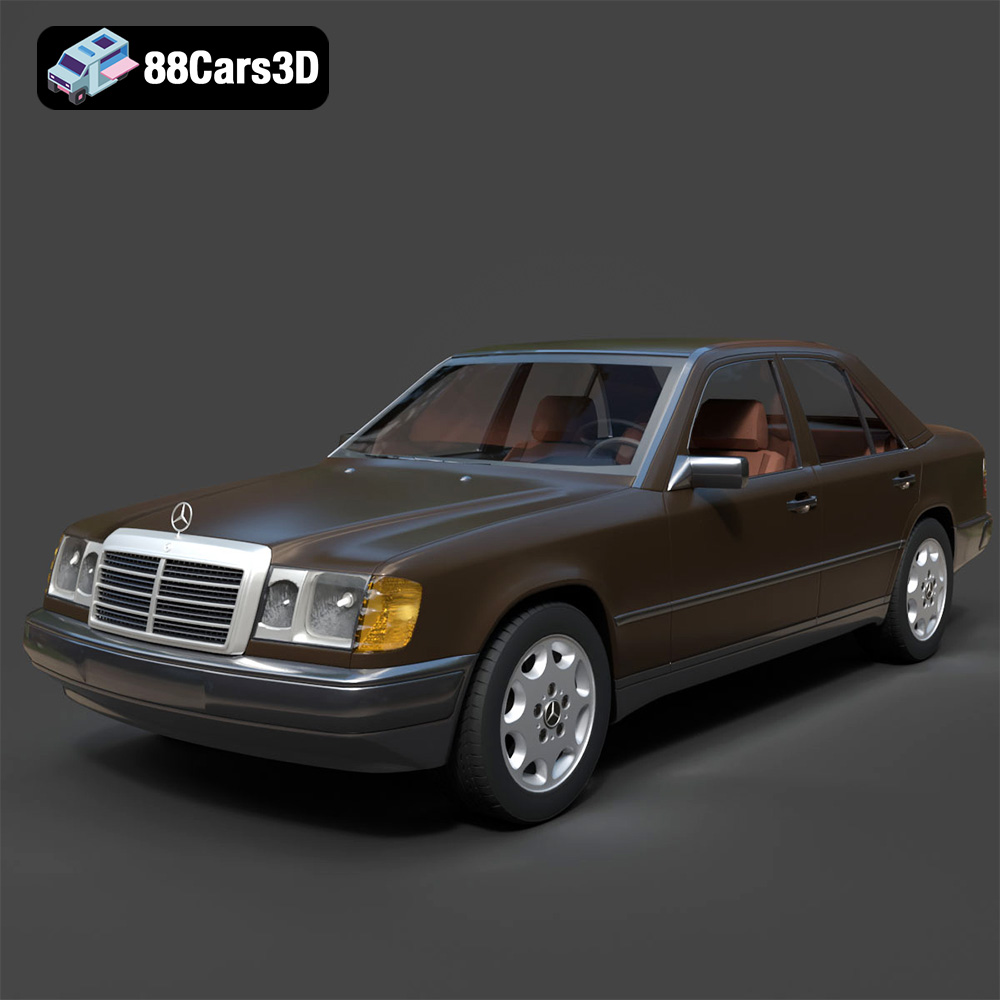
Texture: Yes
Material: Yes
Download the Mercedes W124 Sedan 3D Model featuring clean geometry, realistic detailing, and a fully modeled interior. Includes .blend, .fbx, .obj, .glb, .stl, .ply, .unreal, and .max formats for rendering, simulation, and game development.
Price: $4.99

