⚡ FLASH SALE: Get 60% OFF All Premium 3D & STL Models! ⚡

In the vibrant world of 3D visualization, automotive models stand as a testament to precision, artistry, and technical prowess. From captivating advertisements and immersive game environments to detailed product configurators and innovative AR/VR experiences, high-quality 3D car models are the digital backbone of countless projects. Crafting these assets, however, is far from a simple task. It demands a deep understanding of intricate workflows, meticulous attention to detail, and a mastery of various software and techniques.
This comprehensive guide dives deep into the technical journey of creating, optimizing, and deploying 3D automotive models. Whether you’re a seasoned 3D artist seeking to refine your workflow, a game developer aiming for unparalleled realism, an automotive designer exploring new visualization methods, or simply an enthusiast curious about the craft, you’ll discover invaluable insights. We’ll navigate the complexities of clean topology, flawless UV mapping, physically based rendering (PBR) materials, and advanced rendering techniques. We’ll also explore crucial optimization strategies for game engines and delve into the specialized requirements for cutting-edge applications like AR/VR and 3D printing. Platforms like 88cars3d.com offer a gateway to acquiring ready-made, high-quality assets, but understanding the underlying principles discussed here empowers you to truly leverage and customize them for your specific needs. Prepare to unlock the full potential of 3D automotive design and elevate your projects to a professional standard.
The foundation of any exceptional 3D car model lies in its topology – the arrangement of vertices, edges, and faces that define its mesh. For automotive subjects, where smooth curves, sharp creases, and complex panel gaps are paramount, clean and efficient topology is not just a preference, it’s a necessity. Poor topology leads to shading artifacts, difficult UV unwrapping, and problematic deformations, hindering realism and performance.
The core principle is to build models predominantly with quads (four-sided polygons). While triangulated meshes are the ultimate output for real-time engines and 3D printing, a quad-based workflow during modeling facilitates smoother subdivision, easier edge loop manipulation, and cleaner normal calculations. Maintaining consistent edge flow, especially around critical areas like wheel wells, headlights, and body panel transitions, ensures that reflections behave realistically and that the model deforms predictably if animated. A high-poly automotive model designed for rendering might typically range from 150,000 to 500,000 polygons, depending on the level of interior detail and complexity. Game-ready assets, on the other hand, require a more conservative approach, often starting with high-poly models for baking, then reducing to 30,000 to 80,000 polygons for a base LOD (Level of Detail).
Adhering to fundamental topology rules is crucial for achieving professional-grade automotive models. Firstly, avoid N-gons (polygons with more than four sides) as they cause unpredictable shading and subdivision issues. While modern renderers can often handle them, they are a workflow hinderance. Secondly, manage poles (vertices where more or less than five edges meet). While 3-pole and 5-pole vertices are often necessary for changing edge direction or density, excessive or poorly placed poles can lead to pinching and undesirable surface distortion. Aim for poles in flatter areas or along natural creases where their effect is minimized.
Thirdly, maintain a relatively even mesh density. Areas that require more detail or sharper curves will naturally have more edges, but avoid abrupt changes in density across a smooth surface, which can lead to visible interpolation issues. Finally, establish clear edge loops that follow the natural contours and creases of the vehicle. These loops are vital for defining sharp edges (like the trim around windows or the lip of a wheel arch) and for creating clean panel gaps. Utilizing non-destructive modifiers like Subdivision Surface (Blender) or TurboSmooth (3ds Max) requires this precise edge flow to produce a smooth, high-resolution mesh from a relatively low-poly base.
Automotive design is a symphony of complex curves, requiring specialized modeling techniques. Many artists begin with a meticulous spline cage, tracing blueprints and reference images in orthogonal views (front, side, top, back). This spline network then forms the basis for creating surfaces using techniques like surface modeling (NURBS in Rhino or Maya, then converted to polygons) or polygon-by-polygon modeling in software like 3ds Max or Blender. For smooth transitions and organic shapes inherent to car bodies, the box modeling approach, starting from a primitive shape and progressively refining it through extrusion, inset, and subdivision, is also highly effective. Particular attention must be paid to areas like the windshield and door frames, where compound curves meet and require precise vertex placement to avoid distortion.
When modeling intricate details such as air vents, grilles, or headlight housings, it’s often beneficial to model these as separate components, ensuring their topology doesn’t compromise the primary body panels. Afterward, they can be carefully integrated, often by projecting details onto the main mesh and utilizing retopology tools to merge them seamlessly. For panel gaps, a common practice is to create a slight indentation or a very tight pair of edge loops that mimic the real-world separation between panels. This detail, combined with careful shading and normal mapping, dramatically enhances realism without excessively increasing polygon count in unnecessary areas.
Once your 3D car model’s topology is meticulously crafted, the next critical step is UV mapping. This process involves flattening the 3D surface of your model into a 2D space, allowing textures to be painted or applied without distortion. For the complex and varied surfaces of an automobile – from the expansive, reflective body panels to the intricate details of tires and interiors – strategic UV mapping is paramount to achieving photorealism and efficient material workflows.
Poor UVs lead to stretched textures, visible seams, and wasted texture space, severely impacting the visual quality. The goal is to create a clean, organized UV layout with minimal distortion, even texel density, and strategically placed seams. This ensures that PBR materials, normal maps, and diffuse textures wrap around the model perfectly, regardless of the angle or proximity. Effective UV mapping also lays the groundwork for advanced texturing techniques like UDIMs, which allow for multiple high-resolution textures across different parts of the car, crucial for professional rendering and game development alike.
The diverse nature of a car’s components necessitates varied UV mapping strategies. For the main body panels, which often require large, seamless textures to capture intricate paint finishes and reflections, a combination of planar and projection mapping is often employed, carefully stitching together large UV islands. Seams should be placed in less visible areas, such as along natural panel gaps or underneath the vehicle. For symmetrical parts like doors or fenders, mirroring UVs can save texture space, provided that any unique details (like badges or specific damage) are handled separately or with mirrored textures.
Wheels, tires, and brake calipers benefit from cylindrical or planar mapping, often with specific unwraps for the tire tread and sidewall. Interiors are typically broken down into numerous smaller UV islands based on material zones (leather, plastic, fabric, metal) and often laid out to optimize texture atlasing for game engines. Glass components require very simple UVs, often just a planar projection, as their material properties (transparency, refraction) are usually driven by shader networks rather than complex texture maps. Consider using multiple UV sets for complex models, one for base colors and normals, and another for decals or ambient occlusion, offering greater flexibility in texturing applications like Substance Painter or Mari.
A critical aspect of professional UV mapping is ensuring consistent texel density across the entire model. Texel density refers to the number of pixels per unit of 3D space. If parts of your model have a higher texel density than others, textures will appear sharper on some parts and blurry on others. Tools within 3ds Max, Blender, or Maya allow you to calculate and visualize texel density, enabling you to scale UV islands appropriately to maintain uniformity.
For a high-quality rendered automotive model, aiming for a base texel density that supports 4K texture maps for the body and larger components (e.g., 40.96 px/cm or 1024 px/meter) is a good starting point. Smaller, less visible parts might use 2K or 1K maps. In game development, balancing texel density with memory budget is crucial. Often, UV islands for multiple smaller components (e.g., interior buttons, dashboard elements) are packed into a single texture atlas to reduce draw calls and optimize memory. When sourcing 3D car models from marketplaces like 88cars3d.com, artists often look for assets that already feature well-organized UV layouts and consistent texel density, saving significant time in production and ensuring high-quality results straight out of the box.
With a meticulously modeled and UV-unwrapped car, the next step is to breathe life into it through realistic materials and shading. Physically Based Rendering (PBR) has revolutionized this process, providing a robust framework for creating materials that react realistically to light, regardless of the rendering environment. PBR ensures consistent and believable surfaces across various lighting conditions, making your 3D car models shine whether they’re in an indoor studio or an outdoor scene.
The essence of PBR lies in its adherence to physical properties of light interaction, focusing on how light is reflected (specular/glossiness) and absorbed/refracted (diffuse/albedo). This workflow necessitates specific texture maps – typically Albedo/Base Color, Metallic, Roughness/Glossiness, Normal, and Ambient Occlusion – which define these properties across the surface. Understanding how these maps interact within a shader network is key to achieving stunning realism, from the subtle metallic flakes in car paint to the intricate reflections on chrome trim and the subtle imperfections of a worn tire.
There are two primary PBR workflows, each with its own advantages and common applications:
Regardless of the workflow chosen, accurate texture creation is vital. This often involves baking maps from high-resolution sculpts onto lower-resolution game meshes, or generating them procedurally and manually painting details in software like Substance Painter or Mari. High-resolution texture maps (e.g., 4096×4096 or 8192×8192 for the body) are essential for achieving sharp details and realistic surface imperfections, especially in close-up renders.
Achieving truly convincing automotive finishes goes beyond basic PBR maps. Car paint, for instance, is a complex layered material. A typical car paint shader network involves:
Modern renderers like Corona, V-Ray, Cycles (Blender), and Arnold offer dedicated car paint shaders or allow for complex layering of standard PBR shaders to achieve this effect. For details like glass, accurate refraction and absorption properties are key, often requiring subtle tinting and careful Fresnel falloff. Tires benefit from complex normal maps to convey tread patterns and subtle texture variations, combined with a slightly rough, dark PBR material. Chrome and polished metals rely heavily on high metallic values and low roughness, capturing sharp, environment-reflecting surfaces.
Other elements like headlights and taillights often combine emissive materials for lights with complex refractive and reflective glass covers, often with internal reflectors modeled in intricate detail. The goal is to simulate the physics of light interaction as accurately as possible, leveraging node-based shader editors to construct sophisticated material graphs that mimic real-world materials. This meticulous attention to material properties is what separates a good 3D car model from an outstanding one, providing the realism necessary for high-end automotive rendering.
After your 3D car model is meticulously crafted and textured with realistic PBR materials, the final stage for visualization professionals is rendering. This is where all the technical and artistic effort converges, transforming your digital asset into a stunning, photorealistic image or animation. High-fidelity automotive rendering demands a keen eye for lighting, environment setup, and a deep understanding of your chosen rendering engine’s capabilities. The goal is to capture the vehicle’s form, material properties, and design aesthetics in the most compelling way possible, whether for marketing, design review, or artistic showcase.
A typical rendering workflow involves setting up lights, choosing an appropriate environment, configuring camera angles and settings, and then fine-tuning the render engine parameters. Post-processing in software like Photoshop or After Effects is also an integral part of enhancing the final output, adding depth, color correction, and subtle effects that elevate the image from raw render to polished masterpiece. The quality of the final render heavily depends on the source model and materials; this is why sourcing high-quality 3D car models from platforms like 88cars3d.com is often the first step for artists seeking professional results quickly.
Lighting is arguably the most crucial element in automotive rendering. It defines the mood, reveals the car’s sculpted lines, and brings out the nuances of its materials. Most professional automotive renders utilize a combination of techniques:
The interaction between the car’s reflective surfaces and its environment is key. Reflections should be interesting but not distracting, highlighting the car’s form without obscuring details. Experiment with different HDRI maps – from bright outdoor scenes to moody overcast skies or futuristic studio setups – to see how they dramatically alter the car’s appearance.
Several powerful rendering engines are available, each with its unique strengths and workflows.
Regardless of the engine, always render at a sufficiently high resolution (e.g., 4K or 8K for print) and output to a high dynamic range format like EXR or TIFF. This preserves maximum color and lighting information, providing unparalleled flexibility in post-processing for color grading, adding effects, and making subtle adjustments without losing quality.
While high-fidelity rendering focuses on ultimate visual quality, deploying 3D car models in real-time environments like game engines (Unity, Unreal Engine) introduces a new set of challenges centered around performance optimization. A beautifully detailed car model designed for offline rendering can bring a game to its knees if not properly optimized. The goal is to strike a delicate balance between visual fidelity and maintaining smooth frame rates, ensuring an immersive experience for players. This involves strategic polygon reduction, smart texture management, and efficient use of game engine features.
Game-ready assets require a completely different mindset from render-ready ones. Every vertex, every texture call, and every material contributes to the computational load. Successful optimization means creating assets that look fantastic within the performance budget of the target platform – whether it’s a high-end PC, a console, or a mobile device. This meticulous attention to detail is why professional artists often rely on assets from marketplaces like 88cars3d.com, which frequently offer pre-optimized, game-ready 3D car models with various LODs and clean asset structures.
One of the most effective strategies for game performance is implementing Level of Detail (LOD). This involves creating multiple versions of the same car model, each with progressively fewer polygons. As the car moves further from the camera, the game engine automatically switches to a lower-poly LOD, reducing the processing load without a noticeable drop in visual quality.
These LODs are typically generated by carefully simplifying the high-poly model, and then baking normal maps from the high-poly mesh onto the lower-poly LODs to preserve fine surface details. Both Unity and Unreal Engine have robust LOD systems that automatically manage these transitions.
Culling techniques further enhance performance:
Reducing draw calls is another critical optimization. Each time the GPU has to draw an object with a unique material, it’s a draw call. Minimizing these by combining meshes and materials is vital. For example, a car’s interior might have 50 different materials. By combining textures into atlases and applying a single material, draw calls can be drastically reduced.
Texture Atlasing is a powerful technique to reduce draw calls and optimize memory usage. Instead of having dozens of small texture maps for different parts of the car (e.g., dashboard buttons, vents, emblems), these textures are combined into a single, larger texture atlas. All the UV islands for these components are then packed into this shared texture space, allowing them to use a single material, thus significantly reducing draw calls. This is particularly useful for car interiors where numerous small elements can quickly escalate material count. When creating texture atlases, ensure consistent texel density for optimal visual quality.
Material Instancing (Unreal Engine) or Material Properties (Unity) allows artists to create multiple variations of a base material without creating entirely new materials. For example, a single car paint material can be instantiated multiple times, with each instance having different base colors, metallic values, or roughness settings. This saves performance by reusing the shader code of the parent material while offering immense creative flexibility for different car colors or material types. Furthermore, utilizing compressed texture formats (e.g., DXT for desktop, ETC/PVRTC for mobile) and carefully managing texture resolutions (e.g., 2048×2048 for body, 1024×1024 for interior, 512×512 for small props) are fundamental to staying within a game’s memory budget while delivering crisp visuals.
The journey of a 3D car model doesn’t end with rendering or game integration. High-quality 3D automotive assets are incredibly versatile, finding critical applications in emerging technologies like Augmented Reality (AR) and Virtual Reality (VR), as well as traditional manufacturing workflows such as 3D printing. Each application presents its unique set of technical requirements and optimization challenges, demonstrating the broad utility of well-prepared 3D car models. Whether you’re purchasing ready-to-use 3D car models from 88cars3d.com or building from scratch, understanding these diverse applications is key to maximizing the value of your assets.
The core principles of clean topology, efficient UVs, and PBR materials remain relevant, but the specific implementation and optimization strategies vary significantly. For interactive AR/VR experiences, performance is paramount, often necessitating aggressive polygon reduction and streamlined material setups. For 3D printing, the focus shifts to ensuring manifold geometry and physical integrity. These varied demands highlight the need for flexible 3D assets that can be adapted and exported into different file formats suitable for their specific end-use.
AR/VR applications, especially on mobile devices, are extremely sensitive to performance. The goal is to render realistic 3D car models at high frame rates (e.g., 60-90 FPS per eye for VR) with minimal latency. This typically means:
Specific file formats are critical for AR/VR deployment:
These formats streamline the deployment of interactive 3D car models, making them accessible across a wide range of devices and platforms.
Transforming a digital 3D car model into a physical object via 3D printing introduces a unique set of requirements focused on mesh integrity and physical properties:
Prepping a 3D car model for printing often involves simplifying intricate internal components, ensuring all parts are joined into a single solid mesh, and adding necessary supports if not done automatically by the slicing software. The accuracy of the original 3D car model’s dimensions and the cleanliness of its mesh are critical for a successful 3D print, allowing enthusiasts and designers to bring their digital automotive creations into the physical world.
The journey from a conceptual idea to a fully realized, versatile 3D automotive model is a detailed and demanding one, requiring a blend of artistic vision and technical mastery. We’ve explored the foundational importance of clean topology, the precision required for effective UV mapping, the magic of physically based rendering materials, and the specialized workflows for both high-fidelity rendering and real-time game engine performance. We’ve also touched upon the unique demands of cutting-edge applications like AR/VR and the practicalities of preparing models for 3D printing.
Ultimately, the creation of professional 3D car models is a continuous process of learning, refining techniques, and adapting to new technologies. Whether you are meticulously modeling every bolt and rivet from scratch or optimizing existing assets, a deep understanding of these technical principles empowers you to achieve stunning results. By focusing on clean workflows, efficient optimization, and a commitment to realism, you can unlock the full potential of your automotive projects.
For those looking to accelerate their projects with ready-made, production-quality assets, remember that platforms like 88cars3d.com offer a curated selection of 3D car models engineered with these very principles in mind – featuring clean topology, realistic PBR materials, and optimized structures for a wide range of applications. Embrace these tools and techniques, and drive your 3D automotive visualizations to new heights.
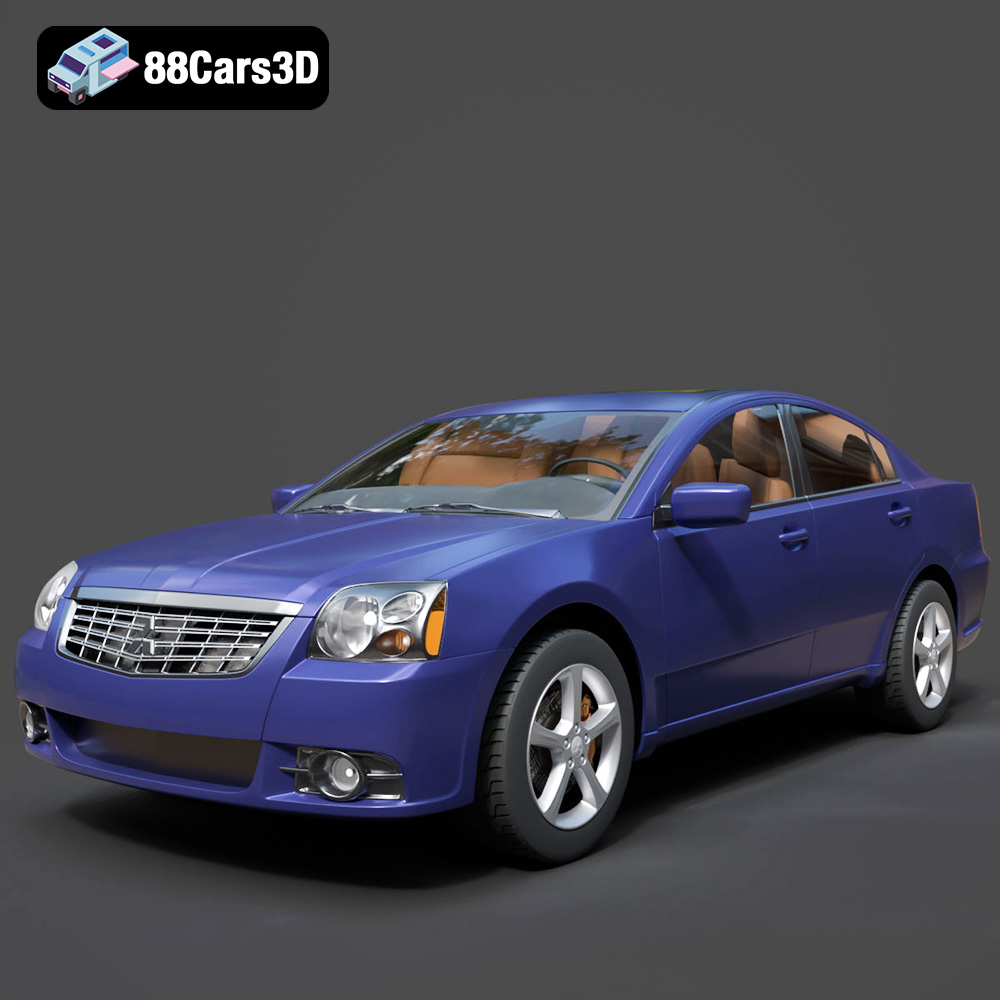
Texture: Yes
Material: Yes
Download the Mitsubishi Galant 2009 3D Model featuring clean geometry, realistic detailing, and a fully modeled interior. Includes .blend, .fbx, .obj, .glb, .stl, .ply, .unreal, and .max formats for rendering, simulation, and game development.
Price: $4.99
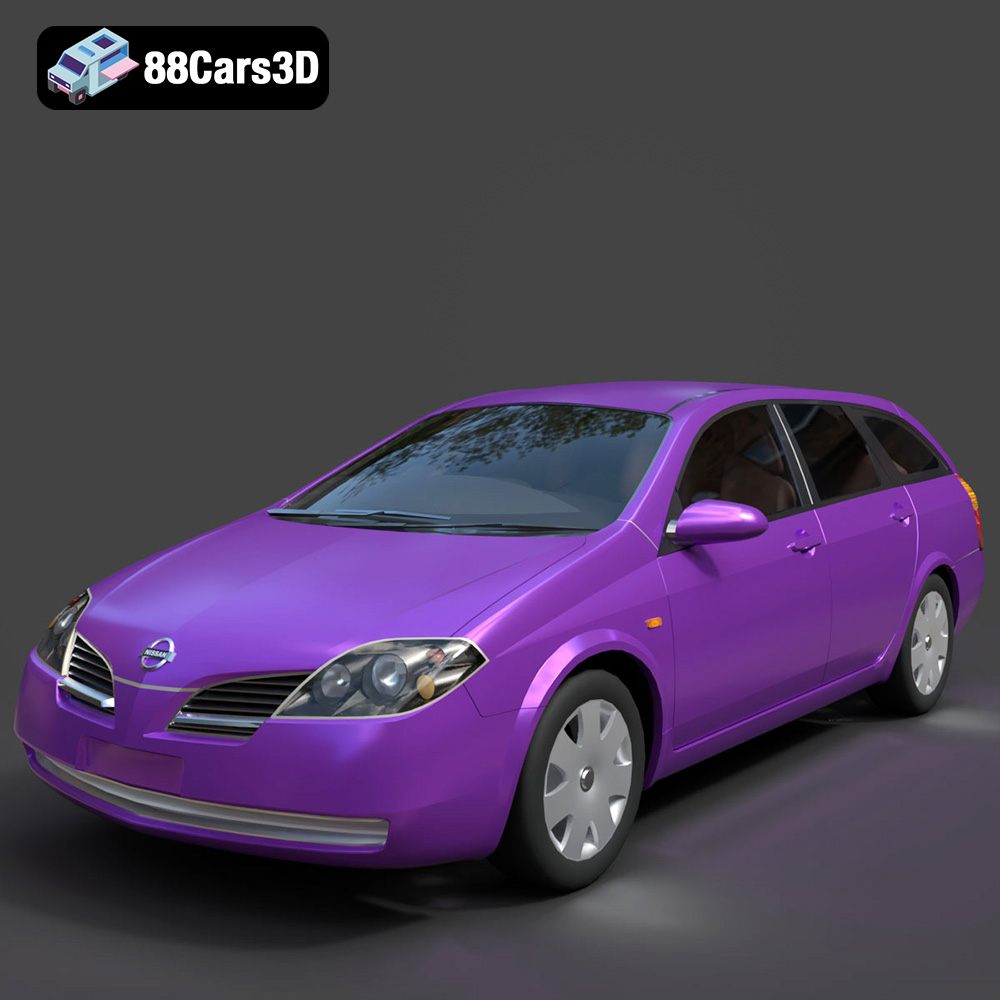
Texture: Yes
Material: Yes
Download the Nissan Primera Wagon 3D Model featuring clean geometry, realistic detailing, and a fully modeled interior. Includes .blend, .fbx, .obj, .glb, .stl, .ply, .unreal, and .max formats for rendering, simulation, and game development.
Price: $4.99
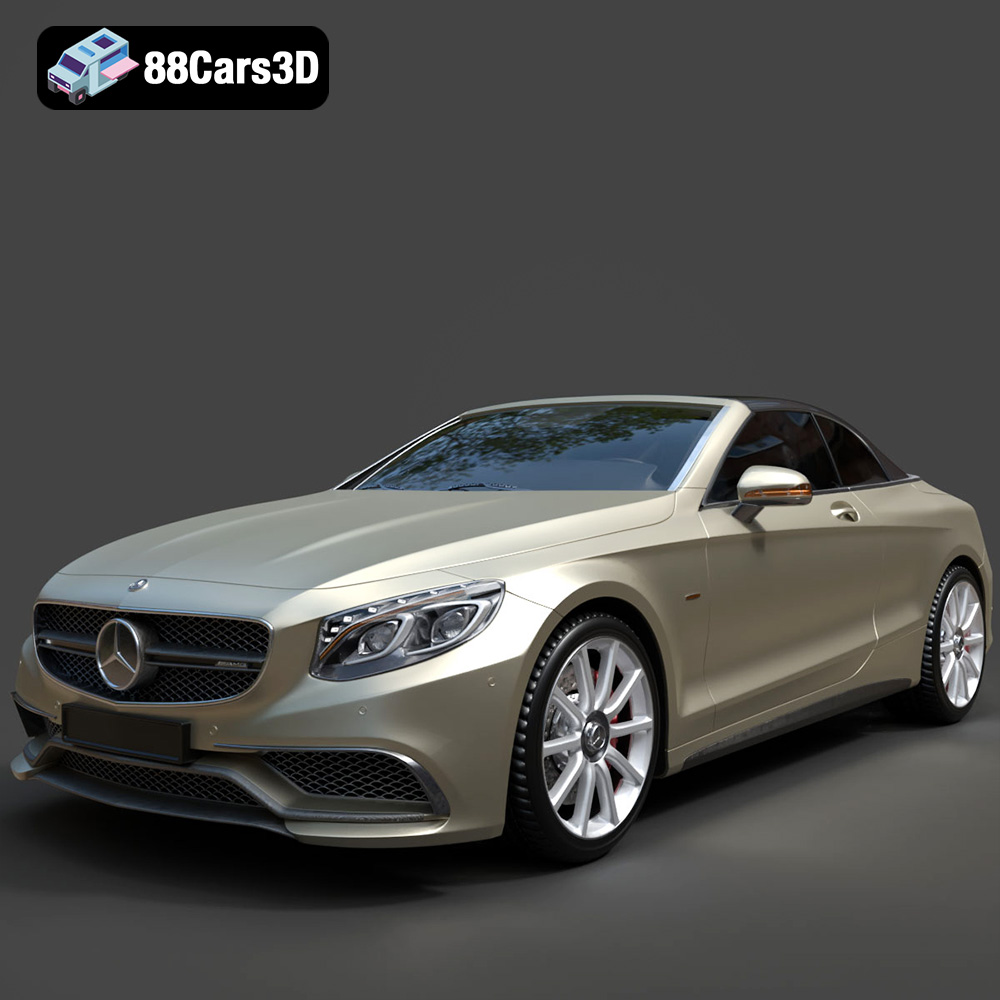
Texture: Yes
Material: Yes
Download the Mercedes-Benz S63 AMG Cabriolet 2017 3D Model featuring clean geometry, realistic detailing, and a fully modeled interior. Includes .blend, .fbx, .obj, .glb, .stl, .ply, .unreal, and .max formats for rendering, simulation, and game development.
Price: $20.99
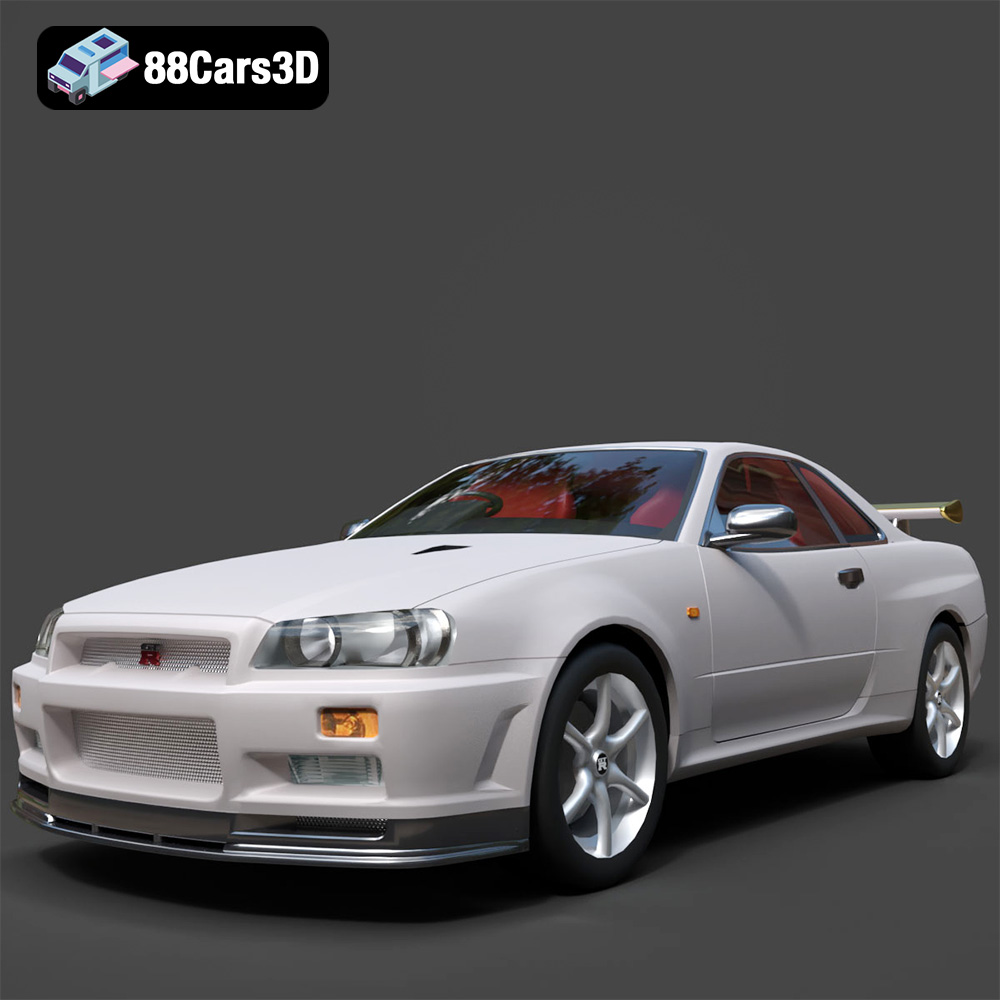
Texture: Yes
Material: Yes
Download the Nissan Skyline R34 2002 3D Model featuring clean geometry, realistic detailing, and a fully modeled interior. Includes .blend, .fbx, .obj, .glb, .stl, .ply, .unreal, and .max formats for rendering, simulation, and game development.
Price: $4.99
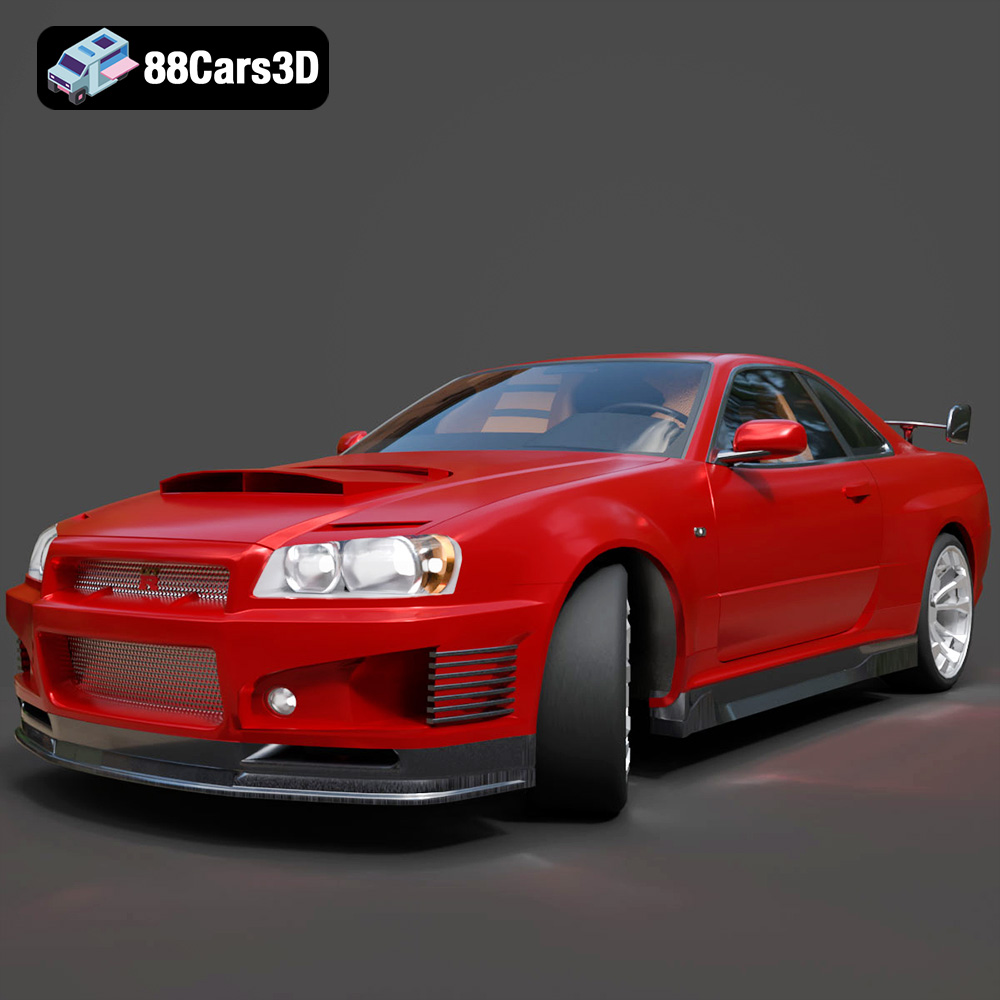
Texture: Yes
Material: Yes
Download the Nissan Skyline 3D Model featuring clean geometry, realistic detailing, and a fully modeled interior. Includes .blend, .fbx, .obj, .glb, .stl, .ply, .unreal, and .max formats for rendering, simulation, and game development.
Price: $9.99
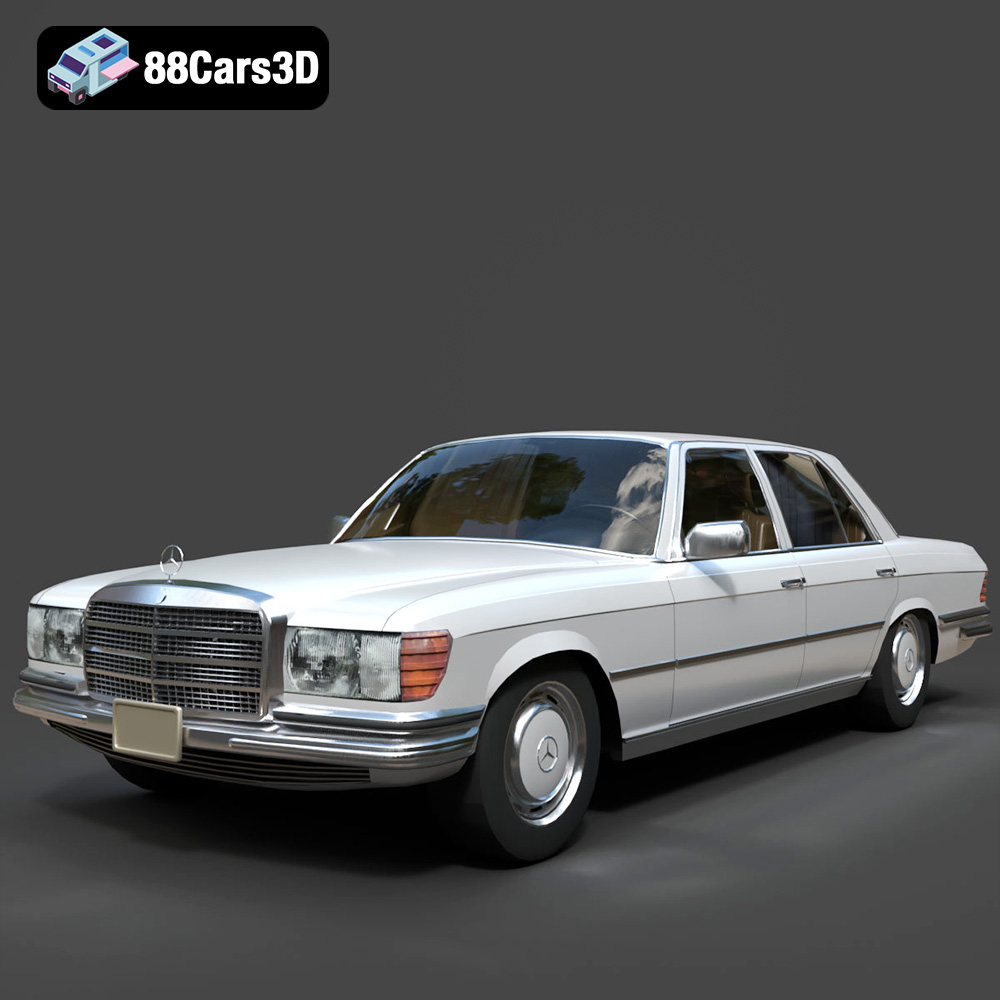
Texture: Yes
Material: Yes
Download the Mercedes-Benz S-Klasse W116 3D Model featuring clean geometry, realistic detailing, and a fully modeled interior. Includes .blend, .fbx, .obj, .glb, .stl, .ply, .unreal, and .max formats for rendering, simulation, and game development.
Price: $4.99
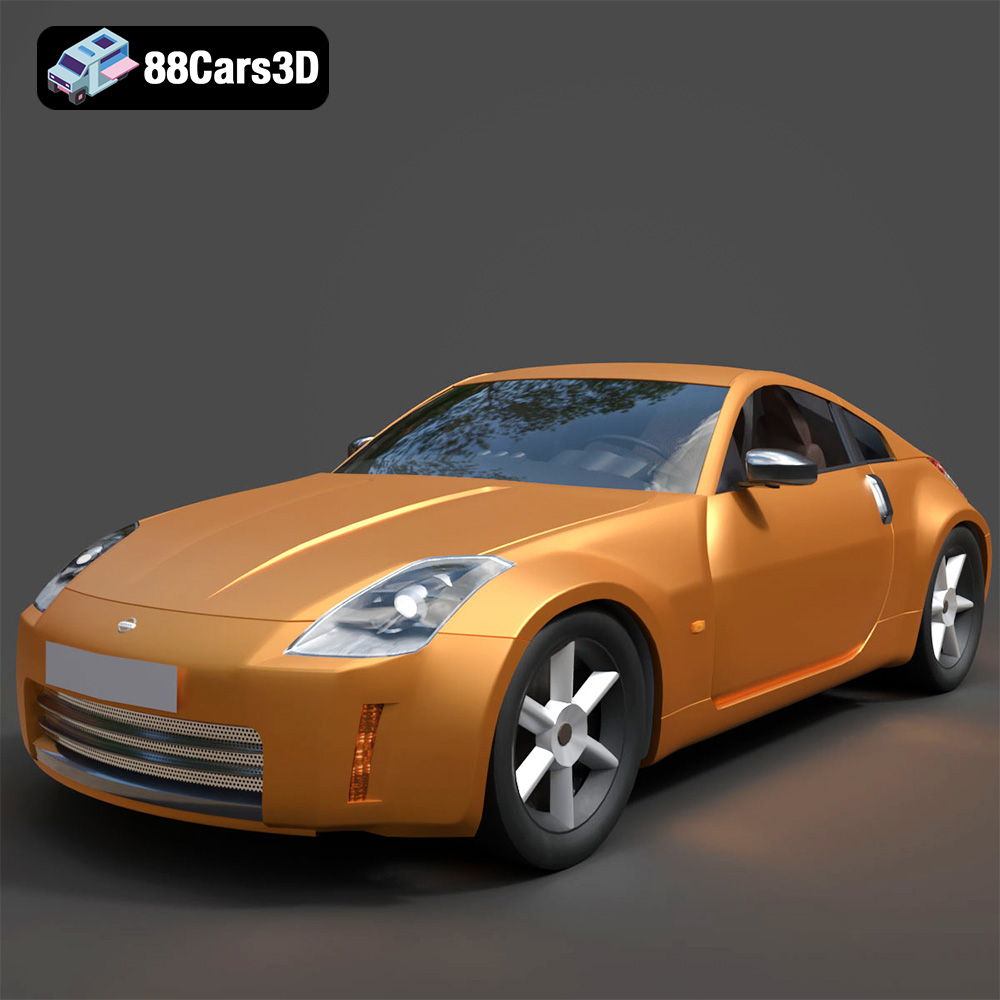
Texture: Yes
Material: Yes
Download the Nissan 350Z 3D Model featuring clean geometry, realistic detailing, and a fully modeled interior. Includes .blend, .fbx, .obj, .glb, .stl, .ply, .unreal, and .max formats for rendering, simulation, and game development.
Price: $4.99

Texture: Yes
Material: Yes
Download the Nissan Skyline V35 2001 3D Model featuring clean geometry, realistic detailing, and a fully modeled interior. Includes .blend, .fbx, .obj, .glb, .stl, .ply, .unreal, and .max formats for rendering, simulation, and game development.
Price: $4.99

Texture: Yes
Material: Yes
Download the Mercedes-Benz S-Klasse 221-007 3D Model featuring clean geometry, realistic detailing, and a fully modeled interior. Includes .blend, .fbx, .obj, .glb, .stl, .ply, .unreal, and .max formats for rendering, simulation, and game development.
Price: $4.99
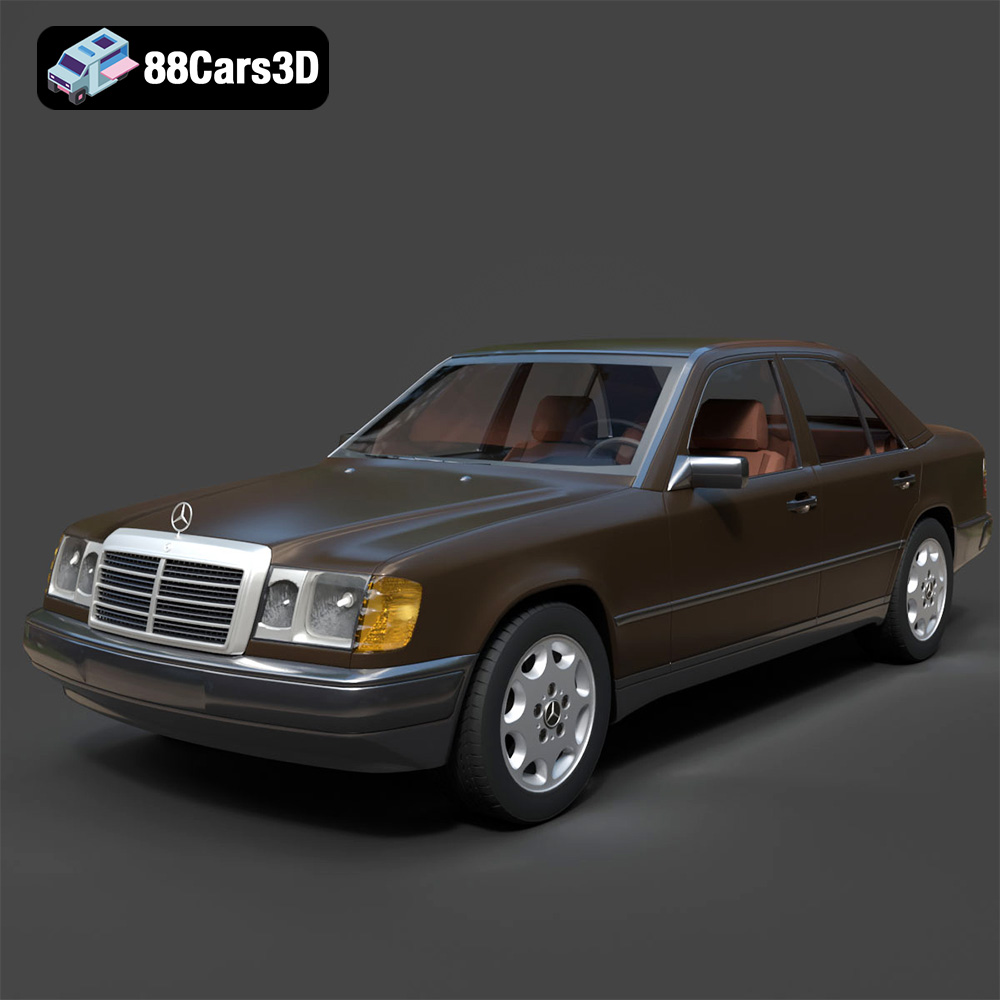
Texture: Yes
Material: Yes
Download the Mercedes W124 Sedan 3D Model featuring clean geometry, realistic detailing, and a fully modeled interior. Includes .blend, .fbx, .obj, .glb, .stl, .ply, .unreal, and .max formats for rendering, simulation, and game development.
Price: $4.99

