⚡ FLASH SALE: Get 60% OFF All Premium 3D & STL Models! ⚡

The allure of a perfectly crafted automobile transcends mere transportation; it’s an embodiment of design, engineering, and aspiration. In the digital realm, capturing this essence requires a profound understanding of 3D modeling, texturing, rendering, and optimization. Whether you’re an automotive designer visualizing a new concept, a game developer crafting immersive virtual worlds, or a filmmaker demanding photorealism, the quality of your 3D car model is paramount. It’s not just about creating a shape, but about meticulously constructing every curve, reflection, and material interaction to evoke realism and performance.
This comprehensive guide delves deep into the technical intricacies of producing world-class 3D car models. We will navigate the critical stages of development, from establishing pristine topology and efficient UV mapping to crafting stunning PBR materials and mastering advanced rendering techniques. Beyond static imagery, we’ll explore the essential strategies for optimizing models for interactive applications like game engines and AR/VR, and even prepare them for physical fabrication through 3D printing. By the end of this journey, you’ll possess a robust understanding of the workflows and best practices that underpin the creation of truly exceptional 3D automotive assets, enabling you to elevate your projects to professional standards.
The backbone of any high-quality 3D car model is its topology – the arrangement of its vertices, edges, and faces. For complex organic shapes and hard surfaces like those found on automobiles, clean and efficient topology is not just a preference, it’s a necessity. Good topology ensures smooth deformation during animation, predictable results when using subdivision surfaces, and a clean base for UV mapping and texturing. Without it, even the most sophisticated textures and renders will struggle to hide underlying geometric imperfections. The challenge lies in accurately capturing the intricate curves, sharp panel lines, and subtle surfacing details of a car while maintaining an optimal mesh density.
The industry standard for modeling complex, deformable objects is quad-based topology. Quads (four-sided polygons) subdivide predictably, creating smooth, flowing surfaces that are essential for the continuous curves of a car body. Unlike triangles or n-gons, quads allow for even distribution of mesh density, which is crucial when applying subdivision surface modifiers like 3ds Max’s Turbosmooth, Blender’s Subdivision Surface, or Maya’s Smooth Mesh Preview. These modifiers take a relatively low-polygon base mesh and, by mathematically smoothing it, generate a high-resolution, curvature-continuous surface at render time. This non-destructive workflow allows artists to iterate quickly on the base mesh while previewing the final smoothed result, making it incredibly powerful for automotive design where precision in curvature is everything. A uniform mesh density, meaning polygons of roughly similar size across the surface, helps prevent pinch points and ensures consistent smoothing.
Beyond simply using quads, the *flow* of edges dictates how light interacts with the surface and how details are defined. For automotive models, edge loops must meticulously follow the contours of the car, outlining panel gaps, character lines, and hard edges. This is critical for controlling reflections and highlights, which can instantly reveal imperfections in the model. Supporting edges are another vital concept: these are extra edge loops placed close to a hard edge to “hold” its sharpness when subdivision surfaces are applied. Without them, sharp corners would become rounded. Managing poles (vertices where more or less than four edges meet) is also essential. While 3-edge and 5-edge poles are often unavoidable, their placement should be in areas of minimal visual impact or flat surfaces to prevent undesirable pinching or dimpling effects when subdivided. Techniques like careful manual poly modeling, using blueprint references, and advanced retopology tools such as 3ds Max’s Graphite Modeling Tools, Blender’s Quad Draw, or ZBrush’s ZRemesher are invaluable for achieving impeccable edge flow, ensuring that every design line of the vehicle is perfectly represented. A high-poly render-ready model might range from 50,000 to 150,000 polygons (unsubdivided), while a game-ready asset might be significantly lower, focusing on retaining crucial silhouette details.
Once the geometric form is perfected, the next crucial step is to define its surface appearance. This involves UV mapping, the process of unwrapping the 3D mesh into a 2D layout to apply textures, and the creation of physically based rendering (PBR) materials. Together, these steps allow artists to imbue their 3D car models with the rich details of paint, metal, glass, plastic, and rubber, all while ensuring that these materials react realistically to light in any environment. The goal is not just to paint a texture, but to define the intrinsic properties of a material that interact with a rendering engine’s physical light simulation.
Effective UV unwrapping is foundational for achieving high-quality texturing without distortion. For complex automotive surfaces, strategic seam placement is key. Seams should be placed in hidden areas (e.g., underneath the car, along sharp creases that naturally break the surface) to minimize their visibility. The goal is to minimize stretching and overlapping of UV islands, ensuring that every pixel of a texture map corresponds accurately to a surface area on the 3D model. Often, multiple UV sets are used for different purposes: one for the main body paint, another for decals or ambient occlusion, and perhaps another for lightmaps in game engines. Efficient UV packing, which arranges UV islands closely together without overlap, maximizes texture resolution usage and reduces memory footprint. Tools like 3ds Max’s UVW Unwrap modifier, Blender’s powerful UV Editor, and Maya’s UV Toolkit provide robust features for manual unwrapping, automatic packing, and visualizing potential distortion, allowing artists to create clean, optimized UV layouts that form the perfect canvas for PBR textures. Texture resolutions are often segmented: 2K-4K for the main body, 1K-2K for smaller details like tires, headlights, or interior elements, balancing visual fidelity with performance.
Physically Based Rendering (PBR) materials are the gold standard for photorealism, mimicking how real-world materials interact with light. The core of PBR lies in defining material properties using a set of texture maps:
For car paint, an advanced layered material setup is often employed, replicating the real-world process of a base coat (color, metallic flakes), and a clear coat (glossy, reflective, protective layer). Node-based shader editors in Blender (Shader Editor), Corona Renderer, V-Ray, and Arnold allow for complex layering and procedural generation, offering precise control over every aspect of the material. Understanding the metallic vs. dielectric workflow is crucial: metallic materials have reflections that are tinted by their base color and typically have lower roughness, while dielectric materials have achromatic reflections (grey/white) and their base color is driven by the albedo map. This technical approach to material creation ensures consistency across different lighting conditions and rendering engines, making your 3D car models look believable and stunning every time.
The final presentation of a 3D car model often culminates in a high-quality render. This is where all the meticulously crafted geometry, UVs, and PBR materials converge to create a captivating image or animation. The rendering process simulates how light interacts with objects and cameras in a virtual scene, translating complex data into a photorealistic output. Achieving stunning results requires a deep understanding of lighting, camera properties, and the specific capabilities of various rendering engines.
Lighting is the single most critical factor in a photorealistic render. For automotive renders, artists often choose between studio-style lighting and environmental lighting, or a combination of both.
Understanding how light interacts with the car’s surfaces, especially the clear coat of car paint, is key. Subtle variations in light direction and intensity can dramatically alter the perception of form and material, making it essential to experiment and observe how reflections move across the vehicle’s curves.
Each rendering engine – be it Chaos Group’s V-Ray, Autodesk’s Arnold, Maxon’s Corona Renderer, or Blender’s Cycles – offers a vast array of settings that influence the final image quality and render time.
For interactive rendering, Corona Renderer is known for its ease of use and realistic results, offering a “LightMix” feature to adjust light intensity and color in real-time post-render. V-Ray excels with its comprehensive render elements for compositing, while Cycles benefits from its strong integration with Blender and GPU rendering capabilities. Arnold is highly regarded for its physically accurate ray tracing. Post-processing, often done in software like Adobe Photoshop or DaVinci Resolve, can further enhance renders with color grading, contrast adjustments, and subtle effects like bloom or lens flares, bringing the final image to a professional polish.
While stunning static renders are impressive, deploying 3D car models in real-time environments like video games, simulators, or interactive configurators presents a unique set of challenges. The goal shifts from ultimate photorealism at any cost to balancing visual fidelity with strict performance budgets. Every polygon, texture, and material contributes to memory usage and processing time, demanding meticulous optimization strategies to ensure smooth frame rates and responsive interactions.
One of the most fundamental optimization techniques for real-time applications is the implementation of Level of Detail (LODs). This involves creating multiple versions of a single 3D model, each with a progressively lower polygon count.
The transition between LODs is typically distance-based and managed by the game engine, ensuring that players always see the appropriate level of detail without noticing pop-in. Manual LOD creation offers the most control, allowing artists to strategically remove polygons while preserving the silhouette and key features. However, tools like Simplygon, Blender’s Decimate modifier, or Maya’s Reduce function can automate much of this process. For a main playable car in a racing game, LOD0 might target 10,000-30,000 polygons, while a distant LOD2 or LOD3 could be as low as 2,000-5,000 polygons, drastically reducing the load on the GPU.
Beyond polygon count, texture usage and the number of draw calls are significant performance bottlenecks in real-time engines.
Game engines like Unity and Unreal Engine provide advanced features to manage these optimizations. Unity’s SRP Batcher and GPU Instancing capabilities help process draw calls more efficiently, while Unreal Engine’s Hierarchical LOD (HLOD) system can automatically merge and optimize distant geometry. Strategies like occlusion culling (not rendering objects hidden behind others) and frustum culling (not rendering objects outside the camera’s view) are also essential for robust performance in open-world environments. When sourcing models from marketplaces such as 88cars3d.com, always check for included LODs and optimized material setups to ensure seamless integration into your real-time projects.
The versatility of high-quality 3D car models extends far beyond traditional static renders and video games. They serve as foundational assets for cutting-edge technologies like Augmented Reality (AR) and Virtual Reality (VR), providing immersive experiences for training, visualization, and retail. Furthermore, these digital assets can cross into the physical realm, becoming tangible prototypes or scale models through 3D printing. Each application presents its own unique technical requirements and optimization challenges, demonstrating the adaptability required of a professional 3D artist.
AR and VR environments demand an extremely tight balance between visual fidelity and performance. Unlike traditional game development, AR/VR experiences often target mobile devices or standalone headsets, which have more constrained processing power.
Platforms like 88cars3d.com often offer pre-optimized models specifically tagged for AR/VR readiness, saving developers considerable time in the conversion and optimization process. Baking light and shadow information directly into the texture maps (lightmaps) can also drastically reduce real-time rendering calculations, providing realistic ambient lighting without the need for complex dynamic lights.
Translating a digital 3D car model into a physical object via 3D printing introduces an entirely new set of technical constraints focused on mesh integrity and physical manufacturability.
A compelling case study involves automotive manufacturers using 3D printed car models for rapid prototyping. Designers can quickly iterate on scale models, test ergonomic concepts for interiors, or even create functional prototypes of smaller components like grilles or mirror housings, drastically accelerating the design and development cycle.
In the dynamic world of 3D content creation, understanding and managing various file formats is crucial for seamless collaboration and efficient workflows. A 3D car model rarely stays within a single software or application; it moves between modeling, texturing, rendering, and game engines, each stage potentially requiring a different format. Knowing which format to use, and why, can prevent headaches, preserve data integrity, and future-proof your valuable assets.
The choice of file format significantly impacts how your 3D car model can be utilized and shared:
When choosing a format, consider the destination application, the data you need to transfer (just mesh, or materials, animations, etc.), and the level of optimization required.
Beyond file formats, establishing consistent practices for integration and asset management is crucial for efficient project development, especially when working with large libraries of 3D car models.
A professional tip for seamless integration is to always perform a quick check after importing/exporting: verify object scale, rotation, normals (facing correctly), and material assignments to catch any conversion errors early.
The journey through the creation and application of high-quality 3D car models is a testament to the blend of artistic vision and rigorous technical execution required in modern digital content creation. We’ve explored the foundational importance of immaculate topology and intelligent edge flow, ensuring that every curve and crease of an automotive design is perfectly represented. From there, we delved into the intricacies of strategic UV mapping and the power of Physically Based Rendering (PBR) to craft materials that react with stunning realism to light.
We then transitioned to the art of high-fidelity rendering, understanding how environmental and studio lighting, coupled with advanced render settings, can breathe life into a virtual vehicle. Critically, we addressed the unique demands of interactive experiences, highlighting optimization strategies like LODs, texture atlasing, and draw call reduction, essential for seamless performance in game engines and AR/VR. Finally, we examined the diverse applications ranging from immersive AR/VR experiences to the tangible reality of 3D printing, alongside a deep dive into the practicalities of file formats and workflow integration.
Mastering these techniques and embracing industry best practices will empower you to produce 3D car models that are not only visually breathtaking but also technically robust and adaptable to any project. The pursuit of perfection in 3D automotive design is an ongoing learning process, constantly evolving with new software and hardware. Continue to experiment, refine your skills, and always strive for precision. And for those times when speed and quality are paramount, remember that platforms like 88cars3d.com stand ready to provide a diverse selection of meticulously crafted 3D car models, giving you a powerful head start on your next ambitious project.
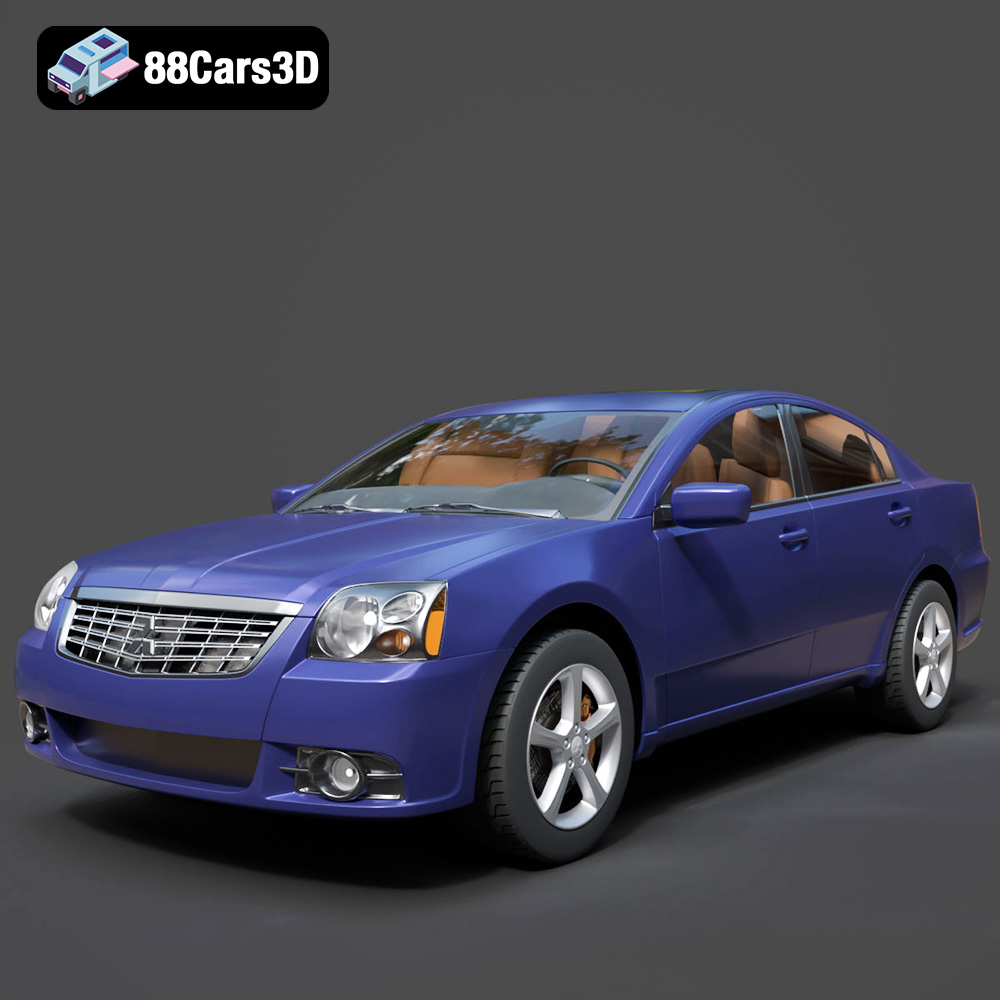
Texture: Yes
Material: Yes
Download the Mitsubishi Galant 2009 3D Model featuring clean geometry, realistic detailing, and a fully modeled interior. Includes .blend, .fbx, .obj, .glb, .stl, .ply, .unreal, and .max formats for rendering, simulation, and game development.
Price: $4.99
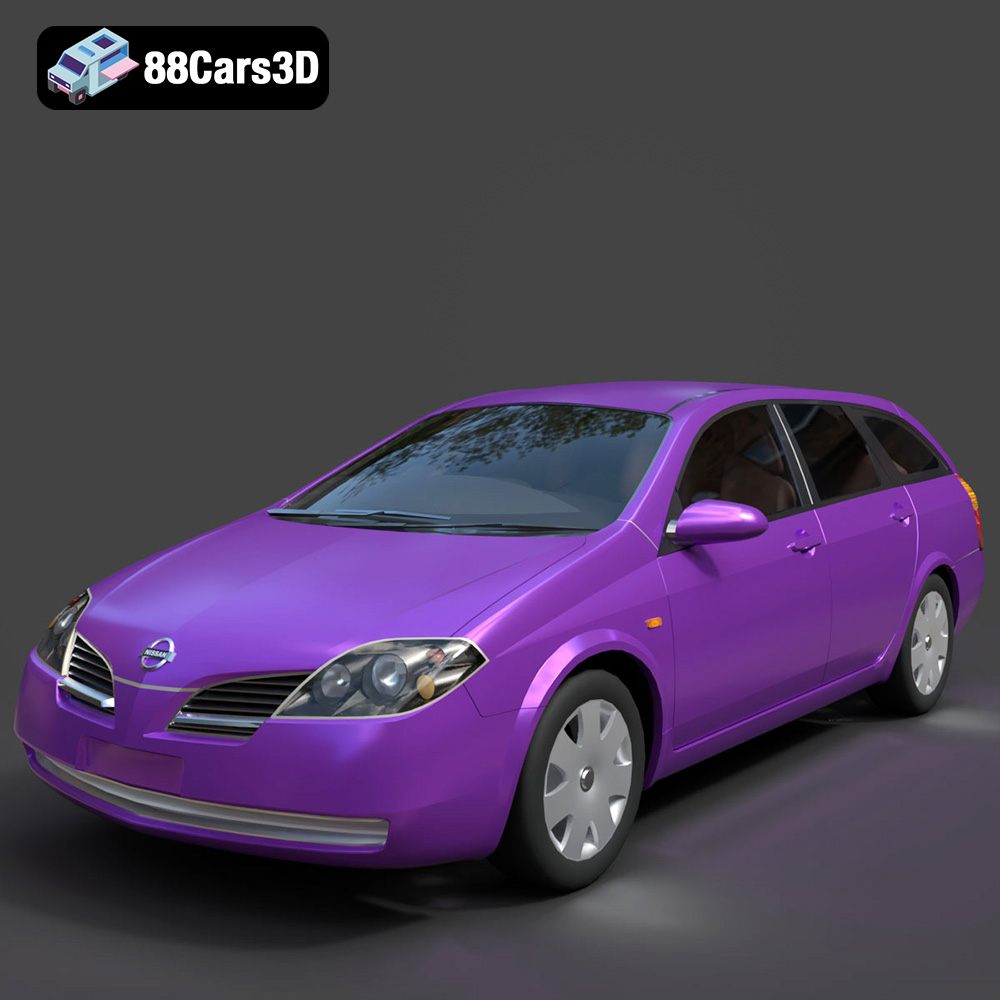
Texture: Yes
Material: Yes
Download the Nissan Primera Wagon 3D Model featuring clean geometry, realistic detailing, and a fully modeled interior. Includes .blend, .fbx, .obj, .glb, .stl, .ply, .unreal, and .max formats for rendering, simulation, and game development.
Price: $4.99
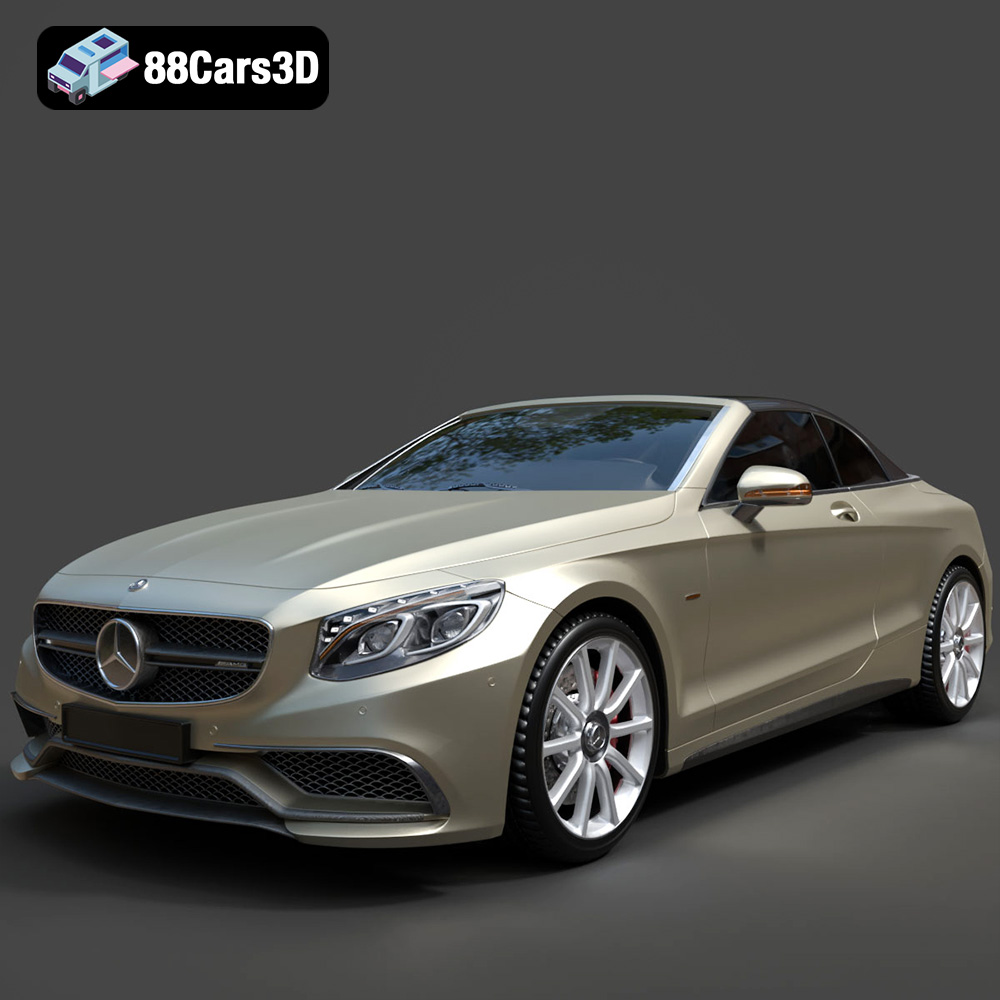
Texture: Yes
Material: Yes
Download the Mercedes-Benz S63 AMG Cabriolet 2017 3D Model featuring clean geometry, realistic detailing, and a fully modeled interior. Includes .blend, .fbx, .obj, .glb, .stl, .ply, .unreal, and .max formats for rendering, simulation, and game development.
Price: $20.99
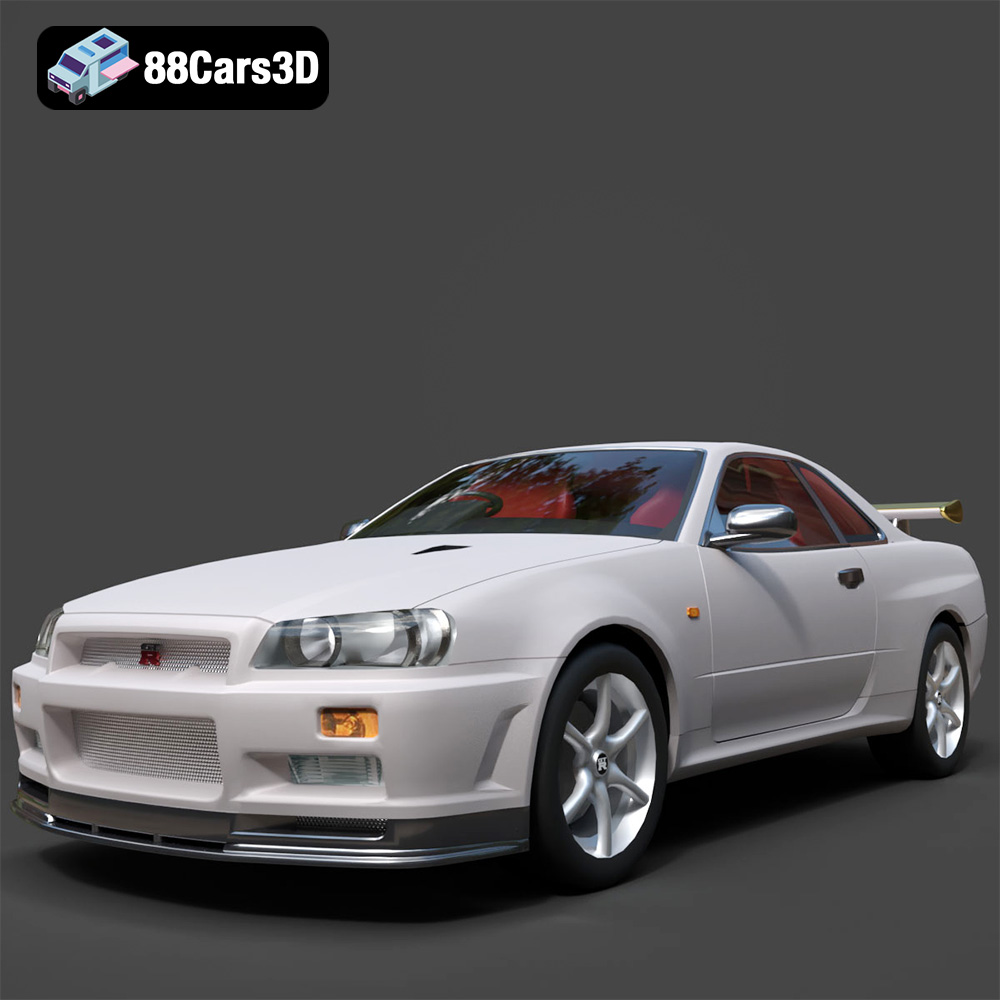
Texture: Yes
Material: Yes
Download the Nissan Skyline R34 2002 3D Model featuring clean geometry, realistic detailing, and a fully modeled interior. Includes .blend, .fbx, .obj, .glb, .stl, .ply, .unreal, and .max formats for rendering, simulation, and game development.
Price: $4.99
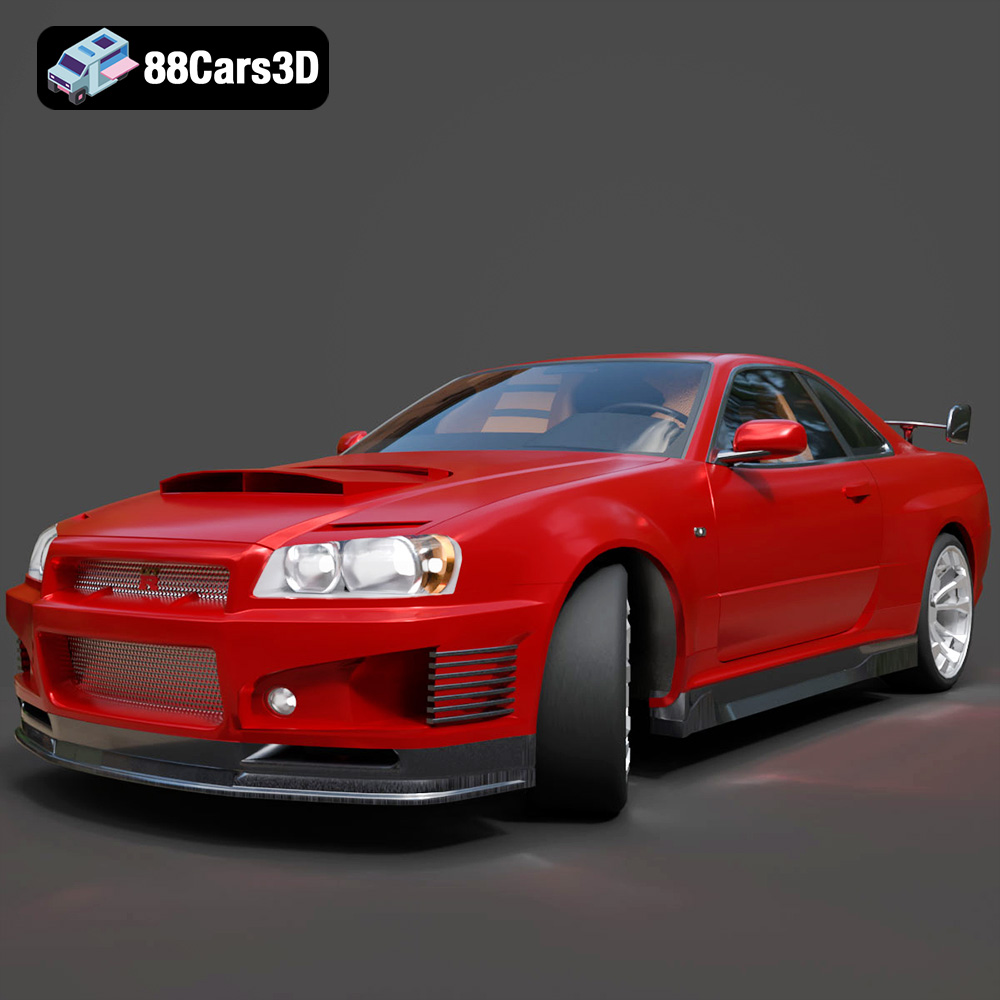
Texture: Yes
Material: Yes
Download the Nissan Skyline 3D Model featuring clean geometry, realistic detailing, and a fully modeled interior. Includes .blend, .fbx, .obj, .glb, .stl, .ply, .unreal, and .max formats for rendering, simulation, and game development.
Price: $9.99
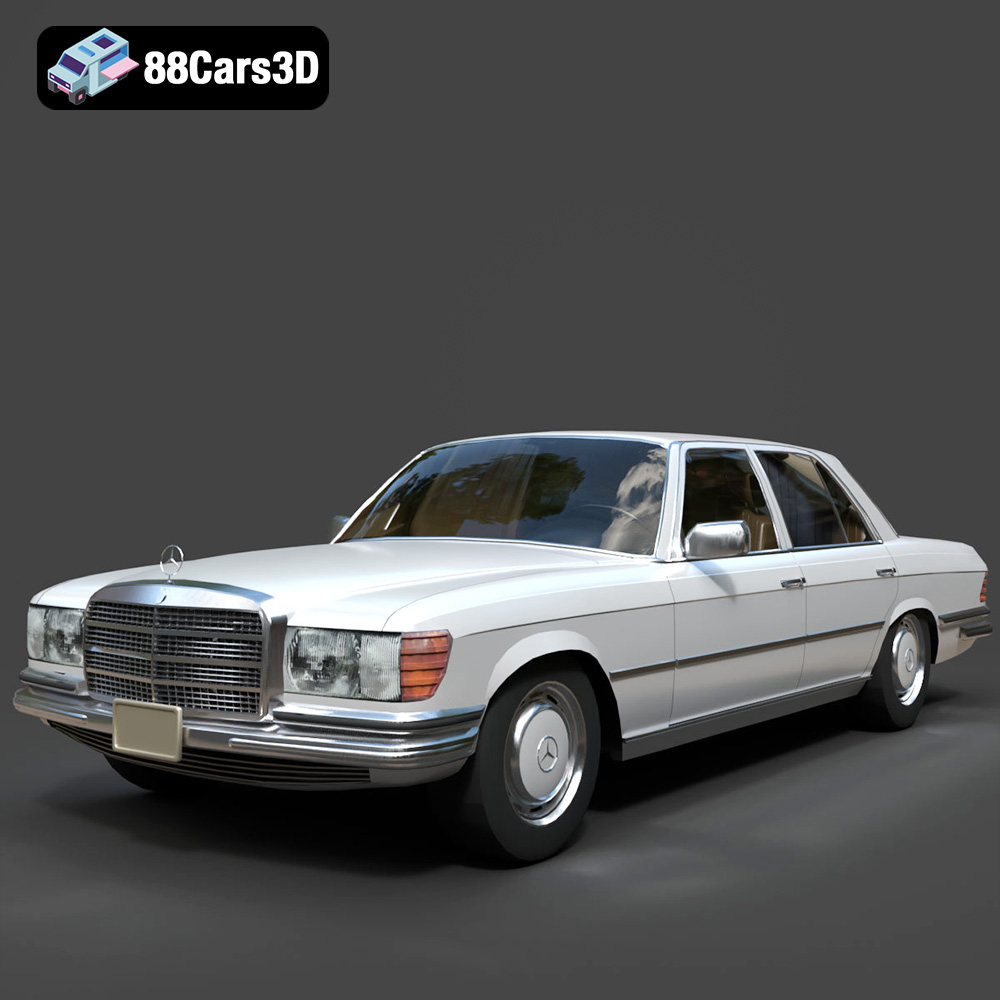
Texture: Yes
Material: Yes
Download the Mercedes-Benz S-Klasse W116 3D Model featuring clean geometry, realistic detailing, and a fully modeled interior. Includes .blend, .fbx, .obj, .glb, .stl, .ply, .unreal, and .max formats for rendering, simulation, and game development.
Price: $4.99
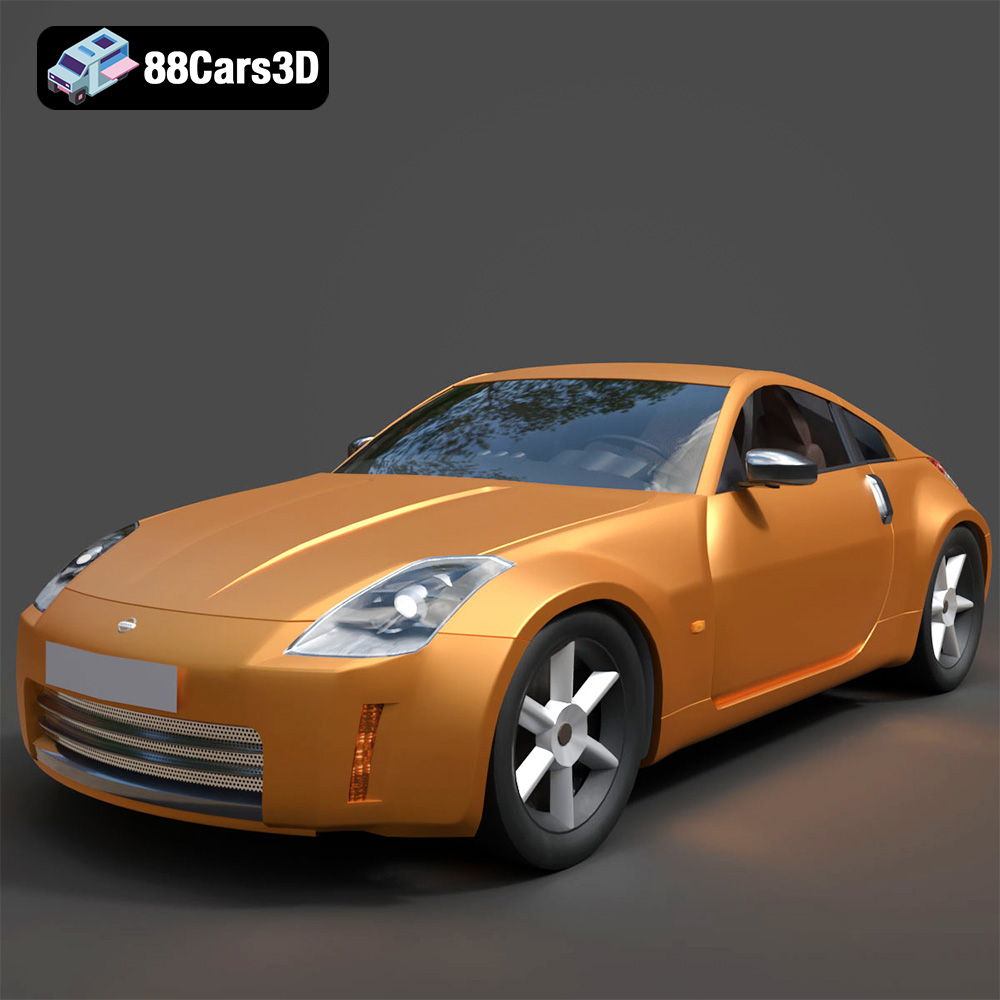
Texture: Yes
Material: Yes
Download the Nissan 350Z 3D Model featuring clean geometry, realistic detailing, and a fully modeled interior. Includes .blend, .fbx, .obj, .glb, .stl, .ply, .unreal, and .max formats for rendering, simulation, and game development.
Price: $4.99

Texture: Yes
Material: Yes
Download the Nissan Skyline V35 2001 3D Model featuring clean geometry, realistic detailing, and a fully modeled interior. Includes .blend, .fbx, .obj, .glb, .stl, .ply, .unreal, and .max formats for rendering, simulation, and game development.
Price: $4.99

Texture: Yes
Material: Yes
Download the Mercedes-Benz S-Klasse 221-007 3D Model featuring clean geometry, realistic detailing, and a fully modeled interior. Includes .blend, .fbx, .obj, .glb, .stl, .ply, .unreal, and .max formats for rendering, simulation, and game development.
Price: $4.99
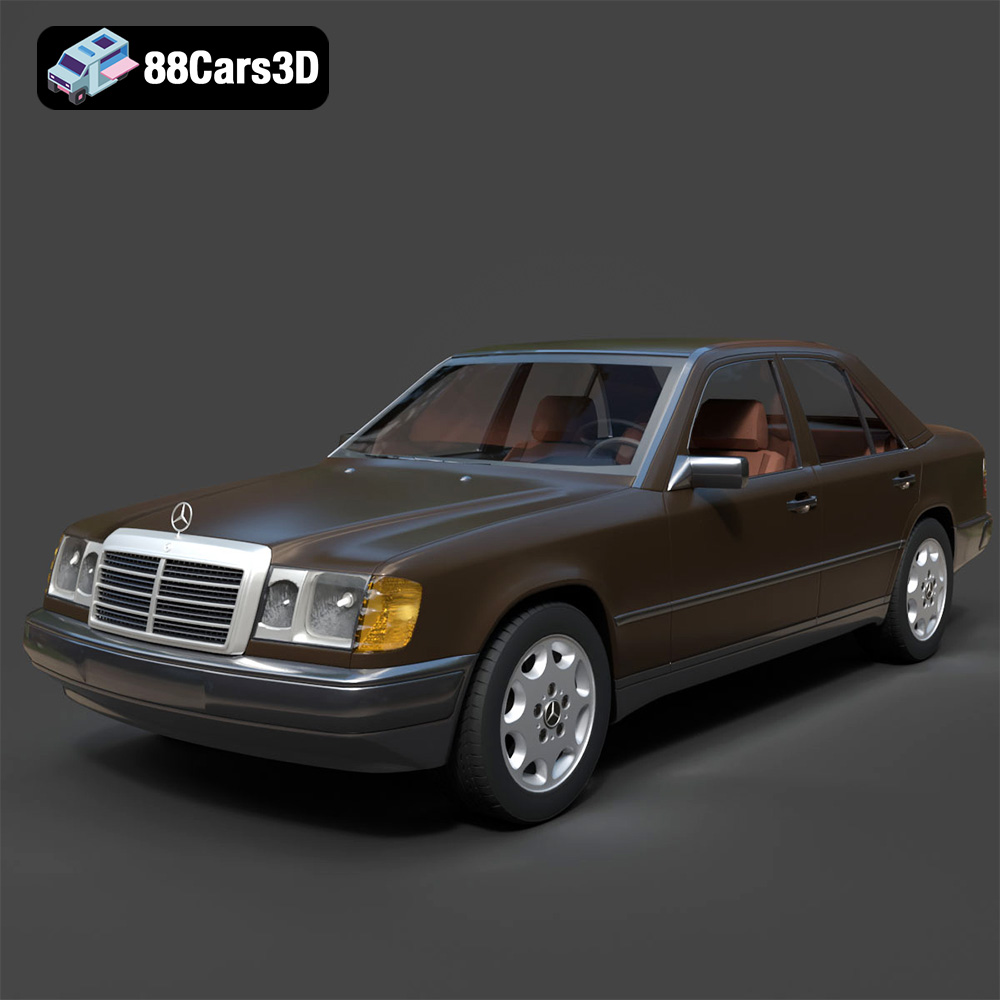
Texture: Yes
Material: Yes
Download the Mercedes W124 Sedan 3D Model featuring clean geometry, realistic detailing, and a fully modeled interior. Includes .blend, .fbx, .obj, .glb, .stl, .ply, .unreal, and .max formats for rendering, simulation, and game development.
Price: $4.99

