⚡ FLASH SALE: Get 60% OFF All Premium 3D & STL Models! ⚡

In the dynamic world of 3D visualization, the demand for high-quality 3D car models is ever-present and growing. From captivating automotive marketing campaigns and realistic architectural visualizations to immersive game environments and cutting-edge AR/VR experiences, precision-engineered vehicle assets are crucial. Yet, creating a truly exceptional 3D car model is far more than just sculpting a realistic shape; it’s a meticulous blend of artistic vision and technical mastery. It involves intricate topology, intelligent UV mapping, sophisticated material creation, and rigorous optimization.
This comprehensive guide delves deep into the essential workflows and advanced techniques required to master 3D car modeling, rendering, and integration across various platforms. We’ll explore everything from the foundational principles of clean mesh construction and PBR texturing to the nuances of photorealistic rendering and the critical steps for game engine optimization. Whether you’re a seasoned 3D artist, an aspiring game developer, an automotive designer, or a visualization professional, understanding these processes is key to elevating your projects. Prepare to unlock the secrets behind creating compelling 3D vehicles that not only look stunning but also perform flawlessly in any application, ensuring your work stands out in a competitive digital landscape. Platforms like 88cars3d.com exemplify the standard of quality achievable when these principles are applied, offering a diverse range of models for immediate integration into your projects.
The underlying structure of a 3D car model, its topology, is perhaps the most critical factor determining its quality, flexibility, and performance. Good topology isn’t just about making a model look smooth; it’s about enabling clean deformation, efficient texturing, and seamless integration into various pipelines. For automotive models, which are characterized by sleek curves, sharp creases, and distinct panel gaps, maintaining impeccable edge flow is paramount. Bad topology can lead to pinching artifacts, stretching during animation, and difficulties in generating accurate normal maps, ultimately compromising visual fidelity and project timelines.
A well-modeled car typically employs a quad-dominant mesh, where faces consist primarily of four vertices. This structure is ideal for subdivision surface modeling (e.g., using a TurboSmooth modifier in 3ds Max or Subdivision Surface in Blender/Maya), allowing artists to create low-polygon base meshes that can be smoothly subdivided to extremely high resolutions without introducing artifacts. The challenge lies in strategically placing edge loops to define contours, reinforce sharp edges, and control surface curvature precisely. This initial modeling phase often dictates the success of all subsequent steps, from UV mapping to animation. Professional models sourced from marketplaces such as 88cars3d.com are prime examples of this foundational quality.
Clean topology ensures that your model behaves predictably when smoothed or deformed. For car bodies, this means creating continuous edge loops that follow the natural lines of the vehicle, such as around wheel arches, headlights, windows, and along major body panels. These loops provide crucial support for sharp edges, preventing them from softening too much when subdivided. When using subdivision surface modifiers, the goal is often to create a low-polygon “cage” mesh that, when subdivided, produces a perfectly smooth and accurate representation of the desired form. This requires foresight in polygon distribution, ensuring enough density in areas of high curvature or detail, while keeping larger flat areas sparse to conserve polygons.
A common practice is to have at least three edge loops running parallel to a sharp crease: one on the edge, and two on either side to “pinch” or support it. This creates a visually crisp edge without resorting to an unnecessarily high base polygon count. For animation, particularly if doors, hoods, or trunks are to open, the topology around hinges and panel gaps must be designed to allow for clean rotation and interaction without interpenetration. Typical polygon counts for high-fidelity rendering models might range from 150,000 to 500,000 triangular faces, ensuring maximum detail when subdivided, while game-ready assets might aim for 20,000 to 80,000 triangles, optimized with normal maps to convey detail.
Panel gaps are critical visual elements that define the realism of an automotive model. Replicating them accurately requires careful attention to topology and modeling techniques. Instead of simply cutting a gap, professional artists often model a slight indentation or “valley” between panels, creating a subtle shadow that accentuates the separation. This approach allows for realistic lighting interaction and avoids the visual flatness that can occur with simple cut-ins.
For sharp creases and hard edges, such as those found on car doors, bumpers, or spoilers, supporting edge loops are essential. Without them, subdivision surfaces will round off these features excessively. The proximity of these supporting loops to the main edge determines the sharpness of the crease. Closer loops yield sharper edges. Furthermore, managing the flow of these edges to terminate gracefully or merge into other parts of the mesh without creating n-gons (faces with more than four vertices) or triangles in areas meant for subdivision is crucial for a clean mesh. Ensuring consistent spacing of polygons along curves and avoiding stretched or overly dense areas will prevent shading artifacts and ensure smooth UV unfolding.
Once the geometry of your 3D car model is solid, the next crucial step is to define how textures will wrap around its surfaces. UV mapping, often considered a tedious but vital process, translates the 3D surface into a 2D layout, allowing images to be painted or applied without distortion. For the complex and often reflective surfaces of a car, advanced UV mapping techniques and the creation of Physically Based Rendering (PBR) materials are indispensable for achieving photorealism. These processes directly influence how light interacts with the car’s paint, glass, rubber, and metallic components, defining its visual authenticity.
A poorly UV-mapped model will exhibit stretched textures, visible seams, or inefficient use of texture space, undermining all the effort put into modeling. PBR texturing, on the other hand, provides a scientific approach to material definition, ensuring that surfaces react correctly to light regardless of the lighting environment. This means defining properties like base color (albedo), roughness, metallicness, normal details, and ambient occlusion, each represented by a dedicated texture map. The combination of meticulous UVs and accurate PBR maps is what transforms a grey mesh into a dazzling, lifelike vehicle.
The goal of efficient UV layout for automotive models is to minimize distortion, hide seams, maximize texel density (the resolution of texture pixels per unit of surface area), and optimize texture memory usage. For large, continuous surfaces like the car body, strategies like UDIMs (Unique Digital Identity Maps) are often employed. UDIMs allow artists to use multiple UV tiles (separate 0-1 UV spaces) for a single mesh, effectively increasing the maximum texture resolution for extremely detailed surfaces without creating enormous single textures. For example, the car body might occupy several UDIM tiles, while smaller components like wheels or interiors occupy others.
When unwrapping, strategic seam placement is key. Seams should be hidden where possible, such as along edges that will be occluded by other parts, or along natural breaks in the geometry. Tools like the UV editor in Blender, 3ds Max, or Maya offer advanced unwrapping algorithms (e.g., LSCM – Least Squares Conformal Map) to minimize stretching. Maintaining a consistent texel density across all parts of the model is also vital; otherwise, some areas will appear blurry while others are overly sharp, leading to an inconsistent visual quality. Packing UV islands tightly within their respective UV spaces, while maintaining adequate padding between islands to prevent bleeding, optimizes texture memory and reduces draw calls in game engines.
PBR materials are fundamental to achieving photorealistic results. They mimic how real-world materials interact with light by defining intrinsic properties rather than simply how they look under specific lighting. The core maps in a typical PBR workflow include:
For complex surfaces like car paint, additional maps and shader network configurations are often used. Clear coat layers, for instance, are crucial for automotive paint, requiring a separate set of roughness and normal maps to simulate the glossy protective layer over the base color. Software like Substance Painter, Quixel Mixer, or Mari are industry standards for painting and generating these intricate PBR textures. Within rendering engines, custom shader networks are built to combine these maps, adding advanced effects like iridescent flakes in metallic paint, layered dirt and grime, or realistic tire wear, pushing the boundaries of realism for your 3D car models.
Rendering is the final stage where all the intricate modeling, UV mapping, and texturing work culminates in a visually stunning image or animation. For automotive visualization, high-fidelity rendering is about more than just a pretty picture; it’s about conveying emotion, showcasing design intent, and creating a believable narrative. This requires a deep understanding of lighting principles, material interactions, and post-processing techniques. Leveraging powerful rendering engines like Corona Renderer, V-Ray, Cycles, or Arnold allows artists to simulate complex physics of light, creating images indistinguishable from photographs.
The workflow for high-fidelity automotive rendering typically begins with establishing a compelling environment and lighting setup. This is followed by refining materials to react realistically, fine-tuning camera angles, and then performing the render itself. Finally, post-processing in image manipulation software enhances the raw render, adding an extra layer of polish and artistic direction. Each step contributes significantly to the overall impact, ensuring that every curve, reflection, and shadow on your 3D car model contributes to a captivating visual story.
Effective lighting is the cornerstone of any photorealistic render. For automotive renders, two common approaches are studio lighting and HDRI (High Dynamic Range Image) environment lighting. Studio lighting setups involve placing virtual lights (e.g., area lights, photometric lights) strategically to highlight the car’s form, accentuate its design lines, and create appealing reflections. This often involves a main key light, fill lights to soften shadows, and rim lights to define contours. Using large, soft area lights simulates professional studio softboxes, producing elegant, diffused reflections on the car’s glossy surfaces. Experimentation with light intensity, color temperature, and position is crucial to find the optimal balance that flatters the vehicle.
HDRI lighting, on the other hand, uses a single high-dynamic-range panoramic image to provide both lighting and reflections from a real-world environment. This method is incredibly powerful for achieving realistic outdoor or indoor scenes with minimal setup. The HDRI not only casts accurate light and shadows but also provides convincing reflections on the car’s windows and bodywork, instantly grounding the model within a believable space. Combining HDRIs with subtle studio lights for emphasis or specific highlights is a common professional technique, offering the best of both worlds: environmental realism with artistic control. Adjusting the rotation and intensity of the HDRI is key to finding the most flattering angle and mood for the scene.
Beyond basic PBR maps, advanced shading techniques further enhance realism. For car paint, this often involves complex layered shaders that simulate clear coats with varying levels of reflectivity and subtle metallic flakes underneath. Procedural noise textures can be incorporated into roughness maps to create subtle imperfections, dust, or micro-scratches that break up perfectly smooth surfaces, adding to the realism. Car glass shaders need careful configuration, including accurate refraction (IOR – Index of Refraction), subtle tinting, and potential for rain droplets or smudges, all of which contribute to the perception of real glass.
After the initial render, post-processing in software like Adobe Photoshop, Affinity Photo, or Blackmagic Fusion is essential. This stage allows artists to refine the image without re-rendering, saving significant time. Common post-processing steps include color grading to adjust mood and vibrancy, adding subtle chromatic aberration for a photographic feel, lens flares, depth of field, vignette effects, and global contrast adjustments. Render passes (separate image layers like diffuse, reflection, refractions, Z-depth, normal, object IDs) are invaluable here, providing granular control over different elements of the scene during compositing. This final polish can dramatically elevate a good render to an exceptional one, pushing the boundaries of photorealism.
While photorealistic renders are crucial for marketing and visualization, a different set of optimizations is required when 3D car models are destined for interactive real-time environments like video games, AR/VR applications, or interactive configurators. In these scenarios, performance is paramount, and every polygon, texture, and draw call counts. The challenge lies in striking a balance between visual fidelity and maintaining smooth frame rates. Game engines like Unity and Unreal Engine provide powerful tools, but the initial preparation of the 3D asset is what truly determines its success in a real-time context.
Optimizing a 3D car model for real-time applications involves a multi-faceted approach, starting from carefully controlled polygon counts and extending to efficient texture management and intelligent use of engine features. The goal is to provide a visually rich experience while ensuring that the application remains responsive and accessible across various hardware specifications. This often means making smart trade-offs and employing techniques that allow visual detail to be conveyed without overburdening the rendering pipeline, a specialty for many of the assets found on 88cars3d.com.
Levels of Detail (LODs): One of the most critical optimization techniques is the implementation of LODs. This involves creating multiple versions of the same 3D car model, each with a progressively lower polygon count. When the car is close to the camera, the high-detail (LOD0) version is rendered. As it moves further away, the engine automatically switches to a medium-detail (LOD1), then low-detail (LOD2), and finally a very low-detail (LOD3) or even billboard version. This dramatically reduces the geometric complexity that needs to be rendered at a distance, saving significant GPU resources. Typically, LODs are created by decimation or manual retopology, aiming for 50-75% polygon reduction between each level.
Draw Calls: Every time the CPU tells the GPU to render a batch of triangles, it’s called a draw call. Each draw call carries overhead, and too many can bottleneck performance. For a complex car, this means consolidating meshes where possible. Instead of having separate meshes for every bolt, consolidating them into fewer larger meshes reduces draw calls. Instancing, where multiple copies of the same mesh (e.g., four identical wheels) share the same geometry data, is also a powerful way to reduce draw calls and memory usage. Additionally, breaking down the car into sensible components (body, interior, wheels, glass) and managing their materials efficiently minimizes state changes for the GPU.
Texture Atlasing: Texture atlasing combines multiple smaller textures into one larger texture sheet. Instead of having separate texture files for the dashboard, seats, and steering wheel, they can all be packed into a single atlas, along with their respective UV coordinates. This reduces the number of texture lookups and memory swaps, leading to fewer draw calls and better caching, which improves GPU performance. However, care must be taken to ensure adequate resolution for all packed textures and efficient UV packing to avoid wasted space. A common approach for cars is to atlas all interior elements, all under-hood elements, and perhaps some exterior details.
AR/VR environments impose even stricter performance demands than traditional games due to the need for stereoscopic rendering (rendering two views, one for each eye) at high, consistent frame rates (e.g., 90 FPS for comfortable VR). Failure to maintain these frame rates can lead to motion sickness and a poor user experience. Therefore, all game engine optimizations are amplified, and additional considerations come into play.
For AR/VR car models, very aggressive polygon reduction and LOD strategies are crucial. It’s often necessary to bake complex details into normal maps from a high-poly sculpt rather than relying on raw geometry. Occlusion culling, where objects not visible to the camera are not rendered, becomes even more important. Batching similar meshes and materials further reduces draw calls. Baked lighting, rather than real-time global illumination, is frequently preferred for static parts of the environment to save CPU/GPU cycles. Specific AR platforms like Apple’s ARKit or Google’s ARCore also have file format preferences (e.g., USDZ for Apple), which require models to be converted and optimized for their unique rendering pipelines. Consistency in texel density across the entire model is vital for maintaining visual fidelity, as users can examine models up close in AR/VR. Furthermore, minimizing shader complexity and avoiding expensive real-time reflections or refractions unless absolutely necessary are key to delivering a smooth and immersive experience.
The versatility of 3D car models extends far beyond traditional screen-based rendering and game development. They are increasingly utilized for physical production through 3D printing, for interactive augmented and virtual reality experiences, and in diverse software ecosystems, necessitating robust cross-platform compatibility. Each application presents its own unique technical requirements and optimization challenges, transforming a single digital asset into a multi-faceted tool.
Preparing a 3D car model for these varied uses requires a deep understanding of file formats, mesh integrity, and specific platform demands. Whether it’s ensuring a watertight mesh for a flawless physical print, optimizing for mobile AR/VR, or converting between industry-standard file types, the ability to adapt and refine your 3D assets is crucial. This section explores these critical aspects, empowering artists to leverage their creations across the full spectrum of modern digital and physical production.
3D printing imposes entirely different technical constraints than digital rendering. For a 3D car model to be successfully printed, its mesh must be “manifold” or “watertight,” meaning it has no holes, non-manifold edges, or inverted normals. Every edge must be shared by exactly two faces, forming a completely enclosed volume. Issues like self-intersecting geometry, duplicate vertices, or disconnected components will lead to errors in the slicing software and failed prints. Common tools like 3ds Max’s STL Check modifier, Blender’s 3D Print Toolbox add-on, or dedicated mesh repair software like Netfabb or Meshmixer are essential for identifying and fixing these problems.
Furthermore, considerations like wall thickness are paramount. Thin features, such as delicate mirrors or spoilers, might need to be thickened to withstand the printing process and subsequent handling. Internal structures might need to be hollowed out to save material and reduce print time, requiring strategically placed drainage holes. The polygon count for 3D printing is often less critical than for rendering, but overly complex meshes can still slow down slicing. Exporting to universally recognized formats like STL (Stereolithography) or OBJ is standard practice, ensuring compatibility with a wide range of 3D printers and slicers. Preparing a model for 3D printing is about transitioning from a visually appealing digital asset to a structurally sound physical object.
The digital landscape is fragmented by numerous 3D file formats, each with its strengths and preferred use cases. Understanding their characteristics and how to convert between them is vital for ensuring cross-platform compatibility for your 3D car models.
Proficiency in exporting and importing these formats, understanding their limitations, and using tools for efficient conversion (e.g., Blender’s robust import/export options, dedicated online converters) ensures that your 3D car models can seamlessly traverse different pipelines and reach diverse audiences.
The journey of a 3D car model, from its initial concept to its final polished form, branches out into numerous professional applications, each demanding a tailored approach. Understanding these workflows is crucial for any artist or designer looking to make an impact in industries ranging from automotive manufacturing to entertainment. The versatility of a well-crafted 3D car model makes it an invaluable asset across various sectors, demonstrating the importance of quality assets like those found on 88cars3d.com.
Whether it’s creating breathtaking visualizations for car manufacturers, designing interactive experiences for customers, or building immersive virtual worlds for gaming, the principles of excellent 3D asset creation remain constant. However, the specific pipeline, optimization targets, and presentation goals will differ significantly, requiring artists to adapt their skills and tools to meet diverse industry demands. This section highlights key applications and the professional workflows associated with them.
In the automotive industry, 3D car models are at the heart of design, development, and marketing. From the earliest conceptual sketches to the final production vehicle, high-fidelity 3D models are used for:
The workflow for these applications typically involves translating CAD data (from software like Alias, Catia, or SolidWorks) into a render-ready polygonal mesh, followed by precise UV mapping, PBR texturing, and sophisticated rendering setups in software like V-Ray, Corona Renderer, or Arnold, often integrated within 3ds Max or Maya.
In the gaming and entertainment industries, 3D car models serve a dual purpose: as interactive game assets and as cinematic elements for cutscenes and trailers. The requirements for each are distinct but often share a common origin.
Both pipelines require meticulous attention to detail, but the constraints and objectives differ. Game developers prioritize interactivity and performance, while cinematic artists focus on unparalleled visual quality and storytelling. The ability to produce both optimized and high-fidelity versions from a single base model is a hallmark of professional 3D car model artists.
The journey of crafting and deploying high-quality 3D car models is a testament to the intricate blend of art and technical expertise required in modern digital production. From the foundational principles of clean topology and efficient UV mapping to the advanced techniques of PBR material creation and photorealistic rendering, every step is crucial for achieving visually stunning and functionally robust assets. We’ve explored how meticulous attention to detail in mesh construction ensures future flexibility, how intelligent texturing brings surfaces to life, and how thoughtful optimization guarantees seamless performance across diverse applications like real-time gaming, AR/VR, and even physical 3D printing.
Mastering these workflows not only elevates the aesthetic quality of your projects but also future-proofs your assets for the ever-evolving demands of the automotive, gaming, and visualization industries. Whether you’re aiming for a breathtaking marketing render or a highly interactive game asset, the principles discussed herein provide a solid roadmap. For those looking to jumpstart their projects with assets that embody these professional standards, exploring platforms like 88cars3d.com offers access to a curated selection of meticulously crafted 3D car models, ready to be integrated into your next masterpiece. Invest in quality assets and best practices, and watch your creative visions accelerate into reality.
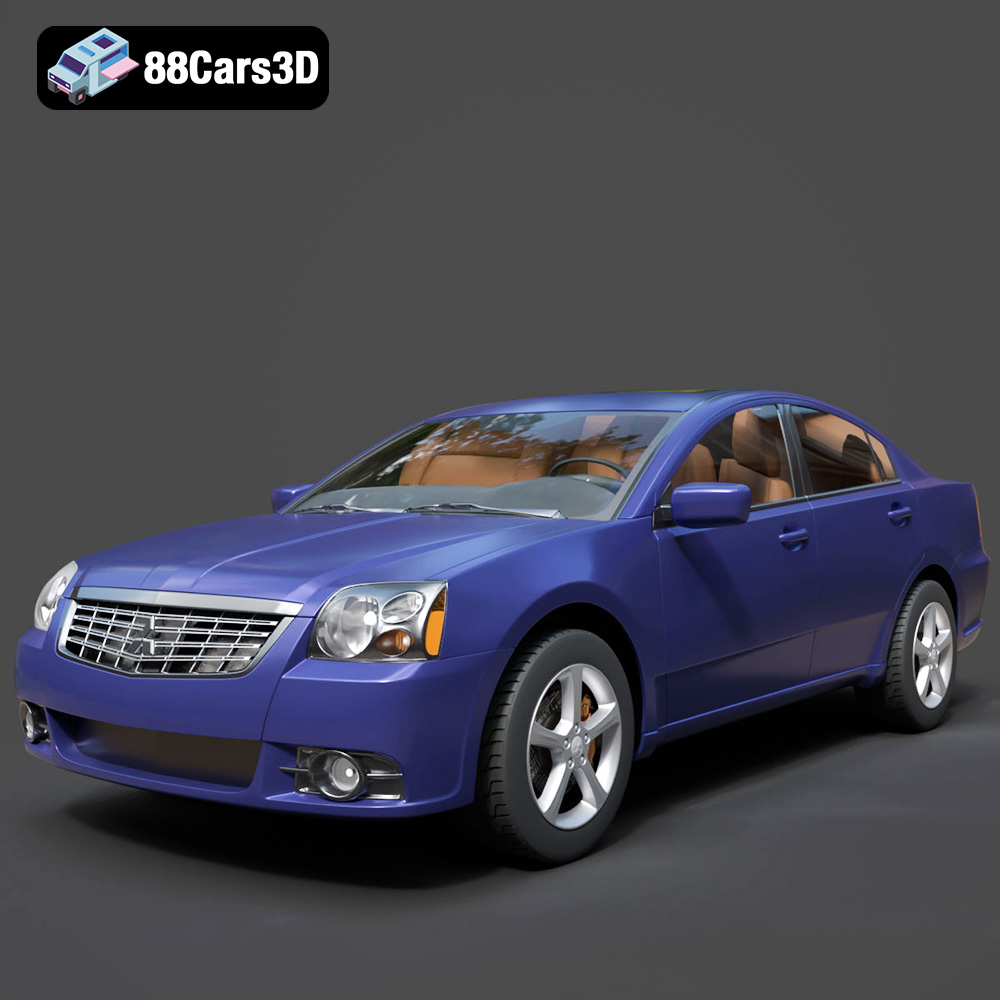
Texture: Yes
Material: Yes
Download the Mitsubishi Galant 2009 3D Model featuring clean geometry, realistic detailing, and a fully modeled interior. Includes .blend, .fbx, .obj, .glb, .stl, .ply, .unreal, and .max formats for rendering, simulation, and game development.
Price: $4.99
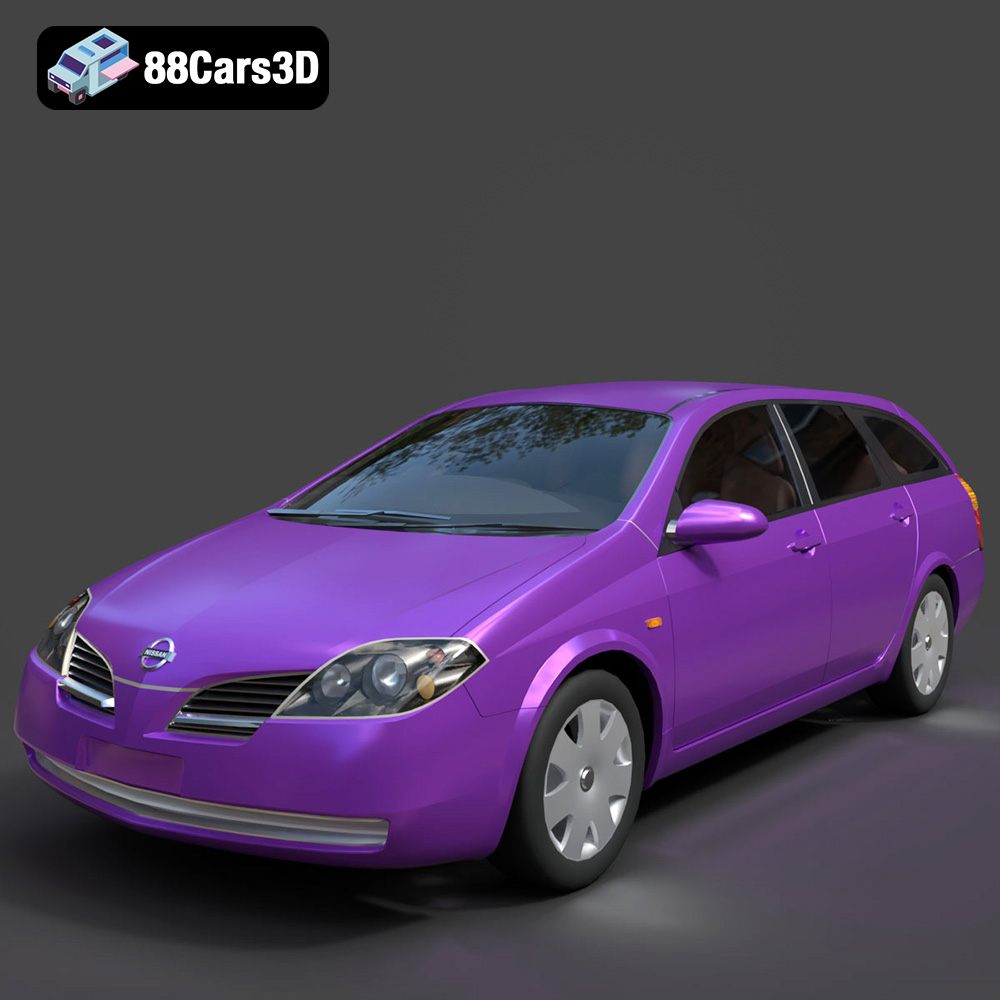
Texture: Yes
Material: Yes
Download the Nissan Primera Wagon 3D Model featuring clean geometry, realistic detailing, and a fully modeled interior. Includes .blend, .fbx, .obj, .glb, .stl, .ply, .unreal, and .max formats for rendering, simulation, and game development.
Price: $4.99
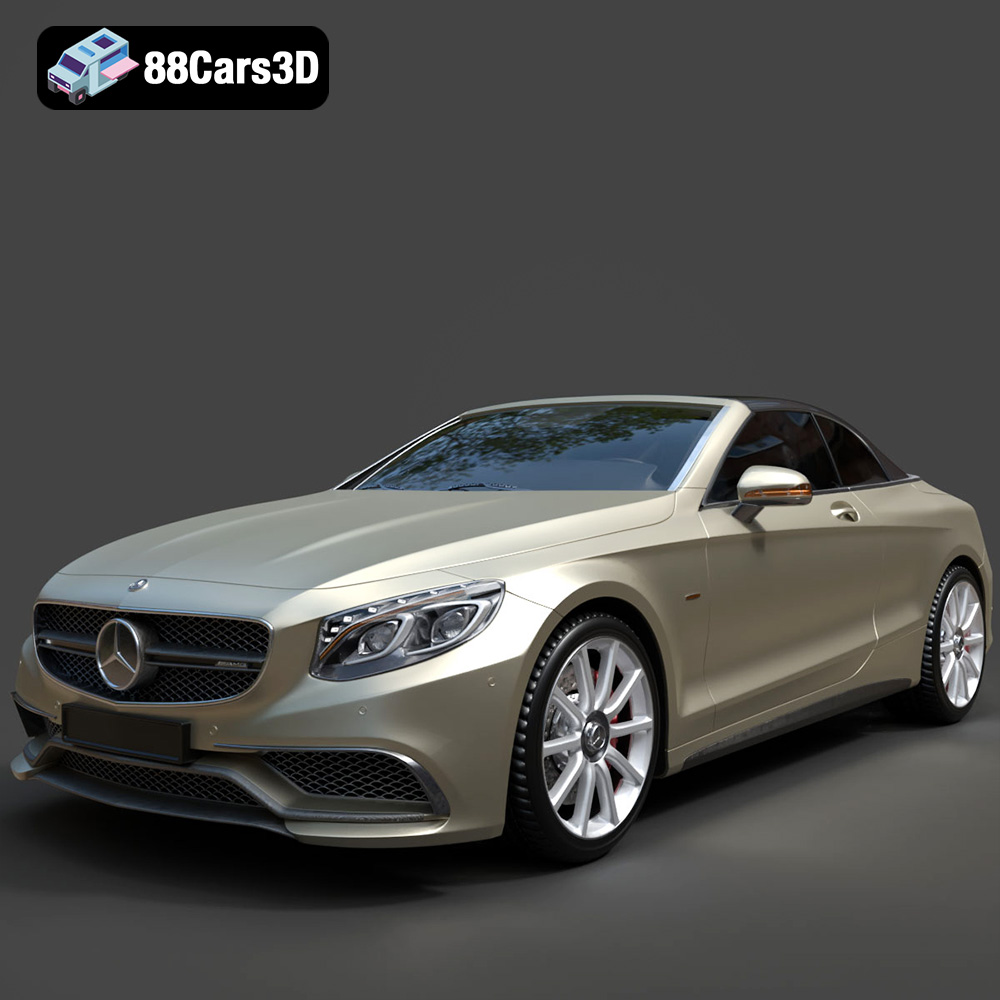
Texture: Yes
Material: Yes
Download the Mercedes-Benz S63 AMG Cabriolet 2017 3D Model featuring clean geometry, realistic detailing, and a fully modeled interior. Includes .blend, .fbx, .obj, .glb, .stl, .ply, .unreal, and .max formats for rendering, simulation, and game development.
Price: $20.99
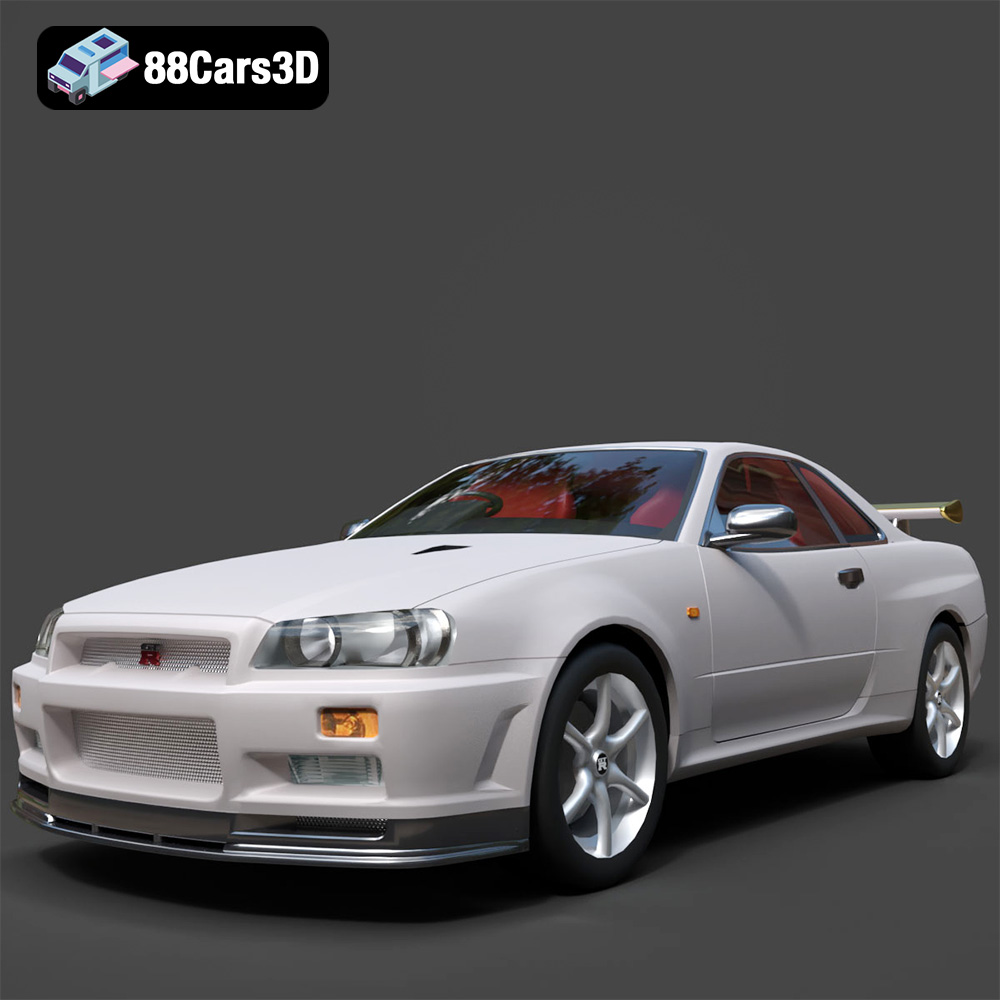
Texture: Yes
Material: Yes
Download the Nissan Skyline R34 2002 3D Model featuring clean geometry, realistic detailing, and a fully modeled interior. Includes .blend, .fbx, .obj, .glb, .stl, .ply, .unreal, and .max formats for rendering, simulation, and game development.
Price: $4.99
Texture: Yes
Material: Yes
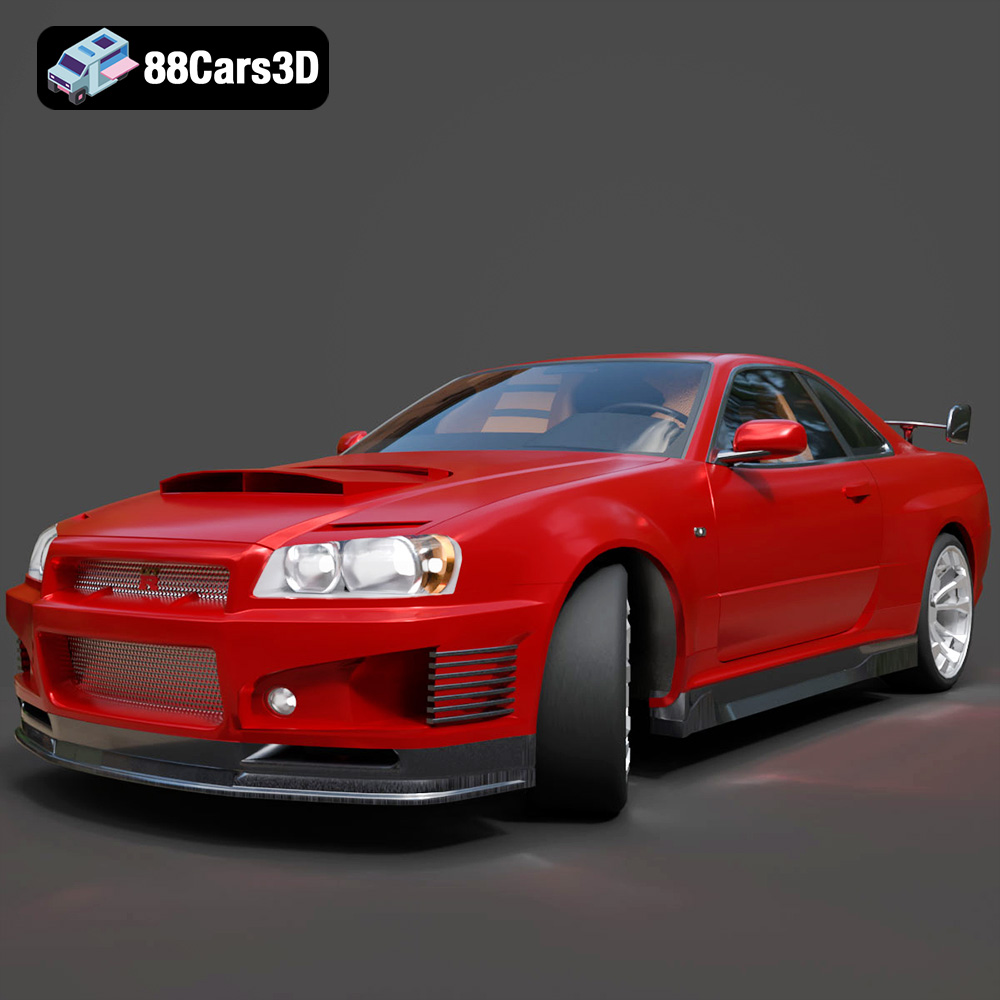
Download the Nissan Skyline 3D Model featuring clean geometry, realistic detailing, and a fully modeled interior. Includes .blend, .fbx, .obj, .glb, .stl, .ply, .unreal, and .max formats for rendering, simulation, and game development.
Price: $9.99
Texture: Yes
Material: Yes
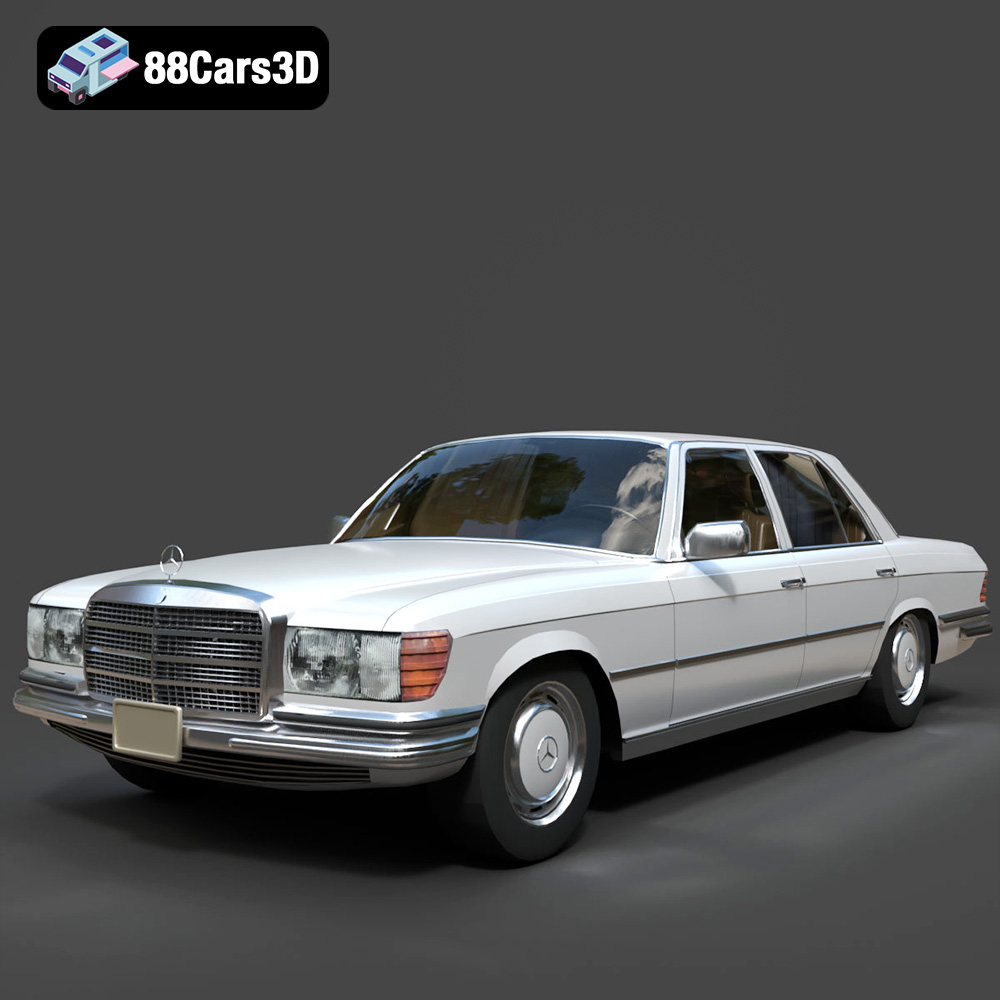
Download the Mercedes-Benz S-Klasse W116 3D Model featuring clean geometry, realistic detailing, and a fully modeled interior. Includes .blend, .fbx, .obj, .glb, .stl, .ply, .unreal, and .max formats for rendering, simulation, and game development.
Price: $4.99
Texture: Yes
Material: Yes
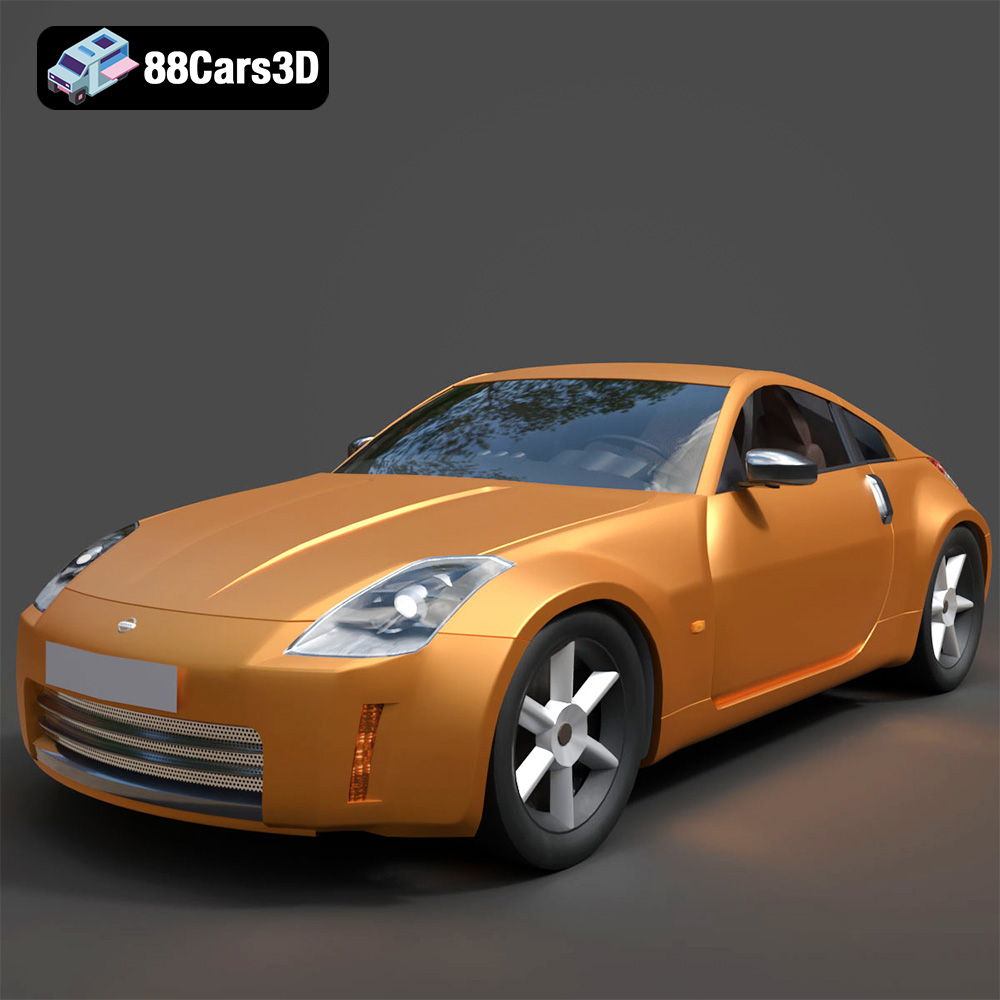
Download the Nissan 350Z 3D Model featuring clean geometry, realistic detailing, and a fully modeled interior. Includes .blend, .fbx, .obj, .glb, .stl, .ply, .unreal, and .max formats for rendering, simulation, and game development.
Price: $4.99

Texture: Yes
Material: Yes
Download the Nissan Skyline V35 2001 3D Model featuring clean geometry, realistic detailing, and a fully modeled interior. Includes .blend, .fbx, .obj, .glb, .stl, .ply, .unreal, and .max formats for rendering, simulation, and game development.
Price: $4.99

Texture: Yes
Material: Yes
Download the Mercedes-Benz S-Klasse 221-007 3D Model featuring clean geometry, realistic detailing, and a fully modeled interior. Includes .blend, .fbx, .obj, .glb, .stl, .ply, .unreal, and .max formats for rendering, simulation, and game development.
Price: $4.99
Texture: Yes
Material: Yes
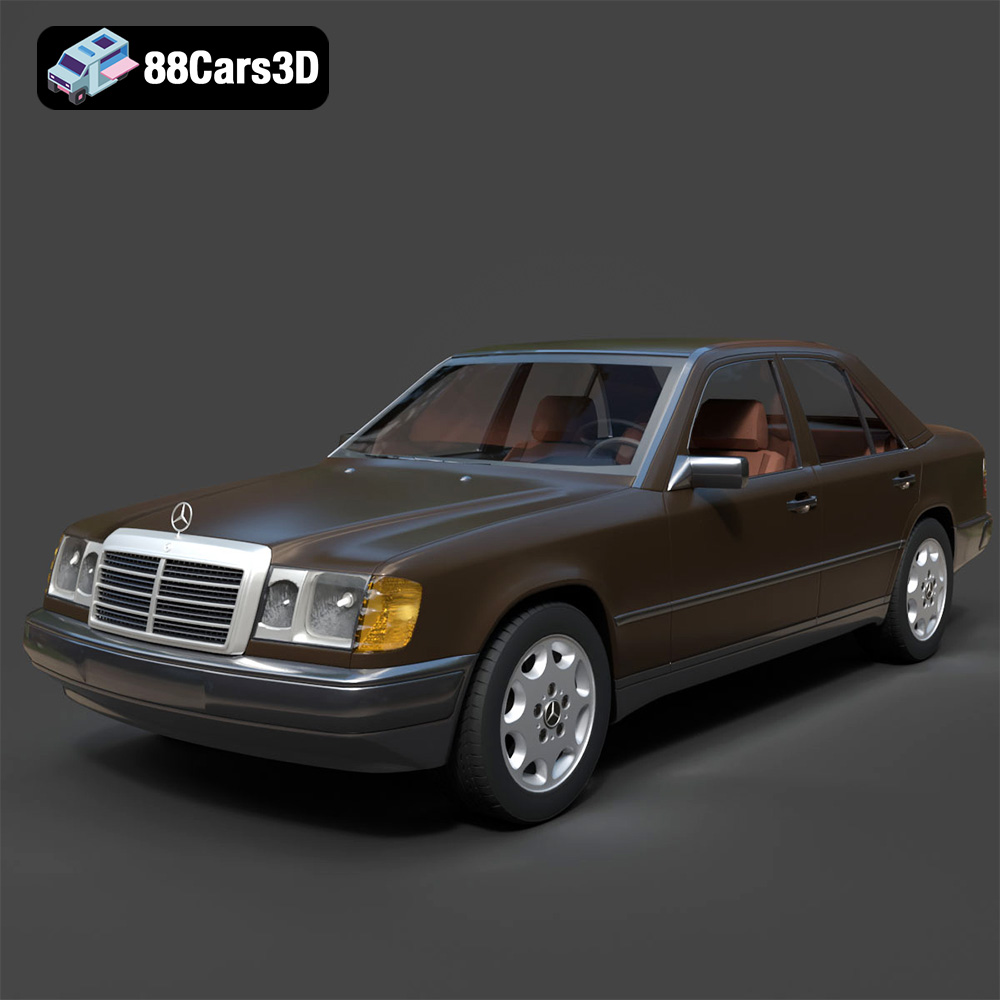
Download the Mercedes W124 Sedan 3D Model featuring clean geometry, realistic detailing, and a fully modeled interior. Includes .blend, .fbx, .obj, .glb, .stl, .ply, .unreal, and .max formats for rendering, simulation, and game development.
Price: $4.99

