⚡ FLASH SALE: Get 60% OFF All Premium 3D & STL Models! ⚡

The sleek lines, the intricate reflections, the powerful stance – 3D car models are more than just digital assets; they are a cornerstone of modern visualization, game development, and automotive design. From breathtaking marketing renders to immersive AR/VR experiences and interactive game environments, the demand for high-quality, technically sound 3D car models continues to accelerate. But creating or effectively utilizing these complex assets requires a deep understanding of several technical disciplines.
This comprehensive guide dives deep into the technical intricacies of automotive 3D modeling, rendering, optimization, and application. We’ll explore the foundational principles of clean topology, demystify the art of UV mapping and PBR material creation, navigate the nuances of high-fidelity rendering, and uncover the essential optimization strategies for real-time environments like game engines and AR/VR. Whether you’re a seasoned 3D artist aiming to refine your workflow, a game developer seeking performance-optimized game assets, an automotive designer pushing the boundaries of visualization, or a student eager to master the craft, this article will equip you with the knowledge to elevate your automotive rendering projects to a professional standard. Prepare to unlock the full potential of 3D car models and transform your digital vehicles into stunning realities across various platforms.
The bedrock of any high-quality 3D car model lies in its topology and edge flow. These elements dictate how a model deforms, subdivides, and receives textures and shading. For automotive surfaces, which are characterized by vast, smooth, and often reflective panels, precision is paramount. Poor topology can lead to artifacts like pinching, uneven reflections, and difficulties in animation or further sculpting. Understanding how to build a clean, efficient mesh is the first critical step in creating professional-grade vehicle assets, whether for high-resolution renders or performance-optimized game engines.
A well-structured mesh ensures that your model behaves predictably under subdivision surfaces, a technique commonly used to achieve smooth, curvature-continuous forms from a relatively low-polygon base. It also simplifies the process of creating sharp creases and panel gaps without introducing unnecessary geometry. The goal is always to achieve the desired visual quality with the fewest possible polygons, making the model manageable and efficient across different applications.
For automotive models, adhering to clean topology principles is non-negotiable. The primary rule is to use quads (four-sided polygons) almost exclusively. N-gons (polygons with more than four sides) and triangles should be avoided wherever possible, as they can cause unpredictable shading, deformation issues, and problems during UV unwrapping. While triangles are acceptable in highly optimized, non-deforming meshes for game engines (especially when the engine triangulates everything anyway), they should be used sparingly and strategically in the modeling phase, primarily to terminate edge loops or in flat, non-critical areas.
Maintaining an even distribution of polygon density across the model is also crucial. Areas with high curvature, like fenders or the hood, will naturally require more polygons than flatter areas, but the transition should be smooth. This ensures consistent detail and prevents “faceting” on highly reflective surfaces. For sharp edges and panel gaps, careful use of supporting edge loops placed very close to the hard edge ensures that subdivision surfaces will produce a crisp, defined line rather than a soft, rounded one. These “crease loops” are fundamental for capturing the precise engineering of a car body. When working with complex curves, ensure that your edges follow the natural flow of the surface, preventing unsightly bumps or depressions.
Edge flow refers to the direction and continuity of edge loops across the surface of a model. For cars, exemplary edge flow is critical for several reasons. Firstly, it ensures that reflections travel smoothly across the body panels, which is a hallmark of realistic automotive renders. Irregular edge flow can disrupt these reflections, making the surface appear bumpy or distorted. Edge loops should follow the major contours and character lines of the vehicle, defining its shape with precision and elegance.
Secondly, correct edge flow is indispensable for animation. If parts of the car need to open, such as doors, hoods, or trunks, their pivot points and deformation zones must be supported by appropriate edge loops. For instance, the mesh around a door hinge needs to be structured in a way that allows for clean rotation without distorting the surrounding geometry. Even static elements like wheels benefit from clean circular edge loops, making it easier to separate and prepare them for rotation animation. When modelling, consider the functional aspects of the car. Where will hinges go? How will seams be defined? Each of these considerations informs the placement and direction of your edge loops. Techniques like using temporary reference objects or carefully tracing blueprints can help guide your edge flow to accurately capture the intended design and functionality of the vehicle.
Once your 3D car model boasts impeccable topology, the next critical step toward realism involves UV mapping and the creation of Physically Based Rendering (PBR) materials. These processes are what transform a mere geometric shape into a visually rich and believable object. UV mapping provides the blueprint for how textures are applied to your model’s surface, while PBR materials define how light interacts with those surfaces, mimicking real-world physics for unparalleled visual fidelity. Mastering these areas is essential for creating stunning renders and optimized game assets.
The quality of your UVs directly impacts the resolution and clarity of your textures. Poor UVs can lead to stretched, pixelated, or distorted textures, undermining even the most detailed modeling efforts. Similarly, PBR materials require a precise understanding of various texture maps and how they interact to simulate properties like color, reflectivity, roughness, and normal detail. Together, these elements form the visual language that communicates the car’s identity, from its glossy paint to its intricate interior details.
UV mapping is the process of flattening the 3D surface of your model into a 2D space, allowing you to apply 2D image textures. For complex automotive surfaces, strategic unwrapping is key. The primary goals are to minimize distortion, prevent overlapping UVs (unless specifically for mirroring/stacking to save texture space), and maintain a consistent texel density across the model. Texel density refers to the number of pixels per unit of surface area, ensuring that all parts of the car receive similar texture resolution.
For large, smooth body panels like the hood, roof, and doors, aim for large, contiguous UV islands with minimal seams. Seams should be placed in inconspicuous areas where they are less visible, such as along natural breaks in the geometry or underneath parts. Complex parts like wheels, brake calipers, and interior components will require more careful segmentation and unfolding. For high-resolution projects, consider using UDIMs (UV Tiling) which allow you to spread UV islands across multiple 0-1 UV spaces, effectively enabling vastly higher texture resolutions without creating enormous single texture files. For game assets, consider combining smaller, less critical parts into a single UV atlas to optimize draw calls. Software like 3ds Max, Blender, Maya, and RizomUV offer robust tools for efficient unwrapping, including automatic unwrapping, pelt mapping, and various packing algorithms.
PBR materials are the industry standard for achieving photorealistic rendering. They are based on real-world physics, ensuring that materials react accurately to light, regardless of the lighting environment. The two most common PBR workflows are “metallic-roughness” and “specular-glossiness,” though metallic-roughness is increasingly prevalent.
For car paint, you’ll often combine these maps with additional layers to simulate clear coats, flakes, and pearlescent effects using a complex shader network. Glass materials require accurate transmission, refraction, and sometimes tinted color. Rubber, chrome, plastic, and leather all have distinct PBR properties that need to be carefully crafted with appropriate texture maps and material settings. In software like 3ds Max (with Corona/V-Ray), Blender (Cycles/Eevee), or Maya (Arnold), these maps are plugged into specific nodes or slots in the material editor to build a sophisticated shader that accurately represents the car’s various surfaces. Attention to detail in generating or sourcing these textures (e.g., 4K or 8K resolution where appropriate, especially for hero renders) is paramount for a truly convincing result.
With a meticulously modeled and textured 3D car model, the final frontier for visual excellence is rendering. This is where all the hard work in modeling and texturing culminates, transforming static data into a captivating image or animation. High-fidelity rendering is an art form that blends technical proficiency with an keen eye for aesthetics, especially when it comes to automotive subjects. The interplay of light, reflections, and camera angles can either make or break the realism of your scene. This section explores the essential components of a professional automotive rendering workflow, from crafting the perfect lighting environment to leveraging advanced renderer-specific techniques.
Successful renders aren’t just about beautiful models; they’re about telling a story, highlighting design details, and evoking emotion. The right lighting can emphasize the car’s curves, the chosen environment can set its mood, and the camera perspective can convey its power or elegance. Mastering these elements transforms a good model into an exceptional visual presentation, crucial for marketing, design reviews, and showcasing your artistic talent.
Lighting is arguably the most crucial element in automotive rendering. Car bodies are highly reflective, and their surfaces act like mirrors, reflecting their surroundings. Therefore, the lighting setup and the environment itself are inseparable. A common and highly effective approach involves using High Dynamic Range Images (HDRIs). An HDRI acts as both a light source and a reflection environment, providing realistic global illumination and intricate reflections that accurately simulate real-world scenarios, whether it’s a sunny outdoor scene or a moody studio.
Beyond HDRIs, supplementing with physical lights offers greater control. In a studio setup, key lights define the primary direction of light, often placed strategically to highlight specific contours. Fill lights soften shadows and reveal details in darker areas. Backlights are invaluable for creating rim lighting, separating the car from the background and enhancing its silhouette. Area lights, often in the shape of softboxes or strip lights, are excellent for producing large, soft reflections on the car’s body panels, mimicking professional photography setups. It’s also critical to consider the ground plane – a simple reflective plane can ground the car in the scene, and careful placement of subtle reflections can further enhance realism. Experimentation with light intensity, color temperature, and position is key to finding the perfect balance that accentuates the vehicle’s design and material properties.
Different renderers offer unique tools and workflows, each with its strengths. While the core principles of lighting and materials remain consistent, understanding renderer-specific features can significantly enhance your results and optimize your rendering process.
Regardless of the renderer, leveraging render passes (also known as render elements or AOVs) is crucial. These separate layers (e.g., diffuse, reflection, refractions, shadows, normals, Z-depth) provide granular control during post-processing and compositing, allowing you to fine-tune aspects of your render without re-rendering the entire image. This non-destructive workflow is a cornerstone of professional visualization.
The demand for interactive 3D car models is surging, driven by the proliferation of game development, real-time configurators, and immersive augmented and virtual reality experiences. While high-fidelity renders prioritize visual perfection without strict performance constraints, real-time applications demand a rigorous approach to optimization. Every polygon, texture, and shader instruction contributes to the computational load, directly impacting frame rates and user experience. Creating game-ready or AR/VR-optimized game assets requires a different mindset and a specialized set of techniques compared to static rendering.
The goal is to achieve the best possible visual quality within tight performance budgets, ensuring smooth interactivity across a range of hardware. This involves making intelligent compromises and employing smart strategies to reduce complexity without sacrificing essential details. For platforms like 88cars3d.com, offering models tailored for these interactive environments means ensuring they are not just visually appealing but also technically sound and efficient.
Optimizing 3D car models for game engines like Unity or Unreal Engine is a multi-faceted process centered around reducing computational overhead. The primary techniques include:
Creating these progressive reductions while maintaining visual integrity requires careful manual optimization or intelligent automated tools.
Other considerations include using efficient shaders, baking complex lighting and reflections into textures (where possible), and ensuring textures are appropriately sized (e.g., 2K or 4K, rather than 8K, for most game assets) and compressed correctly for the target platform.
AR/VR optimization takes game engine principles to an even more extreme level due to the demanding frame rate requirements (e.g., 90 FPS for comfortable VR experiences) and the need for stereoscopic rendering. Each frame must be rendered twice, once for each eye, effectively halving your performance budget. This means every aspect of the 3D car model needs to be meticulously optimized.
For augmented reality (AR) experiences on mobile devices (e.g., Apple ARKit, Google ARCore), the constraints are even tighter, requiring further reduction in polygon count and texture sizes due to limited mobile processing power and memory. Models available on platforms like 88cars3d.com are often designed with these varied optimization needs in mind, providing versatile solutions for different interactive platforms.
The utility of 3D car models extends far beyond screens, embracing tangible applications like 3D printing and demanding robust file format compatibility. For designers, engineers, and enthusiasts, translating a digital model into a physical object offers unique opportunities for prototyping, creating scale models, or even fabricating custom car parts. This transition, however, introduces a new set of technical challenges, primarily concerning mesh integrity and manufacturability. Simultaneously, the digital lifecycle of a 3D model often involves moving between various software packages and platforms, necessitating a deep understanding of different file formats and their implications for data fidelity.
A high-quality 3D asset should be versatile, capable of serving multiple purposes without extensive re-work. This versatility hinges on both the intrinsic quality of the model – its watertightness and correct scale – and the ability to export it reliably into formats that preserve its data for diverse applications. Understanding these aspects ensures that your digital creations have a broad and lasting impact.
Converting a visualization-ready 3D car model into a 3D printing-ready model requires careful attention to specific geometric requirements. Unlike rendering, where slight mesh imperfections might be forgiving, 3D printers demand a mathematically “watertight” and “manifold” mesh. This means:
Consider the specific 3D printing technology. FDM (Fused Deposition Modeling) might struggle with very fine details, while SLA (Stereolithography) or SLS (Selective Laser Sintering) can produce much finer resolutions and smoother surfaces, suitable for intricate car models. Some car models might require splitting into multiple parts for easier printing and assembly, especially for highly detailed interiors or complex undercarriages.
The landscape of file formats for 3D models can be complex, but understanding the strengths and weaknesses of each is vital for interoperability and efficient workflows. When sourcing or sharing 3D car models, selecting the right format is key:
When working with 3D car models, it’s common to convert between formats. Tools within your 3D software or dedicated converters can manage this. Always check your exports and imports for data integrity, especially material assignments and scale. Platforms like 88cars3d.com understand these diverse needs and often provide models in multiple popular formats like FBX, OBJ, GLB, and USDZ, ensuring maximum compatibility for various projects and workflows.
The journey from a blank canvas to a stunning automotive rendering or a perfectly optimized game asset doesn’t end when the render button is clicked or the model is exported to the engine. The final stages involve refining the visual output through post-processing and strategically addressing the inevitable challenges that arise in complex 3D projects. These final touches are crucial for elevating a good image to a professional-grade masterpiece and ensuring a smooth, efficient workflow.
Post-processing allows artists to non-destructively enhance mood, realism, and visual impact, mimicking the techniques used in professional photography and film. Simultaneously, anticipating and solving common technical hurdles saves valuable time and prevents frustration. This section delves into the techniques that bring that extra “oomph” to your visuals and provides practical advice for navigating the complexities of 3D car model development.
Post-processing is the art of enhancing rendered images using 2D image editing software like Photoshop, GIMP, Affinity Photo, or compositing software like After Effects or Nuke. It’s where the magic happens, transforming raw renders into polished, professional-grade visuals. The key is to leverage render passes (also known as AOV’s or render elements) generated by your 3D renderer. These passes, such as diffuse, reflection, refraction, specularity, shadow, ambient occlusion, Z-depth, and normal maps, provide granular control over every aspect of the image without needing to re-render the 3D scene.
Typical post-processing steps for automotive rendering include:
The non-destructive nature of post-processing means you can experiment freely without impacting your original render, providing immense creative flexibility.
Even the most experienced 3D artists encounter challenges. Knowing how to identify and solve common problems efficiently is a vital skill:
Developing a systematic troubleshooting approach – isolating the problem, checking common culprits, and testing solutions – will save countless hours and help you maintain the highest quality for your 3D car models.
The journey through mastering 3D car models is a testament to the blend of artistic vision and technical prowess required in the modern digital landscape. From the foundational principles of clean topology and precise edge flow, through the intricacies of UV mapping and sophisticated PBR materials, to the art of high-fidelity automotive rendering and the rigorous demands of real-time game assets and AR/VR optimization – each step is crucial. We’ve explored how a meticulous approach to mesh creation ensures visual integrity, how physically based shaders bring unparalleled realism, and how strategic optimization makes interactive experiences seamless and immersive.
Whether your goal is to produce stunning marketing visuals, develop immersive game worlds, create functional prototypes through 3D printing, or facilitate cutting-edge visualization, the depth of knowledge covered in this guide provides a robust framework. The versatility demanded by modern applications also highlights the importance of understanding various file formats and adapting your workflow to different platforms and technologies. By embracing these best practices and continually honing your skills, you empower yourself to push the boundaries of what’s possible in the world of 3D automotive design.
For those looking to accelerate their projects with professionally crafted, high-quality starting points, resources like 88cars3d.com offer a vast collection of 3D car models, meticulously prepared with clean topology, realistic PBR materials, and multiple optimized file formats ready for immediate use. Invest in your craft, continue to learn and experiment, and watch as your digital automotive creations transition from pixels to powerful, impactful realities.
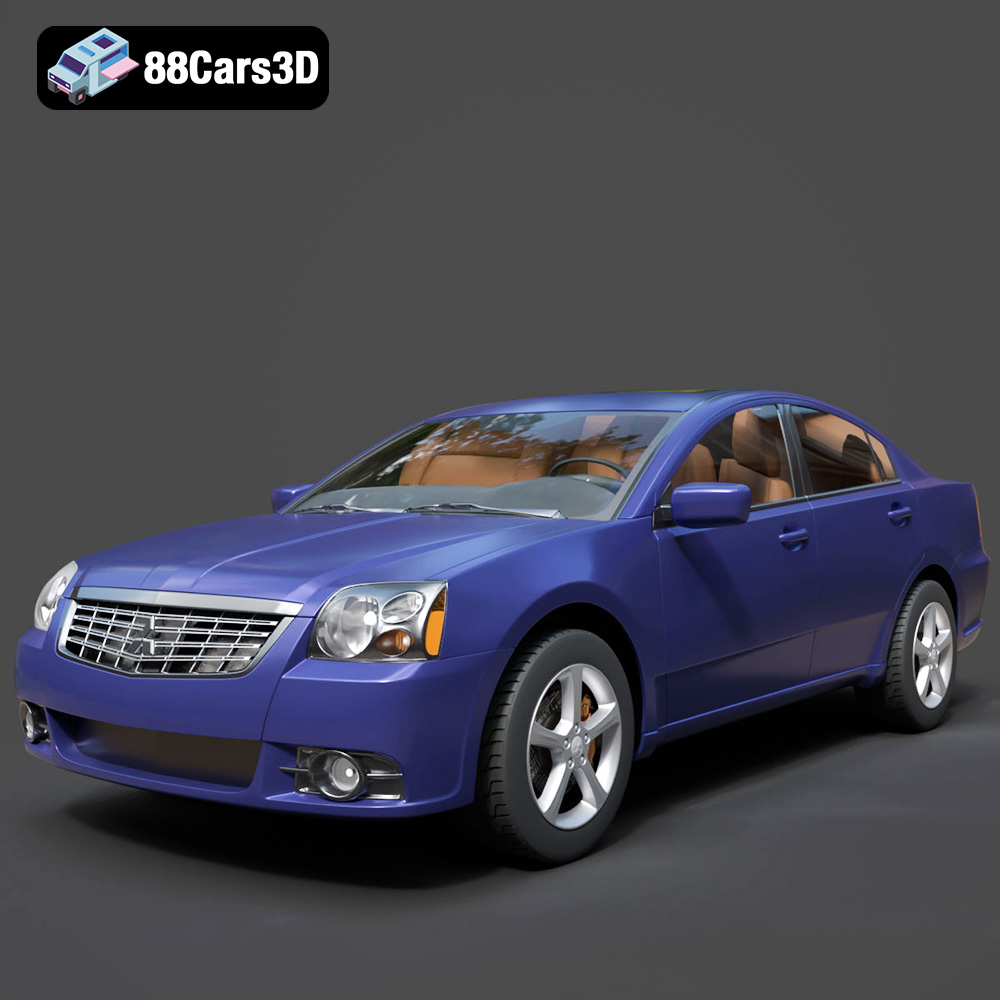
Texture: Yes
Material: Yes
Download the Mitsubishi Galant 2009 3D Model featuring clean geometry, realistic detailing, and a fully modeled interior. Includes .blend, .fbx, .obj, .glb, .stl, .ply, .unreal, and .max formats for rendering, simulation, and game development.
Price: $4.99
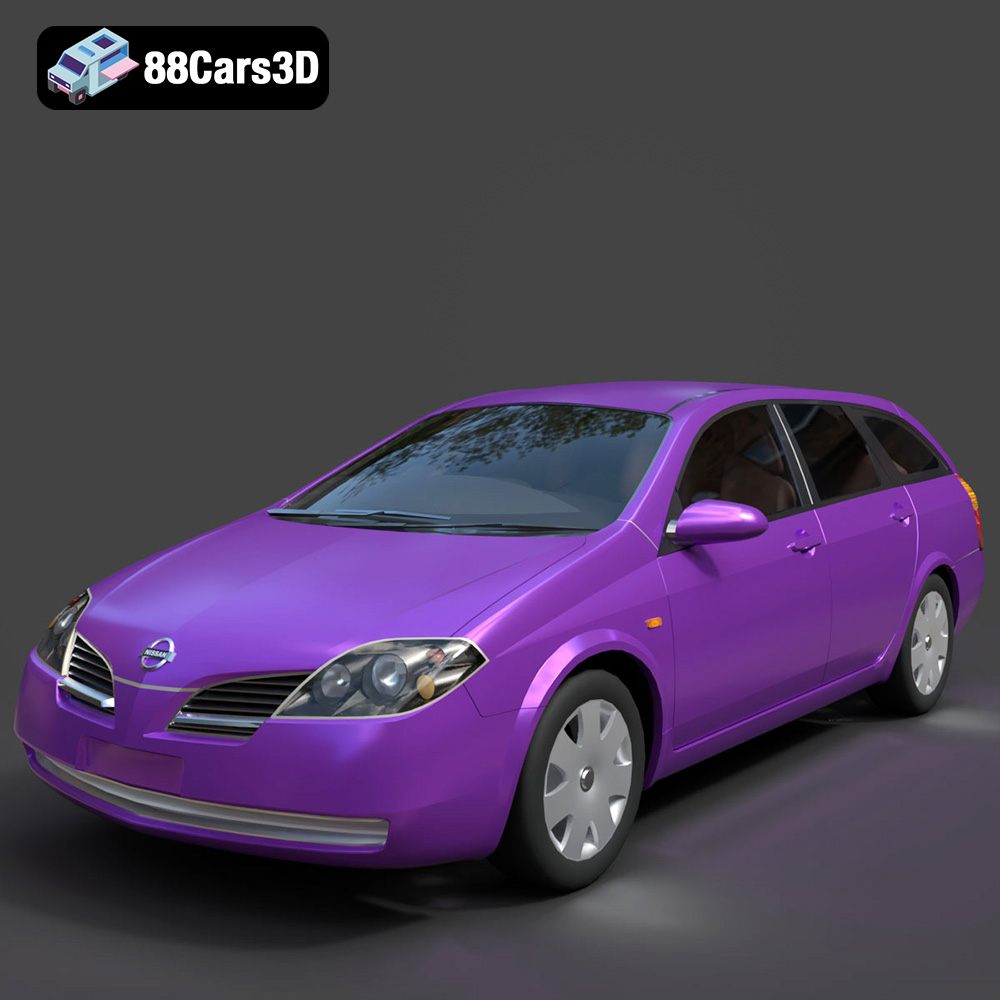
Texture: Yes
Material: Yes
Download the Nissan Primera Wagon 3D Model featuring clean geometry, realistic detailing, and a fully modeled interior. Includes .blend, .fbx, .obj, .glb, .stl, .ply, .unreal, and .max formats for rendering, simulation, and game development.
Price: $4.99
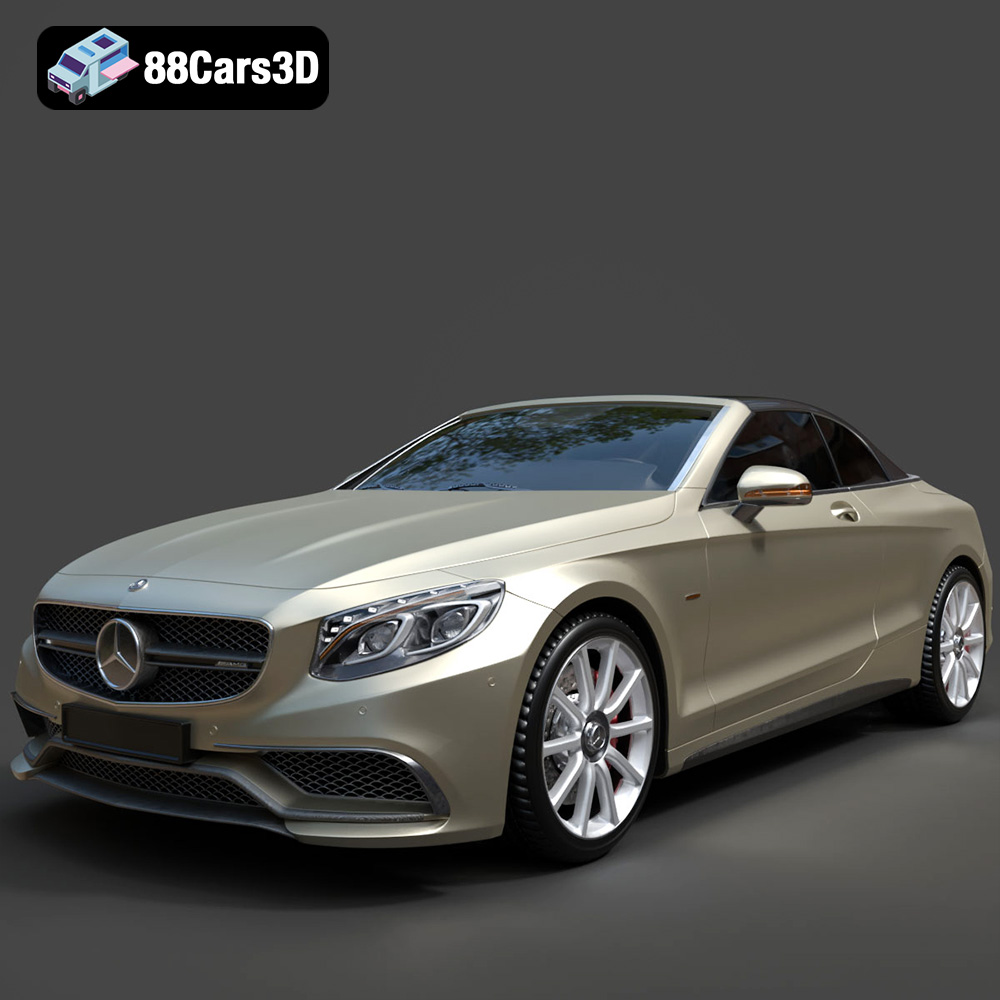
Texture: Yes
Material: Yes
Download the Mercedes-Benz S63 AMG Cabriolet 2017 3D Model featuring clean geometry, realistic detailing, and a fully modeled interior. Includes .blend, .fbx, .obj, .glb, .stl, .ply, .unreal, and .max formats for rendering, simulation, and game development.
Price: $20.99
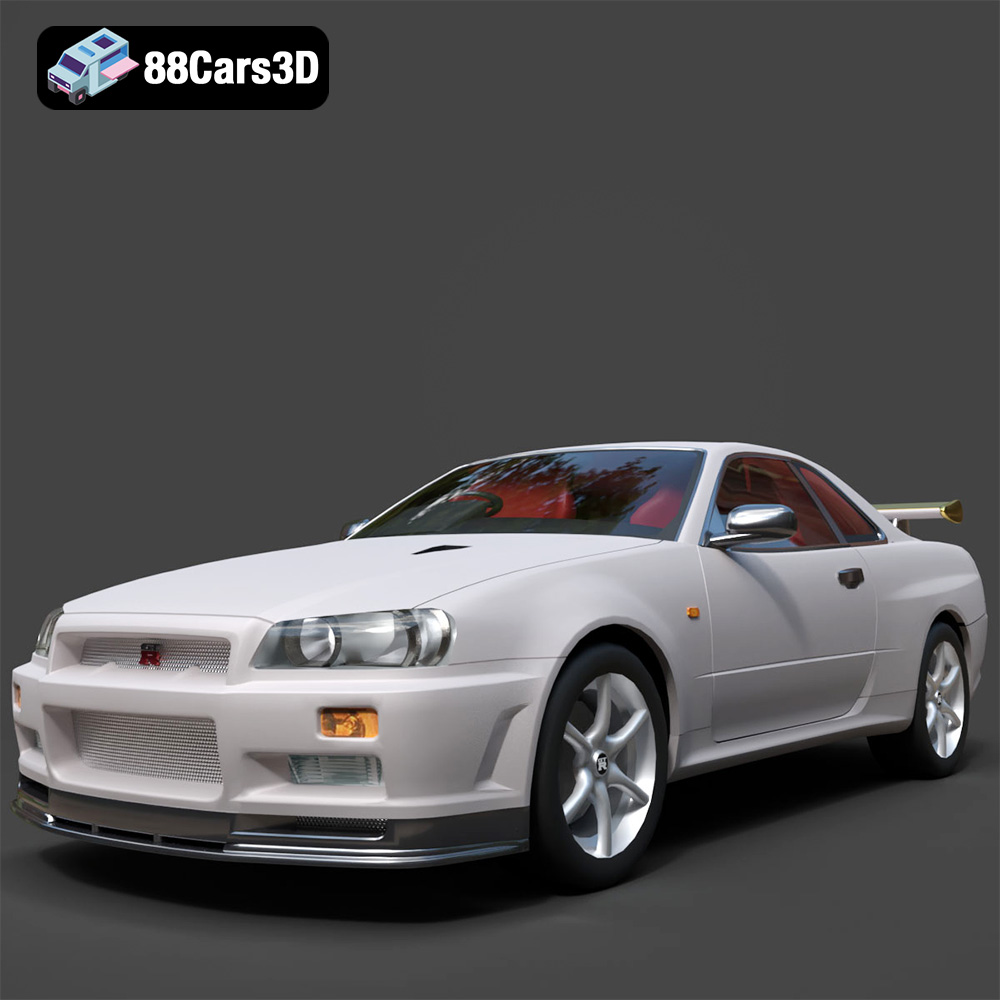
Texture: Yes
Material: Yes
Download the Nissan Skyline R34 2002 3D Model featuring clean geometry, realistic detailing, and a fully modeled interior. Includes .blend, .fbx, .obj, .glb, .stl, .ply, .unreal, and .max formats for rendering, simulation, and game development.
Price: $4.99
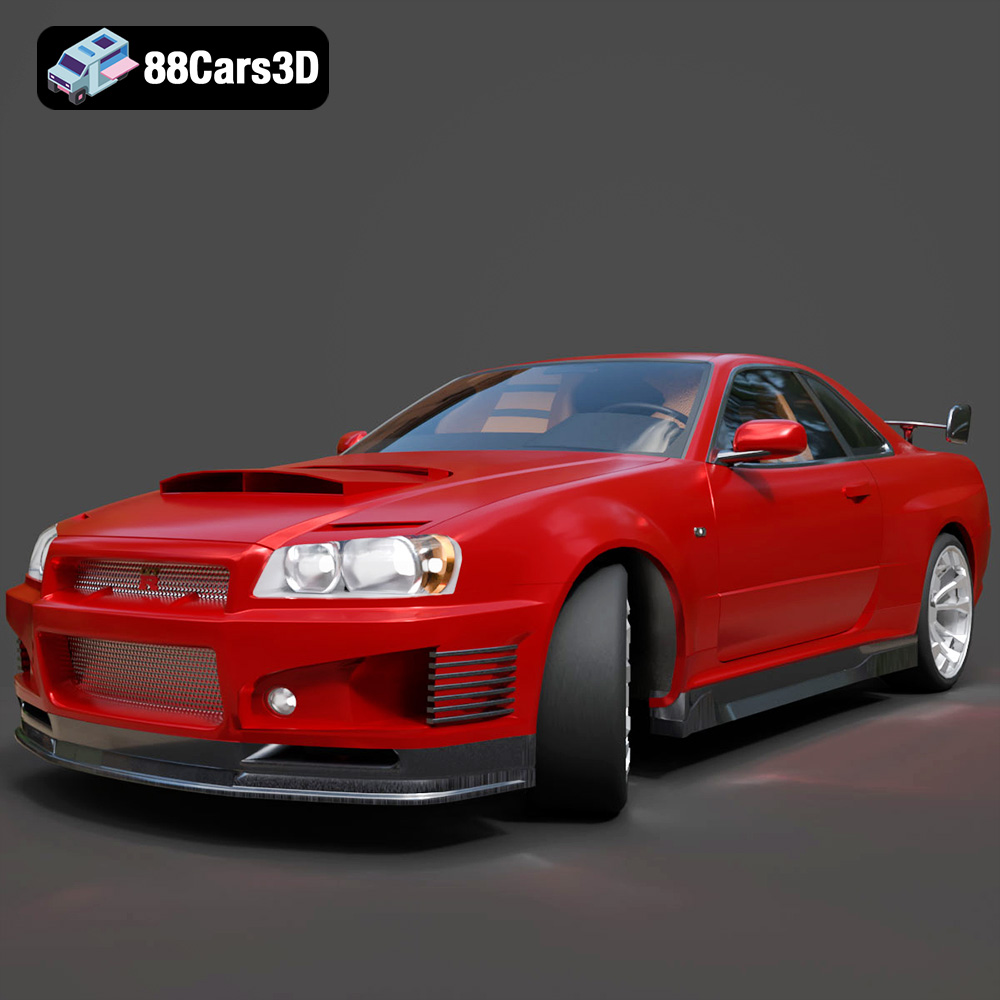
Texture: Yes
Material: Yes
Download the Nissan Skyline 3D Model featuring clean geometry, realistic detailing, and a fully modeled interior. Includes .blend, .fbx, .obj, .glb, .stl, .ply, .unreal, and .max formats for rendering, simulation, and game development.
Price: $9.99
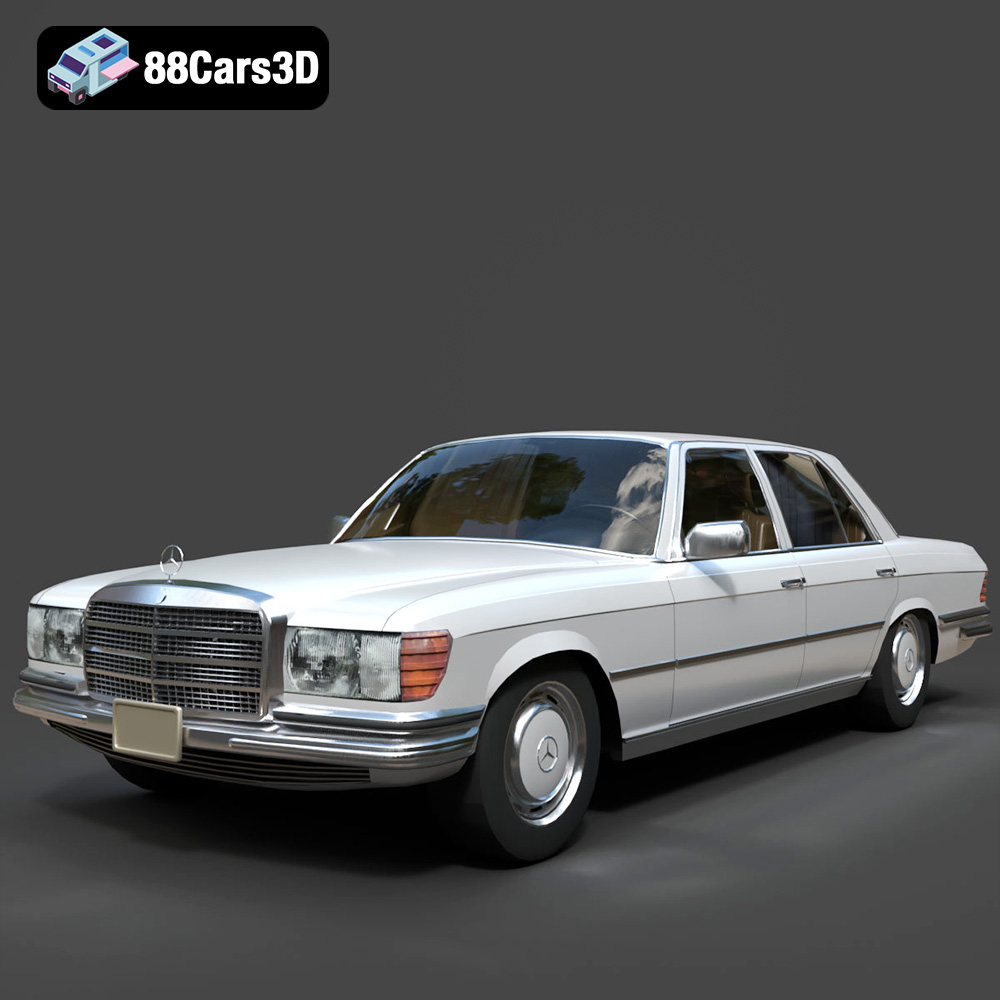
Texture: Yes
Material: Yes
Download the Mercedes-Benz S-Klasse W116 3D Model featuring clean geometry, realistic detailing, and a fully modeled interior. Includes .blend, .fbx, .obj, .glb, .stl, .ply, .unreal, and .max formats for rendering, simulation, and game development.
Price: $4.99
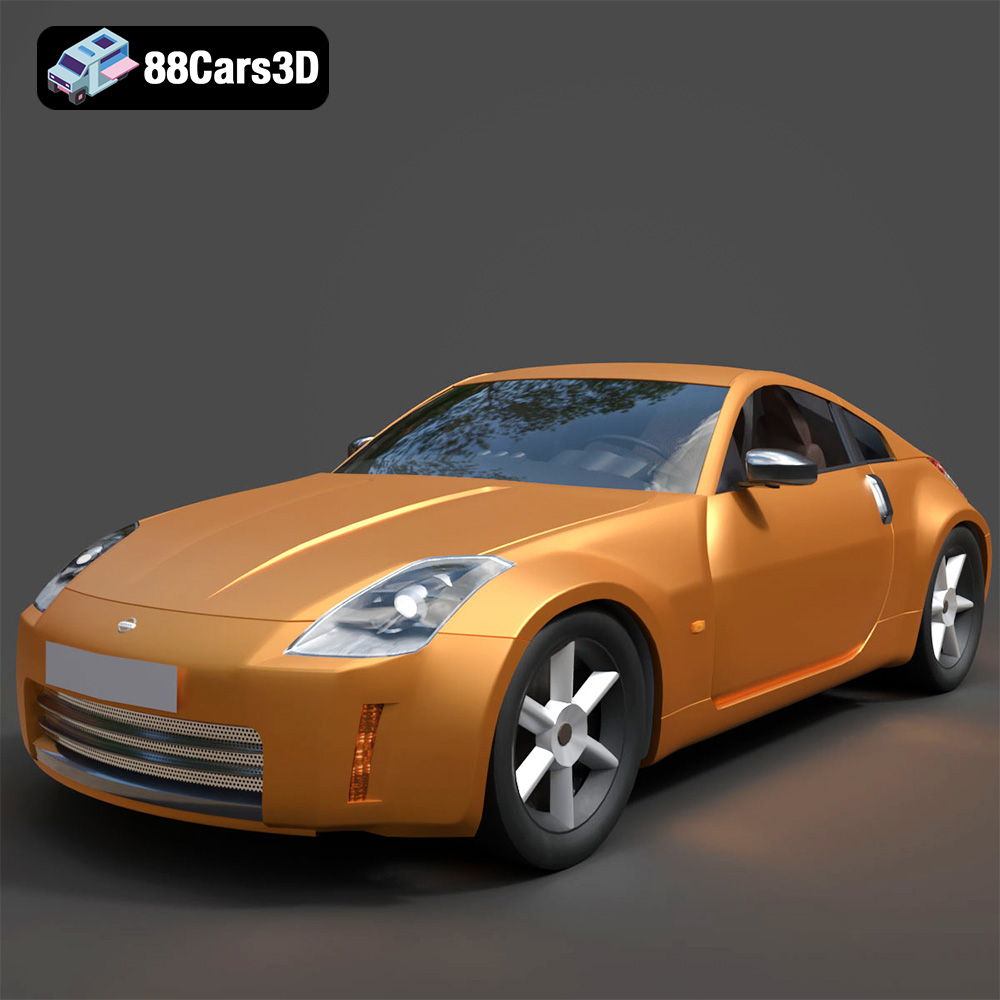
Texture: Yes
Material: Yes
Download the Nissan 350Z 3D Model featuring clean geometry, realistic detailing, and a fully modeled interior. Includes .blend, .fbx, .obj, .glb, .stl, .ply, .unreal, and .max formats for rendering, simulation, and game development.
Price: $4.99

Texture: Yes
Material: Yes
Download the Nissan Skyline V35 2001 3D Model featuring clean geometry, realistic detailing, and a fully modeled interior. Includes .blend, .fbx, .obj, .glb, .stl, .ply, .unreal, and .max formats for rendering, simulation, and game development.
Price: $4.99

Texture: Yes
Material: Yes
Download the Mercedes-Benz S-Klasse 221-007 3D Model featuring clean geometry, realistic detailing, and a fully modeled interior. Includes .blend, .fbx, .obj, .glb, .stl, .ply, .unreal, and .max formats for rendering, simulation, and game development.
Price: $4.99
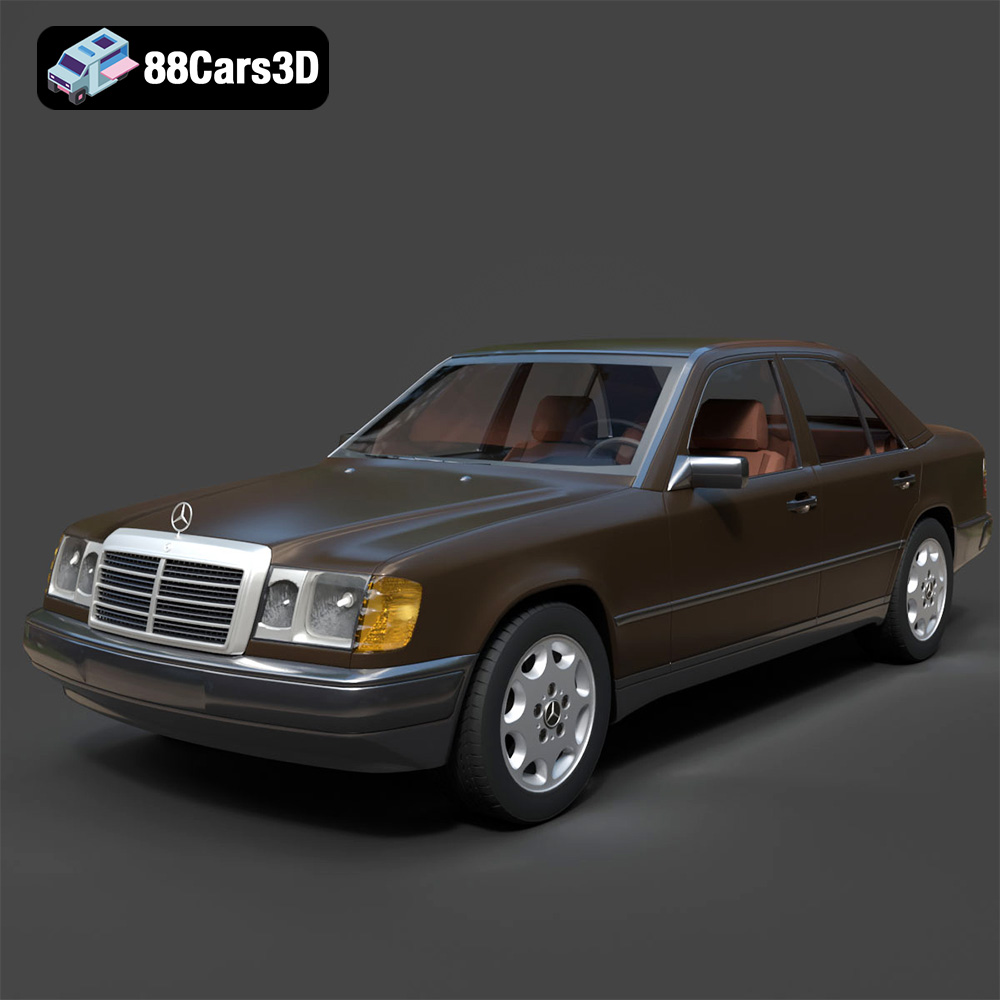
Texture: Yes
Material: Yes
Download the Mercedes W124 Sedan 3D Model featuring clean geometry, realistic detailing, and a fully modeled interior. Includes .blend, .fbx, .obj, .glb, .stl, .ply, .unreal, and .max formats for rendering, simulation, and game development.
Price: $4.99

