
The Foundation: Flawless Topology and Edge Flow for Automotive 3D Models

The sleek lines, the shimmering paint, the intricate details—automotive design has always been a beacon of human ingenuity and aesthetic prowess. In the digital realm, capturing this essence requires a profound understanding of 3D modeling, rendering, and optimization. Whether you’re a seasoned 3D artist, a game developer, an automotive designer, or a visualization professional, the journey from a concept sketch to a photorealistic render or a game-ready asset is a complex yet immensely rewarding one. It’s a journey that demands precision, technical acumen, and an artistic eye.
This comprehensive guide delves deep into the multifaceted world of automotive 3D. We’ll dissect the core principles of creating high-quality 3D car models, from sculpting impeccable topology and crafting realistic PBR materials to mastering advanced rendering techniques and optimizing assets for various real-time applications. You’ll learn the industry best practices that distinguish professional-grade models and discover strategies to tackle common challenges. Prepare to unlock the secrets behind breathtaking automotive visualizations and robust game assets, equipping you with the knowledge to elevate your projects to the next level.
The Foundation: Flawless Topology and Edge Flow for Automotive 3D Models
At the heart of any exceptional 3D car model lies impeccable topology and optimized edge flow. For automotive designs, where smooth, flowing curves and razor-sharp panel lines are paramount, the underlying mesh structure is not just a technical detail—it’s the very backbone of realism. Clean topology, primarily quad-based, ensures that your model deforms predictably, supports subdivision surfaces flawlessly, and avoids unsightly pinches or artifacts during rendering and animation. This foundational step dictates how light interacts with surfaces, how materials wrap around the form, and ultimately, the visual integrity of your final output.
A well-constructed mesh minimizes errors, simplifies UV mapping, and makes subsequent texturing and shading processes far more efficient. It also forms the basis for creating multiple levels of detail (LODs) for game development or highly detailed versions for close-up renders. Ignoring topology in favor of speed often leads to headaches down the line, requiring extensive cleanup or even a complete rebuild. Investing time here pays dividends in every subsequent stage of the 3D pipeline.
Understanding Clean Topology and Quad Dominance
The golden rule for automotive modeling, especially for subdivision surface workflows, is to prioritize quad polygons. Quads (four-sided polygons) deform gracefully when subdivided, creating smooth, continuous surfaces. While triangular polygons (tris) are unavoidable in some instances (e.g., at the termination points of complex edge loops) and acceptable in purely triangulated game engines, they can introduce pinching and unpredictable shading when smoothed. N-gons (polygons with more than four sides) are almost universally to be avoided in high-poly modeling, as they lead to unstable subdivision and rendering artifacts.
When modeling, aim for uniform polygon density across the surface, especially in areas of high curvature. This ensures consistent detail and prevents uneven stretching during subdivision. A common workflow involves modeling a low-poly base mesh with clean quad topology, then using a subdivision surface modifier (like Turbosmooth in 3ds Max or Subdivision Surface in Blender/Maya) to generate the high-resolution mesh. This non-destructive approach allows for easy adjustments to the base mesh while maintaining a smooth final product.
Mastering Edge Flow for Automotive Surfaces
Edge flow refers to the direction and continuity of your mesh edges. For automotive models, good edge flow is crucial for defining crucial design elements such as panel gaps, sharp body lines, and the subtle contours of fenders and doors. Loops of edges should follow the natural contours and creases of the vehicle, defining the silhouette and controlling how light falls across the surface. For instance, creating two or three tight edge loops along a panel gap will ensure it appears sharp and defined even after subdivision, whereas a single loop might result in a soft, rounded seam.
When modeling, constantly evaluate your edge flow. Are edges running perpendicular to the direction of curvature? Are they converging cleanly? Use tools like the Swift Loop in 3ds Max or Edge Slide in Blender to refine edge placement without altering the overall mesh volume. Pay particular attention to areas where surfaces meet, such as the intersection of a hood and a fender, ensuring that the edge loops clearly define these transitions. This meticulous attention to detail ensures that even complex reflections accurately bounce off the car’s body, contributing significantly to photorealism.
Optimizing Polygon Count and Detail Management
Balancing detail with performance is an ongoing challenge. For high-fidelity renders, a model might comfortably sit at several million polygons (after subdivision), capturing every minute curvature and detail. However, for real-time applications like games or AR/VR, such polygon counts are prohibitive. The key is to manage detail strategically. Start with a moderately detailed base mesh (e.g., 50,000-200,000 quads for a whole car before subdivision), focusing on accurate proportions and key design lines. For high-resolution renders, subdivide this base mesh to achieve the desired smoothness and detail. For real-time assets, you might create a low-poly version (e.g., 20,000-80,000 triangles for a full vehicle, depending on the target platform) and bake normal maps from the high-poly version to transfer fine details without adding geometry. This allows you to maintain visual richness while adhering to performance budgets. Platforms like 88cars3d.com often provide models optimized for various use cases, clearly specifying their polygon counts and suitability.
Unwrapping the Beauty: UV Mapping Strategies for Complex Car Surfaces
Once your 3D car model boasts pristine topology, the next critical step is UV mapping. UV mapping is the process of flattening the 3D surface of your model into a 2D space, creating a set of coordinates (UVs) that tell your rendering software where to apply textures. For complex, curvilinear surfaces like those found on a car, effective UV mapping is paramount. Poor UVs lead to distorted textures, stretching, pixelation, and difficulties in painting and material application, ultimately compromising the realism of your model. Clean UVs, on the other hand, provide a seamless canvas for high-resolution textures, ensuring that every decal, scratch, and paint flake appears exactly as intended.
The goal is to minimize distortion, maximize texel density (the number of pixels per unit of surface area), and organize UV islands logically. This often involves strategically placing seams in less visible areas, mirroring sections where appropriate, and sometimes even creating multiple UV channels for different texture sets. The effort invested in careful UV mapping directly translates into the quality and believability of your final materials and renders.
Essential UV Unwrapping Techniques
The process begins by identifying logical areas on your car model that can be “unwrapped” into flat islands. Think of it like deconstructing a cardboard box. For a car, common UV islands include individual body panels (hood, doors, fenders), windows, wheels, tires, and interior components. Software like 3ds Max, Blender, or Maya offer various unwrapping tools such as planar mapping, cylindrical mapping, and most commonly, projection mapping combined with cutting and sewing edges. Manual seam placement is often preferred for precision, allowing artists to hide seams along natural breaks in the geometry, such as the underside of a bumper or within a panel gap.
After cutting seams, the “unfold” or “relax” function is used to flatten the islands with minimal distortion. Tools often visualize stretching through color-coded maps, allowing you to fine-tune the UV layout. It’s crucial to ensure that all UV islands are scaled proportionally to maintain consistent texel density across the entire model. For instance, a small logo on the dashboard shouldn’t have the same texture resolution as a large body panel; the body panel will need a much larger UV area to receive sufficient detail from its texture map.
Texture Atlasing and Material ID Mapping
For game development and real-time visualization, texture atlasing is a powerful optimization technique. Instead of having dozens of individual texture maps for different parts of the car, an atlas combines multiple textures into a single, larger texture image. This reduces the number of draw calls a game engine needs to make, significantly improving performance. You would typically pack UV islands from different parts (e.g., door handle, mirror housing, wiper blades) into one shared UV space within the atlas.
Material ID mapping, on the other hand, involves assigning unique material IDs to different parts of your model during the modeling phase. This allows you to easily select and assign separate materials or multi-subobject materials in rendering software. For instance, car body paint might be ID 1, glass ID 2, rubber ID 3, and so on. When unwrapping, these different material ID selections can then be grouped into their respective UV islands for easier management and texture assignment. Many professional 3D car models available from marketplaces adhere to these established practices.
Managing Overlapping UVs and Mirrored Parts
Overlapping UVs can be a texture space-saving technique, but it comes with caveats. For symmetrical parts like wheels, headlights, or even entire sides of a car, you can model one half, UV map it, and then mirror the geometry. By overlapping the UVs of the mirrored half precisely onto the original half, both sides will share the same texture space. This effectively doubles your texel density for those parts, as one texture can cover two identical pieces of geometry.
However, overlapping UVs are generally only suitable for diffuse (color), roughness, and metallic maps where symmetry is desired. For unique details like dirt, damage, or specific decals that should appear only on one side or vary across surfaces, you must ensure those UVs do not overlap. Normal maps also benefit from unique UV space if you want non-symmetrical high-frequency details. Careful planning is required to decide which parts can share UV space and which need unique areas.
Breathing Life into Surfaces: PBR Material Creation and Advanced Shaders
With a perfectly modeled and UV-mapped car, the next crucial step is to clothe it in realistic materials. This is where Physically Based Rendering (PBR) materials come into play, revolutionizing how we define and render surfaces. PBR materials accurately simulate how light interacts with real-world surfaces, resulting in highly convincing visual output that remains consistent across various lighting conditions and rendering environments. Gone are the days of guessing diffuse and specular values; PBR relies on physically accurate properties like albedo (base color), roughness, metallic, and normal maps to define a surface’s appearance. Mastering PBR material creation is essential for achieving the stunning photorealism expected in automotive visualization.
Beyond the core PBR principles, crafting advanced shaders for specific automotive components, such as car paint with metallic flakes and clear coats, or intricate interior materials like leather and carbon fiber, demands a deeper understanding of shader networks and layering techniques. This stage is where your model truly comes to life, mimicking the intricate interplay of light, reflection, and absorption found on real vehicles.
The Principles of Physically Based Rendering (PBR)
PBR workflows fundamentally changed how we approach material creation by aligning digital materials with real-world physical properties. There are two primary PBR workflows: Metallic/Roughness and Specular/Glossiness. The Metallic/Roughness workflow (common in game engines and renderers like Substance Painter) uses a ‘Metallic’ map to define if a surface is metallic (1.0) or dielectric (0.0), and a ‘Roughness’ map to control how spread out reflections are (0.0 for perfectly smooth, 1.0 for completely rough). The Specular/Glossiness workflow (found in older renderers and some professional tools) uses ‘Specular’ and ‘Glossiness’ maps, which can be more intuitive for artists used to traditional workflows but are less common in modern real-time engines.
Key PBR maps include: Base Color (Albedo), which defines the intrinsic color of a dielectric surface (or the reflection color for a metal); Metallic (for Metallic/Roughness); Roughness (or Glossiness for Specular/Glossiness); Normal Map, for conveying fine surface details without additional geometry; and often Ambient Occlusion (AO), which simulates subtle contact shadows. Understanding the role of each map and how they interact is crucial for creating convincing materials.
Crafting Realistic Car Paint Shaders
Automotive paint is one of the most complex materials to replicate digitally due to its layered structure. A realistic car paint shader typically involves several components:
- Base Color/Albedo: The underlying color of the paint.
- Metallic Flake Layer: A crucial element, simulated with a noise texture or procedural pattern that is then masked and given metallic and anisotropic properties to mimic tiny metallic particles suspended in the paint. The scale and intensity of these flakes significantly impact realism.
- Clear Coat Layer: This is a transparent, highly reflective layer on top, often with its own roughness and refractive index. It creates the characteristic deep reflections and subtle “orange peel” effect found on real car finishes. This clear coat often requires a separate normal map or procedural noise to simulate the subtle imperfections.
- Dirt/Dust/Scratches: Layered on top, these maps add age and realism. They can be procedural or texture-based, controlled by masks, and given their own PBR properties (e.g., dirt might be rougher and less reflective).
Many modern renderers offer specialized car paint shaders, but understanding the underlying principles allows for custom adjustments and higher fidelity. Experiment with varying roughness levels, subtle normal map details for orange peel, and color shifts within the metallic flakes for truly dynamic results.
Developing Interior and Exterior Material Networks
Beyond car paint, a vehicle comprises a vast array of materials, each requiring a tailored PBR approach:
- Glass: Requires accurate refractive indices (IOR), transmission color, and subtle imperfections. Tinted glass will absorb some light, changing its color.
- Rubber: Often characterized by high roughness, dark base color, and fine surface details from a normal map (e.g., tire tread patterns).
- Chrome/Metallic Accents: High metallic value, very low roughness (unless brushed or worn). anisotropic reflections can enhance realism for brushed metals.
- Leather/Fabric: Demands detailed normal maps for grain or weave, and often subtle subsurface scattering (SSS) for softer appearance. Roughness variations are key.
- Plastics: Vary widely. Some are matte and rough, others shiny. Color and roughness maps are essential, often combined with subtle normal maps for texture.
- Headlight/Taillight Assemblies: Complex materials involving transparent glass, reflective parabolic surfaces, and emissive elements for the lights themselves.
Building these materials involves creating complex shader networks, combining multiple texture maps, procedural noises, and masks to achieve depth and realism. Using high-resolution textures (e.g., 4K or 8K for primary surfaces) is crucial for close-up shots, and sourcing these from quality libraries or platforms like 88cars3d.com can save immense time while guaranteeing professional results.
The Art of Illumination: High-Fidelity Automotive Rendering Workflows
Even the most perfectly modeled car with exquisite PBR materials won’t look convincing without masterful lighting and rendering. This stage is where all your hard work culminates, transforming a digital asset into a stunning visual masterpiece. High-fidelity automotive rendering goes beyond simply hitting the render button; it’s a careful orchestration of lighting, camera angles, material properties, and post-processing to evoke emotion and communicate design intent. The goal is to simulate real-world photography, capturing the vehicle’s form, reflections, and intricate details in a compelling manner.
Different rendering engines offer unique strengths, but the core principles of illumination, material interaction, and image composition remain universal. Understanding these principles and how to apply them within your chosen renderer is paramount to achieving photorealistic results that captivate your audience, whether for marketing, design reviews, or artistic showcases.
Lighting Scenarios and HDRI Environments
Lighting is arguably the most critical element in rendering. For automotive visuals, common lighting setups include:
- Studio Lighting: Mimics professional photography studios, often using large softbox lights and reflectors to create controlled, flattering illumination. Typically involves several area lights (key, fill, rim) and strategic bounce cards.
- Natural Outdoor Environments: Achieved primarily through High Dynamic Range Images (HDRIs). An HDRI captures a full 360-degree panoramic image of a real-world location, including its lighting information. When used as an environment map in your renderer, it realistically illuminates your scene, providing accurate reflections, diffuse light, and shadows consistent with that location. Choose HDRIs that complement your car’s design and color palette—a clear blue sky for a sports car, a gritty urban environment for an off-roader.
- Hybrid Setups: Combining an HDRI for global illumination and reflections with additional targeted area lights or spotlights to enhance specific details or add artistic flair.
Experiment with various lighting setups to see how they accentuate the car’s form and material properties. Pay attention to how reflections highlight body lines and curvatures.
Renderer-Specific Techniques (Corona, V-Ray, Cycles, Arnold)
Each renderer has its own approach to achieving photorealism:
- Corona Renderer: Known for its ease of use, speed, and physically accurate results. It’s often favored for arch-viz and product rendering due to its unbiased rendering approach and robust light-mixing capabilities in post-production. Adjusting samples per pixel, noise level limits, and using a denoiser are common optimizations.
- V-Ray: A industry-standard, versatile renderer offering both biased and unbiased methods. It provides extensive control over every aspect of rendering, from global illumination settings (Brute Force, Light Cache, Irradiance Map) to highly optimized material properties. V-Ray GPU is increasingly popular for its speed.
- Blender Cycles: Blender’s integrated, physically-based path tracer. It’s powerful and highly customizable, benefiting from GPU rendering (CUDA/OptiX). Key settings include render samples, light bounces, and utilizing the built-in denoiser.
- Arnold: Autodesk’s default renderer for Maya and 3ds Max (available as a plugin for others), renowned for its robustness in film VFX and animation. It’s an unbiased, CPU-based renderer (with GPU options emerging) that excels at complex scenes with many lights and materials. Focus on adjusting sampling for diffuse, specular, transmission, and volume to balance quality and render time.
Regardless of the renderer, fundamental principles apply: use physically accurate cameras (matching f-stop, shutter speed, ISO to real photography), enable appropriate global illumination, and manage render passes for compositing.
Post-Processing and Compositing for Impact
The raw render output is rarely the final image. Post-processing and compositing in software like Adobe Photoshop, Affinity Photo, or Nuke are vital steps to elevate your render to a professional-grade image.
- Exposure and Color Grading: Adjust overall brightness, contrast, white balance, and color saturation to achieve the desired mood and aesthetic. Use color lookup tables (LUTs) for quick cinematic looks.
- Depth of Field (DOF): Mimics real camera lenses, blurring the foreground and background to draw attention to the car. Can be rendered directly or added in post using Z-depth passes.
- Motion Blur: Adds realism to animated vehicles or spinning wheels, conveying speed. Rendered per-pixel or applied in post with velocity passes.
- Glares and Lens Flares: Subtle effects that simulate light interacting with a camera lens. Use render passes like ‘Bloom’ or ‘Glare’ or add them in compositing.
- Vignette and Chromatic Aberration: Subtle photographic imperfections that add to realism.
- Compositing Render Passes: Many renderers output multiple passes (e.g., diffuse, reflection, specular, raw lighting, shadows, AO, object IDs). Compositing these layers gives you granular control over the final image, allowing you to tweak individual elements without re-rendering the entire scene.
This final polish makes a significant difference, transforming a technically accurate render into an artistic statement. High-quality 3D car models purchased from reputable sources like 88cars3d.com are built to facilitate these advanced rendering and post-processing workflows, often coming with optimized mesh and material setups.
Performance on the Grid: Game Engine Optimization for Car Assets
While photorealistic renders aim for uncompromised visual fidelity, game engines demand a delicate balance between stunning visuals and real-time performance. A beautifully detailed 3D car model suitable for offline rendering can easily cripple a game engine if not properly optimized. Game engine optimization for car assets focuses on minimizing draw calls, polygon counts, texture memory, and shader complexity, ensuring smooth frame rates across a range of hardware while still maintaining visual quality. This involves a shift in mindset from absolute realism to perceived realism and efficient resource management.
The goal is to create assets that look great from various distances and angles, react realistically to physics, and fit within strict performance budgets. This often means simplifying geometry, consolidating textures, and creating multiple versions of the model for different levels of detail, all while retaining the core visual identity of the vehicle.
Level of Detail (LOD) Generation and Implementation
Level of Detail (LOD) is a fundamental optimization technique for complex game assets. Instead of rendering a single, high-polygon model at all distances, LODs involve creating several versions of the same model, each with progressively fewer polygons and simpler materials.
- LOD0 (Highest Detail): Used when the car is very close to the camera. Might have 50,000-80,000 triangles or more.
- LOD1 (Medium Detail): Used at mid-range distances. Perhaps 15,000-25,000 triangles.
- LOD2 (Low Detail): Used further away. Could be 5,000-10,000 triangles.
- LOD3+ (Imposter/Billboard): For very distant objects, an even simpler mesh or a 2D image (billboard) might be used.
Game engines automatically switch between these LODs based on the camera’s distance to the object, reducing the processing load. While some LODs can be generated automatically (e.g., using Blender’s Decimate modifier or Unity/Unreal’s built-in tools), manual creation or significant cleanup is often required for critical assets like hero cars to ensure good visual transitions and preserve important silhouettes.
Draw Call Reduction and Texture Atlasing
Draw calls are instructions from the CPU to the GPU to draw an object. Each time a new material, texture, or shader is used, it typically incurs a new draw call, which can be a significant performance bottleneck. Reducing draw calls is paramount for game optimization.
- Texture Atlasing: As discussed in UV mapping, combining multiple textures into a single large texture atlas significantly reduces draw calls because the engine only needs to bind one texture instead of many. All car parts that can share a material and texture space should be considered for atlasing.
- Material Consolidation: Try to use as few unique materials as possible. If multiple parts can use variations of the same PBR material (e.g., different shades of plastic), that’s more efficient than completely separate materials.
- Batching/Instancing: Game engines automatically try to batch (combine) objects that share the same material and mesh data. For multiple identical cars on a track, instancing them rather than having unique copies is highly efficient.
- Combining Meshes: For static parts of the car that don’t need to be individually selectable or animated, combining them into a single mesh reduces the number of objects the engine has to process.
Effective draw call reduction is often the most impactful optimization for complex assets like vehicles.
Collision Meshes, Physics Assets, and Real-Time Shaders
Beyond visual fidelity, cars in games need to interact with the environment through physics.
- Collision Meshes: The visual mesh is usually too complex for physics calculations. Instead, a simplified “collision mesh” is created. This can be a series of primitive shapes (boxes, spheres, capsules) or a convex hull that roughly approximates the car’s shape. This mesh is used for collision detection with the environment and other vehicles, making physics calculations much faster.
- Physics Assets: For more detailed physics simulation, especially for deformable vehicles or those with movable parts (like suspension), a “physics asset” or “rigidbody” setup is used. This involves assigning collision bodies to individual parts and defining their joints and constraints within the game engine.
- Real-Time Shaders: Game engine shaders are highly optimized versions of their offline rendering counterparts. They often use simpler PBR models, reduce the number of texture samples, and avoid expensive calculations like complex clear coats or ray-traced reflections. Instead, Screen Space Reflections (SSR), Cubemap Reflections, or baked reflection probes are used for real-time reflections. Shader graphs in Unity (Shader Graph) or Unreal Engine (Material Editor) allow artists to create custom, optimized shaders tailored for real-time performance. When sourcing game-ready 3D car models, look for those explicitly stating their optimization for platforms like Unity or Unreal Engine, as offered by 88cars3d.com.
Beyond the Screen: Specialized Applications for 3D Car Models
The versatility of high-quality 3D car models extends far beyond traditional rendering and game development. They are increasingly vital assets in emerging technologies and niche industries, offering immersive experiences, tangible prototypes, and interactive visualization tools. From augmented and virtual reality experiences that place vehicles directly into a user’s environment, to precise 3D prints for prototyping and display, and integration into complex architectural visualizations, the applications are diverse and rapidly expanding. Each specialized application comes with its own set of technical requirements and optimization strategies, demanding a flexible and adaptable approach to asset preparation.
Understanding these specific needs allows artists and designers to repurpose and optimize their existing car models, unlocking new avenues for showcasing automotive design and functionality. This adaptability is a hallmark of professional 3D content creation in today’s dynamic digital landscape.
AR/VR Optimization for Immersive Experiences
Augmented Reality (AR) and Virtual Reality (VR) environments demand even stricter performance optimizations than traditional games. Smooth frame rates (often 90 FPS or higher) are critical to prevent motion sickness and ensure a comfortable, immersive experience.
- Extreme Poly Reduction: AR/VR models often require significantly lower polygon counts than console games, especially for mobile AR. Aggressive LODs and decimation are key, sometimes reducing a full car to under 20,000 triangles for mobile.
- Baked Lighting: Real-time dynamic lighting is very expensive. For static AR/VR scenes, baking lighting into lightmaps or vertex colors drastically improves performance. This can also include baked ambient occlusion.
- Simplified Shaders: Use the simplest possible PBR shaders. Avoid complex clear coats or advanced volumetric effects. Mobile AR/VR particularly benefits from shaders optimized for mobile GPUs.
- Texture Resolution: While 4K textures are common for desktop games, mobile AR/VR might necessitate 2K or even 1K textures for less critical components to conserve memory.
- Occlusion Culling: Implement occlusion culling to prevent rendering objects that are hidden from the camera’s view.
For AR, especially on iOS with ARKit and Android with ARCore, converting models to specific formats like USDZ (iOS) or GLB (Android) is crucial, often requiring further optimization during the export process.
Preparing Models for 3D Printing
Transforming a digital 3D car model into a physical object via 3D printing introduces a new set of technical considerations centered around mesh integrity and physical properties.
- Watertight Mesh (Manifold Geometry): The most critical requirement. A 3D print model must be a “solid” object with no holes, gaps, or internal intersecting geometry. Every edge must be shared by exactly two faces. Non-manifold geometry will cause printing errors.
- Wall Thickness: Ensure all parts of the model have sufficient wall thickness to be physically robust once printed. Very thin elements (e.g., antennas, grilles) may break easily or fail to print. Minimum thickness varies by printer type and material (e.g., 0.8mm to 2mm is common).
- Scale and Units: Models must be scaled correctly to real-world units (mm, cm, inches) corresponding to the printer’s setup.
- Mesh Repair: Use dedicated mesh repair tools (e.g., 3ds Max’s STL Check modifier, Blender’s 3D Print Toolbox, Meshmixer, Netfabb) to identify and fix non-manifold edges, inverted normals, and other issues.
- Detail Level: Adjust the model’s polygon count to balance detail with printability. Overly dense meshes can overwhelm some slicing software, while overly sparse meshes might lose fine details. High-resolution models sourced from 88cars3d.com can be a great starting point for 3D printing, but often require specific mesh preparation for solidity and wall thickness.
Architectural Visualization and Product Configurator Integration
3D car models are invaluable assets in various other visualization contexts:
- Architectural Visualization (Arch-Viz): Cars add life, scale, and context to architectural renderings. A vehicle parked in front of a building helps viewers understand the scale of the structure and the lifestyle it represents. For this, high-detail models are often needed for realism, seamlessly integrated into the lighting and environment of the architectural scene.
- Product Configurators: Interactive 3D car configurators on websites allow customers to customize vehicles in real-time (changing paint color, wheels, interior trim). These demand highly optimized, modular 3D assets that can be swapped out quickly in a real-time engine (like Unity or Unreal). PBR materials are typically used, and performance is paramount, similar to game optimization, but with an emphasis on seamless transitions and material fidelity.
- Virtual Showrooms and Events: High-quality 3D car models power virtual showrooms, interactive kiosks, and immersive online events, providing rich, engaging experiences for potential customers and enthusiasts.
These applications demonstrate the broad utility of professional-grade 3D car models, highlighting the importance of clean assets that are ready for diverse integration challenges.
The Digital Backbone: File Formats, Compatibility, and Asset Management
In the world of 3D, where projects often involve multiple software packages, team members, and delivery platforms, effective file format management and asset compatibility are critical. A meticulously crafted 3D car model can become a source of frustration if it cannot be seamlessly transferred between applications or if its integrity is compromised during conversion. Understanding the nuances of different 3D file formats, their strengths, weaknesses, and appropriate use cases, is essential for a smooth and efficient workflow. This extends to maintaining proper asset management practices, ensuring that models, textures, and associated files are organized, version-controlled, and easily accessible.
Mastering this “digital backbone” safeguards your creative work, streamlines collaboration, and ensures that your high-quality 3D car models are always ready for any application, from rendering to game engines to AR/VR experiences.
Understanding Key 3D File Formats
The 3D landscape is populated by various file formats, each serving specific purposes:
- FBX (Filmbox): Autodesk’s proprietary format, widely considered the industry standard for interoperability. It supports geometry, materials, textures, animations, rigging, and cameras, making it excellent for transferring complex scenes between 3ds Max, Maya, Unity, Unreal Engine, and more. Highly recommended for game asset export.
- OBJ (Wavefront Object): A universal, open-standard format. It primarily stores geometry (vertices, normals, UVs) and can reference external MTL (material) files for basic material properties. It’s robust for geometry transfer but lacks support for advanced features like animation or scene hierarchy.
- GLB/glTF (Graphics Library Transmission Format): An open, royalty-free specification for 3D scenes and models. GLB is the binary version (a single file), ideal for web-based 3D, AR/VR, and quick sharing due to its compact size and efficiency. It supports PBR materials, animations, and hierarchies.
- USDZ (Universal Scene Description Zip): Apple’s proprietary format for AR experiences on iOS devices. Based on Pixar’s USD, it’s a packaged format that includes geometry, PBR materials, and animations, optimized for mobile AR performance.
- ABC (Alembic): A high-performance, open computer graphics interchange framework for animation and visual effects. It excels at caching animated geometry, including complex simulations, but typically doesn’t store material or rigging data in the same way FBX does.
- Native Formats: Such as .max (3ds Max), .blend (Blender), .ma/.mb (Maya). These retain all scene information and are best for active development within their respective software.
Choosing the right format depends entirely on the destination platform and the type of data you need to transfer.
Seamless Conversion and Interoperability
Converting between formats requires careful attention to detail. Common issues during conversion include:
- Scaling: Different software uses different default units (cm, meters, inches). Always verify and adjust scale during import/export to avoid gigantic or minuscule models.
- Normals: Inverted or inconsistent face normals can lead to rendering artifacts. Ensure normals are unified and pointing outwards before export.
- Pivot Points/Transformations: Ensure pivot points are correctly placed (e.g., at the center of the car’s base) and transformations are frozen or reset before export to prevent unexpected rotations or translations upon import.
- Material Conversion: PBR materials, especially complex ones like car paint shaders, rarely transfer perfectly between renderers or engines. Textures (Base Color, Normal, Metallic, Roughness) typically transfer well, but the shader network itself often needs to be rebuilt or adjusted in the target application. This is where baking textures (e.g., combining clear coat effects into the base maps) can help with simpler engine implementations.
- Scene Hierarchy: Maintain a clean and logical hierarchy (e.g., “Car_Body” parent, “Wheel_FR” child) for easy manipulation in the target software.
Always perform a visual check after importing a converted model into a new application to catch any discrepancies. Most reputable marketplaces, including 88cars3d.com, provide models in multiple common formats to minimize conversion headaches and ensure broad compatibility.
Asset Management and Version Control
As projects grow, managing your 3D assets becomes critical.
- Logical Folder Structure: Organize your project files into clear, consistent folders (e.g., “Models,” “Textures,” “Scenes,” “Renders”).
- Naming Conventions: Adopt a consistent naming convention for models, objects, materials, and textures (e.g., “Car_Sedan_Wheel_FrontLeft,” “T_CarPaint_BaseColor_4K.png”). This makes assets easy to find and manage, especially in large projects or team environments.
- Version Control: For individual artists, simply saving incremental versions (e.g., “Car_v001.max,” “Car_v002.max”) is a basic form of version control. For teams, using dedicated version control systems like Git LFS (Large File Storage) or Perforce Helix Core is essential for managing large binary files, tracking changes, and resolving conflicts.
- Asset Libraries: Build and maintain a library of reusable assets, including common materials, environment HDRIs, and optimized car models. This saves significant time on future projects. When sourcing models from marketplaces such as 88cars3d.com, you are adding to your professional asset library, so ensure you integrate them into your organized system.
A structured asset management approach reduces errors, improves efficiency, and ensures that your valuable 3D car models are always in prime condition for use.
Conclusion
The journey through automotive 3D modeling, from the intricate dance of topology and edge flow to the nuanced art of PBR material creation, high-fidelity rendering, and rigorous game engine optimization, is a testament to the blend of technical skill and artistic vision required in the industry. We’ve explored the foundational principles of building clean, robust models, delved into the complexities of UV mapping and texturing, and illuminated the pathways to achieving stunning photorealistic renders and performant real-time assets. Furthermore, we touched upon the specialized requirements for exciting applications like AR/VR and 3D printing, underscoring the versatility of well-crafted 3D car models.
Mastering these techniques will empower you to tackle any automotive visualization challenge, producing results that not only look impressive but also perform flawlessly across diverse platforms. Remember that continuous learning and refinement are key. Experiment with new workflows, study real-world lighting and materials, and always strive for efficiency and precision in your craft. Whether you’re building from scratch or leveraging high-quality, pre-made assets, the principles outlined here will serve as your compass. Embrace the power of professional 3D car models and elevate your projects to extraordinary new heights.
Featured 3D Car Models
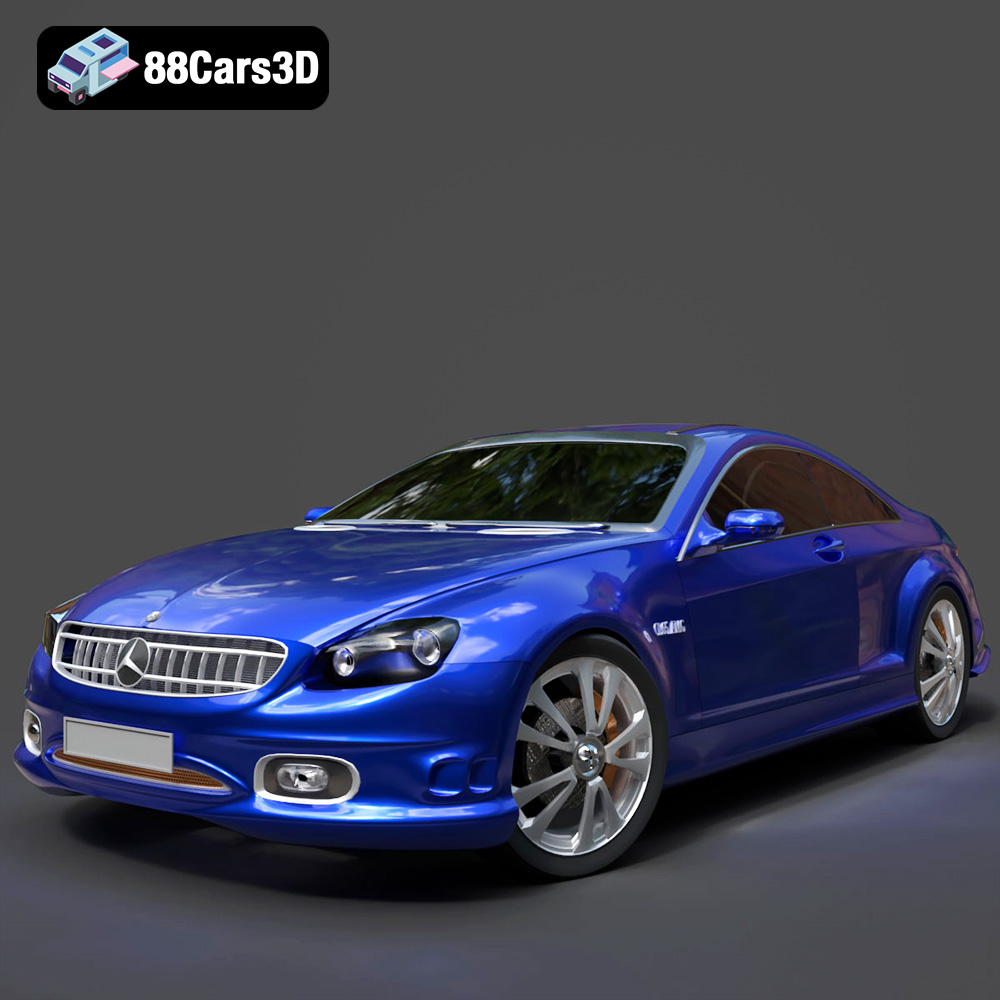
Mercedes-Benz CL6540-005 3D Model
Texture: Yes
Material: Yes
Download the Mercedes-Benz CL6540-005 3D Model featuring clean geometry, realistic detailing, and a fully modeled interior. Includes .blend, .fbx, .obj, .glb, .stl, .ply, .unreal, and .max formats for rendering, simulation, and game development.
Price: $4.99
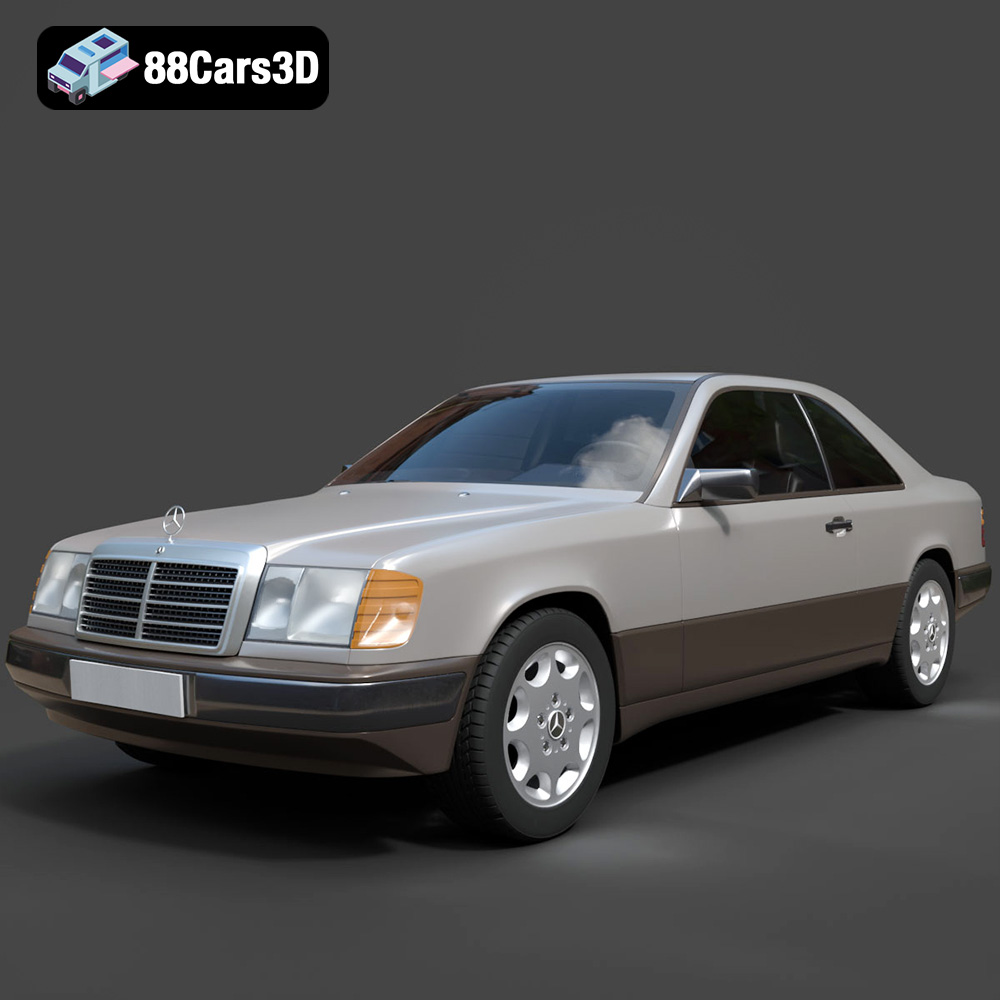
Mercedes E-Class w124 Coupe 3D Model
Texture: Yes
Material: Yes
Download the Mercedes E-Class w124 Coupe 3D Model featuring clean geometry, realistic detailing, and a fully modeled interior. Includes .blend, .fbx, .obj, .glb, .stl, .ply, .unreal, and .max formats for rendering, simulation, and game development.
Price: $4.99
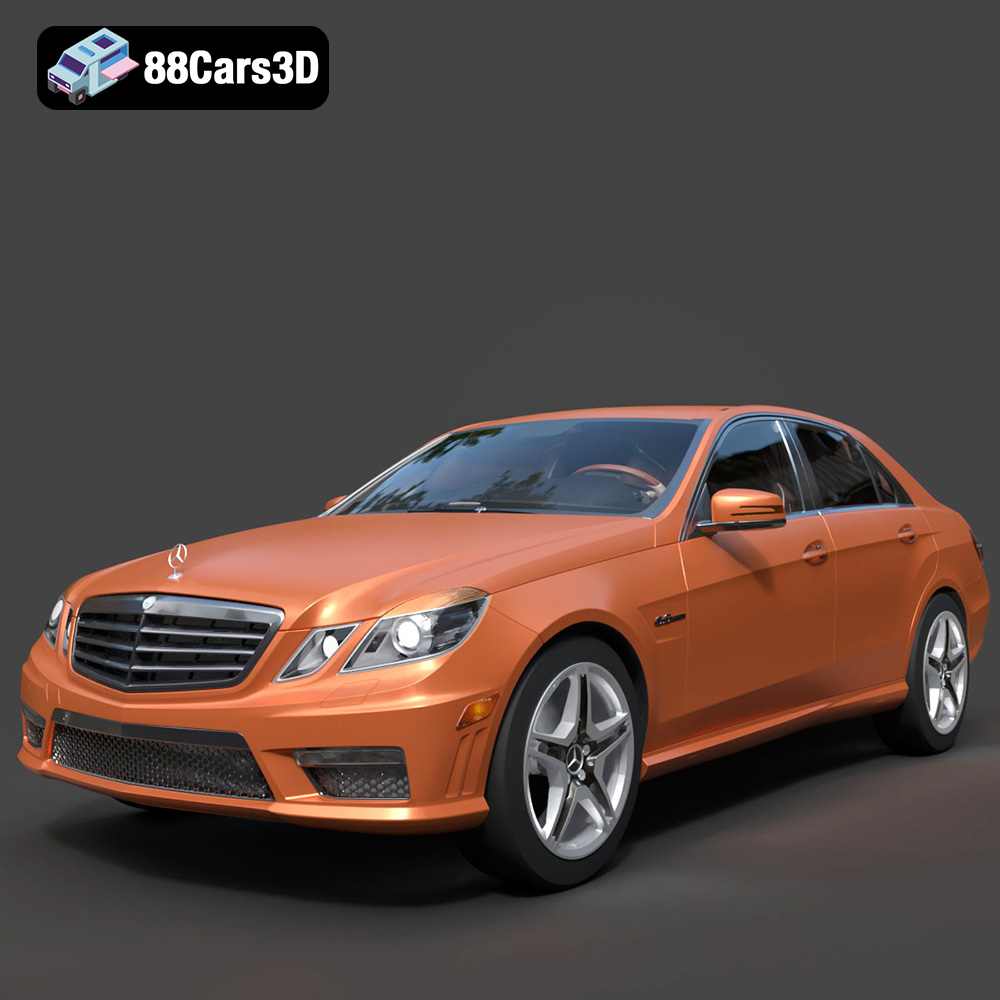
Mercedes-Benz E-Klasse 63 AMG 3D Model
Texture: Yes
Material: Yes
Download the Mercedes-Benz E-Klasse 63 AMG 3D Model featuring clean geometry, realistic detailing, and a fully modeled interior. Includes .blend, .fbx, .obj, .glb, .stl, .ply, .unreal, and .max formats for rendering, simulation, and game development.
Price: $4.99
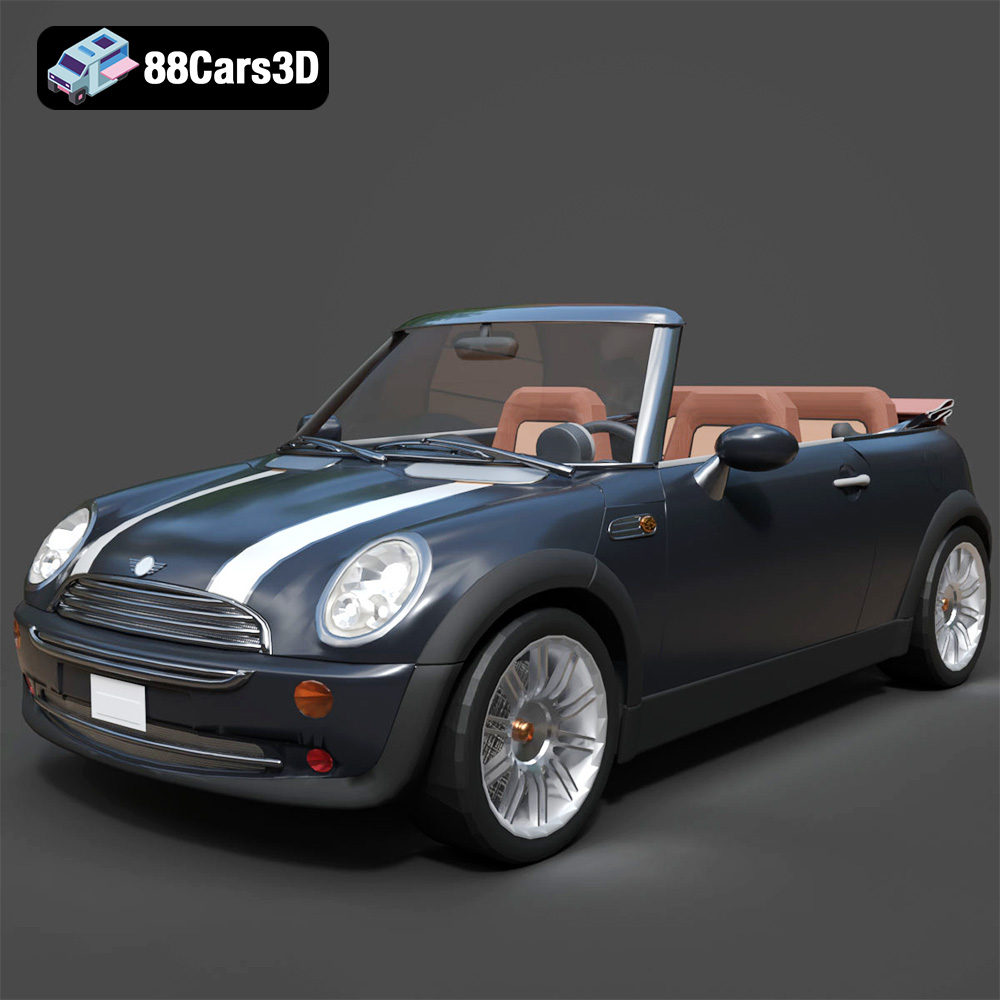
Mini Cabrio 2025 3D Model
Texture: Yes
Material: Yes
Download the Mini Cabrio 2025 3D Model featuring clean geometry, realistic detailing, and a fully modeled interior. Includes .blend, .fbx, .obj, .glb, .stl, .ply, .unreal, and .max formats for rendering, simulation, and game development.
Price: $4.99
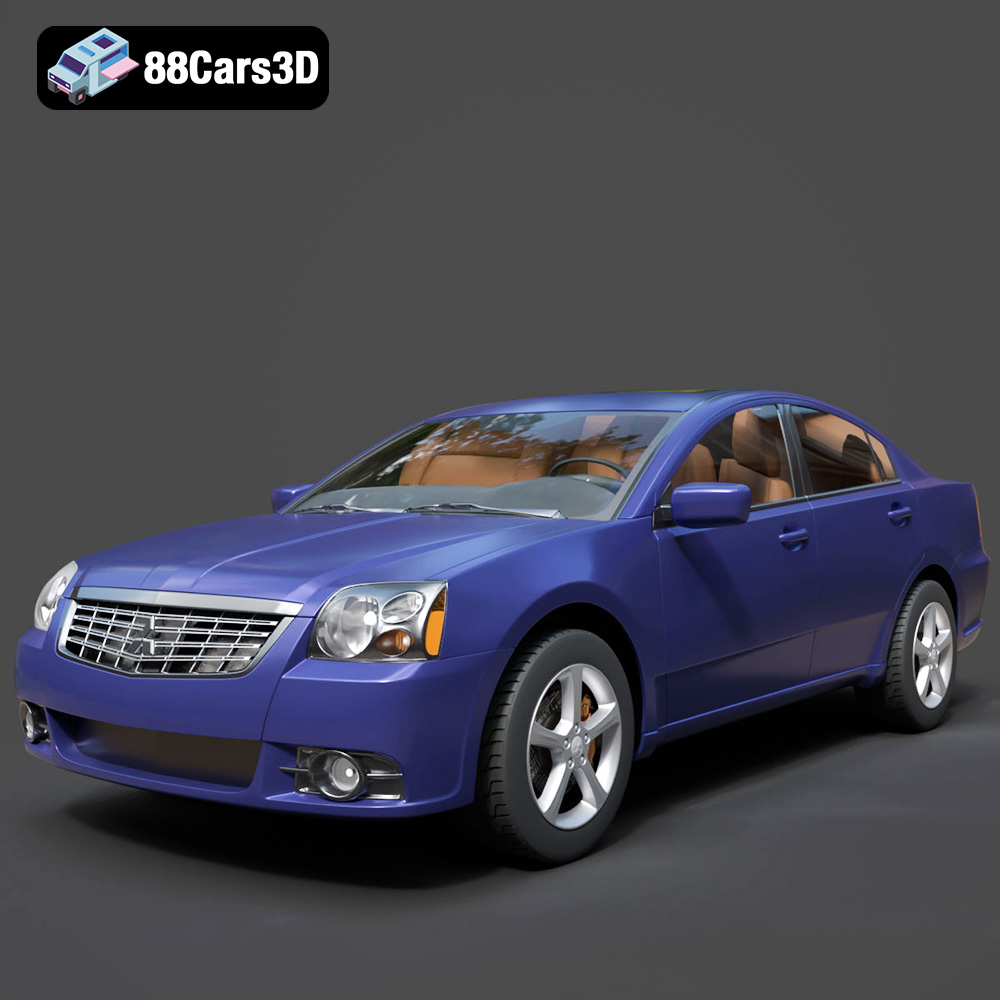
Mitsubishi Galant 2009 3D Model
Texture: Yes
Material: Yes
Download the Mitsubishi Galant 2009 3D Model featuring clean geometry, realistic detailing, and a fully modeled interior. Includes .blend, .fbx, .obj, .glb, .stl, .ply, .unreal, and .max formats for rendering, simulation, and game development.
Price: $4.99
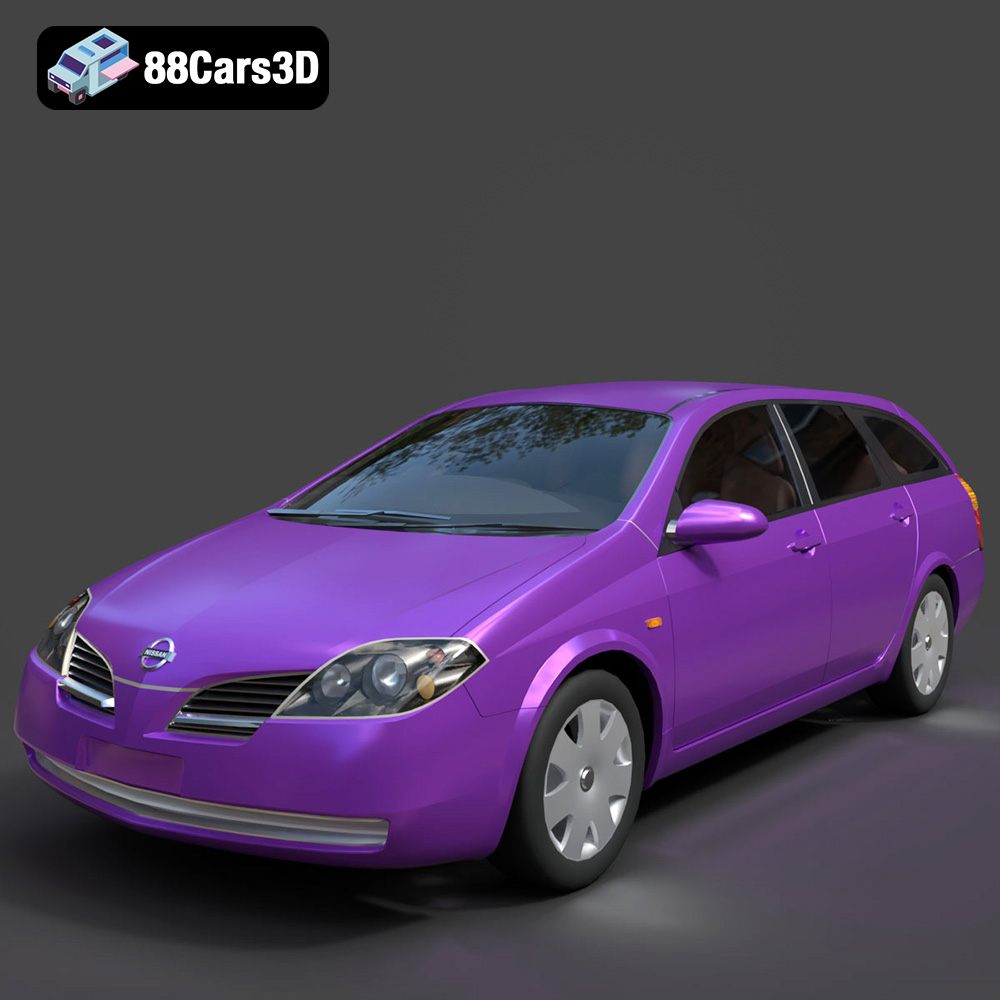
Nissan Primera Wagon 3D Model
Texture: Yes
Material: Yes
Download the Nissan Primera Wagon 3D Model featuring clean geometry, realistic detailing, and a fully modeled interior. Includes .blend, .fbx, .obj, .glb, .stl, .ply, .unreal, and .max formats for rendering, simulation, and game development.
Price: $4.99
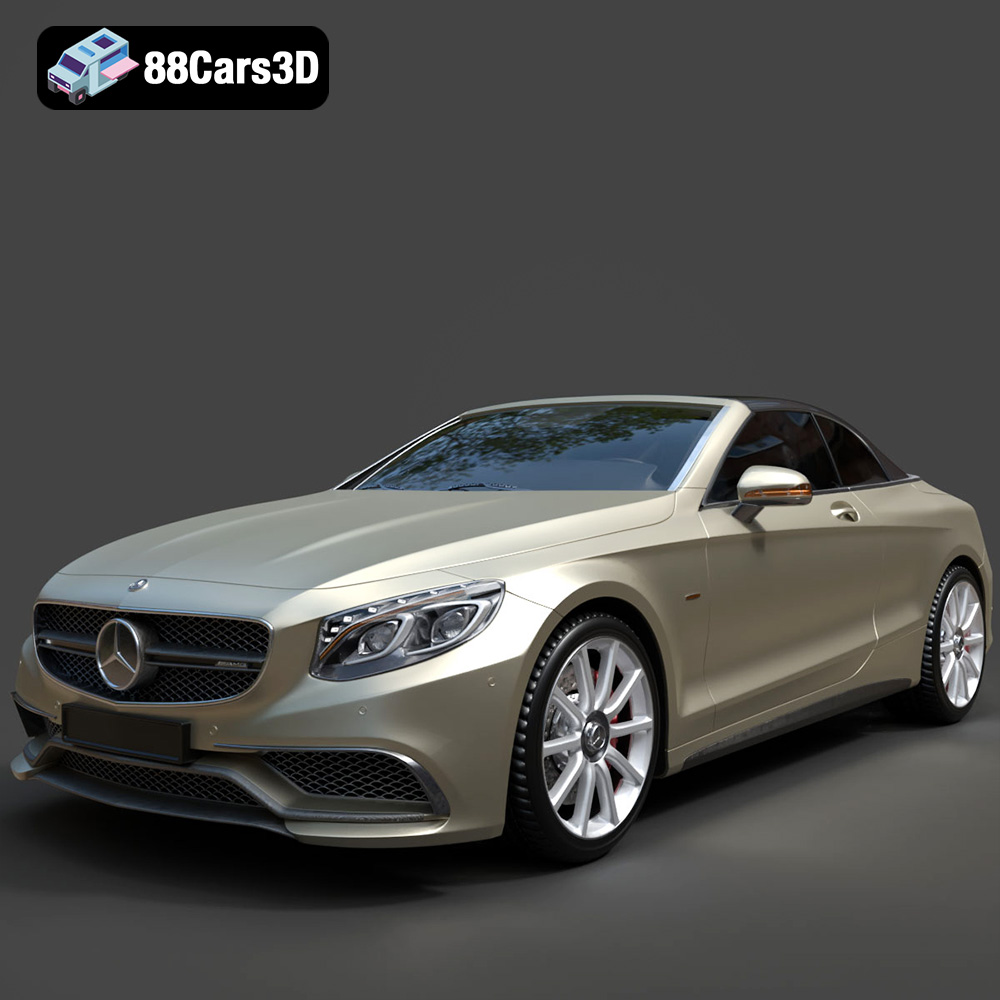
Mercedes-Benz S63 AMG Cabriolet 2017 3D Model
Texture: Yes
Material: Yes
Download the Mercedes-Benz S63 AMG Cabriolet 2017 3D Model featuring clean geometry, realistic detailing, and a fully modeled interior. Includes .blend, .fbx, .obj, .glb, .stl, .ply, .unreal, and .max formats for rendering, simulation, and game development.
Price: $20.99
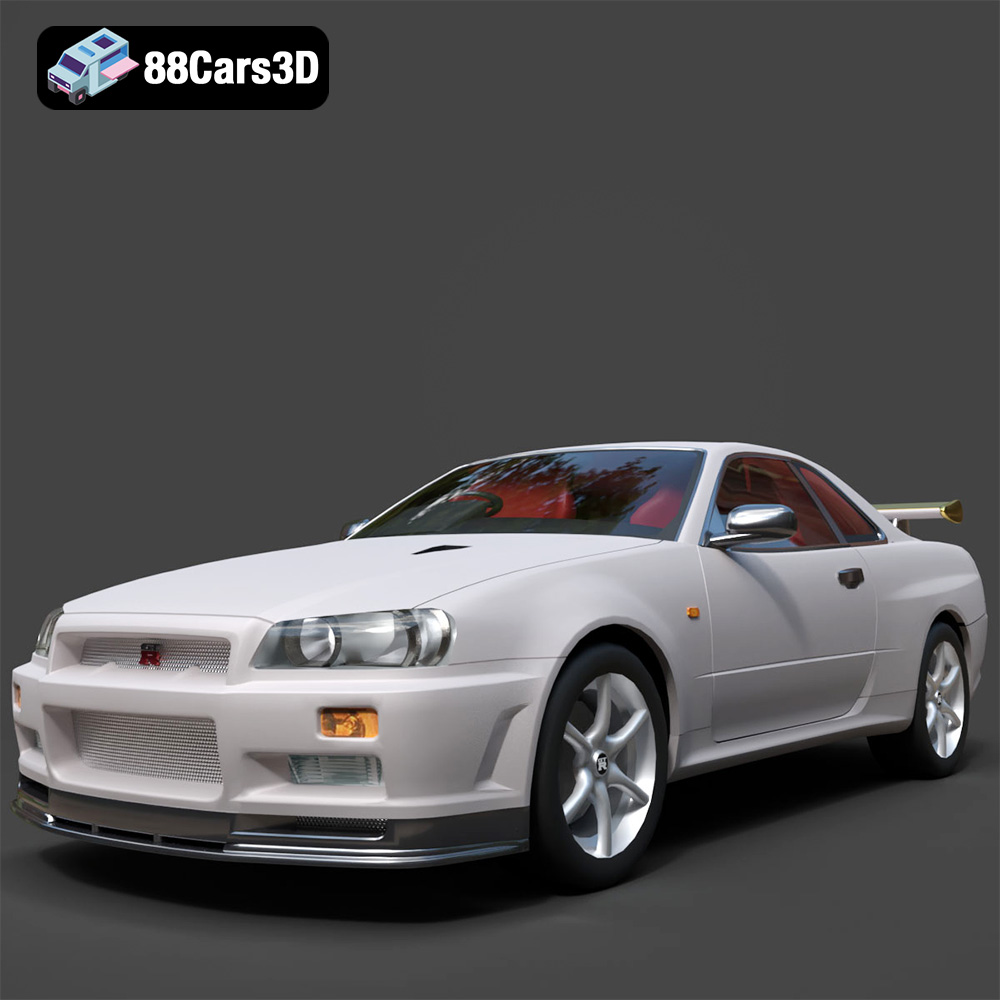
Nissan Skyline R34 2002 3D Model
Texture: Yes
Material: Yes
Download the Nissan Skyline R34 2002 3D Model featuring clean geometry, realistic detailing, and a fully modeled interior. Includes .blend, .fbx, .obj, .glb, .stl, .ply, .unreal, and .max formats for rendering, simulation, and game development.
Price: $4.99
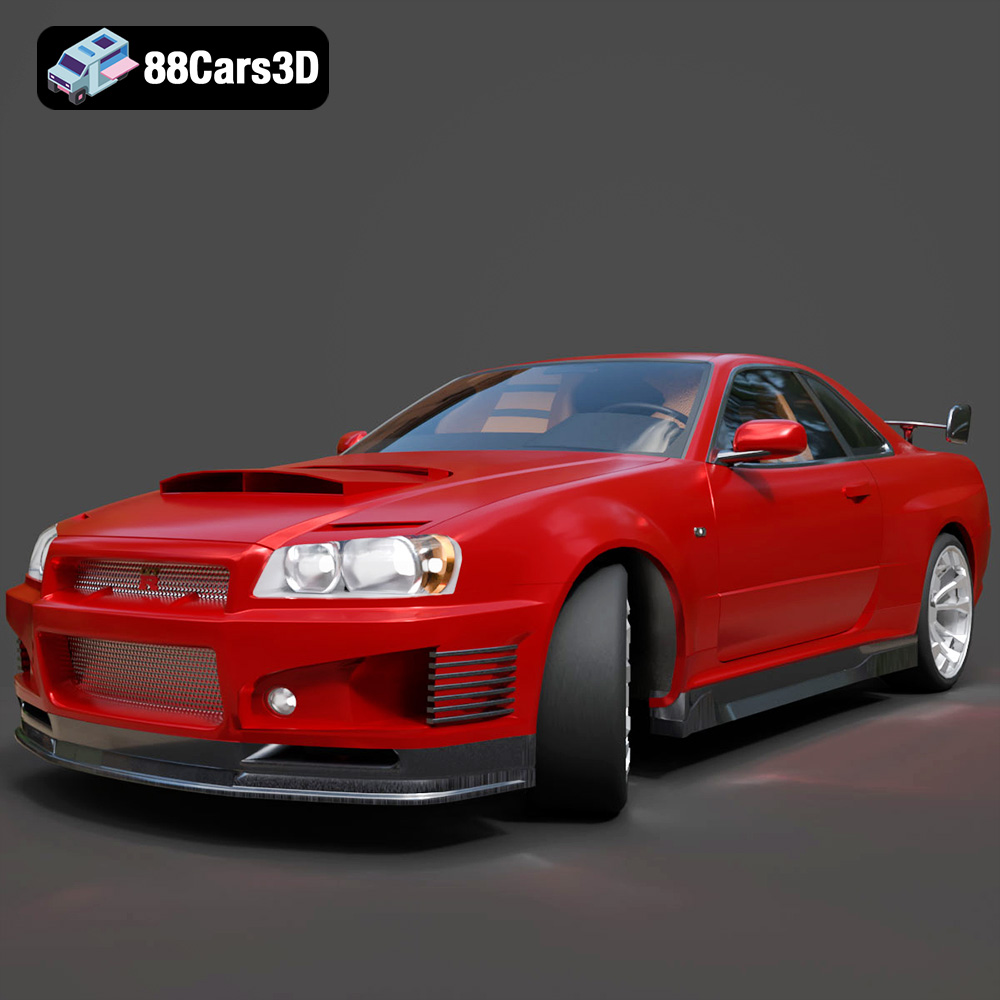
Nissan Skyline 3D Model
Texture: Yes
Material: Yes
Download the Nissan Skyline 3D Model featuring clean geometry, realistic detailing, and a fully modeled interior. Includes .blend, .fbx, .obj, .glb, .stl, .ply, .unreal, and .max formats for rendering, simulation, and game development.
Price: $9.99
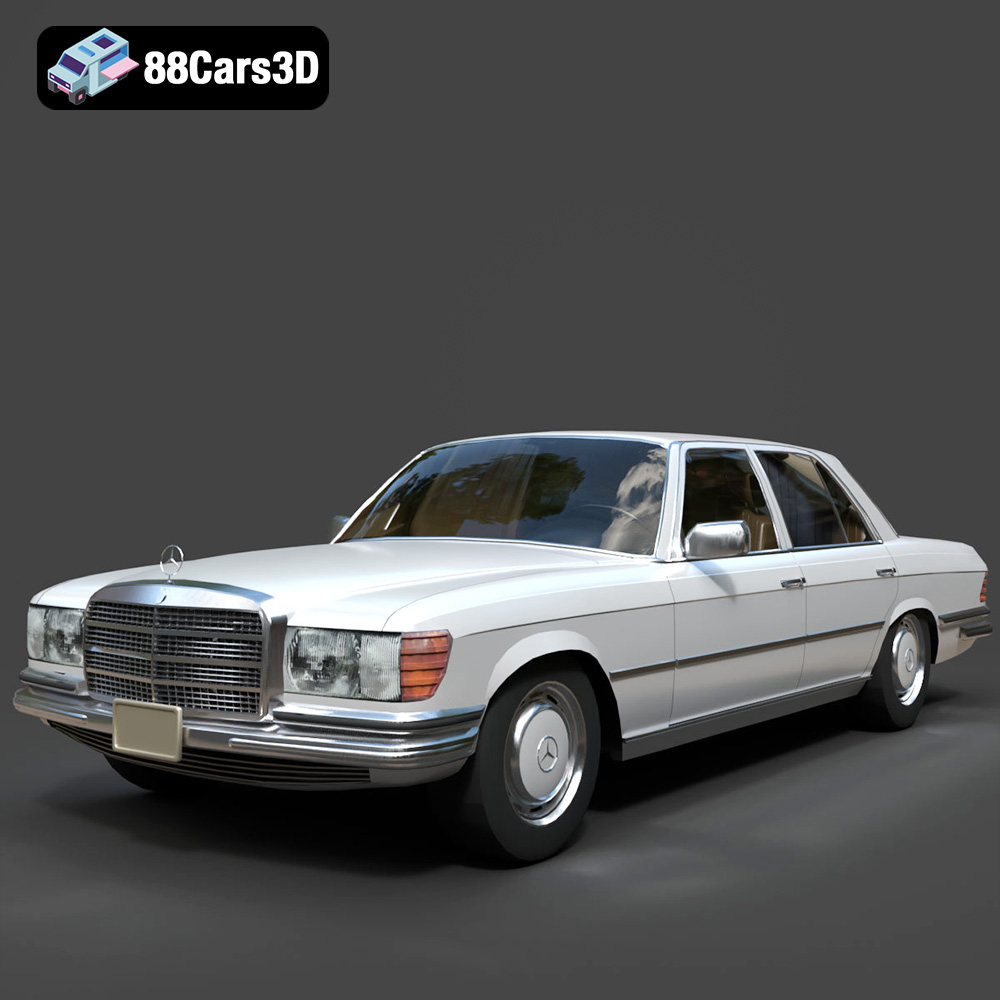
Mercedes-Benz S-Klasse W116 3D Model
Texture: Yes
Material: Yes
Download the Mercedes-Benz S-Klasse W116 3D Model featuring clean geometry, realistic detailing, and a fully modeled interior. Includes .blend, .fbx, .obj, .glb, .stl, .ply, .unreal, and .max formats for rendering, simulation, and game development.
Price: $4.99
