
The Foundation: Flawless Topology and Precision Modeling Workflows

The roar of an engine, the gleam of chrome, the elegant curve of a fender – these elements define the allure of automotive design. In the digital realm, capturing this essence requires a profound understanding of 3D modeling, rendering, and optimization. From blockbuster games and hyper-realistic architectural visualizations to cutting-edge AR/VR experiences and intricate 3D prints, high-quality 3D car models are the unsung heroes driving visual innovation across countless industries.
Creating or sourcing truly professional 3D car models is no trivial task. It demands meticulous attention to detail, a deep grasp of technical workflows, and an eye for artistic fidelity. Without these foundational elements, even the most powerful rendering engines or game platforms will struggle to deliver convincing results. This comprehensive guide will take you on a deep dive into the technical intricacies of 3D automotive modeling. We’ll explore everything from the fundamental principles of clean topology and efficient UV mapping to the advanced techniques of PBR material creation, high-fidelity rendering, and rigorous optimization for diverse applications like game development, AR/VR, and 3D printing. Whether you’re a seasoned 3D artist, a game developer, an automotive designer, or a student aspiring to master the craft, prepare to unlock the secrets to truly outstanding 3D car models.
The Foundation: Flawless Topology and Precision Modeling Workflows
At the heart of every exceptional 3D car model lies impeccable topology. Topology refers to the arrangement of polygons (typically quads) that make up your 3D mesh. For automotive designs, where smooth, continuous surfaces and sharp, precise edges are paramount, clean quad-based topology is not just a preference; it’s a critical requirement. Poor topology can lead to artifacts like pinching, uneven shading, and difficulties during animation or deformation. Understanding and implementing correct edge flow is the first step towards creating models that are both visually stunning and technically sound.
The initial stages of modeling a car often involve blocking out the primary shapes using reference images – blueprints, concept art, and high-resolution photographs of the real vehicle. Software like 3ds Max, Maya, and Blender provide powerful polygonal modeling tools that allow artists to sculpt these intricate forms. Utilizing techniques such as box modeling, spline cage modeling, or even surface-from-NURBS conversions, artists meticulously build the car’s body panels, ensuring every curve flows naturally and every panel gap is perfectly defined. The goal is to achieve curvature continuity, maintaining the aesthetic intent of the original design while adhering to the technical demands of subdivision surface modeling. High-poly models for rendering can easily reach millions of polygons when subdivided, capturing every subtle detail with stunning accuracy.
Clean Quad-Based Topology for Subdivision Surface Modeling
The bedrock of high-quality automotive models is quad-based topology. Quads (four-sided polygons) are ideal because they subdivide smoothly, creating predictable results when using Subdivision Surface modifiers (like TurboSmooth in 3ds Max or Subdivision Surface in Blender/Maya). This smoothness is essential for car bodies, which rely on flowing, uninterrupted surfaces. Key principles include:
- Edge Loops and Edge Flow: Ensure edge loops follow the natural contours of the car, outlining panel gaps, sharp creases, and design lines. These loops guide the surface’s deformation and ensure even light reflection. For example, a crisp edge on a fender will require several tightly packed edge loops to hold its form when subdivided.
- Avoiding N-gons and Triangles: While triangles can be acceptable in flat, non-deforming areas (especially for game assets), they generally lead to poor subdivision results and pinching on curved surfaces. N-gons (polygons with more than four sides) should be avoided entirely in areas meant for subdivision, as their behavior is unpredictable.
- Pole Management: Poles (vertices where more or less than four edges meet) are sometimes unavoidable but should be placed strategically in flatter areas or away from major curvature changes to minimize visual artifacts.
Meticulous attention to these details ensures that even under close scrutiny, the model holds up, reflecting light beautifully and deforming predictably.
Capturing Automotive Design Details with Precision
Replicating the intricate design of a real car requires a methodical approach to detail. Starting with accurate references is paramount. Using blueprints, orthographic images, and detailed photographic studies, artists establish the correct proportions and dimensions. Software tools assist in maintaining this accuracy:
- Blueprint Matching: Overlaying reference images in the viewport and modeling directly to them ensures fidelity to the original design.
- Surface Curvature: Automotive surfaces are defined by subtle and complex curvatures. Techniques like patch modeling, where individual surface patches are created and then stitched together, or extensive use of NURBS (Non-Uniform Rational B-Splines) surfaces (often converted to polygons later), provide superior control over curve continuity. This ensures reflections glide smoothly across the car’s body, without jarring breaks or ripples.
- Panel Gaps and Shut Lines: These seemingly small details contribute significantly to realism. Modeling panel gaps with appropriate depth and width, ensuring clean edges, and maintaining consistent spacing across the vehicle are crucial. Techniques involving edge weighting or specific edge loop placement help define these sharp transitions without introducing artifacts.
The iterative process of modeling, subdividing, and inspecting the mesh under various lighting conditions helps refine these details to perfection.
The Skin: UV Mapping and Texturing for Unrivaled Realism
Once the geometry is perfect, the next step is to give the car its skin: the textures and materials that define its appearance. This process begins with UV mapping, which acts as a bridge, flattening the 3D surface into a 2D space where textures can be applied without distortion. Following UV mapping, the creation of PBR (Physically Based Rendering) materials brings the model to life, accurately simulating how light interacts with different surfaces.
Effective UV mapping is especially critical for complex car surfaces, which often feature intricate paneling, logos, and distinct material zones (e.g., paint, glass, rubber, chrome). Poor UVs lead to blurry, stretched, or mismatched textures, severely undermining the realism of even the best-modeled car. Modern tools within Blender, 3ds Max, Maya, and specialized software like RizomUV offer advanced features to streamline this often tedious process, allowing artists to achieve clean, efficient UV layouts that maximize texture resolution and minimize distortion across all parts of the vehicle. For high-fidelity models, texture resolutions often range from 2K to 8K, ensuring razor-sharp detail even in close-up renders.
Advanced UV Unwrapping Techniques for Automotive Surfaces
Unwrapping a complex object like a car requires strategic planning to minimize seams while preventing texture distortion. Different parts of the car often demand different unwrapping approaches:
- Body Panels: Often benefit from planar projections followed by relaxation tools to evenly distribute UV space. Strategic seams should be placed along natural edges or hidden areas to minimize their visibility.
- Wheels and Tires: Cylindrical projections are ideal for tires, while wheel rims may require a combination of planar and cylindrical unwraps with careful seam placement.
- Interior Elements: Smaller, more angular components can use box mapping or individual unwraps.
- UV Packing: After unwrapping, efficient UV packing is crucial. Tools that automatically arrange UV islands (individual unwrapped pieces) within the 0-1 UV space, minimizing wasted space while preventing overlaps, are invaluable. For game assets, maximizing packing efficiency is vital for texture atlasing.
- Texel Density: Maintaining a consistent texel density (pixels per unit of surface area) across the entire model ensures uniform texture resolution, preventing some areas from appearing blurry while others are sharp.
Crafting Realistic PBR Materials and Shader Networks
Physically Based Rendering (PBR) has revolutionized texturing, making it easier to achieve realistic materials that behave consistently across different lighting environments. PBR relies on a set of maps that define a surface’s properties:
- Albedo/Base Color: The inherent color of the surface, stripped of lighting information.
- Metallic: Defines whether a surface is metallic or dielectric (non-metallic).
- Roughness: Controls the microscopic surface irregularities, influencing how light scatters and reflects (glossy vs. matte).
- Normal Map: Adds high-frequency surface detail without adding geometry, faking bumps and grooves.
- Ambient Occlusion (AO): Simulates contact shadows, adding depth to crevices.
For car paint, complex layered materials are often employed, simulating a base coat, metallic flakes, and a clear coat for realistic reflections. Software like Substance Painter and Quixel Mixer are industry standards for creating these texture maps, offering procedural and hand-painting workflows. These maps are then connected within a shader network in your chosen renderer (e.g., Corona, V-Ray, Cycles, Arnold). For elements like glass, accurate IOR (Index of Refraction) values are essential, while rubber and plastics require specific roughness and metallic values to be convincing. Achieving photorealism means not only having high-resolution textures but also ensuring that the PBR parameters for each material accurately represent its real-world counterpart, making every surface from the gleaming paintwork to the textured tires visually authentic.
Bringing Cars to Life: High-Fidelity Rendering Techniques
With a perfectly modeled and textured 3D car model, the next step is to illuminate it and capture its essence through rendering. High-fidelity rendering is where all the painstaking detail of modeling and texturing truly shines, transforming a static 3D asset into a captivating image or animation. This process involves not just choosing the right rendering engine but meticulously crafting the lighting, environment, and post-processing to achieve a photorealistic or desired stylized look.
Automotive rendering demands specific techniques to highlight the car’s form, reflections, and material properties. The interplay of light and shadow, the crispness of reflections on polished surfaces, and the subtle nuances of paint are all critical. Renderers like Corona Renderer and V-Ray (for 3ds Max/Maya), Cycles (for Blender), and Arnold (for Maya/3ds Max) are powerful tools, each offering unique strengths in terms of speed, quality, and feature sets. Mastering these tools involves understanding global illumination, ray tracing, and material properties to produce images that are indistinguishable from photographs. These techniques are widely used in advertising, product visualization, and cinematic productions.
Setting Up Studio-Quality Lighting and Environments
Lighting is arguably the most crucial element in automotive rendering. It defines shape, highlights reflections, and sets the mood. Several common lighting setups are employed:
- HDRI (High Dynamic Range Image) Lighting: This is a cornerstone of modern rendering. An HDRI acts as both a light source and an environment map, providing realistic reflections and diffuse illumination from a real-world or studio environment. It’s excellent for generating accurate global illumination and reflections quickly.
- Studio Lighting Setup: Often combined with HDRIs, traditional 3-point lighting (key, fill, back light) or an array of virtual softboxes and area lights are used to precisely sculpt the car’s form, emphasize specific design lines, and create dramatic highlights. Large, soft light sources are typically preferred to avoid harsh shadows and create smooth reflections.
- Backdrops and Reflectors: Simple infinite white backdrops or custom studio sets are often used to isolate the car. Strategically placed reflectors or light blockers can further control highlights and shadows, guiding the viewer’s eye.
The goal is to create an environment where the car’s paint, glass, and chrome interact with light in a visually pleasing and physically accurate manner, showcasing the model’s quality.
Advanced Rendering Settings and Post-Processing
Achieving breathtaking renders involves more than just a good setup; it requires fine-tuning rendering parameters and enhancing the output in post-production:
- Render Engine Settings: Adjusting settings like sampling rates (for cleaner images), ray depth (for accurate reflections/refractions), and enabling denoisers can drastically improve image quality and reduce render times. Understanding the balance between speed and quality is key.
- Render Passes/Elements: Professional workflows utilize render passes (e.g., diffuse, reflection, specular, raw lighting, Z-depth, ambient occlusion). These are output as separate image layers (often EXR files) and composited in software like Adobe Photoshop, GIMP, or After Effects. This allows for immense control over each aspect of the final image without re-rendering the entire scene.
- Post-Processing and Compositing: This is where the magic of “finishing” the image happens. Techniques include:
- Color Grading: Adjusting overall color balance, saturation, and vibrancy.
- Contrast and Levels: Enhancing the dynamic range of the image.
- Bloom and Glare: Adding subtle light diffusion around bright areas for a photographic feel.
- Depth of Field (DoF): Blurring foreground/background elements to draw focus to the car.
- Chromatic Aberration: A subtle optical effect that adds realism.
- Vignetting: Darkening the image edges to focus attention.
By leveraging these techniques, artists can transform a raw render into a polished, high-impact visualization, suitable for automotive advertising or product launches. This detailed approach is what elevates a good render to an extraordinary one.
Performance & Playability: Optimizing 3D Car Models for Games
While high-fidelity rendering prioritizes visual quality above all else, game development introduces a critical constraint: real-time performance. A 3D car model designed for a cinematic render, potentially comprising millions of polygons and dozens of high-resolution textures, would bring a game engine to its knees. Game assets require meticulous optimization to ensure smooth frame rates, efficient memory usage, and responsive gameplay across various platforms, from mobile devices to high-end PCs and consoles.
The optimization process involves strategic reduction of polygon counts, intelligent texture management, and careful consideration of draw calls. This doesn’t mean sacrificing visual appeal entirely; rather, it’s about achieving the best possible look within strict performance budgets. Developers using engines like Unity and Unreal Engine employ a suite of techniques to manage the complexity of detailed vehicles while maintaining an immersive experience. Understanding these strategies is crucial for any game artist or developer working with automotive assets.
Level of Detail (LOD) and Draw Call Management
One of the most effective strategies for game optimization is the implementation of Level of Detail (LOD). This technique involves creating multiple versions of a single 3D model, each with a progressively lower polygon count and simpler materials/textures. The game engine then dynamically swaps these models based on their distance from the camera:
- LOD0 (High-poly): Used when the car is very close to the camera, showcasing maximum detail (e.g., 80k-150k triangles for a modern racing game).
- LOD1 (Medium-poly): Used at mid-range distances, with noticeable but acceptable reduction in detail (e.g., 20k-50k triangles).
- LOD2+ (Low-poly): Used for distant cars or cars barely visible, significantly reducing geometry (e.g., 2k-10k triangles).
- Billboard/Imposter: For extremely distant objects, a 2D image (billboard) can even replace the 3D model.
LODs drastically reduce the computational load on the GPU. Tools in Blender (Decimate modifier), Maya (Reduce tool), and built-in LOD systems in Unity and Unreal Engine aid in this process. Beyond polygon count, managing draw calls is vital. Each time the CPU tells the GPU to render a batch of triangles with a specific material, it incurs a draw call. High draw call counts can cripple performance. Strategies to reduce them include:
- Mesh Merging: Combining multiple small meshes into a single larger mesh.
- Material Instancing: Using a single master material with customizable parameters instead of unique materials for every part.
Texture Atlasing and Material Instancing for Efficiency
Efficient texture management is another cornerstone of game optimization. While high-resolution textures are desired for quality, using too many individual texture files or large, unoptimized textures can quickly exhaust VRAM and increase draw calls. This is where texture atlasing comes into play:
- Texture Atlasing: The process of combining multiple smaller textures (e.g., for different interior parts, engine components, or small decals) into one larger texture map. All objects using textures from this atlas can then share a single material, significantly reducing draw calls. The UVs of the individual meshes are adjusted to point to their respective areas on the atlas.
- Benefits: Reduced draw calls, improved cache locality for the GPU, and often smaller overall memory footprint.
Complementing atlasing, material instancing in game engines like Unity and Unreal Engine is a powerful technique. Instead of creating a unique material asset for every slight variation (e.g., different car colors), artists create a single “master material” and then derive multiple “instances” from it. These instances can have their parameters (like color, roughness, metallic values) adjusted without creating a completely new material. This approach drastically reduces the number of unique materials the engine has to process, further cutting down on draw calls and improving overall rendering performance. Proper implementation of LODs, texture atlasing, and material instancing allows game developers to deploy highly detailed 3D car models that look fantastic while performing smoothly across a range of gaming hardware.
Beyond the Screen: AR/VR, 3D Printing, and Advanced Visualization
The utility of high-quality 3D car models extends far beyond traditional rendering and game development. With the rise of immersive technologies like Augmented Reality (AR) and Virtual Reality (VR), and the increasing accessibility of 3D printing, the demands on these digital assets continue to diversify. Each application presents its own unique set of technical requirements and optimization challenges, pushing the boundaries of what 3D artists and engineers can achieve. Whether it’s showcasing a new vehicle in an interactive virtual showroom or prototyping a physical component, the foundational principles of clean modeling and efficient texturing remain crucial.
Automotive designers use AR/VR for interactive design reviews, allowing stakeholders to “walk around” and experience new car concepts before physical prototypes are built. Manufacturers employ 3D printing for rapid prototyping of parts or even full-scale concept models. In advanced visualization, 3D car models are integrated into everything from urban planning simulations to forensic reconstructions. The versatility of a well-prepared 3D car model is immense, making it a valuable asset across numerous professional domains. When sourcing models from marketplaces such as 88cars3d.com, it’s essential to understand how these diverse applications dictate specific model preparation and format considerations.
Optimizing for Interactive AR/VR Experiences
AR and VR environments impose some of the strictest performance budgets in 3D. The need for high frame rates (typically 90+ FPS for VR to avoid motion sickness) combined with the often-mobile nature of AR devices means that models must be extremely lean yet visually compelling:
- Ultra-Low Polygon Budgets: Even more aggressive LODs than standard games are often required. A complex car might need to be optimized down to 10,000-30,000 triangles for mobile AR, maintaining visual fidelity through clever normal mapping and PBR textures.
- Draw Call Minimization: Every draw call is scrutinized. Extensive texture atlasing, mesh merging, and material instancing are non-negotiable.
- Real-time Lighting: AR/VR often relies on real-time lighting. Baking ambient occlusion or indirect lighting into vertex colors or lightmaps can add visual depth without expensive runtime calculations.
- File Formats: GLB (glTF Binary) and USDZ are preferred for AR/VR due to their efficiency, compactness, and ability to embed textures and PBR materials directly. GLB is web-friendly and widely supported, while USDZ is Apple’s optimized format for iOS AR experiences.
- Scale and Interaction: Models must be correctly scaled to real-world units and often require interactive elements (e.g., opening doors, changing paint colors) to be set up.
The challenge is to deliver a compelling visual experience that is smooth and immersive without overwhelming the target hardware, a true balancing act for artists.
Preparing 3D Models for Flawless 3D Printing
Transforming a digital 3D car model into a physical object via 3D printing introduces an entirely different set of technical considerations. Unlike rendering or gaming, the mesh must represent a physically constructible object:
- Watertight Mesh: The model must be “watertight” or “manifold.” This means it has no holes, no inverted normals, and no intersecting or self-intersecting geometry. Every edge must be shared by exactly two faces, forming a completely enclosed volume.
- Minimum Wall Thickness: Depending on the printing technology and material (e.g., FDM, SLA, SLS), there’s a minimum wall thickness required for the model to print successfully without breaking. Thin parts of the car (like antenna, mirrors) might need to be thickened.
- Mesh Repair: Tools within Blender, Meshmixer, or specialized 3D printing software are used to inspect and repair meshes, filling holes, fixing non-manifold geometry, and ensuring all normals are consistent.
- Scaling: The model must be scaled to the desired real-world print size. Units must be consistent (e.g., millimeters).
- File Formats: STL (Stereolithography) is the most common format for 3D printing, followed by OBJ. These formats primarily store geometry data.
Preparing a 3D car model for 3D printing requires a fundamental shift in perspective, moving from visual representation to physical integrity, ensuring the digital design translates flawlessly into a tangible product. This precision is invaluable for prototyping and creating physical collectibles.
The Universal Language: File Formats and Cross-Platform Compatibility
In the interconnected world of 3D production, assets rarely stay within a single software ecosystem. A 3D car model might be created in 3ds Max, textured in Substance Painter, rendered in V-Ray, optimized for Unity, and then exported for AR on an iOS device. This necessitates a deep understanding of various file formats and their capabilities, ensuring seamless transfer and compatibility across different applications, pipelines, and platforms. The choice of file format can impact everything from geometry fidelity and material integrity to animation support and file size.
Navigating the landscape of 3D file formats can be complex, as each format has its strengths, limitations, and preferred use cases. Understanding which format is best suited for a particular task is crucial for efficient workflows and avoiding compatibility headaches. Whether you’re exchanging models with collaborators, publishing assets online, or preparing for specialized applications, the correct file format ensures that all the meticulous work put into modeling, UV mapping, and texturing is preserved and accurately interpreted. Platforms like 88cars3d.com understand these complexities, providing models in multiple optimized file formats to ensure maximum compatibility across different software and engines.
Navigating Popular File Formats (FBX, OBJ, GLB, USDZ)
Here’s a breakdown of the most prevalent 3D file formats for car models:
- FBX (Filmbox): An Autodesk-owned proprietary format, but widely adopted as a standard for interchange. FBX excels at supporting complex scenes, including geometry, UVs, PBR materials, lights, cameras, skeletal animation, and blend shapes. It’s an excellent choice for transferring models between 3ds Max, Maya, Blender, Unity, and Unreal Engine. However, material setups often need to be recreated or adjusted in the target application.
- OBJ (Wavefront Object): A universal, open-standard format. OBJ files are simple and robust for geometry and UVs, making them highly compatible across virtually all 3D software. They can reference external texture files (via an accompanying MTL file for basic material properties), but lack support for animation, rigging, or advanced PBR shaders. Best for static meshes.
- GLB (glTF Binary): The binary version of the glTF (GL Transmission Format) standard. GLB is rapidly becoming the industry standard for web-based 3D, AR, and VR applications. It’s highly optimized, compact, and designed to transmit 3D scenes efficiently, embedding geometry, PBR materials, textures, and animations into a single file. Ideal for immediate display.
- USDZ (Universal Scene Description Zip): Apple’s proprietary format for AR experiences on iOS devices. USDZ is built upon Pixar’s USD framework and is optimized for sharing and viewing 3D content in AR, integrating geometry, PBR materials, textures, and animations. It’s primarily used within the Apple ecosystem.
- STL (Stereolithography): A widely used format for 3D printing. STL only stores surface geometry as a series of connected triangles, without color, texture, or material information. It’s robust for manufacturing but less useful for visual applications.
Choosing the right format depends on the recipient software and the intended use. For maximum versatility, many professionals provide models in both FBX (for full scene data) and OBJ (for broad compatibility) alongside scene-specific files for their primary rendering software.
Ensuring Seamless Asset Integration
Beyond simply choosing a file format, seamless integration involves several best practices:
- Clean Exports: Always ensure your source 3D application’s scene is clean before export – remove unused objects, clear history, freeze transformations, and reset pivot points to the object’s center or origin.
- Consistent Scale: Maintain consistent real-world units across all your software (e.g., meters in Blender, centimeters in Unreal Engine). Inconsistent scaling can lead to major issues during import.
- Correct Orientation: Verify the model’s up-axis (Y-up vs. Z-up) and forward-axis (X+ vs. Z+) are correct for the target application to avoid needing manual rotation after import.
- Baking: For game assets or models with complex modifiers, baking animations, blend shapes, or procedural textures down to simpler data or bitmap textures before export ensures compatibility.
- Dependencies: When exporting formats that link to external textures (like OBJ with MTL, or FBX in some cases), ensure all texture files are included and paths are relative or embedded correctly.
Adhering to these practices minimizes friction in the production pipeline, allowing artists and developers to focus on creative work rather than technical troubleshooting.
Conclusion
The journey through the world of 3D automotive models, from the foundational principles of clean topology to advanced rendering, game optimization, and diverse applications, underscores the immense technical skill and artistic vision required to create truly compelling digital vehicles. We’ve explored the critical role of clean quad-based modeling for subdivision surfaces, mastered the art of UV mapping and PBR material creation for photorealistic textures, and delved into the intricacies of high-fidelity rendering with studio-grade lighting and post-processing.
Furthermore, we’ve tackled the vital challenges of optimizing 3D car models for performance-critical environments like games (with LODs and texture atlasing) and interactive AR/VR experiences, as well as the unique requirements for preparing models for 3D printing. Finally, understanding the nuances of various file formats ensures seamless cross-platform compatibility, a non-negotiable aspect of modern 3D production pipelines. Each of these stages is an art and a science in itself, demanding precision, patience, and a deep understanding of the underlying technology.
Mastering these techniques is an ongoing process of learning and refinement, but the rewards are profound: the ability to bring any automotive vision to life with stunning realism and flawless performance. The demand for high-quality 3D car models continues to grow across industries, making this specialized knowledge incredibly valuable. For professionals and enthusiasts seeking a head start with premium, meticulously crafted 3D car models that adhere to the highest industry standards discussed here, explore the extensive collection available at 88cars3d.com. Each model is built with the precision and attention to detail you need, ready to elevate your next project to cinematic or game-ready perfection.
Featured 3D Car Models
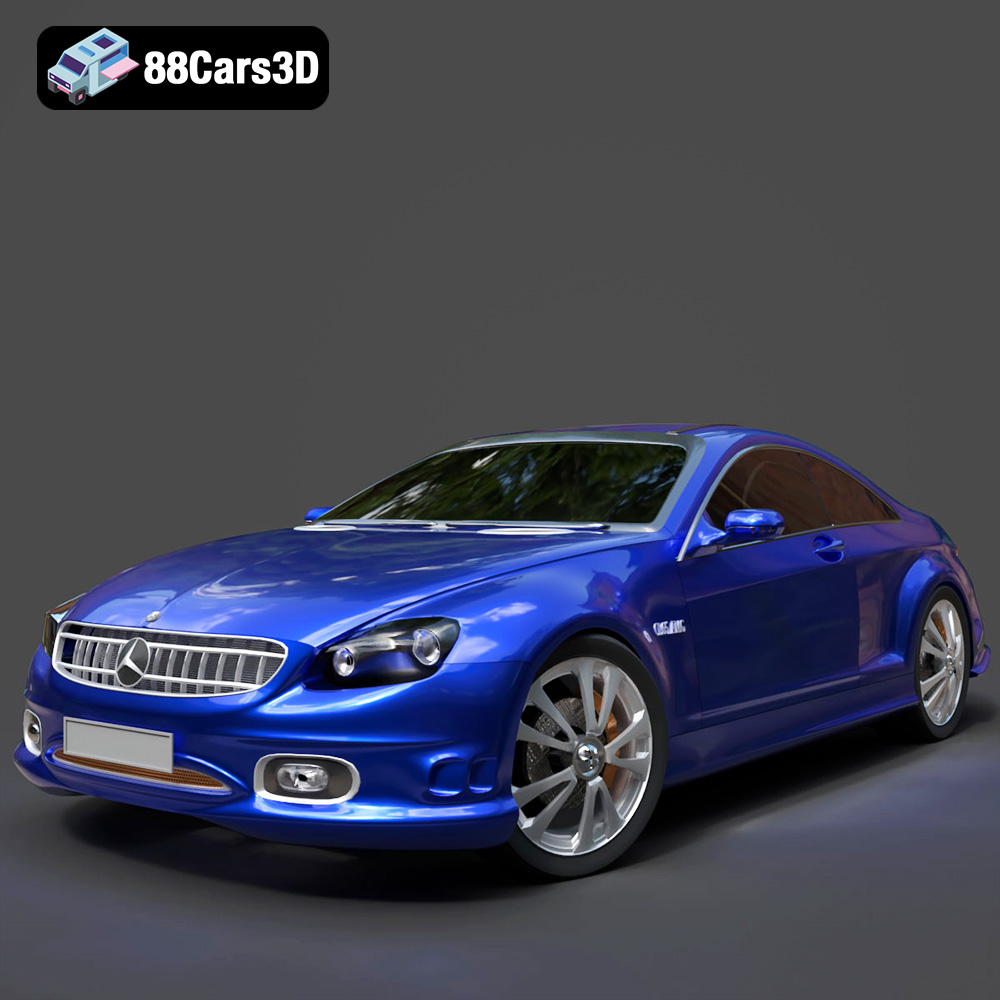
Mercedes-Benz CL6540-005 3D Model
Texture: Yes
Material: Yes
Download the Mercedes-Benz CL6540-005 3D Model featuring clean geometry, realistic detailing, and a fully modeled interior. Includes .blend, .fbx, .obj, .glb, .stl, .ply, .unreal, and .max formats for rendering, simulation, and game development.
Price: $4.99
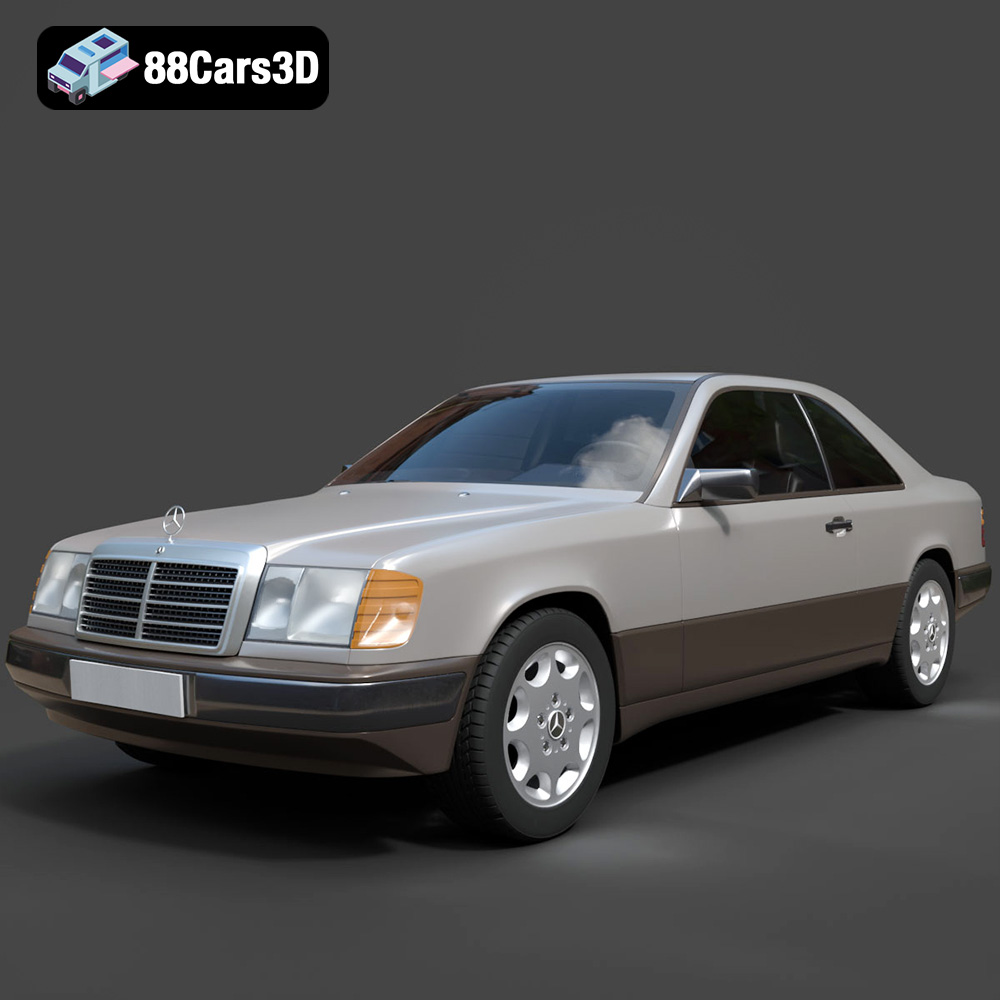
Mercedes E-Class w124 Coupe 3D Model
Texture: Yes
Material: Yes
Download the Mercedes E-Class w124 Coupe 3D Model featuring clean geometry, realistic detailing, and a fully modeled interior. Includes .blend, .fbx, .obj, .glb, .stl, .ply, .unreal, and .max formats for rendering, simulation, and game development.
Price: $4.99
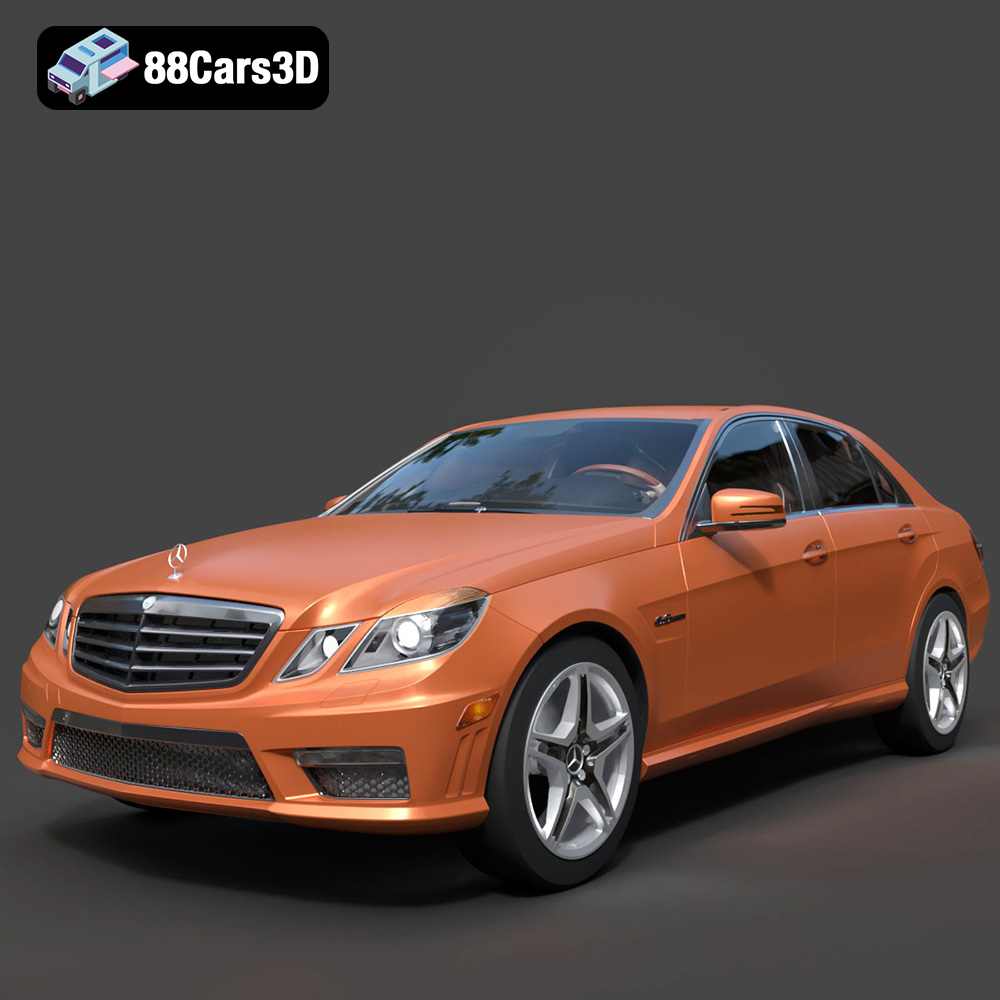
Mercedes-Benz E-Klasse 63 AMG 3D Model
Texture: Yes
Material: Yes
Download the Mercedes-Benz E-Klasse 63 AMG 3D Model featuring clean geometry, realistic detailing, and a fully modeled interior. Includes .blend, .fbx, .obj, .glb, .stl, .ply, .unreal, and .max formats for rendering, simulation, and game development.
Price: $4.99
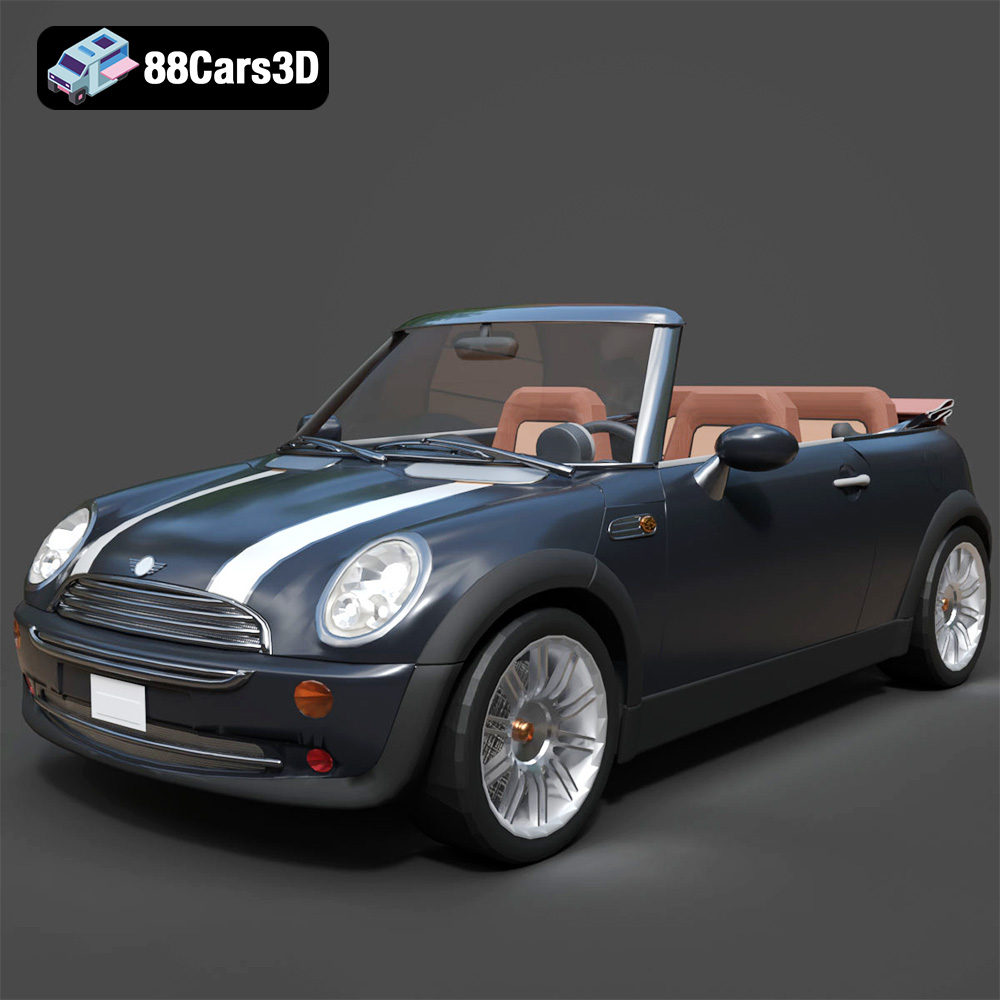
Mini Cabrio 2025 3D Model
Texture: Yes
Material: Yes
Download the Mini Cabrio 2025 3D Model featuring clean geometry, realistic detailing, and a fully modeled interior. Includes .blend, .fbx, .obj, .glb, .stl, .ply, .unreal, and .max formats for rendering, simulation, and game development.
Price: $4.99
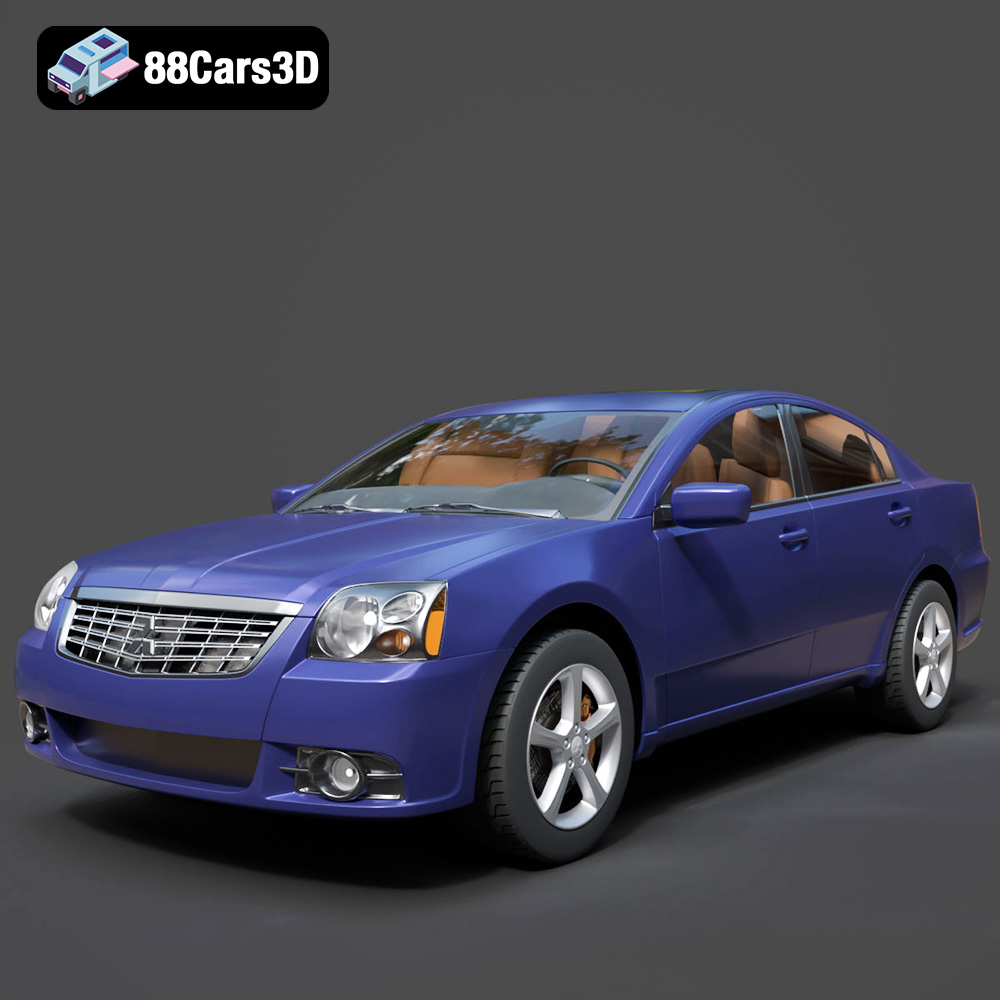
Mitsubishi Galant 2009 3D Model
Texture: Yes
Material: Yes
Download the Mitsubishi Galant 2009 3D Model featuring clean geometry, realistic detailing, and a fully modeled interior. Includes .blend, .fbx, .obj, .glb, .stl, .ply, .unreal, and .max formats for rendering, simulation, and game development.
Price: $4.99
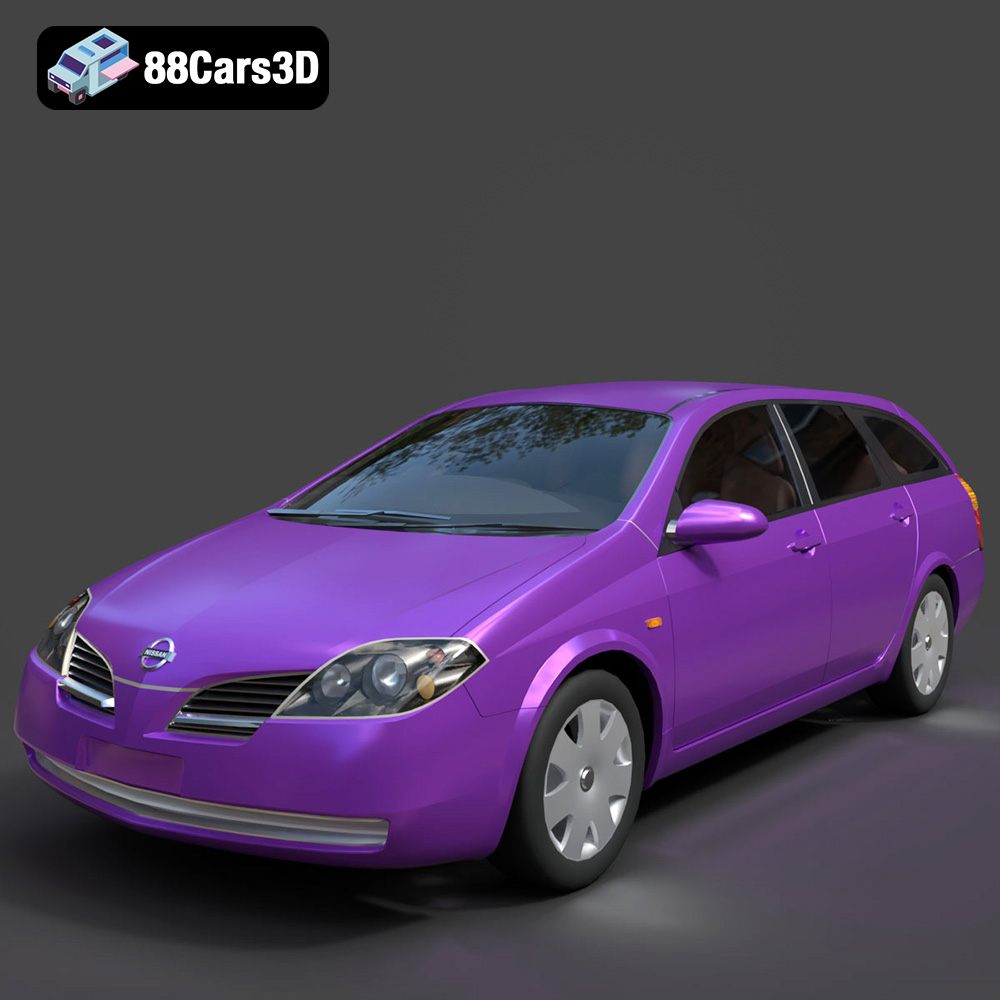
Nissan Primera Wagon 3D Model
Texture: Yes
Material: Yes
Download the Nissan Primera Wagon 3D Model featuring clean geometry, realistic detailing, and a fully modeled interior. Includes .blend, .fbx, .obj, .glb, .stl, .ply, .unreal, and .max formats for rendering, simulation, and game development.
Price: $4.99
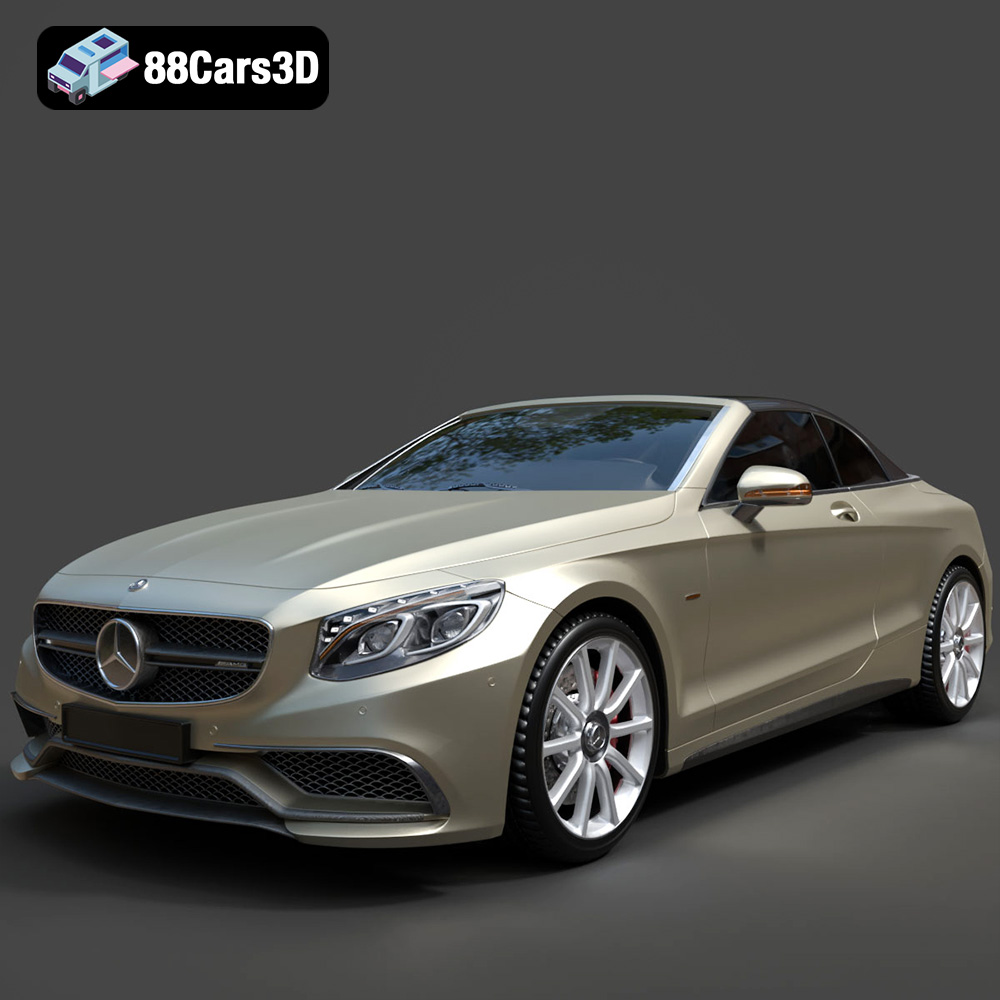
Mercedes-Benz S63 AMG Cabriolet 2017 3D Model
Texture: Yes
Material: Yes
Download the Mercedes-Benz S63 AMG Cabriolet 2017 3D Model featuring clean geometry, realistic detailing, and a fully modeled interior. Includes .blend, .fbx, .obj, .glb, .stl, .ply, .unreal, and .max formats for rendering, simulation, and game development.
Price: $20.99
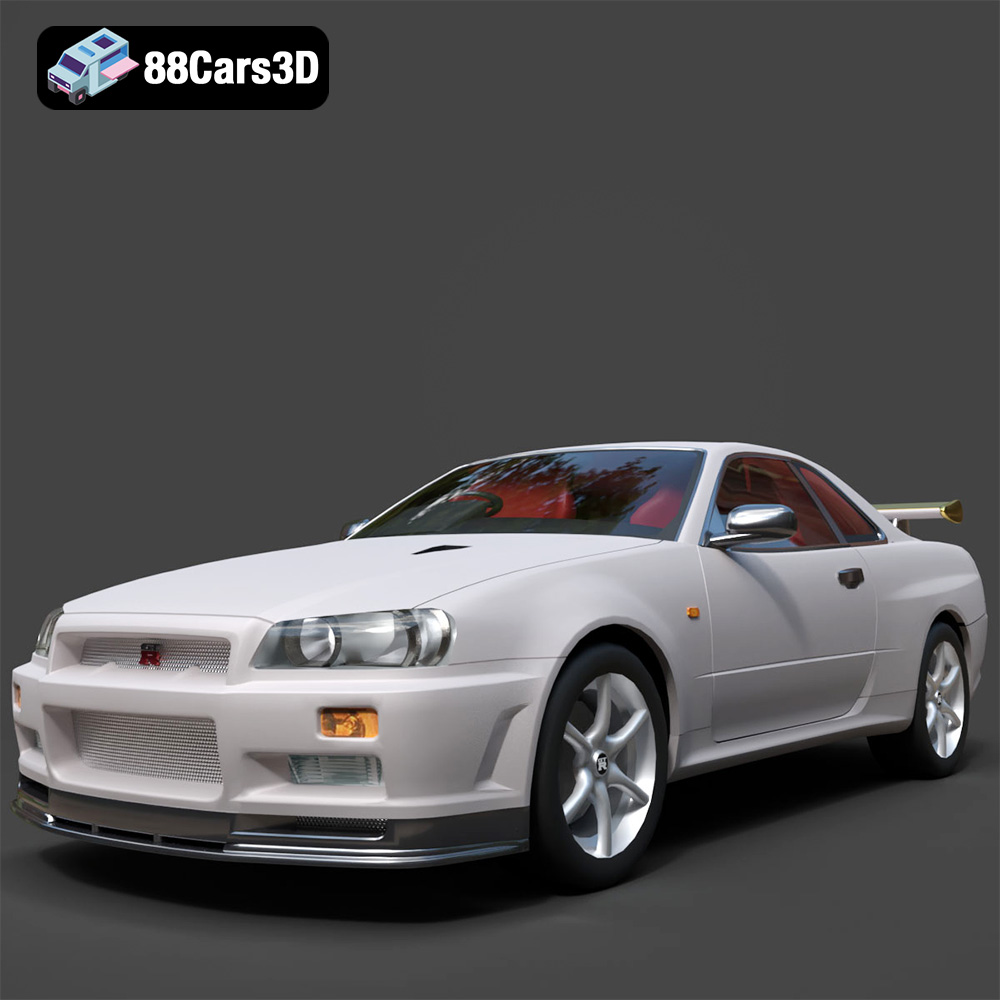
Nissan Skyline R34 2002 3D Model
Texture: Yes
Material: Yes
Download the Nissan Skyline R34 2002 3D Model featuring clean geometry, realistic detailing, and a fully modeled interior. Includes .blend, .fbx, .obj, .glb, .stl, .ply, .unreal, and .max formats for rendering, simulation, and game development.
Price: $4.99
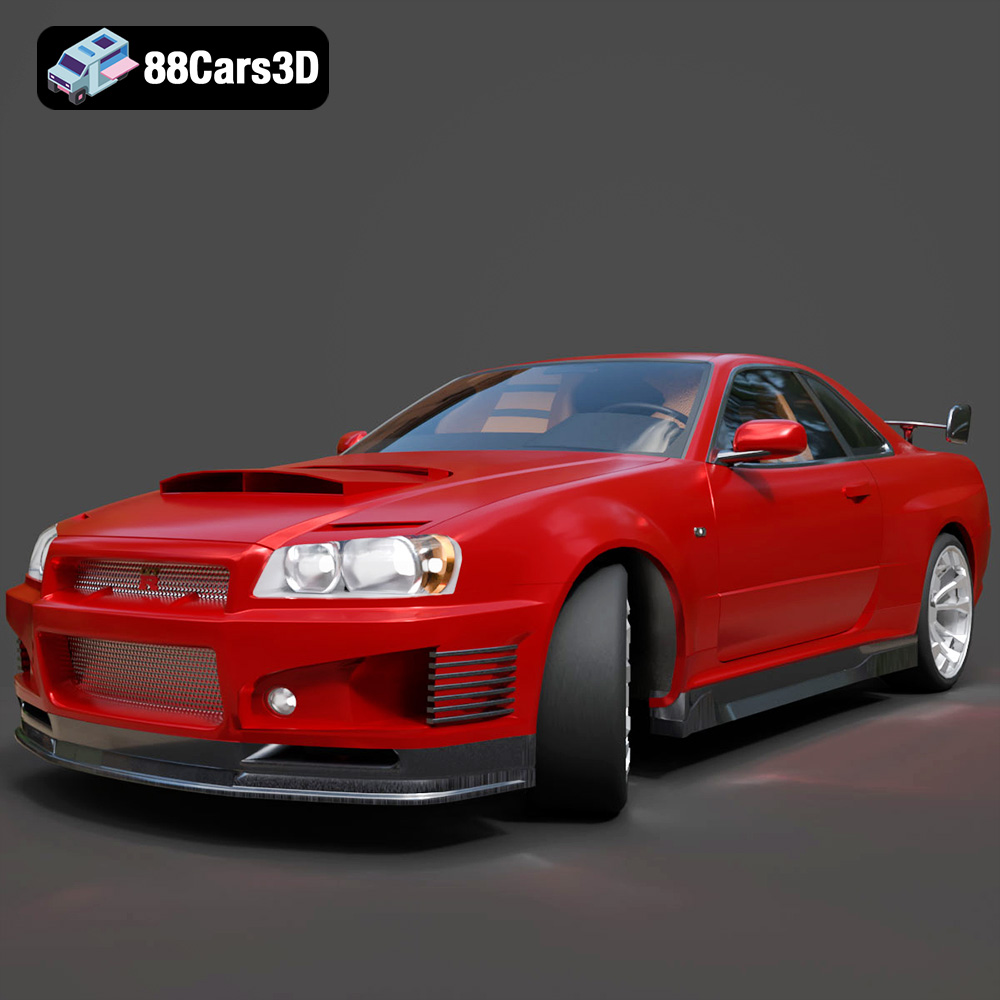
Nissan Skyline 3D Model
Texture: Yes
Material: Yes
Download the Nissan Skyline 3D Model featuring clean geometry, realistic detailing, and a fully modeled interior. Includes .blend, .fbx, .obj, .glb, .stl, .ply, .unreal, and .max formats for rendering, simulation, and game development.
Price: $9.99
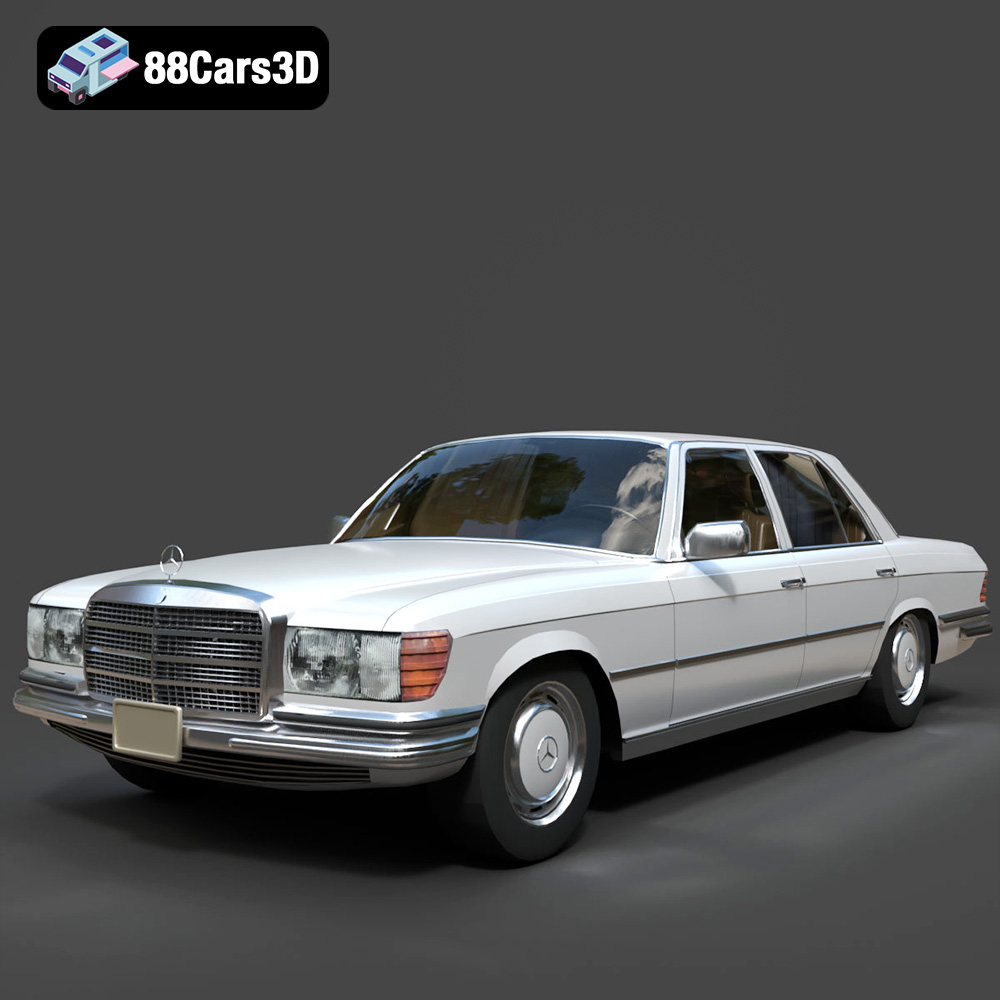
Mercedes-Benz S-Klasse W116 3D Model
Texture: Yes
Material: Yes
Download the Mercedes-Benz S-Klasse W116 3D Model featuring clean geometry, realistic detailing, and a fully modeled interior. Includes .blend, .fbx, .obj, .glb, .stl, .ply, .unreal, and .max formats for rendering, simulation, and game development.
Price: $4.99
