
The Foundation of Excellence: Automotive 3D Model Topology and Edge Flow

The allure of a perfectly rendered automobile, gleaming under a virtual studio light or speeding through an immersive digital landscape, is undeniable. For 3D artists, game developers, and visualization professionals, crafting such photorealistic 3D car models is often the pinnacle of their technical and artistic skill. It’s a journey that demands precision, a keen eye for detail, and a deep understanding of complex digital workflows.
From capturing the subtle curves of a luxury sedan to meticulously replicating the mechanical intricacies of an engine, every aspect of a car model requires careful consideration. This isn’t just about aesthetics; it’s about building assets that perform flawlessly across diverse applications – be it high-resolution automotive rendering, real-time game assets, interactive AR/VR experiences, or even tangible 3D printing. The standards for quality are exceptionally high, pushing the boundaries of what’s possible in digital creation.
In this comprehensive guide, we’ll peel back the layers of complexity, diving deep into the advanced techniques and industry best practices that transform raw polygons into breathtaking automotive masterpieces. We’ll explore the foundational principles of clean topology, the nuances of realistic PBR materials, the art of lighting, and the critical optimization strategies needed for performance-driven environments. Whether you’re aiming for cinematic fidelity or game-ready efficiency, you’ll learn how to navigate the technical challenges and elevate your car models to a professional standard. Platforms like 88cars3d.com exemplify the kind of quality achievable when these principles are rigorously applied, offering a benchmark for aspiring and seasoned artists alike.
The Foundation of Excellence: Automotive 3D Model Topology and Edge Flow
The underlying mesh structure, or topology, is the bedrock upon which all high-quality 3D car models are built. For automotive surfaces, which are characterized by sleek curves, sharp creases, and reflective materials, impeccable topology is not merely good practice – it’s an absolute necessity. Poor topology leads to unsightly pinching, distorted reflections, and issues with subdivision, rendering an otherwise detailed model unusable for production. Our goal is always to achieve an all-quad mesh with uniform density and logical edge flow, ensuring smooth deformation and clean subdivision results.
Achieving production-ready topology involves a meticulous process, often beginning with CAD data or reference blueprints. While CAD models provide precise dimensions, they frequently come with triangulated or non-manifold geometry unsuitable for subdivision modeling. This necessitates a complete retopology process, either manually or semi-automatically. Tools in 3ds Max, Blender, Maya, or ZBrush are invaluable here, allowing artists to draw new quad-based geometry over the existing high-density mesh. The polygon count will vary significantly depending on the model’s intended use: hero renders might demand 150,000 to 500,000 polygons for extreme detail, whereas game-ready assets for current-gen consoles might target 50,000 to 120,000 polygons for the base mesh (LOD0). The key is to distribute polygons efficiently, placing more density where curves are tighter and details are sharper, while maintaining broader quads on flatter surfaces.
Achieving Production-Ready Topology
For realistic automotive rendering, every curve must be flawlessly smooth. This requires a strategy of using supporting edge loops to define sharp edges and creases. Imagine the door panel of a car: the primary surface will be broad quads, but where the panel meets the window frame or another body part, a series of closely spaced edge loops (typically 2-3) will be needed to hold the sharpness when subdivided. This “hard surface modeling” technique prevents edges from becoming overly soft or rounded. Avoid Ngons (faces with more than four vertices) and triangles in areas of critical curvature or reflection, as these can lead to unpredictable shading and pinching artifacts. While triangles are often acceptable in flat, non-deforming areas, their presence on curved car body panels can create visual inconsistencies. Consistency in quad size also plays a vital role in ensuring an even distribution of detail and predictable subdivision results across the entire vehicle body.
The Art of Edge Flow for Animation and Deformation
Beyond static beauty, many 3D car models are destined for animation – whether it’s opening doors, rotating wheels, or simulating damage. This is where edge flow becomes critically important. Edge loops should follow the natural lines of the vehicle, outlining components like door seams, hood lines, and wheel arches. This logical flow not only makes the model easier to work with but also ensures that when parts are separated or animated, they deform cleanly along their intended axes. For instance, the edge loops around a door should perfectly delineate its boundary, allowing for a clean separation and rotation around its pivot. Similarly, the topology around a tire’s sidewall must support deformation if the tire is meant to flex. Analyzing real-world car construction for inspiration on where seams and panel gaps naturally occur provides an excellent guide for establishing optimal edge flow in your 3D models.
Mastering Realism: UV Mapping and PBR Material Creation
Once the topological foundation is solid, the next crucial step in creating truly convincing 3D car models is the application of realistic textures and materials. This process involves two interdependent stages: precise UV mapping and the development of sophisticated Physically Based Rendering (PBR) shader networks. Without proper UVs, textures will stretch, warp, or fail to apply correctly, breaking the illusion of realism. And without meticulously crafted PBR materials, even the most detailed mesh will look flat and artificial. The combination of these techniques allows artists to define how light interacts with every surface of the car, from the metallic sheen of the paint to the subtle reflections in the glass and the worn texture of the tires.
The goal is to provide accurate and efficient UV coordinates that allow texture artists to paint or apply materials without distortion. This is particularly challenging for the complex, often highly reflective surfaces found on cars. Furthermore, the selection and creation of PBR textures, such as Albedo, Normal, Roughness, Metallic, and Ambient Occlusion maps, must be done with an understanding of real-world material properties. High-quality models, like those found on 88cars3d.com, are meticulously prepared with clean UVs and expertly crafted PBR textures, ready for immediate use in various rendering engines and game environments. The resolution of these textures is also paramount: 4K or 8K textures for the main body panels are common for hero assets, while interior elements might use 2K-4K, and smaller details like bolts or emblems could use 512×512 or 1K textures.
Advanced UV Strategies for Automotive Surfaces
Unwrapping a complex car model effectively requires strategic planning. For large, curved body panels, techniques like planar mapping followed by careful relaxation and stitching in software like 3ds Max, Blender, or Maya are common. The key is to minimize distortion, ensuring that square textures remain square on the model. Seam placement is also vital; hide seams in less visible areas, such as under the chassis, along existing panel gaps, or within recessed areas. For highly detailed areas or when using multiple high-resolution textures, the UDIM workflow (e.g., in Mari or Substance Painter) is invaluable. This allows artists to utilize multiple UV tiles for different parts of the car (e.g., one UDIM for the main body, another for the interior, a third for wheels), enabling extremely high texture resolutions without hitting single-image limits. Maintaining consistent texel density across all UV islands is crucial for visual uniformity and preventing textures from looking blurry or pixelated in some areas while sharp in others.
Building Convincing PBR Shader Networks
PBR materials are designed to react to light in a physically plausible way, ensuring consistency across different lighting conditions and rendering environments. The core of an automotive PBR shader lies in its various maps. The Albedo/Base Color map defines the intrinsic color (without lighting information). The Normal map provides surface detail without adding geometry. Crucially, the Roughness/Glossiness map dictates how spread out reflections are (rough surfaces scatter light more, appearing duller; smooth surfaces reflect sharply). The Metallic map distinguishes between metallic and dielectric surfaces. Ambient Occlusion adds contact shadows, and Displacement maps can add actual geometric detail. For car paint, a sophisticated layered shader is often used: a base metallic color layer, followed by a clear coat layer with its own reflectivity and slight roughness, and sometimes even a metallic flake layer underneath the clear coat. Rubber, glass, chrome, and leather each require specific PBR values and texture maps to accurately simulate their real-world counterparts, often involving subtle imperfections like fingerprints or dust to enhance realism. Software like Substance Painter and Designer are industry standards for creating these complex texture sets.
Bringing Cars to Life: High-Fidelity Automotive Rendering Workflows
With a perfectly modeled and textured 3D car model, the final step in achieving breathtaking visuals is the rendering process. This stage transcends mere technical execution; it’s where artistry, lighting design, and photographic principles converge to create compelling imagery. High-fidelity automotive rendering is about more than just accurate lighting; it’s about telling a story, showcasing design, and evoking emotion. The choice of rendering engine (e.g., Corona, V-Ray, Cycles, Arnold) and the careful orchestration of lights, environments, and camera settings are paramount to achieving that coveted photorealistic look. Each renderer offers unique strengths and features, but the underlying principles of lighting and material interaction remain universal.
A professional rendering workflow begins long before hitting the render button. It involves strategic scene setup, meticulous material tweaking, and an understanding of how light behaves in the real world. The aim is to simulate a believable environment that complements the car’s design, whether it’s a sterile studio showroom, a sun-drenched road, or a gritty urban setting. This often includes post-processing in external image editing software to add final polish, correct colors, and integrate render passes. The attention to detail at this stage can elevate a good render to an outstanding one, ensuring that every highlight, shadow, and reflection contributes to the overall visual impact, perfectly showcasing the intricate details of high-quality 3D car models.
Studio Lighting and Environment Setup
For pristine studio shots, HDRIs (High Dynamic Range Images) are indispensable. These panoramic images capture real-world lighting information, providing incredibly accurate reflections and realistic diffuse illumination. When combined with virtual studio lights (area lights, mesh lights), HDRIs create a rich and believable lighting setup. A common technique is three-point lighting (key, fill, rim) adapted for cars, often using large softbox-style area lights to create soft, flattering highlights that glide along the car’s curves. Strategic placement of rim lights can enhance the car’s silhouette and separate it from the background. Ground planes with subtle reflections or backdrops that complement the car’s color scheme further ground the vehicle in its environment. Many artists also use virtual reflectors or light shapers to precisely control highlights, mimicking professional photography setups. The goal is to make the lighting feel natural and purposeful, guiding the viewer’s eye across the car’s design.
Renderer-Specific Optimization and Settings
Optimizing render settings is crucial for balancing quality and render time. Each renderer has its unique approach:
- Corona Renderer: Known for its ease of use and physical accuracy. Features like Light Mix allow artists to adjust light intensities and colors in real-time, even after rendering. The Interactive Render (IR) provides instant feedback. Denoising (NVIDIA OptiX or Intel Open Image Denoise) is essential for clean final images with fewer samples.
- V-Ray: A powerful and versatile production renderer. V-Ray Denoiser, IPR (Interactive Production Rendering), and Adaptive Subdivision (for displacement maps) are key. Efficient use of V-Ray’s render elements (passes like diffuse, reflection, refractions) is critical for compositing and fine-tuning in post-production.
- Blender Cycles: Blender’s integrated path tracer, benefiting greatly from GPU rendering. Optimizing samples, bounces, and using denoising options (OIDN or OptiX) significantly speeds up rendering. Understanding its path tracing principles helps in setting up efficient scenes and materials.
- Arnold: A favorite for character and VFX work, also excellent for automotive. Known for its robust sampling system. Proper AOV (Arbitrary Output Variables) setup allows for intricate compositing. Materials like car paint benefit from its advanced subsurface scattering and clear coat options.
Regardless of the renderer, techniques like instance geometry for repetitive elements, optimizing material complexity, and utilizing adaptive sampling can dramatically reduce render times without compromising visual fidelity. Always conduct render tests on specific areas to fine-tune settings before committing to a final, full-resolution render.
Game-Ready Assets: Optimization for Interactive Experiences
While cinematic renders prioritize absolute visual fidelity, game assets for real-time engines like Unity and Unreal Engine demand a rigorous focus on performance. A beautifully detailed 3D car model designed for rendering can easily bring a game engine to its knees if not properly optimized. The challenge lies in maintaining visual integrity while drastically reducing the computational overhead related to polygon count, material complexity, and texture memory. This transformation from high-poly render mesh to game-ready asset requires a specialized set of techniques to ensure smooth frame rates and efficient resource utilization across various target platforms, from high-end PCs to mobile devices and consoles.
The core philosophy of game asset optimization is efficiency. Every polygon, every texture, every material instruction costs performance. Therefore, game developers and 3D artists must be strategic about where detail is placed and how it is represented. This often involves reducing geometric complexity, baking detail from high-resolution models into normal maps, consolidating textures, and implementing systems that dynamically adjust model complexity based on viewing distance. These methods ensure that players experience immersive visuals without performance bottlenecks, making the difference between a fluid interactive experience and a frustrating slideshow. Successfully optimizing game assets requires a blend of technical know-how and an understanding of the specific limitations and capabilities of the target game engine and platform.
Level of Detail (LODs) and Draw Call Management
One of the most critical optimization techniques for game-ready 3D car models is the implementation of Level of Detail (LODs). LODs are simplified versions of a model that are automatically swapped in by the game engine when the object is further away from the camera. A typical setup includes LOD0 (the highest detail mesh, visible up close), LOD1, LOD2, and sometimes even LOD3 for extreme distances. For a current-gen game car, LOD0 might range from 80,000 to 120,000 triangles, LOD1 from 30,000 to 50,000, LOD2 from 10,000 to 15,000, and LOD3 from 3,000 to 5,000. These are created either through automated decimation tools or careful manual reduction, ensuring that critical silhouettes are maintained. Beyond poly count, managing draw calls is vital. Each time the engine has to prepare and render a new material or mesh, it incurs a draw call. Minimizing these by combining meshes (e.g., all car body panels as one mesh) and using fewer distinct materials (e.g., one PBR material for the exterior, one for the interior) significantly improves performance. Instancing, where multiple identical objects (like the four tires) are drawn using a single draw call, is also highly efficient.
Texture Atlasing and Material Instancing for Performance
Texture atlasing is a cornerstone of game optimization. Instead of using dozens of small, individual texture maps for different parts of a car (e.g., separate textures for each headlight, emblem, and mirror), these are combined into a single, larger texture sheet. This reduces the number of texture swaps the GPU needs to perform, which is a major performance bottleneck. For example, a single 4K texture atlas could contain the Albedo, Normal, and Roughness maps for all exterior details, wheels, and interior elements. Texel density must be carefully managed to ensure important details still receive adequate resolution within the atlas. Alongside atlasing, material instancing is crucial. Instead of creating a unique, entirely separate material for every color variation of a car, a base material is created, and then instances of it are made. These instances inherit all properties but allow specific parameters (like base color, roughness, or clear coat properties) to be changed without incurring new shader compilation overhead, saving both memory and CPU cycles. This approach is highly efficient for managing large libraries of vehicle variations in game engines.
Beyond the Screen: File Formats, AR/VR, and 3D Printing
The versatility of high-quality 3D car models extends far beyond traditional rendering and game development. As technology evolves, so do the applications for these sophisticated digital assets. From interactive augmented reality (AR) and virtual reality (VR) experiences to tangible physical prototypes created through 3D printing, the underlying 3D model remains a core component, but each application demands specific preparation and optimization techniques. Understanding these diverse requirements and the appropriate file formats is essential for any professional artist looking to maximize the utility and reach of their automotive creations. This adaptability ensures that a single base model can be repurposed for a multitude of industries, showcasing its value across the digital and physical realms.
Navigating the landscape of file formats and tailoring models for specialized platforms can be complex. Each format has its strengths and weaknesses, dictating how geometry, materials, animations, and metadata are stored and interpreted. Similarly, the unique constraints of AR/VR (extreme performance sensitivity) and 3D printing (physical manifold geometry) necessitate a departure from typical rendering or game-ready preparation. Mastering these conversions and optimizations opens up new avenues for showcasing automotive design, training, marketing, and manufacturing, firmly positioning 3D car models at the forefront of innovation. When sourcing models from marketplaces such as 88cars3d.com, artists often find comprehensive packages that account for these diverse applications, offering models in various optimized formats.
Navigating File Formats and Compatibility
Choosing the right file format is critical for seamless integration into various pipelines:
- FBX (.fbx): The industry standard for transferring 3D data between applications and into game engines (Unity, Unreal Engine). It supports geometry, materials, textures, animations, and skeletal data. Ensures broad compatibility but can sometimes require careful export settings.
- OBJ (.obj): A universal static mesh format, highly compatible across virtually all 3D software. Excellent for transferring just geometry and basic UVs/materials. Lacks animation or complex PBR support directly within the file.
- GLB/glTF (.glb, .gltf): An increasingly popular, open-standard format for web-based 3D, AR/VR, and real-time applications. It’s compact, supports PBR materials, animations, and scene graphs, making it ideal for efficient delivery over the internet. GLB is a single-file binary version.
- USDZ (.usdz): Apple’s proprietary format for AR experiences on iOS devices. It’s built on Pixar’s Universal Scene Description (USD) and optimized for ARKit. Models need to be specifically converted and optimized for this format.
- STEP (.step/.stp) / IGES (.iges/.igs): These are CAD (Computer-Aided Design) formats, common in industrial design and engineering. While highly accurate, they represent geometry using NURBS (Non-Uniform Rational B-Splines) rather than polygons. Converting CAD data to polygon meshes suitable for rendering or games often requires specialized plugins or software and a significant retopology effort.
Always ensure that models are exported with correct scale, pivot points, and embedded textures (where supported) to prevent issues during import.
Tailoring Models for AR/VR and 3D Printing
AR/VR Optimization: For interactive AR/VR experiences, performance is paramount. This demands even more aggressive optimization than standard game assets. Poly counts often need to be significantly lower (e.g., under 50,000 triangles for an entire car, sometimes even less for mobile AR). Textures should be highly optimized, often using a single texture atlas per material to minimize draw calls. Materials should be simple, leveraging real-time PBR shaders efficiently. Real-world scale is absolutely critical for immersive AR/VR, ensuring the car appears the correct size in the virtual or augmented environment. Minimizing overdraw (overlapping transparent surfaces) is also important to maintain high frame rates.
3D Printing Preparation: Preparing a 3D car model for physical output via 3D printing involves a completely different set of rules. The mesh must be “watertight,” meaning it has no open edges, holes, or non-manifold geometry (edges connected to more than two faces). All normals must be consistently facing outwards. Appropriate wall thickness for all parts of the model is necessary to prevent breakage during printing or post-processing. Checking for self-intersecting geometry and ensuring the mesh is manifold (solid volume) are crucial steps. Software like Blender’s 3D Print Toolbox, Meshmixer, or Netfabb offer tools for analyzing and repairing common 3D print issues, ensuring a successful physical print from your digital creation. Furthermore, setting the correct physical scale in your 3D software before export is vital for the desired print size.
Professional Workflow Integration and Troubleshooting
Creating professional-grade 3D car models is rarely a linear process. It involves a cyclical workflow of modeling, texturing, rendering, and optimizing, often requiring artists to jump between different software packages and address unforeseen challenges. A robust production pipeline integrates these stages seamlessly, ensuring consistency and efficiency. Furthermore, anticipating and effectively troubleshooting common issues is a hallmark of an experienced 3D artist. From dealing with messy source data to resolving rendering artifacts, the ability to diagnose and fix problems quickly can save countless hours and elevate the quality of the final product. This section delves into refining your workflow and offering solutions to frequently encountered hurdles in automotive 3D production.
The journey from a concept sketch or CAD file to a polished, deployable 3D car model is complex, demanding a keen eye for detail and an understanding of the entire production chain. A professional workflow often starts with data cleanup and careful preparation, followed by iterative refinement and rigorous testing. Implementing version control, organizing project files meticulously, and continuously evaluating performance are all integral to successful project delivery. By mastering these workflow strategies and equipping yourself with effective troubleshooting techniques, you can confidently tackle even the most demanding automotive 3D projects, consistently delivering high-quality assets ready for any application.
From CAD to Clean Mesh: Data Preparation
Many professional automotive projects begin with CAD data, which is precise but often unsuitable for direct polygonal modeling. CAD models typically use NURBS or extremely dense, triangulated meshes with poor topology, making them difficult to subdivide, UV map, or animate. The first crucial step is data preparation. If starting from CAD, the geometry needs to be converted into a polygonal mesh. This often results in a mesh that is too dense, contains Ngons, non-manifold geometry, or a sea of triangles. Therefore, a complete retopology process is usually required. Tools like Quad Remesher (for automatic retopology) or manual retopology tools in Blender, 3ds Max, or Maya are used to create a clean, all-quad mesh over the imported CAD reference. During this process, establishing a consistent unit scale (e.g., centimeters or meters) and ensuring the model’s pivot point is correctly centered at the origin (or at the bottom of the tires) is fundamental for proper integration into any scene or engine. This cleanup phase is critical for preventing issues later in the pipeline, such as shading errors or unwrapping difficulties.
Common Challenges and Solutions in Automotive 3D Production
Even with meticulous planning, issues inevitably arise. Here are some common problems and their solutions:
- Problem: “Pinching” or inconsistent reflections on curved surfaces.
- Solution: This is almost always a topology issue. Check for Ngons, triangles on curved surfaces, or uneven quad distribution. Add more supporting edge loops around sharp creases, and ensure edge flow follows the natural curvature of the object. Use surface inspection tools (e.g., zebra stripes or curvature maps) to identify problem areas.
- Problem: Texture stretching, blurring, or distortion.
- Solution: Re-examine your UV mapping. Ensure seams are hidden and logically placed, and that there’s minimal stretching visible in the UV editor. Confirm consistent texel density across all UV islands to avoid resolution discrepancies.
- Problem: Excessively slow render times.
- Solution: Optimize your lighting setup (fewer, more efficient lights, lower light samples if possible). Reduce the complexity of materials (especially for refraction/reflection bounces). Utilize render passes and compositing instead of trying to perfect everything in one render. Consider cloud rendering services for large projects. For game engines, ensure lightmaps are efficiently baked.
- Problem: Poor game engine performance (low frame rates).
- Solution: Implement aggressive LODs with appropriate poly count reductions. Drastically reduce draw calls by combining meshes and using texture atlases. Optimize texture resolutions for the target platform. Bake static lighting where possible to reduce real-time light calculations.
- Problem: Materials don’t look realistic or match references.
- Solution: Verify your PBR values (Albedo, Roughness, Metallic) against real-world material charts. Adjust your lighting setup to match reference photos, as lighting heavily influences perceived material properties. Ensure your color management (linear workflow, gamma settings) is correct. Add subtle imperfections like dust or fingerprints to enhance realism.
Professional Tip: Always work non-destructively by using layers, keeping original geometry, and maintaining version control (e.g., using software like Perforce or simply incremental saves). This allows for easy rollbacks and experimentation without losing progress.
Conclusion
The journey of creating professional-grade 3D car models is a testament to the blend of technical prowess and artistic vision required in the world of digital content creation. We’ve traversed the intricate landscape from the foundational principles of clean topology and precise UV mapping to the nuanced art of crafting realistic PBR materials. We’ve explored the sophisticated workflows for high-fidelity automotive rendering, delved into the critical optimization strategies for seamless game assets, and understood the specialized preparations needed for cutting-edge AR/VR experiences and tangible 3D printing.
Every step, from sculpting a perfect curve to finessing a reflective paint shader, contributes to the overall realism and utility of the final model. The demand for exceptional 3D car models continues to grow, driving innovation across various industries, from automotive design visualization and advertising to immersive entertainment and interactive training. Mastering these techniques not only elevates your artistic capabilities but also positions you as a highly skilled professional in a competitive market.
Now, equipped with this comprehensive knowledge, you’re ready to tackle your next project with confidence. Whether you’re building a hyper-realistic vehicle for a cinematic short, optimizing a fleet for an open-world game, or preparing a prototype for physical production, remember the principles of clean execution and intelligent optimization. Take the next step in your creative journey: start building your next masterpiece, leveraging the insights shared here to achieve unparalleled quality and performance. Explore platforms like 88cars3d.com for a deeper understanding of industry-leading 3D car model quality and get inspired for your own creations.
Featured 3D Car Models
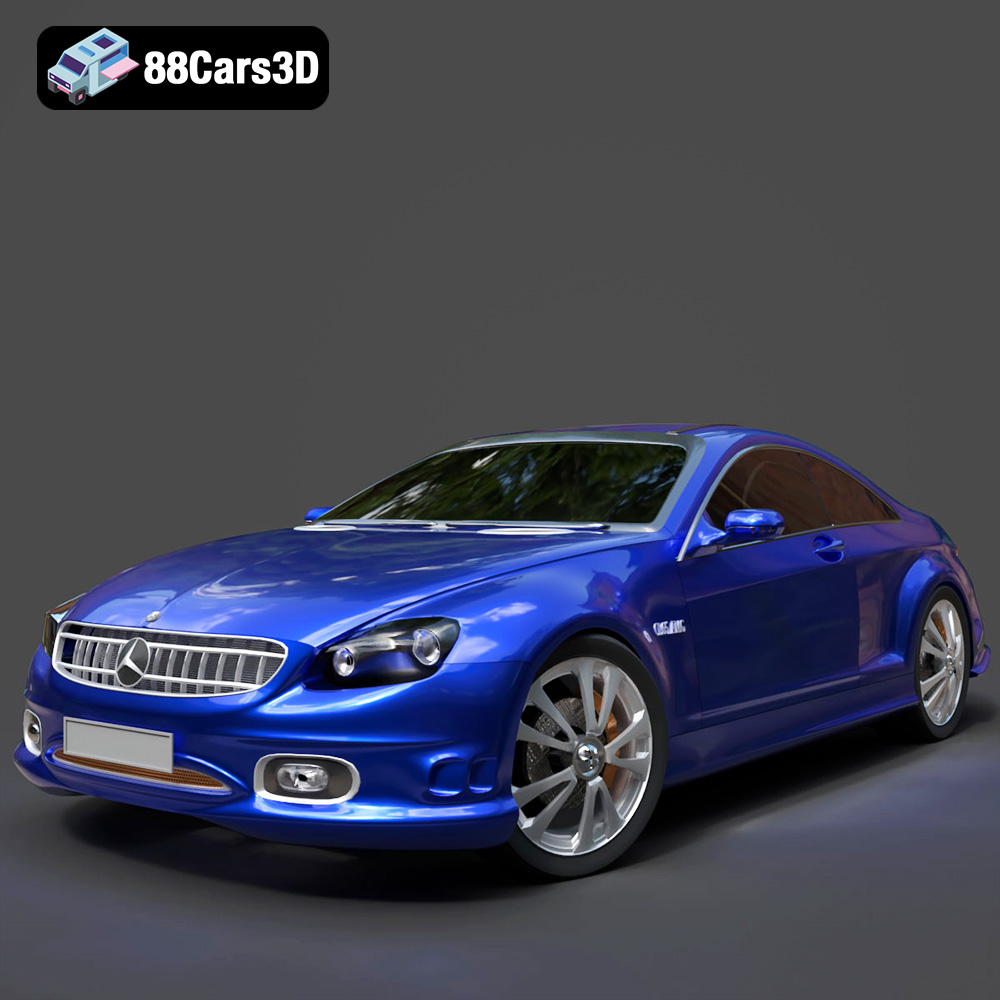
Mercedes-Benz CL6540-005 3D Model
Texture: Yes
Material: Yes
Download the Mercedes-Benz CL6540-005 3D Model featuring clean geometry, realistic detailing, and a fully modeled interior. Includes .blend, .fbx, .obj, .glb, .stl, .ply, .unreal, and .max formats for rendering, simulation, and game development.
Price: $4.99
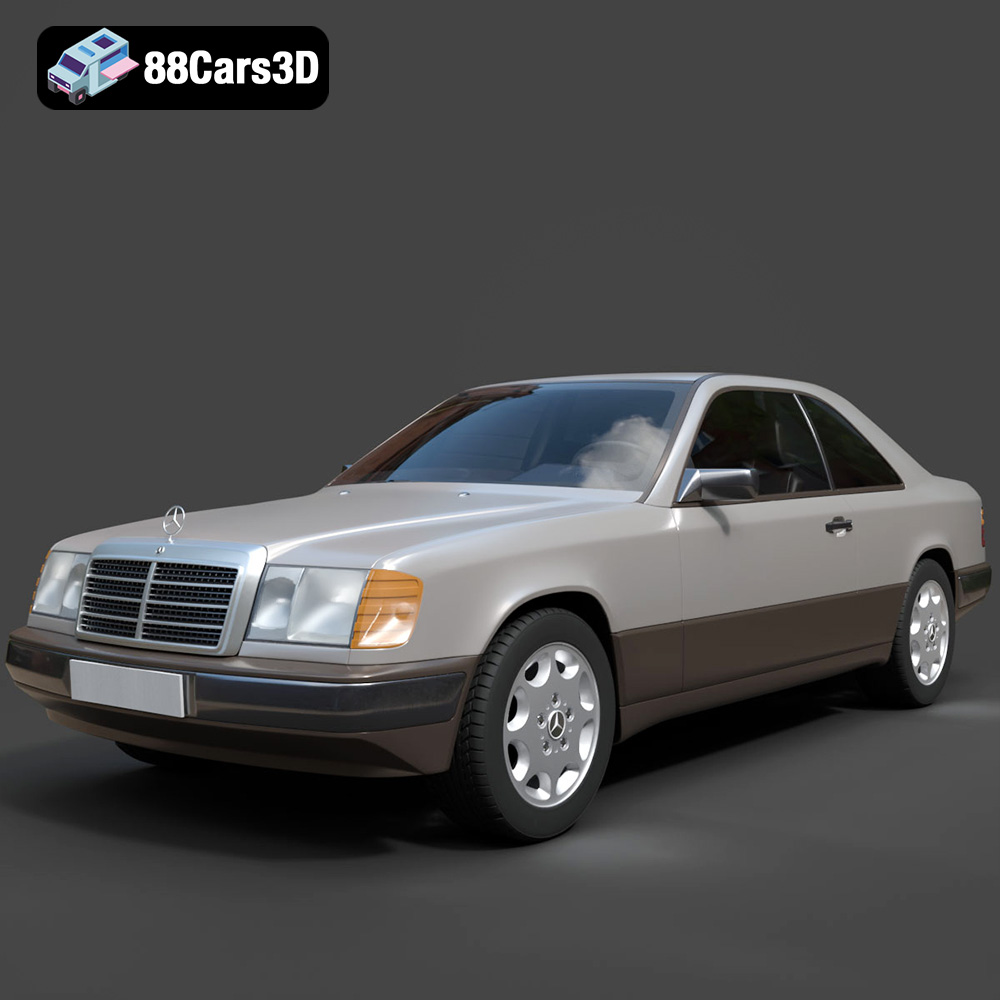
Mercedes E-Class w124 Coupe 3D Model
Texture: Yes
Material: Yes
Download the Mercedes E-Class w124 Coupe 3D Model featuring clean geometry, realistic detailing, and a fully modeled interior. Includes .blend, .fbx, .obj, .glb, .stl, .ply, .unreal, and .max formats for rendering, simulation, and game development.
Price: $4.99
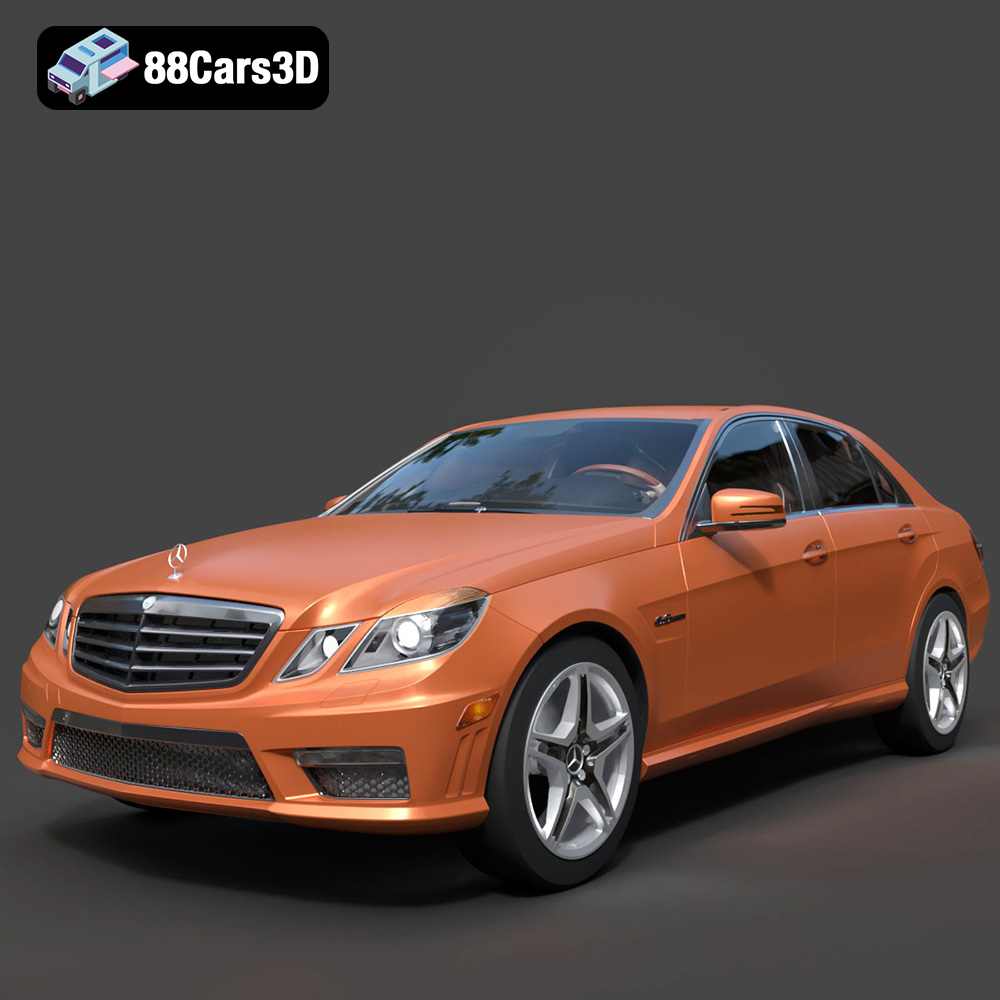
Mercedes-Benz E-Klasse 63 AMG 3D Model
Texture: Yes
Material: Yes
Download the Mercedes-Benz E-Klasse 63 AMG 3D Model featuring clean geometry, realistic detailing, and a fully modeled interior. Includes .blend, .fbx, .obj, .glb, .stl, .ply, .unreal, and .max formats for rendering, simulation, and game development.
Price: $4.99
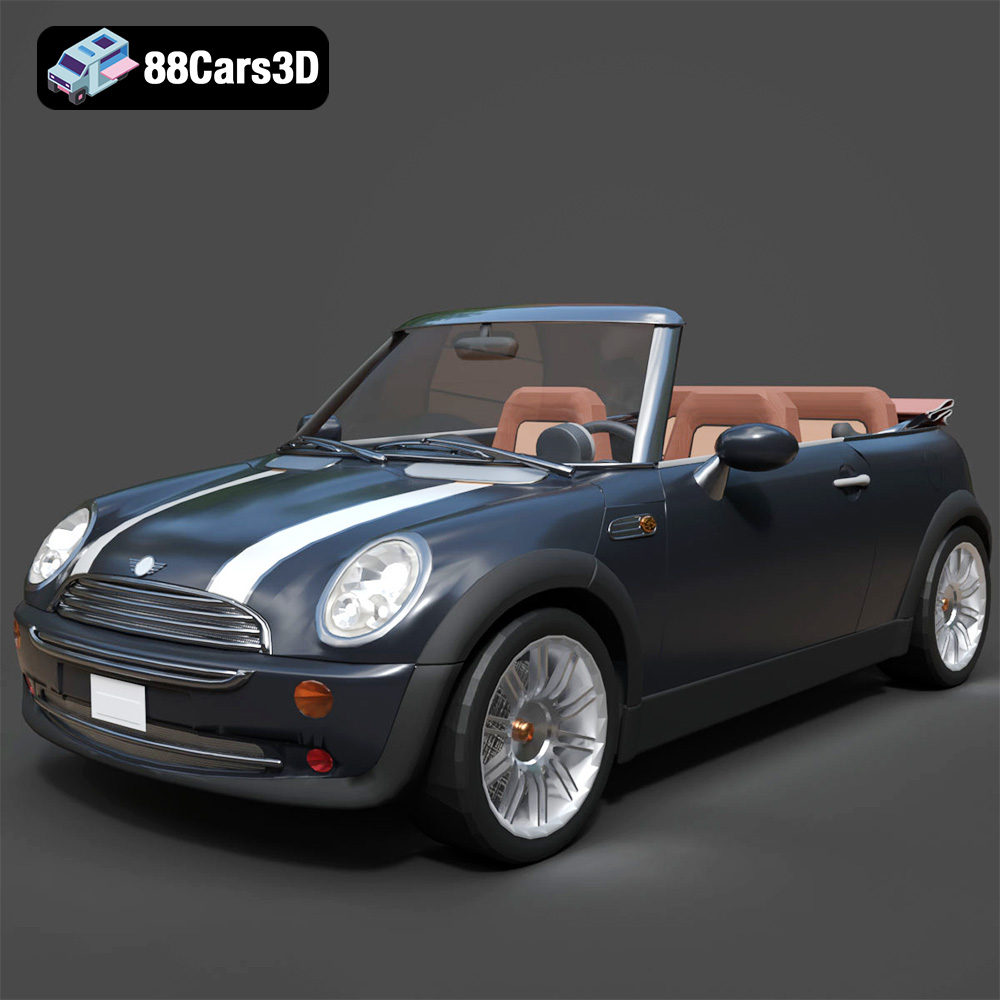
Mini Cabrio 2025 3D Model
Texture: Yes
Material: Yes
Download the Mini Cabrio 2025 3D Model featuring clean geometry, realistic detailing, and a fully modeled interior. Includes .blend, .fbx, .obj, .glb, .stl, .ply, .unreal, and .max formats for rendering, simulation, and game development.
Price: $4.99
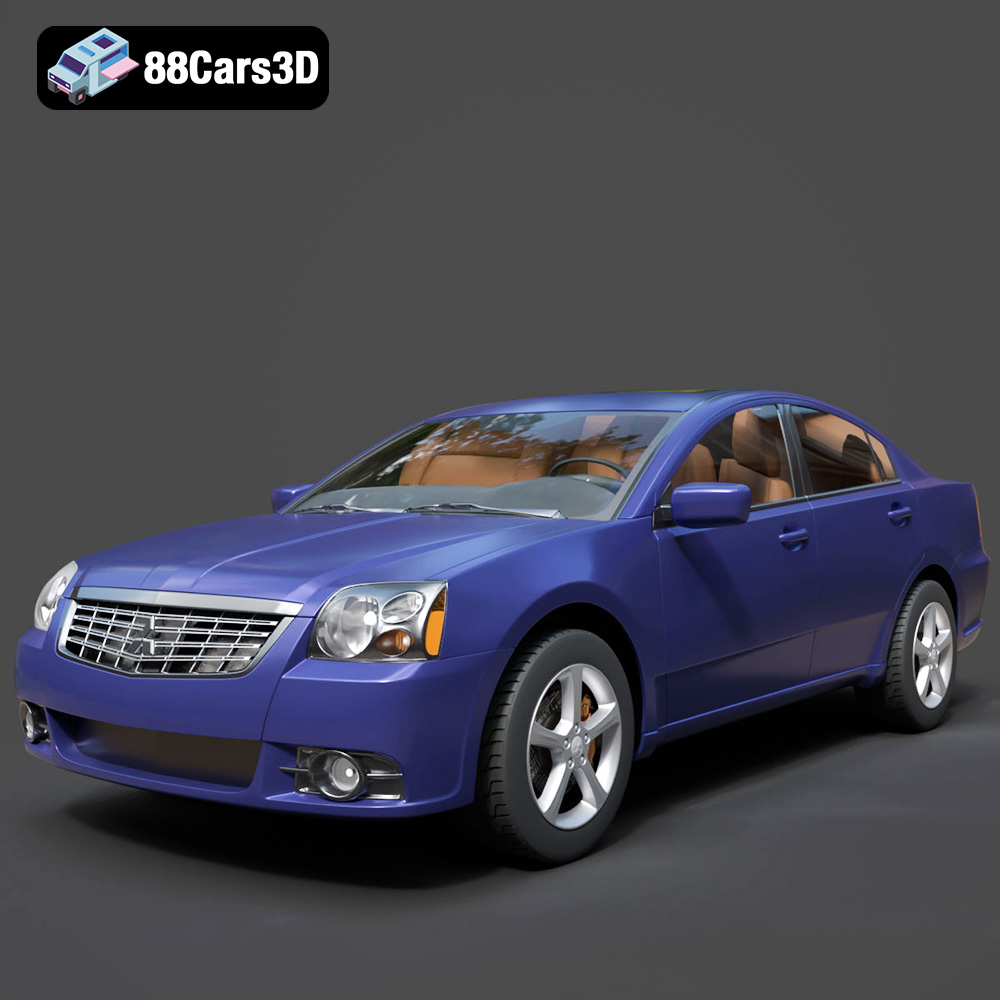
Mitsubishi Galant 2009 3D Model
Texture: Yes
Material: Yes
Download the Mitsubishi Galant 2009 3D Model featuring clean geometry, realistic detailing, and a fully modeled interior. Includes .blend, .fbx, .obj, .glb, .stl, .ply, .unreal, and .max formats for rendering, simulation, and game development.
Price: $4.99
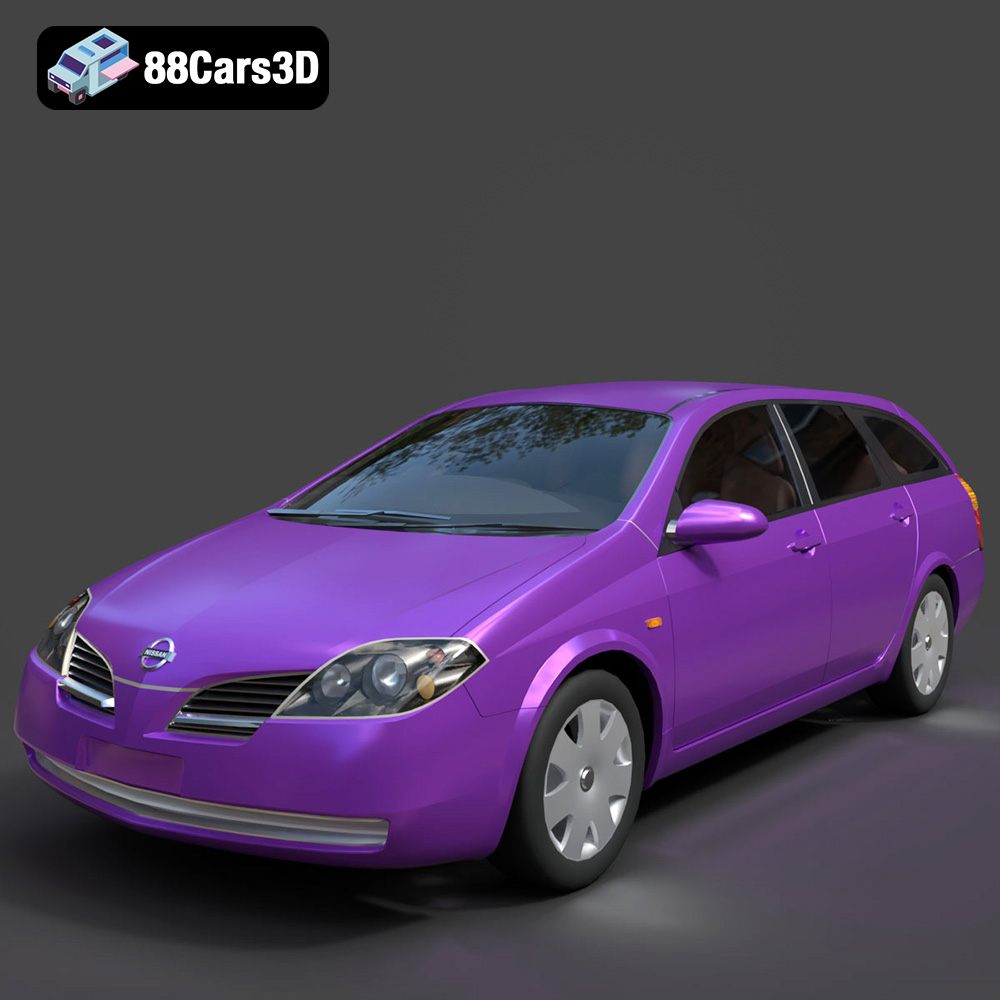
Nissan Primera Wagon 3D Model
Texture: Yes
Material: Yes
Download the Nissan Primera Wagon 3D Model featuring clean geometry, realistic detailing, and a fully modeled interior. Includes .blend, .fbx, .obj, .glb, .stl, .ply, .unreal, and .max formats for rendering, simulation, and game development.
Price: $4.99
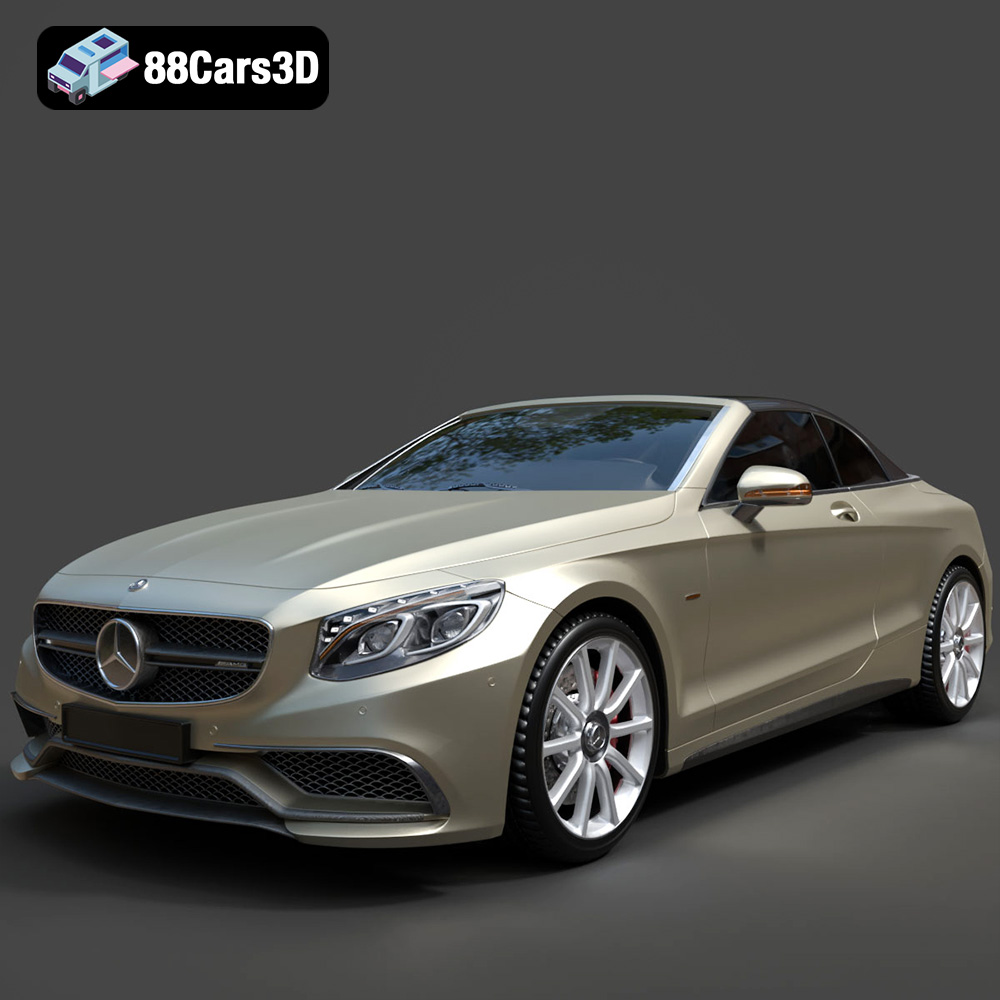
Mercedes-Benz S63 AMG Cabriolet 2017 3D Model
Texture: Yes
Material: Yes
Download the Mercedes-Benz S63 AMG Cabriolet 2017 3D Model featuring clean geometry, realistic detailing, and a fully modeled interior. Includes .blend, .fbx, .obj, .glb, .stl, .ply, .unreal, and .max formats for rendering, simulation, and game development.
Price: $20.99
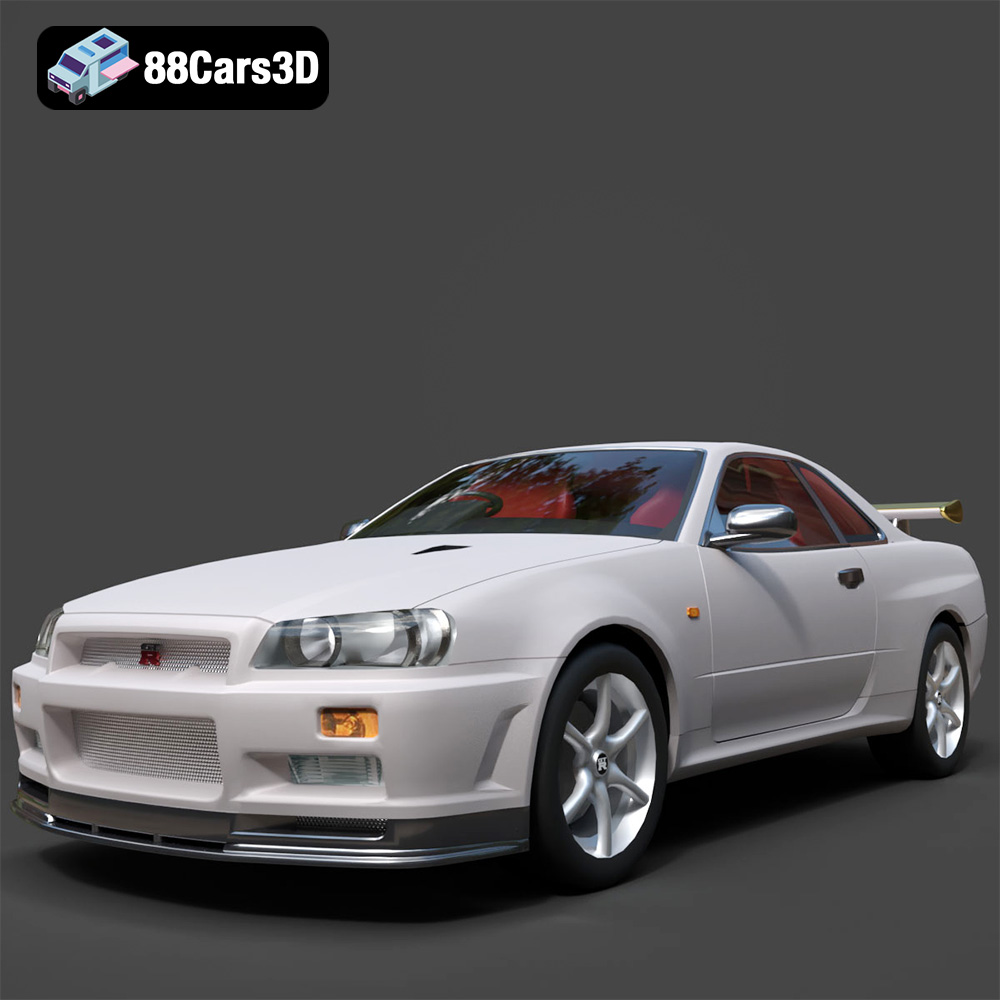
Nissan Skyline R34 2002 3D Model
Texture: Yes
Material: Yes
Download the Nissan Skyline R34 2002 3D Model featuring clean geometry, realistic detailing, and a fully modeled interior. Includes .blend, .fbx, .obj, .glb, .stl, .ply, .unreal, and .max formats for rendering, simulation, and game development.
Price: $4.99
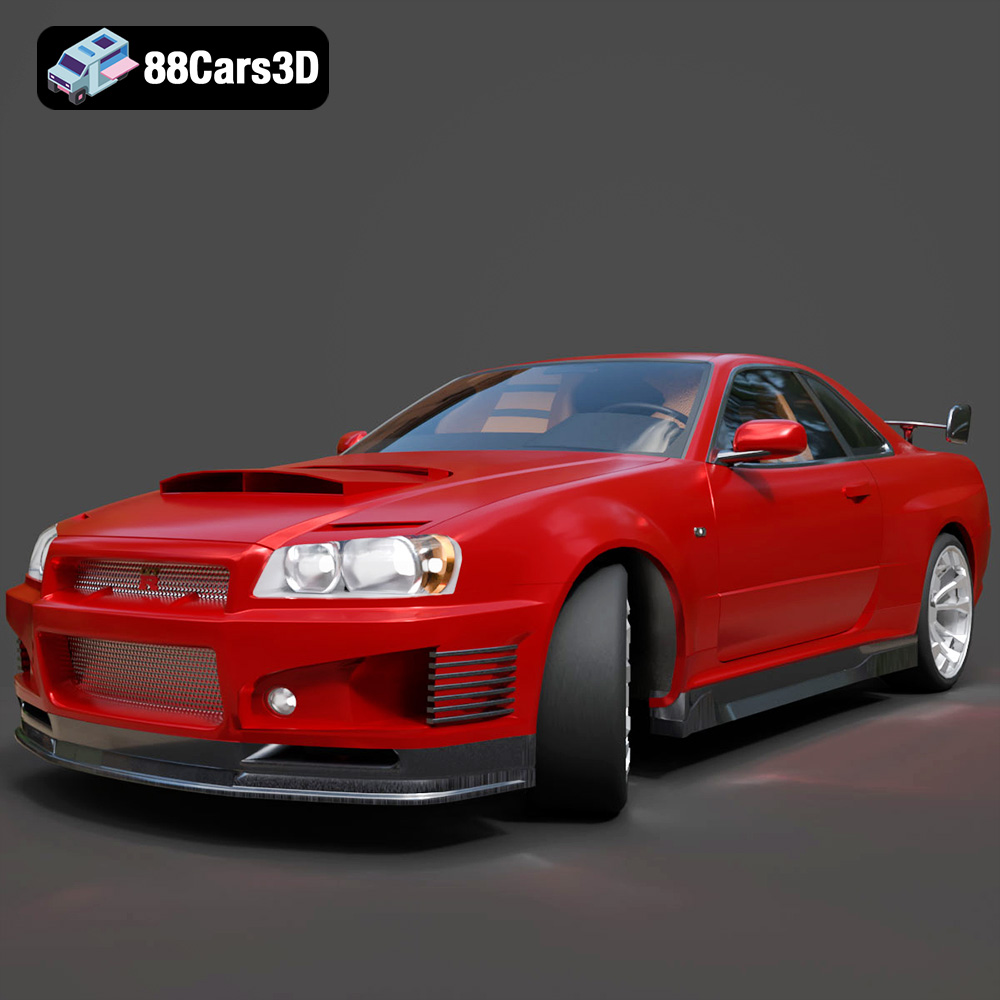
Nissan Skyline 3D Model
Texture: Yes
Material: Yes
Download the Nissan Skyline 3D Model featuring clean geometry, realistic detailing, and a fully modeled interior. Includes .blend, .fbx, .obj, .glb, .stl, .ply, .unreal, and .max formats for rendering, simulation, and game development.
Price: $9.99
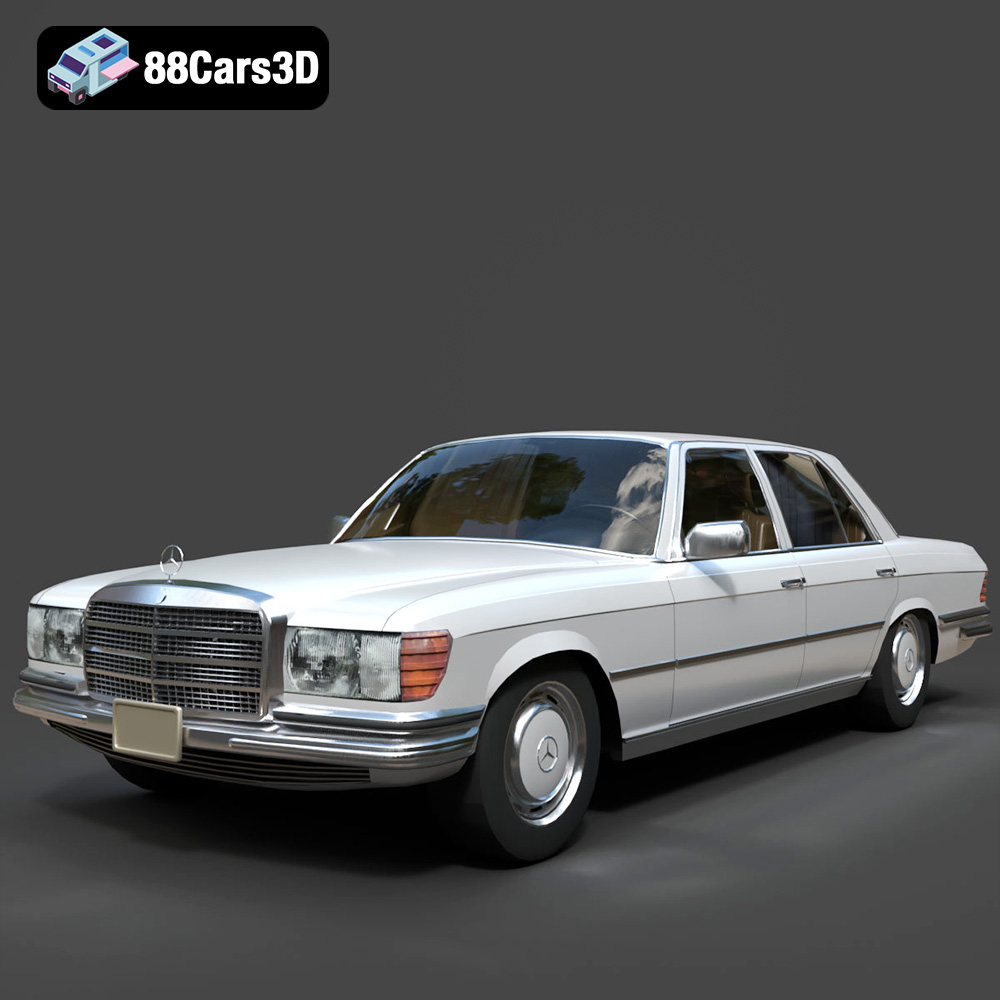
Mercedes-Benz S-Klasse W116 3D Model
Texture: Yes
Material: Yes
Download the Mercedes-Benz S-Klasse W116 3D Model featuring clean geometry, realistic detailing, and a fully modeled interior. Includes .blend, .fbx, .obj, .glb, .stl, .ply, .unreal, and .max formats for rendering, simulation, and game development.
Price: $4.99
