⚡ FLASH SALE: Get 60% OFF All Premium 3D & STL Models! ⚡

In the expansive and increasingly demanding world of 3D visualization, the quality of your automotive assets can make or break a project. Whether you’re crafting breathtaking renders for an advertising campaign, building immersive environments for a next-gen game, simulating vehicle performance for engineering, or developing interactive AR/VR experiences, a high-fidelity 3D car model is the indispensable foundation. But what truly defines a professional-grade 3D car model? It’s far more than just aesthetics; it’s about the intricate details of its underlying structure, the intelligence of its material definitions, and its optimized versatility across diverse applications.
This comprehensive guide delves deep into the technical intricacies of working with and creating exceptional 3D car models. We’ll explore the critical aspects of clean topology, sophisticated PBR materials, advanced rendering techniques, and crucial optimization strategies for real-time engines and emerging platforms like AR/VR and 3D printing. We’ll provide actionable insights and industry best practices to empower artists, developers, and designers to elevate their automotive projects to new heights. By understanding these core principles, you’ll not only appreciate the value of meticulously crafted assets but also gain the knowledge to produce stunning, performant, and versatile 3D car models that stand out in any professional pipeline. Let’s unlock the secrets to mastering automotive 3D assets.
The visual fidelity of a 3D car model begins not with its textures or materials, but with its underlying mesh topology. For automotive models, which are characterized by sleek curves, sharp creases, and reflective surfaces, superior topology is non-negotiable. Clean, quad-based geometry is essential for predictable subdivision surfacing, smooth deformations, and efficient UV mapping. Poor topology, characterized by triangles (tris) and n-gons in critical areas, stretched polygons, or excessive density, leads to artifacts like pinching, undesirable faceting, and rendering glitches, especially under subdivision or when the model is deforming.
A high-quality car model typically balances polygon count with visual fidelity. For hero assets in high-end renders, poly counts can range from 300,000 to over 5 million polygons (after subdivision), allowing for incredible detail. For game-ready assets, this might drop to 50,000-150,000 for a primary vehicle, depending on the platform and LOD strategy. When sourcing models from platforms like 88cars3d.com, artists should always scrutinize the wireframe to ensure the topology meets these professional standards, guaranteeing ease of use and superior results.
The cornerstone of automotive modeling is the exclusive use of quads (four-sided polygons) as much as possible. Quads are fundamental because they subdivide predictably and smoothly, which is critical for achieving the seamless curves characteristic of car body panels. When a mesh is subdivided using modifiers like Turbosmooth (3ds Max) or Subdivision Surface (Blender, Maya), quads maintain their integrity, distributing new edges evenly. In contrast, triangles can create pinching or an uneven distribution of mesh density, leading to lumps and bumps on what should be a perfectly smooth surface. N-gons (polygons with more than four sides) are even more problematic, often causing unpredictable shading and catastrophic issues during subdivision or deformation. While a few tris might be acceptable in flat, non-deforming areas or extremely tight, recessed corners, the best practice is to convert all geometry to quads for optimal performance and flexibility.
Edge flow refers to the way edges and vertices are distributed and connected across a model’s surface. For automotive models, precise edge flow is crucial for defining hard surfaces and sharp creases, such as those found on car body lines, wheel arches, and panel gaps. Edges should follow the natural contours and design lines of the vehicle, reinforcing the intended shape. To create sharp creases that hold up under subdivision, artists employ “holding loops” or “control loops”—additional edge loops run parallel and very close to the edges of a hard surface. These loops effectively “tighten” the corner when subdivided, giving it a crisp appearance without adding excessive geometry to the entire model. Conversely, wider spacing between edge loops in flatter areas ensures smooth, gentle curves. Effective edge flow not only enhances visual quality but also simplifies UV mapping and allows for cleaner deformations if the model is ever rigged.
Managing polygon count is a delicate balancing act between visual fidelity and performance, especially critical for 3D car models intended for diverse applications. High-end cinematic renders can afford millions of polygons, but real-time applications like games or AR/VR demand rigorous optimization. This is where Level of Detail (LOD) strategies become essential. LODs are simplified versions of a model that are swapped in and out based on the camera’s distance from the object. For instance, an LOD0 (highest detail) car model might have 150,000 polygons for close-up views, while an LOD1 (medium detail) might have 50,000, and an LOD2 (low detail) could be as few as 10,000 polygons, suitable for distant views. Proper LOD implementation significantly reduces the computational load on the GPU, allowing for smoother frame rates. Effective polygon management also involves removing unseen geometry (e.g., inside parts of the engine that are never viewed) and simplifying meshes in non-critical areas while preserving detail where it matters most, like on the exterior body panels.
Beyond impeccable topology, the photorealistic appearance of a 3D car model is largely attributed to its materials and textures. Physically Based Rendering (PBR) has become the industry standard for achieving consistent and accurate material responses across various lighting conditions and rendering engines. PBR workflows simulate how light interacts with surfaces in the real world, relying on physically plausible values for properties like albedo (base color), roughness, metallic, normal, and ambient occlusion. These values ensure that materials behave realistically, whether they are highly reflective chrome, matte plastic, or lustrous car paint.
Creating compelling PBR materials for automotive assets requires a deep understanding of surface properties and how to translate them into texture maps and shader networks. The goal is not just to make something look good, but to make it look *real*, reacting appropriately to light. High-resolution textures, often 4K or 8K for primary surfaces, are crucial for capturing fine details without pixelation, though careful consideration for game engines might require a mix of resolutions and texture atlasing.
PBR operates on a fundamental principle: energy conservation. Light reflected from a surface must equal or be less than the light hitting it. The two primary PBR workflows are Metal/Roughness and Specular/Glossiness. The Metal/Roughness workflow (common in Substance Painter, Unreal Engine, Blender Cycles) uses a ‘Metallic’ map to define if a material is a metal (white) or a dielectric/non-metal (black), and a ‘Roughness’ map to control the microscopic surface irregularities that scatter light (black for smooth, white for rough). The ‘Albedo’ map then defines the base color. The Specular/Glossiness workflow (often seen in V-Ray, Corona, Marmoset Toolbag) separates specular reflections into a ‘Specular’ color map and uses a ‘Glossiness’ map (inverse of roughness). Understanding these maps and their precise real-world values (e.g., car paint has a low metallic value but often a clear coat layer) is paramount for achieving genuine realism, ensuring consistency across different lighting setups and rendering environments.
Achieving realistic automotive materials involves meticulous attention to detail. Car paint is complex, often involving multiple layers: a base color, metallic flakes (if applicable), and a clear coat. In PBR, this is typically simulated using a layered shader, where a ‘Clear Coat’ parameter controls a separate reflective layer above the base paint. For metallic paints, a subtle ‘Metallic’ map might be used, combined with appropriate ‘Roughness’ values. Glass requires precise transmission properties, often using a ‘Refraction Index’ (IOR) of around 1.5 for automotive glass, along with a slight ‘Tint’ and ‘Absorption’ for realism. Chrome, being a highly reflective metal, uses a high ‘Metallic’ value (close to 1), a low ‘Roughness’ value (close to 0), and a pure white ‘Albedo’ map. Accurate texture resolutions (e.g., 4K for major panels, 2K for tires and smaller details) and careful UV mapping ensure these details are sharply rendered. When acquiring 3D car models, look for those with expertly crafted PBR materials that provide realistic reflections and refractions, as found on high-quality assets on 88cars3d.com.
Beyond standard PBR maps, advanced shader techniques are crucial for truly captivating automotive materials. Layered materials are invaluable for complex surfaces like car paint, allowing artists to stack different material properties. For instance, a base layer for the primary paint color and metallic flakes, topped with a transparent, highly reflective clear coat layer that mimics real-world automotive finishes. This clear coat often has its own set of roughness and normal maps to simulate minor scratches or orange peel textures without affecting the underlying paint. Dirt, dust, and grime can also be added as procedural or texture-based layers, blending based on ambient occlusion or curvature maps to naturally accumulate in crevices. Furthermore, specific effects like emissive lights for headlamps, anisotropic reflections for brushed metal, or subsurface scattering for rubber are integrated into the shader network to contribute to the overall realism, pushing the boundaries of visual accuracy.
Even the most meticulously modeled and textured 3D car model will fall flat without expert lighting and a robust rendering workflow. Lighting is not just about illuminating the scene; it’s about shaping the form, highlighting the design, and conveying mood and atmosphere. For automotive visualization, the interplay of light and shadow on the car’s reflective surfaces is paramount, revealing every curve and contour. Rendering engines then translate these virtual light interactions into stunning 2D images, with varying approaches to realism, speed, and artistic control.
A professional rendering setup often involves a combination of studio lighting techniques, high-dynamic-range image (HDRI) environments, and meticulous camera placement. The choice of rendering engine—be it a CPU-based physically accurate renderer or a GPU-accelerated powerhouse—depends on the project’s specific needs, balancing render time, realism, and available hardware. Finally, post-processing is the crucial last step, refining the raw render into a polished, print-ready or screen-ready masterpiece.
Automotive rendering frequently utilizes techniques inspired by real-world photography studios. A common setup involves three-point lighting (key, fill, back light) combined with softbox-like area lights to create pleasing reflections and reveal the car’s form. Strategically placed large, soft lights minimize harsh shadows and accentuate the body lines. Equally important are HDRI (High-Dynamic Range Image) environments. An HDRI acts as both a light source and a reflection map, enveloping the scene with real-world light information from a panoramic photograph. This technique delivers incredibly realistic and consistent lighting and reflections, simulating everything from a sunny outdoor scene to a professional studio setup with just a single image. Artists often rotate the HDRI to find the most flattering reflections on the car’s body. Combining subtle studio lights with an HDRI environment offers unparalleled control over both direct illumination and environmental reflections, crucial for making 3D car models appear grounded and photorealistic.
The choice of rendering engine significantly impacts workflow and final output. Corona Renderer (3ds Max, Cinema 4D) is celebrated for its ease of use, speed, and incredibly realistic light bounces, making it a favorite for architectural and automotive visualization. V-Ray (3ds Max, Maya, SketchUp, Rhino) is an industry veteran, renowned for its versatility, extensive feature set, and robustness in handling complex scenes and large-scale productions. Blender’s Cycles is a powerful, integrated, physically based path tracer that leverages both CPU and GPU, offering excellent results for Blender users. Arnold (Maya, 3ds Max, Cinema 4D) is Pixar’s production renderer, excelling in cinematic quality with its physically accurate ray tracing, preferred for its robust handling of complex materials and lights. Each engine has its nuances regarding material setup, light types, and optimization strategies, but all aim to provide physically accurate results. Understanding the strengths and weaknesses of each allows artists to choose the best tool for their specific automotive rendering projects.
Rendering an image is only half the battle; post-processing transforms a raw render into a polished, captivating visual. This stage, often performed in software like Adobe Photoshop or Affinity Photo, involves color grading, exposure adjustments, adding depth of field (if not rendered directly), and subtle effects like bloom or lens flares. Compositing, especially when rendering multiple passes (e.g., beauty, reflections, shadows, ambient occlusion), allows for unparalleled control. Artists can adjust the intensity of reflections, darken shadows, or selectively enhance specific elements of the car. Vignettes can draw attention to the subject, while chromatic aberration can add a touch of photographic realism. It’s also the stage where background plates are integrated, ensuring the car sits naturally within its environment with consistent lighting and perspective. Mastering post-processing is crucial for giving renders that professional, high-impact finish, making them indistinguishable from real-world photography.
For game developers and those working in real-time environments, the beauty of a 3D car model must be matched by its performance. High-polygon models and unoptimized textures can quickly bog down game engines, leading to low frame rates and a poor user experience. The key lies in a meticulous optimization workflow that balances visual fidelity with computational efficiency, ensuring that the vehicle looks great without compromising game performance. This involves strategic polygon reduction, efficient UV mapping, smart texture management, and effective asset integration.
Game engines like Unity and Unreal Engine have sophisticated rendering pipelines, but they rely heavily on well-prepared assets. Understanding concepts like draw calls, texture atlasing, and Level of Detail (LODs) is paramount for creating game-ready 3D car models that perform seamlessly across various platforms, from high-end PCs to mobile devices. Sourcing game-ready 3D car models from platforms like 88cars3d.com can significantly accelerate development, provided they adhere to strict optimization standards.
Efficient UV mapping is critical for game-ready assets. Unlike rendering, where multiple UV sets and overlapping UVs are sometimes acceptable, game engines generally prefer clean, non-overlapping UVs on a single UV map for efficient texture sampling. This allows for the use of texture atlases, a powerful optimization technique where multiple smaller textures (e.g., textures for the wheels, interior, lights, and small trim pieces) are consolidated into a single, larger texture map. By grouping textures this way, the game engine only needs to load one texture map for multiple parts of the car, drastically reducing the number of draw calls. Each draw call represents a command sent from the CPU to the GPU to render a set of primitives, and minimizing them is a primary goal for performance. Furthermore, optimizing UV space by scaling and arranging UV islands efficiently prevents wasted texture memory and ensures consistent texel density across the model.
Beyond texture atlasing, several core strategies ensure optimal performance for 3D car models in real-time engines. As discussed earlier, Level of Detail (LODs) are essential. A game-ready car model might have 3-5 LODs, decreasing polygon count, reducing material complexity, and even simplifying textures as the car moves further from the camera. Properly configured LODs dramatically reduce the vertex and triangle count that the GPU needs to process at any given moment. Another critical optimization is minimizing draw calls. Each unique material on a model generates a new draw call. By combining textures into atlases and using a minimal number of materials (ideally one per main component like exterior, interior, wheels), draw calls can be significantly reduced. Finally, culling techniques such as frustum culling (objects outside the camera’s view are not rendered) and occlusion culling (objects hidden behind other objects are not rendered) automatically manage visibility, further enhancing performance without artist intervention, although proper asset setup is key.
Integrating optimized 3D car models into game engines like Unity and Unreal Engine involves specific workflows. For both engines, FBX is the preferred file format, preserving mesh data, UVs, and animation. When importing into Unity, ensure models are scaled correctly, materials are set up with appropriate PBR shaders (e.g., Standard, Universal Render Pipeline (URP), or High Definition Render Pipeline (HDRP) materials), and collision meshes are properly generated. Unreal Engine similarly benefits from FBX imports, often requiring careful setup of materials using its powerful material editor, creating instances of master materials for variations. Both engines provide tools for LOD generation, either automated or by assigning pre-made LOD meshes. Configuring physics assets, setting up wheel colliders, and integrating skeletal meshes for suspension or steering are advanced steps for interactive car models. Proper asset naming conventions, folder structures, and prefab/blueprint creation streamline the integration process, making the car model a robust and interactive element within the game environment.
The applications of high-quality 3D car models extend far beyond traditional rendering and game development. Augmented Reality (AR) and Virtual Reality (VR) platforms demand incredibly lightweight yet visually convincing assets for seamless, immersive experiences. Simultaneously, the rise of affordable 3D printing offers a tangible dimension to digital models, transforming virtual designs into physical objects. Each of these emerging technologies presents unique challenges and requirements for 3D car model preparation, pushing artists to adapt their workflows and embrace new optimization and preparation techniques.
From polygon budgets to watertight meshes, understanding the specific needs of AR/VR and 3D printing is crucial for maximizing the utility and reach of your automotive 3D assets. This requires knowledge of specialized file formats and mesh integrity checks, ensuring your models are not only visually appealing but also functionally ready for diverse outputs.
AR/VR environments impose even stricter performance budgets than many traditional games due to their demanding real-time rendering, often on mobile hardware. The primary goal is to maintain a high, consistent frame rate (e.g., 90 FPS for comfortable VR) to prevent motion sickness. This necessitates extremely low polygon counts (often under 50,000 for a complex car model, or even lower for mobile AR), minimal draw calls (achieved through aggressive texture atlasing and material consolidation), and efficient shader complexity. Transparency and complex reflections should be used sparingly or faked. Specific file formats are also paramount: USDZ is the standard for Apple’s ARKit (iOS devices), supporting PBR materials and animations, while GLB (Binary GLTF) is widely adopted across Android and web-based AR/VR platforms for its efficiency and single-file packaging of models and textures. Preparing models for AR/VR means focusing on ultimate efficiency without sacrificing essential visual cues, often relying more heavily on normal maps for detail rather than raw geometry.
Translating a digital 3D car model into a physical object via 3D printing introduces a new set of technical requirements. Unlike rendering, which deals with surfaces, 3D printing requires solid, “watertight” geometry—meaning the mesh must be fully enclosed without any holes, non-manifold edges, or inverted normals. For FDM (Fused Deposition Modeling) printers, models need sufficient wall thickness (typically 1-2mm minimum) to prevent fragile parts. SLA (Stereolithography) printers, known for higher detail, are more forgiving with thin walls but still require watertightness. Scaling is also critical; the model must be sized appropriately for the printer’s build volume. Complex, intricate details on the original model may need to be simplified or exaggerated to be visible or printable at a smaller scale. Successful 3D printing also involves considering overhangs and supports, which are generated by slicing software, but the model’s design can be optimized to reduce the need for extensive support structures.
Before a 3D car model can be successfully 3D printed, it almost always requires a thorough mesh repair process to ensure it is watertight and manifold. This involves checking for and fixing several common issues:
Software like Meshmixer, Blender’s 3D Print Toolbox, Netfabb, or Microsoft’s 3D Builder offers tools for automated and manual mesh repair. The goal is to create a single, unbroken surface that clearly defines the inside and outside of the object, ensuring the slicer can correctly generate layers for printing.
The journey of a 3D car model often involves transitioning between multiple software applications, sharing with collaborators, and deploying to various platforms. This necessitates a deep understanding of different 3D file formats, their capabilities, and their limitations. Each format serves a specific purpose, excelling in certain areas like data preservation, file size efficiency, or universal compatibility. Navigating these formats effectively is crucial for maintaining asset quality, streamlining workflows, and ensuring your investments in high-quality 3D car models remain viable for future projects and technologies.
Beyond file formats, establishing a robust workflow integration strategy is key to productivity. This involves consistent naming conventions, organized asset libraries, and clear version control. Future-proofing your assets means creating models that are adaptable, easily modifiable, and compatible with evolving industry standards, guaranteeing their longevity and continued value.
Choosing the right file format is crucial for workflow efficiency and asset integrity.
Understanding these formats allows artists to choose the most appropriate one for their specific output, ensuring maximum compatibility and minimum data loss.
A professional 3D pipeline for automotive assets often involves a suite of specialized software. For instance, a common workflow might involve modeling in 3ds Max or Blender, sculpting details in ZBrush, texturing in Substance Painter, rendering in Corona or V-Ray, and finally integrating into Unity or Unreal Engine. Streamlining this process requires consistency:
These practices not only make individual projects smoother but also facilitate team collaboration and long-term asset management, especially when working with extensive libraries of 3D car models.
The true value of a high-quality 3D car model, such as those found on professional marketplaces like 88cars3d.com, lies in its reusability and adaptability. To ensure an asset remains valuable over time, several principles should be followed. Firstly, maintain clean, non-destructive workflows where possible, using modifiers and procedural techniques that can be easily adjusted. Secondly, preserve the source files with organized layers, clear naming, and proper documentation. This includes notes on material setups, texture resolutions, and any specific optimization steps taken. Thirdly, ensure that UVs are clean and textures are modular, allowing for easy re-texturing or material adjustments for different looks or projects. By designing assets with modularity and future-proofing in mind, artists can efficiently repurpose elements, adapt models for new technologies (e.g., from game-ready to high-res render or AR/VR), and extend the lifespan and utility of their digital investments, maximizing their creative and commercial potential.
Mastering 3D car models is a multifaceted discipline that combines artistic vision with rigorous technical expertise. From the foundational integrity of clean topology and efficient edge flow to the nuanced realism of PBR materials and advanced rendering, every stage plays a critical role in producing truly exceptional automotive assets. We’ve explored how careful polygon management and Level of Detail (LOD) strategies are vital for game development, and how unique optimization techniques are required for the burgeoning fields of AR/VR and 3D printing. Understanding various file formats and establishing streamlined workflows are equally important for professional collaboration and future-proofing your valuable creations.
The journey from concept to a fully realized, performant, and photorealistic 3D car model demands attention to detail, a commitment to best practices, and a continuous pursuit of technical excellence. By applying the principles discussed in this guide, artists and developers can significantly elevate the quality and versatility of their automotive projects. Whether you’re creating assets from scratch or leveraging premium resources, remember that the true power of a 3D car model lies in its underlying quality and thoughtful preparation for its intended application. Equip yourself with the knowledge and tools to drive your projects forward with confidence, crafting compelling visuals that captivate audiences across all media.
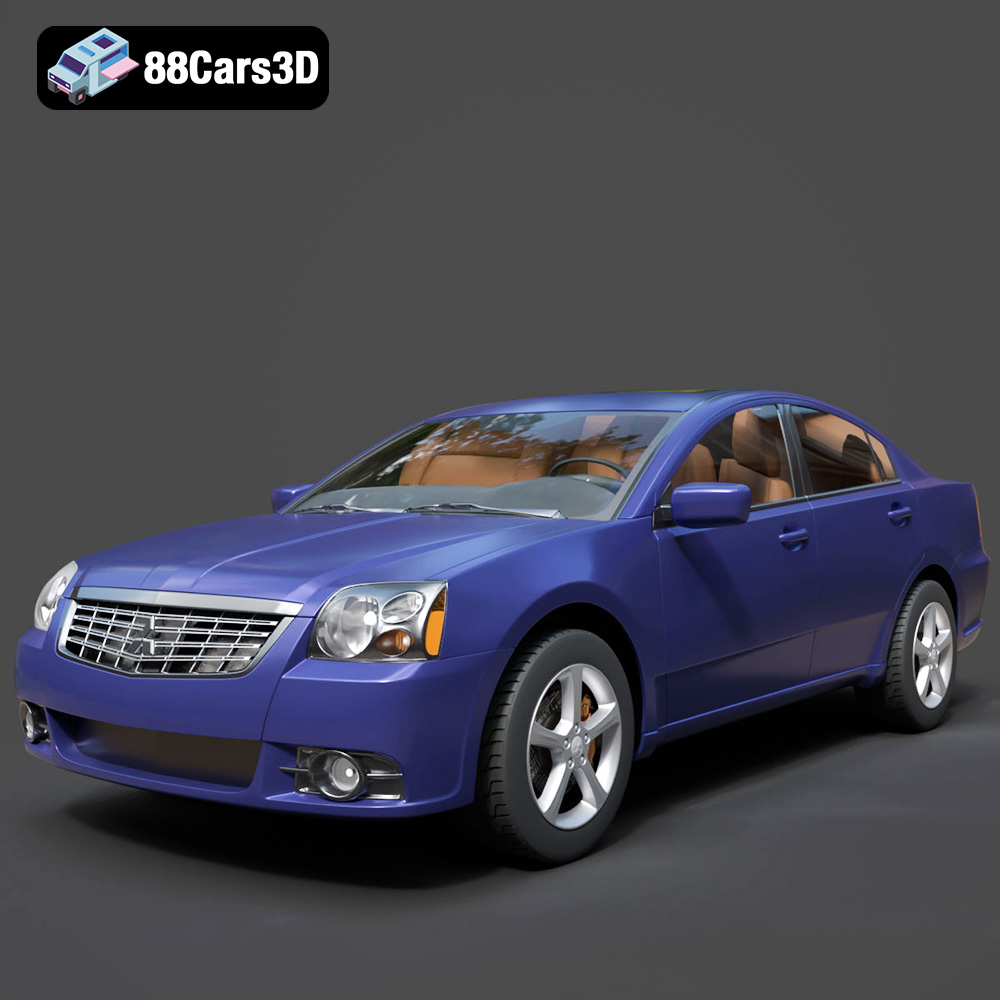
Texture: Yes
Material: Yes
Download the Mitsubishi Galant 2009 3D Model featuring clean geometry, realistic detailing, and a fully modeled interior. Includes .blend, .fbx, .obj, .glb, .stl, .ply, .unreal, and .max formats for rendering, simulation, and game development.
Price: $4.99
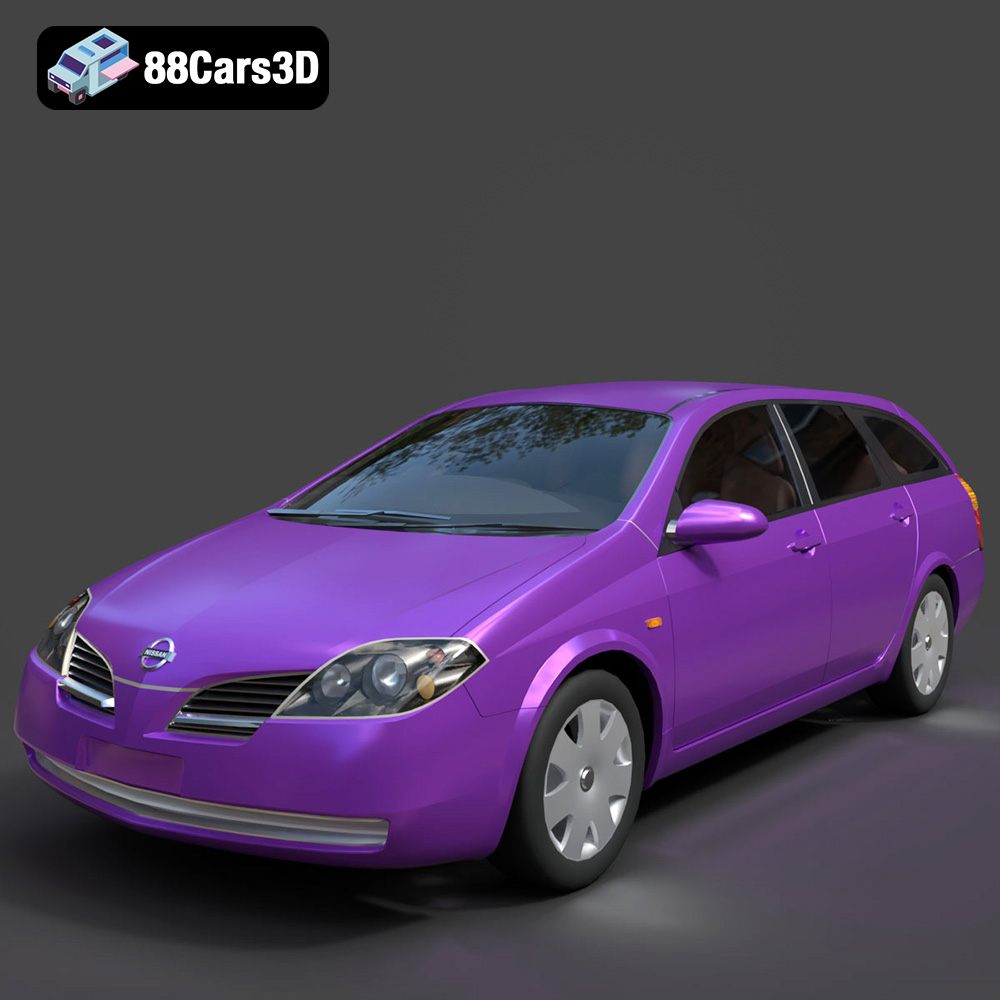
Texture: Yes
Material: Yes
Download the Nissan Primera Wagon 3D Model featuring clean geometry, realistic detailing, and a fully modeled interior. Includes .blend, .fbx, .obj, .glb, .stl, .ply, .unreal, and .max formats for rendering, simulation, and game development.
Price: $4.99
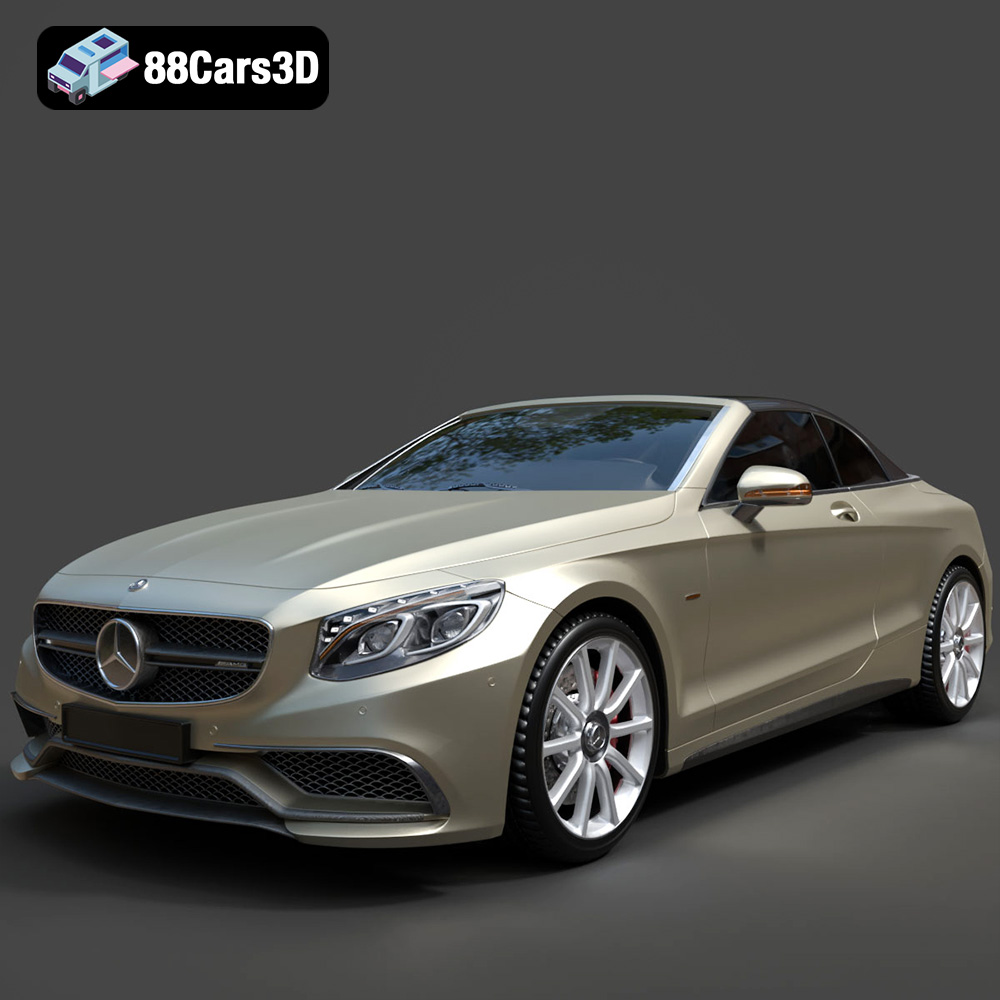
Texture: Yes
Material: Yes
Download the Mercedes-Benz S63 AMG Cabriolet 2017 3D Model featuring clean geometry, realistic detailing, and a fully modeled interior. Includes .blend, .fbx, .obj, .glb, .stl, .ply, .unreal, and .max formats for rendering, simulation, and game development.
Price: $20.99
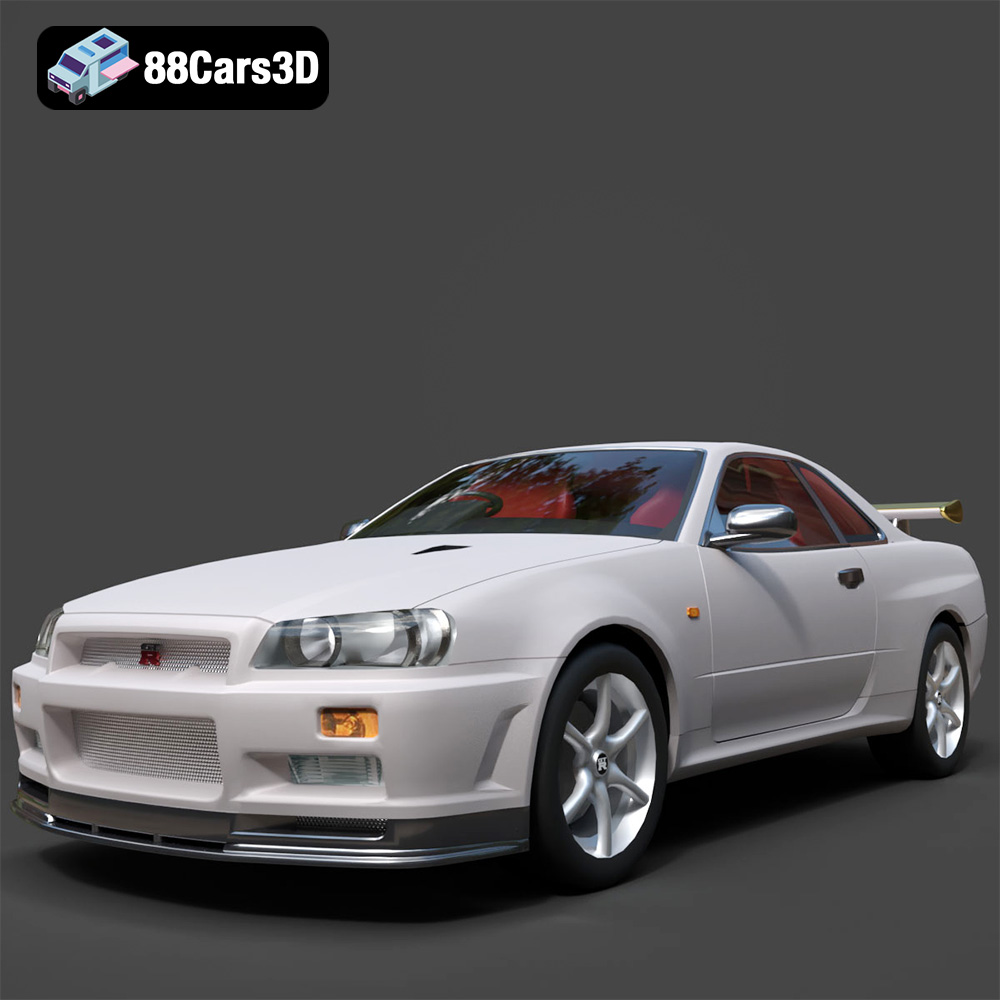
Texture: Yes
Material: Yes
Download the Nissan Skyline R34 2002 3D Model featuring clean geometry, realistic detailing, and a fully modeled interior. Includes .blend, .fbx, .obj, .glb, .stl, .ply, .unreal, and .max formats for rendering, simulation, and game development.
Price: $4.99
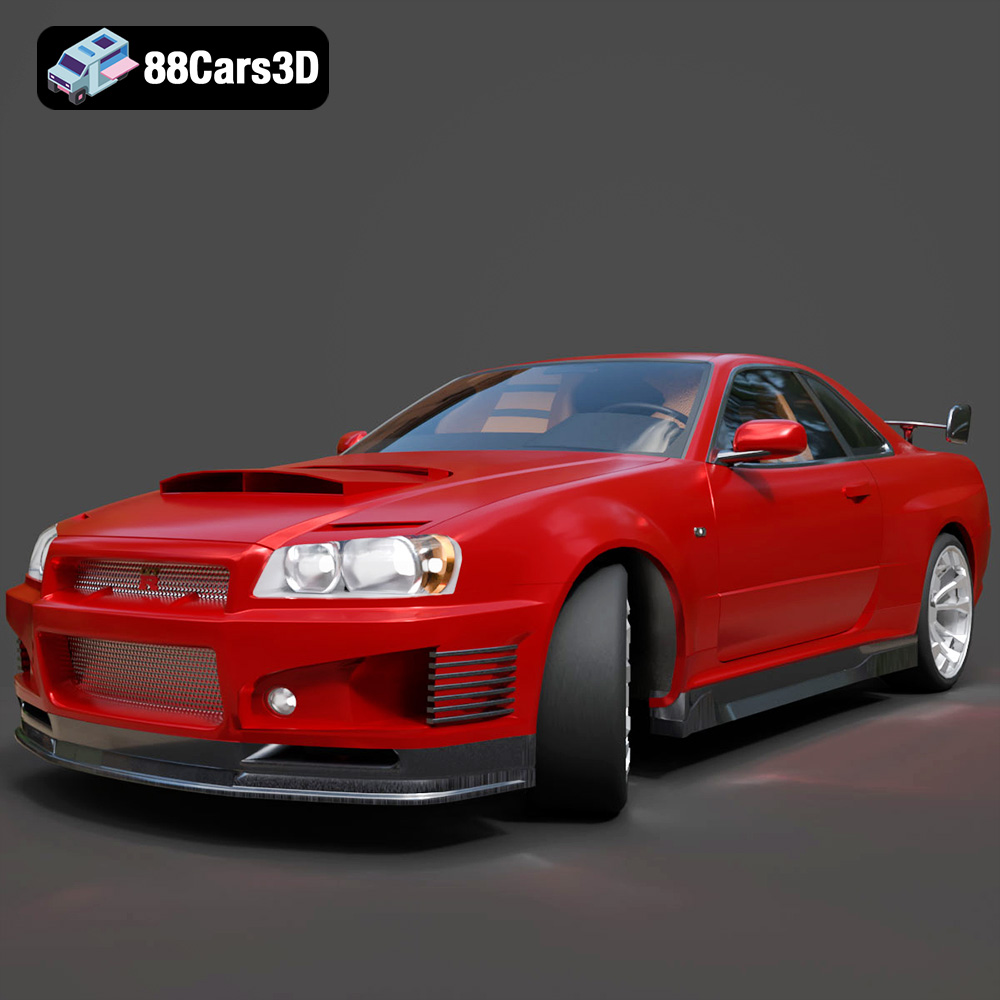
Texture: Yes
Material: Yes
Download the Nissan Skyline 3D Model featuring clean geometry, realistic detailing, and a fully modeled interior. Includes .blend, .fbx, .obj, .glb, .stl, .ply, .unreal, and .max formats for rendering, simulation, and game development.
Price: $9.99
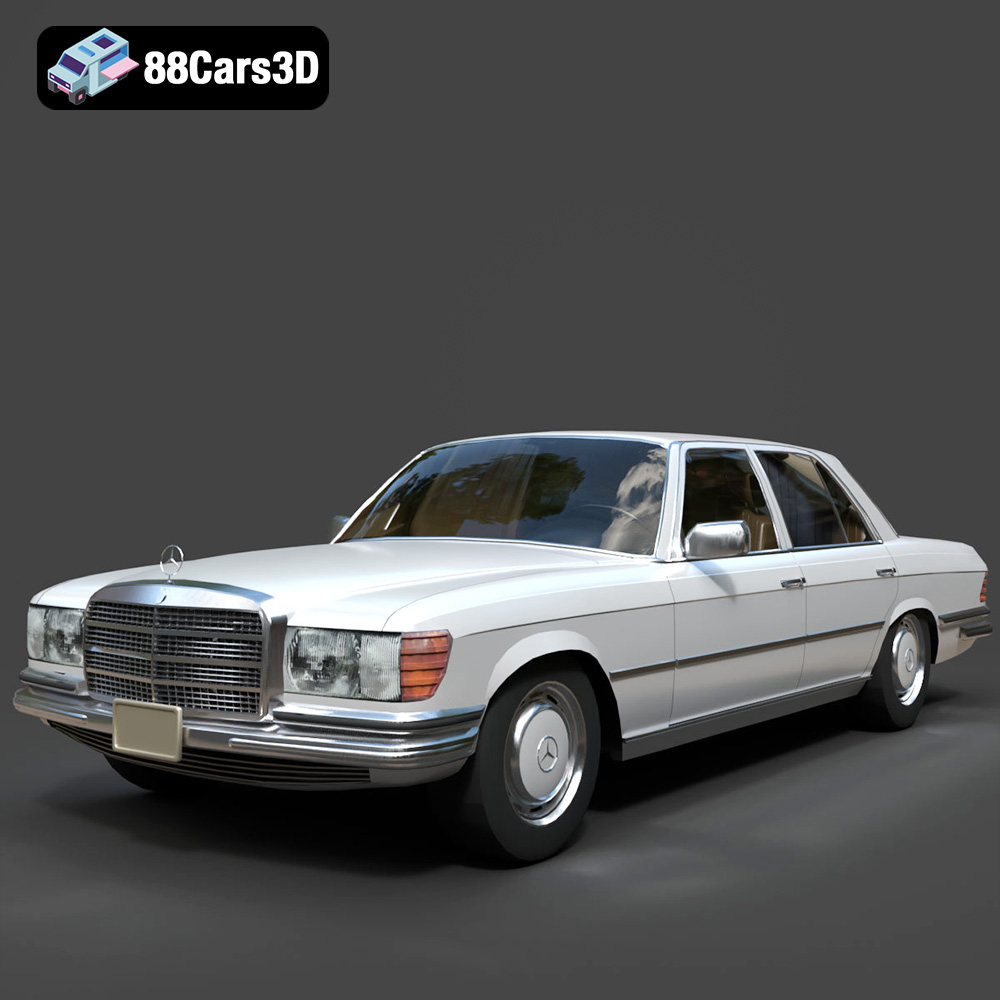
Texture: Yes
Material: Yes
Download the Mercedes-Benz S-Klasse W116 3D Model featuring clean geometry, realistic detailing, and a fully modeled interior. Includes .blend, .fbx, .obj, .glb, .stl, .ply, .unreal, and .max formats for rendering, simulation, and game development.
Price: $4.99
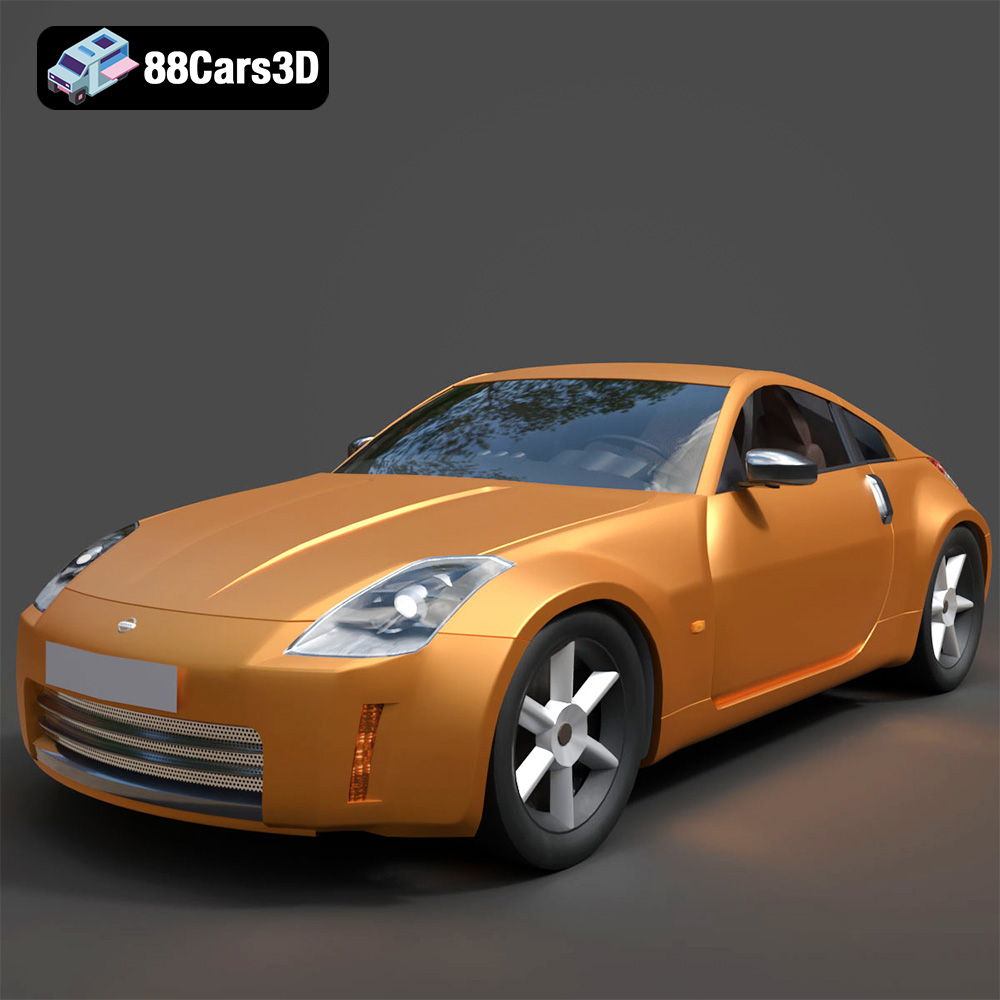
Texture: Yes
Material: Yes
Download the Nissan 350Z 3D Model featuring clean geometry, realistic detailing, and a fully modeled interior. Includes .blend, .fbx, .obj, .glb, .stl, .ply, .unreal, and .max formats for rendering, simulation, and game development.
Price: $4.99

Texture: Yes
Material: Yes
Download the Nissan Skyline V35 2001 3D Model featuring clean geometry, realistic detailing, and a fully modeled interior. Includes .blend, .fbx, .obj, .glb, .stl, .ply, .unreal, and .max formats for rendering, simulation, and game development.
Price: $4.99

Texture: Yes
Material: Yes
Download the Mercedes-Benz S-Klasse 221-007 3D Model featuring clean geometry, realistic detailing, and a fully modeled interior. Includes .blend, .fbx, .obj, .glb, .stl, .ply, .unreal, and .max formats for rendering, simulation, and game development.
Price: $4.99
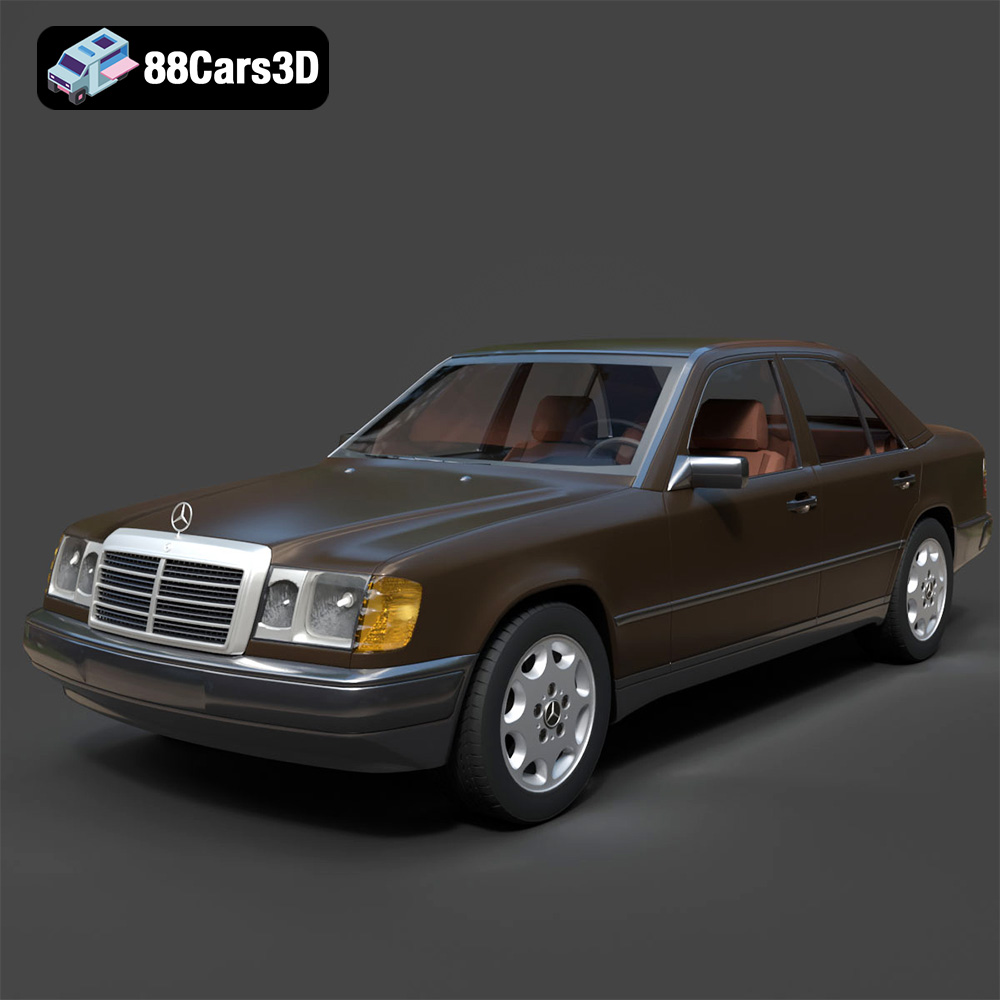
Texture: Yes
Material: Yes
Download the Mercedes W124 Sedan 3D Model featuring clean geometry, realistic detailing, and a fully modeled interior. Includes .blend, .fbx, .obj, .glb, .stl, .ply, .unreal, and .max formats for rendering, simulation, and game development.
Price: $4.99

