⚡ FLASH SALE: Get 60% OFF All Premium 3D & STL Models! ⚡

The world of 3D automotive visualization is a fascinating blend of art and engineering, where precision and aesthetics converge to create breathtaking digital experiences. From high-fidelity marketing renders to immersive virtual reality simulations and interactive game environments, 3D car models are indispensable assets across numerous industries. Crafting these models to meet the stringent demands of modern production pipelines requires a deep understanding of intricate technical workflows, spanning from meticulous topology creation to sophisticated rendering techniques and robust optimization strategies.
This comprehensive guide delves into the advanced methodologies and industry best practices essential for mastering 3D car models. We’ll explore the foundational principles of clean topology, demystify the art of UV mapping, unpack the science behind physically based rendering (PBR) materials, and dissect the complexities of achieving photorealistic renders. Furthermore, we’ll navigate the critical considerations for optimizing assets for real-time applications like games and AR/VR, and even touch upon preparing models for physical fabrication through 3D printing. Whether you’re a seasoned 3D artist, a game developer, an automotive designer, or a student aiming to elevate your skills, this article will equip you with the knowledge to push the boundaries of your automotive projects.
The journey to a truly stunning 3D car model begins with its underlying mesh: the topology. For automotive subjects, particularly those with highly reflective surfaces, impeccable topology is not merely a nicety—it’s a fundamental requirement. Clean, well-structured geometry is critical for ensuring smooth subdivision, accurate reflections, and efficient deformation. It directly impacts how light interacts with the surface, how textures are applied, and how the model performs in various applications. A robust topology also simplifies future modifications and UV unwrapping, making it a cornerstone of any professional 3D workflow.
Modern automotive modeling typically involves a hybrid approach, often starting with NURBS (Non-uniform Rational B-spline) or CAD data for precision and then converting to a polygonal mesh for detailing and rendering. Alternatively, artists might use box modeling or polygon-by-polygon techniques in software like 3ds Max, Maya, or Blender, meticulously building the surface piece by piece. The goal is always a mesh composed predominantly of quads (four-sided polygons), as these provide the most predictable and smooth results when subdivided. Triangles and N-gons (polygons with more than four sides) should be used sparingly and strategically, typically in flat, non-deforming areas where they won’t introduce pinching or artifacting upon subdivision. This meticulous approach ensures that even the most complex curves and details of a vehicle are represented with photographic accuracy.
Edge flow refers to the direction and distribution of polygon edges, and for automotive models, it’s paramount. Good edge flow ensures that surface curvature is accurately captured, especially on highly reflective panels that accentuate every subtle bump or deviation. Edges should follow the natural contours and design lines of the car, guiding the eye and allowing subdivision algorithms to smoothly interpolate the surface. For instance, around wheel arches, headlights, or door seams, edge loops should tightly follow these features to maintain sharp creases while allowing surrounding areas to remain smooth.
When working in software like Blender or 3ds Max, tools like “Loop Cut” or “Connect Edges” are invaluable for creating and manipulating edge loops. Artists spend a significant amount of time pushing and pulling vertices, ensuring even spacing between edges, especially in areas of high curvature. Uneven edge distribution can lead to “pinching” or undesirable artifacts when subdivision surface modifiers (like TurboSmooth in 3ds Max or Subdivision Surface in Blender) are applied. Avoiding poles (vertices where more than five edges meet) on critical, highly reflective surfaces is also crucial, as they can cause visual distortions in reflections. Strategic placement of these poles in flatter, less visible areas can mitigate potential issues, maintaining the flawless appearance crucial for high-end automotive rendering.
Balancing visual fidelity with performance is a constant challenge in 3D modeling. A high-resolution 3D car model intended for marketing renders might comfortably sit at several million polygons, leveraging subdivision surfaces to achieve pristine smoothness. However, the same model is entirely unsuitable for a real-time application like a video game or an AR/VR experience. Here, a strict polygon count budget is imposed, often requiring models to be tens or hundreds of thousands of polygons, depending on the platform and desired frame rate.
Optimization isn’t just about reducing polygons; it’s about intelligent reduction. Techniques include removing hidden geometry (e.g., engine parts never seen), merging separate meshes, and strategically reducing edge loops in flatter areas while maintaining density where curvature is critical. For game development, this often involves creating multiple Levels of Detail (LODs), which are progressively simpler versions of the model that are swapped in based on the camera’s distance. For instance, an extreme close-up might use a 500,000-poly model, while a distant view uses a 15,000-poly version. Artists use tools like ZRemesher in ZBrush, or the retopology tools in Blender and Maya, to create cleaner, lower-poly versions of high-resolution sculpts, effectively optimizing the asset for a broader range of applications without completely sacrificing its initial detail. When sourcing models from marketplaces such as 88cars3d.com, artists can often find models pre-optimized with various LODs and clean topology, saving significant production time.
Once the geometry of a 3D car model is meticulously crafted, the next crucial step is giving it surface properties – color, reflectivity, texture, and an overall sense of realism. This is where UV mapping and PBR materials come into play. UV mapping is the process of unfolding the 3D mesh into a 2D space, allowing 2D textures to be accurately applied to the model’s surface. Without proper UVs, textures would stretch, warp, or appear incorrectly. PBR materials, on the other hand, are a modern shading paradigm designed to accurately simulate how light interacts with real-world surfaces, producing highly consistent and photorealistic results under various lighting conditions, a critical aspect for believable automotive rendering.
The combination of well-executed UVs and carefully crafted PBR materials elevates a digital car from a mere wireframe to a tangible, believable object. It allows artists to convey the subtle nuances of paint finishes, the ruggedness of tires, the gleam of chrome, and the texture of interior fabrics. This stage is where the vehicle truly begins to acquire its character and visual appeal, transitioning from a sculpt to a render-ready asset that can evoke emotion and immerse viewers. Understanding the intricacies of both these processes is vital for any professional aiming for top-tier visualization.
UV mapping a car model is a complex task due to the intricate shapes and varying surface types. The goal is to create a set of UV coordinates that minimizes stretching, utilizes texture space efficiently, and places seams in inconspicuous locations. For large, continuous surfaces like body panels, planar or cylindrical mapping followed by careful relaxation is often employed. Headlights, being complex multi-faceted objects, might require a combination of spherical and manual unwrapping. Tires, with their circular tread patterns, often use cylindrical mapping for the sidewalls and planar mapping for the treads, carefully stitched together.
Software like 3ds Max (with its Unwrap UVW modifier), Blender (with its UV Editor), or dedicated UV tools like RizomUV offer powerful functionalities for this. Artists typically divide the car into logical UV islands (e.g., hood, door, fender, wheel, interior components). Overlapping UVs should be avoided unless explicitly desired for symmetrical parts sharing the same texture space (e.g., left and right headlights, if they are identical). For high-resolution textures, ensuring that critical areas like the main body panels have ample texture density is crucial. This might involve assigning different texture resolutions to different UV islands or utilizing multiple UV sets for very specific details like decals or dirt maps. Clean UVs are fundamental for professional texturing workflows in applications like Substance Painter.
PBR materials rely on a set of maps to define a surface’s properties, fundamentally changing how artists approach texturing compared to traditional diffuse/specular workflows. The core maps for a typical automotive PBR setup include:
For automotive paint, a common PBR setup involves a metallic base layer combined with a clear coat. This clear coat can be implemented as a separate PBR layer, allowing for realistic depth and reflections. In render engines like Corona Renderer, V-Ray, Cycles (Blender), or Arnold, these maps are plugged into a sophisticated shader network. Artists often use tools like Substance Painter or Quixel Mixer to author these textures, employing layers of procedural generators, hand painting, and smart materials to create everything from pristine factory finishes to weathered, road-worn surfaces. Attention to detail, such as subtle orange peel effect on paint, micro-scratches, dust accumulation, and realistic tire wear, is what elevates a good render to an outstanding one, truly immersing the viewer in the scene.
With a perfectly modeled and textured 3D car model, the final stage in achieving breathtaking visuals is the rendering process. This is where light, materials, and camera settings converge to produce a photorealistic image or animation. Automotive rendering is particularly challenging because cars are designed to interact with light in complex ways—their highly reflective surfaces, intricate curves, and varying material properties demand precise illumination and meticulous attention to detail. The choice of render engine, the strategic placement of lights, the composition of the scene, and the final touches in post-processing all play critical roles in crafting an image that looks indistinguishable from a photograph.
The goal is not just to make the car look good, but to tell a story, to evoke a mood, and to highlight the design features in the most flattering way possible. This involves mastering advanced lighting setups, understanding how different environments affect reflections and shadows, and leveraging the full capabilities of modern renderers. Furthermore, knowing how to optimize render settings and effectively use render elements for compositing can significantly enhance both the quality and efficiency of the final output. This stage truly brings all previous efforts together into a cohesive and impactful visual presentation, making it one of the most exciting parts of the 3D workflow.
Effective lighting is the single most important factor in achieving photorealistic automotive rendering. For cars, High Dynamic Range Images (HDRIs) are often the starting point. An HDRI captures a full spherical view of a real-world environment, including its lighting information, and can be used to illuminate a 3D scene. This provides incredibly realistic global illumination, reflections, and ambient light, making the car appear naturally integrated into its surroundings. In 3ds Max with Corona Renderer or V-Ray, or in Blender with Cycles, an HDRI is typically loaded into an environment map slot, often accompanied by a dedicated dome light or sky texture. Fine-tuning the HDRI’s rotation and intensity is crucial to achieve the desired look and reflections on the car’s body panels.
Beyond HDRIs, supplementary physical lights (area lights, spot lights, directional lights) are used to emphasize specific features, create dramatic shadows, or add artistic flair. A common studio lighting setup for cars often employs a “three-point lighting” system (key light, fill light, back/rim light), augmented by large softbox-like area lights positioned to create long, elegant reflections along the car’s body lines. Ground planes, backdrops, and other objects in the scene also contribute to global illumination and reflections, so their material properties must be considered carefully. The interaction of light with the car’s materials, especially its metallic paint and glass, needs to be meticulously observed and adjusted to ensure believable visual results. A well-lit scene can transform a good model into a captivating masterpiece.
Modern render engines offer a plethora of settings that can be tweaked to optimize quality and speed. Parameters like sampling rates, ray depth, global illumination bounces, and denoiser settings all impact the final image. For high-quality, noise-free renders, it’s often necessary to increase sampling values significantly, especially for reflective and refractive materials. Denoisers, integrated into engines like Corona, V-Ray, and Cycles, can dramatically reduce render times by intelligently cleaning up noise, allowing artists to achieve clean results with fewer samples than traditionally required. Understanding the trade-offs between speed and quality is essential for efficient production.
Post-processing and compositing are also vital stages. Instead of rendering a single final image, professionals often render various “render elements” or “render passes” (e.g., reflections, refractions, direct light, indirect light, ambient occlusion, Z-depth, object IDs). These individual layers provide immense flexibility in a 2D image editing software like Photoshop or Affinity Photo. Compositing allows artists to non-destructively adjust specific aspects of the image:
This granular control in post-processing ensures that the final image has maximum impact and polish, pushing the visual fidelity to professional standards, often seen in high-end automotive advertisements and marketing materials.
The transition of a high-fidelity 3D car model from an offline renderer to a real-time game engine presents a unique set of challenges and requirements. While photorealism is the ultimate goal in both scenarios, the constraints of interactive applications necessitate a fundamentally different approach to asset creation and optimization. Game engines like Unity and Unreal Engine must render millions of polygons and complex shaders multiple times per second, demanding extreme efficiency from every asset. An unoptimized car model can cripple frame rates, leading to a poor user experience. Therefore, mastering game optimization techniques is crucial for anyone developing interactive automotive experiences, from racing games to virtual showrooms.
Optimization is not merely about reducing polygon count; it encompasses a holistic strategy involving careful mesh management, intelligent use of textures, and efficient material setups. Every decision, from the number of unique materials to the way meshes are structured, directly impacts performance. A truly game-ready 3D car model strikes a delicate balance between visual quality and computational cost, ensuring smooth performance across a range of hardware while maintaining aesthetic appeal. This section explores the key strategies to achieve that balance, transforming render-ready assets into high-performance game assets.
Level of Detail (LOD) is an indispensable technique for optimizing complex 3D car models in real-time environments. The core concept is to create multiple versions of the same model, each with a progressively lower polygon count and simpler textures. These LODs are then swapped in and out dynamically based on the camera’s distance from the object. When the car is close to the camera, the highest detail (LOD0) model is rendered. As it moves further away, lower detail versions (LOD1, LOD2, etc.) are used, reducing the computational load on the GPU without a noticeable loss of visual quality to the player.
A typical LOD setup for a car might look like this:
Creating these LODs involves manual retopology, decimation tools, or automated LOD generation within game engines like Unity and Unreal Engine. While automatic tools can provide a good starting point, manual cleanup and optimization often yield superior results, especially for critical assets like player-controlled vehicles. Ensuring consistent UVs across LODs is also important if you plan to share the same texture sets, though lower LODs might use simpler texture atlases.
Beyond polygon count, a critical performance bottleneck in game engines is the number of draw calls. Each time the CPU tells the GPU to render a batch of triangles with a specific material and texture, it constitutes a draw call. A single car model might have dozens of different materials (body paint, glass, tires, headlights, interior elements), each incurring its own draw call. Minimizing draw calls is paramount for smooth performance, especially in scenes with many vehicles or complex environments.
Texture atlasing is a primary technique to reduce draw calls. Instead of having many small textures for different parts of the car, multiple textures are packed into one larger “atlas” texture. All UV islands for these parts are then re-mapped to point to the correct region within the atlas. This allows multiple materials to be combined into a single material, as they all reference the same texture atlas. For example, all interior fabric, plastic, and leather textures could be combined into one interior atlas, and their respective materials merged. The benefits are significant:
This process often involves baking multiple material properties (color, normal, roughness) into a single set of PBR textures for the atlas. For example, a single material might handle body, trim, and glass, using an atlas that contains all the necessary texture data for these elements. Tools like Substance Painter and integrated solutions in Unity and Unreal Engine provide robust workflows for generating texture atlases and merging materials. This meticulous approach to asset management ensures that your high-quality 3D car models perform optimally, even in the most demanding interactive scenarios.
The utility of high-quality 3D car models extends far beyond traditional rendering and game development. The burgeoning fields of Augmented Reality (AR) and Virtual Reality (VR) offer new frontiers for immersive experiences, from interactive product showcases to virtual test drives. Simultaneously, the advancements in 3D printing technology have opened doors for converting digital designs into tangible physical objects, empowering rapid prototyping and collectible creation. Each of these applications—AR/VR, 3D printing, and general visualization—comes with its own unique set of technical requirements and optimization strategies, demanding specialized preparation of the 3D assets.
Understanding these specific demands is crucial for anyone looking to leverage 3D car models across a diverse spectrum of media. Whether the goal is to visualize a new concept car in a client meeting, enable a virtual showroom tour, or produce a physical miniature replica, the foundational 3D model needs to be adapted accordingly. This involves careful consideration of polygon budgets, specific file formats, material conversion, and ensuring mesh integrity. By mastering these adaptations, artists and developers can unlock the full potential of their digital automotive assets, expanding their reach and impact in a rapidly evolving technological landscape.
AR/VR optimization takes game optimization principles to an even stricter level. The paramount concern in AR/VR is maintaining an extremely stable and high frame rate (typically 90 frames per second per eye for VR, to prevent motion sickness). This means polygon count budgets are often even tighter, and shader complexity must be rigorously controlled. For AR applications on mobile devices, the computational power is significantly less than a high-end gaming PC, so assets must be highly efficient.
Key optimization strategies for AR/VR include:
Achieving compelling visuals within these constraints requires careful artistic judgment and technical prowess, ensuring the immersive quality is not sacrificed for performance.
Converting a digital 3D car model into a physical object via 3D printing involves a completely different set of technical considerations. While render models prioritize visual fidelity, 3D print models must prioritize physical integrity. The primary requirement is a watertight mesh—a perfectly closed, manifold geometry with no holes, inverted normals, or self-intersecting polygons. Any openings or errors in the mesh will prevent the slicing software from accurately generating print instructions, leading to failed prints.
Key preparation steps for 3D printing:
For complex car models, it might be necessary to hollow out interiors to save material or split the model into multiple parts that can be printed separately and then assembled, especially for larger or more intricate designs. This meticulous preparation ensures a successful transition from the digital realm to a tangible collectible or prototype.
In the diverse ecosystem of 3D production, understanding and managing various file formats is critical for ensuring compatibility, preserving data integrity, and facilitating collaboration across different software and platforms. A high-quality 3D car model might need to traverse multiple applications, from its initial creation in 3ds Max or Maya, to texturing in Substance Painter, rendering in Corona, and eventual deployment in Unity or an AR experience. Each step requires careful consideration of the appropriate export/import format.
Common file formats and their uses:
When converting between formats, it’s crucial to check for data loss, especially concerning materials, UVs, and smoothing groups. Some formats are better at preserving certain types of data than others. For professional projects, exporting different versions of a model specifically tailored for each target application (e.g., an FBX for Unity, a GLB for web AR, an STL for 3D printing) is a common best practice to ensure optimal performance and visual fidelity across all platforms. Marketplaces like 88cars3d.com strive to offer models in a variety of these essential formats to maximize their utility for diverse projects.
The journey of a 3D car model, from its initial polygonal construction to its final deployment in a render, game, or AR experience, is a testament to the intricate blend of artistic vision and technical mastery required in modern 3D production. We’ve explored the critical importance of clean topology and masterful edge flow for capturing the subtle nuances of automotive design, ensuring flawless reflections and efficient mesh performance. We’ve delved into the strategic art of UV mapping and the scientific principles behind creating realistic PBR materials, which bring surfaces to life with unparalleled detail.
Furthermore, we’ve navigated the sophisticated workflows of automotive rendering, mastering dynamic lighting and post-processing techniques to achieve breathtaking photorealism. For interactive applications, we dissected the essential strategies for game optimization, including meticulous LOD implementation and efficient texture management through texture atlasing to reduce draw calls. Finally, we expanded our horizons to specialized applications like AR/VR optimization and the precise preparation required for flawless 3D printing, alongside a crucial understanding of various file formats.
Each stage demands attention to detail, a solid understanding of software-specific techniques, and adherence to industry best practices. Mastering these workflows not only enhances the quality of your output but also streamlines your production pipeline, allowing you to tackle more ambitious projects with confidence. Whether you’re starting a new project or looking to enhance an existing one, explore the premium selection available at 88cars3d.com to kickstart your next masterpiece and apply these advanced techniques to truly make your 3D automotive visions a reality.
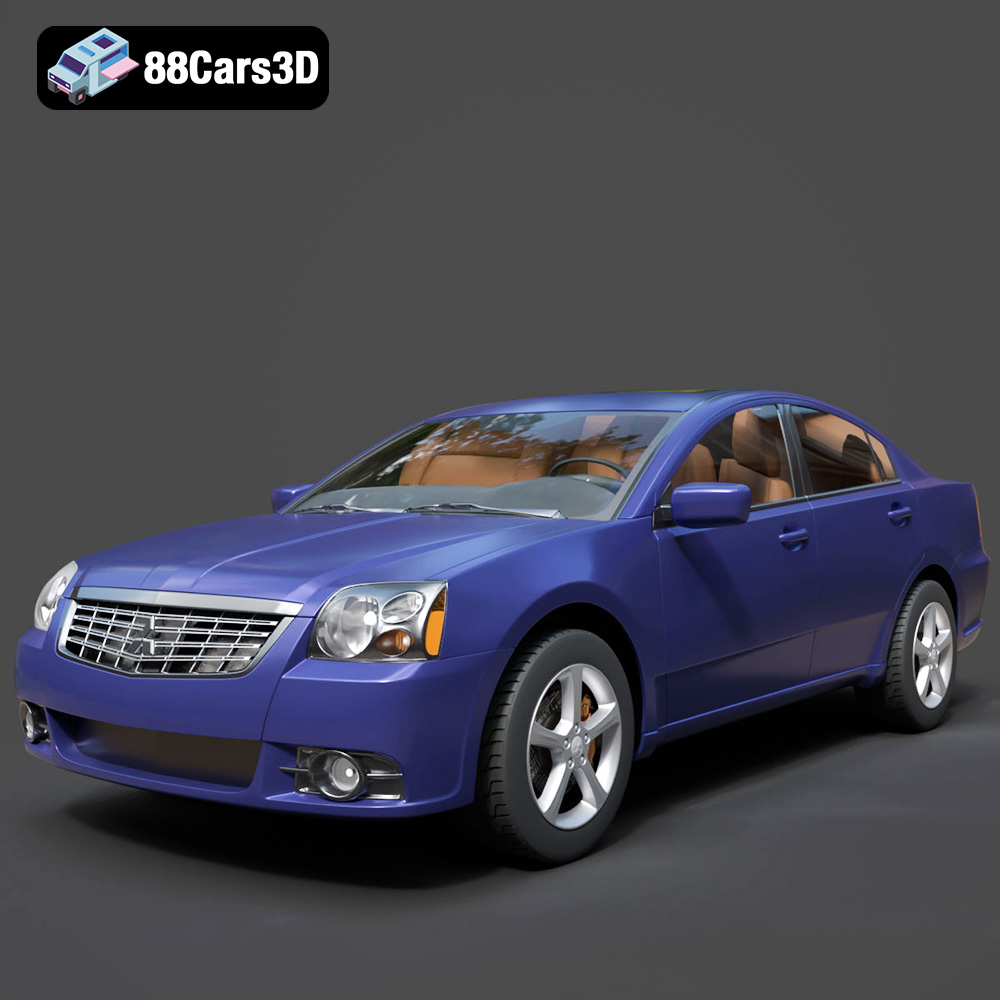
Texture: Yes
Material: Yes
Download the Mitsubishi Galant 2009 3D Model featuring clean geometry, realistic detailing, and a fully modeled interior. Includes .blend, .fbx, .obj, .glb, .stl, .ply, .unreal, and .max formats for rendering, simulation, and game development.
Price: $4.99
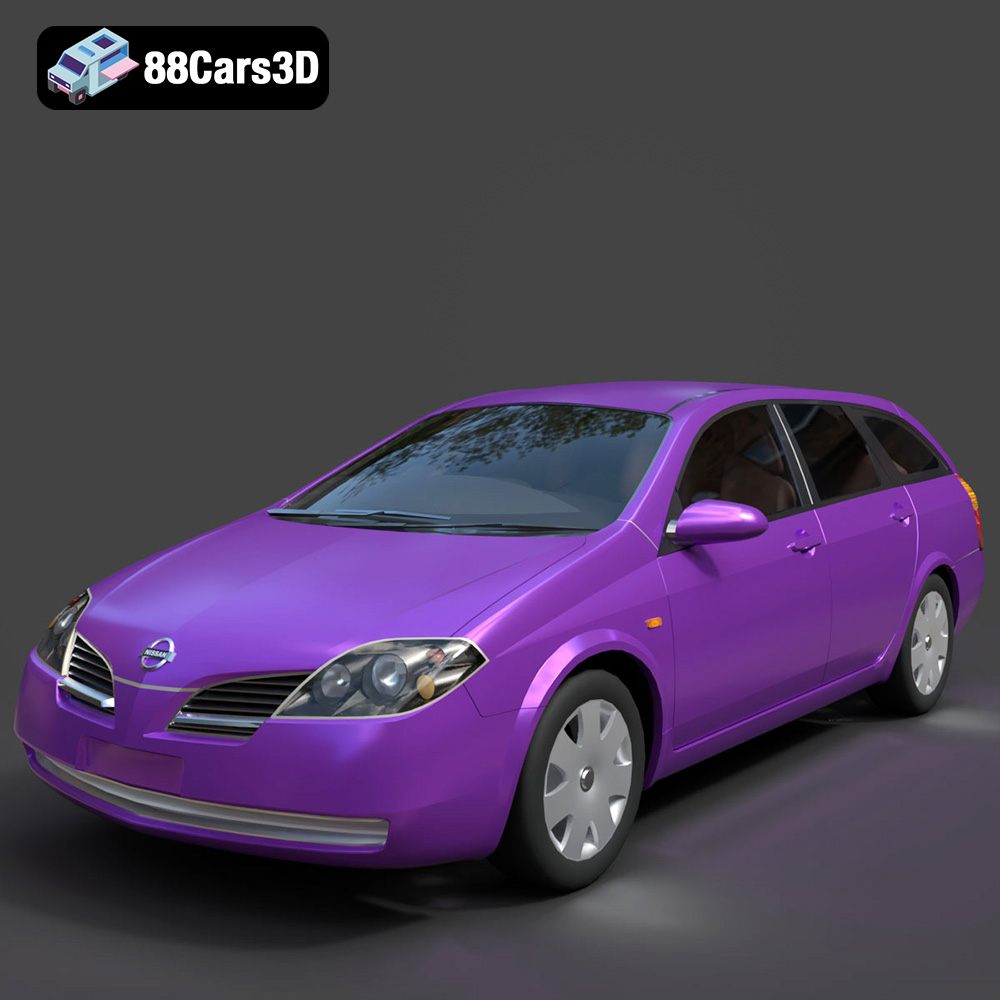
Texture: Yes
Material: Yes
Download the Nissan Primera Wagon 3D Model featuring clean geometry, realistic detailing, and a fully modeled interior. Includes .blend, .fbx, .obj, .glb, .stl, .ply, .unreal, and .max formats for rendering, simulation, and game development.
Price: $4.99
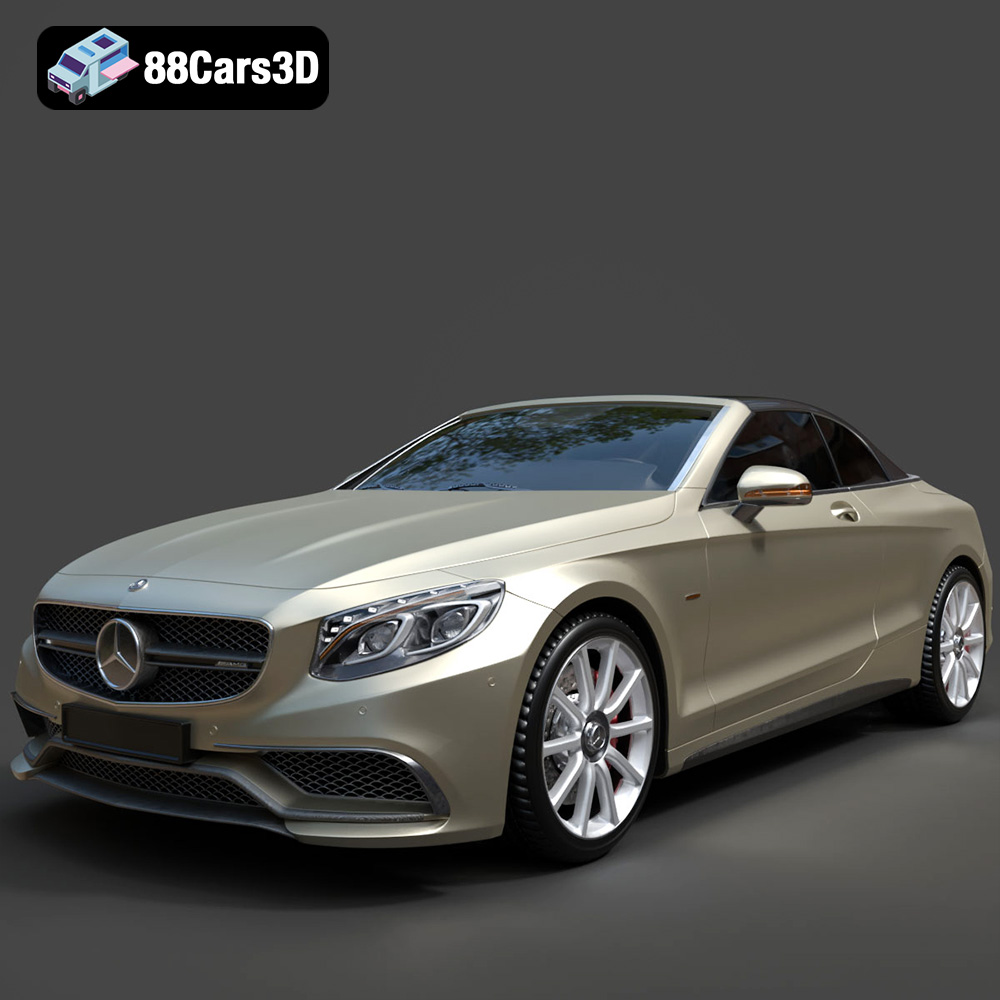
Texture: Yes
Material: Yes
Download the Mercedes-Benz S63 AMG Cabriolet 2017 3D Model featuring clean geometry, realistic detailing, and a fully modeled interior. Includes .blend, .fbx, .obj, .glb, .stl, .ply, .unreal, and .max formats for rendering, simulation, and game development.
Price: $20.99
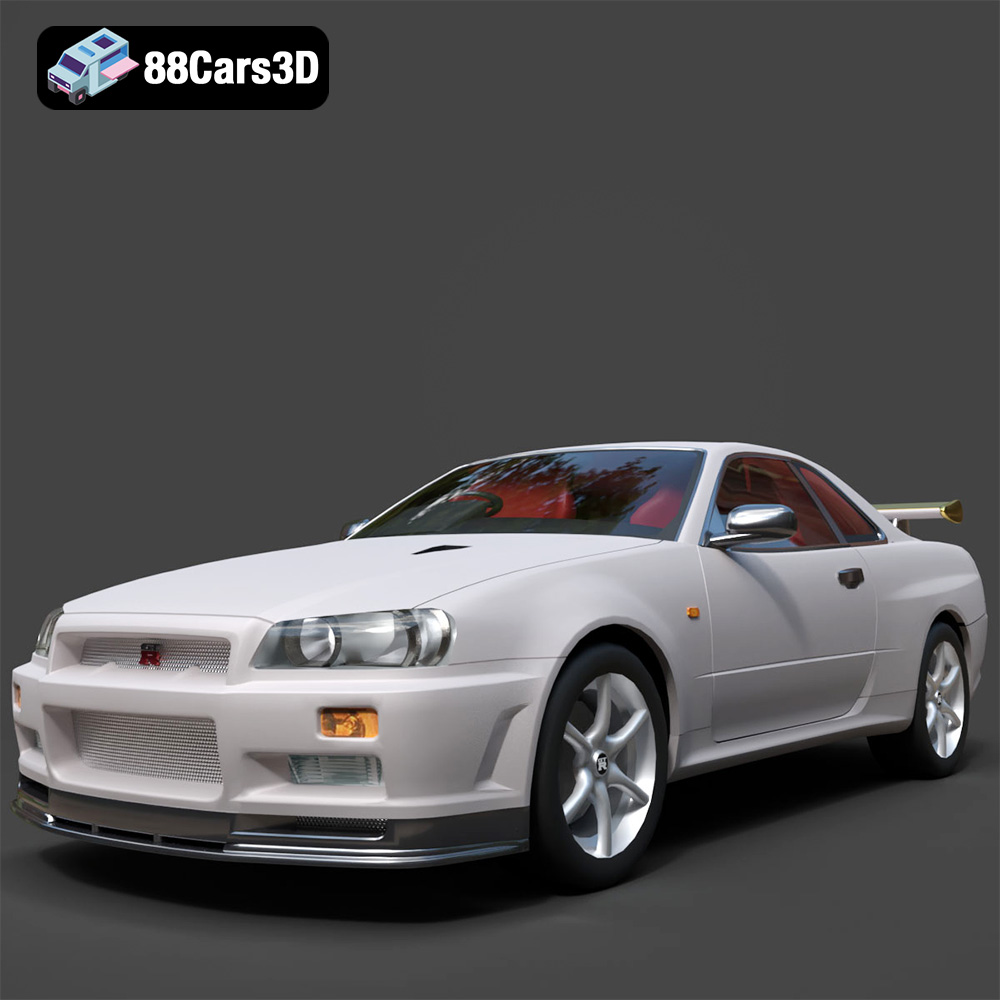
Texture: Yes
Material: Yes
Download the Nissan Skyline R34 2002 3D Model featuring clean geometry, realistic detailing, and a fully modeled interior. Includes .blend, .fbx, .obj, .glb, .stl, .ply, .unreal, and .max formats for rendering, simulation, and game development.
Price: $4.99
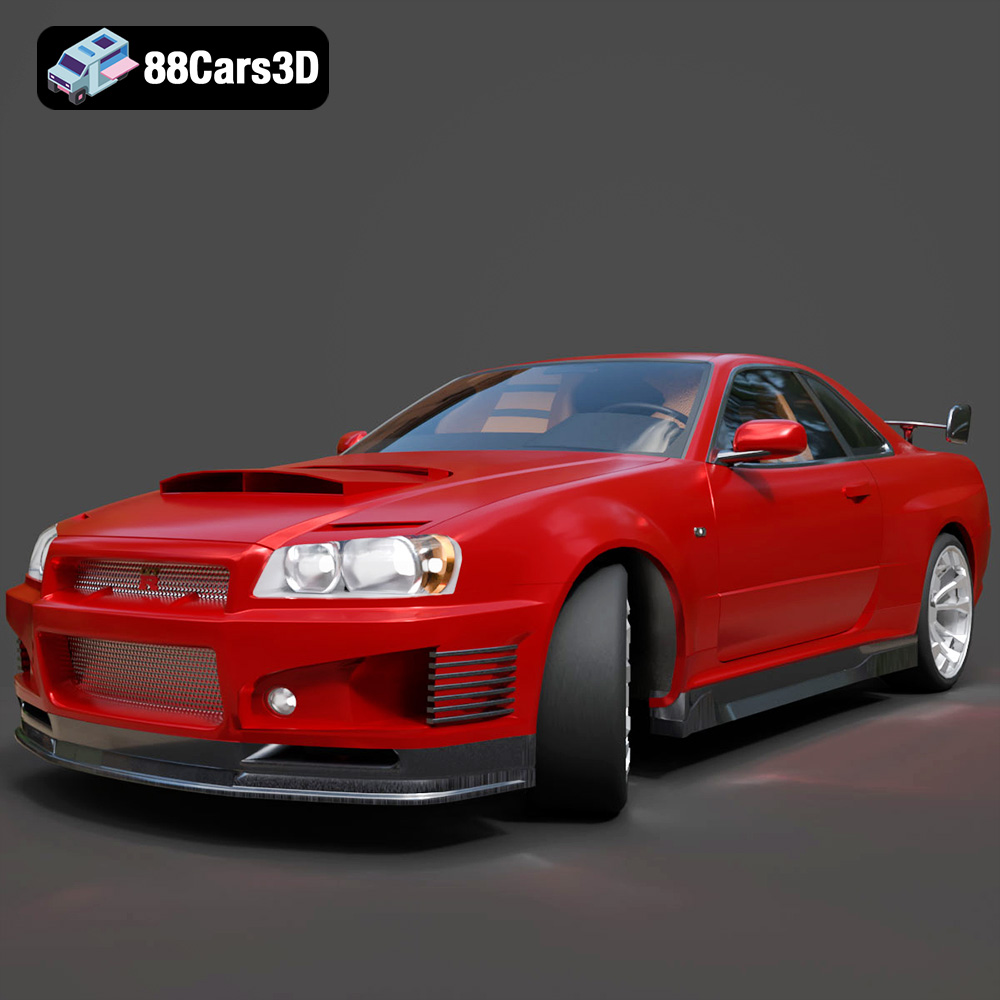
Texture: Yes
Material: Yes
Download the Nissan Skyline 3D Model featuring clean geometry, realistic detailing, and a fully modeled interior. Includes .blend, .fbx, .obj, .glb, .stl, .ply, .unreal, and .max formats for rendering, simulation, and game development.
Price: $9.99
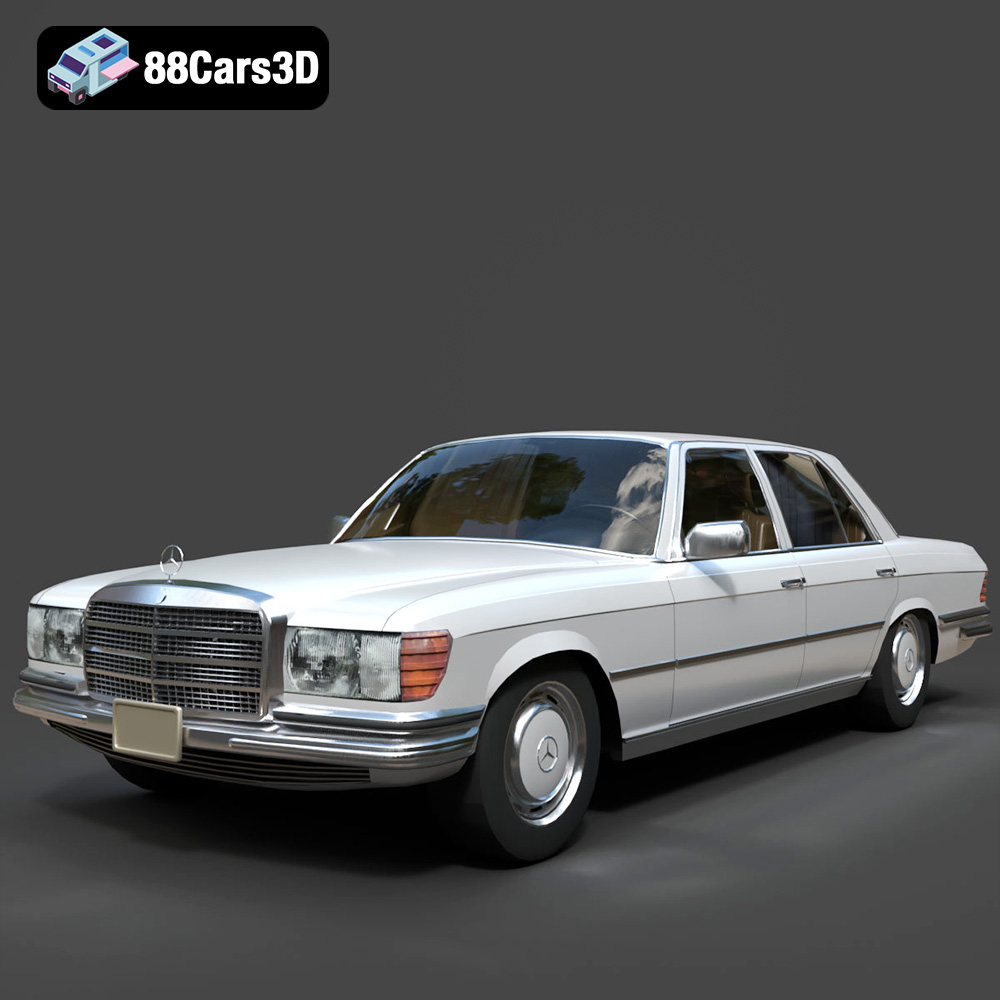
Texture: Yes
Material: Yes
Download the Mercedes-Benz S-Klasse W116 3D Model featuring clean geometry, realistic detailing, and a fully modeled interior. Includes .blend, .fbx, .obj, .glb, .stl, .ply, .unreal, and .max formats for rendering, simulation, and game development.
Price: $4.99
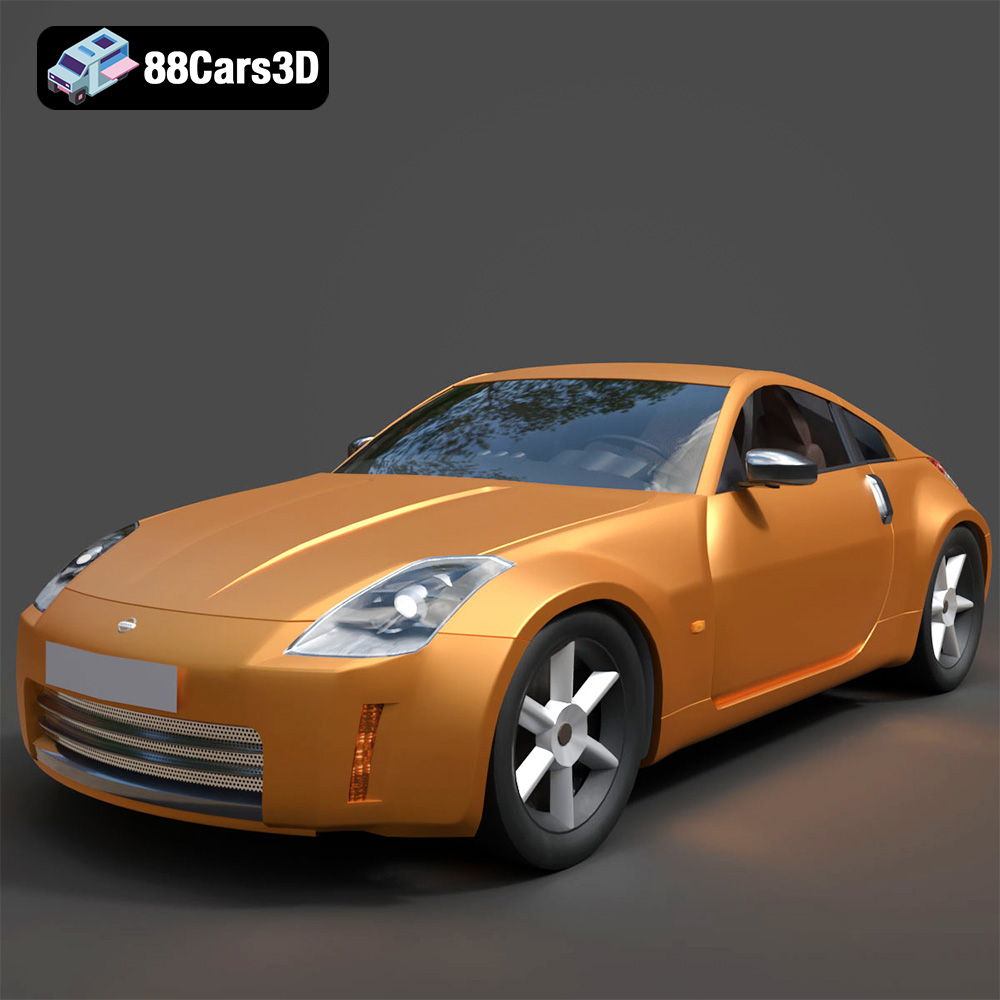
Texture: Yes
Material: Yes
Download the Nissan 350Z 3D Model featuring clean geometry, realistic detailing, and a fully modeled interior. Includes .blend, .fbx, .obj, .glb, .stl, .ply, .unreal, and .max formats for rendering, simulation, and game development.
Price: $4.99

Texture: Yes
Material: Yes
Download the Nissan Skyline V35 2001 3D Model featuring clean geometry, realistic detailing, and a fully modeled interior. Includes .blend, .fbx, .obj, .glb, .stl, .ply, .unreal, and .max formats for rendering, simulation, and game development.
Price: $4.99

Texture: Yes
Material: Yes
Download the Mercedes-Benz S-Klasse 221-007 3D Model featuring clean geometry, realistic detailing, and a fully modeled interior. Includes .blend, .fbx, .obj, .glb, .stl, .ply, .unreal, and .max formats for rendering, simulation, and game development.
Price: $4.99
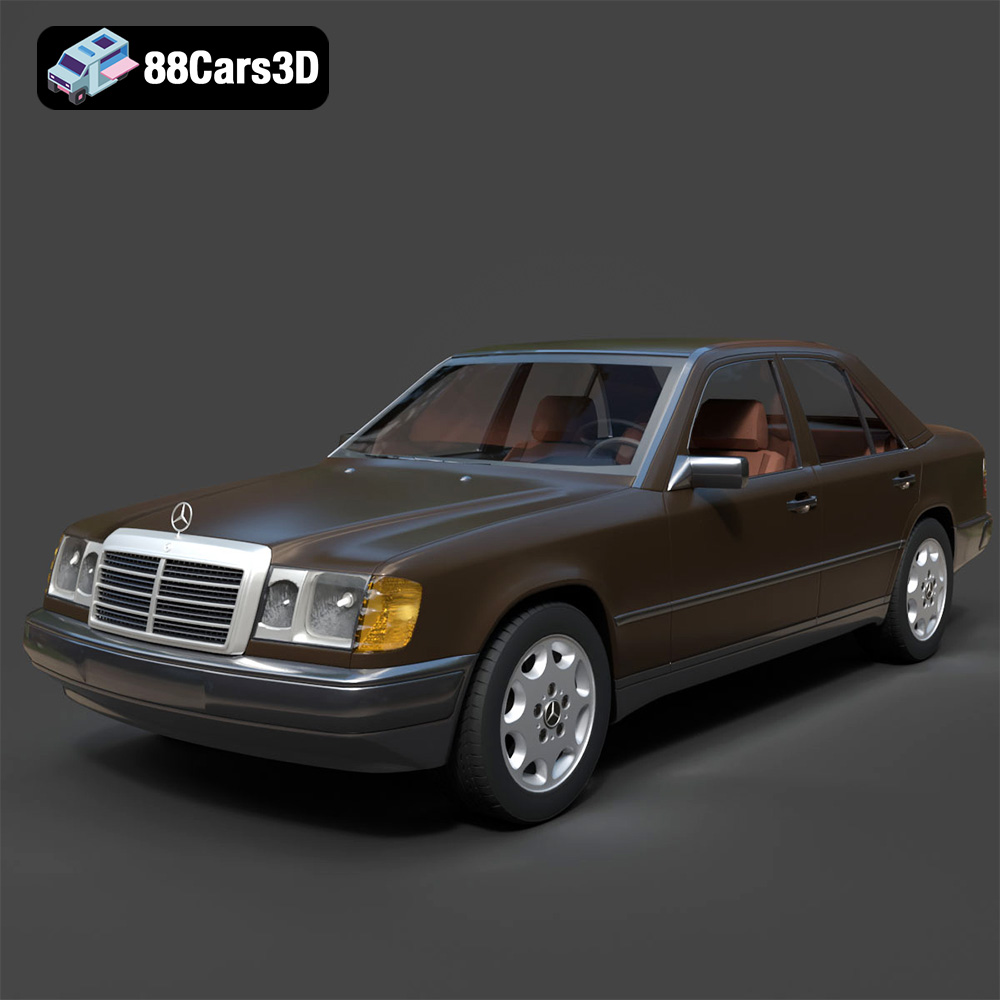
Texture: Yes
Material: Yes
Download the Mercedes W124 Sedan 3D Model featuring clean geometry, realistic detailing, and a fully modeled interior. Includes .blend, .fbx, .obj, .glb, .stl, .ply, .unreal, and .max formats for rendering, simulation, and game development.
Price: $4.99

