⚡ FLASH SALE: Get 60% OFF All Premium 3D & STL Models! ⚡

The sleek lines, the gleaming paint, the intricate details—few objects capture the human imagination quite like an automobile. In the world of 3D, recreating this allure requires not just artistic vision, but a deep understanding of technical precision. Whether you’re a seasoned 3D artist, an aspiring game developer, an automotive designer, or a visualization professional, mastering the intricacies of 3D car models is a gateway to stunning realism and engaging interactive experiences.
This comprehensive guide delves into the multifaceted journey of 3D car models, from their foundational topology to their final breath in cinematic renders, game engines, and even augmented reality. We’ll explore the critical workflows, technical specifications, and industry best practices that transform raw geometry into compelling digital vehicles. You’ll learn about advanced UV mapping, sophisticated PBR material creation, rendering optimization for various engines, and how to prepare your assets for diverse applications like 3D printing and AR/VR. By the end, you’ll possess a holistic understanding of what it takes to produce and leverage truly professional-grade 3D car models, just like the high-quality assets found on marketplaces such as 88cars3d.com.
At the heart of every exceptional 3D car model lies impeccable topology. For automotive assets, which are characterized by their smooth, reflective surfaces and precise engineering, the underlying mesh structure dictates everything from deformation quality to rendering accuracy. Unlike organic models, hard-surface car models demand meticulous attention to edge flow to prevent pinching, artifacts, and undesirable shading.
The cardinal rule for automotive 3D modeling is the ubiquitous use of quads (four-sided polygons). Quads provide predictable subdivision behavior, making them ideal for creating smooth, curved surfaces when combined with subdivision surface modifiers (like TurboSmooth in 3ds Max or Subdivision Surface in Blender). A typical high-resolution 3D car model intended for cinematic rendering might have a poly count ranging from 150,000 to 500,000 triangles, with many more polygons after subdivision. For real-time applications, these numbers are drastically reduced, often targeting 30,000 to 80,000 triangles for a primary vehicle in a game. Crucially, the edge flow should follow the natural contours and design lines of the car, defining panel gaps, creases, and curvature transitions. Supporting edges (also known as control loops or holding edges) are essential for maintaining sharp edges without introducing too many subdivisions across flat surfaces. These strategically placed edge loops control the sharpness of creases when a subdivision modifier is applied, ensuring that details like door seams and fender flares remain crisp yet smooth. Avoiding N-gons (polygons with more than four sides) and isolated triangles in critical areas is paramount, as they can cause unpredictable shading and issues during UV mapping or rigging.
Modern 3D modeling often employs non-destructive workflows, especially for complex objects like cars. This approach allows artists to make changes without permanently altering the base mesh, fostering flexibility and iteration. Subdivision surface modeling, where a low-polygon cage is smoothed at render time or upon export, is a prime example. For intricate details, such as vents, logos, or subtle body panel indentations, a combination of boolean operations followed by meticulous retopology can be incredibly effective. After creating sharp cutouts with booleans, a manual or semi-automatic retopology process ensures that the resulting mesh maintains clean quad topology. Alternatively, high-polygon sculpting in software like ZBrush or Blender’s sculpting mode can be used to add surface imperfections, subtle bumps, or even intricate grille patterns. These sculpted details are then “baked” down into normal maps, which are textures that simulate high-resolution geometry on a low-polygon model, making it suitable for game engines and other real-time applications while keeping the poly count manageable. This baking process captures fine surface details without adding actual geometry, preserving performance while enhancing visual fidelity.
Once the geometry is perfected, the next crucial step is to define how textures will wrap around the 3D car model. This involves UV mapping, followed by the creation of physically based rendering (PBR) materials, which are essential for achieving photorealistic surfaces in any modern rendering or game engine. The quality of your textures and materials significantly impacts the final realism, often more so than raw polygon count alone.
UV mapping is the process of unfolding the 3D mesh into a 2D space, allowing a 2D texture image to be applied accurately. For complex objects like cars, strategic seam placement is vital to minimize stretching, distortion, and visible breaks in textures. Ideal seams should follow natural panel lines, hidden edges, or areas where textures naturally separate, such as along the underside of a bumper or within a wheel well. Consistent texel density across all UV islands is another critical factor; this ensures that texture resolution is uniform, preventing some parts from appearing blurry while others are crisp. For high-resolution models, especially those with large individual components (e.g., the car body), the UDIM workflow is often preferred. UDIMs allow artists to use multiple UV tiles (separate 2D texture spaces) for a single mesh, enabling extremely high-resolution textures (e.g., 8K or 16K per tile) without being limited by a single 0-1 UV space. Many 3D car models for sale on platforms like 88cars3d.com often come with well-optimized UVs and, for higher fidelity versions, UDIM setups. Furthermore, it’s common to utilize multiple UV channels: UV Channel 1 for diffuse, normal, and other PBR maps, and UV Channel 2 for lightmaps in game engines, ensuring efficient light baking without interfering with surface details.
Physically Based Rendering (PBR) materials are the industry standard for achieving photorealistic results because they accurately simulate how light interacts with surfaces in the real world. A typical PBR workflow involves several key texture maps: Albedo (or Base Color), Metallic, Roughness, Normal, and Ambient Occlusion (AO). The Albedo map defines the base color of the surface, stripped of any lighting information. The Metallic map determines if a surface is a metal (white) or a dielectric/non-metal (black). The Roughness map (or its inverse, Glossiness) dictates how scattered or reflective the surface is, ranging from highly polished (low roughness) to completely matte (high roughness). The Normal map simulates surface detail without adding geometry, crucial for adding fine scratches, bumps, or intricate patterns. Finally, the Ambient Occlusion map adds subtle shadow details in crevices and corners, enhancing depth. For car paint, which is notoriously complex, advanced shader networks are often employed. These typically involve a base coat (metallic flakes, color) layered beneath a clear coat (high-gloss, reflective layer) with intricate fresnel effects. Software like Substance Painter and Quixel Mixer are indispensable for creating these maps, offering procedural generation, layering systems, and smart materials that significantly speed up the texturing process. Texture resolutions are chosen based on the asset’s importance and target platform, ranging from 2K and 4K for detailed components to 8K or even 16K for the main body of a hero car, balancing visual fidelity with VRAM usage and rendering performance.
Producing breathtaking automotive renders is an art form that combines technical skill with an acute eye for aesthetics. High-fidelity rendering involves more than just a good model; it’s about mastering lighting, camera work, and the render engine itself to achieve photorealistic and emotionally resonant images. The goal is to make the 3D car models indistinguishable from their real-world counterparts.
Lighting is arguably the most critical element in automotive rendering. Cars, with their reflective surfaces, act like complex mirrors, and the environment they’re in will be visibly reflected. High Dynamic Range Imagery (HDRI) environments are indispensable for this, providing realistic global illumination, ambient light, and, most importantly, accurate reflections that define the car’s shape and surface quality. An HDRI works by enveloping the scene with a 360-degree image that contains real-world lighting information, making the car look naturally integrated into its surroundings. For studio setups, a combination of large area lights (acting as softboxes), rim lights (to define edges and separation from the background), and subtle fill lights can highlight the car’s design elements and create dramatic contrast. For outdoor renders, physical sun and sky systems, combined with HDRIs for environmental reflections, provide a realistic atmosphere. The interplay of light and shadow, the crispness of reflections, and the accurate representation of surface materials are all heavily dependent on a thoughtfully designed lighting scheme. Professionals often spend a significant amount of time tweaking light positions, intensities, and colors to evoke specific moods and showcase the vehicle’s best features.
The choice of render engine significantly influences the rendering workflow and the final output. Popular choices for automotive rendering include V-Ray, Corona Renderer (often used with 3ds Max), Cycles (Blender), and Arnold (Maya, 3ds Max). These engines employ advanced algorithms, primarily path tracing or photon mapping for global illumination (GI), to simulate the complex bouncing of light within a scene. Understanding their unique strengths and how to optimize their settings is key. For instance, Corona and V-Ray are known for their ease of use and high-quality results, especially for architectural and product visualization, which translates well to automotive. Cycles and Arnold offer robust node-based shader systems and are highly flexible. Regardless of the engine, optimizing render settings involves balancing quality with render time. This includes adjusting sample rates, denoising thresholds, and ray depth limits. Progressive renderers (like Corona and Cycles) continuously refine the image, allowing for quick feedback, while bucket renderers (like V-Ray and Arnold) process the image in sections. A crucial aspect of professional rendering is utilizing render passes, also known as Arbitrary Output Variables (AOVs). These passes separate different components of the render (e.g., diffuse, reflection, refractions, shadows, ambient occlusion, Z-depth) into individual image layers. This non-destructive approach allows artists to fine-tune specific elements in post-processing software, providing immense control over the final look without re-rendering the entire image.
While cinematic renders prioritize absolute visual fidelity, game engines and real-time applications demand a different kind of optimization: maximizing visual quality within strict performance budgets. Converting a high-poly, render-ready 3D car model into an efficient game asset involves a series of strategic compromises and technical processes to ensure smooth frame rates and responsive interactions.
One of the most critical optimization techniques for game assets is the implementation of Level of Detail (LODs). LODs are multiple versions of the same model, each with a progressively lower polygon count. As the player or camera moves further away from the car, the game engine automatically switches to a lower-poly LOD, significantly reducing the computational load without a noticeable drop in visual quality. A typical setup might include LOD0 (full detail, 30k-80k tris for a hero vehicle), LOD1 (reduced detail, 10k-20k tris), LOD2 (further simplified, 3k-5k tris), and LOD3 (very low poly, often a simple silhouette, <1k tris). Manual LOD creation offers the most control, allowing artists to strategically remove edges and details, but automatic LOD generation tools within engines like Unity and Unreal are also widely used. Beyond polygon count, minimizing draw calls is paramount. Each time the CPU tells the GPU to render an object, it's a draw call. Reducing these calls is achieved through techniques like instancing (reusing the same mesh multiple times), batching (combining multiple meshes into one draw call), and texture atlasing (combining multiple smaller textures into a single, larger texture). This last technique is particularly effective for cars, where small parts like emblems, interior buttons, and lights can share a single material and texture atlas, reducing overhead. Additionally, simple collision meshes, often much lower poly than the visual model, are created to handle physics interactions efficiently.
Successfully integrating 3D car models into game engines like Unity and Unreal Engine requires careful attention to export settings and engine-specific configurations. The FBX file format is the industry standard for this purpose, as it efficiently transfers mesh data, materials, textures, animations, and hierarchies. When exporting from your 3D software (e.g., 3ds Max, Blender, Maya), ensure correct scale (e.g., 1 unit = 1 meter), proper pivot points (especially for wheels and doors), and correctly oriented normals and tangents. In Unity and Unreal, materials need to be re-created using their respective PBR shader systems. The exported PBR texture maps (Albedo, Metallic, Roughness, Normal, AO) are plugged into the engine’s standard material slots. For car paint, which can be complex, some engines offer specialized shaders or allow custom shader creation to achieve the layered clear coat effect efficiently. Animation setup for moving parts like wheels, steering, and doors should also be managed carefully, often using skeletal animation for complex rigs or simple transformations for individual parts. Physics assets, which define how the car interacts with the game world’s physics system, are configured, often leveraging simplified collision meshes to ensure accurate yet performant vehicle dynamics. Consistent naming conventions for all assets (meshes, materials, textures) are crucial for organization and streamlined development within large projects.
The utility of 3D car models extends far beyond traditional renders and games. Emerging technologies like Augmented Reality (AR), Virtual Reality (VR), and 3D printing are opening new frontiers for interactive experiences and physical prototyping. Adapting 3D car models for these diverse applications requires specific optimization strategies and an understanding of different file formats.
For AR/VR applications, especially those targeting mobile devices, performance optimization becomes even more aggressive. The goal is to maintain a high frame rate (typically 60-90 FPS per eye for VR, 30-60 FPS for mobile AR) to prevent motion sickness and ensure a smooth, immersive experience. This often necessitates extremely low polygon counts, with an entire car model perhaps restricted to 10,000-30,000 triangles, including the interior. Aggressive LODs are employed, and for mobile VR, baked lighting (pre-calculated light and shadow information stored in textures) is preferred over real-time dynamic lighting, which is computationally expensive. Simple, optimized PBR shaders are used, sometimes even falling back to more basic unlit or “mobile PBR” shaders that reduce the complexity of light calculations. Texture usage is optimized through atlasing and ensuring resolutions are powers of two (e.g., 1024×1024, 2048×2048) for efficient GPU processing. The GLB (glTF Binary) and USDZ (Universal Scene Description Zip) file formats are becoming standard for AR/VR, particularly for web-based and mobile AR experiences, as they are compact and contain all necessary asset data (mesh, materials, textures, animations) in a single file. Correct scale, pivot points, and up-axis orientation are critical to ensure the car appears at the right size and orientation within the real or virtual world.
Transforming a digital 3D car model into a physical object via 3D printing introduces a unique set of technical requirements. The most fundamental is that the mesh must be “manifold” or “watertight.” This means the model must represent a completely enclosed volume with no gaps, holes, inverted normals, or self-intersecting geometry. Unlike rendering, where a thin surface might pass unnoticed, 3D printers require a solid, continuous surface to build from. Wall thickness is another critical consideration; thin parts that look fine on screen might be too fragile to print or even too thin for the printer to reproduce accurately. Designers must ensure that all features have a minimum wall thickness, typically 0.8mm to 2mm depending on the printing technology and material. Scaling is also important, as the 3D model’s units must accurately correspond to the desired physical dimensions. Before printing, the model often undergoes a mesh repair process using specialized software like Meshmixer, Netfabb, or Blender’s 3D Print Toolbox, which can identify and fix non-manifold edges, open boundaries, and other geometry errors. This preparation ensures that the print job proceeds smoothly and the resulting physical model accurately reflects its digital counterpart, making a digital asset from 88cars3d.com ready for display or prototyping.
The 3D industry relies on a multitude of file formats, each with its strengths and specific uses. Understanding their compatibility and limitations is essential for seamless workflow across different software and applications. Common formats for 3D car models include FBX (excellent for animation, hierarchies, and PBR material definitions, widely supported by game engines), OBJ (a universal mesh format, but lacks animation and advanced material support), GLB/glTF (optimized for web, AR/VR, and real-time, compact), USDZ (Apple’s AR/VR format, based on Pixar’s USD), Alembic (ABC, great for complex animations and caches), and native formats like MAX (3ds Max), BLEND (Blender), C4D (Cinema 4D), and Maya (MA/MB). When converting between formats, it’s crucial to be aware of potential data loss. Complex shaders, rigging, and specific engine-renderer settings might not transfer perfectly and often need re-creation in the target software. Maintaining hierarchies, accurate pivot points, and consistent scale across conversions are critical to avoid frustrating setup issues. Professional marketplaces like 88cars3d.com typically provide 3D car models in multiple widely-used formats to ensure maximum flexibility and compatibility for their diverse customer base, allowing users to select the format best suited for their specific project and software environment, whether it’s for automotive rendering, game assets, or visualization.
Even with a perfectly modeled, textured, and rendered 3D car, the journey to a truly impactful image isn’t complete without careful attention to the surrounding environment, nuanced lighting, and the magic of post-processing. These final steps are what elevate a good render to an exceptional one, infusing it with atmosphere, realism, and artistic flair.
The environment surrounding a 3D car model plays a critical role in its perceived realism and overall mood. While HDRIs provide excellent ambient lighting and reflections, they often need supplementary elements to create a believable scene. Matching the HDRI to a realistic backplate (a 2D photographic background) is a fundamental technique for outdoor renders, ensuring the car’s reflections and perspective align perfectly with the background. Adding a simple ground plane, textured with concrete, asphalt, or dirt, helps anchor the car in space and provides accurate shadows. Subtle environmental details, such as distant buildings, trees, or a misty horizon line, can enhance immersion without distracting from the main subject. For studio renders, the environment might be simpler, consisting of infinite backdrops or strategically placed reflectors to shape light and reflections. The reflections on a car’s surface are powerful storytelling tools; they reveal the environment, implying location, time of day, and weather. Artists often tweak the environment and HDRI rotation specifically to create compelling reflections that emphasize the car’s curves and form, guiding the viewer’s eye across its design.
Post-processing and compositing are indispensable steps in modern rendering workflows, allowing artists to fine-tune and enhance their raw renders into polished masterpieces. Rather than trying to achieve a perfect image solely within the 3D renderer, rendering multiple passes (AOVs) enables non-destructive adjustments in software like Adobe Photoshop, Affinity Photo, or Nuke. Key post-processing techniques include color grading to establish a specific mood or aesthetic, adjusting levels and curves to enhance contrast and brightness, and selectively manipulating colors to make the car pop. Adding lens effects like subtle bloom and glare (light scattering from bright areas), chromatic aberration (color fringing at edges), and vignettes (darkening toward the edges) can emulate real-world camera optics, adding a cinematic touch. Depth of field (DOF), which blurs parts of the image to simulate a camera’s focus, draws attention to the car, while subtle motion blur can convey speed and dynamism. Professional artists often use render passes to apply these effects with precision—for example, using the Z-depth pass to control DOF accurately or the material ID pass to isolate specific parts of the car for color correction. Finally, adding subtle imperfections like dust, fingerprints, or slight smudges can dramatically increase realism, breaking the “too perfect” digital look and making the 3D car model feel truly tangible and integrated into its environment.
The journey of a 3D car model, from initial polygon structure to its final application in games, renders, or physical form, is a testament to the intricate blend of art and engineering in the digital realm. We’ve explored the critical importance of clean topology and edge flow for surface integrity, the power of advanced UV mapping and PBR materials for lifelike textures, and the distinct optimization strategies required for high-fidelity renders versus real-time game assets and immersive AR/VR experiences. Understanding the nuances of file formats, 3D printing preparation, and the final polish of lighting, environment, and post-processing equips you with the knowledge to tackle virtually any automotive visualization challenge.
The demand for high-quality 3D car models continues to grow across industries. Mastering these technical workflows and embracing best practices will not only elevate your artistic output but also position you as a highly skilled professional. Whether you’re creating original designs or enhancing existing projects, starting with a foundation of meticulously crafted assets is paramount. For those seeking to accelerate their projects with professional-grade 3D car models, platforms like 88cars3d.com offer a curated selection that adheres to these industry standards, providing excellent starting points for your next stunning visualization, game, or interactive experience. Continue to learn, experiment, and push the boundaries of what’s possible in the exciting world of 3D automotive design.
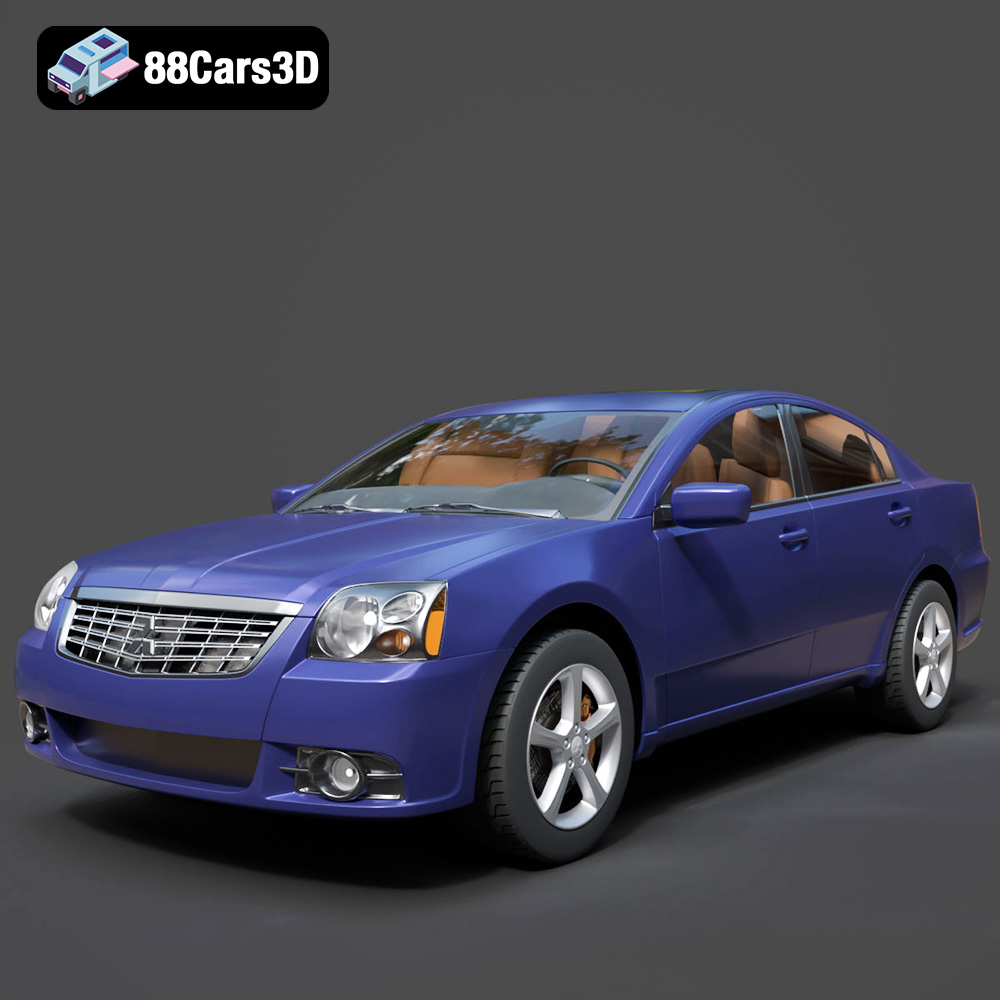
Texture: Yes
Material: Yes
Download the Mitsubishi Galant 2009 3D Model featuring clean geometry, realistic detailing, and a fully modeled interior. Includes .blend, .fbx, .obj, .glb, .stl, .ply, .unreal, and .max formats for rendering, simulation, and game development.
Price: $4.99
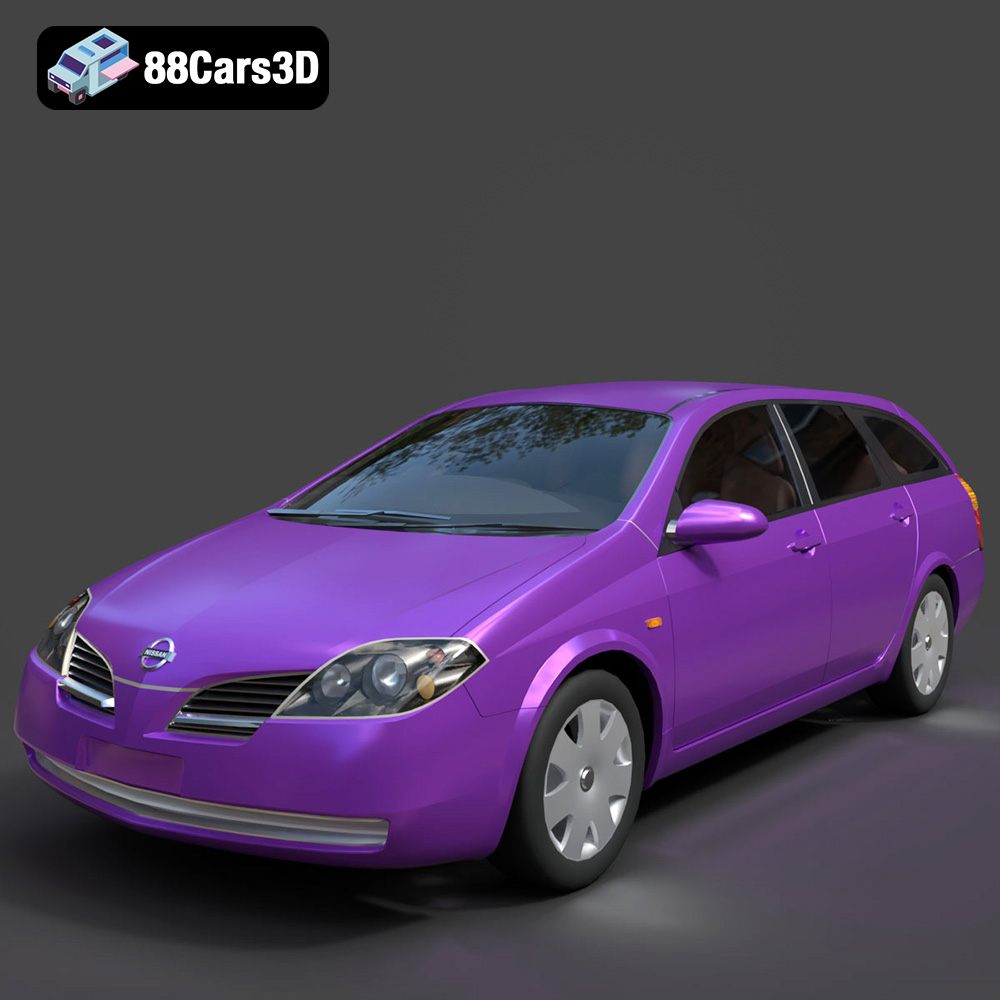
Texture: Yes
Material: Yes
Download the Nissan Primera Wagon 3D Model featuring clean geometry, realistic detailing, and a fully modeled interior. Includes .blend, .fbx, .obj, .glb, .stl, .ply, .unreal, and .max formats for rendering, simulation, and game development.
Price: $4.99
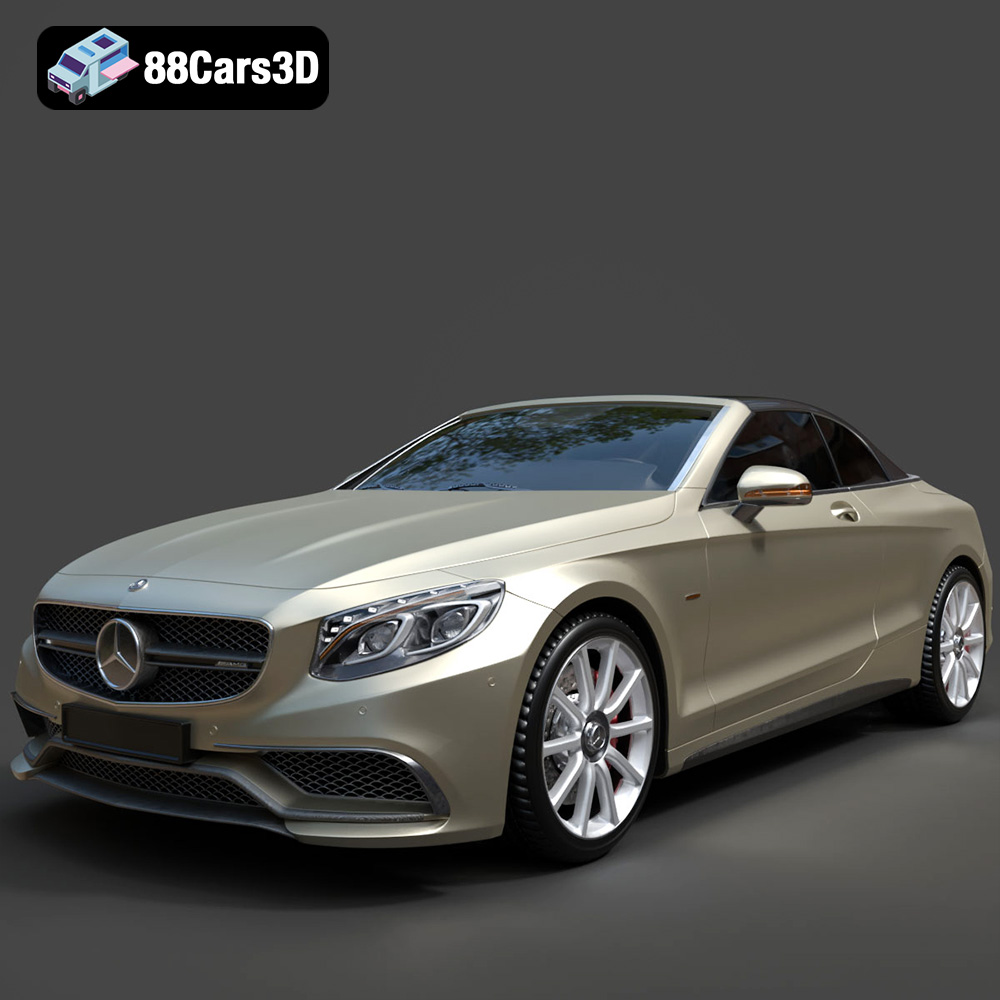
Texture: Yes
Material: Yes
Download the Mercedes-Benz S63 AMG Cabriolet 2017 3D Model featuring clean geometry, realistic detailing, and a fully modeled interior. Includes .blend, .fbx, .obj, .glb, .stl, .ply, .unreal, and .max formats for rendering, simulation, and game development.
Price: $20.99
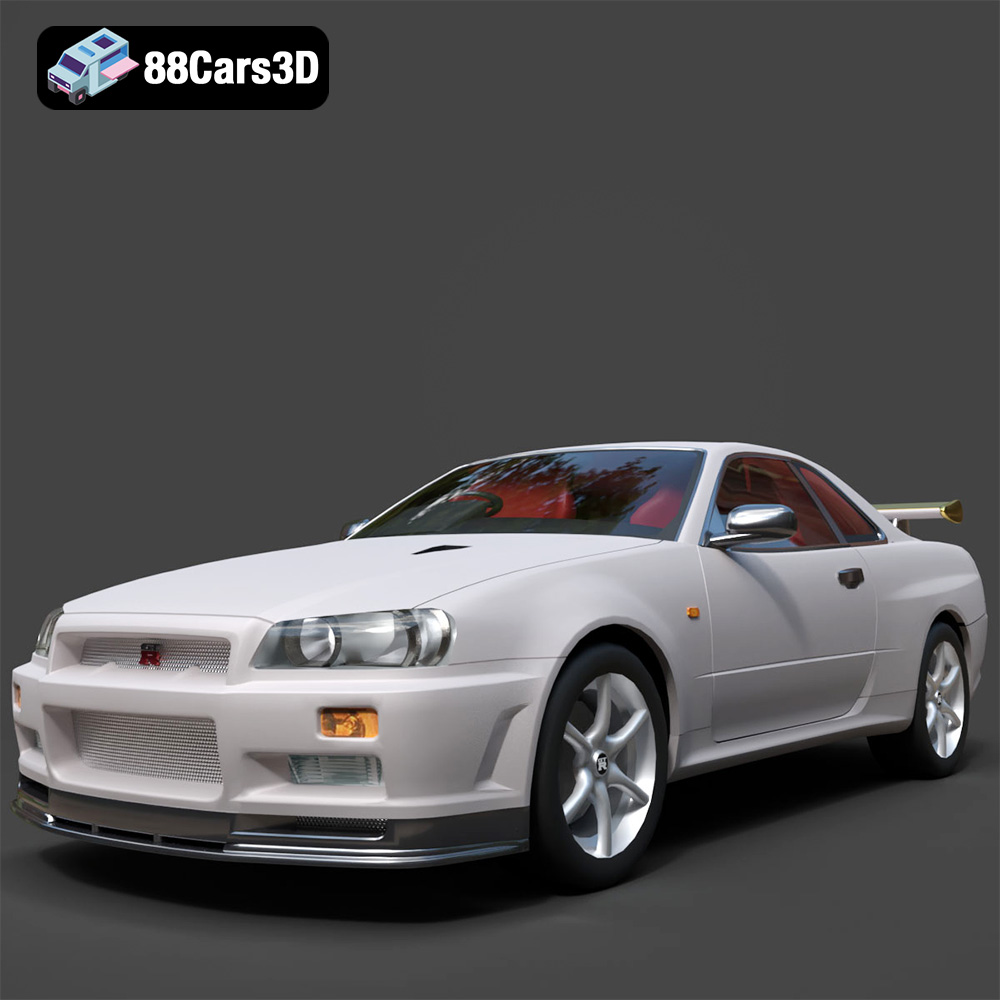
Texture: Yes
Material: Yes
Download the Nissan Skyline R34 2002 3D Model featuring clean geometry, realistic detailing, and a fully modeled interior. Includes .blend, .fbx, .obj, .glb, .stl, .ply, .unreal, and .max formats for rendering, simulation, and game development.
Price: $4.99
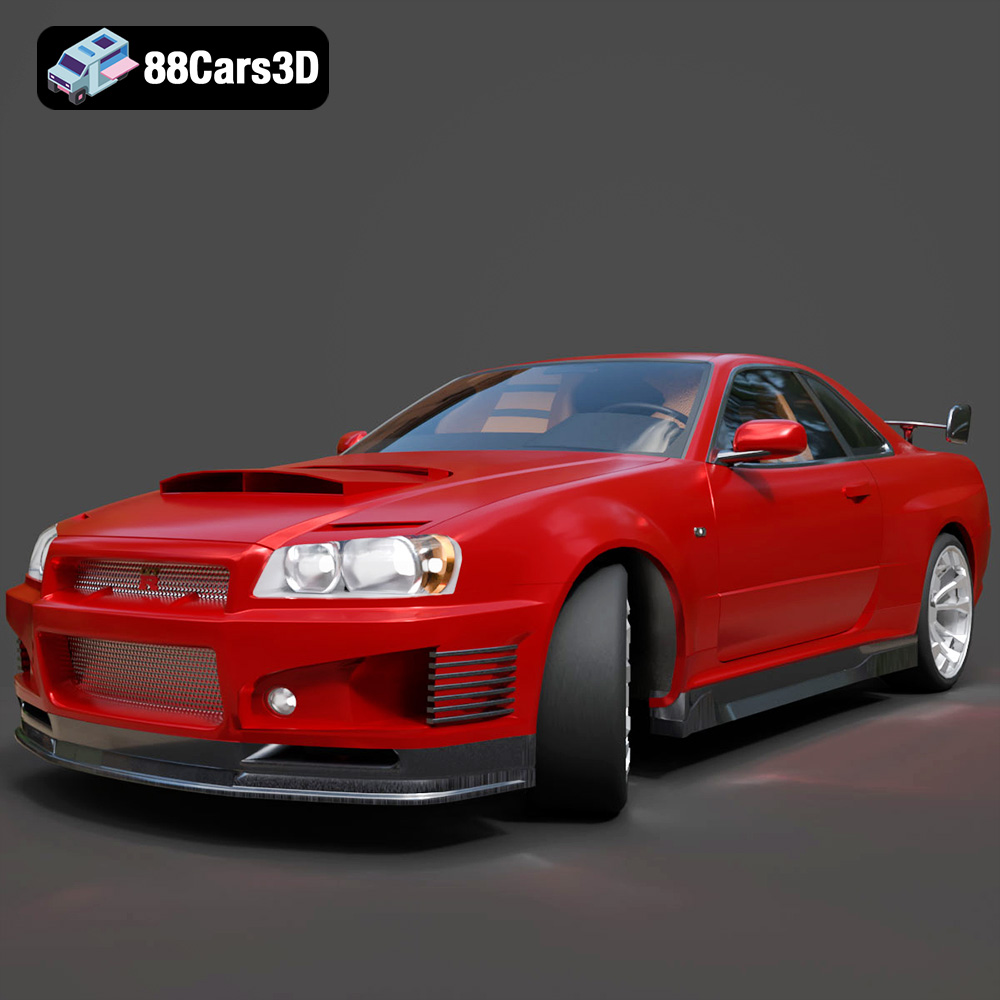
Texture: Yes
Material: Yes
Download the Nissan Skyline 3D Model featuring clean geometry, realistic detailing, and a fully modeled interior. Includes .blend, .fbx, .obj, .glb, .stl, .ply, .unreal, and .max formats for rendering, simulation, and game development.
Price: $9.99
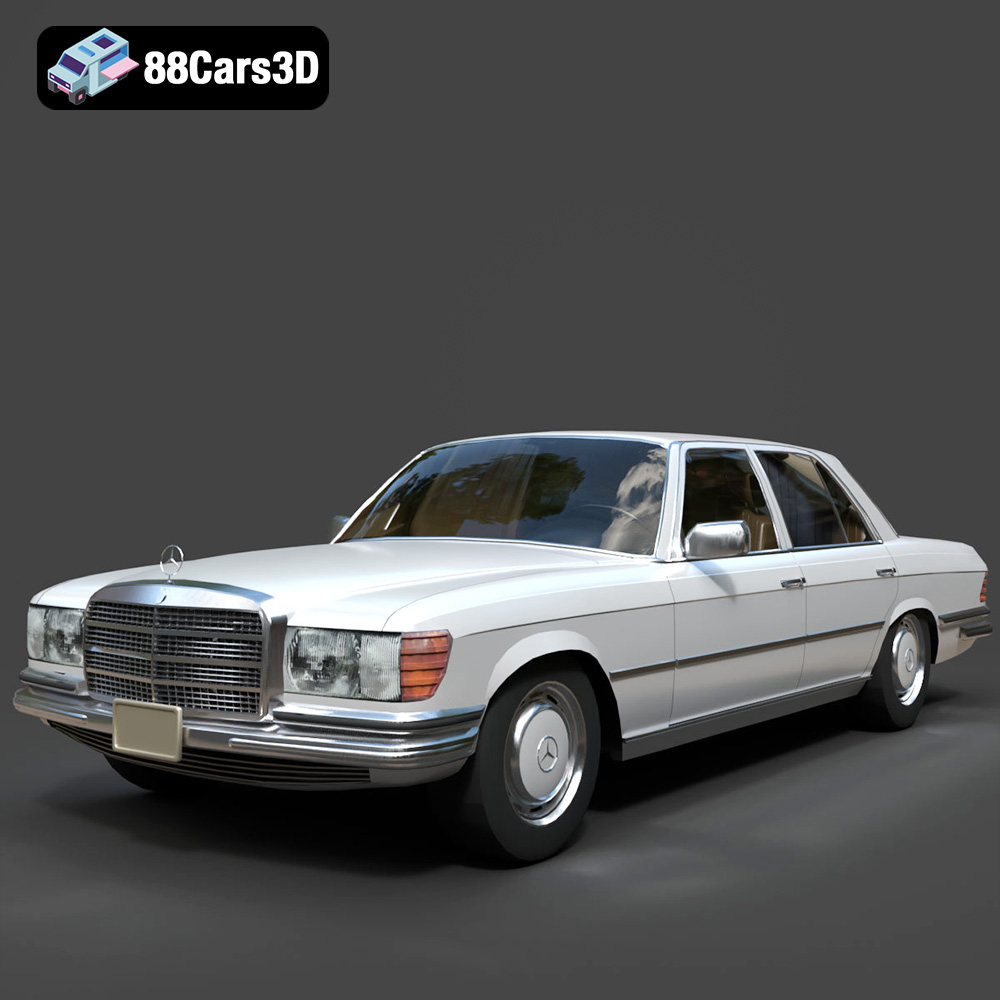
Texture: Yes
Material: Yes
Download the Mercedes-Benz S-Klasse W116 3D Model featuring clean geometry, realistic detailing, and a fully modeled interior. Includes .blend, .fbx, .obj, .glb, .stl, .ply, .unreal, and .max formats for rendering, simulation, and game development.
Price: $4.99
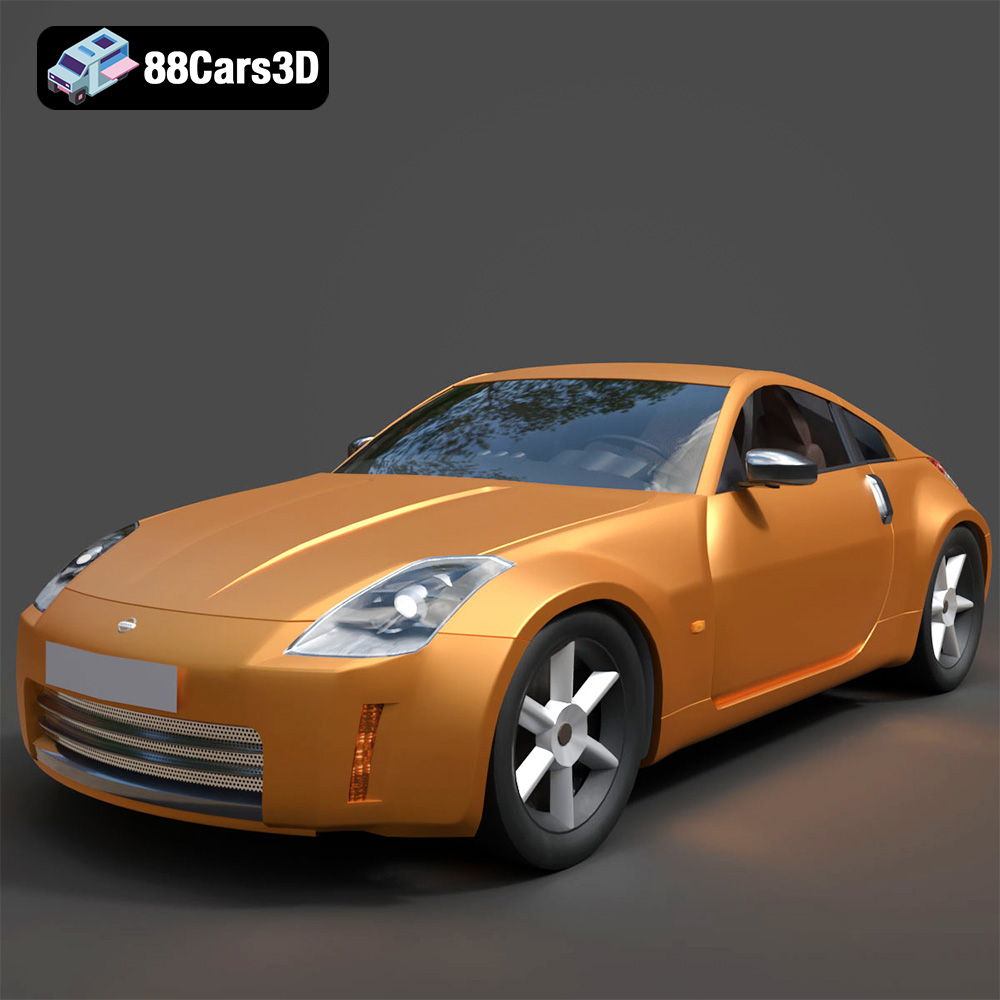
Texture: Yes
Material: Yes
Download the Nissan 350Z 3D Model featuring clean geometry, realistic detailing, and a fully modeled interior. Includes .blend, .fbx, .obj, .glb, .stl, .ply, .unreal, and .max formats for rendering, simulation, and game development.
Price: $4.99

Texture: Yes
Material: Yes
Download the Nissan Skyline V35 2001 3D Model featuring clean geometry, realistic detailing, and a fully modeled interior. Includes .blend, .fbx, .obj, .glb, .stl, .ply, .unreal, and .max formats for rendering, simulation, and game development.
Price: $4.99

Texture: Yes
Material: Yes
Download the Mercedes-Benz S-Klasse 221-007 3D Model featuring clean geometry, realistic detailing, and a fully modeled interior. Includes .blend, .fbx, .obj, .glb, .stl, .ply, .unreal, and .max formats for rendering, simulation, and game development.
Price: $4.99
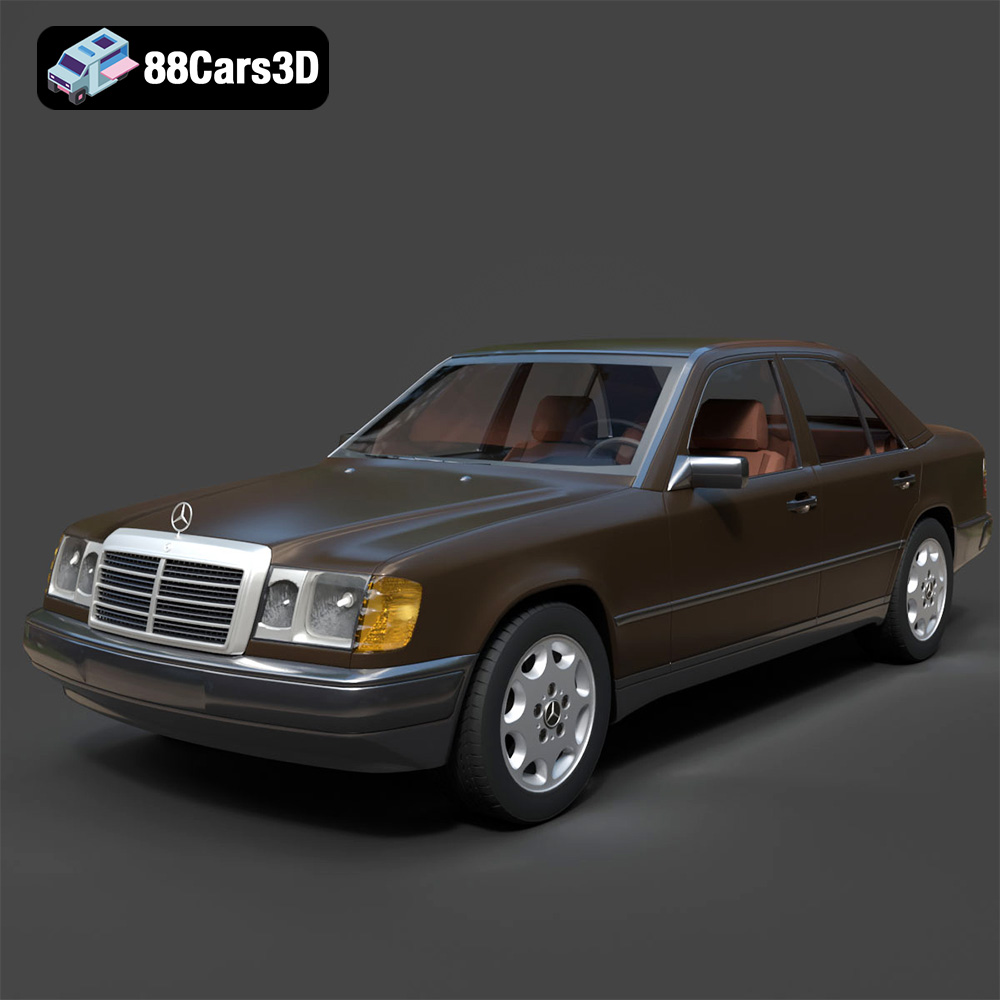
Texture: Yes
Material: Yes
Download the Mercedes W124 Sedan 3D Model featuring clean geometry, realistic detailing, and a fully modeled interior. Includes .blend, .fbx, .obj, .glb, .stl, .ply, .unreal, and .max formats for rendering, simulation, and game development.
Price: $4.99

