Unleashing Automotive Brilliance: A Deep Dive into High-Quality 3D Car Model Production and Application
In the rapidly evolving landscape of 3D visualization, game development, and immersive experiences, the demand for exceptionally high-quality 3D car models has never been greater. From photorealistic renders for advertising campaigns to meticulously optimized assets for real-time game engines and interactive AR/VR applications, the digital automotive realm is a testament to precision and artistic skill. Creating or selecting the right 3D car models involves a intricate understanding of various technical disciplines, each critical for achieving stunning results.
This comprehensive guide delves into the core principles and advanced techniques behind developing and utilizing professional-grade automotive 3D models. We’ll explore everything from the foundational aspects of clean topology and efficient UV mapping to the intricacies of PBR material creation, advanced rendering workflows, and crucial optimization strategies for diverse platforms. Whether you’re a seasoned 3D artist, an aspiring game developer, or an automotive designer looking to push the boundaries of digital visualization, understanding these processes is key. Prepare to unlock the full potential of your 3D car models and transform your projects with unparalleled realism and performance.
1. The Foundation: Flawless Topology and Edge Flow for Automotive 3D Models
The bedrock of any high-quality 3D car model is its topology – the arrangement of vertices, edges, and faces that form the mesh. For automotive assets, clean, quad-based topology is paramount, dictating everything from smooth deformations and accurate reflections to efficient UV mapping and optimal subdivision. A well-constructed mesh minimizes rendering artifacts and ensures that your model behaves predictably under various lighting conditions and deformations. Poor topology, conversely, can lead to visual distortions, pinching, and a myriad of headaches down the production pipeline.
Automotive surfaces are characterized by sweeping curves, sharp creases, and subtle nuances that demand precise control. Effective edge flow guides the surface curvature, preserving the integrity of design lines and ensuring consistent shading across complex body panels. This meticulous attention to detail is what separates a truly professional model from an amateur one, providing the flexibility needed for high-resolution renders and robust performance in real-time environments. Understanding and implementing these fundamental principles is the first critical step in creating digital automotive masterpieces.
1.1 The Significance of Clean Quad-Based Topology
Quad-based topology (meshes primarily composed of four-sided polygons) is the industry standard for organic and hard-surface modeling, particularly for objects that will undergo subdivision or deformation. For 3D car models, this ensures that when subdivision surfaces (like OpenSubdiv in Maya or TurboSmooth in 3ds Max) are applied, the mesh smooths evenly without creating undesirable bumps or pinches. Clean quads facilitate proper edge loop creation, which is essential for controlling sharp edges and maintaining volume. An ideal automotive mesh will have an even distribution of polygons, avoiding overly stretched or compressed faces, which can distort textures and create aliasing issues during rendering.
Moreover, clean topology simplifies future modifications, such as adding details, cutting new panel lines, or making design adjustments. It allows artists to select specific areas of the mesh with ease, using selection tools like edge loops and rings. When sourcing models from platforms like 88cars3d.com, always check for wireframe screenshots to confirm the underlying topology meets these high standards.
1.2 Mastering Edge Flow for Automotive Curves and Details
Edge flow refers to the directional movement of edges along the surface of a model, specifically how they align with and define the contours and features of the object. For a 3D car model, mastering edge flow means ensuring that edge loops accurately follow the car’s distinctive design lines, such as the fender flares, door seams, hood contours, and window frames. This is crucial for maintaining the visual integrity of the design and ensuring that reflections roll smoothly across the surface without sudden breaks or wobbles.
- Supporting Edges: To create sharp creases for panel gaps or body lines, “supporting edges” are added close to the main edge loop. These edges prevent the surface from becoming overly rounded when subdivision modifiers are applied, allowing for precise control over the sharpness of the crease.
- Curvature Control: Edge loops should follow the natural flow of the car’s curves. For instance, the edges around a wheel arch should mirror its arc, ensuring that the mesh deforms correctly and maintains its shape when viewed from different angles. This attention to detail is vital for realistic automotive visualization.
1.3 Common Pitfalls and Remedial Techniques
Even experienced artists can encounter topological challenges. Common pitfalls include the presence of N-gons (polygons with more than four sides) and triangles (three-sided polygons) in areas where smooth deformation or subdivision is required. While triangles can be acceptable in flat, non-deforming areas, their presence on curved surfaces can lead to pinching and render artifacts. N-gons are generally problematic as they don’t subdivide predictably.
Remedial Techniques:
- Cleaning N-gons and Triangles: Use tools like “Connect” or “Cut” in your 3D software (e.g., 3ds Max, Blender, Maya) to split N-gons into quads. For triangles on curved surfaces, consider re-routing edge flow to convert them into quads, or strategically moving them to flatter areas.
- Non-Manifold Geometry: This refers to geometry where an edge is shared by more than two faces, or a vertex is connected to multiple disconnected pieces of geometry. It can cause serious issues with rendering, 3D printing, and simulations. Most 3D software has tools to detect and fix non-manifold geometry. A thorough mesh inspection and cleanup pass are essential before texturing or rendering.
2. Mastering Materials: PBR Shading and Texturing for Unrivaled Realism
Once the geometric foundation of your 3D car model is solid, the next crucial step is bringing it to life with realistic materials. Physically Based Rendering (PBR) has become the industry standard for achieving this, offering a workflow that accurately simulates how light interacts with surfaces in the real world. PBR materials ensure that your automotive rendering looks consistent and correct across different lighting environments and render engines, making your models incredibly versatile for everything from high-end visualization to real-time applications.
The core of PBR lies in its underlying physics-based principles, which dictate how light reflects and absorbs on a surface. This approach requires specific texture maps that define properties like color, reflectivity, roughness, and normal orientation. Mastering PBR involves not only understanding these maps but also implementing effective UV mapping strategies to ensure flawless texture application across the complex curves and panels of a car. The result is a striking level of realism that can make a digital car indistinguishable from its physical counterpart.
2.1 Understanding the PBR Workflow: Metallic-Roughness vs. Specular-Glossiness
PBR workflows primarily utilize two conventions: Metallic-Roughness and Specular-Glossiness. Both aim for the same photorealistic outcome but achieve it using different sets of texture maps:
- Metallic-Roughness Workflow: This is arguably the more common and intuitive approach.
- Albedo (Base Color): Defines the diffuse color of non-metallic surfaces and the color of metallic surfaces. It should be flat and contain no lighting information.
- Metallic Map: A grayscale map (0 to 1) indicating whether a surface is metallic (white) or dielectric/non-metallic (black).
- Roughness Map: A grayscale map defining the microscopic surface irregularities. White areas are rough (diffuse reflections), black areas are smooth (sharp reflections).
- Normal Map: Provides fine surface detail by faking geometric bumps and dents, crucial for car panels.
- Ambient Occlusion (AO) Map: Simulates soft shadows where surfaces are close together.
- Specular-Glossiness Workflow:
- Diffuse Map: Similar to Albedo for non-metallic surfaces.
- Specular Map: Defines the color and intensity of specular reflections.
- Glossiness Map: The inverse of roughness – white areas are smooth, black areas are rough.
Most modern renderers (V-Ray, Corona, Cycles, Arnold) and game engines (Unity, Unreal Engine) support both, but Metallic-Roughness is often favored for its simplicity and clear separation of material properties.
2.2 UV Mapping Strategies for Automotive Surfaces
UV mapping is the process of unwrapping the 3D mesh into a 2D space, allowing 2D textures to be painted or applied onto the 3D model. For complex 3D car models, effective UV mapping is critical to avoid seams, stretching, and pixelation.
- Minimize Seams: Strategically place UV seams in less visible areas, such as under the car, along natural panel gaps, or hidden edges. Tools like “Edge Flow UV Unwrap” in 3ds Max or “Follow Active Quads” in Blender can help create cleaner unwraps.
- Uniform Texel Density: Ensure that all parts of the model have a consistent texel density (pixels per unit of surface area). This prevents some areas from looking blurry while others appear sharp. Use checkerboard patterns during UV unwrapping to visually inspect for consistency.
- Non-Overlapping UVs: For unique texture baking (like normal maps or ambient occlusion), UVs must not overlap. For shared or tiled textures, overlapping can be used creatively to save texture space.
- Multiple UV Sets: For highly detailed cars, consider using multiple UV sets. One set for unique body details and another for tiled generic details (e.g., carbon fiber weaves, tire treads).
2.3 Creating Detailed PBR Texture Maps
High-quality PBR textures are the visual heart of your 3D car model. Tools like Substance Painter and Substance Designer are industry standards for creating these maps:
- Substance Painter: A powerful 3D painting software allowing direct painting onto the 3D model. It generates all necessary PBR maps (Albedo, Metallic, Roughness, Normal, Height, AO) simultaneously. It’s excellent for applying wear, dirt, scratches, and custom decals specific to the car’s design. Use smart materials and generators for efficient detailing.
- Substance Designer: A node-based procedural texture creation tool. Ideal for creating complex, tileable materials like tire treads, leather patterns for interiors, or custom paint finishes with procedural flakes.
- Traditional Tools (Photoshop/GIMP): Can be used for fine-tuning textures, creating decals, or combining baked maps. Ensure correct color spaces (e.g., linear for albedo, non-linear for normal maps) are maintained.
- Resolution: For realistic renders, aim for texture resolutions of 4K (4096×4096 pixels) or even 8K (8192×8192 pixels) for large, prominent surfaces like the car body. For game assets, lower resolutions (e.g., 2K or 1K) might be used for performance, often paired with LODs.
3. Crafting Visuals: Advanced Automotive Rendering Workflows
With a perfectly modeled and textured 3D car model, the next stage is to bring it to life through compelling renders. Automotive rendering is an art form that combines technical mastery with an acute eye for aesthetics, simulating real-world photography and cinematography. It involves careful consideration of lighting, camera angles, environment, and post-processing to create images that are indistinguishable from reality. The choice of render engine, be it Corona, V-Ray, Cycles, or Arnold, will influence specific workflows, but the underlying principles of good lighting and composition remain universal.
Achieving photorealism requires more than just accurate materials; it demands a deep understanding of how light interacts with the car’s surfaces and its surrounding environment. From setting up sophisticated studio lighting to integrating HDRI maps for realistic reflections and background, every element plays a role. Finally, post-processing elevates a good render to an exceptional one, refining colors, enhancing details, and adding a cinematic touch. This section will guide you through the essential techniques for producing stunning automotive visualizations.
3.1 Lighting and Environment Setup for Photorealistic Renders
Lighting is the single most critical factor in achieving photorealistic automotive rendering. It defines the mood, highlights design features, and showcases the material properties of your 3D car model.
- HDRI (High Dynamic Range Image) Lighting: The go-to method for realistic exterior and studio lighting. HDRIs provide both illumination and reflections, accurately simulating real-world lighting environments. Place a high-resolution automotive HDRI in your render engine’s environment slot. Rotate and adjust its intensity to find the most flattering angles for reflections on the car’s body.
- Studio Lighting (3-Point Lighting, Softboxes): For controlled, product-style renders, studio setups are invaluable.
- Key Light: The primary light source, illuminating the main subject.
- Fill Light: Softens shadows created by the key light.
- Back/Rim Light: Separates the car from the background, adding definition and sparkle to edges.
- Large Area Lights/Softboxes: Used to create large, soft, even reflections on the car’s paintwork, mimicking professional photography studios. These are crucial for highlighting the smooth curves and metallic finishes.
- Physical Cameras: Emulate real-world camera properties (F-stop, shutter speed, ISO, focal length) for authentic depth of field, motion blur, and perspective. A focal length between 85mm-135mm often works well for isolating the car without excessive distortion.
3.2 Render Engine Specifics: V-Ray, Corona, Cycles, Arnold
Each render engine has its nuances, but the core principles remain. Here’s a brief overview:
- V-Ray (3ds Max, Maya, SketchUp): A robust, production-proven renderer known for its speed and versatility. It offers advanced features like adaptive sampling, V-Ray Light Mix for post-render light adjustments, and extensive material controls. Optimized for large scenes and complex lighting.
- Corona Renderer (3ds Max, Cinema 4D): Renowned for its ease of use and physically accurate results. Corona is biased towards simpler setups and often yields stunning results with minimal tweaking. It’s excellent for interactive rendering during scene setup.
- Cycles (Blender): Blender’s integrated, powerful, and free path-tracer. It leverages GPU acceleration (CUDA, OptiX) and offers nodes-based material creation, providing immense flexibility. Known for realistic caustics and physically accurate light bounces.
- Arnold (Maya, 3ds Max, Houdini): A high-quality Monte Carlo path tracing renderer, popular in film production. Known for its robust handling of complex geometry, volumes, and physically accurate shading. Excellent for intricate material work and high-fidelity results.
For all engines, optimizing render settings (sampling, ray depths, noise thresholds) is essential to balance render time with image quality. Utilizing render passes (diffuse, reflection, lighting, Z-depth, normals) for compositing is a standard professional workflow.
3.3 Post-Processing and Compositing for Impact
Even the best raw render can be significantly enhanced through post-processing, much like a photographer processes their RAW images. This stage is where you add that extra layer of polish and cinematic flair.
- Color Grading: Adjusting the overall color balance, saturation, contrast, and tone mapping to achieve a desired mood or match a reference image. Tools like Adobe Photoshop, Affinity Photo, or Blackmagic DaVinci Resolve are ideal.
- Enhancing Details: Using render passes for selective adjustments. For instance, adjusting reflections without affecting diffuse, or subtly enhancing edge details. A Z-depth pass is crucial for adding realistic depth of field in post.
- Lens Effects: Adding subtle bloom (light glow), lens flares, and chromatic aberration can give renders a more photographic feel.
- Sharpening and Noise Reduction: Apply a subtle sharpening filter to bring out fine details, but avoid overdoing it. Denoising tools (often built into modern renderers or as separate plugins) can clean up noise from lower-sample renders, saving significant render time.
- Compositing Elements: Integrating background plates (real photographs), smoke, dust, or other atmospheric effects to place the car realistically within an environment.
4. Game On: Optimizing 3D Car Models for Real-time Engines
The transition of 3D car models from high-fidelity rendering projects to real-time game engines introduces a new set of challenges and optimization strategies. Game development demands a delicate balance between visual quality and performance. A model optimized for a cinematics might bring a game engine to its knees, highlighting the necessity for specialized techniques like Level of Detail (LODs), texture atlasing, and careful material setup. The goal is to deliver stunning visuals without sacrificing frame rates, ensuring a smooth and immersive user experience.
Optimizing game assets involves more than just reducing polygon counts; it encompasses efficient resource management, clever texture strategies, and understanding how real-time rendering pipelines work. Developers leveraging platforms like Unity and Unreal Engine must master these techniques to create compelling driving simulations, open-world games, and interactive configurators. This section will guide you through the essential steps to prepare your 3D car models for the rigorous demands of real-time rendering, making them playable and visually engaging.
4.1 Level of Detail (LOD) Implementation and Strategy
Level of Detail (LOD) is a critical optimization technique for real-time environments, where different versions of a model with varying polygon counts are used depending on the camera’s distance from the object. This ensures that distant objects consume fewer resources while still appearing detailed up close.
- LOD0 (High Poly): The most detailed version, used when the car is close to the camera. Typically ranges from 50,000 to 300,000+ polygons, depending on the game’s target platform and fidelity.
- LOD1, LOD2, LOD3 (Lower Poly): Progressively less detailed versions. Each LOD significantly reduces the polygon count (e.g., LOD1 at 50% of LOD0, LOD2 at 25%, LOD3 at 10% or less). Key details are baked into normal maps from higher LODs to maintain visual fidelity.
- Creating LODs:
- Manual Retopology: The most control, but time-consuming. Ideal for critical assets.
- Decimation Tools: Software like ZBrush, Maya’s Mesh Reduce, or Blender’s Decimate modifier can automatically reduce polygon counts while attempting to preserve silhouette and detail. Careful tweaking is necessary to prevent artifacts.
- Implementation: Game engines like Unity and Unreal Engine have built-in LOD systems. You import your different LOD meshes, assign them to the LOD group, and define the screen percentage at which they switch.
4.2 Texture Atlasing and Draw Call Reduction
Texture Atlasing: This technique involves combining multiple smaller textures into a single, larger texture map (an “atlas”). Instead of having separate material IDs and textures for the car’s body, wheels, interior, and lights, they can all be packed into one or a few atlases.
- Benefits: Significantly reduces draw calls (the number of times the CPU tells the GPU to draw something), which is a major performance bottleneck in real-time rendering. Fewer texture lookups also improve GPU performance.
- Workflow: UV map all parts of the car into different regions of a single UV space. Then bake all relevant PBR maps (Albedo, Normal, Metallic, Roughness) for these combined regions into a single set of atlas textures.
Draw Call Reduction: Beyond atlasing, other strategies include:
- Material Instancing: Using a single base material and creating instances with different parameters (e.g., different car colors) instead of entirely new materials. This allows the engine to batch draw calls more efficiently.
- Static Batching: For stationary objects in Unity, combining static meshes into a single mesh at runtime.
- Occlusion Culling: Hiding objects that are not visible to the camera (e.g., parts of the car’s engine when the hood is closed).
4.3 Real-time Material Setup and Performance Considerations
Setting up PBR materials in real-time engines requires careful attention to shader complexity and texture compression.
- Shader Complexity: Avoid overly complex shader graphs. While nodes offer flexibility, too many calculations per pixel can slow down rendering. Optimize by simplifying logic and baking complex effects into textures where possible.
- Texture Compression: Game engines automatically compress textures, but choosing the right compression format (e.g., BC7 for high-quality diffuse/normal, BC5 for normal maps without alpha, DXT1/BC1 for simpler textures) can significantly impact memory usage and loading times. Normal maps often require specific “normal map” compression settings to avoid artifacts.
- Reflection Probes and Screen Space Reflections (SSR): Car surfaces are highly reflective. Use Reflection Probes (static cube maps capturing the environment) for overall reflections and SSR for dynamic, real-time reflections on nearby surfaces. Balance quality with performance – SSR can be computationally expensive.
- Decals and Trim Sheets: Instead of adding complex geometry for logos or small details, use decals (transparent textures projected onto the surface). Trim sheets (textures containing multiple small details like bolts, vents, badges) allow you to UV map small parts of your model to specific areas of a single texture, further reducing draw calls.
5. Beyond the Screen: 3D Car Models for AR/VR and 3D Printing
The utility of high-quality 3D car models extends far beyond traditional rendering and game development. They are becoming indispensable tools for cutting-edge applications in Augmented Reality (AR), Virtual Reality (VR), and even physical production through 3D printing. These emerging technologies offer immersive experiences and tangible prototypes, but they each come with their own unique set of technical requirements and optimization challenges. Leveraging 3D car models in these contexts demands specific preparation, focusing on extreme performance optimization for AR/VR and watertight integrity for 3D printing.
From creating interactive virtual showrooms to rapidly prototyping new vehicle designs, the versatility of a well-prepared digital car asset is immense. Understanding how to adapt your models for these diverse applications opens up new avenues for automotive visualization, design iteration, and consumer engagement. This section explores the specialized techniques required to transform your digital automotive assets into effective tools for the future of interactive and physical design.
5.1 AR/VR Optimization and Interactivity
AR/VR environments demand even stricter performance budgets than traditional games due to the need for high frame rates (typically 90+ FPS) to prevent motion sickness and ensure immersion. This means extreme optimization for 3D car models:
- Aggressive Polygon Reduction: Aim for very low polygon counts, often under 50,000 tris for an entire car, especially for mobile AR/VR platforms. Utilize LODs even more aggressively than for PC games.
- Draw Call Minimization: Consolidate materials and textures as much as possible using atlasing. Each material counts as a draw call, and AR/VR applications can only handle a limited number before performance drops.
- Real-time Lighting: Prefer baked lighting (lightmaps) for static elements to reduce runtime calculations. For dynamic elements like the car, use simplified real-time lighting (e.g., single directional light, simplified reflections).
- File Formats: GLB (for glTF) and USDZ are standard file formats for AR/VR on mobile devices (e.g., Apple ARKit, Google ARCore). They encapsulate geometry, materials, and animations into a single, optimized file. Platforms like 88cars3d.com often provide these optimized formats.
- Interactivity: Implement interactive elements like opening doors, changing paint colors, or viewing the interior. Ensure these animations and state changes are lightweight and efficient. Use shaders for color changes rather than multiple material instances where possible.
5.2 Preparing 3D Car Models for Additive Manufacturing
3D printing transforms your digital car model into a physical object. This process has entirely different requirements from screen-based rendering:
- Watertight Meshes: The model must be a “solid” manifold mesh, meaning it has no holes, internal geometry, or open edges. Every edge must be connected to exactly two faces. Non-manifold geometry will cause printing errors.
- Wall Thickness: Ensure all parts of the model have sufficient wall thickness (e.g., minimum 0.8mm – 2mm, depending on the printer and material) to be physically printable and durable. Thin details might break during printing or post-processing.
- Scale and Units: Print software works in real-world units (mm, cm, inches). Ensure your 3D model is scaled correctly in your modeling software before export.
- Mesh Repair and Optimization:
- Boolean Operations: If joining multiple parts, ensure clean boolean operations that don’t create non-manifold geometry.
- Mesh Cleanup: Use tools like Blender’s “3D Print Toolbox” add-on, Meshmixer, Netfabb, or the “Print Workflow” in 3ds Max to analyze and repair common printing issues (e.g., non-manifold edges, inverted normals, isolated geometry).
- Hollowing: For larger prints, hollowing the model can save material and reduce print time, but requires drain holes.
- File Format: STL (stereolithography) is the most common format for 3D printing, but OBJ and 3MF are also widely supported.
5.3 Use Cases in Automotive Design and Visualization
The applications for highly detailed 3D car models are expanding rapidly:
- Virtual Showrooms and Configurators: Allow customers to explore car models in a virtual environment, customize colors, rims, and interior options in real-time before purchasing. This enhances the buying experience.
- Design Iteration and Prototyping: Automotive designers use 3D models extensively for rapid iteration, testing design changes, aerodynamic simulations, and producing physical prototypes via 3D printing.
- Marketing and Advertising: Creating photorealistic renders and animations for commercials, brochures, and online campaigns. The flexibility of 3D allows for unique camera angles and environments impossible or too expensive to achieve with physical photography.
- Driver Training and Simulation: High-fidelity car models are crucial for realistic driving simulators used in professional driver training, racing simulations, and autonomous vehicle development.
- AR Car Catalogs: Enabling users to place a virtual car in their driveway via their smartphone, inspect it from all angles, and even “sit” inside, revolutionizing product showcasing.
6. The Ecosystem of Assets: File Formats, Conversion, and Interoperability
In the world of 3D car models, raw geometric data is just one piece of the puzzle. The way this data is packaged and exchanged across different software applications and platforms is crucial for efficient workflows. Understanding various file formats and their respective strengths and weaknesses, along with best practices for conversion, is essential for any professional in 3D visualization, game development, or design. A well-structured asset allows for seamless integration, minimizing compatibility issues and preserving the integrity of materials, textures, and animations.
The journey of a 3D car model often involves multiple software packages – from modeling in Maya or Blender, texturing in Substance Painter, rendering in V-Ray, and finally, integration into Unity or Unreal Engine. Navigating this ecosystem requires knowledge of how to export, import, and convert models while maintaining all their intricate details and properties. This final section provides insights into selecting the right format, handling conversions, and critically assessing the quality of sourced models to ensure a smooth and productive workflow.
6.1 Navigating Common 3D File Formats
The digital automotive asset landscape is populated by several key file formats, each with specific advantages:
- FBX (Filmbox): Developed by Autodesk, FBX is arguably the most common interchange format. It supports geometry, materials, textures, animations, rigging, and cameras. Highly compatible with Autodesk products (3ds Max, Maya) and widely used in game engines (Unity, Unreal).
- Pros: Excellent for data transfer between different DCC (Digital Content Creation) tools.
- Cons: Can sometimes have compatibility quirks between different software versions, and material conversion isn’t always perfect.
- OBJ (Wavefront Object): A universal geometry format. It’s simpler than FBX, storing geometry, UVs, and basic material references (via an accompanying MTL file).
- Pros: Highly compatible, very stable.
- Cons: No animation, rigging, or advanced material support. Texture paths can sometimes break.
- GLB/glTF (GL Transmission Format): An open-standard, royalty-free format designed for efficient transmission and loading of 3D scenes and models by engines and applications. GLB is the binary version.
- Pros: “JPEG of 3D,” highly optimized for web, AR/VR, and real-time. Supports PBR materials, animations, and scene hierarchy.
- Cons: Relatively newer, so some legacy software might not fully support it.
- USDZ (Universal Scene Description Zip): Apple’s proprietary format for AR, built on Pixar’s USD. Highly optimized for mobile AR experiences.
- Pros: Excellent for iOS AR. Efficient and versatile.
- Cons: Primarily for Apple ecosystem.
- Native Formats (.max, .blend, .ma): The native files for 3ds Max, Blender, and Maya respectively. These contain the full scene data, including modifiers, scene lights, and render settings.
- Pros: Full fidelity, editable.
- Cons: Requires specific software to open.
6.2 Seamless Conversion and Data Integrity
Converting between file formats requires careful attention to preserve data integrity, especially for complex 3D car models:
- Export Settings: When exporting from your DCC tool, always check the export settings. Ensure you are including relevant data like normals, tangents, binormals, UVs, and smoothing groups. For game engines, often you want to triangulate meshes on export.
- Material Conversion Challenges: PBR materials, while universal in concept, can translate differently between renderers and engines. A V-Ray material won’t directly port to Unreal Engine without some re-setup. Textures, however, are usually portable. Many marketplaces, including 88cars3d.com, provide models with pre-setup materials for popular renderers and engines, significantly streamlining this process.
- Embedded Data: FBX and GLB formats can embed textures, making them self-contained and easier to transfer. OBJ and MTL require separate texture files. Always ensure all texture maps (Albedo, Normal, Roughness, Metallic, AO) are included and correctly linked.
- Scale and Units: Inconsistent unit scales between software (e.g., meters in Blender, centimeters in 3ds Max) can lead to issues with lighting, physics, and model size. Standardize your project units from the outset.
6.3 Sourcing High-Quality 3D Car Models
For many projects, creating a 3D car model from scratch isn’t feasible. Sourcing pre-made, high-quality models is a common and efficient solution. When looking for assets from marketplaces like 88cars3d.com, consider these criteria:
- Topology: As discussed, clean quad topology is paramount for good deformation, subdivision, and UV mapping. Request wireframe screenshots if not provided.
- Texture Quality: Are the textures high-resolution (4K, 8K for renders)? Are they PBR-compliant (Albedo, Normal, Roughness, Metallic, AO)?
- UV Mapping: Are UVs clean, non-overlapping (for unique maps), and free from stretching?
- File Formats Provided: Does the model come in multiple formats (FBX, OBJ, GLB, native files) to suit your workflow?
- Material Setup: Are materials pre-setup for common renderers (V-Ray, Corona, Cycles, Arnold) or game engines (Unity, Unreal Engine)?
- Scalability: Are there LODs available if you need to optimize for real-time or AR/VR?
- Reviews and Support: Check reviews from other artists and ensure the seller provides good support.
Conclusion
The journey of a 3D car model, from its initial polygonal structure to its final application in a photorealistic render, an immersive game, or a physical 3D print, is a complex yet rewarding process. We’ve explored the critical role of clean topology and precise edge flow, the nuances of PBR material creation, the artistry of advanced rendering techniques, and the strategic optimizations required for real-time engines and emerging technologies like AR/VR. Each stage demands a blend of technical acumen, artistic vision, and a commitment to best practices.
Mastering these disciplines not only ensures the visual fidelity and performance of your automotive 3D models but also future-proofs your assets for an ever-expanding array of digital and physical applications. Whether you’re meticulously modeling every bolt, carefully crafting reflections, or optimizing for a tight polygon budget, the quality of your underlying asset dictates its ultimate success. By understanding and applying these advanced techniques, you can elevate your projects, impress your audience, and harness the full power of high-quality digital automotive assets. The future of automotive visualization is vibrant and dynamic, and with the right knowledge and resources, you are well-equipped to drive innovation.
For those looking to accelerate their projects with professionally crafted models, platforms like 88cars3d.com offer a curated selection of high-quality 3D car models, ready to be integrated into your next groundbreaking venture.
Featured 3D Car Models
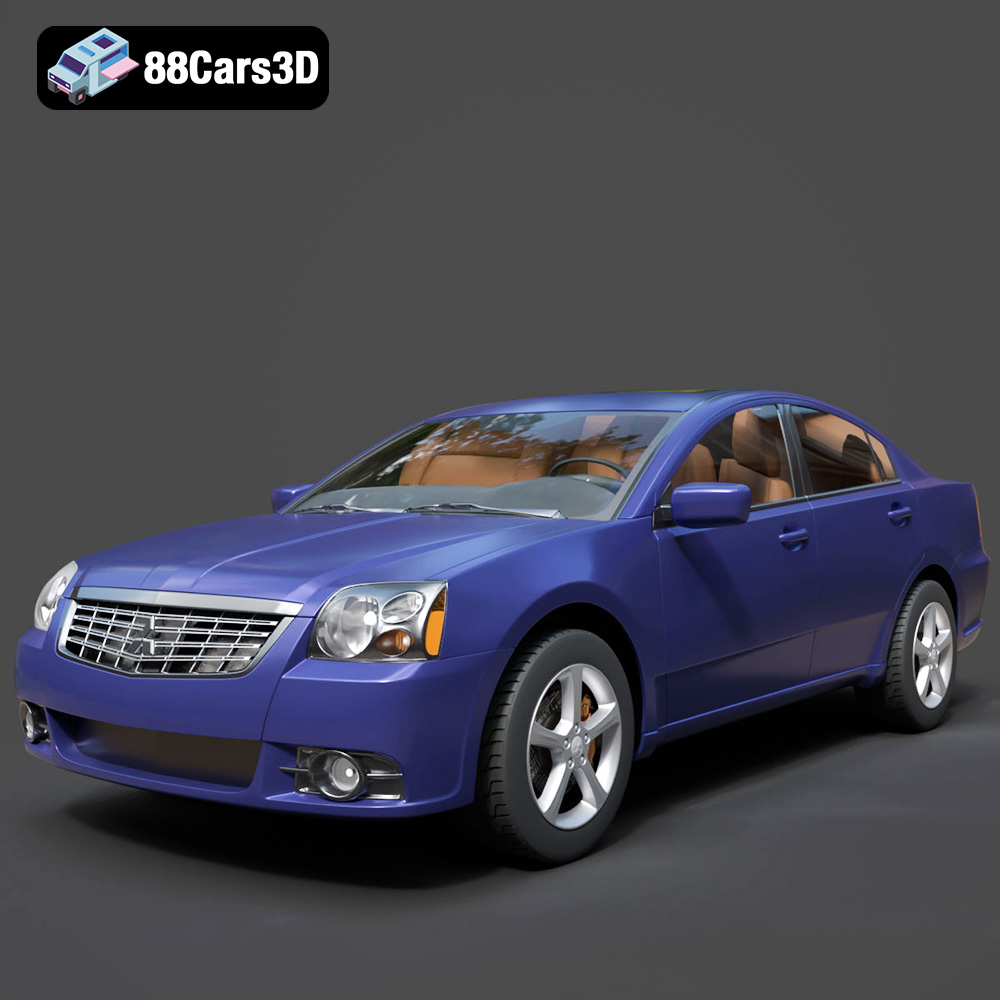
Texture: Yes
Material: Yes
Download the Mitsubishi Galant 2009 3D Model featuring clean geometry, realistic detailing, and a fully modeled interior. Includes .blend, .fbx, .obj, .glb, .stl, .ply, .unreal, and .max formats for rendering, simulation, and game development.
Price: $4.99
View Product
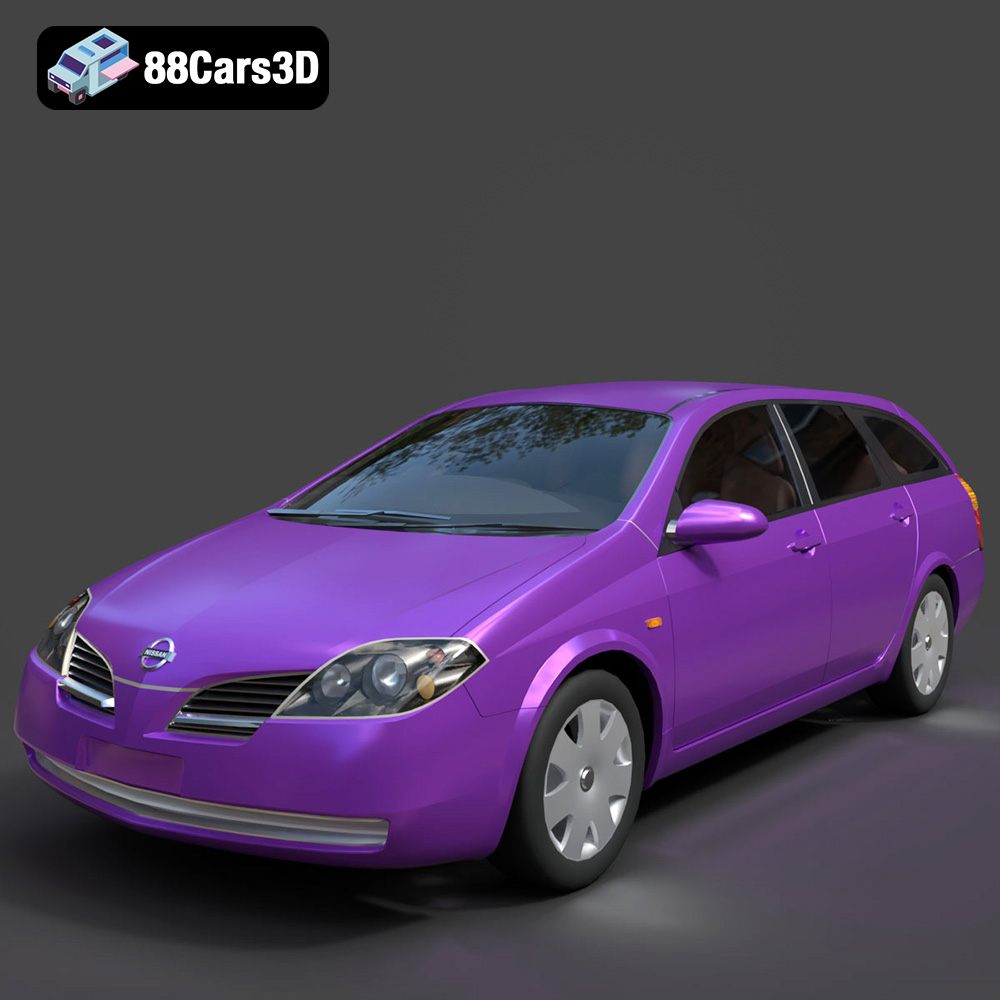
Texture: Yes
Material: Yes
Download the Nissan Primera Wagon 3D Model featuring clean geometry, realistic detailing, and a fully modeled interior. Includes .blend, .fbx, .obj, .glb, .stl, .ply, .unreal, and .max formats for rendering, simulation, and game development.
Price: $4.99
View Product
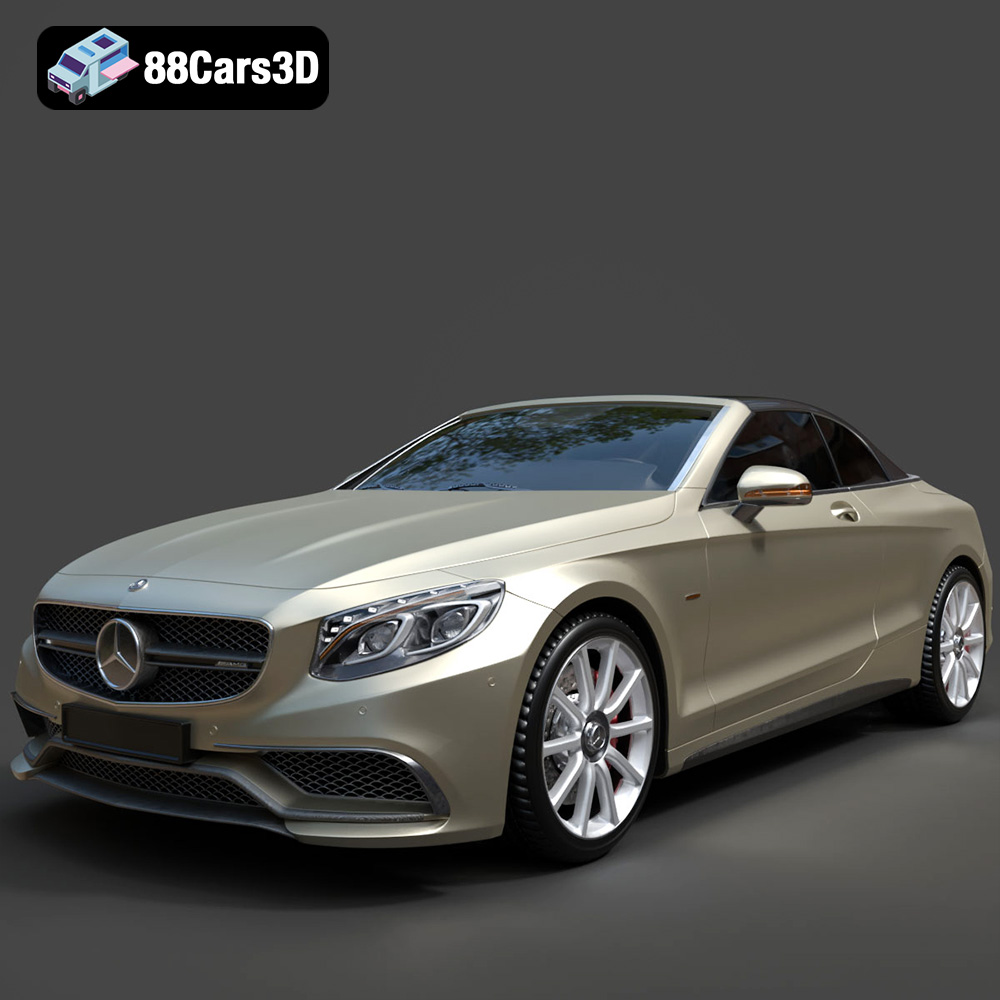
Texture: Yes
Material: Yes
Download the Mercedes-Benz S63 AMG Cabriolet 2017 3D Model featuring clean geometry, realistic detailing, and a fully modeled interior. Includes .blend, .fbx, .obj, .glb, .stl, .ply, .unreal, and .max formats for rendering, simulation, and game development.
Price: $20.99
View Product
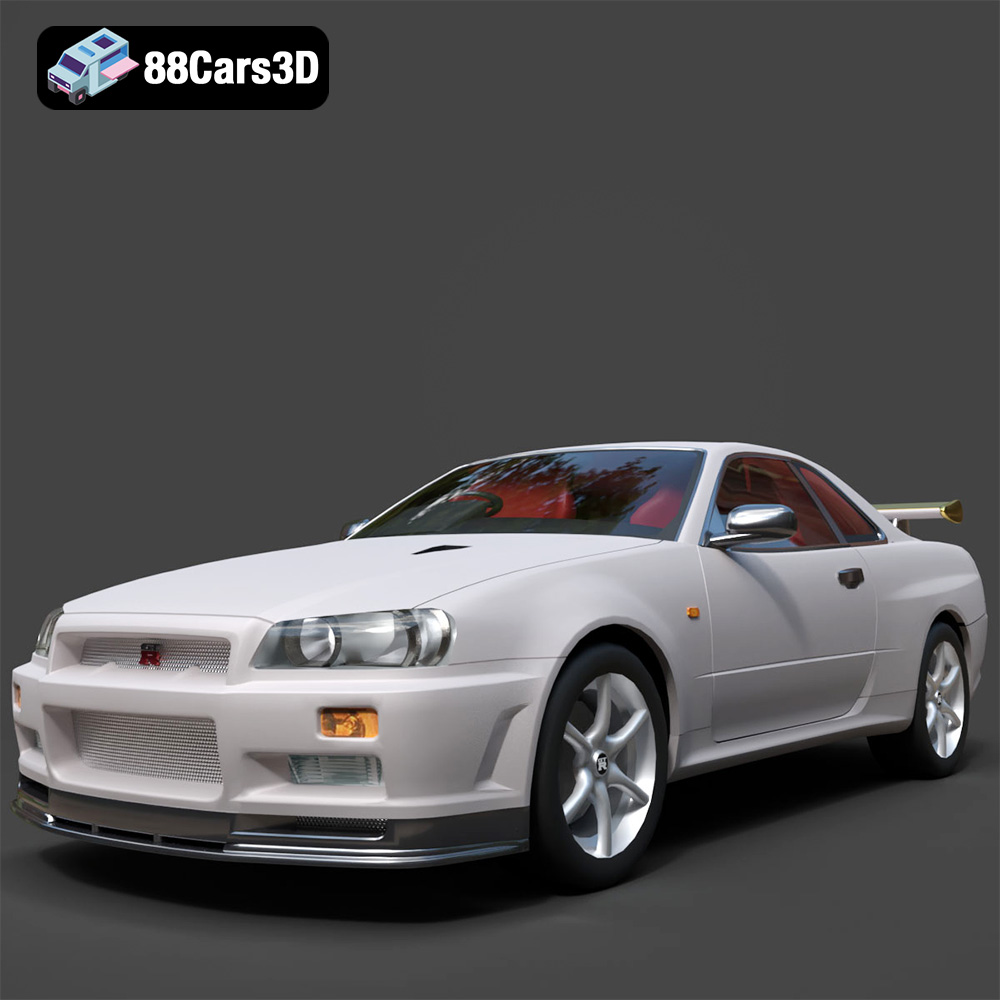
Texture: Yes
Material: Yes
Download the Nissan Skyline R34 2002 3D Model featuring clean geometry, realistic detailing, and a fully modeled interior. Includes .blend, .fbx, .obj, .glb, .stl, .ply, .unreal, and .max formats for rendering, simulation, and game development.
Price: $4.99
View Product
Texture: Yes
Material: Yes
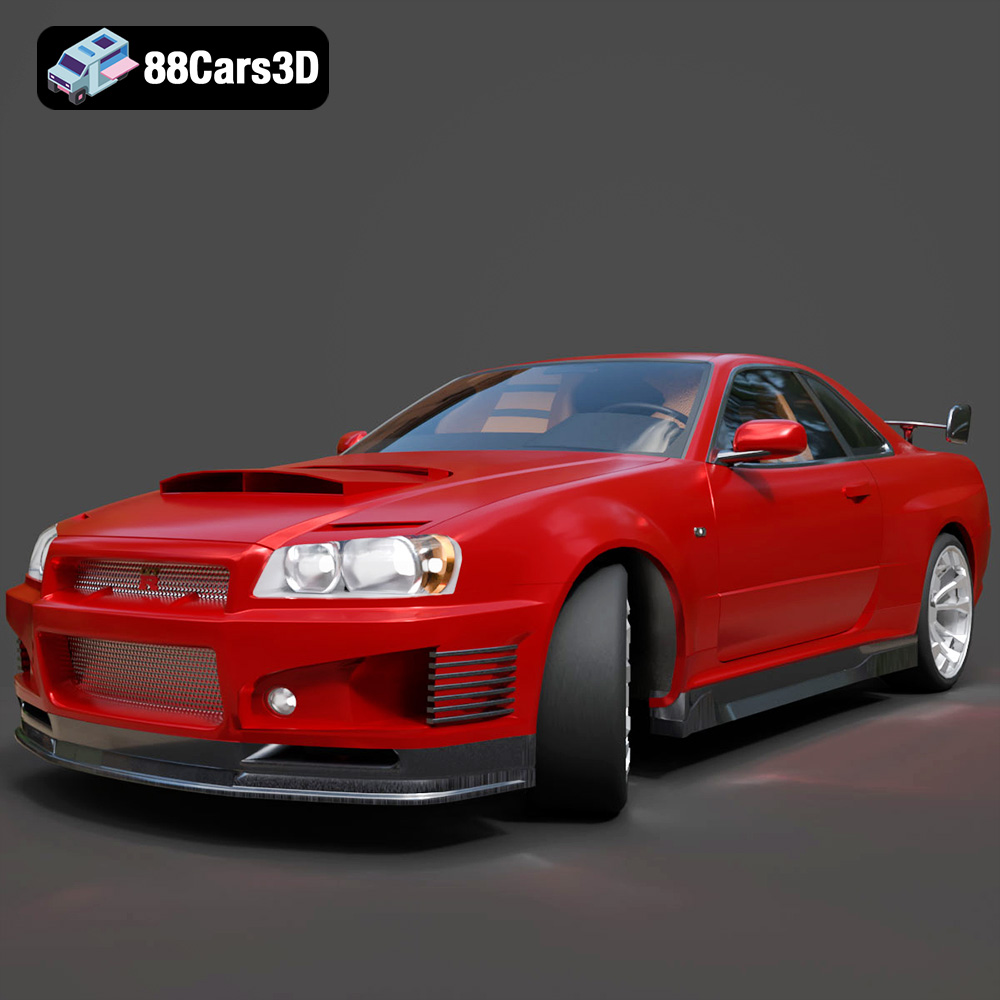
Download the Nissan Skyline 3D Model featuring clean geometry, realistic detailing, and a fully modeled interior. Includes .blend, .fbx, .obj, .glb, .stl, .ply, .unreal, and .max formats for rendering, simulation, and game development.
Price: $9.99
View Product
Texture: Yes
Material: Yes
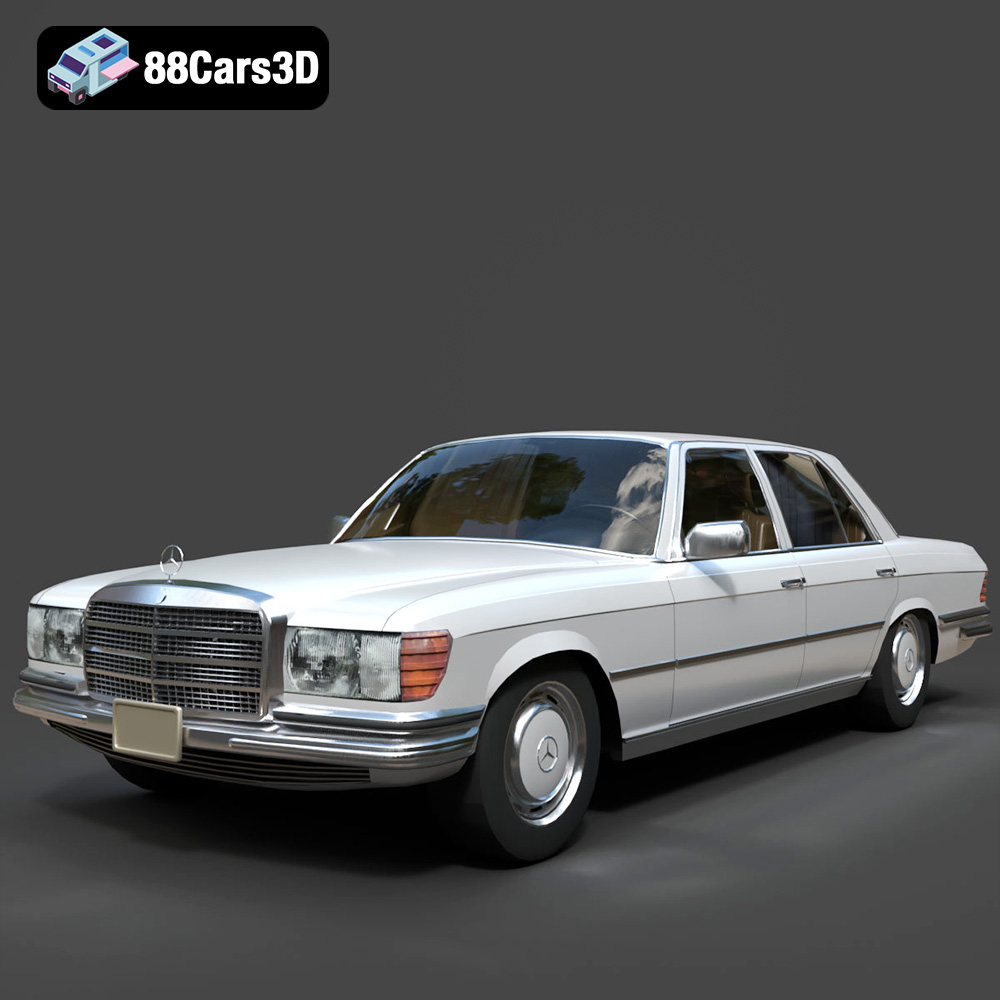
Download the Mercedes-Benz S-Klasse W116 3D Model featuring clean geometry, realistic detailing, and a fully modeled interior. Includes .blend, .fbx, .obj, .glb, .stl, .ply, .unreal, and .max formats for rendering, simulation, and game development.
Price: $4.99
View Product
Texture: Yes
Material: Yes
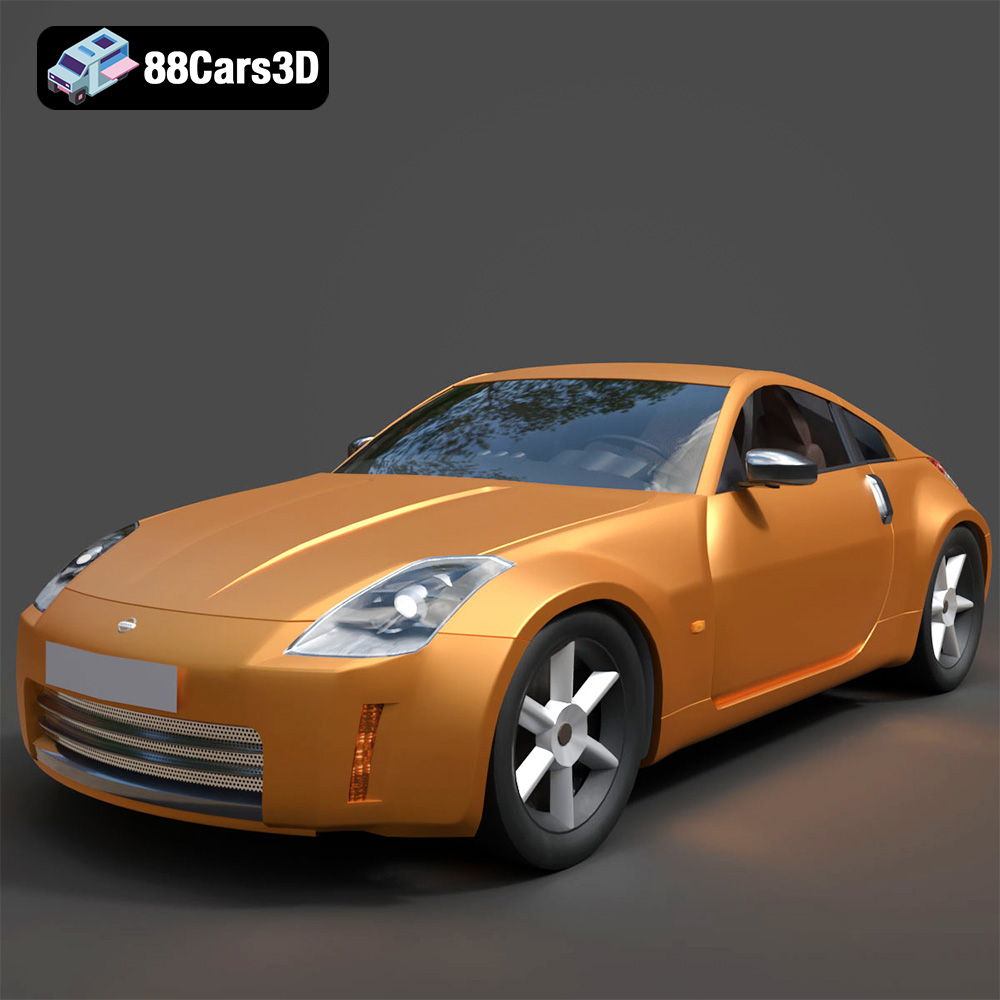
Download the Nissan 350Z 3D Model featuring clean geometry, realistic detailing, and a fully modeled interior. Includes .blend, .fbx, .obj, .glb, .stl, .ply, .unreal, and .max formats for rendering, simulation, and game development.
Price: $4.99
View Product

Texture: Yes
Material: Yes
Download the Nissan Skyline V35 2001 3D Model featuring clean geometry, realistic detailing, and a fully modeled interior. Includes .blend, .fbx, .obj, .glb, .stl, .ply, .unreal, and .max formats for rendering, simulation, and game development.
Price: $4.99
View Product

Texture: Yes
Material: Yes
Download the Mercedes-Benz S-Klasse 221-007 3D Model featuring clean geometry, realistic detailing, and a fully modeled interior. Includes .blend, .fbx, .obj, .glb, .stl, .ply, .unreal, and .max formats for rendering, simulation, and game development.
Price: $4.99
View Product
Texture: Yes
Material: Yes
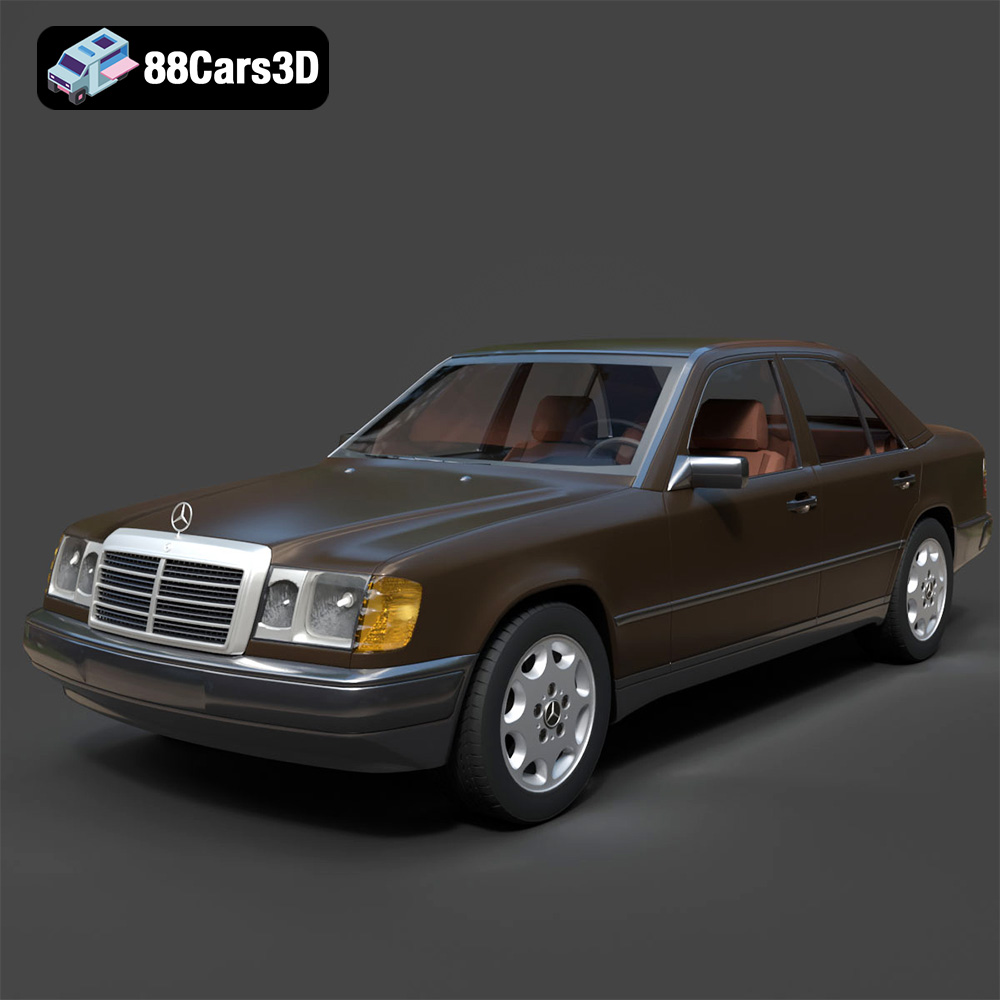
Download the Mercedes W124 Sedan 3D Model featuring clean geometry, realistic detailing, and a fully modeled interior. Includes .blend, .fbx, .obj, .glb, .stl, .ply, .unreal, and .max formats for rendering, simulation, and game development.
Price: $4.99
View Product


