
Unleashing Potential: A Deep Dive into High-Quality 3D Car Models for Every Application

Unleashing Potential: A Deep Dive into High-Quality 3D Car Models for Every Application
In the vibrant landscape of digital creation, high-quality 3D car models are indispensable assets, serving as the cornerstone for everything from stunning cinematic visuals to immersive interactive experiences. Whether you’re an automotive designer showcasing a new concept, a game developer crafting the next racing sensation, an architect integrating vehicles into a realistic visualization, or a student honing your craft, the fidelity and versatility of your 3D models dictate the success of your project. The journey from a conceptual sketch to a fully realized, render-ready, or game-optimized 3D car model involves a meticulous blend of artistic skill and technical precision. It’s a complex process that touches upon fundamental principles of 3D modeling topology, sophisticated UV mapping, realistic PBR materials, advanced rendering techniques, and crucial optimization strategies for various platforms like AR/VR and game engines.
This comprehensive guide delves into the intricate world of creating, optimizing, and utilizing premium 3D car models. We’ll explore the critical workflows, technical specifications, and industry best practices that elevate a simple mesh into a professional-grade asset. From understanding ideal polygon distribution for seamless surfaces to mastering shader networks and preparing models for 3D printing, we will equip you with the knowledge to make informed decisions and achieve exceptional results. You’ll learn how to navigate the challenges of different production pipelines and harness the full potential of your automotive rendering and visualization projects. Let’s embark on this technical exploration to unlock the true power behind expertly crafted 3D game assets and visualization tools.
The Foundation: Masterful Topology and Edge Flow for Automotive Models
The core of any high-quality 3D car model lies in its topology and edge flow. For automotive designs, where smooth, reflective surfaces are paramount, clean and efficient polygon distribution is not just a preference, but a necessity. Good topology ensures that your model deforms predictably, facilitates seamless UV unwrapping, and crucially, provides the foundation for flawless subdivision surfaces. This translates directly to how light interacts with the car’s body, revealing subtle curves and highlights without unsightly pinches or artifacts. A well-constructed mesh can scale from low-poly game assets to ultra-high-resolution cinematic renders simply by adjusting subdivision levels, making it incredibly versatile.
When modeling a car, the goal is often to capture the designer’s intent with precision. This means carefully considering where edge loops are placed to define character lines, panel gaps, and subtle curvatures. Using primarily quad polygons (four-sided faces) is a universal best practice because they subdivide cleanly and evenly. Triangles (three-sided faces) should be used sparingly and only in areas where they will not cause pinching or deformation issues, often on flat or non-deforming surfaces. N-gons (polygons with more than four sides) are generally avoided in subdivision modeling as they lead to unpredictable surface behavior. For complex forms found in modern vehicle designs, modeling often begins with blocking out the main volumes, then progressively refining the shape by adding more edge loops and using tools like soft selection, proportional editing, and various surfacing techniques in software such as 3ds Max, Blender, or Maya. Attention to detail at this stage saves immense time down the line in texturing and rendering.
Clean Quads and Polycount Management
Achieving clean quads across a complex car body requires a methodical approach. Start with broad strokes, establishing the major contours and overall silhouette. Then, gradually introduce more detail by adding edge loops to define specific features like wheel arches, door lines, and window frames. The aim is to maintain an even distribution of polygons, avoiding overly dense or sparse areas unless intentional for specific detail. For high-fidelity rendering, models can easily reach several million polygons with subdivision, but for real-time applications like games or AR/VR, polycount management is critical. A typical game-ready car model might range from 50,000 to 150,000 polygons for a hero vehicle, including interior and wheels, while background vehicles might be as low as 5,000-20,000. Platforms like 88cars3d.com provide models often optimized for various polycount ranges, offering flexibility for diverse project requirements. Techniques like retopology are often employed to simplify overly dense meshes or clean up scanned data, ensuring an efficient and animation-friendly quad-based mesh.
Surface Curvature and Crease Definition
Automotive design is characterized by its blend of sweeping curves and sharp, precise creases. Excellent edge flow is crucial for accurately representing these. Edge loops should follow the natural flow of the car’s body lines, allowing for smooth transitions and crisp edges where needed. To define a sharp crease on a subdivision surface, multiple edge loops are placed very close to each other along the desired edge. The tighter the proximity of these “control loops,” the sharper the resulting crease when subdivided. Conversely, wider spacing between edge loops contributes to softer, more gradual curves. This controlled approach allows artists to sculpt the intricate forms of a vehicle, from the subtle bulge of a fender to the razor-sharp cut of a spoiler. Understanding how light will reflect off these surfaces is key, and proper edge weighting or crease values can also be used in some software to achieve specific surface tensions without adding excessive geometry, balancing visual quality with polygon efficiency.
The Art of Unwrapping: UV Mapping Strategies for Complex Car Surfaces
Once a 3D car model boasts impeccable topology, the next critical step is UV mapping. UV mapping is the process of flattening the 3D surface of your model into a 2D space, creating a set of coordinates (UVs) that tell your rendering engine how to apply textures. For complex objects like cars, with their multiple distinct components and materials (body, windows, tires, interior), effective UV mapping is essential for achieving realistic textures and minimizing distortion. Poor UVs lead to stretched, blurry, or misaligned textures, severely compromising the visual integrity of even the most detailed models. The goal is to create UV islands that are as undistorted and uniformly scaled as possible, maximizing texture resolution usage and simplifying the texturing process.
A common strategy for automotive models is to separate major components into their own UV sets or islands. The car body, for instance, might be unwrapped into several large pieces (hood, roof, doors, fenders) to ensure minimal seams and optimal texture density. Smaller, less visible parts or those with repetitive textures (like tire treads or interior fabrics) can often share UV space or use tiled textures. Software like 3ds Max, Blender, Maya, and RizomUV offer robust tools for unwrapping, allowing artists to project, cut, and stitch UVs precisely. When texturing with PBR workflows, correct UV mapping is not just about color; it dictates how metallic, roughness, and normal maps are applied, directly impacting how light interacts with every surface of the vehicle. A meticulous unwrap allows for highly detailed PBR materials that truly bring the car to life.
UV Seaming and Overlapping Prevention
Strategic placement of UV seams is paramount. For a car body, seams should generally be placed in less visible areas, such as along natural panel lines, under the chassis, or where components meet. The fewer, larger UV islands, the better, as this reduces visual discontinuity. However, overly large islands can be challenging to flatten without distortion. A balance must be struck. Tools that allow for “relaxing” UVs help minimize stretching after initial cuts are made. Preventing UV overlap is another critical consideration, especially for real-time applications and certain rendering techniques (like baked lighting or ambient occlusion). Overlapping UVs can cause flickering, incorrect shadow rendering, and issues with lightmap baking. Each UV island should occupy its own unique space within the 0-1 UV coordinate range (the UV atlas). When sourcing models from marketplaces such as 88cars3d.com, artists can expect professional models to have clean, non-overlapping UVs, ready for direct texturing.
Multi-Material UVs and Texture Atlasing
Modern car models often consist of dozens, if not hundreds, of different materials—paint, glass, chrome, rubber, plastic, leather, carbon fiber, etc. For simpler assets or those targeting game engines, it’s efficient to combine multiple material types onto a single UV atlas or texture map. This technique, known as texture atlasing, reduces the number of draw calls in game engines, significantly improving performance. For example, all interior fabric elements (seats, headliner, door panels) could share one UV space and one set of texture maps. The same principle applies to exterior trim pieces. This requires careful planning during the UV unwrapping phase to ensure different material zones are adequately separated and scaled within the atlas. For high-end cinematic rendering, where individual material properties are crucial and performance less of a concern, separate UV sets and dedicated texture maps for each material type (e.g., body paint, window glass, tire rubber) are common, allowing for maximum flexibility and fidelity in shader creation. Choosing the right approach depends heavily on the project’s specific requirements and target platform.
Bringing Realism to Life: PBR Material Creation and Advanced Shading Networks
Beyond impeccable geometry and UVs, the true magic of a realistic 3D car model emerges with its materials. Physically Based Rendering (PBR) has become the industry standard for creating materials that react to light in a physically accurate way, delivering unparalleled realism across various lighting conditions and render engines. PBR moves away from subjective color values and instead focuses on material properties like albedo (base color), metallicness, roughness, normal, ambient occlusion, and displacement. These maps, combined within a shader network, define how light is absorbed, reflected, and scattered by the surface, mimicking real-world physics. Mastering PBR is crucial for creating convincing car paint, reflective chrome, transparent glass, and textured rubber, which are all essential components of a visually stunning automotive render.
Creating PBR materials involves a combination of procedural textures, hand-painted maps, and often, scanned real-world data. Software like Substance Painter, Substance Designer, and Quixel Mixer are industry leaders for PBR texture authoring, allowing artists to layer materials, generate wear and tear, and export comprehensive PBR map sets tailored for specific renderers (e.g., Metallic-Roughness or Specular-Glossiness workflows). Understanding the interaction between these maps is key: a high metallic value with low roughness creates a mirror-like chrome, while a low metallic value with varying roughness can simulate anything from matte plastic to a glossy painted surface. For a car, the complexity multiplies, requiring dedicated PBR materials for each component – the multi-layered car paint effect, the subtly dirty tires, the clear yet refractive glass, and the detailed interior fabrics. Each material contributes to the overall believability and visual richness of the final render.
Core PBR Principles and Texturing Workflows
The foundation of PBR relies on two primary workflows: Metallic-Roughness and Specular-Glossiness. The Metallic-Roughness workflow, widely adopted by game engines like Unity and Unreal Engine, as well as renderers like Cycles and Arnold, uses maps for Base Color (Albedo), Metallic, Roughness, Normal, and Ambient Occlusion. The Metallic map determines how metallic a surface is (0 for dielectric, 1 for metallic), while Roughness controls the micro-surface detail affecting reflections (0 for perfectly smooth, 1 for completely rough). The Specular-Glossiness workflow, often seen in V-Ray and Corona Renderer, uses maps for Diffuse, Specular Color, Glossiness (inverse of Roughness), and Normal. While the underlying physics are similar, the artist’s input values differ. Regardless of the workflow, careful attention to reference imagery and real-world material properties is critical. Texture resolutions typically range from 2K (2048×2048) for smaller components to 4K or 8K (4096×4096 or 8192×8192) for the main car body, ensuring high detail even in close-up shots.
Layered Materials and Shader Graphs
Achieving truly photorealistic car paint, with its clear coat, metallic flakes, and subsurface scattering, often requires layered materials and sophisticated shader networks. In software like 3ds Max with Corona or V-Ray, or Blender with Cycles, artists can construct complex shaders using nodal editors. A car paint shader, for example, might consist of:
- A base diffuse layer with an underlying color.
- A metallic flake layer, often driven by a noise texture and modified by a clear coat.
- Multiple clear coat layers, each with varying levels of reflectivity and glossiness, simulating the depth of real-world automotive paint.
- Additional layers for subtle dirt, dust, or scratches, blended non-destructively using masks.
These shader graphs allow for immense control and customization, enabling artists to simulate specific paint finishes, from deep candy apple reds to subtle pearlescent whites. Furthermore, procedural textures can be integrated into these networks to add subtle variations and imperfections without the need for large image textures, enhancing realism and reducing memory footprint. Advanced shader techniques also apply to glass (refraction, dispersion) and tire rubber (micro-displacement for tread detail), pushing the boundaries of what’s achievable in automotive rendering.
Capturing the Vision: Professional Rendering Workflows and Lighting Techniques
With a perfectly modeled and textured 3D car model, the next stage is to bring it to life through rendering. Rendering is the process of generating a 2D image from a 3D scene, and for automotive visualization, this demands both technical prowess and artistic sensibility. The choice of render engine, lighting setup, and environment significantly impacts the final image’s realism and mood. High-quality automotive rendering aims to showcase the car’s design, materials, and form in the most appealing way possible, often mimicking professional photography studio setups or real-world locations. This process requires careful calibration of lights, cameras, and render settings to achieve photorealistic results that resonate with viewers.
Popular render engines like Corona Renderer, V-Ray (for 3ds Max, Maya), Cycles (Blender), and Arnold (Maya, 3ds Max) each offer unique strengths and workflows. All are capable of physically accurate global illumination, reflections, and refractions, which are critical for rendering highly reflective objects like cars. The renderer’s ability to handle complex materials, volumetric effects, and detailed lighting is paramount. A typical rendering workflow involves setting up the scene, positioning the car, adding lighting elements, choosing appropriate camera angles and settings (focal length, depth of field), configuring render passes, and finally, adjusting global render settings for quality and speed. Post-processing in applications like Adobe Photoshop or Affinity Photo is then used to refine the image, add effects, and balance colors, elevating the raw render to a polished final product.
Studio Lighting vs. HDRI Environments
Lighting is arguably the most crucial element in automotive rendering. Two primary approaches dominate:
- Studio Lighting: Mimicking real-world photography studios, this involves placing individual lights (area lights, spot lights) around the car to highlight specific features, create desired reflections, and control shadows. This method offers precise control over every aspect of illumination and is excellent for showcasing design details. Common setups include three-point lighting (key, fill, back), large softboxes for even illumination, and strip lights for elegant reflections along body lines.
- HDRI (High Dynamic Range Image) Environments: This widely used technique involves wrapping a high-dynamic range panoramic image around the scene, providing both lighting and reflections from a real-world environment. HDRIs offer incredibly realistic and complex lighting, with accurate color temperatures and subtle nuances that are difficult to replicate manually. They are perfect for placing a car in a realistic outdoor setting or a virtual studio environment. Often, a combination of an HDRI for ambient illumination and reflections, supplemented by individual studio lights for accentuation, yields the most convincing results.
Both methods require an understanding of how light interacts with the car’s reflective surfaces and how to manipulate it to enhance the vehicle’s form and material qualities. For example, using a large, soft light source for the main body reflections can emphasize the car’s smooth curves, while a sharper, directional light might be used to accentuate a specific design crease.
Render Engine Specifics (Corona, V-Ray, Cycles, Arnold)
- Corona Renderer: Known for its ease of use, speed, and photorealistic output, Corona is a biased (CPU-only) renderer popular in architectural visualization and automotive rendering. Its physically based materials and intuitive lighting setup make it accessible for beginners while offering depth for advanced users. It excels with its interactive light mixer and VFB post-processing capabilities.
- V-Ray: A venerable hybrid (CPU/GPU) renderer, V-Ray is a powerhouse used across industries. It offers extensive control over every render parameter, making it incredibly flexible. Its robust material system and advanced sampling options allow for highly detailed and optimized renders, though its complexity can have a steeper learning curve.
- Cycles (Blender): Blender’s integrated path tracer, Cycles, is a powerful open-source option with CPU and GPU rendering capabilities. It supports physically based materials, global illumination, and volumetric rendering. Its nodal shader editor is highly versatile, allowing for complex material setups ideal for car paint.
- Arnold: Primarily a CPU-based renderer (with some GPU capabilities), Arnold is known for its robust production quality, especially in film VFX. Its strength lies in its physically accurate rendering, excellent handling of complex geometry, and robust shader system, making it a top choice for high-fidelity automotive visualization.
Each engine has its nuances regarding material setup, light types, and optimization strategies. For instance, render passes (e.g., reflections, refractions, Z-depth, object IDs) are vital for compositing and post-production, allowing artists to make granular adjustments to the final image without re-rendering the entire scene. Understanding the strengths and limitations of each engine helps in choosing the best tool for a specific automotive rendering project.
Performance Prowess: Optimizing 3D Car Models for Game Engines and Real-time Applications
While cinematic renders prioritize absolute visual fidelity, game assets and real-time applications like AR/VR demand a careful balance between visual quality and performance. A beautiful 3D car model that grinds a game engine to a halt is unusable. Optimization is an art form that ensures smooth frame rates, responsive interactions, and efficient resource utilization without sacrificing too much visual appeal. For game developers, particularly those working with demanding environments like open-world racing games, every polygon, texture, and draw call must be considered. This involves proactive strategies during the modeling phase and specialized techniques during asset preparation for integration into engines like Unity or Unreal Engine.
The core philosophy of real-time optimization is to render only what is necessary, and to render it as efficiently as possible. This impacts everything from mesh density and texture resolutions to material complexity and lighting. A single high-poly, unoptimized car model can exhaust a game engine’s resources, especially if multiple cars are present in a scene. Therefore, game-ready 3D car models are typically created with multiple Levels of Detail (LODs), simplified collision meshes, and optimized material setups. Tools within game engines themselves, along with external DCC applications, provide functionalities to profile performance and identify bottlenecks. When creating or acquiring 3D game assets, understanding these optimization principles is crucial for ensuring a smooth and engaging user experience, whether it’s navigating a virtual showroom or racing at high speeds.
LODs, Draw Calls, and Asset Instancing
Levels of Detail (LODs) are perhaps the most crucial optimization technique for complex assets like cars. Instead of rendering a high-polygon model at all distances, LODs involve creating several progressively simplified versions of the same model. When the car is far from the camera, a low-poly LOD (e.g., 5,000 polygons) is rendered. As it gets closer, a medium-poly LOD (e.g., 50,000 polygons) is swapped in, and only when it’s very close or the primary focus is the highest-poly LOD (e.g., 150,000+ polygons) rendered. This drastically reduces the polygon count processed by the GPU at any given time. Modern game engines automate the switching between LODs based on screen space or distance. The number of draw calls (instructions the CPU sends to the GPU to draw objects) is another major performance factor. Minimizing draw calls by combining meshes (if they share materials), using texture atlases, and carefully managing materials is vital. Asset instancing (rendering multiple copies of the same mesh using a single draw call) is a powerful technique for scenarios with many identical cars, like a parking lot or a racing grid, as it significantly reduces CPU overhead.
Collision Meshes and Physics Optimization
Beyond visual representation, cars in games require physical interaction. This is handled by collision meshes, which are simplified geometric representations of the car used for physics calculations (e.g., detecting impacts with other objects or terrain). It’s inefficient to use the visual mesh for collision detection due to its complexity. Collision meshes are typically low-polygon, convex shapes (or a series of convex shapes) that accurately approximate the car’s silhouette. They don’t need to be visually perfect, just geometrically sound for physics. For example, a car’s collision mesh might consist of a few dozen polygons approximating the chassis, wheels, and main body, rather than the hundreds of thousands of polygons of the render mesh. Proper setup of these collision meshes is vital for realistic vehicle physics and avoiding performance hits. Furthermore, optimizing the physics simulation itself, by reducing the complexity of rigid bodies, joints, and constraints, contributes to overall game performance, ensuring a smooth driving experience. When selecting 3D car models for game development, ensure they come with appropriate LODs and clean, simplified collision geometry, a feature often provided by professional marketplaces like 88cars3d.com.
Beyond Static Renders: Versatile Applications and File Format Mastery
The utility of a high-quality 3D car model extends far beyond static renders or traditional game development. With the rapid evolution of technology, these assets are now pivotal for a diverse range of interactive and immersive applications, including Augmented Reality (AR), Virtual Reality (VR), and 3D printing. Each of these applications comes with its own set of technical requirements, optimization strategies, and preferred file formats. Understanding these nuances is key to maximizing the versatility and reach of your 3D assets. The ability to adapt a single base model for multiple use cases is a testament to its professional quality and the artist’s expertise.
From showcasing a vehicle in an AR experience on a mobile phone to allowing users to explore its interior in a VR showroom, or even fabricating a physical prototype through 3D printing, the technical demands shift considerably. File formats play a critical role in this adaptability, serving as the bridge between different software and platforms. While FBX and OBJ remain ubiquitous for general 3D data exchange, newer formats like GLB and USDZ are gaining traction for their specific optimizations in web and mobile AR/VR. This mastery of formats and application-specific preparation ensures that your meticulously crafted 3D car models are not just visually stunning but also functional and performant across the modern digital landscape. This versatility is a hallmark of truly professional visualization assets.
AR/VR Readiness and GLB/USDZ
For AR/VR applications, optimization becomes even more stringent than for traditional games. Frame rates must be exceptionally high (typically 60-90 frames per second per eye) to prevent motion sickness and ensure immersion. This means extremely aggressive polycount reduction (often below 50,000 polygons for a hero car), simplified materials (often baked textures instead of complex shader networks), and minimal draw calls.
- GLB (.glb): This is the binary version of glTF (Graphics Language Transmission Format), designed for efficient transmission and loading of 3D scenes and models by web applications and mobile AR. It packages geometry, materials, textures, and animations into a single file, making it incredibly convenient for web-based 3D viewers and AR experiences (e.g., Google’s ARCore, Facebook 3D Posts).
- USDZ (.usdz): Developed by Apple in collaboration with Pixar, USDZ is an optimized file format specifically for AR on Apple devices (iOS/iPadOS). Like GLB, it’s a single, compact file format that combines 3D model data, textures, and animations. Its strong integration with Apple’s ARKit makes it the go-to format for interactive AR experiences on iPhones and iPads.
Preparing models for these formats often involves baking high-resolution details into normal maps, optimizing texture resolutions (typically 1K-2K), and ensuring all materials are converted to a compatible PBR setup. Exporting to FBX or OBJ first, then converting to GLB or USDZ using dedicated tools or online converters, is a common workflow. This ensures your 3D car models are ready for the next generation of immersive experiences.
3D Printing Preparation and Mesh Integrity
3D printing offers a tangible dimension to digital models, allowing designers to create physical prototypes or detailed scale models of their automotive designs. However, printing a 3D model introduces an entirely new set of requirements, primarily focused on mesh integrity and physical robustness.
- Manifold Mesh: For 3D printing, a model must be “watertight” or manifold, meaning it has no holes, non-manifold edges (edges shared by more than two faces), or inverted normals. The model must define a perfectly enclosed volume, as the printer needs to know what is inside and outside the object.
- Wall Thickness: Components must have sufficient wall thickness to be physically printable. Thin surfaces, like fine grilles or delicate mirrors, might need to be thickened or simplified for printing.
- Mesh Repair: Tools within 3D software (e.g., Blender’s 3D Print Toolbox, 3ds Max’s STL Check modifier) or dedicated repair software (e.g., Netfabb, Meshmixer) are essential for identifying and fixing common issues like non-manifold geometry, intersecting faces, and flipped normals.
- File Formats: STL (.stl) and OBJ (.obj) are the most common file formats for 3D printing. STL is a basic triangulated mesh format, while OBJ can store more information like color (though less frequently used for standard prints).
Preparing a high-detail 3D car model for printing often involves simplifying intricate details that would be too small or fragile to print, ensuring all components are merged and watertight, and checking for potential overhangs that might require support structures during printing. This transition from virtual to physical requires a deep understanding of manufacturing limitations, turning a digital asset into a tangible reality.
Conclusion: Driving Innovation with Premium 3D Car Models
The journey through the creation, optimization, and application of high-quality 3D car models reveals a sophisticated blend of artistic vision and technical mastery. From the foundational principles of clean topology and efficient UV mapping to the intricacies of PBR materials and advanced rendering techniques, every stage plays a crucial role in bringing a virtual vehicle to life. We’ve explored how strategic polygon management, detailed shader networks, and intelligent lighting setups converge to produce breathtaking automotive rendering for cinematic realism. Furthermore, we delved into the specialized demands of real-time applications, emphasizing techniques like LODs, draw calls, and specialized file formats (GLB, USDZ) for creating high-performance game assets and interactive AR/VR experiences. Finally, we touched upon the unique challenges of preparing models for 3D printing, highlighting the importance of mesh integrity and manifold geometry.
The digital automotive industry continues to evolve at a rapid pace, with increasing demands for realism, interactivity, and efficiency. Possessing a solid understanding of these technical workflows is not just beneficial—it’s essential for any professional working with 3D vehicles. Whether you are a seasoned artist, an aspiring game developer, or a visualization specialist, leveraging expertly crafted 3D car models is key to achieving your creative goals. Platforms like 88cars3d.com are dedicated to providing such meticulously prepared assets, offering a reliable starting point for projects that demand excellence across all these applications. By applying the insights and best practices discussed in this guide, you are well-equipped to unlock the full potential of 3D car models and drive innovation in your own projects.
Featured 3D Car Models
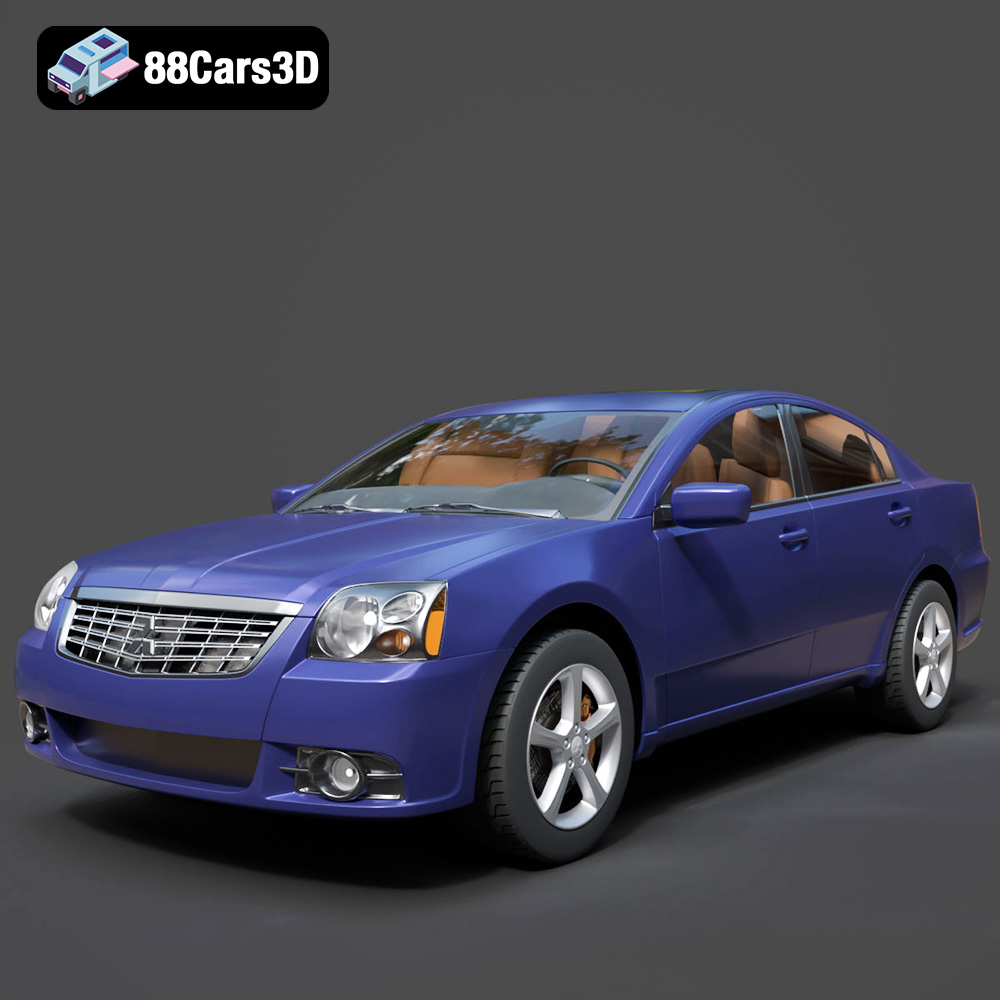
Mitsubishi Galant 2009 3D Model
Texture: Yes
Material: Yes
Download the Mitsubishi Galant 2009 3D Model featuring clean geometry, realistic detailing, and a fully modeled interior. Includes .blend, .fbx, .obj, .glb, .stl, .ply, .unreal, and .max formats for rendering, simulation, and game development.
Price: $4.99
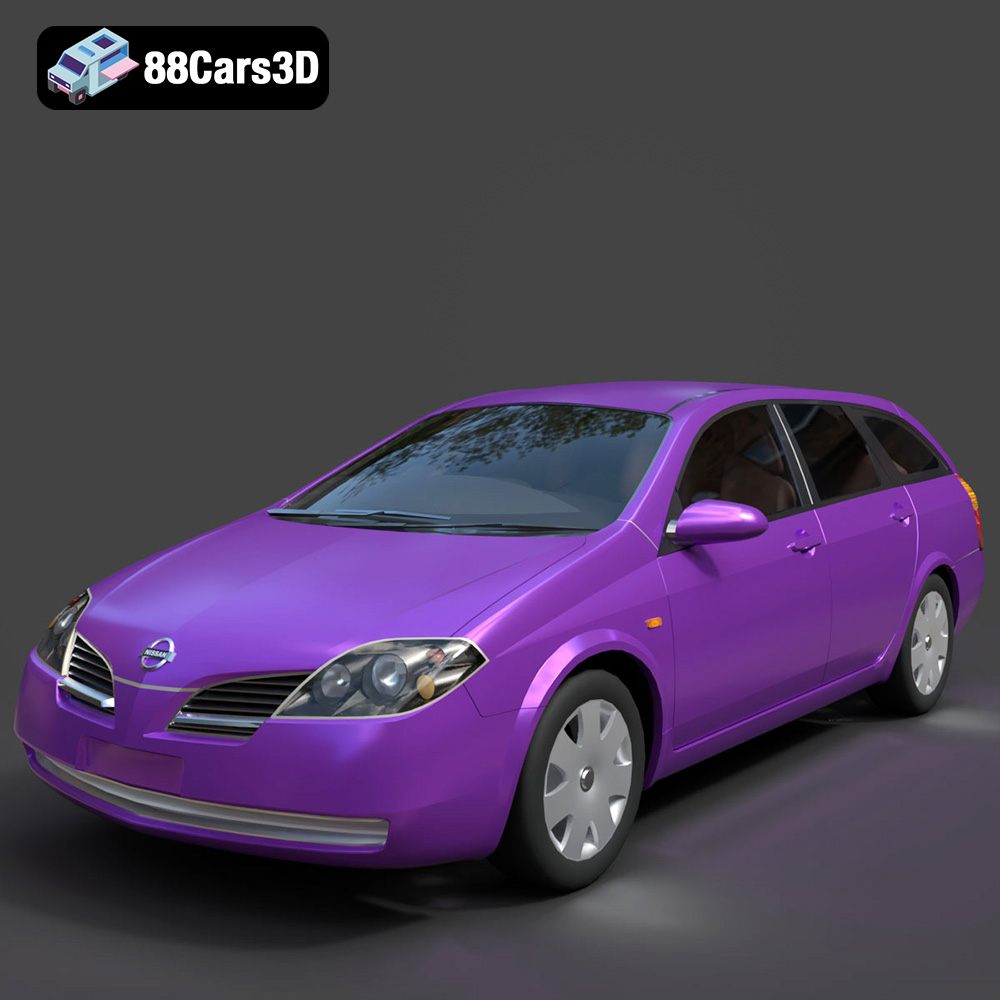
Nissan Primera Wagon 3D Model
Texture: Yes
Material: Yes
Download the Nissan Primera Wagon 3D Model featuring clean geometry, realistic detailing, and a fully modeled interior. Includes .blend, .fbx, .obj, .glb, .stl, .ply, .unreal, and .max formats for rendering, simulation, and game development.
Price: $4.99
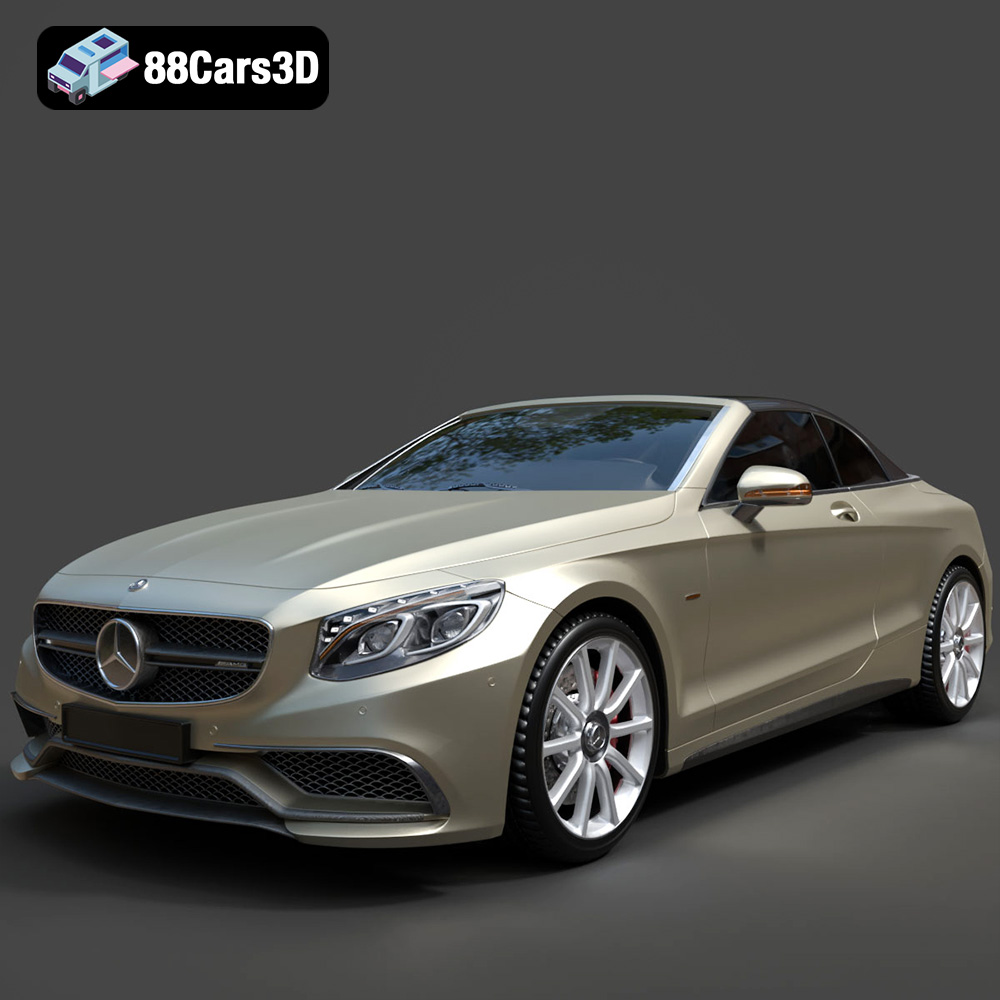
Mercedes-Benz S63 AMG Cabriolet 2017 3D Model
Texture: Yes
Material: Yes
Download the Mercedes-Benz S63 AMG Cabriolet 2017 3D Model featuring clean geometry, realistic detailing, and a fully modeled interior. Includes .blend, .fbx, .obj, .glb, .stl, .ply, .unreal, and .max formats for rendering, simulation, and game development.
Price: $20.99
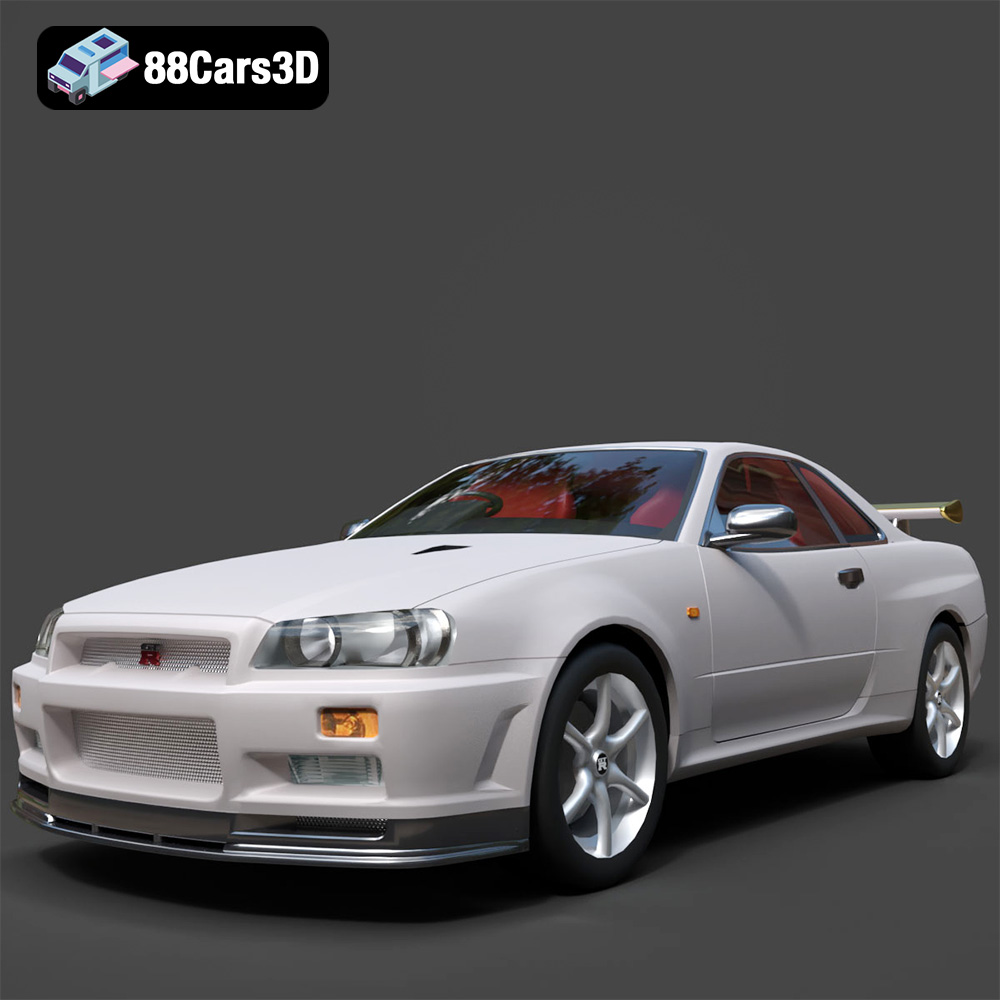
Nissan Skyline R34 2002 3D Model
Texture: Yes
Material: Yes
Download the Nissan Skyline R34 2002 3D Model featuring clean geometry, realistic detailing, and a fully modeled interior. Includes .blend, .fbx, .obj, .glb, .stl, .ply, .unreal, and .max formats for rendering, simulation, and game development.
Price: $4.99
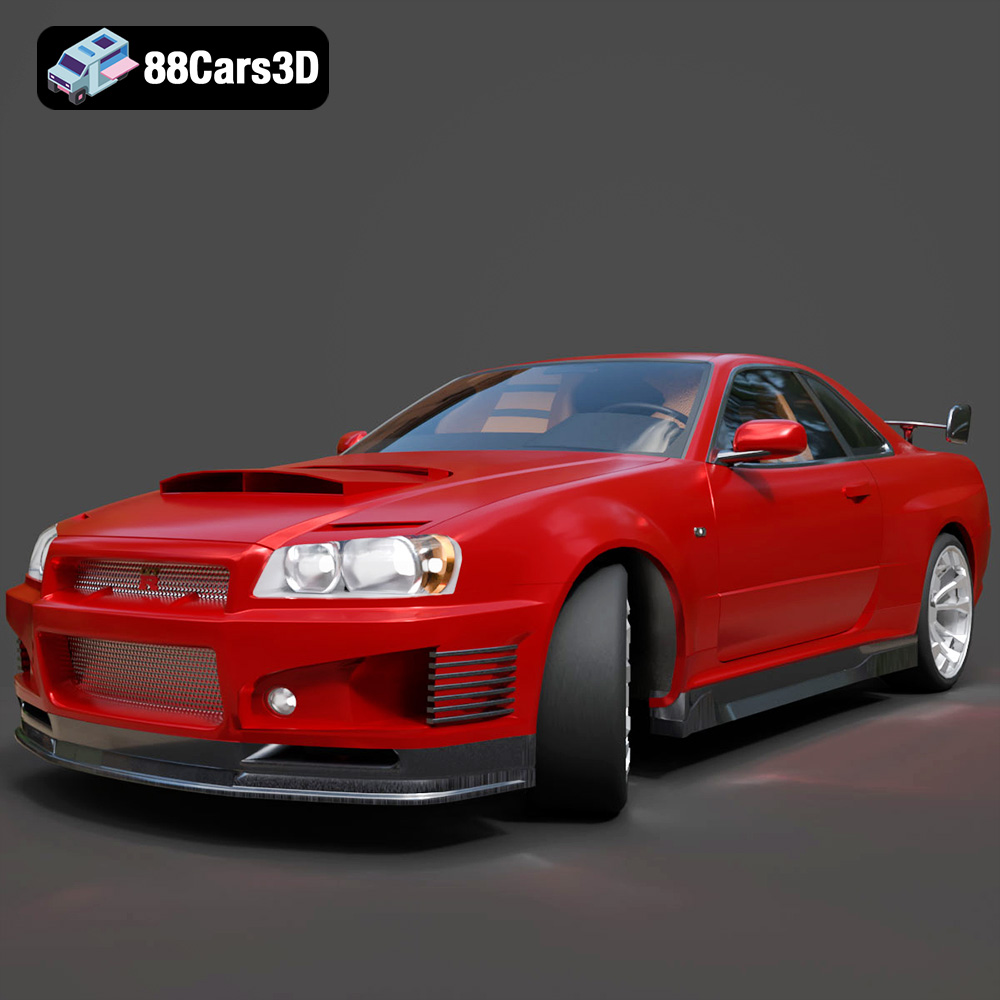
Nissan Skyline 3D Model
Texture: Yes
Material: Yes
Download the Nissan Skyline 3D Model featuring clean geometry, realistic detailing, and a fully modeled interior. Includes .blend, .fbx, .obj, .glb, .stl, .ply, .unreal, and .max formats for rendering, simulation, and game development.
Price: $9.99
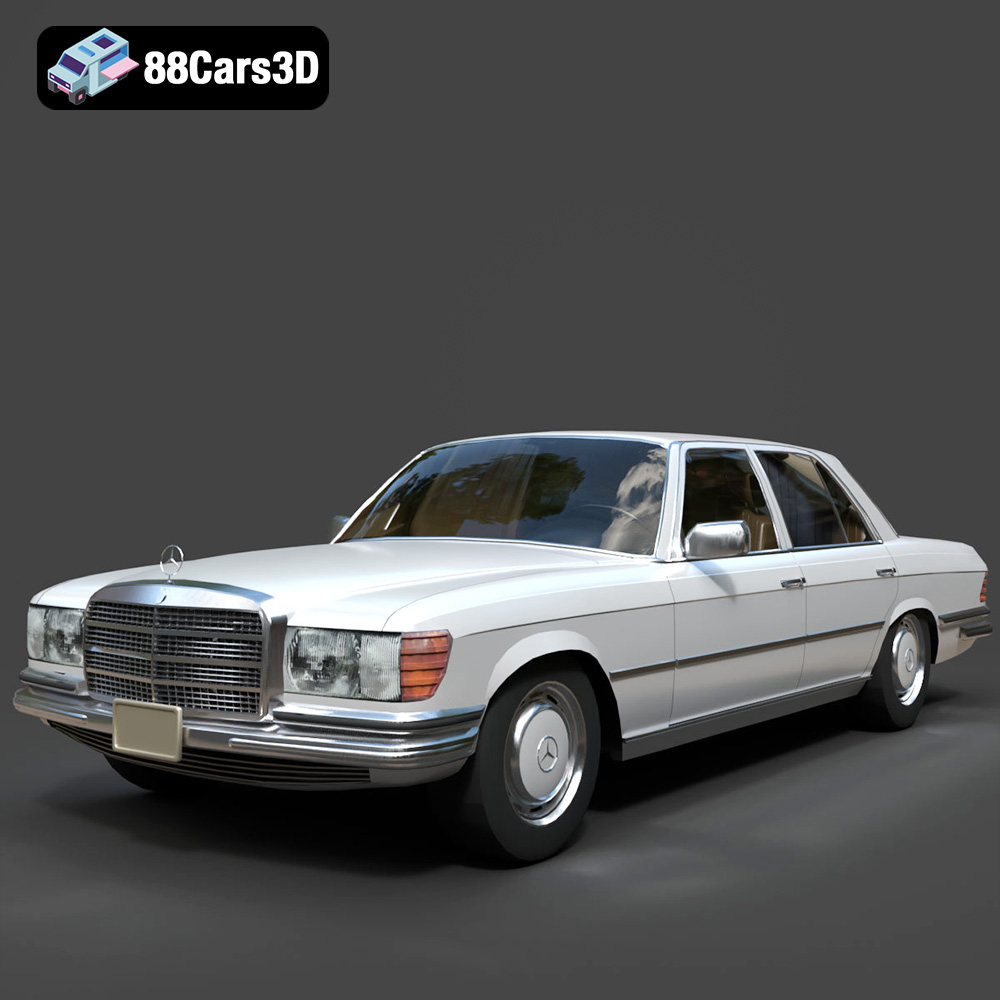
Mercedes-Benz S-Klasse W116 3D Model
Texture: Yes
Material: Yes
Download the Mercedes-Benz S-Klasse W116 3D Model featuring clean geometry, realistic detailing, and a fully modeled interior. Includes .blend, .fbx, .obj, .glb, .stl, .ply, .unreal, and .max formats for rendering, simulation, and game development.
Price: $4.99
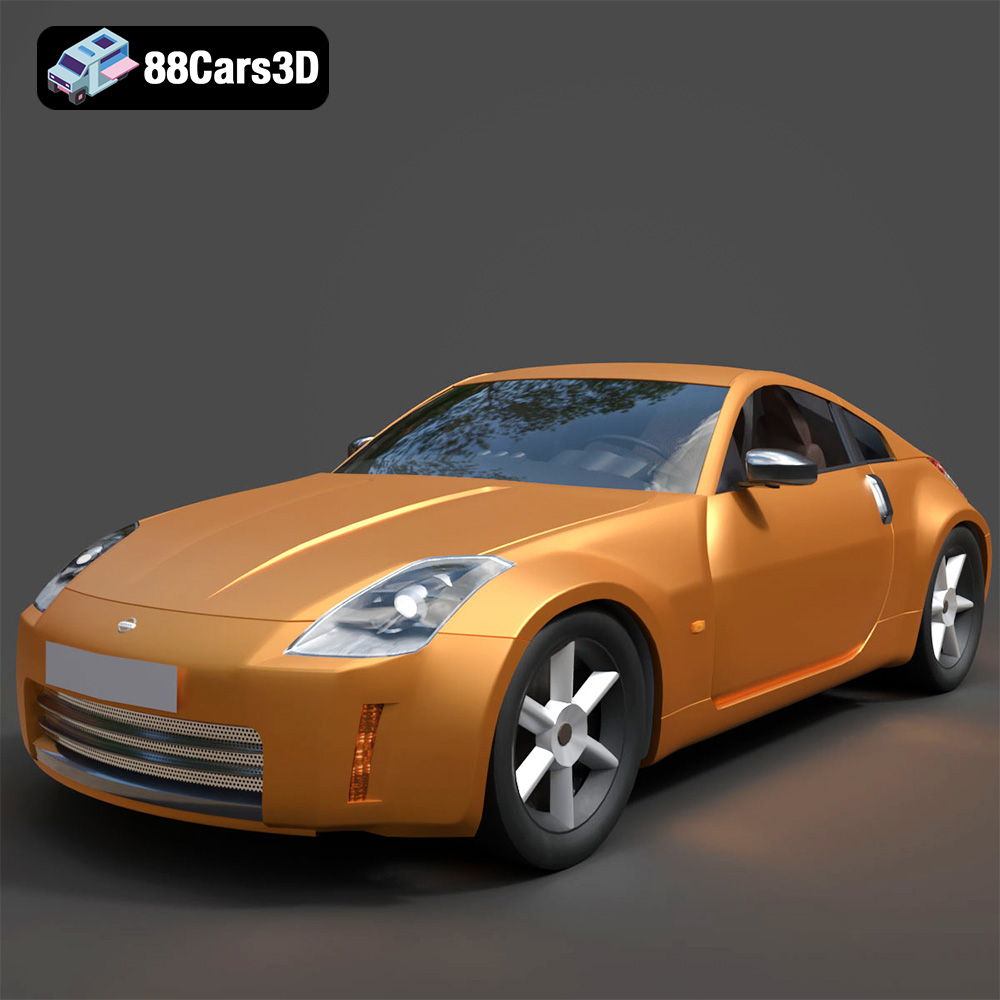
Nissan 350Z 3D Model
Texture: Yes
Material: Yes
Download the Nissan 350Z 3D Model featuring clean geometry, realistic detailing, and a fully modeled interior. Includes .blend, .fbx, .obj, .glb, .stl, .ply, .unreal, and .max formats for rendering, simulation, and game development.
Price: $4.99

Nissan Skyline V35 2001 3D Model
Texture: Yes
Material: Yes
Download the Nissan Skyline V35 2001 3D Model featuring clean geometry, realistic detailing, and a fully modeled interior. Includes .blend, .fbx, .obj, .glb, .stl, .ply, .unreal, and .max formats for rendering, simulation, and game development.
Price: $4.99

Mercedes-Benz S-Klasse 221-007 3D Model
Texture: Yes
Material: Yes
Download the Mercedes-Benz S-Klasse 221-007 3D Model featuring clean geometry, realistic detailing, and a fully modeled interior. Includes .blend, .fbx, .obj, .glb, .stl, .ply, .unreal, and .max formats for rendering, simulation, and game development.
Price: $4.99
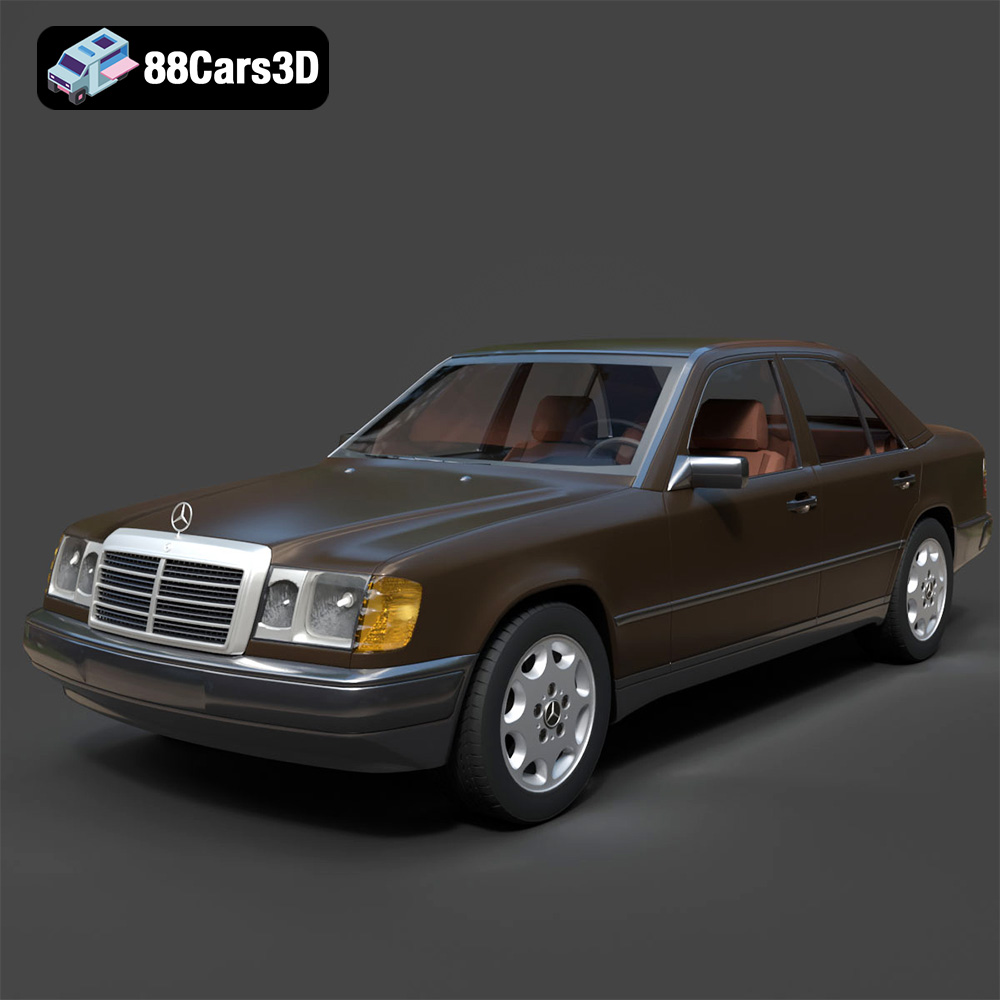
Mercedes W124 Sedan 3D Model
Texture: Yes
Material: Yes
Download the Mercedes W124 Sedan 3D Model featuring clean geometry, realistic detailing, and a fully modeled interior. Includes .blend, .fbx, .obj, .glb, .stl, .ply, .unreal, and .max formats for rendering, simulation, and game development.
Price: $4.99
