
Unleashing the Power of 3D Car Models: A Comprehensive Guide for Artists and Developers

Unleashing the Power of 3D Car Models: A Comprehensive Guide for Artists and Developers
In the dynamic world of 3D visualization, nothing captures the imagination quite like a meticulously crafted car. From the sleek lines of a supercar to the rugged utility of an off-roader, 3D car models are central to automotive design, stunning renders, immersive game environments, and cutting-edge AR/VR experiences. The demand for high-quality, technically sound 3D car assets has never been higher, driving innovation in modeling, texturing, rendering, and optimization workflows. However, creating or even utilizing these complex assets effectively requires a deep understanding of the underlying technical principles and best practices.
This comprehensive guide dives deep into the intricate world of 3D car models, offering invaluable insights for 3D artists, game developers, automotive designers, and visualization professionals alike. We’ll explore the critical aspects that transform a basic mesh into a production-ready asset: from sculpting perfect topology and applying realistic PBR materials, to optimizing for real-time engines and preparing for physical 3D prints. Whether you’re aiming for photorealistic renders in 3ds Max with Corona, developing an immersive racing game in Unreal Engine, or prototyping a new vehicle design, mastering these techniques will elevate your projects and unlock the full potential of your 3D automotive assets. Get ready to accelerate your skills and achieve unparalleled visual fidelity!
The Foundation: Mastering Automotive 3D Modeling Topology and Edge Flow
At the heart of every exceptional 3D car model lies impeccable topology. Topology refers to the arrangement of polygons (faces, edges, and vertices) that form the surface of your model. For automotive models, clean, efficient topology is not just a preference; it’s a necessity. It dictates how the model deforms, how subdivision surfaces behave, and critically, how light reflects off its intricate curves and panels. Poor topology can lead to artifacts, pinching, and an inability to maintain the crisp, reflective surfaces that define a car’s aesthetic.
When modeling car bodies, the goal is to use quads (four-sided polygons) predominantly, as they handle subdivision algorithms (like TurboSmooth in 3ds Max or Subdivision Surface in Blender) predictably and smoothly. Strategic edge flow, where edges follow the natural contours and design lines of the vehicle, is paramount. This ensures that reflections glide smoothly across the surface, without unsightly breaks or wobbles. Consider the tight creases around headlights, door seams, or wheel arches – these require dense, well-controlled edge loops to define their sharpness without introducing unnecessary polygons to flat areas. Balancing detail in critical areas with efficiency elsewhere is key to creating a production-ready model that performs well across various applications. Platforms like 88cars3d.com emphasize clean topology in their offerings precisely because of its critical importance for versatility and quality.
Strategic Edge Flow for Flawless Reflections
For automotive surfaces, reflections are everything. A car’s paint job is designed to reflect its surroundings, and any imperfection in the underlying mesh topology will manifest as a distorted or broken reflection. Strategic edge flow ensures that your model’s surface is continuous and predictable, guiding reflections seamlessly. When modeling, concentrate on creating continuous edge loops that define the primary contours, character lines, and panel gaps. For instance, an edge loop should perfectly follow the outer edge of a door, headlight, or window frame. These loops act as control points for subdivision, ensuring that the final, smoothed mesh retains its intended shape and crispness.
Avoid creating poles (vertices where five or more edges meet) on highly reflective or curved surfaces, as these can introduce pinching and disrupt the smooth flow of reflections. Instead, try to move poles to flatter, less visible areas or convert them into edge loops that continue the surface flow. This careful attention to edge placement, particularly around curvature changes and hard edges, is what separates a good car model from an exceptional one, delivering the visual fidelity demanded by high-end rendering and visualization projects.
Balancing Detail and Polygon Count: From High-Poly Renders to Real-time Optimization
The ideal polygon count for an automotive 3D model is highly dependent on its intended use. For high-fidelity cinematic renders, a high-polygon model (often exceeding 500,000 polygons, or even several million with subdivision) is desirable to capture every nuanced curve and detail. Such models benefit from subdivision surface modifiers applied to a clean base mesh, allowing for extreme smoothness and intricate detail without destructive modeling. The base mesh might be around 80,000 to 150,000 polygons for a full car, with subdivision increasing this significantly for rendering.
Conversely, for real-time applications like game development or AR/VR, polygon counts must be significantly lower to maintain optimal frame rates. A game-ready car model might range from 30,000 to 150,000 polygons for its highest Level of Detail (LOD0), with much lower counts for subsequent LODs. This requires a different approach, often involving careful manual optimization, baking normal maps from high-poly versions, and prioritizing visual impact over absolute geometric accuracy in less visible areas. Understanding this balance and knowing when to optimize is a crucial skill for any professional working with 3D car models.
Bringing Surfaces to Life: UV Mapping and PBR Material Creation
Once your 3D car model boasts pristine topology, the next critical step is to give it a lifelike appearance through texturing and materials. This process hinges on two interconnected techniques: UV mapping and Physically Based Rendering (PBR) material creation. UV mapping is the art of flattening the 3D surface of your model into a 2D space, allowing 2D textures (like paint chips, carbon fiber weaves, or tire tread patterns) to be accurately projected onto it. Without proper UVs, textures will appear stretched, distorted, or misaligned, ruining the realism of even the most detailed model. For a complex object like a car, with numerous distinct surfaces (body panels, glass, tires, interior elements), a well-organized UV layout is indispensable for efficient texturing and optimal performance.
PBR materials take realism a step further, utilizing a physically accurate shading model that simulates how light interacts with different surfaces in the real world. Instead of simply defining a color, PBR shaders use a set of maps – typically Albedo (or Base Color), Metallic, Roughness, Normal, and sometimes Ambient Occlusion – to describe the material’s properties. These maps dictate how reflective a surface is, how light scatters across it, and its microscopic surface details. Mastering PBR allows artists to create incredibly convincing car paint, glossy chrome, matte rubber, and transparent glass that react realistically to any lighting environment, ensuring consistent and high-quality visuals across various renderers and game engines.
Advanced UV Unwrapping Techniques for Automotive Assets
UV unwrapping a car model is a methodical process. It often involves strategically cutting seams along natural breaks and creases in the geometry, such as panel lines, the edges of windows, or where different materials meet. The goal is to minimize distortion in the flattened UV shells and maximize the use of the UV space (typically a 0-1 square). For the car body, artists often break it down into major panels (hood, roof, doors, fenders) to allow for dedicated texture space and easier material application. Interior components, wheels, and intricate details like badges or grilles will each require their own precise unwraps. Tools like 3ds Max’s UVW Unwrap modifier, Blender’s UV Editor, or dedicated software like RizomUV offer powerful features for controlling seams, packing shells, and checking for distortion.
For certain elements, such as tire sidewalls or interior fabrics, overlapping UVs can be employed for tiled textures, efficiently reusing texture space. However, for unique details like car badges or custom liveries, non-overlapping UVs are essential. Proper UV density across different parts of the car is also crucial; larger, more prominent surfaces like the main body panels should receive more texture resolution (e.g., 4K or 8K maps) compared to smaller, less visible components, ensuring visual fidelity where it matters most while optimizing memory usage.
Crafting Compelling PBR Shader Networks for Automotive Materials
Creating realistic PBR materials for a car involves understanding the specific properties of each surface. For car paint, for example, a complex shader network might be employed. It typically starts with a metallic base coat, often with subtle flakes, combined with a clear coat layer that provides the signature glossy, reflective finish. This clear coat has its own roughness and normal properties, simulating fine scratches or orange peel texture. In renderers like Corona Renderer or V-Ray (3ds Max), and Cycles (Blender), these can be built using layered materials or advanced blend nodes, accurately simulating the physical layers of paint.
Tire rubber requires a low metallic value and a relatively high roughness value, combined with a detailed normal map to define the tread pattern and sidewall text. Glass shaders, while appearing simple, are critical; they need accurate refraction and reflection indices (IOR), often with subtle tinting and perhaps a normal map for imperfections or dirt. Chrome and other metallic trims demand a high metallic value and very low roughness for their mirror-like reflections. The texture maps themselves should be high-resolution (e.g., 4096×4096 pixels for critical areas), and carefully authored in software like Substance Painter or Quixel Mixer, to convey the subtleties of wear, dirt, and material variation, truly bringing the 3D car model to life.
High-Fidelity Automotive Rendering Workflows
Once your 3D car model is meticulously modeled and textured, the ultimate goal for many is to produce stunning, photorealistic renders. Automotive rendering is an art form in itself, requiring a keen eye for lighting, composition, and post-processing to achieve the impactful imagery seen in advertisements and magazines. Modern rendering engines like Corona Renderer, V-Ray, Cycles (Blender), and Arnold (Maya) offer sophisticated physically-based solutions that accurately simulate light interaction, making it possible to achieve breathtaking realism. The workflow typically involves setting up a captivating environment, orchestrating a dynamic lighting scheme, carefully positioning the camera, and fine-tuning render settings for both quality and speed.
Whether you’re showcasing the sleek lines of a concept car or highlighting the intricate details of an engine, the rendering setup is paramount. It’s not just about hitting the render button; it’s about crafting a visual narrative. This means understanding how to use HDRIs (High Dynamic Range Images) to provide realistic global illumination and reflections, supplementing them with targeted physical lights to sculpt contours and emphasize key features. Camera work, including depth of field and motion blur, adds another layer of realism and artistic expression. Finally, the post-processing phase is where a good render becomes a great one, enhancing colors, adding atmospheric effects, and refining the overall mood to deliver a truly cinematic result.
Mastering Lighting with HDRI and Physical Lights
Effective lighting is the single most important factor in creating a convincing automotive render. HDRIs are a cornerstone of modern rendering, providing a complete 360-degree environmental light source that accurately casts natural light, shadows, and reflections onto your car model. A good studio HDRI, for instance, will feature softbox reflections that beautifully highlight the car’s body panels, revealing its underlying forms and surfaces. For outdoor scenes, a high-quality environmental HDRI (e.g., a cloudy sky or a sunset over a city) will provide realistic ambient light and reflections, grounding the car within its environment.
However, HDRIs rarely suffice on their own. Physical lights, strategically placed, are essential for artistic control. Rim lights can be used to outline the car against the background, emphasizing its silhouette. Fill lights can gently lift shadows, revealing details in darker areas without flattening the image. Practical lights, like headlights or taillights, need to be carefully set up with appropriate light sources and volumetric effects if desired. In software like Corona, V-Ray, or Cycles, understanding light temperature, intensity, and falloff is crucial for sculpting the car’s form and creating dramatic visual impact, ensuring that every curve and detail is beautifully illuminated.
Post-Processing and Compositing for Cinematic Renders
The raw output from your renderer, while technically accurate, is often just the starting point for a truly compelling image. Post-processing and compositing in software like Adobe Photoshop, Affinity Photo, or even dedicated compositing suites like Nuke, are vital steps to elevate your automotive renders to cinematic quality. This stage involves adjustments that enhance the overall mood, realism, and visual impact of the image. Common tasks include color grading to set the tone, adjusting contrast and exposure, and refining highlights and shadows to give the image more depth.
Multi-pass rendering is particularly valuable here. By rendering out separate passes like reflections, refractions, direct light, indirect light, and often a Z-depth pass, artists gain incredible flexibility in compositing. They can precisely control the intensity of reflections, add subtle lens flares, introduce atmospheric haze (volumetric fog), or even enhance depth of field after the render is complete. Denoising, lens distortion, chromatic aberration, and vignette effects can further polish the image, mimicking real-world camera artifacts and adding a layer of authenticity. The goal is to craft a visually rich, believable scene that captivates the viewer and perfectly showcases the 3D car model.
Game Engine Optimization and Real-time Applications
While photorealistic renders aim for ultimate fidelity, real-time applications like video games, interactive configurators, and AR/VR experiences demand a delicate balance between visual quality and performance. A beautiful, high-polygon 3D car model from a rendering pipeline will often be far too heavy for a game engine to render at acceptable frame rates. This necessitates a rigorous optimization process, transforming a high-poly asset into a game-ready asset that looks great while adhering to strict performance budgets. The core challenge lies in reducing polygon counts, draw calls, and texture memory without significantly compromising visual quality.
Game engine optimization is a multi-faceted approach involving several key strategies. Level of Detail (LOD) systems are paramount, swapping out detailed models for simpler versions as the camera moves further away. Efficient material usage, often employing texture atlasing and instancing, minimizes draw calls. Furthermore, creating simplified collision meshes, optimizing interiors for first-person views, and reducing unseen geometry are standard practices. Whether you’re working in Unity, Unreal Engine, or developing for web-based GLB/USDZ viewers, understanding and implementing these optimization techniques is crucial for delivering smooth, engaging, and high-performance real-time experiences with your 3D car models. Marketplaces like 88cars3d.com often provide game-ready versions of their models, signifying the importance of these optimizations.
Implementing Effective LOD Strategies for Performance
Level of Detail (LOD) is a fundamental optimization technique for real-time environments. It involves creating multiple versions of a 3D model, each with a progressively lower polygon count. When the camera is close, the highest detail model (LOD0) is displayed. As the camera moves further away, the engine automatically switches to a lower detail model (LOD1, LOD2, LOD3, etc.). This significantly reduces the computational load on the GPU for objects that are far away or occupy less screen space.
For a typical game-ready car, LOD0 might have 80,000-150,000 polygons. LOD1 could be around 30,000-50,000, LOD2 at 10,000-20,000, and LOD3 might drop to a mere 2,000-5,000 polygons, or even a simple impostor sprite for extreme distances. The process often involves duplicating the high-poly model, using decimation tools (like ProOptimizer in 3ds Max or Decimate Modifier in Blender), and then carefully adjusting the mesh to retain crucial silhouette and shape details. Normal maps baked from the high-poly version are applied to lower LODs to restore lost surface detail. Setting appropriate “screen size” thresholds for each LOD in engines like Unity or Unreal ensures seamless transitions without noticeable popping.
Performance-Driven Optimization for AR/VR Experiences
AR/VR applications impose even stricter performance demands than traditional games. Achieving a consistent, high frame rate (typically 90fps or higher per eye) is critical to prevent motion sickness and ensure a comfortable, immersive experience. This means aggressive optimization strategies for 3D car models are essential. Polygon counts must be kept as low as possible; a complex car model for AR/VR might aim for a maximum of 50,000-80,000 triangles for its highest LOD, often even less for mobile AR. Every draw call is a performance hit, so material consolidation through texture atlasing (combining multiple textures into one large map) and material instancing (using the same shader with different parameters) is vital.
Baked lighting, where lighting information is pre-calculated and stored in lightmaps, is preferred over real-time dynamic lighting for static elements to reduce runtime overhead. Shaders need to be as simple as possible, avoiding complex calculations where potential. Additionally, culling unseen geometry and using efficient occlusion methods can further improve performance. When developing for AR/VR, particularly for web-based AR (e.g., using USDZ for iOS or GLB for Android/web), the models need to be incredibly lightweight, focusing on conveying the car’s essence efficiently while maintaining visual appeal and interactive responsiveness.
Versatility Beyond Rendering: File Formats and 3D Printing
The utility of a high-quality 3D car model extends far beyond static renders or even real-time applications. Its versatility is often defined by its compatibility with various software, platforms, and even manufacturing processes. Understanding different 3D file formats is crucial for seamless interoperability across different pipelines and for ensuring that all your model’s intricate data—geometry, UVs, materials, animations, and hierarchies—is preserved during transfer. Each format has its strengths and weaknesses, making the choice dependent on the specific use case, be it game development, architectural visualization, or web-based AR.
Furthermore, 3D printing represents a tangible application where digital models become physical objects. Preparing a 3D car model for additive manufacturing involves a distinct set of technical considerations. It’s not enough for the model to look good on screen; it must be a “watertight” mesh with appropriate wall thickness and no non-manifold geometry, ensuring it can be successfully sliced and printed without errors. This phase often requires specialized mesh repair and preparation tools, transforming a beautifully rendered digital asset into a robust, printable design, opening up avenues for prototyping, scale models, and unique physical creations.
Demystifying 3D File Formats for Seamless Workflow
Navigating the landscape of 3D file formats can be daunting, but understanding their characteristics is essential for efficient workflow. The **FBX** (Filmbox) format is a highly popular choice due to its ability to store not only geometry but also materials, textures, animations, rigging, and scene hierarchy. It’s an industry standard for transferring assets between 3D applications (like Maya, 3ds Max, Blender) and game engines (Unity, Unreal Engine). Its robustness makes it ideal for complex animated car models.
**OBJ** (Wavefront Object) is a simpler, widely supported format primarily for geometry and UVs, often accompanied by a separate MTL file for basic material properties. It’s excellent for static meshes and has near-universal compatibility. For web-based AR/VR and lightweight interactive experiences, **GLB** (binary version of glTF) and **USDZ** (Universal Scene Description Zip) are emerging as standards. GLB is highly efficient, combining model, textures, and animations into a single file, perfect for web delivery. USDZ, developed by Apple, is optimized for AR on iOS devices. When sourcing models from marketplaces such as 88cars3d.com, you’ll often find models available in multiple formats (FBX, OBJ, GLB, USDZ) to ensure maximum compatibility for diverse project needs, highlighting the importance of understanding which format serves your specific purpose best.
Preparing Automotive Models for Flawless 3D Prints
Translating a digital 3D car model into a physical object via 3D printing requires meticulous preparation. The primary concern is mesh integrity: the model must be “watertight,” meaning it forms a completely enclosed volume without any holes or gaps in its surface. Non-manifold geometry (e.g., edges shared by more than two faces, inverted normals, or self-intersecting polygons) must be identified and repaired, as these will cause errors during the slicing process. Tools like 3ds Max’s STL Check modifier, Blender’s 3D Print Toolbox addon, or dedicated software like Netfabb and Meshmixer are invaluable for identifying and fixing these issues.
Another crucial consideration is wall thickness. For FDM or SLA printers, thin features (like wing mirrors or fine grilles) might break or fail to print. Ensuring a minimum wall thickness (e.g., 1-2mm depending on scale and material) across the entire model is vital for structural integrity. For larger prints, hollowing out the model can significantly reduce material costs and printing time, provided adequate drain holes are added. Scaling the model correctly, understanding print tolerances, and orienting the model to minimize support structures are further steps that ensure a successful, high-quality 3D printed car model, bringing your digital design into the physical world with precision and durability.
Conclusion: Accelerating Your Vision with High-Quality 3D Car Models
The journey from a blank canvas to a fully realized, production-ready 3D car model is a testament to the blend of artistic vision and technical mastery. We’ve explored the foundational principles of clean topology and efficient edge flow, crucial for capturing the distinct aesthetic of automotive design. We delved into the intricacies of UV mapping and PBR material creation, understanding how physically accurate shaders and high-resolution textures bring surfaces to a lifelike sheen. Our exploration extended to the sophisticated world of high-fidelity rendering, where lighting, composition, and post-processing transform digital assets into breathtaking visual narratives.
Furthermore, we navigated the demanding landscape of real-time applications, uncovering the essential optimization strategies – from LODs to texture atlasing – that ensure smooth performance in games and immersive AR/VR experiences. Finally, we examined the versatility of 3D car models, dissecting the nuances of file formats for seamless interoperability and the critical steps for preparing models for the tangible reality of 3D printing. Each of these stages is interconnected, and mastering them collectively empowers artists and developers to create, utilize, and adapt 3D car models for an ever-expanding array of applications.
The quality of your base assets is paramount to the success of any project. By embracing these best practices and continually honing your technical skills, you can unlock unparalleled levels of realism, performance, and versatility in your 3D automotive projects. Remember that platforms like 88cars3d.com exist to provide a head start, offering high-quality 3D car models meticulously crafted with these very principles in mind, allowing you to focus on bringing your creative vision to life with confidence and precision. The road ahead for 3D automotive visualization is exciting, and with this knowledge, you are well-equipped to drive innovation and create truly captivating experiences.
Featured 3D Car Models
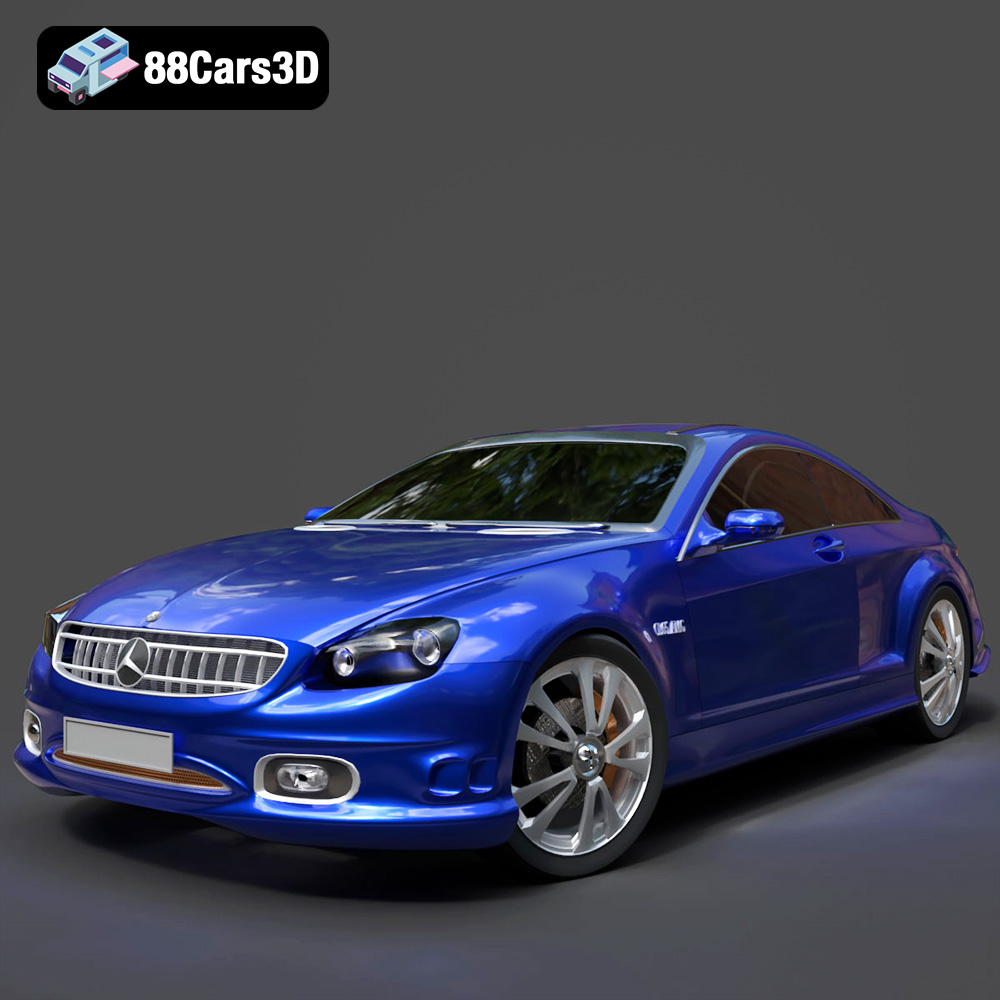
Mercedes-Benz CL6540-005 3D Model
Texture: Yes
Material: Yes
Download the Mercedes-Benz CL6540-005 3D Model featuring clean geometry, realistic detailing, and a fully modeled interior. Includes .blend, .fbx, .obj, .glb, .stl, .ply, .unreal, and .max formats for rendering, simulation, and game development.
Price: $4.99
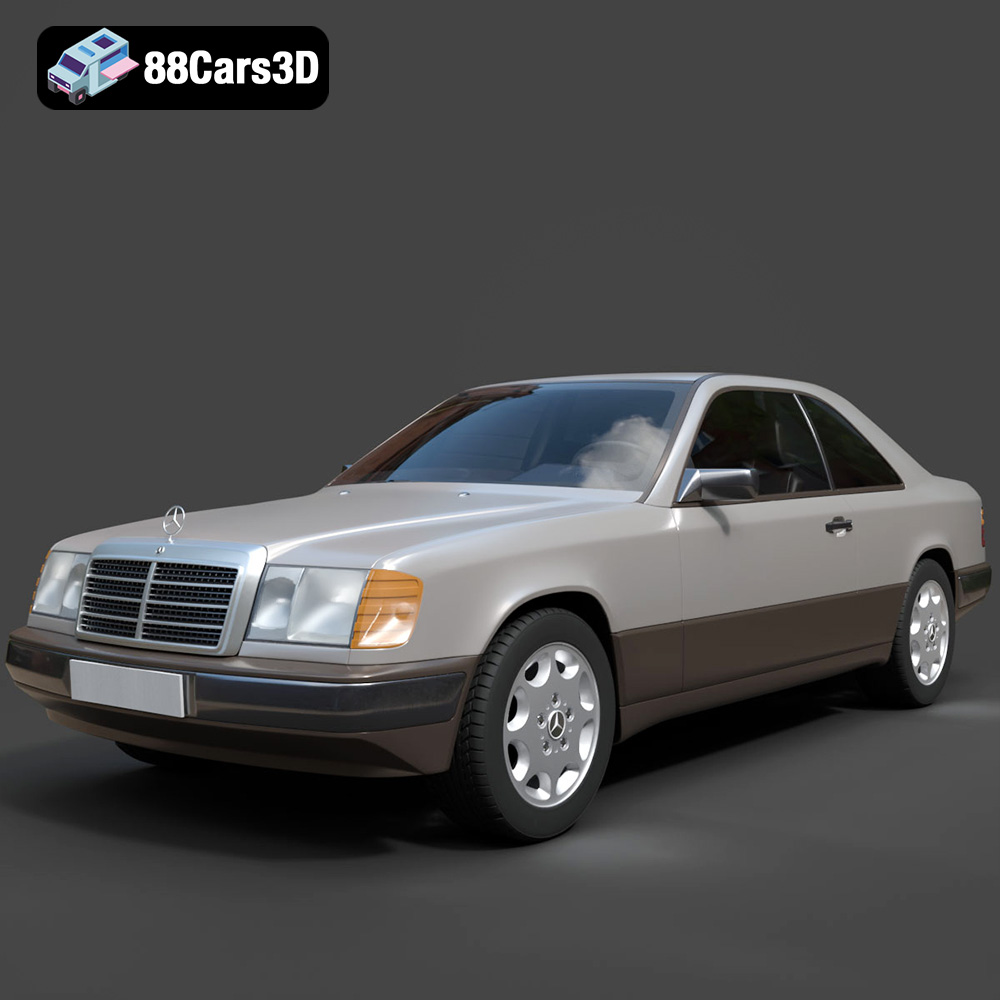
Mercedes E-Class w124 Coupe 3D Model
Texture: Yes
Material: Yes
Download the Mercedes E-Class w124 Coupe 3D Model featuring clean geometry, realistic detailing, and a fully modeled interior. Includes .blend, .fbx, .obj, .glb, .stl, .ply, .unreal, and .max formats for rendering, simulation, and game development.
Price: $4.99
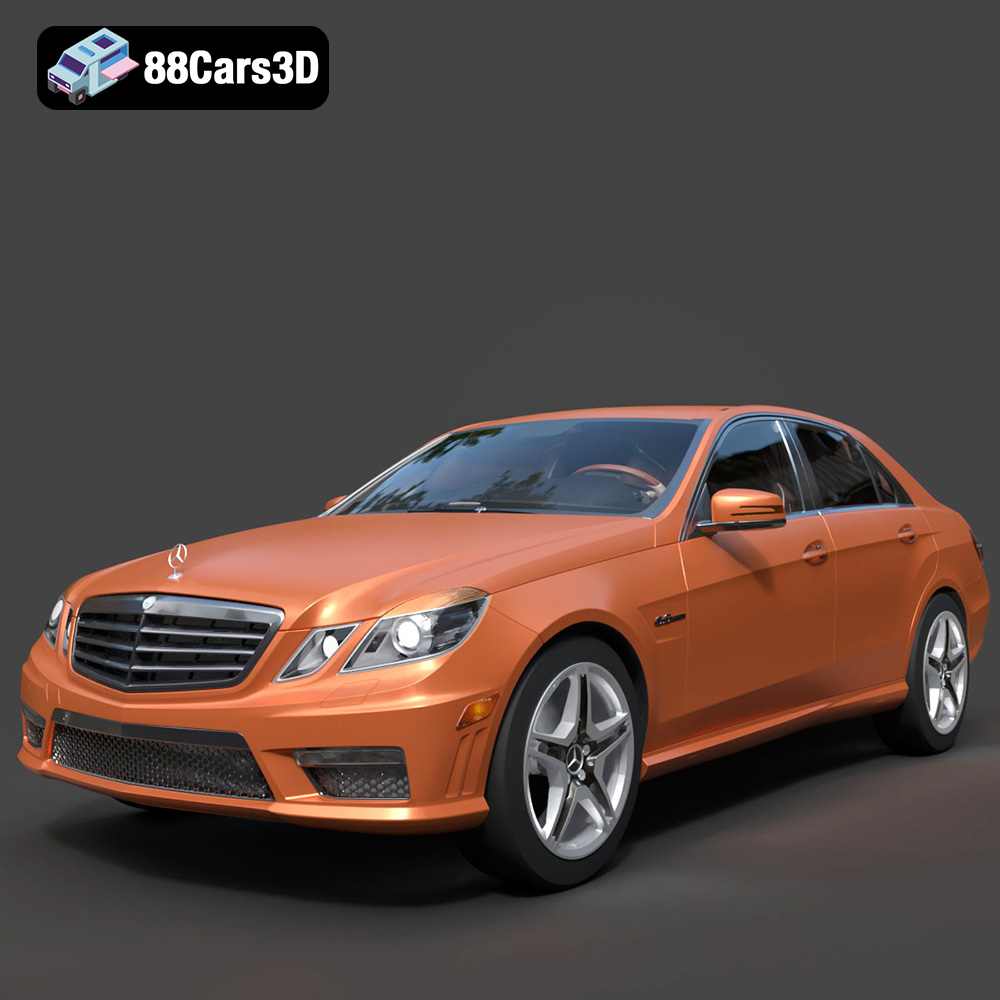
Mercedes-Benz E-Klasse 63 AMG 3D Model
Texture: Yes
Material: Yes
Download the Mercedes-Benz E-Klasse 63 AMG 3D Model featuring clean geometry, realistic detailing, and a fully modeled interior. Includes .blend, .fbx, .obj, .glb, .stl, .ply, .unreal, and .max formats for rendering, simulation, and game development.
Price: $4.99
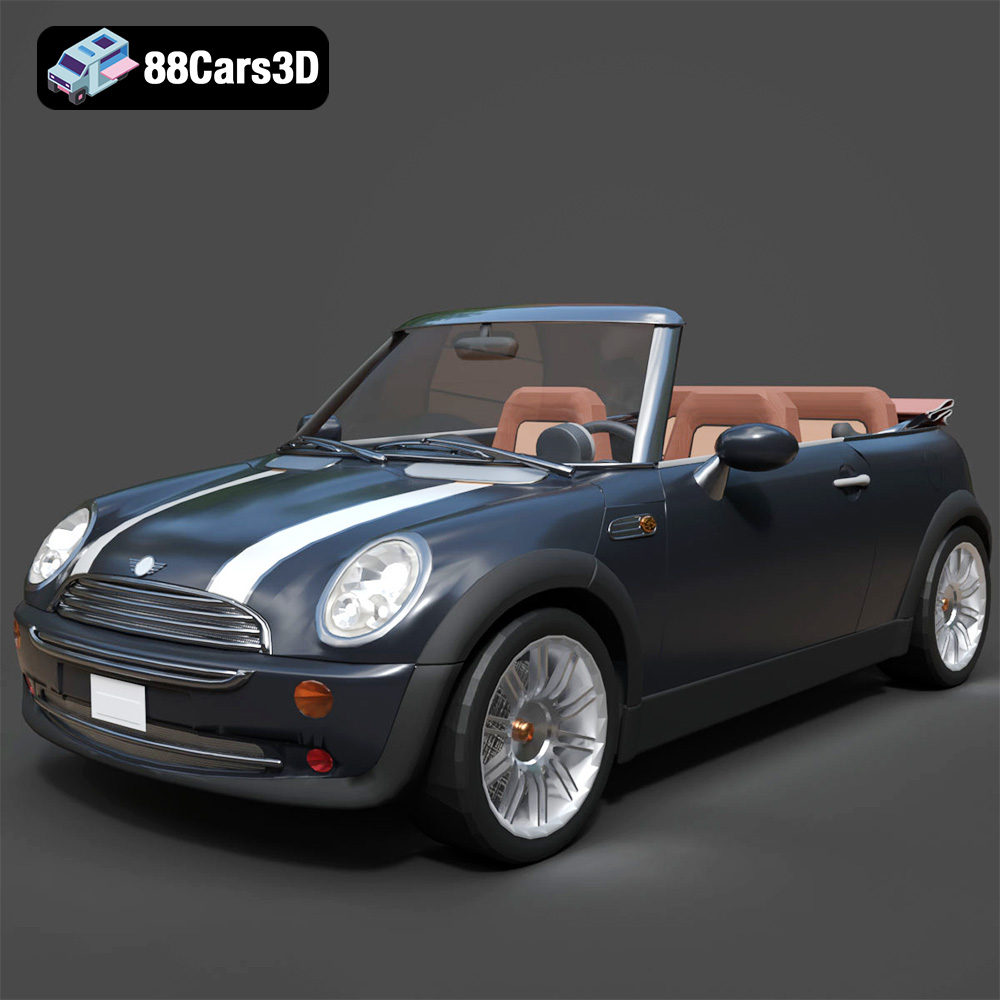
Mini Cabrio 2025 3D Model
Texture: Yes
Material: Yes
Download the Mini Cabrio 2025 3D Model featuring clean geometry, realistic detailing, and a fully modeled interior. Includes .blend, .fbx, .obj, .glb, .stl, .ply, .unreal, and .max formats for rendering, simulation, and game development.
Price: $4.99
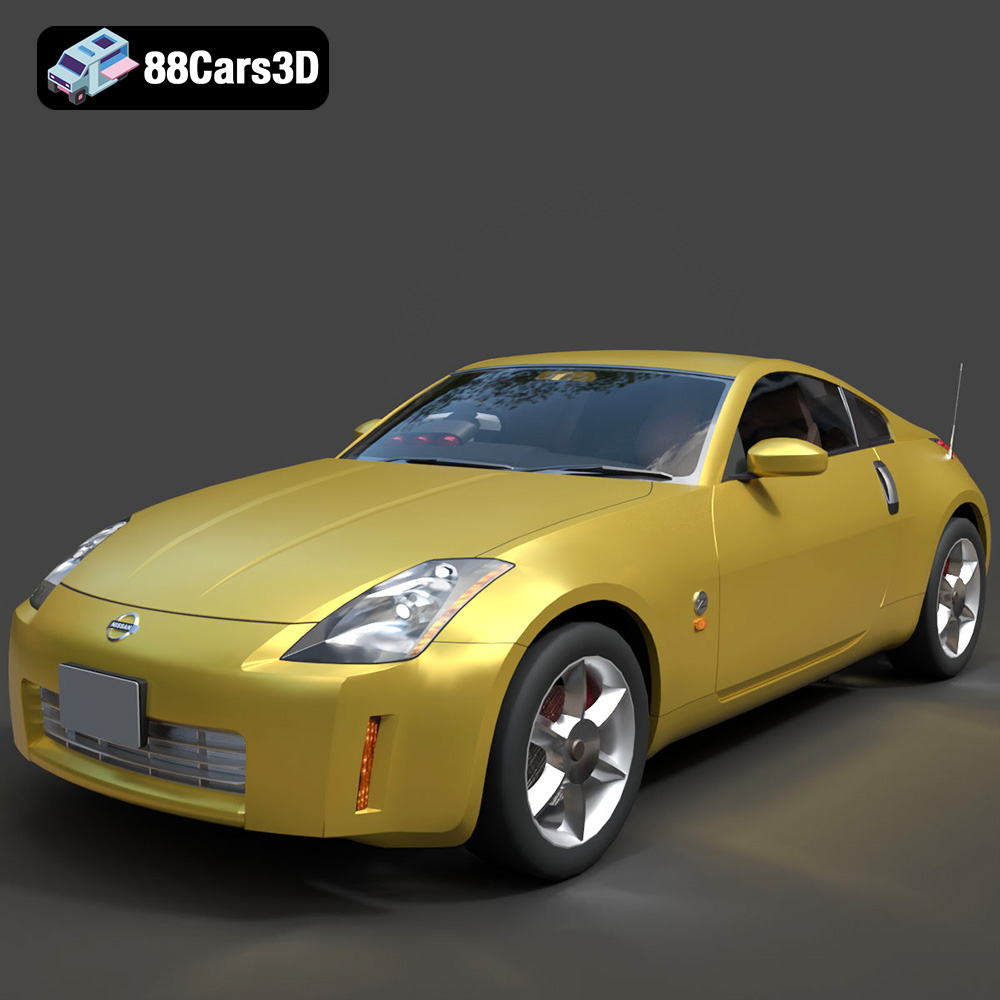
Nissan 350Z 3D Model
Texture: Yes
Material: Yes
Download the Nissan 350Z 3D Model featuring clean geometry, realistic detailing, and a fully modeled interior. Includes .blend, .fbx, .obj, .glb, .stl, .ply, .unreal, and .max formats for rendering, simulation, and game development.
Price: $4.99
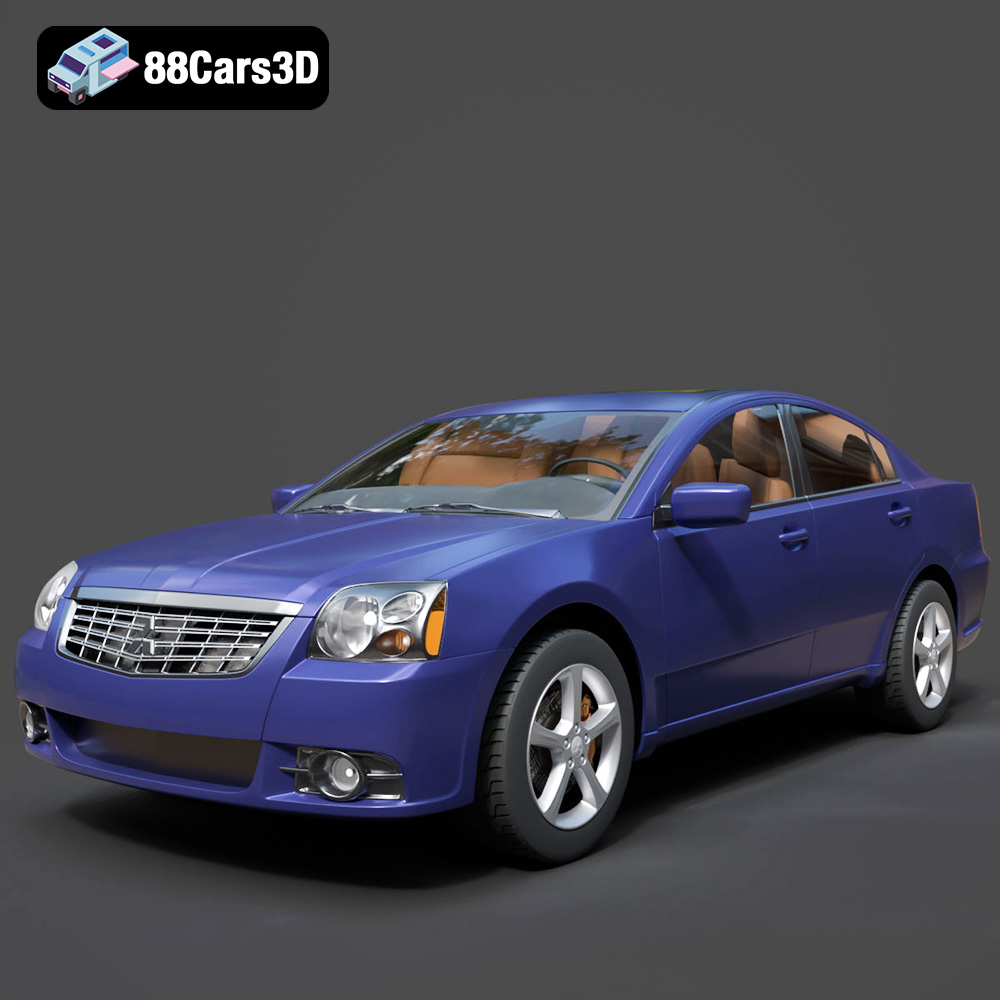
Mitsubishi Galant 2009 3D Model
Texture: Yes
Material: Yes
Download the Mitsubishi Galant 2009 3D Model featuring clean geometry, realistic detailing, and a fully modeled interior. Includes .blend, .fbx, .obj, .glb, .stl, .ply, .unreal, and .max formats for rendering, simulation, and game development.
Price: $4.99
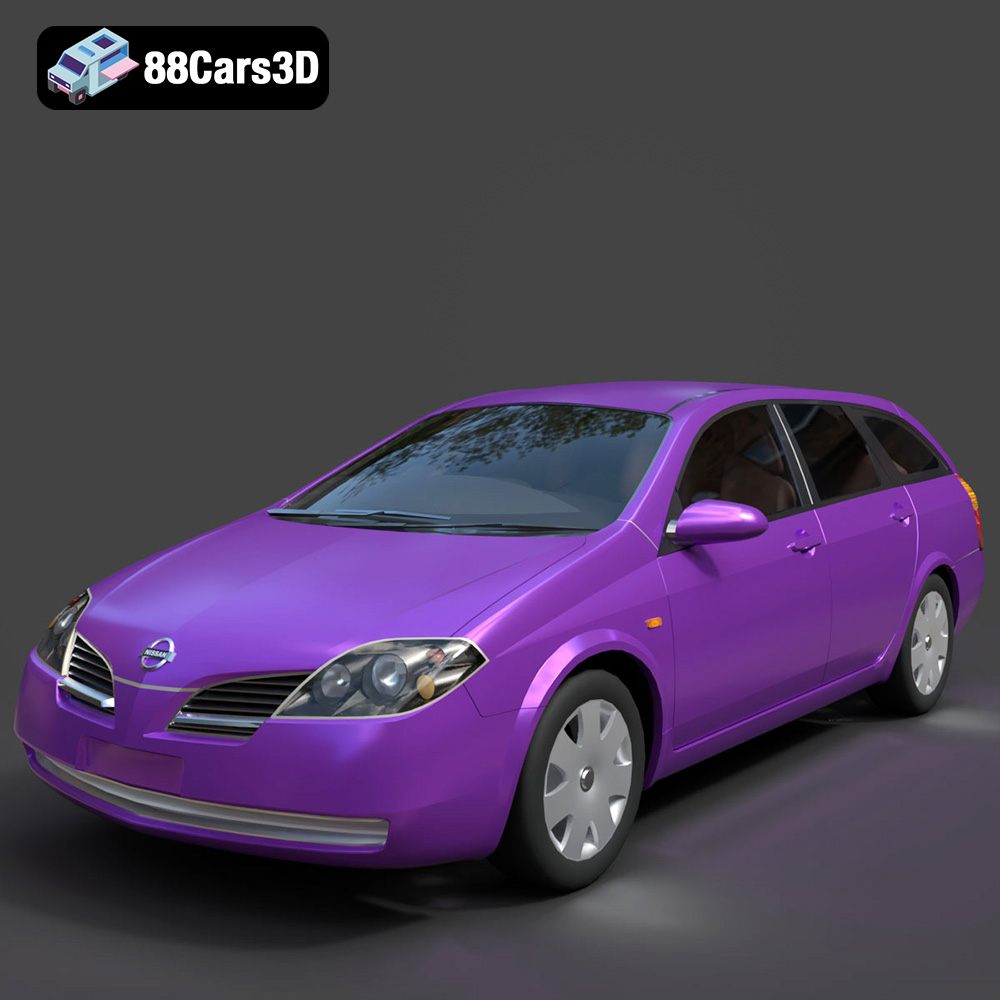
Nissan Primera Wagon 3D Model
Texture: Yes
Material: Yes
Download the Nissan Primera Wagon 3D Model featuring clean geometry, realistic detailing, and a fully modeled interior. Includes .blend, .fbx, .obj, .glb, .stl, .ply, .unreal, and .max formats for rendering, simulation, and game development.
Price: $4.99
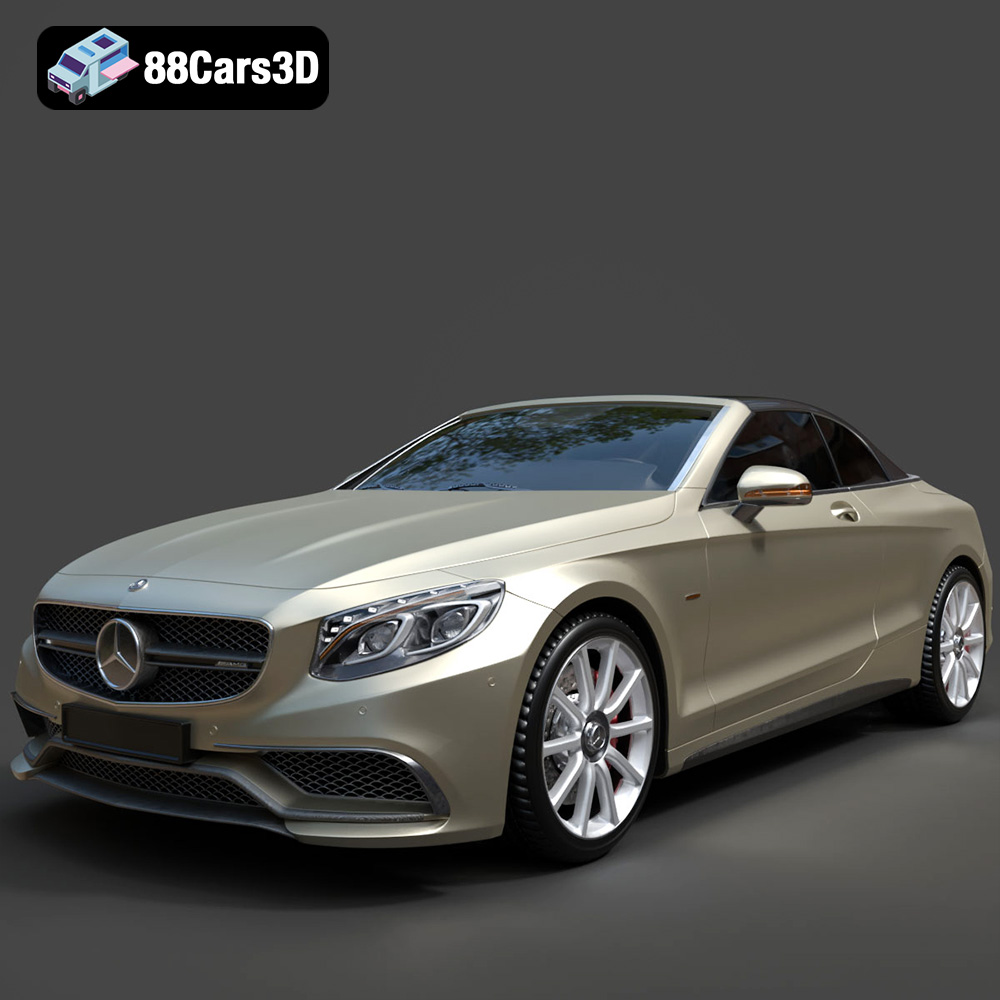
Mercedes-Benz S63 AMG Cabriolet 2017 3D Model
Texture: Yes
Material: Yes
Download the Mercedes-Benz S63 AMG Cabriolet 2017 3D Model featuring clean geometry, realistic detailing, and a fully modeled interior. Includes .blend, .fbx, .obj, .glb, .stl, .ply, .unreal, and .max formats for rendering, simulation, and game development.
Price: $20.99
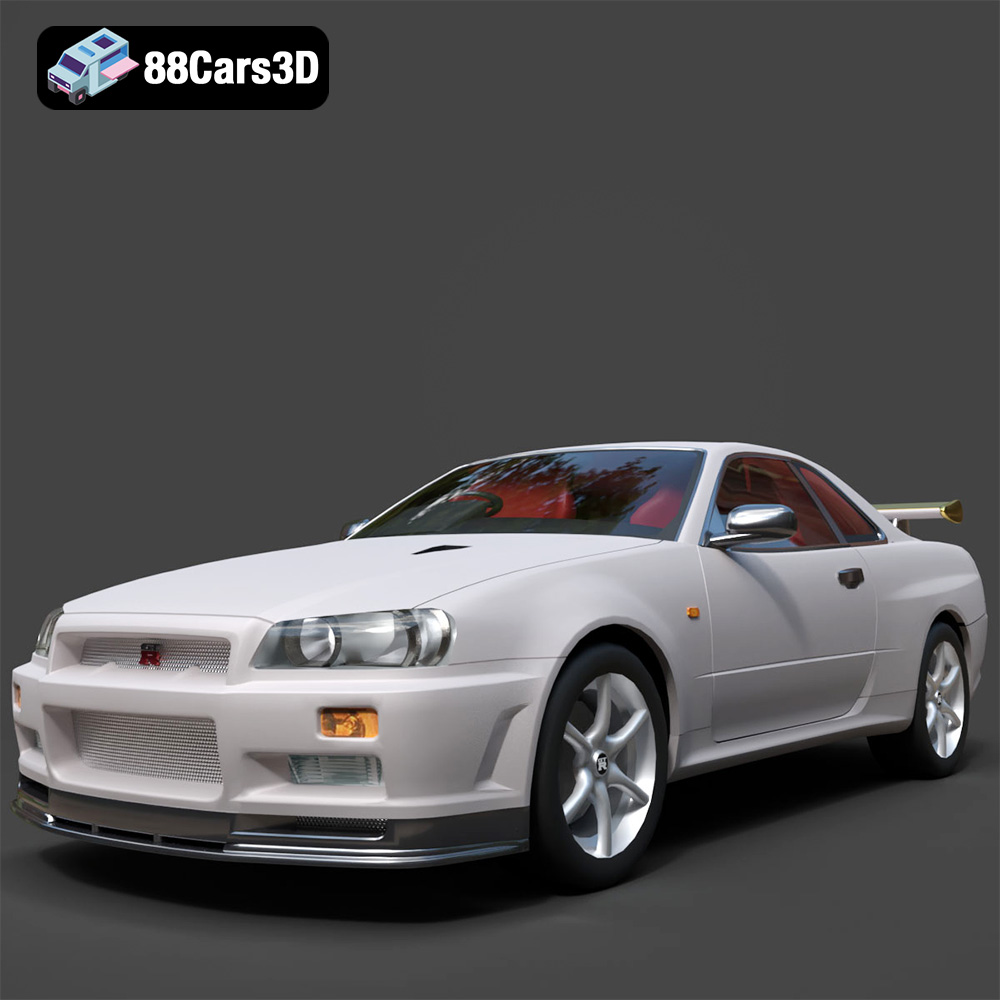
Nissan Skyline R34 2002 3D Model
Texture: Yes
Material: Yes
Download the Nissan Skyline R34 2002 3D Model featuring clean geometry, realistic detailing, and a fully modeled interior. Includes .blend, .fbx, .obj, .glb, .stl, .ply, .unreal, and .max formats for rendering, simulation, and game development.
Price: $4.99
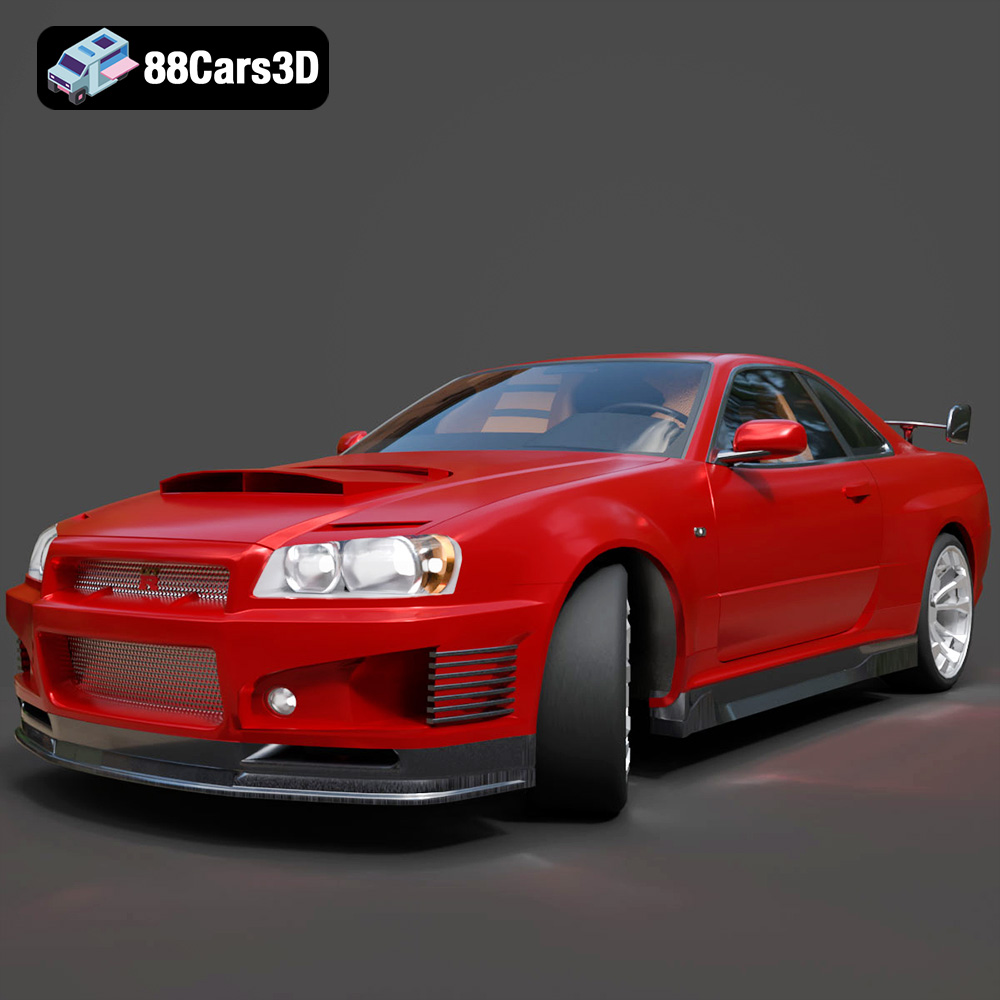
Nissan Skyline 3D Model
Texture: Yes
Material: Yes
Download the Nissan Skyline 3D Model featuring clean geometry, realistic detailing, and a fully modeled interior. Includes .blend, .fbx, .obj, .glb, .stl, .ply, .unreal, and .max formats for rendering, simulation, and game development.
Price: $9.99
