
Unlocking Automotive Brilliance: A Deep Dive into High-Quality 3D Car Models and Advanced Workflows

Unlocking Automotive Brilliance: A Deep Dive into High-Quality 3D Car Models and Advanced Workflows
In the dynamic world of 3D visualization, the demand for hyper-realistic and meticulously crafted 3D car models is higher than ever. From blockbuster game titles and cinematic advertisements to cutting-edge automotive design and immersive AR/VR experiences, the quality of your virtual vehicles directly impacts the perceived professionalism and effectiveness of your project. Creating truly exceptional automotive rendering and interactive content isn’t merely about having a powerful machine; it’s about mastering intricate workflows, understanding technical specifications, and implementing industry best practices.
This comprehensive guide will take you on an in-depth journey through the advanced techniques and critical considerations involved in developing and utilizing high-fidelity 3D car models. We’ll explore everything from the foundational principles of clean topology and precise UV mapping to the intricacies of PBR material creation, real-time game engine optimization, and preparing assets for diverse applications like 3D printing and augmented reality. Whether you’re a seasoned 3D artist, an aspiring game developer, or an automotive designer pushing the boundaries of digital prototyping, you’ll gain invaluable insights into the technical nuances that elevate a good model to an outstanding one. Prepare to unlock the secrets behind crafting and leveraging truly brilliant digital automobiles.
The Art of Automotive Topology and Mesh Purity
The foundation of any high-quality 3D car model lies in its topology – the arrangement of vertices, edges, and faces that form the mesh. For complex organic shapes like vehicle bodies, pristine topology is paramount, impacting everything from subdivision smoothness to animation deformation and overall rendering performance. A poorly constructed mesh can lead to artifacts, shading issues, and difficulties in UV mapping and texturing, ultimately compromising the realism of your automotive rendering. Achieving mesh purity isn’t just an aesthetic concern; it’s a technical necessity.
Clean Edge Flow and Subdivision Readiness
Clean edge flow, particularly crucial for subdivision surface modeling, ensures that your mesh can be smoothly subdivided without pinching, creasing, or unwanted distortions. This means prioritizing quad-dominant meshes, where nearly every face is a four-sided polygon. While triangles (tri-gons) are sometimes unavoidable in highly tessellated areas or for specific optimization needs, excessive use can lead to unpredictable subdivision behavior and difficult edge loop selection. N-gons (polygons with more than four sides) should generally be avoided, especially on deformable or curved surfaces, as they can cause shading errors and prevent proper subdivision.
The process often begins with low-polygon base meshes created in software like 3ds Max, Blender, or Maya, focusing on capturing the primary forms and volumes of the vehicle. Once the basic shape is established, edge loops are strategically added to define creases, contours, and feature lines such as door cutlines, wheel arches, and body panel separations. These loops guide the subdivision surface modifier (e.g., OpenSubdiv, TurboSmooth) to create smooth, flowing curves and sharp details where needed. For instance, adding two tight edge loops parallel to a sharp crease, then slightly beveling the original edge, ensures a crisp detail upon subdivision without requiring excessive base mesh polygons. This approach allows for scalability: a low-poly version for real-time applications and a high-poly, subdivided version for cinematic renders, all from the same base mesh.
Optimizing Polygon Counts for Performance
The ideal polygon count for a 3D car model is highly dependent on its intended application. For cinematic automotive rendering or static visualizations, high polygon counts (e.g., 500,000 to 2 million triangles for a single car, including interior and detailed parts) are acceptable, even desirable, as they capture the subtle nuances of complex curves and intricate details. These models often leverage several levels of subdivision. However, for real-time applications like game engines (Unity, Unreal Engine) or AR/VR experiences, polygon counts must be significantly optimized to maintain fluid frame rates.
A typical game-ready car asset might range from 50,000 to 150,000 triangles for a hero vehicle, often implemented with Level of Detail (LOD) systems. This involves creating multiple versions of the same model, each with progressively lower polygon counts. LOD0 (the highest detail) is used when the car is close to the camera, while LODs 1, 2, and 3 might progressively reduce the poly count by 50-75% each, appearing when the car is further away. This optimization technique drastically reduces the computational load on the GPU. When acquiring professional 3D car models from marketplaces such as **88cars3d.com**, ensure they provide clean topology and often include various LOD levels, making them production-ready for diverse uses.
Mastering UV Mapping for Flawless Car Surfaces
Once a 3D car model boasts impeccable topology, the next critical step is UV mapping. UV mapping is the process of unwrapping the 3D surface of a mesh into a 2D space, allowing 2D textures (like diffuse, normal, roughness, and metallic maps) to be applied accurately. For complex objects like cars, meticulous UV mapping is essential for realistic material representation, preventing stretching, seams, and inefficient texture usage. Poor UVs can render even the most beautiful mesh unusable for advanced PBR workflows.
Unwrapping Strategies for Complex Geometry
Effective UV unwrapping for automotive models requires a strategic approach to seam placement and island layout. The goal is to minimize visible seams and stretching while maximizing texel density uniformity across the entire model. For car bodies, seams are typically placed in natural breaks or hidden areas, such as along door edges, under the chassis, or in crevices where different panels meet. Using projection mapping (e.g., cylindrical, planar, box) as a starting point, followed by pelt mapping or regular unwrapping tools, helps flatten complex surfaces. Tools in 3ds Max (Unwrap UVW modifier), Blender (UV Editor), and Maya provide robust functionalities for this.
Consider the car’s body panels: large, relatively flat surfaces can often be unwrapped into single, large UV islands to minimize seams. More complex areas like headlights, grilles, or wheels will require more intricate cuts. For interior elements, seams can often follow natural upholstery or panel lines. It’s crucial to check for distortion using a checkerboard pattern overlay; perfectly square checkers across the model indicate uniform texel density and minimal stretching, which is vital for textures to appear consistent. Overlapping UV islands should generally be avoided unless you are intentionally creating a mirrored texture set or using a specific technique like texture atlasing where identical parts share texture space.
Texel Density and Multi-Tile UVs (UDIM)
Texel density refers to the number of texture pixels per unit of 3D space. Maintaining a consistent texel density across your entire 3D car model ensures that all parts receive an appropriate and uniform level of texture detail. For example, you wouldn’t want the car’s hood to have blurry textures while the tires are super crisp; consistency is key to realism. In professional pipelines, artists often calculate and adhere to a target texel density (e.g., 10.24 pixels/cm) for the entire asset.
For extremely high-detail automotive rendering or large-scale projects, single UV maps often don’t provide enough resolution. This is where Multi-Tile UVs, commonly known as UDIMs, come into play. UDIM allows artists to use multiple 2D texture maps (tiles) for a single 3D model, each occupying a different UV space (e.g., 1001, 1002, 1003…). For a car, the body might be on UDIM 1001, the interior on 1002, wheels on 1003, and so on. This approach enables much higher texture resolutions (e.g., multiple 4K or 8K maps) without needing a single, massive, unwieldy texture file. It’s a standard workflow in film VFX and high-end visualization, supported by texturing software like Substance Painter and Mari, and render engines like Corona, V-Ray, Cycles, and Arnold. Proper UDIM setup ensures that every part of the car receives the high fidelity texture details it deserves, leading to breathtakingly realistic results.
Crafting Realistic PBR Materials and Shader Networks
Once the mesh is perfectly sculpted and UV-mapped, the next monumental step in achieving photorealistic 3D car models is the creation of physically based rendering (PBR) materials. PBR materials accurately simulate how light interacts with surfaces in the real world, leading to more consistent and believable results across different lighting conditions and rendering environments. Mastering PBR is crucial for professional automotive rendering.
Understanding PBR Workflows (Metallic/Roughness vs. Specular/Glossiness)
There are two primary PBR workflows: Metallic/Roughness and Specular/Glossiness. Both aim for the same realistic outcome but use different sets of maps to achieve it.
* **Metallic/Roughness Workflow:** This is widely adopted in game engines (Unity, Unreal Engine) and modern renderers. It typically uses an Albedo (or Base Color) map, a Metallic map (grayscale, 0 for dielectric, 1 for metallic), and a Roughness map (grayscale, 0 for perfectly smooth/glossy, 1 for perfectly rough/matte). This workflow is intuitive because most real-world materials can be categorized as either metallic or dielectric (non-metallic). Car paint, for instance, is a complex dielectric material with a clear coat, while chrome trim is metallic.
* **Specular/Glossiness Workflow:** Often used in older game engines or certain rendering packages, this workflow utilizes an Albedo (or Diffuse) map, a Specular map (color, defining the color of reflections), and a Glossiness map (grayscale, inverse of roughness – 0 for rough, 1 for glossy). While equally capable of realism, it can be slightly less intuitive for artists as the specular color of dielectrics is often uniform.
Regardless of the workflow, other essential maps include Normal maps (for simulating surface detail without adding geometry), Ambient Occlusion (AO) maps (for faking self-shadowing in crevices), and sometimes Height or Displacement maps for adding actual geometric detail. Texturing software like Substance Painter and Designer are indispensable for creating these map sets, allowing artists to layer materials, add wear and tear, and generate PBR textures with remarkable efficiency.
Advanced Shader Construction and Layering
Beyond the basic PBR maps, truly realistic car materials often require advanced shader networks to simulate complex effects. Car paint, for example, is notoriously challenging. A sophisticated car paint shader might involve:
1. **Base Coat:** The primary color, often with metallic flakes. This requires a PBR setup with a subtle metallic property and controlled roughness. The metallic flakes themselves can be simulated with an additional layer or procedural noise driving subtle normal map variations.
2. **Clear Coat:** A transparent, highly reflective layer on top of the base coat. This is achieved by blending two separate PBR shaders – one for the base and one for the clear coat – using a layered material approach. The clear coat typically has very low roughness (high glossiness) and a specific Index of Refraction (IOR) around 1.5-1.6.
3. **Flakes:** For metallic or pearlescent paints, tiny reflective flakes embedded in the paint are crucial. These are often controlled by a separate layer that scatters light differently based on the viewing angle, mimicking anisotropic reflection.
Other complex materials include realistic glass (requiring accurate IOR, dispersion, and sometimes subtle dirt maps), tire rubber (with fine normal map details and a specific roughness), and various interior fabrics or leathers (using detailed albedo, normal, and roughness maps, possibly with anisotropic reflection for brushed metals or directional fabrics). When sourcing high-quality 3D car models, such as those from **88cars3d.com**, look for models that come with professionally set up PBR materials, often including complex car paint, glass, and metal shaders, ready to render in popular engines like Corona, V-Ray, or Cycles.
High-Fidelity Rendering Workflows for Automotive Visualization
Bringing a meticulously modeled and textured 3D car model to life requires a sophisticated rendering workflow. This process involves careful lighting, environment setup, camera work, and utilizing the advanced capabilities of modern render engines to achieve stunningly realistic automotive rendering. It’s where all the previous efforts converge into a final, captivating image or animation.
Lighting, Environment, and Camera Setup
Effective lighting is the single most important factor in achieving photorealism. For cars, a common and highly effective approach is Image-Based Lighting (IBL) using High Dynamic Range Images (HDRIs). An HDRI provides both lighting and reflections from a real-world environment, offering a consistent and believable setup. Complementary lighting, such as studio softboxes or area lights, can be added to emphasize specific features, create pleasing highlights, or fill in shadows. A common setup involves a large softbox above and slightly in front of the car, with smaller fill lights to illuminate darker areas.
The environment plays a crucial role too. For studio shots, a simple infinite backdrop or cyclorama works well. For outdoor scenes, a detailed 3D environment or a high-resolution backplate image matched with the HDRI is essential. The camera setup should mimic real-world photography, utilizing physical camera settings like aperture (controlling depth of field), shutter speed (for motion blur in animations), and ISO. Careful composition, adherence to photographic principles (e.g., rule of thirds, leading lines), and a keen eye for detail will elevate your renders from mere technical showcases to artistic masterpieces.
Render Engine Specifics (Corona, V-Ray, Cycles, Arnold)
Different render engines offer unique strengths and workflows for automotive rendering:
* **Corona Renderer:** Known for its user-friendliness, unbiased rendering, and excellent physical accuracy. Its interactive rendering and simple material setup make it a favorite for many visualization artists. Car paint shaders and complex glass are handled beautifully, and its built-in denoiser significantly speeds up rendering times.
* **V-Ray:** A industry staple, offering immense power and flexibility. V-Ray provides both biased and unbiased rendering options, extensive material libraries, and advanced features like VRayCarPaintMtl. It’s highly optimized for large scenes and complex lighting, and its robust render elements system is invaluable for post-processing.
* **Blender Cycles:** Blender’s integrated path tracer is powerful and open-source. It supports PBR materials, has excellent node-based shader creation, and benefits from both CPU and GPU rendering (NVIDIA CUDA/OptiX and AMD HIP). While sometimes slower than commercial engines for complex scenes, its continuous development and integration with Blender’s complete 3D pipeline make it a formidable choice.
* **Arnold Renderer:** Widely used in film and TV, Arnold is an unbiased, physically based renderer excelling in complex character and environment rendering. Its robust sampling and adaptive subdivision capabilities make it suitable for highly detailed models, though it can be resource-intensive. Arnold’s standard surface shader is incredibly versatile for various car materials.
Regardless of the engine, optimizing render settings (sample rates, ray depth, light bounces) is crucial for balancing quality and render time. Many high-quality 3D car models available on **88cars3d.com** are often provided with pre-configured scene files compatible with these leading render engines, allowing artists to achieve stunning results right out of the box.
Optimizing 3D Car Models for Interactive Experiences
The realm of interactive experiences – particularly video games, virtual reality (VR), and augmented reality (AR) – demands a different breed of 3D car models. While visual fidelity is still paramount, performance optimization becomes the absolute king. A beautiful model that brings an engine to its knees is practically useless in a real-time environment. This section delves into the specialized techniques required to make high-quality game assets both stunning and performant.
Game Engine Integration and LODs
Integrating 3D car models into game engines like Unity or Unreal Engine involves a series of critical optimization steps. The primary goal is to minimize draw calls and polygon counts to maintain high frame rates.
* **Level of Detail (LODs):** As mentioned earlier, LODs are fundamental. A typical setup might include 3-5 LOD levels. LOD0 (highest detail) for close-ups, LOD1 for medium distance, LOD2 for far distance, and possibly LOD3 as a simple billboard or low-poly proxy. LOD generation can be done manually, ensuring clean mesh reduction and seam preservation, or semi-automatically using tools within 3ds Max, Blender, or game engines.
* **Texture Atlasing:** Combining multiple smaller textures into a single, larger texture atlas reduces draw calls by allowing the engine to render multiple surfaces with a single texture lookup. For a car, interior elements, engine parts, or even various small exterior decals could be combined into one atlas.
* **Material Optimization:** Minimizing the number of unique materials is also vital. Each material often constitutes a draw call. Grouping parts that share similar material properties and combining their textures into atlases helps significantly. Using a single master car material with instances that vary texture maps or color parameters is a common and efficient practice.
* **Collision Meshes:** For realistic physics and interaction, cars require collision meshes. These are simplified, low-polygon meshes (often convex hulls or simplified box colliders) that represent the car’s physical bounds, separate from the visual mesh. This prevents the physics engine from having to calculate complex collisions on a high-poly visual mesh, which would be computationally expensive.
When importing models (typically via FBX for game engines), ensure correct scaling, pivot points, and proper material assignments. Baked lighting (pre-calculated light and shadow information stored in texture maps) is also common for static elements on vehicles, reducing real-time lighting calculations.
AR/VR Performance and Immersion
AR/VR applications push performance boundaries even further, requiring ultra-low latency and consistent frame rates (e.g., 90 FPS for VR) to prevent motion sickness and ensure immersion.
* **Polygon Budget:** AR/VR models often have stricter polygon budgets than standard video games. A hero car in VR might target 50k-100k triangles (including interior details) with aggressive LODs. Mobile AR is even more constrained, potentially requiring models under 20k-30k triangles.
* **Baked Lighting:** Real-time lighting is very costly in VR. Extensive use of baked lighting (lightmaps) for static car elements or environments is highly recommended. Light probes can be used to integrate dynamic objects into baked environments seamlessly.
* **Single Pass Stereo Rendering:** This rendering technique optimizes performance for VR by rendering both eyes in a single pass, effectively halving the draw calls compared to traditional multi-pass rendering.
* **Occlusion Culling:** Dynamically hiding objects that are not visible to the camera (e.g., engine parts when the hood is closed) further reduces the rendering load.
* **Asset Scaling and Real-World Tracking:** For AR, correct real-world scale and robust tracking are paramount. 3D car models must be authored at real-world dimensions (e.g., in meters or centimeters) to seamlessly integrate into physical environments. File formats like GLB and USDZ are increasingly popular for web and mobile AR due to their optimized, single-file packaging of geometry, materials, and textures.
When sourcing **3D car models** specifically for AR/VR, look for assets that are explicitly labeled as “game-ready” or “AR/VR optimized,” indicating they come with LODs, optimized materials, and clean meshes suitable for real-time engines.
Beyond Rendering: 3D Printing, File Formats, and Workflow Efficiency
The utility of a high-quality 3D car model extends far beyond visual rendering and interactive experiences. It can serve as a blueprint for physical creation through 3D printing or be converted and shared across a multitude of software and platforms. Understanding these diverse applications and the technical demands they impose is key to maximizing the value of your digital assets.
Preparing Models for 3D Printing and Manufacturing
Converting a visual 3D car model into a successful 3D printable object requires significant technical adjustments to ensure physical integrity.
* **Watertight Mesh:** The most critical requirement for 3D printing is a “watertight” or “manifold” mesh. This means the model must be a completely closed volume with no open edges, internal faces, or non-manifold geometry (e.g., edges shared by more than two faces). Non-manifold meshes confuse slicer software, leading to printing errors. Tools like Blender’s 3D Print Toolbox, Meshmixer, or Netfabb can help identify and repair these issues.
* **Wall Thickness:** Digital models often have infinitely thin surfaces, but physical prints require a minimum wall thickness to be structurally sound. This can be achieved by using the solidify modifier in Blender, shell modifier in 3ds Max, or manually extruding surfaces inward. The exact thickness depends on the printing technology and material (e.g., 1-2mm is common for FDM, thinner for SLA/DLP).
* **Scale and Orientation:** Ensure the model is scaled correctly to its real-world size (e.g., 1:18 scale) and oriented optimally on the print bed to minimize support material and maximize strength.
* **Detail Resolution:** While rendering models can have millions of polygons, 3D printers have physical resolution limits. High-frequency details that are too small might not be accurately reproduced. Conversely, very low-poly models might show faceted surfaces. It’s often necessary to decimate (reduce polygons) or remesh a high-poly model to a suitable resolution (e.g., 200k-500k polygons for a detailed car model) for printing, while preserving key features.
* **File Formats for Print:** The most common file formats for 3D printing are STL (Stereolithography) and OBJ. STL is simple and widely supported, while OBJ can also store color information if you’re using multi-color printers.
For industrial manufacturing or prototyping, the 3D model often needs to be converted into CAD-friendly formats (STEP, IGES) or used to generate precise CNC machining instructions, a process that typically starts with a very clean, NURBS-based CAD model rather than a polygon mesh.
Navigating File Formats and Compatibility (FBX, OBJ, GLB, USDZ)
The interoperability of 3D car models across different software and platforms is governed by various file formats, each with its strengths and limitations:
* **FBX (Filmbox):** Developed by Autodesk, FBX is the industry standard for exchanging 3D data, especially for animated and rigged assets. It supports geometry, UVs, PBR materials (though shaders often need rebuilding), textures, cameras, lights, and animation. It’s the go-to for exporting from 3ds Max, Maya, or Blender to game engines like Unity and Unreal.
* **OBJ (Wavefront Object):** A simpler, older format primarily for static mesh data. It supports geometry, UVs, and references to external MTL (material) files, but doesn’t handle animation or complex PBR shaders directly. OBJ is highly compatible and often used for general model exchange or 3D printing.
* **GLB (Binary glTF):** A relatively new, open-standard format (Graphics Language Transmission Format). GLB packages geometry, PBR materials, textures, and animation into a single, compact binary file, making it ideal for web-based 3D, AR, and VR applications. Its efficiency and comprehensive support for modern PBR workflows have led to its rapid adoption.
* **USDZ (Universal Scene Description Zip):** Developed by Apple in collaboration with Pixar, USDZ is an optimized file format for AR experiences on Apple devices. It’s built on Pixar’s USD framework and bundles geometry, PBR materials, and textures into a single, easy-to-share file. It’s perfect for quickly deploying high-quality 3D car models into iOS ARKit applications.
When acquiring assets, understanding these formats and their implications is crucial. For instance, models from **88cars3d.com** typically offer multiple formats like FBX, OBJ, GLB, and often scene files for specific renderers, ensuring maximum flexibility for your projects.
Conclusion
The journey of creating and utilizing high-quality 3D car models is a multifaceted discipline, demanding a blend of artistic vision and rigorous technical execution. From the foundational precision of clean topology and strategic UV mapping to the artistic science of PBR material creation, every stage is critical to achieving truly captivating results. We’ve explored how advanced rendering workflows transform raw data into stunning visualizations, and how meticulous optimization strategies are essential for bringing these complex assets into the interactive realms of gaming and AR/VR. Furthermore, we’ve touched upon the practical considerations for 3D printing and the importance of understanding various file formats for seamless integration across diverse pipelines.
Mastering these techniques not only elevates the visual fidelity of your projects but also streamlines your workflow, saving valuable time and resources. As the demand for immersive and realistic digital content continues to soar, the ability to work with and produce top-tier 3D car models will remain an invaluable skill for professionals across various industries. Whether you’re aiming for cinematic realism, game-ready performance, or tangible prototypes, the principles discussed here form the bedrock of success. For artists seeking a head start with production-ready assets, platforms like **88cars3d.com** offer a curated selection of meticulously crafted 3D car models, allowing you to focus on unleashing your creativity and pushing the boundaries of what’s possible in the digital automotive world. Invest in quality, understand the technical underpinnings, and watch your 3D automotive projects accelerate to new heights.
Featured 3D Car Models
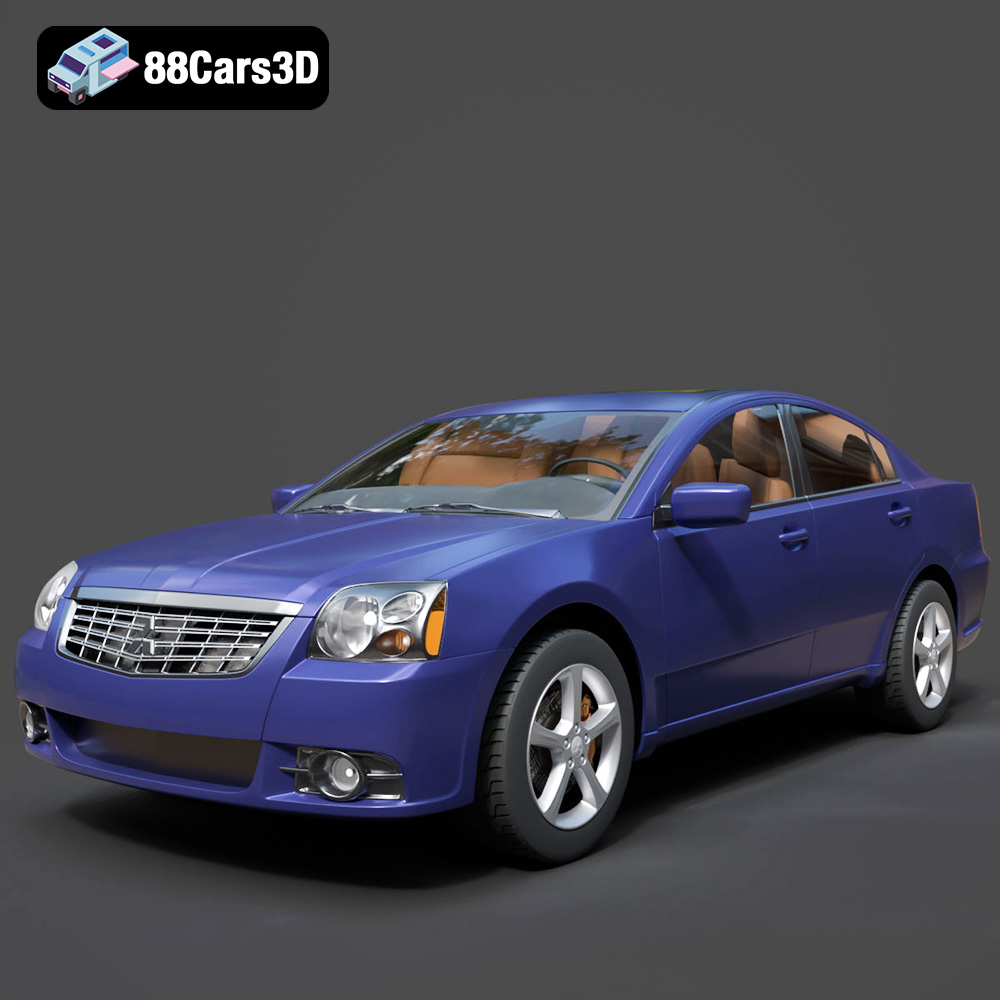
Mitsubishi Galant 2009 3D Model
Texture: Yes
Material: Yes
Download the Mitsubishi Galant 2009 3D Model featuring clean geometry, realistic detailing, and a fully modeled interior. Includes .blend, .fbx, .obj, .glb, .stl, .ply, .unreal, and .max formats for rendering, simulation, and game development.
Price: $4.99
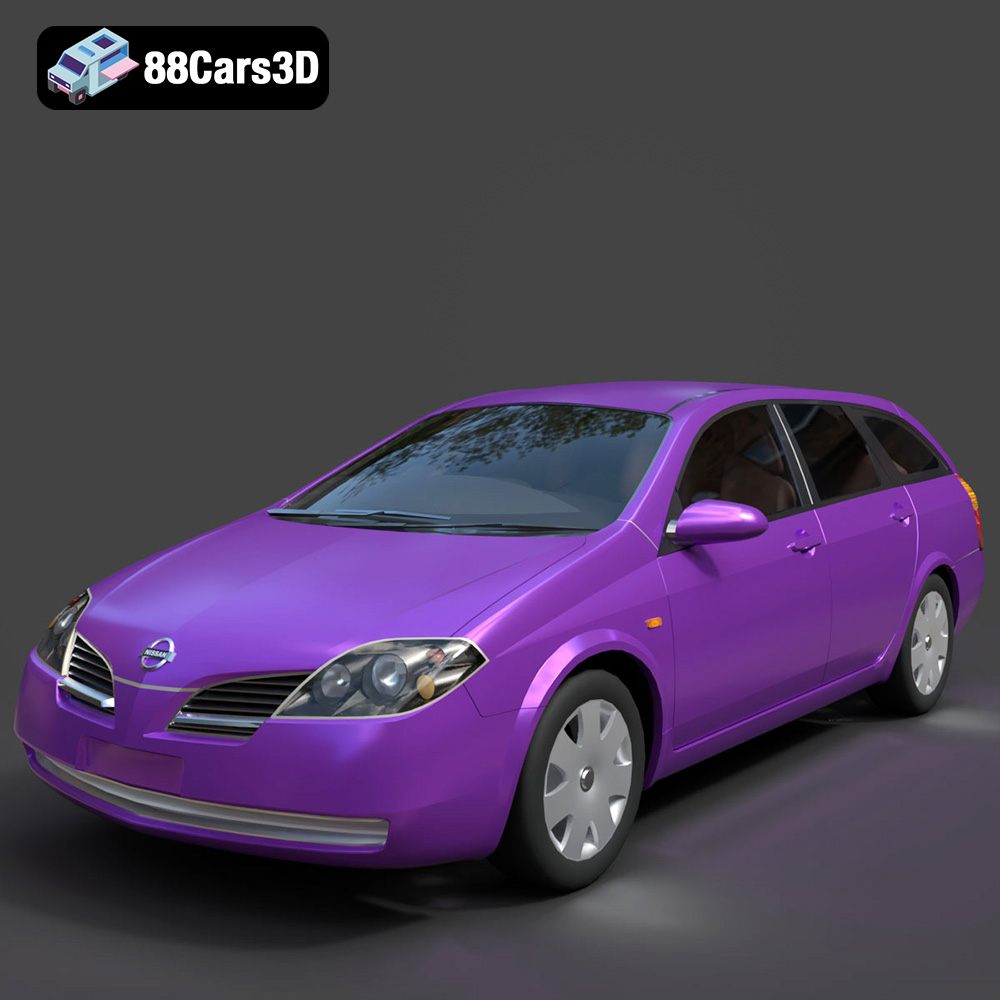
Nissan Primera Wagon 3D Model
Texture: Yes
Material: Yes
Download the Nissan Primera Wagon 3D Model featuring clean geometry, realistic detailing, and a fully modeled interior. Includes .blend, .fbx, .obj, .glb, .stl, .ply, .unreal, and .max formats for rendering, simulation, and game development.
Price: $4.99
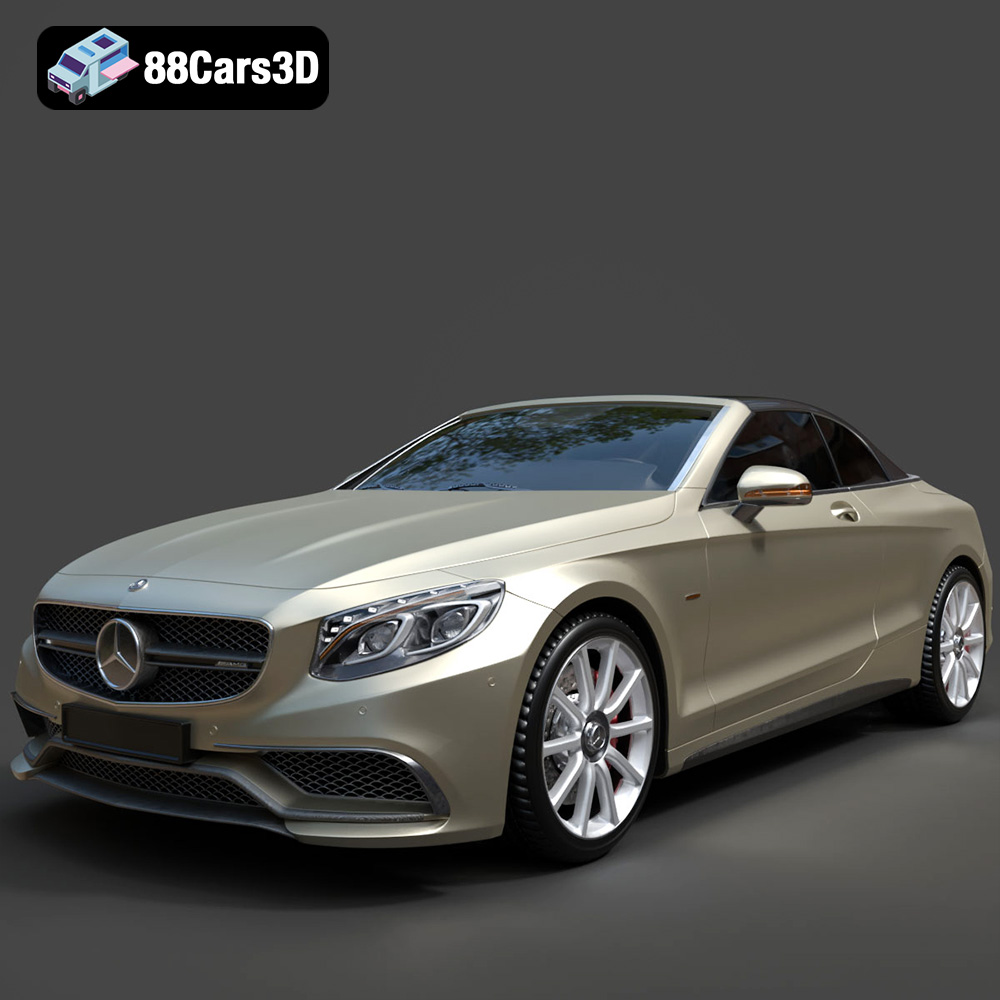
Mercedes-Benz S63 AMG Cabriolet 2017 3D Model
Texture: Yes
Material: Yes
Download the Mercedes-Benz S63 AMG Cabriolet 2017 3D Model featuring clean geometry, realistic detailing, and a fully modeled interior. Includes .blend, .fbx, .obj, .glb, .stl, .ply, .unreal, and .max formats for rendering, simulation, and game development.
Price: $20.99
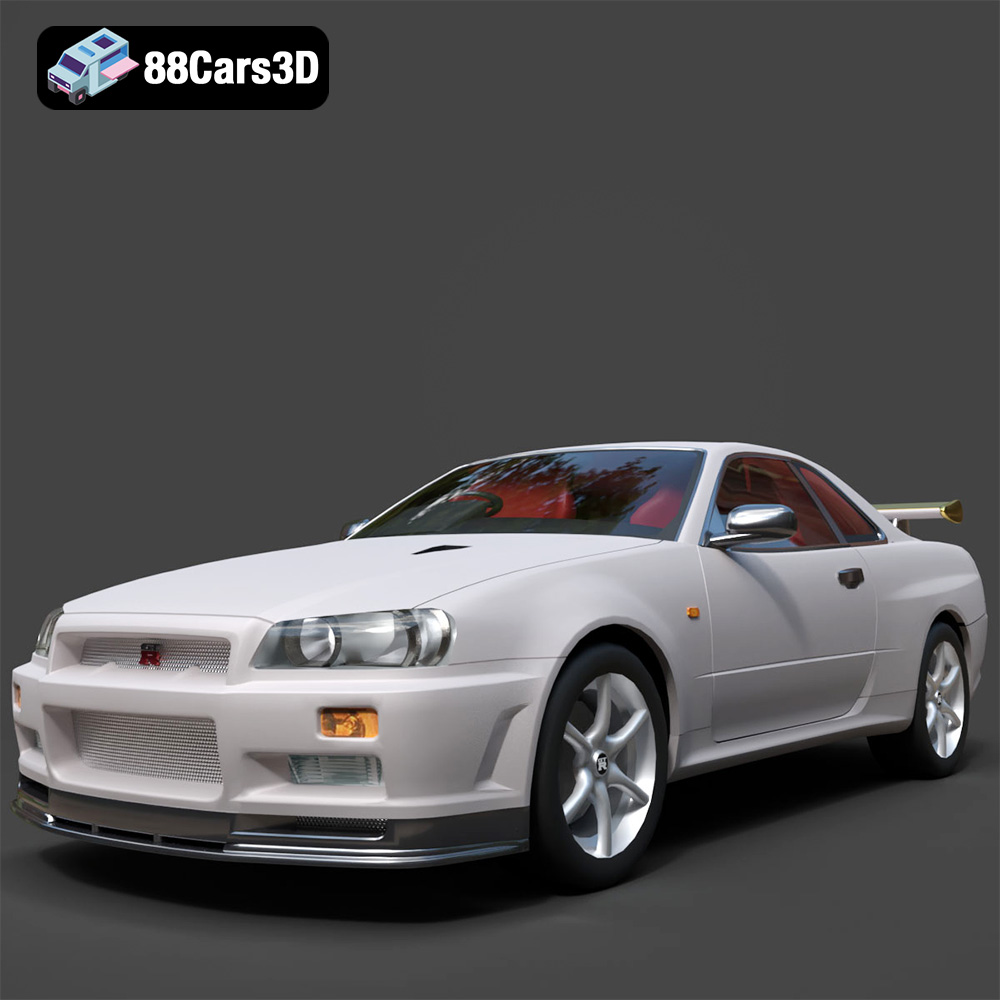
Nissan Skyline R34 2002 3D Model
Texture: Yes
Material: Yes
Download the Nissan Skyline R34 2002 3D Model featuring clean geometry, realistic detailing, and a fully modeled interior. Includes .blend, .fbx, .obj, .glb, .stl, .ply, .unreal, and .max formats for rendering, simulation, and game development.
Price: $4.99
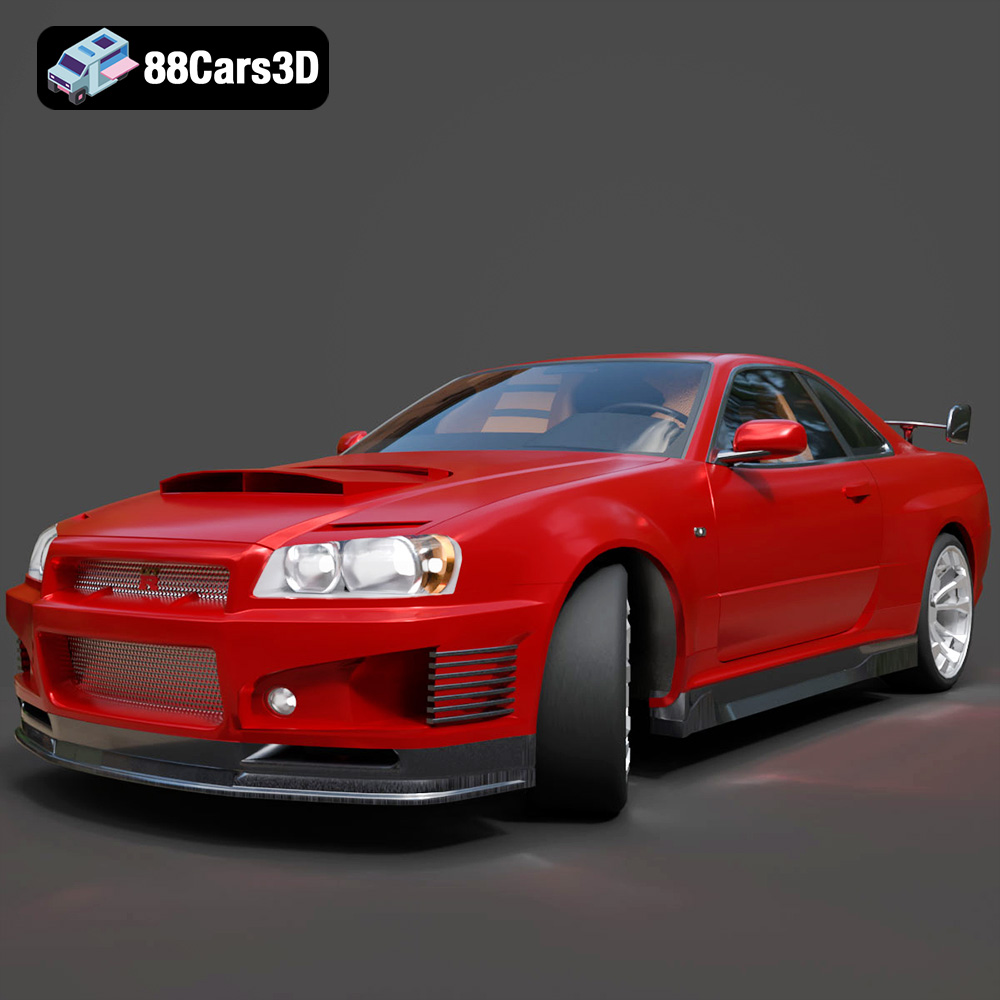
Nissan Skyline 3D Model
Texture: Yes
Material: Yes
Download the Nissan Skyline 3D Model featuring clean geometry, realistic detailing, and a fully modeled interior. Includes .blend, .fbx, .obj, .glb, .stl, .ply, .unreal, and .max formats for rendering, simulation, and game development.
Price: $9.99
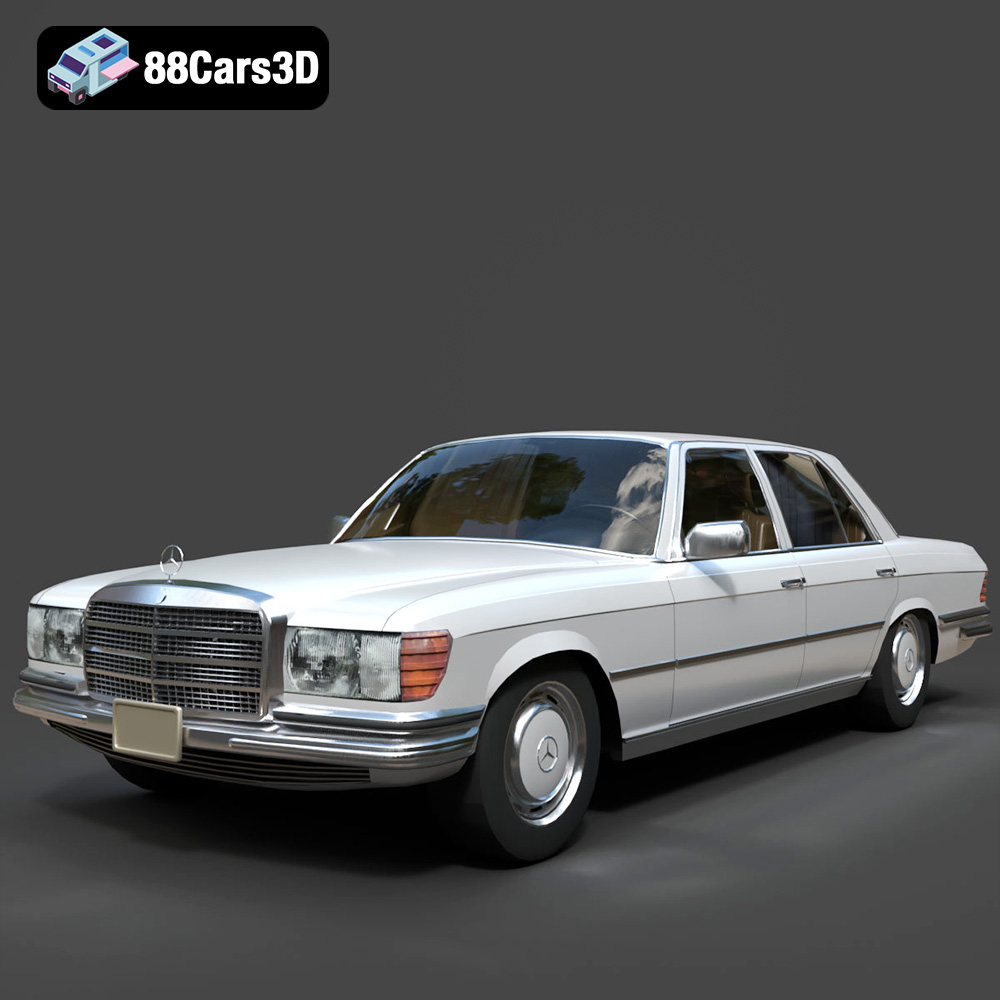
Mercedes-Benz S-Klasse W116 3D Model
Texture: Yes
Material: Yes
Download the Mercedes-Benz S-Klasse W116 3D Model featuring clean geometry, realistic detailing, and a fully modeled interior. Includes .blend, .fbx, .obj, .glb, .stl, .ply, .unreal, and .max formats for rendering, simulation, and game development.
Price: $4.99
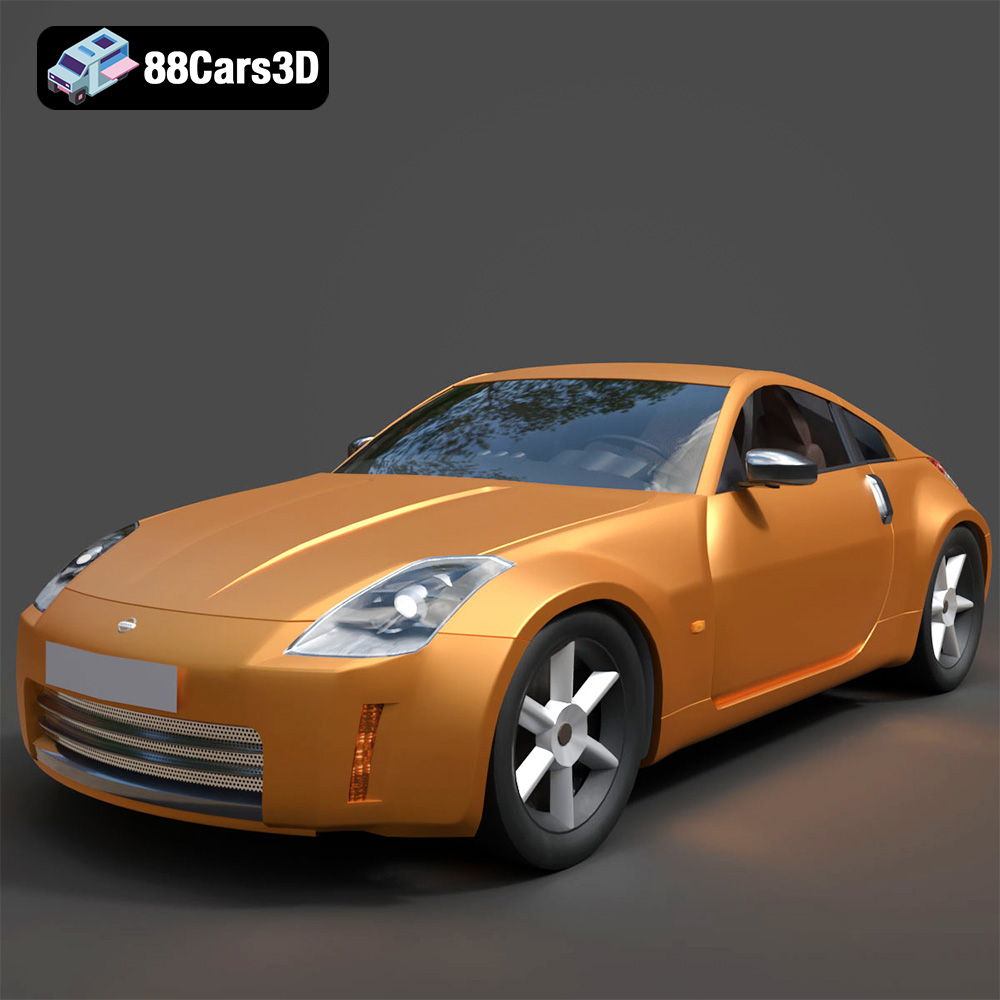
Nissan 350Z 3D Model
Texture: Yes
Material: Yes
Download the Nissan 350Z 3D Model featuring clean geometry, realistic detailing, and a fully modeled interior. Includes .blend, .fbx, .obj, .glb, .stl, .ply, .unreal, and .max formats for rendering, simulation, and game development.
Price: $4.99

Nissan Skyline V35 2001 3D Model
Texture: Yes
Material: Yes
Download the Nissan Skyline V35 2001 3D Model featuring clean geometry, realistic detailing, and a fully modeled interior. Includes .blend, .fbx, .obj, .glb, .stl, .ply, .unreal, and .max formats for rendering, simulation, and game development.
Price: $4.99

Mercedes-Benz S-Klasse 221-007 3D Model
Texture: Yes
Material: Yes
Download the Mercedes-Benz S-Klasse 221-007 3D Model featuring clean geometry, realistic detailing, and a fully modeled interior. Includes .blend, .fbx, .obj, .glb, .stl, .ply, .unreal, and .max formats for rendering, simulation, and game development.
Price: $4.99
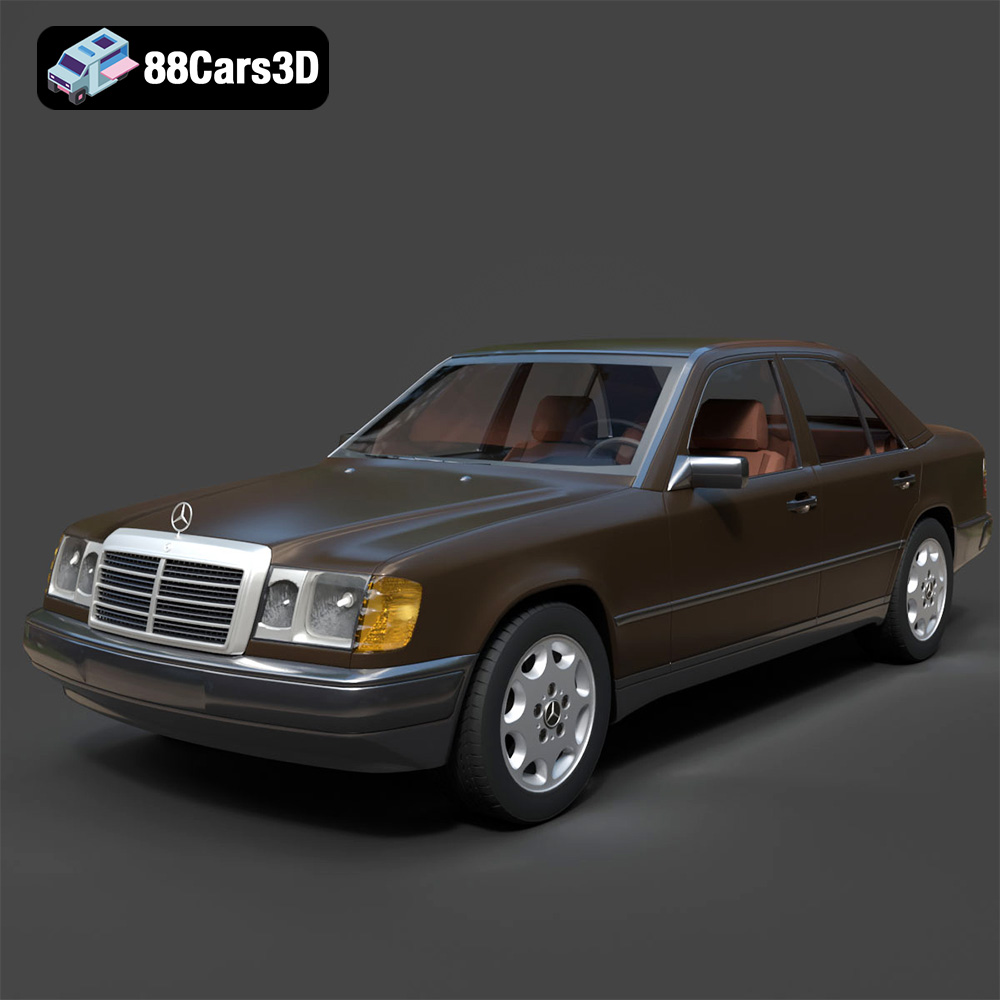
Mercedes W124 Sedan 3D Model
Texture: Yes
Material: Yes
Download the Mercedes W124 Sedan 3D Model featuring clean geometry, realistic detailing, and a fully modeled interior. Includes .blend, .fbx, .obj, .glb, .stl, .ply, .unreal, and .max formats for rendering, simulation, and game development.
Price: $4.99
