
From Polygon to Photorealism: The Ultimate Guide to Professional 3D Car Model Workflows

“`html
From Polygon to Photorealism: The Ultimate Guide to Professional 3D Car Model Workflows
The allure of a perfectly rendered automobile is undeniable. From the gleaming reflections dancing across a flawless clear coat to the intricate details of a cockpit, high-quality 3D car models are the cornerstone of breathtaking automotive visualizations, immersive video games, and cutting-edge AR experiences. But bridging the gap between a blank viewport and a final, stunning result requires a deep understanding of a complex, multi-stage process. It’s a craft that blends artistic vision with rigorous technical execution. Many artists and developers spend countless hours wrestling with topology, UVs, and optimization, only to fall short of that professional polish.
This comprehensive guide will illuminate the entire professional workflow. We will dissect the essential stages of creating and utilizing high-quality 3D car models, providing you with the technical knowledge and best practices to elevate your projects. We’ll journey from the foundational principles of clean modeling and strategic UV mapping to the advanced nuances of PBR material creation and photorealistic rendering. Furthermore, we’ll explore the critical optimization techniques required for real-time game engines, AR/VR applications, and even the physical world of 3D printing. Whether you are modeling from scratch or working with pre-made assets, this deep dive will equip you with the skills to achieve truly spectacular results.
The Foundation: Meticulous Modeling and Topology
The quality of any 3D car model is built upon its geometric foundation: the mesh. Without clean, purposeful topology, even the best textures and lighting will fail to produce a convincing result. For automotive models, where smooth surfaces and precise reflections are paramount, proper edge flow isn’t just a best practice—it’s a requirement. This initial stage dictates the success of every subsequent step in the pipeline, from UV unwrapping to final rendering.
Why Clean Topology is Non-Negotiable
Clean topology, primarily consisting of four-sided polygons (quads), ensures predictable and smooth surface deformation when applying subdivision modifiers like TurboSmooth or OpenSubdiv. For a car’s body, this is critical for achieving the flowing, continuous surfaces designed by automotive engineers. The edge flow—the direction in which the polygon edges run—must follow the main contours and curves of the car. This allows highlights to travel smoothly and realistically across the panels without pinching or visual artifacts. Triangles and n-gons (polygons with more than four sides) should be avoided on curved surfaces as they disrupt subdivision and can cause shading errors. They are acceptable only on perfectly flat, hidden areas like the undercarriage.
Key Modeling Techniques for Automotive Surfaces
There are two primary approaches to modeling complex automotive shapes: polygonal modeling and spline-based modeling.
- Polygonal Modeling: Often called “box modeling,” this involves starting with a simple primitive (like a plane) and extruding, cutting, and shaping edges and vertices to build out the car’s form. This method requires a keen eye for form and a strong understanding of how to maintain good edge flow manually.
- Spline-based Modeling: In software like 3ds Max or Maya, you can use NURBS or Bezier splines to define the primary curves of the car’s body. You then create a “skin” or “loft” between these curves to generate a perfect, mathematically smooth surface. This is often preferred for achieving G2 (curvature) continuity between panels, which results in seamless highlights. The final NURBS surface is then converted to a high-resolution polygon mesh for texturing and rendering.
Regardless of the method, precision is key. Working with high-resolution blueprints and reference photos is essential to capture the exact proportions and subtle design language of the vehicle.
Defining Polygon Count and Detail Levels
The required polygon count is entirely dependent on the model’s intended use.
- High-Poly for Cinematics/Rendering: For close-up marketing shots or film VFX, models can have millions of polygons (typically 500,000 to 2 million+ after subdivision). Every detail is modeled, from panel gaps and weld seams to interior stitching and tire treads. This level of detail is standard for professional assets you might find on marketplaces like 88cars3d.com.
- Mid-Poly for Real-Time/Games: For hero car assets in a video game, the budget is tighter. A typical range is 100,000 to 300,000 polygons. Here, details like small bolts or grille meshes might be represented by normal maps and textures rather than actual geometry to save performance.
- Low-Poly for Background/Mobile: For traffic cars or mobile applications, polycounts can drop below 50,000. These models rely heavily on textures for detail and have simplified silhouettes.
Unwrapping the Beast: Strategic UV Mapping
Once the model is complete, it must be unwrapped. UV mapping is the process of flattening the 3D model’s surfaces into a 2D space so that textures can be applied correctly. For a complex object like a car, with its mix of large, smooth panels and small, intricate parts, a strategic approach to UV mapping is crucial for both visual quality and performance. Poorly planned UVs can lead to stretched textures, visible seams, and inefficient memory usage.
The Art of Seam Placement
A UV seam is where the 3D mesh is “cut” to allow it to be flattened. The primary goal is to hide these seams where they are least visible. For a car, ideal places include:
- Along hard edges or existing panel gaps (e.g., around doors, the hood, and bumpers).
- On the underside of the car or inside wheel wells.
- At natural material boundaries, like the edge where a chrome trim meets the car paint.
Placing seams on large, smooth, highly visible areas like the middle of a hood or door should be avoided at all costs, as it can cause noticeable interruptions in the texture and reflections, even with a solid color.
UDIMs vs. Single UV Tile for Optimal Resolution
The choice between using a single UV tile or a multi-tile UDIM (U-Dimension) workflow depends on the required texture fidelity.
- Single UV Tile: Common for game assets, this method packs all the UV shells of the car into a single 0-1 UV space. This is efficient for game engines as it can be serviced by a single material. The downside is that texel density (the number of texture pixels per unit of 3D space) must be carefully balanced. A large body panel and a small lug nut will have to share the same texture map (e.g., a 4096×4096 texture).
- UDIM Workflow: Used for film and high-end rendering, UDIMs allow you to spread UV shells across multiple UV tiles. For example, you could dedicate one 8K texture tile (UDIM 1001) just for the main body, another 4K tile (UDIM 1002) for the wheels, and a third (UDIM 1003) for the interior. This provides immense texture resolution exactly where it’s needed, allowing for incredibly sharp details even in extreme close-ups.
Ensuring Quality with Checker Maps and Texel Density
Before texturing, it’s vital to check the UVs for issues. Applying a checkerboard texture to the model is the standard method. If the squares on the checker map appear stretched or compressed on any part of the model, it indicates distortion in the UVs, which must be fixed by relaxing or re-projecting the UV shells. Furthermore, the squares should be a consistent size across the entire model. If the squares on the door are much larger than the squares on the bumper, it means the texel density is inconsistent, leading to parts of the car appearing blurrier than others. Tools within Blender, 3ds Max, and Maya can help visualize and equalize texel density for a uniform, high-quality result.
Bringing Surfaces to Life: PBR Texturing and Shading
Physically Based Rendering (PBR) is the industry standard for creating realistic materials. It’s a methodology that simulates how light interacts with surfaces in the real world. For automotive visualization, PBR is what creates believable car paint, textured plastics, brushed metals, and supple leathers. A robust PBR workflow involves creating a set of specific texture maps that instruct the render engine on the physical properties of each surface.
Core PBR Maps for Automotive Materials
While workflows can vary slightly, the most common PBR texture maps (using the Metallic/Roughness workflow) are:
- Albedo (or Base Color): This defines the pure color of the surface, free of any lighting or shadow information. For a metallic paint, this map would also include the color of the metallic flakes.
- Metallic: A grayscale map that tells the engine if a surface is a metal (white) or a non-metal/dielectric (black). Car paint is a complex non-metal, but parts like chrome trim or raw aluminum wheels would be fully metallic.
- Roughness: Perhaps the most important map for realism. This grayscale map controls how rough or smooth a surface is, which dictates how sharp or blurry the reflections are. A polished chrome bumper has a very low roughness value (near black), while a plastic dashboard has a higher value (light gray). Subtle variations and smudge maps in the roughness channel add immense realism.
- Normal: This map creates the illusion of fine surface detail without adding extra polygons. It’s used for things like leather grain, tire sidewall lettering, or the subtle “orange peel” effect in a car’s clear coat.
Creating a Multi-Layered Car Paint Shader
A simple PBR material is not enough for convincing car paint. Professional car paint shaders are multi-layered to simulate the real-world manufacturing process. A typical setup in Corona or V-Ray would involve:
- Base Layer: This is the paint itself. It uses an Albedo map for the color and a Metallic map if it’s a metallic paint. A subtle noise or flake normal map is often added here to simulate the metallic flakes suspended in the paint.
- Clear Coat Layer: A second material layer is added on top. This layer has no color and is fully reflective, simulating the protective clear coat. Its roughness value determines the glossiness of the final finish. A subtle “orange peel” effect can be introduced into the clear coat’s normal map for hyper-realism.
Specialized shader nodes like CoronaLayeredMtl, VrayBlendMtl, or Blender’s Principled BSDF with a “Coat” parameter are used to build these complex materials.
The Final Image: Photorealistic Rendering Workflows
With a perfectly modeled and textured asset, the final step in creating a stunning still image or animation is the rendering process. This involves setting up lighting, cameras, and render engine parameters to produce a photorealistic output. The choices made here will dramatically impact the mood, realism, and overall quality of the final image. When sourcing high-quality assets, for instance, from platforms like 88cars3d.com, they often come ready for immediate use in popular render engines, saving significant setup time.
Choosing Your Render Engine
Several industry-standard render engines excel at automotive rendering, each with its own strengths:
- Corona Renderer: Known for its ease of use, speed, and photorealistic results with minimal tweaking. Its interactive light mixing and straightforward material system make it a favorite for automotive artists using 3ds Max.
- V-Ray: A powerhouse of features and control. V-Ray is incredibly versatile and offers deep customization for production pipelines. It’s available for nearly every major 3D application.
- Blender Cycles: A highly capable path-tracing engine built directly into Blender. It’s free, powerful, and excellent for producing photorealistic results, with a massive community for support.
- Arnold: The standard for many VFX and animation studios, Arnold is known for its ability to handle extremely complex scenes and its physically accurate approach to lighting and shading.
Mastering Lighting with HDRI Environments
The single most important element for realistic automotive rendering is lighting. High-Dynamic Range Images (HDRI) are the key. An HDRI is a 360-degree panoramic photo that contains a vast range of lighting information. When used to illuminate a 3D scene, it provides not only the main light source (the sun) but also all the subtle bounced light and detailed reflections from the surrounding environment. For studio shots, an HDRI of a professional photo studio with softboxes provides clean, controlled reflections. For outdoor shots, an HDRI of a desert road or a city street provides context and realism. This HDRI is often supplemented with a 3-point lighting setup (key, fill, and rim lights) to further sculpt the car’s form and make it “pop” from the background.
Essential Render Settings and Post-Processing
To finalize the image, you need to configure your render settings. Enabling a Denoiser is crucial to get clean images without waiting for excessively long render times. It’s also professional practice to render in multiple passes, such as an Ambient Occlusion (AO) pass, a Reflection pass, and a Z-Depth pass. These passes are then composited in software like Photoshop or After Effects. Post-processing is where the final magic happens: adjusting color balance, adding lens flares or bloom, sharpening details, and performing final color grading to achieve a specific cinematic look.
Real-Time Performance: Optimizing for Game Engines
Using a 3D car model in a real-time application like Unreal Engine or Unity presents a completely different set of challenges. Here, performance is king. A model that renders beautifully in V-Ray could cripple a game engine if not properly optimized. The goal is to maintain the highest possible visual fidelity while ensuring the game runs at a smooth, consistent framerate.
The LOD (Level of Detail) System
A player doesn’t need to see a 200,000-polygon car when it’s just a tiny speck in the distance. This is where Level of Detail (LOD) systems come in. A single car asset will contain multiple versions of the mesh, each with a progressively lower polygon count:
- LOD0: The highest quality mesh (e.g., 150,000 polygons) used when the player is up close. It features a detailed interior and fully modeled components.
- LOD1: A mid-range version (e.g., 70,000 polygons) that swaps in when the car is a short distance away. The interior might be simplified.
- LOD2: A low-poly version (e.g., 20,000 polygons) for medium-to-far distances. Wheels might be simplified, and smaller details are removed.
- LOD3/Impostor: For extreme distances, this can be a very simple mesh (<5,000 polygons) or even a 2D image (impostor) that represents the car.
The game engine automatically switches between these LODs based on the car’s distance from the camera, dramatically improving performance.
Reducing Draw Calls with Material Consolidation
A “draw call” is a command the CPU sends to the GPU to draw an object on the screen. Too many draw calls create a performance bottleneck. Each material on a model typically requires its own draw call. A car model with 30 different materials (one for paint, glass, chrome, rubber, etc.) would be very inefficient. To solve this, developers use texture atlasing. This involves combining the textures for multiple parts onto a single, larger texture sheet. For example, the textures for the dashboard, seats, and steering wheel could all be packed into one UV space and share a single “Interior” material, reducing dozens of potential draw calls to just one.
The New Frontiers: AR/VR and 3D Printing Applications
The utility of a high-quality 3D car model extends beyond traditional renders and games. Emerging technologies like Augmented Reality (AR), Virtual Reality (VR), and 3D printing have created new and exciting applications, each with its own unique set of technical requirements and optimization strategies.
Preparing Models for AR and VR
For AR/VR experiences, performance is absolutely critical to maintain high frame rates (90+ FPS) and prevent motion sickness. This requires extreme optimization.
- File Formats: The industry standards are GLB (for web and Android AR) and USDZ (for Apple’s ARKit). These formats are designed to be self-contained, packing the model, textures, and material information into a single, efficient file.
- Polycount and Textures: Polygon counts must be kept very low, often under 100,000 polygons even for a hero asset. Texture sizes are also reduced (1K or 2K max), and powerful compression formats like Basis Universal are used to keep file sizes and memory usage to a minimum.
- PBR Limitations: While AR/VR uses PBR materials, the shaders are simplified. Complex effects like multi-layered clear coats or refraction are often faked or omitted to ensure performance on mobile hardware.
Watertight Meshes for Successful 3D Printing
Preparing a model for 3D printing is a completely different challenge. The primary requirement is that the mesh must be “manifold,” or watertight. This means it must be a single, continuous, closed surface with no holes. Common problems that must be fixed include:
- Holes or open edges: Any gaps in the mesh will cause the print to fail.
- Non-manifold geometry: Edges shared by more than two faces.
- Inverted normals: Faces that are pointing inward instead of outward, which confuses the slicing software.
Tools like Meshmixer or the 3D-Print Toolbox in Blender are essential for diagnosing and repairing these issues to ensure a printable model. The thickness of parts like mirrors and spoilers must also be considered and potentially exaggerated to ensure they are strong enough when printed.
Conclusion: The Versatile Digital Asset
We’ve journeyed through the entire lifecycle of a professional 3D car model, from the first polygon laid down to its final application in a photorealistic render, high-performance game engine, or physical 3D print. It’s clear that creating a truly versatile and high-quality asset is a discipline that demands both artistic skill and deep technical expertise. The pillars of this process are universal: a foundation of clean topology, methodical UV mapping, physically accurate PBR materials, and intelligent, application-specific optimization.
Mastering these workflows empowers you to tackle any project with confidence, knowing you can achieve the desired level of quality and performance. Whether you are painstakingly crafting every detail from scratch or leveraging a professionally made asset as your starting point, these principles remain the key to success. For artists and developers looking to accelerate their projects without compromising on quality, sourcing meticulously prepared 3D car models can be a transformative step, providing a production-ready foundation upon which to build your creative vision.
“`
Featured 3D Car Models

Mercedes-Benz SLK 350 2005 3D Model
Texture: Yes
Material: Yes
Download the Mercedes-Benz SLK 350 2005 3D Model featuring clean geometry, realistic detailing, and a fully modeled interior. Includes .blend, .fbx, .obj, .glb, .stl, .ply, .unreal, and .max formats for rendering, simulation, and game development.
Price: $9.99
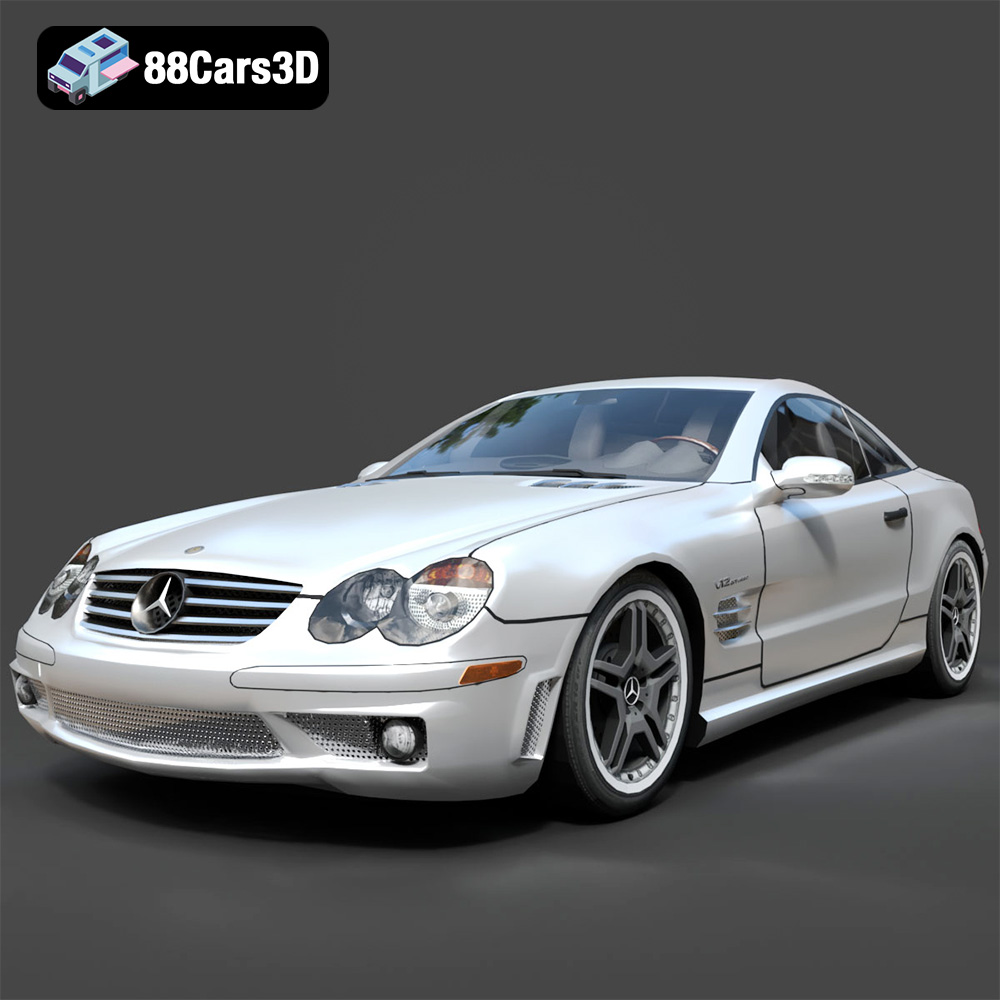
Mercedes-Benz SL 65 AMG 3D Model
Texture: Yes
Material: Yes
Download the Mercedes-Benz SL 65 AMG 3D Model featuring clean geometry, realistic detailing, and a fully modeled interior. Includes .blend, .fbx, .obj, .glb, .stl, .ply, .unreal, and .max formats for rendering, simulation, and game development.
Price: $9.99
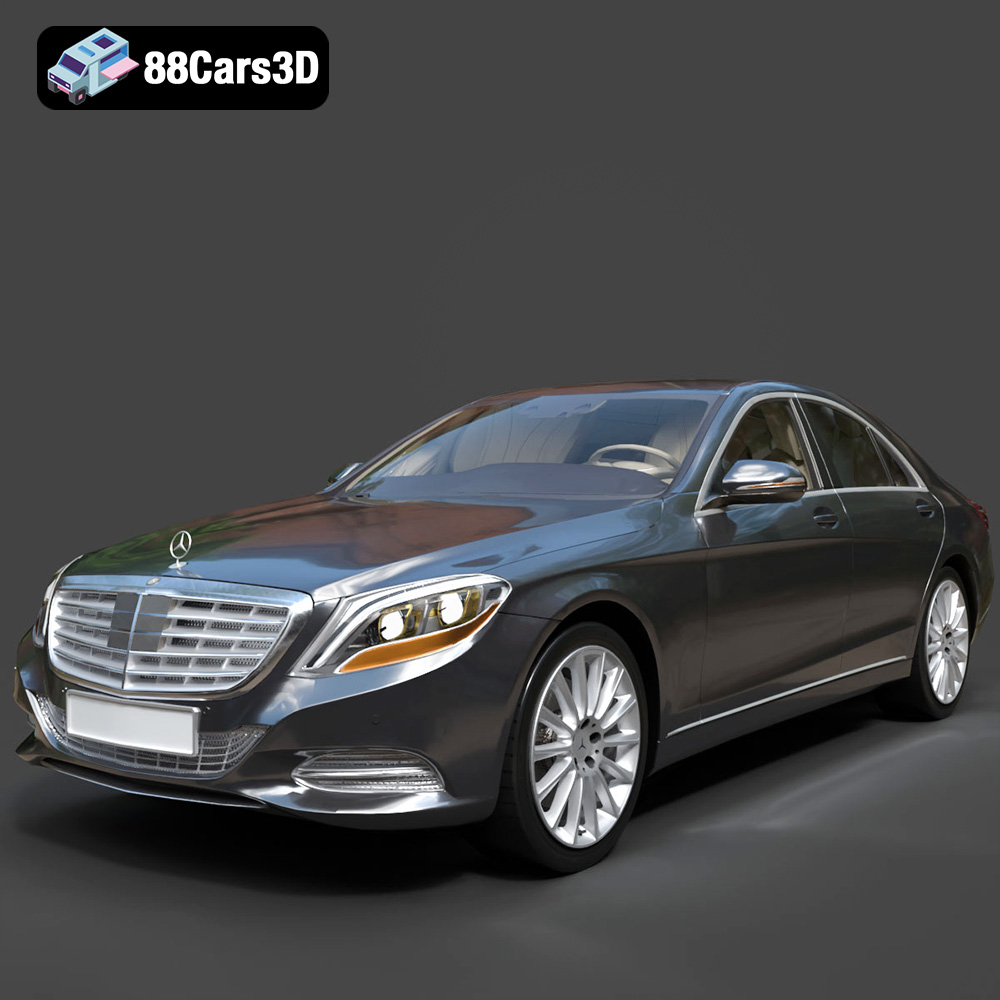
Mercedes-Benz S500 3D Model
Texture: Yes
Material: Yes
Download the Mercedes-Benz S500 3D Model featuring clean geometry, realistic detailing, and a fully modeled interior. Includes .blend, .fbx, .obj, .glb, .stl, .ply, .unreal, and .max formats for rendering, simulation, and game development.
Price: $9.99
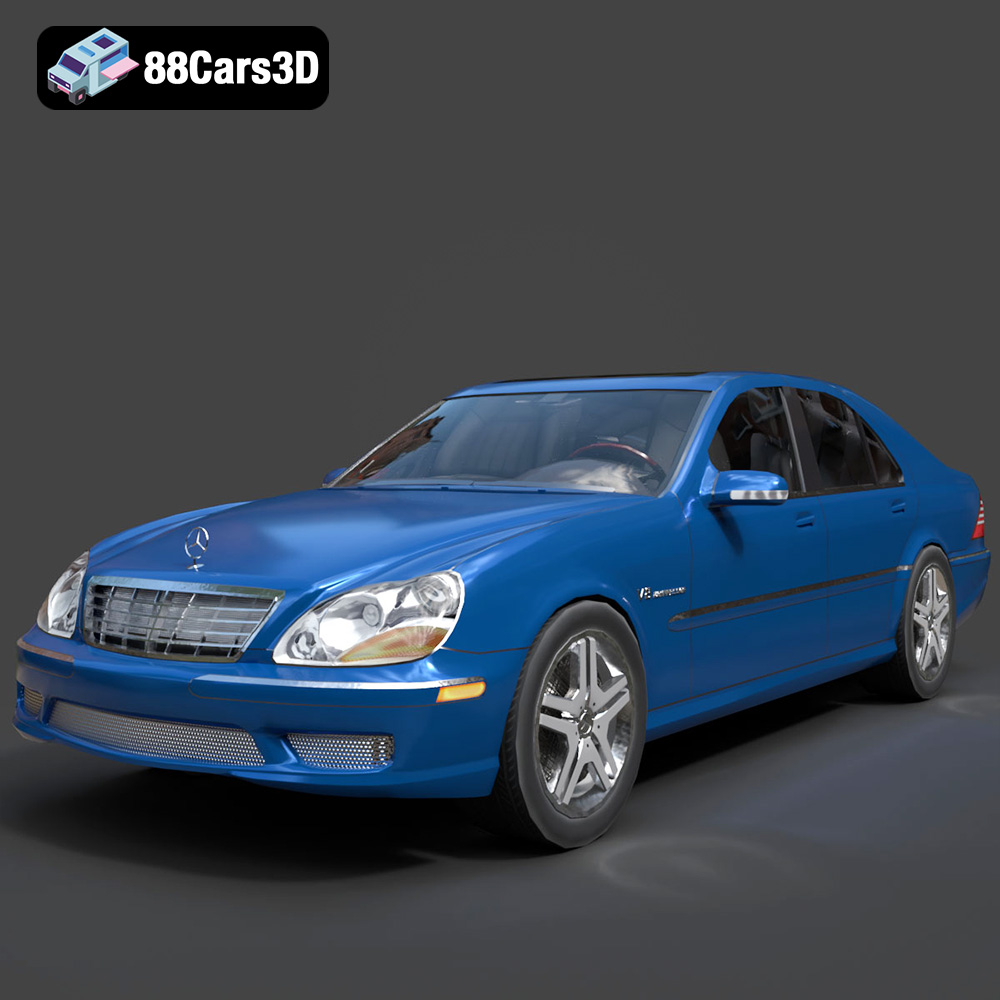
Mercedes-Benz S55 W220 AMG 1999 3D Model
Texture: Yes
Material: Yes
Download the Mercedes-Benz S55 W220 AMG 1999 3D Model featuring clean geometry, realistic detailing, and a fully modeled interior. Includes .blend, .fbx, .obj, .glb, .stl, .ply, .unreal, and .max formats for rendering, simulation, and game development.
Price: $9.99
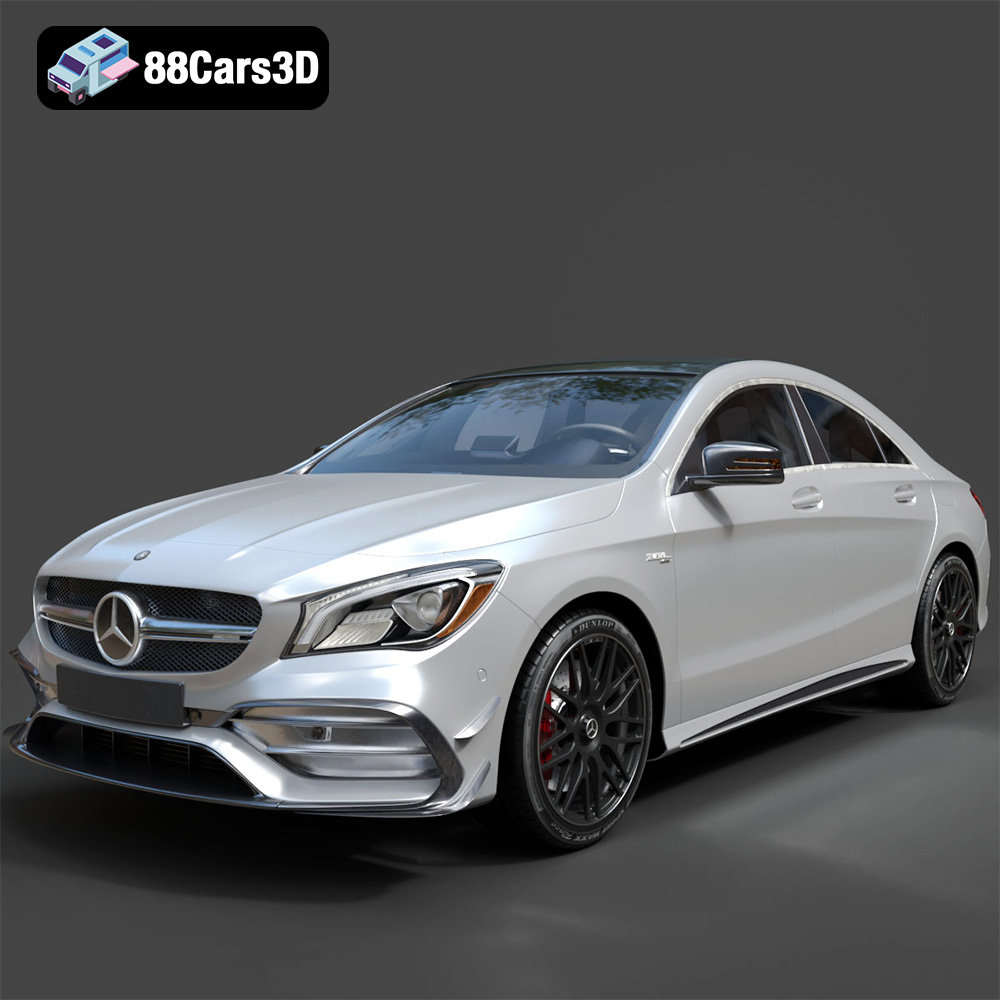
Mercedes-Benz CLA45 AMG 2017 3D Model
Texture: Yes
Material: Yes
Download the Mercedes-Benz CLA45 AMG 2017 3D Model featuring clean geometry, realistic detailing, and a fully modeled interior. Includes .blend, .fbx, .obj, .glb, .stl, .ply, .unreal, and .max formats for rendering, simulation, and game development.
Price: $29.99
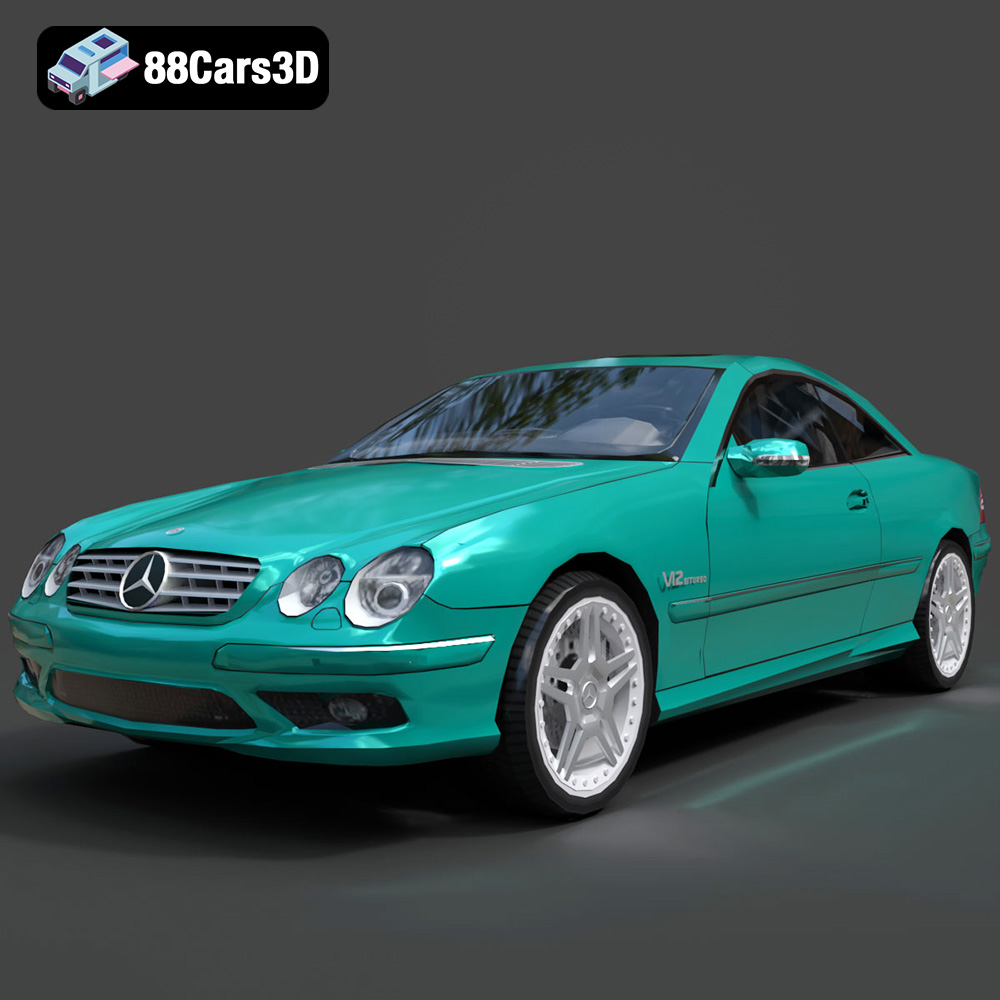
Mercedes-Benz CL65 C215 AMG 3D Model
Texture: Yes
Material: Yes
Download the Mercedes-Benz CL65 C215 AMG 3D Model featuring clean geometry, realistic detailing, and a fully modeled interior. Includes .blend, .fbx, .obj, .glb, .stl, .ply, .unreal, and .max formats for rendering, simulation, and game development.
Price: $9.99
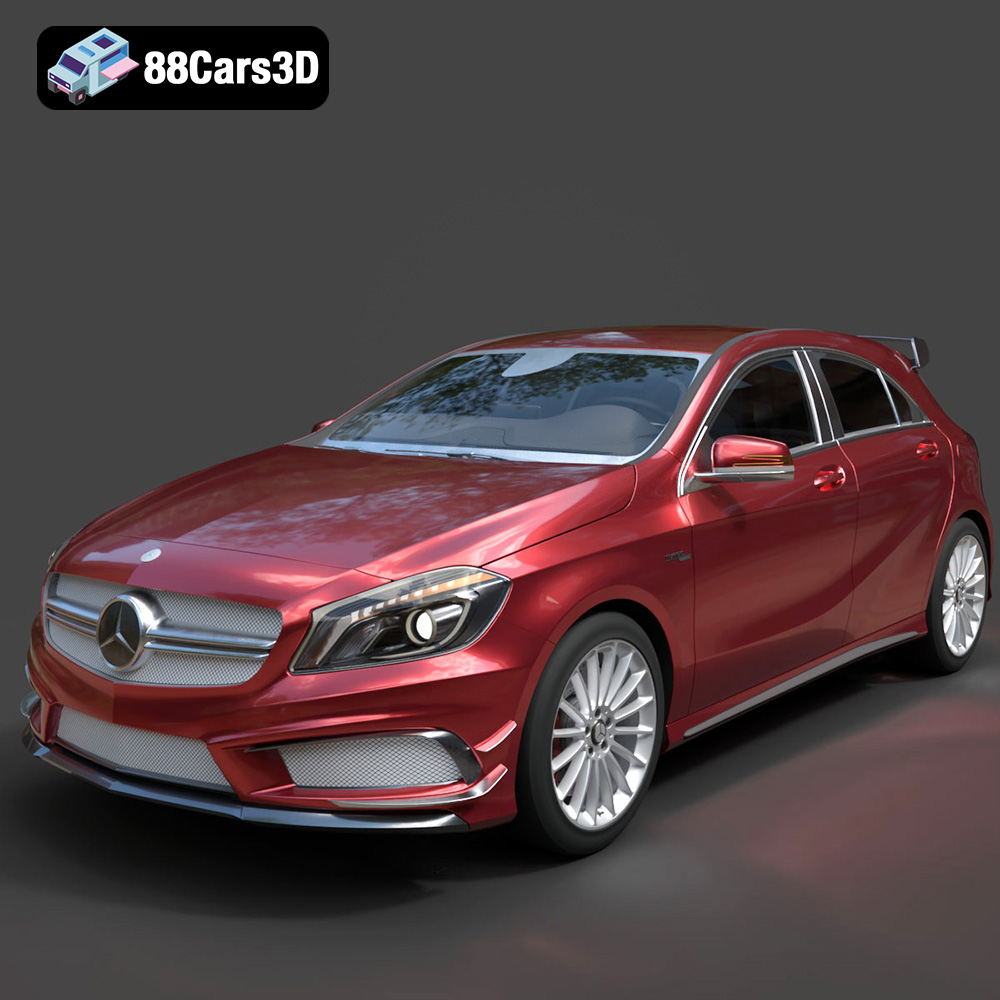
Mercedes-Benz A45 2021 3D Model
Texture: Yes
Material: Yes
Download the Mercedes-Benz A45 2021 3D Model featuring clean geometry, realistic detailing, and a fully modeled interior. Includes .blend, .fbx, .obj, .glb, .stl, .ply, .unreal, and .max formats for rendering, simulation, and game development.
Price: $9.99
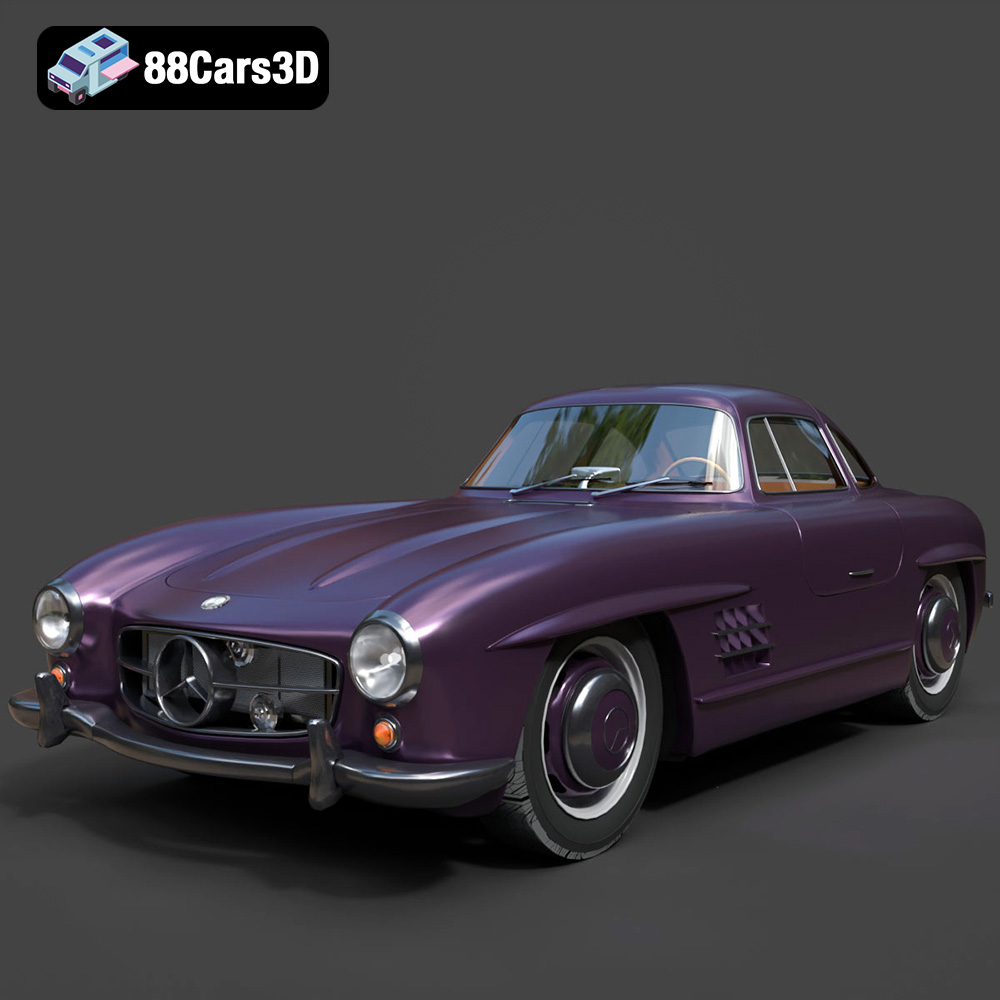
Mercedes-Benz 300SL 1955 3D Model
Texture: Yes
Material: Yes
Download the Mercedes-Benz 300SL 1955 3D Model featuring clean geometry, realistic detailing, and a fully modeled interior. Includes .blend, .fbx, .obj, .glb, .stl, .ply, .unreal, and .max formats for rendering, simulation, and game development.
Price: $9.99
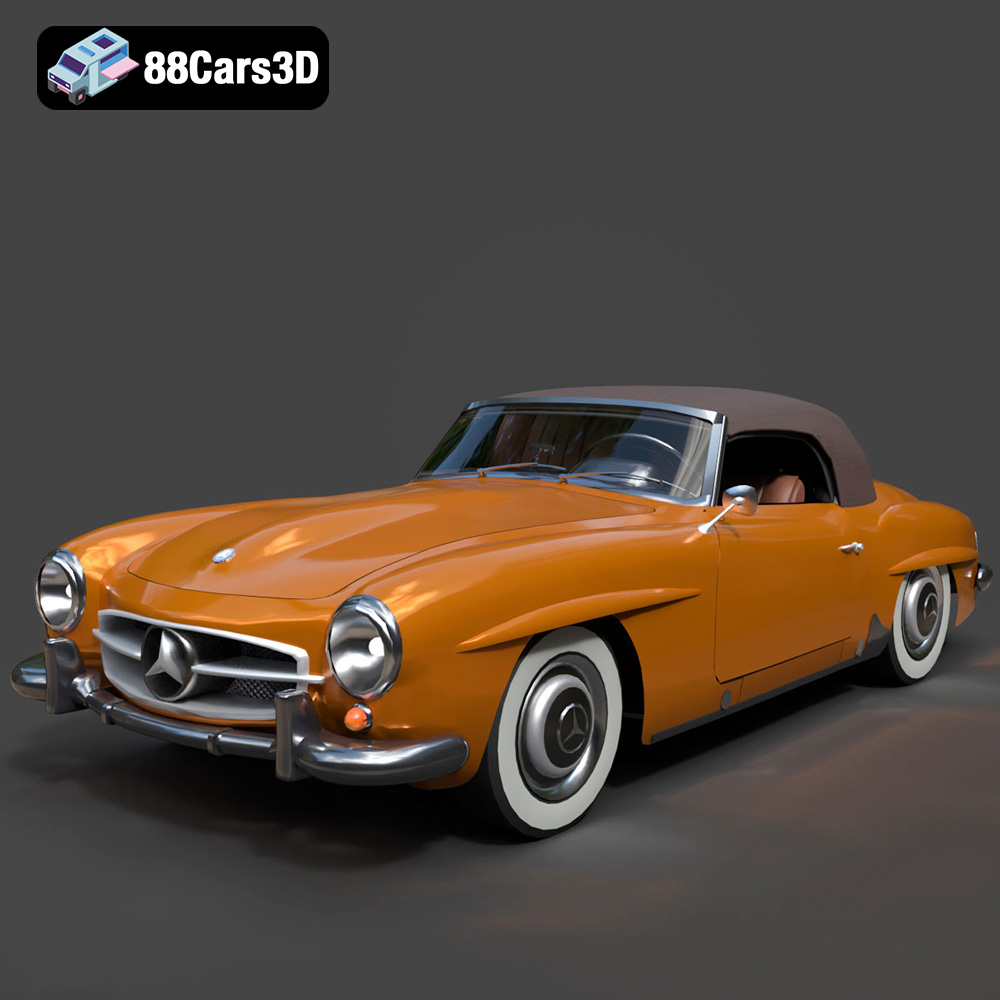
Mercedes-Benz 190SL 1955 3D Model
Texture: Yes
Material: Yes
Download the Mercedes-Benz 190SL 1955 3D Model featuring clean geometry, realistic detailing, and a fully modeled interior. Includes .blend, .fbx, .obj, .glb, .stl, .ply, .unreal, and .max formats for rendering, simulation, and game development.
Price: $9.99
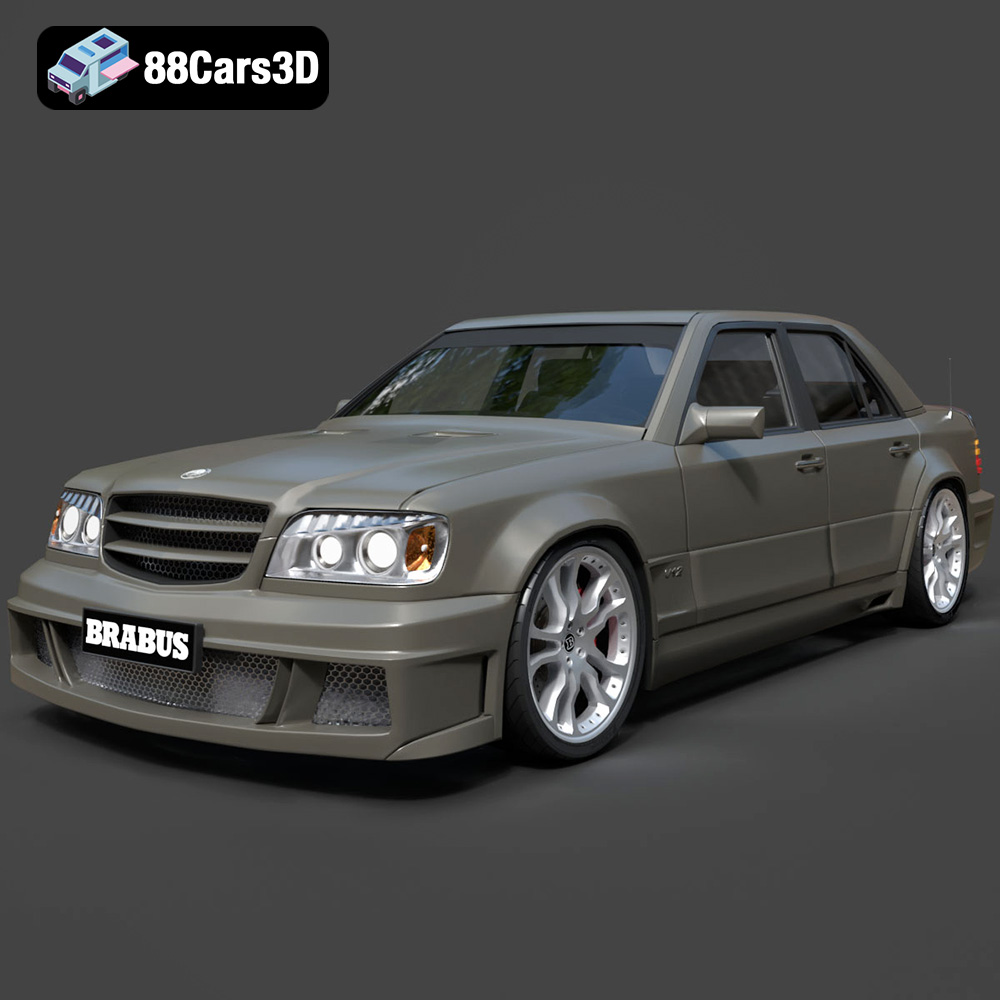
Mercedes-Benz W124 Brabus V12 3D Model
Texture: Yes
Material: Yes
Download the Mercedes-Benz W124 Brabus V12 3D Model featuring clean geometry, realistic detailing, and a fully modeled interior. Includes .blend, .fbx, .obj, .glb, .stl, .ply, .unreal, and .max formats for rendering, simulation, and game development.
Price: $9.99
