
Mastering 3D Car Model Topology and Edge Flow

The sleek lines, the reflective gleam of the paint, the intricate details of an engine — 3D car models possess a unique allure, capturing the essence of engineering marvels and artistic vision. Beyond their aesthetic appeal, these digital assets are fundamental tools driving innovation across a multitude of industries, from blockbuster video games and cinematic visualizations to groundbreaking automotive design and immersive AR/VR experiences. Crafting and utilizing high-quality 3D car models is a nuanced skill, demanding a blend of artistic flair and rigorous technical understanding. It’s about more than just recreating a vehicle; it’s about understanding topology, mastering materials, optimizing performance, and ensuring seamless integration into diverse pipelines.
This comprehensive guide delves deep into the technical intricacies involved in working with 3D car models. We’ll explore the foundational principles of clean topology, the art of efficient UV mapping, the science behind physically based rendering (PBR) materials, and advanced rendering workflows. Furthermore, we’ll uncover critical optimization strategies for game engines, demystify various file formats, and touch upon specialized applications like AR/VR and 3D printing. Whether you’re a seasoned 3D artist, an aspiring game developer, or an automotive designer pushing the boundaries of visualization, prepare to elevate your understanding and harness the full potential of premium 3D car models, like those available on platforms such as 88cars3d.com.
Mastering 3D Car Model Topology and Edge Flow
Topology, often considered the skeletal structure of a 3D model, is paramount for high-quality automotive assets. It dictates how the model deforms, how subdivision surfaces smooth, and how light interacts with its surfaces. For cars, which are characterized by complex curves, sharp creases, and distinct panel gaps, impeccable topology is non-negotiable. A clean, quad-dominant mesh is the industry standard, ensuring predictable smoothing and efficient sculpting. Triangles should be used sparingly and strategically, typically in flat, non-deforming areas or where they don’t impede edge flow. N-gons (faces with more than four vertices) are generally avoided in subdivision surface modeling due to unpredictable smoothing results.
The Fundamentals of Clean Topology
Clean topology primarily revolves around maintaining an all-quad workflow. This means every face in your mesh should ideally be a quad (a four-sided polygon). Quads provide excellent control over mesh deformation, simplify UV unwrapping, and are essential for subdivision surface modifiers (like TurboSmooth in 3ds Max or Subdivision Surface in Blender) to produce smooth, predictable results. Poles (vertices with more or less than four edges connected) should be managed carefully. While poles are unavoidable, especially in complex areas, strategically placing them in flatter or less visible regions minimizes their impact on surface continuity and shading. Non-manifold geometry, such as internal faces or edges shared by more than two faces, must be rigorously avoided as it can cause rendering artifacts, export issues, and problems during 3D printing preparation.
Automotive-Specific Edge Flow
Automotive design demands specific edge flow patterns to accurately capture the vehicle’s form. Achieving smooth, continuous curvature across large body panels is crucial. This often involves running edge loops parallel to the contours of the car, mimicking the way light reflects off the real vehicle’s surface. Panel gaps, door lines, and wheel arches require carefully placed edge loops that define crisp edges without introducing pinching or unwanted bumps after subdivision. Sharp creases, like those found on body lines or around headlights, are created by adding “support loops” or “holding edges” very close to the main edge. These extra loops tighten the subdivision surface in that area, creating a sharp, defined edge. Reference blueprints and high-quality photo references are indispensable tools for accurately replicating these complex forms and ensuring that your edge flow aligns with the real-world design intent.
Optimizing Polygon Count
The ideal polygon count for a 3D car model is highly dependent on its intended use. For high-fidelity renders and cinematic visualizations, models can easily exceed several million polygons, allowing for extreme detail and smooth surfaces without needing much subdivision. Conversely, game-ready assets require stringent polygon budgets to maintain real-time performance. A typical modern game-ready car might range from 80,000 to 150,000 polygons, while mobile game assets might be limited to 15,000-30,000. Tools like 3ds Max, Blender, and Maya offer advanced retopology features, enabling artists to convert high-polygon sculpted meshes into clean, optimized low-polygon versions suitable for real-time applications. Utilizing techniques like decimation (reducing polygon count) and baking normal maps from high-poly models onto low-poly versions allows visual detail to be preserved without increasing the vertex count.
Impeccable UV Mapping for Complex Automotive Surfaces
UV mapping is the process of flattening a 3D mesh into a 2D space, allowing textures to be applied accurately and without distortion. For complex, curved surfaces like those found on a car, meticulous UV mapping is essential to ensure consistent texture resolution, prevent stretching, and facilitate detailed texturing workflows. Poor UVs can lead to blurry textures, noticeable seams, and difficulty in painting or baking details. The goal is to create a seamless, efficient, and readable UV layout that maximizes texture space utilization.
UV Unwrapping Techniques
Various unwrapping techniques are employed depending on the complexity and shape of the mesh. Planar mapping is ideal for flat surfaces (e.g., windows, license plates). Cylindrical mapping works well for circular or tubular elements (e.g., tires, exhausts). Spherical mapping can be used for rounded components. For the main body panels of a car, which are complex and organically curved, advanced “pelting” or “unfold” techniques are often used in software like 3ds Max, Blender, or Maya. These methods attempt to “cut” the 3D mesh along strategically placed seams and then flatten it with minimal distortion. Identifying the best seam placement is critical; often, seams are hidden along natural breaks in the geometry, such as panel lines, under the chassis, or in areas less visible to the camera, minimizing their visual impact on the final texture.
Managing UV Space and Texel Density
Effective UV mapping goes beyond just unwrapping; it involves intelligent management of the 2D UV space. One of the most common pitfalls is inconsistent texel density, where some parts of the model have higher texture resolution than others, leading to a patchy appearance. To avoid this, ensure that all parts of your model maintain a relatively uniform texel density, meaning the ratio of texture pixels per unit of 3D space is consistent. Tools within 3D software can display texel density, allowing you to scale UV shells proportionately. Preventing UV stretching is also vital; a checker map applied to your model can quickly reveal stretched areas, which appear as elongated squares. Overlapping UVs should generally be avoided unless intentionally used for tiling textures or mirroring identical parts to save texture space, as they can cause issues with baking ambient occlusion or other unique maps.
UV Atlasing and Optimization
For game engines and real-time applications, UV atlasing is a powerful optimization technique. Instead of having multiple separate texture maps for different parts of a car (e.g., body, wheels, interior), UV atlasing consolidates all the UV shells from various mesh parts onto a single, larger UV map. This single map then corresponds to a single texture atlas (a large texture containing all the smaller textures). The primary benefit of this approach is a drastic reduction in draw calls, as the game engine only needs to load and render one material and one texture for the entire car, rather than multiple. When creating UV atlases, prioritize packing efficiency to maximize the use of texture space, leaving minimal wasted area. Specialized tools or built-in packing algorithms in software like RizomUV, UV Layout, or even Blender’s native UV editor can automate this process, ensuring optimal placement and scaling of UV shells for texture resolutions like 2K, 4K, or 8K.
Crafting Realistic PBR Materials and Shaders
Physically Based Rendering (PBR) has revolutionized the creation of realistic 3D assets, ensuring materials behave correctly under any lighting condition. For 3D car models, PBR materials are essential to achieve that coveted showroom finish, from the deep reflections of car paint to the subtle imperfections of tire rubber. Understanding PBR workflows and crafting sophisticated shader networks is a cornerstone of high-fidelity automotive visualization.
Understanding PBR Workflows
The two primary PBR workflows are Metalness-Roughness and Specular-Glossiness. The Metalness-Roughness workflow, widely adopted in game engines and modern renderers, defines materials using a Base Color (or Albedo) map, a Metallic map (binary or grayscale, indicating metallic vs. dielectric surfaces), and a Roughness map (defining surface micro-detail and reflectivity). A Normal map is typically used to add fine surface detail without increasing polygon count, and an Ambient Occlusion (AO) map can enhance contact shadows. The Specular-Glossiness workflow uses a Diffuse map, a Specular map (defining reflection color and intensity), and a Glossiness map (the inverse of roughness). Both systems aim for physical accuracy, but Metalness-Roughness is often favored for its intuitive setup. Tools like Substance Painter and Quixel Mixer are industry standards for creating PBR texture sets, allowing artists to layer materials, generate procedural details, and bake high-resolution information onto low-resolution models.
Automotive-Specific Materials
Automotive materials are notoriously complex. Car paint, for example, is not a simple metallic surface; it’s a layered shader system. It typically involves a base coat (diffuse color, often metallic flakes), a clear coat (a highly reflective, transparent layer that adds depth and reflections), and sometimes a pearl coat. Achieving realistic car paint requires careful control over fresnel reflections, clear coat thickness, and the subtle anisotropy of metallic flakes. Tire rubber benefits from subtle normal map details (tread patterns, sidewall text), roughness variations, and sometimes subsurface scattering (SSS) for a more organic look. Glass needs accurate refraction, reflection, and appropriate tint. Chrome requires extremely low roughness and high metallic values. For interior elements like leather, cloth, and plastics, attention to micro-surface detail (normal maps), roughness variations, and subtle SSS for plastics is key. Many advanced renderers and game engines offer layered shader capabilities or dedicated car paint shaders to simplify this process.
Shader Networks and Texturing Best Practices
Modern 3D software like Blender, 3ds Max (with various renderers), and Maya utilize node-based material editors, allowing artists to build complex shader networks by connecting different texture maps, procedural nodes, and utility nodes. This modular approach provides immense flexibility and control over every aspect of the material. When texturing, resolution is crucial: 2K (2048×2048) or 4K (4096×4096) textures are common for high-quality vehicle components, with 8K (8192×8192) reserved for hero assets or extremely detailed elements. Textures should ideally be in lossless formats (PNG, TIFF) during creation and then converted to compressed formats (e.g., JPG, WebP) for web delivery or engine specific formats for games. Procedural textures can offer resolution independence and smaller file sizes, while baked textures (like normal maps or ambient occlusion) capture specific geometric details from high-poly meshes, enhancing visual fidelity on optimized low-poly versions.
High-Fidelity Rendering Workflows and Environments
Beyond the model and materials, the final presentation of a 3D car model hinges on a robust rendering workflow. This involves selecting the right renderer, meticulously crafting lighting environments, and refining camera settings, culminating in powerful post-processing. A well-executed render can transform a detailed model into a breathtaking, photorealistic image or animation, crucial for advertising, design reviews, and compelling portfolios.
Renderer Choices and Strengths
The choice of renderer significantly impacts both the visual quality and the workflow efficiency. CPU-based renderers like Corona Renderer and V-Ray (popular with 3ds Max, Cinema 4D) are known for their ease of use, physical accuracy, and robust feature sets, often producing stunningly realistic results with relatively simple setups. Arnold (integrated into Maya and 3ds Max) is a powerful, unbiased CPU renderer favored in film and animation for its robust handling of complex scenes and materials. For Blender users, Cycles is a highly capable path-tracing renderer, offering both CPU and GPU rendering, known for its versatility and integration with the Blender ecosystem. GPU renderers, such as V-Ray GPU, Redshift, Octane, and Cycles (when using CUDA/OptiX/HIP), leverage the parallel processing power of graphics cards, significantly accelerating render times, especially for scenes with extensive light bounces or complex volumetrics. The choice often comes down to budget, software ecosystem, and project requirements (e.g., speed vs. absolute fidelity).
Lighting and HDRI Environments
Lighting is the single most critical factor in achieving a realistic render. For automotive renders, two main approaches dominate: studio lighting and HDRI (High Dynamic Range Image) environments. Studio lighting setups typically involve a combination of key, fill, and rim lights, often mimicking real-world automotive photography studios with large softboxes and reflectors. This method offers precise control over highlights and shadows, allowing artists to accentuate specific design features. HDRI environments are images that capture the full range of light intensity from real-world locations. When used in a 3D scene, they provide incredibly realistic reflections, ambient illumination, and subtle color nuances that are difficult to replicate with traditional light sources alone. Combining a high-quality HDRI (e.g., from Poly Haven, HDRI Haven) with a few strategically placed artificial lights (e.g., a dominant sun light or a large area light to enhance reflections) often yields the most convincing results. Placing the vehicle on a simple ground plane or a subtle backdrop can further ground it in the scene.
Camera Settings and Post-Processing
Treat your 3D camera like a real-world DSLR. Adjusting settings such as F-stop (controlling depth of field), shutter speed (for motion blur in animations), and ISO (affecting perceived brightness and noise) can dramatically enhance realism. Using physically accurate camera lenses and focal lengths also contributes to a believable perspective. Once the render is complete, post-processing and compositing in software like Adobe Photoshop or Affinity Photo are indispensable. This stage involves non-destructive adjustments to color grading, exposure, contrast, and white balance. Adding subtle effects like lens flares, vignetting, or chromatic aberration can elevate the image. Render element passes (also known as render layers or AOV’s – Arbitrary Output Variables), such as reflections, refractions, diffuse, specular, Z-depth, and object IDs, are incredibly useful for compositing. They allow you to fine-tune individual components of the image without re-rendering the entire scene, offering unparalleled creative control over the final look.
Optimization for Game Engines and Real-Time Applications
For 3D car models destined for game engines, AR/VR experiences, or other real-time applications, optimization is not just a best practice—it’s a critical requirement. High-fidelity models, while stunning in offline renders, can cripple performance in interactive environments if not properly optimized. The goal is to maintain visual quality while ensuring smooth frame rates and efficient resource utilization.
LODs (Levels of Detail) Generation
Levels of Detail (LODs) are essential for managing polygon count in real-time applications. The concept is simple: create multiple versions of your 3D model, each with a progressively lower polygon count. When the car is close to the camera, the highest detail LOD0 (e.g., 100,000 polygons) is displayed. As the camera moves further away, the engine automatically switches to a lower detail LOD1 (e.g., 50,000 polygons), then LOD2 (e.g., 20,000 polygons), and so on, down to a highly simplified LOD3 or LOD4 (e.g., 5,000 polygons or even a billboard sprite for extreme distances). This ensures that only the necessary amount of detail is rendered at any given time, significantly reducing the load on the GPU. Most modern game engines (Unity, Unreal Engine) have built-in LOD systems. Manual creation or automatic generation tools within 3D software can produce these optimized versions. Careful attention must be paid to visual pop-in when transitioning between LODs, ensuring smooth transitions.
Draw Call Reduction Strategies
Draw calls are instructions from the CPU to the GPU to render an object. Each draw call carries overhead, so minimizing their number is crucial for performance. For complex assets like cars, which often have many separate parts (body, wheels, windows, interior elements), multiple draw calls can quickly accumulate. One of the most effective strategies is mesh merging or combining. If multiple static meshes share the same material and texture atlas, they can often be combined into a single mesh, reducing draw calls. Instancing (rendering multiple copies of the same mesh from a single draw call, like identical wheels) and static batching (combining multiple static meshes that share materials into a single larger mesh at runtime) are also powerful techniques available in game engines. By systematically reducing the number of individual meshes and materials, you can dramatically improve real-time performance.
Optimizing Textures and Materials
Textures are often a significant performance bottleneck. For real-time applications, it’s vital to use power-of-two texture resolutions (e.g., 512×512, 1024×1024, 2048×2048) as these are generally more efficient for GPU processing. Texture compression (e.g., DXT1, DXT5 for desktop; ETC for mobile) is crucial for reducing memory footprint and VRAM usage without a significant loss in visual quality. Instead of using multiple individual material instances for slight variations (e.g., different paint colors), utilize a master material with parameters that can be adjusted on material instances. This allows artists to create many variations from a single optimized shader, reducing compilation times and draw calls. Shader complexity visualization tools in engines like Unreal Engine can highlight areas where shaders are too expensive, guiding further optimization efforts. Using vertex colors for subtle variations or wear and tear can also be more efficient than dedicated texture maps for certain effects.
Versatile Applications: AR/VR, 3D Printing, and File Formats
The utility of 3D car models extends far beyond traditional rendering and gaming. With the rise of augmented and virtual reality, alongside the accessibility of 3D printing, these models are finding new and innovative applications. However, each of these fields presents its own set of technical requirements and optimization challenges, demanding specific preparation and adherence to particular file formats.
AR/VR Readiness
For AR/VR experiences, the performance demands are even more stringent than for traditional games, as smooth, low-latency rendering is paramount to avoid motion sickness and ensure immersion. This means even lower polygon budgets (often under 50,000 polygons for an entire vehicle), aggressive LOD switching, and highly optimized PBR materials. Textures should be compact, and transparent elements (like glass) need careful optimization to avoid overdraw. Real-time shadows and reflections are critical for grounding the car in the real world (AR) or virtual environment (VR), but they must be implemented efficiently, often using baked ambient occlusion or simplified shadow maps. Key file formats for AR/VR include GLB (a binary version of glTF, ideal for web-based and mobile AR/VR due to its single-file nature) and USDZ (Apple’s proprietary format for AR, widely adopted in iOS environments). When sourcing models from marketplaces such as 88cars3d.com, always check for AR/VR optimized versions or ensure the provided source files allow for easy conversion and optimization.
Preparing for 3D Printing
3D printing transforms digital models into physical objects, but it requires a very specific mesh structure. The most critical requirement is a “watertight” or “manifold” mesh. This means the model must be a completely enclosed volume, without any holes, disconnected vertices, non-manifold edges (edges shared by more than two faces), or internal geometry. The printer needs to understand what is inside and what is outside. Wall thickness is another crucial consideration; parts of the model must be thick enough to be structurally sound when printed (typically a minimum of 0.8mm to 2mm, depending on the material and printer). Intersecting geometry must be properly Booleaned or merged to avoid conflicting volumes. Software like Meshmixer, Netfabb, or the 3D Print Toolbox in Blender provide powerful tools for mesh analysis, repair, and preparation, allowing artists to identify and fix issues like holes, inverted normals, and non-manifold edges. Common file formats for 3D printing include STL (the industry standard for stereolithography), OBJ, and occasionally 3MF.
Essential File Formats and Conversions
The world of 3D file formats can be complex, but understanding the key players is essential for seamless workflow and compatibility. FBX is an industry-standard format developed by Autodesk, widely used for exchanging models, animations, and scene data between 3D applications (3ds Max, Maya, Blender, Unity, Unreal Engine). It supports hierarchies, PBR materials, and animation. OBJ is a universal, simpler format that primarily stores geometry (vertices, faces, UVs) and basic material references (via an accompanying MTL file). It’s highly compatible but lacks advanced features like animation or PBR material definitions. GLB and USDZ are gaining prominence for real-time, web, and AR/VR applications due to their efficiency and integrated texture support. USD (Universal Scene Description), developed by Pixar, is an increasingly powerful format for large-scale scene assembly and data interchange across complex pipelines. When performing file format conversions, always ensure that critical data—such as UVs, PBR texture assignments, and scene hierarchy—are preserved accurately. Tools within 3D software typically handle these conversions, but careful export/import settings are often required to maintain fidelity.
Conclusion
The journey from a conceptual idea to a fully realized, high-performance 3D car model is a testament to the intricate blend of artistic skill and technical precision. We’ve traversed the critical stages of this process, from laying down the foundational edge loops of clean topology to meticulously unwrapping complex surfaces, crafting physically accurate materials, and orchestrating breathtaking renders. We’ve also delved into the essential optimizations required for real-time applications like gaming and AR/VR, and understood the unique demands of preparing models for 3D printing. Each step, whether it’s managing polygon counts, reducing draw calls, or selecting the correct file format, plays a vital role in unlocking the full potential of these digital automotive masterpieces.
Mastering these techniques requires dedication, continuous learning, and a keen eye for detail. The digital automotive landscape is constantly evolving, with new tools, renderers, and platforms emerging regularly. By applying the best practices and technical insights discussed, you are well-equipped to produce 3D car models that not only look stunning but also perform flawlessly across any medium. So, whether you’re embarking on your next personal project, contributing to a professional game title, or creating visualizations for the automotive industry, remember the power of a well-crafted 3D car model. For those looking to jumpstart their projects with high-quality, pre-optimized assets, explore the extensive collection of professionally crafted 3D car models available on 88cars3d.com and bring your visions to life with unparalleled realism and efficiency.
Featured 3D Car Models
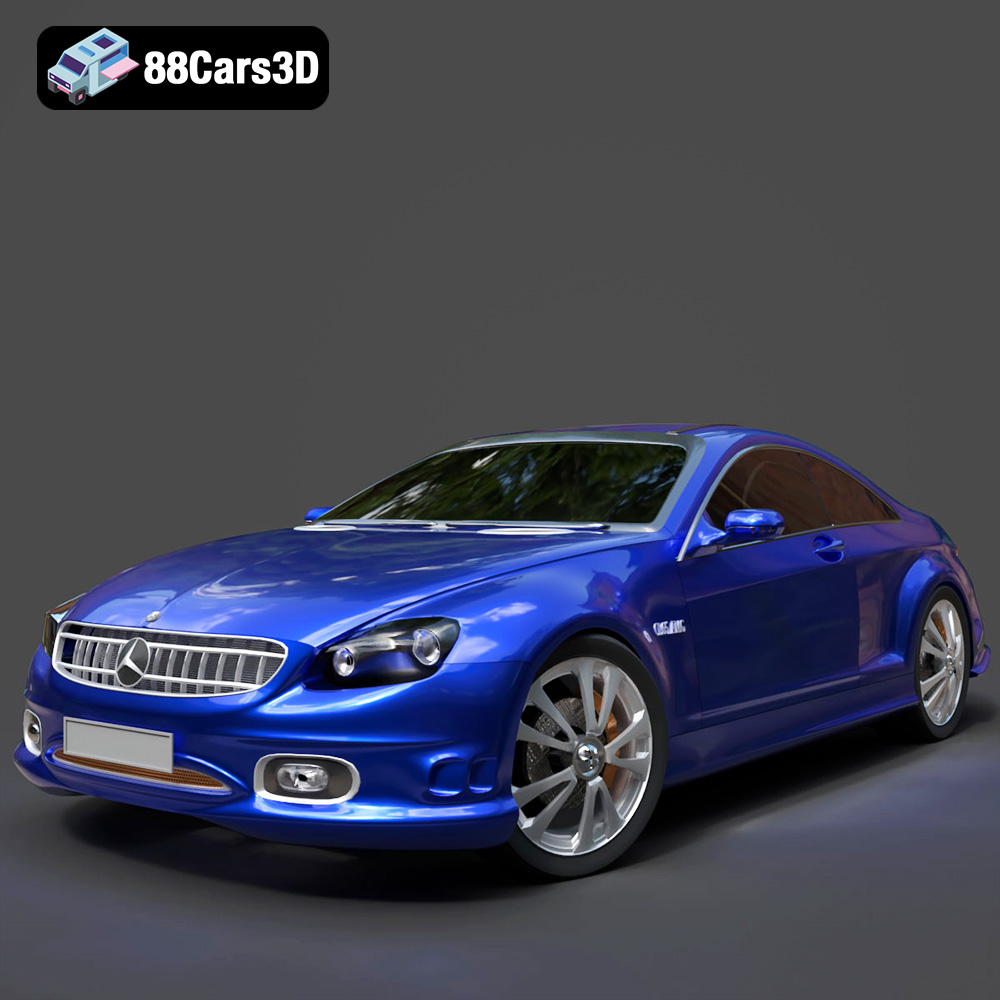
Mercedes-Benz CL6540-005 3D Model
Texture: Yes
Material: Yes
Download the Mercedes-Benz CL6540-005 3D Model featuring clean geometry, realistic detailing, and a fully modeled interior. Includes .blend, .fbx, .obj, .glb, .stl, .ply, .unreal, and .max formats for rendering, simulation, and game development.
Price: $4.99
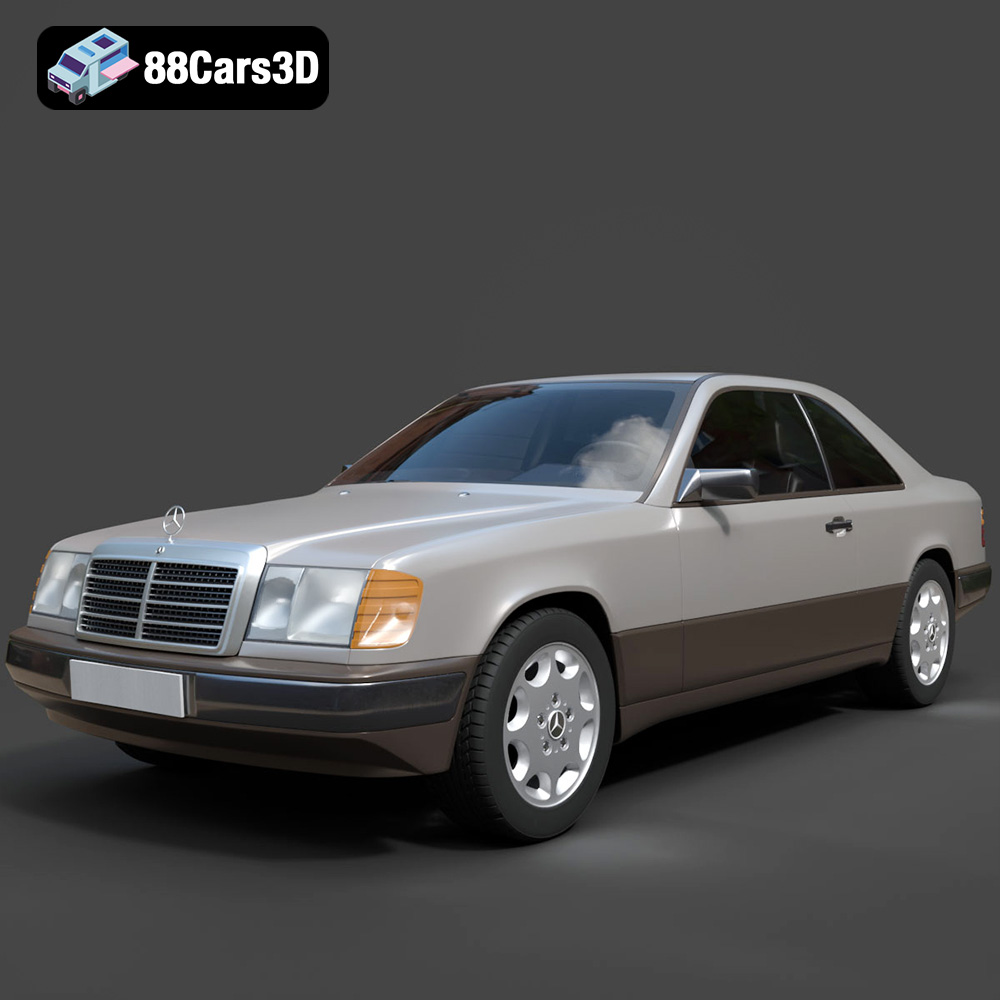
Mercedes E-Class w124 Coupe 3D Model
Texture: Yes
Material: Yes
Download the Mercedes E-Class w124 Coupe 3D Model featuring clean geometry, realistic detailing, and a fully modeled interior. Includes .blend, .fbx, .obj, .glb, .stl, .ply, .unreal, and .max formats for rendering, simulation, and game development.
Price: $4.99
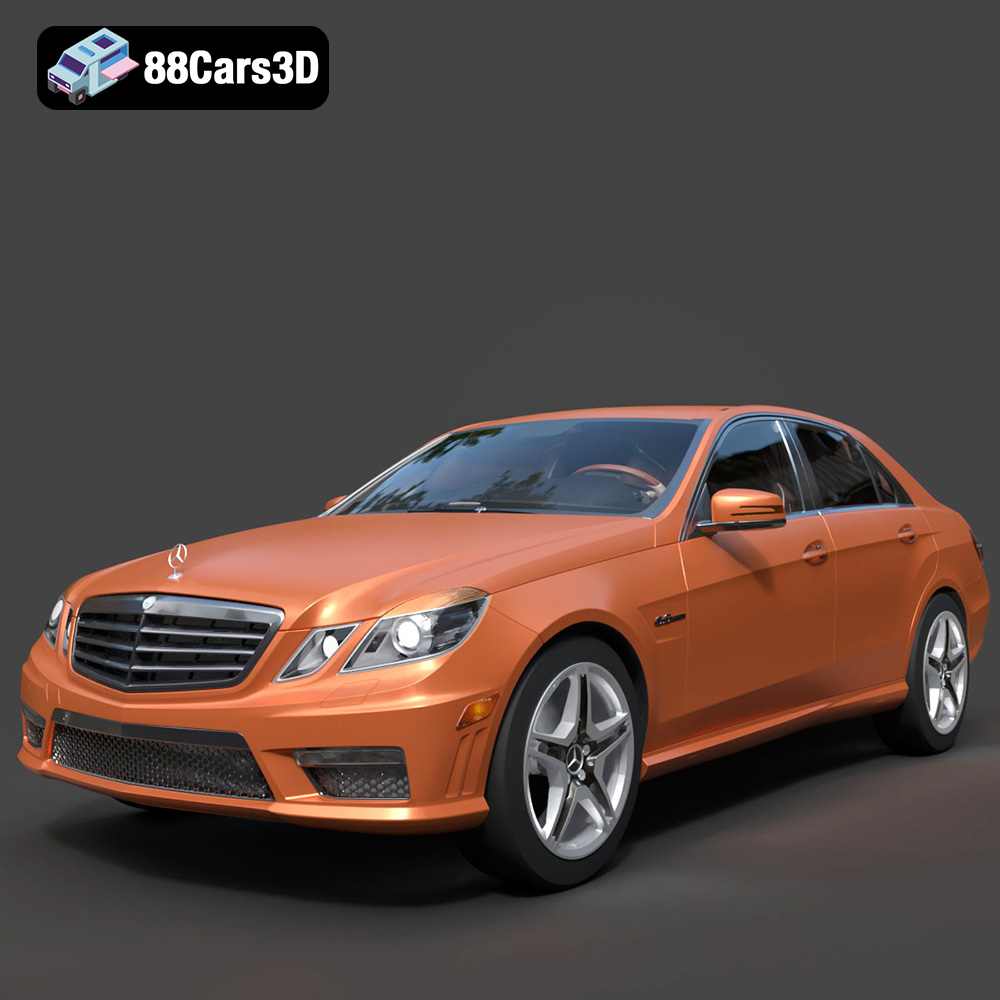
Mercedes-Benz E-Klasse 63 AMG 3D Model
Texture: Yes
Material: Yes
Download the Mercedes-Benz E-Klasse 63 AMG 3D Model featuring clean geometry, realistic detailing, and a fully modeled interior. Includes .blend, .fbx, .obj, .glb, .stl, .ply, .unreal, and .max formats for rendering, simulation, and game development.
Price: $4.99
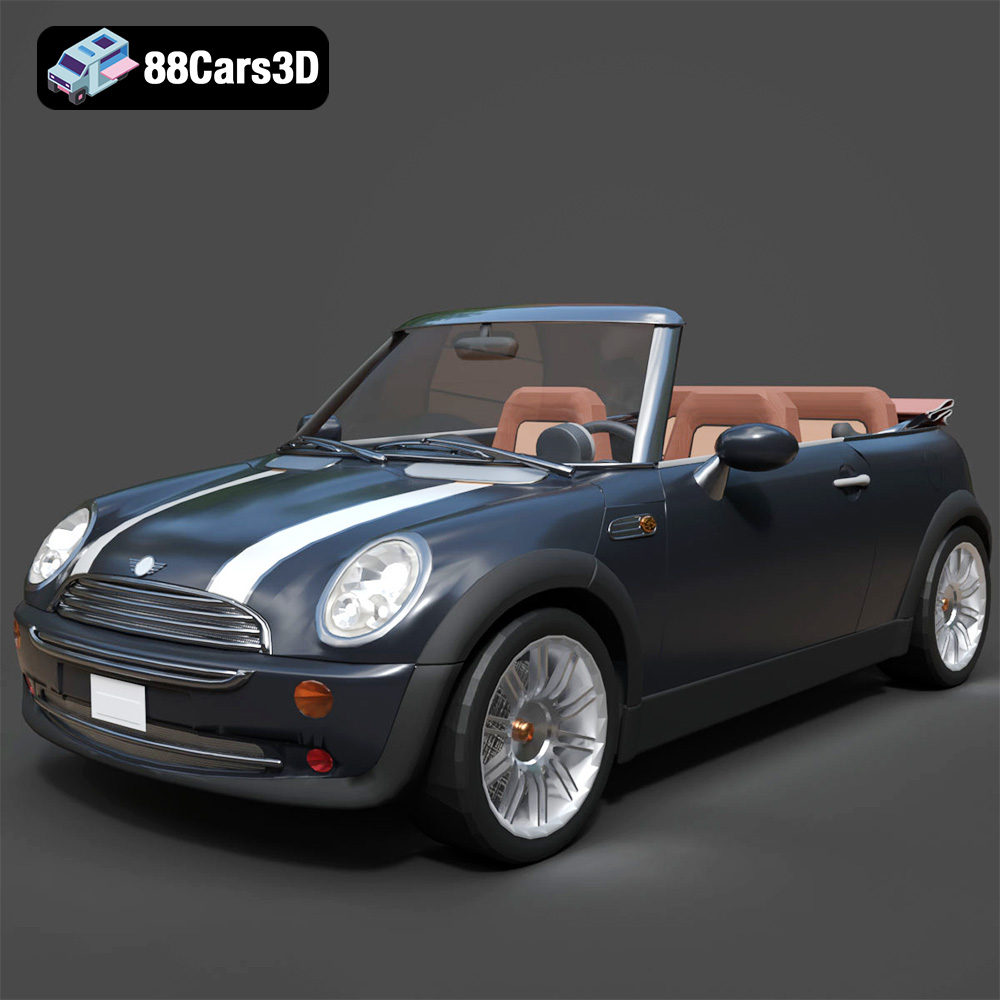
Mini Cabrio 2025 3D Model
Texture: Yes
Material: Yes
Download the Mini Cabrio 2025 3D Model featuring clean geometry, realistic detailing, and a fully modeled interior. Includes .blend, .fbx, .obj, .glb, .stl, .ply, .unreal, and .max formats for rendering, simulation, and game development.
Price: $4.99
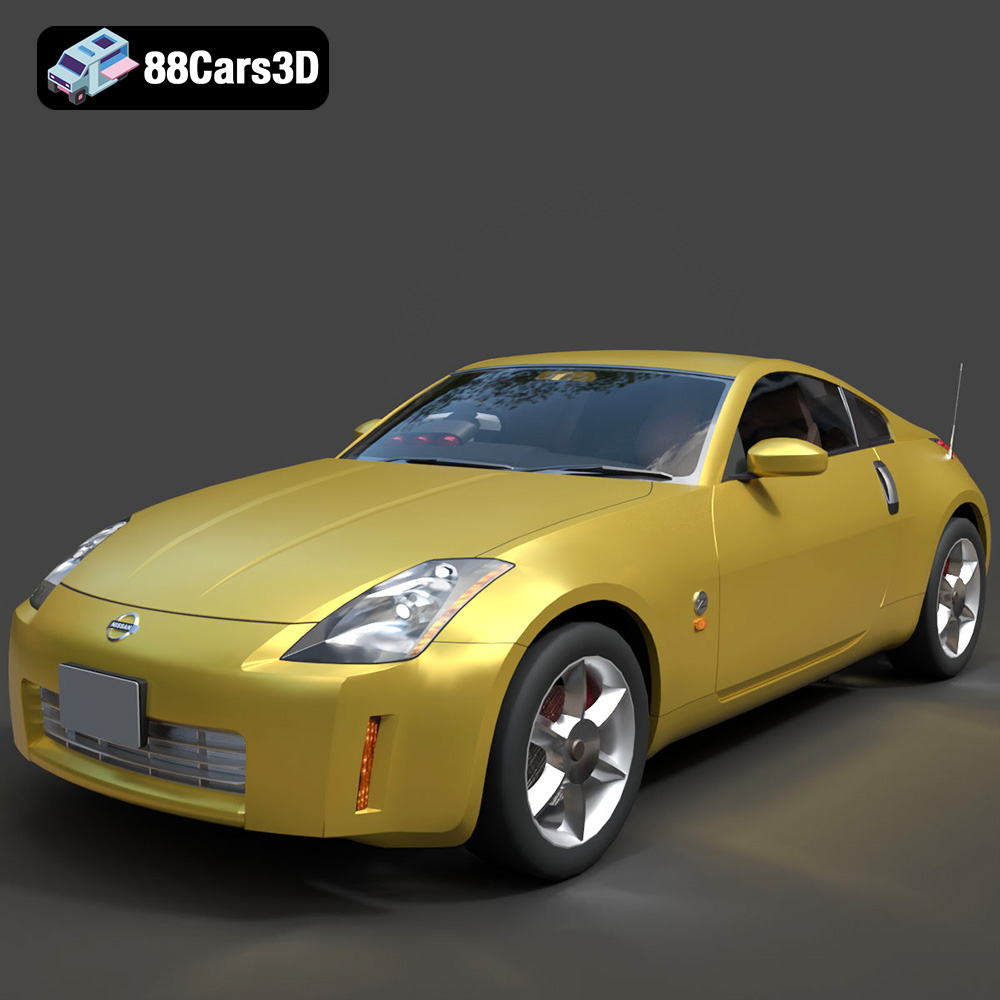
Nissan 350Z 3D Model
Texture: Yes
Material: Yes
Download the Nissan 350Z 3D Model featuring clean geometry, realistic detailing, and a fully modeled interior. Includes .blend, .fbx, .obj, .glb, .stl, .ply, .unreal, and .max formats for rendering, simulation, and game development.
Price: $4.99
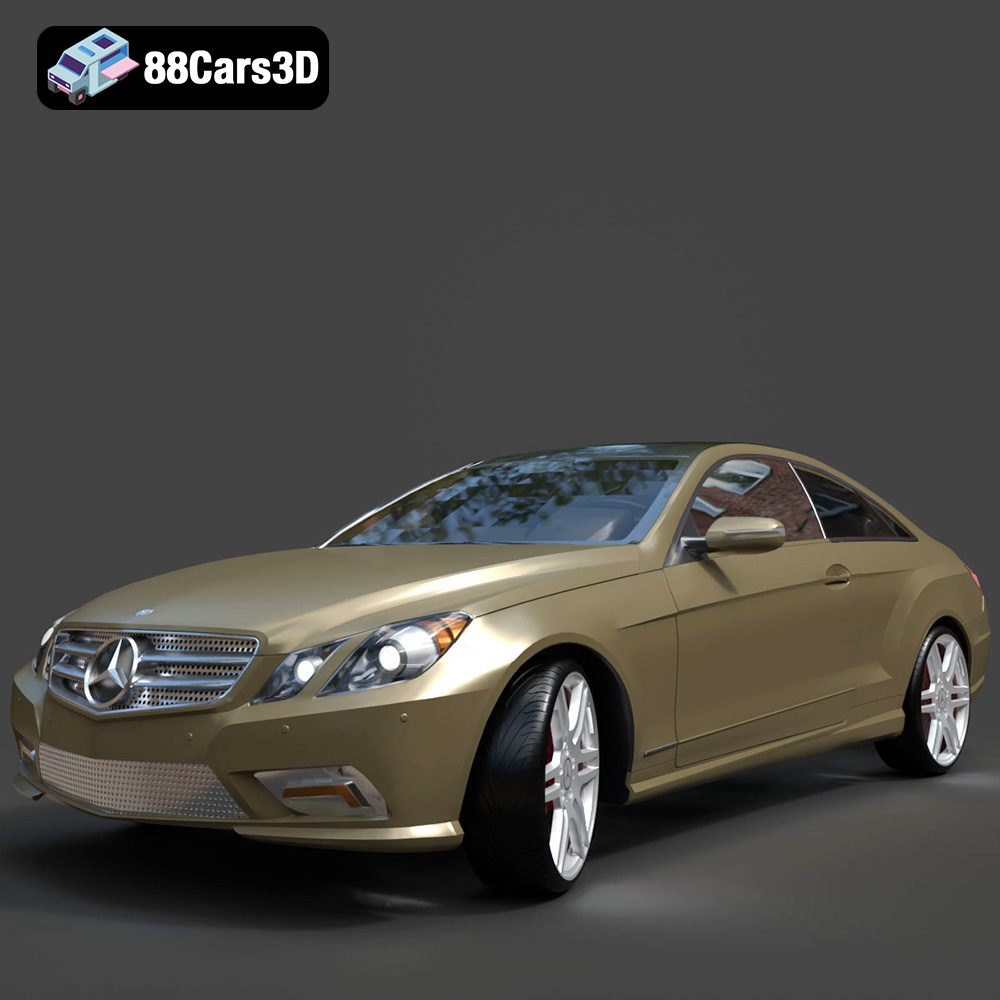
Mercedes-Benz E-Klasse Coupe 2010 3D Model
Texture: Yes
Material: Yes
Download the Mercedes-Benz E-Klasse Coupe 3D Model featuring clean geometry, realistic detailing, and a fully modeled interior. Includes .blend, .fbx, .obj, .glb, .stl, .ply, .unreal, and .max formats for rendering, simulation, and game development.
Price: $4.99
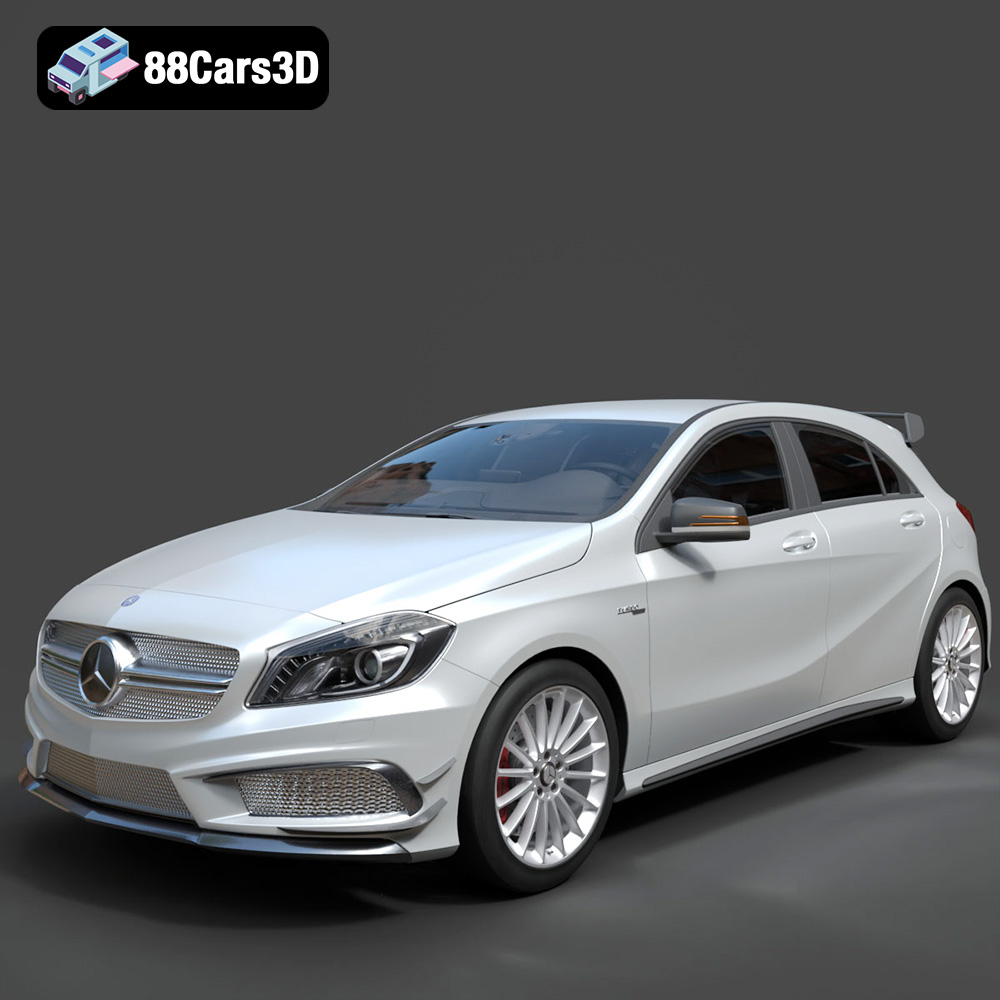
Mercedes-Benz A 45 AMG 3D Model
Texture: Yes
Material: Yes
Download the Benza MERS-007 3D Model featuring clean geometry, realistic detailing, and a fully modeled interior. Includes .blend, .fbx, .obj, .glb, .stl, .ply, .unreal, and .max formats for rendering, simulation, and game development.
Price: $4.99
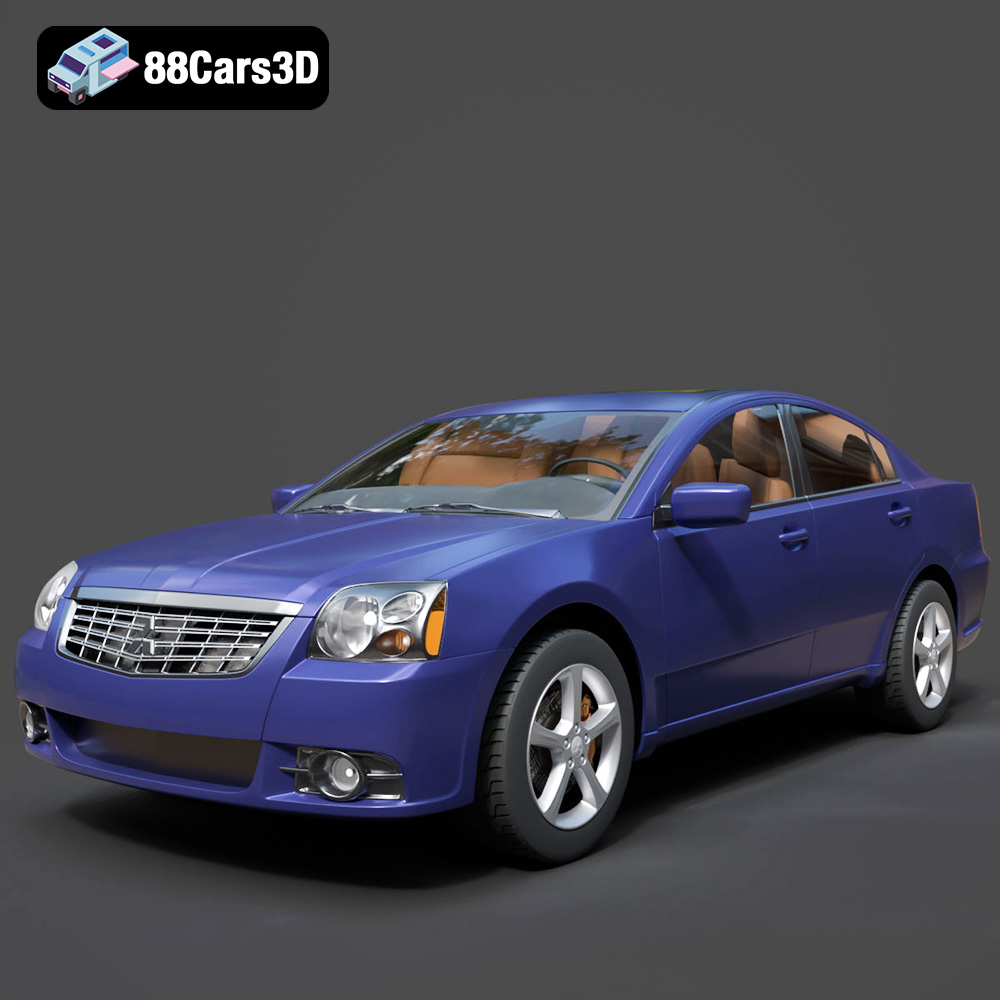
Mitsubishi Galant 2009 3D Model
Texture: Yes
Material: Yes
Download the Mitsubishi Galant 2009 3D Model featuring clean geometry, realistic detailing, and a fully modeled interior. Includes .blend, .fbx, .obj, .glb, .stl, .ply, .unreal, and .max formats for rendering, simulation, and game development.
Price: $4.99
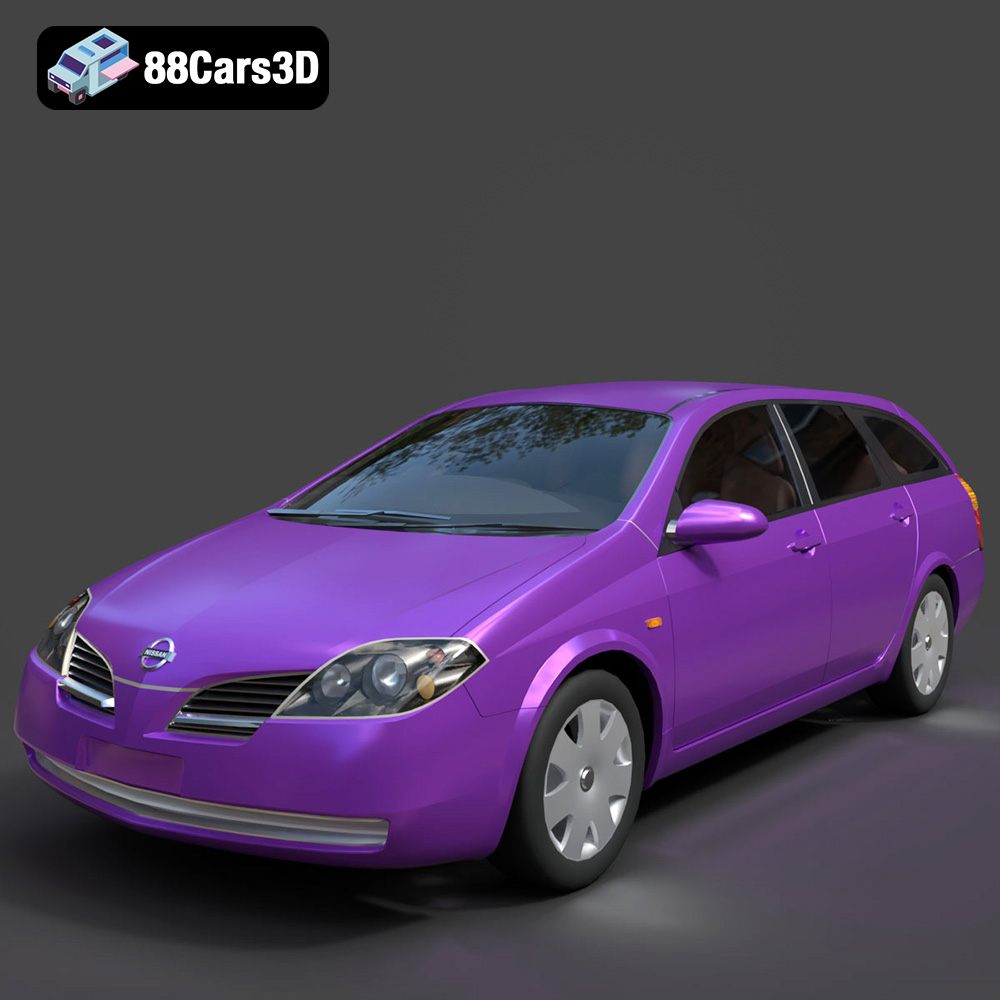
Nissan Primera Wagon 3D Model
Texture: Yes
Material: Yes
Download the Nissan Primera Wagon 3D Model featuring clean geometry, realistic detailing, and a fully modeled interior. Includes .blend, .fbx, .obj, .glb, .stl, .ply, .unreal, and .max formats for rendering, simulation, and game development.
Price: $4.99
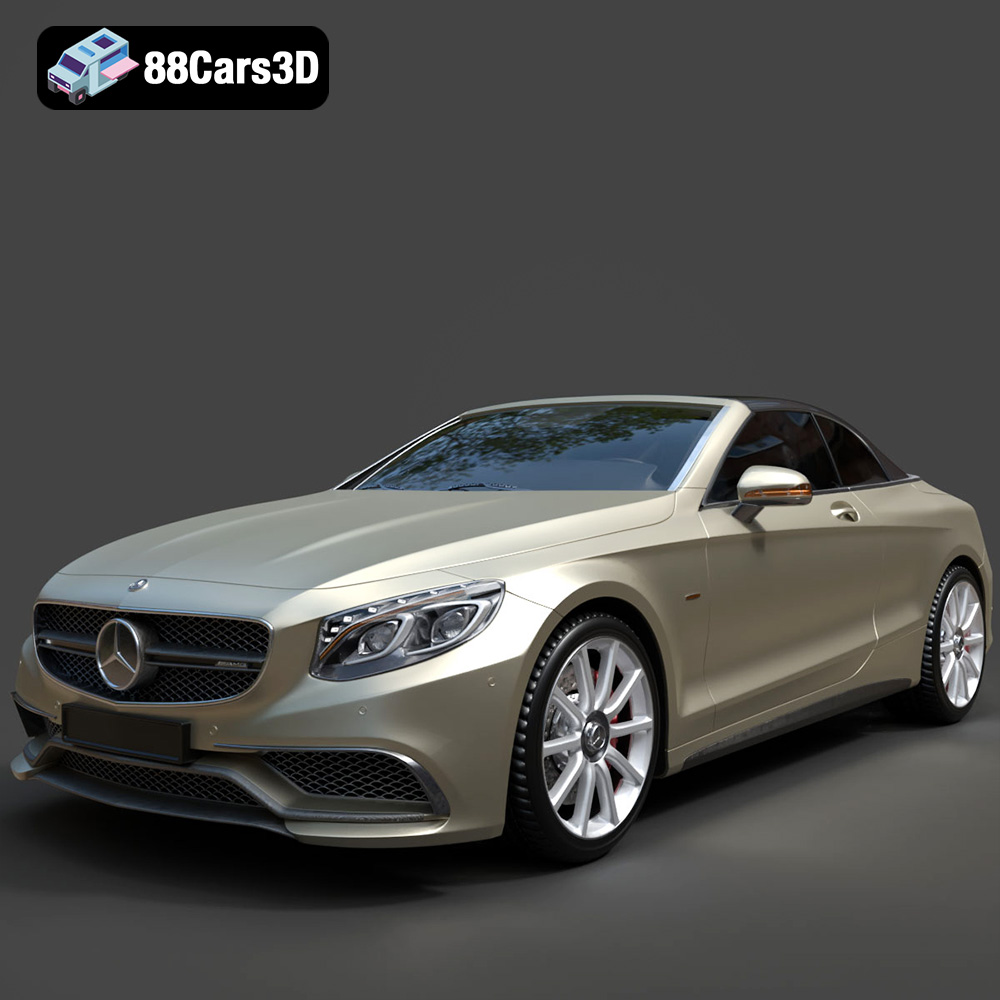
Mercedes-Benz S63 AMG Cabriolet 2017 3D Model
Texture: Yes
Material: Yes
Download the Mercedes-Benz S63 AMG Cabriolet 2017 3D Model featuring clean geometry, realistic detailing, and a fully modeled interior. Includes .blend, .fbx, .obj, .glb, .stl, .ply, .unreal, and .max formats for rendering, simulation, and game development.
Price: $20.99
