
Mastering the Art of 3D Car Models: From Flawless Topology to Immersive Real-Time Visualization

Mastering the Art of 3D Car Models: From Flawless Topology to Immersive Real-Time Visualization
The world of 3D automotive design is a fascinating intersection of engineering precision and artistic flair. Whether you’re an aspiring 3D artist, a seasoned game developer, an automotive designer, or a visualization professional, the quality of your 3D car models directly impacts the success and realism of your projects. From stunning cinematic renders that capture every curve to interactive real-time experiences in virtual reality, the demands on these digital assets are constantly evolving. This comprehensive guide delves deep into the technical intricacies of creating, optimizing, and deploying high-quality 3D car models across various applications, including advanced automotive rendering, demanding game assets, and cutting-edge AR/VR experiences. We’ll explore everything from the foundational principles of topology and UV mapping to the complexities of PBR materials, efficient file formats, and essential 3D printing preparation, equipping you with the knowledge to elevate your digital automotive creations to professional standards.
The Foundation: Flawless Topology and Edge Flow for Automotive Models
At the heart of any exceptional 3D car model lies impeccable topology. This isn’t just about making a model look good; it’s about ensuring it functions correctly across all stages of the pipeline – from deformation during animation to realistic shading during rendering. Automotive surfaces are notoriously complex, characterized by smooth, continuous curves, sharp creases, and precise panel gaps. Achieving this level of accuracy requires a diligent approach to polygon placement and edge flow. Poor topology can lead to pinching, unwanted artifacts, and difficulties in UV mapping and texturing, ultimately compromising the visual integrity of your project.
NURBS vs. Polygons vs. Subdivision Surfaces
Historically, many automotive designs began with NURBS (Non-Uniform Rational B-Splines) surfaces, favored by CAD engineers for their mathematical precision and infinite resolution. While NURBS excel in design, converting them to production-ready polygonal meshes for rendering or real-time applications can be challenging, often resulting in dense, non-optimal topology. Today, most 3D artists work directly with polygonal modeling, leveraging subdivision surface modifiers (like TurboSmooth in 3ds Max or Subdivision Surface in Blender/Maya) to create smooth, high-resolution meshes from a lower-poly base. This approach offers the best of both worlds: control over the base mesh for optimization and the ability to achieve perfectly smooth surfaces for high-quality renders. The key is to build a “cage” of polygons that, when subdivided, accurately represents the intended form without excessive polycount or artifacts.
Achieving Production-Ready Edge Flow
Excellent edge flow dictates how light interacts with your model’s surface and how it deforms. For automotive models, this means ensuring that edges follow the natural contours of the vehicle, emphasizing its characteristic lines and preserving the integrity of sharp creases. A cardinal rule is to maintain quad-based topology, meaning all faces should have four sides. While triangles can be useful in very specific, flat areas or for final optimization, they generally lead to poor deformation and render artifacts, especially on curved surfaces. Ngons (polygons with more than four sides) are almost always problematic and should be avoided entirely.
When modeling, prioritize smooth transitions between surfaces. Use edge loops to define sharp creases, such as those found around wheel wells, door seams, or body lines. These supporting edge loops ensure that when subdivision is applied, the crease remains crisp rather than becoming rounded. Aim for an even distribution of polygons across the surface; areas with high curvature will naturally require more density, but avoid unnecessary polygon clusters in flat areas. When creating panel gaps, model them as actual geometry rather than relying solely on normal maps, as this adds crucial realism and depth that catches the light correctly. Platforms like 88cars3d.com often provide models with meticulously crafted clean topology, which significantly streamlines downstream workflows.
UV Mapping Mastery for Complex Car Surfaces
Once your 3D car model boasts impeccable topology, the next critical step is UV mapping. UVs are the 2D coordinates that tell your software how to project 2D textures onto the 3D surface of your model. Without proper UVs, your textures will appear stretched, distorted, or misaligned, completely undermining the realism you’ve painstakingly built. For cars, with their intricate combination of large, smooth panels, complex mechanical parts, and detailed interiors, UV mapping becomes a precise art.
Essential UV Mapping Strategies
The goal of UV mapping is to create a seamless, non-overlapping, and distortion-free layout of your model’s surfaces on a 2D plane. For automotive models, this typically involves a combination of projection methods. Planar projections work well for flat surfaces, while cylindrical or spherical projections can be used for wheels or headlights. However, the majority of complex curved body panels will require careful “unfolding” or “peeling” of the mesh.
The placement of UV seams is paramount. Strategic seam placement should aim to hide them in less visible areas, such as along sharp edges, under trim pieces, or in recesses. Minimizing the number of seams is also crucial, as each seam can potentially introduce texture bleeding or mapping artifacts. Once unwrapped, it’s vital to check for texel density consistency across your entire model. Texel density refers to the number of texture pixels per unit of 3D space. Maintaining consistent texel density ensures that all parts of your car model receive a similar level of texture detail, preventing some areas from looking blurry while others are sharp. Specialized tools in Blender, 3ds Max, and Maya allow artists to visualize and uniformize texel density using checker maps, which immediately highlight any stretching or disproportionate scaling. For a high-quality model, a common practice is to allocate an entire UV island or even a separate UV map for large, important areas like the car body, allowing for very high-resolution texture application.
Advanced Techniques: UDIMs and Texture Atlasing
For ultra-high-resolution models, especially those intended for cinematic rendering or close-up shots, UDIMs (U-Dimension) are an invaluable technique. UDIMs allow you to spread the UVs of a single mesh across multiple UV tiles (or texture maps), effectively bypassing the resolution limitations of a single 0-1 UV space. For example, a car’s body might occupy one 8K texture, while the interior dashboard has its own 4K texture on a separate UDIM tile, and the wheels yet another. This approach provides immense flexibility and detail, though it requires specific support from your rendering engine and texturing software (like Substance Painter or Mari).
Conversely, for game development and real-time applications where performance is critical, texture atlasing is often preferred. This involves packing multiple smaller textures (e.g., individual nuts, bolts, badges, or dashboard elements) into a single, larger texture map. By doing so, you reduce the number of texture calls the GPU has to make, significantly improving rendering performance. While it might lead to slightly less individual detail than UDIMs, careful packing and resolution management can still yield impressive results. Balancing texel density and optimizing UV layouts for both high-fidelity and performance is a crucial skill for any 3D artist.
Crafting Realistic Materials with PBR Workflows
After topology and UVs, the materials and shaders are what truly bring a 3D car model to life. Modern PBR (Physically Based Rendering) materials have revolutionized how we approach shading, offering a standardized, physically accurate way to represent how light interacts with surfaces. This ensures that your car models look realistic under any lighting conditions, whether in a renderer like Corona or V-Ray, or a game engine like Unity or Unreal Engine.
Understanding PBR Principles
PBR workflows are built upon real-world physics, making materials behave predictably. The two most common PBR workflows are Metallic-Roughness and Specular-Glossiness. The Metallic-Roughness workflow, prevalent in game engines and many modern renderers, uses maps like Base Color (albedo), Metallic (0 for dielectric, 1 for metallic), Roughness (0 for perfectly smooth, 1 for perfectly rough), Normal (for surface detail), and Ambient Occlusion (for soft shadowing). The Specular-Glossiness workflow, often found in older renderers or specific studio pipelines, uses Diffuse, Specular Color, Glossiness (inverse of roughness), and Normal.
Regardless of the workflow, the core idea remains the same: accurately describe the surface properties. For car paint, this means having a vibrant Base Color, a high Metallic value (typically 0.9-1.0 for metallic flakes), and carefully tuned Roughness to simulate clear coat reflections. Glass requires high transparency and specific refraction properties, while rubber needs a low Metallic value, a rough surface, and a dark Base Color. Understanding how each map contributes to the final look is key to creating compelling, believable car materials. Aim for high-resolution textures (4K or 8K for primary surfaces) to capture fine details and avoid pixelation.
Building Advanced Shader Networks
Simple PBR setups are a good start, but truly realistic car materials often require complex shader networks. Car paint, for instance, is rarely a single layer. It typically consists of a base color coat, a metallic flake layer, and a clear coat. In advanced shader setups (e.g., in Blender’s Cycles, 3ds Max’s Corona/V-Ray, or Maya’s Arnold), you can layer these materials using blend nodes or specific car paint shaders. The clear coat layer will have its own roughness and fresnel settings, mimicking the subtle reflections and refractions of the protective top layer.
Other challenging materials include intricate headlight and taillight plastics, which might involve subsurface scattering for light dispersion, or multi-layered glass for windshields that include internal reflections and slight imperfections. Even tire rubber can benefit from detailed normal maps for tread patterns and subtly varied roughness maps to show wear and tear. Procedural textures can complement image textures, adding realistic grit, dirt, or subtle variations to surfaces, preventing them from looking too pristine or uniform. By leveraging these advanced techniques, you can achieve hyper-realistic surface responses that truly sell the illusion of a tangible vehicle.
High-Fidelity Automotive Rendering Workflows
Creating beautiful automotive rendering is about more than just a well-modeled car and realistic materials; it’s also about lighting, environment, camera settings, and post-processing. A professional render can transform a raw 3D model into a captivating image suitable for marketing, portfolio, or design reviews. Each rendering engine offers unique strengths and workflows, but the underlying principles of good lighting and composition remain universal.
Lighting and Environment Setup
Effective lighting is the single most important factor in bringing out the form and details of your 3D car model. The most common and highly effective method is using HDRI (High Dynamic Range Image) lighting. HDRIs capture real-world lighting information, including intensity and direction, allowing for incredibly realistic global illumination and reflections. For studio shots, a well-chosen HDRI representing an overcast sky or a studio with large softboxes can provide beautiful, even illumination and stunning reflections on the car’s bodywork.
Beyond HDRIs, supplementing with physical lights (area lights, spot lights) can add dramatic highlights, rim lights, or emphasize specific features. For example, a subtle rim light can help separate the car from the background, while a carefully placed key light can highlight a specific design line. For exterior scenes, simulating natural sunlight and sky can be achieved with a physical sky system, often coupled with an HDRI to boost realism. Pay close attention to light placement to avoid flat lighting or distracting hot spots. Experiment with different light intensities and temperatures to evoke a specific mood or time of day.
Renderer-Specific Techniques: Corona, V-Ray, Cycles, Arnold
Different rendering engines offer unique features and optimization strategies. Corona Renderer, renowned for its ease of use and photorealistic results, excels at handling complex materials and global illumination with minimal setup. Its interactive rendering capability allows for real-time feedback, speeding up the look-development process. V-Ray, a industry veteran, offers unparalleled versatility and powerful features for large-scale productions, including robust light mixing and comprehensive render passes. For users of Blender, Cycles provides a powerful node-based shader system and integrated GPU rendering, while Maya and 3ds Max users often turn to Arnold for its robust handling of complex scenes and characteristically smooth results, especially with large amounts of geometry and sophisticated materials.
Regardless of the renderer, understanding render settings is crucial. This includes adjusting sample limits or noise thresholds for clean images, optimizing ray bounces for accurate light simulation, and utilizing denoising algorithms to reduce render times. Leveraging render passes (e.g., reflection, refraction, ambient occlusion, object IDs) allows for greater control in post-processing, giving you the flexibility to fine-tune specific elements of your image without re-rendering the entire scene.
Post-Processing and Compositing for Impact
The rendering process doesn’t end when the image finishes calculating; post-processing is where you truly elevate your render into a professional piece of art. Tools like Adobe Photoshop, Affinity Photo, or even dedicated compositing software like Nuke or DaVinci Resolve are essential for this stage. Key post-processing steps include:
* Color Grading: Adjusting exposure, contrast, white balance, and saturation to enhance the mood and visual appeal.
* Depth of Field (DoF): Adding a subtle blur to the foreground and background to draw attention to the car, mimicking real-world camera optics. While some DoF can be rendered in 3D, often it’s more flexible and faster to add it in post.
* Motion Blur: Essential for conveying speed and dynamism in action shots. Again, often added in post for more control.
* Lens Effects: Subtle lens flares, chromatic aberration, or vignetting can add a cinematic touch.
* Atmospheric Effects: Adding volumetric fog or haze can enhance depth and mood, especially in exterior scenes.
* Compositing Elements: Integrating background plates (e.g., a photo of a road or cityscape) and foreground elements (e.g., reflections on the ground) to seamlessly place the car in a realistic environment.
By meticulously handling each of these steps, you transform a raw render into a polished, impactful image that effectively communicates the beauty and engineering of your 3D car models.
Optimizing 3D Car Models for Real-Time Environments (Games & AR/VR)
While high-fidelity rendering aims for photographic realism with virtually no polycount or texture limitations, real-time applications like games and AR/VR experiences demand a completely different approach focused on performance. Here, every polygon, texture, and draw call counts. Optimizing 3D car models for these interactive environments is a specialized skill, balancing visual quality with stringent performance budgets.
Performance Optimization Strategies
The core principle of real-time optimization is to achieve the best possible visual quality with the lowest computational cost. This involves several key strategies:
* Levels of Detail (LODs): Creating multiple versions of your car model with decreasing polygon counts. The highest detail (LOD0) is used when the car is close to the camera, while lower detail versions (LOD1, LOD2, etc.) are swapped in as the car moves further away. This dramatically reduces the number of polygons rendered at any given time. A car might have LOD0 at 100,000+ polygons, LOD1 at 30,000, and LOD2 at 5,000, with an extremely low-poly LOD3 for distant views.
* Draw Call Reduction: Each material or unique mesh part typically generates a “draw call” to the GPU. Minimizing draw calls is crucial. This is where texture atlasing (packing multiple textures into one large sheet) and combining meshes (e.g., merging all car body panels into one object) become vital.
* Vertex Count Reduction: Intelligent use of triangulation, removal of hidden geometry, and manual optimization can significantly reduce vertex counts without sacrificing visual integrity. Tools within game engines can also automate some of this.
* Baking Normals and Ambient Occlusion: High-detail geometry (like subtle panel gaps, vents, or bolts) can be “baked” into normal maps from a high-poly source onto a low-poly target. This simulates complex geometry using texture information, saving immense polygon counts. Ambient occlusion maps baked from the high-poly model also add realistic soft shadows without runtime calculation.
* Instancing: For multiple identical cars in a scene, instancing allows the GPU to render many copies of the same mesh and material with a single draw call, a massive performance gain.
Game Engine Integration & Best Practices
Integrating 3D car models into game engines like Unity and Unreal Engine requires specific considerations. For Unity, models are typically imported as FBX, with PBR materials set up using Standard or HDRP/URP shaders. Unreal Engine also favors FBX, automatically converting materials to its physically based system.
* Material Setup: Ensure your PBR textures (Base Color, Normal, Roughness, Metallic, AO) are correctly assigned and calibrated within the engine’s material editor. Use material instancing to create variations (different paint colors, liveries) from a single base material.
* Collision Meshes: Game engines require simplified collision meshes (often convex hulls or simple box colliders) for accurate physics interaction without the performance cost of using the detailed visual mesh.
* Blueprinting/Scripting: Implement basic vehicle functionality like steering, acceleration, braking, and suspension using the engine’s built-in physics systems and scripting tools (C# in Unity, Blueprints/C++ in Unreal).
* Proper Scaling: Ensure your models are exported and imported at the correct real-world scale to avoid physics glitches or visual inconsistencies.
Platforms like 88cars3d.com often provide pre-optimized game assets with multiple LODs and clean material setups, significantly accelerating development for game artists and studios.
AR/VR Specifics: Light Baking and Shader Optimization
AR/VR environments impose even tighter performance constraints due to the need for high frame rates (typically 90 FPS or higher to prevent motion sickness) and often mobile hardware targets.
* Extreme Poly Count Budgets: Mobile AR/VR experiences might require models to be under 50,000 polygons, sometimes even lower. Aggressive LODs and baking are paramount.
* Light Baking: Dynamic lights are very expensive in real-time. For static scenes, baking lighting information directly into textures (lightmaps) can drastically improve performance, especially on mobile devices.
* Shader Optimization: Use simpler, unlit or mobile-optimized shaders wherever possible. Avoid complex real-time reflections or expensive post-processing effects. Single-pass stereo rendering is crucial for VR to render both eyes simultaneously.
* Asset Streaming: For large scenes, consider streaming assets rather than loading everything at once to maintain smooth performance and reduce initial load times.
* Platform-Specific Optimization: Be aware of the specific guidelines for platforms like Oculus Quest, Apple ARKit, or Google ARCore, which often dictate specific polygon limits, texture sizes, and rendering features.
Beyond Rendering: 3D Printing, File Formats & Compatibility
The utility of high-quality 3D car models extends far beyond digital screens. They are increasingly used for physical production, requiring specific preparation. Furthermore, navigating the diverse landscape of file formats is crucial for compatibility and seamless workflow across different software packages and platforms.
Preparing 3D Models for 3D Printing
Turning a digital 3D car model into a physical object via 3D printing involves a distinct set of considerations. The primary goal is to ensure your mesh is “watertight” and free of errors that could cause printing failures.
* Watertight Meshes: Your model must be a completely closed volume, with no holes, inverted normals, or self-intersecting geometry. 3D printers rely on this solid definition to correctly interpret the model.
* Wall Thickness: Ensure all parts of your model have sufficient wall thickness (e.g., at least 1-2mm for most FDM or SLA printers) to prevent breakage. Thin walls or delicate details can be problematic.
* Scale: Export your model at the correct real-world scale. Most 3D printing software works in millimeters, so verify your units before exporting.
* Mesh Repair Tools: Software like Meshmixer, Netfabb, or even built-in tools in Blender or 3ds Max can identify and repair common mesh errors (non-manifold geometry, duplicate faces, disconnected vertices) before sending to the printer.
* File Formats: The most common file formats for 3D printing are STL (Stereolithography) and OBJ. STL is widely supported but can be limited. OBJ offers more flexibility with color and texture information, though often not fully utilized for single-color prints.
For highly detailed models, consider splitting the car into multiple, interlocking parts for easier printing and assembly, especially for models larger than the printer’s build volume. Adding support structures where necessary is also a critical step, usually handled by the 3D printer’s slicing software.
Navigating the World of File Formats
The choice of file formats significantly impacts how easily you can transfer your 3D car model between different software and platforms.
* FBX (Filmbox): Developed by Autodesk, FBX is the industry standard for interchange between 3D software (3ds Max, Maya, Blender, Cinema 4D) and game engines (Unity, Unreal). It supports geometry, materials, textures, cameras, lights, and animation.
* OBJ (Wavefront Object): A universal format, OBJ is highly compatible and simple, primarily supporting geometry and basic material references (via an accompanying MTL file). It’s excellent for static meshes but doesn’t handle animation.
* GLB / USDZ: These are emerging formats specifically designed for AR/VR applications and web-based 3D. GLB (GL Transmission Format Binary) is an efficient, single-file format that includes geometry, materials, textures, and animations, ideal for real-time web experiences. USDZ (Universal Scene Description Zip) is Apple’s proprietary format for AR, also designed for compact, robust delivery of 3D assets.
* Native Formats: .max (3ds Max), .blend (Blender), .ma/.mb (Maya) – these retain all software-specific features and are best for active development but require the respective software to open.
When sourcing models from marketplaces such as 88cars3d.com, you’ll often find models provided in multiple popular formats, ensuring maximum compatibility for your projects. Always check the included file types to match your workflow.
Streamlining Workflows with Asset Management
Effective asset management is crucial for any large-scale project involving numerous 3D car models.
* Version Control: Use systems like Git or dedicated asset management solutions to track changes, revert to previous versions, and collaborate effectively.
* Naming Conventions: Establish clear and consistent naming conventions for your models, meshes, materials, and textures. This makes assets easy to find and manage, especially in complex scenes.
* Folder Structure: Organize your project files with a logical folder structure (e.g., Models > Cars > Textures, Materials, LODs, Renders).
* Platform Compatibility: When creating models for multiple platforms, understand the specific requirements for each (e.g., mobile vs. desktop poly limits, texture formats) and organize your assets accordingly. Providing comprehensive documentation for each asset regarding its specifications, origin, and intended use case is also a hallmark of professional asset creation.
Conclusion
The journey through the world of 3D car models is a testament to the intricate balance between technical precision and artistic vision. From meticulously crafting clean topology and intelligent UV mapping to developing realistic PBR materials and orchestrating stunning automotive rendering, every stage demands expertise and attention to detail. We’ve explored how to optimize these assets for demanding real-time environments in games and AR/VR, and even how to prepare them for physical manifestation through 3D printing.
Whether your goal is to create cinematic visualizations, build immersive game worlds, or design the next generation of vehicles, a deep understanding of these principles is non-negotiable. The landscape of 3D technology continues to evolve rapidly, but the foundational skills discussed here will remain cornerstones of successful 3D artistry. Equip yourself with these techniques, continuously learn, and embrace the power of high-quality digital assets. For those seeking production-ready, meticulously crafted 3D car models that meet the highest industry standards for rendering, gaming, and visualization, exploring platforms like 88cars3d.com can provide the perfect starting point for your next ambitious project. Unleash your creativity and drive innovation with truly exceptional 3D automotive assets.
Featured 3D Car Models
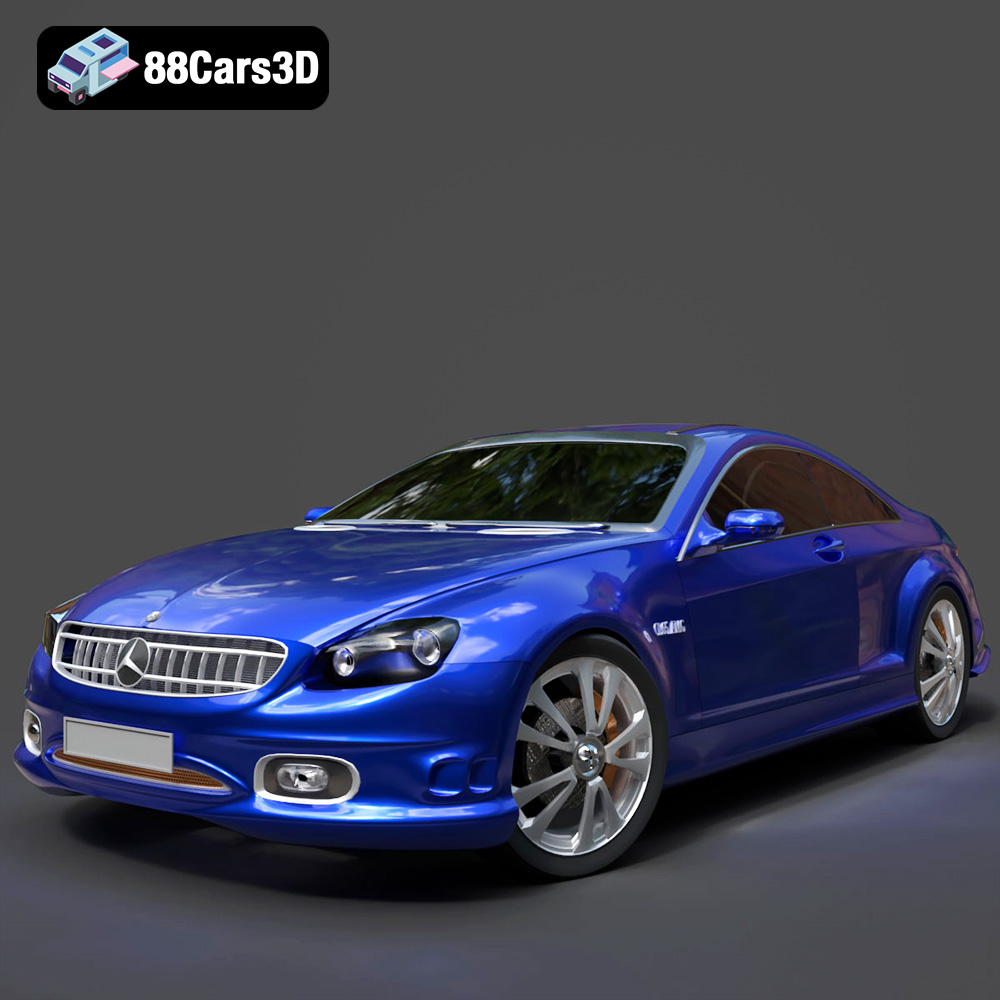
Mercedes-Benz CL6540-005 3D Model
Texture: Yes
Material: Yes
Download the Mercedes-Benz CL6540-005 3D Model featuring clean geometry, realistic detailing, and a fully modeled interior. Includes .blend, .fbx, .obj, .glb, .stl, .ply, .unreal, and .max formats for rendering, simulation, and game development.
Price: $4.99
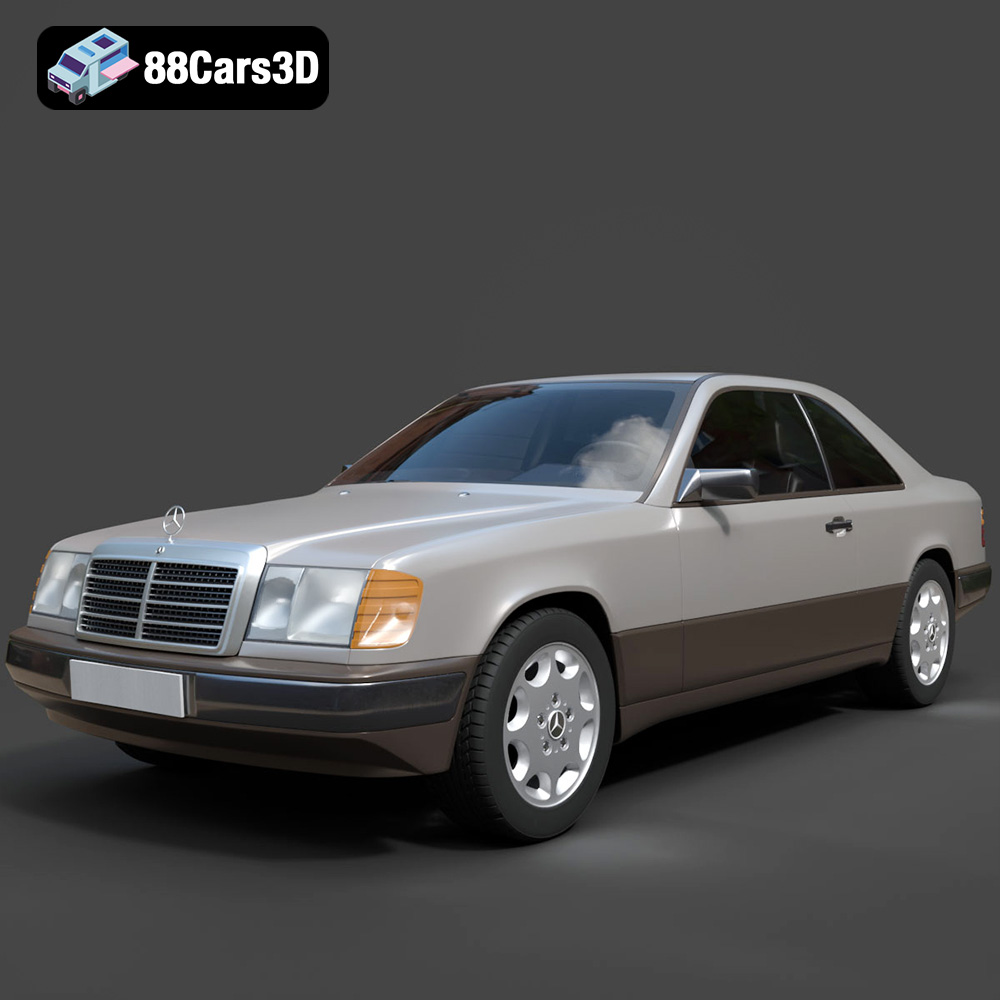
Mercedes E-Class w124 Coupe 3D Model
Texture: Yes
Material: Yes
Download the Mercedes E-Class w124 Coupe 3D Model featuring clean geometry, realistic detailing, and a fully modeled interior. Includes .blend, .fbx, .obj, .glb, .stl, .ply, .unreal, and .max formats for rendering, simulation, and game development.
Price: $4.99
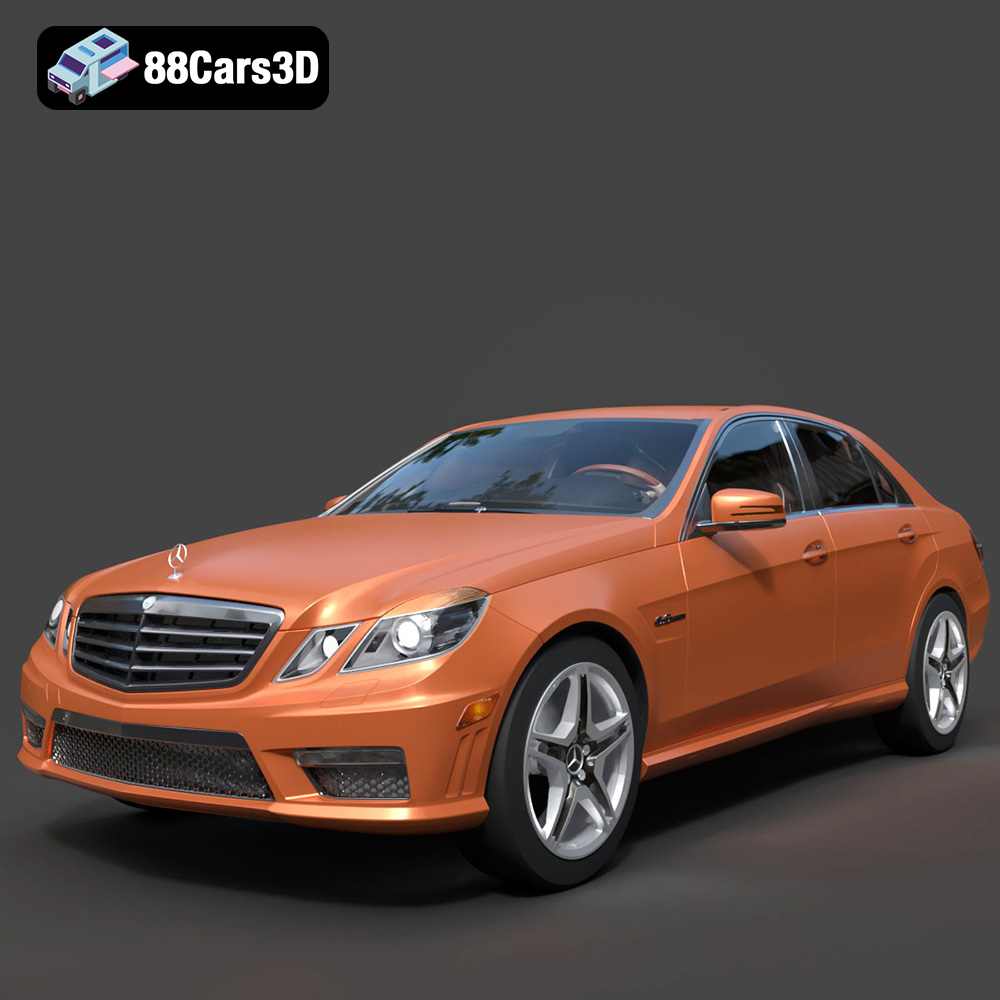
Mercedes-Benz E-Klasse 63 AMG 3D Model
Texture: Yes
Material: Yes
Download the Mercedes-Benz E-Klasse 63 AMG 3D Model featuring clean geometry, realistic detailing, and a fully modeled interior. Includes .blend, .fbx, .obj, .glb, .stl, .ply, .unreal, and .max formats for rendering, simulation, and game development.
Price: $4.99
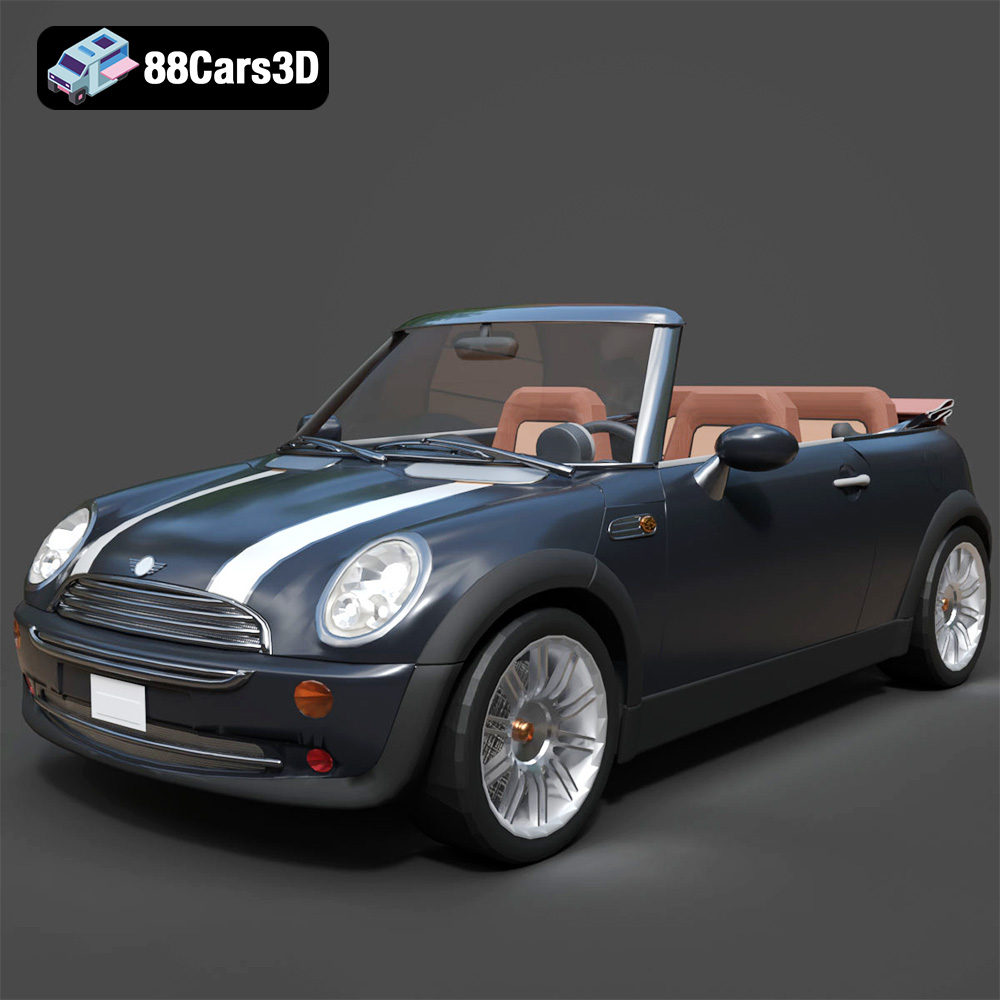
Mini Cabrio 2025 3D Model
Texture: Yes
Material: Yes
Download the Mini Cabrio 2025 3D Model featuring clean geometry, realistic detailing, and a fully modeled interior. Includes .blend, .fbx, .obj, .glb, .stl, .ply, .unreal, and .max formats for rendering, simulation, and game development.
Price: $4.99
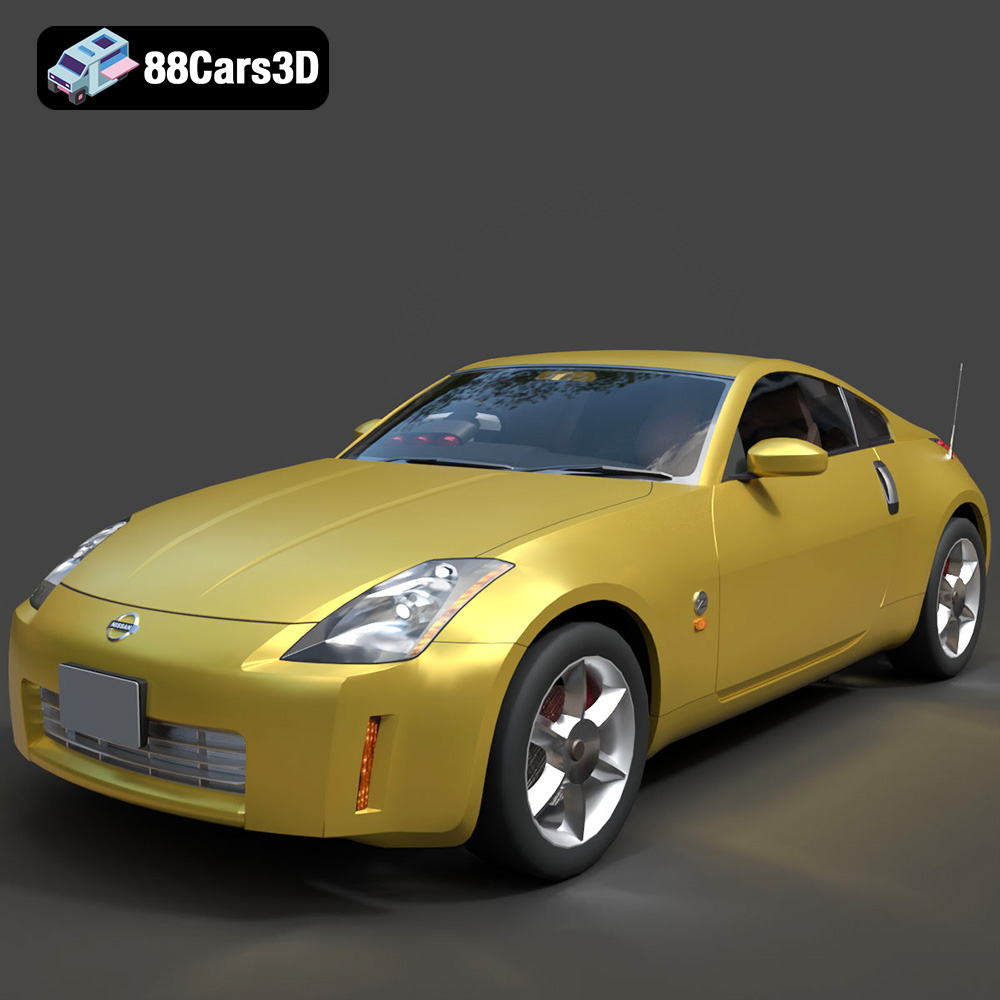
Nissan 350Z 3D Model
Texture: Yes
Material: Yes
Download the Nissan 350Z 3D Model featuring clean geometry, realistic detailing, and a fully modeled interior. Includes .blend, .fbx, .obj, .glb, .stl, .ply, .unreal, and .max formats for rendering, simulation, and game development.
Price: $4.99
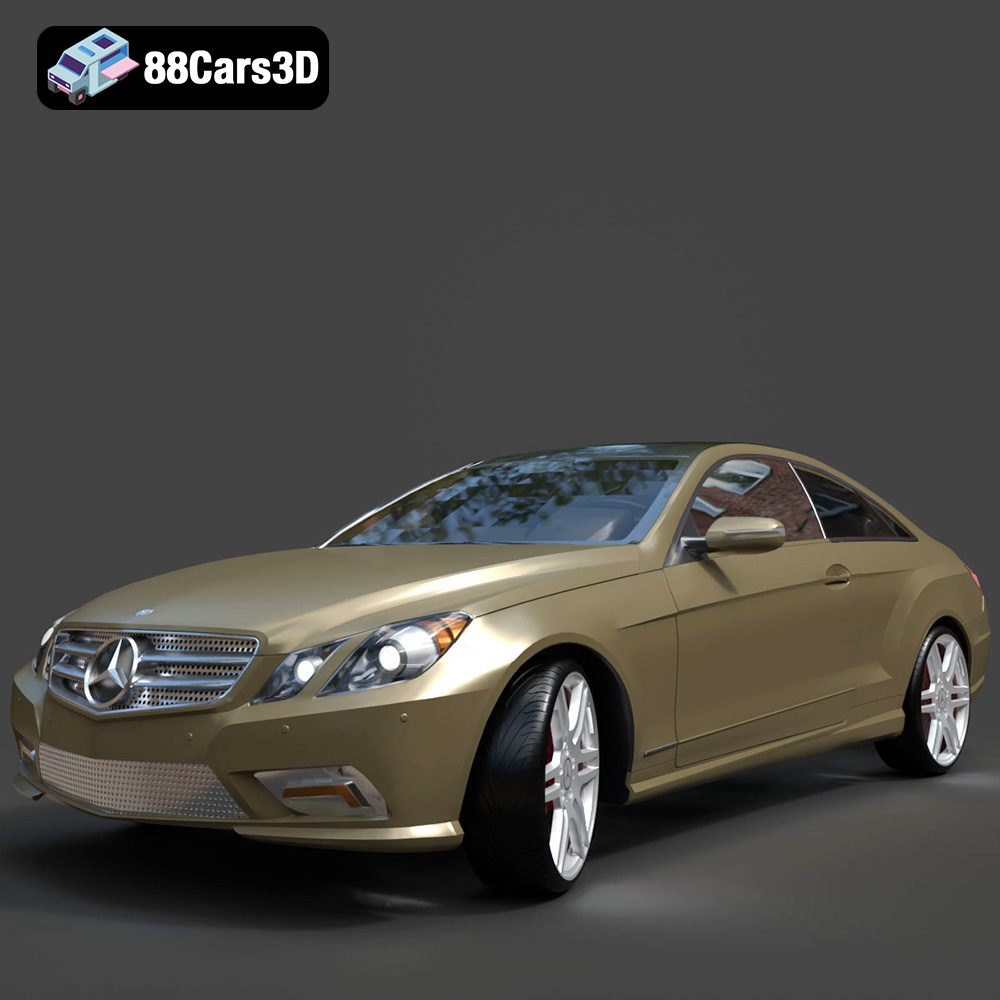
Mercedes-Benz E-Klasse Coupe 2010 3D Model
Texture: Yes
Material: Yes
Download the Mercedes-Benz E-Klasse Coupe 3D Model featuring clean geometry, realistic detailing, and a fully modeled interior. Includes .blend, .fbx, .obj, .glb, .stl, .ply, .unreal, and .max formats for rendering, simulation, and game development.
Price: $4.99
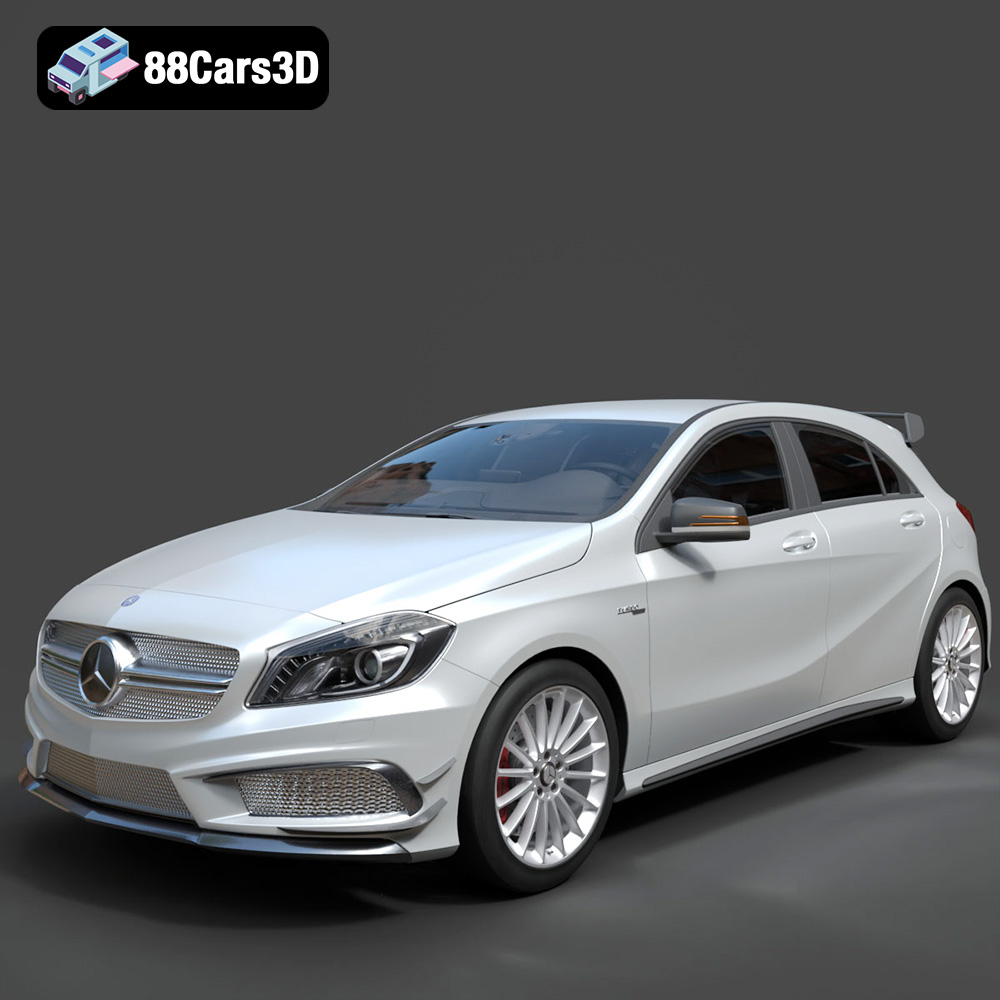
Mercedes-Benz A 45 AMG 3D Model
Texture: Yes
Material: Yes
Download the Benza MERS-007 3D Model featuring clean geometry, realistic detailing, and a fully modeled interior. Includes .blend, .fbx, .obj, .glb, .stl, .ply, .unreal, and .max formats for rendering, simulation, and game development.
Price: $4.99
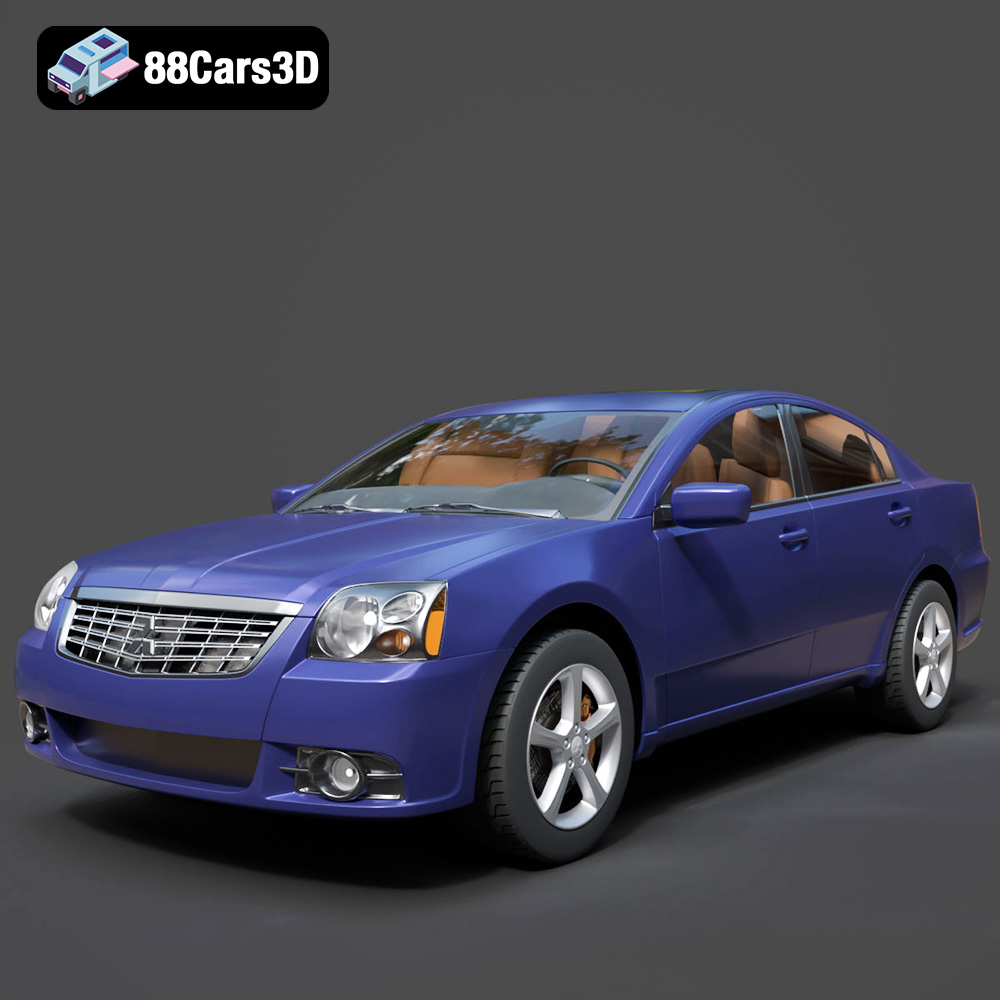
Mitsubishi Galant 2009 3D Model
Texture: Yes
Material: Yes
Download the Mitsubishi Galant 2009 3D Model featuring clean geometry, realistic detailing, and a fully modeled interior. Includes .blend, .fbx, .obj, .glb, .stl, .ply, .unreal, and .max formats for rendering, simulation, and game development.
Price: $4.99
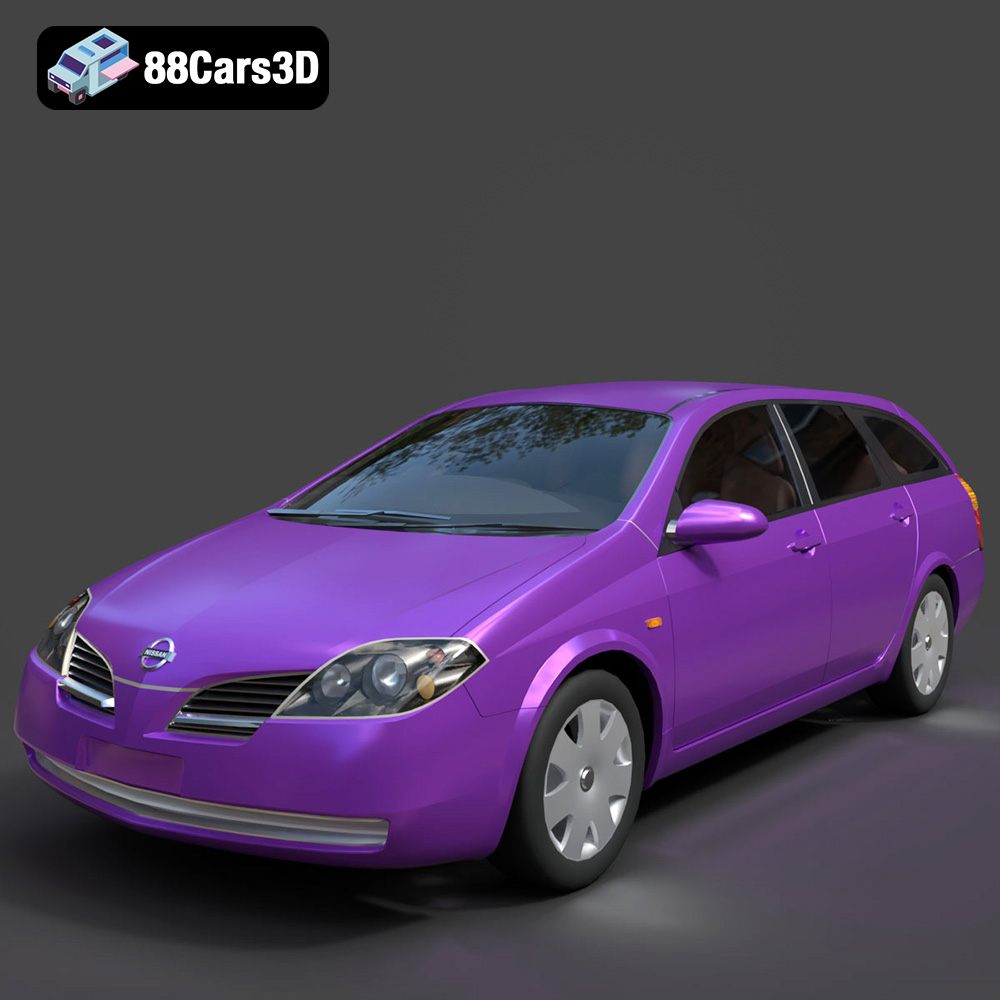
Nissan Primera Wagon 3D Model
Texture: Yes
Material: Yes
Download the Nissan Primera Wagon 3D Model featuring clean geometry, realistic detailing, and a fully modeled interior. Includes .blend, .fbx, .obj, .glb, .stl, .ply, .unreal, and .max formats for rendering, simulation, and game development.
Price: $4.99
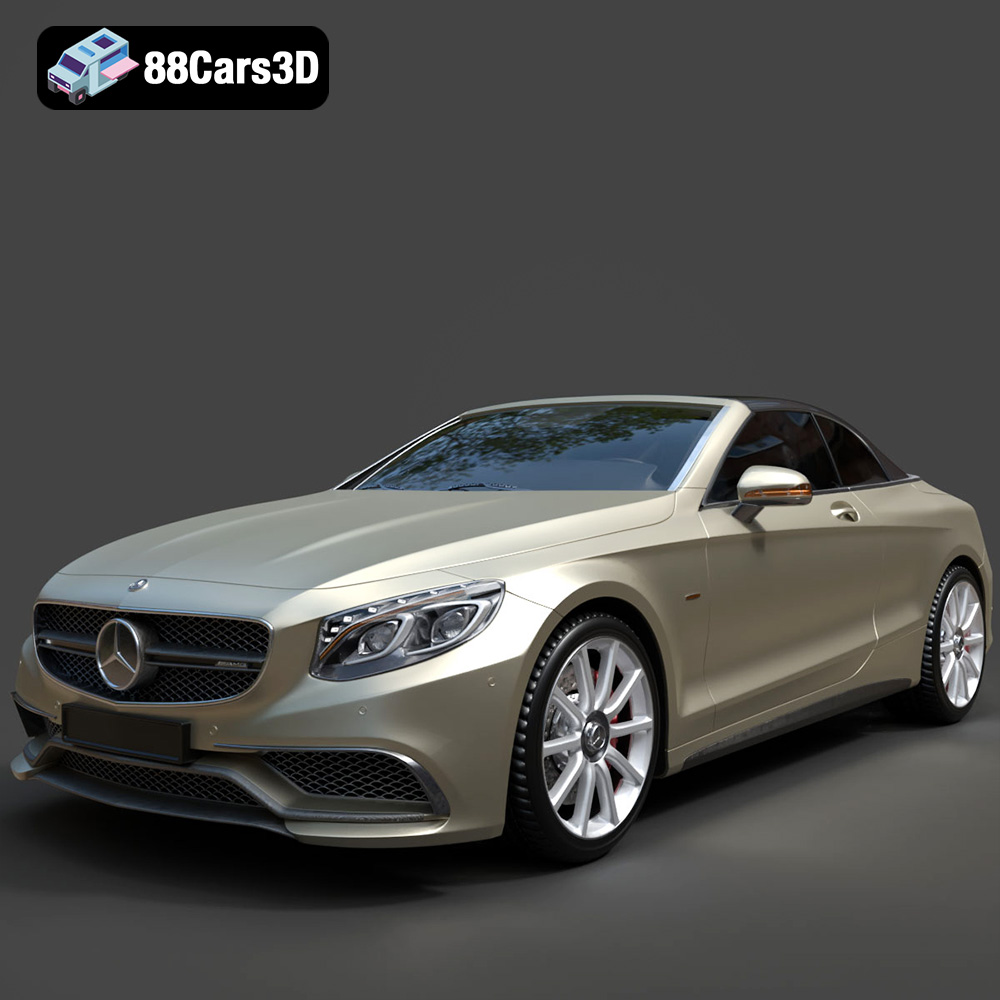
Mercedes-Benz S63 AMG Cabriolet 2017 3D Model
Texture: Yes
Material: Yes
Download the Mercedes-Benz S63 AMG Cabriolet 2017 3D Model featuring clean geometry, realistic detailing, and a fully modeled interior. Includes .blend, .fbx, .obj, .glb, .stl, .ply, .unreal, and .max formats for rendering, simulation, and game development.
Price: $20.99
