
The Foundation: Flawless Topology and Edge Flow for Automotive Models

The allure of a perfectly rendered automobile, gleaming under a virtual sun, is undeniable. From the sleek lines of a supercar conceptualized in a design studio to the high-octane action in a cutting-edge video game, 3D car models are at the heart of modern visual storytelling and interactive experiences. Crafting these digital marvels, however, is far more than just sculpting a shape; it’s a multidisciplinary art and science demanding meticulous attention to detail, technical prowess, and a deep understanding of various pipelines. For artists, game developers, automotive designers, and visualization professionals, mastering the intricacies of 3D car models is a gateway to creating truly immersive and photorealistic worlds.
This comprehensive guide delves into the technical depths of 3D car model creation and utilization. We’ll navigate the crucial aspects of flawless topology and edge flow, unlock the secrets of Physically Based Rendering (PBR) materials for stunning realism, explore advanced rendering workflows, and demystify the optimization strategies essential for game engines and real-time applications. Beyond static imagery, we’ll cover preparing models for AR/VR experiences and even the precision required for 3D printing. Whether you’re aspiring to build your own digital fleet or looking to leverage high-quality 3D car models from marketplaces like 88cars3d.com, this article will equip you with the knowledge to achieve professional-grade results.
The Foundation: Flawless Topology and Edge Flow for Automotive Models
The underlying mesh of a 3D car model is its skeleton, determining how it deforms, reflects light, and holds its shape. For automotive subjects, renowned for their smooth, reflective surfaces and precise panel gaps, clean topology and intelligent edge flow are paramount. Poor topology can lead to artifacts like pinching, unnatural reflections, and difficulties in UV mapping and animation. The goal is to create an all-quad mesh that follows the natural contours and design lines of the vehicle, ensuring predictable subdivision and realistic deformation.
Subdivision Surface Modeling and N-gons: The Quad Imperative
At the core of professional 3D car modeling is the principle of quad-based geometry, especially when utilizing subdivision surface modifiers (e.g., Blender’s Subdivision Surface, 3ds Max’s OpenSubdiv, Maya’s Smooth Mesh Preview). Quads (four-sided polygons) subdivide predictably, maintaining smooth curvature and preventing the “pinching” artifacts often associated with triangles or N-gons (polygons with more than four sides). While triangles are inevitable in certain triangulation processes or for distant LODs, they should be avoided in primary high-resolution meshes, particularly on large, flat, or subtly curved surfaces, as they can cause visible creasing and deformation issues when subdivided. N-gons are even more problematic, leading to unpredictable shading and topology nightmares. A typical high-quality automotive render model might feature anywhere from 500,000 to 1.5 million polygons, with strict adherence to quad topology for all visible surfaces.
When working in software like 3ds Max with Editable Poly, Blender with its robust modeling tools, or Maya with its comprehensive mesh toolkit, the focus is on building a mesh that supports these subdivision principles. This means carefully constructing control loops around areas of detail, like window frames, headlights, and body seams, to sharpen edges without introducing excessive geometry into the flatter panels. These “support edges” or “holding loops” are critical for defining crisp details when the subdivision modifier is applied, ensuring that the car’s sleek lines remain sharp and precise, even at high levels of subdivision. This meticulous approach to topology forms the bedrock for all subsequent stages of the 3D pipeline.
Edge Flow and Detail Management for Realistic Body Panels
Beyond simply using quads, intelligent edge flow dictates how well the model captures the nuances of automotive design. Edge loops should ideally flow parallel to the main design lines of the car, outlining critical features such as doors, hoods, fenders, and vents. This not only aids in maintaining smooth curvature but also simplifies the process of selecting edge loops for further modifications, UV unwrapping, or creating panel gaps. Good edge flow ensures that reflections on the car’s surface behave realistically, highlighting the subtle curvatures and transitions between different body panels rather than distorting them.
Managing the density of your edge loops is also key. While detailed areas like grilles, badges, and intricate vents require higher polygon counts to define their complex forms, large, relatively flat surfaces such as the roof or sides of the car can often achieve smooth results with fewer polygons, relying more on the subdivision surface modifier to create the necessary detail. The art lies in balancing visual fidelity with performance, especially if the model is destined for game engines or AR/VR. For a high-poly render model, individual elements like tire treads, caliper details, and interior stitching might each require tens of thousands of polygons. Conversely, for a game engine’s Level of Detail 0 (LOD0), a car model might target 50,000 to 150,000 polygons, with careful consideration of where polygon density is most crucial for maintaining visual integrity. Achieving this balance requires constant evaluation and iteration, focusing on maintaining aesthetic quality while adhering to technical constraints.
Mastering Materials: PBR Shading and Realistic Automotive Finishes
Once the geometry is solidified, the next crucial step is to breathe life into the model through realistic materials. Physically Based Rendering (PBR) has become the industry standard for achieving photorealistic results, simulating how light interacts with surfaces in a physically accurate manner. For 3D car models, this means accurately replicating the complex properties of automotive paint, glass, chrome, rubber, and various interior materials.
PBR Workflows and Texture Maps: Unlocking Photorealism
PBR materials rely on a set of standardized texture maps that define a surface’s properties rather than its direct color. The most common maps in a PBR workflow include:
- Albedo/Base Color: Defines the diffuse color of the surface, stripped of any lighting information. For metals, this is often a dark, desaturated color as their “color” comes from reflections.
- Metallic: A grayscale map where black (0) represents a dielectric (non-metal) and white (1) represents a conductor (metal). Values in between are generally avoided as materials are rarely “semi-metallic” at a macro level.
- Roughness: (or Glossiness, depending on the workflow) A grayscale map indicating the microsurface imperfections. Black (0) is perfectly smooth/shiny, white (1) is completely rough/matte. This is critical for controlling specularity.
- Normal Map: Provides fine surface detail (like scratches, subtle bumps) without adding actual geometry, faking it through per-pixel normal perturbations.
- Ambient Occlusion (AO): A grayscale map that darkens areas where light struggle to reach, enhancing perceived depth and contact shadows.
Creating these maps often involves a combination of specialized software like Adobe Substance Painter, Quixel Mixer, or even Photoshop for procedural textures. Texture resolutions are vital; 2K (2048×2048) or 4K (4096×4046) maps are standard for individual car parts, with 8K (8192×8192) used for large, prominent surfaces like the main body panel, ensuring crisp detail even in close-up renders. The careful calibration of these maps, especially Metallic and Roughness, is what truly separates a convincing PBR material from a generic one, giving surfaces their unique visual identity.
Advanced Car Paint and Glass Shaders for Authentic Realism
Automotive paint is notoriously complex to replicate in 3D due to its multi-layered nature. A typical car paint shader needs to simulate:
- Base Coat: The primary color and diffuse component.
- Metallic Flakes: Tiny, reflective particles (often aluminum or mica) embedded in the paint, giving it a shimmering quality that changes with the viewing angle. This often requires a separate ‘flake’ layer with its own normal, roughness, and metallic properties.
- Clear Coat: A glossy, highly reflective protective layer that sits on top, often with its own slight tint and micro-scratches. This is usually simulated with an additional reflective layer using a Fresnel falloff for realistic edge reflections.
Software like Corona Renderer, V-Ray, Arnold, or Blender’s Principled BSDF allow for building these complex layered shaders, often through a blend of diffuse, metallic, and glossy components. The Fresnel effect is particularly important, ensuring that reflections become stronger and less tinted at grazing angles, mimicking real-world physics.
Similarly, realistic car glass requires more than just transparency. Properties like refraction (how light bends through the material), dispersion (splitting of light into colors, often subtle), and subtle tinting are crucial. Tinted windows might also incorporate a slight roughness on the interior surface to simulate dust or film. For windshields, thin-film interference can add a subtle iridescent sheen. The thickness of the glass, though often simplified, can also impact refraction. Many professional 3D car models available on marketplaces like 88cars3d.com come with meticulously crafted PBR materials, ready for immediate integration into your scene, significantly reducing the setup time and ensuring a high level of realism out of the box.
Illuminating the Scene: Rendering Workflows for Stunning Automotive Visuals
A perfectly modeled and textured car can still fall flat without masterful lighting and rendering. The goal is to create an environment that enhances the car’s form, highlights its details, and evokes the desired mood. Whether for marketing, portfolio, or design validation, the rendering phase is where all prior efforts culminate into a photorealistic image or animation.
HDRIs and Studio Lighting Setups: Crafting the Perfect Glow
High Dynamic Range Images (HDRIs) are indispensable for realistic automotive rendering. An HDRI captures the full range of light information from a real-world environment, including light sources and ambient light, and projects it onto a virtual sphere around your model. This provides incredibly convincing global illumination, accurate reflections, and subtle color casts that integrate the car seamlessly into a chosen environment. Common HDRI environments include sunny outdoor scenes, overcast skies, or detailed studio setups.
While HDRIs provide the bulk of the environmental lighting, they often need to be complemented by targeted area lights for professional studio setups. These virtual softboxes and strip lights allow for precise control over highlights, shadows, and reflections, emphasizing the car’s body lines and sculptural details. A classic three-point lighting setup (key, fill, and back/rim lights) is often employed to define the car’s silhouette and add depth. For dramatic renders, rim lights can be strategically placed to accentuate the edges and create a striking contrast against a dark background. The interplay between the diffuse ambient light from the HDRI and the sharp, controlled highlights from area lights is what gives automotive renders their distinctive polish and realism.
Advanced Rendering Engines and Settings: Beyond the Default
The choice of rendering engine significantly impacts workflow and final output. Popular choices for automotive visualization include:
- Corona Renderer: Known for its ease of use, physically accurate light transport, and rapid interactive rendering, making it a favorite for architectural and product visualization, including cars.
- V-Ray: A long-standing industry titan, offering immense power and flexibility, with advanced features for complex scenes and optimizations for various types of production.
- Cycles (Blender): Blender’s integrated path tracer, continually evolving, offers robust physically based rendering with CPU and GPU acceleration, capable of stunning results.
- Arnold: Autodesk’s flagship renderer, renowned for its production-proven quality, especially in film and animation, excelling in handling complex geometry and volumetric effects.
Regardless of the engine, understanding key render settings is crucial. This includes adjusting sample rates (for image quality vs. render time), controlling global illumination (number of bounces, type of solver), enabling denoising (for cleaner, faster renders), and configuring render passes. Render passes (also known as AOVs – Arbitrary Output Variables) separate different components of the render, such as diffuse, reflection, refraction, shadows, and utility passes like Z-depth or Cryptomatte. These passes are invaluable in post-processing, allowing artists to fine-tune specific aspects of the image without re-rendering the entire scene. Leveraging these advanced features unlocks the full potential of your 3D car models, transforming them into captivating visual masterpieces.
Beyond Static Renders: Game Engine Optimization and Real-Time Applications
While photorealistic renders are essential for marketing and visualization, the demands of real-time applications like video games, interactive configurators, and simulations are vastly different. Here, performance is king, requiring careful optimization to ensure smooth frame rates without sacrificing visual fidelity. Adapting a high-poly render model for a game engine involves a series of strategic technical decisions.
Level of Detail (LODs) and Polygon Budgeting for Performance
A primary strategy for game engine optimization is the implementation of Level of Detail (LOD) models. Instead of rendering a single, high-polygon model at all distances, LODs provide progressively simpler versions of the same asset as the camera moves further away. A typical setup might include:
- LOD0: The highest detail model, visible when the car is close to the camera (e.g., 50,000 – 150,000 polygons for a main player vehicle).
- LOD1: A reduced detail model, used at medium distances (e.g., 20,000 – 50,000 polygons).
- LOD2: A significantly simplified model for distant views (e.g., 5,000 – 15,000 polygons).
- LOD3 (or Imposter/Billboard): A 2D image or very low-poly proxy for extreme distances, virtually eliminating polygon count.
Creating LODs can involve manual retopology, polygon decimation tools (found in Blender, Maya, 3ds Max), or specialized software like Simplygon. The key is to reduce polygon count strategically, focusing on removing details that become invisible at a distance while maintaining the silhouette and key features. Beyond polygons, optimizing draw calls is crucial. This means reducing the number of materials used per mesh by combining textures into atlases and merging meshes where possible. For instance, combining all interior elements into one texture atlas and one material can drastically improve performance over individual materials for each seat, dashboard component, etc.
Real-Time Materials and Game Engine Specifics
While the principles of PBR remain the same, their implementation differs across game engines. Unity (especially with HDRP/URP) and Unreal Engine (with its powerful Material Editor) each have their own nuances for setting up materials. Texture sizes need to be carefully managed; while 4K textures are common for hero assets, 2K or 1K might be used for less critical components, and efficient texture compression (e.g., BC1, BC7) is critical. Shader complexity is another major consideration. Complex shader networks with many instructions can be performance heavy, especially on mobile or lower-end hardware. Game developers often bake complex lighting and ambient occlusion into texture maps to reduce real-time calculations. Additionally, understanding engine-specific features like occlusion culling (which prevents rendering objects outside the camera’s view frustum) and static vs. dynamic lighting strategies can further optimize performance. Dynamic global illumination, while visually stunning, can be very demanding, often leading developers to use pre-baked lighting solutions (lightmaps) for static elements and only dynamic lighting for moving objects or specific effects.
Expanding Horizons: AR/VR, 3D Printing, and File Format Mastery
The versatility of 3D car models extends far beyond traditional rendering and gaming. Augmented Reality (AR), Virtual Reality (VR), and even physical 3D printing open up new avenues for interaction and production, each with its unique technical requirements and optimization challenges.
AR/VR Optimization and Interactivity: Immersive Automotive Experiences
AR/VR applications demand extreme optimization due to the need for high, stable frame rates (typically 60-90 FPS per eye) and the computational limitations of mobile devices or standalone headsets. For AR, especially on web-based platforms, the poly count for a car model might need to be drastically reduced, often targeting 5,000 to 20,000 polygons for the entire vehicle. Textures are usually kept at 1K or 2K resolution, and the number of distinct materials and draw calls is minimized, often aiming for a single material for the entire car with a texture atlas. This ensures rapid loading times and smooth interaction on mobile devices.
File formats are also critical here. GLB (a binary version of glTF) is the preferred format for web-based AR/VR due to its efficiency and ability to package geometry, textures, and animations into a single file. For Apple’s ARKit ecosystem, USDZ is the go-to format, offering similar capabilities. Beyond just visual fidelity, AR/VR models often incorporate interactive elements, such as animated door openings, wheel rotations, or paint color configurators. These interactions must be designed with performance in mind, using optimized animation curves and efficient scripting. The goal is to provide a seamless, engaging experience without any lag or visual hiccups, allowing users to explore a virtual car as if it were physically present.
3D Printing Preparation and Mesh Integrity: Bringing Digital to Physical
Translating a digital 3D car model into a physical object via 3D printing introduces an entirely different set of technical constraints. The most critical requirement for 3D printing is a “watertight” or “manifold” mesh. This means the model must be a completely closed volume with no holes, inverted normals (faces pointing inwards instead of outwards), or intersecting polygons. Any of these issues will result in printing errors, as the slicer software cannot determine what is “inside” and “outside” the object. Model walls also need to meet a minimum thickness (e.g., 0.8mm-2mm depending on the print technology and material) to be structurally sound.
For printing, polygon count is less critical than for real-time applications but can influence print time and file size. High-resolution models are generally preferred for smoother surfaces. Tools like Blender’s 3D Print Toolbox, Netfabb, or Meshmixer provide essential functionalities for analyzing and repairing meshes, checking for manifold errors, and hollowing out models (to save material and print time). Export formats typically include STL, OBJ, and AMF. When sourcing 3D car models for 3D printing, ensure they specify print-readiness or be prepared to undertake significant mesh repair to make them suitable for physical production.
File Formats and Cross-Platform Compatibility: The Universal Language
The ability to exchange 3D models between different software applications and platforms relies heavily on compatible file formats. Each format has its strengths and weaknesses:
- FBX (.fbx): Autodesk’s proprietary format, widely adopted across the industry. It supports geometry, materials, textures, rigging, and animation hierarchies, making it ideal for transferring complex animated assets between applications like Maya, 3ds Max, Unity, and Unreal Engine.
- OBJ (.obj): A venerable and highly compatible format, primarily for geometry and basic UV information. It’s excellent for static mesh exchange but doesn’t typically carry animation, rigging, or advanced material data.
- GLTF/GLB (.gltf / .glb): The “JPEG of 3D,” an open-standard format designed for efficient transmission and loading of 3D scenes and models in web and real-time applications. GLB bundles everything into a single binary file.
- USD/USDZ (.usd / .usdz): Universal Scene Description, developed by Pixar, is a powerful open-source framework for scene graph description, allowing complex scenes to be composed from multiple assets. USDZ is its single-file, zero-compression variant optimized for AR experiences on Apple devices.
- STL (.stl): The de facto standard for 3D printing, representing geometry as a tessellated surface using triangular facets.
Understanding these formats and their appropriate use cases is crucial for a smooth workflow. Converting between formats can sometimes lead to lost data (e.g., animations from OBJ), so selecting the correct export/import settings and target format is vital for preserving the integrity of your 3D car models across diverse pipelines.
The journey from conceptualizing a vehicle to seeing it realized as a stunning render, an interactive game asset, an immersive AR experience, or even a physical print, is a testament to the power and complexity of 3D modeling. This intricate process demands a blend of artistic vision and rigorous technical execution, from crafting flawless quad topology and meticulously detailed PBR materials to optimizing for real-time performance and preparing for diverse applications. By mastering these workflows and understanding the nuances of different file formats and software, you can unlock the full potential of your 3D automotive projects.
Whether you’re building a digital car from the ground up or leveraging professional-grade assets, the principles outlined here will serve as your guide. Platforms like 88cars3d.com are invaluable resources for sourcing high-quality 3D car models, often providing them with clean topology, realistic materials, and multiple file formats, ready to integrate into your preferred pipeline. Continue to explore, experiment, and refine your skills, and you’ll find yourself creating automotive visualizations that truly stand out in the rapidly evolving world of 3D.
Featured 3D Car Models
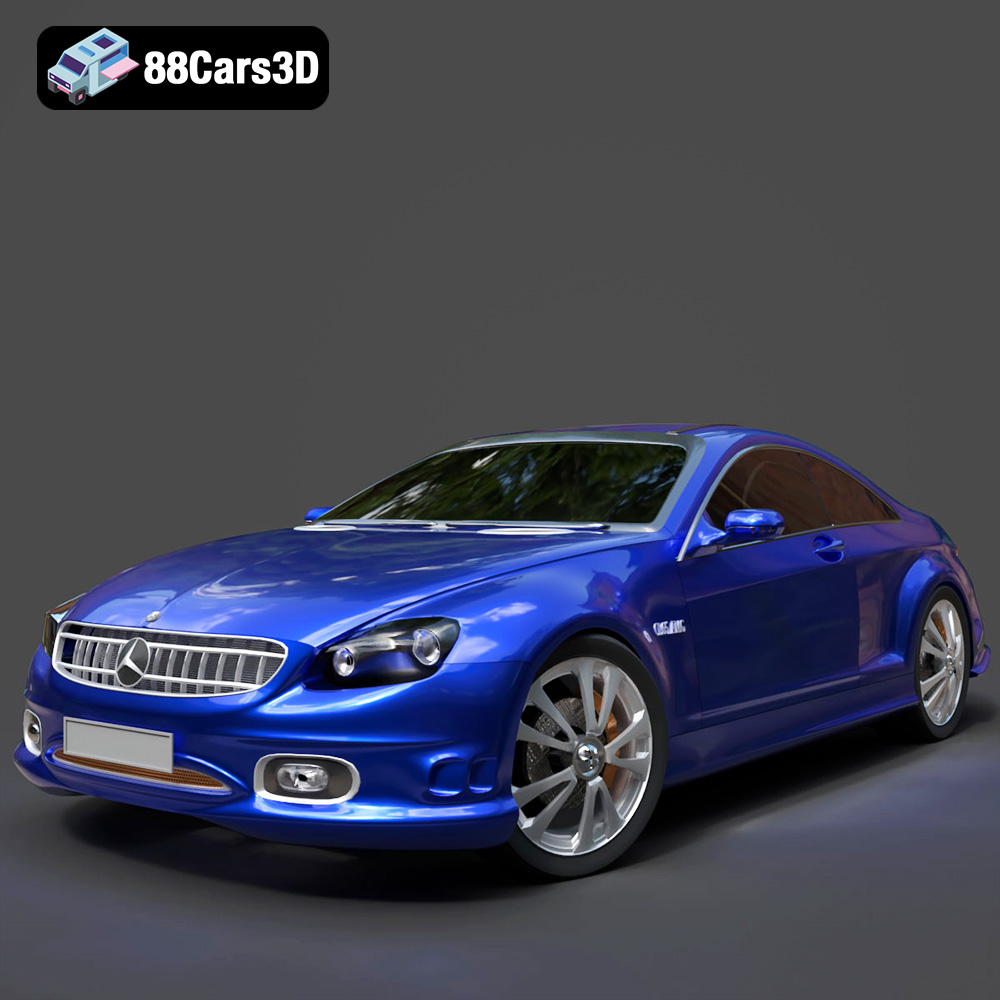
Mercedes-Benz CL6540-005 3D Model
Texture: Yes
Material: Yes
Download the Mercedes-Benz CL6540-005 3D Model featuring clean geometry, realistic detailing, and a fully modeled interior. Includes .blend, .fbx, .obj, .glb, .stl, .ply, .unreal, and .max formats for rendering, simulation, and game development.
Price: $4.99
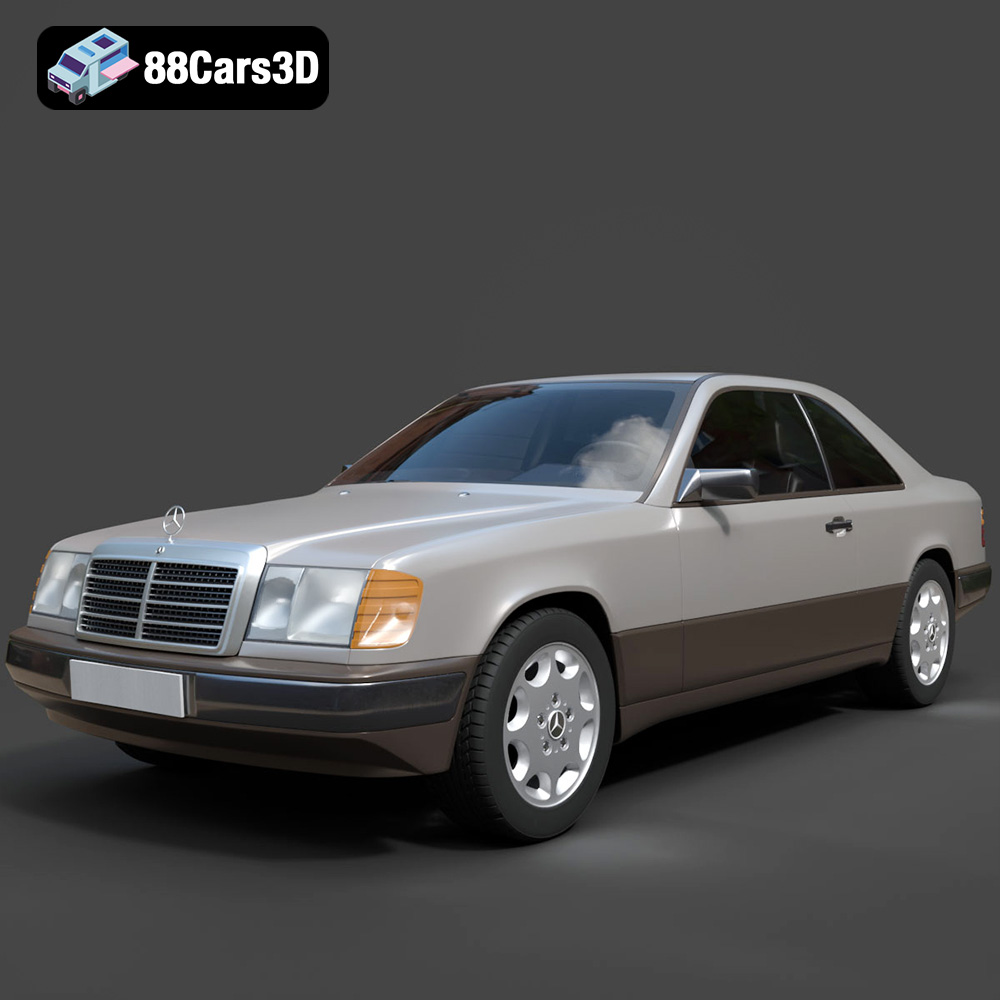
Mercedes E-Class w124 Coupe 3D Model
Texture: Yes
Material: Yes
Download the Mercedes E-Class w124 Coupe 3D Model featuring clean geometry, realistic detailing, and a fully modeled interior. Includes .blend, .fbx, .obj, .glb, .stl, .ply, .unreal, and .max formats for rendering, simulation, and game development.
Price: $4.99
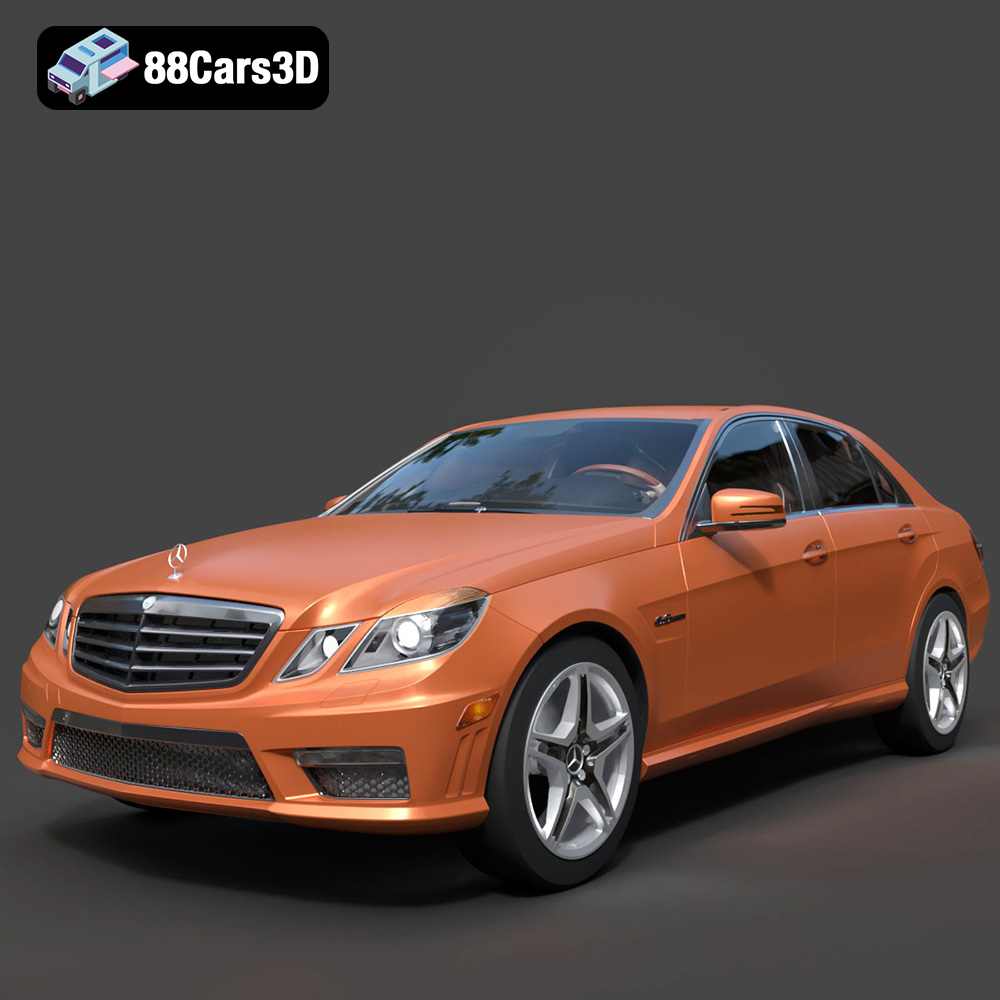
Mercedes-Benz E-Klasse 63 AMG 3D Model
Texture: Yes
Material: Yes
Download the Mercedes-Benz E-Klasse 63 AMG 3D Model featuring clean geometry, realistic detailing, and a fully modeled interior. Includes .blend, .fbx, .obj, .glb, .stl, .ply, .unreal, and .max formats for rendering, simulation, and game development.
Price: $4.99
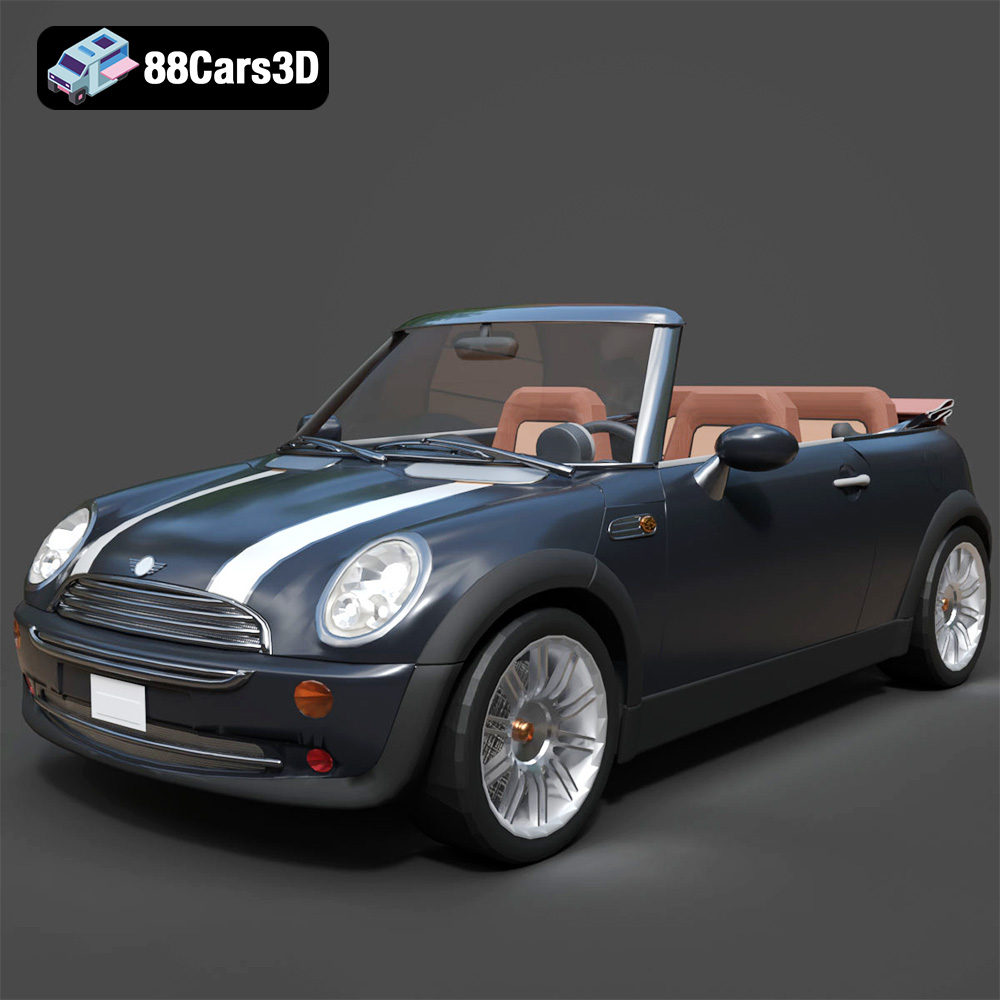
Mini Cabrio 2025 3D Model
Texture: Yes
Material: Yes
Download the Mini Cabrio 2025 3D Model featuring clean geometry, realistic detailing, and a fully modeled interior. Includes .blend, .fbx, .obj, .glb, .stl, .ply, .unreal, and .max formats for rendering, simulation, and game development.
Price: $4.99
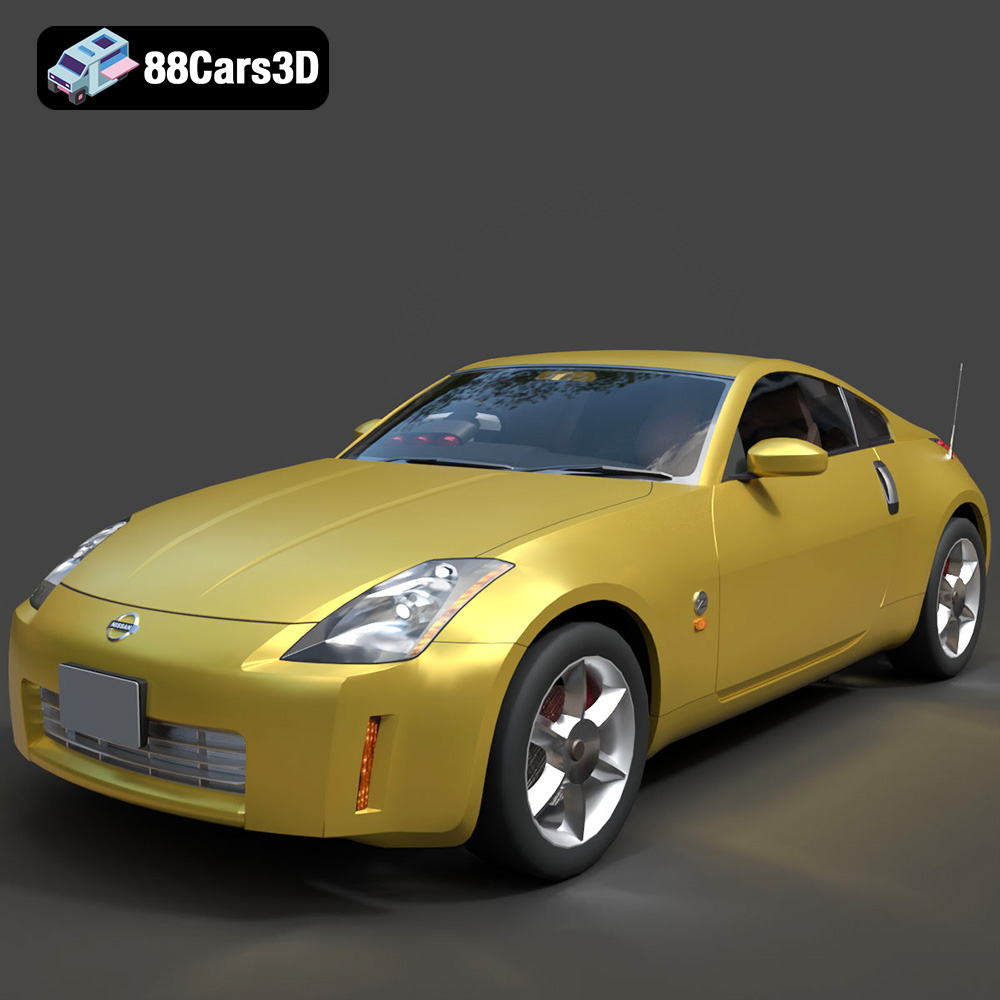
Nissan 350Z 3D Model
Texture: Yes
Material: Yes
Download the Nissan 350Z 3D Model featuring clean geometry, realistic detailing, and a fully modeled interior. Includes .blend, .fbx, .obj, .glb, .stl, .ply, .unreal, and .max formats for rendering, simulation, and game development.
Price: $4.99
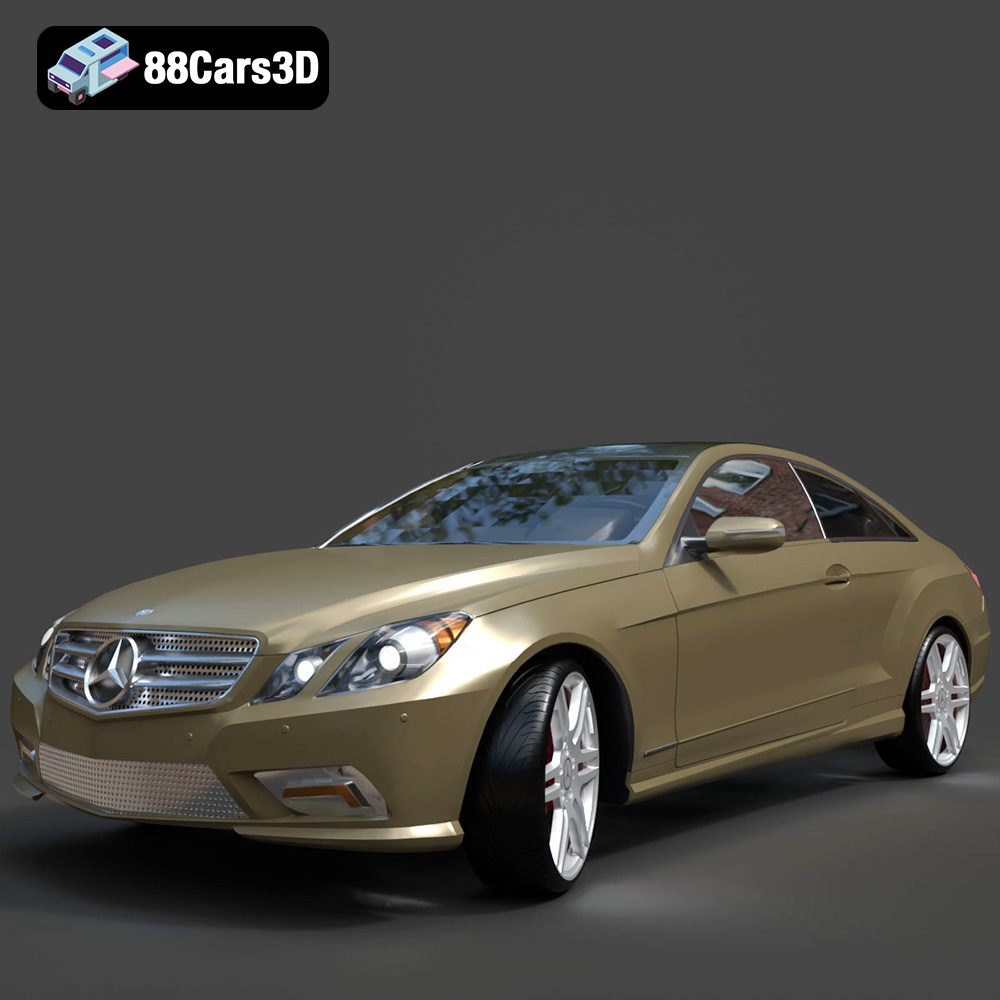
Mercedes-Benz E-Klasse Coupe 2010 3D Model
Texture: Yes
Material: Yes
Download the Mercedes-Benz E-Klasse Coupe 3D Model featuring clean geometry, realistic detailing, and a fully modeled interior. Includes .blend, .fbx, .obj, .glb, .stl, .ply, .unreal, and .max formats for rendering, simulation, and game development.
Price: $4.99
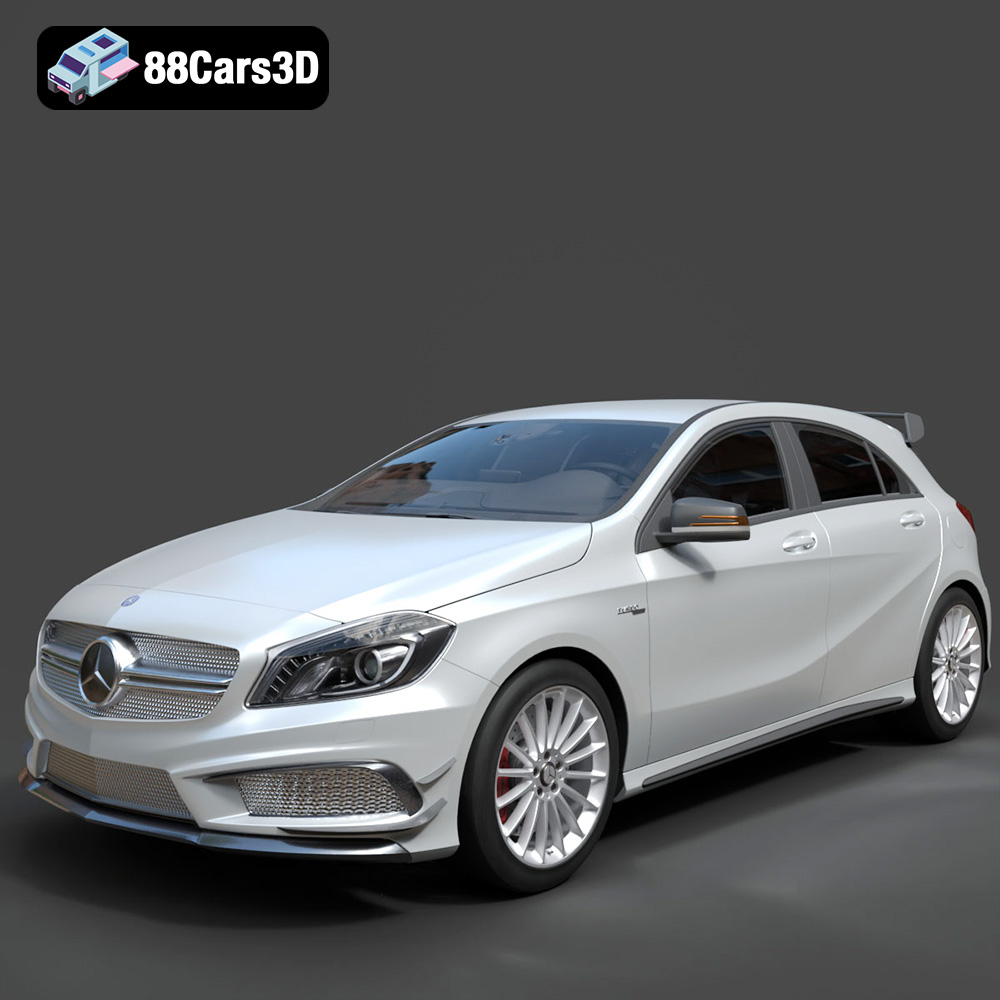
Mercedes-Benz A 45 AMG 3D Model
Texture: Yes
Material: Yes
Download the Benza MERS-007 3D Model featuring clean geometry, realistic detailing, and a fully modeled interior. Includes .blend, .fbx, .obj, .glb, .stl, .ply, .unreal, and .max formats for rendering, simulation, and game development.
Price: $4.99
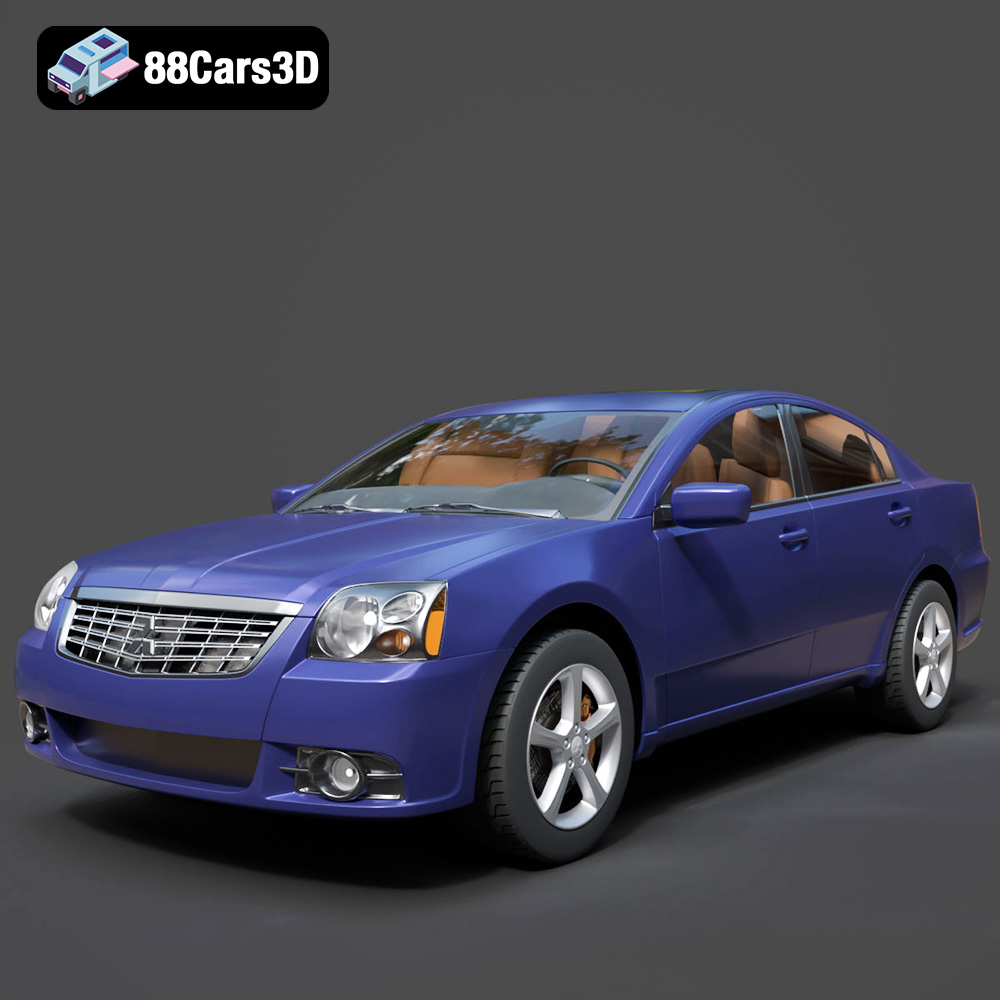
Mitsubishi Galant 2009 3D Model
Texture: Yes
Material: Yes
Download the Mitsubishi Galant 2009 3D Model featuring clean geometry, realistic detailing, and a fully modeled interior. Includes .blend, .fbx, .obj, .glb, .stl, .ply, .unreal, and .max formats for rendering, simulation, and game development.
Price: $4.99
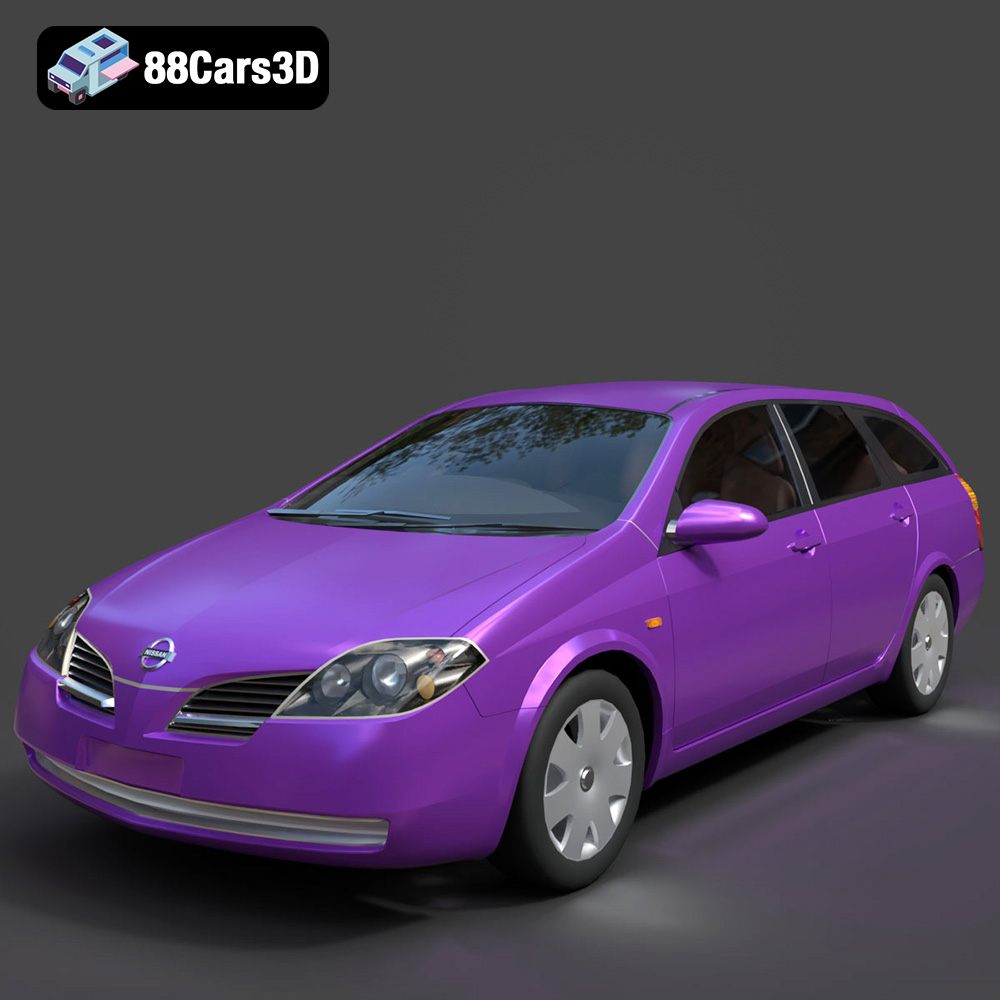
Nissan Primera Wagon 3D Model
Texture: Yes
Material: Yes
Download the Nissan Primera Wagon 3D Model featuring clean geometry, realistic detailing, and a fully modeled interior. Includes .blend, .fbx, .obj, .glb, .stl, .ply, .unreal, and .max formats for rendering, simulation, and game development.
Price: $4.99
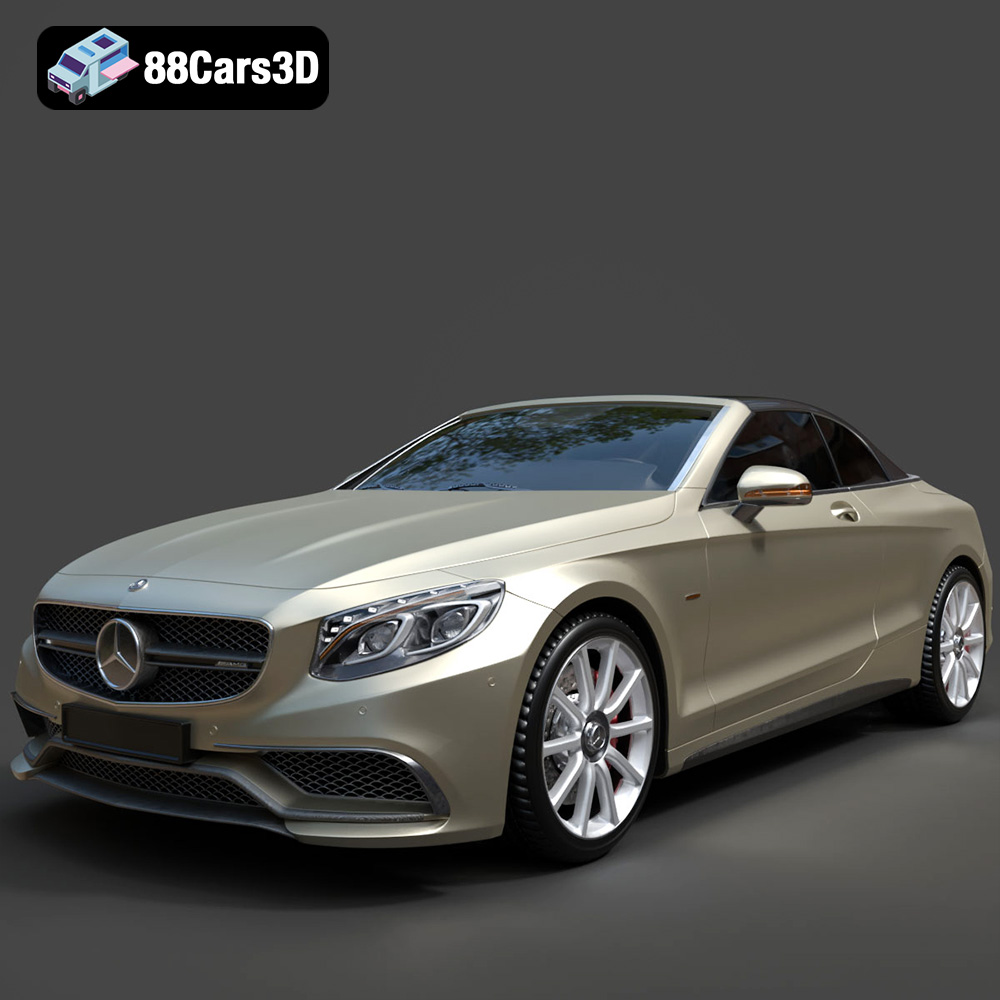
Mercedes-Benz S63 AMG Cabriolet 2017 3D Model
Texture: Yes
Material: Yes
Download the Mercedes-Benz S63 AMG Cabriolet 2017 3D Model featuring clean geometry, realistic detailing, and a fully modeled interior. Includes .blend, .fbx, .obj, .glb, .stl, .ply, .unreal, and .max formats for rendering, simulation, and game development.
Price: $20.99
