
The Foundation: Masterful Topology and Edge Flow for Automotive Models

The sleek lines of a supercar, the rugged utility of an off-road truck, or the vintage charm of a classic cruiser – 3D car models are more than just digital assets; they are the heart of immersive experiences across industries. From captivating automotive visualizations that unveil future designs to exhilarating game environments where every skid mark tells a story, and even cutting-edge AR/VR applications that redefine interaction, the demand for high-quality, meticulously crafted 3D car models is soaring. But what goes into creating these masterpieces, and how are they optimized for such diverse applications?
This comprehensive guide delves deep into the technical intricacies of working with 3D car models. We’ll navigate the critical stages from the foundational principles of clean topology and efficient UV mapping to the advanced techniques of PBR material creation and photorealistic rendering. We’ll also explore the specialized workflows required for game engine optimization, AR/VR integration, and even preparing models for physical 3D printing. Whether you’re a seasoned 3D artist, an aspiring game developer, an automotive designer, or a visualization professional, understanding these advanced concepts is crucial for unlocking the full potential of your automotive projects. Join us as we uncover the secrets to producing breathtakingly realistic and performant 3D vehicle assets.
The Foundation: Masterful Topology and Edge Flow for Automotive Models
At the core of any high-quality 3D car model lies impeccable topology and edge flow. These are not merely aesthetic concerns but fundamental technical requirements that dictate a model’s deformability, shading, and overall performance. Automotive surfaces are characterized by sweeping curves, sharp creases, and complex panel intersections, making clean topology absolutely essential. A poorly constructed mesh can lead to artifacts like pinching, undesirable shading, and difficulties in UV unwrapping or animation. Professional models, like those found on platforms such as 88cars3d.com, consistently adhere to these rigorous standards, ensuring versatility and ease of use for their customers.
The goal is to create a mesh that faithfully represents the car’s intricate form while being as efficient as possible. This involves understanding the hierarchy of detail and how different components contribute to the overall visual fidelity. Starting with a low-polygon base mesh allows for easy manipulation of the overall shape before adding finer details through subdivision surfacing. This iterative approach is crucial for managing complexity and maintaining a clean, predictable mesh structure throughout the modeling process, particularly for the highly reflective and often subtle curves of automotive bodies.
Clean Topology Principles for Vehicles
The golden rule for automotive topology is to maintain an all-quad mesh whenever possible. Triangles can be problematic as they do not subdivide as smoothly as quads and can lead to pinching or uneven surface distortion, especially on curved areas. N-gons (polygons with more than four vertices) are generally avoided in subdivision modeling as they create unpredictable results when subdivided and are difficult to manage for clean edge flow. When triangles are unavoidable, they should be placed in flat, non-deforming areas where their impact on shading and subdivision is minimal, such as inside small cutouts or obscure areas.
Key areas like wheel arches, door cut lines, and window frames require dense, evenly spaced edge loops to define their sharp contours. These loops help the subdivision surface algorithms (e.g., Catmull-Clark in 3ds Max or Blender) generate smooth, crisp edges without needing an excessively dense base mesh. The density of polygons should be proportional to the curvature of the surface; flatter areas can have sparser topology, while highly curved or detailed sections require more polygons to hold their shape accurately. Aim for a consistent “texel density” on your model surfaces, ensuring that textures will display uniformly across the entire vehicle.
Essential Edge Flow for Smooth Surfaces & Animation
Edge flow refers to the direction and continuity of edge loops across the model’s surface. For automotive models, ideal edge flow follows the natural lines and contours of the car’s design. This means edges should run parallel to the body lines, around panel gaps, and along areas of high curvature. Good edge flow ensures that when the mesh is subdivided, the surface remains smooth and free of unwanted ripples or bumps. It also facilitates easier selection for UV mapping and provides predictable deformation if the model is ever rigged for animation, such as opening doors or rotating wheels.
Critical edge loops are needed around hard surface features to control their sharpness. For instance, a series of closely packed edge loops along the edge of a door panel or headlight housing will ensure it retains its crispness even after subdivision. Conversely, wider spacing will result in a softer, more rounded edge. The strategic placement of “poles” (vertices with more or less than four connected edges) is also vital. While poles are often necessary to change the direction of edge flow or merge loops, they should be carefully managed and ideally placed in areas of low curvature or detail to minimize potential shading artifacts. For game assets, polygon counts often range from 50,000 to 300,000 for a detailed vehicle, while high-end visualization models can easily exceed millions of polygons, demanding even more meticulous edge flow control.
Bringing Surfaces to Life: Advanced UV Mapping and PBR Materials
Once the geometric foundation is solid, the next crucial step is to prepare the model for texturing and material application. This involves meticulous UV mapping and the creation of physically based rendering (PBR) materials, which together provide the realistic surface details that make a 3D car model truly shine. These processes are highly technical, demanding precision and an understanding of how light interacts with different material properties.
Effective UV mapping is the bridge between your 3D geometry and 2D textures. Without clean, distortion-free UVs, even the most exquisitely painted textures will appear stretched, blurry, or misaligned. Similarly, PBR materials require a specific set of texture maps (Base Color, Metallic, Roughness, Normal, etc.) that accurately describe how light should bounce off a surface, creating the illusion of real-world materials like painted metal, rubber, glass, or chrome. A professional asset from a repository like 88cars3d.com will always come with optimized UVs and well-structured PBR materials, ready for immediate use in various rendering engines and real-time applications.
Strategic UV Unwrapping for Complex Car Panels
UV unwrapping for a car model is an intricate task due to its numerous distinct panels and complex curvature. The goal is to lay out the 3D surface onto a 2D plane (the UV space) with minimal distortion, even texel density, and efficient use of space. Typically, each major panel of a car (hood, doors, fenders, roof, etc.) is unwrapped separately to control seams and optimize resolution. Seams should be strategically placed along natural breaks in the geometry or in inconspicuous areas, such as under a panel or along a sharp edge, to minimize their visibility.
Tools in software like 3ds Max, Blender, or Maya offer advanced unwrapping capabilities, including planar, cylindrical, and spherical projections, along with sophisticated pelt mapping and LSCM (Least Squares Conformal Mapping) algorithms. After initial projection, artists meticulously relax and arrange UV islands to achieve uniform texel density, which ensures that a painted detail of a specific size appears consistent across different parts of the car. Packing the UV islands efficiently within the 0-1 UV space is also critical, especially for game assets where multiple material maps might be packed into a single texture atlas to reduce draw calls and memory footprint.
Crafting Realistic PBR Materials and Shader Networks
Physically Based Rendering (PBR) has become the industry standard for achieving photorealistic materials. Instead of simply defining color, PBR materials simulate how light behaves in the real world based on physical properties. A typical PBR workflow involves several key texture maps:
- Base Color (or Albedo): Defines the diffuse color of the surface without any lighting information.
- Metallic: A grayscale map indicating whether a surface is metallic (white) or dielectric (black), affecting how it reflects light.
- Roughness: Controls the microscopic surface irregularities, determining how sharp or blurry reflections are (rough surfaces scatter light more).
- Normal Map: Adds high-frequency surface detail (bumps, scratches, panel lines) by faking geometric detail using pixel-level surface normals.
- Ambient Occlusion (AO): Simulates soft shadows where surfaces are close together, adding depth.
- Height/Displacement Map: Provides true geometric displacement for extreme detail, though often computationally expensive.
Creating these maps can involve a combination of procedural generation, hand painting in software like Substance Painter or Mari, and baking details from high-polygon models onto low-polygon ones. Shader networks in renderers like Corona, V-Ray, Cycles, or Arnold connect these texture maps to the material properties, allowing for complex and layered effects, such as clear coats over metallic paint, intricate tire rubber, or realistic glass reflections and refractions. For instance, a car paint shader might include multiple layers: a base metallic coat, a clear coat with specific roughness and IOR (Index of Refraction) values, and even subtle dust or dirt overlays, all controlled by a sophisticated network of nodes and textures.
Texture Resolution and Atlasing Best Practices
The resolution of your textures directly impacts the visual fidelity of your model. For high-end cinematic renders, 8K or even 16K textures might be used for large panels, while 4K textures are common for hero assets in games. However, higher resolutions consume more memory and processing power. It’s crucial to balance visual quality with performance targets. For smaller details like emblems, bolts, or interior buttons, 2K or 1K textures are often sufficient, especially if they are not seen up close.
Texture atlasing is a powerful optimization technique, particularly for game engines. Instead of using separate texture files for each material or part, multiple smaller textures (e.g., for different interior components, lights, or emblems) are combined into a single, larger texture map, along with their respective UV coordinates. This reduces the number of material calls (draw calls) the GPU needs to make, significantly improving real-time performance. For instance, a car’s entire interior might share one 4K texture atlas for its diffuse, metallic, and roughness maps, rather than having dozens of individual texture files for seats, dashboard, steering wheel, etc. This strategy is vital for maintaining high frame rates in demanding game environments or interactive AR/VR experiences.
Capturing Realism: High-Fidelity Automotive Rendering Workflows
Once a 3D car model is meticulously textured, the next step is to bring it to life through the art and science of rendering. High-fidelity automotive rendering is about much more than just hitting the render button; it involves a sophisticated workflow of lighting, material tuning, camera work, and post-processing to create images that are indistinguishable from real-world photography. The goal is to evoke emotion and showcase the design with unparalleled realism.
Renderers like Corona, V-Ray, Cycles, and Arnold offer robust toolsets for achieving this level of photorealism, each with its strengths and nuances. Understanding how to leverage these tools, from setting up a convincing lighting environment to fine-tuning every reflection and shadow, is paramount. This process demands a keen eye for detail and an understanding of photographic principles, as rendering often mimics real-world camera optics and lighting setups.
Lighting and Environment Setup for Stunning Car Renders
Lighting is arguably the most critical element in any render. For automotive visualization, a common and highly effective approach is to use High Dynamic Range Images (HDRIs) to illuminate the scene. An HDRI captures the full range of light information from a real-world environment, providing accurate ambient light, reflections, and subtle color shifts that are difficult to replicate with traditional light sources alone. Pairing a high-quality HDRI with a subtle ground plane and backplate image can instantly place a car model into a convincing real-world context.
Beyond HDRIs, studio lighting setups are also prevalent, especially for showcasing specific design features. This often involves a combination of area lights, spot lights, and often physical light emitters (e.g., LED strips in a virtual studio). Techniques like ‘rim lighting’ to highlight contours, ‘fill lighting’ to soften shadows, and ‘key lighting’ to define the primary illumination are essential. For reflective surfaces like car paint, careful consideration of what is being reflected is crucial. Often, large softbox or strip lights are positioned strategically to create appealing reflections that follow the car’s curves, emphasizing its form and material properties. Software like 3ds Max and Blender provide extensive lighting tools, allowing artists to precisely control intensity, color temperature, and shadow properties.
Advanced Rendering Techniques
Achieving photorealism extends to leveraging advanced rendering features that simulate complex light interactions. Global Illumination (GI) is fundamental; it simulates how light bounces around a scene, illuminating indirect areas and producing soft, realistic ambient lighting. Most modern renderers employ various GI algorithms (e.g., brute force, irradiance map, light cache) to balance accuracy and render time. Caustics, while computationally expensive, are critical for realistic glass and clear plastics, simulating how light is focused and refracted, creating bright patterns (e.g., light through a headlight lens onto the ground).
Depth of Field (DOF) is another powerful artistic tool, mimicking real-world camera lenses by blurring elements outside the focal plane. This helps direct the viewer’s eye to the key areas of the car and adds a cinematic quality. Motion blur can be applied to wheels or the entire car if animating, simulating speed and dynamism. Render layers and passes are indispensable for flexibility in post-processing. Separating elements like reflections, refractions, shadows, and masks allows artists to fine-tune each aspect non-destructively in compositing software, enabling much more control over the final image.
Post-Processing and Compositing for Cinematic Results
The raw render output is rarely the final image. Post-processing and compositing in software like Adobe Photoshop, Affinity Photo, or Blackmagic Fusion are vital steps to elevate a render to a professional standard. This stage involves adjustments that enhance realism and artistic intent. Exposure and color correction are fundamental, ensuring the image has the correct brightness and color balance, often using color spaces like ACES for consistent color management.
Techniques include adding subtle film grain, chromatic aberration, lens flares, and vignettes to mimic photographic imperfections. Contrast adjustments bring out details, while curves and levels fine-tune the tonal range. Compositing multiple render passes – such as reflection passes for controlling specular highlights, or shadow passes for adjusting shadow intensity – grants immense control. For instance, an ambient occlusion pass can be blended in Multiply mode to enhance subtle contact shadows, adding perceived depth. Atmospheric effects like volumetric fog or haze can also be added in post-production to create mood and depth, transforming a pristine render into a truly cinematic visual.
Performance Powerhouse: Game Engine Optimization for 3D Car Assets
While cinematic renders prioritize visual fidelity above all else, 3D car models destined for game engines or real-time applications face a different set of challenges: performance. Game engines like Unity and Unreal Engine demand assets that are not only visually appealing but also incredibly efficient, running smoothly on a wide range of hardware while maintaining high frame rates. Optimization is not an afterthought; it’s an integral part of the asset creation pipeline, ensuring that every polygon, texture, and shader contributes to an immersive experience without bogging down the system.
A high-quality game-ready 3D car model, such as those available on 88cars3d.com, will have undergone rigorous optimization to ensure it meets strict performance budgets. This involves strategic polygon reduction, clever texture management, and efficient material setups, all designed to minimize the computational load on the GPU and CPU.
Implementing Levels of Detail (LODs) and Occlusion Culling
One of the most effective optimization strategies for complex game assets like cars is the implementation of Levels of Detail (LODs). This technique involves creating multiple versions of the same model, each with a progressively lower polygon count. When the car is close to the camera, the highest detail LOD0 is displayed. As the camera moves further away, the engine automatically switches to LOD1, then LOD2, and so on, using simpler meshes that require less processing power. For a typical car, 3-5 LOD levels are common, with LOD0 having perhaps 100,000-200,000 polygons, LOD1 at 50,000, LOD2 at 15,000, and the lowest LOD3 or LOD4 potentially under 5,000 polygons for distant views or even a billboard sprite. This dramatically reduces the geometric complexity rendered at any given time without a noticeable drop in visual quality to the player.
Occlusion culling is another powerful performance enhancement. It works by preventing the rendering of objects that are completely hidden behind other objects from the camera’s perspective. For instance, if a car is behind a building, the engine won’t even attempt to render it, saving valuable resources. While occlusion culling is typically managed by the game engine, optimizing your car’s internal structure (e.g., breaking it into separate meshes for engine, interior, chassis) can assist the engine in making smarter culling decisions, especially when components are not visible from the outside.
Efficient Texture Management and Draw Call Reduction
Efficient texture management is paramount for game performance. High-resolution textures consume significant video memory, so it’s essential to use appropriate resolutions for each part of the car. Texture atlasing, as discussed earlier, is a cornerstone of this optimization. By combining multiple smaller textures into a single, larger one, you drastically reduce the number of draw calls – commands sent from the CPU to the GPU to render geometry. Each draw call carries a CPU overhead, so minimizing them is critical for maintaining high frame rates. A car might have one atlas for the body, another for the interior, and a third for wheels and lights.
Additionally, using shared materials and material instances whenever possible can further reduce draw calls. If multiple parts of the car (e.g., individual nuts and bolts, small interior components) can share the same material, even if they have different textures packed into an atlas, the engine can batch them together, leading to significant performance gains. Texture compression (e.g., DXT for desktop, ASTC for mobile) is also vital, reducing texture file sizes and memory footprint without severe visual degradation.
Physics Assets and Collision Geometry for Interactive Experiences
For cars in a game engine, physics and collision are just as important as visuals. A detailed visual mesh is too complex for real-time physics calculations, so separate, simpler collision geometry is used. This often involves creating “collision hulls” – simplified convex meshes that approximate the shape of the car’s components. For the main body, a simple box or capsule collider might be used for general collisions, while wheels might have sphere colliders. More complex systems might use multiple convex hulls for different parts of the body to allow for more accurate damage simulation or interaction.
Beyond static collision, cars require a sophisticated physics asset (often called a ‘rig’ or ‘chassis’ setup in game engines). This involves defining center of mass, wheel colliders, suspension parameters, engine torque curves, gear ratios, and steering angles. These parameters, carefully tuned, dictate how the car behaves in the game world – how it accelerates, brakes, turns, and reacts to bumps and jumps. Creating a robust and performant physics asset is a specialized skill, often requiring extensive testing and iteration within the game engine itself to achieve a realistic and satisfying driving experience.
Beyond the Screen: 3D Car Models for AR/VR and 3D Printing
The utility of high-quality 3D car models extends far beyond traditional rendering and gaming. With the rapid evolution of augmented reality (AR) and virtual reality (VR) technologies, and the increasing accessibility of 3D printing, these digital assets are finding new and exciting applications. However, each of these emerging fields presents its own unique set of technical requirements and optimization challenges. Leveraging a versatile asset like those offered by 88cars3d.com means having a model that can be adapted for these cutting-edge uses.
Preparing a 3D car model for AR/VR demands extreme efficiency and specific file formats to ensure seamless real-time performance. For 3D printing, the focus shifts to mesh integrity and physical properties, transforming a virtual object into a tangible one. Understanding these distinct pipelines is crucial for maximizing the value and reach of your 3D automotive assets.
AR/VR Optimization: Real-Time Performance and Immersion
AR/VR environments impose even stricter performance budgets than traditional games due to the need for high frame rates (typically 90 FPS or more) to prevent motion sickness and maintain immersion. This means models must be ultra-optimized. Polygon counts for car models in AR/VR experiences are often significantly lower than for desktop games, sometimes ranging from 30,000 to 80,000 triangles for an entire vehicle, depending on the target platform (mobile AR vs. high-end PC VR). Advanced LOD strategies are critical, often including billboard sprites for very distant objects.
Shaders must be lightweight, using mobile-friendly PBR workflows with minimal computational complexity. Complex shader networks with multiple layers and advanced effects are often replaced with simpler, more efficient equivalents. Texture atlasing is heavily utilized to reduce draw calls, and texture resolutions are carefully chosen to balance visual quality with memory consumption. Furthermore, scale and units are critical in AR/VR. Models must be built to real-world scale (e.g., 1 unit = 1 meter) to ensure they appear correctly when overlaid onto the real world in AR or placed within a virtual environment in VR. File formats like GLB (for glTF) and USDZ are gaining prominence for their efficiency and native support for PBR materials, making them ideal for web-based AR and Apple’s ARKit ecosystems, respectively.
Preparing Automotive Models for Flawless 3D Printing
Transforming a digital car model into a physical object via 3D printing introduces an entirely different set of technical considerations. The primary concern is mesh integrity: the model must be “watertight” or “manifold.” This means every edge must be shared by exactly two faces, ensuring there are no holes, inverted normals, or self-intersecting geometry. 3D printing software needs a fully enclosed volume to calculate slices and generate tool paths. Tools like Blender’s 3D Print Toolbox, MeshMixer, or professional CAD software offer utilities for mesh analysis and repair.
Another critical factor is “wall thickness.” Digital models can have infinitesimally thin surfaces, but physical prints require a minimum wall thickness (e.g., 0.8mm to 2mm, depending on the printing technology and material) to be structurally sound. Interiors of car models often need to be “shelled out” or made hollow with appropriate wall thickness to save material and print time. Small, delicate features like mirrors or antennas might need to be thickened or redesigned to prevent breakage. Overhangs also need careful consideration, as many printing processes require support structures for angles exceeding a certain threshold. Finally, the resolution of the printed model is determined by the polygon count; too few polygons will result in a faceted print, while too many can unnecessarily increase file size without adding noticeable detail to a physical object, so a balance is key for STL or OBJ export.
File Format Compatibility and Conversions
The world of 3D data is diverse, with numerous file formats, each suited for different purposes and software. Understanding their strengths and weaknesses is key to a smooth workflow.
- FBX (Filmbox): A proprietary Autodesk format, widely regarded as the industry standard for interchange between 3D applications (3ds Max, Maya, Blender) and game engines (Unity, Unreal). It supports geometry, materials, textures, animations, and skeletal data.
- OBJ (Wavefront Object): A universal, open standard that primarily stores geometry (vertices, normals, UVs, faces) and basic material references. It’s highly compatible but doesn’t support advanced features like animation or complex PBR materials directly.
- GLB (Binary glTF): The binary version of glTF (GL Transmission Format), an open-source, royalty-free specification designed for efficient transmission and loading of 3D scenes and models by engines and applications. It’s excellent for web and AR/VR due to its compactness and native PBR support.
- USDZ (Universal Scene Description Zip): An Apple-developed proprietary file format optimized for AR experiences on iOS devices. It supports PBR materials, animations, and is highly efficient, often generated from USD files.
- STL (Standard Tessellation Language): The de facto standard for 3D printing. It represents a 3D model as a collection of unconnected triangles. While universal, it lacks color, texture, or material information.
Converting between these formats requires careful attention to detail, as material properties, UVs, and even geometry can be altered or lost during the translation process. For example, exporting a model for 3D printing often means converting complex PBR materials into solid colors or simply discarding them, and ensuring the mesh is manifold before exporting to STL. Professional marketplaces like 88cars3d.com typically provide their 3D car models in multiple optimized formats (e.g., FBX for game engines, OBJ for broad compatibility, GLB for AR/VR, and even specific render formats for Corona or V-Ray), ensuring maximum flexibility for artists and developers.
Conclusion: The Art and Engineering of Masterful 3D Car Models
The journey from a blank canvas to a fully realized, high-performance 3D car model is a testament to the intricate blend of artistic vision and technical prowess. We’ve explored the foundational importance of clean topology and precise edge flow, which underpin every successful automotive asset. We’ve delved into the meticulous processes of UV mapping and the sophisticated world of PBR materials, revealing how lifelike surfaces are achieved. Furthermore, we’ve dissected the specialized workflows for photorealistic rendering, game engine optimization, and the unique demands of AR/VR and 3D printing applications.
Each stage, from the initial modeling in 3ds Max or Blender to the final rendering in Corona or integration into Unity/Unreal Engine, requires a deep understanding of software, industry best practices, and constant adaptation to new technologies. The commitment to clean topology, efficient UVs, optimized PBR materials, and strategic LODs is what separates a mediocre asset from a truly professional-grade 3D car model – a digital masterpiece that can seamlessly transition across diverse media and applications.
For artists, developers, and designers seeking to accelerate their projects without compromising on quality, sourcing pre-made, professionally crafted 3D car models is a strategic advantage. Platforms like 88cars3d.com are dedicated to providing such high-quality assets, meticulously prepared with clean topology, realistic PBR materials, and multiple optimized file formats. By understanding the technical underpinnings we’ve discussed, you are better equipped to select, integrate, and maximize the potential of these incredible digital tools, pushing the boundaries of what’s possible in automotive visualization, gaming, and interactive experiences.
Featured 3D Car Models
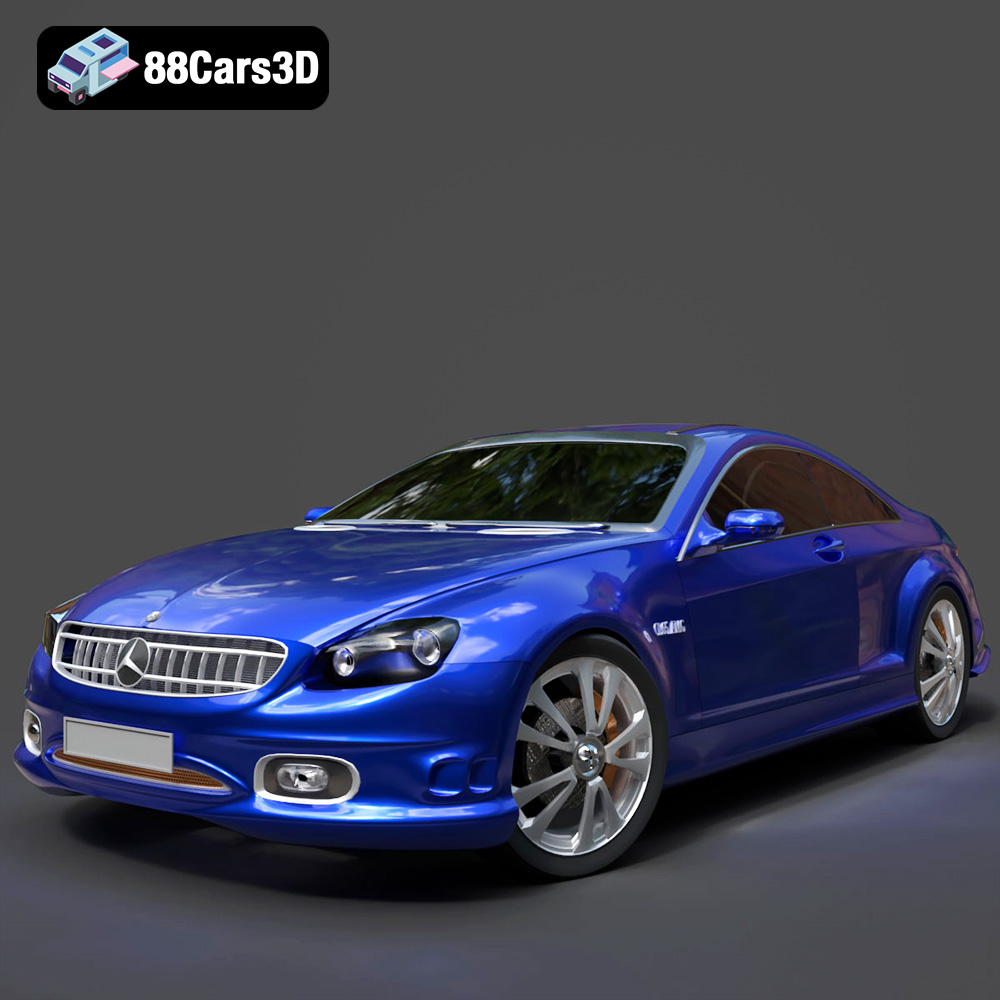
Mercedes-Benz CL6540-005 3D Model
Texture: Yes
Material: Yes
Download the Mercedes-Benz CL6540-005 3D Model featuring clean geometry, realistic detailing, and a fully modeled interior. Includes .blend, .fbx, .obj, .glb, .stl, .ply, .unreal, and .max formats for rendering, simulation, and game development.
Price: $4.99
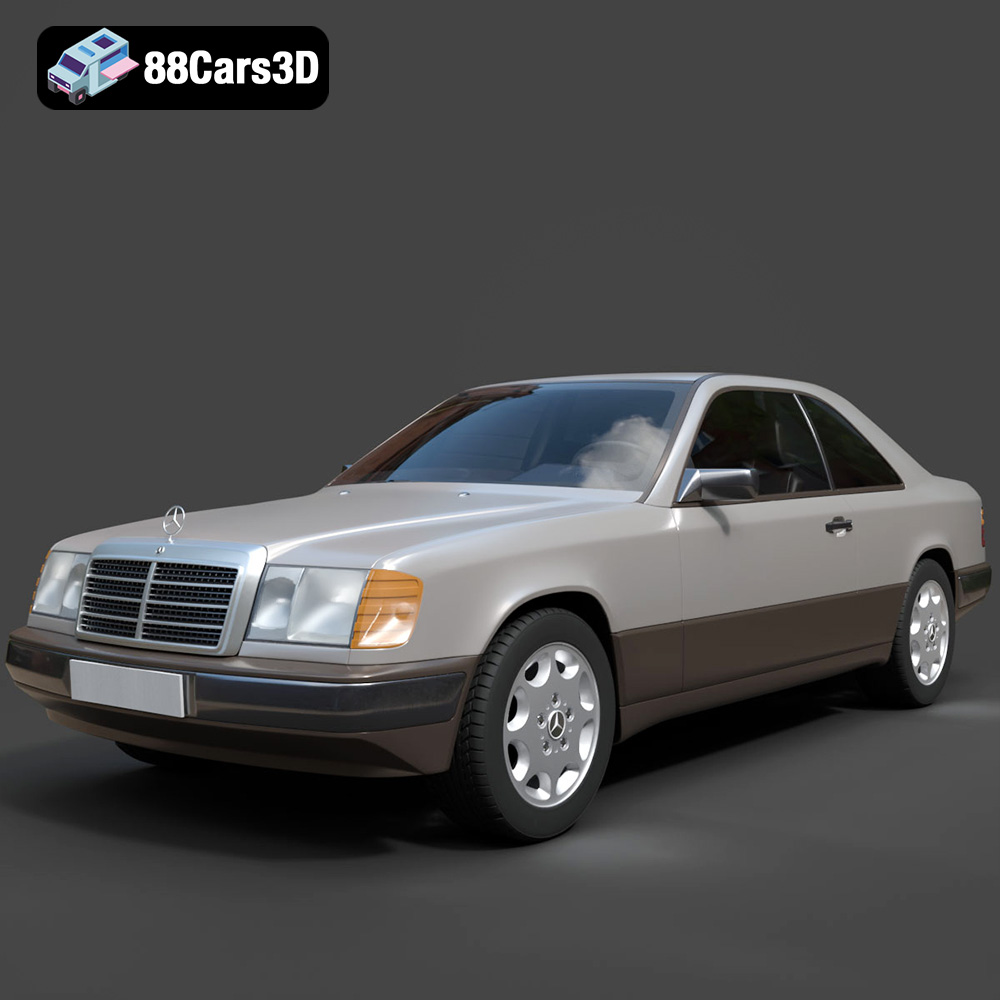
Mercedes E-Class w124 Coupe 3D Model
Texture: Yes
Material: Yes
Download the Mercedes E-Class w124 Coupe 3D Model featuring clean geometry, realistic detailing, and a fully modeled interior. Includes .blend, .fbx, .obj, .glb, .stl, .ply, .unreal, and .max formats for rendering, simulation, and game development.
Price: $4.99
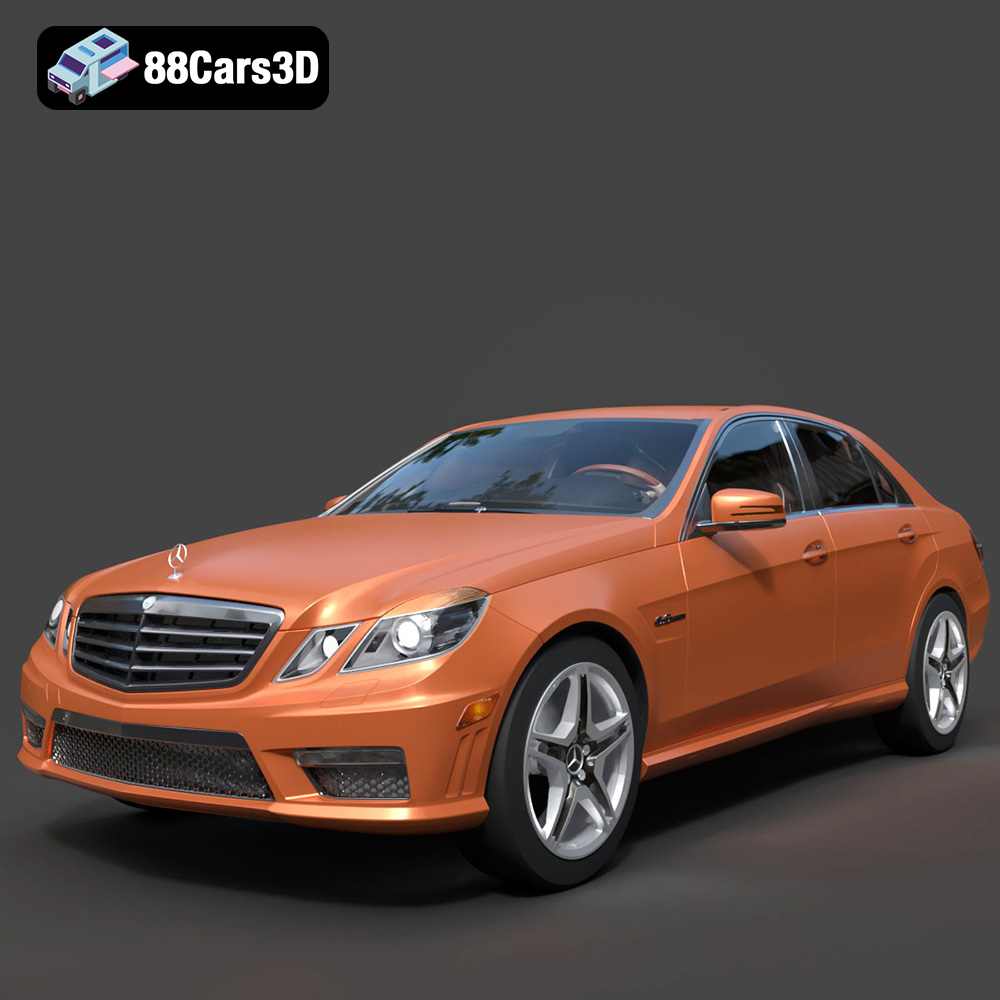
Mercedes-Benz E-Klasse 63 AMG 3D Model
Texture: Yes
Material: Yes
Download the Mercedes-Benz E-Klasse 63 AMG 3D Model featuring clean geometry, realistic detailing, and a fully modeled interior. Includes .blend, .fbx, .obj, .glb, .stl, .ply, .unreal, and .max formats for rendering, simulation, and game development.
Price: $4.99
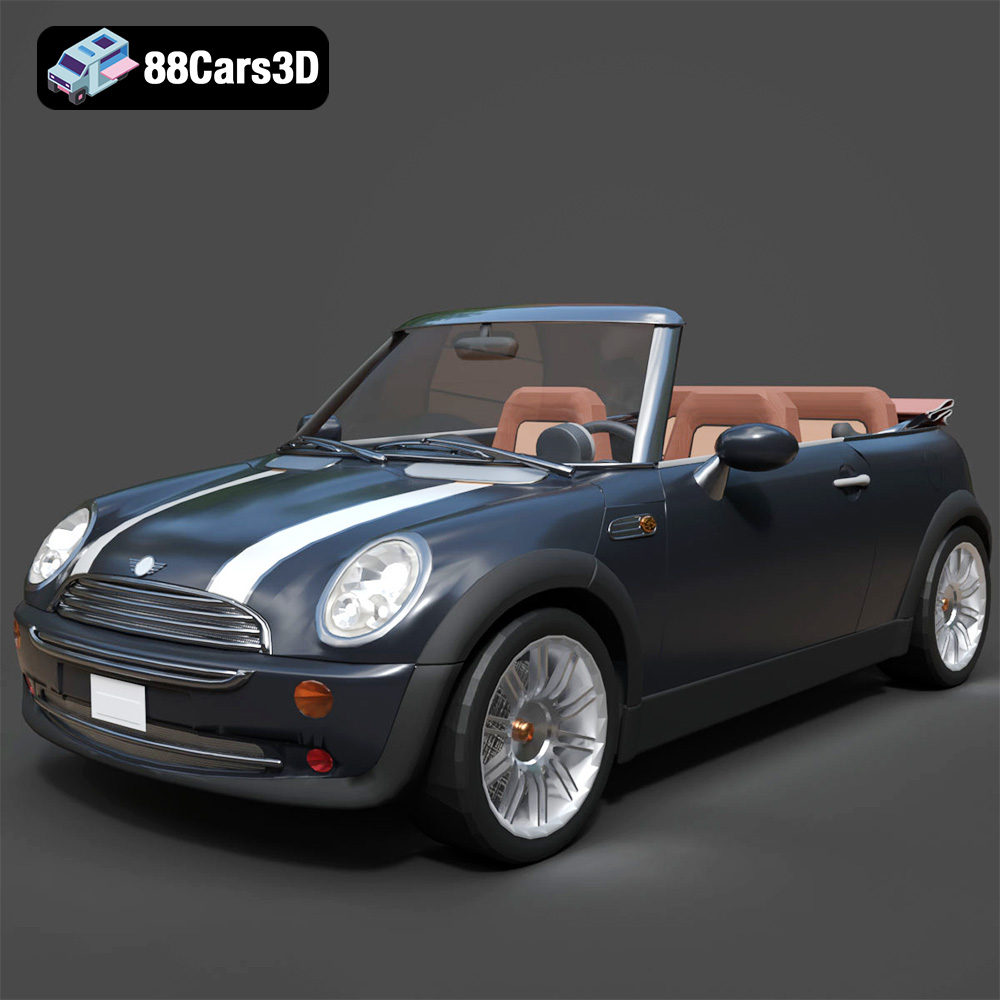
Mini Cabrio 2025 3D Model
Texture: Yes
Material: Yes
Download the Mini Cabrio 2025 3D Model featuring clean geometry, realistic detailing, and a fully modeled interior. Includes .blend, .fbx, .obj, .glb, .stl, .ply, .unreal, and .max formats for rendering, simulation, and game development.
Price: $4.99
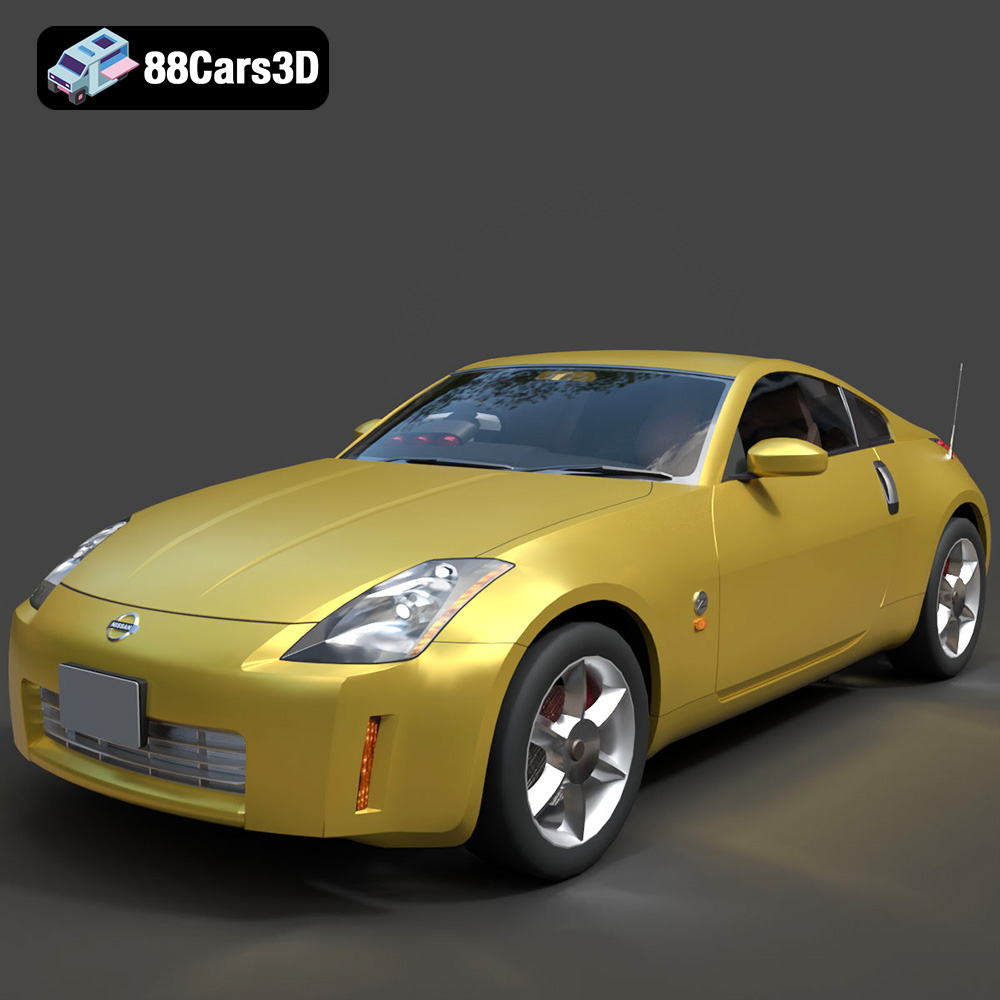
Nissan 350Z 3D Model
Texture: Yes
Material: Yes
Download the Nissan 350Z 3D Model featuring clean geometry, realistic detailing, and a fully modeled interior. Includes .blend, .fbx, .obj, .glb, .stl, .ply, .unreal, and .max formats for rendering, simulation, and game development.
Price: $4.99
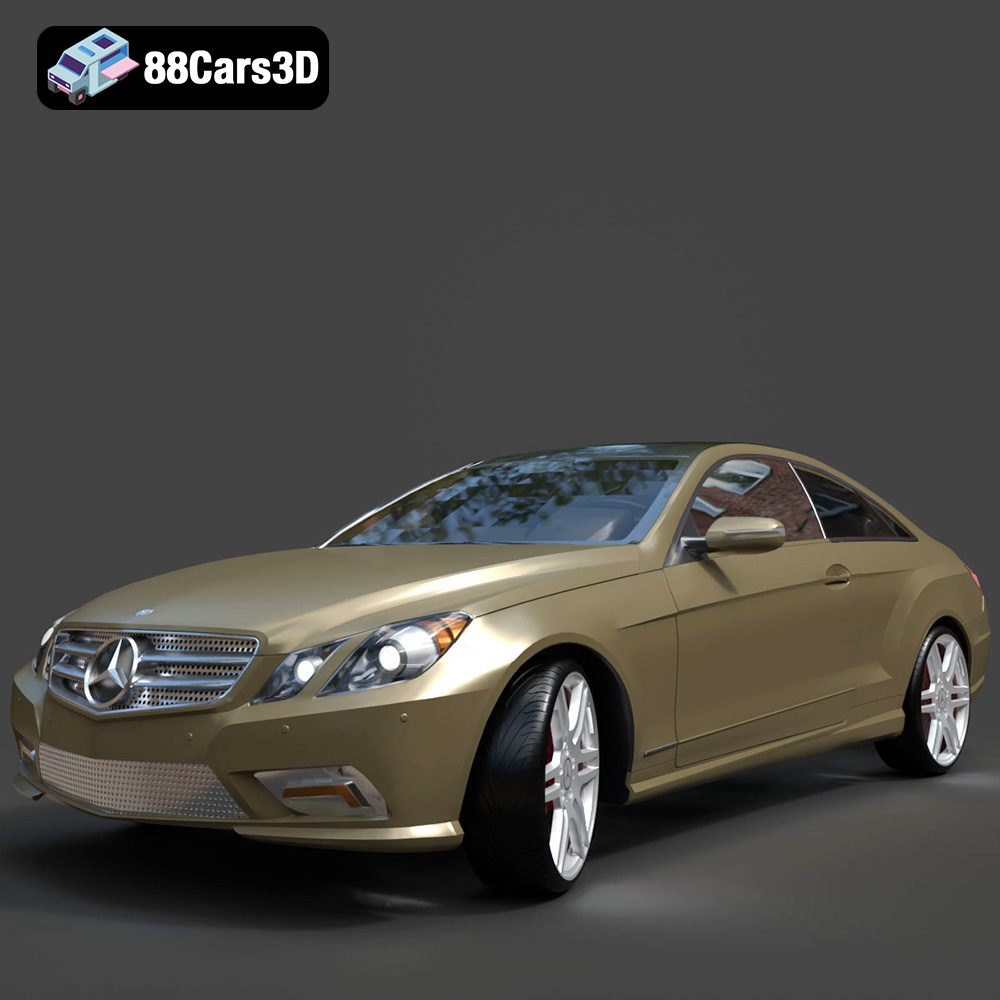
Mercedes-Benz E-Klasse Coupe 2010 3D Model
Texture: Yes
Material: Yes
Download the Mercedes-Benz E-Klasse Coupe 3D Model featuring clean geometry, realistic detailing, and a fully modeled interior. Includes .blend, .fbx, .obj, .glb, .stl, .ply, .unreal, and .max formats for rendering, simulation, and game development.
Price: $4.99
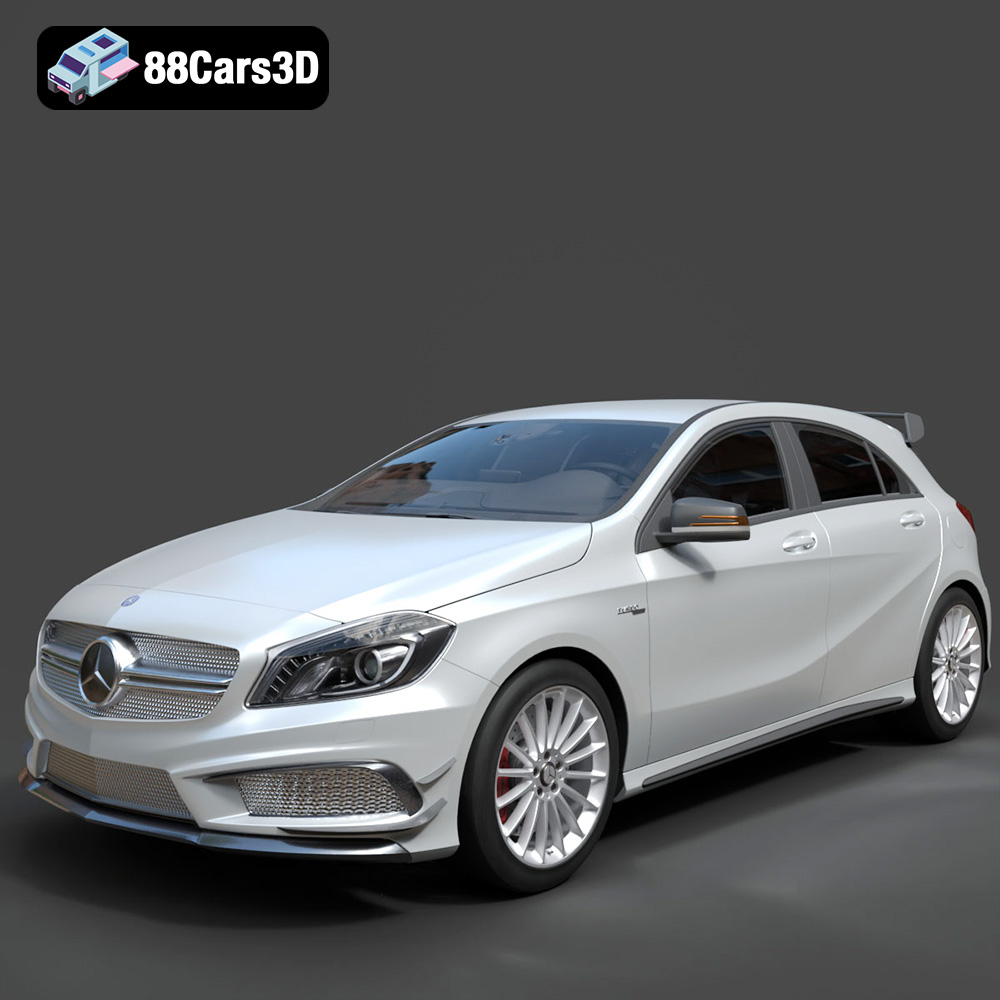
Mercedes-Benz A 45 AMG 3D Model
Texture: Yes
Material: Yes
Download the Benza MERS-007 3D Model featuring clean geometry, realistic detailing, and a fully modeled interior. Includes .blend, .fbx, .obj, .glb, .stl, .ply, .unreal, and .max formats for rendering, simulation, and game development.
Price: $4.99
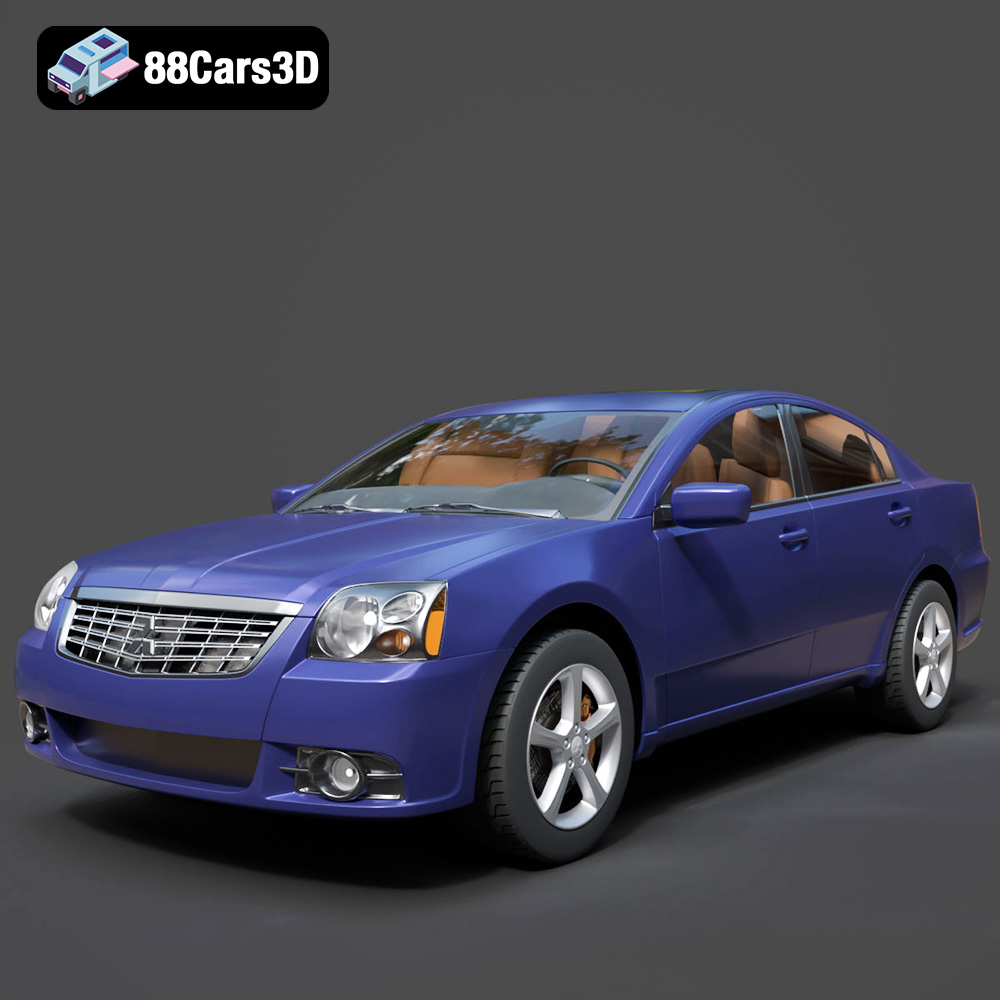
Mitsubishi Galant 2009 3D Model
Texture: Yes
Material: Yes
Download the Mitsubishi Galant 2009 3D Model featuring clean geometry, realistic detailing, and a fully modeled interior. Includes .blend, .fbx, .obj, .glb, .stl, .ply, .unreal, and .max formats for rendering, simulation, and game development.
Price: $4.99
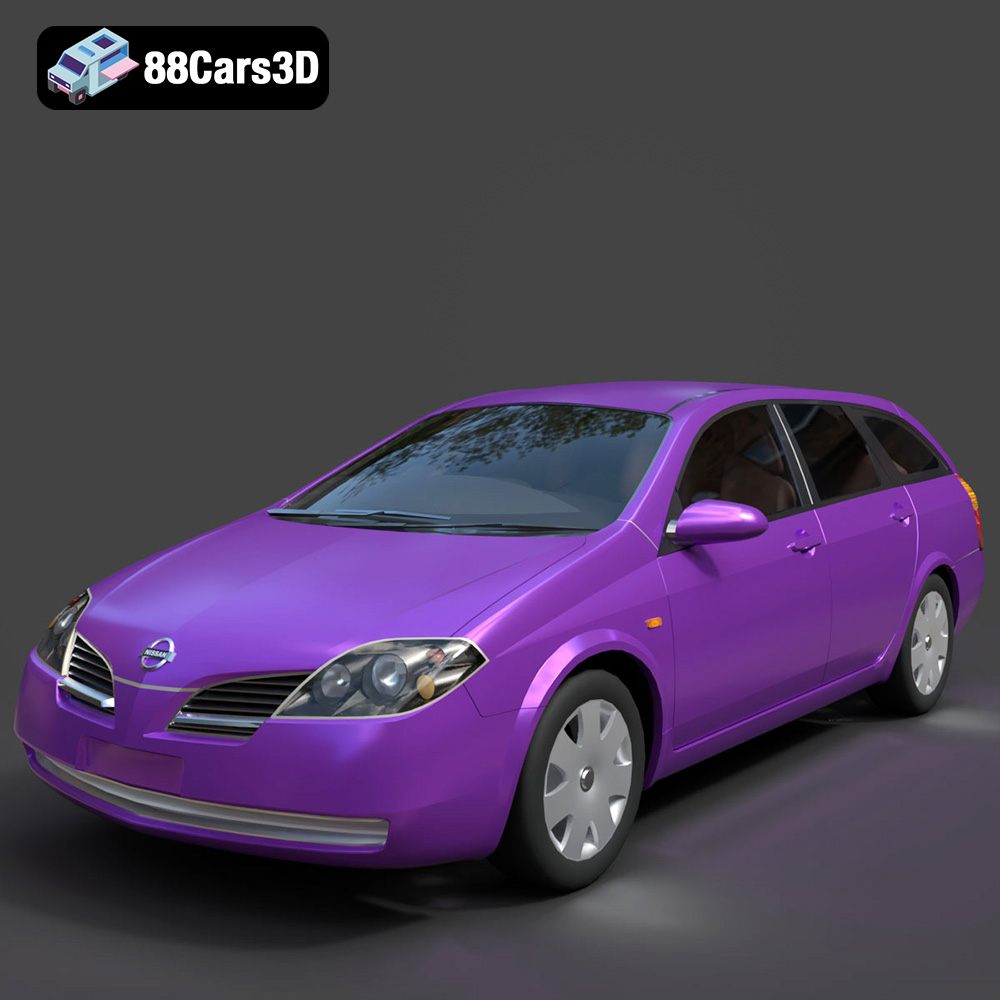
Nissan Primera Wagon 3D Model
Texture: Yes
Material: Yes
Download the Nissan Primera Wagon 3D Model featuring clean geometry, realistic detailing, and a fully modeled interior. Includes .blend, .fbx, .obj, .glb, .stl, .ply, .unreal, and .max formats for rendering, simulation, and game development.
Price: $4.99
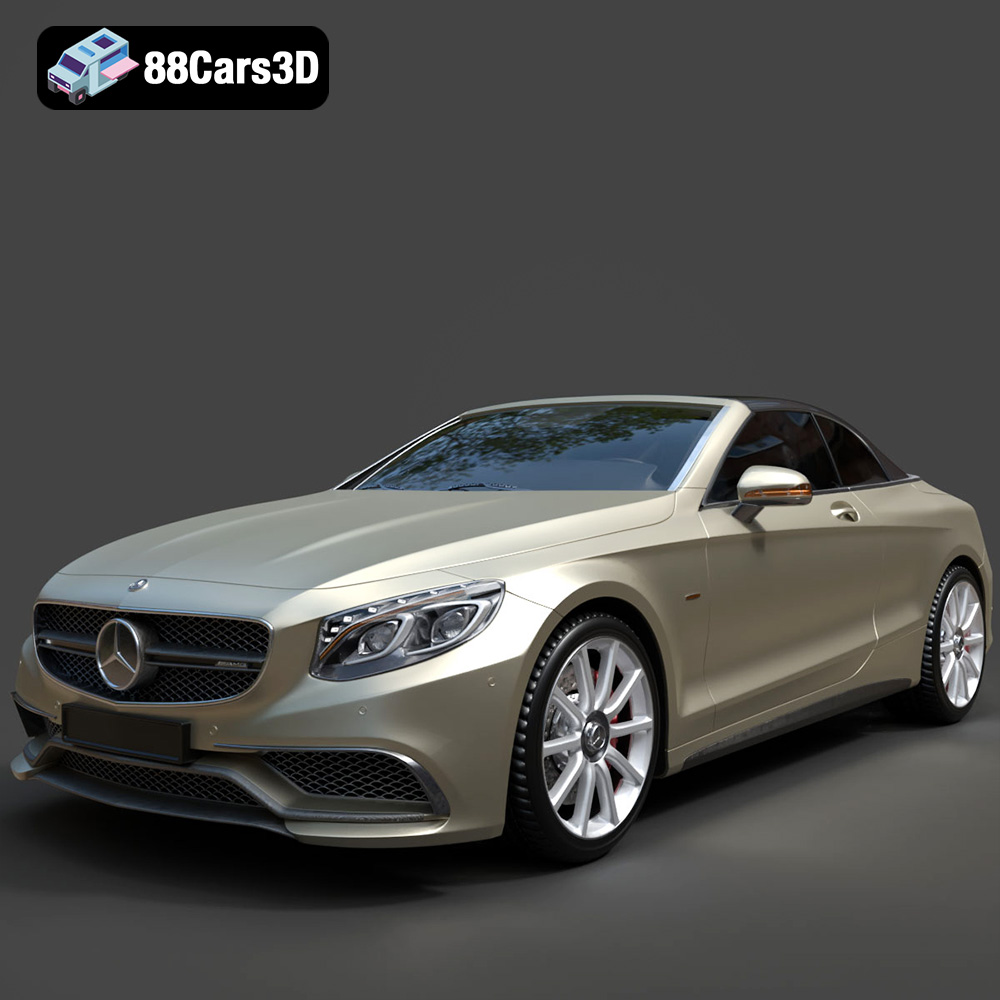
Mercedes-Benz S63 AMG Cabriolet 2017 3D Model
Texture: Yes
Material: Yes
Download the Mercedes-Benz S63 AMG Cabriolet 2017 3D Model featuring clean geometry, realistic detailing, and a fully modeled interior. Includes .blend, .fbx, .obj, .glb, .stl, .ply, .unreal, and .max formats for rendering, simulation, and game development.
Price: $20.99
