
The Ultimate Guide to 3D Car Models: From Flawless Topology to Photorealistic Renders

“`html
The Ultimate Guide to 3D Car Models: From Flawless Topology to Photorealistic Renders
From the explosive action sequences of a Hollywood blockbuster to the hyper-realistic vehicle configurators on an automaker’s website, 3D car models are everywhere. They are the unsung heroes of modern visual media, powering everything from AAA video games to architectural visualizations and cutting-edge AR experiences. But what truly separates a stunning, production-ready 3D vehicle from a mediocre one? The answer lies far beyond a simple resemblance to its real-world counterpart. It’s a complex interplay of meticulous modeling, strategic texturing, and intelligent optimization—a craft that blends artistic vision with deep technical expertise.
This comprehensive guide will take you under the hood of professional 3D car model creation and implementation. We will dissect the entire lifecycle of a digital vehicle, from the foundational principles of clean topology and edge flow to the sophisticated techniques of PBR material creation and advanced rendering. You’ll learn how to prepare models for the demanding performance requirements of real-time game engines, AR/VR applications, and even the physical world of 3D printing. Whether you are a 3D artist aiming for photorealism, a game developer optimizing for performance, or an automotive designer visualizing your next creation, this article will equip you with the essential knowledge to elevate your work to the next level.
The Bedrock of Quality: Mastering Automotive Topology and Edge Flow
Before any stunning material or dramatic lighting can be applied, a 3D car model must have a flawless foundation: its topology. Topology refers to the arrangement of polygons (quads and triangles) that form the model’s surface, and its quality dictates everything from how smoothly it subdivides to how accurately it catches light. For a complex object like a car, with its blend of long, flowing surfaces and sharp, precise details, proper topology is non-negotiable. It is the single most important factor determining the professional quality of a model.
Why Clean, Quad-Based Topology is Non-Negotiable
The gold standard for automotive modeling is a mesh composed almost entirely of four-sided polygons, or quads. There are several critical reasons for this. Firstly, quad-based geometry subdivides cleanly and predictably when using modifiers like Turbosmooth (3ds Max) or Subdivision Surface (Blender). This process adds more polygons to create a smoother, higher-resolution surface, which is essential for close-up renders. A mesh with triangles or n-gons (polygons with more than four sides) will often produce pinching, artifacts, and unpredictable smoothing. Secondly, clean topology with organized edge loops makes UV unwrapping significantly easier. Finally, it ensures that reflections and highlights flow naturally and evenly across the car’s body panels without visible warping or distortion.
Key Principles of Automotive Edge Flow
Edge flow is the art of directing the “flow” of edge loops to define and support the shape of the model. For vehicles, this means your edges must follow the car’s natural character lines, panel gaps, and curves.
- Follow the Contours: Key edge loops should trace the primary body lines, such as the curve of a wheel arch, the crease along the shoulder line, or the sharp edge of a hood. This reinforces the car’s design and maintains its shape during subdivision.
- Control Curvature: Use supporting edge loops placed closely together to define sharp creases and tight radii. For broader, smoother curves, place these loops farther apart. This gives you precise control over the surface tension and highlight transitions.
- Maintain Even Polygon Distribution: Strive for polygons that are as square-shaped and evenly sized as possible across flat or gently curving surfaces. This prevents shading artifacts and texture stretching. While some stretching is unavoidable in complex areas, minimizing it is key.
Polygon Count: High-Poly vs. Low-Poly
The required polygon count depends entirely on the model’s intended use. A high-poly model, often used for cinematic renders or automotive advertising, might have anywhere from 500,000 to several million polygons after subdivision. Its sole purpose is visual fidelity. Conversely, a low-poly model, or “game-ready” asset, must be optimized for real-time performance. A hero vehicle in a modern PC/console game typically ranges from 80,000 to 200,000 polygons. This is a delicate balance between detail and performance, often relying on baked normal maps to simulate high-poly details on a more efficient mesh.
Unwrapping the Beast: Professional UV Mapping Strategies for Cars
Once you have a pristine model, the next technical hurdle is UV mapping. This is the process of “unwrapping” the 3D mesh into a 2D space so that textures can be applied correctly. For a car, with its large, curving body panels, intricate interior, and mechanical components, this can be a daunting task. A sloppy UV map will result in stretched textures, visible seams, and inconsistent detail, completely undermining a high-quality model.
The Importance of a Strategic UV Layout
A well-planned UV layout is crucial for two main reasons: minimizing distortion and maximizing texel density. Texel density is the amount of texture resolution (pixels) applied per unit of 3D surface area. For a uniform look, you want the texel density to be consistent across the entire vehicle. For example, the door panel should have a similar level of texture detail as the hood. This is achieved by scaling the different UV islands in the UV editor to be proportional to their actual size on the 3D model. A good UV layout packs these islands efficiently into the 0-1 UV space to waste as little texture space as possible.
Techniques for Complex Surfaces and UDIMs
Placing seams correctly is the most critical part of UV unwrapping a car. The goal is to hide them in places where they are least visible. Good places for seams include:
- Along hard edges or panel gaps (e.g., where the door meets the fender).
- On the underside of the car.
- In areas of natural material change (e.g., where a chrome trim meets the body paint).
For achieving extremely high levels of detail, a single texture map is often not enough. This is where the UDIM (U-Dimension) workflow comes in. UDIM allows you to use multiple texture maps (tiles) for a single object. For a car, you might dedicate one UDIM tile for the main body, another for the interior, a third for the wheels and tires, and a fourth for the chassis and undercarriage. This allows you to use high-resolution 4K or 8K textures for each section, resulting in incredibly sharp and detailed results, a standard practice in the film and VFX industry.
Common Pitfalls and How to Avoid Them
Artists new to UV mapping often make a few common mistakes. The most frequent is texture stretching or pinching, which occurs when the UVs are not relaxed properly to match the 3D surface. Using a UV checker map (a texture with a grid or repeating pattern) is essential for visually identifying and correcting these distortions. Another issue is overlapping UVs, where different parts of the mesh share the same texture space. While this can be a deliberate optimization technique (e.g., for mirroring), unintentional overlaps can cause major baking and texturing errors. Finally, be mindful of texel density. A common mistake is having a massive UV island for a tiny, insignificant part, stealing valuable texture space from more visible areas like the main body.
Achieving Hyperrealism: PBR Material Creation and Shading
With a solid model and clean UVs, we can move to the most visually rewarding stage: creating materials. Modern 3D graphics rely on the Physically Based Rendering (PBR) workflow, which simulates how light interacts with materials in the real world. This approach is what allows for the creation of incredibly realistic surfaces, from the deep, multi-layered reflections of car paint to the subtle roughness of tire rubber.
Understanding the PBR Metallic/Roughness Workflow
The most common PBR workflow is Metallic/Roughness. It uses a set of texture maps to define a material’s properties:
- Base Color (Albedo): The pure color of the material, devoid of any lighting or reflection information. For a red car, this would be a simple flat red.
- Metallic: A grayscale map that tells the shader if a surface is a metal (white) or a non-metal/dielectric (black). There are rarely in-between values; a surface is either 100% metal or 0% metal.
- Roughness: Perhaps the most important map for realism. This grayscale map defines how rough or smooth a surface is. A black value (0.0) creates a perfectly smooth, mirror-like surface, while a white value (1.0) creates a completely matte, diffuse surface. Most real-world materials fall somewhere in between.
- Normal: An RGB map that simulates fine surface detail (like leather grain or stamped metal) without adding extra polygons.
Crafting Essential Car Materials
A car is a collection of diverse and complex materials. The most iconic is the car paint shader. Most modern render engines like Corona and V-Ray have dedicated car paint materials that simplify this process. They operate on a two-layer system: a base layer (with its own color, metallic, and roughness properties) and a clear coat layer on top. The clear coat has its own roughness and Index of Refraction (IOR) settings, allowing you to create that signature glossy, reflective finish over the base paint. Other key materials include:
- Chrome/Metals: Simple to create in PBR. Set Base Color to a near-white value, Metallic to 1.0 (white), and Roughness to a very low value (e.g., 0.05-0.1).
- Glass: This is a refractive material. In most shaders, you’ll set a base color to black, increase the Transmission/Refraction value to 1.0, and set the IOR to around 1.52 (the IOR of glass).
- Rubber/Plastic: These are dielectrics. The Metallic value is 0.0 (black). The Base Color is the material’s color, and the Roughness value is adjusted to achieve the desired sheen, from glossy interior trim to matte tire walls.
The Final Image: Rendering Workflows for Automotive Visualization
Rendering is where all the hard work of modeling and texturing culminates in a final, stunning image. The goal of automotive visualization is often to create an image that is not just realistic, but highly polished and evocative, much like a professional car commercial or brochure shot. This is achieved through a combination of strategic lighting, camera work, and post-processing.
Setting the Stage: Lighting and HDRI Environments
Lighting is arguably the most critical element in creating a compelling render. It shapes the car, defines its form, and creates mood. The most popular and efficient method for lighting vehicles is Image-Based Lighting (IBL) using a High Dynamic Range Image (HDRI). An HDRI is a 360-degree panoramic image that contains a massive range of lighting information. When used to light a scene, it projects realistic lighting and reflections onto the model, instantly grounding it in a believable environment. For studio shots, a high-quality studio HDRI with softboxes and gradients is ideal. For outdoor scenes, an HDRI of an open road or cityscape can provide incredible realism. Often, artists will augment the HDRI with additional 3D lights to create specific highlights or “kicks” of light to further accentuate the car’s body lines.
Renderer-Specific Techniques (Corona, V-Ray, Cycles)
While the principles of rendering are universal, each renderer has its own strengths.
- Corona Renderer: Known for its ease of use and photorealistic output with minimal tweaking. Its Interactive Renderer is incredibly fast, making look development a breeze. The dedicated CoronaCarPaintMtl is powerful and intuitive.
- V-Ray: An industry powerhouse known for its speed, flexibility, and vast feature set. The VRayCarPaintMtl2 offers deep control over flake simulation and clear coat layers. V-Ray is a production-proven tool used in countless professional studios.
- Blender Cycles: A remarkably capable path-tracing engine built into the free and open-source Blender. By building a car paint shader using the Principled BSDF node and adding a separate clear coat layer via a Mix Shader, users can achieve results that rival commercial renderers.
Regardless of the renderer, using a linear workflow (correct gamma handling) is crucial for physically accurate lighting and materials.
Post-Processing and Compositing
No professional render is complete without a final post-processing step. This is where you take the raw output from the renderer and refine it in a program like Photoshop or After Effects. By rendering out separate images called render passes (or AOVs), you gain enormous control. Common passes include:
- Ambient Occlusion (AO): Adds soft contact shadows and enhances detail.
- Reflection Pass: Allows you to isolate and enhance the reflections on the car.
- Z-Depth: Can be used to create atmospheric effects like haze or a depth-of-field blur.
In post-processing, you can adjust color balance, contrast, add lens flares, vignetting, and sharpen the image to give it that final, commercial-quality polish.
Optimizing for Speed: Preparing 3D Car Models for Game Engines
Creating a car model for a real-time game engine like Unity or Unreal Engine is a completely different challenge. Here, the primary concern is performance. Every polygon and every texture read costs precious milliseconds of processing time. The goal is to create a model that looks as detailed as possible while maintaining a high and stable frame rate.
The Art of Retopology and Baking
The core of game asset optimization is the bake workflow. An artist starts by creating a very detailed high-poly model (millions of polygons), often called the “source” mesh. They then create a separate, heavily optimized low-poly model (tens of thousands of polygons) that has a similar silhouette. This process is called retopology. The low-poly model is UV unwrapped, and then a process called baking is used to project the surface details from the high-poly model onto a set of texture maps (primarily a Normal map) for the low-poly model. This cleverly fakes the appearance of high-resolution detail on a mesh that is cheap to render. High-quality models, such as those found on marketplaces like 88cars3d.com, often come with both high-poly and game-ready low-poly versions.
Level of Detail (LODs): Balancing Quality and Performance
Even an optimized low-poly model can be too heavy to render hundreds of times in a busy scene. This is where Levels of Detail (LODs) come in. An LOD system uses multiple versions of the same model, each with a progressively lower polygon count.
- LOD0: The highest quality version, used when the player is very close to the car (e.g., 100k polygons).
- LOD1: A slightly reduced version, used at a medium distance (e.g., 50k polygons).
- LOD2: A heavily simplified version for long distances (e.g., 15k polygons).
- LOD3: A very basic, “impostor” mesh for extreme distances (e.g., under 2k polygons).
The game engine automatically switches between these LODs based on the car’s distance from the camera, drastically reducing the overall polygon count in the scene.
Draw Call Reduction Strategies
A draw call is a command from the CPU to the GPU to draw an object. Each object with a unique material generates at least one draw call. Too many draw calls can create a CPU bottleneck and ruin performance. For a car model, which has many different parts and materials, this can be a major issue. To combat this, developers use two key techniques:
- Material Consolidation: Instead of having separate materials for every little piece of chrome, plastic, and rubber, consolidate them into as few materials as possible. For example, have one “Interior Trim” material for multiple objects.
- Texture Atlasing: This involves combining the textures for multiple, separate parts onto a single large texture sheet, or “atlas.” For instance, the UVs for the calipers, wheel nuts, and brake discs can all be laid out in one 0-1 space and use a single material. This allows the GPU to render all those parts in a single draw call.
Beyond the Screen: Adapting Models for AR, VR, and 3D Printing
The utility of 3D car models extends far beyond traditional renders and games. Emerging platforms like Augmented Reality (AR), Virtual Reality (VR), and the tangible world of 3D printing present unique technical challenges and requirements for model preparation.
AR/VR Performance and File Format Constraints
AR and VR applications, especially those running on mobile devices, are extremely performance-sensitive. Optimization is even more critical here than in traditional PC gaming. The target polygon count for a detailed AR car model might be as low as 50,000-100,000 triangles. More importantly, file size is a major consideration for web-based AR experiences that need to load quickly.
The industry is standardizing around specific file formats for this purpose:
- GLB (gLTF Binary): The “JPEG of 3D.” It’s a highly efficient format that bundles the mesh, materials, and textures into a single compact file. It’s the dominant format for webAR and most AR/VR platforms.
- USDZ: Developed by Apple and Pixar, this format is the standard for AR Quick Look on iOS devices. It offers similar benefits to GLB and is essential for targeting the Apple ecosystem.
When preparing models for these formats, textures must be compressed effectively (using formats like JPEG or KTX2) and PBR materials must be used, as they are part of the core gLTF specification.
Preparing a Mesh for 3D Printing
Taking a digital model into the physical world via 3D printing requires a different kind of preparation. A render model can have floating parts, intersecting geometry, and paper-thin surfaces because it only needs to look good. A 3D printable model must be a single, solid, “watertight” volume.
- Watertight Geometry: The mesh must have no holes. It must be a completely enclosed volume, often referred to as being “manifold.”
- Wall Thickness: Every part of the model must have a minimum thickness to be physically printable. Details like wing mirrors or spoilers often need to be artificially thickened.
- Mesh Repair: Tools like Meshmixer or Blender’s 3D-Print Toolbox addon are essential for checking a mesh for errors like non-manifold edges, intersecting faces, and flipped normals, and then repairing them to create a printable STL or OBJ file.
When acquiring assets for 3D printing projects from marketplaces such as 88cars3d.com, it is crucial to check if they are specifically prepared for this purpose or if you will need to perform these mesh-fixing steps yourself.
Conclusion: The Blueprint for Excellence
As we’ve explored, a high-quality 3D car model is a testament to both artistic skill and technical discipline. It begins with an unwavering commitment to clean topology, which serves as the robust skeleton for everything that follows. From there, methodical UV mapping ensures that the model’s skin can receive textures flawlessly, while a deep understanding of PBR principles breathes life and realism into every surface. Finally, whether the destination is a breathtaking 8K render or a fluid 90fps VR experience, a strategic approach to optimization and platform-specific preparation is what ensures the model performs its function perfectly.
The journey from a simple polygon to a final, polished asset is complex, but understanding these core pillars is what separates amateur work from professional results. By mastering the relationship between form, surface, and performance, you unlock the ability to create digital vehicles that are not only beautiful to look at but are also versatile, efficient, and ready for any application. The next time you see a stunning car in a game or a configurator, you’ll have a much deeper appreciation for the immense craftsmanship required to bring it to your screen.
“`
Featured 3D Car Models

Mercedes-Benz SLK 350 2005 3D Model
Texture: Yes
Material: Yes
Download the Mercedes-Benz SLK 350 2005 3D Model featuring clean geometry, realistic detailing, and a fully modeled interior. Includes .blend, .fbx, .obj, .glb, .stl, .ply, .unreal, and .max formats for rendering, simulation, and game development.
Price: $9.99

Mercedes-Benz SL 65 AMG 3D Model
Texture: Yes
Material: Yes
Download the Mercedes-Benz SL 65 AMG 3D Model featuring clean geometry, realistic detailing, and a fully modeled interior. Includes .blend, .fbx, .obj, .glb, .stl, .ply, .unreal, and .max formats for rendering, simulation, and game development.
Price: $9.99

Mercedes-Benz S500 3D Model
Texture: Yes
Material: Yes
Download the Mercedes-Benz S500 3D Model featuring clean geometry, realistic detailing, and a fully modeled interior. Includes .blend, .fbx, .obj, .glb, .stl, .ply, .unreal, and .max formats for rendering, simulation, and game development.
Price: $9.99
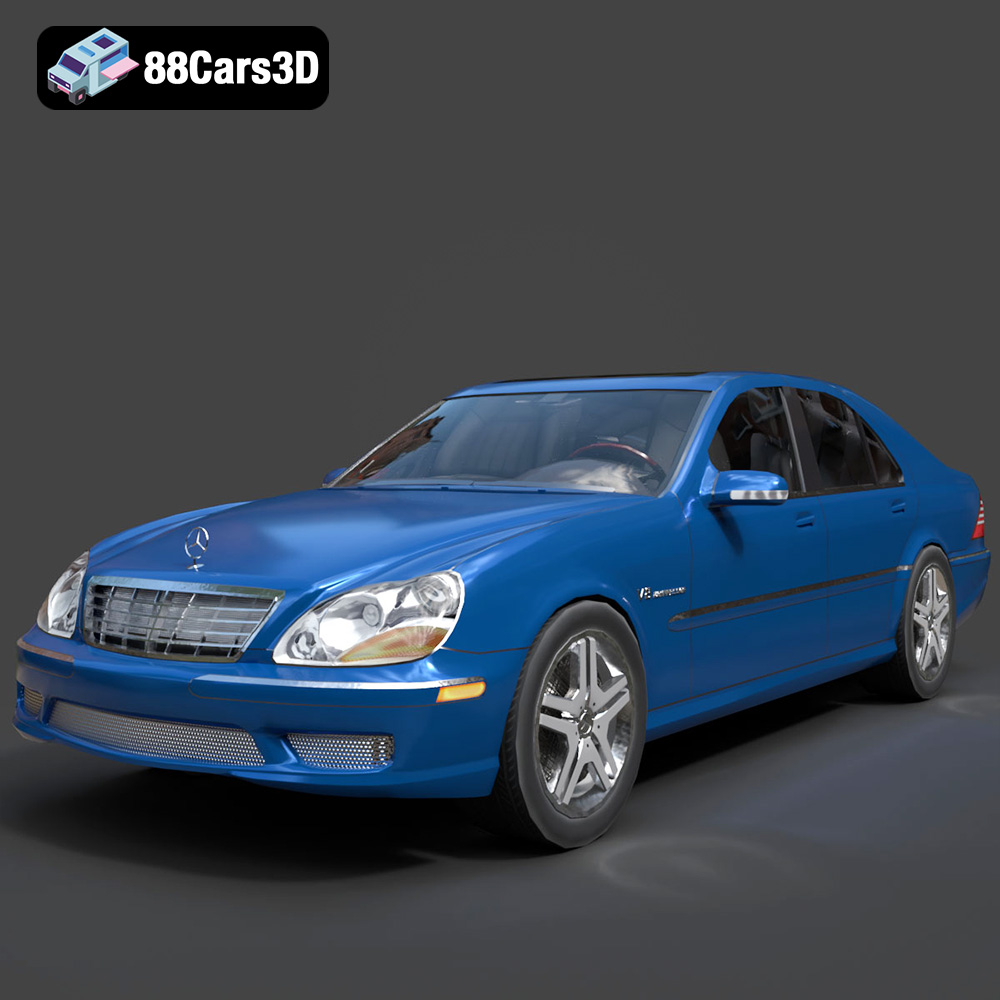
Mercedes-Benz S55 W220 AMG 1999 3D Model
Texture: Yes
Material: Yes
Download the Mercedes-Benz S55 W220 AMG 1999 3D Model featuring clean geometry, realistic detailing, and a fully modeled interior. Includes .blend, .fbx, .obj, .glb, .stl, .ply, .unreal, and .max formats for rendering, simulation, and game development.
Price: $9.99
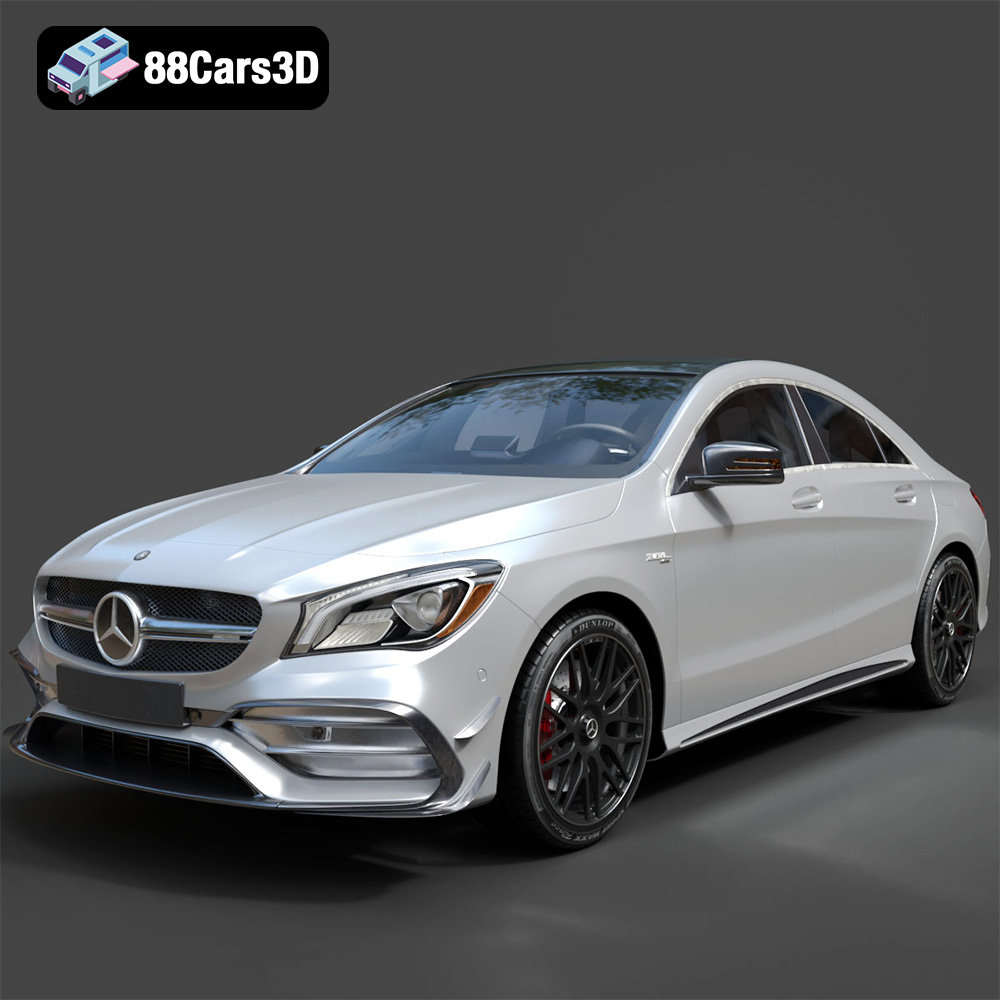
Mercedes-Benz CLA45 AMG 2017 3D Model
Texture: Yes
Material: Yes
Download the Mercedes-Benz CLA45 AMG 2017 3D Model featuring clean geometry, realistic detailing, and a fully modeled interior. Includes .blend, .fbx, .obj, .glb, .stl, .ply, .unreal, and .max formats for rendering, simulation, and game development.
Price: $29.99
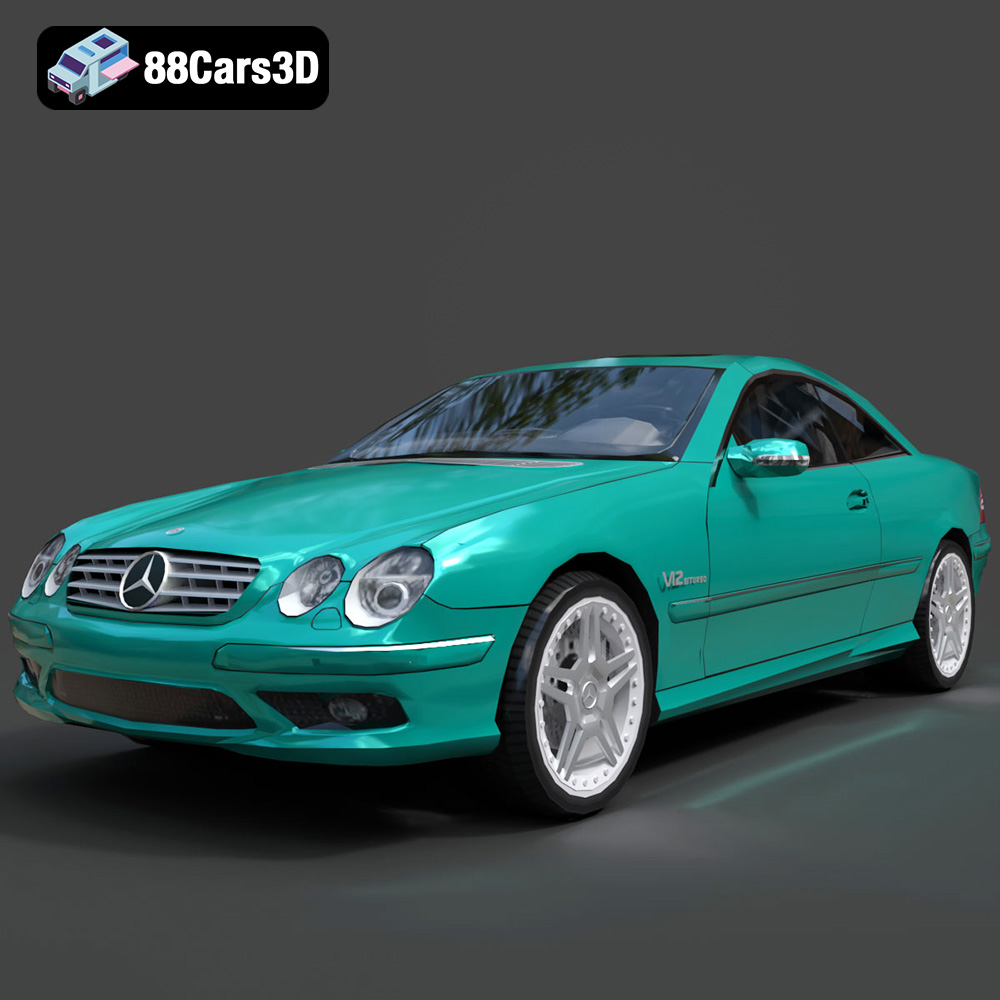
Mercedes-Benz CL65 C215 AMG 3D Model
Texture: Yes
Material: Yes
Download the Mercedes-Benz CL65 C215 AMG 3D Model featuring clean geometry, realistic detailing, and a fully modeled interior. Includes .blend, .fbx, .obj, .glb, .stl, .ply, .unreal, and .max formats for rendering, simulation, and game development.
Price: $9.99
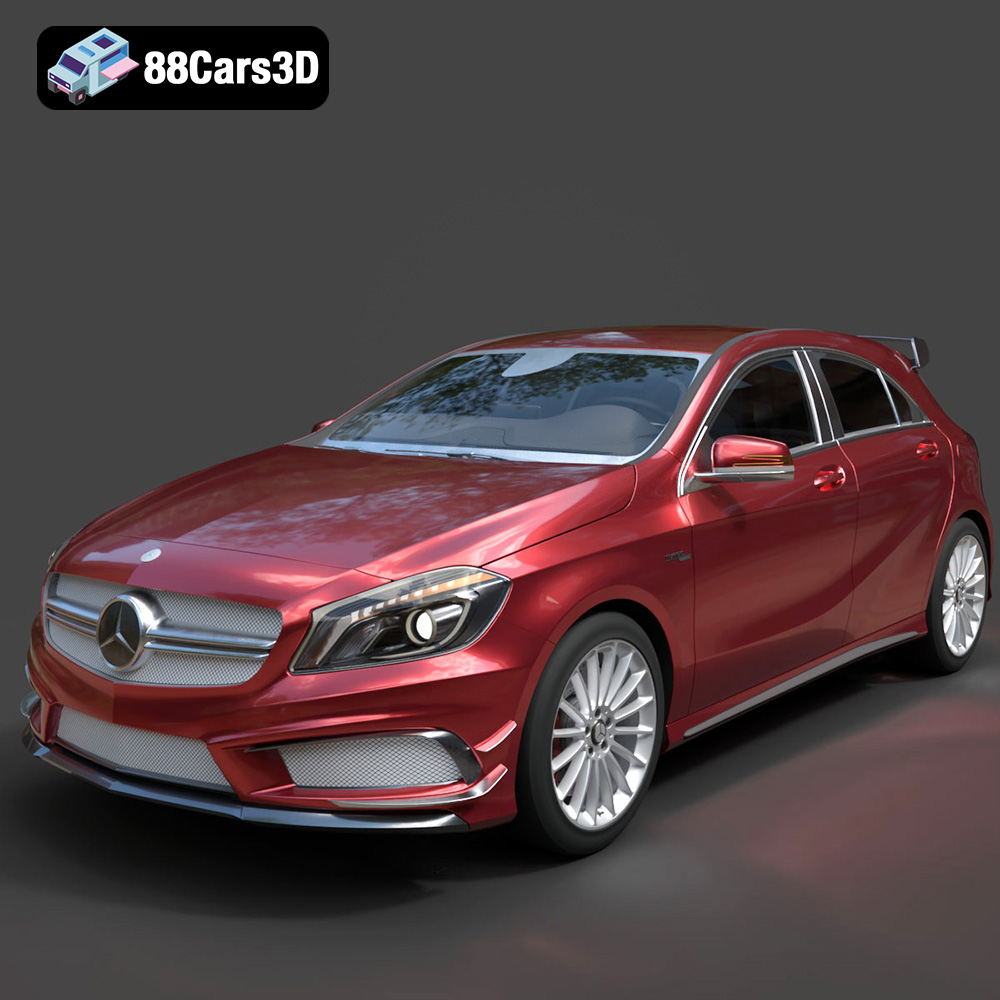
Mercedes-Benz A45 2021 3D Model
Texture: Yes
Material: Yes
Download the Mercedes-Benz A45 2021 3D Model featuring clean geometry, realistic detailing, and a fully modeled interior. Includes .blend, .fbx, .obj, .glb, .stl, .ply, .unreal, and .max formats for rendering, simulation, and game development.
Price: $9.99
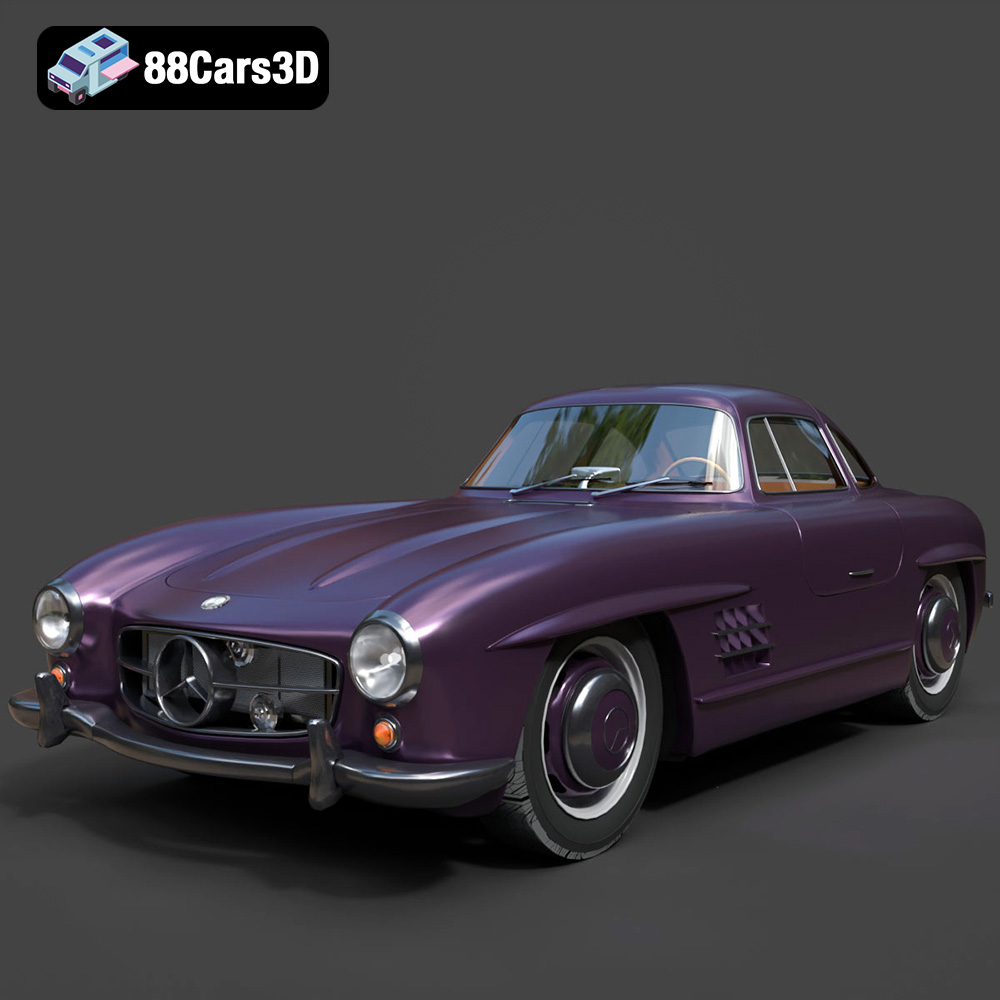
Mercedes-Benz 300SL 1955 3D Model
Texture: Yes
Material: Yes
Download the Mercedes-Benz 300SL 1955 3D Model featuring clean geometry, realistic detailing, and a fully modeled interior. Includes .blend, .fbx, .obj, .glb, .stl, .ply, .unreal, and .max formats for rendering, simulation, and game development.
Price: $9.99
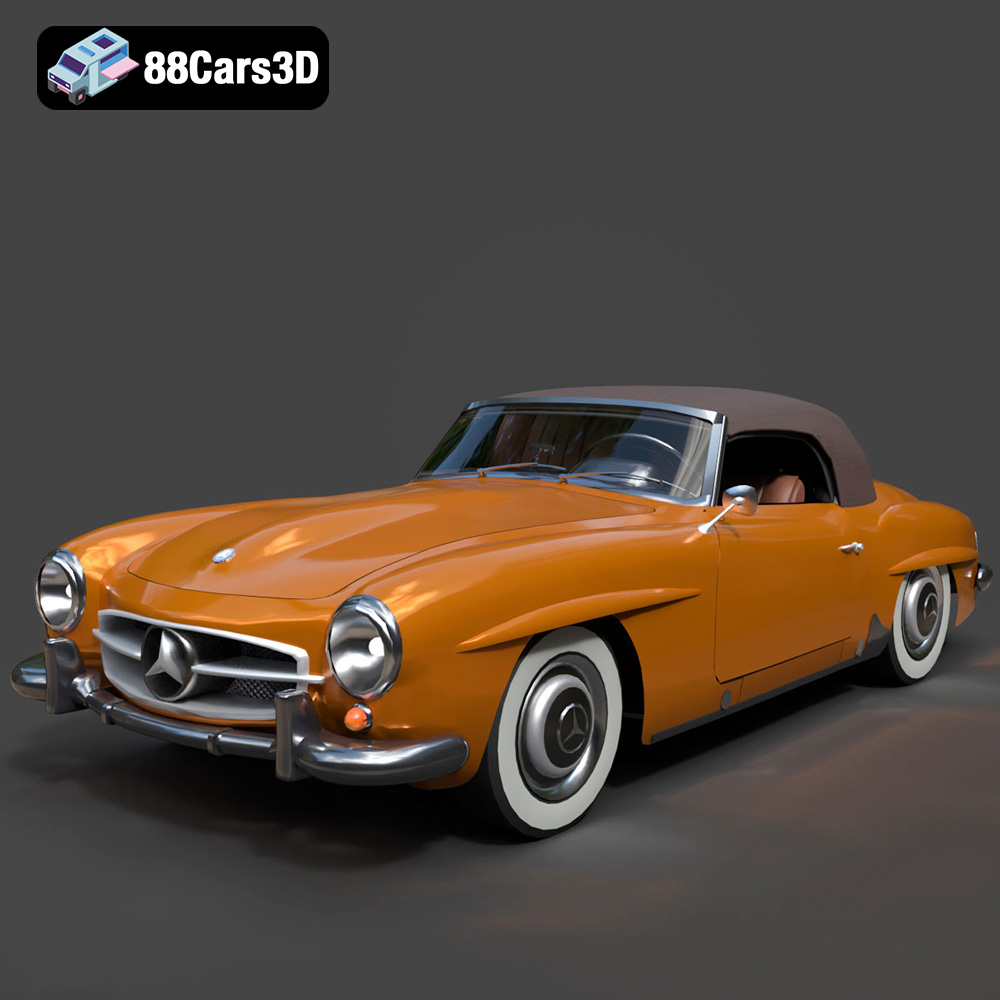
Mercedes-Benz 190SL 1955 3D Model
Texture: Yes
Material: Yes
Download the Mercedes-Benz 190SL 1955 3D Model featuring clean geometry, realistic detailing, and a fully modeled interior. Includes .blend, .fbx, .obj, .glb, .stl, .ply, .unreal, and .max formats for rendering, simulation, and game development.
Price: $9.99
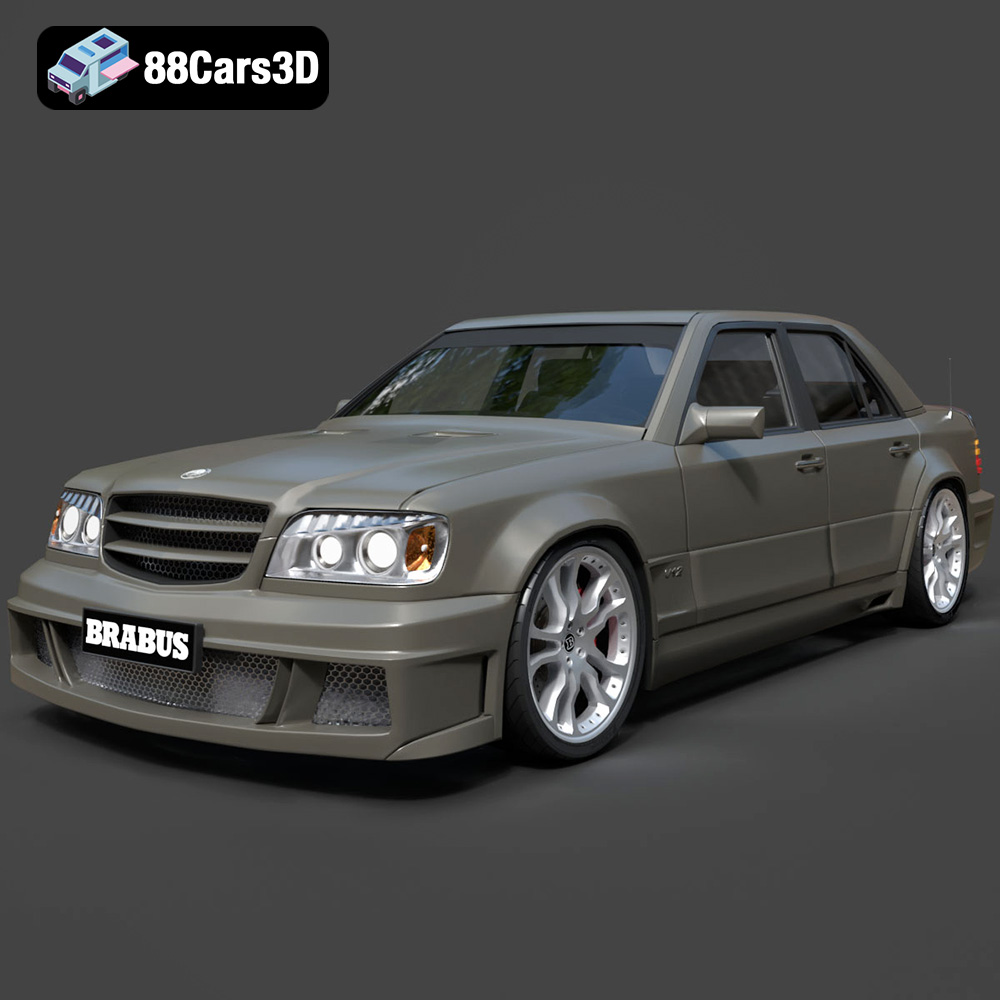
Mercedes-Benz W124 Brabus V12 3D Model
Texture: Yes
Material: Yes
Download the Mercedes-Benz W124 Brabus V12 3D Model featuring clean geometry, realistic detailing, and a fully modeled interior. Includes .blend, .fbx, .obj, .glb, .stl, .ply, .unreal, and .max formats for rendering, simulation, and game development.
Price: $9.99
