
The Ultimate Guide to 3D Car Models: From Flawless Topology to Photorealistic Renders and Real-Time Performance

The Ultimate Guide to 3D Car Models: From Flawless Topology to Photorealistic Renders and Real-Time Performance
The allure of a perfectly rendered automobile is undeniable. From the gleaming curves of a supercar in a high-end commercial to the battle-scarred vehicle tearing through a virtual landscape in a video game, 3D car models are a cornerstone of modern digital art. But what separates an amateurish model from a production-ready, photorealistic asset? The answer lies in a deep understanding of the entire pipeline, from the foundational mesh to the final rendered pixel. This is not just about creating a visually appealing shape; it’s about building a versatile, optimized, and technically sound digital asset that performs flawlessly across multiple platforms, whether for cinematic automotive rendering, interactive game engines, or immersive AR/VR experiences.
This comprehensive guide will take you under the hood of professional 3D car creation and utilization. We will dissect the critical principles of clean topology and edge flow that define a car’s form. We’ll navigate the intricate world of UV mapping and PBR material creation, unlocking the secrets to realistic car paint, chrome, and glass. We will then dive into advanced rendering workflows, game engine optimization strategies, and even explore the emerging applications of 3D printing and augmented reality. By the end of this article, you will have a robust framework for both creating and evaluating high-quality 3D car models, equipping you with the technical knowledge to elevate your own projects to the next level.
The Foundation: Perfecting Automotive Topology and Edge Flow
Topology is the language of 3D modeling. It’s the arrangement of vertices, edges, and polygons that form the surface of a model. For an object as complex and precise as a car, with its mix of large, flowing panels and sharp, defined creases, topology isn’t just a technical detail—it’s everything. Clean topology ensures predictable subdivision, smooth reflections, and efficient UV unwrapping. A poorly constructed mesh, on the other hand, will lead to rendering artifacts, shading errors (pinching), and immense difficulty in texturing and rigging. Sourcing a high-quality base from marketplaces like 88cars3d.com can save hundreds of hours of painstaking work, as these models are built with professional topology from the ground up.
Why Clean, Quad-Based Topology is Non-Negotiable
The industry standard for hard-surface models like cars is to use a predominantly quadrilateral (quad) based mesh. Here’s why this is crucial:
- Predictable Subdivision: Subdivision surface modifiers (like TurboSmooth in 3ds Max or Subdivision Surface in Blender) work best with quads. They calculate smooth curves evenly, whereas triangles and n-gons (polygons with more than four sides) can introduce pinching, poles, and unpredictable surface deformations.
- Clean Deformations: If the car model needs to be animated—for instance, opening doors, suspension movement, or crash deformation—quads provide a clean, grid-like structure that deforms naturally.
- Easier UV Unwrapping: Edge loops, a key benefit of quad topology, make selecting and unwrapping UV shells significantly easier and more organized.
While a 100% quad mesh is the ideal, strategic use of triangles is acceptable in flat, non-deforming areas where they won’t be noticeable. However, n-gons should be avoided at all costs in the final model.
Mastering Edge Flow for Curves and Creases
Edge flow refers to the direction in which the polygon edges are organized across the model’s surface. For a car, the edge flow must follow the natural contour lines and character lines of the vehicle. This is paramount for defining its shape and ensuring reflections behave realistically.
- Panel Curves: For a door panel or a fender, the edge loops should run parallel to the curve of the surface. This ensures that when subdivided, the curve remains smooth and doesn’t develop bumps or ripples.
- Support Edges: To create sharp creases and panel gaps, “support” or “holding” edges are placed on either side of the hard edge. The proximity of these support loops to the main edge dictates the tightness of the crease upon subdivision. Too far apart, and the edge becomes soft; too close, and it can cause rendering artifacts. A balanced approach is key.
Polygon Density and Subdivision Workflows
A common question is, “What should the polygon count be?” The answer depends entirely on the application. A “base mesh” is a relatively low-polygon model (e.g., 50,000 – 150,000 polygons) with perfect topology, designed to be subdivided at render time. This workflow is standard for automotive rendering and visualization.
- For High-End Renders: The base mesh is kept in the scene, and a subdivision modifier is applied with 2-3 iterations only at render time. The final, smoothed mesh can easily reach 2-5 million polygons, providing perfectly smooth surfaces.
- For Game Assets: The base mesh itself might be too high-poly. A separate, optimized game mesh is created (more on this later). However, the high-poly subdivision model is still crucial for “baking” details like normal maps onto the low-poly version.
UV Mapping: The Unsung Hero of Detailed Texturing
If topology is the skeleton of a 3D car model, UV mapping is its nervous system, connecting the 3D surface to the 2D textures that give it color, detail, and realism. UV mapping is the process of unwrapping the 3D mesh into a 2D space (the “UV space”) so that a texture map can be applied correctly. For a car, with its mix of large body panels, intricate interior parts, and tiny decals, a strategic UV mapping approach is essential for quality and efficiency.
Strategic Seam Placement on Car Bodies
A “seam” in UV mapping is a designated edge on the 3D model where the UV shell will be cut and unfolded. Where you place these seams is a critical decision.
- Follow Natural Boundaries: The best place for seams is along the natural panel gaps of the car—around the doors, the hood, the bumpers. This hides the seam in a physical crease, making it virtually invisible.
- Minimize Distortion: The goal is to unwrap the mesh with as little stretching or pinching as possible. A checkerboard pattern is often used to visualize distortion. The squares should be as uniform in size and shape as possible across the entire model.
–Hide on the Underside: For continuous surfaces like the roof, place seams in the least visible areas, such as the underside where it meets the windows or trim.
UDIMs vs. Single UV Layouts for Maximum Detail
How you organize your unwrapped UV shells determines the maximum texture resolution you can achieve.
- Single UV Layout: For a simple prop, all UV shells are packed into a single 0-to-1 UV square. For a complex car, this would mean even a large 8K texture might not provide enough detail for close-up shots of badges or headlights.
- UDIM (U-Dimension): This workflow allows you to use multiple texture maps on a single object by arranging UV shells across multiple UV tiles (e.g., 1001, 1002, 1003). This is the professional standard for high-detail assets. You could assign the main body to one UDIM tile with an 8K texture, the interior to another, the wheels to a third, and so on. This provides incredible resolution where needed without using one single, enormous texture map.
Packing and Texel Density Explained
Texel density is a measure of texture resolution on the surface of a 3D model, often expressed in pixels per meter (px/m). Consistent texel density is key to a believable model. You don’t want a blurry door next to a razor-sharp fender.
- Establish a Target: For a hero car in a cinematic, you might aim for a texel density of 2048 px/m (a 2K texture covering a 1×1 meter area). For a game asset viewed from a distance, 512 px/m might suffice.
- Scale UV Shells: All separate UV shells (door, hood, bumper) should be scaled relative to each other so they have the same texel density. A larger physical part, like the roof, should take up more space in the UV layout than a smaller part, like a side mirror.
- Efficient Packing: Once scaled, the shells must be packed tightly into the UV square(s) to minimize wasted texture space. Automated packing tools are good, but manual adjustments are often needed for optimal results.
Crafting Realism with PBR Materials and Shaders
With a solid model and clean UVs, the next step is to breathe life into the car with realistic materials. The modern standard for this is the Physically Based Rendering (PBR) workflow. PBR aims to simulate how light interacts with materials in the real world, resulting in more consistent and believable visuals under any lighting condition. For automotive visualization, PBR is not just a preference; it’s a requirement for achieving photorealism.
The Core Principles of PBR for Automotive Surfaces
The PBR workflow primarily relies on a set of texture maps that define a material’s properties:
- Albedo/Base Color: This defines the pure color of the surface, free of any lighting or shadow information. For a red car, this map would be a flat red.
- Roughness/Glossiness: This is one of the most important maps. It controls how light is scattered across a surface. A low roughness value (black) creates a mirror-like, sharp reflection (like chrome), while a high roughness value (white) creates a diffuse, matte reflection (like a tire).
- Metallic: This map tells the shader whether a surface is a metal (dielectric) or a non-metal (insulator). It’s typically a binary map (black for non-metals, white for metals). Car paint is a non-metal, while chrome trim is a metal.
- Normal Map: This map adds fine surface detail without adding extra polygons. It’s used for things like leather grain on seats, subtle imperfections on the body, or the tread pattern on tires.
Building Complex Car Paint Shaders
A simple PBR material isn’t enough for a convincing car paint finish. Professional car paint is a multi-layered material, and your shader network should replicate this. In renderers like Corona, V-Ray, or Blender’s Cycles, this is typically done using a layered material or by mixing shaders.
- Base Coat: This is the bottom layer, defining the main color of the car. It can also contain a metallic flakes layer. This is often a separate normal map with tiny, randomized flakes to create that signature sparkle.
- Clear Coat: A separate reflective layer is placed on top of the base coat. This layer has its own roughness and IOR (Index of Refraction) values, simulating the protective lacquer on a real car. The clear coat is what gives car paint its deep, glossy look.
- Flake Simulation: The metallic flakes are crucial. In 3ds Max with Corona Renderer, for example, the `CoronaNormal` map can be used with a procedural noise texture to simulate the orientation of flakes, which creates the color-shifting effect seen on metallic paints.
Texturing Imperfections: Dirt, Scratches, and Wear
A perfectly clean car can look sterile and computer-generated. Adding subtle imperfections is key to realism. This is where procedural texturing and masking techniques shine.
- Ambient Occlusion (AO) Maps: An AO map can be used as a mask to add subtle grime and dirt in the crevices and panel gaps where it would naturally accumulate.
- Curvature Maps: A curvature map highlights the sharp edges of a model. This can be used to add subtle scratches and wear along the edges of doors and bumpers.
- Procedural Masks: Using software like Substance Painter or built-in tools in your 3D application, you can generate procedural dirt, smudges, and rain streaks based on the model’s geometry, ensuring the weathering looks natural and logical.
The Art of Automotive Rendering and Visualization
Rendering is where all the hard work of modeling, UVing, and texturing culminates. This stage involves setting up lighting, cameras, and render settings to produce a stunning final image. The choices made here can dramatically impact the mood, realism, and overall quality of the final output, whether it’s a static image for a marketing brochure or an animated sequence for a commercial.
Choosing Your Render Engine: Corona, V-Ray, Cycles, Arnold
While many render engines can produce great results, some are favored in the automotive industry for their features and output quality.
- Corona Renderer: Known for its ease of use, speed, and photorealistic output with minimal tweaking. Its interactive light mixing and material library make it a favorite for studio shots and architectural visualization.
- V-Ray: A powerhouse production renderer with immense control over every aspect of the rendering process. It’s incredibly versatile and a long-standing industry standard for visual effects and automotive commercials.
- Blender Cycles: A powerful, physically-based path tracing engine built into Blender. It’s completely free and capable of producing breathtaking results, making it a popular choice for freelancers and smaller studios.
- Arnold: Renowned for its ability to handle extremely complex scenes and its high-quality, unbiased rendering. It’s a staple in the VFX industry and is excellent for integrating 3D cars into live-action footage.
Lighting Setups: Studio vs. HDRI Environments
Lighting defines the form, mood, and realism of your car. The two primary methods for lighting a 3D car are studio lighting and Image-Based Lighting (IBL) with an HDRI.
- Studio Lighting: This involves placing virtual lights (area lights, spotlights) around the model, mimicking a real-world photography studio. This method offers complete control over highlights and reflections. A common setup is the “three-point lighting” system (key, fill, and rim light), but for cars, large, soft area lights are often used to create long, flowing reflections that accentuate the car’s curves.
- HDRI Lighting: This method uses a High Dynamic Range Image to illuminate the entire scene. The HDRI captures the lighting information from a real-world location (a sunny road, an overcast sky, a professional photo studio). This is the fastest way to achieve realistic lighting and reflections, as the car will look perfectly integrated into the environment captured by the HDRI. For best results, use high-resolution (16K+) HDRIs.
Camera Settings and Post-Processing for a Cinematic Look
The virtual camera is as important as the lighting. Mimicking real-world camera properties is crucial for photorealism.
- Focal Length: A longer focal length (e.g., 50mm – 85mm) is typically used for car portraits to minimize perspective distortion and create a more flattering look. A wider angle (e.g., 24mm – 35mm) can be used for more dramatic, aggressive shots.
- Depth of Field (DoF): Subtle DoF, where parts of the car or the background are slightly out of focus, helps to draw the viewer’s eye and adds a layer of realism.
- Post-Processing: The raw render is rarely the final image. Using tools like Photoshop, After Effects, or Fusion, you can perform color grading, add lens flares, bloom, and vignetting, and composite the car onto a separate background. Rendering in a 32-bit format like EXR is essential for maintaining the maximum dynamic range for post-production work.
Optimizing 3D Cars for Real-Time Performance
When moving from pre-rendered visualization to real-time applications like video games or interactive configurators, performance is paramount. A 5-million-polygon model that renders beautifully in V-Ray will bring any game engine to its knees. The goal of real-time optimization is to create a model that looks as close as possible to the high-poly version while maintaining a smooth frame rate (typically 60 FPS or higher). This involves a careful balancing act of polygon reduction, texture optimization, and engine-specific techniques.
The LOD (Level of Detail) Imperative for Games
A Level of Detail (LOD) system is the single most important optimization for game assets. It involves creating multiple versions of the car model at decreasing levels of detail. The game engine automatically switches to a lower-poly version as the car gets further from the camera.
- LOD0: The highest quality version, used for close-ups. For a hero car, this might be 100,000-200,000 triangles. All details are modeled.
- LOD1: A mid-range version, maybe 40,000-80,000 triangles. Smaller details like bolts and fine seams are removed or simplified.
- LOD2: A low-detail version for medium distance, around 15,000-30,000 triangles. The interior might be heavily simplified or replaced with a basic texture.
- LOD3: A very low-poly “impostor” for long distances, often just a few hundred triangles, that roughly matches the car’s silhouette and color.
Texture Atlasing and Draw Call Reduction
In a game engine, a “draw call” is a command from the CPU to the GPU to draw an object. Each object with a unique material creates a separate draw call. Too many draw calls can create a CPU bottleneck and lower the frame rate. Texture atlasing is a key technique to combat this.
- The Process: Instead of having separate materials and textures for the wheels, the body, the trim, and the windows, you combine the UVs of all these parts into a single UV layout and use one single material. The different surface properties (metal, glass, rubber) are controlled by masks within this single texture set.
- The Benefit: An entire car can be rendered in a single draw call, drastically improving performance, especially when many cars are on screen.
Mesh Optimization: Triangulation and Vertex Welding
The final game-ready mesh must be technically perfect for the engine. While modeling is done with quads, game engines ultimately render triangles. The final mesh should be intentionally triangulated before export to ensure the triangulation is predictable and doesn’t create non-planar faces.
- Vertex Welding: Ensure there are no duplicate vertices in the same location. This reduces the vertex count and prevents shading errors along seams.
- Removing Hidden Polygons: Any polygon that will never be seen by the player—such as the bottom of the car’s chassis, the inside of a wheel well, or engine parts under a closed hood—should be deleted to reduce the overall polygon count.
Beyond the Screen: AR/VR and 3D Printing Applications
The utility of high-quality 3D car models extends far beyond traditional screens. The rise of augmented reality (AR), virtual reality (VR), and accessible 3D printing has opened up new frontiers for automotive design, marketing, and prototyping. However, each of these applications has its own unique set of technical requirements and optimization challenges.
File Formats for the Future: GLB and USDZ
For AR/VR and web-based 3D viewers, standard formats like FBX or OBJ are often too cumbersome. Two formats have emerged as the industry standard for real-time and web delivery:
- GLB/gltf: The GL Transmission Format (glTF) is often called the “JPEG of 3D.” A GLB file is the binary version, which packages the mesh, materials, textures, and animations into a single, compact file. It’s the standard for WebGL, Android AR, and most VR platforms.
- USDZ: Developed by Apple and Pixar, Universal Scene Description (USDZ) is the format required for native AR experiences on iOS devices. It’s a highly efficient format designed for sharing and experiencing 3D content. Converting a model to USDZ is crucial for targeting iPhone and iPad users.
Performance Budgets for AR/VR Experiences
Optimization for AR/VR is even more critical than for traditional games. These applications need to maintain a very high and stable frame rate (typically 90 FPS) to avoid causing motion sickness. Performance budgets are extremely tight.
- Polygon Count: For a mobile AR experience, a car model should ideally be under 100,000 triangles.
- Texture Size: Textures are often limited to 2K resolution, and texture atlasing is mandatory to keep draw calls to an absolute minimum.
- Shader Complexity: Complex, multi-layered shaders are often not supported or are too performance-intensive. Materials must be simplified to a standard PBR workflow that is efficient on mobile GPUs.
Preparing a Model for 3D Printing
Taking a digital car and turning it into a physical object via 3D printing requires a different kind of preparation. The goal is to create a “watertight” or “manifold” mesh.
- Watertight Mesh: The model must be a single, continuous, closed surface with no holes. Imagine it needing to hold water without leaking. All separate parts (like wheels and body) must be properly merged or “booleaned” together.
- Wall Thickness: The model must have a minimum wall thickness to be physically printable. A 3D car model designed for rendering often has single-polygon surfaces for glass or body panels, which have zero thickness. These must be extruded or solidified to have physical depth.
- Mesh Repair: Tools like Meshmixer or the 3D-Print Toolbox in Blender can be used to automatically check for and repair issues like non-manifold edges, inverted normals, and holes before sending the model to the slicing software.
Conclusion: The Blueprint for Excellence in 3D Automotive Art
Creating or selecting a superior 3D car model is a multifaceted discipline that harmonizes artistic vision with deep technical expertise. We’ve journeyed through the entire lifecycle of a digital vehicle, from the foundational importance of clean, quad-based topology to the subtle art of crafting believable PBR materials and the demanding science of real-time optimization. We’ve seen how a single, well-built asset can be adapted for a variety of demanding applications, be it a stunning cinematic render, an interactive game asset, an immersive AR car configurator, or even a physical 3D-printed prototype.
The key takeaway is that quality at each stage builds upon the last. Flawless edge flow enables smooth subdivision and easy UV mapping. A well-planned UV layout allows for high-resolution textures and realistic materials. A high-quality source model makes the process of creating optimized LODs for games and AR far more efficient. Whether you are an automotive designer visualizing your next concept, a game developer populating a virtual city, or a VFX artist creating a blockbuster chase scene, starting with a professionally crafted asset is the most critical step. By understanding these core principles, you are not just creating 3D models; you are engineering digital assets poised for any challenge. As you embark on your next project, remember these blueprints for excellence and consider leveraging production-ready assets from dedicated marketplaces like 88cars3d.com to accelerate your workflow and achieve world-class results.
Featured 3D Car Models

Mercedes-Benz SLK 350 2005 3D Model
Texture: Yes
Material: Yes
Download the Mercedes-Benz SLK 350 2005 3D Model featuring clean geometry, realistic detailing, and a fully modeled interior. Includes .blend, .fbx, .obj, .glb, .stl, .ply, .unreal, and .max formats for rendering, simulation, and game development.
Price: $9.99
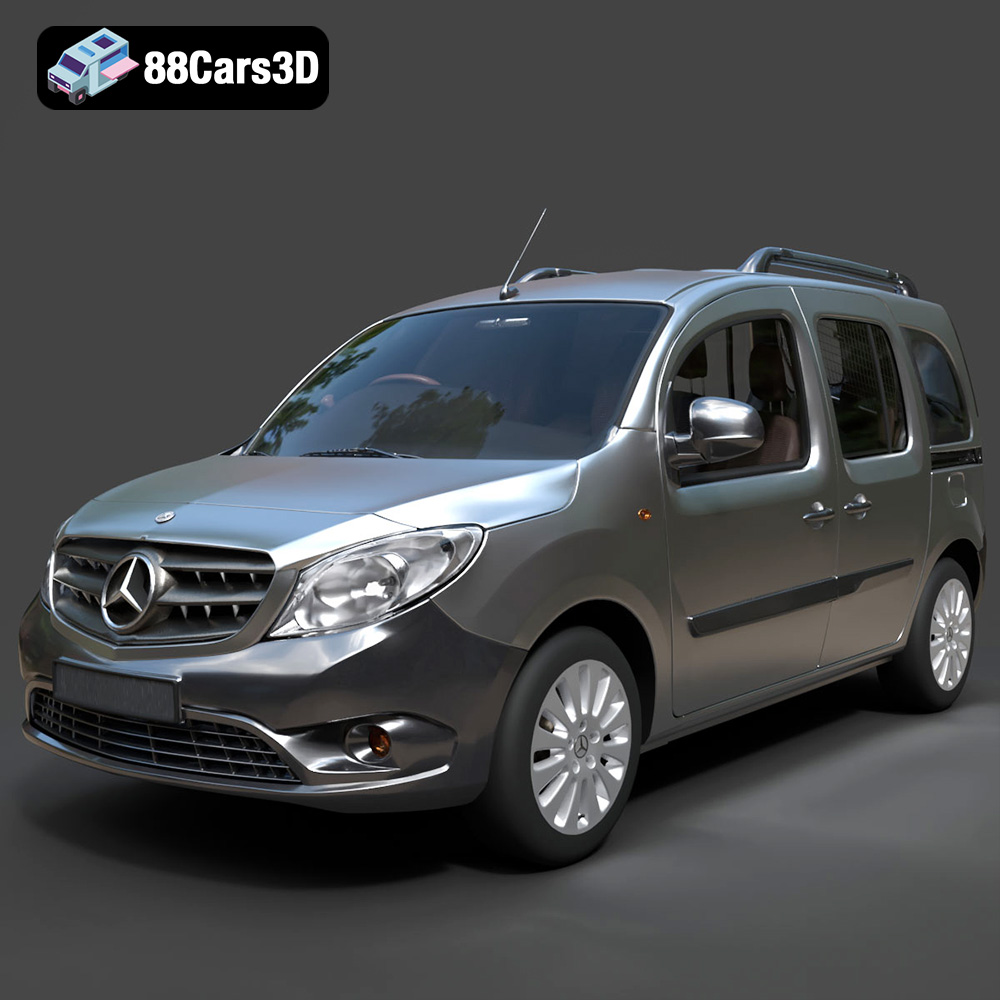
Mercedes-Benz Citan 2025 3D Model
Texture: Yes
Material: Yes
Download the Mercedes-Benz Citan 2025 3D Model featuring clean geometry, realistic detailing, and a fully modeled interior. Includes .blend, .fbx, .obj, .glb, .stl, .ply, .unreal, and .max formats for rendering, simulation, and game development.
Price: $14.99
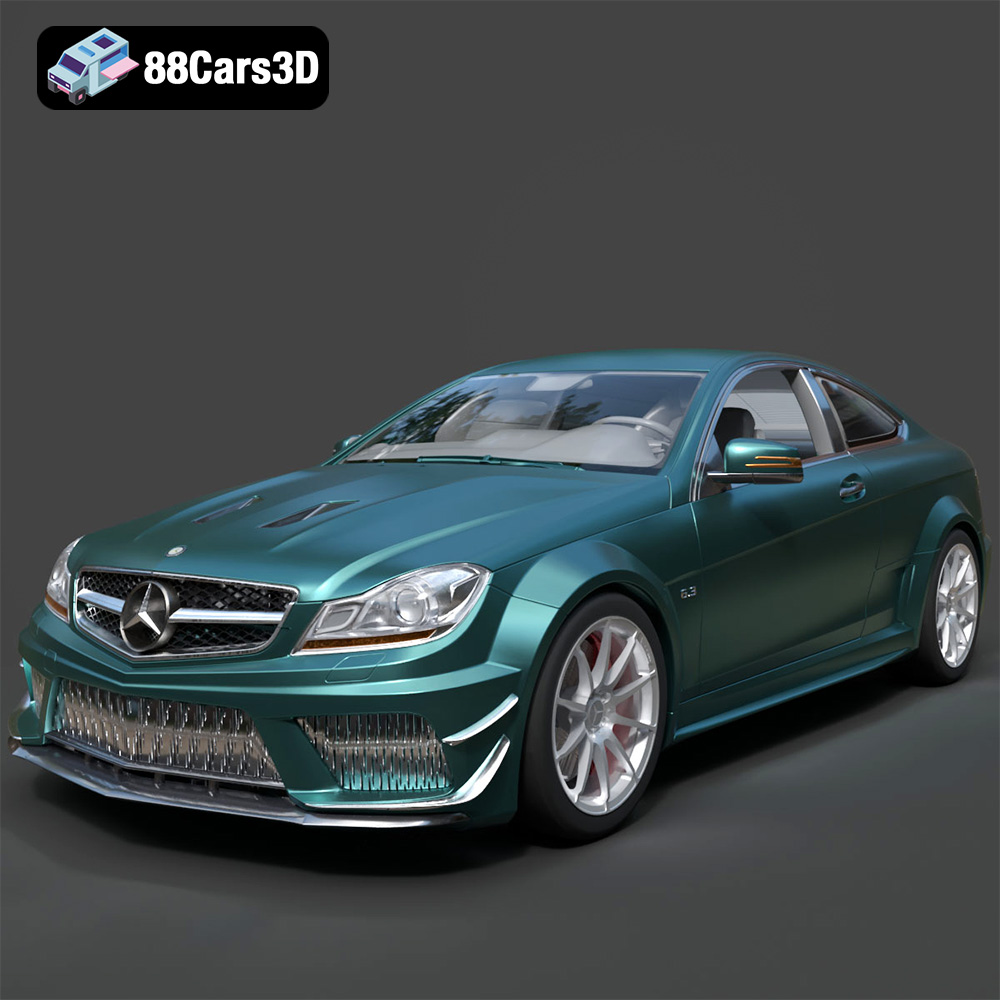
Mercedes-Benz C63 AMG 2012 3D Model
Texture: Yes
Material: Yes
Download the Mercedes-Benz C63 AMG 2012 3D Model featuring clean geometry, realistic detailing, and a fully modeled interior. Includes .blend, .fbx, .obj, .glb, .stl, .ply, .unreal, and .max formats for rendering, simulation, and game development.
Price: $14.99
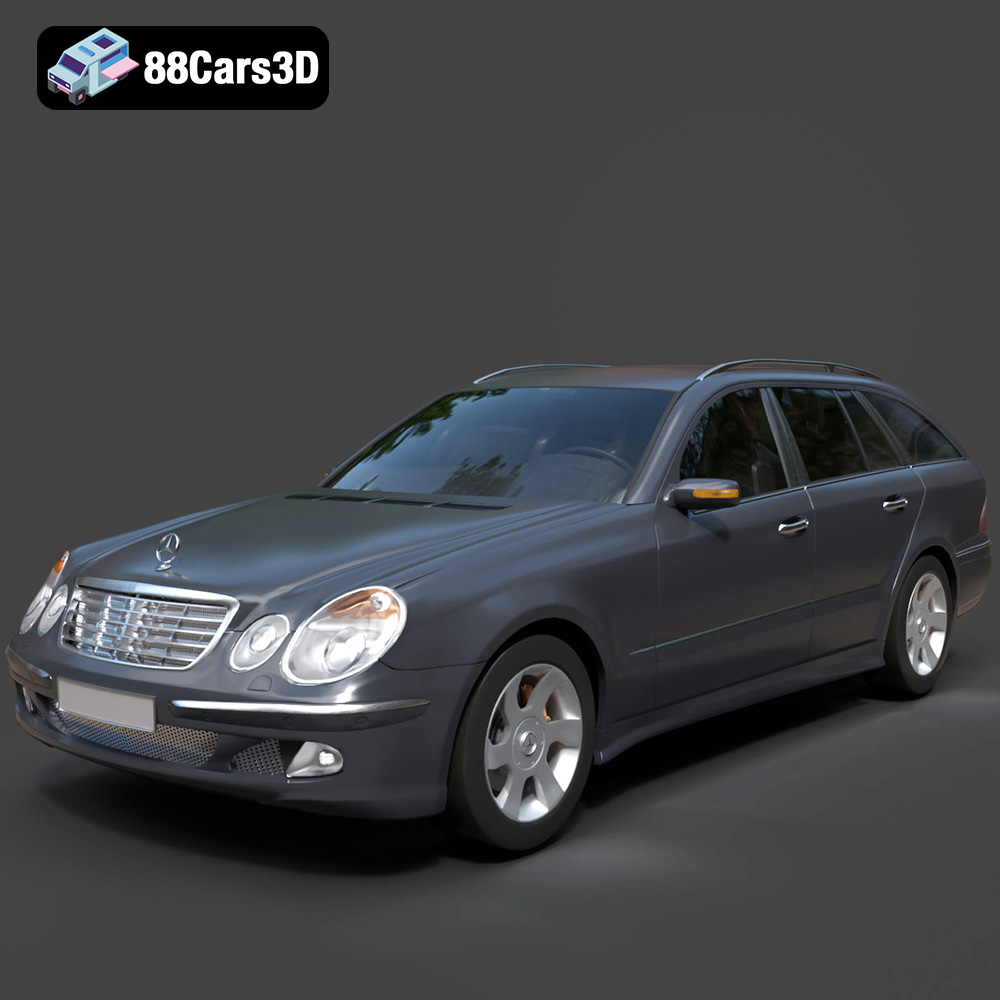
Mercedes-Benz E-Class S211 3D Model
Texture: Yes
Material: Yes
Download the Mercedes-Benz E-Class S211 3D Model featuring clean geometry, realistic detailing, and a fully modeled interior. Includes .blend, .fbx, .obj, .glb, .stl, .ply, .unreal, and .max formats for rendering, simulation, and game development.
Price: $14.99
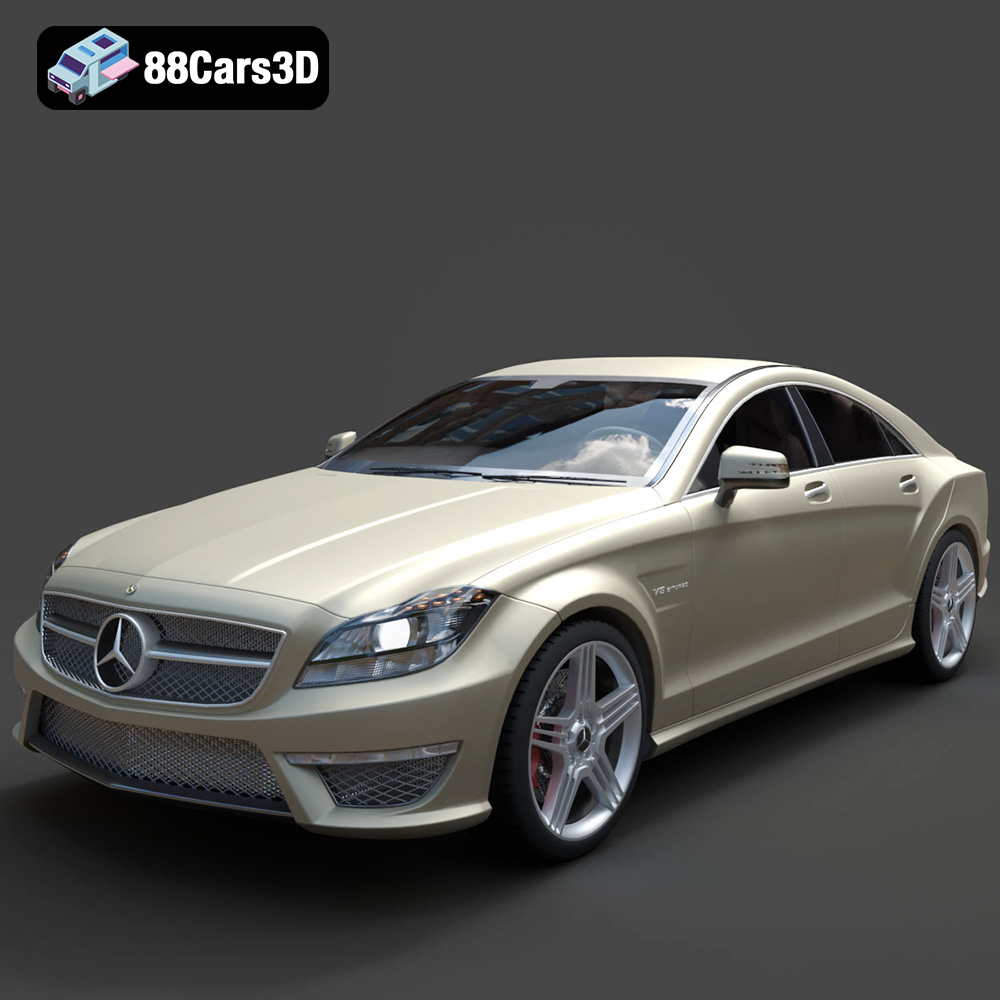
Mercedes-Benz CLS63 AMG (C218) 2014 3D Model
Texture: Yes
Material: Yes
Download the Mercedes-Benz CLS63 AMG (C218) 2014 3D Model featuring clean geometry, realistic detailing, and a fully modeled interior. Includes .blend, .fbx, .obj, .glb, .stl, .ply, .unreal, and .max formats for rendering, simulation, and game development.
Price: $14.99
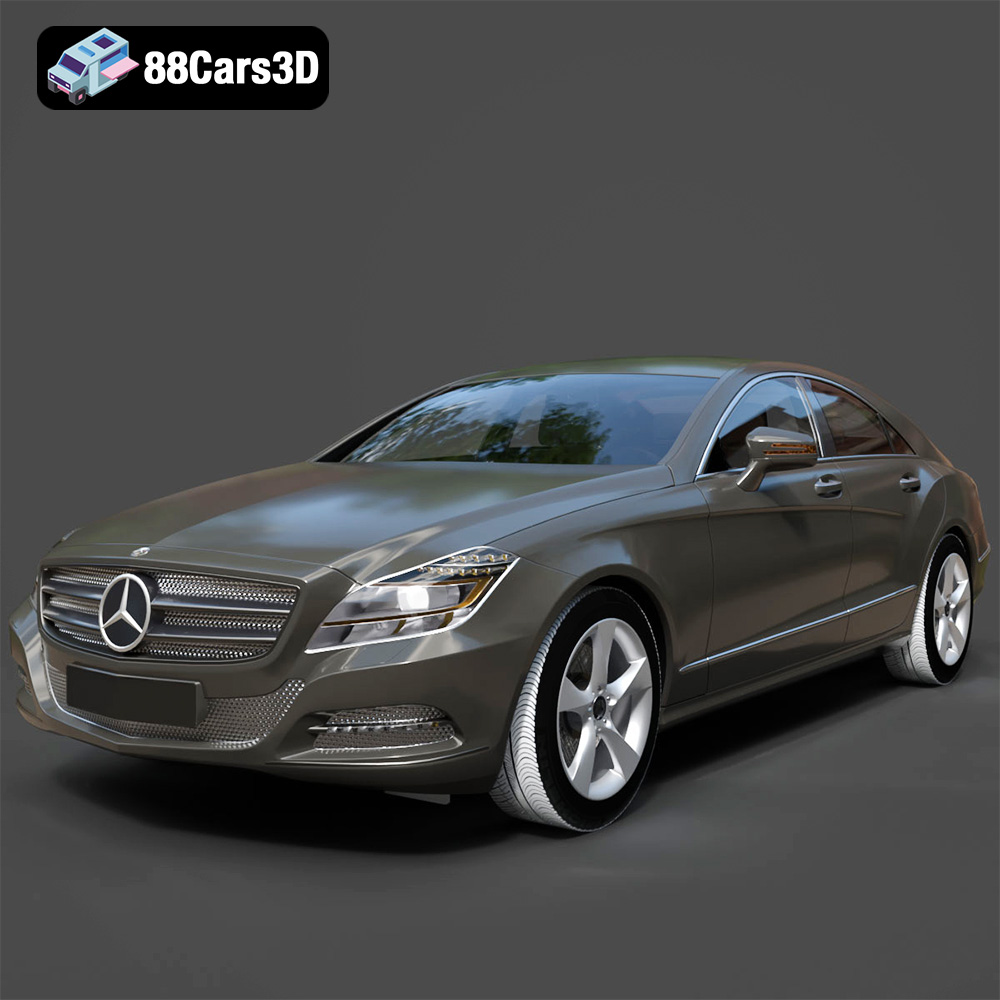
Mercedes-Benz CLS-Klasse 3D Model
Texture: Yes
Material: Yes
Download the Mercedes-Benz CLS-Klasse 3D Model featuring clean geometry, realistic detailing, and a fully modeled interior. Includes .blend, .fbx, .obj, .glb, .stl, .ply, .unreal, and .max formats for rendering, simulation, and game development.
Price: $14.99
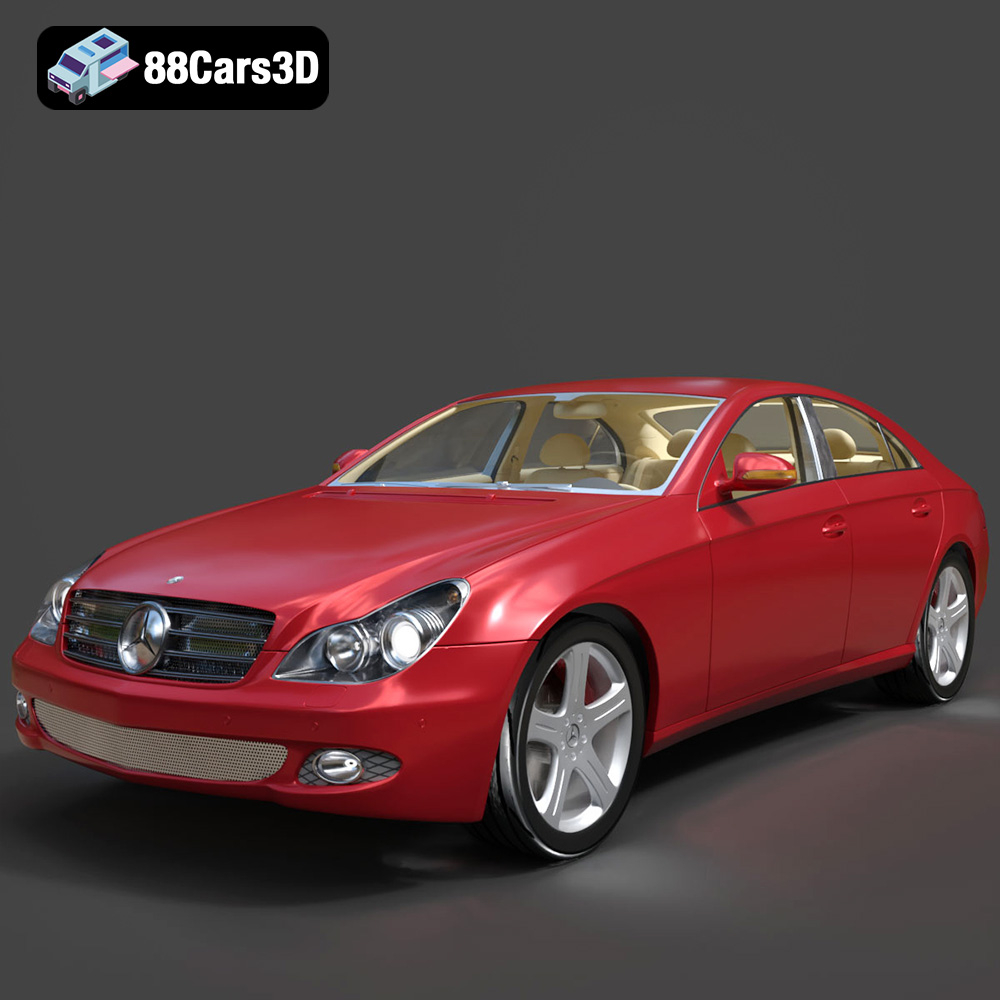
Mercedes-Benz CLS 500 3D Model
Texture: Yes
Material: Yes
Download the Mercedes-Benz CLS 500 3D Model featuring clean geometry, realistic detailing, and a fully modeled interior. Includes .blend, .fbx, .obj, .glb, .stl, .ply, .unreal, and .max formats for rendering, simulation, and game development.
Price: $14.99

Mercedes-Benz CL-Klasse 2001 3D Model
Texture: Yes
Material: Yes
Download the Mercedes-Benz CL-Klasse 2001 3D Model featuring clean geometry, realistic detailing, and a fully modeled interior. Includes .blend, .fbx, .obj, .glb, .stl, .ply, .unreal, and .max formats for rendering, simulation, and game development.
Price: $14.99
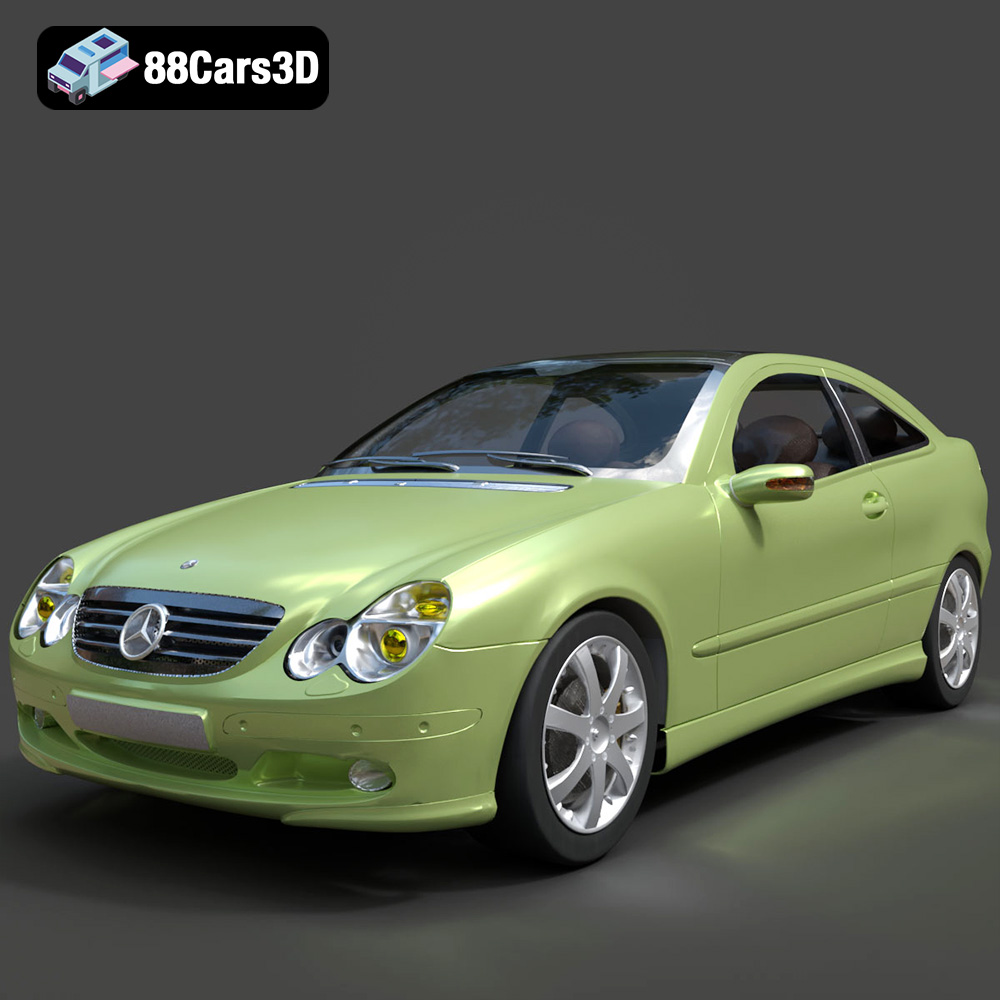
Mercedes-Benz C-Klasse Sportcoupe 2000 3D Model
Texture: Yes
Material: Yes
Download the Mercedes-Benz C-Klasse Sportcoupe 2000 3D Model featuring clean geometry, realistic detailing, and a fully modeled interior. Includes .blend, .fbx, .obj, .glb, .stl, .ply, .unreal, and .max formats for rendering, simulation, and game development.
Price: $14.99
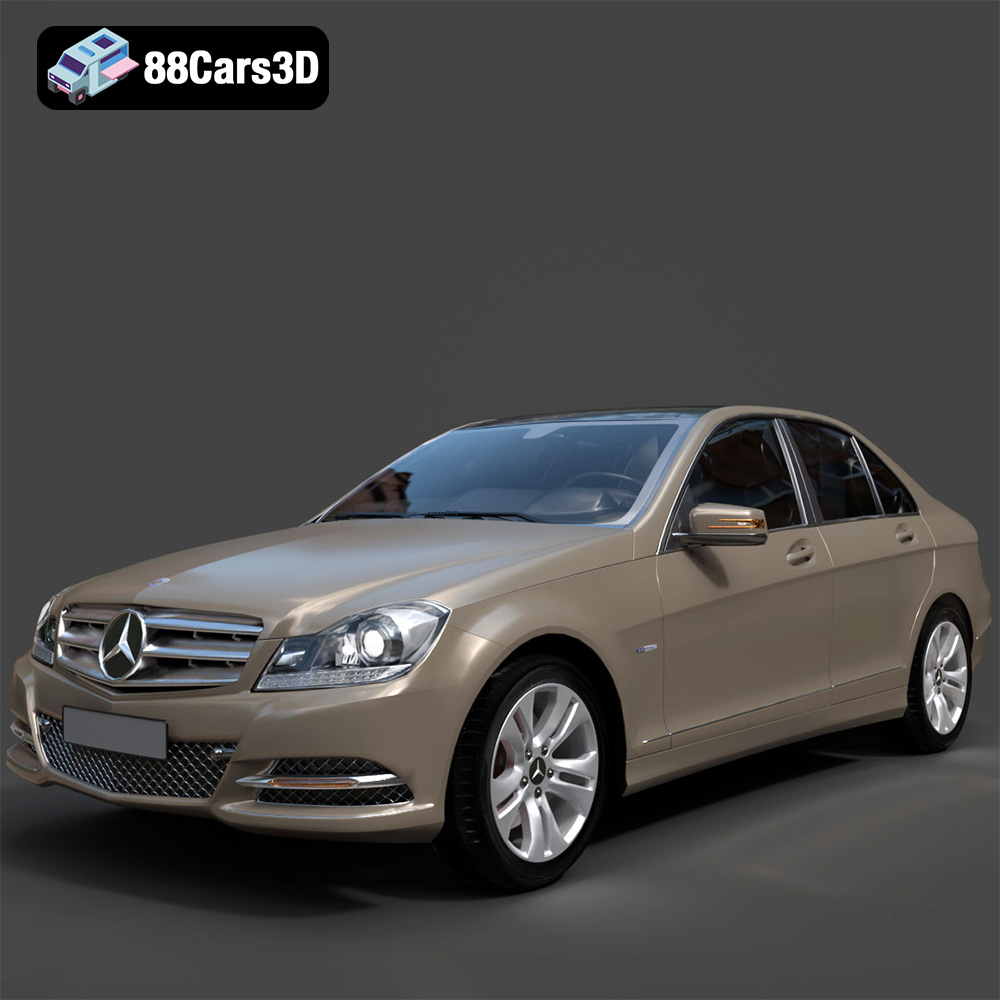
Mercedes-Benz C-Klasse 204 2011 3D Model
Texture: Yes
Material: Yes
Download the Mercedes-Benz C-Klasse 204 2011 3D Model featuring clean geometry, realistic detailing, and a fully modeled interior. Includes .blend, .fbx, .obj, .glb, .stl, .ply, .unreal, and .max formats for rendering, simulation, and game development.
Price: $14.99
