
The Ultimate Guide to Creating and Using 3D Car Models: From Topology to Final Render

“`html
The Ultimate Guide to Creating and Using 3D Car Models: From Topology to Final Render
The allure of a beautifully rendered car is undeniable. From the gleaming reflections on a perfectly curved fender to the intricate details of a headlight assembly, 3D car models represent a pinnacle of digital craftsmanship. They are complex assets that demand a mastery of multiple disciplines, serving as the centerpiece in everything from blockbuster video games and cinematic visual effects to architectural visualizations and immersive AR/VR experiences. But what truly separates a good 3D car model from a breathtakingly realistic one? The answer lies in a meticulous, multi-stage process that begins long before the first render is fired.
This comprehensive guide will pull back the curtain on the entire lifecycle of a professional 3D car model. We will journey from the fundamental building blocks of clean topology and strategic UV mapping to the advanced art of creating photorealistic PBR materials and setting up stunning lighting for the final render. We’ll also dive deep into the critical optimization techniques required to make these detailed assets perform flawlessly in real-time game engines. Whether you are a 3D artist aiming to build your own automotive masterpieces, a game developer integrating vehicles into your next project, or a visualization specialist sourcing assets for a client, this guide will provide the technical knowledge and industry best practices you need to succeed.
The Foundation: Flawless Topology for Automotive Modeling
Before any texture is applied or light is cast, a 3D car model exists as a wireframe mesh—a collection of vertices, edges, and polygons. The quality and organization of this wireframe, known as its topology, is the single most important factor determining the model’s final quality. Poor topology leads to shading errors, pinched reflections, and difficulties in texturing and optimization. Great topology is the invisible foundation upon which all subsequent work is built.
Why Clean Topology is Non-Negotiable
Think of topology as the chassis of a real car; it dictates the strength, shape, and integrity of the entire structure. For 3D models, clean, quad-based topology ensures that surfaces subdivide smoothly and predictably. When a subdivision modifier (like 3ds Max’s TurboSmooth or Blender’s Subdivision Surface) is applied, a mesh with clean edge flow will produce perfectly smooth curves and crisp, controlled details. Conversely, a mesh with triangles and N-gons (polygons with more than four sides) in curved areas will result in pinching, artifacts, and unpredictable surface shading, especially under reflective materials like car paint.
Key Principles of Automotive Edge Flow
Achieving perfect automotive topology is an art form guided by several key principles. The primary goal is to have the “flow” of your polygon edges follow the natural contours and body lines of the vehicle. This is crucial for defining the car’s character.
- Follow the Contours: Your edge loops should run parallel to key design lines, such as the sharp crease along the shoulder line, the curve of the wheel arches, and the edges of the hood.
- Quad-Dominant Mesh: Aim for a mesh that is 99% quadrilaterals (quads). Triangles are acceptable in hidden, perfectly flat areas, but should be avoided on any curved or visible surface. N-gons should be eliminated entirely before finalizing the model.
- Even Polygon Distribution: Strive for polygons that are as evenly sized and square-shaped as possible. While density should be higher around areas of tight curvature, avoid abrupt changes from large to small polygons, as this can cause visible tension in the surface.
The Subdivision Modeling Workflow
The industry-standard approach for creating high-detail cars is subdivision modeling. The process involves creating a low-to-medium resolution “cage” mesh that defines the overall shape and then using a subdivision algorithm to generate the final high-poly surface.
- Block-out: Start with simple primitives to establish the car’s primary forms, proportions, and stance.
- Refine the Cage: Build the main body panels with a minimal number of polygons, focusing entirely on correct edge flow that follows the car’s lines.
- Add Control Loops: To create sharp panel gaps or tighten curved edges, place “support” or “control” edge loops close to the edge you want to define. The closer these loops are to the main edge, the sharper the crease will be after subdivision. This technique gives you precise control over the final surface’s softness and sharpness.
UV Mapping: The Blueprint for Realistic Textures
Once you have a pristine, high-resolution model, the next step is to prepare it for texturing. This is done through UV mapping, the process of unwrapping the 3D surface into a 2D space, creating a flat blueprint onto which textures can be painted or projected. For a complex object like a car, with its countless curved panels and intricate parts, a strategic and clean UV layout is essential for achieving professional results.
Strategic Seam Placement
Unwrapping a 3D model is analogous to peeling an orange and trying to lay the peel flat. To do this, you must make cuts, which in the 3D world are called seams. The art of UV mapping lies in placing these seams where they are least visible on the final model. For cars, ideal locations for seams include:
- Along natural panel gaps (e.g., around doors, the hood, and the trunk).
- On the underside of the car or inside wheel wells.
- Along hard edges or corners where a texture change would be less noticeable.
The goal is to minimize visible texture stretching and distortion while using as few UV islands (the individual unwrapped pieces) as possible to make texturing easier.
Unwrapping Complex Surfaces and Texel Density
Automotive surfaces are dominated by large, compound curves, which can be challenging to unwrap without distortion. Most 3D software provides powerful tools for this. In 3ds Max, the “Peel” tool is incredibly effective for organic shapes. In Blender, options like “Follow Active Quads” are perfect for unwrapping long, flowing panels. After unwrapping, it’s crucial to check and maintain a consistent texel density across the entire model. This means that a square inch of texture space corresponds to the same surface area everywhere on the car. Inconsistent density can result in some parts of the car looking sharp and detailed while others appear blurry and low-resolution.
UDIMs vs. Single UV Layouts
For texturing, you have two primary workflow choices: a single UV layout or a UDIM (U-Dimension) workflow.
- Single UV Layout: All UV islands for the entire car are packed into a single 0-to-1 UV space. This is the standard for game assets and real-time applications, as it allows all materials to be combined into one texture set for performance. The challenge is fitting everything in without sacrificing resolution on key parts.
- UDIM Workflow: This method allows you to spread your UV islands across multiple UV tiles (or UDIMs). For example, the main body could be on tile 1001, the interior on 1002, wheels on 1003, and so on. This is the preferred method for VFX and high-end automotive rendering, as it allows you to use extremely high-resolution textures (e.g., multiple 8K maps) for different parts of the car, achieving unparalleled detail.
PBR Materials and Shading: Bringing Metal to Life
With a perfectly unwrapped model, it’s time to create the materials that will give it life and realism. The modern standard for this is the Physically Based Rendering (PBR) workflow, which aims to simulate how light interacts with materials in the real world. For a car, this means creating a complex interplay of metallic paints, rubbers, plastics, glass, and chrome.
Understanding the Core PBR Maps
A PBR material is typically defined by a series of texture maps that control its surface properties. The most important ones for a car model are:
- Base Color (Albedo): The pure color of the surface, without any lighting or reflection information. For a red car, this would be a flat red color.
- Metallic: A grayscale map that tells the shader if a surface is a metal (white) or a non-metal/dielectric (black). Car paint is a complex case that often uses a metallic base with a non-metallic coat on top.
- Roughness: Perhaps the most crucial map for realism. This grayscale map controls how rough or smooth a surface is. A low roughness value (black) creates sharp, mirror-like reflections (chrome), while a high value (white) creates diffuse, matte reflections (tires).
- Normal Map: This map adds fine surface detail (like leather grain, tire treads, or carbon fiber weave) without adding any extra polygons to the model.
Creating an Advanced Car Paint Shader
A realistic car paint is one of the most complex shaders to create. It’s not a single layer but a multi-layered material designed to mimic its real-world counterpart. A typical car paint shader network includes:
- Base Coat: This is the bottom layer that defines the car’s color. It often has a high metallic value and a mid-range roughness to simulate the metallic flakes within the paint. A subtle noise or flake texture can be plugged into the normal map slot of this layer for added realism.
- Clear Coat: This is a transparent, non-metallic layer added on top of the base. It has its own roughness value (usually very low, for a glossy finish) and an Index of Refraction (IOR) of around 1.5-1.6. It’s this layer that produces the sharp, crisp reflections we associate with a new car. Modern render engines like Corona and V-Ray have dedicated clear coat parameters in their main physical materials.
Texturing Other Vehicle Materials
Beyond the paint, meticulous attention to other materials is key. Tires should have high roughness with normal maps for sidewall texturing. Brake calipers can be a matte or semi-gloss paint. Glass for windows and headlights requires correct IOR settings (around 1.52) and transparency/refraction properties. Interior materials like leather, plastic, and Alcantara rely heavily on detailed roughness and normal maps to look convincing. Sourcing high-quality 3D car models from marketplaces like 88cars3d.com often provides a significant head start, as they come with pre-built, realistic PBR materials.
Photorealistic Rendering: Capturing Automotive Art
Rendering is where all the previous hard work culminates in a final, stunning image. The goal of automotive rendering is often to create an image that is not just realistic, but artistically compelling—emulating the style of a professional automotive photographer. This requires a masterful approach to lighting, camera setup, and render settings.
The Power of HDRI Lighting
The fastest and most effective way to achieve realistic lighting and reflections for a car is to use an Image-Based Lighting (IBL) setup powered by a High Dynamic Range Image (HDRI). An HDRI is a 360-degree panoramic image that contains a vast range of light intensity data. When used as an environment map, it projects light onto your scene from all directions, perfectly simulating the lighting of the location where the HDRI was captured. A studio HDRI with softboxes will create clean, controlled reflections ideal for showcasing a car’s form. An outdoor HDRI of a dramatic sunset will create a much more dynamic and emotional mood.
Camera Setup and Composition
Your virtual camera should be treated like a real one. Avoid using wide-angle lenses (e.g., 24mm), which can distort the car’s proportions and make it look cartoonish. Instead, use longer focal lengths, typically in the 85mm to 135mm range. These telephoto lenses compress the perspective, creating a more flattering and powerful look that is standard in professional car photography. Use a shallow depth of field (low F-stop number) to draw focus to a specific part of the car, and apply compositional principles like the rule of thirds to create a visually balanced and engaging shot.
Render Engine Settings (Corona, V-Ray, Cycles)
While modern render engines are incredibly powerful, a few key settings can make a big difference.
- Corona Renderer: Known for its ease of use and photorealistic results. The key is to let the render run until a desired noise level is reached (typically 1-3%). Using the High Quality Denoising option is essential for clean final images.
- V-Ray: A highly versatile and powerful engine. The Progressive sampler is great for quick previews, while the Bucket sampler is often more efficient for final high-resolution renders. Utilize render elements like V-Ray Reflection, Z-Depth, and Ambient Occlusion for maximum control in post-processing.
- Blender Cycles: A fantastic path-tracing engine. For final renders, use a sufficient number of samples (1024-4096 is common) and always enable the OptiX or OpenImageDenoise nodes in the compositor for a noise-free result.
Optimization for Real-Time and Game Engines
Creating a car model for a real-time application like a video game or an AR/VR experience presents a completely different set of challenges. Here, performance is king. A model with millions of polygons and dozens of 8K textures might look amazing in a static render, but it would bring any game engine to a grinding halt. Real-time optimization is a process of intelligently reducing complexity while preserving visual quality.
The Polygon Budget and LODs
Every real-time project has a “polygon budget”—a maximum number of polygons that can be on screen at once. A hero car in a modern PC or console game might have a budget of 100,000 to 300,000 polygons for its highest detail version. To manage this, developers use a system called Level of Detail (LODs). This involves creating multiple versions of the model with progressively fewer polygons:
- LOD0: The highest quality version, visible when the player is up close. (e.g., 150k polygons)
- LOD1: A reduced version, swapped in when the car is at a medium distance. (e.g., 70k polygons)
- LOD2: A heavily optimized version for long distances. (e.g., 20k polygons)
- LOD3: An extremely simple “imposter” mesh for when the car is a speck in the distance. (e.g., <1k polygons)
The engine automatically switches between these LODs based on the car’s distance from the camera, dramatically improving performance.
Texture Atlasing and Draw Call Reduction
In a game engine, a “draw call” is a command from the CPU to the GPU to draw an object. Each separate material on a model typically requires its own draw call. Too many draw calls can create a CPU bottleneck and cripple performance. To combat this, developers use texture atlasing. This is the process of combining the textures for many different small parts (e.g., badges, lights, interior buttons, calipers) into a single, larger texture sheet. This allows all those parts to share one material, reducing dozens of potential draw calls down to just one. It’s a fundamental optimization strategy for any complex game assets.
Mesh and Material Setup in Unity and Unreal
Both major game engines have specialized tools for automotive assets. In Unreal Engine, the “Clear Coat” shading model in the material editor is designed specifically for creating realistic car paint shaders. In Unity’s High Definition Render Pipeline (HDRP), there is a dedicated “Car Paint” shader graph. When importing models, it’s crucial to use engine features like material instancing, which allows you to create many material variations (e.g., different car colors) from a single master material, saving memory and improving performance.
File Formats and Interoperability
The final step in the pipeline is often delivering the model in a format that the end-user or application can understand. The world of 3D is filled with different file formats, each with its own strengths and weaknesses. Choosing the right one is critical for a smooth workflow and ensuring that all the hard work of modeling and texturing is preserved.
Navigating Common Formats: FBX, OBJ, GLB
When you acquire a model from a marketplace like 88cars3d.com, you’ll typically find it offered in several standard formats:
- FBX (.fbx): The industry standard for asset exchange. It’s a robust format owned by Autodesk that can contain mesh data, UVs, PBR materials, textures, rigging, animation, and cameras all in one file. It’s the preferred format for getting assets into game engines like Unity and Unreal.
- OBJ (.obj): One of the oldest and most widely supported formats. It’s excellent for raw geometry and UV data, but its material support (.mtl file) is dated and doesn’t translate PBR workflows well. It’s a reliable fallback for simple mesh transfer.
- glTF / GLB (.gltf, .glb): Often called the “JPEG of 3D,” this modern, open-source format is designed for efficient transmission and loading of 3D scenes and models. The .glb version is a binary file that can package the mesh, materials, and textures all into a single, compact file, making it the top choice for web-based viewers, AR/VR, and mobile applications.
The Rise of Universal Scene Description (USD/USDZ)
A newer, powerful framework gaining massive industry adoption is Universal Scene Description (USD), developed by Pixar. It’s not just a file format but a system for assembling, editing, and collaborating on complex 3D scenes. Its non-destructive workflow makes it ideal for large studio pipelines. The USDZ variant is Apple’s chosen format for AR Quick Look on iOS devices, allowing users to instantly view 3D models in their real-world environment. Providing models in USDZ is becoming essential for e-commerce and marketing applications.
Best Practices for Exporting and Importing
To avoid common issues like incorrect scale or broken textures, follow a simple checklist before exporting:
- Freeze Transformations: Reset the model’s position to the world origin (0,0,0) and reset its rotation and scale values.
- Check Normals: Ensure all polygon normals are facing outwards. Inverted normals will cause surfaces to render black or transparent.
- Use Clean Naming: Logically name all objects (e.g., “wheel_front_left,” “door_driver”) and materials (“carpaint_red,” “glass_windows”). This makes the asset much easier to work with in a game engine or another 3D application.
- Select the Right Export Options: When exporting to FBX, ensure you have options like “Embed Media” checked if you want to pack textures into the file, and make sure the axis conversion is set correctly for the target software.
Conclusion: The Journey from Polygons to Photorealism
The creation and effective use of a high-quality 3D car model is a journey that spans multiple disciplines, blending technical precision with artistic vision. We’ve seen that the process begins with a non-negotiable foundation of clean, purposeful topology that defines the vehicle’s form. This is built upon with meticulous UV mapping, which serves as the canvas for sophisticated, multi-layered PBR materials that realistically simulate everything from metallic paint to textured rubber. The final magic happens in the rendering stage, where thoughtful lighting and camera work capture the model’s beauty, or in the optimization stage, where intelligent reductions in complexity prepare the asset for the demands of real-time performance.
Understanding this complete pipeline is invaluable for any digital artist. Whether you are crafting a vehicle from a single polygon or integrating a pre-made asset into your project, these principles remain universal. The next time you admire a stunning automotive render or drive a virtual car in a game, you’ll have a deeper appreciation for the immense skill and effort that went into it. We encourage you to apply these techniques to your own work and to explore high-quality, professionally constructed assets, like those on 88cars3d.com, to see these best practices in action.
“`
Featured 3D Car Models

Mercedes-Benz SLK 350 2005 3D Model
Texture: Yes
Material: Yes
Download the Mercedes-Benz SLK 350 2005 3D Model featuring clean geometry, realistic detailing, and a fully modeled interior. Includes .blend, .fbx, .obj, .glb, .stl, .ply, .unreal, and .max formats for rendering, simulation, and game development.
Price: $9.99

Mercedes-Benz SL 65 AMG 3D Model
Texture: Yes
Material: Yes
Download the Mercedes-Benz SL 65 AMG 3D Model featuring clean geometry, realistic detailing, and a fully modeled interior. Includes .blend, .fbx, .obj, .glb, .stl, .ply, .unreal, and .max formats for rendering, simulation, and game development.
Price: $9.99

Mercedes-Benz S500 3D Model
Texture: Yes
Material: Yes
Download the Mercedes-Benz S500 3D Model featuring clean geometry, realistic detailing, and a fully modeled interior. Includes .blend, .fbx, .obj, .glb, .stl, .ply, .unreal, and .max formats for rendering, simulation, and game development.
Price: $9.99
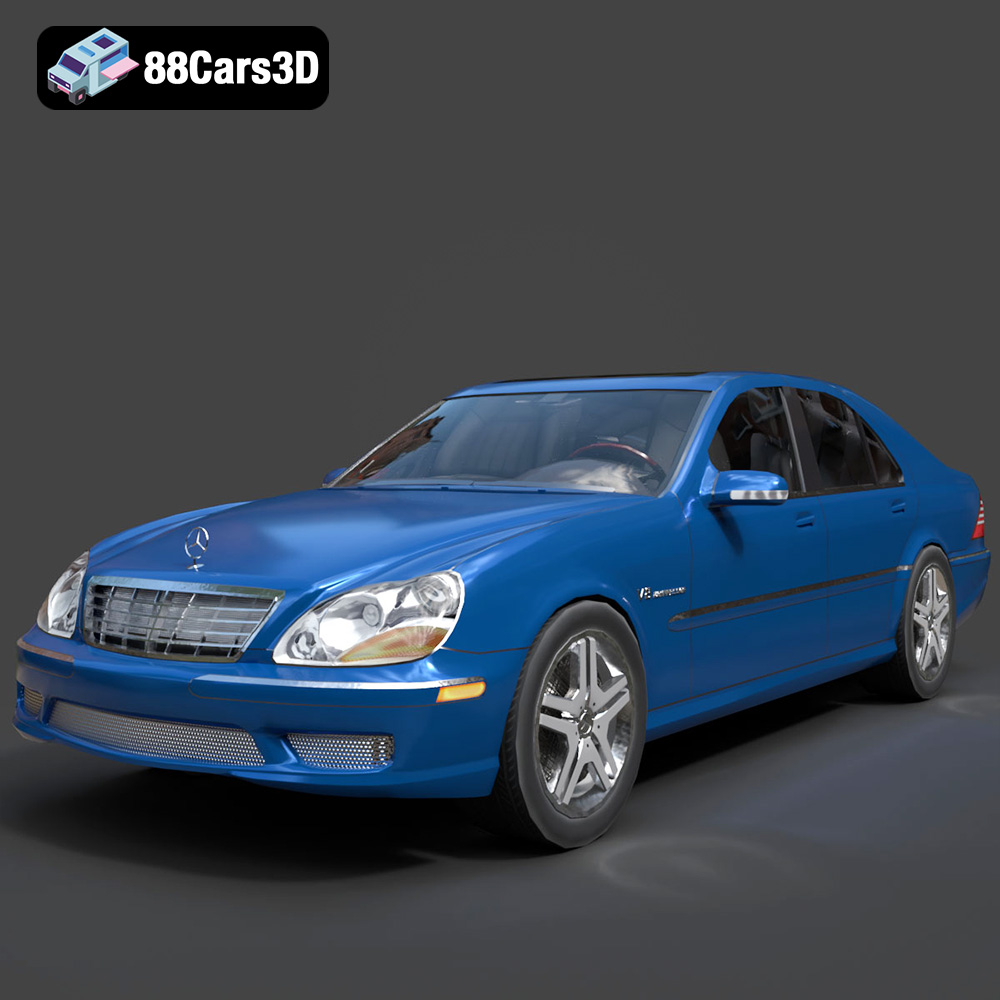
Mercedes-Benz S55 W220 AMG 1999 3D Model
Texture: Yes
Material: Yes
Download the Mercedes-Benz S55 W220 AMG 1999 3D Model featuring clean geometry, realistic detailing, and a fully modeled interior. Includes .blend, .fbx, .obj, .glb, .stl, .ply, .unreal, and .max formats for rendering, simulation, and game development.
Price: $9.99
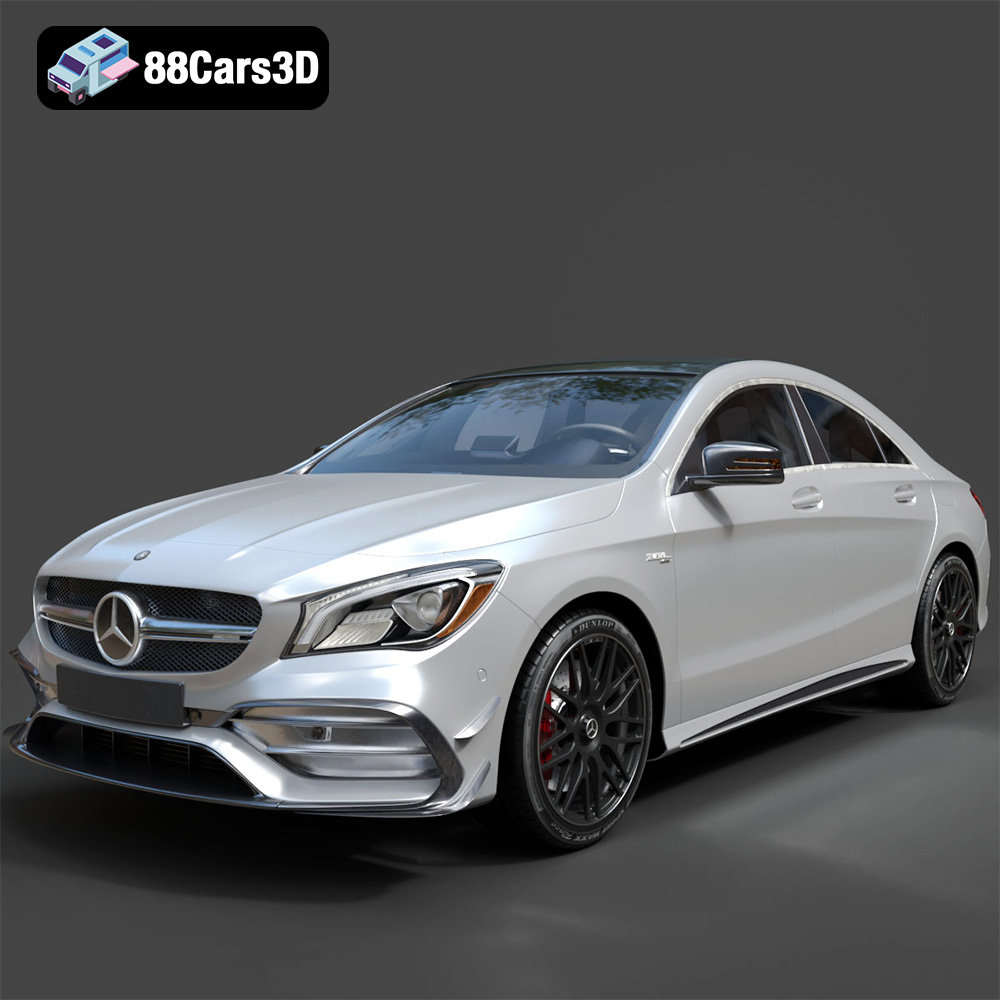
Mercedes-Benz CLA45 AMG 2017 3D Model
Texture: Yes
Material: Yes
Download the Mercedes-Benz CLA45 AMG 2017 3D Model featuring clean geometry, realistic detailing, and a fully modeled interior. Includes .blend, .fbx, .obj, .glb, .stl, .ply, .unreal, and .max formats for rendering, simulation, and game development.
Price: $29.99
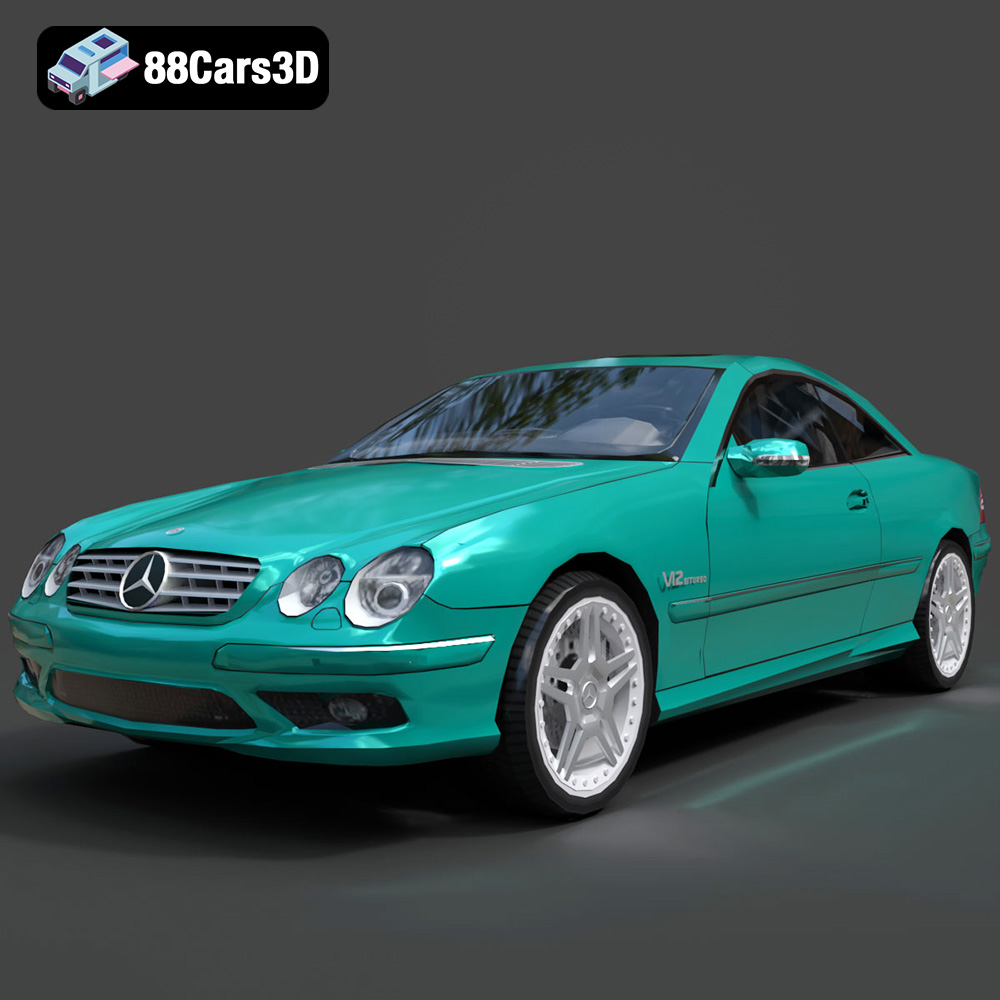
Mercedes-Benz CL65 C215 AMG 3D Model
Texture: Yes
Material: Yes
Download the Mercedes-Benz CL65 C215 AMG 3D Model featuring clean geometry, realistic detailing, and a fully modeled interior. Includes .blend, .fbx, .obj, .glb, .stl, .ply, .unreal, and .max formats for rendering, simulation, and game development.
Price: $9.99
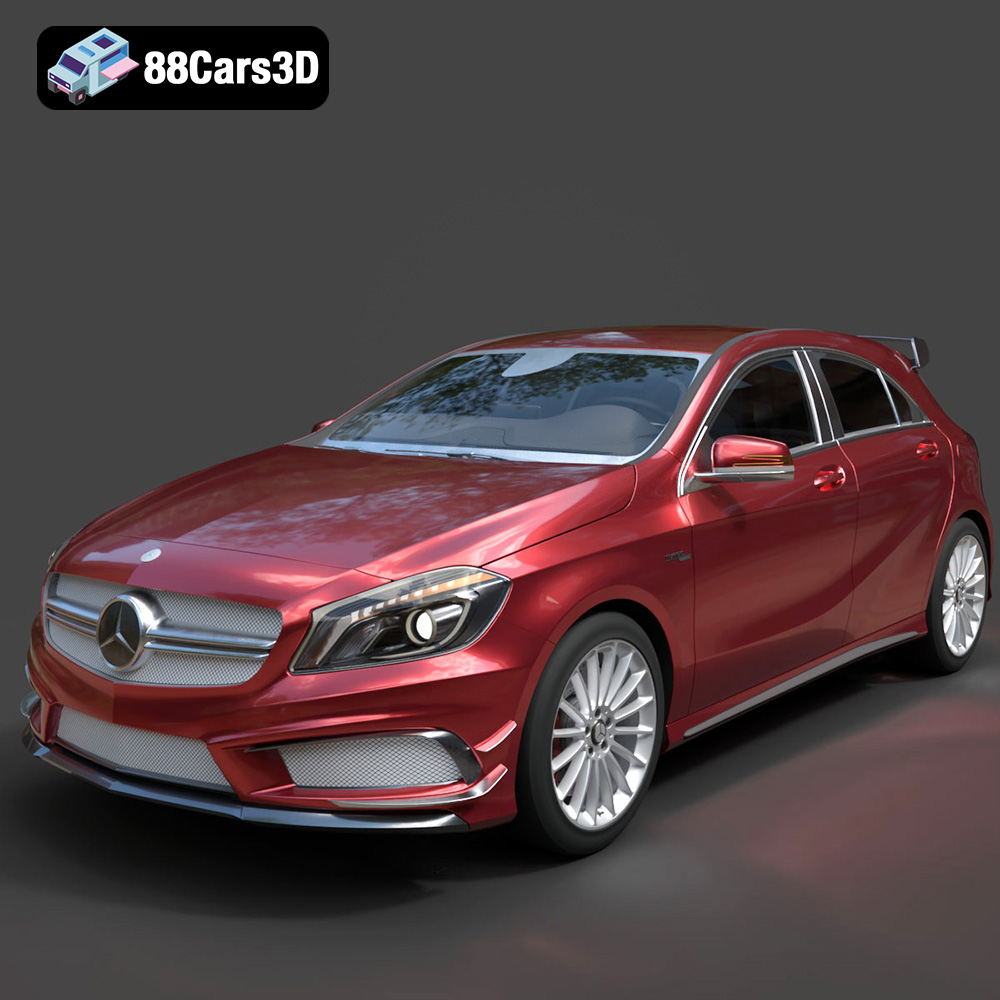
Mercedes-Benz A45 2021 3D Model
Texture: Yes
Material: Yes
Download the Mercedes-Benz A45 2021 3D Model featuring clean geometry, realistic detailing, and a fully modeled interior. Includes .blend, .fbx, .obj, .glb, .stl, .ply, .unreal, and .max formats for rendering, simulation, and game development.
Price: $9.99
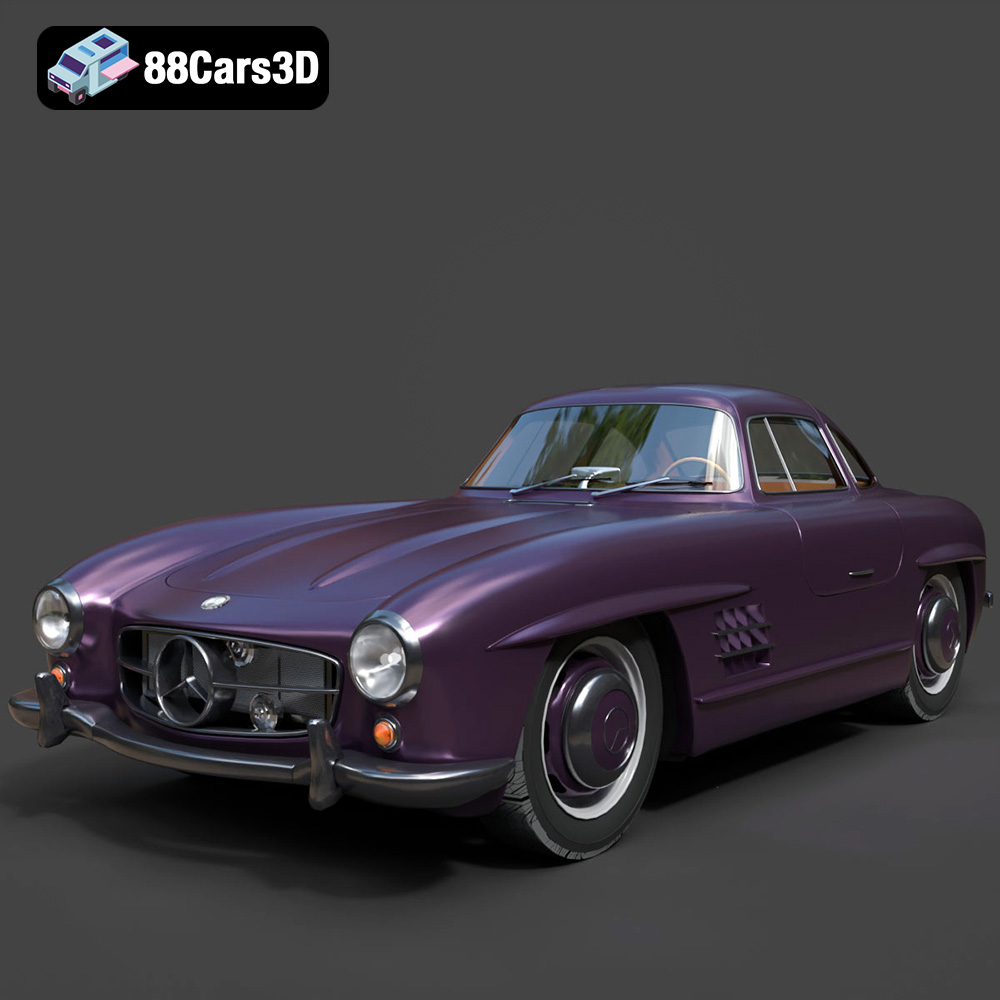
Mercedes-Benz 300SL 1955 3D Model
Texture: Yes
Material: Yes
Download the Mercedes-Benz 300SL 1955 3D Model featuring clean geometry, realistic detailing, and a fully modeled interior. Includes .blend, .fbx, .obj, .glb, .stl, .ply, .unreal, and .max formats for rendering, simulation, and game development.
Price: $9.99
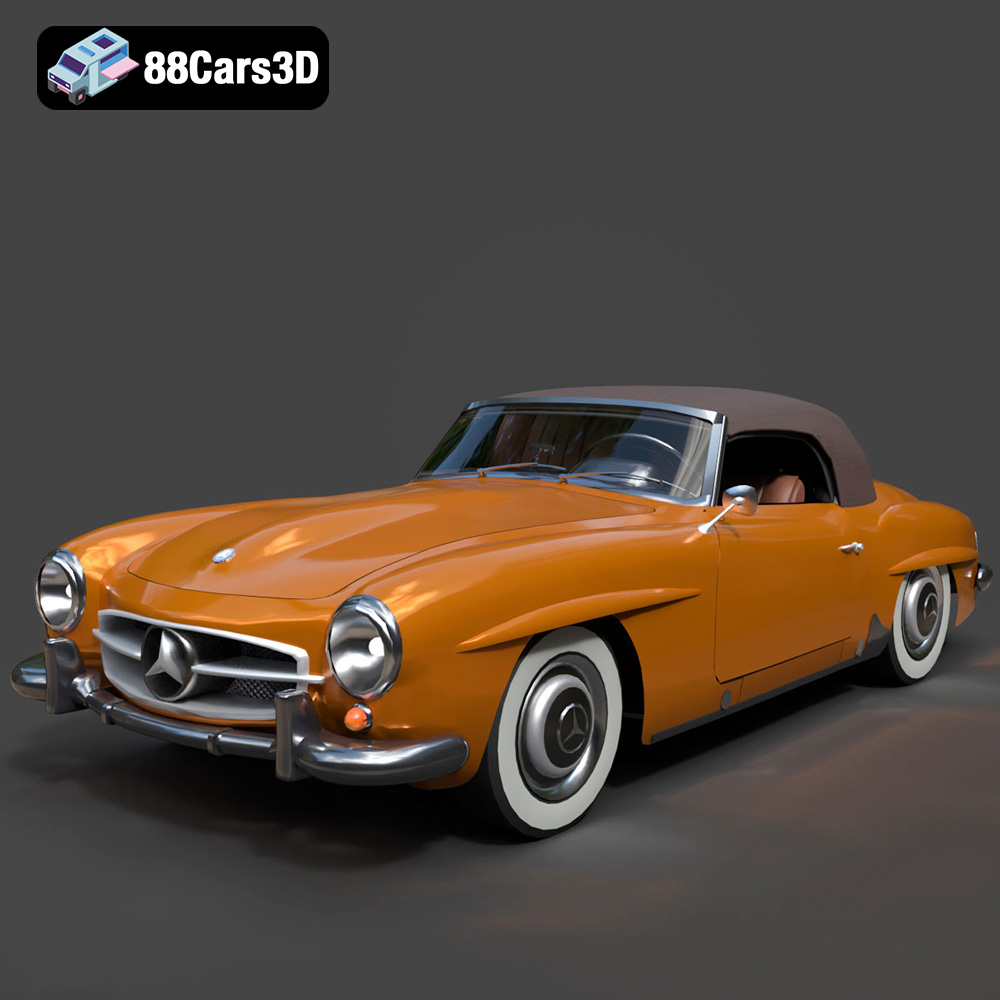
Mercedes-Benz 190SL 1955 3D Model
Texture: Yes
Material: Yes
Download the Mercedes-Benz 190SL 1955 3D Model featuring clean geometry, realistic detailing, and a fully modeled interior. Includes .blend, .fbx, .obj, .glb, .stl, .ply, .unreal, and .max formats for rendering, simulation, and game development.
Price: $9.99
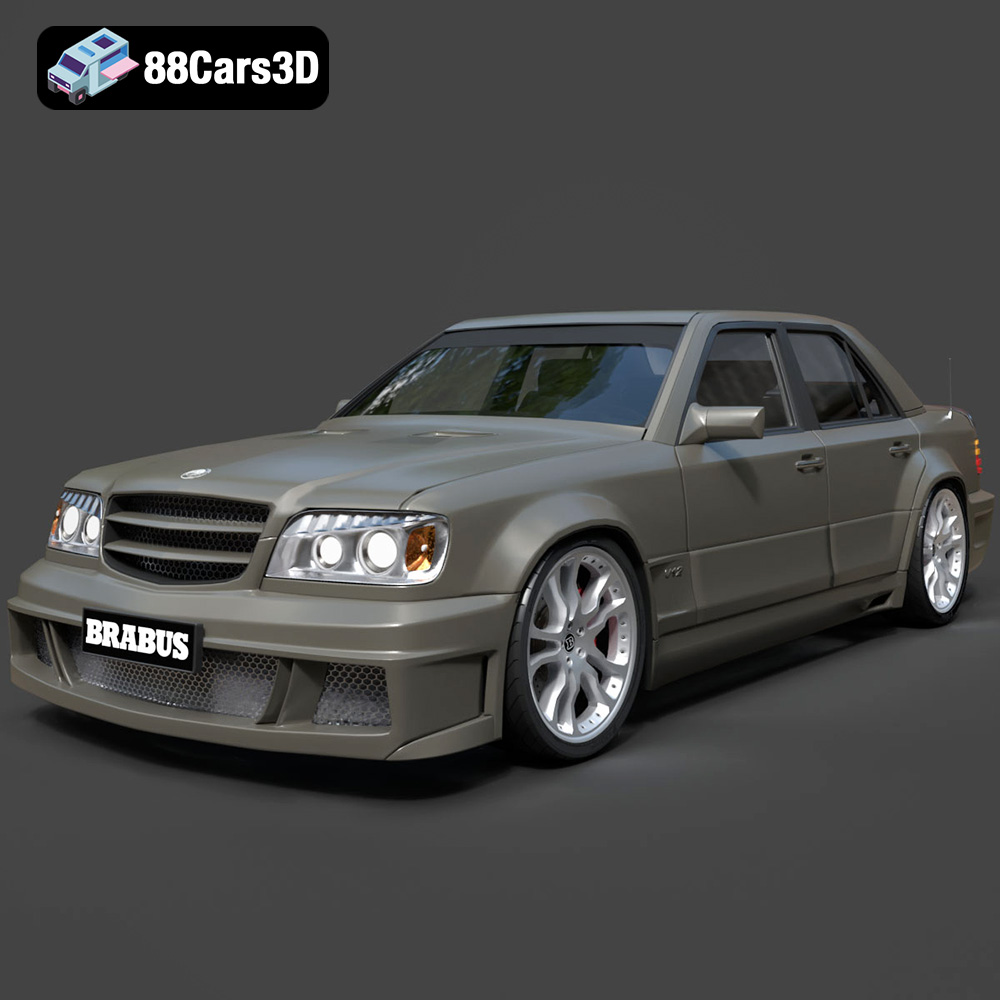
Mercedes-Benz W124 Brabus V12 3D Model
Texture: Yes
Material: Yes
Download the Mercedes-Benz W124 Brabus V12 3D Model featuring clean geometry, realistic detailing, and a fully modeled interior. Includes .blend, .fbx, .obj, .glb, .stl, .ply, .unreal, and .max formats for rendering, simulation, and game development.
Price: $9.99
