
The Ultimate Guide to High-Poly 3D Car Models: From Topology to Photorealism

“`html
The Ultimate Guide to High-Poly 3D Car Models: From Topology to Photorealism
The allure of a perfectly rendered automobile is undeniable. From the sweeping curves of a supercar reflecting a studio environment to the gritty detail of an off-road vehicle in a game engine, high-quality 3D car models are the cornerstone of compelling automotive visualization. But what truly separates a professional, production-ready asset from an amateur model? The answer lies in a meticulous, multi-stage process that spans precise modeling, strategic texturing, sophisticated rendering, and intelligent optimization. This is where art meets engineering.
This comprehensive guide will take you under the hood of professional 3D car creation. We will dissect the entire pipeline, from the foundational importance of clean topology and edge flow to the nuanced art of creating multi-layered PBR materials. You’ll learn advanced UV mapping strategies for distortion-free textures, explore rendering workflows in industry-standard software like 3ds Max with Corona, and dive deep into optimization techniques for real-time game assets and AR/VR experiences. Whether you’re an automotive designer, a game developer, a visualization artist, or a student aspiring to master the craft, this article will provide you with the technical knowledge and actionable steps to elevate your automotive 3D work to the next level.
The Foundation: Flawless Topology for Automotive Surfaces
Before a single material is applied or a render is started, the success of a 3D car model is determined by its underlying geometry, or topology. For hard-surface objects like vehicles, topology dictates how light reflects off surfaces, how the model subdivides, and how it deforms. Poor topology is the root cause of many visual artifacts, such as pinching, strange reflections, and shading errors, which are impossible to fix later in the pipeline. Investing time in a pristine mesh is non-negotiable for professional results.
The Importance of Clean Edge Flow and Quad-Based Modeling
The golden rule for automotive modeling is to use a quad-based workflow. Quads (polygons with four sides) subdivide cleanly and predictably, which is essential when using modifiers like TurboSmooth or OpenSubdiv to create high-resolution surfaces for rendering. The arrangement of these quads, known as edge flow, should follow the natural contours and curves of the car’s body panels. Think of edge flow as the “grain” of your model. It should define sharp creases, support curved surfaces, and flow seamlessly around details like headlights and panel gaps. Correct edge flow ensures that highlights travel smoothly and realistically across the car’s body, which is the key to achieving that signature “liquid metal” look in automotive rendering.
Managing Polygon Density for Different Use Cases
Not all 3D car models are created equal. The required polygon density depends entirely on the final application.
- Cinematic/Advertising Renders: For close-up beauty shots, polygon count is secondary to detail. These models are often built using subdivision surfaces and can easily exceed 1-2 million polygons once smoothed. The goal is perfect, seamless curvature.
- Real-Time Visualization & Games: Here, performance is key. The base model (LOD0) for a hero vehicle in a AAA game might range from 100,000 to 300,000 polygons. These models must be meticulously optimized, with every edge loop serving a purpose in defining the silhouette.
- AR/VR Applications: Mobile-based augmented and virtual reality requires even heavier optimization. A target might be under 50,000 polygons, demanding extremely efficient modeling and heavy reliance on normal maps to simulate fine details.
Starting with a high-quality, high-poly source model, like those available on marketplaces such as 88cars3d.com, provides the best foundation from which you can create optimized versions for any application.
Common Pitfalls: Avoiding N-gons, Triangles, and Poles
While building your mesh, be vigilant against common topology issues. N-gons (polygons with more than four sides) are a major problem as they do not subdivide predictably and can cause severe shading and texturing errors. Triangles are acceptable but should be used sparingly and placed strategically on flat, non-deforming surfaces where they won’t interfere with edge flow. A “pole” is a vertex where more than five edges meet. While unavoidable in some areas, excessive or poorly placed poles can cause visible pinching on curved surfaces after subdivision. The best practice is to resolve topology into quads wherever possible and hide any necessary triangles or complex poles in less visible areas.
Unwrapping the Beast: Advanced UV Mapping Strategies
Once you have a pristine model, the next critical step is UV mapping. This process is akin to creating a flat 2D pattern (a “pelt”) of your 3D model’s surface, which allows you to apply 2D textures accurately. For a complex object like a car, with its mix of large, flowing panels and small, intricate details, a strategic approach to UV mapping is essential for achieving professional-quality texturing and material work.
Seam Placement for Minimal Distortion
A UV seam is where the 3D mesh is “cut” to be flattened. The key to effective UV mapping is placing these seams where they are least visible. For cars, the best locations are along natural, hard edges and existing panel gaps.
- Place seams on the inside edges of door frames, hood cavities, and wheel wells.
– Hide seams along the hard-edged creases that often define a car’s character lines.
– For components like tires, place the seam along the inner circumference that faces the car’s chassis.
By hiding seams in these natural creases, you prevent visible texture breaks on the most prominent surfaces, like the hood or doors, ensuring that decals, dirt maps, and material details flow uninterrupted.
UDIMs vs. Single UV Layouts
For hero assets demanding extreme texture detail, a single UV map might not suffice. This is where the UDIM (U-Dimension) workflow comes in. Instead of packing all UV shells into one 0-to-1 UV space, UDIMs allow you to use multiple UV tiles. This means you can assign different parts of the car to their own dedicated texture maps. For example, the main body could be on one UDIM tile with an 8K texture, while the wheels get their own 4K texture on another tile. This workflow is standard in film and high-end visualization because it allows for incredible texture resolution without managing dozens of separate materials. For game assets, a single, well-packed UV layout is often preferred to minimize draw calls, but for high-end automotive rendering, UDIMs are the professional standard.
Optimizing Texel Density for Consistent Detail
Texel density refers to the number of texture pixels per unit of 3D surface area. Maintaining a consistent texel density across your entire model is crucial for ensuring that the level of detail looks uniform. If the door has a much higher texel density than the fender next to it, the difference in texture sharpness will be jarring. Use a checker map texture during the UV unwrapping process to visually assess your texel density. The squares on the checker map should appear roughly the same size across the entire car body. You can intentionally give smaller, more important parts (like dashboard instruments or badges) a higher texel density, but adjacent, large panels should always remain consistent.
Achieving Photorealism: PBR Materials and Shading
With a perfectly modeled and unwrapped car, the next stage is to create materials that realistically simulate how light interacts with different surfaces. The industry-standard workflow for this is Physically Based Rendering (PBR), which uses a set of texture maps (Albedo, Roughness, Metallic, Normal) to define a material’s properties. Crafting convincing PBR materials is what separates a good render from a photorealistic one.
Building a Multi-Layered Car Paint Shader
A car’s paint is not a single, simple material; it’s a complex layered system. A professional car paint shader should replicate this. In renderers like Corona, V-Ray, or Blender’s Cycles, this is often done by blending multiple material layers.
- Base Coat: This is the fundamental color of the paint (the Albedo). For metallic paints, this layer will have a high metallic value.
- Flakes Layer: For metallic or pearlescent finishes, a separate layer is used to simulate the small metallic flakes suspended in the paint. This is often achieved with a procedural noise map plugged into the normal or bump slot to create tiny, randomly oriented facets that catch the light.
- Clear Coat Layer: This is the top, transparent varnish layer. It has its own specular and reflection properties, often with a very low roughness value to create sharp, clear reflections. Adding subtle imperfections like fine scratches or an “orange peel” effect to the clear coat’s normal map can dramatically increase realism.
Combining these layers creates the signature depth and sparkle of real automotive paint.
Texturing Realistic Imperfections: Dirt, Scratches, and Dust
A perfectly clean car can look artificial. Subtle imperfections tell a story and ground the model in reality. This is where procedural texturing and masking techniques shine. Using ambient occlusion (AO) maps, curvature maps, and world-space position gradients generated from your model, you can create intelligent masks to control where dirt, dust, and wear appear. For example, dirt and grime accumulate in crevices (driven by an AO map), while edges and exposed surfaces experience more scratches and paint chipping (driven by a curvature map). Layering these effects with subtle grunge maps creates a believable history for the vehicle without having to manually paint every single detail.
Creating Convincing Glass, Chrome, and Rubber Materials
Beyond the paint, other materials require careful attention.
- Glass: The key to realistic glass is to model it with proper thickness. A simple, flat plane will not refract light correctly. The material itself should have high transparency, a high Index of Refraction (IOR) of around 1.52, and very low roughness. Adding a subtle layer of dust or smudges to the roughness map prevents it from looking unnaturally perfect.
- Chrome: True chrome is simple in PBR terms: a neutral white/grey base color, a metallic value of 1 (or 100%), and a roughness value near 0. The realism comes entirely from having a high-quality environment to reflect.
- Rubber/Tires: Rubber has a dark grey base color, a metallic value of 0, and a mid-to-high roughness value. The detail comes from the normal map, which should include the tire treads and fine sidewall texturing like lettering and branding. A separate dirt map in the crevices of the tread adds the final touch of realism.
Bringing it to Life: Rendering Workflows for Automotive Visualization
With your model textured and shaded, the final step in creating a stunning image is the rendering process. This involves setting up lighting, cameras, and render settings to capture your 3D car model in the best possible way. The choices you make here will define the mood, context, and overall quality of your final automotive rendering.
Studio Lighting vs. HDRI Environment Setups
There are two primary approaches to lighting a 3D car:
- Studio Lighting: This method mimics a real-world photography studio. You use a combination of large area lights, spotlights, and reflector planes to manually sculpt the light and reflections on the car’s surface. This gives you complete artistic control and is perfect for creating clean, catalogue-style shots that emphasize the car’s form and design lines. A common setup is a three-point lighting system with a key light, fill light, and back light.
- HDRI Environment Lighting: This technique, also known as Image-Based Lighting (IBL), uses a High Dynamic Range Image to illuminate the entire scene. The HDRI provides both realistic lighting and detailed reflections simultaneously. This is the fastest way to achieve photorealism and is ideal for placing your car in a believable real-world context, whether it’s an outdoor road, a modern garage, or a dramatic landscape. The quality of your render is directly tied to the quality and resolution of your HDRI.
Often, the best results come from a hybrid approach, using an HDRI for general lighting and reflections, supplemented by a few area lights to add specific highlights or accents.
Essential Render Settings in Corona, V-Ray, and Cycles
While each render engine has its unique settings, some core concepts are universal. To achieve a clean, noise-free image, you need to manage your sampling and ray tracing settings. Key parameters include Global Illumination (GI) settings, which control how light bounces around the scene, and Anti-Aliasing (AA) samples, which clean up jagged edges. Modern renderers like Corona, V-Ray, and Cycles feature powerful denoising algorithms that can significantly reduce render times by cleaning up noise from a lower-sample image. For production work, rendering out separate passes (or AOVs – Arbitrary Output Variables) is crucial. Essential passes include Diffuse, Reflection, Refraction, Z-Depth (for depth of field), and Cryptomatte (for easy object selection in post).
Post-Processing and Compositing for the Final Polish
A raw render is rarely the final image. Post-processing in software like Adobe Photoshop or Foundry Nuke is where you transform a good render into a great one. Using the render passes you exported, you can non-destructively adjust colors, contrast, and reflections. You can add effects like lens flares, chromatic aberration, and film grain to enhance realism. The Z-Depth pass allows you to add photographic depth of field effects, and the Cryptomatte pass makes it incredibly easy to isolate specific parts of the car (like the windows or wheels) for targeted adjustments. This final compositing stage is where you balance the image, direct the viewer’s eye, and apply your final artistic signature.
Game On: Optimizing 3D Car Models for Real-Time Engines
Creating 3D car models for game engines like Unreal Engine or Unity involves a different set of priorities. Here, performance is paramount. Every polygon, texture, and material must be ruthlessly optimized to ensure the game runs at a smooth framerate. This process transforms a high-poly cinematic model into a lightweight, efficient game asset.
The Art of LODs (Level of Detail)
Level of Detail (LOD) systems are the most critical optimization for in-game vehicles. An LOD system uses multiple versions of the same model at varying polygon counts. The highest detail version, LOD0, is shown when the player is close to the car. As the car moves further away, the game engine automatically swaps to lower-detail versions (LOD1, LOD2, LOD3). This dramatically reduces the number of polygons the GPU has to render for distant objects.
- LOD0: 100k-300k polygons. Full interior and exterior detail.
- LOD1: 50k-100k polygons. Simplified interior, less dense mesh on the body.
- LOD2: 10k-30k polygons. No interior, simplified wheels and undercarriage.
- LOD3: <5k polygons. A very basic "impostor" mesh that just retains the main silhouette.
Creating these LODs involves carefully removing edge loops and simplifying geometry while preserving the car’s overall shape, often baking details from the high-poly model onto the low-poly model’s normal map.
Draw Call Reduction: Texture Atlasing and Material Consolidation
In a game engine, a “draw call” is a command from the CPU to the GPU to draw an object. Each object with a unique material generates at least one draw call. Too many draw calls can create a CPU bottleneck and severely impact performance. To optimize this, you must consolidate materials. Instead of having separate materials for the body, trim, lights, and grille, you should combine their UVs into a single layout and use a single material. This technique, called texture atlasing, can reduce a car model’s draw calls from dozens down to just a few (e.g., one for the opaque body, one for the transparent glass). This is one of the single most effective optimizations for real-time performance.
Performance Budgets: Balancing Polycount, Textures, and Shaders
Every game has a performance budget. For a vehicle, this budget covers polygon count, texture memory, and shader complexity. A hero car in a AAA console title might be allowed a 200k polygon LOD0, multiple 4K texture sets, and a complex car paint shader. In contrast, a car for a mobile racing game might be limited to 20k polygons, a single 2K texture atlas, and a very simple shader. Understanding these constraints and optimizing your model to fit within them is a core skill for any game artist. It’s a constant balancing act between visual quality and real-time performance.
Beyond the Screen: Preparing Models for AR/VR and 3D Printing
The utility of 3D car models extends beyond traditional renders and games. Emerging platforms like augmented reality (AR), virtual reality (VR), and 3D printing have their own unique technical requirements that demand specific preparation and optimization workflows.
AR/VR Optimization: GLB/USDZ Formats and Performance Targets
For AR and VR applications, performance is absolutely critical to maintain a comfortable and immersive user experience. The models must be extremely lightweight. The target polygon count is often under 50,000, and textures are typically consolidated into a single PBR map set. The standard delivery file formats are GLB (for Android/Web) and USDZ (for Apple devices). These formats are designed to be self-contained, packing the model, textures, and materials into a single file for easy distribution. Textures are often compressed using formats like KTX2 for maximum efficiency on mobile GPUs. It’s crucial that the model has clean, “watertight” geometry and that all transformations are frozen before exporting to these formats.
Watertight Meshes for 3D Printing
Unlike visualization models, which can be composed of many separate, intersecting parts, models for 3D printing must be a single, solid, “watertight” (or manifold) shell. This means there can be no holes, no non-manifold edges (where more than two faces share a single edge), and no intersecting internal geometry. All separate components of the car (body, wheels, mirrors) must be booleaned or welded together into one contiguous mesh. The normals of every polygon must also be facing outwards consistently. Tools within software like Blender or Autodesk Meshmixer can be used to analyze and repair meshes to ensure they are manifold and ready for printing.
Slicing Software and Key Print Settings
Once you have a prepared, watertight STL or OBJ file, the final step is to use “slicing” software (like Cura or PrusaSlicer). This software slices the 3D model into hundreds or thousands of thin horizontal layers and generates the G-code instructions that the 3D printer follows. Key settings you’ll need to configure include layer height (for detail), infill density (for internal strength), and support structures. Support structures are critical for printing parts of the car that have significant overhangs, like the side mirrors or spoilers, preventing them from collapsing during the printing process.
Conclusion: The Journey from Polygon to Product
As we’ve seen, the creation and application of a professional 3D car model is a journey of precision, technical skill, and artistic vision. It begins with the fundamental discipline of creating clean, quad-based topology and culminates in the final polish of a photorealistic render or the hyper-optimization of a real-time game asset. Each stage—modeling, UV mapping, PBR material creation, rendering, and optimization—builds upon the last. A flaw in an early stage, like poor edge flow, will inevitably cause problems down the line.
The key takeaway is that a high-quality foundation is everything. Whether you are building a model from scratch or sourcing one from a professional marketplace like 88cars3d.com, understanding these core principles is what enables you to adapt that asset for any purpose. By mastering these workflows, from managing polygon density for visualization to preparing watertight meshes for 3D printing, you unlock the full potential of your automotive assets. We encourage you to apply these techniques to your own projects, to deconstruct and study professional models, and to continue pushing the boundaries of realism and performance in your work.
“`
Featured 3D Car Models

Mercedes-Benz SLK 350 2005 3D Model
Texture: Yes
Material: Yes
Download the Mercedes-Benz SLK 350 2005 3D Model featuring clean geometry, realistic detailing, and a fully modeled interior. Includes .blend, .fbx, .obj, .glb, .stl, .ply, .unreal, and .max formats for rendering, simulation, and game development.
Price: $9.99

Mercedes-Benz SL 65 AMG 3D Model
Texture: Yes
Material: Yes
Download the Mercedes-Benz SL 65 AMG 3D Model featuring clean geometry, realistic detailing, and a fully modeled interior. Includes .blend, .fbx, .obj, .glb, .stl, .ply, .unreal, and .max formats for rendering, simulation, and game development.
Price: $9.99
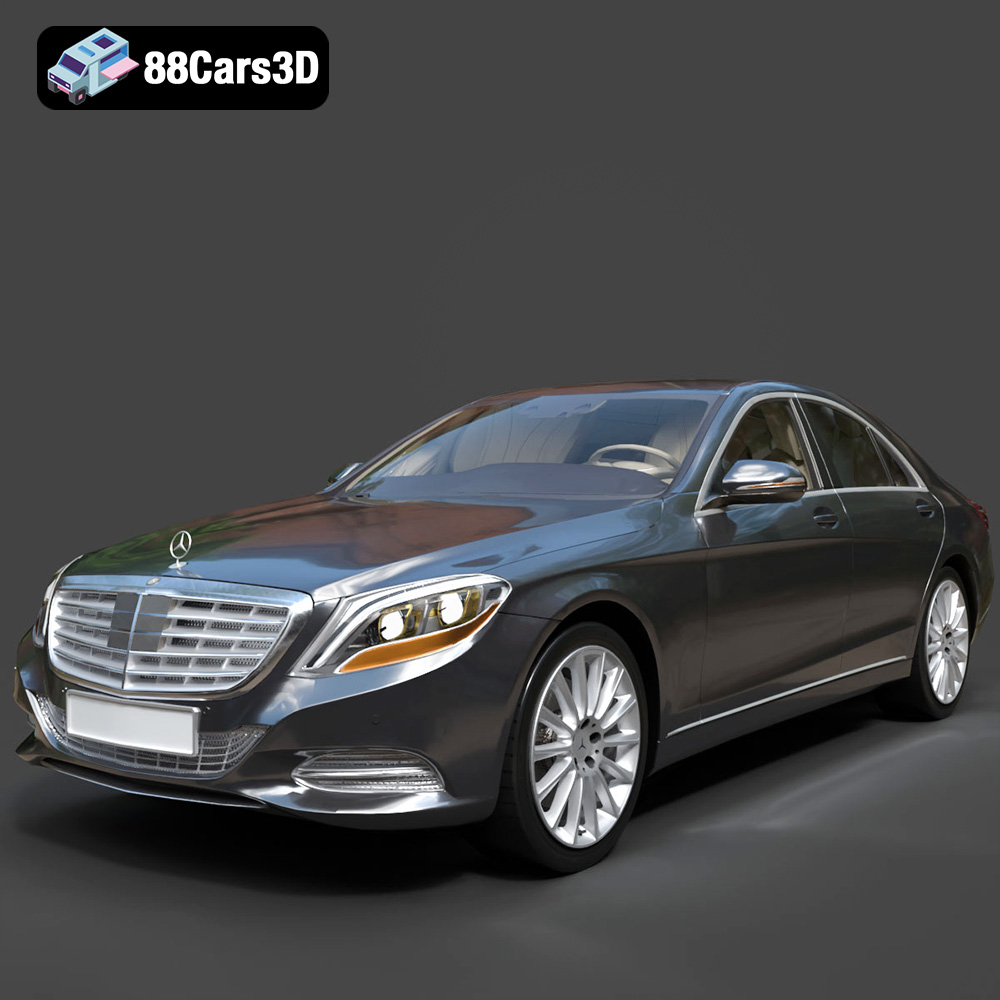
Mercedes-Benz S500 3D Model
Texture: Yes
Material: Yes
Download the Mercedes-Benz S500 3D Model featuring clean geometry, realistic detailing, and a fully modeled interior. Includes .blend, .fbx, .obj, .glb, .stl, .ply, .unreal, and .max formats for rendering, simulation, and game development.
Price: $9.99
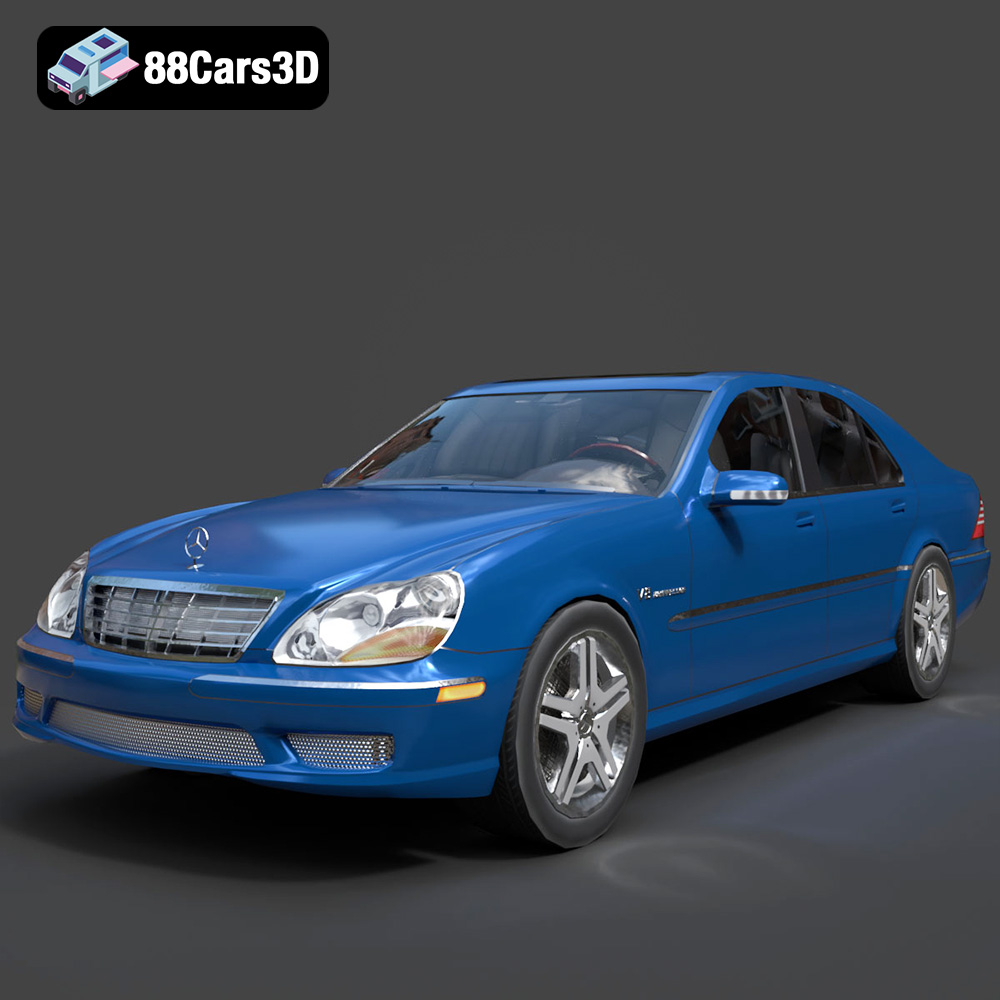
Mercedes-Benz S55 W220 AMG 1999 3D Model
Texture: Yes
Material: Yes
Download the Mercedes-Benz S55 W220 AMG 1999 3D Model featuring clean geometry, realistic detailing, and a fully modeled interior. Includes .blend, .fbx, .obj, .glb, .stl, .ply, .unreal, and .max formats for rendering, simulation, and game development.
Price: $9.99
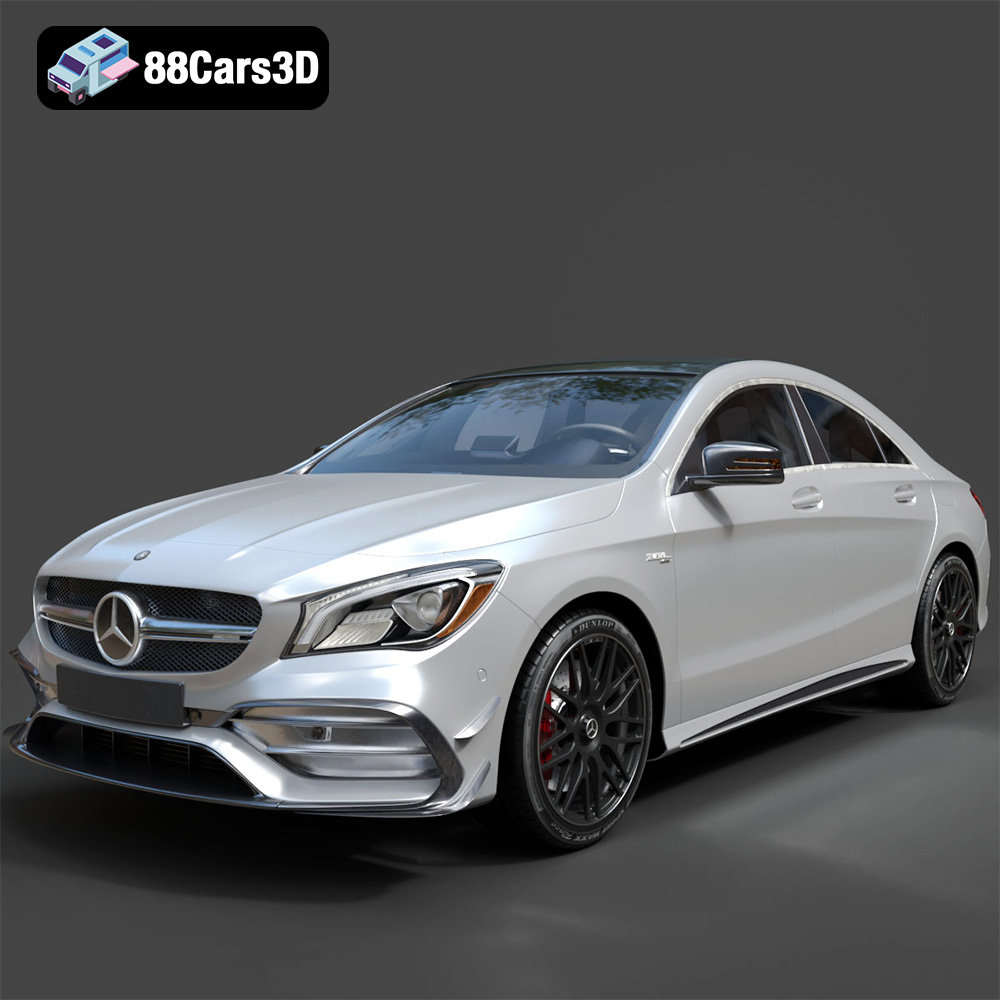
Mercedes-Benz CLA45 AMG 2017 3D Model
Texture: Yes
Material: Yes
Download the Mercedes-Benz CLA45 AMG 2017 3D Model featuring clean geometry, realistic detailing, and a fully modeled interior. Includes .blend, .fbx, .obj, .glb, .stl, .ply, .unreal, and .max formats for rendering, simulation, and game development.
Price: $29.99
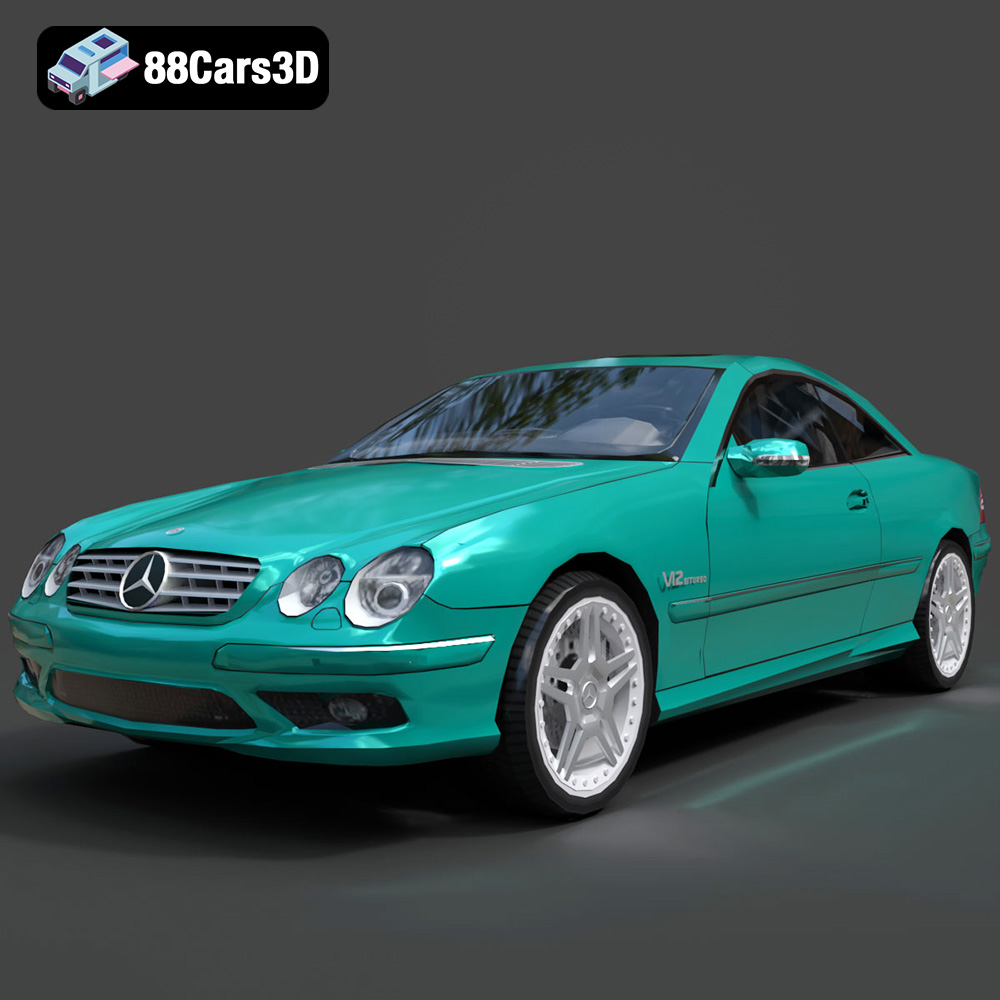
Mercedes-Benz CL65 C215 AMG 3D Model
Texture: Yes
Material: Yes
Download the Mercedes-Benz CL65 C215 AMG 3D Model featuring clean geometry, realistic detailing, and a fully modeled interior. Includes .blend, .fbx, .obj, .glb, .stl, .ply, .unreal, and .max formats for rendering, simulation, and game development.
Price: $9.99
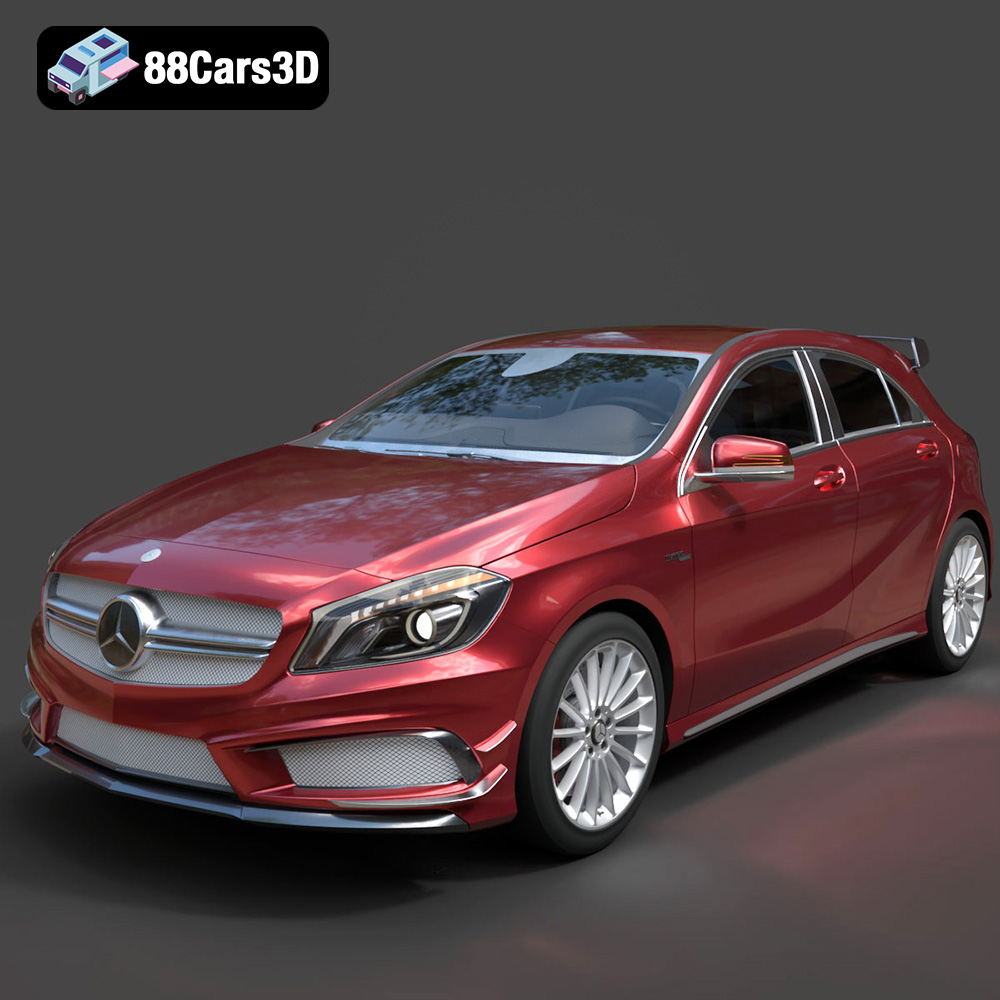
Mercedes-Benz A45 2021 3D Model
Texture: Yes
Material: Yes
Download the Mercedes-Benz A45 2021 3D Model featuring clean geometry, realistic detailing, and a fully modeled interior. Includes .blend, .fbx, .obj, .glb, .stl, .ply, .unreal, and .max formats for rendering, simulation, and game development.
Price: $9.99
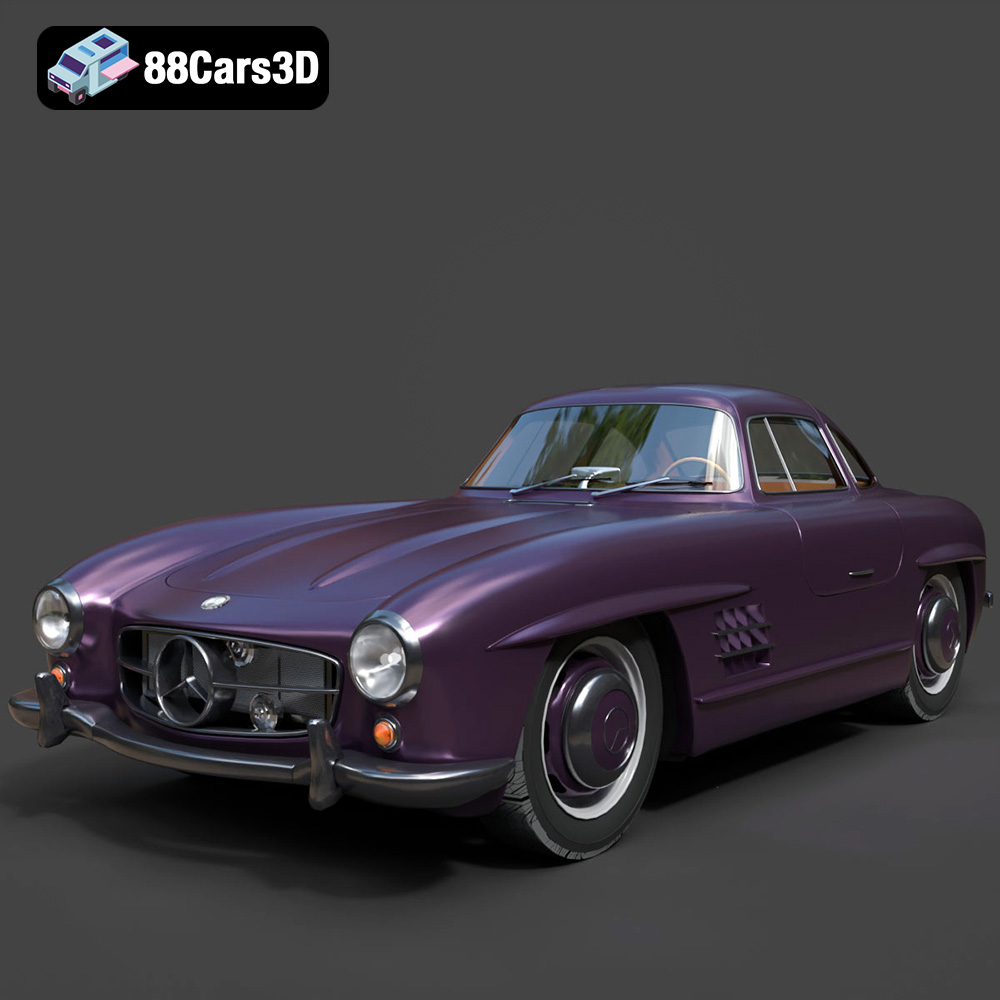
Mercedes-Benz 300SL 1955 3D Model
Texture: Yes
Material: Yes
Download the Mercedes-Benz 300SL 1955 3D Model featuring clean geometry, realistic detailing, and a fully modeled interior. Includes .blend, .fbx, .obj, .glb, .stl, .ply, .unreal, and .max formats for rendering, simulation, and game development.
Price: $9.99
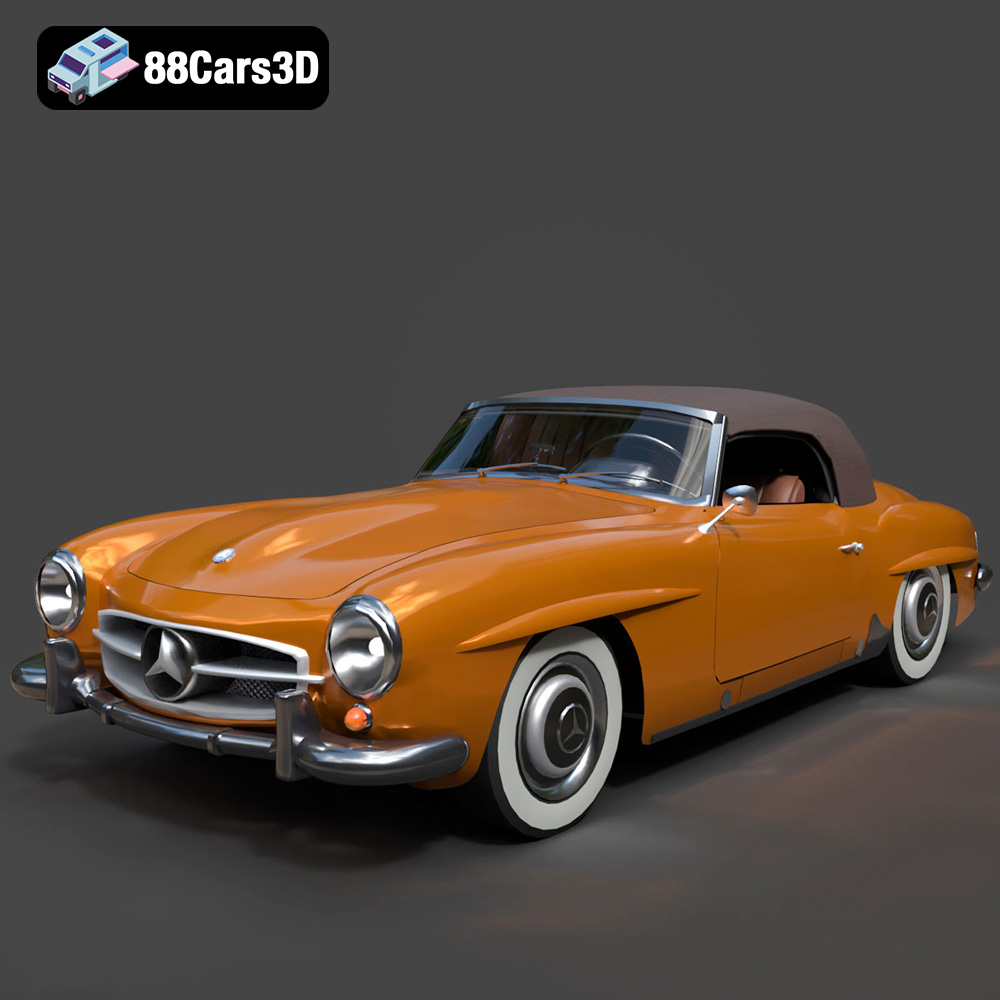
Mercedes-Benz 190SL 1955 3D Model
Texture: Yes
Material: Yes
Download the Mercedes-Benz 190SL 1955 3D Model featuring clean geometry, realistic detailing, and a fully modeled interior. Includes .blend, .fbx, .obj, .glb, .stl, .ply, .unreal, and .max formats for rendering, simulation, and game development.
Price: $9.99
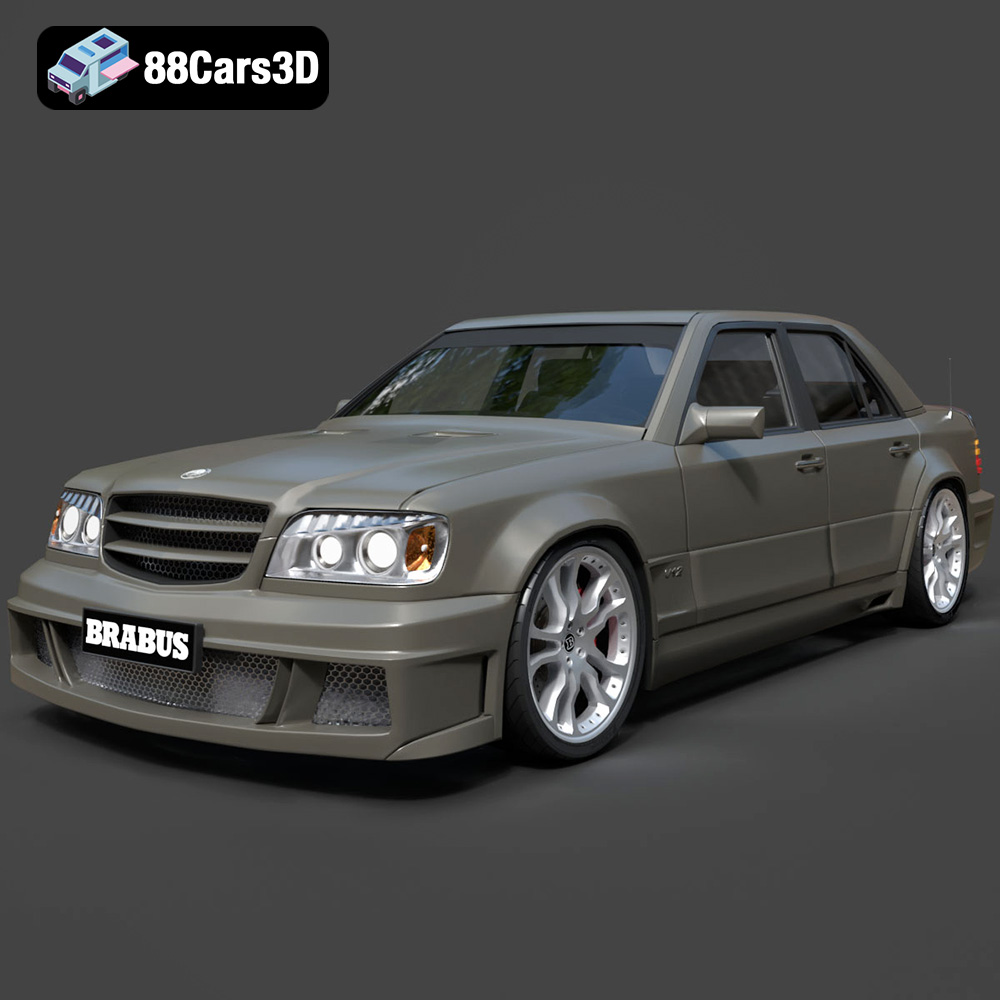
Mercedes-Benz W124 Brabus V12 3D Model
Texture: Yes
Material: Yes
Download the Mercedes-Benz W124 Brabus V12 3D Model featuring clean geometry, realistic detailing, and a fully modeled interior. Includes .blend, .fbx, .obj, .glb, .stl, .ply, .unreal, and .max formats for rendering, simulation, and game development.
Price: $9.99
