
The Ultimate Guide to Preparing 3D Car Models for Any Application: From Photorealistic Renders to Real-Time Engines

“`html
The Ultimate Guide to Preparing 3D Car Models for Any Application: From Photorealistic Renders to Real-Time Engines
A high-quality 3D car model is a marvel of digital craftsmanship, but its true power lies in its versatility. The same meticulously modeled vehicle can grace the pages of a glossy automotive brochure, become the hero asset in a blockbuster video game, allow customers to visualize customizations in an AR showroom, or even manifest as a physical object via 3D printing. However, a raw, high-polygon model is rarely ready for these diverse applications out of the box. Each use case demands a specific preparation and optimization workflow to ensure peak performance and visual fidelity. Simply put, the journey from a finished model to a production-ready asset is as critical as the modeling process itself.
This comprehensive guide will walk you through the essential technical pipelines for preparing 3D car models for any application. We will dive deep into the foundational principles of topology, demystify the art of UV unwrapping for complex automotive surfaces, and explore the nuances of creating photorealistic PBR materials. We’ll then navigate the distinct workflows for achieving stunning offline renders, optimizing for high-performance game engines and AR/VR experiences, and ensuring a successful transition to the physical world of 3D printing. By the end, you’ll have a professional framework for transforming any 3D car model into a versatile, efficient, and visually stunning asset, ready for any project you can imagine.
The Foundation: Flawless Topology and Modeling Best Practices
Before any texturing, rendering, or optimization can begin, the core geometry of the 3D car model must be impeccable. The topology—the flow and structure of polygons across the model’s surface—is the skeleton upon which all visual quality is built. Poor topology can lead to rendering artifacts, shading errors, and insurmountable difficulties in later stages of the pipeline. Getting this foundation right is non-negotiable for a professional-grade asset. This foundational work is why professional marketplaces like 88cars3d.com place such a high emphasis on clean, quad-based topology, ensuring their models are a solid starting point for any project.
The Importance of Quad-Based Geometry and Edge Flow
The gold standard in hard-surface modeling, especially for automotive design, is quad-based geometry. This means the model is constructed almost entirely of polygons with four sides (quads). There are several critical reasons for this:
- Predictable Subdivision: Subdivision surface modifiers (like TurboSmooth in 3ds Max or Subdivision Surface in Blender) work best with quads. They produce smooth, clean, and predictable curves, which are essential for the flowing lines of a car body. Triangles and especially N-gons (polygons with more than four sides) can cause pinching, artifacts, and unpredictable smoothing.
- Clean Reflections: The flow of your edges (edge loops) directly dictates how light and reflections travel across the surface. On a car’s body panel, edge loops should follow the main curvature. This ensures that reflections are smooth and unbroken, mimicking the look of real stamped metal. Wobbly or inconsistent edge flow will result in distorted, unconvincing reflections.
- Ease of UV Unwrapping: Selecting edge loops to define UV seams is significantly easier and more efficient on a clean, quad-based mesh.
Polygon Count vs. Detail: Finding the Sweet Spot
The required level of detail, and therefore the polygon count, is entirely dependent on the final application. A “one-size-fits-all” approach is inefficient and often unworkable. Here’s a general guideline:
- Cinematic/Advertising Renders: For close-up beauty shots, detail is paramount. These models can range from 500,000 to several million polygons after subdivision. The focus is on perfect curves and capturing minute details like panel gaps, bolts, and interior stitching.
- Real-Time/Game Engines: Performance is key. The main “hero” car model (LOD0) in a modern AAA game might range from 100,000 to 300,000 triangles. This is a significant reduction from the cinematic model, achieved through a process called retopology.
- AR/VR and Mobile: These platforms are even more performance-constrained. Models often need to be under 50,000 triangles to ensure a smooth framerate.
Mesh Integrity and Cleanup
A “clean” mesh is free of technical errors that can cause problems in other software. Before moving on, always perform a mesh cleanup checklist:
- Check for N-gons: Isolate and convert any polygons with more than four sides into quads or triangles.
- Resolve Poles: Identify vertices where more than five edges meet (a “pole”). While unavoidable in some areas, they should be moved out of highly visible, curved surfaces to prevent pinching.
- Weld Vertices: Ensure there are no unwelded vertices or duplicated faces, which can create holes or shading errors. Use a “Weld” or “Merge by Distance” tool with a very small threshold.
- Check for Non-Manifold Geometry: This refers to geometry that cannot exist in the real world, such as interior faces or edges shared by more than two polygons. These will cause major issues for 3D printing and can also affect lighting calculations.
Mastering UV Unwrapping for Automotive Surfaces
UV unwrapping is the process of flattening a 3D model’s surface into a 2D space so that textures can be applied correctly. For a complex object like a car, with its mix of large, flowing panels and small, intricate details, a strategic UV workflow is essential for achieving professional results. Rushing this stage will result in stretched textures, visible seams, and inconsistent detail, undermining all the hard work of modeling.
Strategic Seam Placement for Complex Panels
The goal of placing UV seams is to hide them where they are least likely to be seen. For a car, this means leveraging the natural construction of the vehicle:
- Body Panels: Place seams along the hard edges of panel gaps (where a door meets a fender, or the hood meets the bumper). This is the most effective way to hide them completely.
- Tires: A common technique is to make a single cut around the circumference in the middle of the tread, allowing the sidewalls and tread to unwrap into long, straight strips.
- Interiors: Hide seams in crevices, under seats, or along existing stitching lines in the upholstery. For dashboards, place seams at sharp angle changes where different materials would meet.
- Mirrors and Lights: Isolate complex components like mirror housings or headlight interiors onto their own UV islands, placing seams on the least visible parts, such as the underside or backside.
UDIMs vs. Single UV Tile Workflows
Choosing between a single UV tile and a UDIM (U-Dimension) workflow depends on the required texture resolution and the target platform.
- Single UV Tile: Best for game engines and real-time applications. All UV islands for the entire object (or a specific part, like the exterior) are packed into a single 0-1 UV square. This is efficient for performance as it can be serviced by a single material and texture set. The main challenge is managing space and ensuring all parts have enough resolution.
- UDIM Workflow: The standard for film, VFX, and high-end rendering. The UV space is extended into a grid of tiles (1001, 1002, etc.). This allows you to assign different parts of the model to different tiles, each with its own high-resolution texture map (e.g., 4K or 8K). You could put the main car body on one UDIM tile, the wheels on another, and the interior on a third, ensuring extreme close-up detail without needing a single, impossibly large texture map.
Texel Density and Consistency
Texel density is the measure of texture resolution on a 3D surface (e.g., pixels per meter). Maintaining a consistent texel density across the entire model is crucial for a believable result. If the door has a high texel density and the fender next to it has a low one, the difference in texture sharpness will be immediately obvious and jarring. Use UV packing tools and texel density checkers (available in most 3D software and UV tools like RizomUV) to scale all your UV islands uniformly. For a hero car in a game, you might aim for 1024 pixels/meter (10.24 px/cm), while a cinematic model might aim for 4096 px/m or higher.
Crafting Hyper-Realistic PBR Materials and Textures
Physically Based Rendering (PBR) is a methodology for shading and rendering that provides a more accurate representation of how light interacts with materials. For automotive visualization, a PBR workflow is essential for creating believable car paint, glass, chrome, and plastics. This involves creating a set of texture maps that control different physical properties of a surface.
Building the Perfect Car Paint Shader
Modern car paint is a complex, multi-layered material. Replicating it requires a layered shader approach. In renderers like Corona, V-Ray, or Arnold, and even with Blender’s Principled BSDF node, you can simulate this layering:
- Base Layer: This is the color coat. It has a high roughness value and contains the primary color and any metallic flakes. For metallic paint, use a metallic map (or a high metallic value) and a flake normal map to simulate the tiny metallic chips that catch the light.
- Clear Coat Layer: This is the top, glossy layer. It should be fully transparent with a low roughness value (e.g., 0.01-0.05) for a wet, polished look. It has its own Index of Refraction (IOR), typically around 1.5-1.6. The clear coat layer is what gives car paint its characteristic deep, reflective shine.
Subtle imperfections, like a very faint “orange peel” effect, can be added to the clear coat’s normal map to push the realism even further.
Texturing Imperfections: From Tire Wear to Dashboard Dust
Perfectly clean and sterile models look fake. Realism is found in the imperfections. This is where texturing software like Adobe Substance 3D Painter or Mari shines.
- Tire Wear: Use procedural generators and hand-painting to add dirt buildup in the treads and subtle scuffing on the sidewalls. The area of the tire that contacts the road should have a slightly different roughness and color value.
- Brake Dust: Add a dark, rough material buildup around the wheel hubs and on the inner rim of the wheels.
- Interior Details: Use ambient occlusion maps to add subtle contact dirt in crevices. Apply a faint layer of dust (a low-opacity grunge map fed into the roughness channel) on the dashboard. Add fingerprints and smudges to touch screens and glossy plastic trim by using specialized roughness maps.
Texture Resolution and Format Guidelines
The resolution and file format of your textures have a massive impact on both visual quality and performance.
- Resolution: For cinematic renders, 4K (4096×4096) or 8K (8192×8192) textures are standard, especially when using a UDIM workflow. For real-time game assets, 2K (2048×2048) or 4K textures are common for major components like the car body, while smaller parts might use 1K or 512px textures.
- File Formats:
- .PNG / .TGA: Good for most color (Albedo) and mask maps. Can include an alpha channel. Lossless compression.
- .JPG: Use with caution. The lossy compression can create artifacts, but it can be acceptable for some maps if file size is a major concern.
- .EXR / .HDR: Best for maps that contain high dynamic range data, such as displacement or emission maps. Often used in VFX pipelines.
Optimization for Real-Time: Game Engines and AR/VR
Preparing a 3D car model for a real-time application like a game engine (Unreal Engine, Unity) or an AR/VR experience is a process of strategic simplification. The goal is to retain as much visual detail as possible from the high-poly source model while drastically reducing the computational cost to ensure it can be rendered at a high framerate (typically 60-90 FPS).
The Art of Retopology and Baking Normal Maps
This is the core of the real-time optimization workflow. It involves creating a new, clean, low-polygon mesh that matches the silhouette of the original high-polygon model.
- Retopology: Using tools within Blender, 3ds Max, or specialized software like TopoGun, you manually or automatically create a low-poly version. For a car body, you would focus on creating just enough polygons to define the main shapes and curves, reducing the poly count by 80-95%.
- Baking: This is the magic step. The fine details from the high-poly model (panel lines, bolts, vents) are “baked” into a series of texture maps, most importantly a Normal Map. The normal map is applied to the low-poly model, where it manipulates the shading to create the illusion of high-resolution detail that isn’t actually present in the geometry. This process is typically done in software like Marmoset Toolbag, Substance 3D Painter, or xNormal.
LODs (Level of Detail): Managing Performance at a Distance
It’s wasteful to render a 300,000-triangle car when it’s just a tiny speck in the distance. This is where Levels of Detail (LODs) come in. You create several versions of the model, each with a progressively lower polygon count.
- LOD0: The highest quality model (e.g., 150,000 triangles), used when the player is up close.
- LOD1: A reduced version (e.g., 75,000 triangles), where smaller geometric details are removed. Swaps in at a medium distance.
- LOD2: A heavily optimized version (e.g., 20,000 triangles), where complex shapes are simplified. Swaps in at a far distance.
- LOD3/Impostor: Can be as low as a few hundred triangles or even a 2D plane with a rendered image of the car, used at extreme distances.
Game engines like Unreal and Unity have built-in systems to automatically switch between these LODs based on the camera’s distance, providing a massive performance boost.
Draw Call Reduction: Texture Atlasing and Material Consolidation
A “draw call” is a command from the CPU to the GPU to draw an object. Each object with a unique material generates at least one draw call. Too many draw calls can create a CPU bottleneck and lower framerates. For complex models like cars, it’s crucial to minimize them.
- Material Consolidation: Instead of having separate materials for every little piece of plastic, metal, and rubber, try to combine them. For example, have one “Interior_Trim” material that services multiple objects.
- Texture Atlasing: This is the process of combining textures from multiple smaller objects into a single, larger texture sheet (an atlas). For example, the textures for the dashboard gauges, buttons, and vents can all be unwrapped and placed onto one texture set. This allows dozens of objects to be rendered with a single material and a single draw call.
Beyond the Screen: Preparing Models for 3D Printing
Taking a digital model and preparing it for physical fabrication via 3D printing requires a different set of considerations. The focus shifts from visual appearance to structural integrity and manufacturability. A model that looks perfect on screen can completely fail on a 3D printer if not properly prepared.
Watertight Meshes and Manifold Geometry
This is the most critical requirement for 3D printing. The 3D model must be a completely sealed, “watertight” volume. The slicing software, which cuts the model into thin layers for the printer, needs to know what is “inside” and what is “outside” the object.
- Manifold: Every edge in the mesh must be connected to exactly two faces. An edge with only one face is a hole. An edge with three or more faces is non-manifold geometry.
- Checking for Errors: Use software like Autodesk Meshmixer, Materialise Magics, or even the 3D-Print Toolbox addon in Blender to automatically detect and help fix issues like holes, internal faces, and non-manifold edges.
- Combining Parts: For printing, a car model often needs to be a single, solid object. This means booleaning or merging separate parts like the body, wheels, and bumpers into one continuous mesh.
Wall Thickness and Scaling Considerations
In the digital world, a car’s body panel can be an infinitely thin plane. In the real world, it needs thickness to exist. All parts of the model must have a minimum wall thickness to be printed successfully. This minimum varies by printing technology (FDM, SLA, SLS) and material, but a safe starting point is often 1-2mm. You may need to use a “Shell” or “Solidify” modifier to add thickness to parts that were modeled as single surfaces. Proper scaling is also vital. You must scale the entire model to the desired physical dimensions before exporting it, ensuring all features, like wing mirrors, are thick enough to print without breaking.
Slicing and Support Structures
Once your model is a clean, watertight solid, the final step is to run it through a slicer program (like Cura, PrusaSlicer, or ChiTuBox). The slicer converts the model into G-code—the instructions the printer follows.
- Orientation: The orientation of the model on the print bed is crucial. You want to orient it to minimize the need for support structures and maximize surface quality on the most visible areas.
- Supports: Any part of the model that overhangs at an angle greater than about 45 degrees (the “overhang angle”) will need support structures. These are disposable scaffolding printed alongside the model to hold up overhanging parts and prevent them from collapsing. The slicer can generate these automatically, but they often require manual tweaking for best results.
Conclusion: From Digital Blueprint to Universal Asset
We’ve journeyed through the intricate and diverse pipelines required to transform a master 3D car model into a production-ready asset for virtually any medium. The key takeaway is that a one-size-fits-all approach doesn’t exist; preparation is a process of targeted adaptation. For photorealistic renders, the focus is on high-fidelity geometry, complex layered shaders, and ultra-high-resolution textures. For real-time applications, the paradigm shifts to ruthless optimization, clever use of texture baking, LODs, and draw call management to achieve maximum performance. Finally, for 3D printing, the concerns become purely physical: creating a watertight, structurally sound object that can be successfully fabricated layer by layer.
Understanding these distinct workflows empowers you, the artist or developer, to unlock the full potential of your 3D assets. It’s the technical knowledge that separates a beautiful but limited model from a robust, versatile tool that can excel in any context. Whether you’re building from scratch or starting with a high-quality asset from a resource like 88cars3d.com, applying these preparation techniques is the crucial final step that ensures your project not only looks incredible but also performs flawlessly, no matter the final destination.
“`
Featured 3D Car Models

Mercedes-Benz SLK 350 2005 3D Model
Texture: Yes
Material: Yes
Download the Mercedes-Benz SLK 350 2005 3D Model featuring clean geometry, realistic detailing, and a fully modeled interior. Includes .blend, .fbx, .obj, .glb, .stl, .ply, .unreal, and .max formats for rendering, simulation, and game development.
Price: $9.99
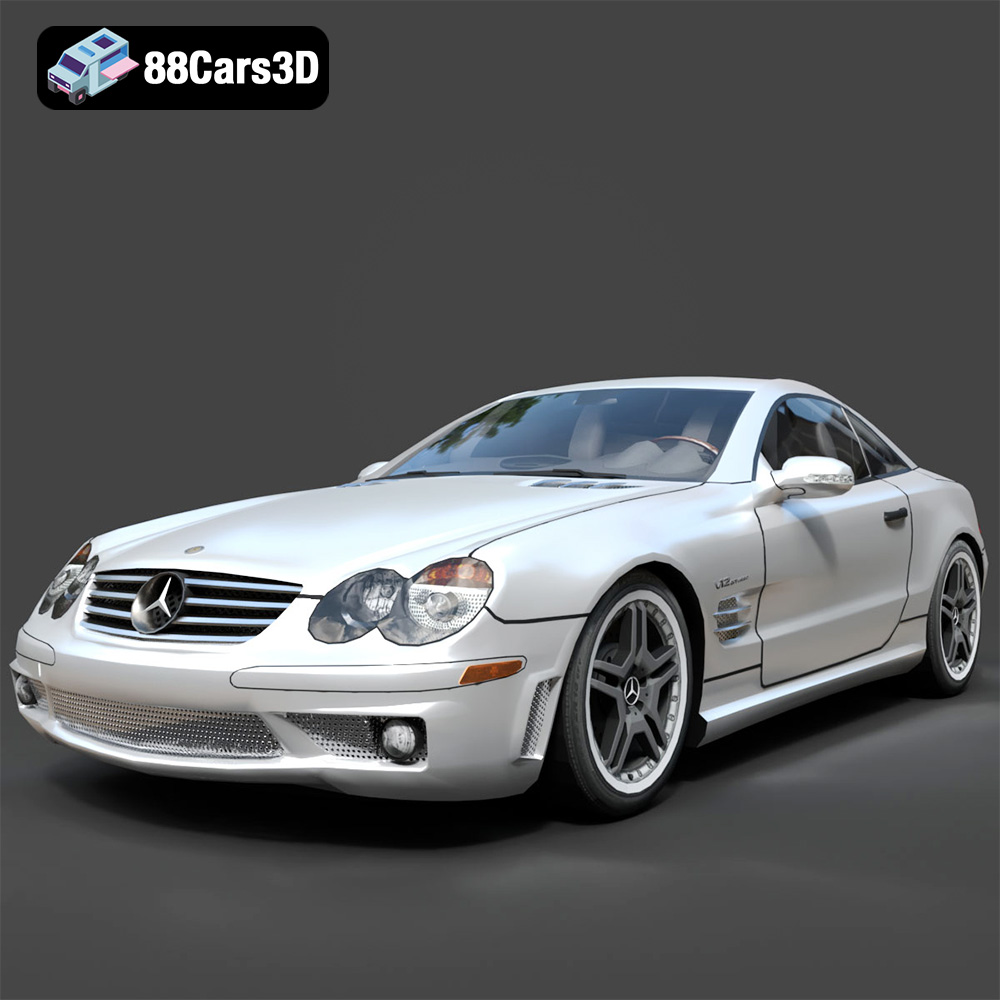
Mercedes-Benz SL 65 AMG 3D Model
Texture: Yes
Material: Yes
Download the Mercedes-Benz SL 65 AMG 3D Model featuring clean geometry, realistic detailing, and a fully modeled interior. Includes .blend, .fbx, .obj, .glb, .stl, .ply, .unreal, and .max formats for rendering, simulation, and game development.
Price: $9.99
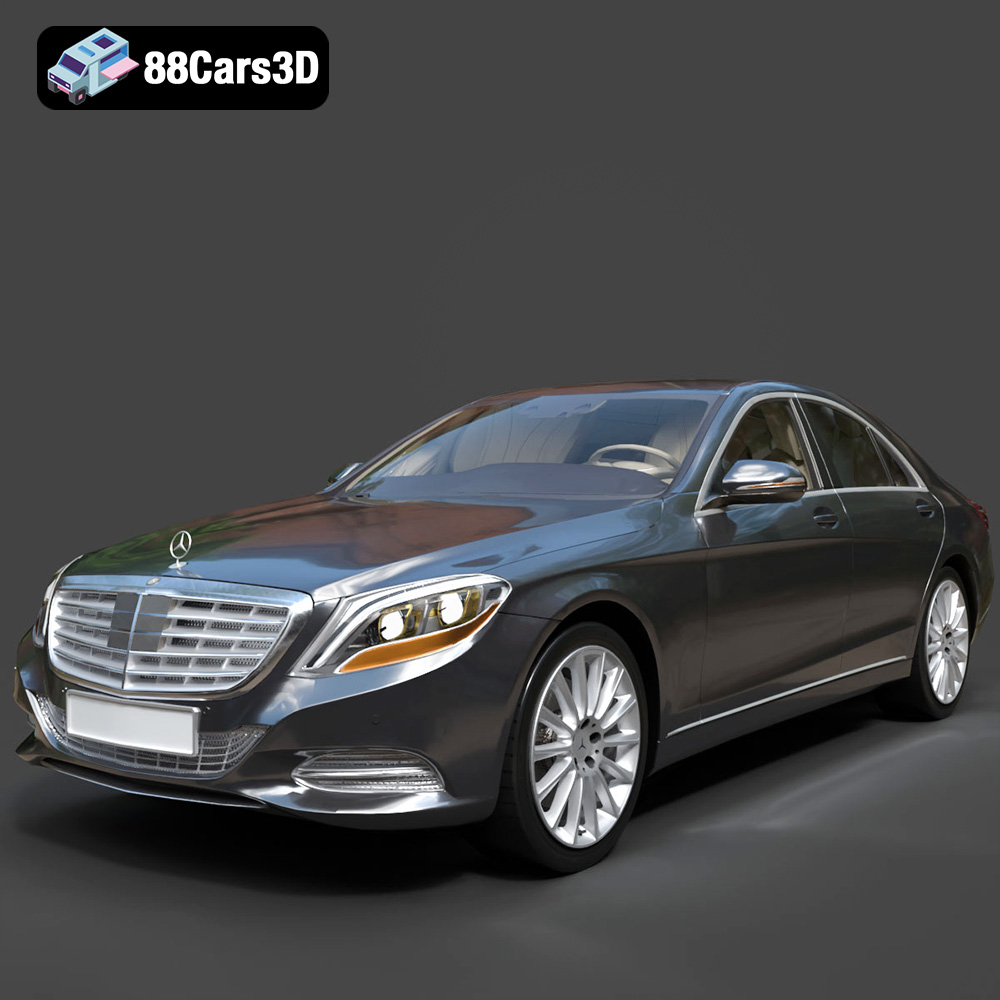
Mercedes-Benz S500 3D Model
Texture: Yes
Material: Yes
Download the Mercedes-Benz S500 3D Model featuring clean geometry, realistic detailing, and a fully modeled interior. Includes .blend, .fbx, .obj, .glb, .stl, .ply, .unreal, and .max formats for rendering, simulation, and game development.
Price: $9.99
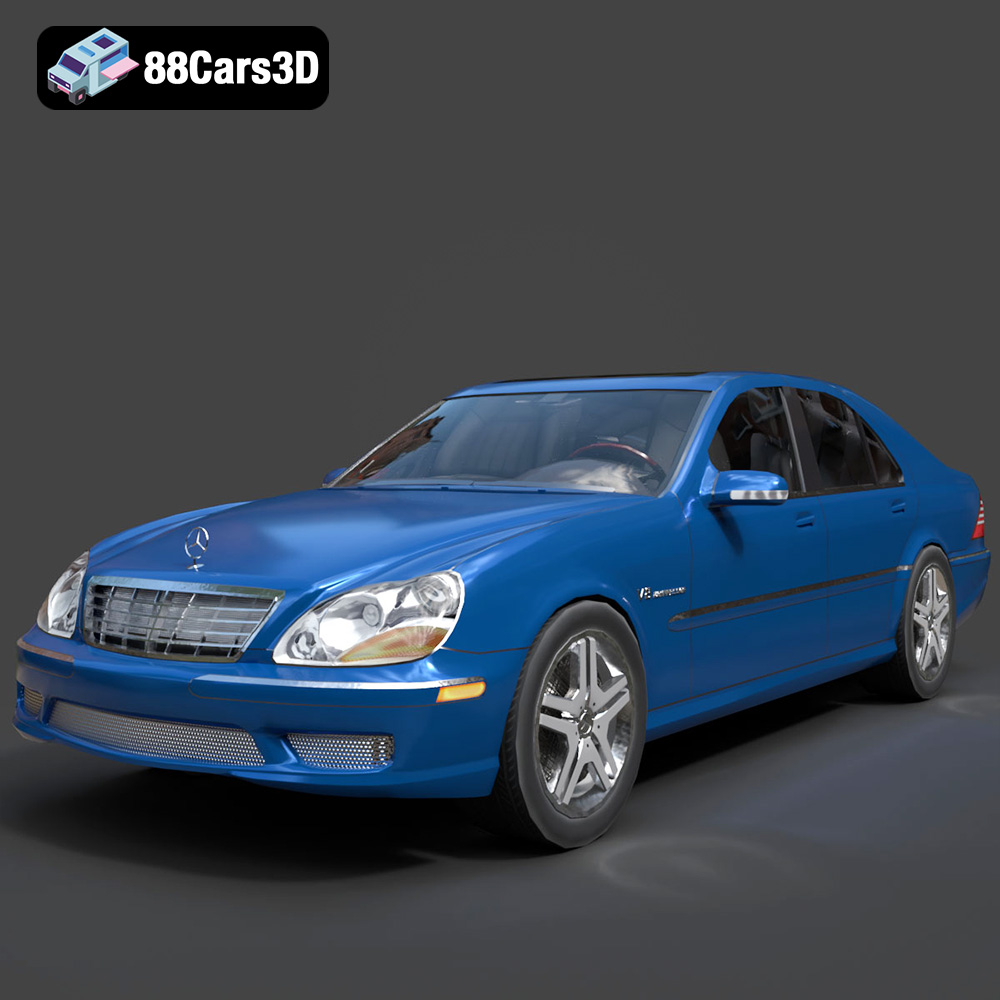
Mercedes-Benz S55 W220 AMG 1999 3D Model
Texture: Yes
Material: Yes
Download the Mercedes-Benz S55 W220 AMG 1999 3D Model featuring clean geometry, realistic detailing, and a fully modeled interior. Includes .blend, .fbx, .obj, .glb, .stl, .ply, .unreal, and .max formats for rendering, simulation, and game development.
Price: $9.99
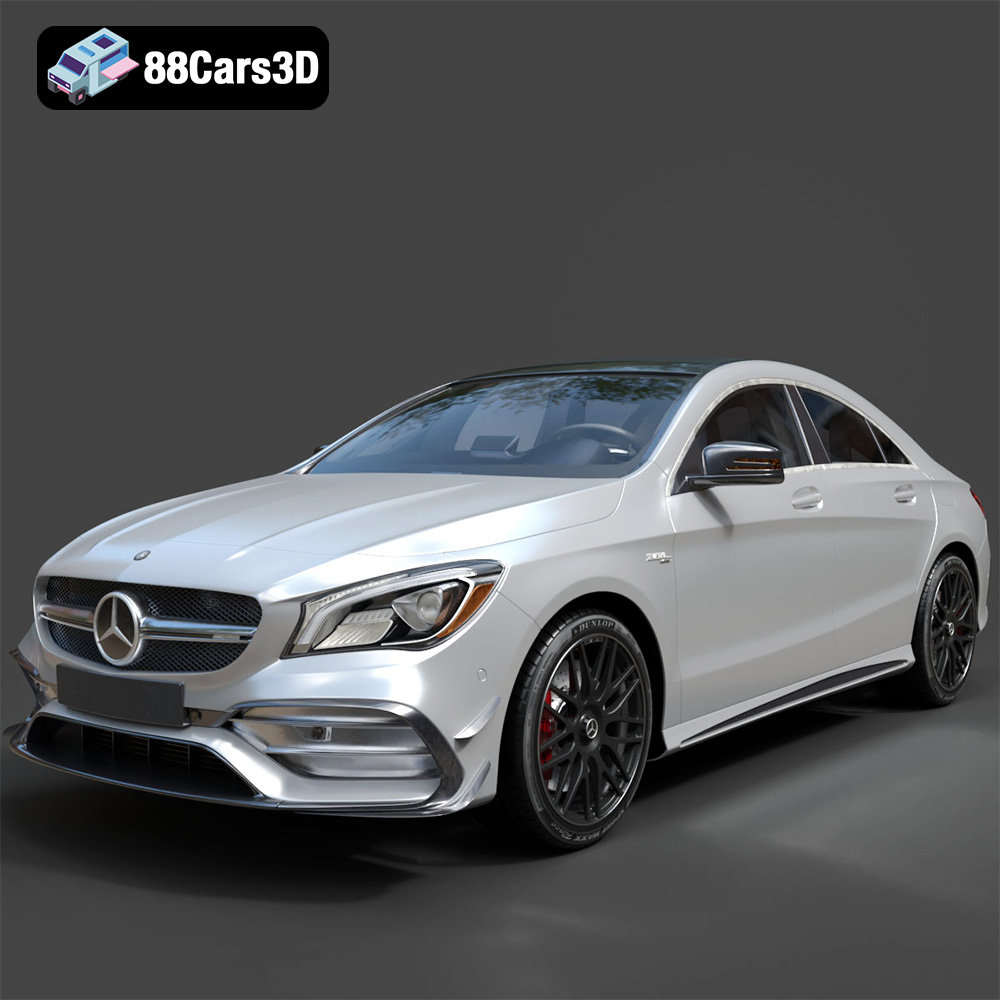
Mercedes-Benz CLA45 AMG 2017 3D Model
Texture: Yes
Material: Yes
Download the Mercedes-Benz CLA45 AMG 2017 3D Model featuring clean geometry, realistic detailing, and a fully modeled interior. Includes .blend, .fbx, .obj, .glb, .stl, .ply, .unreal, and .max formats for rendering, simulation, and game development.
Price: $29.99
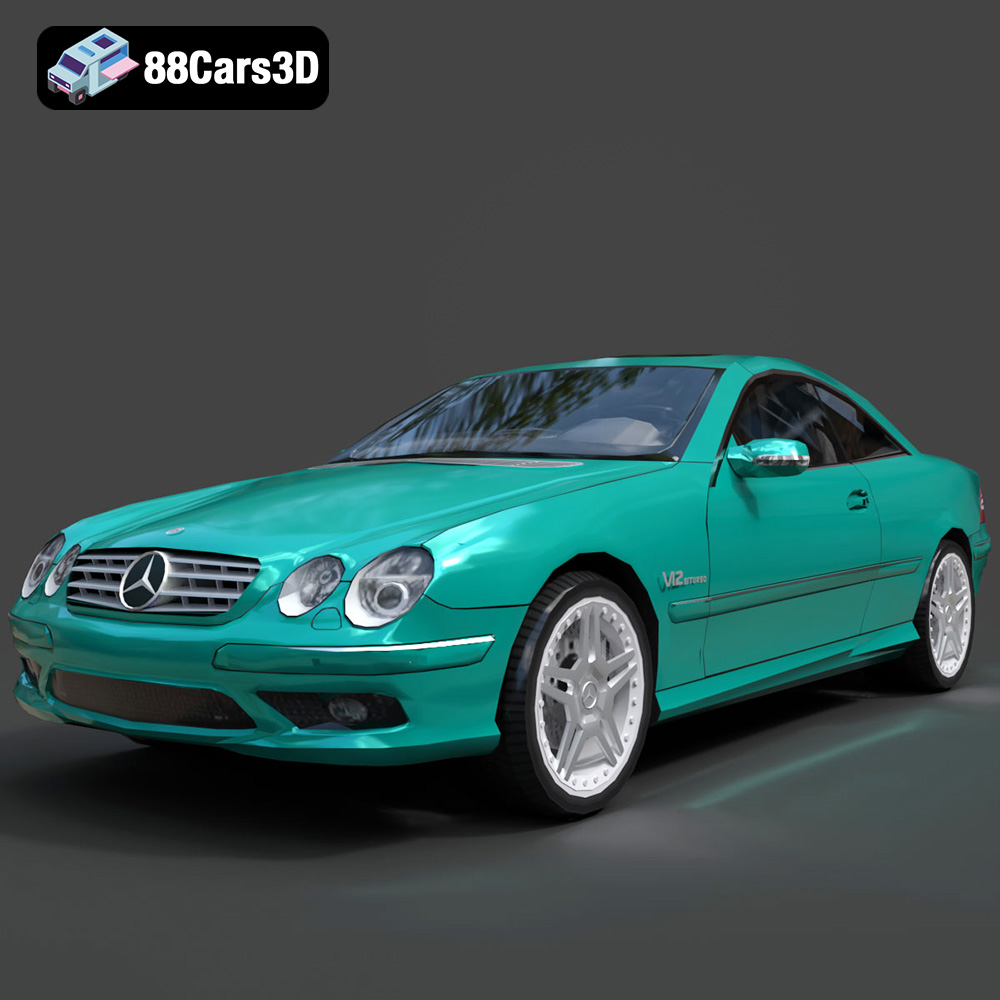
Mercedes-Benz CL65 C215 AMG 3D Model
Texture: Yes
Material: Yes
Download the Mercedes-Benz CL65 C215 AMG 3D Model featuring clean geometry, realistic detailing, and a fully modeled interior. Includes .blend, .fbx, .obj, .glb, .stl, .ply, .unreal, and .max formats for rendering, simulation, and game development.
Price: $9.99
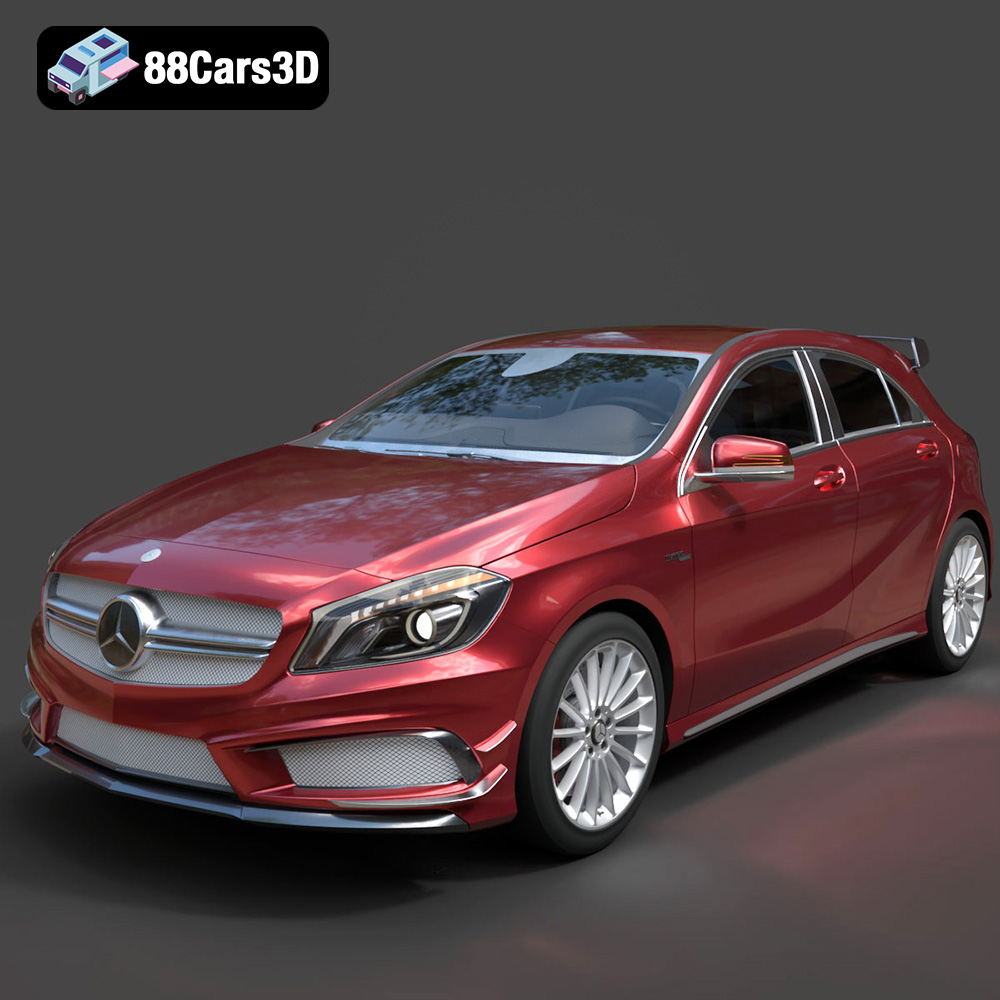
Mercedes-Benz A45 2021 3D Model
Texture: Yes
Material: Yes
Download the Mercedes-Benz A45 2021 3D Model featuring clean geometry, realistic detailing, and a fully modeled interior. Includes .blend, .fbx, .obj, .glb, .stl, .ply, .unreal, and .max formats for rendering, simulation, and game development.
Price: $9.99
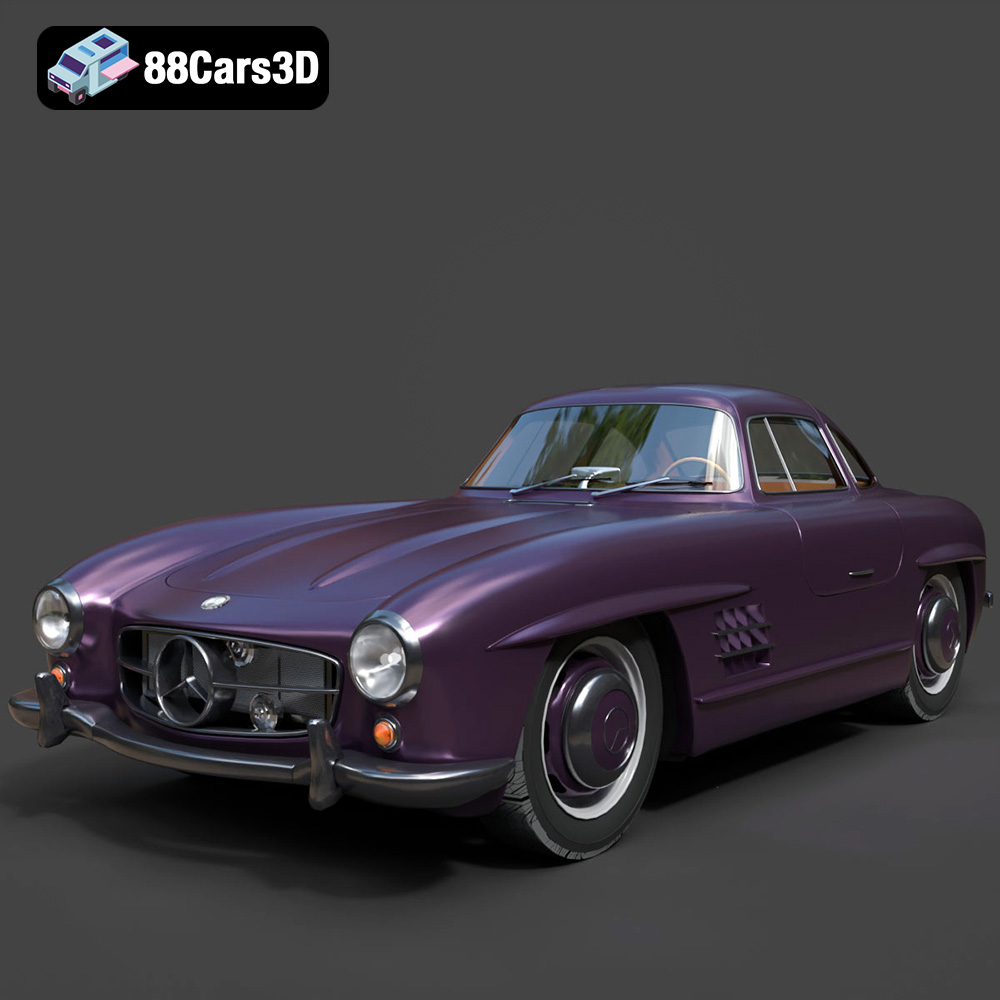
Mercedes-Benz 300SL 1955 3D Model
Texture: Yes
Material: Yes
Download the Mercedes-Benz 300SL 1955 3D Model featuring clean geometry, realistic detailing, and a fully modeled interior. Includes .blend, .fbx, .obj, .glb, .stl, .ply, .unreal, and .max formats for rendering, simulation, and game development.
Price: $9.99
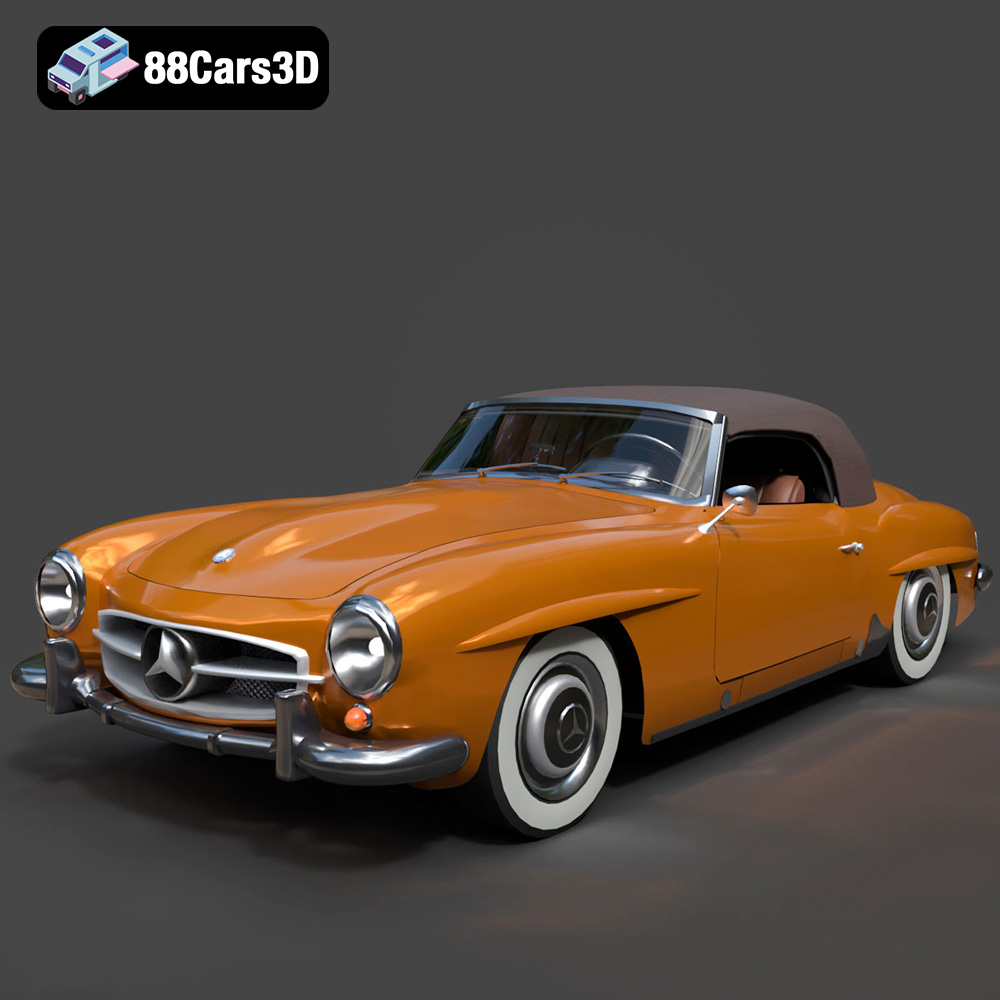
Mercedes-Benz 190SL 1955 3D Model
Texture: Yes
Material: Yes
Download the Mercedes-Benz 190SL 1955 3D Model featuring clean geometry, realistic detailing, and a fully modeled interior. Includes .blend, .fbx, .obj, .glb, .stl, .ply, .unreal, and .max formats for rendering, simulation, and game development.
Price: $9.99
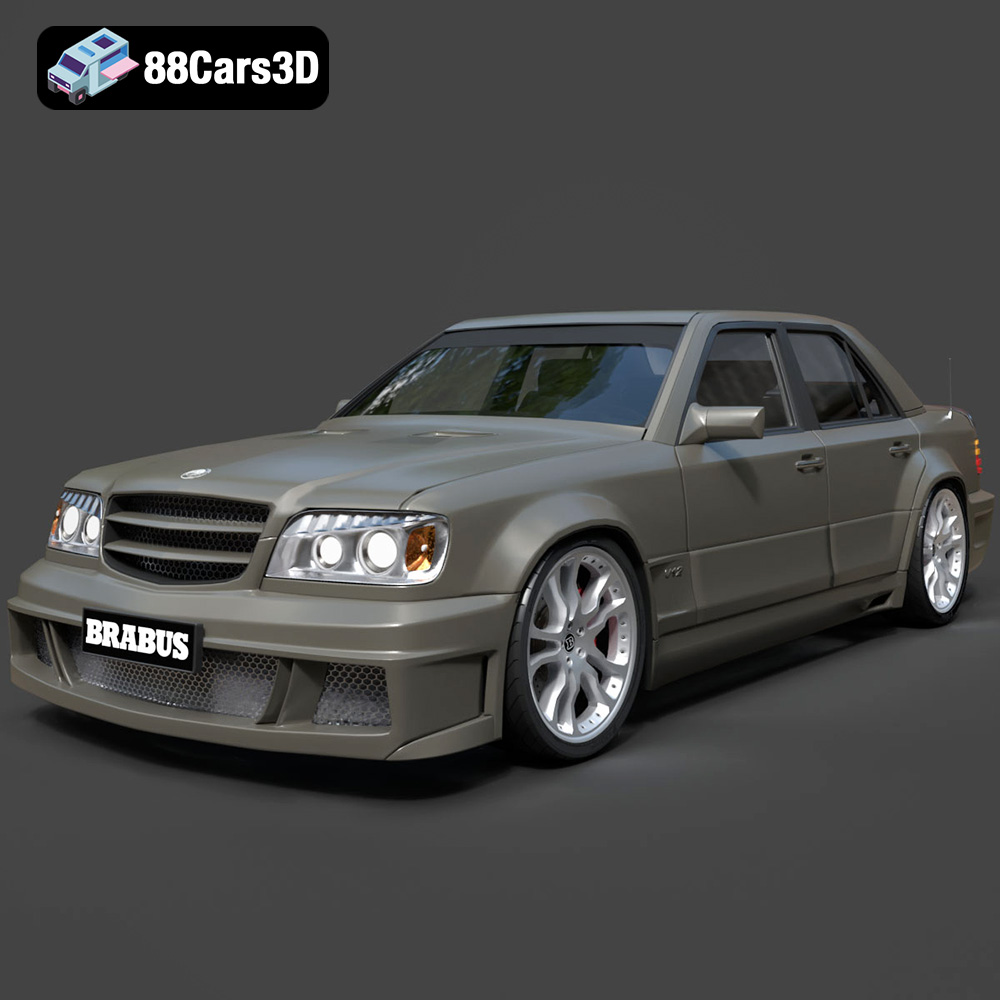
Mercedes-Benz W124 Brabus V12 3D Model
Texture: Yes
Material: Yes
Download the Mercedes-Benz W124 Brabus V12 3D Model featuring clean geometry, realistic detailing, and a fully modeled interior. Includes .blend, .fbx, .obj, .glb, .stl, .ply, .unreal, and .max formats for rendering, simulation, and game development.
Price: $9.99
