
The Ultimate Guide to Preparing and Optimizing 3D Car Models for Any Application

“`html
The Ultimate Guide to Preparing and Optimizing 3D Car Models for Any Application
A high-quality 3D car model is a masterpiece of digital craftsmanship, but its journey doesn’t end in the modeling software. Whether destined for a photorealistic automotive rendering, a high-octane video game, an immersive AR/VR experience, or a physical 3D print, the raw model must be meticulously prepared and optimized. This process transforms a beautiful but static mesh into a versatile, high-performance asset ready for any pipeline. Many artists and developers underestimate this crucial stage, leading to poor performance, visual artifacts, and frustrating technical hurdles. This guide will demystify the entire process, providing a comprehensive technical roadmap for taking a 3D car model from its base form to a polished, application-specific final product. We will dive deep into the foundational principles of topology, the intricate art of UV mapping, the science of PBR materials, and the specific optimization workflows for rendering, game development, AR/VR, and 3D printing. Starting with a professionally crafted asset, like those found on 88cars3d.com, gives you a significant head start, but understanding these techniques is essential to unlocking its full potential in your projects.
The Foundation: Flawless Topology and Edge Flow
Before any texturing or rendering, the quality of a 3D car model is defined by its underlying geometry—its topology. For automotive models, which are characterized by large, smooth surfaces and sharp, precise details, clean topology is non-negotiable. It dictates how the model subdivides, how it catches light and reflections, and how easily it can be modified or optimized later. Neglecting this foundation will result in a cascade of problems down the line, from rendering artifacts to animation issues.
Why Clean Topology is Paramount for Automotive Models
Clean topology ensures predictable and smooth surface deformation when subdivision modifiers (like Turbosmooth in 3ds Max or OpenSubdiv) are applied. For a car’s body, this is critical for achieving the liquid-smooth reflections seen in professional automotive renderings. Bad topology, characterized by triangles, n-gons (polygons with more than four sides), and complex poles (vertices with more than five edges connected), creates pinching, bumps, and shading errors that are impossible to hide. A clean, quad-based mesh allows light to flow evenly across the surface, creating realistic highlights and reflections that accurately describe the car’s form. It also makes the UV unwrapping process significantly easier and more efficient.
Quad-Based Modeling vs. Triangulation
The industry standard for “source” or high-poly modeling is to work exclusively with quadrilaterals (quads). Quads are predictable, create clean edge loops, and subdivide perfectly. However, it’s important to understand that every 3D engine ultimately triangulates all geometry before rendering it. The key is to control when and how this triangulation happens. By providing a clean quad mesh, you let the engine perform an optimal, predictable triangulation. If you model with triangles from the start or have a messy mix of quads and n-gons, you lose that control, which can lead to non-planar faces and shading artifacts. For game assets, the final mesh will be explicitly triangulated during export, but the source model should remain in quads for as long as possible.
Key Principles of Edge Flow for Car Bodies
Edge flow refers to the directional lines that the polygon edges follow across a model’s surface. For automotive models, proper edge flow is essential for defining form and detail.
- Follow the Contour: Edge loops should follow the natural curves and contours of the car body, like the curve of a fender arch or the sharp crease along the shoulder line. This reinforces the shape and ensures smooth transitions.
- Support Edges: To maintain sharp edges and defined panel gaps after subdivision, “support” or “holding” edges are placed parallel to the primary edge. The closer these support edges are to the main edge, the tighter the resulting crease will be. A common mistake is placing them too close, which can cause visible faceting.
– Even Distribution: Polygons should be as evenly distributed and square-shaped as possible across large, flat, or gently curving surfaces like the hood, roof, and doors. This prevents texture distortion and ensures uniform detail density when subdividing.
Mastering UV Unwrapping for Complex Automotive Surfaces
UV mapping is the process of translating a 3D model’s surface into a 2D representation, allowing textures to be applied accurately. For a complex object like a car, with its mix of large panels, intricate details, and hidden components, UV unwrapping is a challenging but vital task. A well-executed UV map is the difference between a seamlessly textured model and one plagued by stretched textures, visible seams, and inconsistent detail.
Strategic Seam Placement for Minimal Distortion
The core of good UV unwrapping is deciding where to place seams—the cuts that allow the 3D mesh to be flattened into 2D UV islands. The goal is to hide these seams as effectively as possible.
- Use Natural Boundaries: Place seams along the natural panel gaps of the car—between the door and the fender, around the hood, and along trim pieces. This is the most effective way to hide them.
- Hide in Obscure Areas: For continuous surfaces where a seam is unavoidable, place it in the least visible location, such as the underside of the chassis, the inside of a wheel well, or along a sharp bottom edge.
- Avoid High-Curvature Areas: Placing a seam directly on a highly curved area can cause visible texture mismatches and lighting artifacts. It’s better to run the seam along a flatter section leading up to the curve.
The unwrapping process itself involves using tools like 3ds Max’s Peel or Blender’s Smart UV Project, followed by manual relaxation and straightening of UV shells to minimize stretching and distortion, which can be visualized with a UV checker map.
UDIMs vs. Single UV Layouts
For achieving extremely high-resolution textures, especially for cinematic or close-up rendering work, a single UV map may not suffice. This is where the UDIM (U-Dimension) workflow comes in. Instead of packing all UV islands into a single 0-1 UV space, UDIMs allow you to use multiple UV tiles. For a car, you might assign one UDIM tile for the main body, another for the interior, one for the wheels, and another for the undercarriage. This allows you to use separate, high-resolution texture maps (e.g., multiple 4K or 8K maps) for different parts of the car, resulting in incredible detail without being limited by a single texture’s resolution. In contrast, for game assets, it’s often more performant to pack everything into a single UV layout to minimize material slots and draw calls.
Texel Density Explained
Texel density is a critical concept that refers to the amount of texture resolution (pixels) applied per unit of 3D surface area. Maintaining a consistent texel density across the entire model is crucial for ensuring that details appear uniformly sharp. If the doors have a high texel density but the bumper has a low one, the textures on the bumper will look blurry and low-quality in comparison. You can calculate and visualize texel density using built-in tools or plugins in most 3D software. For a hero game asset, a target might be 1024 pixels per square meter (10.24 px/cm). For a close-up render, this could be much higher. The key is consistency across all parts of the model that will be viewed from a similar distance.
Crafting Hyper-Realistic PBR Materials
Physically Based Rendering (PBR) is a methodology for shading and rendering that provides a more accurate representation of how light interacts with materials. For automotive visualization, a PBR workflow is essential for creating believable car paint, glass, chrome, rubber, and plastics. This involves creating a set of specific texture maps that control the material’s properties.
The Core PBR Workflow (Metallic/Roughness)
The most common PBR workflow is the Metal/Roughness model. It relies on a few key texture maps:
- Base Color (Albedo): This defines the raw color of the surface. For metals, it defines the reflectance color. For non-metals (dielectrics), it’s the diffuse color.
- Metallic: A grayscale map that dictates whether a surface is metallic (white/1) or non-metallic (black/0). There are rarely in-between values; a surface is typically one or the other.
- Roughness: Perhaps the most important map for realism. This grayscale map controls the microscopic smoothness of a surface. A value of black (0) creates a perfectly smooth, mirror-like surface, while a value of white (1) creates a completely matte, diffuse surface. Variations in roughness maps are key to creating realistic wear, smudges, and surface imperfections.
- Normal Map: This map simulates fine surface detail without adding extra polygons. For a car, this is used for everything from the texture of leather seats to the sidewall details on a tire and the metallic flakes in car paint.
Building Complex Shader Networks
A car is a collection of complex materials that often go beyond the basic PBR setup. A realistic car paint shader, for example, is a multi-layered material:
- Base Paint Layer: This has the primary Base Color, a high Metallic value, and a medium Roughness value.
- Flake Layer: A separate Normal map with small, randomized specks is mixed into the base Normal map to simulate the metallic flakes that give the paint its sparkle.
- Clear Coat Layer: A built-in clear coat layer is added on top in renderers like Corona, V-Ray, or Arnold. This layer has its own IOR (Index of Refraction, ~1.5-1.6) and Roughness value, allowing you to create a perfectly smooth, reflective top coat over the slightly rougher base paint. This layered approach is what creates the deep, lustrous look of real car paint.
Similarly, creating believable glass requires setting the correct IOR (around 1.52), adjusting transparency/refraction color to simulate tint, and adding subtle surface imperfections via a faint roughness or normal map.
Texture Resolutions and File Formats
The resolution of your textures depends entirely on the application. For a cinematic hero car, 4K (4096×4096) or even 8K textures might be used via a UDIM workflow. For a real-time game asset, 2K or 4K textures are more common, and for a mobile AR app, 1K might be necessary. When it comes to file formats, use lossless formats for your source and render files. PNG is great for maps that need an alpha channel (like decals). TGA is a robust, uncompressed classic. For maps containing high dynamic range data, like displacement or emission maps, EXR (16-bit or 32-bit) is the professional standard.
Optimization for High-Fidelity Rendering
When the goal is photorealism, optimization isn’t about reducing polygons but about preparing the model to be rendered flawlessly and efficiently by powerful offline render engines like Corona, V-Ray, Cycles, or Arnold. This workflow prioritizes visual quality above all else.
Preparing Meshes for Subdivision
The high-quality base mesh, with its perfect quad topology, is designed to be subdivided at render time. This is where modifiers like 3ds Max’s TurboSmooth or Maya’s Smooth Mesh Preview come in. By applying 2-3 levels of subdivision, the polygon count increases exponentially, creating an ultra-smooth, high-resolution surface that is perfect for capturing crisp reflections. The support edges modeled earlier ensure that sharp creases and panel gaps hold their shape perfectly under subdivision. The final render-ready mesh for a car could easily be between 5 and 15 million polygons, a count that would be impossible for a real-time application but is standard for high-end automotive rendering.
Lighting Setups for Automotive Renders
Lighting is everything in automotive visualization. A great model can look flat and uninteresting with poor lighting. The industry-standard approach is Image-Based Lighting (IBL) using a High Dynamic Range Image (HDRI). An HDRI of a photo studio, an outdoor environment, or an urban setting wraps around the scene and provides both realistic ambient light and, crucially, detailed reflections that reveal the car’s shape. This is often supplemented with a classic three-point lighting setup (Key, Fill, and Rim lights) using large area lights to sculpt the car’s form, create custom highlights, and make it “pop” from the background.
Render Engine Considerations
While most modern render engines are capable of producing stunning results, some have advantages for automotive work.
- V-Ray & Corona Renderer: Both are production-proven powerhouses in 3ds Max. They are renowned for their speed, stability, and incredibly deep material systems, including dedicated, multi-layered car paint shaders and robust clear coat options that make achieving photorealism straightforward. When you source high-quality 3D car models, they often come with pre-configured materials for these popular renderers.
- Blender Cycles: A powerful, physically-based path tracer that is completely free. Its node-based shader editor provides immense flexibility for building complex materials from scratch.
- Arnold: A robust renderer popular in the VFX industry, known for its ability to handle extremely complex scenes and its artist-friendly workflow.
Real-Time Ready: Optimizing for Game Engines
Preparing a car model for a game engine like Unreal Engine or Unity is a completely different challenge. Here, the primary constraints are performance and memory. The goal is to create a model that looks as detailed as possible while adhering to a strict polygon and texture budget to maintain a high and stable frame rate.
The Art of Polygon Reduction and Retopology
A high-poly render model of 10 million polygons must be reduced to a fraction of that for a game. The target polygon count depends on the platform and game type. A hero car for a AAA PC/console racing game might be between 80,000 and 200,000 triangles. For a mobile game, this could be as low as 10,000-30,000. This reduction is achieved through manual retopology or by using automated tools like ZBrush’s Decimation Master or 3ds Max’s Retopology modifier. The process involves creating a new, low-polygon mesh that matches the silhouette and form of the original high-poly model. The fine details (panel gaps, bolts, vents) that were removed are then “baked” from the high-poly model into a Normal map, which is applied to the low-poly model to create the illusion of high detail.
Creating and Implementing Levels of Detail (LODs)
Levels of Detail (LODs) are crucial for performance. An engine doesn’t need to render a 150,000-triangle car when it’s just a speck in the distance. LODs are a series of lower-polygon versions of the model that the engine swaps in automatically as the object gets further from the camera. A typical setup includes:
- LOD0: The highest quality model (e.g., 150k triangles), used for close-ups.
- LOD1: A reduced version (e.g., 70k triangles), used at medium distance.
- LOD2: A more aggressive reduction (e.g., 25k triangles), for far distances.
- LOD3: A very simple “impostor” mesh (e.g., <5k triangles), for extreme distances.
Creating these requires careful, iterative polygon reduction, focusing on removing details that won’t be visible from a distance, like interior components or complex suspension parts.
Texture Atlasing and Draw Call Reduction
In a game engine, every time the CPU has to tell the GPU to draw an object with a unique material, it’s called a “draw call.” Too many draw calls can severely impact performance. A car model might have separate materials for the body, wheels, glass, brakes, and interior. To optimize this, we use a technique called texture atlasing. This involves combining the UVs of multiple different parts (e.g., the brake caliper, rotor, and lug nuts) into a single UV layout and baking their unique textures into one shared texture set (Base Color, Normal, etc.). This allows all those parts to be rendered with a single material, reducing multiple draw calls to just one, which provides a significant performance boost.
Bridging Worlds: Prep for AR/VR and 3D Printing
Emerging technologies like Augmented Reality (AR), Virtual Reality (VR), and 3D printing present their own unique sets of challenges and requirements for 3D car models. Optimization here is a hybrid of visual quality and extreme performance or physical viability.
AR/VR Specifics: GLB/USDZ Formats and Performance Budgets
For AR and VR applications, performance is absolutely critical to prevent motion sickness and maintain immersion. Polygon counts must be kept very low, often even lower than for mobile games. A typical budget for a web-based AR model is under 50,000 triangles and a total file size of less than 10MB.
The most common file formats for this space are GLB (for Android/web) and USDZ (for Apple iOS). These formats are powerful because they are self-contained, packaging the 3D mesh, materials, and textures all into a single file. The PBR texture workflow is essential, but textures often need to be downsized to 1K (1024×1024) or even 512×512 and compressed heavily (using formats like JPG or WebP) to meet file size targets. This requires a careful balance of quality and compression.
3D Printing Prep: Watertight Meshes and Manifold Geometry
Preparing a model for 3D printing is a purely geometric task. Textures and materials are irrelevant. The model must be a single, solid, “watertight” mesh. This means there can be no holes or gaps in the geometry. It must be a closed volume, also known as manifold geometry. Many 3D car models are built for rendering and are just a collection of separate, intersecting surfaces (e.g., the side mirrors are just pushed into the door). For 3D printing, these pieces must be properly merged into a single continuous mesh using boolean operations. Furthermore, details like the car’s interior must be removed, and parts like thin wing mirrors or spoilers may need to be thickened to ensure they are strong enough to be printed without breaking. Tools like Meshmixer or Windows 3D Builder can be used to analyze a mesh for errors (like non-manifold edges or inverted normals) and perform automatic repairs before sending it to the slicer software.
Conclusion: The Universal Language of Quality
The journey of a 3D car model from a digital sculpt to a functional asset is a testament to the versatility of 3D graphics. We’ve seen how a single, well-constructed model can be adapted for vastly different purposes, from a multi-million polygon mesh for a breathtaking automotive rendering to a 10MB file for an interactive AR experience. The key takeaway is that the principles of quality—clean topology, thoughtful UV mapping, and realistic PBR materials—form a universal foundation. Understanding how to adapt and optimize from this foundation is what separates a novice from an expert. The specific techniques may differ, but the goal is always the same: to translate a digital creation into its most effective form for the chosen medium. Whether you’re starting from scratch or using a production-ready model from a marketplace like 88cars3d.com, applying these principles of preparation and optimization will ensure your projects not only look stunning but also perform flawlessly, no matter the final destination.
“`
Featured 3D Car Models
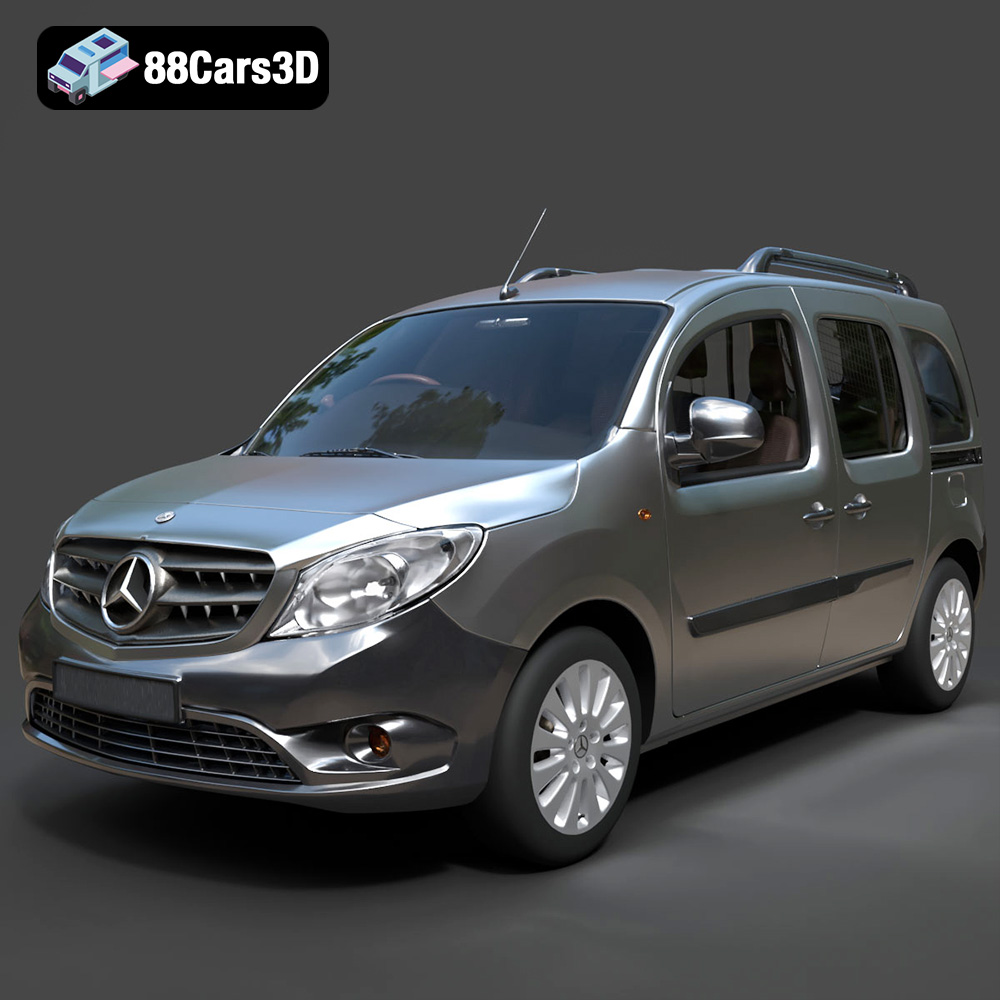
Mercedes-Benz Citan 2025 3D Model
Texture: Yes
Material: Yes
Download the Mercedes-Benz Citan 2025 3D Model featuring clean geometry, realistic detailing, and a fully modeled interior. Includes .blend, .fbx, .obj, .glb, .stl, .ply, .unreal, and .max formats for rendering, simulation, and game development.
Price: $4.99
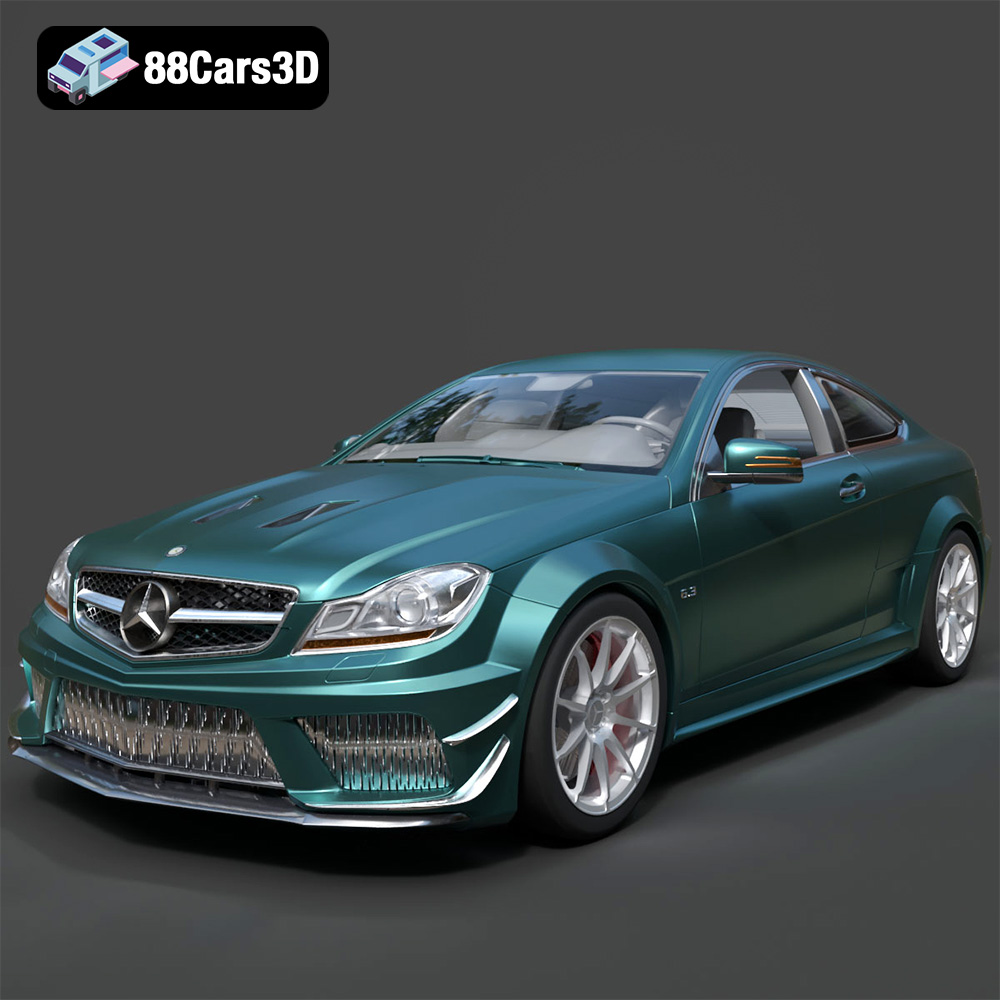
Mercedes-Benz C63 AMG 2012 3D Model
Texture: Yes
Material: Yes
Download the Mercedes-Benz C63 AMG 2012 3D Model featuring clean geometry, realistic detailing, and a fully modeled interior. Includes .blend, .fbx, .obj, .glb, .stl, .ply, .unreal, and .max formats for rendering, simulation, and game development.
Price: $4.99
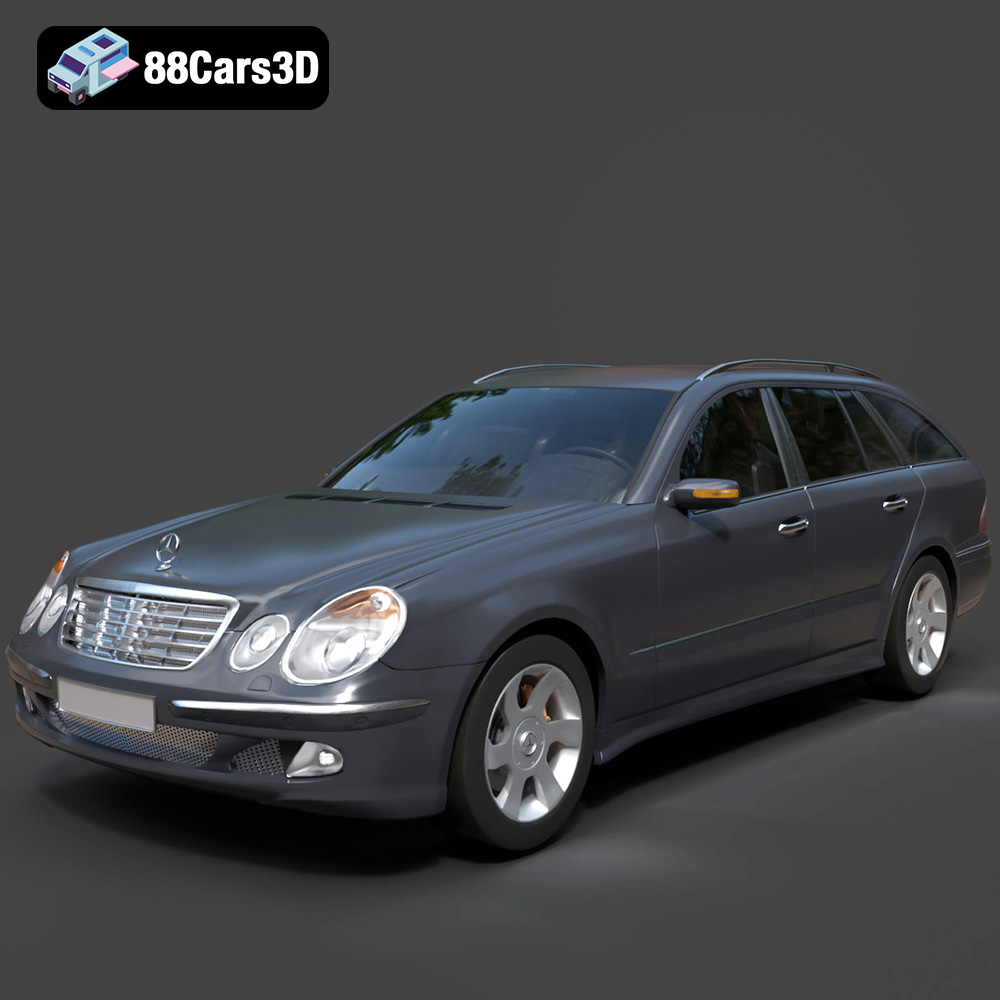
Mercedes-Benz E-Class S211 3D Model
Texture: Yes
Material: Yes
Download the Mercedes-Benz E-Class S211 3D Model featuring clean geometry, realistic detailing, and a fully modeled interior. Includes .blend, .fbx, .obj, .glb, .stl, .ply, .unreal, and .max formats for rendering, simulation, and game development.
Price: $4.99
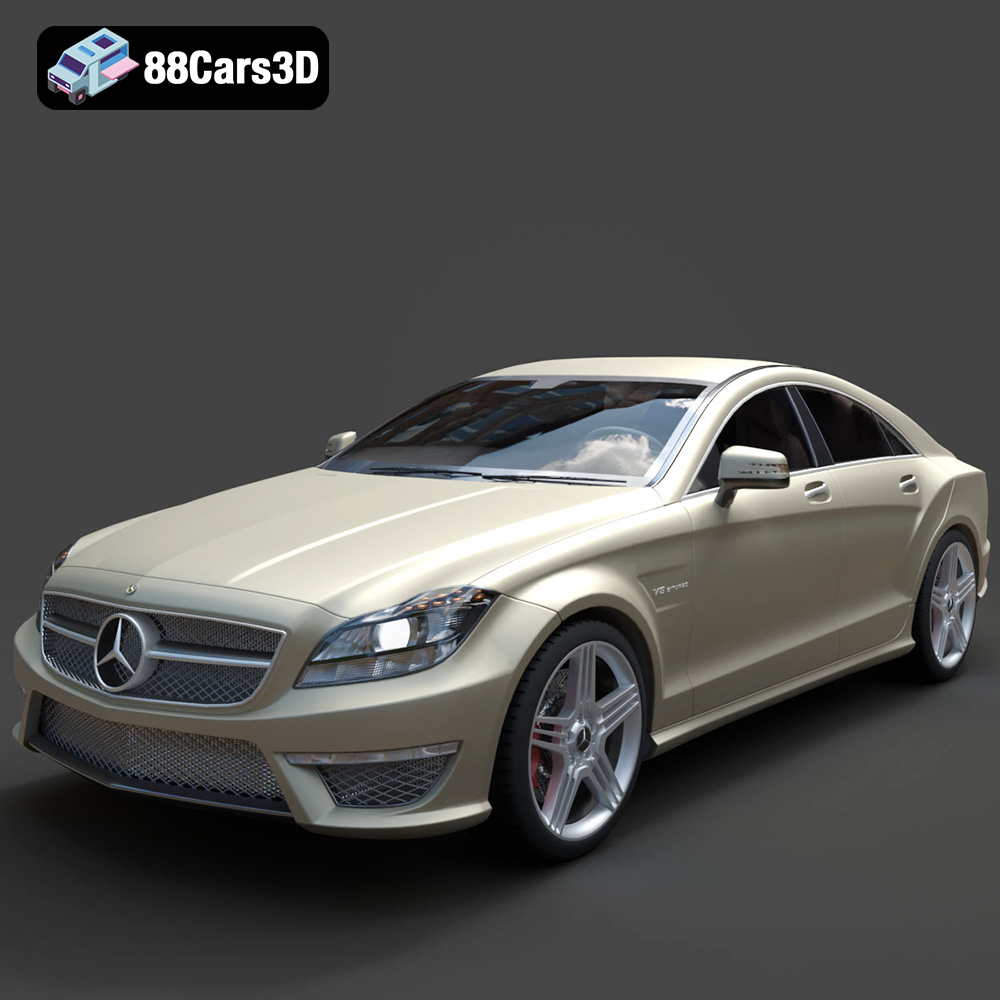
Mercedes-Benz CLS63 AMG (C218) 2014 3D Model
Texture: Yes
Material: Yes
Download the Mercedes-Benz CLS63 AMG (C218) 2014 3D Model featuring clean geometry, realistic detailing, and a fully modeled interior. Includes .blend, .fbx, .obj, .glb, .stl, .ply, .unreal, and .max formats for rendering, simulation, and game development.
Price: $4.99
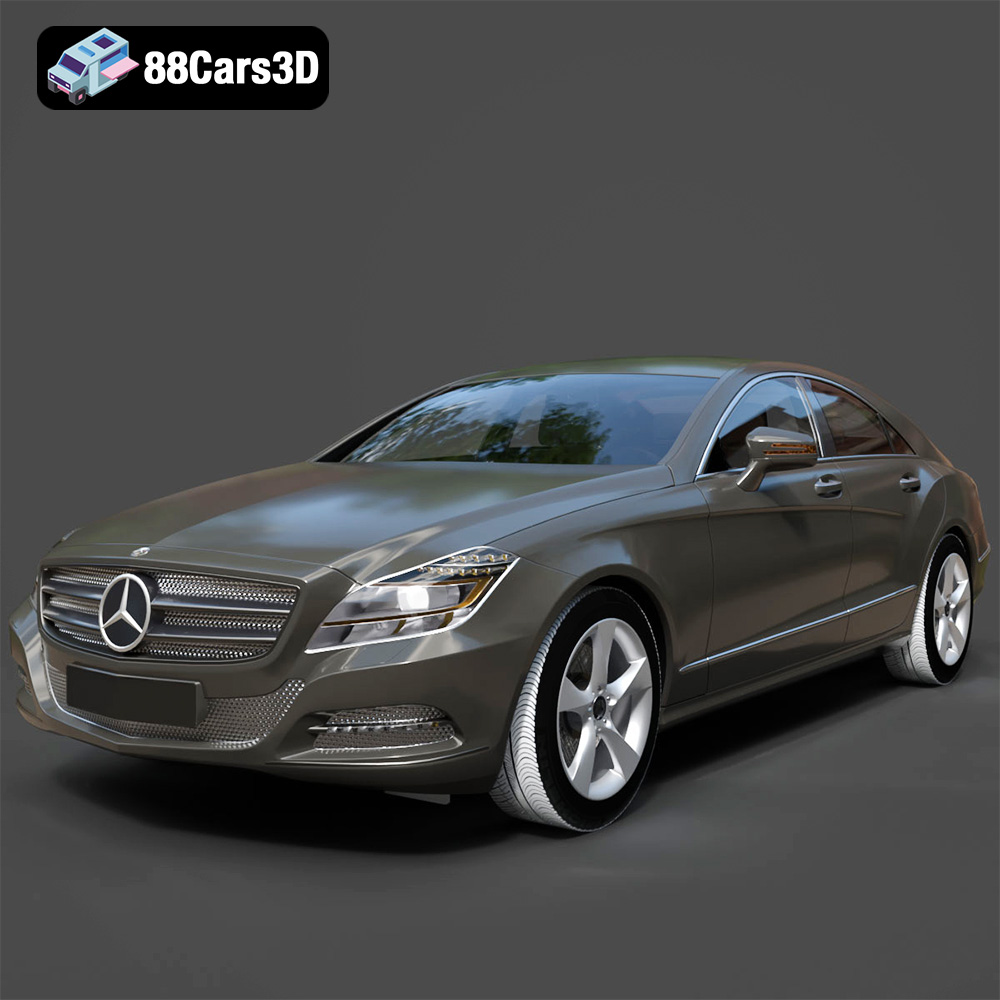
Mercedes-Benz CLS-Klasse 3D Model
Texture: Yes
Material: Yes
Download the Mercedes-Benz CLS-Klasse 3D Model featuring clean geometry, realistic detailing, and a fully modeled interior. Includes .blend, .fbx, .obj, .glb, .stl, .ply, .unreal, and .max formats for rendering, simulation, and game development.
Price: $4.99
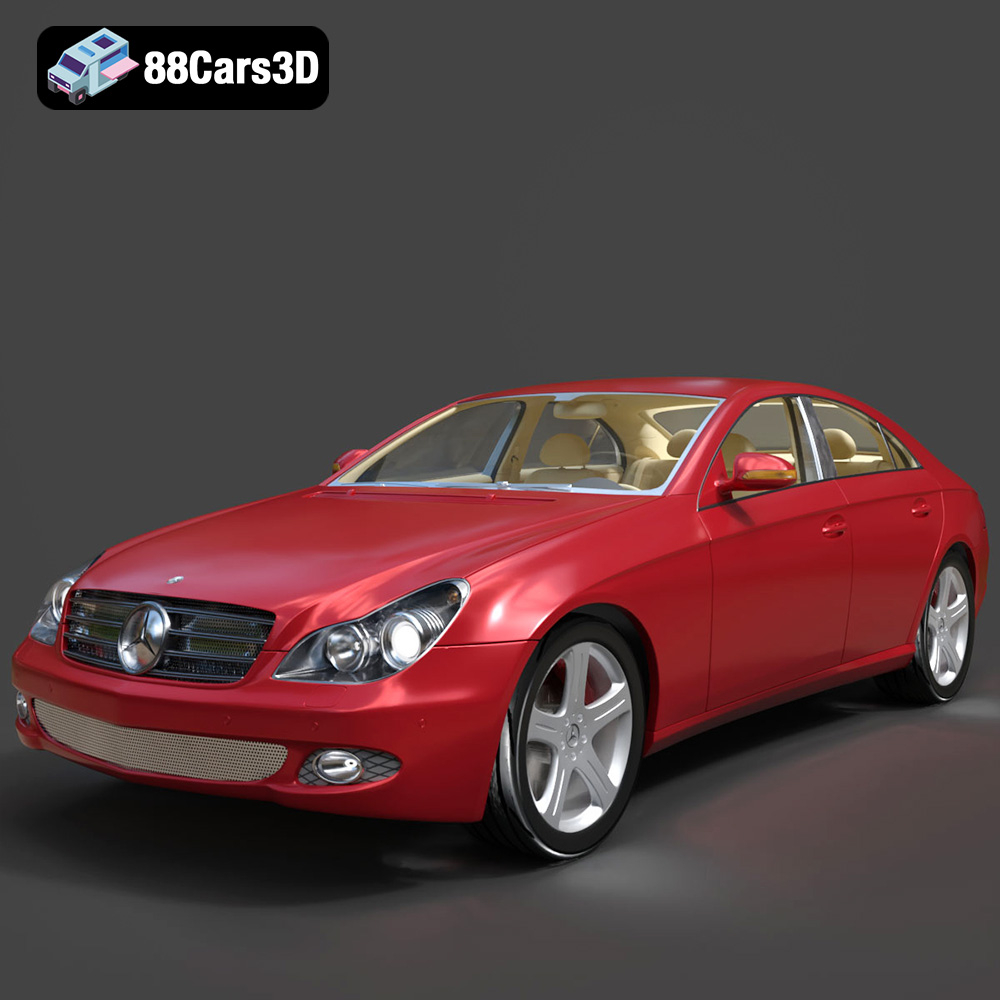
Mercedes-Benz CLS 500 3D Model
Texture: Yes
Material: Yes
Download the Mercedes-Benz CLS 500 3D Model featuring clean geometry, realistic detailing, and a fully modeled interior. Includes .blend, .fbx, .obj, .glb, .stl, .ply, .unreal, and .max formats for rendering, simulation, and game development.
Price: $4.99

Mercedes-Benz CL-Klasse 2001 3D Model
Texture: Yes
Material: Yes
Download the Mercedes-Benz CL-Klasse 2001 3D Model featuring clean geometry, realistic detailing, and a fully modeled interior. Includes .blend, .fbx, .obj, .glb, .stl, .ply, .unreal, and .max formats for rendering, simulation, and game development.
Price: $4.99
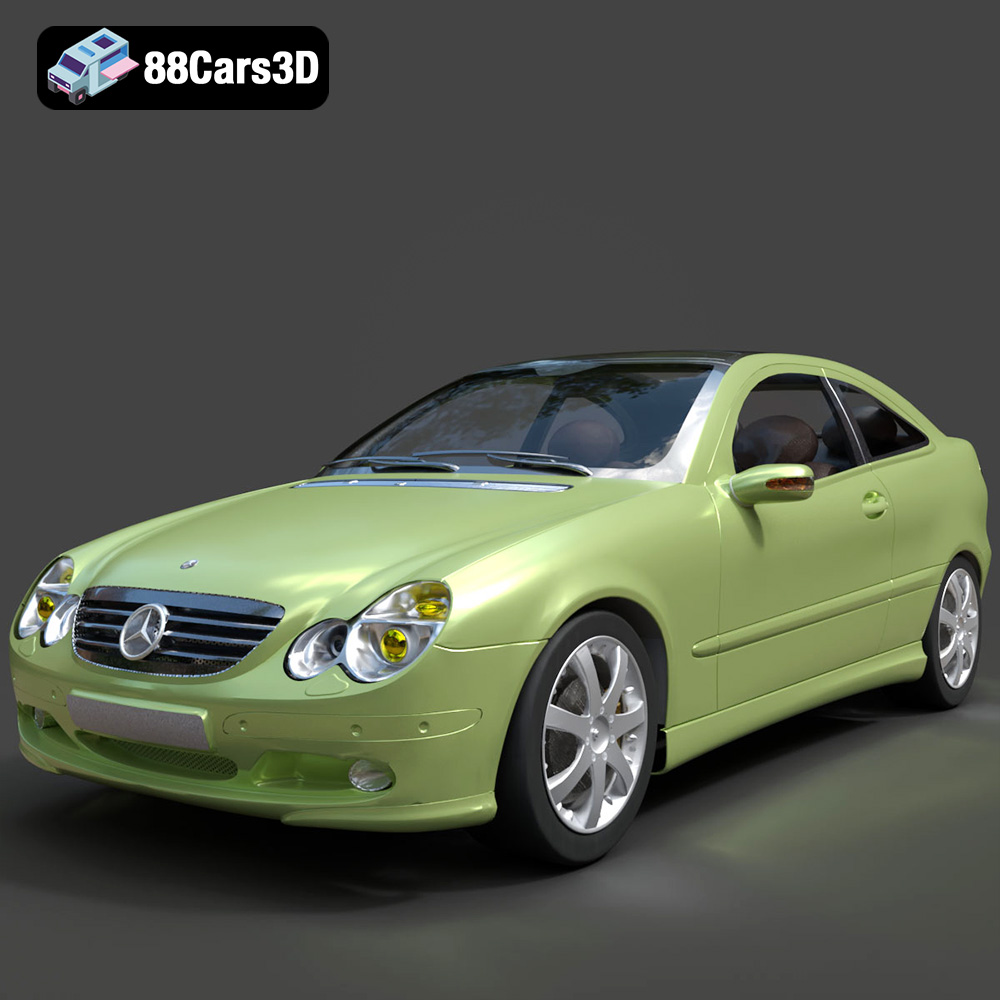
Mercedes-Benz C-Klasse Sportcoupe 2000 3D Model
Texture: Yes
Material: Yes
Download the Mercedes-Benz C-Klasse Sportcoupe 2000 3D Model featuring clean geometry, realistic detailing, and a fully modeled interior. Includes .blend, .fbx, .obj, .glb, .stl, .ply, .unreal, and .max formats for rendering, simulation, and game development.
Price: $4.99
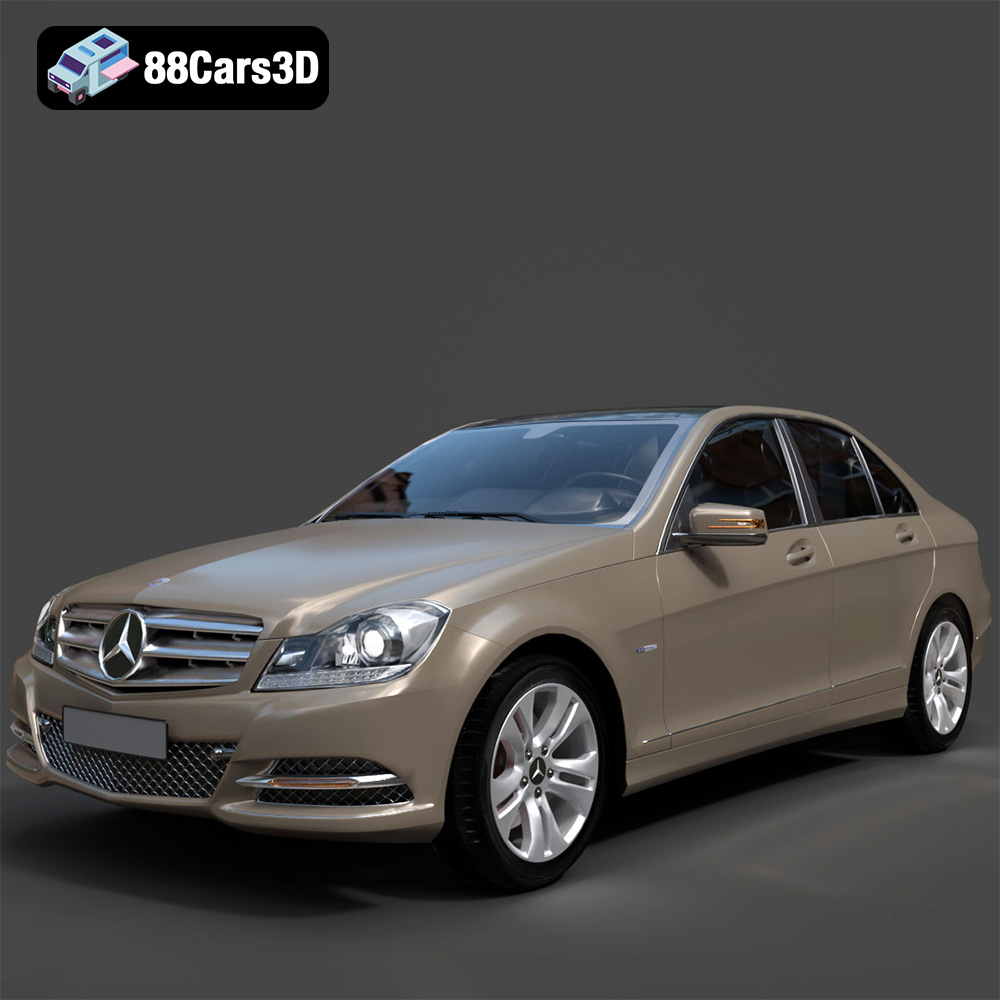
Mercedes-Benz C-Klasse 204 2011 3D Model
Texture: Yes
Material: Yes
Download the Mercedes-Benz C-Klasse 204 2011 3D Model featuring clean geometry, realistic detailing, and a fully modeled interior. Includes .blend, .fbx, .obj, .glb, .stl, .ply, .unreal, and .max formats for rendering, simulation, and game development.
Price: $4.99
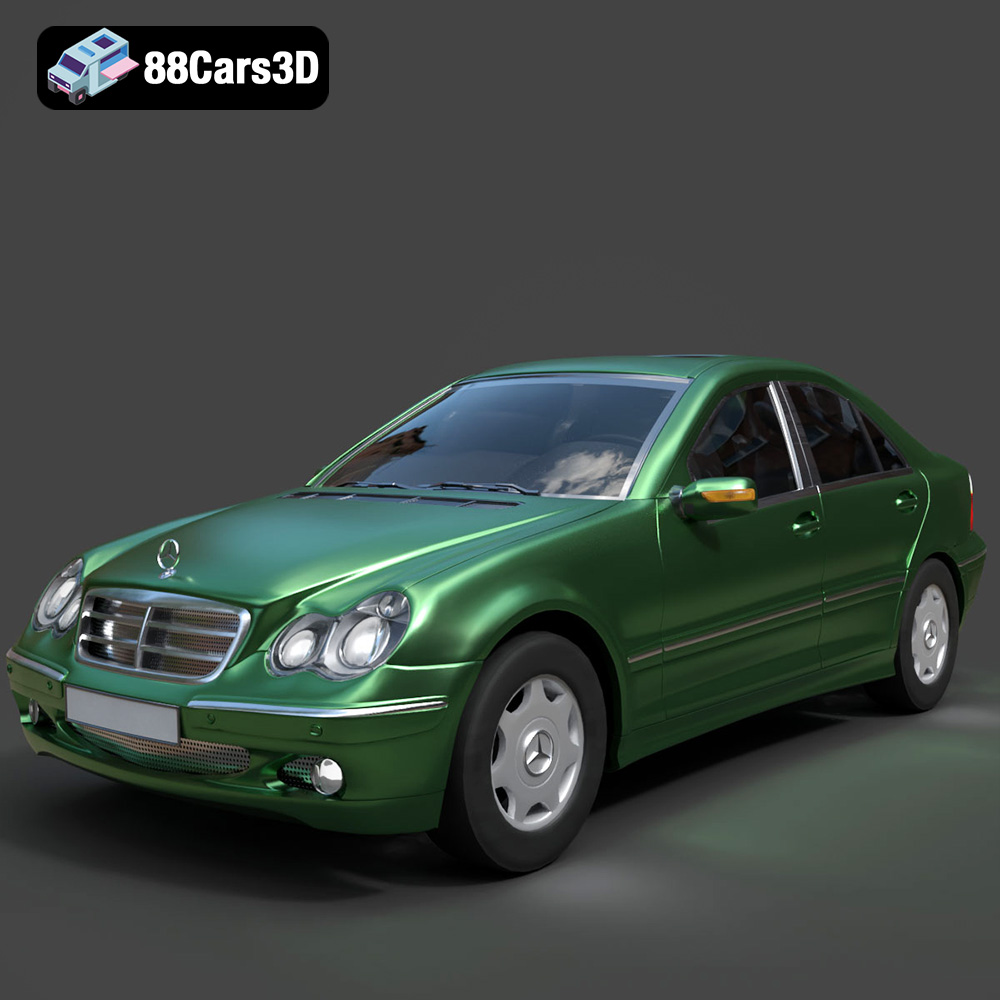
Mercedes-Benz C-Class Sedan 2000 3D Model
Texture: Yes
Material: Yes
Download the Mercedes-Benz C-Class Sedan 3D Model featuring clean geometry, realistic detailing, and a fully modeled interior. Includes .blend, .fbx, .obj, .glb, .stl, .ply, .unreal, and .max formats for rendering, simulation, and game development.
Price: $4.99
