
The Ultimate Guide to Preparing and Optimizing 3D Car Models for Any Application

“`html
The Ultimate Guide to Preparing and Optimizing 3D Car Models for Any Application
In the world of digital creation, the 3D car model is a cornerstone asset. From hyper-realistic automotive rendering that graces magazine covers to the high-octane vehicles in blockbuster video games, and even the tangible models emerging from 3D printers, a single, well-crafted digital vehicle can serve countless purposes. However, the journey from a beautifully detailed source file to a perfectly optimized final asset is a technical one, filled with pipeline-specific challenges and requirements. A model prepared for a cinematic V-Ray render will cripple a real-time game engine, and a game-ready asset will lack the detail needed for a close-up visualization. This guide is your definitive roadmap to navigating these diverse workflows. We will deconstruct the process of preparing and optimizing high-quality 3D car models for any conceivable application, empowering you to unlock the full potential of your digital garage. Prepare to dive deep into topology, UV mapping, PBR materials, and the specific optimization techniques required for photorealistic rendering, real-time game engines, AR/VR experiences, and 3D printing.
The Foundation: Understanding and Evaluating Your Source Model
Before you can optimize a model for a specific purpose, you must first understand its fundamental construction. Whether you’ve created the model yourself or acquired it from a professional marketplace like 88cars3d.com, a thorough initial evaluation is non-negotiable. This foundational step saves countless hours of frustration down the line by ensuring you’re building upon a solid, well-structured asset. A high-quality source model is characterized by its clean geometry, logical organization, and flexible material setup. Rushing past this stage is like building a skyscraper on a weak foundation—the entire project is at risk of collapse when put under pressure.
Inspecting Topology and Edge Flow
Topology refers to the arrangement of vertices, edges, and polygons that form the model’s surface. For automotive models, clean, quad-based topology is the industry standard. This means the model is primarily constructed from four-sided polygons (quads). Why is this so important? Quads deform predictably, subdivide smoothly, and are easier to UV unwrap. When inspecting a model, look for:
- Consistent Edge Flow: The lines of polygons should follow the natural contours and curves of the car’s body. Look at the flow around wheel arches, headlights, and body panel seams. Good edge flow ensures that when a subdivision modifier is applied for high-quality rendering, the curves remain smooth and highlights are caught realistically without pinching or artifacts.
- Minimal Triangles and N-gons: While some triangles are unavoidable (especially in complex areas), they should be kept to a minimum and placed on flat, non-deforming surfaces. N-gons (polygons with more than four sides) should be eliminated as they can cause significant shading and subdivision errors.
- Even Polygon Distribution: The density of the mesh should be appropriate for the level of detail. Large, flat panels like the roof or doors can have larger polygons, while areas with complex curves, like the front bumper or side mirrors, require a denser mesh to hold their shape.
Checking UV Maps and Material IDs
A UV map is the 2D representation of your 3D model’s surface, acting as a guide for applying textures. Proper UV mapping is crucial for realistic materials. A key element to check is that the UVs are non-overlapping. Overlapping UVs will cause textures to bleed into incorrect areas and make baking processes like ambient occlusion impossible. For car models, it’s also common to see multiple UV channels—one for general texturing and another for details like decals, dirt, or wear. Additionally, verify the model’s use of Material IDs. These are identifiers assigned to polygons that tell the software which material to apply to which surface. A well-organized model will have separate IDs for the car paint, glass, chrome, rubber, plastic trim, and lights, making the shading process vastly more efficient.
Pipeline 1: Preparing for Photorealistic Automotive Rendering
When the goal is jaw-dropping realism for marketing stills, configurators, or cinematic shots, performance takes a backseat to visual fidelity. Here, we push the model’s detail to its limits using powerful offline render engines like Corona, V-Ray, or Blender’s Cycles. The focus is on perfect surfaces, complex materials, and physically accurate lighting. This workflow is all about creating an image that is indistinguishable from a real photograph.
Subdivision and High-Poly Detailing
The clean, quad-based topology of your source model is now put to the test. To achieve perfectly smooth surfaces and crisp highlight reflections, we use subdivision modifiers (like TurboSmooth in 3ds Max or Subdivision Surface in Blender). A key technique is the use of support loops or control edges. These are extra edge loops placed close to an edge you want to keep sharp or creased. Without them, subdivision would turn a car’s sharp body panel line into a soft, rounded edge. For a hero shot, it’s not uncommon for a subdivided car model to reach polygon counts of 5 to 20 million polygons. The goal is to add enough geometric resolution so that the silhouette and reflections are perfectly smooth from any camera angle.
Crafting Advanced PBR Materials
Photorealistic rendering demands more than basic PBR textures. Car paint is notoriously complex, and replicating it requires a multi-layered shader. In renderers like Corona or V-Ray, you would build a material with:
- A Base Layer: The main color of the car.
- A Metallic Flake Layer: A separate coat with its own noise map and specular properties to simulate the metallic flakes suspended in the paint. This is often controlled by a procedural texture or a high-resolution flake normal map.
- A Clear Coat Layer: A top-most, highly reflective layer that simulates the protective varnish. This layer is crucial for achieving that deep, glossy “wet look.”
Similarly, glass requires correct Index of Refraction (IOR) values (approx. 1.52), thickness for proper light distortion, and subtle surface imperfections. Textures for elements like tire sidewalls, brake discs, and interior leather should be high-resolution, typically 4K (4096×4096) or even 8K for extreme close-ups.
Lighting and Environment Setup
The final piece of the realism puzzle is lighting. Image-Based Lighting (IBL) using a High Dynamic Range Image (HDRI) is the fastest way to achieve realistic global illumination. An HDRI of a studio environment or an outdoor scene provides both the light source and the reflections seen on the car’s surface. For more controlled studio shots, a classic three-point lighting setup (Key, Fill, and Rim lights) can be used to sculpt the car’s form and highlight its design lines. A ground plane is essential to catch shadows and ground the vehicle in the scene, completing the illusion of reality.
Pipeline 2: Optimization for Real-Time Game Engines
When preparing a 3D car model for game assets, the entire mindset shifts from pure quality to a delicate balance between visual fidelity and performance. Game engines like Unreal Engine and Unity need to render the scene 60 times per second or more. Every polygon, texture, and material call adds to the computational load. The goal is to create a model that looks fantastic in motion while adhering to a strict performance budget.
Polygon Reduction and Levels of Detail (LODs)
A 10-million-polygon rendering model would instantly crash a game. The first step is creating a low-poly game-ready mesh. The target polycount varies by platform and game style, but a typical range for a player-drivable “hero” car is between 50,000 and 150,000 triangles. This reduction is achieved through a combination of automated tools (like ProOptimizer in 3ds Max or the Decimate modifier in Blender) and manual retopology for crucial areas to preserve the silhouette.
Beyond the primary mesh, creating Levels of Detail (LODs) is the single most important optimization. LODs are a series of progressively lower-polygon versions of the model that the engine swaps in as the car gets further from the camera. A typical LOD chain might be:
- LOD0: 100,000 triangles (for close-ups)
- LOD1: 50,000 triangles (medium distance)
- LOD2: 20,000 triangles (far distance)
- LOD3: 5,000 triangles or less (very far, barely visible)
This ensures that the GPU isn’t wasting resources rendering detail that the player can’t even see.
Texture Baking and Atlasing
How do we make a low-poly model look detailed? The answer is texture baking. We take our original high-poly, subdivided model and the newly created low-poly LOD0 mesh and “bake” the surface details from one onto the other. This process generates several texture maps, most importantly a Normal Map, which fakes the lighting of high-poly details on the low-poly surface. We also bake Ambient Occlusion maps for soft contact shadows and Curvature maps to enhance material weathering.
Another critical performance technique is texture atlasing. In a game engine, every separate material applied to a model can result in a separate “draw call,” which is computationally expensive. To minimize this, we combine textures for many different parts (e.g., lights, grille, badges, dashboard elements) into a single, larger texture sheet called an atlas. By doing this, we can texture the entire car with just a few materials (e.g., one for the body, one for the interior, one for glass), drastically reducing draw calls and improving performance.
Pipeline 3: Adapting Models for AR/VR Experiences
Augmented Reality (AR) and Virtual Reality (VR) represent the next frontier for 3D visualization, but they come with the most stringent performance constraints, especially on mobile devices. The hardware must render a separate image for each eye, effectively doubling the rendering workload. Optimization is not just a best practice; it is an absolute requirement for a smooth, nausea-free user experience. A well-prepared model sourced from platforms such as 88cars3d.com provides an excellent starting point for this demanding conversion process.
Aggressive Performance Budgets and Real-World Scale
For mobile AR/VR, the polygon budget is even tighter than for traditional PC or console games. A target of 20,000 to 70,000 triangles for a detailed car model is a realistic goal. Texture memory is also at a premium; using 1K or 2K textures with efficient compression is standard. It’s also critically important to model at real-world scale. In your 3D software, you must set your system units so that 1 unit equals 1 meter. When a user views the car in AR, it will appear at the correct size in their physical environment, creating a believable and immersive experience.
File Formats for AR/VR: GLB and USDZ
Standard formats like FBX or OBJ are not ideal for web-based or mobile AR delivery. The industry has standardized around two primary formats:
- glTF / GLB: The “JPEG of 3D,” glTF (and its binary container format, GLB) is the open standard for delivering 3D assets on the web and on Android devices. It’s a highly efficient format that can package the mesh, materials, PBR textures, and animations into a single, compact file.
- USDZ: Developed by Apple and Pixar, USDZ is the required format for native AR experiences on iOS devices (ARKit). It shares many of the same efficiencies as GLB and is designed for easy sharing and viewing.
Converting your model to these formats is the final step, often done through dedicated plugins or online converters, ensuring all PBR texture maps (Albedo, Metallic, Roughness, Normal) are correctly assigned.
Pipeline 4: Prepping Models for 3D Printing
Transitioning a digital model into a physical object via 3D printing introduces a completely different set of rules. Here, visual aesthetics like textures and shaders are irrelevant. The only thing that matters is the raw geometry. The model must be a single, solid, and error-free shell to be understood by the 3D printer’s slicing software.
Creating a Watertight (Manifold) Mesh
The most critical requirement for 3D printing is that the mesh must be watertight, also known as manifold. Imagine your 3D model is a balloon; if there are any holes, it cannot hold air. A 3D printer needs a perfectly sealed volume to know what is “inside” and what is “outside.” Common errors that break a watertight seal include:
- Holes: Unconnected edges or missing faces in the mesh.
- Internal Geometry: Faces inside the main volume that serve no purpose and confuse the slicer.
- Non-Manifold Edges: An edge shared by more than two faces (like a T-junction).
Software like Meshmixer or built-in tools like Blender’s 3D-Print Toolbox are essential for automatically detecting and repairing these errors to create a printable mesh.
Establishing Wall Thickness and Hollowing
A digital car model is often made of paper-thin, single-sided surfaces. For printing, these surfaces need physical thickness to be strong. You must add a minimum wall thickness (typically 1-2mm for resin or FDM printing) to all parts. For example, the body panels, which are single polygons in the 3D file, need to be extruded to have an inner and outer surface. Furthermore, to save expensive printing material and reduce print time, it’s wise to hollow out the main body of the car, leaving only the thick outer walls. This is a standard feature in most mesh preparation software.
Slicing, Supports, and Orientation
The final step is to bring your prepared, watertight model into a slicer program (like Cura, PrusaSlicer, or ChiTuBox). This software “slices” the model into hundreds or thousands of thin horizontal layers and generates the G-code that the printer reads. The slicer is also where you will add support structures. Overhanging parts, such as the side mirrors, spoiler, or the underside of the car, cannot be printed in mid-air. The slicer automatically generates a scaffold-like structure to support these parts during printing, which is carefully removed after the print is complete. Proper orientation of the model on the print bed can significantly minimize the need for supports and improve the final surface quality.
Conclusion: From Universal Asset to Specialized Tool
We’ve journeyed through four distinct, highly technical pipelines, each transforming a master 3D car model into a purpose-built asset. The key takeaway is that a high-quality source file is not an end product but a versatile starting point. True mastery lies in understanding how to adapt that asset to the unique demands of the target platform. We’ve seen how rendering requires a focus on geometric perfection and material complexity, while game development demands ruthless optimization through polygon reduction, LODs, and texture atlasing. For AR/VR, performance is paramount, mandating adherence to strict budgets and modern file formats. Finally, 3D printing discards visual flair in favor of structural integrity, demanding a perfectly sealed, watertight mesh.
By internalizing these workflows, you elevate yourself from a user of 3D models to a true technical artist, capable of deploying assets effectively across any medium. The next time you begin a project, start by defining your target pipeline. Armed with this knowledge, you can confidently take any high-quality model and systematically prepare it for flawless execution, whether on screen or in your hands. A great way to start is to find a detailed model and challenge yourself to prepare it for one of these pipelines, putting these professional techniques into practice.
“`
Featured 3D Car Models

Mercedes-Benz SLK 350 2005 3D Model
Texture: Yes
Material: Yes
Download the Mercedes-Benz SLK 350 2005 3D Model featuring clean geometry, realistic detailing, and a fully modeled interior. Includes .blend, .fbx, .obj, .glb, .stl, .ply, .unreal, and .max formats for rendering, simulation, and game development.
Price: $9.99
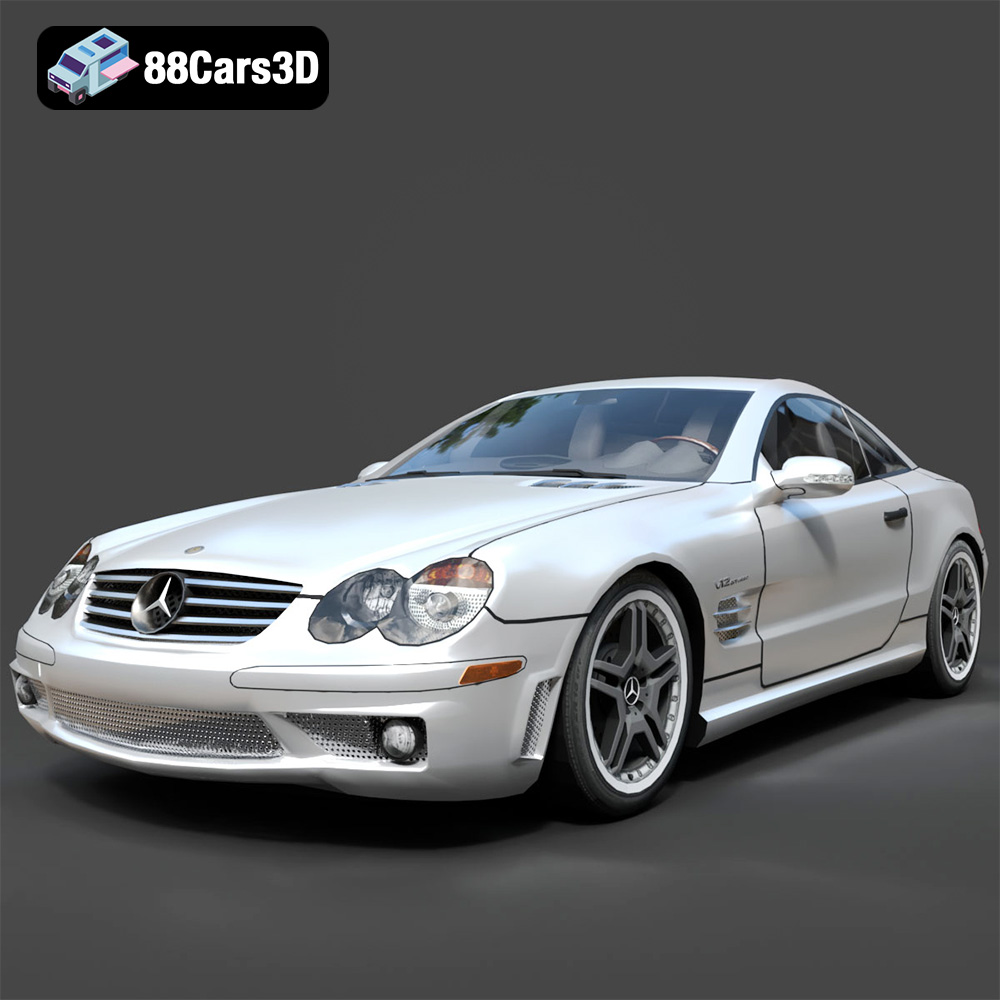
Mercedes-Benz SL 65 AMG 3D Model
Texture: Yes
Material: Yes
Download the Mercedes-Benz SL 65 AMG 3D Model featuring clean geometry, realistic detailing, and a fully modeled interior. Includes .blend, .fbx, .obj, .glb, .stl, .ply, .unreal, and .max formats for rendering, simulation, and game development.
Price: $9.99
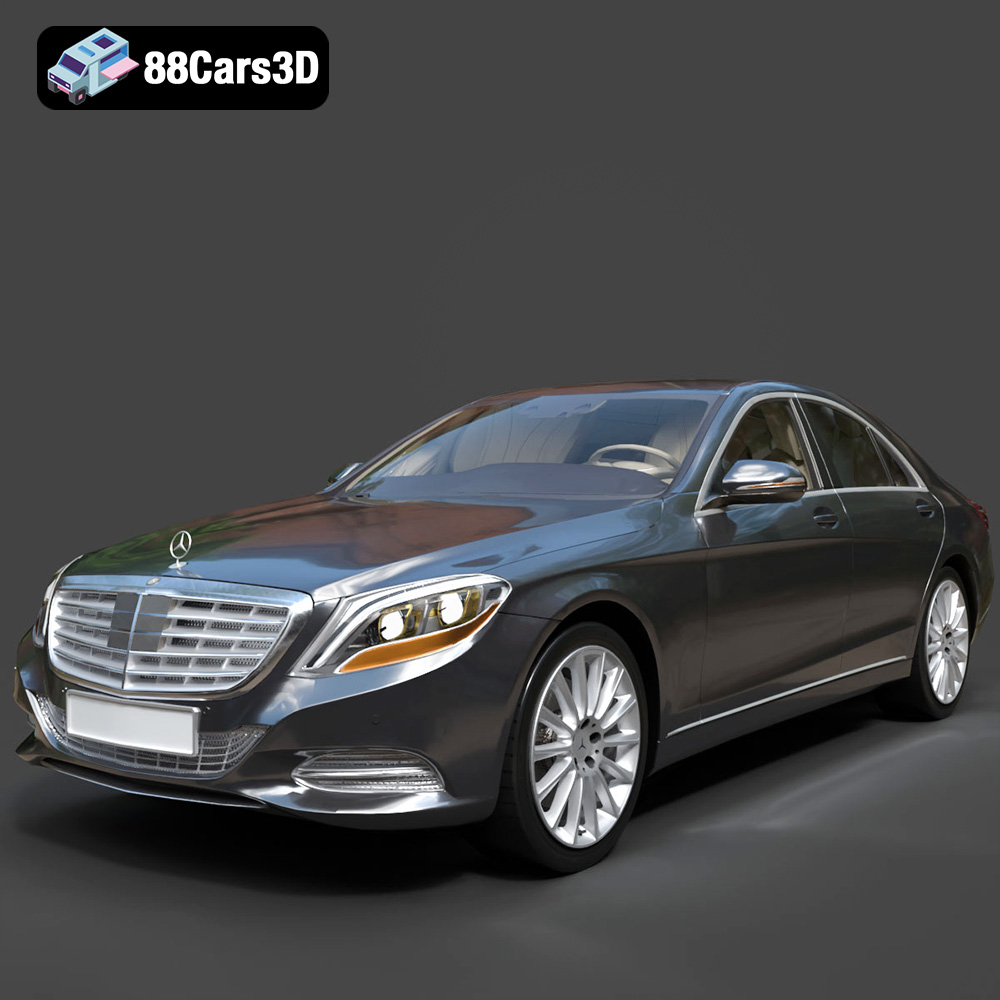
Mercedes-Benz S500 3D Model
Texture: Yes
Material: Yes
Download the Mercedes-Benz S500 3D Model featuring clean geometry, realistic detailing, and a fully modeled interior. Includes .blend, .fbx, .obj, .glb, .stl, .ply, .unreal, and .max formats for rendering, simulation, and game development.
Price: $9.99
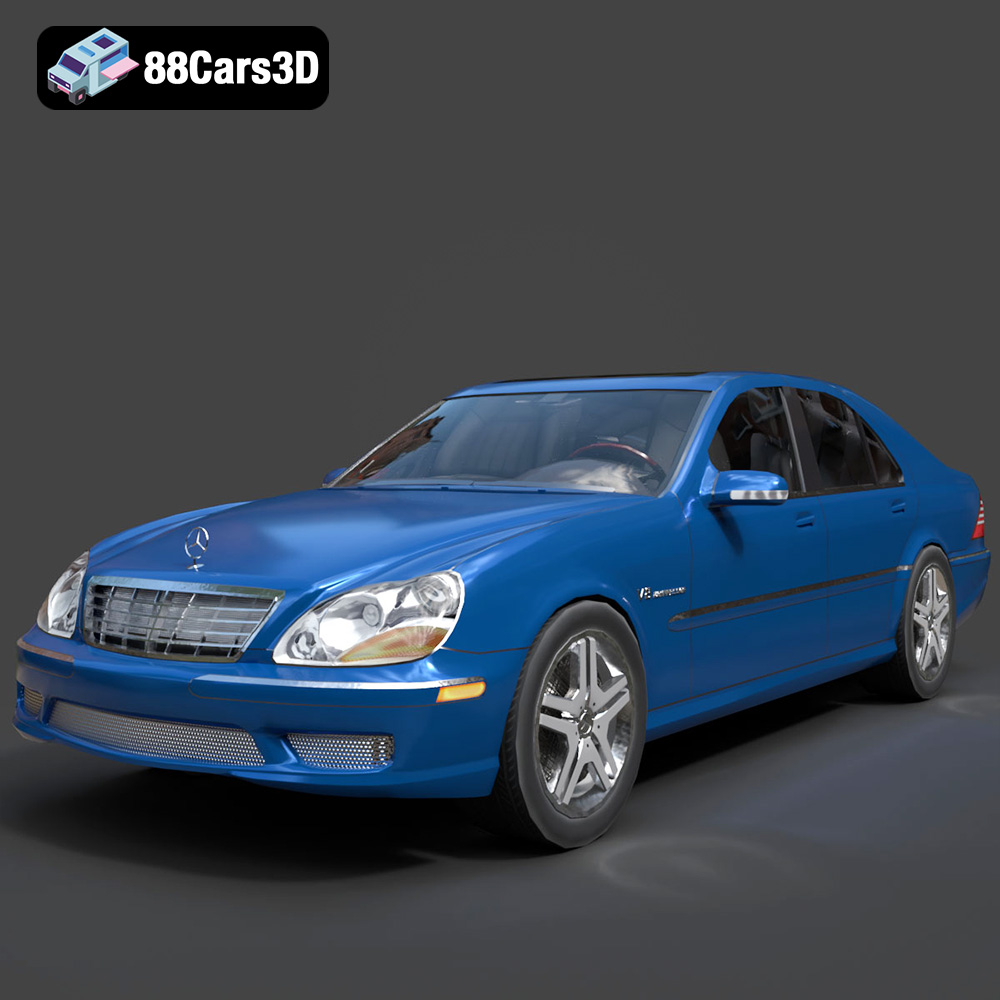
Mercedes-Benz S55 W220 AMG 1999 3D Model
Texture: Yes
Material: Yes
Download the Mercedes-Benz S55 W220 AMG 1999 3D Model featuring clean geometry, realistic detailing, and a fully modeled interior. Includes .blend, .fbx, .obj, .glb, .stl, .ply, .unreal, and .max formats for rendering, simulation, and game development.
Price: $9.99
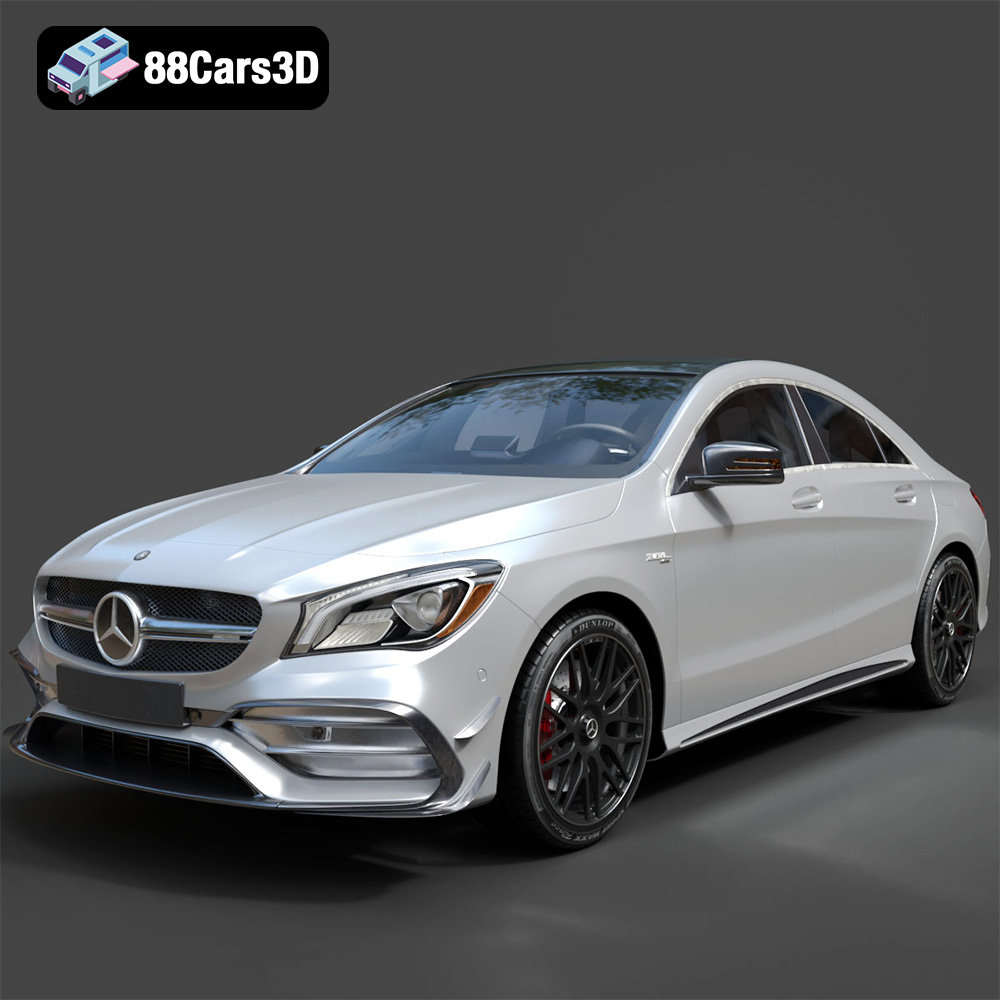
Mercedes-Benz CLA45 AMG 2017 3D Model
Texture: Yes
Material: Yes
Download the Mercedes-Benz CLA45 AMG 2017 3D Model featuring clean geometry, realistic detailing, and a fully modeled interior. Includes .blend, .fbx, .obj, .glb, .stl, .ply, .unreal, and .max formats for rendering, simulation, and game development.
Price: $29.99
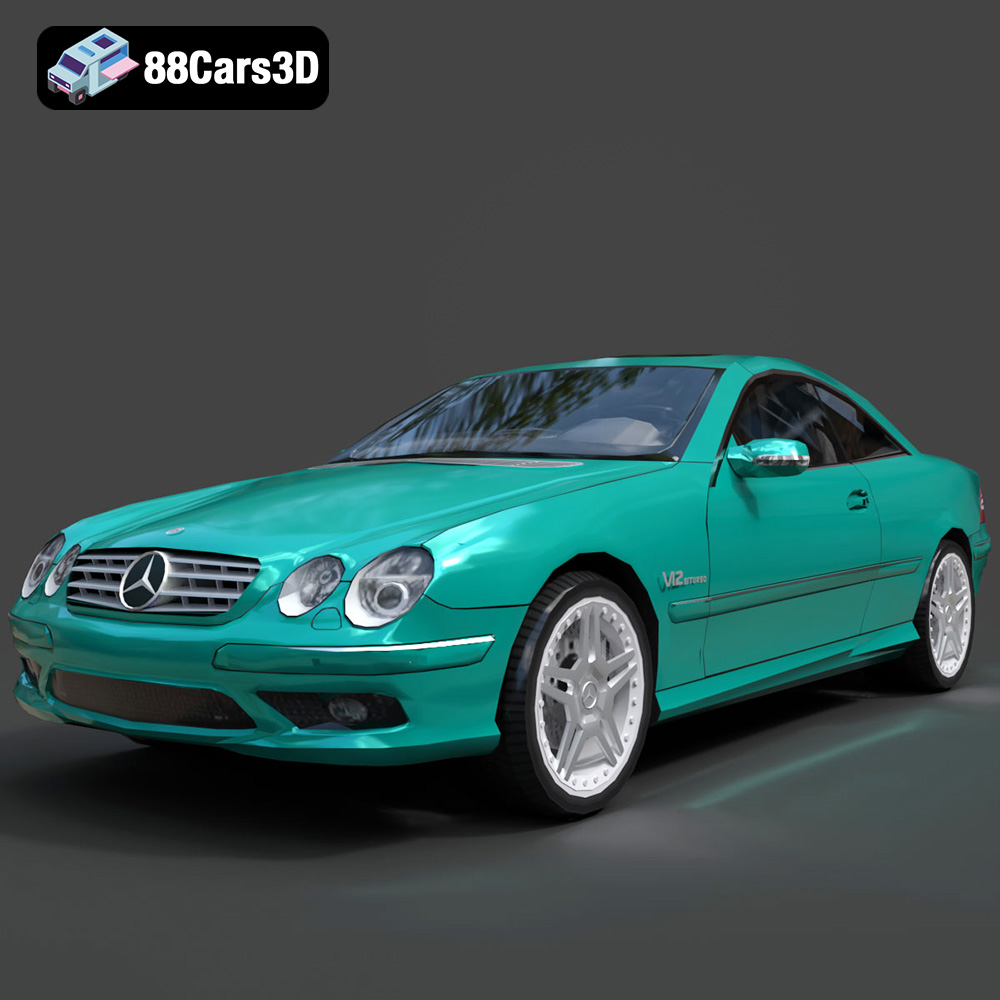
Mercedes-Benz CL65 C215 AMG 3D Model
Texture: Yes
Material: Yes
Download the Mercedes-Benz CL65 C215 AMG 3D Model featuring clean geometry, realistic detailing, and a fully modeled interior. Includes .blend, .fbx, .obj, .glb, .stl, .ply, .unreal, and .max formats for rendering, simulation, and game development.
Price: $9.99
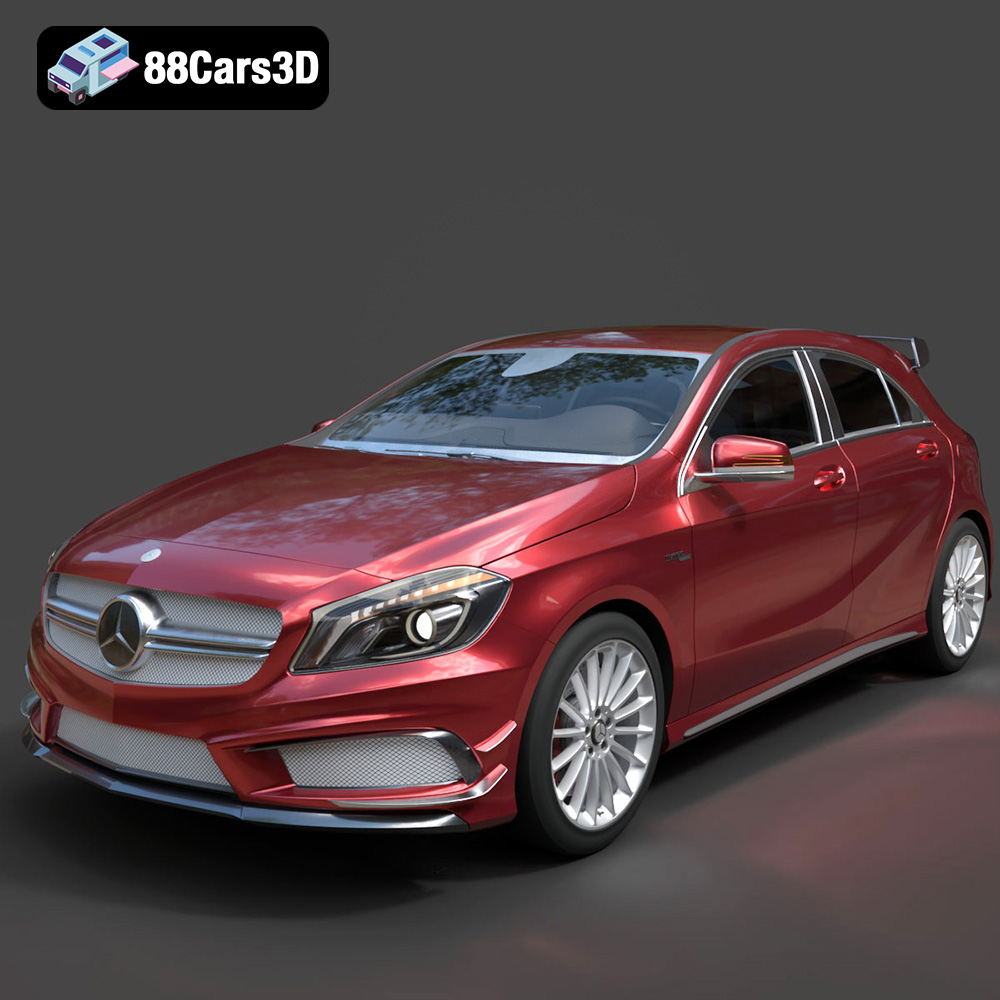
Mercedes-Benz A45 2021 3D Model
Texture: Yes
Material: Yes
Download the Mercedes-Benz A45 2021 3D Model featuring clean geometry, realistic detailing, and a fully modeled interior. Includes .blend, .fbx, .obj, .glb, .stl, .ply, .unreal, and .max formats for rendering, simulation, and game development.
Price: $9.99
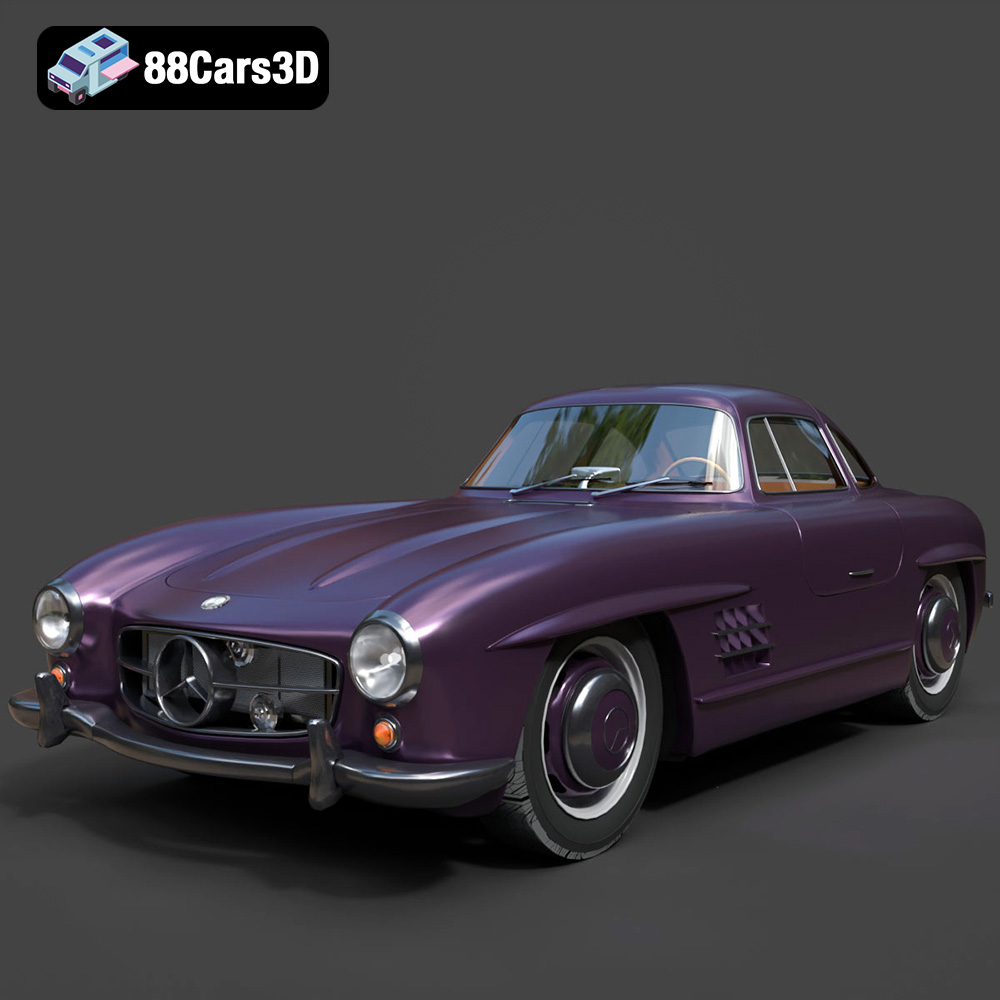
Mercedes-Benz 300SL 1955 3D Model
Texture: Yes
Material: Yes
Download the Mercedes-Benz 300SL 1955 3D Model featuring clean geometry, realistic detailing, and a fully modeled interior. Includes .blend, .fbx, .obj, .glb, .stl, .ply, .unreal, and .max formats for rendering, simulation, and game development.
Price: $9.99
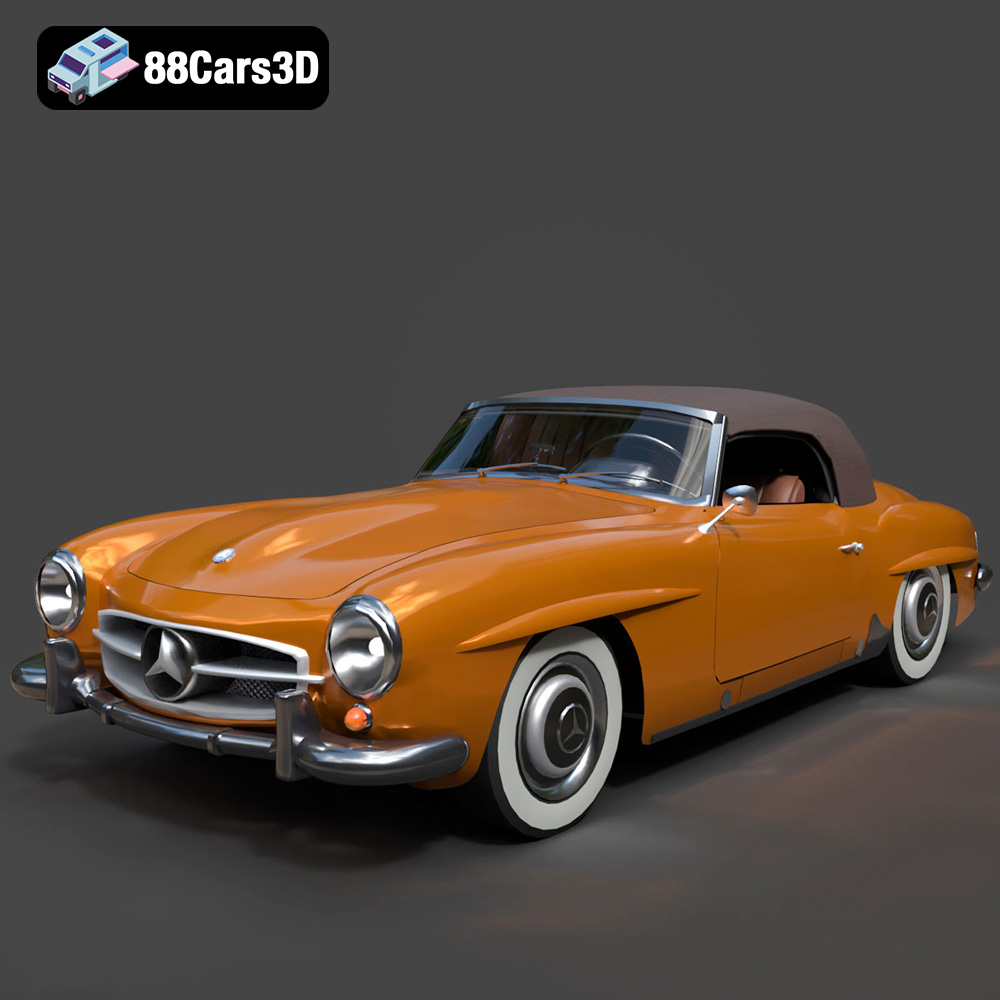
Mercedes-Benz 190SL 1955 3D Model
Texture: Yes
Material: Yes
Download the Mercedes-Benz 190SL 1955 3D Model featuring clean geometry, realistic detailing, and a fully modeled interior. Includes .blend, .fbx, .obj, .glb, .stl, .ply, .unreal, and .max formats for rendering, simulation, and game development.
Price: $9.99
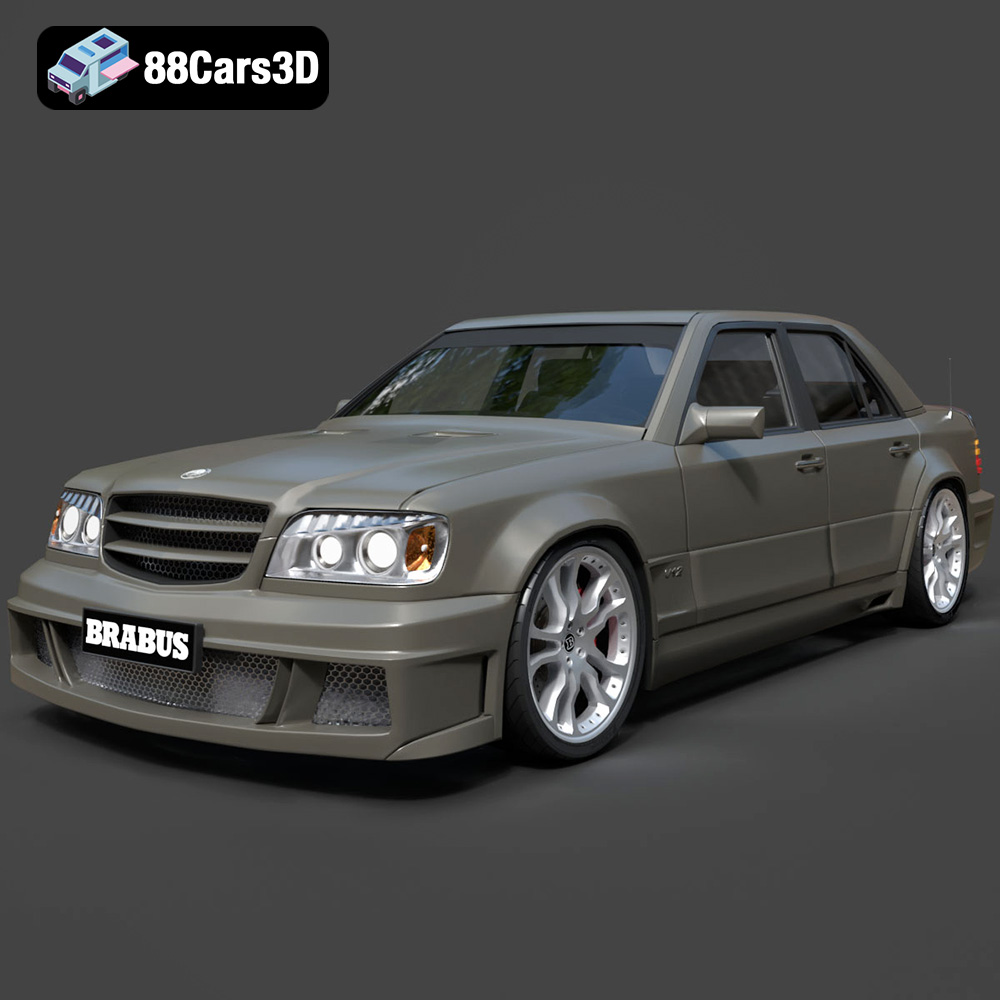
Mercedes-Benz W124 Brabus V12 3D Model
Texture: Yes
Material: Yes
Download the Mercedes-Benz W124 Brabus V12 3D Model featuring clean geometry, realistic detailing, and a fully modeled interior. Includes .blend, .fbx, .obj, .glb, .stl, .ply, .unreal, and .max formats for rendering, simulation, and game development.
Price: $9.99
