
Unlocking Automotive Brilliance: A Deep Dive into High-Quality 3D Car Model Workflows and Applications

Unlocking Automotive Brilliance: A Deep Dive into High-Quality 3D Car Model Workflows and Applications
In the dynamic world of 3D visualization, automotive models stand as a pinnacle of technical artistry and precision. From photorealistic advertising renders to immersive gaming experiences and groundbreaking AR/VR applications, the demand for high-fidelity 3D car models is ever-increasing. These aren’t just simple meshes; they are complex digital assets that demand meticulous attention to detail in every stage of their creation and application. Mastering the intricacies of automotive rendering, optimization for various platforms, and adherence to industry best practices is crucial for professionals aiming to push the boundaries of visual fidelity.
This comprehensive guide delves into the advanced techniques and workflows that define professional 3D car model development. We’ll explore everything from the foundational principles of topology and UV mapping to the advanced nuances of PBR material creation, lighting, rendering, and performance optimization for interactive media. Whether you’re a seasoned 3D artist, a game developer, an automotive designer, or a student aspiring to excel in this field, this article will equip you with actionable insights and technical knowledge. We’ll navigate common challenges, share expert tips, and highlight how top-tier resources, such as the detailed models found on platforms like 88cars3d.com, are crafted and utilized across diverse industry sectors.
The Foundation: Flawless Topology and Edge Flow for Automotive 3D Models
The bedrock of any high-quality 3D car model is its topology and edge flow. Good topology is not merely about having enough polygons; it’s about arranging them intelligently to ensure clean deformations, smooth subdividing surfaces, and efficient UV mapping. For complex automotive surfaces, which are characterized by sleek curves, sharp creases, and intricate panel gaps, a precise quad-based mesh structure is paramount. This ensures that when subdivision modifiers (like Turbosmooth in 3ds Max or Subdivision Surface in Blender) are applied, the surfaces remain smooth and artifact-free, accurately reflecting the original design intent.
A professional workflow begins with meticulous poly-modeling, focusing on creating clean, continuous edge loops that follow the natural curvature and contours of the car’s body panels. This is crucial for capturing the subtle reflections and highlights that define a vehicle’s aesthetic. Avoiding Ngons (polygons with more than four sides) and T-junctions (where three edges meet, forming a ‘T’) in critical areas prevents shading issues and ensures predictable subdivision. Special attention must be paid to areas like wheel arches, door cutlines, and headlight recesses, where curvature changes drastically. Maintaining an even distribution of polygons, or “texel density,” across the model also aids in consistent texture application later in the pipeline. This foundational work directly impacts the model’s suitability for high-end rendering, animation, and even real-time applications where dynamic deformation might occur.
Quad-Based Modeling and Sub-D Workflow
The industry standard for high-detail organic and hard-surface models, including automobiles, is the quad-based subdivision surface (Sub-D) workflow. This involves creating a low-polygon “cage” mesh using only quads (four-sided polygons), then applying a subdivision modifier. This approach offers immense flexibility: artists can control the final polygon count by adjusting subdivision levels, making the model scalable for different applications. For automotive surfaces, it’s essential to define key silhouette edges with control loops—additional edge loops placed close to a hard edge to “tighten” the subdivision and maintain sharpness. For instance, the sharp edge around a car’s window frame or the distinct line on a fender requires two to three tight edge loops running parallel to it to preserve its crispness after subdivision, preventing it from becoming overly rounded.
Maintaining Creases and Sharp Edges
Achieving the perfect balance between smooth, flowing curves and razor-sharp design lines is a hallmark of excellent 3D car model topology. Techniques like edge creasing, available in software like Blender and Maya, allow artists to selectively control the sharpness of edges without adding excessive geometry. However, for more robust and universally compatible results, the control loop method is often preferred. This involves adding supporting edge loops adjacent to the edges intended to be sharp. For instance, around a grille opening or a panel gap, two closely spaced edge loops bordering the main opening will ensure the edge remains distinct even with multiple subdivision levels. Precision in placement is critical; if these loops are too far apart, the edge will soften; if too close, it might create unwanted pinching. Understanding the subtle interplay of edge flow around complex junctions like headlights, mirrors, or spoilers is key to avoiding visual artifacts and maintaining the integrity of the design.
Mastering UV Mapping for Realistic Car Surfaces
Once the topology is solid, the next crucial step in developing a high-quality 3D car model is UV mapping. UV mapping is the process of unfolding the 3D surface of your model into a 2D space, allowing you to paint or apply textures accurately without distortion. For a vehicle, with its vast, often curved panels and intricate details, precise UV mapping is essential for creating realistic paint finishes, decals, and material variations. Poor UVs lead to stretched or squashed textures, visible seams, and an overall amateurish look, especially evident in reflections on glossy automotive paint.
The goal is to create UV layouts that maximize texture resolution, minimize seams, and prevent distortion. This often involves segmenting the car into logical UV islands (e.g., hood, roof, doors, bumpers, interior elements) that are then packed efficiently into the 0-1 UV space. Professional models found on marketplaces like 88cars3d.com typically feature meticulously unwrapped UVs, allowing artists to immediately apply high-resolution PBR textures and achieve stunning results. Careful planning of seam placement is critical; seams should be hidden in less visible areas, such as along panel gaps, under trim, or on inward-facing surfaces, to avoid breaking up continuous textures like car paint or large decals. Using checker maps during the unwrapping process is an excellent visual aid to quickly identify and correct any stretching or compression in the UV layout, ensuring uniform texel density across the model.
UV Unwrapping Techniques and Distortion Prevention
The process of UV unwrapping involves a combination of projections and manual editing. For large, relatively flat panels like the hood or roof, planar projection can be a starting point, followed by relaxing the UVs to relieve distortion. Cylindrical or spherical projections work well for wheels or rounded parts. The real skill, however, lies in strategically placing UV seams. Imagine unwrapping a cardboard box: you cut along certain edges to lay it flat. Similarly, in 3D, you mark “seams” on your mesh. For a car, seams are often placed along natural breaks in the geometry, such as where one body panel meets another, or along sharp edges that are less visible. Tools like “Pelt mapping” in 3ds Max or “Unwrap” tools in Blender and Maya allow artists to define these seams and then “peel” the UVs flat, much like skinning an animal. After unwrapping, the “Relax” or “Unfold” functions are vital to ensure the UV islands have even spacing between their vertices, translating to uniform texture resolution. A common professional practice is to use a high-contrast checkerboard pattern as a temporary texture during unwrapping to visually inspect for any stretching (rectangles instead of squares) or compression.
Texel Density and Multi-Tile UVs (UDIMs)
Texel density refers to the number of texture pixels per unit of 3D space. For a high-quality 3D car model, maintaining a consistent texel density across all UV islands is crucial for visual consistency. If the hood has a much higher texel density than the door, textures on the door will appear blurry while the hood is crisp. Artists typically aim for a target texel density, often defined by the project’s requirements (e.g., 10.24 pixels/cm). Large, complex models, especially those intended for close-up renders or cinematic use, often benefit from Multi-Tile UVs, commonly known as UDIMs. UDIMs extend beyond the single 0-1 UV space, allowing artists to spread different parts of the model (e.g., body, interior, wheels) across multiple UV tiles (e.g., 1001, 1002, 1003). This enables the use of many high-resolution textures (e.g., multiple 4K or 8K maps) without performance limitations or needing a single, massive texture, providing unparalleled detail and flexibility for intricate paint jobs, decals, and weathering effects.
Crafting Immersive Realism: PBR Materials and Advanced Shading
The visual realism of a 3D car model hinges significantly on its materials and shading. Physically Based Rendering (PBR) has become the industry standard for achieving consistent and accurate material representation across different lighting conditions and rendering engines. PBR materials simulate how light interacts with real-world surfaces, taking into account properties like reflectivity, roughness, and translucency. For automotive models, this translates to accurately depicting everything from the metallic flakes in car paint to the subtle sheen of leather and the delicate refraction of glass.
Creating compelling PBR materials for vehicles involves more than just plugging in base color and roughness maps. It requires a deep understanding of shader networks and how various texture maps contribute to the final look. For instance, realistic car paint isn’t a single material; it’s often a complex layered shader incorporating a base metallic flake layer, a clear coat with distinct reflection properties (IOR), and potentially an orange peel effect via a subtle normal map. Getting these nuances right is what elevates a good render to an exceptional one. When sourcing models from marketplaces such as 88cars3d.com, you often find models pre-setup with PBR materials, saving significant production time and ensuring visual consistency.
Understanding PBR Workflows (Metallic-Roughness vs. Specular-Glossiness)
PBR relies on two primary workflows: Metallic-Roughness and Specular-Glossiness. The Metallic-Roughness workflow is more prevalent in game engines (Unity, Unreal Engine) and modern renderers (Cycles, Arnold, V-Ray Next/Corona). Here, a “Metallic” map defines which areas are metallic (value close to 1) and which are dielectric (value close to 0), while a “Roughness” map controls the microscopic surface irregularities that scatter light (high roughness = diffuse reflection, low roughness = sharp reflection). The Specular-Glossiness workflow, on the other hand, uses a “Specular” map to define the color and intensity of specular reflections for dielectric materials, and a “Glossiness” map (inverse of roughness) to control blurriness. While both can achieve realistic results, Metallic-Roughness is often considered more intuitive and physically accurate for many scenarios. Understanding which workflow a specific renderer or engine uses is critical for proper texture export and material setup.
Layered Shaders and Realistic Paint Effects
Automotive paint is notoriously complex to replicate digitally due to its multi-layered nature. A truly realistic car paint shader often involves several components:
- Base Coat: The primary color, often with a subtle metallic flake texture driven by a noise map and controlled by parameters like flake size and density. This metallic effect is crucial for cars.
- Clear Coat: A transparent, highly reflective layer on top of the base coat. This is where most of the specular reflections occur. It requires its own separate roughness (or glossiness) and Index of Refraction (IOR) values, typically around 1.4-1.5 for automotive clear coats.
- Orange Peel Effect: A subtle, wavy surface imperfection often present in real car paint. This can be simulated using a very fine, subtle normal map or by subtly distorting the clear coat’s normal.
- Dirt/Scratches/Wear: These are usually added as additional layers or masks on top of the clean paint, blending different PBR material sets (e.g., rusty metal, dust) using masks created in texturing software like Substance Painter or Mari.
Advanced shader networks in 3ds Max (e.g., using Corona or V-Ray Material Layers), Blender (Cycles nodes), or Maya (Arnold nodes) allow artists to blend these elements precisely, creating a deeply convincing and physically accurate representation of automotive finishes.
Bringing Cars to Life: High-Fidelity Rendering Workflows
Rendering is where all the meticulous work on topology, UVs, and materials culminates in stunning visuals. High-fidelity automotive rendering demands a robust understanding of lighting, camera properties, and renderer-specific settings. The goal is to create images that are indistinguishable from photographs, capturing the essence and design intent of the vehicle. This often involves using a combination of global illumination, physically accurate light sources, and sophisticated camera effects.
Whether you’re using Corona Renderer or V-Ray for 3ds Max, Cycles for Blender, or Arnold for Maya, the principles remain similar: light interaction, material response, and camera perspective. Each renderer has its strengths and specific parameters that, when fine-tuned, can yield incredible results. Professional renderers integrate seamlessly with 3D car models, allowing artists to set up complex scenes with multiple light sources, reflections, and atmospheric effects. Beyond the raw render, post-processing and compositing are vital steps to add that final polish, adjusting colors, contrasts, and subtle effects to elevate the image to a cinematic quality. This holistic approach ensures that every detail, from the sharp reflections on the paint to the intricate design of the rims, is showcased with maximum impact.
Lighting Scenarios and HDRI Environments
Effective lighting is the single most important factor in a realistic render. For automotive photography, Softboxes, light tents, and carefully positioned studio lights are used. In 3D, these translate to digital equivalents. HDRI (High Dynamic Range Image) environments are the backbone of realistic exterior and studio automotive renders. An HDRI captures the full lighting information of a real-world location (light intensity, color, direction) and projects it onto a spherical dome around your model. This not only provides realistic ambient lighting but also generates incredibly accurate and complex reflections on the car’s surface. A studio-quality HDRI can instantly elevate the realism of reflections on glossy paint and chrome. For more controlled studio shots, a combination of HDRI for overall ambient light and strategically placed 3D area lights (planar lights, sphere lights) can be used to emphasize specific design features, create dramatic highlights, or simulate dedicated product photography setups. Using light portals for interior renders or complex openings is also crucial for accurate global illumination.
Renderer-Specific Settings (Corona, V-Ray, Cycles, Arnold)
Each renderer offers unique advantages and workflows:
- Corona Renderer (3ds Max, Cinema 4D): Renowned for its ease of use and physically accurate results. Key settings include Interactive Render for real-time feedback, Adaptive Image Sampling for efficient noise reduction, and the Corona Physical Material, which simplifies PBR material setup. Its LightMix feature allows post-render adjustment of light intensities and colors.
- V-Ray (3ds Max, Maya, SketchUp, Rhino): A production-proven workhorse. V-Ray Next and 5 introduced significant PBR improvements. Important settings include Global Illumination (Brute Force/Light Cache for interiors, Irradiance Map/Light Cache for exteriors), GPU rendering for speed, and the V-Ray Physical Camera for realistic depth of field and motion blur. Denoisers (NVIDIA AI or Intel Open Image Denoise) are essential for clean final renders.
- Cycles (Blender): Blender’s integrated, powerful PBR renderer. It boasts robust node-based shader creation, excellent CPU/GPU rendering (CUDA, OptiX, OpenCL), and adaptive sampling. It excels with its highly customizable material system and the ability to combine various light sources. Its viewport rendering offers immediate feedback, crucial for iterative design.
- Arnold (Maya, 3ds Max, Houdini): A favorite in film and animation for its robust CPU rendering and comprehensive toolset. Arnold emphasizes physical accuracy and offers excellent results with its Standard Surface shader for PBR. Important features include adaptive sampling, volumetrics, and a powerful AOV (Arbitrary Output Variables) system for compositing passes.
Regardless of the renderer, meticulous material setup, appropriate light placement, and optimized render settings are paramount for achieving production-quality automotive rendering.
Post-Processing and Compositing for Impact
The raw render is rarely the final image. Post-processing and compositing in software like Adobe Photoshop or Affinity Photo are critical steps to enhance the realism and visual impact of your 3D car model. This involves:
- Exposure and Color Correction: Adjusting brightness, contrast, white balance, and color saturation to match a desired mood or real-world lighting.
- Levels and Curves: Fine-tuning the tonal range and contrast for more dramatic results.
- Vignetting: Subtly darkening the edges of the image to draw attention to the car.
- Chromatic Aberration and Lens Distortion: Adding subtle photographic imperfections for realism.
- Bloom/Glow: Enhancing bright areas like headlights or reflections for a cinematic look.
- Depth of Field (DoF): While often rendered in 3D, DoF can be enhanced or simulated in post-processing using Z-depth render passes for more control.
- Adding Effects: Smoke, dust, lens flares, or rain effects can be composited in to tell a story or enhance atmosphere.
By exporting various render passes (e.g., diffuse, reflection, refractions, normals, Z-depth, object IDs), artists gain granular control during compositing, allowing them to non-destructively tweak specific elements and achieve a polished, professional finish that truly makes the automotive visualization pop.
Optimizing 3D Car Models for Interactive Experiences: Games & AR/VR
While cinematic renders prioritize absolute visual fidelity, interactive applications like games and AR/VR experiences demand a different kind of excellence: performance optimization. A stunningly detailed 3D car model that brings a system to its knees is unusable in real-time. Therefore, preparing game assets and AR/VR-ready models involves a specialized workflow focused on efficiency, polygon budgeting, and intelligent resource management. The challenge lies in striking a balance between visual quality and unwavering performance, ensuring smooth frame rates and responsive interactions on target hardware.
This optimization process transforms high-poly source models into leaner, more efficient versions suitable for real-time engines. It involves careful polygon reduction, efficient UV packing, and clever use of texture atlases and Level of Detail (LOD) systems. For game development, a single car might need multiple LODs to render effectively from different distances. For AR/VR optimization, even stricter polygon budgets and specific file formats are often required to ensure a fluid experience on mobile devices or standalone headsets. Understanding these constraints and applying professional optimization techniques is paramount for any 3D artist looking to transition their high-fidelity car models into interactive digital worlds, whether it’s for a racing simulator or a showroom configurator.
Level of Detail (LODs) and Polygon Budgeting
Level of Detail (LODs) are critical for performance in real-time applications. Instead of rendering a single high-resolution model at all distances, LODs involve creating several versions of the same asset, each with a progressively lower polygon count and simpler materials.
- LOD0 (High Detail): The full-detail model, visible when the car is close to the camera. Typically, for a hero car, this might range from 100,000 to 300,000 triangles, with 4K or 8K textures.
- LOD1 (Medium Detail): A reduced version, often 50-70% fewer polygons, visible at medium distances. Around 30,000 to 70,000 triangles, with 2K or 4K textures.
- LOD2 (Low Detail): A significantly reduced model, maybe 10-20% of LOD0, used for distant views. This could be 5,000 to 20,000 triangles, often with 1K textures.
- LOD3+ (Imposter/Billboard): For very distant objects, a 2D image (billboard) or an extremely simplified mesh can be used.
The engine automatically switches between these LODs based on the camera’s distance to the object, drastically reducing the geometry that needs to be processed. Polygon budgeting involves allocating a specific maximum triangle count for an asset or scene element. For mobile AR, a common budget for a single car might be under 50,000 triangles; for a high-end PC game, it could be upwards of 200,000 triangles for a hero vehicle. Tools like ProOptimizer in 3ds Max or the Decimate modifier in Blender are invaluable for generating LODs while trying to preserve visual integrity.
Draw Calls, Texture Atlasing, and Culling
Beyond polygon count, other factors heavily impact real-time performance. Draw calls are instructions sent from the CPU to the GPU to render a batch of triangles. Each material, mesh, or texture typically results in a new draw call. Minimizing draw calls is crucial. One effective technique is texture atlasing: combining multiple smaller textures (e.g., individual textures for a wheel rim, tire, caliper) into a single, larger texture map. All objects sharing this atlas can then use a single material, reducing draw calls. Similarly, combining multiple mesh objects (e.g., all interior parts into one mesh) can reduce the number of individual render calls. Culling refers to techniques that prevent objects or parts of objects from being rendered if they are not visible. Frustum culling removes objects outside the camera’s view frustum, while occlusion culling removes objects hidden behind other objects (e.g., parts of the engine hidden by the bodywork). Modern game engines like Unity and Unreal Engine provide robust tools for implementing these optimization strategies, ensuring that even complex 3D car models perform smoothly.
Specific AR/VR Considerations (GLB, USDZ, Performance)
Augmented Reality (AR) and Virtual Reality (VR) environments pose unique optimization challenges, especially on mobile and standalone headsets. These platforms often have very strict performance budgets regarding polygon count, draw calls, and texture memory.
- Polygon Budgets: For mobile AR, a typical detailed car might be limited to 30,000-80,000 triangles (for a main model) to maintain 60fps on a phone. For standalone VR, budgets can be slightly higher but still heavily optimized.
- File Formats: The preferred file formats for AR/VR are often glTF (and its binary version, GLB) and USDZ. GLB is widely adopted for web-based AR and general real-time use due to its efficiency and ability to embed all assets (mesh, materials, textures) into a single file. USDZ is Apple’s proprietary format for ARKit and is excellent for iOS devices. Both formats support PBR materials.
- Texture Optimization: Textures should be efficiently packed, use power-of-two resolutions (e.g., 512×512, 1024×1024, 2048×2048), and utilize compression formats (e.g., ETC2, ASTC for mobile) to reduce memory footprint.
- Shader Complexity: Avoid overly complex or custom shaders that might not translate well or perform efficiently on mobile GPUs. Stick to standard PBR material workflows.
Models like those available on 88cars3d.com often come with optimized versions or clearly stated polygon counts, making them ideal starting points for AR/VR projects, significantly streamlining the development process for interactive automotive visualization.
Beyond Visualization: 3D Printing and File Format Mastery
The utility of high-quality 3D car models extends far beyond digital screens. They are increasingly being used for physical applications, most notably 3D printing. Whether creating scale models for enthusiasts, prototypes for automotive design validation, or custom accessories, preparing a digital model for physical fabrication introduces a unique set of technical requirements. Simultaneously, understanding the nuances of various file formats is crucial for ensuring compatibility, data integrity, and efficient workflow across different software and platforms. The choice of format can impact everything from material definitions to animation data and overall file size.
Mastering the conversion and optimization for 3D printing involves ensuring a watertight, manifold mesh with appropriate wall thicknesses and structural integrity. This often requires mesh repair and modification steps that are not typically needed for purely visual applications. Furthermore, navigating the landscape of common 3D file formats—such as FBX, OBJ, GLB, and USDZ—is essential for seamless collaboration and deployment. Each format serves specific purposes and comes with its own set of advantages and limitations. Professionals must know when to use which format, how to export correctly, and what data each format preserves or discards. This mastery is a testament to the versatility of 3D car models and the comprehensive skill set required to fully leverage them in diverse projects.
Preparing Models for 3D Printing (Manifold Meshes, Wall Thickness)
Transforming a digital 3D car model into a physical object via 3D printing requires a fundamentally different mindset than preparing for rendering or games. The primary requirements are:
- Manifold Mesh (Watertight): The model must be a “solid” object with no holes, inverted normals, or self-intersecting geometry. Every edge must be shared by exactly two faces. Non-manifold geometry, common in visualization models (e.g., separate interior and exterior shells), will cause errors during slicing. Software like Meshmixer, Netfabb, or Blender’s 3D Print Toolbox can identify and repair these issues.
- Wall Thickness: Unlike digital models, physical prints require a minimum wall thickness to be structurally sound and printable. This thickness varies based on the printing technology (FDM, SLA, SLS) and material. For FDM, parts typically need 1-2mm thickness, while SLA can go thinner but still requires consideration. Areas that appear thin in the digital model (e.g., antenna, mirror stems, very fine grilles) may need to be thickened or redesigned to prevent breakage.
- Print Orientation & Supports: While not directly part of the model preparation, understanding how the model will be oriented on the print bed and where supports will be needed influences design choices. Overhangs should be minimized or designed to be supported effectively.
- Scale and Units: Ensure the model is scaled correctly to your desired print size and that the units in your 3D software match the slicing software (e.g., millimeters).
This meticulous preparation ensures a successful print, avoiding failed jobs and wasted material, turning your digital design into a tangible product.
Navigating Common 3D File Formats (FBX, OBJ, GLB, USDZ)
The landscape of 3D file formats can be complex, but understanding their strengths is key for efficient workflows:
- FBX (Filmbox): Developed by Autodesk, FBX is an industry-standard for data exchange between 3D applications (3ds Max, Maya, Blender, Unity, Unreal Engine). It supports geometry (meshes), PBR materials, textures, animations, rigs, cameras, and lights. It’s excellent for complex scenes and animated 3D car models, preserving most of the original scene data.
- OBJ (Wavefront Object): A widely supported, simpler format that primarily stores geometry (vertices, faces, UVs, normals) and references to external material (MTL) and texture files. It’s a great choice for static meshes and basic material information, offering high compatibility across almost all 3D software. However, it does not support animation, rigging, or complex PBR shaders inherently.
- GLB (glTF Binary): The binary version of the glTF (Graphics Language Transmission Format) standard. GLB is highly efficient, compact, and designed for real-time web and AR/VR applications. It embeds all model data (geometry, PBR materials, textures, animations) into a single file, making it incredibly convenient for sharing and deployment. It’s rapidly becoming the go-to format for interactive experiences.
- USDZ (Universal Scene Description Zip): Apple’s proprietary format built on Pixar’s USD, specifically optimized for ARKit and iOS devices. Like GLB, it’s a single-file archive containing geometry, PBR materials, and textures, tailored for performance in mobile AR. It supports rich animations and allows for advanced material definitions using the PBR shader within USD.
Knowing when to use each format (e.g., FBX for game engine export, OBJ for simple model exchange, GLB/USDZ for web/AR) ensures your 3D car models are always compatible and optimally prepared for their intended application.
Conclusion: Driving Innovation with Masterful 3D Car Models
The journey from concept to a fully realized, high-quality 3D car model is an intricate dance of technical skill, artistic vision, and meticulous attention to detail. We’ve explored the fundamental pillars that underpin excellence in this field: from the non-negotiable requirement of flawless topology and intelligent UV mapping to the artistry of PBR material creation and advanced rendering techniques. We’ve also delved into the critical world of optimization, demonstrating how models are meticulously prepared to deliver unparalleled performance in interactive environments like games and AR/VR, and how they transition into tangible objects through 3D printing.
Mastering these workflows is not just about creating visually stunning vehicles; it’s about building versatile, robust, and industry-ready assets that can drive innovation across diverse sectors, from automotive design and marketing to immersive entertainment and product development. The precision and technical depth required mean that high-quality 3D car models are a valuable investment, saving countless hours in production and ensuring consistent, professional results across all applications. Whether you are crafting bespoke designs or integrating pre-made assets, understanding these technical nuances is the key to unlocking the full potential of your projects.
For those seeking to elevate their projects with meticulously crafted, clean-topology 3D car models ready for any challenge—be it high-end automotive rendering, demanding game development, or cutting-edge AR/VR visualization—platforms like 88cars3d.com offer a curated selection built upon these very principles. By applying the advanced techniques discussed here and leveraging professional resources, you can ensure your 3D vehicles not only look exceptional but also perform flawlessly, pushing the boundaries of what’s possible in the digital realm.
Featured 3D Car Models
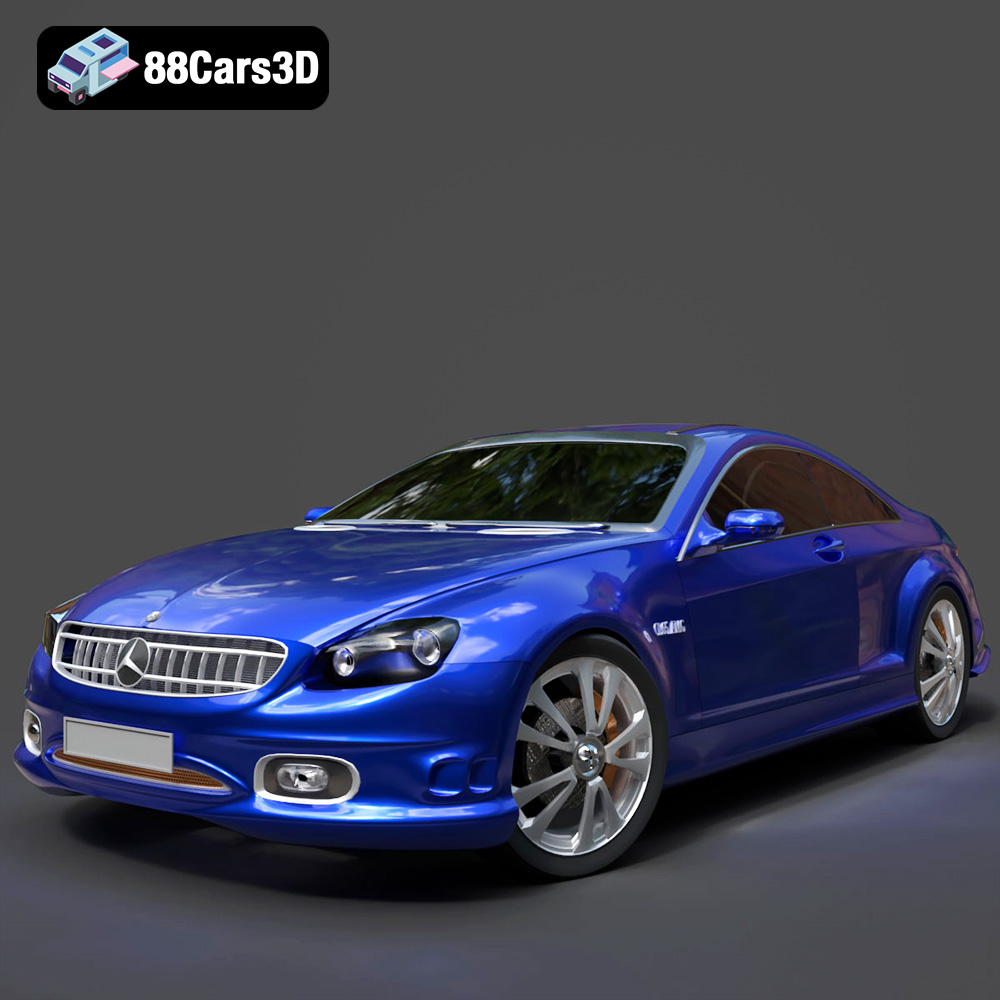
Mercedes-Benz CL6540-005 3D Model
Texture: Yes
Material: Yes
Download the Mercedes-Benz CL6540-005 3D Model featuring clean geometry, realistic detailing, and a fully modeled interior. Includes .blend, .fbx, .obj, .glb, .stl, .ply, .unreal, and .max formats for rendering, simulation, and game development.
Price: $4.99
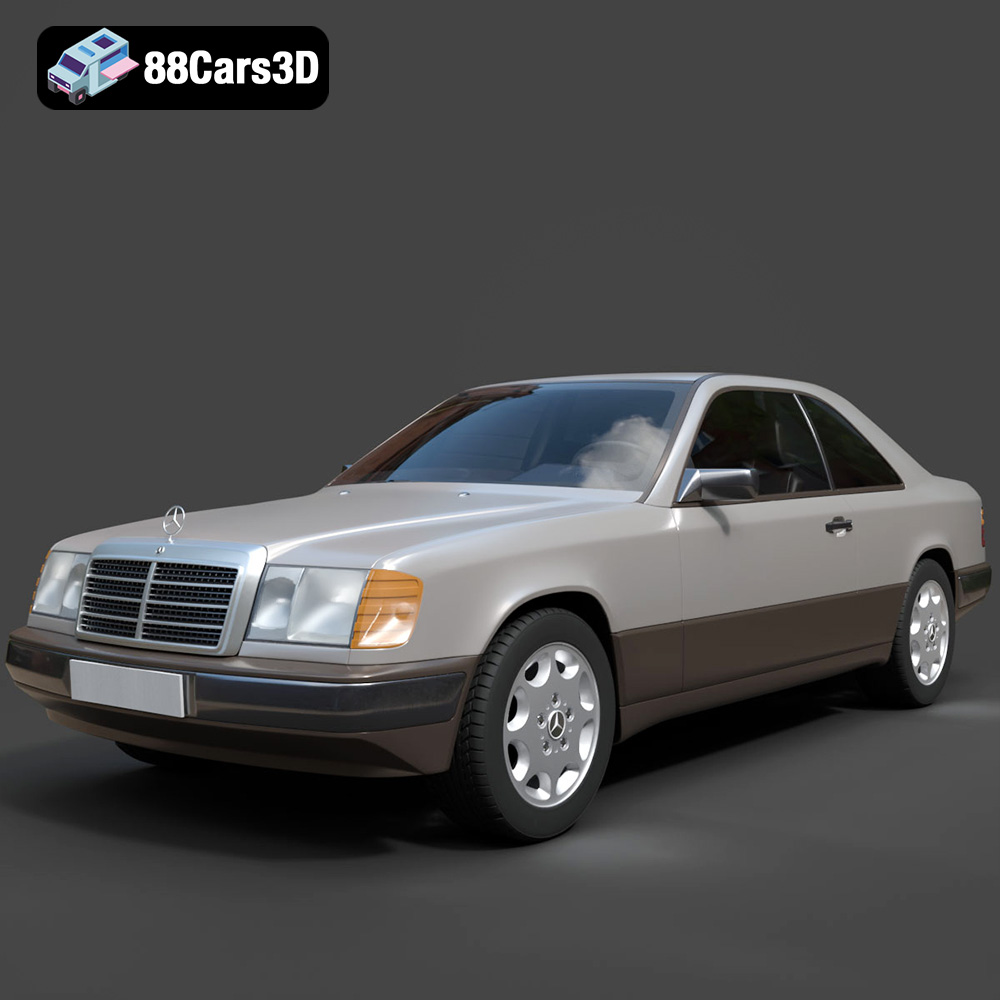
Mercedes E-Class w124 Coupe 3D Model
Texture: Yes
Material: Yes
Download the Mercedes E-Class w124 Coupe 3D Model featuring clean geometry, realistic detailing, and a fully modeled interior. Includes .blend, .fbx, .obj, .glb, .stl, .ply, .unreal, and .max formats for rendering, simulation, and game development.
Price: $4.99
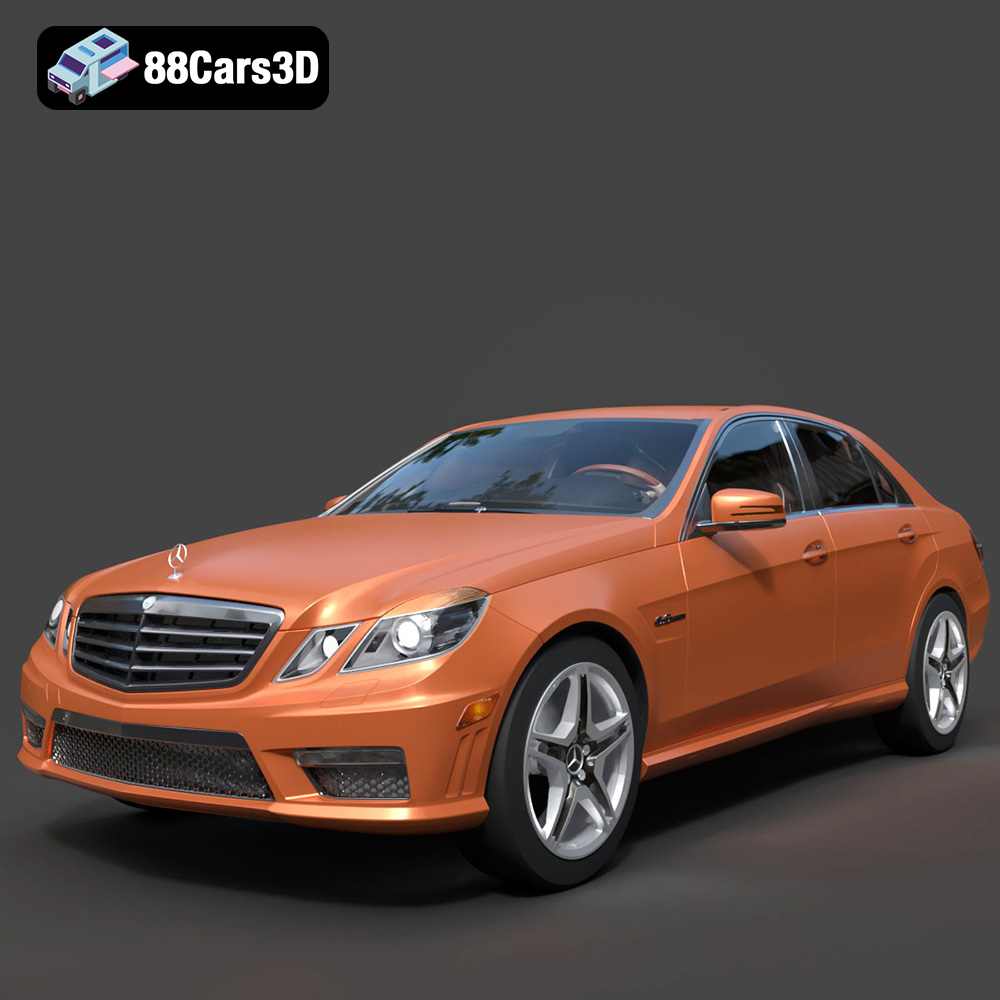
Mercedes-Benz E-Klasse 63 AMG 3D Model
Texture: Yes
Material: Yes
Download the Mercedes-Benz E-Klasse 63 AMG 3D Model featuring clean geometry, realistic detailing, and a fully modeled interior. Includes .blend, .fbx, .obj, .glb, .stl, .ply, .unreal, and .max formats for rendering, simulation, and game development.
Price: $4.99
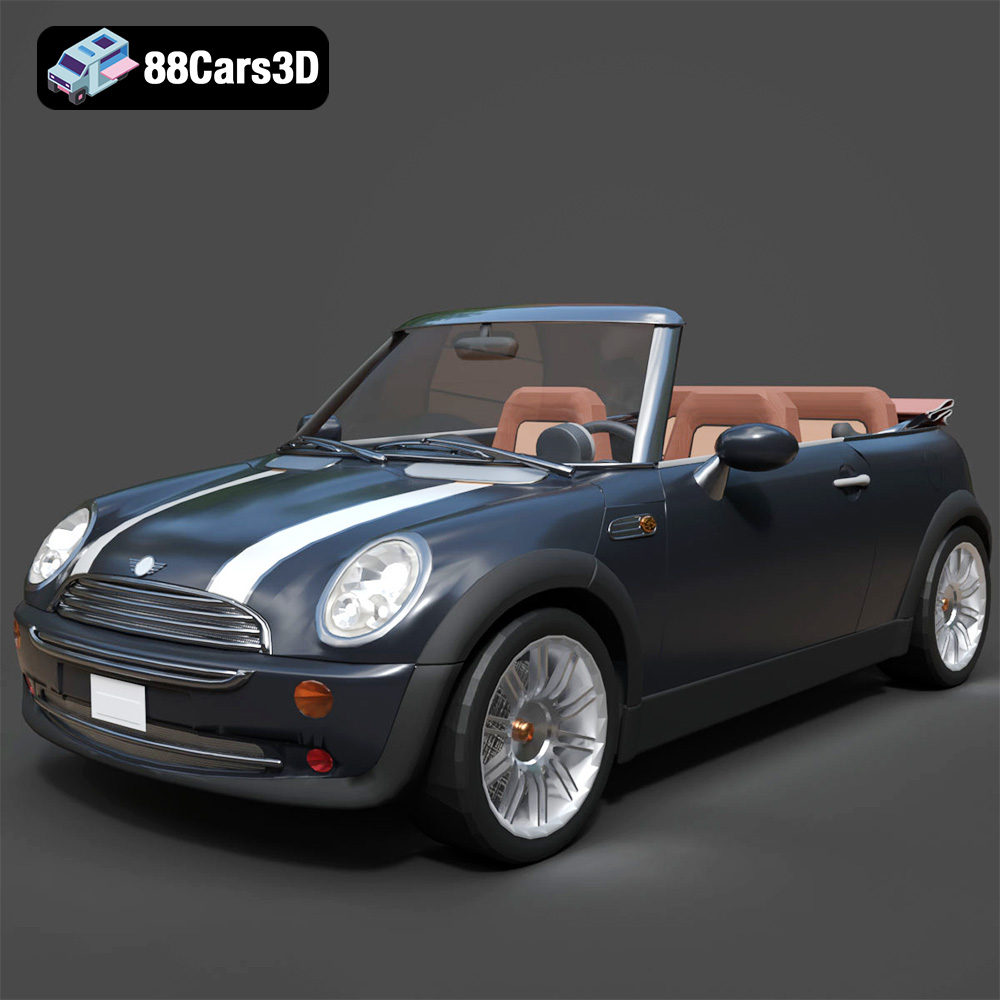
Mini Cabrio 2025 3D Model
Texture: Yes
Material: Yes
Download the Mini Cabrio 2025 3D Model featuring clean geometry, realistic detailing, and a fully modeled interior. Includes .blend, .fbx, .obj, .glb, .stl, .ply, .unreal, and .max formats for rendering, simulation, and game development.
Price: $4.99
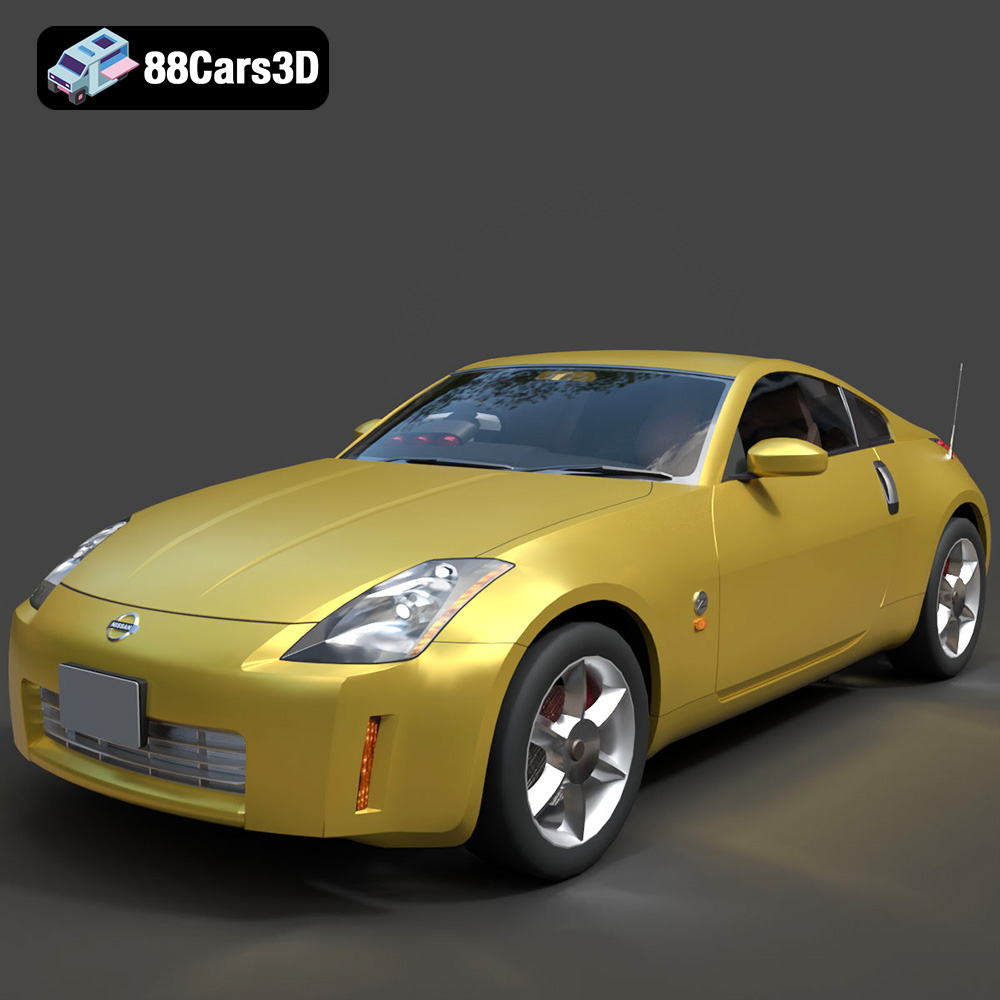
Nissan 350Z 3D Model
Texture: Yes
Material: Yes
Download the Nissan 350Z 3D Model featuring clean geometry, realistic detailing, and a fully modeled interior. Includes .blend, .fbx, .obj, .glb, .stl, .ply, .unreal, and .max formats for rendering, simulation, and game development.
Price: $4.99
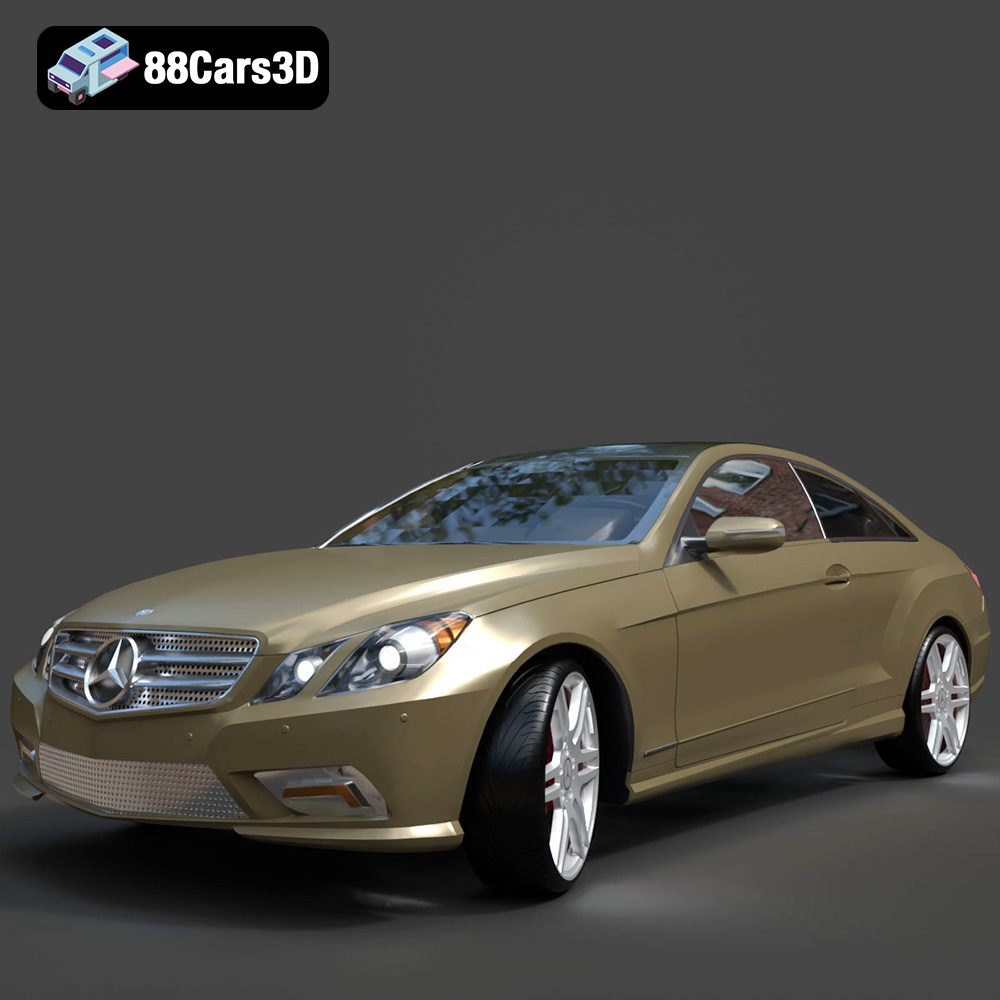
Mercedes-Benz E-Klasse Coupe 2010 3D Model
Texture: Yes
Material: Yes
Download the Mercedes-Benz E-Klasse Coupe 3D Model featuring clean geometry, realistic detailing, and a fully modeled interior. Includes .blend, .fbx, .obj, .glb, .stl, .ply, .unreal, and .max formats for rendering, simulation, and game development.
Price: $4.99
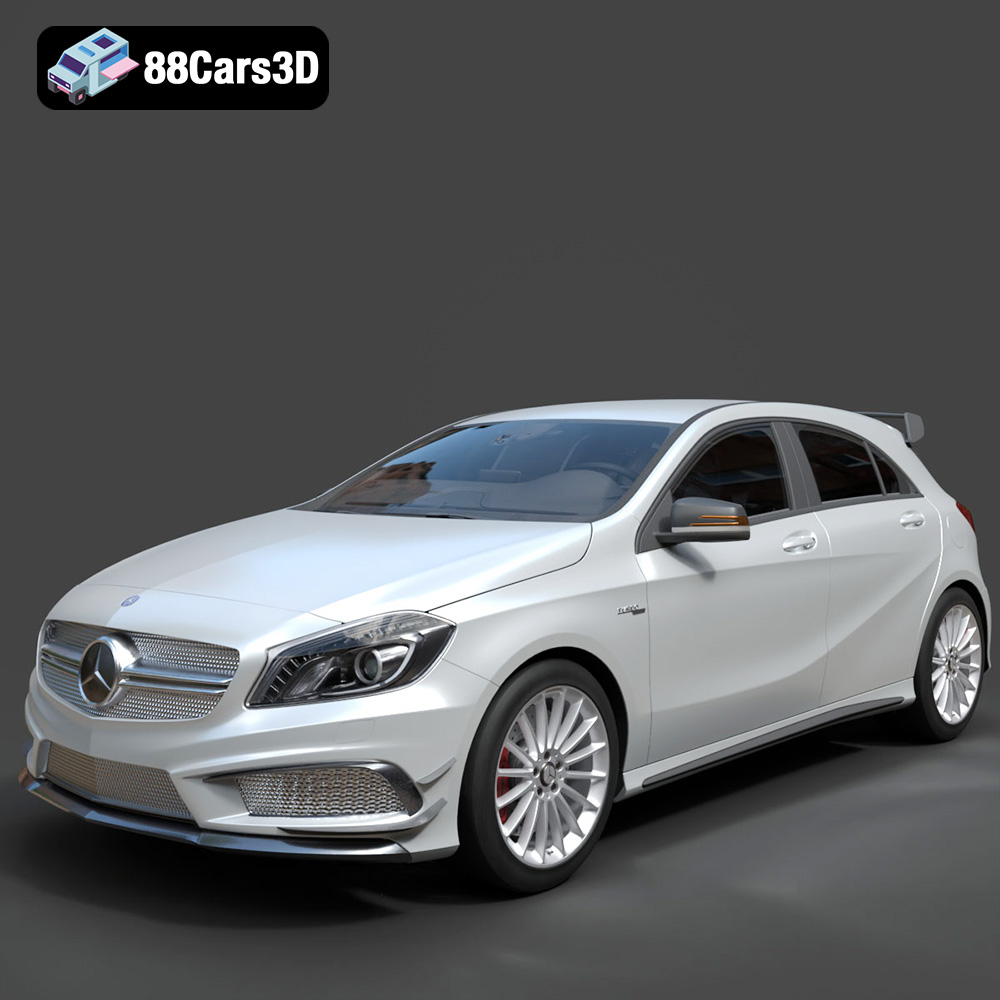
Mercedes-Benz A 45 AMG 3D Model
Texture: Yes
Material: Yes
Download the Benza MERS-007 3D Model featuring clean geometry, realistic detailing, and a fully modeled interior. Includes .blend, .fbx, .obj, .glb, .stl, .ply, .unreal, and .max formats for rendering, simulation, and game development.
Price: $4.99
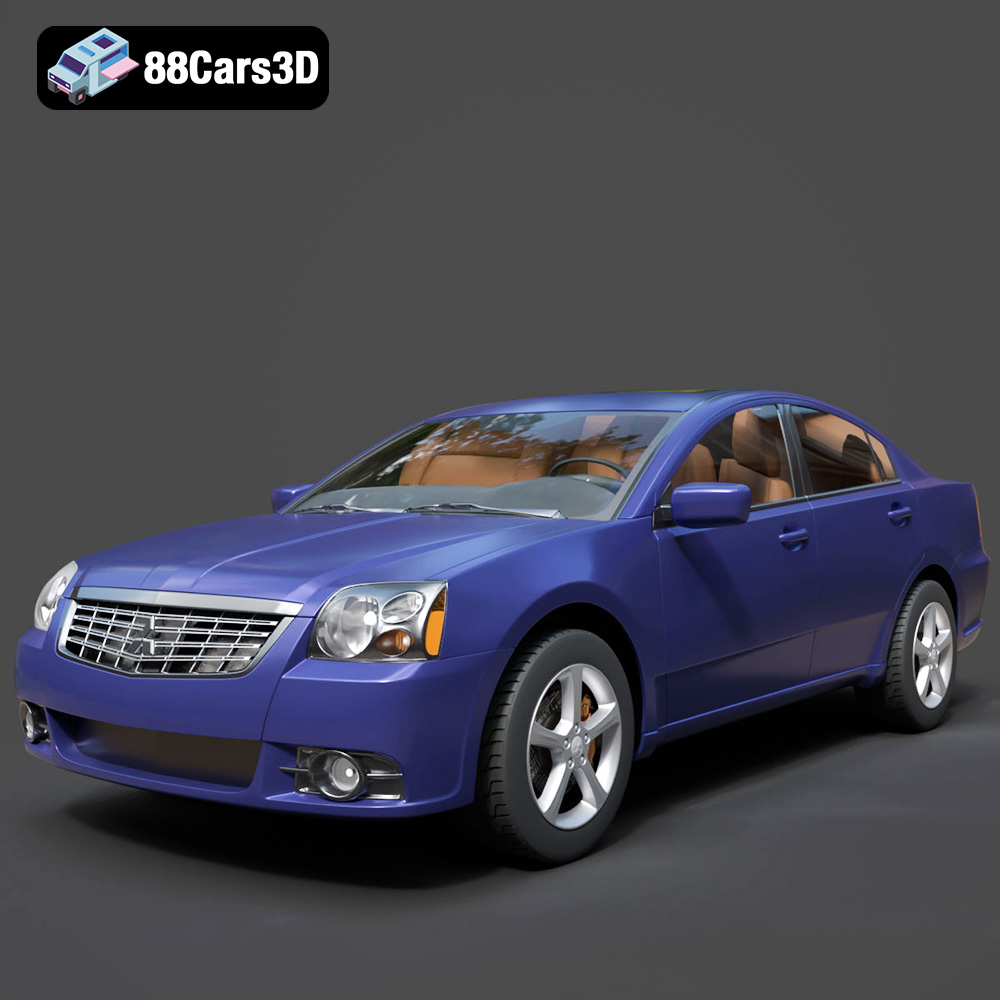
Mitsubishi Galant 2009 3D Model
Texture: Yes
Material: Yes
Download the Mitsubishi Galant 2009 3D Model featuring clean geometry, realistic detailing, and a fully modeled interior. Includes .blend, .fbx, .obj, .glb, .stl, .ply, .unreal, and .max formats for rendering, simulation, and game development.
Price: $4.99
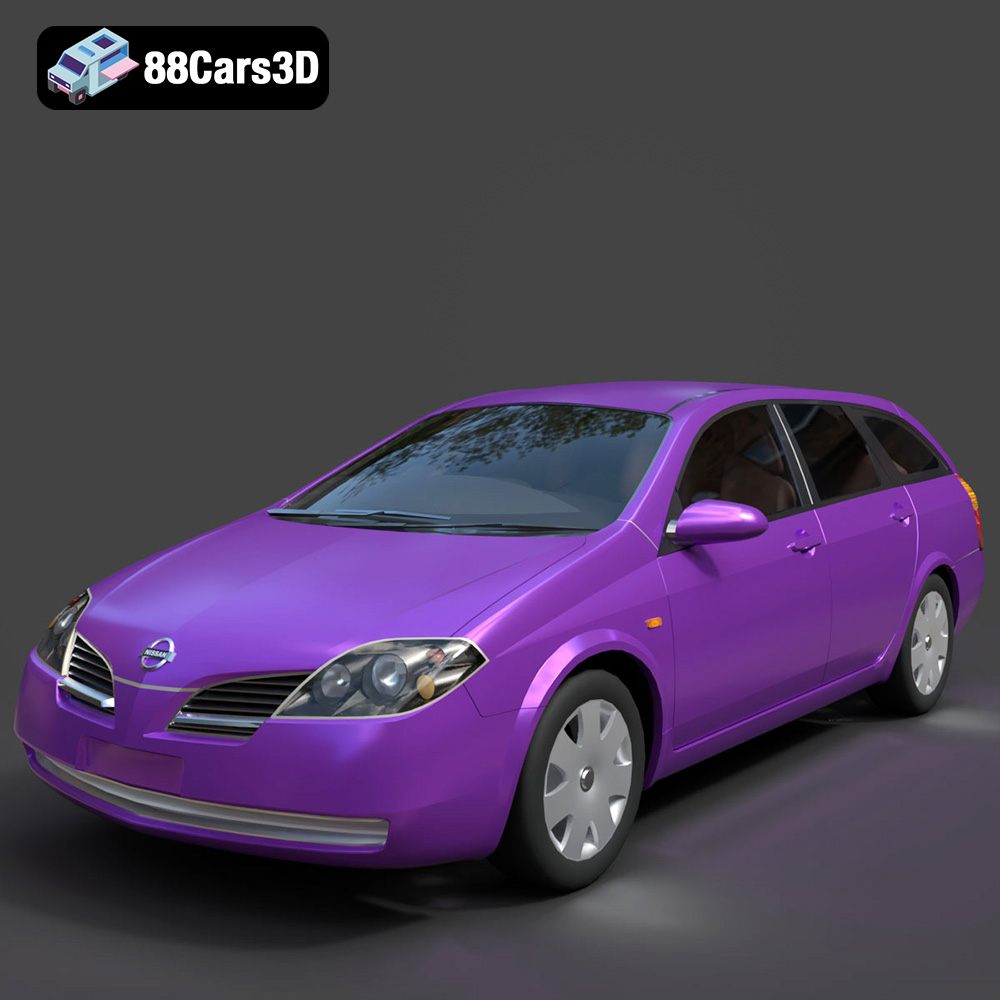
Nissan Primera Wagon 3D Model
Texture: Yes
Material: Yes
Download the Nissan Primera Wagon 3D Model featuring clean geometry, realistic detailing, and a fully modeled interior. Includes .blend, .fbx, .obj, .glb, .stl, .ply, .unreal, and .max formats for rendering, simulation, and game development.
Price: $4.99
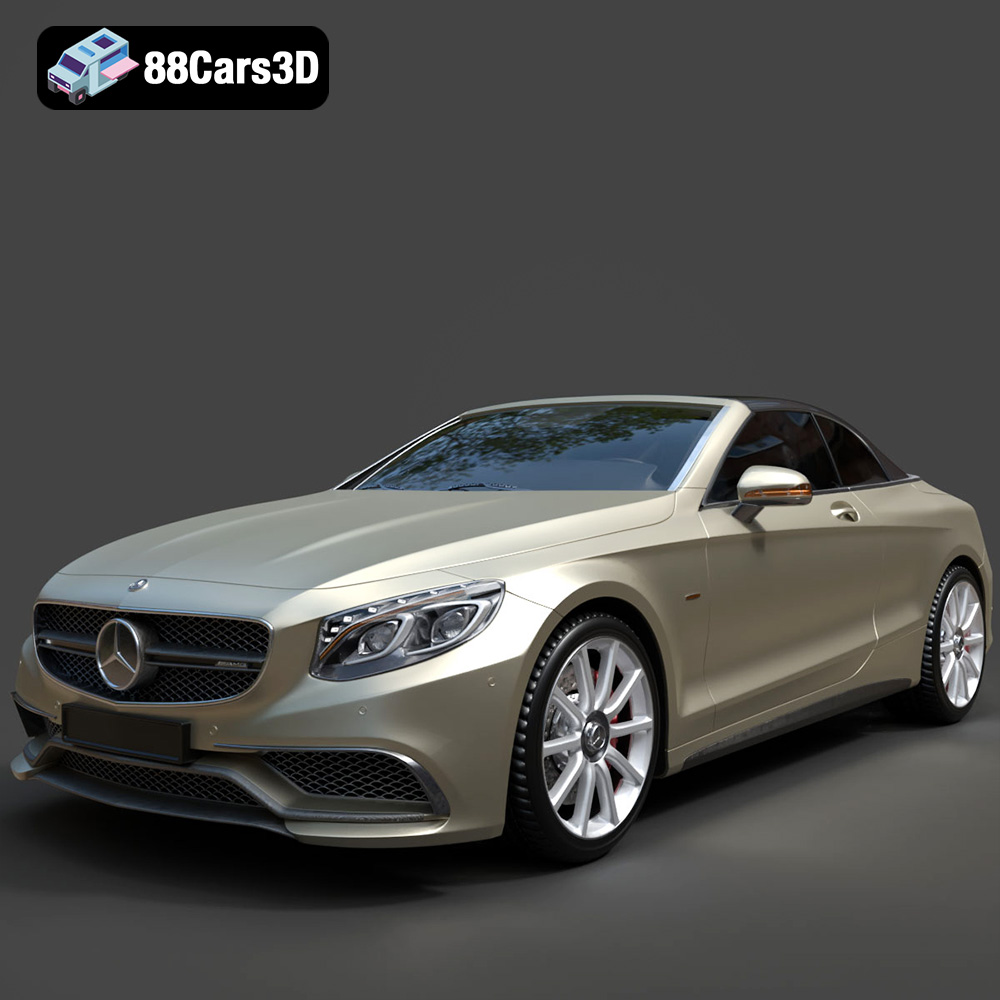
Mercedes-Benz S63 AMG Cabriolet 2017 3D Model
Texture: Yes
Material: Yes
Download the Mercedes-Benz S63 AMG Cabriolet 2017 3D Model featuring clean geometry, realistic detailing, and a fully modeled interior. Includes .blend, .fbx, .obj, .glb, .stl, .ply, .unreal, and .max formats for rendering, simulation, and game development.
Price: $20.99
