⚡ FLASH SALE: Get 60% OFF All Premium 3D & STL Models! ⚡

“`html
There’s an undeniable magic to a perfectly rendered car. The way light dances across its flawless clear coat, the intricate details of the brake calipers glowing behind the spokes, and the subtle imperfections that sell the illusion of reality—it’s a blend of technical mastery and artistic vision. But what does it really take to get there? Behind every stunning automotive render or immersive driving game lies a meticulously crafted 3D model, built upon a foundation of precision, optimization, and deep technical understanding. Whether you’re an aspiring 3D artist aiming for a portfolio-worthy hero shot, a game developer building the next great racing simulator, or a visualization professional creating marketing materials, mastering the lifecycle of a 3D car model is paramount.
This comprehensive guide will take you under the hood of professional automotive 3D asset creation and utilization. We’ll move beyond the basics and dive deep into the core pillars that separate amateur models from production-ready assets. You will learn the secrets of pristine topology and edge flow, advanced UV mapping strategies for complex surfaces, the art of creating multi-layered PBR car paint shaders, and the specific workflows for rendering and real-time optimization. Prepare to explore the technical nuances of preparing models for everything from cinematic renders in Corona and V-Ray to high-performance applications in AR/VR and 3D printing. Let’s begin the journey from a simple polygon mesh to a breathtaking digital vehicle.
Before any texture is applied or a single render is fired off, the success of a 3D car model is determined by its underlying geometry—its topology. Topology refers to the arrangement of vertices, edges, and polygons that form the mesh. For hard-surface models, especially vehicles with their flowing curves and sharp creases, clean topology is not just a best practice; it is an absolute requirement. It directly impacts how the model subdivides, how it catches light and reflections, and how easily it can be UV mapped, textured, and even rigged for animation. Poor topology leads to shading artifacts, pinched highlights, and a host of downstream problems that are difficult and time-consuming to fix.
Edge flow is the directional logic of your topology. On a car, edges should follow the natural contours and style lines of the body panels. Think of the strong character line running down the side of a sports car or the gentle curve of a roofline. A clean edge flow ensures that when the model is subdivided (using modifiers like TurboSmooth in 3ds Max or a Subdivision Surface in Blender), the resulting high-poly mesh is smooth and predictable. Reflections will glide seamlessly across the surface without wobbling or distortion. This is particularly critical for automotive visualization, where the quality of the surface reflections is a primary indicator of realism. Bad edge flow creates lumps and bumps that break the illusion instantly.
The golden rule in subdivision surface modeling is to use quadrilaterals (quads) almost exclusively. Quads are four-sided polygons that subdivide cleanly and predictably into more quads. Triangles (tris) and especially N-gons (polygons with more than four sides) are problematic. While triangles are the fundamental building block for real-time game engines, they terminate edge flow and can cause pinching artifacts when subdivided. N-gons are even worse, often leading to unpredictable smoothing and shading errors. A professional workflow involves modeling everything in quads and only triangulating the mesh as a final step when exporting to a game engine. When inspecting a high-quality 3D car model, you will find it is 99% quads, with triangles used sparingly and strategically in flat, hidden areas where they won’t cause issues.
How do you create sharp, defined panel gaps or crisp edges on a subdivided model without them becoming soft and rounded? The answer is support loops (or holding edges). These are extra edge loops placed parallel to the primary edge you want to tighten. The closer the support loop is to the primary edge, the sharper the crease will be after subdivision. Mastering the placement and spacing of these loops is an art form. Too close, and you get a harsh, artificial edge. Too far, and the edge becomes too soft. For a car door, for example, you would run support loops along the inside edge of the door panel and the outside edge of the door frame to create that clean, tight panel gap essential for realism.
Once you have a pristine, topologically sound model, the next critical step is UV mapping. UV mapping is the process of flattening the 3D model’s surface into a 2D space so that textures can be applied correctly. It’s like creating a sewing pattern for your model. For a complex object like a car, with its countless individual parts, curved panels, and tiny details, UV mapping can be a daunting task. However, a strategic and clean unwrap is essential for high-quality texturing and is a hallmark of a professional-grade asset.
A “seam” in UV mapping is where the 3D mesh is “cut” to allow it to be unfolded flat. The goal is to place these seams in the least conspicuous locations possible, much like the seams on clothing. For a car, ideal places for seams are along hard edges or natural panel gaps—the edge of a hood, the inside of a door jamb, or the underside of the chassis. Placing seams on a large, smooth, visible surface like the middle of a car door will result in a visible break in the texture, especially with procedural materials or fine details like dirt and grime maps. The key is to balance minimizing visible seams with reducing texture distortion. Using UV checker maps during the unwrapping process is crucial to identify and fix areas where the texture is being stretched or compressed.
For hero assets and cinematic-quality automotive rendering, a single texture map, even at 4K or 8K resolution, often isn’t enough to capture all the necessary detail without pixelation. This is where the UDIM (U-Dimension) workflow comes in. UDIMs allow you to assign multiple texture maps to a single object, with each map covering a different part of the UV space. For a car, you could have one UDIM tile for the main body, another for the wheels and tires, one for the interior dashboard, and another for smaller miscellaneous parts. This means you can assign an 8K texture set just to the body for incredible close-up detail, while using smaller 2K or 4K textures for less critical components, optimizing memory usage while maximizing visual fidelity.
Texel density refers to the number of texture pixels per unit of 3D surface area. Consistent texel density across a model is vital for a uniform appearance. You don’t want the side mirror to be blurry while the door next to it is razor-sharp. When you’ve unwrapped all your components (UV shells), the final step is to “pack” them efficiently into the 0-1 UV space (or across multiple UDIM tiles). A good pack wastes as little space as possible. Key principles include straightening shells where possible, orienting them to pack tightly, and scaling shells relative to their size and visibility on the final model. For instance, the main body panels should occupy a much larger portion of the UV space than the lug nuts on the wheels.
With a perfectly modeled and unwrapped car, the next stage is to create the materials that will define its appearance. Modern 3D workflows are dominated by Physically Based Rendering (PBR), a methodology that aims to simulate the behavior of light in a more physically accurate way. This results in materials that look realistic and consistent across different lighting conditions. Creating a convincing set of PBR materials is what transforms a grey mesh into a believable digital automobile.
A PBR material is typically composed of several texture maps that control different surface properties:
– Roughness (or Glossiness): This is one of the most important maps. It controls how rough or smooth a surface is, which dictates whether reflections are sharp and mirror-like (low roughness, like chrome) or diffuse and matte (high roughness, like a rubber tire).
– Metallic: This map tells the shader whether a surface is a metal (dielectric) or a non-metal (insulator). It’s typically a black-and-white map where white (1) is 100% metallic and black (0) is non-metallic.
– Normal: This map adds fine surface detail without adding extra polygons. It simulates bumps, dents, pores, and grains by manipulating the shading of the surface, making it invaluable for details like leather grain on seats or the tread pattern on tires.
A simple PBR material isn’t enough for a convincing car paint. Realistic automotive paint is a multi-layered material. In 3D software like 3ds Max with Corona/V-Ray or Blender with Cycles, you achieve this by building a layered shader network. A typical car paint shader consists of:
Creating these complex shaders from scratch is an art, which is why meticulously crafted 3D car models from marketplaces like 88cars3d.com come with pre-configured, high-quality PBR materials, saving artists immense amounts of time.
With your model textured and materials assigned, it’s time to create the final image. The rendering stage is where everything comes together—lighting, camera, and environment—to produce a photorealistic result. The choices you make here will dramatically affect the mood, realism, and overall impact of your automotive visualization.
The render engine is the software that calculates the final image from your 3D scene. Several powerful options exist, each with its strengths:
The best engine often comes down to personal preference and integration with your primary 3D application.
Lighting is everything in rendering. For automotive shots, two primary methods are used:
Treat your virtual camera like a real-world DSLR. Pay attention to settings like focal length (a 50mm-85mm lens is great for realistic portraits, while a wider 24-35mm lens can create more dramatic, aggressive shots) and depth of field (a shallow depth of field can help isolate the car from the background and draw the viewer’s eye). Finally, almost no raw render is a finished image. Post-processing in software like Photoshop or After Effects is the final step. This is where you adjust levels, contrast, and color balance, add effects like lens flare or vignetting, and composite different render passes (like reflections and ambient occlusion) for maximum control over the final look.
Using a 3D car model in a game engine like Unreal Engine or Unity presents a completely different set of challenges compared to offline rendering. In real-time applications, every polygon and texture byte counts. The goal is to maintain the highest possible visual quality while ensuring the game runs at a smooth, consistent framerate (typically 60 FPS or higher). This requires a dedicated optimization process.
You cannot simply drop a 5-million-polygon cinematic model into a game engine. The first step is creating a low-polygon, game-ready version through a process called retopology. This involves building a new, clean mesh with a much lower polygon count (e.g., 50k-150k polygons) over the top of the high-poly source model. This new mesh must retain the original’s silhouette and form as accurately as possible. The fine details from the high-poly model (panel lines, bolts, vents) are then “baked” into texture maps, primarily a Normal map. This map creates the illusion of high-resolution detail on the low-poly mesh, a cornerstone technique for modern game assets.
Even an optimized 100k polygon car is too heavy to render hundreds of times in a busy scene. This is where Levels of Detail (LODs) come in. An LOD system uses multiple versions of the same model at progressively lower polygon counts.
The game engine automatically switches between these LODs based on the car’s distance from the camera, drastically reducing the overall polygon count per frame. This entire process of retopology and optimization is highly skilled work. Sourcing game-ready assets from platforms such as 88cars3d.com can be a massive time-saver for development teams, as they often come with pre-built LODs.
Beyond polygon counts, two other critical performance metrics are draw calls and texture memory. A draw call is a command from the CPU to the GPU to draw an object. Each separate material on an object typically results in a separate draw call. Having hundreds of materials on a car can cripple performance. To combat this, a technique called texture atlasing is used. This involves combining multiple smaller textures (for headlights, badges, grille, etc.) into a single, larger texture sheet. This allows many parts of the car to share a single material, significantly reducing draw calls. Similarly, optimizing texture resolutions and using efficient compression formats (like DXT/BC) is vital for managing VRAM usage, especially on consoles and mobile devices.
The utility of high-quality 3D car models extends beyond traditional rendering and gaming. Emerging technologies like Augmented Reality (AR), Virtual Reality (VR), and 3D printing have opened up new applications, each with its own unique technical requirements.
For AR and VR applications, performance is absolutely critical. A dropped frame in a VR headset can lead to motion sickness, so maintaining a high and stable framerate (often 90 FPS or higher) is non-negotiable. The optimization techniques are similar to game development but even more stringent.
Preparing a model for 3D printing is a completely different discipline. The focus shifts from visual appearance to physical viability. A 3D printer needs a perfect, unambiguous set of instructions to build an object layer by layer.
As we’ve seen, the journey of a 3D car model from a concept to a final application is a multi-faceted and technically demanding process. It’s a discipline that requires a mastery of topology, a strategic approach to UV mapping, an artistic eye for material creation, and a deep understanding of the final target platform’s constraints. Each stage—from laying down the first polygon to tweaking the final render setting or optimization pass—builds upon the last. A flaw in the foundational topology will ripple through and cause problems in every subsequent step.
The key takeaway is that quality is not an accident; it is the result of meticulous planning and execution. Whether you are building your own models from scratch or integrating pre-made assets into your pipeline, understanding these core principles is what empowers you to create truly stunning and effective results. By focusing on clean geometry, efficient UVs, realistic materials, and intelligent optimization, you can ensure your automotive projects not only look breathtaking but also perform flawlessly. For those looking to bypass the extensive creation process, you can accelerate your project by starting with a professionally crafted asset from a trusted source like 88cars3d.com, confident that it has been built upon these very principles of quality and precision.
“`

Texture: Yes
Material: Yes
Download the Mercedes-Benz SLK 350 2005 3D Model featuring clean geometry, realistic detailing, and a fully modeled interior. Includes .blend, .fbx, .obj, .glb, .stl, .ply, .unreal, and .max formats for rendering, simulation, and game development.
Price: $9.99

Texture: Yes
Material: Yes
Download the Mercedes-Benz SL 65 AMG 3D Model featuring clean geometry, realistic detailing, and a fully modeled interior. Includes .blend, .fbx, .obj, .glb, .stl, .ply, .unreal, and .max formats for rendering, simulation, and game development.
Price: $9.99

Texture: Yes
Material: Yes
Download the Mercedes-Benz S500 3D Model featuring clean geometry, realistic detailing, and a fully modeled interior. Includes .blend, .fbx, .obj, .glb, .stl, .ply, .unreal, and .max formats for rendering, simulation, and game development.
Price: $9.99
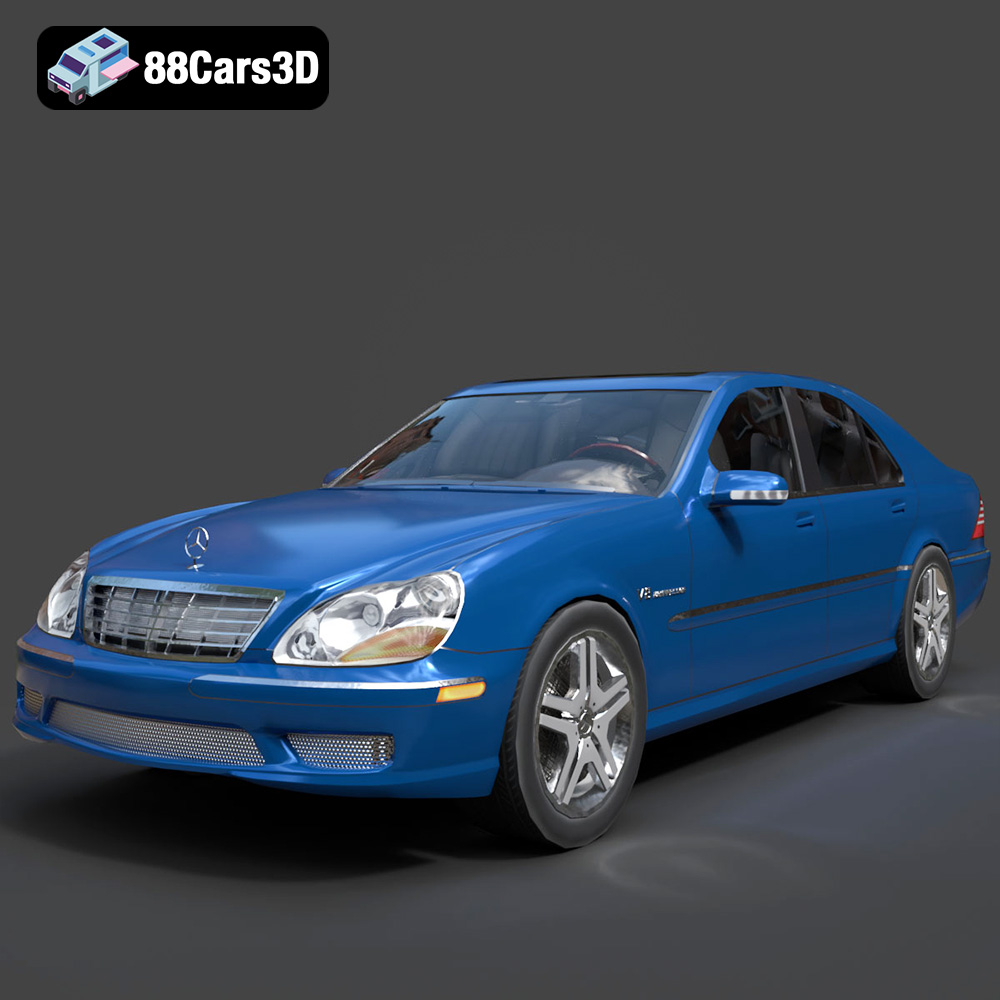
Texture: Yes
Material: Yes
Download the Mercedes-Benz S55 W220 AMG 1999 3D Model featuring clean geometry, realistic detailing, and a fully modeled interior. Includes .blend, .fbx, .obj, .glb, .stl, .ply, .unreal, and .max formats for rendering, simulation, and game development.
Price: $9.99

Texture: Yes
Material: Yes
Download the Mercedes-Benz CLA45 AMG 2017 3D Model featuring clean geometry, realistic detailing, and a fully modeled interior. Includes .blend, .fbx, .obj, .glb, .stl, .ply, .unreal, and .max formats for rendering, simulation, and game development.
Price: $29.99
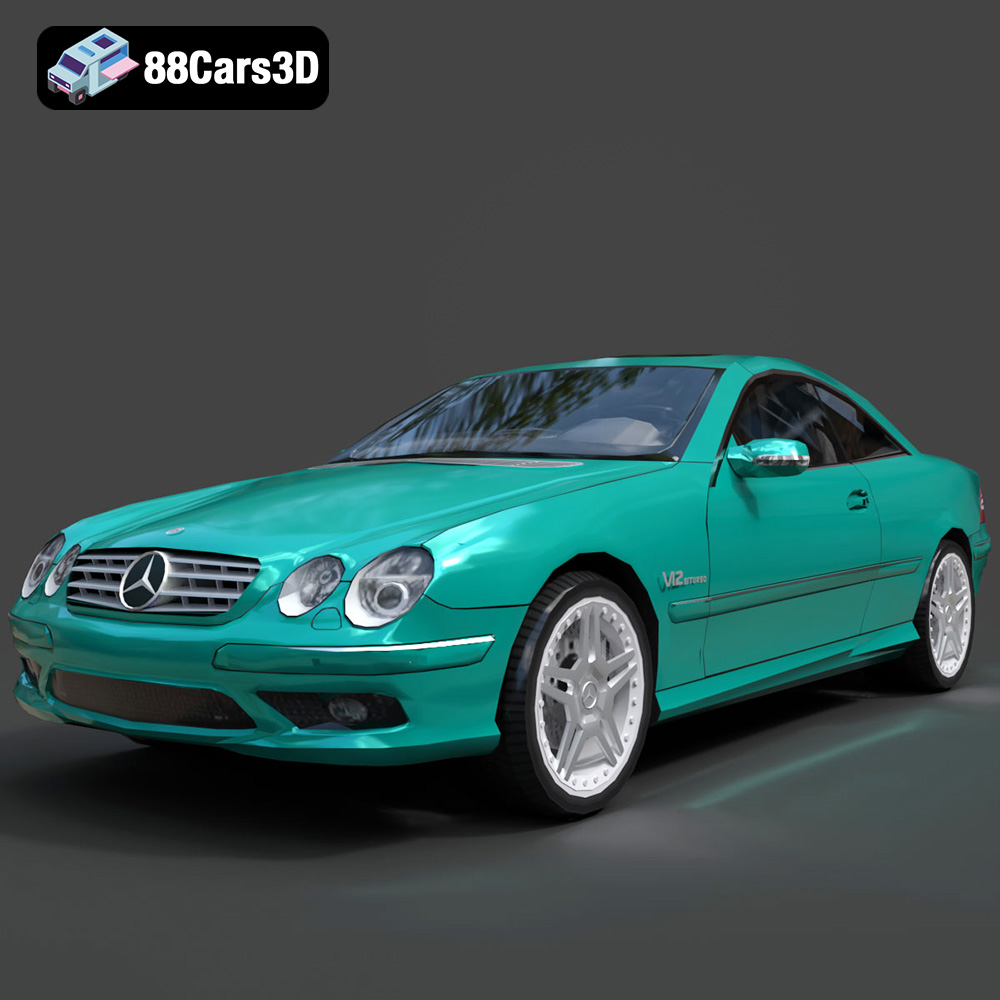
Texture: Yes
Material: Yes
Download the Mercedes-Benz CL65 C215 AMG 3D Model featuring clean geometry, realistic detailing, and a fully modeled interior. Includes .blend, .fbx, .obj, .glb, .stl, .ply, .unreal, and .max formats for rendering, simulation, and game development.
Price: $9.99
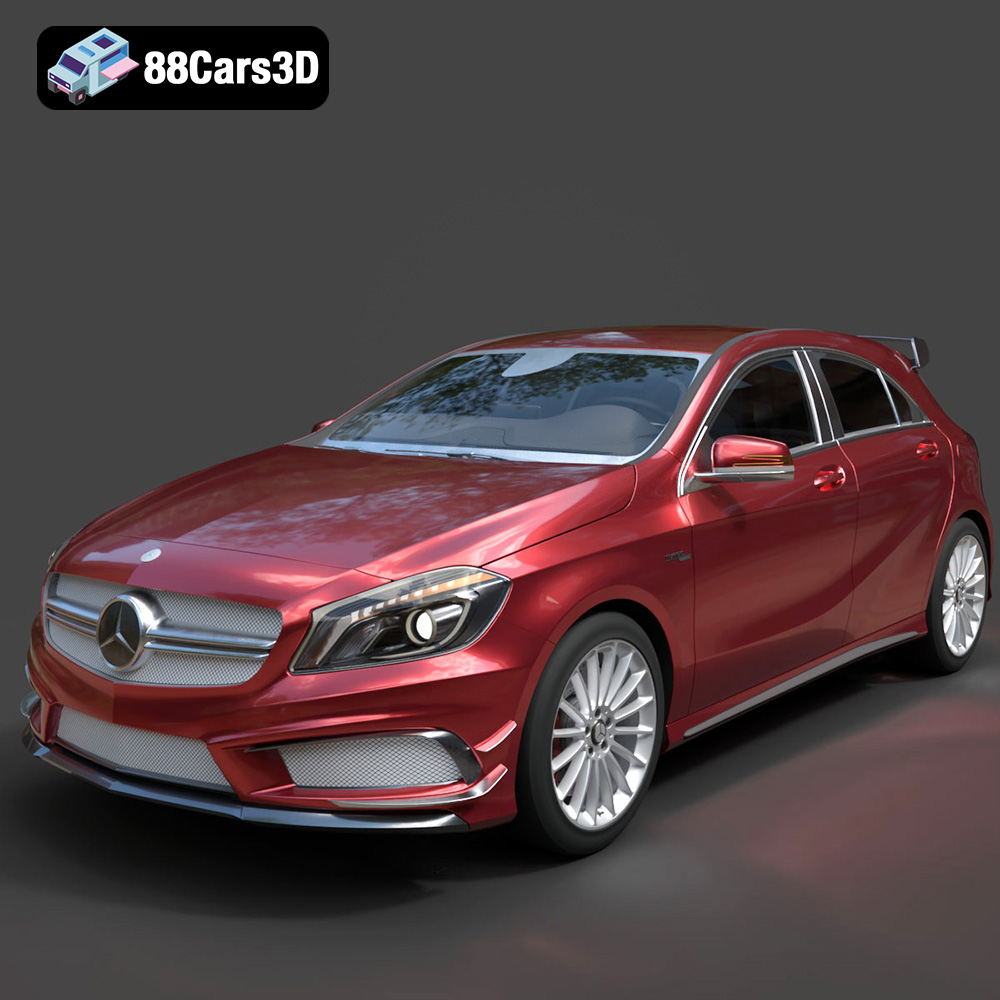
Texture: Yes
Material: Yes
Download the Mercedes-Benz A45 2021 3D Model featuring clean geometry, realistic detailing, and a fully modeled interior. Includes .blend, .fbx, .obj, .glb, .stl, .ply, .unreal, and .max formats for rendering, simulation, and game development.
Price: $9.99
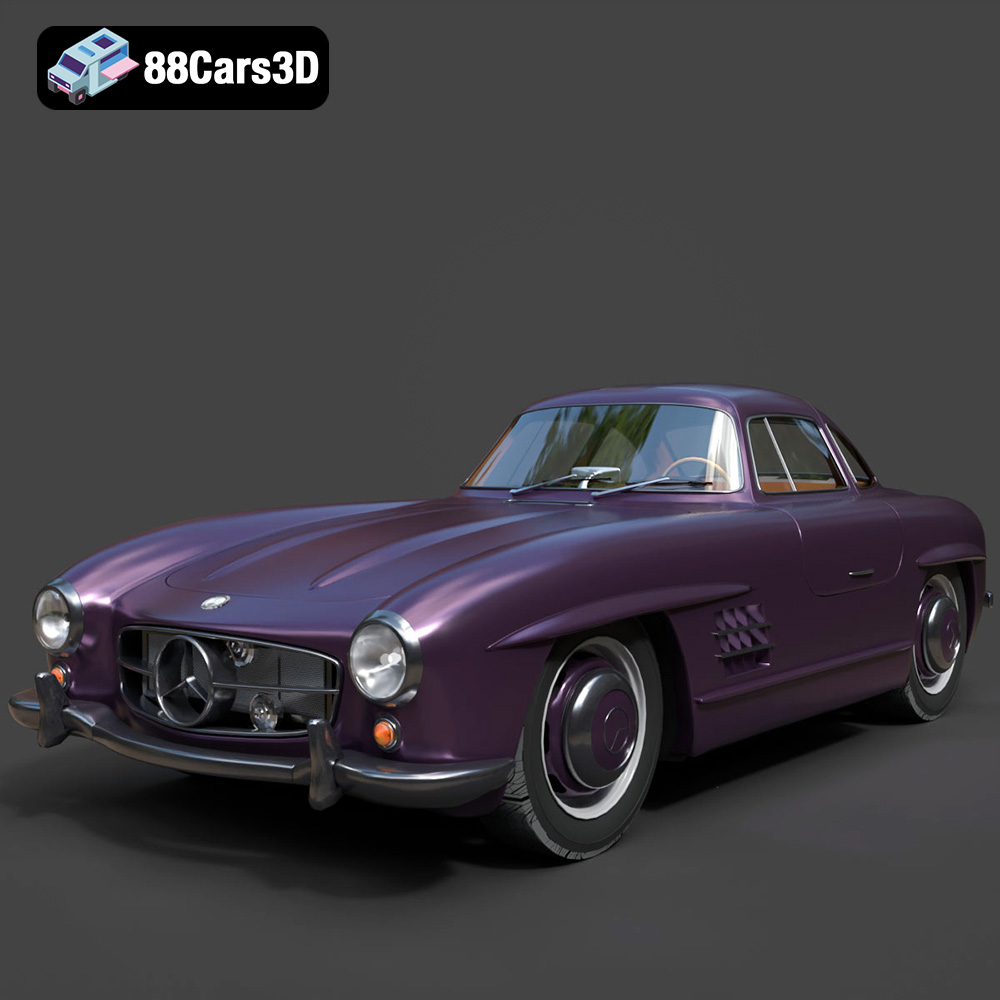
Texture: Yes
Material: Yes
Download the Mercedes-Benz 300SL 1955 3D Model featuring clean geometry, realistic detailing, and a fully modeled interior. Includes .blend, .fbx, .obj, .glb, .stl, .ply, .unreal, and .max formats for rendering, simulation, and game development.
Price: $9.99
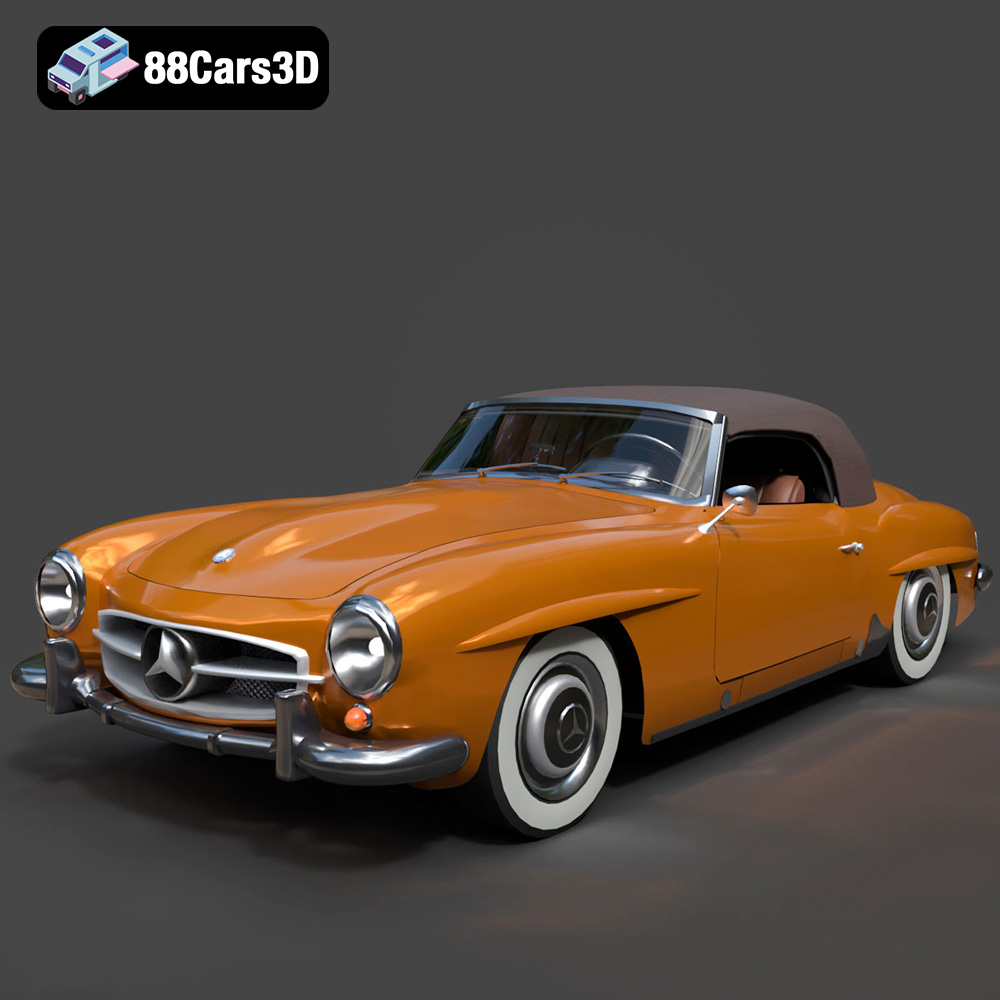
Texture: Yes
Material: Yes
Download the Mercedes-Benz 190SL 1955 3D Model featuring clean geometry, realistic detailing, and a fully modeled interior. Includes .blend, .fbx, .obj, .glb, .stl, .ply, .unreal, and .max formats for rendering, simulation, and game development.
Price: $9.99
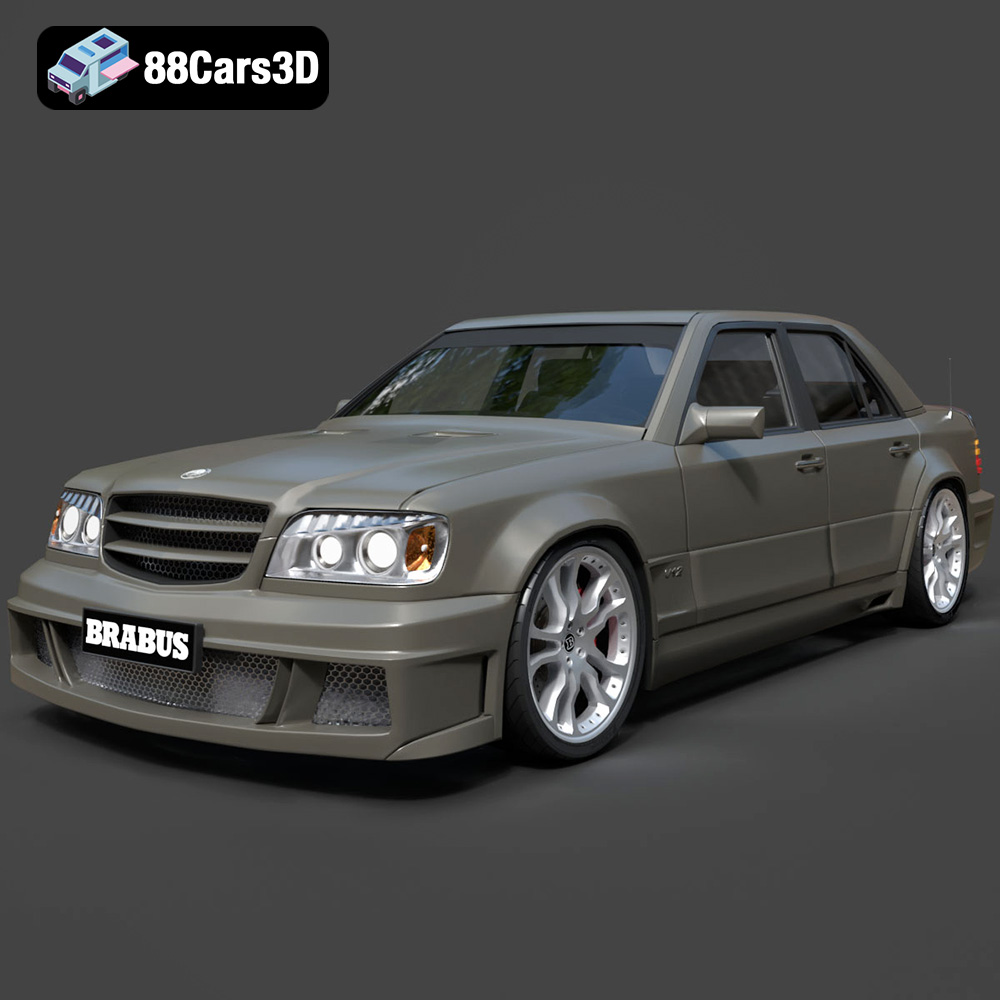
Texture: Yes
Material: Yes
Download the Mercedes-Benz W124 Brabus V12 3D Model featuring clean geometry, realistic detailing, and a fully modeled interior. Includes .blend, .fbx, .obj, .glb, .stl, .ply, .unreal, and .max formats for rendering, simulation, and game development.
Price: $9.99

