⚡ FLASH SALE: Get 60% OFF All Premium 3D & STL Models! ⚡

A high-quality 3D car model is a masterpiece of digital craftsmanship, a symphony of polygons, textures, and shaders. But a model perfect for a stunning 8K cinematic render is often fundamentally unsuitable for a smooth real-time experience in a game or an AR application. The secret to unlocking the full potential of a 3D vehicle lies in understanding how to prepare and optimize it for its final destination. Whether you’re an automotive visualization artist chasing photorealism, a game developer building an immersive racing experience, or an engineer prototyping with 3D printing, the core asset must be adapted through specific, technical workflows.
This comprehensive guide will take you deep into the professional pipeline for preparing 3D car models for any conceivable use case. We’ll move beyond basic principles and dive into the nitty-gritty details of topology, UV mapping, PBR material creation, rendering, and performance optimization. You will learn the industry-standard techniques to transform a single, high-fidelity model into a versatile asset ready for photorealistic renders, high-performance game engines, interactive AR/VR showcases, and even physical 3D prints. Get ready to master the workflows that turn a beautiful model into a functional, powerful, and efficient digital asset.
Before any texturing or rendering can begin, the structural integrity of the 3D model itself must be perfect. The topology—the flow and arrangement of polygons—is the DNA of your asset. It dictates how the model will catch light, how smoothly it will subdivide for close-up shots, and how efficiently it can be optimized for other applications. A clean, well-organized model is the single most important factor for a flexible and professional workflow.
For automotive models, quad-based topology is the undisputed industry standard. Quads (polygons with four sides) deform predictably and subdivide cleanly, which is essential for creating the smooth, flowing surfaces of a car’s bodywork. Triangles (tris) and especially Ngons (polygons with more than four sides) can cause pinching, artifacts, and shading errors when smoothing algorithms like TurboSmooth (3ds Max) or Subdivision Surface (Blender) are applied. Focus on creating an even distribution of quads across surfaces, with denser topology around areas of high curvature like wheel arches and fender flares. Use carefully placed edge loops to define sharp panel gaps, character lines, and creases without compromising the smoothness of the surrounding panels.
The ideal polygon count is entirely dependent on the target application.
Starting with a high-poly source model, like those available from marketplaces such as 88cars3d.com, provides the perfect foundation from which all other versions can be derived.
A disorganized model is a nightmare to work with. Before exporting, establish a logical hierarchy and a strict naming convention. Group objects logically. For example, create a parent object for each wheel that contains the tire, rim, brake disc, and caliper. This makes animating or posing the vehicle trivial. Use clear, consistent names for every single component.
This organization is not just for tidiness; it’s crucial for shader assignment, rigging, and for programmers to hook into specific parts of the car in a game engine.
UV mapping is the process of flattening a 3D model’s surface into a 2D space so textures can be applied correctly. For a complex object like a car, with its mix of large, smooth panels and intricate mechanical parts, a strategic UV workflow is essential for achieving professional results. Poor UVs can lead to stretched textures, visible seams, and inconsistent detail.
The first rule of UV unwrapping is to hide your seams. Place UV seams along natural hard edges or in areas that are less visible, such as the underside of the car, inside panel gaps, or along the edges of trim pieces. For the main body, try to keep large, visible panels like the hood, doors, and roof as single, contiguous UV islands to avoid any seams on these crucial reflective surfaces. Texel density is another critical concept. It refers to the resolution of your texture map relative to the size of your 3D model’s surface. Maintaining a consistent texel density across the entire model ensures that a carbon fiber texture on the mirror looks just as sharp as the same texture on the front splitter.
For high-end cinematic and VFX work where extreme close-ups are required, a single 4K or 8K texture map may not provide enough resolution for the entire car. This is where the UDIM (U-Dimension) workflow comes in. UDIMs allow you to use multiple texture maps (each corresponding to a different UV grid space) for a single model. You could dedicate an entire 8K map just for the front bumper and grille, another for the side panels, and another for the interior. This approach provides incredible texture fidelity but is generally overkill for real-time applications. Software like Mari, Substance Painter, and modern versions of Blender and Maya have robust UDIM support.
No single unwrapping method works for an entire car. A successful unwrap uses a combination of techniques:
Always use a UV checkerboard texture during the unwrapping process to visually check for stretching and distortion. The squares should be as uniform in size and shape as possible across the entire model.
Physically Based Rendering (PBR) is a shading and rendering methodology that more accurately models the flow of light in the real world. Creating convincing PBR materials is key to achieving photorealism. For vehicles, this means mastering everything from complex multi-layered car paint to the subtle imperfections that sell the final image.
A standard PBR workflow for a car model will use several key texture maps:
Additional maps like Ambient Occlusion (for contact shadows) and Opacity (for glass) are also essential.
Modern car paint is a multi-layered material, and a realistic shader must replicate this. A typical car paint shader network in Corona, V-Ray, or Blender’s Cycles involves:
The ability to control the clear coat’s color, roughness, and thickness independently from the base paint is what creates that signature depth and realism.
With a perfectly modeled and textured asset, the final step in creating a stunning image is the rendering process. This stage is a blend of technical settings and artistic vision, covering lighting, camera work, and final output.
The lighting setup defines the mood and highlights the form of the vehicle.
Treat your virtual camera like a real one. Avoid using unnaturally wide-angle lenses unless you’re going for a specific stylized shot.
Modern path-tracing renderers like Corona, V-Ray, and Blender’s Cycles are all capable of incredible realism. The choice often comes down to workflow preference. Corona is known for its simplicity and physically accurate results “out of the box,” while V-Ray offers deep customization. Regardless of the engine, rendering in passes is a professional workflow. Outputting separate passes for Beauty, Reflections, Ambient Occlusion, and an ID mask gives you enormous control in post-production software like Photoshop or After Effects. You can non-destructively enhance reflections, deepen shadows, or adjust the color of a specific car panel without having to re-render the entire image.
Preparing a 3D car for a game engine like Unity or Unreal Engine is a discipline of its own. The goal is to preserve as much visual fidelity as possible while adhering to a strict performance budget. Every polygon and every texture pixel counts.
You cannot simply place a 1-million-polygon cinematic model into a game. The first step is retopology: creating a new, clean, low-poly mesh that matches the silhouette of the original high-poly model. This low-poly version will be the one used in the game. To recover all the lost detail, we use a process called baking. The fine details from the high-poly mesh (panel gaps, small bolts, grille mesh) are “baked” into a Normal Map. When this normal map is applied to the low-poly model, it creates the illusion of high detail by manipulating how light reflects off the surface, without adding any extra geometry.
Even an optimized low-poly model can be too heavy to render hundreds of times in a busy scene. This is where Levels of Detail (LODs) are crucial. A typical setup for a hero car includes:
Game engines automatically switch between these LODs based on the car’s distance from the camera, dramatically improving performance.
In a game engine, every unique material applied to an object on screen typically results in a “draw call,” which is an instruction to the GPU. Too many draw calls can cripple performance. To optimize this, you must be efficient with materials. Instead of having separate materials for every little part (e.g., one for the chrome nut, one for the rubber valve stem, one for the plastic cap), group them together. Texture atlasing is a key technique here. This involves combining the textures for multiple smaller objects onto a single, larger texture sheet (the atlas). By doing this, all those small parts can share a single material, reducing dozens of draw calls to just one.
The worlds of augmented/virtual reality and 3D printing present their own unique sets of technical challenges. AR/VR demands extreme optimization for mobile hardware, while 3D printing requires a shift from visual representation to physical possibility.
For AR/VR, performance is paramount to maintain a high frame rate and prevent motion sickness. The polygon count must be drastically reduced, often to between 20,000 and 80,000 triangles for a hero asset.
Preparing a model for 3D printing is about ensuring it’s a solid, manufacturable object. Visual tricks used in rendering are irrelevant here.
The journey of a 3D car model from a digital file to its final application is a testament to the versatility of modern 3D workflows. We’ve seen how a single, meticulously crafted high-polygon asset can serve as the master key, unlocking possibilities across a vast spectrum of industries. The core principles remain constant: start with a foundation of clean, quad-based topology and a logical hierarchy. From there, develop pristine UVs and build physically accurate PBR materials. This high-quality source is your launchpad.
Whether you are subdividing for a flawless cinematic render, retopologizing and baking for a high-performance game asset, compressing for an interactive AR experience, or making it watertight for a physical prototype, the process is one of targeted adaptation. By mastering these distinct pipelines, you elevate your skills from simply making beautiful models to engineering powerful, efficient, and truly versatile digital assets. Starting your project with a professionally prepared model from a marketplace like 88cars3d.com can give you a significant head start, allowing you to focus your energy on these crucial final-stage preparations and optimizations.

Texture: Yes
Material: Yes
Download the Mercedes-Benz SL500 AMG (R129) 3D Model featuring clean geometry, realistic detailing, and a fully modeled interior. Includes .blend, .fbx, .obj, .glb, .stl, .ply, .unreal, and .max formats for rendering, simulation, and game development.
Price: $9.99

Texture: Yes
Material: Yes
Download the Mercedes-Benz SLK 350 2005 3D Model featuring clean geometry, realistic detailing, and a fully modeled interior. Includes .blend, .fbx, .obj, .glb, .stl, .ply, .unreal, and .max formats for rendering, simulation, and game development.
Price: $9.99

Texture: Yes
Material: Yes
Download the Mercedes-Benz SL 65 AMG 3D Model featuring clean geometry, realistic detailing, and a fully modeled interior. Includes .blend, .fbx, .obj, .glb, .stl, .ply, .unreal, and .max formats for rendering, simulation, and game development.
Price: $9.99

Texture: Yes
Material: Yes
Download the Mercedes-Benz S500 3D Model featuring clean geometry, realistic detailing, and a fully modeled interior. Includes .blend, .fbx, .obj, .glb, .stl, .ply, .unreal, and .max formats for rendering, simulation, and game development.
Price: $9.99
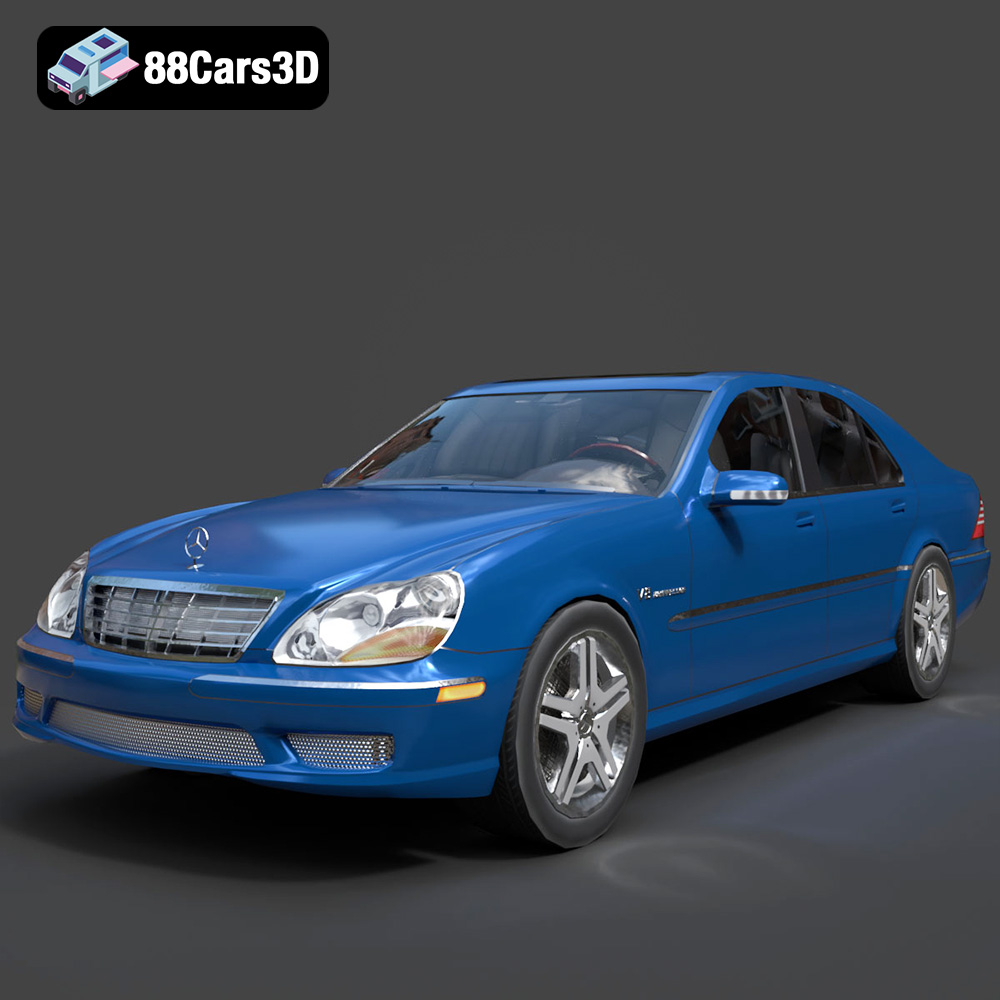
Texture: Yes
Material: Yes
Download the Mercedes-Benz S55 W220 AMG 1999 3D Model featuring clean geometry, realistic detailing, and a fully modeled interior. Includes .blend, .fbx, .obj, .glb, .stl, .ply, .unreal, and .max formats for rendering, simulation, and game development.
Price: $9.99
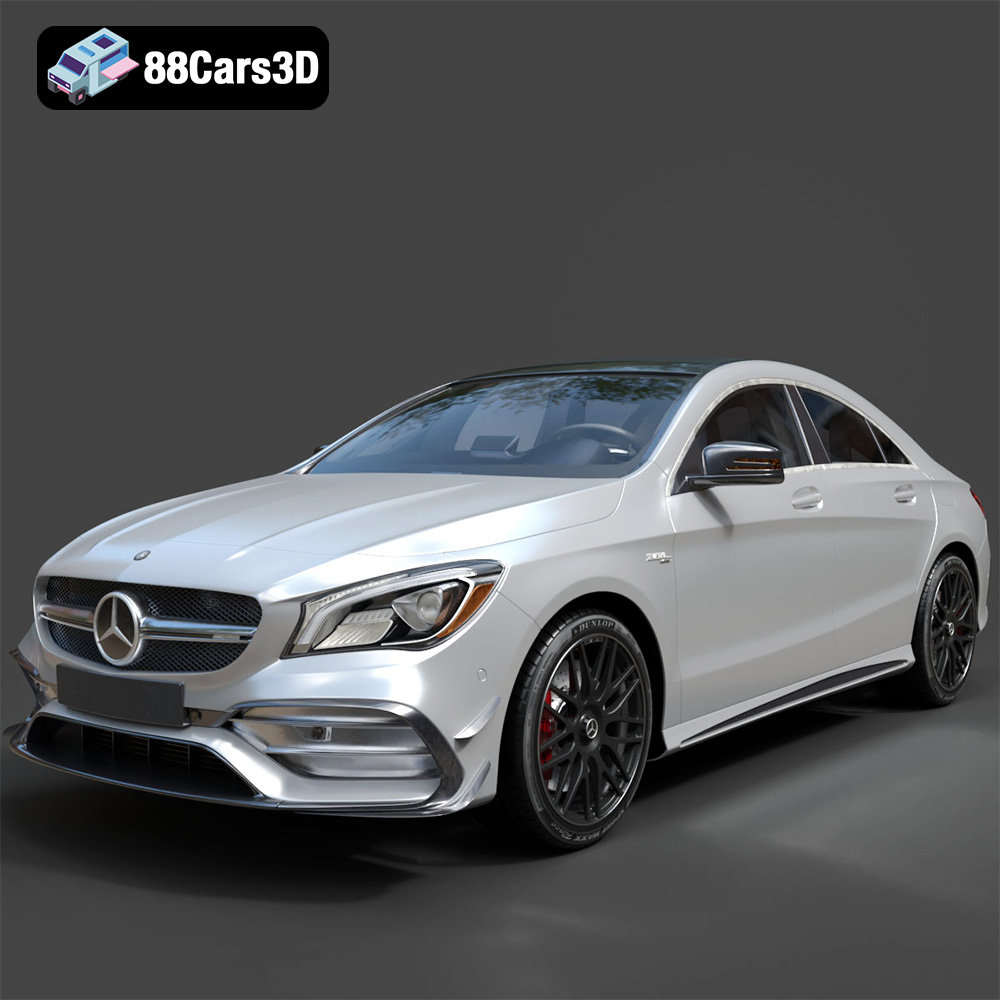
Texture: Yes
Material: Yes
Download the Mercedes-Benz CLA45 AMG 2017 3D Model featuring clean geometry, realistic detailing, and a fully modeled interior. Includes .blend, .fbx, .obj, .glb, .stl, .ply, .unreal, and .max formats for rendering, simulation, and game development.
Price: $29.99
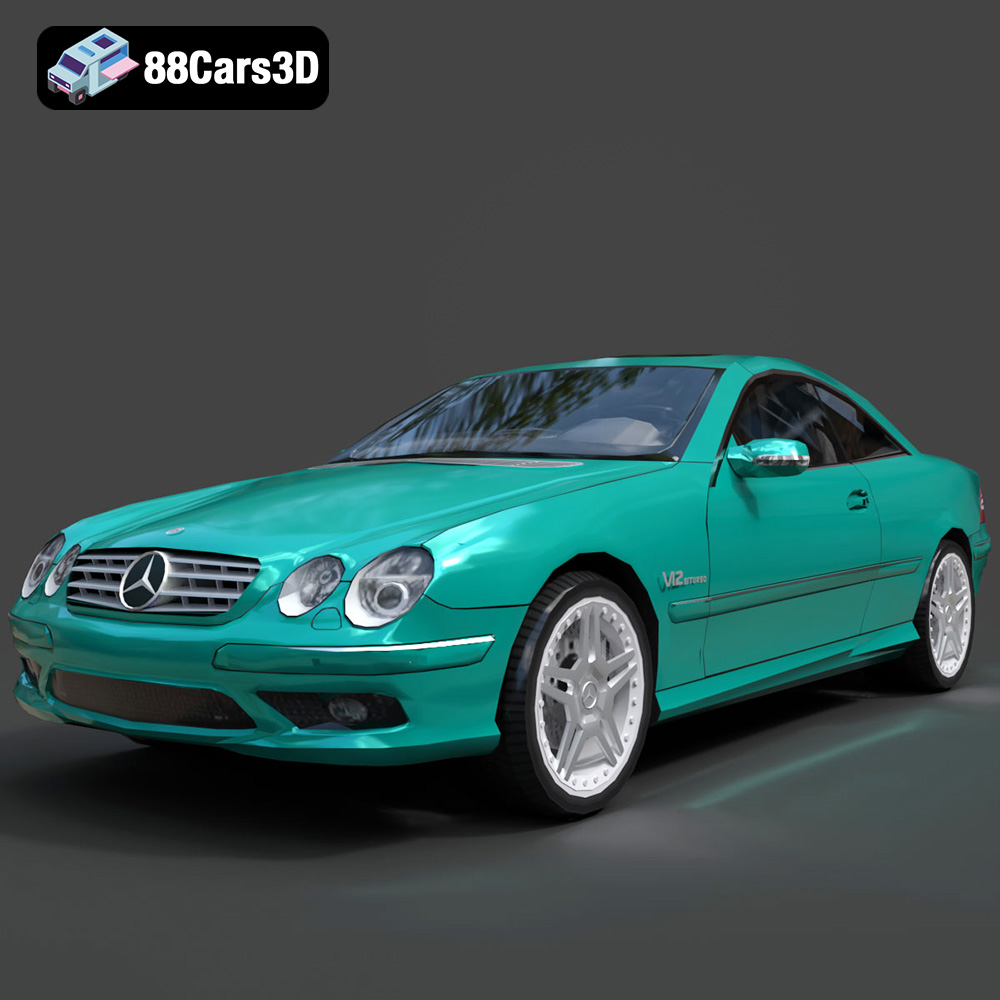
Texture: Yes
Material: Yes
Download the Mercedes-Benz CL65 C215 AMG 3D Model featuring clean geometry, realistic detailing, and a fully modeled interior. Includes .blend, .fbx, .obj, .glb, .stl, .ply, .unreal, and .max formats for rendering, simulation, and game development.
Price: $9.99
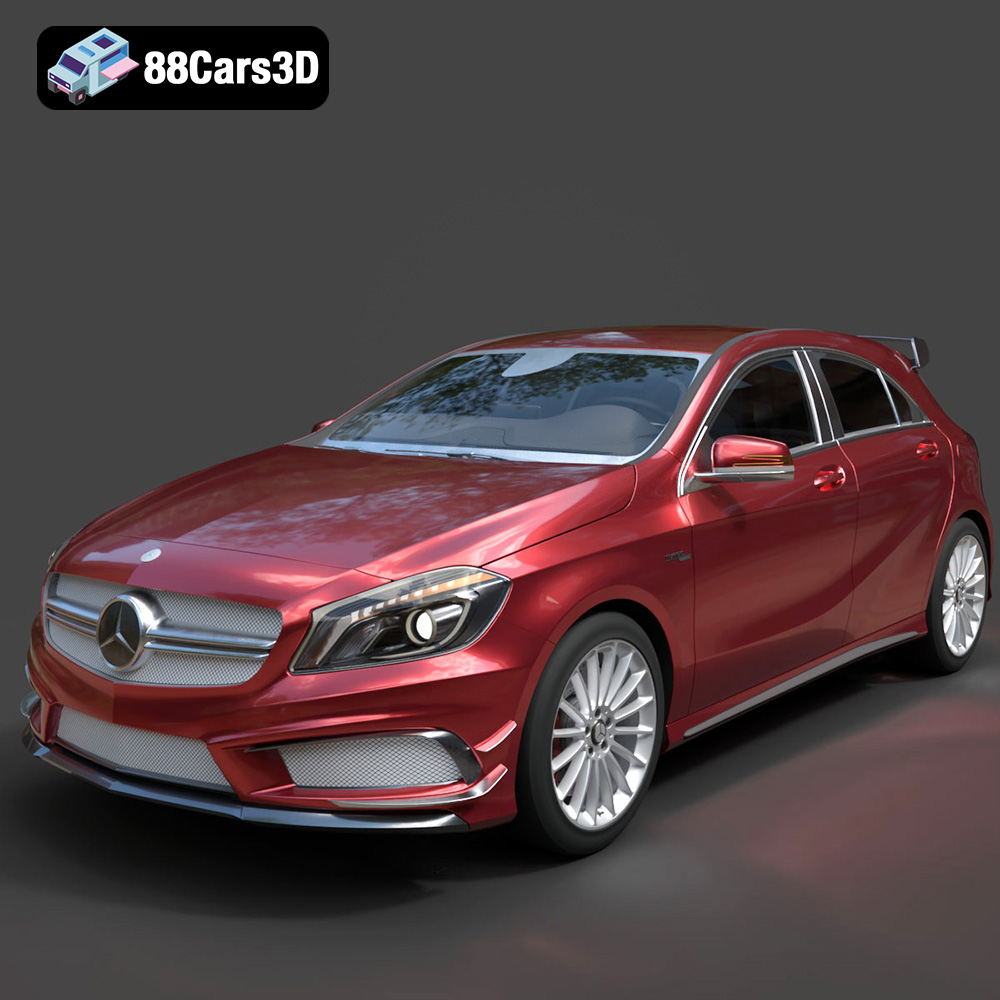
Texture: Yes
Material: Yes
Download the Mercedes-Benz A45 2021 3D Model featuring clean geometry, realistic detailing, and a fully modeled interior. Includes .blend, .fbx, .obj, .glb, .stl, .ply, .unreal, and .max formats for rendering, simulation, and game development.
Price: $9.99
Texture: Yes
Material: Yes
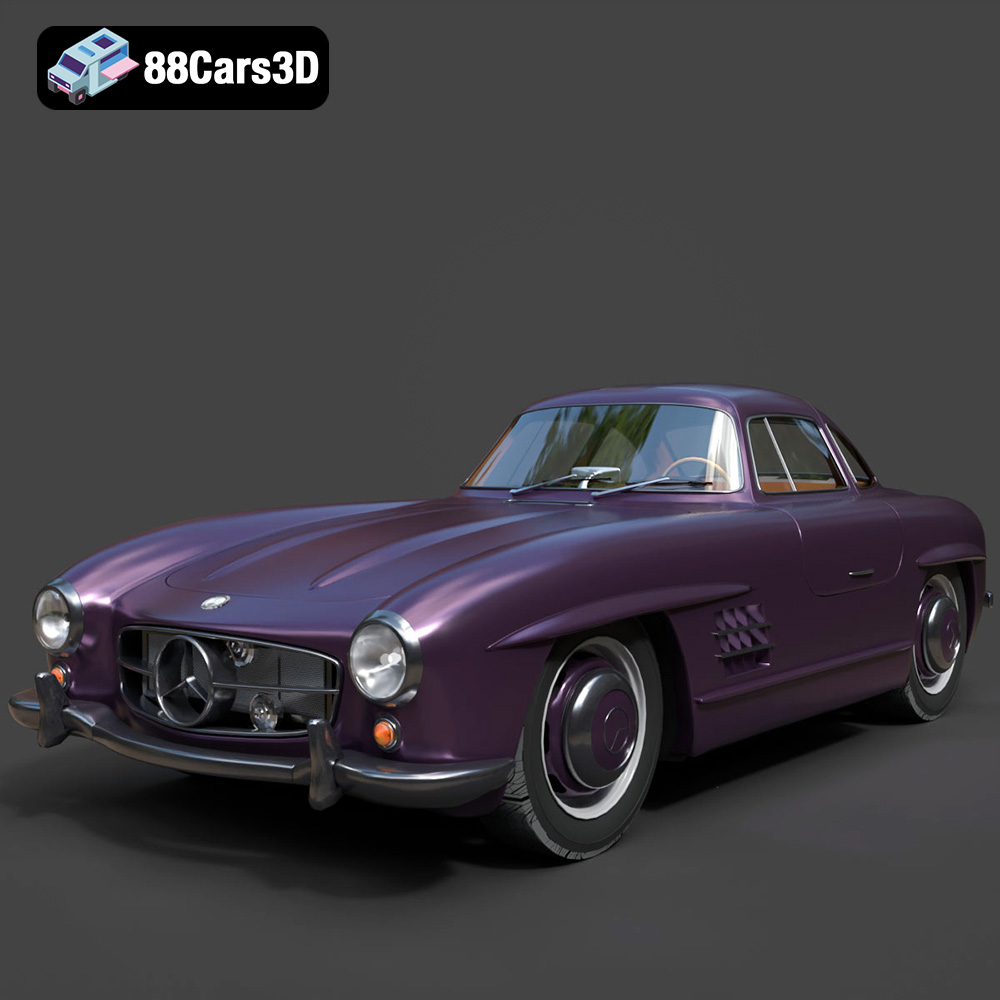
Download the Mercedes-Benz 300SL 1955 3D Model featuring clean geometry, realistic detailing, and a fully modeled interior. Includes .blend, .fbx, .obj, .glb, .stl, .ply, .unreal, and .max formats for rendering, simulation, and game development.
Price: $9.99
Texture: Yes
Material: Yes
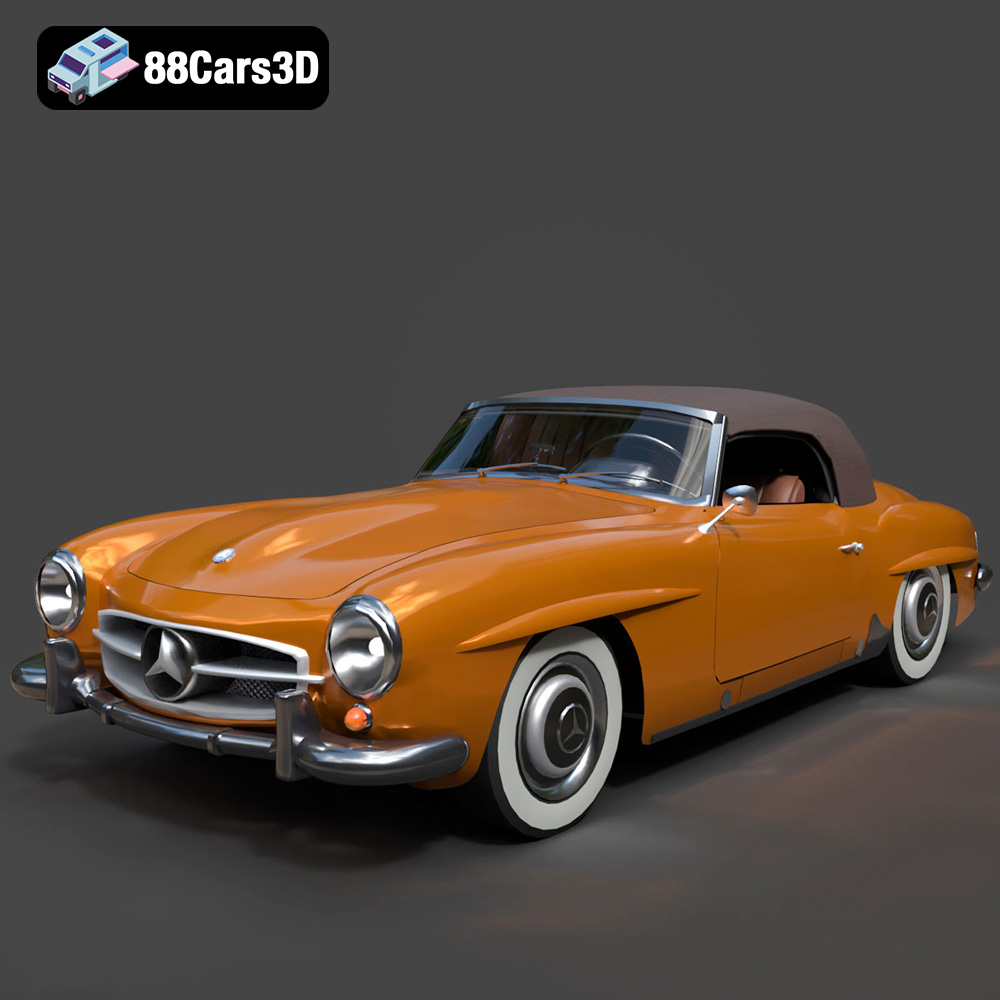
Download the Mercedes-Benz 190SL 1955 3D Model featuring clean geometry, realistic detailing, and a fully modeled interior. Includes .blend, .fbx, .obj, .glb, .stl, .ply, .unreal, and .max formats for rendering, simulation, and game development.
Price: $9.99

